

Historical (1850–2000) gridded anthropogenic and biomass burning emissions of reactive gases and aerosols: methodology and application
Open accessPublished version of a preprint
The DOI matches its Crossref record; 112 of the 113 references it cites were found in a registry or an index.
Abstract
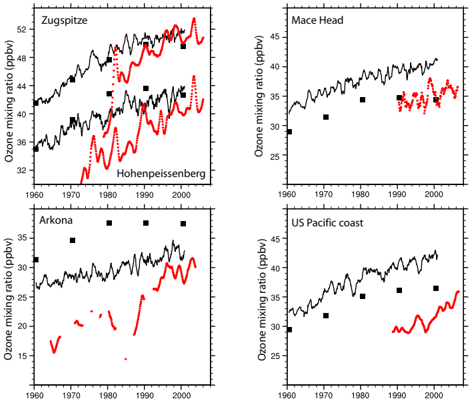
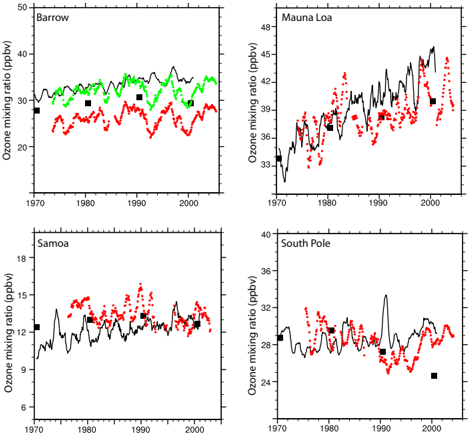
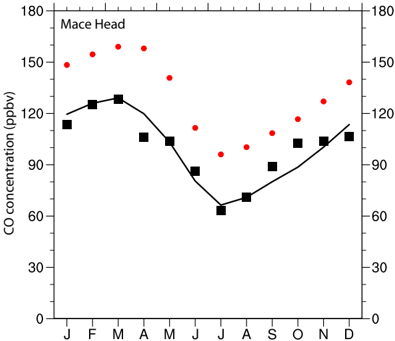
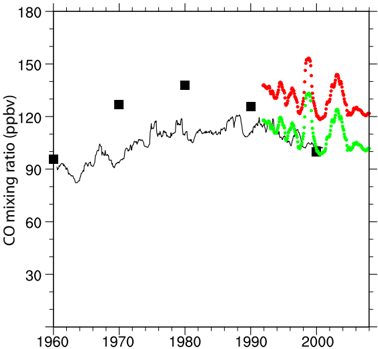
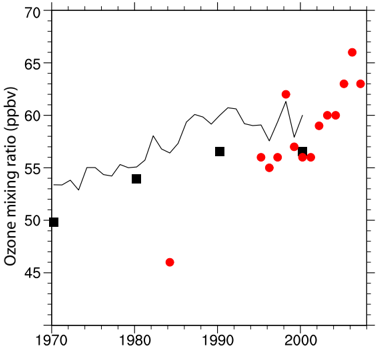
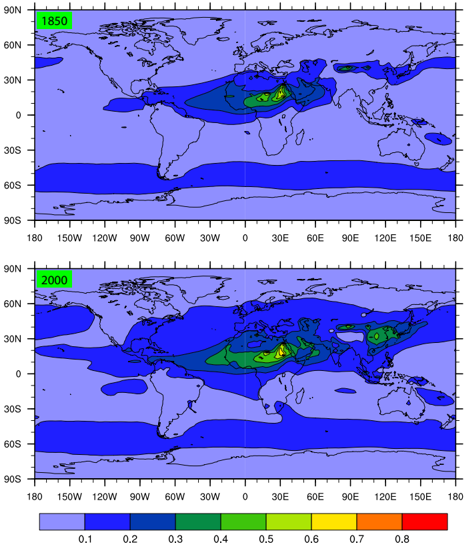
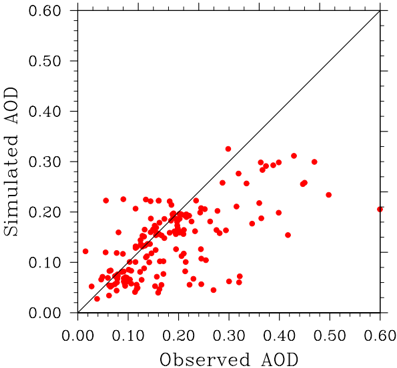
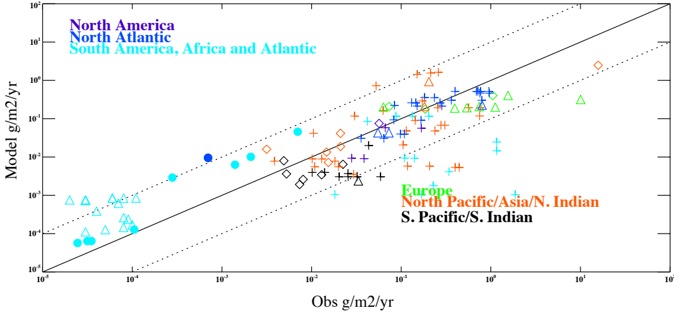
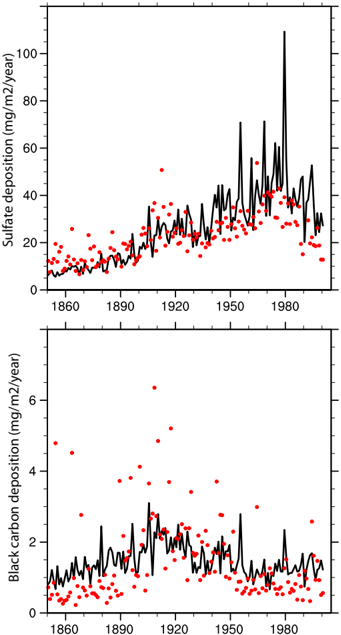
We present and discuss a new dataset of gridded emissions covering the historical period (1850–2000) in decadal increments at a horizontal resolution of 0.5° in latitude and longitude. The primary purpose of this inventory is to provide consistent gridded emissions of reactive gases and aerosols for use in chemistry model simulations needed by climate models for the Climate Model Intercomparison Program #5 (CMIP5) in support of the Intergovernmental Panel on Climate Change (IPCC) Fifth Assessment report (AR5). Our best estimate for the year 2000 inventory represents a combination of existing regional and global inventories to capture the best information available at this point; 40 regions and 12 sectors are used to combine the various sources. The historical reconstruction of each emitted compound, for each region and sector, is then forced to agree with our 2000 estimate, ensuring continuity between past and 2000 emissions. Simulations from two chemistry-climate models are used to test the ability of the emission dataset described here to capture long-term changes in atmospheric ozone, carbon monoxide and aerosol distributions. The simulated long-term change in the Northern mid-latitudes surface and mid-troposphere ozone is not quite as rapid as observed. However, stations outside this latitude band show much better agreement in both present-day and long-term trend. The model simulations indicate that the concentration of carbon monoxide is underestimated at the Mace Head station; however, the long-term trend over the limited observational period seems to be reasonably well captured. The simulated sulfate and black carbon deposition over Greenland is in very good agreement with the ice-core observations spanning the simulation period. Finally, aerosol optical depth and additional aerosol diagnostics are shown to be in good agreement with previously published estimates and observations.
Overview
The claims and statistics of this paper haven’t been checked yet.
Free: it reads the open-access text and checks the first 5 claims that cite a source we can check. Create a free account to check every claim.
Integrity signals
Registry
Cites
Statistics
Figures
Verification
Claims the paper makes
The claims and statistics of this paper haven’t been checked yet.
Free: it reads the open-access text and checks the first 5 claims that cite a source we can check. Create a free account to check every claim.
Claims other papers make about this one
Each is checked against this paper’s own text: does it say what the citing paper says it does?
The source backs part of the claim, not all of it — or backs it for a different population, condition or comparison.
In the citing paper
“No sulfur isotope analyses have been performed for the remaining part of the IAP, but sulfur concentrations in the Greenland ice cores frequently exceed typical levels which were prevalent for the first half of the 20th century during periods of intensive industrial activity and related sulfur emissions across the North Atlantic region 45 (Fig. 6a).”
From Decadal-to-centennial increases of volcanic aerosols from Iceland challenge the concept of a Medieval Quiet Period (2024) · cites this paper as [45]
Experimental — accuracy not yet measured
Self-check
Percentages, sums and reported differences re-computed from the paper’s own numbers.
The self-check needs the paper’s full text.
Citations
Cites
Rayner, N. A., Parker, D. E., Horton, E. B., Folland, C. K., Alexander, L. V., Rowell, D. P., Kent, E. C., & Kaplan, A. (2003) · Journal of Geophysical Research: Atmospheres · doi:10.1029/2002jd002670 · Cited by 10,991 · cited 1×
“Using two chemistry-climate models, we have performed 1850–2009 simulations (transient or time-slice experiments) in order to provide a first-order evaluation of the emissions.”
MethodAERONET—A Federated Instrument Network and Data Archive for Aerosol Characterization
Holben, B. N., Eck, T. F., Slutsker, I., Tanré, D., Buis, J. P., Setzer, A., Vermote, E., Reagan, J. A., Kaufman, Y. J., Nakajima, T., et al. (1998) · Remote Sensing of Environment · doi:10.1016/s0034-4257(98)00031-5 · Cited by 7,743 · cited 1×
“The observed values are based on annually averaged AERONET optical depths (Holben et al., 1998).”
BackgroundHow a century of ammonia synthesis changed the world
Erisman, J. W., Sutton, M. A., Galloway, J., Klimont, Z., & Winiwarter, W. (2008) · Nature Geoscience · doi:10.1038/ngeo325 · Cited by 4,607 · cited 8×
“To extend the non-CO 2 ship emissions backward in time, the 2000 emission totals from Eyring et al. (2010) are scaled with the historical CO2 emission time series from Buhaug et al. (2008) back to 1870.”
BackgroundMethodInfluentialSelf-citationEmission of trace gases and aerosols from biomass burning
Andreae, M. O., & Merlet, P. (2001) · Global Biogeochemical Cycles · doi:10.1029/2000gb001382 · Cited by 3,902 · cited 1×
“The emission factors for these classes were harmonized to those given by Andreae and Merlet (2001, with updates from M. O. Andreae, personal communication, 2008). Emissions from burning of soil organic matter, notably peat soil, which is ignited by fires in the overlying surface vegetation, may strongly influence emis…”
MethodMeehl, G. A., Stocker, T. F., Collins, W. D., Friedlingstein, P., Gaye, A. T., Gregory, J. M., Kitoh, A., Knutti, R., Murphy, J. M., Noda, A., et al. (n.d.) · Bern Open Repository and Information System (University of Bern) · doi:10.48350/25539 · Cited by 3,726
A technology‐based global inventory of black and organic carbon emissions from combustion
Bond, T. C., Streets, D. G., Yarber, K. F., Nelson, S. M., Woo, J., & Klimont, Z. (2004) · Journal of Geophysical Research: Atmospheres · doi:10.1029/2003jd003697 · Cited by 2,393
Self-citationAn inventory of gaseous and primary aerosol emissions in Asia in the year 2000
Streets, D. G., Bond, T. C., Carmichael, G. R., Fernandes, S. D., Fu, Q., He, D., Klimont, Z., Nelson, S. M., Tsai, N. Y., Wang, M. Q., et al. (2003) · Journal of Geophysical Research: Atmospheres · doi:10.1029/2002jd003093 · Cited by 2,038
Self-citationCouplings Between Changes in the Climate System and Biogeochemistry
Denman, K. L., Brasseur, G. P., Chidthaisong, A., Ciais, P., Cox, P. M., Dickinson, R. E., Hauglustaine, D. A., Heinze, C., Holland, E. A., Jacob, D. J., et al. (2007) · HAL · Cited by 2,031
Self-citationAsian emissions in 2006 for the NASA INTEX-B mission
Zhang, Q., Streets, D. G., Carmichael, G. R., He, K. B., Huo, H., Kannari, A., Klimont, Z., Park, I. S., Reddy, S., Fu, J. S., et al. (2009) · Atmospheric Chemistry and Physics · doi:10.5194/acp-9-5131-2009 · Cited by 1,950 · cited 4×
“Although additional information is available in the literature for several regions (e.g., Zhang et al., 2009; Streets et al., 2003, 2006; Klimont et al., 2009; Cofala15 et al., 2007; NARSTO, 2006; Garg et al., 2006), we did not attempt to include those as they were less complete than the…”
BackgroundInfluentialSelf-citationChemical Kinetics and Photochemical Data for Use in Atmospheric Studies, Evaluation Number 18
Burkholder, J. B., Sander, S. P., Abbatt, J. P. D., Barker, J. R., Huie, R. E., Kolb, C. E., Kurylo, M. J., Orkin, V. L., Wilmouth, D. M., & Wine, P. H. (2015) · doi:10.13140/rg.2.1.2504.2806 · Cited by 1,928
Research works printed but not linked: 3
- Chipperfield, M. P., Fioletov, V. E., Bregman, B., Burrows, J., Con- nor, B. J., Haigh, J. D., Harris, N. R. P., Hauchecorne, A., Hood, L. L., Kawa, S. R., Krzy'scin, J. W., Logan, J. A., Muthama, N. J., Polvani, L., Randel, W. J., Sasaki, T., Stähelin, J., Stolarski, R. S., Thomason, L. W., and Zawodny, J. M.: Global Ozone, 2007: Past and Present, Chapter 3 in Scientific Assessment of Ozone Depletion: 2006, World Meteorological Organization, Geneva, Switzerland, Global Ozone Research and Monitoring Project - Report No. 50, 572 pp., 2006.
- Smith, S. J., van Aardenne, J., Klimont, Z., Andres, R., Volke, A., and Delgado Arias, S.: Anthropogenic sulfur dioxide emis- sions: 18502005, Atmos. Chem. Phys. Discuss., 10, 16111- 16151, doi:10.5194/acpd-10-16111-2010, 2010. · DOI
- Vestreng, V., Adams, M., and Goodwin, J.: Inventory review 2004, EMEP Techincal Report MSC-W1/2004, 2004.
Cited by
Items 701–800 of 1,014
Integrated assessment of cleaning air policy in China: A case study for Beijing-Tianjin-Hebei region
Xu, M. R., Qin, Z., & Zhang, S. (2021) · Journal of Cleaner Production · doi:10.1016/j.jclepro.2021.126596 · Cited by 58
“For example, it is estimated that 12% of NH3 emissions are due to vehicles in Shanghai (Chang et al., 2016) and biomass burning may contribute up to 12% of the global NH3 emissions flux (Bari et al., 2003; Lamarque et al., 2010).”
Ward, D. S., & Mahowald, N. M. (2014) · Environmental Research Letters · doi:10.1088/1748-9326/9/7/074008 · Cited by 67
“Twelve, two-year simulations are forced with three sets of anthropogenic trace gas emissions (Lamarque et al 2010, Ward et al 2012) (Annex 1 emissions only; non-Annex 1 emissions only; emissions from all countries), each for three time periods: 1850, 2010 and 2100 (RCP4.”
Self-citationSpeciated PM10 Emission Inventory for Delhi, India
Gargava, P., Chow, J. C., Watson, J. G., & Lowenthal, D. H. (2014) · Aerosol and Air Quality Research · doi:10.4209/aaqr.2013.02.0047 · Cited by 64
“…gases and short-lived climate forcers such as black and brown carbon are also being compiled on regional, continental, and global scales (Bond et al. , 2004; Junker and Liousse, 2008; Chow et al. , 2010; Lamarque et al. , 2010; Chow et al. , 2011; Watson et al. , 2011; Wang et al. , 2012).”
Guo, D., & Wang, H. (2016) · Advances in Atmospheric Sciences · doi:10.1007/s00376-015-5147-y · Cited by 56
“…using almost the same observed natural and anthropogenic forcings as M3H, except for surface missions of anthropogenic carbonaceous aerosols and sulfate aerosols [M3H used the data from Lefohn et al. (1999) and Nozawa and Kurokawa (2006) while M4H used the data from Lamarque et al. (2010)].”
InfluentialAn overview of black carbon deposition and its radiative forcing over the Arctic
Dou, T., & Xiao, C. (2016) · Advances in Climate Change Research · doi:10.1016/j.accre.2016.10.003 · Cited by 66
An assessment of natural methane fluxes simulated by the CLASS-CTEM model
Arora, V. K., Melton, J. R., & Plummer, D. A. (2018) · Biogeosciences · doi:10.5194/bg-15-4683-2018 · Cited by 73
Long-range transport of black carbon to the Pacific Ocean and its dependence on aging timescale
Zhang, J., Liu, J., Tao, S., & Ban‐Weiss, G. (2015) · Atmospheric chemistry and physics · doi:10.5194/acp-15-11521-2015 · Cited by 59
Development of human health damage factors for PM2.5 based on a global chemical transport model
Tang, L., Nagashima, T., Hasegawa, K., Ohara, T., Sudo, K., & Itsubo, N. (2015) · The International Journal of Life Cycle Assessment · doi:10.1007/s11367-014-0837-8 · Cited by 55
“5 in the year 2000 from a historical (1850–2000) emission dataset compiled by Lamarque et al. (2010) were selected for calculation.”
BackgroundGilgen, A., Huang, W. T. K., Ickes, L., Neubauer, D., & Lohmann, U. (2018) · Atmospheric chemistry and physics · doi:10.5194/acp-18-10521-2018 · Cited by 68
Djossou, J., Léon, J., Akpo, A., Liousse, C., Yoboué, V., Bedou, M., Bodjrènou, M., Chiron, C., Galy‐Lacaux, C., Gardrat, É., et al. (2018) · Atmospheric chemistry and physics · doi:10.5194/acp-18-6275-2018 · Cited by 70
Self-citationNonlinear Climate Responses to Increasing CO2 and Anthropogenic Aerosols Simulated by CESM1
Deng, J., Dai, A., & Xu, H. (2019) · Journal of Climate · doi:10.1175/jcli-d-19-0195.1 · Cited by 60
Undorf, S., Bollasina, M. A., & Hegerl, G. C. (2018) · Journal of Climate · doi:10.1175/jcli-d-17-0850.1 · Cited by 61
Coupling aerosols to (cirrus) clouds in the global EMAC-MADE3 aerosol–climate model
Righi, M., Hendricks, J., Lohmann, U., Beer, C. G., Hahn, V., Heinold, B., Heller, R., Krämer, M., Ponater, M., Rolf, C., et al. (2020) · Geoscientific model development · doi:10.5194/gmd-13-1635-2020 · Cited by 63
“Anthropogenic and biomass burning emissions of both gases and aerosols are prescribed according to the Coupled Model Intercomparison Project phase 5 (CMIP5) inventory of Lamarque et al. (2010) for the year 2000.”
Description and Evaluation of an Emission‐Driven and Fully Coupled Methane Cycle in UKESM1
Folberth, G., Staniaszek, Z., Archibald, A. T., Gedney, N., Griffiths, P. T., JONES, C. D., O’Connor, F. M., Parker, R. J., Sellar, A., & Wiltshire, A. J. (2022) · Journal of Advances in Modeling Earth Systems · doi:10.1029/2021ms002982 · Cited by 67
Ocean–Atmosphere Interactions of Particles
de Leeuw, G., Guieu, C., Arneth, A., Bellouin, N., Bopp, L., Boyd, P. W., van der Gon, H. D., Desboeufs, K., Dulac, F., Facchini, M. C., et al. (2013) · Springer earth system sciences · doi:10.1007/978-3-642-25643-1_4 · Cited by 66
Self-citationCMIP5 simulated climate conditions of the Greater Horn of Africa (GHA). Part II: projected climate
Otieno, V. O., & Anyah, R. (2013) · Climate Dynamics · doi:10.1007/s00382-013-1694-z · Cited by 61
The Impacts of European and Asian Anthropogenic Sulfur Dioxide Emissions on Sahel Rainfall
Dong, B., Sutton, R. T., Highwood, E. J., & Wilcox, L. J. (2014) · Journal of Climate · doi:10.1175/jcli-d-13-00769.1 · Cited by 68
Quantifying the occurrence and magnitude of the Southeast Asian fire climatology
Cohen, J. B. (2014) · Environmental Research Letters · doi:10.1088/1748-9326/9/11/114018 · Cited by 57
The contribution of anthropogenic SO2 emissions to the Asian tropopause aerosol layer
Neely, R. R., Yu, P., Rosenlof, K. H., Toon, O. B., Daniel, J. S., Solomon, S., & Miller, H. L. (2014) · Journal of Geophysical Research Atmospheres · doi:10.1002/2013jd020578 · Cited by 59
“Sulfur dioxide (SO2) emissions are the dominant source of anthropogenic sulfate aerosol in the Earth’s atmosphere [Thomason and Peter, 2006; Lamarque et al., 2010; Smith et al., 2011; Granier et al., 2011].”
The aerosol module in the INM RAS climate model
Volodin, E. M., & Kostrykin, S. V. (2016) · Russian Meteorology and Hydrology · doi:10.3103/s106837391608001x · Cited by 54
Toward low‐cloud‐permitting cloud superparameterization with explicit boundary layer turbulence
Parishani, H., Pritchard, M. S., Bretherton, C. S., Wyant, M. C., & Khairoutdinov, M. (2017) · Journal of Advances in Modeling Earth Systems · doi:10.1002/2017ms000968 · Cited by 53
“Marchand and Ackerman [2011] successfully implemented a vertically adaptive grid within a large-eddy simulation model for this purpose and showed it could reproduce most features of comparable fine-grid simulations for a variety of cloud-topped boundary layer benchmark cases.”
Mechanisms for a remote response to Asian anthropogenic aerosol in boreal winter
Wilcox, L. J., Dunstone, N., Lewinschal, A., Bollasina, M. A., Ekman, A. M. L., & Highwood, E. J. (2019) · Atmospheric chemistry and physics · doi:10.5194/acp-19-9081-2019 · Cited by 61
“The experiments are driven by CMIP5 historical forcings up to and including the year 2005 (Lamarque et al., 2010) and are driven by RCP4.”
Fiedler, S., Kinne, S., Huang, W. T. K., Räisänen, P., O’Donnell, D., Bellouin, N., Stier, P., Merikanto, J., van Noije, T., Carslaw, K. S., et al. (2019) · Atmospheric chemistry and physics · doi:10.5194/acp-19-6821-2019 · Cited by 63
“…speed and temperature (Struthers et al., 2011), while other pre-industrial aerosol emissions are prescribed following Kirkevåg et al. (2013) These are, in the case of NorESM, sulfate, organic matter and BC aerosols originating from fossil fuel emissions and biomass burning (Lamarque et al., 2010”
BackgroundMethodLiu, Z., Doherty, R. M., Wild, O., O’Connor, F. M., & Turnock, S. T. (2022) · Atmospheric chemistry and physics · doi:10.5194/acp-22-1209-2022 · Cited by 60
Alexander, B., & Mickley, L. J. (2015) · Current Pollution Reports · doi:10.1007/s40726-015-0006-0 · Cited by 61
“This peak coincided with indicators of biomass burning [101], suggesting that enhanced O 3 from agricultural clearing in North America increased the importance of O 3 oxidation of SO 2 and NO x .”
BackgroundInfluentialZeng, G., Wood, S., Morgenstern, O., Jones, N., Robinson, J. M., & Smale, D. (2012) · Atmospheric chemistry and physics · doi:10.5194/acp-12-7543-2012 · Cited by 57
“The total emissions of NMVOCs (excluding isoprene) from Lamarque et al.(2010) are partitioned among C2H6, C3H8, HCHO, CH3CHO and CH3COCH3 in the model to account for the effect of NMVOCs that the model does not include.”
Kasoar, M. R., Voulgarakis, A., Lamarque, J., Shindell, D. T., Bellouin, N., Collins, W. J., Faluvegi, G., & Tsigaridis, K. (2016) · Atmospheric chemistry and physics · doi:10.5194/acp-16-9785-2016 · Cited by 59
“Each model has a control simulation, initialised from a present-day state, which is forced with the same anthropogenic emissions of aerosols and their precursors following the year-2000 ACCMIP emission inventory (Lamarque et al., 2010).”
Self-citationLi, J., & Han, Z. (2016) · Atmospheric Environment · doi:10.1016/j.atmosenv.2016.08.045 · Cited by 53
Fleischer, K., Dolman, A. J., van der Molen, M. K., Rebel, K. T., Erisman, J. W., Wassen, M. J., Pak, B. C., Lu, X., Rammig, A., & Wang, Y. (2019) · Global Biogeochemical Cycles · doi:10.1029/2018gb005952 · Cited by 61
“810 reached record levels in highly industrialized regions, such as Europe, and in intensely farmed regions, such as southern China and parts of India (Galloway et al., 2008; Lamarque et al., 2010).”
What goes up must come down: impacts of deposition in a sulfate geoengineering scenario
Visioni, D., Slessarev, E., MacMartin, D. G., Mahowald, N. M., Goodale, C. L., & Xia, L. (2020) · Environmental Research Letters · doi:10.1088/1748-9326/ab94eb · Cited by 53
“On average, sulfur particles emitted close to the surface have a lifetime of 3–4 d [17].”
Self-citationMazorra, J., Sánchez-Jacob, E., de la Sota, C., Fernández, L., & Lumbreras, J. (2020) · Science of The Total Environment · doi:10.1016/j.scitotenv.2019.135968 · Cited by 52
Ren, G., Zou, C. B., Wan, L.-Y., Johnson, J. H., Li, J., Zhu, L., Qi, S., Dai, Z., Zhang, H., & Du, D. (2020) · Journal of Plant Ecology · doi:10.1093/jpe/rtaa071 · Cited by 54
McKinnon, K. A., & Deser, C. (2021) · Journal of Climate · doi:10.1175/jcli-d-21-0251.1 · Cited by 71
Effects of air pollution on dementia over Europe for present and future climate change scenarios
Guzmán, P., Tarín‐Carrasco, P., Morales‐Suárez‐Varela, M., & Jiménez‐Guerrero, P. (2021) · Environmental Research · doi:10.1016/j.envres.2021.112012 · Cited by 58
Dolores-Tesillos, E., Teubler, F., & Pfahl, S. (2022) · Weather and Climate Dynamics · doi:10.5194/wcd-3-429-2022 · Cited by 52
Global multi-year O 3 -CO correlation patterns from models and TES satellite observations
Voulgarakis, A., Telford, P. J., Aghedo, A. M., Braesicke, P., Faluvegi, G., Abraham, N. L., Bowman, K. W., Pyle, J. A., & Shindell, D. T. (2011) · Atmospheric chemistry and physics · doi:10.5194/acp-11-5819-2011 · Cited by 52
Self-citationSodemann, H., Pommier, M., Arnold, S. R., Monks, S. A., Stebel, K., Burkhart, J. F., Hair, J. W., Diskin, G. S., Clerbaux, C., Coheur, P.-F., et al. (2011) · Atmospheric Chemistry and Physics · doi:10.5194/acp-11-3631-2011 · Cited by 52
“2 ARCTAS emission inventory (available from http://www.cgrer.uiowa.edu/arctas/emission.html) with volatile organic compound speciation applied following Lamarque et al. (2010).”
Yumimoto, K., & Takemura, T. (2015) · Journal of Geophysical Research Atmospheres · doi:10.1002/2014jd022390 · Cited by 52
Keppel‐Aleks, G., Randerson, J. T., Lindsay, K., Stephens, B. B., Moore, J. K., Doney, S. C., THORNTON, P. E., Mahowald, N. M., Hoffman, F. M., Sweeney, C., et al. (2013) · Journal of Climate · doi:10.1175/jcli-d-12-00589.1 · Cited by 58
Self-citationAttribution of historical ozone forcing to anthropogenic emissions
Shindell, D. T., Faluvegi, G., Nazarenko, L., Bowman, K. W., Lamarque, J., Voulgarakis, A., Schmidt, G. A., Pechony, O. B., & Ruedy, R. A. (2013) · Nature Climate Change · doi:10.1038/nclimate1835 · Cited by 52
Self-citationLow historical nitrogen deposition effect on carbon sequestration in the boreal zone
Fleischer, K., Wårlind, D., van der Molen, M. K., Rebel, K. T., Arneth, A., Erisman, J. W., Wassen, M. J., Smith, B., Gough, C. M., Margolis, H. A., et al. (2015) · Journal of Geophysical Research Biogeosciences · doi:10.1002/2015jg002988 · Cited by 57
“…the spin-up: monthly CRU TS 3.0 climate data from 1901 to 1930 (Climate Research Unit) [ Mitchell and Jones , 2005], preindustrial levels of atmospheric CO 2 from 1901 [ McGuire et al ., 2001], and for the CN version modeled N deposition estimates from the year 1850 [ Lamarque et al ., 2010].”
InfluentialPrank, M., Sofiev, M. A., Tsyro, S. G., Hendriks, C., Semeena, V. S., Francis, X., Butler, T. M., van der Gon, H. D., Friedrich, R., Hendricks, J., et al. (2016) · Atmospheric chemistry and physics · doi:10.5194/acp-16-6041-2016 · Cited by 61
“The emission setup considers biomass burning emission from the GFED dataset (van der Werf et al., 2010), anthropogenic emissions according to the RCP 8.5 scenario (Lamarque et al., 2010; van Vuuren et al., 2011) for the year 2005, and natural sources (volcanic SO2, DMS, secondary organic aerosol).”
MethodInfluentialWang, Y., Ma, P., Jiang, J. H., Su, H., & Rasch, P. J. (2016) · Journal of Geophysical Research Atmospheres · doi:10.1002/2016jd024845 · Cited by 53
“The transient anthropogenic emissions are adopted from the Intergovernmental Panel on Climate Change Fifth Assessment Report (IPCC AR5) historic emission data set developed for the CMIP5 [Lamarque et al., 2010], which covers the time period of 1850–2010.”
Understanding the glacial methane cycle
Hopcroft, P. O., Valdes, P. J., O’Connor, F. M., Kaplan, J. O., & Beerling, D. J. (2017) · Nature Communications · doi:10.1038/ncomms14383 · Cited by 61
Auclair, G., & Tremblay, B. (2018) · Journal of Geophysical Research Oceans · doi:10.1029/2018jc014525 · Cited by 64
“The ensemble member is then forced using historical forcings (carbon dioxide and other greenhouse gases concentrations, aerosols loading, biomass burning, aircraft and ship emissions; Lamarque et al., 2010) until 2005 and afterward using the Representative Concentration Pathway 8.5 scenario (RCP8.”
InfluentialLi, Y., Liu, J. J., Han, H., Zhao, T., Zhang, X., Zhuang, B., Wang, T., Chen, H., Wu, Y., & Li, M. (2019) · Atmospheric Environment · doi:10.1016/j.atmosenv.2019.05.062 · Cited by 53
Cussac, M., Marécal, V., Thouret, V., Josse, B., & Sauvage, B. (2020) · Atmospheric chemistry and physics · doi:10.5194/acp-20-9393-2020 · Cited by 65
Trading off Aircraft Fuel Burn and NO x Emissions for Optimal Climate Policy
Freeman, S., Lee, D. S., Lim, L. L., Skowron, A., & De León, R. R. (2018) · Environmental Science & Technology · doi:10.1021/acs.est.7b05719 · Cited by 51
Self-citationChen, H. S., Wang, Z. F., Li, J., Tang, X., Ge, B., Wu, X. L., Wild, O., & Carmichael, G. R. (2015) · Geoscientific model development · doi:10.5194/gmd-8-2857-2015 · Cited by 51
Petetin, H., Sauvage, B., Parrington, M., Clark, H. L., Fontaine, A., Athier, G., Blot, R., Boulanger, D., Cousin, J.-M., Nédélec, P., et al. (2018) · Atmospheric chemistry and physics · doi:10.5194/acp-18-17277-2018 · Cited by 57
Seasonal Variation of Wet Deposition of Black Carbon in Arctic Alaska
Mori, T., Kondo, Y., Ohata, S., Zhao, Y., Sinha, P. R., Oshima, N., Matsui, H., Moteki, N., & Koike, M. (2020) · Journal of Geophysical Research Atmospheres · doi:10.1029/2019jd032240 · Cited by 54
“Simulations used the monthly anthropogenic emissions from the MACCity emission data set (Lamarque et al., 2010) and the daily biomass burning emissions from the Global Fire Assimilation System data set (Kaiser et al., 2012).”
Global emissions of NH3, NOx, and N2O from biomass burning and the impact of climate change
Bray, C. D., Battye, W., Aneja, V. P., & Schlesinger, W. H. (2020) · Journal of the Air & Waste Management Association · doi:10.1080/10962247.2020.1842822 · Cited by 63
Protect young secondary forests for optimum carbon removal
Robinson, N., Drever, C. R., Gibbs, D. A., Lister, K., Esquivel‐Muelbert, A., Heinrich, V., Ciais, P., Silva, C. H. L., Liu, Z., Pugh, T. A. M., et al. (2025) · Nature Climate Change · doi:10.1038/s41558-025-02355-5 · Cited by 77
Assessment of the aerosol distribution over Indian subcontinent in CMIP5 models
Sanap, S. D., Ayantika, D. C., Pandithurai, G., & Niranjan, K. (2014) · Atmospheric Environment · doi:10.1016/j.atmosenv.2014.01.017 · Cited by 51
Antarctic Sea Ice Climatology, Variability, and Late Twentieth-Century Change in CCSM4
Landrum, L., Holland, M. M., Schneider, D. P., & Hunke, E. (2012) · Journal of Climate · doi:10.1175/jcli-d-11-00289.1 · Cited by 50
Sources of atmospheric pollution: a bibliometric analysis
Li, Y., Wang, Y., Rui, X., Li, Y., Li, Y., Wang, H., Zuo, J., & Tong, Y. (2017) · Scientometrics · doi:10.1007/s11192-017-2421-z · Cited by 58
“At present, air pollutants are mainly emitted from industries (Ohara et al. 2007), transportation (Colvile et al. 2001) and agricultural sector (Lamarque et al. 2010).”
Fadnavis, S., Kalita, G., Kumar, K. R., Gasparini, B., & Li, J. F. (2017) · Atmospheric chemistry and physics · doi:10.5194/acp-17-11637-2017 · Cited by 49
Määttänen, A., Merikanto, J., Henschel, H., Duplissy, J., Makkonen, R., Ortega, I. K., & Vehkamäki, H. (2017) · Journal of Geophysical Research Atmospheres · doi:10.1002/2017jd027429 · Cited by 51
On the Climate Impacts of Upper Tropospheric and Lower Stratospheric Ozone
Xia, Y., Huang, Y., & Hu, Y. (2018) · Journal of Geophysical Research Atmospheres · doi:10.1002/2017jd027398 · Cited by 57
“The prescribed ozone here is from the data set described by Lamarque et al. (2010, 2011) and is the same as used by the NCAR models in CMIP5 historical experiments.”
Revell, L. E., Stenke, A., Tummon, F., Feinberg, A., Rozanov, E., Peter, T., Abraham, N. L., Akiyoshi, H., Archibald, A. T., Butchart, N., et al. (2018) · Atmospheric Chemistry and Physics · doi:10.5194/acp-18-16155-2018 · Cited by 51
Global aerosol modeling with MADE3 (v3.0) in EMAC (based on v2.53): model description and evaluation
Kaiser, C., Hendricks, J., Righi, M., Jöckel, P., Tost, H., Kandler, K., Weinzierl, B., Sauer, D. N., Heimerl, K., Schwarz, J. P., et al. (2019) · Geoscientific model development · doi:10.5194/gmd-12-541-2019 · Cited by 66
The Importance of the Representation of DMS Oxidation in Global Chemistry‐Climate Simulations
Hoffmann, E. H., Heinold, B., Kubin, A., Tegen, I., & Herrmann, H. (2021) · Geophysical Research Letters · doi:10.1029/2021gl094068 · Cited by 59
The MJO and global warming: a study in CCSM4
Subramanian, A. C., Jochum, M., Miller, A. J., Neale, R., Seo, H., Waliser, D. E., & Murtugudde, R. G. (2013) · Climate Dynamics · doi:10.1007/s00382-013-1846-1 · Cited by 52
“Representative concentration pathways (RCPs) runs of CCSM4 are also available (Lamarque et al. 2010, 2011; Meehl et al. 2012).”
Projected effects of declining aerosols in RCP4.5: unmasking global warming?
Rotstayn, L. D., Collier, M. A., Chrastansky, A., Jeffrey, S. J., & Luo, J. (2013) · Atmospheric chemistry and physics · doi:10.5194/acp-13-10883-2013 · Cited by 57
Shephard, M. W., McLinden, C. A., Cady‐Pereira, K., Luo, M., Moussa, S. G., Leithead, A., Liggio, J., Staebler, R. M., Akingunola, A., Makar, P. A., et al. (2015) · Atmospheric measurement techniques · doi:10.5194/amt-8-5189-2015 · Cited by 56
“Global ammonia emissions levels have increased several fold since preindustrial times and are the only precursor source of ambient aerosol particles whose global emissions are projected to rise throughout the next century (Moss et al., 2010; Lamarque et al., 2010; Ciais et al., 2013).”
Chang, J., Ciais, P., Herrero, M., Havlik, P., Campioli, M., Zhang, X., Bai, Y., Viovy, N., Joiner, J., Wang, X., et al. (2016) · Biogeosciences · doi:10.5194/bg-13-3757-2016 · Cited by 50
“Hindcast simulations for the years 1850, 1960, 1970, 1980, 1990, and 2000 have been performed using anthropogenic emissions from Lamarque et al. (2010).”
Air pollution-related health and climate benefits of clean cookstove programs in Mozambique
Anenberg, S. C., Henze, D. K., Lacey, F., Irfan, A., Kinney, P., Kleiman, G., & Pillarisetti, A. (2017) · Environmental Research Letters · doi:10.1088/1748-9326/aa5557 · Cited by 50
Top‐Down CO Emissions Based On IASI Observations and Hemispheric Constraints on OH Levels
Müller, J., Stavrakou, T., Bauwens, M., George, M., Hurtmans, D. R., Coheur, P., Clerbaux, C., & Sweeney, C. (2018) · Geophysical Research Letters · doi:10.1002/2017gl076697 · Cited by 53
“Furthermore, while models predict higher OH in the Northern than in the Southern Hemisphere, a recent MCF analysis (Patra et al., 2014) indicate an interhemispheric N/S ratio (RNS) very close to 1 (0.97±0.12), much lower than the Atmospheric Chemistry and Climate Model Intercomparison Project (ACCMIP) multimodel mean…”
InfluentialStadtler, S., Kühn, T., Schröder, S., Taraborrelli, D., Schultz, M. G., & Kokkola, H. (2018) · Geoscientific model development · doi:10.5194/gmd-11-3235-2018 · Cited by 53
“…oxidation scheme based on Taraborrelli et al. (2009, 2012), Nölscher et al. (2014) and Lelieveld et al. (2016) with revised peroxy radical chemistry (Schultz et al., 2018), leading to a model system resembling the CAM-chem model (Community Atmosphere Model with Chemistry) (Lamarque et al., 2010).”
Self-citationOrru, H., Åström, C., Andersson, C., Tamm, T., Ebi, K. L., & Forsberg, B. (2019) · Environmental Research Letters · doi:10.1088/1748-9326/ab1cd9 · Cited by 54
“Natural NOx emissions from lightning were not included, while wildfires were included from the Atmospheric Chemistry and Climate Model Intercomparison Project (ACCMIP) database (Lamarque et al 2010).”
Johnson, J. S., Regayre, L. A., Yoshioka, M., Pringle, K. J., Turnock, S. T., Browse, J., Sexton, D. M. H., Rostron, J. W., Schutgens, N. A. J., Partridge, D. G., et al. (2020) · Atmospheric chemistry and physics · doi:10.5194/acp-20-9491-2020 · Cited by 67
Hydrotrioxide (ROOOH) formation in the atmosphere
Berndt, T., Chen, J., Kjærgaard, E. R., Møller, K. H., Tilgner, A., Hoffmann, E. H., Herrmann, H., Crounse, J. D., Wennberg, P. O., & Kjaergaard, H. G. (2022) · Science · doi:10.1126/science.abn6012 · Cited by 50
Wu, M., Liu, X., Zhang, L., Wu, C., Lu, Z., Ma, P., Wang, H., Tilmes, S., Mahowald, N. M., Matsui, H., et al. (2018) · Journal of Advances in Modeling Earth Systems · doi:10.1029/2017ms001219 · Cited by 53
“1154 (see Table 1) and PI experiments are from IPCC AR5 emission data set (Lamarque et al., 2010).”
Self-citationKang, D., Mathur, R., Pouliot, G., Gilliam, R. C., & Wong, D. C. (2020) · npj Climate and Atmospheric Science · doi:10.1038/s41612-020-0108-2 · Cited by 49
Sekiya, T., & Sudo, K. (2014) · Journal of Geophysical Research: Atmospheres · doi:10.1002/2013jd020838 · Cited by 49
“Oman et al. [2013] used the MLS data from August 2004 to May 2012 and the TES data from September 2004 to December 2009 because the frequency of TES observations decreased after January 2010.”
Historically grounded spatial population projections for the continental United States
Jones, B., & O’Neill, B. C. (2013) · Environmental Research Letters · doi:10.1088/1748-9326/8/4/044021 · Cited by 50
“Projections of spatial emissions of greenhouse gases and air pollutants often rely explicitly on spatial population data [11, 12].”
Skowron, A., Lee, D. S., & León, R. R. D. (2013) · Atmospheric Environment · doi:10.1016/j.atmosenv.2013.03.034 · Cited by 60
Self-citationDistributions of ozone and related trace gases at an urban site in western India
Yadav, R., Sahu, L. K., Jaaffrey, S. N. A., & Beig, G. (2014) · Journal of Atmospheric Chemistry · doi:10.1007/s10874-014-9286-9 · Cited by 49
“In addition to fossil fuel combustion, biomass burning and combustion of biofuel are the major sources of CO, NOx and VOCs in the tropical region (Lamarque et al. 2010; Sahu 2012; Pandey and Sahu 2014).”
Offsetting effects of aerosols on Arctic and global climate in the late 20th century
Yang, Q., Bitz, C. M., & Doherty, S. J. (2014) · Atmospheric Chemistry and Physics · doi:10.5194/acp-14-3969-2014 · Cited by 49
“The atmospheric aerosol concentrations were derived from an offline CAM-Chem (Lamarque et al., 2012) driven by observationally based estimates of aerosol emissions (Lamarque et al., 2010, 2011) for the period 1850– 2005 (see below).”
InfluentialA 15-year climatology of wind pattern impacts on surface ozone in Houston, Texas
Souri, A. H., Choi, Y., Li, X., Kotsakis, A. E., & Jiang, X. (2016) · Atmospheric Research · doi:10.1016/j.atmosres.2016.02.007 · Cited by 49
Sič, B., Amraoui, L. E., Piacentini, A., Marécal, V., Emili, E., Cariolle, D., Prather, M. J., & Attié, J. (2016) · Atmospheric measurement techniques · doi:10.5194/amt-9-5535-2016 · Cited by 60
“This inventory is defined monthly, and harmonized for the year 2000 (Lamarque et al., 2010).”
BackgroundMethodInfluentialMultimodel precipitation responses to removal of U.S. sulfur dioxide emissions
Westervelt, D. M., Conley, A., Fiore, A. M., Lamarque, J., Shindell, D. T., Previdi, M., Faluvegi, G., Correa, G. J. P., & Horowitz, L. W. (2017) · Journal of Geophysical Research Atmospheres · doi:10.1002/2017jd026756 · Cited by 60
Self-citationBlack carbon emissions in Russia: A critical review
Evans, M., Kholod, N., Kuklinski, T., Denysenko, A., Smith, S. J., Staniszewski, A., Hao, W. M., Liu, L., & Bond, T. C. (2017) · Atmospheric Environment · doi:10.1016/j.atmosenv.2017.05.026 · Cited by 51
“Study Period Emissions, Gg Data sources Lamarque et al. (2010) as used in EPA (2012) 2000 BC emissions, including forest 145 grassland 35 agricultural burning 7 OC emissions, including forest 2582 grassland 338 agricultural burning 34 UNFCCC Secretariat, Global Fire Monitoring Center publications,…”
InfluentialSelf-citationPaulot, F., Paynter, D. J., Ginoux, P. A., Naïk, V., Whitburn, S., Damme, M. V., Clarisse, L., Coheur, P., & Horowitz, L. W. (2017) · Geophysical Research Letters · doi:10.1002/2017gl074215 · Cited by 53
The impact of COVID-19 lockdown measures on the Indian summer monsoon
Fadnavis, S., Sabin, T. P., Rap, A., Muller, R. H., Kubin, A., & Heinold, B. (2021) · Environmental Research Letters · doi:10.1088/1748-9326/ac109c · Cited by 52
Monks, S. A., Arnold, S. R., & Chipperfield, M. P. (2012) · Geophysical Research Letters · doi:10.1029/2012gl052512 · Cited by 48
“CO emissions were taken from the IPCC AR5 anthropogenic estimates for the year 2000 [Lamarque et al., 2010], the POET natural emissions database [Olivier et al., 2003] and the GFED v3.”
Brown-Steiner, B., Hess, P. G., & Lin, M. Y. (2015) · Atmospheric Environment · doi:10.1016/j.atmosenv.2014.11.001 · Cited by 48
Goto, D., Dai, T., Satoh, M., Tomita, H., Uchida, J., Misawa, S., Inoue, T., Tsuruta, H., Ueda, K., Ng, C. F. S., et al. (2015) · Geoscientific model development · doi:10.5194/gmd-8-235-2015 · Cited by 48
“5 with a global horizontal resolution of 0.5◦ (Lamarque et al., 2010; Moss et al., 2010).”
BackgroundInfluentialObservationally-constrained estimates of global fine-mode AOD
Lee, K., & Chung, C. ‘. (2013) · Atmospheric chemistry and physics · doi:10.5194/acp-13-2907-2013 · Cited by 51
A global 3-D CTM evaluation of black carbon in the Tibetan Plateau
He, C., Li, Q. B., Liou, K. N., Zhang, J., Qi, L., Mao, Y., Gao, M. C., Lü, Z., Streets, D. G., Zhang, Q., et al. (2014) · Atmospheric chemistry and physics · doi:10.5194/acp-14-7091-2014 · Cited by 50
“Surrounded by the world’s two largest BC source regions, south and east Asia (Lamarque et al., 2010), the plateau has received an increasing BC deposition from 1951 to 2000, particularly after 1990 (Ming et al., 2008).”
Kholod, N., & Evans, M. (2015) · Environmental Science & Policy · doi:10.1016/j.envsci.2015.10.017 · Cited by 58
Lim, S., Faïn, X., Ginot, P., Mikhalenko, V. N., Kutuzov, S., Paris, J.-D., Kozachek, A. V., & Laj, P. (2017) · Atmospheric chemistry and physics · doi:10.5194/acp-17-3489-2017 · Cited by 52
“Although speculative, it may reflect increased winter BC inputs transporting through the free troposphere (FT) from North America, where BC emissions markedly increased at the beginning of 20 th century (Lamarque et al., 2010; McConnell et al., 2007).”
InfluentialCaldararu, S., Thum, T., Yu, L., & Zaehle, S. (2019) · New Phytologist · doi:10.1111/nph.16327 · Cited by 54
Zou, Y., Wang, Y., Qian, Y., Tian, H., Yang, J., & Alvarado, E. (2020) · Atmospheric chemistry and physics · doi:10.5194/acp-20-995-2020 · Cited by 57
“Since the non-fire emissions used in CAM5 simulations are based on the year 2000 (Lamarque et al., 2010) and low biased compared to the rapid emission increases in many Asian developing countries (Kurokawa et al., 2013), the simulated hotspot regions in East and South Asia are not as appreciable as…”
Urban NO x emissions around the world declined faster than anticipated between 2005 and 2019
Goldberg, D. L., Anenberg, S. C., Lü, Z., Streets, D. G., Lamsal, L. N., McDuffie, E. E., & Smith, S. J. (2021) · Environmental Research Letters · doi:10.1088/1748-9326/ac2c34 · Cited by 54
Self-citationRemote sensing of aerosols in the Arctic for an evaluation of global climate model simulations
Glantz, P., Bourassa, A., Herber, A., Iversen, T., Karlsson, J., Kirkevåg, A., Maturilli, M., Seland, Ø., Stebel, K., Struthers, H., et al. (2014) · Journal of Geophysical Research Atmospheres · doi:10.1002/2013jd021279 · Cited by 47
Adachi, K., Oshima, N., Gong, Z., de Sá, S. S., Bateman, A. P., Martin, S. T., de Brito, J. F., Artaxo, P. E., Cirino, G. G., Sedlacek, A. J., et al. (2020) · Atmospheric chemistry and physics · doi:10.5194/acp-20-11923-2020 · Cited by 50
Black Carbon Emission Reduction Due to COVID‐19 Lockdown in China
Jia, M., Evangeliou, N., Eckhardt, S., Huang, X., Gao, J. G., Ding, A., & Stohl, A. (2021) · Geophysical Research Letters · doi:10.1029/2021gl093243 · Cited by 48
“2 (Janssens-Maenhout et al., 2015), MACCity (Monitoring Atmospheric Composition & Climate/megaCITY-Zoom for the ENvironment) (Lamarque et al., 2010), PKU (Peking University global emission inventories) (Wang et al., 2014), and ECLIPSE (Evaluating the CLimate and Air Quality ImPacts of ShortlivEd Pollutants) version 5…”
Morales, R., & Nenes, A. (2014) · Atmospheric chemistry and physics · doi:10.5194/acp-14-4809-2014 · Cited by 47
Reconstruction of Northern Hemisphere 1950–2010 atmospheric non-methane hydrocarbons
Helmig, D., Petrenko, V., Martinerie, P., Witrant, E., Röckmann, T., Zuiderweg, A., Holzinger, R., Hueber, J., Thompson, C., White, J. W. C., et al. (2014) · Atmospheric Chemistry and Physics · doi:10.5194/acp-14-1463-2014 · Cited by 47
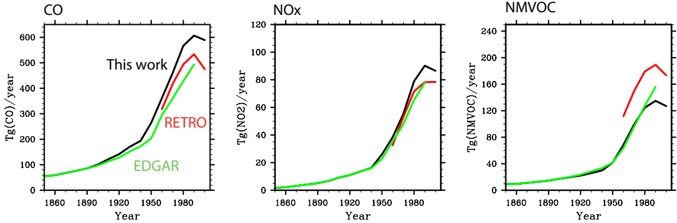
“An overview and compilation of several emissions databases (including EDGAR, RETRO, and regional scale databases) and reconstruction of historical trends were presented by Lamarque et al. (2010).”
Metadata
- Authors
- Lamarque, J.-F., Bond, T. C., Eyring, V., Granier, C., Heil, A., Klimont, Z., Lee, D., Liousse, C., Mieville, A., Owen, B., Schultz, M. G., Shindell, D., Smith, S. J., Stehfest, E., Van Aardenne, J., Cooper, O. R., Kainuma, M., Mahowald, N., McConnell, J. R., Naik, V., Riahi, K., & van Vuuren, D. P.
- Affiliations
- NSF National Center for Atmospheric Research (US)
- University of Illinois Urbana-Champaign (US)
- Deutsches Zentrum für Luft- und Raumfahrt e. V. (DLR) (DE)
- Centre National de la Recherche Scientifique (FR)
- Forschungszentrum Jülich (DE)
- International Institute for Applied Systems Analysis (AT)
- Manchester Metropolitan University (GB)
- Laboratoire d'Aérologie (FR)
- Goddard Institute for Space Studies (US)
- Joint Global Change Research Institute (US)
- Netherlands Environmental Assessment Agency (NL)
- NOAA Earth System Research Laboratory (US)
- National Institute for Environmental Studies (JP)
- Cornell University (US)
- Desert Research Institute (US)
- ORCID
- Venue
- Atmospheric Chemistry and Physics
- Publisher
- Copernicus GmbH
- Published
- 2010-08-03
- Volume
- 10
- Issue
- 15
- Pages
- 7017-7039
- ISSN
- 1680-7316 (ISSN-L)
- 1680-7324
- OpenAlex
- W2106963750
- Cited by
- 2,105
- References
- 113
- Citations by year
- 2026: 28 · 2025: 60 · 2024: 77 · 2023: 128 · 2022: 137 · 2021: 190 · 2020: 162 · 2019: 143 · 2018: 192 · 2017: 150 · 2016: 166 · 2015: 172 · 2014: 167 · 2013: 139 · 2012: 109
- FWCI
- 70.46
- Type
- journal article
- Language
- en
- Open access
- gold
- doi.org
- Licence
- Locations
- Atmospheric chemistry and physics (publishedVersion, cc-by)
- IIASA PURE (International Institute of Applied Systems Analysis) (submittedVersion, other-oa)
- HAL (submittedVersion, other-oa)
- DOAJ (DOAJ: Directory of Open Access Journals) (submittedVersion, cc-by-sa)
- elib (German Aerospace Center) (submittedVersion)
- JuSER (Forschungszentrum Jülich) (submittedVersion, cc-by)
- JuSER (Forschungszentrum Jülich) (submittedVersion, other-oa)
- Funders
- National Science Foundation
- National Center for Atmospheric Research
- University Corporation for Atmospheric Research
- European Commission
- Topics
- Physical Sciences › Earth and Planetary Sciences › Atmospheric Science › Atmospheric chemistry and aerosols
- Physical Sciences › Environmental Science › Global and Planetary Change › Atmospheric aerosols and clouds
- Physical Sciences › Earth and Planetary Sciences › Atmospheric Science › Atmospheric Ozone and Climate
- Keywords
- anthropogenic emissions, biomass burning emissions, gridded emission inventory, reactive gases, atmospheric aerosols, ozone trends, carbon monoxide, sulfate deposition, black carbon deposition, Greenland ice cores, aerosol optical depth, chemistry-climate model simulations, CMIP5, IPCC AR5
About these checks
Registry, retraction, Cites and statistics results are computed, not judged, with one exception: a printed reference that no index lists is read once by a model before it counts as a citation error. Claims are extracted by a model and kept only when their quote appears verbatim in the text; each cited source is then checked, with a model’s help, for whether it says what the claim relies on. Those verdicts can be wrong — read the claim’s quote and the cited source before relying on one.
Statistics and arithmetic are recomputed, not judged.
Confidence bands are shown only for fields calibrated on our annotated test set. None is calibrated yet, so no band is shown.
What counts as a claim ›How we measure confidence ›How we check this ›
Are you an author, or do you see a problem with this page? Request a review
Data sources
Bibliographic data: Semantic Scholar, OpenAlex, Crossref.
Contains information from the Semantic Scholar Academic Graph Datasets, made available under the ODC Attribution License (ODC-BY 1.0).
Semantic Scholar’s data is described in: Kinney, R., et al. (2023). The Semantic Scholar Open Data Platform. arXiv:2301.10140.
