

The DOI matches its Crossref record; 95 of the 95 references it cites were found in a registry or an index.
NOVA-dependent regulation of cryptic NMD exons controls synaptic protein levels after seizure
Open accessAbstract
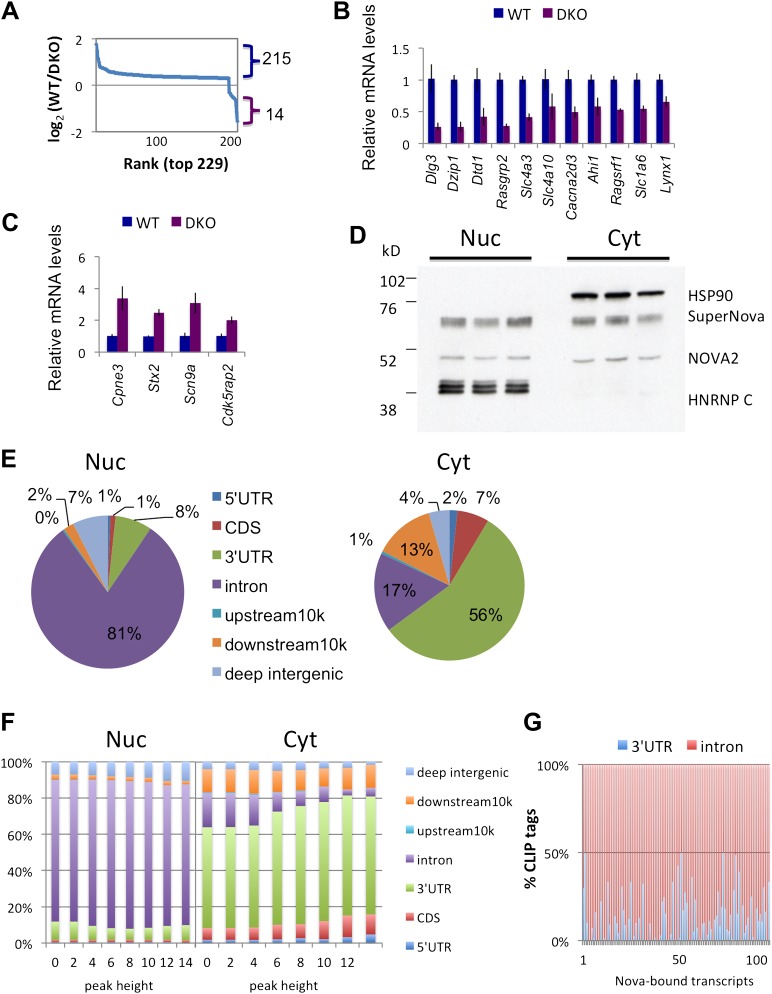
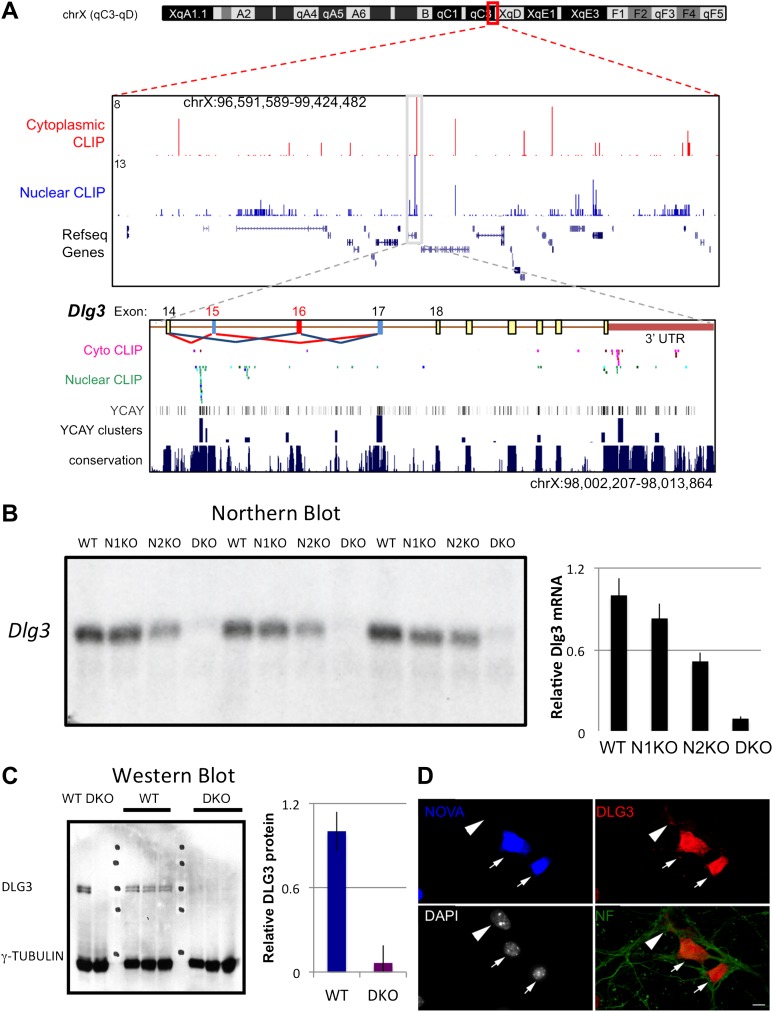
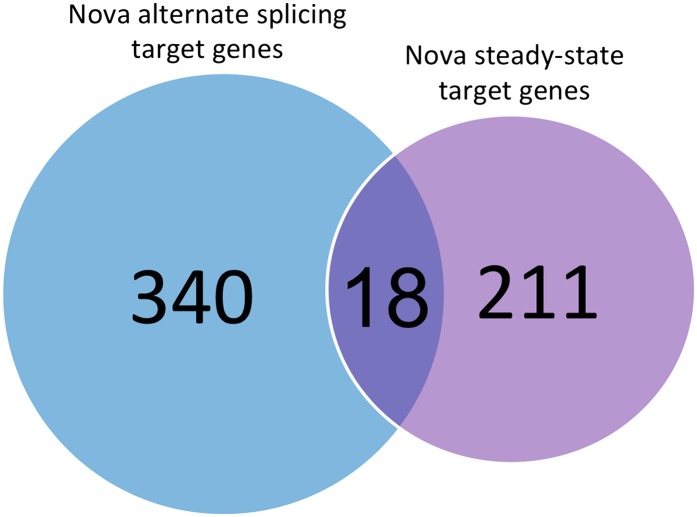
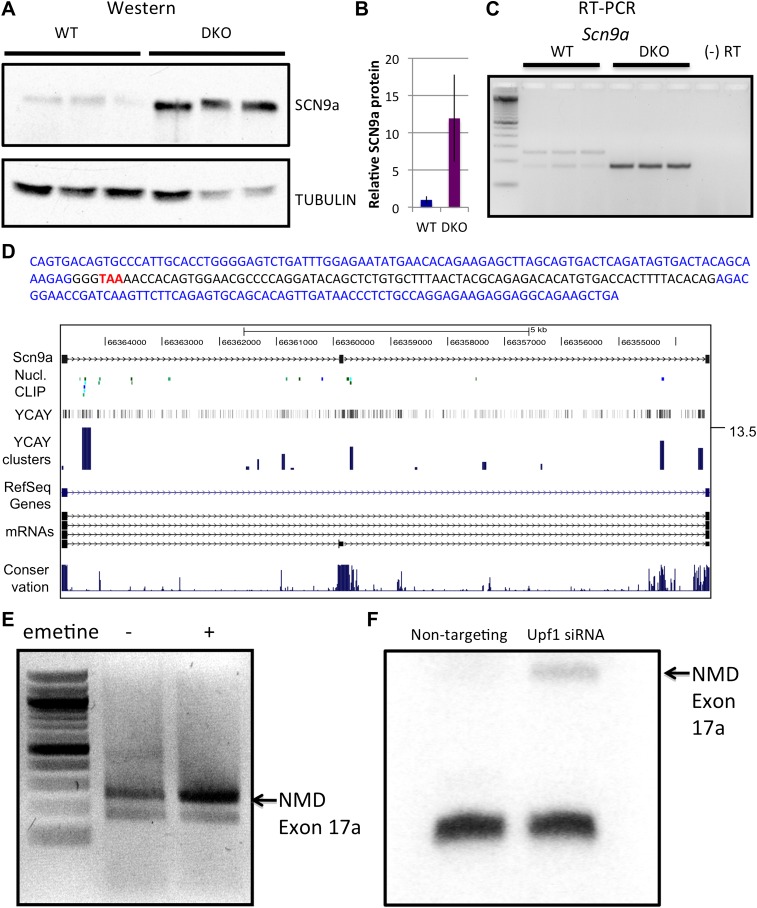
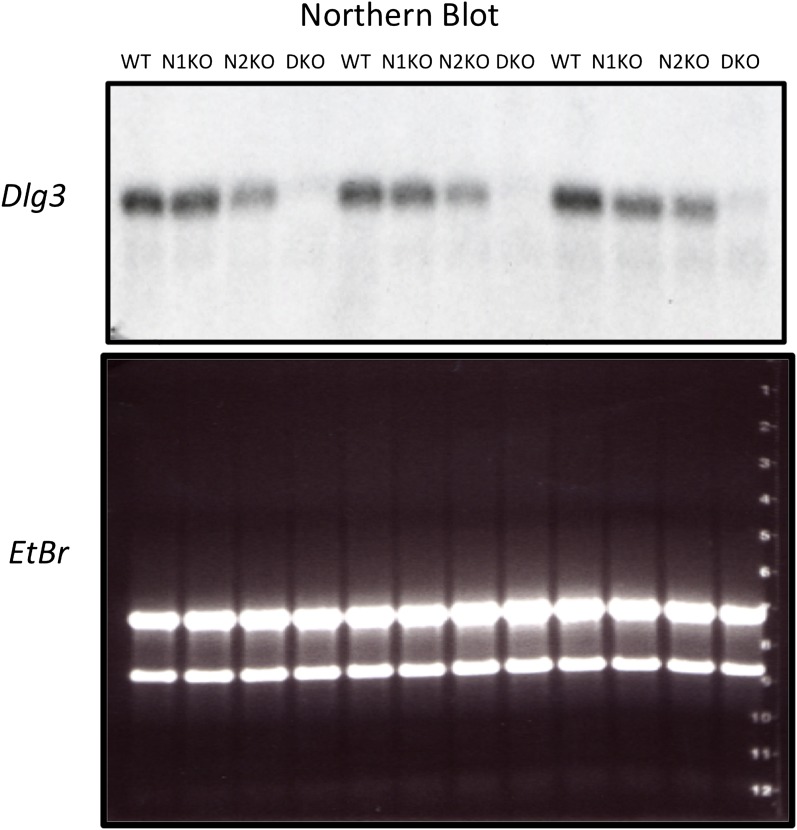
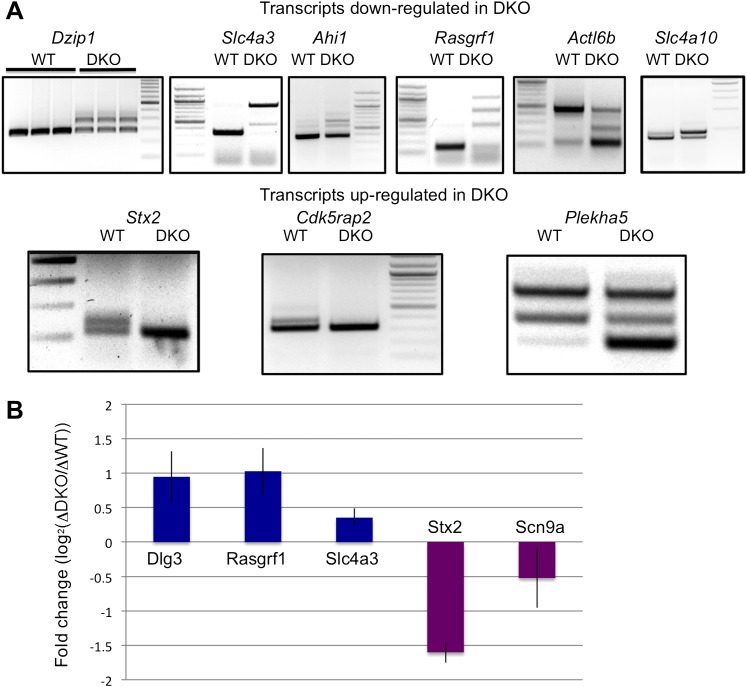
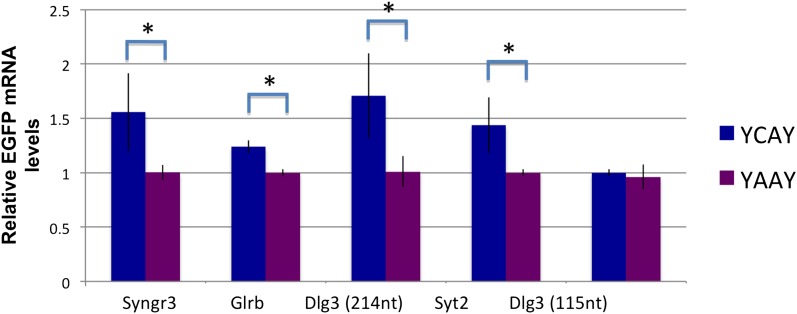
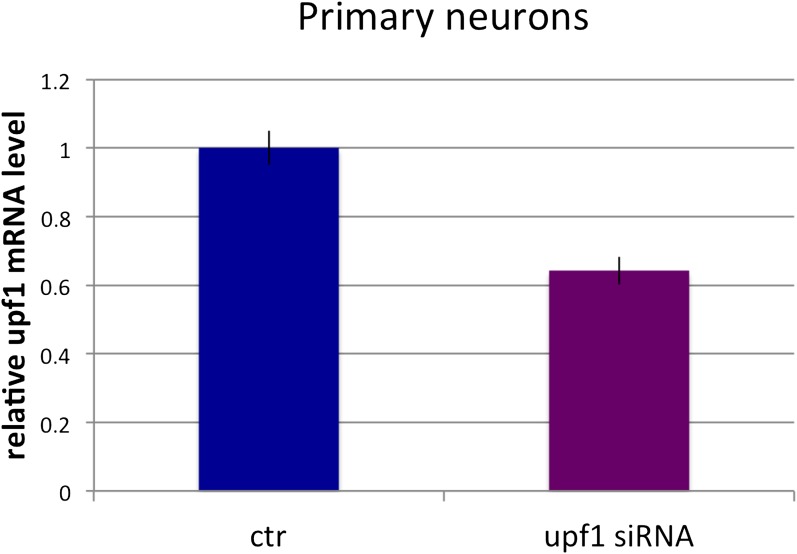
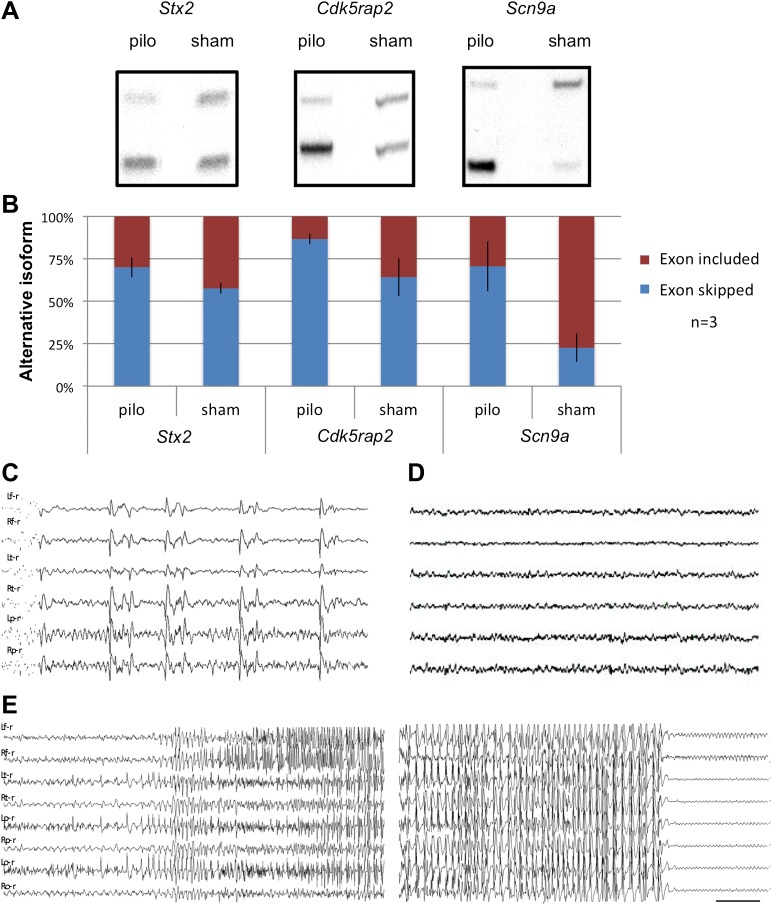
The neuronal RNA binding protein NOVA regulates splicing, shuttles to the cytoplasm, and co-localizes with target transcripts in dendrites, suggesting links between splicing and local translation. Here we identified >200 transcripts showing NOVA-dependent changes in abundance, but, surprisingly, HITS-CLIP revealed NOVA binds these RNAs in introns rather than 3′ UTRs. This led us to discover NOVA-regulated splicing of cryptic exons within these introns. These exons triggered nonsense mediated decay (NMD), as UPF1 and protein synthesis were required for NOVA's effect on RNA levels. Their regulation was dynamic and physiologically relevant. The NMD exons were regulated by seizures, which also induced changes in Nova subcellular localization and mediated large changes in synaptic proteins, including proteins implicated in familial epilepsy. Moreover, Nova haploinsufficient mice had spontaneous epilepsy. The data reveal a hidden means of dynamic RNA regulation linking electrical activity to splicing and protein output, and of mediating homeostatic excitation/inhibition balance in neurons.
Overview
The claims and statistics of this paper haven’t been checked yet.
Run the check — free, no account needed. It reads the open-access text and checks the sources it cites.
Integrity signals
Registry
Cites
Statistics
Figures
Verification
Claims the paper makes
The claims and statistics of this paper haven’t been checked yet.
Run the check — free, no account needed. It reads the open-access text and checks the sources it cites.
Claims other papers make about this one
Each is checked against this paper’s own text: does it say what the citing paper says it does?
In the citing paper
“However, the function of the vast majority of AS events detected to date are not known, and new landscapes of AS regulation remain to be discovered and characterized(Braunschweig et al., 2014; Eom et al., 2013).”
From A Highly Conserved Program of Neuronal Microexons Is Misregulated in Autistic Brains (2014) · cites this paper as Eom et al., 2013
Self-check
Percentages, sums and reported differences re-computed from the paper’s own numbers.
The self-check needs the paper’s full text.
Citations
Cites
Systematic and integrative analysis of large gene lists using DAVID bioinformatics resources
Huang, D. W., Sherman, B. T., & Lempicki, R. A. (2009) · Nature Protocols · doi:10.1038/nprot.2008.211 · Cited by 35,890
DAVID: Database for Annotation, Visualization, and Integrated Discovery
Dennis, G., Sherman, B. T., Hosack, D. A., Yang, J., Gao, W., Lane, H. C., & Lempicki, R. A. (2003) · Genome Biology · doi:10.1186/gb-2003-4-5-p3 · Cited by 9,327
The widespread regulation of microRNA biogenesis, function and decay
Krol, J., Loedige, I., & Filipowicz, W. (2010) · Nature Reviews Genetics · doi:10.1038/nrg2843 · Cited by 4,672
Regulation of mRNA Translation and Stability by microRNAs
Fabian, M. R., Sonenberg, N., & Filipowicz, W. (2010) · Annual Review of Biochemistry · doi:10.1146/annurev-biochem-060308-103103 · Cited by 3,214
Makeyev, E. V., Zhang, J., Carrasco, M. A., & Maniatis, T. (2007) · Molecular Cell · doi:10.1016/j.molcel.2007.07.015 · Cited by 1,395
HITS-CLIP yields genome-wide insights into brain alternative RNA processing
Licatalosi, D. D., Mele, A., Fak, J. J., Ule, J., Kayikci, M., Chi, S. W., Clark, T. A., Schweitzer, A. C., Blume, J. E., Wang, X., et al. (2008) · Nature · doi:10.1038/nature07488 · Cited by 1,352 · cited 23×
“The data in is organized as a function of differing stringency thresholds (as previously described: ΔI, a measure of the inclusion of exons in sham relative to pilocarpine treated animals; ΔI was determined using the ASPIRE algorithm (Ule et al., 2005b) and ΔI t-test using ASPIRE2 (Licatalosi et al., 2008)).”
BackgroundMethodResultInfluentialSelf-citationCooper, T. A., Wan, L., & Dreyfuss, G. (2009) · Cell · doi:10.1016/j.cell.2009.02.011 · Cited by 1,198
An extensive network of coupling among gene expression machines
Maniatis, T., & Reed, R. (2002) · Nature · doi:10.1038/416499a · Cited by 1,148
CLIP Identifies Nova-Regulated RNA Networks in the Brain
Ule, J., Jensen, K. B., Ruggiu, M., Mele, A., Ule, A., & Darnell, R. B. (2003) · Science · doi:10.1126/science.1090095 · Cited by 1,120
Self-citationBrennan, C. M., & Steitz*, J. A. (2001) · Cellular and Molecular Life Sciences · doi:10.1007/pl00000854 · Cited by 1,095
Cited by
Sorted by citations
Items 101–128 of 128
Zhuravskaya, A., Yap, K., Hamid, F., & Makeyev, E. V. (2023) · bioRxiv (Cold Spring Harbor Laboratory) · doi:10.1101/2023.09.04.556212 · Cited by 1
Grammatikakis, I., Norkaew, C., song, Y. J., Behera, A. K., Pehrsson, E. C., Hartford, C. C. R., Kordale, S., Prasanth, R., Zhao, Y., Shrethsa, B., et al. (2026) · bioRxiv (Cold Spring Harbor Laboratory) · doi:10.64898/2026.02.19.706780 · Cited by 1
Regulation of Local Translation, Synaptic Plasticity, and Cognitive Function by CNOT7
McFleder, R. L. (2017) · The Journal of the American Medical Association (JAMA) Network (American Medical Association) · doi:10.13028/m2km3r
Mattioli, F., Hayot, G., Drouot, N., Isidor, B., Courraud, J., Mau‐Them, F. T., Sellier, C., Hinckelmann, M.-V., Goldman, A. M., Telegrafi, A. B., et al. (2019) · bioRxiv (Cold Spring Harbor Laboratory) · doi:10.1101/858696
Translate the untranslated: excising as a novel post-splicing eventPreprint
Panteleev, D. Y., Reshetnikov, R. V., Samoylenkova, N. S., Pustogarov, N., & Pavlova, G. V. (2020) · bioRxiv (Cold Spring Harbor Laboratory) · doi:10.1101/2020.02.07.938738
Activity-dependent splicing: A game changer for proteome remodeling in the brain
Mauger, O. (2025) · Current Opinion in Neurobiology · doi:10.1016/j.conb.2025.103110
Aberrant alternative splicing in alcoholic hepatitis: regulatory roles of RBPs and sQTLs
Zhao, J., Cheng, J. J., Liang, S., Guo, W., Zhao, B., Zhang, H., Mei, X., Zhang, N., & Sheng, M. (2025) · BMC Gastroenterology · doi:10.1186/s12876-025-04339-3
Zhuravskaya, A., Yap, K., Hamid, F., & Makeyev, E. V. (2024) · Figshare · doi:10.6084/m9.figshare.26736747
Zhuravskaya, A., Yap, K., Hamid, F., & Makeyev, E. V. (2024) · Figshare · doi:10.6084/m9.figshare.26736717
Zhuravskaya, A., Yap, K., Hamid, F., & Makeyev, E. V. (2024) · Figshare · doi:10.6084/m9.figshare.26736732
Zhuravskaya, A., Yap, K., Hamid, F., & Makeyev, E. V. (2024) · Figshare · doi:10.6084/m9.figshare.26736726
Zhuravskaya, A., Yap, K., Hamid, F., & Makeyev, E. V. (2024) · Figshare · doi:10.6084/m9.figshare.26736729
Zhuravskaya, A., Yap, K., Hamid, F., & Makeyev, E. V. (2024) · Figshare · doi:10.6084/m9.figshare.26736735
Zhuravskaya, A., Yap, K., Hamid, F., & Makeyev, E. V. (2024) · Figshare · doi:10.6084/m9.figshare.26736723
Zhuravskaya, A., Yap, K., Hamid, F., & Makeyev, E. V. (2024) · Figshare · doi:10.6084/m9.figshare.26074114
Zhuravskaya, A., Yap, K., Hamid, F., & Makeyev, E. V. (2024) · Figshare · doi:10.6084/m9.figshare.26736741
Zhuravskaya, A., Yap, K., Hamid, F., & Makeyev, E. V. (2024) · Figshare · doi:10.6084/m9.figshare.26736720
Zhuravskaya, A., Yap, K., Hamid, F., & Makeyev, E. V. (2024) · Figshare · doi:10.6084/m9.figshare.26736714
Zhuravskaya, A., Yap, K., Hamid, F., & Makeyev, E. V. (2024) · Figshare · doi:10.6084/m9.figshare.26074264
Zhuravskaya, A., Yap, K., Hamid, F., & Makeyev, E. V. (2024) · Figshare · doi:10.6084/m9.figshare.26736744
Zhuravskaya, A., Yap, K., Hamid, F., & Makeyev, E. V. (2024) · Figshare · doi:10.6084/m9.figshare.26736738
Li, Y., Chen, Z.-J., Liu, Y., Gao, Y., Pu, Y., Gao, Q., Gao, F., Yang, N., & Li, P. (2026) · Cell Death and Disease · doi:10.1038/s41419-026-08489-4
Zhang, F., Chen, Y. E., Chen, S., Xia, H., Zhang, Y., Chen, X., Wang, B., Ji, J., Cen, Z., & Luo, W. (2026) · Movement Disorders · doi:10.1002/mds.70270
Rôle de la Cadhérine-13 dans le développement des synapses des cellules de Golgi
Pereira, A. (2022) · theses.fr (ABES) · doi:10.70675/7531ef0dz7a3dz41d0za557z56cb46655157
Grammatikakis, I., Norkaew, C., Song, Y. J., Behera, A. K., Pehrsson, E. C., Hartford, C. C. R., Kordale, S., Prasanth, R., Zhao, Y., Shrethsa, B., et al. (2026) · eLife · doi:10.7554/elife.111394.1
Grammatikakis, I., Norkaew, C., Song, Y. J., Behera, A. K., Pehrsson, E. C., Hartford, C. C. R., Kordale, S., Prasanth, R., Zhao, Y., Shrethsa, B., et al. (2026) · eLife · doi:10.7554/elife.111394
Krause‐Hauch, M., Wang, B., Patel, R. S., Verdina, L. A., Hedrick, A., Blair, L. J., Dharap, A. A., Cai, J., & Patel, N. A. (2026) · International Journal of Molecular Sciences · doi:10.3390/ijms27177675
Nova Mediates Experience Dependent Processing of Orb2A mRNA
Gill, J. S. (2013) · Cited by 1
Metadata
- Authors
- Eom, T., Zhang, C., Wang, H., Lay, K., Fak, J., Noebels, J. L., & Darnell, R. B.
- Affiliations
- Rockefeller University (US)
- Baylor College of Medicine (US)
- Howard Hughes Medical Institute (US)
- Corresponding author
- Darnell, Robert B
- Venue
- eLife
- Publisher
- eLife Sciences Publications, Ltd
- Published
- 2013-01-22
- Volume
- 2
- Pages
- e00178-e00178
- ISSN
- 2050-084X (ISSN-L)
- PMC
- PMC3552424
- OpenAlex
- W2012085745
- Cited by
- 118
- References
- 94
- Citations by year
- 2026: 9 · 2025: 10 · 2024: 13 · 2023: 7 · 2022: 8 · 2021: 2 · 2020: 7 · 2019: 8 · 2018: 11 · 2017: 9 · 2016: 9 · 2015: 9 · 2014: 10 · 2013: 6
- FWCI
- 5.07
- Type
- journal article
- Language
- en
- Open access
- gold
- doi.org
- Licence
- Locations
- eLife (publishedVersion, cc-by)
- Europe PMC (PubMed Central) (publishedVersion, cc-by)
- PubMed Central (publishedVersion, cc-by)
- PubMed (publishedVersion)
- DOAJ (DOAJ: Directory of Open Access Journals) (submittedVersion, cc-by-sa)
- Funders
- Howard Hughes Medical Institute
- National Institutes of Health (NS34389, HD24064, NS29709, NS081706, NS40955)
- Topics
- Life Sciences › Biochemistry, Genetics and Molecular Biology › Molecular Biology › RNA Research and Splicing
- Health Sciences › Medicine › Clinical Neurology › Epilepsy research and treatment
- Life Sciences › Neuroscience › Cellular and Molecular Neuroscience › Neuroscience and Neuropharmacology Research
- Keywords
- nova, cryptic exons, nonsense-mediated mRNA decay, RNA splicing, UPF1, seizures, synaptic proteins, familial epilepsy, RNA-binding proteins, local translation, excitation-inhibition balance
- MeSH terms
- Neuro-Oncological Ventral Antigen, Animals, Antigens, Neoplasm, Brain, Exons, Nerve Tissue Proteins, RNA, Messenger, Seizures, Subcellular Fractions, Synapses, RNA-Binding Proteins, Mice, Knockout, 3' Untranslated Regions, Mice
About these checks
Registry, retraction, Cites and statistics results are computed, not judged, with one exception: a printed reference that no index lists is read once by a model before it counts as a citation error. Claims are extracted by a model and kept only when their quote appears verbatim in the text; each cited source is then checked, with a model’s help, for whether it says what the claim relies on. Those verdicts can be wrong — read the claim’s quote and the cited source before relying on one.
Statistics and arithmetic are recomputed, not judged.
Confidence bands are shown only for fields calibrated on our annotated test set. None is calibrated yet, so no band is shown.
What counts as a claim ›How we measure confidence ›How we check this ›
Are you an author, or do you see a problem with this page? Request a review
