

The DOI matches its Crossref record; 95 of the 95 references it cites were found in a registry or an index.
NOVA-dependent regulation of cryptic NMD exons controls synaptic protein levels after seizure
Open accessAbstract
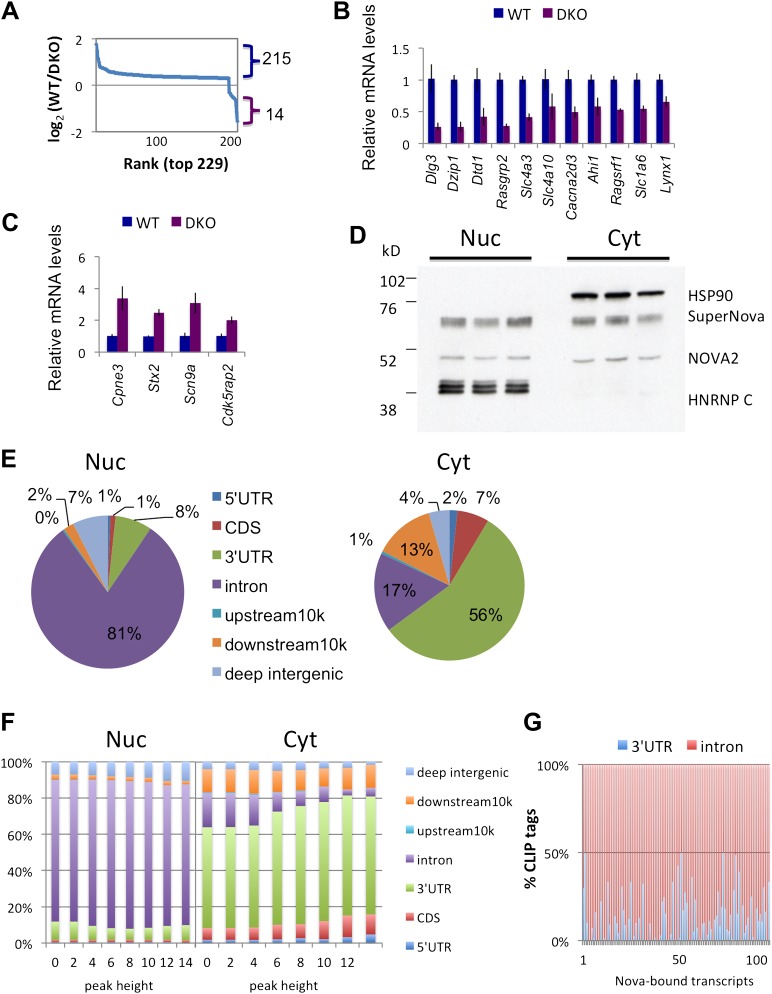
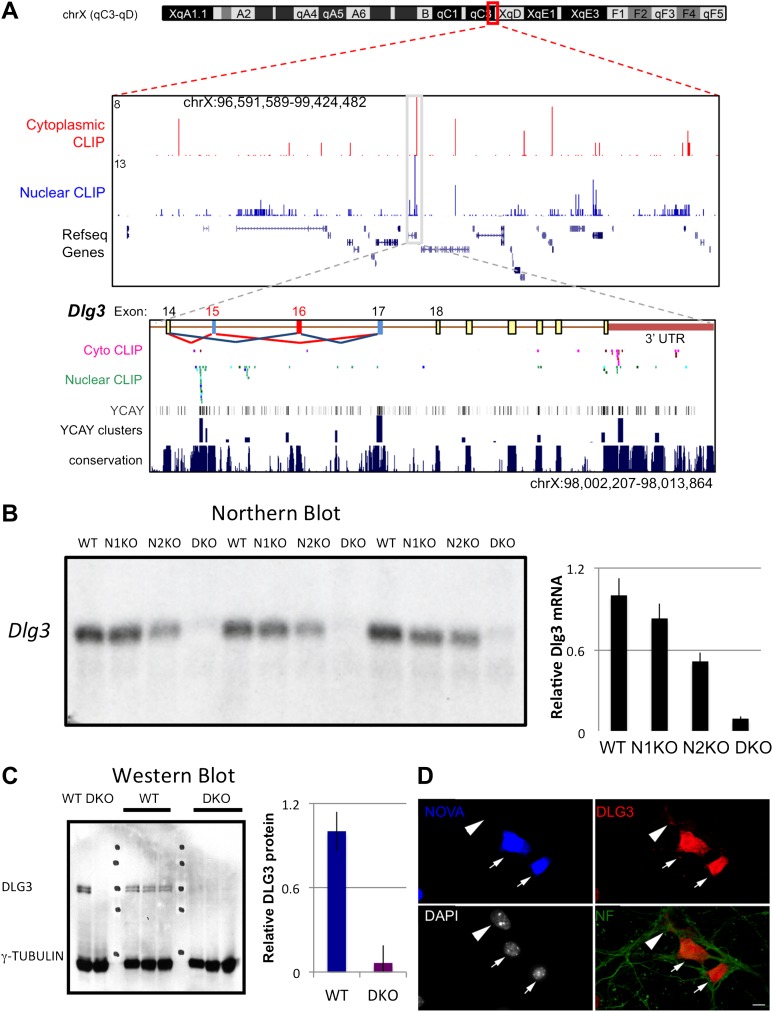
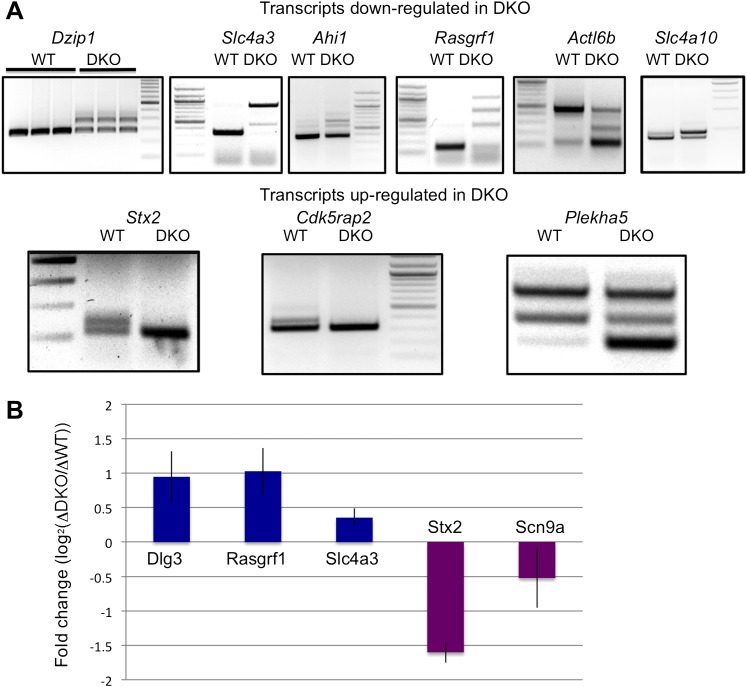
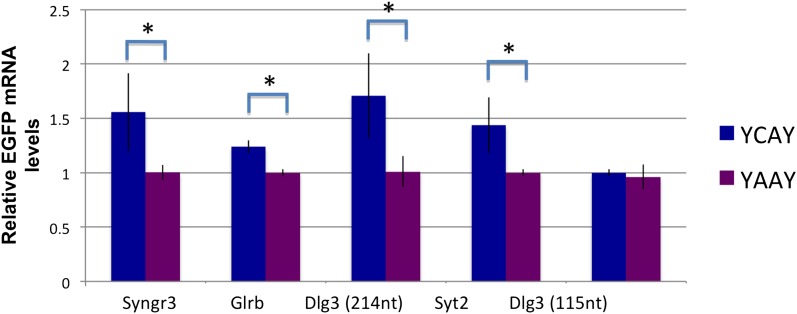
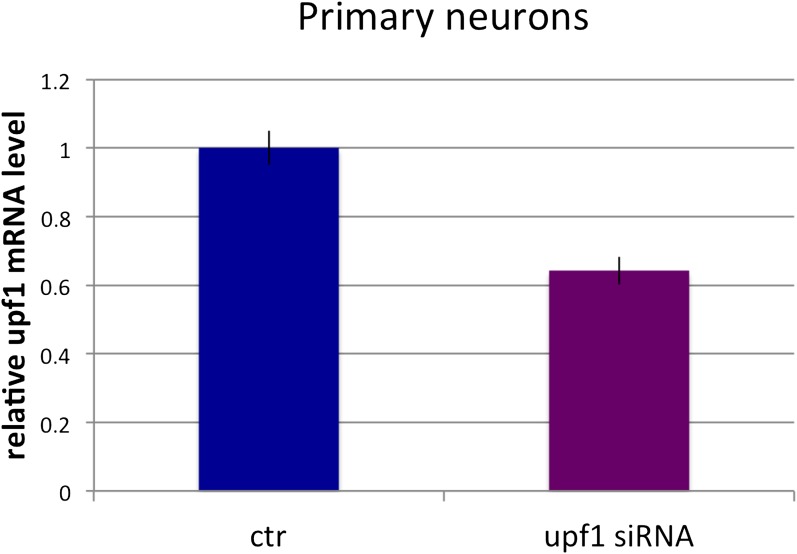
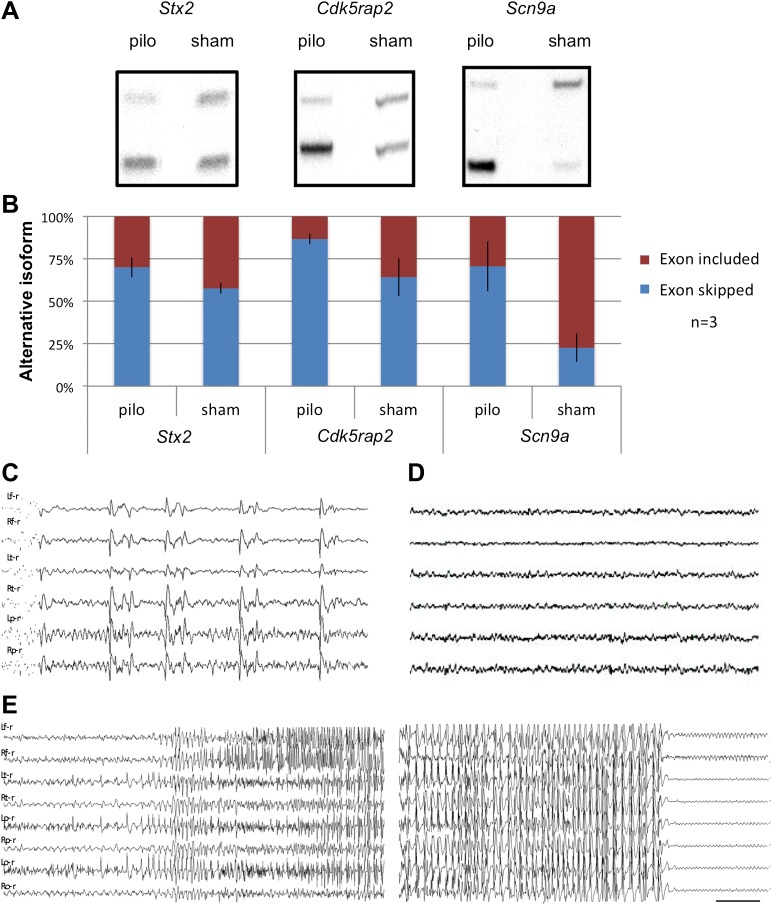
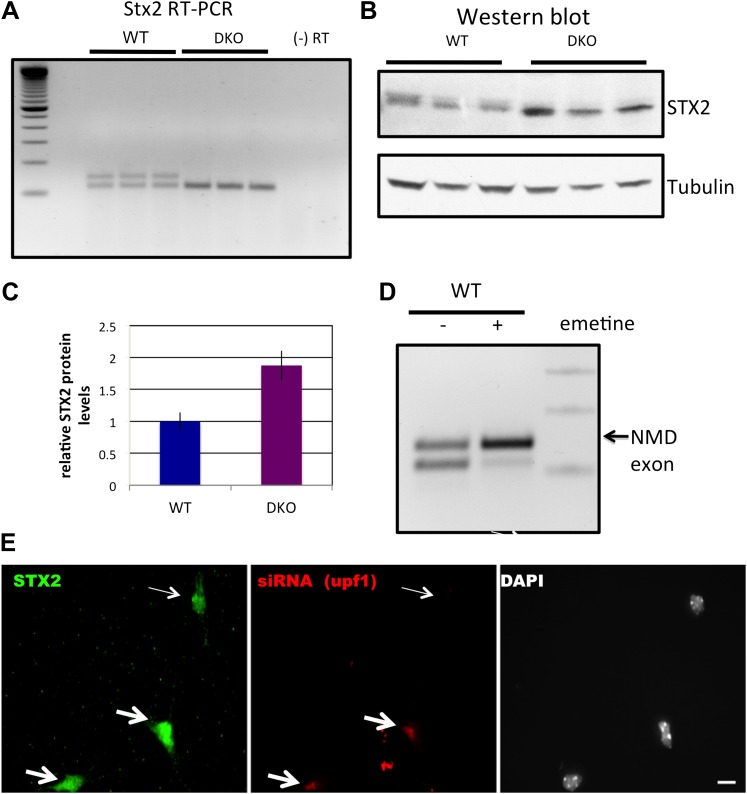
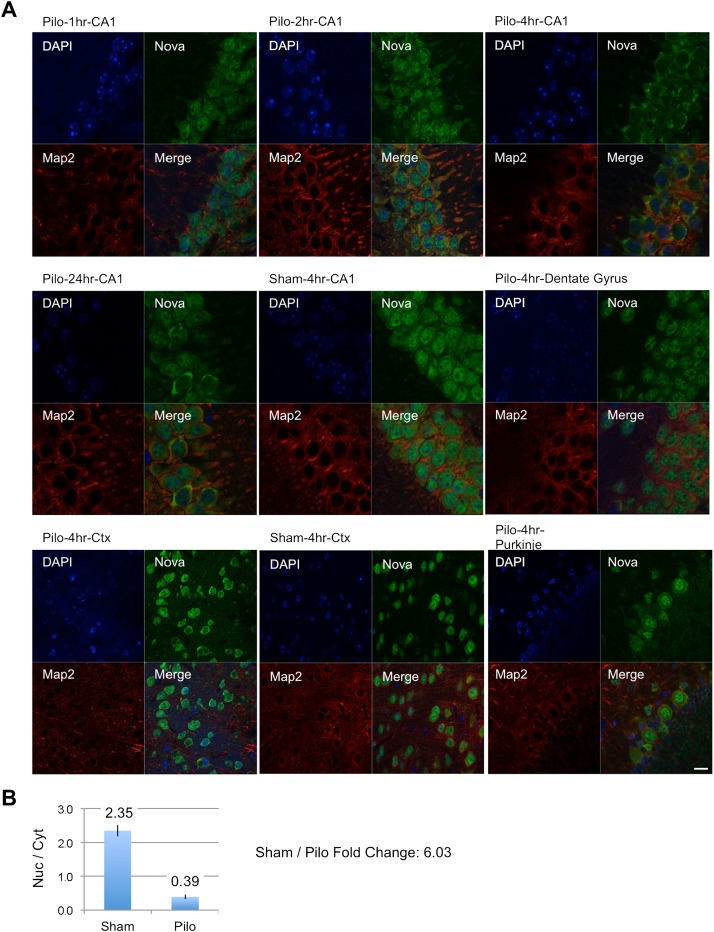
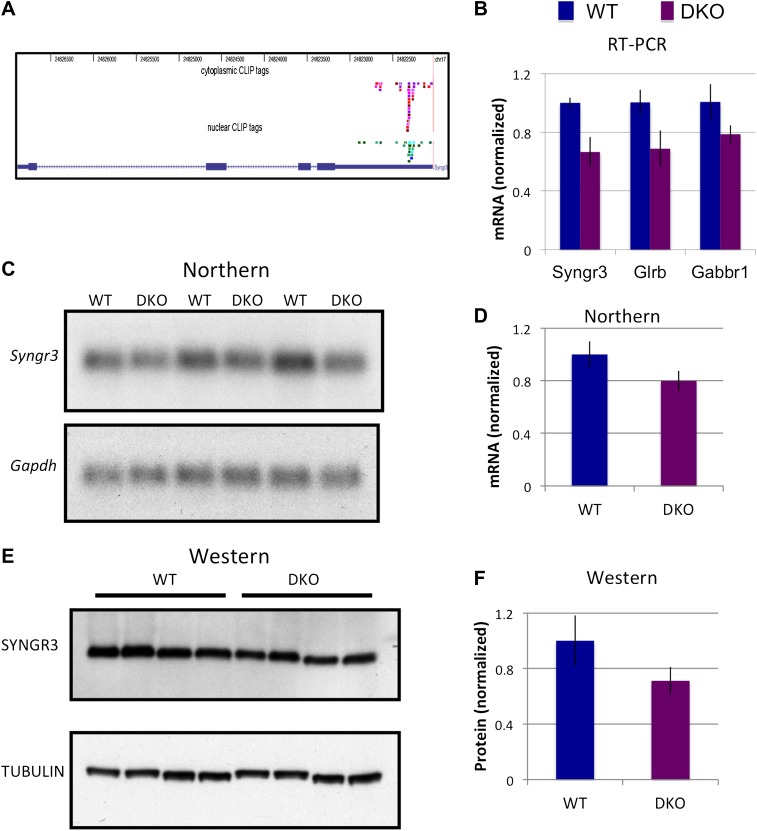
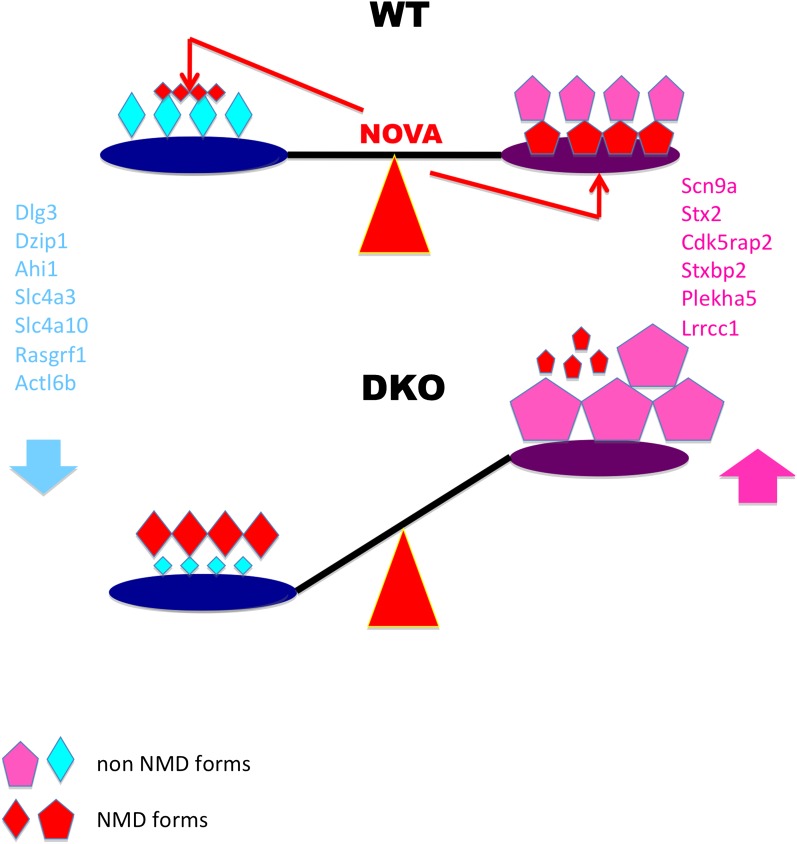
The neuronal RNA binding protein NOVA regulates splicing, shuttles to the cytoplasm, and co-localizes with target transcripts in dendrites, suggesting links between splicing and local translation. Here we identified >200 transcripts showing NOVA-dependent changes in abundance, but, surprisingly, HITS-CLIP revealed NOVA binds these RNAs in introns rather than 3′ UTRs. This led us to discover NOVA-regulated splicing of cryptic exons within these introns. These exons triggered nonsense mediated decay (NMD), as UPF1 and protein synthesis were required for NOVA's effect on RNA levels. Their regulation was dynamic and physiologically relevant. The NMD exons were regulated by seizures, which also induced changes in Nova subcellular localization and mediated large changes in synaptic proteins, including proteins implicated in familial epilepsy. Moreover, Nova haploinsufficient mice had spontaneous epilepsy. The data reveal a hidden means of dynamic RNA regulation linking electrical activity to splicing and protein output, and of mediating homeostatic excitation/inhibition balance in neurons.
Overview
The claims and statistics of this paper haven’t been checked yet.
Run the check — free, no account needed. It reads the open-access text and checks the sources it cites.
Integrity signals
Registry
Cites
Statistics
Figures
Verification
Claims the paper makes
The claims and statistics of this paper haven’t been checked yet.
Run the check — free, no account needed. It reads the open-access text and checks the sources it cites.
Claims other papers make about this one
Each is checked against this paper’s own text: does it say what the citing paper says it does?
In the citing paper
“However, the function of the vast majority of AS events detected to date are not known, and new landscapes of AS regulation remain to be discovered and characterized(Braunschweig et al., 2014; Eom et al., 2013).”
From A Highly Conserved Program of Neuronal Microexons Is Misregulated in Autistic Brains (2014) · cites this paper as Eom et al., 2013
Self-check
Percentages, sums and reported differences re-computed from the paper’s own numbers.
The self-check needs the paper’s full text.
Citations
Cites
Systematic and integrative analysis of large gene lists using DAVID bioinformatics resources
Huang, D. W., Sherman, B. T., & Lempicki, R. A. (2009) · Nature Protocols · doi:10.1038/nprot.2008.211 · Cited by 35,890
DAVID: Database for Annotation, Visualization, and Integrated Discovery
Dennis, G., Sherman, B. T., Hosack, D. A., Yang, J., Gao, W., Lane, H. C., & Lempicki, R. A. (2003) · Genome Biology · doi:10.1186/gb-2003-4-5-p3 · Cited by 9,327
The widespread regulation of microRNA biogenesis, function and decay
Krol, J., Loedige, I., & Filipowicz, W. (2010) · Nature Reviews Genetics · doi:10.1038/nrg2843 · Cited by 4,672
Regulation of mRNA Translation and Stability by microRNAs
Fabian, M. R., Sonenberg, N., & Filipowicz, W. (2010) · Annual Review of Biochemistry · doi:10.1146/annurev-biochem-060308-103103 · Cited by 3,214
Makeyev, E. V., Zhang, J., Carrasco, M. A., & Maniatis, T. (2007) · Molecular Cell · doi:10.1016/j.molcel.2007.07.015 · Cited by 1,395
HITS-CLIP yields genome-wide insights into brain alternative RNA processing
Licatalosi, D. D., Mele, A., Fak, J. J., Ule, J., Kayikci, M., Chi, S. W., Clark, T. A., Schweitzer, A. C., Blume, J. E., Wang, X., et al. (2008) · Nature · doi:10.1038/nature07488 · Cited by 1,352 · cited 23×
“The data in is organized as a function of differing stringency thresholds (as previously described: ΔI, a measure of the inclusion of exons in sham relative to pilocarpine treated animals; ΔI was determined using the ASPIRE algorithm (Ule et al., 2005b) and ΔI t-test using ASPIRE2 (Licatalosi et al., 2008)).”
BackgroundMethodResultInfluentialSelf-citationCooper, T. A., Wan, L., & Dreyfuss, G. (2009) · Cell · doi:10.1016/j.cell.2009.02.011 · Cited by 1,198
An extensive network of coupling among gene expression machines
Maniatis, T., & Reed, R. (2002) · Nature · doi:10.1038/416499a · Cited by 1,148
CLIP Identifies Nova-Regulated RNA Networks in the Brain
Ule, J., Jensen, K. B., Ruggiu, M., Mele, A., Ule, A., & Darnell, R. B. (2003) · Science · doi:10.1126/science.1090095 · Cited by 1,120
Self-citationBrennan, C. M., & Steitz*, J. A. (2001) · Cellular and Molecular Life Sciences · doi:10.1007/pl00000854 · Cited by 1,095
Cited by
Sorted by citations
Sequencing depth and coverage: key considerations in genomic analyses
Sims, D., Sudbery, I. M., Ilott, N. E., Heger, A., & Ponting, C. P. (2014) · Nature Reviews Genetics · doi:10.1038/nrg3642 · Cited by 1,488
Alternative Splicing Regulatory Networks: Functions, Mechanisms, and Evolution
Ule, J., & Blencowe, B. J. (2019) · Molecular Cell · doi:10.1016/j.molcel.2019.09.017 · Cited by 780
A Highly Conserved Program of Neuronal Microexons Is Misregulated in Autistic Brains
Irimia, M., Weatheritt, R. J., Ellis, J. D., Parikshak, N. N., Gonatopoulos-Pournatzis, T., Babor, M., Quesnel-Vallières, M., Tapial, J., Raj, B., O’Hanlon, D., et al. (2014) · Cell · doi:10.1016/j.cell.2014.11.035 · Cited by 693
“However, the function of the vast majority of AS events detected to date are not known, and new landscapes of AS regulation remain to be discovered and characterized (Braunschweig et al., 2014; Eom et al., 2013).”
BackgroundRaj, B., & Blencowe, B. J. (2015) · Neuron · doi:10.1016/j.neuron.2015.05.004 · Cited by 475
Lessons from non-canonical splicing
Sibley, C. R., Blázquez, L., & Ule, J. (2016) · Nature Reviews Genetics · doi:10.1038/nrg.2016.46 · Cited by 327
Control of gene expression through the nonsense-mediated RNA decay pathway
Nickless, A., Bailis, J. M., & You, Z. (2017) · Cell & Bioscience · doi:10.1186/s13578-017-0153-7 · Cited by 189
Alternative Splicing in Neurogenesis and Brain Development
Su, C.-H., Dhananjaya, D., & Tarn, W. (2018) · Frontiers in Molecular Biosciences · doi:10.3389/fmolb.2018.00012 · Cited by 204
Pathway-driven discovery of epilepsy genes
Noebels, J. L. (2015) · Nature Neuroscience · doi:10.1038/nn.3933 · Cited by 191
Self-citationPimentel, H., Parra, M., Gee, S. L., Mohandas, N., Pachter, L. S., & Conboy, J. G. (2015) · Nucleic Acids Research · doi:10.1093/nar/gkv1168 · Cited by 187
The changing paradigm of intron retention: regulation, ramifications and recipes
Monteuuis, G., Wong, J. J. L., Bailey, C. G., Schmitz, U., & Rasko, J. E. J. (2019) · Nucleic Acids Research · doi:10.1093/nar/gkz1068 · Cited by 191
RNA Protein Interaction in Neurons
Darnell, R. B. (2013) · Annual Review of Neuroscience · doi:10.1146/annurev-neuro-062912-114322 · Cited by 181
Self-citationQuesnel-Vallières, M., Dargaei, Z., Irimia, M., Gonatopoulos-Pournatzis, T., Ip, J. Y., Wu, M., Sterne-Weiler, T., Nakagawa, S., Woodin, M. A., Blencowe, B. J., et al. (2016) · Molecular Cell · doi:10.1016/j.molcel.2016.11.033 · Cited by 178
Regulation of Neuronal Differentiation, Function, and Plasticity by Alternative Splicing
Furlanis, E., & Scheiffele, P. (2018) · Annual Review of Cell and Developmental Biology · doi:10.1146/annurev-cellbio-100617-062826 · Cited by 177
Heteromeric RNP Assembly at LINEs Controls Lineage-Specific RNA Processing
Attig, J., Agostini, F., Gooding, C., Chakrabarti, A. M., Singh, A., Haberman, N., Zagalak, J. A., Emmett, W., Smith, C. W. J., Luscombe, N. M., et al. (2018) · Cell · doi:10.1016/j.cell.2018.07.001 · Cited by 174
Autism spectrum disorder: insights into convergent mechanisms from transcriptomics
Quesnel-Vallières, M., Weatheritt, R. J., Cordes, S. P., & Blencowe, B. J. (2018) · Nature Reviews Genetics · doi:10.1038/s41576-018-0066-2 · Cited by 167
RNA Sequencing Data: Hitchhiker's Guide to Expression Analysis
den Berge, K. V., Hembach, K., Soneson, C., Tiberi, S., Clement, L., Love, M. I., Patro, R., & Robinson, M. D. (2019) · Annual Review of Biomedical Data Science · doi:10.1146/annurev-biodatasci-072018-021255 · Cited by 153
RNA Editing: A Contributor to Neuronal Dynamics in the Mammalian Brain
Behm, M., & Öhman, M. (2016) · Trends in Genetics · doi:10.1016/j.tig.2015.12.005 · Cited by 139
Shortened TDP43 isoforms upregulated by neuronal hyperactivity drive TDP43 pathology in ALS
Weskamp, K., Tank, E. M. H., Miguez, R., McBride, J. P., Gómez, N., White, M. A., Lin, Z., Moreno-Gonzalez, C., Serio, A., Sreedharan, J., et al. (2019) · Journal of Clinical Investigation · doi:10.1172/jci130988 · Cited by 131
NOVA2-mediated RNA regulation is required for axonal pathfinding during development
Saito, Y., Miranda‐Rottmann, S., Ruggiu, M., Park, C. Y., Fak, J. J., Ru, Z., Duncan, J. S., Fabella, B. A., Junge, H. J., Chen, Z., et al. (2016) · eLife · doi:10.7554/elife.14371 · Cited by 122
Self-citationAlternative pre-mRNA splicing in neurons: growing up and extending its reach
Zheng, S., & Black, D. L. (2013) · Trends in Genetics · doi:10.1016/j.tig.2013.04.003 · Cited by 115
Extensive cryptic splicing upon loss of RBM17 and TDP43 in neurodegeneration models
Tan, Q., Yalamanchili, H. K., Park, J., Maio, A. D., Lu, H., Wan, Y., White, J. J., Bondar, V. V., Sayegh, L. S., Liu, X., et al. (2016) · Human Molecular Genetics · doi:10.1093/hmg/ddw337 · Cited by 99
The Transcription Repressor REST in Adult Neurons: Physiology, Pathology, and Diseases
Baldelli, P., & Meldolesi, J. (2015) · eNeuro · doi:10.1523/eneuro.0010-15.2015 · Cited by 83
Saito, Y., Yuan, Y., Zucker-Scharff, I., Fak, J. J., Jereb, S., Tajima, Y., Licatalosi, D. D., & Darnell, R. B. (2019) · Neuron · doi:10.1016/j.neuron.2018.12.019 · Cited by 77
Self-citationIntracellular calcium regulates nonsense-mediated mRNA decay
Nickless, A., Jackson, E., Marasa, J. C., Nugent, P., Mercer, R. W., Piwnica-Worms, D. R., & You, Z. (2014) · Nature Medicine · doi:10.1038/nm.3620 · Cited by 75
PTBP1 and PTBP2 Repress Nonconserved Cryptic Exons
Ling, J. P., Chhabra, R., Merran, J., Schaughency, P., Wheelan, S. J., Corden, J. L., & Wong, P. C. (2016) · Cell Reports · doi:10.1016/j.celrep.2016.08.071 · Cited by 74
The regulation and function of post-transcriptional RNA splicing
Choquet, K., Patop, I. L., & Churchman, L. S. (2025) · Nature Reviews Genetics · doi:10.1038/s41576-025-00836-z · Cited by 71
LSD1 Neurospecific Alternative Splicing Controls Neuronal Excitability in Mouse Models of Epilepsy
Rusconi, F., Paganini, L., Braida, D., Ponzoni, L., Toffolo, E., Maroli, A., Landsberger, N., Bedogni, F., Turco, E., Pattini, L., et al. (2014) · Cerebral Cortex · doi:10.1093/cercor/bhu070 · Cited by 67
Pohodich, A. E., Yalamanchili, H. K., Raman, A. T., Wan, Y., Gundry, M. C., Hao, S., Jin, H., Tang, J., Liu, Z., & Zoghbi, H. Y. (2018) · eLife · doi:10.7554/elife.34031 · Cited by 66
Ravanidis, S., Kattan, F.-G., & Doxakis, E. (2018) · International Journal of Molecular Sciences · doi:10.3390/ijms19082280 · Cited by 70
Li, B., Suutari, B. S., Sun, S. D., Luo, Z.-Y., Wei, C., Chenouard, N., Mandelberg, N. J., Zhang, G., Wamsley, B., Tian, G., et al. (2020) · Cell · doi:10.1016/j.cell.2020.05.013 · Cited by 62
Emerging functions of alternative splicing coupled with nonsense-mediated decay
Hamid, F., & Makeyev, E. V. (2014) · Biochemical Society Transactions · doi:10.1042/bst20140066 · Cited by 63
S-CAP extends pathogenicity prediction to genetic variants that affect RNA splicing
Jagadeesh, K. A., Paggi, J. M., Ye, J. S., Stenson, P. D., Cooper, D. N., Bernstein, J. A., & Bejerano, G. (2019) · Nature Genetics · doi:10.1038/s41588-019-0348-4 · Cited by 62
The Future of Cross-Linking and Immunoprecipitation (CLIP)Preprint
Ule, J., Hwang, H., & Darnell, R. B. (2018) · Cold Spring Harbor Perspectives in Biology · doi:10.1101/cshperspect.a032243 · Cited by 65
Self-citationPoison exons in neurodevelopment and disease
Carvill, G. L., & Mefford, H. C. (2020) · Current Opinion in Genetics & Development · doi:10.1016/j.gde.2020.05.030 · Cited by 60
Non-coding functions of alternative pre-mRNA splicing in development
Mockenhaupt, S., & Makeyev, E. V. (2015) · Seminars in Cell and Developmental Biology · doi:10.1016/j.semcdb.2015.10.018 · Cited by 62
Gittings, L. M., Alsop, E. B., Antone, J., Singer, M., Whitsett, T. G., Sattler, R., & Keuren‐Jensen, K. R. V. (2023) · Acta Neuropathologica · doi:10.1007/s00401-023-02599-5 · Cited by 58
Hale, C. R., Sawicka, K., Mora, K., Fak, J. J., Kang, J. J., Cutrim, P., Cialowicz, K. I., Carroll, T. S., & Darnell, R. B. (2021) · eLife · doi:10.7554/elife.71892 · Cited by 51
Self-citationNeuroLSD1: Splicing-Generated Epigenetic Enhancer of Neuroplasticity
Rusconi, F., Grillo, B., Toffolo, E., Mattevi, A., & Battaglioli, E. (2016) · Trends in Neurosciences · doi:10.1016/j.tins.2016.11.002 · Cited by 50
Regional Variation of Splicing QTLs in Human Brain
Zhang, Y., Yang, H. T., Kadash-Edmondson, K. E., Pan, Y., Pan, Z., Davidson, B. L., & Xing, Y. (2020) · The American Journal of Human Genetics · doi:10.1016/j.ajhg.2020.06.002 · Cited by 50
Calcium Channel CaVα1 Splice Isoforms - Tissue Specificity and Drug Action
Lipscombe, D., & Andrade, A. (2015) · Current Molecular Pharmacology · doi:10.2174/1874467208666150507103215 · Cited by 44
Beyond proteome diversity: alternative splicing as a regulator of neuronal transcript dynamics
Mauger, O., & Scheiffele, P. (2017) · Current Opinion in Neurobiology · doi:10.1016/j.conb.2017.05.012 · Cited by 45
Mattioli, F., Hayot, G., Drouot, N., Isidor, B., Courraud, J., Hinckelmann, M.-V., Mau‐Them, F. T., Sellier, C., Goldman, A. M., Telegrafi, A. B., et al. (2020) · The American Journal of Human Genetics · doi:10.1016/j.ajhg.2020.02.013 · Cited by 41
Regulation of membrane excitability: a convergence on voltage-gated sodium conductance
Lin, W.-H., & Baines, R. (2014) · Molecular Neurobiology · doi:10.1007/s12035-014-8674-0 · Cited by 41
RNA Degradation in Neurodegenerative Disease
Weskamp, K., & Barmada, S. J. (2018) · Advances in neurobiology · doi:10.1007/978-3-319-89689-2_5 · Cited by 41
Splicing factor TRA2B is required for neural progenitor survival
Roberts, J. M., Ennajdaoui, H., Edmondson, C., Wirth, B., Sanford, J. R., & Chen, B. (2013) · The Journal of Comparative Neurology · doi:10.1002/cne.23405 · Cited by 42
RNA binding proteins: a common denominator of neuronal function and dysfunction
Doxakis, E. (2014) · Neuroscience Bulletin · doi:10.1007/s12264-014-1443-7 · Cited by 40
Dai, W., Li, W., Hoque, M., Li, Z., Tian, B., & Makeyev, E. V. (2015) · Nature Communications · doi:10.1038/ncomms8576 · Cited by 37
Synaptic control of local translation: the plot thickens with new characters
Thomas, M. G., Pascual, M. L., Maschi, D., Luchelli, L., & Boccaccio, G. L. (2013) · Cellular and Molecular Life Sciences · doi:10.1007/s00018-013-1506-y · Cited by 38
Hamid, F., & Makeyev, E. V. (2014) · PLoS Genetics · doi:10.1371/journal.pgen.1004771 · Cited by 31
RNA-binding protein signaling in adult neurogenesis
Chan, J. N.-M., Sánchez-Vidaña, D. I., Anoopkumar‐Dukie, S., Li, Y., & Wui-Man, L. B. (2022) · Frontiers in Cell and Developmental Biology · doi:10.3389/fcell.2022.982549 · Cited by 34
Cryptic exon inclusion is a molecular signature of LATE-NC in aging brains
Chung, M., Carter, E. K., Veire, A. M., Dammer, E. B., Chang, J., Duong, D. M., Raj, N., Bassell, G. J., Glass, J. D., Gendron, T. F., et al. (2024) · Acta Neuropathologica · doi:10.1007/s00401-023-02671-0 · Cited by 31
Dynamin 1 isoform roles in a mouse model of severe childhood epileptic encephalopathy
Asinof, S. K., Mahaffey, C. L., Beyer, B. J., Frankel, W. N., & Boumil, R. M. (2016) · Neurobiology of Disease · doi:10.1016/j.nbd.2016.06.014 · Cited by 28
The Physiological Roles of the Exon Junction Complex in Development and Diseases
Asthana, S., Martin, H., Rupkey, J., Patel, S. A., Yoon, J., Keegan, A. R., & Mao, Y. (2022) · Cells · doi:10.3390/cells11071192 · Cited by 27
Mooney, C. M., Jimenez-Mateos, E. M., Engel, T., Mooney, C., Diviney, M., Venø, M. T., Kjems, J., Farrell, M. A., O’Brien, D. F., Delanty, N., et al. (2017) · Scientific Reports · doi:10.1038/srep41517 · Cited by 28
Regulation of gene expression through production of unstable mRNA isoforms
Sibley, C. R. (2014) · Biochemical Society Transactions · doi:10.1042/bst20140102 · Cited by 25
McFleder, R. L., Mansur, F., & Richter, J. D. (2017) · Cell Reports · doi:10.1016/j.celrep.2017.06.078 · Cited by 23
Foord, C., Prjibelski, A. D., Hu, W., Michielsen, L., Vandelli, A., Narykov, O., Evans, B., Hsu, J., Belchikov, N., Jarroux, J., et al. (2025) · Nature Communications · doi:10.1038/s41467-025-63301-9 · Cited by 23
Age-Related Alternative Splicing: Driver or Passenger in the Aging Process?
Baralle, M., & Romano, M. (2023) · Cells · doi:10.3390/cells12242819 · Cited by 25
Seizure suppression through manipulating splicing of a voltage-gated sodium channel
Lin, W., He, M., & Baines, R. (2015) · Brain · doi:10.1093/brain/awv012 · Cited by 20
Zhuravskaya, A., Yap, K., Hamid, F., & Makeyev, E. V. (2024) · Genome biology · doi:10.1186/s13059-024-03305-8 · Cited by 20
Complex regulation of Gephyrin splicing is a determinant of inhibitory postsynaptic diversity
Reis, R. D., Kornobis, É., Pereira, A., Torès, F., Carrasco, J., Gautier, C., Jahannault-Talignani, C., Nitschké, P., Muchardt, C., Schlösser, A., et al. (2022) · Nature Communications · doi:10.1038/s41467-022-31264-w · Cited by 29
The 3D-Evo Space: Evolution of Gene Expression and Alternative Splicing Regulation
Mantica, F., & Irimia, M. (2022) · Annual Review of Genetics · doi:10.1146/annurev-genet-071719-020653 · Cited by 20
Zaghlool, A., Ameur, A., Cavelier, L. B., & Feuk, L. (2014) · International review of neurobiology · doi:10.1016/b978-0-12-801105-8.00005-9 · Cited by 22
NOVA1 acts on Impact to regulate hypothalamic function and translation in inhibitory neurons
Tajima, Y., Ito, K., Yuan, Y., Frank, M. O., Saito, Y., & Darnell, R. B. (2023) · Cell Reports · doi:10.1016/j.celrep.2023.112050 · Cited by 18
Self-citationLin, J.-C., Lee, Y.-C., Liang, Y., Fann, Y. C., Johnson, K. R., & Lin, Y. (2017) · Scientific Reports · doi:10.1038/srep44204 · Cited by 19
Titus, M. B., Chang, A. W., & Olesnicky, E. C. (2021) · Frontiers in Genetics · doi:10.3389/fgene.2021.775395 · Cited by 18
Nickless, A., Cheruiyot, A., Flanagan, K. C., Piwnica-Worms, D. R., Stewart, S. A., & You, Z. (2017) · Journal of Biological Chemistry · doi:10.1074/jbc.m117.787846 · Cited by 17
A Sam68‐dependent alternative splicing program shapes postsynaptic protein complexes
Witte, H., Schreiner, D., & Scheiffele, P. (2018) · European Journal of Neuroscience · doi:10.1111/ejn.14332 · Cited by 18
Scala, M., Drouot, N., MacLennan, S. C., Wessels, M. W., Krygier, M., Pavinato, L., Telegrafi, A. B., de Man, R. A., van Slegtenhorst, M., Iacomino, M., et al. (2022) · Human Mutation · doi:10.1002/humu.24414 · Cited by 15
Ibrahim, L. A., Wamsley, B., Alghamdi, N., Yusuf, N., Sevier, E., Hairston, A., Sherer, M., Jaglin, X. H., Xu, Q., Guo, L., et al. (2023) · eLife · doi:10.7554/elife.86842 · Cited by 14
Self-citationMATR3 pathogenic variants differentially impair its cryptic splicing repression function
Khan, M., Chen, X. X., Dias, M., Santos, J. R., Kour, S., You, J., van Bruggen, R., Youssef, M., Wan, Y., Liu, Z., et al. (2024) · FEBS Letters · doi:10.1002/1873-3468.14806 · Cited by 14
Gene Expression Profiles Controlled by the Alternative Splicing Factor Nova2 in Endothelial Cells
Belloni, E., Matteo, A. D., Pradella, D., Vacca, M., Wyatt, C. D. R., Alfieri, R. R., Maffia, A., Sabbioneda, S., & Ghigna, C. (2019) · Cells · doi:10.3390/cells8121498 · Cited by 15
Regulation of Tissue-Specific Alternative Splicing: C. elegans as a Model System
Gracida, X., Norris, A. D., & Calarco, J. A. (2016) · Advances in experimental medicine and biology · doi:10.1007/978-3-319-29073-7_10 · Cited by 15
Baines, R., Giachello, C. N., & Lin, W. (2017) · Elsevier eBooks · doi:10.1016/b978-0-12-804066-9.00024-9 · Cited by 13
The Genetic Control of Stoichiometry Underlying Autism
Darnell, R. B. (2020) · Annual Review of Neuroscience · doi:10.1146/annurev-neuro-100119-024851 · Cited by 12
Self-citationFujita, K., Ishizuka, T., Mitsukawa, M., Kurata, M., & Masuda, S. (2020) · International Journal of Molecular Sciences · doi:10.3390/ijms21062026 · Cited by 13
Splice-switching antisense oligonucleotides for pediatric neurological disorders
Zhang, X. (2024) · Frontiers in Molecular Neuroscience · doi:10.3389/fnmol.2024.1412964 · Cited by 9
Large-scale RNA-Seq mining reveals ciclopirox olamine induces TDP-43 cryptic exons
Sinha, I. R., Sandal, P. S., Spence, H., Burns, G. D., Mallika, A. P., Abbasinejad, F., Irwin, K. E., Cruz, A. L., Wang, V., Marx, S. R., et al. (2025) · Nature Communications · doi:10.1038/s41467-025-62004-5 · Cited by 18
Unique transcriptomes of sensory and non-sensory neurons: insights from Splicing Regulatory States
Ciampi, L., Serrano, L. G., & Irimia, M. (2024) · Molecular Systems Biology · doi:10.1038/s44320-024-00020-1 · Cited by 10
Evolution Increases Primates Brain Complexity Extending RbFOX1 Splicing Activity to LSD1 Modulation
Forastieri, C., Italia, M., Toffolo, E., Romito, E., Bonasoni, M. P., Ranzani, V., Bodega, B., Rusconi, F., & Battaglioli, E. (2022) · Journal of Neuroscience · doi:10.1523/jneurosci.1782-21.2022 · Cited by 9
Saito, Y., Yang, Y., Saito, M., Park, C. Y., Funato, K., Tabar, V. S., & Darnell, R. B. (2024) · Proceedings of the National Academy of Sciences · doi:10.1073/pnas.2314695121 · Cited by 6
Self-citationLarge-scale RNA-seq mining reveals ciclopirox triggers TDP-43 cryptic exonsPreprint
Sinha, I. R., Sandal, P. S., Burns, G. D., Mallika, A. P., Irwin, K. E., Cruz, A. L., Wang, V., Rodríguez, J. L., Wong, P. C., & Ling, J. P. (2024) · bioRxiv (Cold Spring Harbor Laboratory) · doi:10.1101/2024.03.27.587011 · Cited by 7
Kremer, V., Oppelaar, J. J., Gimbel, A. T., Koziarek, S., Ganzevoort, W., van Pampus, M. G., van den Born, B. H., Vogt, L., de Groot, C. J. M., & Boon, R. A. (2022) · Reproductive Sciences · doi:10.1007/s43032-022-01044-4 · Cited by 6
Trautwig, A. N., Shantaraman, A., Chung, M., Dammer, E. B., Ping, L., Duong, D. M., Petrucelli, L., Ward, M. E., Glass, J. D., Nelson, P. T., et al. (2025) · bioRxiv (Cold Spring Harbor Laboratory) · doi:10.1101/2025.05.30.656396 · Cited by 6
Hsieh, M., Lai, C., Yeh, C.-M., Yang, P., Cheng, J., Wang, H.-H., Lin, K., Nie, S.-T., Lin, T., & Peng, H. (2023) · Anesthesiology · doi:10.1097/aln.0000000000004550 · Cited by 5
Self-citationZeng, X., Zong, W., Gao, Q., Chen, S., Chen, L., Zeng, G., Huang, W., Li, Z., Zeng, C., Xie, Y., et al. (2018) · Neurochemical Research · doi:10.1007/s11064-018-2548-1 · Cited by 5
RetractedAlternative Splicing and CaV ‐Associated Channelopathies
Munyao, W., Rahman, M. M., Sabzanov, S., Chu, E. H., Wang, R., Wang, Z., Yu, Y., & Ruggiu, M. (2025) · Wiley Interdisciplinary Reviews - RNA · doi:10.1002/wrna.70016 · Cited by 4
Silva, M. H., Waardenberg, A. J., Mostafa, A., Schoch, S., Dietrich, D., & Graham, M. E. (2024) · iScience · doi:10.1016/j.isci.2024.109534 · Cited by 2
Recent advances in RNA-based therapeutics for neurodevelopmental disorders
Tirumala, H. P., & Zoghbi, H. Y. (2025) · Current Opinion in Genetics & Development · doi:10.1016/j.gde.2025.102339 · Cited by 3
Tracks through the genome to physiological events
Lipscombe, D., Pan, J. Q., & Schorge, S. (2015) · Experimental Physiology · doi:10.1113/ep085129 · Cited by 3
‘Cryptic’ exons reveal some of their secrets
Calarco, J. A. (2013) · eLife · doi:10.7554/elife.00476 · Cited by 4
Hua, M., Aghanoori, M., MacPherson, M. J., Ren, Y., Yang, Y., Or, Y. Y., Williams, L., Gafuik, C. J., Quēlin, C., Keren, B., et al. (2025) · medRxiv · doi:10.1101/2025.06.20.25329512 · Cited by 3
Trautwig, A. N., Shantaraman, A., Chung, M., Dammer, E. B., Ping, L., Duong, D. M., Watson, C. M., Petrucelli, L., Ward, M. E., Glass, J. D., et al. (2026) · Cell Reports · doi:10.1016/j.celrep.2026.117142 · Cited by 10
Yap, K., Ramakumar, S., Hamid, F., & Makeyev, E. V. (2026) · Journal of Molecular Biology · doi:10.1016/j.jmb.2026.169764 · Cited by 2
TDP-43: [GU]-ardian of the transcriptome
Sinha, I. R., Atkinson, A. L., Irwin, K. E., Ling, J. P., & Wong, P. C. (2026) · Molecular Neurodegeneration · doi:10.1186/s13024-026-00944-2 · Cited by 2
Baines, R., & Lin, W. (2017) · Current Opinion in Physiology · doi:10.1016/j.cophys.2017.12.002 · Cited by 2
Neuron-specific cTag-CLIP reveals cell-specific diversity of functional RNA regulation in the brainPreprint
Saito, Y., Yuan, Y., Zucker-Scharff, I., Fak, J. J., Tajima, Y., Licatalosi, D. D., & Darnell, R. B. (2018) · bioRxiv (Cold Spring Harbor Laboratory) · doi:10.1101/244905 · Cited by 2
Self-citationPigini, P., Xu, H., Ji, Y., Lindmeier, H., Saltzman, H. R., Shull, H., Yun, S., Alves, C. R. R., Walker, M. A., Silva, M. C., et al. (2025) · bioRxiv (Cold Spring Harbor Laboratory) · doi:10.1101/2025.06.26.661736 · Cited by 2
Fu, R., Chen, H., & Hong, S. (2023) · Cells · doi:10.3390/cells12202476 · Cited by 1
Dando, O., McQueen, J., Burr, K., Kind, P. C., Chandran, S., Hardingham, G. E., & Qiu, J. (2024) · Frontiers in Molecular Neuroscience · doi:10.3389/fnmol.2024.1392408 · Cited by 1
Metadata
- Authors
- Eom, T., Zhang, C., Wang, H., Lay, K., Fak, J., Noebels, J. L., & Darnell, R. B.
- Affiliations
- Rockefeller University (US)
- Baylor College of Medicine (US)
- Howard Hughes Medical Institute (US)
- Corresponding author
- Darnell, Robert B
- Venue
- eLife
- Publisher
- eLife Sciences Publications, Ltd
- Published
- 2013-01-22
- Volume
- 2
- Pages
- e00178-e00178
- ISSN
- 2050-084X (ISSN-L)
- PMC
- PMC3552424
- OpenAlex
- W2012085745
- Cited by
- 118
- References
- 94
- Citations by year
- 2026: 9 · 2025: 10 · 2024: 13 · 2023: 7 · 2022: 8 · 2021: 2 · 2020: 7 · 2019: 8 · 2018: 11 · 2017: 9 · 2016: 9 · 2015: 9 · 2014: 10 · 2013: 6
- FWCI
- 5.07
- Type
- journal article
- Language
- en
- Open access
- gold
- doi.org
- Licence
- Locations
- eLife (publishedVersion, cc-by)
- Europe PMC (PubMed Central) (publishedVersion, cc-by)
- PubMed Central (publishedVersion, cc-by)
- PubMed (publishedVersion)
- DOAJ (DOAJ: Directory of Open Access Journals) (submittedVersion, cc-by-sa)
- Funders
- Howard Hughes Medical Institute
- National Institutes of Health (NS34389, HD24064, NS29709, NS081706, NS40955)
- Topics
- Life Sciences › Biochemistry, Genetics and Molecular Biology › Molecular Biology › RNA Research and Splicing
- Health Sciences › Medicine › Clinical Neurology › Epilepsy research and treatment
- Life Sciences › Neuroscience › Cellular and Molecular Neuroscience › Neuroscience and Neuropharmacology Research
- Keywords
- nova, cryptic exons, nonsense-mediated mRNA decay, RNA splicing, UPF1, seizures, synaptic proteins, familial epilepsy, RNA-binding proteins, local translation, excitation-inhibition balance
- MeSH terms
- Neuro-Oncological Ventral Antigen, Animals, Antigens, Neoplasm, Brain, Exons, Nerve Tissue Proteins, RNA, Messenger, Seizures, Subcellular Fractions, Synapses, RNA-Binding Proteins, Mice, Knockout, 3' Untranslated Regions, Mice
About these checks
Registry, retraction, Cites and statistics results are computed, not judged, with one exception: a printed reference that no index lists is read once by a model before it counts as a citation error. Claims are extracted by a model and kept only when their quote appears verbatim in the text; each cited source is then checked, with a model’s help, for whether it says what the claim relies on. Those verdicts can be wrong — read the claim’s quote and the cited source before relying on one.
Statistics and arithmetic are recomputed, not judged.
Confidence bands are shown only for fields calibrated on our annotated test set. None is calibrated yet, so no band is shown.
What counts as a claim ›How we measure confidence ›How we check this ›
Are you an author, or do you see a problem with this page? Request a review
