

The DOI matches its Crossref record; 53 of the 53 references it cites were found in a registry or an index.
Bax and Bak function as the outer membrane component of the mitochondrial permeability pore in regulating necrotic cell death in mice
Open accessAbstract
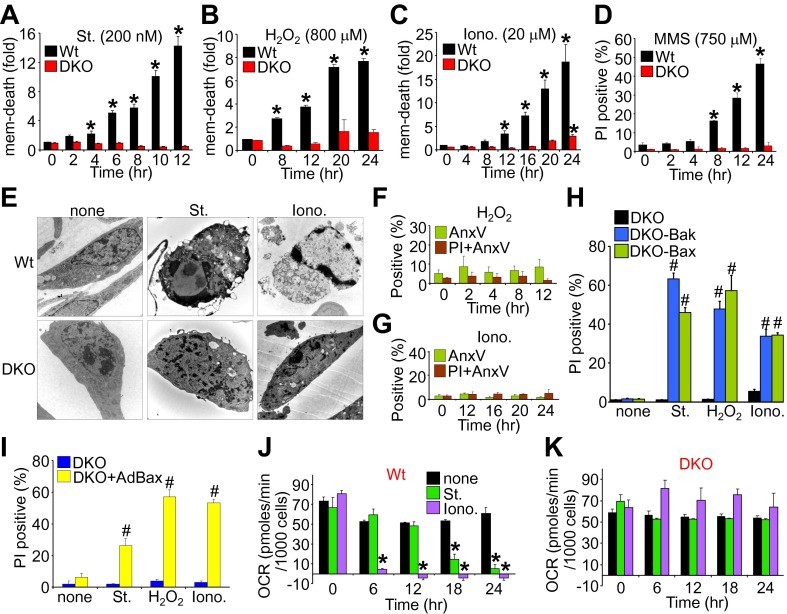
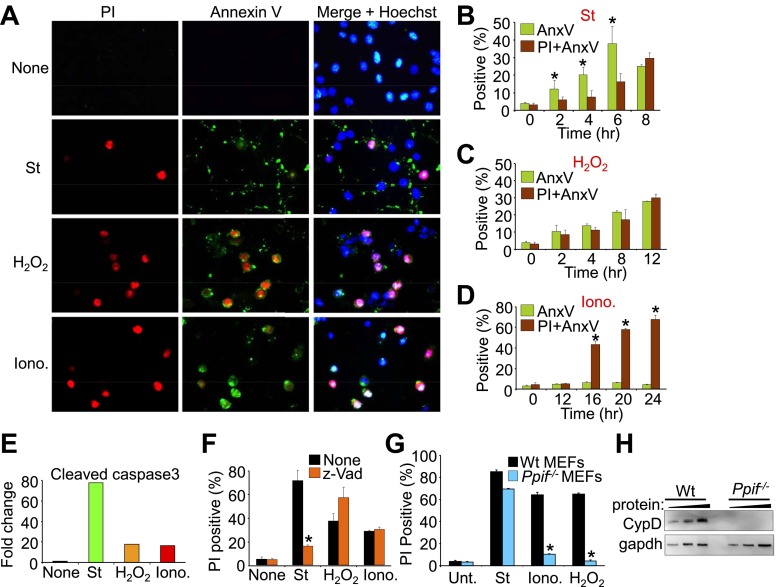
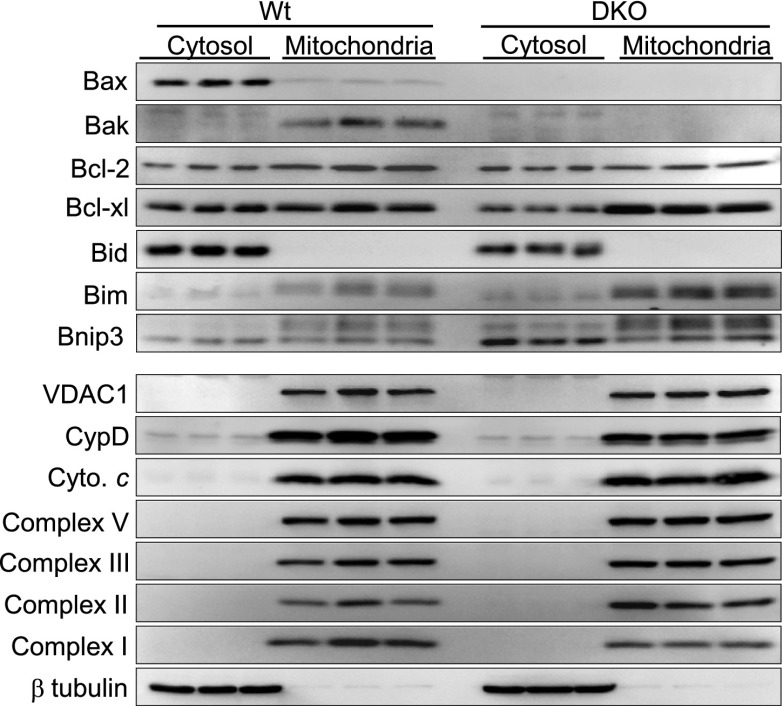
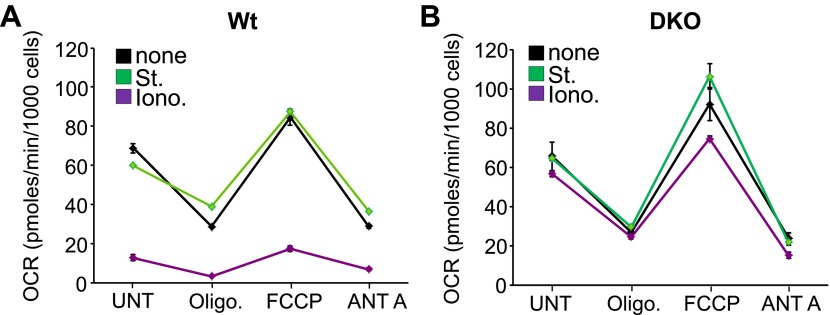
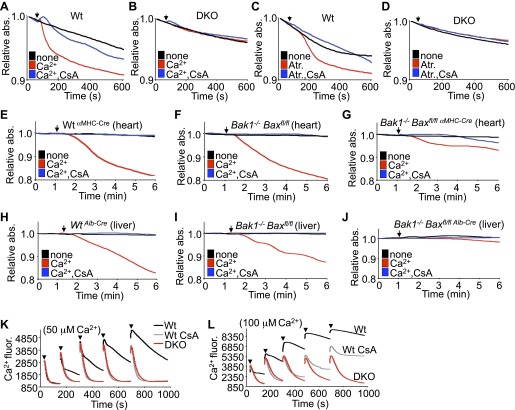
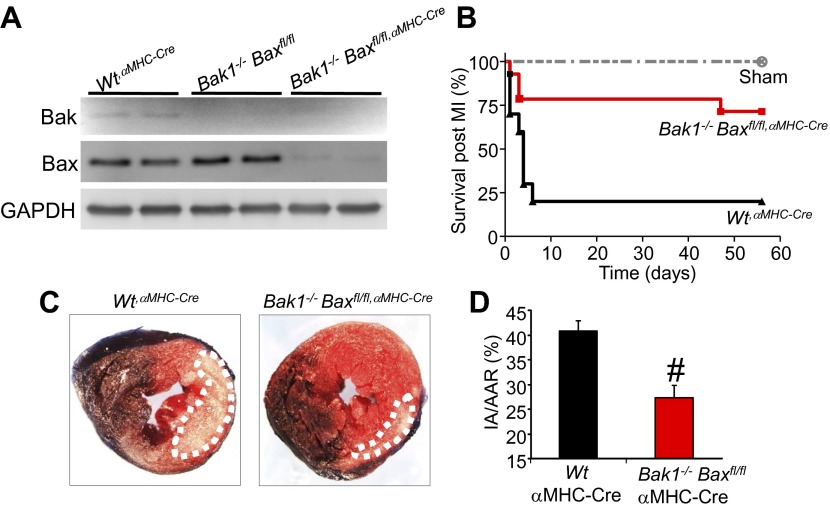
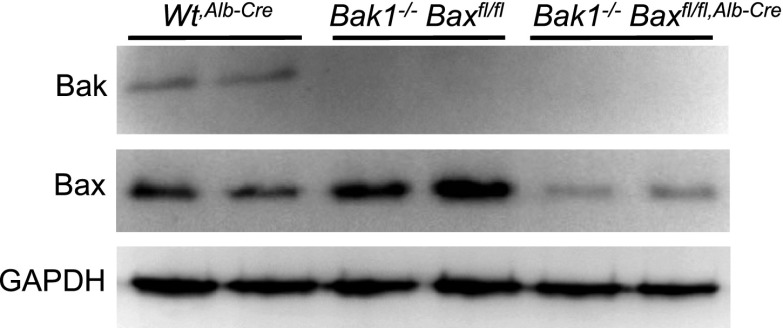
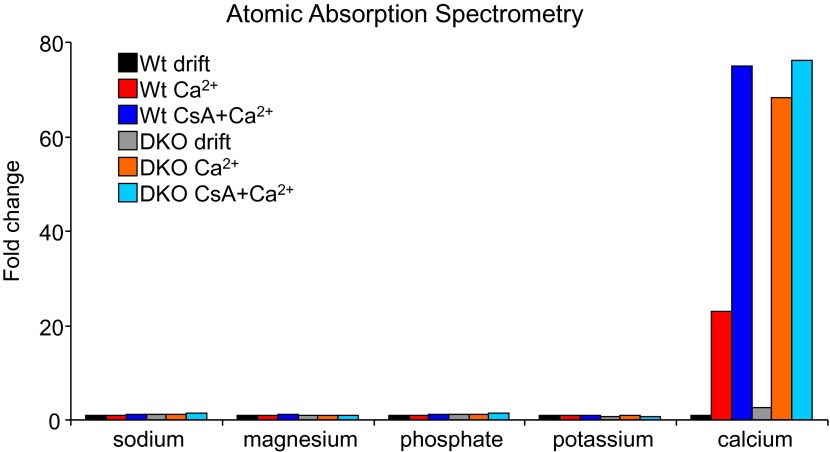
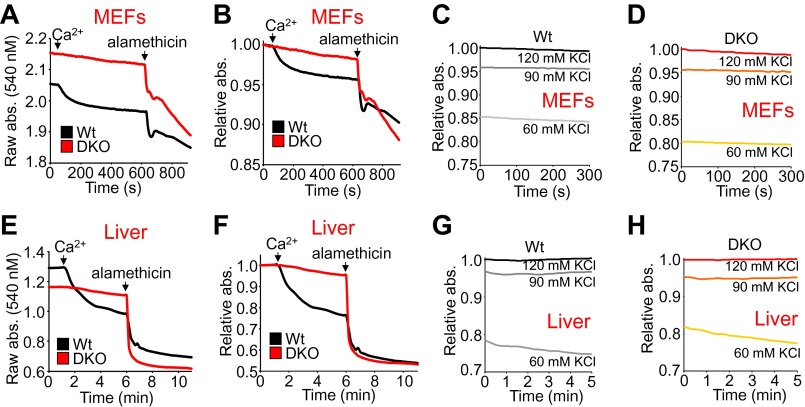
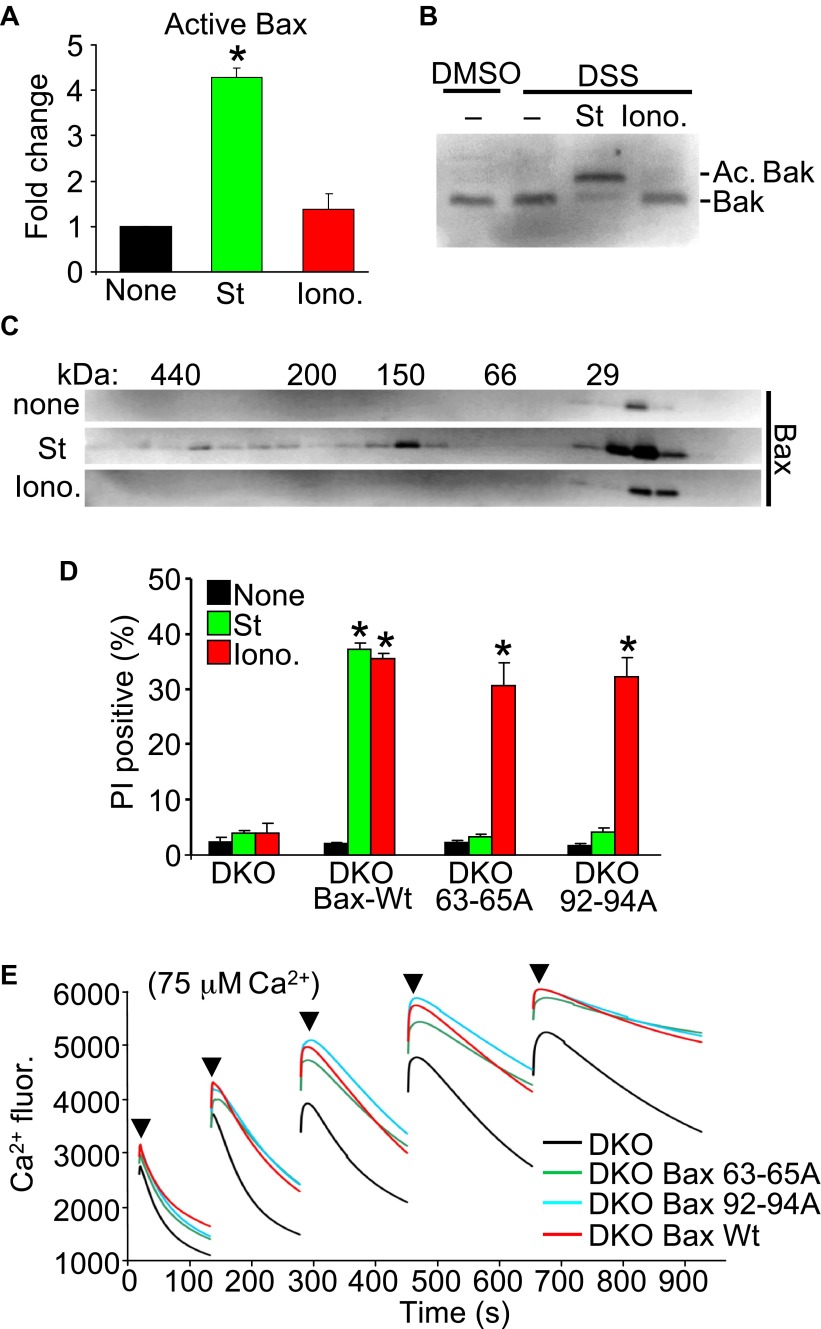
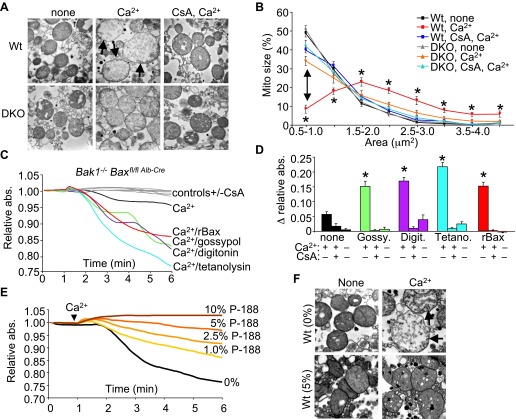
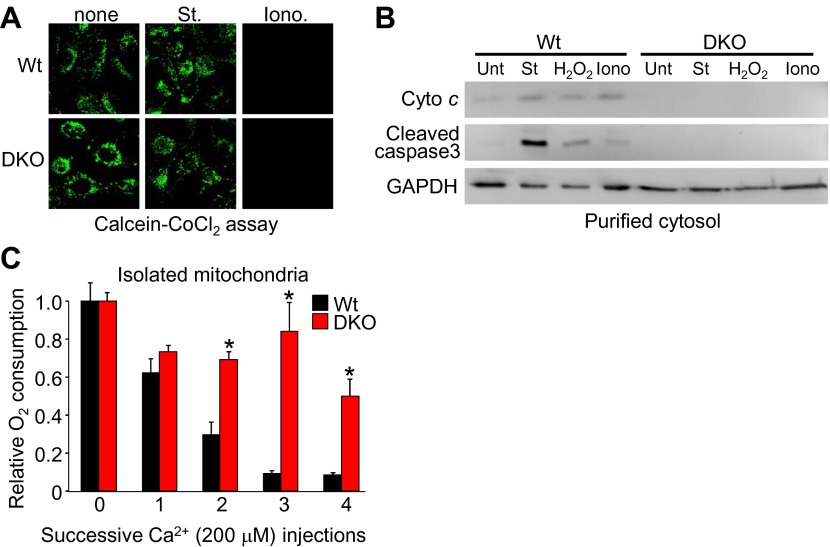
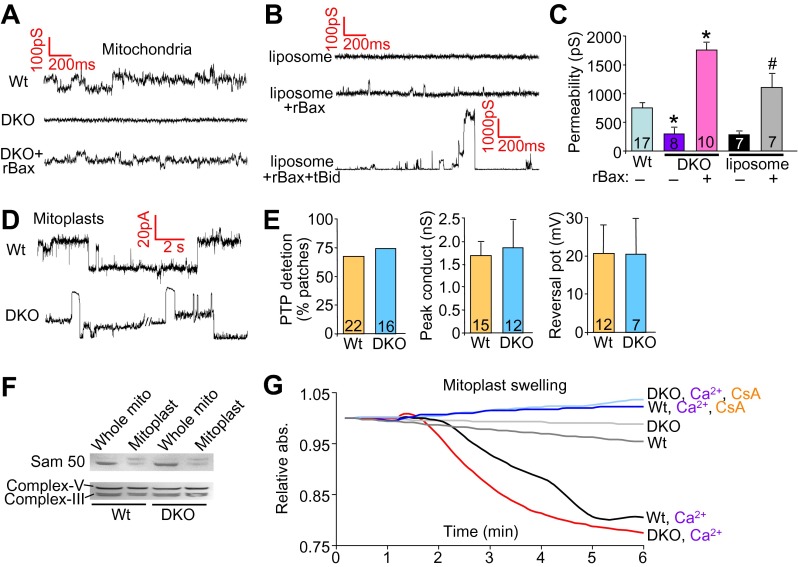
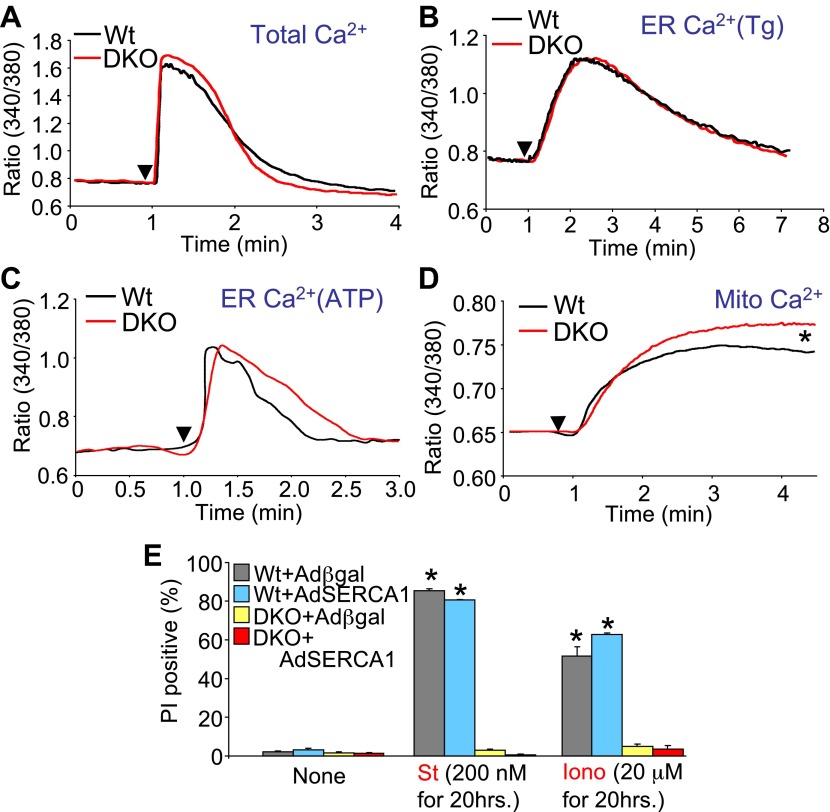
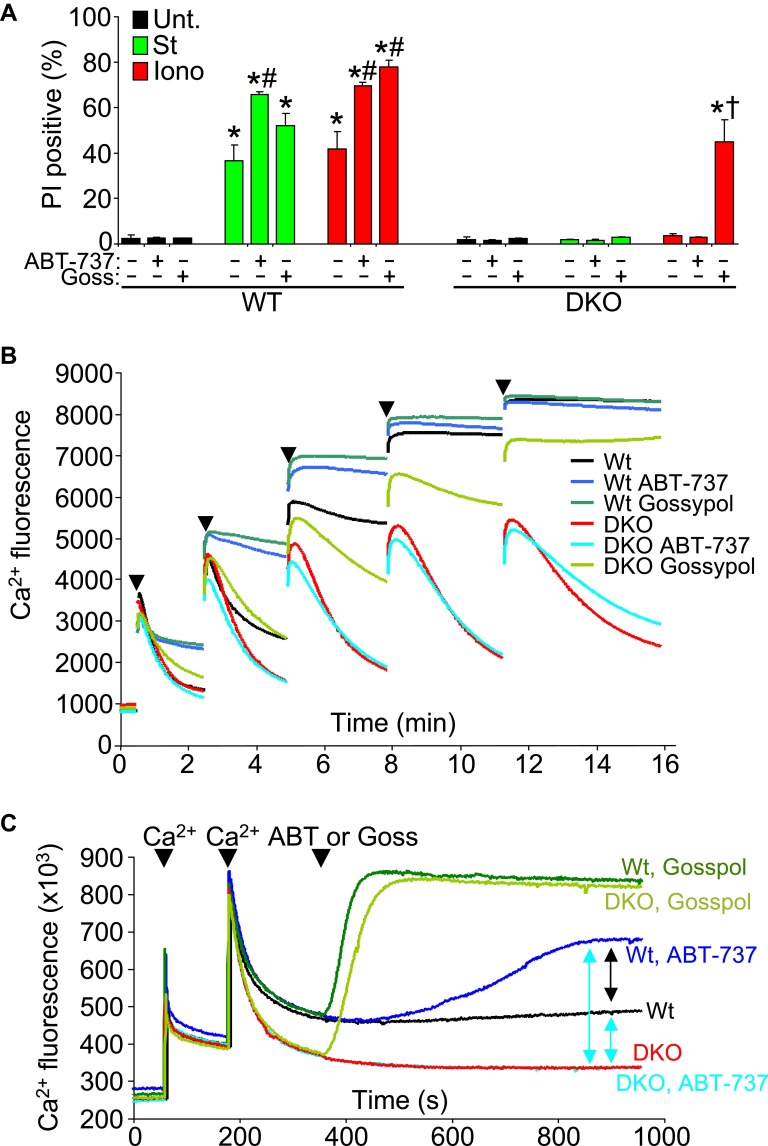
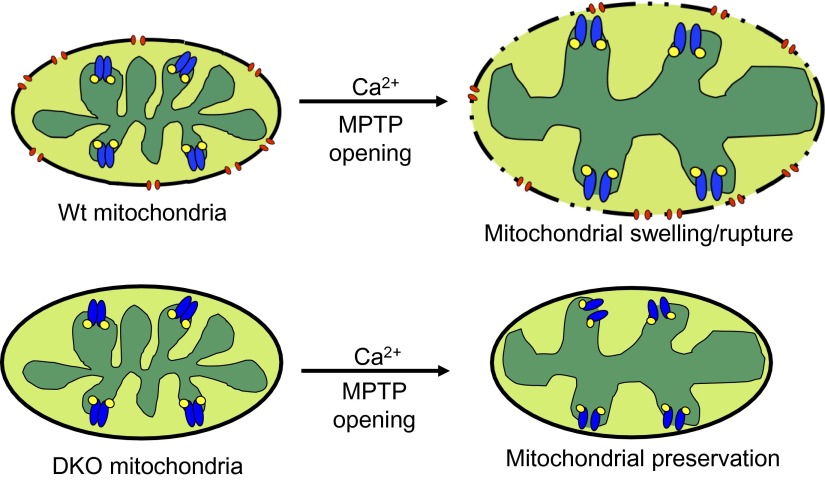
A critical event in ischemia-based cell death is the opening of the mitochondrial permeability transition pore (MPTP). However, the molecular identity of the components of the MPTP remains unknown. Here, we determined that the Bcl-2 family members Bax and Bak, which are central regulators of apoptotic cell death, are also required for mitochondrial pore-dependent necrotic cell death by facilitating outer membrane permeability of the MPTP. Loss of Bax/Bak reduced outer mitochondrial membrane permeability and conductance without altering inner membrane MPTP function, resulting in resistance to mitochondrial calcium overload and necrotic cell death. Reconstitution with mutants of Bax that cannot oligomerize and form apoptotic pores, but still enhance outer membrane permeability, permitted MPTP-dependent mitochondrial swelling and restored necrotic cell death. Our data predict that the MPTP is an inner membrane regulated process, although in the absence of Bax/Bak the outer membrane resists swelling and prevents organelle rupture to prevent cell death.
Overview
The claims and statistics of this paper haven’t been checked yet.
Run the check — free, no account needed. It reads the open-access text and checks the sources it cites.
Integrity signals
Registry
Cites
Statistics
Figures
Verification
Claims the paper makes
The claims and statistics of this paper haven’t been checked yet.
Run the check — free, no account needed. It reads the open-access text and checks the sources it cites.
Claims other papers make about this one
Each is checked against this paper’s own text: does it say what the citing paper says it does?
In the citing paper
“These include: (1) pro- and anti-apoptotic BCL2 family members such as BAX, BAK, and BID [407–410], as well as BCL2 and BCL-XL [411–414]”
From Molecular mechanisms of cell death: recommendations of the nomenclature committee on cell death 2018. (2018) · cites this paper as [407]
Self-check
Percentages, sums and reported differences re-computed from the paper’s own numbers.
The self-check needs the paper’s full text.
Citations
Cites
Danial, N. N., & Korsmeyer, S. J. (2004) · Cell · doi:10.1016/s0092-8674(04)00046-7 · Cited by 4,651
Proapoptotic BAX and BAK: A Requisite Gateway to Mitochondrial Dysfunction and Death
Wei, M. C., Zong, W.-X., Cheng, E. H.-Y., Lindsten, T., Panoutsakopoulou, V., Ross, A. J., Roth, K. A., MacGregor, G. R., Thompson, C. B., & Korsmeyer, S. J. (2001) · Science · doi:10.1126/science.1059108 · Cited by 3,988 · cited 2×
“As previously reported, Bax/Bak1 double-knockout (DKO) MEFs were highly resistant to cell death by the apoptotic inducer staurosporine (Wei et al., 2001), while Wt MEFs showed high levels of killing (Figure 1A).”
BackgroundSelf-citationChemical inhibitor of nonapoptotic cell death with therapeutic potential for ischemic brain injury
Degterev, A., Huang, Z., Boyce, M., Li, Y., Jagtap, P., Mizushima, N., Cuny, G. D., Mitchison, T. J., Moskowitz, M. A., & Yuan, J. (2005) · Nature Chemical Biology · doi:10.1038/nchembio711 · Cited by 3,068 · cited 2×
“Necroptosis is induced in cells when stimulated with tumor necrosis factor α (TNFα) in the presence of caspase inhibitors, such as zVAD-fmk (Degterev et al., 2005).”
BackgroundMixed Lineage Kinase Domain-like Protein Mediates Necrosis Signaling Downstream of RIP3 Kinase
Sun, L., Wang, H., Wang, Z., He, S., Chen, S., Liao, D., Wang, L., Yan, J., Liu, W., Lei, X., et al. (2012) · Cell · doi:10.1016/j.cell.2011.11.031 · Cited by 2,698 · cited 1×
“Recently, mixed lineage kinase domain–like protein (MLKL) and phosphoglycerate mutase family member 5 (PGAM5) were shown to be downstream of the RIP proteins (Sun et al., 2012; Wang et al., 2012).”
BackgroundMitochondria and cell death: outer membrane permeabilization and beyond
Tait, S. W. G., & Green, D. R. (2010) · Nature Reviews Molecular Cell Biology · doi:10.1038/nrm2952 · Cited by 2,593
Cho, Y., Challa, S., Moquin, D., Genga, R., Ray, T. D., Guildford, M., & Chan, F. K.-M. (2009) · Cell · doi:10.1016/j.cell.2009.05.037 · Cited by 2,435 · cited 1×
“RIP1 is able to interact with RIP3 in controlling necroptosis (Cho et al., 2009; He et al., 2009; Zhang et al., 2009).”
BackgroundBaines, C. P., Kaiser, R. A., Purcell, N. H., Blair, N. S., Osinska, H., Hambleton, M. A., Brunskill, E. W., Sayen, M. R., Gottlieb, R. A., Dorn, G. W., et al. (2005) · Nature · doi:10.1038/nature03434 · Cited by 2,280 · cited 2×
“Indeed, deletion of the gene encoding CypD renders mitochondria resistant to Ca2+ overload– induced swelling and the heart and brain partially resistant to cell death due to ischemic injury (Baines et al., 2005; Nakagawa et al., 2005; Schinzel et al., 2005).”
BackgroundSelf-citationReceptor Interacting Protein Kinase-3 Determines Cellular Necrotic Response to TNF-α
He, S., Wang, L., Miao, L., Wang, T., Du, F., Zhao, L., & Wang, X. (2009) · Cell · doi:10.1016/j.cell.2009.05.021 · Cited by 2,214 · cited 1×
“RIP1 is able to interact with RIP3 in controlling necroptosis (Cho et al., 2009; He et al., 2009; Zhang et al., 2009).”
BackgroundShimizu, S., Narita, M., Tsujimoto, Y., & Tsujimoto, Y. (1999) · Nature · doi:10.1038/20959 · Cited by 2,178 · cited 1×
“Over a decade ago, several reports suggested that Bax and/or Bak directly interacted with presumed components of the MPTP, the adenine nucleotide translocator (ANT) in the inner membrane and the VDAC in the outer membrane (Marzo et al., 1998; Narita et al., 1998; Shimizu et al., 1999).”
BackgroundRIP3, an Energy Metabolism Regulator That Switches TNF-Induced Cell Death from Apoptosis to Necrosis
Zhang, D.-W., Shao, J., Lin, J., Zhang, N., Lu, B.-J., Lin, S.-C., Dong, M.-Q., & Han, J. (2009) · Science · doi:10.1126/science.1172308 · Cited by 1,931 · cited 1×
“RIP1 is able to interact with RIP3 in controlling necroptosis (Cho et al., 2009; He et al., 2009; Zhang et al., 2009).”
Background
Cited by
Sorted by citations
Items 201–291 of 291
Martens, M. D., Seshadri, N., Nguyen, L., Chapman, D. C., Henson, E. S., Xiang, B., Falk, L., Mendoza, A., Rattan, S. G., Field, J. T., et al. (2021) · Cell Death and Disease · doi:10.1038/s41419-021-04402-3 · Cited by 12
Self-citationThe Oxidative Balance Orchestrates the Main Keystones of the Functional Activity of Cardiomyocytes
Bevere, M., Morabito, C., Mariggiò, M. A., & Guarnieri, S. (2022) · Oxidative Medicine and Cellular Longevity · doi:10.1155/2022/7714542 · Cited by 13
“This signal, as ADP/ATP depletion, leads to increased permeability of the outer mitochondrial membrane via activation of BAX and BAK proteins and the formation of mitochondrial permeability transition pore [79, 80].”
Dissecting cell death pathways in fed‐batch bioreactors
Mentlak, D. A., Raven, J. A., Moses, T., Massie, F., Barber, N., Hoare, R., Burton, G., Young, A., Pybus, L. P., Rosser, S. J., et al. (2023) · Biotechnology Journal · doi:10.1002/biot.202300257 · Cited by 12
“[57,58] Theprevi-ous success of “anti-apoptotic” genetic engineering does not therefore contradict our results, as such alterations can have multiple secondary effects that could lead to an improvement in culture performance.”
ResultHaffez, H., Sanad, H. H., Ebrahim, H. Y., & Hassan, Z. A. (2025) · Scientific Reports · doi:10.1038/s41598-025-99616-2 · Cited by 11
Karch, J. M., & Molkentin, J. D. (2018) · Current Opinion in Physiology · doi:10.1016/j.cophys.2018.03.001 · Cited by 11
Self-citationKyriakou, S., Potamiti, L., Demosthenous, N., Amery, T., Stewart, K., Winyard, P. G., Franco, R., Pappa, A., & Panayiotidis, M. I. (2023) · Nutrients · doi:10.3390/nu15184044 · Cited by 11
The role of c2orf68 and PI3K/Akt/mTOR pathway in human colorectal cancer
Wen, X., Zhu, J., Dong, L., & Yao, C. (2014) · Medical Oncology · doi:10.1007/s12032-014-0092-7 · Cited by 11
Guo, L. (2024) · Pharmacological Research · doi:10.1016/j.phrs.2024.107393 · Cited by 13
Teng, H., Huang, S., Sun, X., Wang, H., Wang, X., Zhang, W., Wang, H., Qu, S., Yu, Z., Zhao, Y., et al. (2025) · Phytomedicine · doi:10.1016/j.phymed.2025.156425 · Cited by 10
Ma, Y., Zhang, Y., Xiao, Y., & Xiao, F. (2020) · Toxics · doi:10.3390/toxics8030050 · Cited by 10
“5 kDa in size to freely pass through the membrane [22].”
BackgroundZhao, X., Guo, J., Wang, X., Lin, J., Liu, Z., Xu, C., Zhang, D., & Tong, D. (2022) · Journal of Biological Chemistry · doi:10.1016/j.jbc.2022.102280 · Cited by 10
Mitochondrial Dynamics during Development
Maheshwari, A., He, L., & Tronstad, K. J. (2023) · Newborn · doi:10.5005/jp-journals-11002-0053 · Cited by 10
Kumar, P., Mahalakshmi, M., Selvaraj, A., Durgadevi, S., & Govarthanan, M. (2024) · Luminescence · doi:10.1002/bio.4848 · Cited by 9
Sorokin, O., Hause, F., Wedler, A., Alakhras, T., Bauchspiess, T., Dietrich, A., Günther, W. F., Guha, C., Obika, K. B., Kraft, J., et al. (2025) · APOPTOSIS · doi:10.1007/s10495-025-02161-6 · Cited by 14
RBL2 Regulates Cardiac Sensitivity to Anthracycline Chemotherapy
Xia, P., Chen, J., Sapkota, Y., Scott, E. N., Liu, Y., Hudson, M. M., Rassekh, S. R., Carleton, B., Ross, C. J., Chow, E. J., et al. (2023) · JACC CardioOncology · doi:10.1016/j.jaccao.2022.10.017 · Cited by 9
“Intriguingly, Bax is also necessary for caspase-independent necrotic cell death, which is driven by opening of the mitochondrial permeability transition pore.(45,46) A small-molecule Bax inhibitor”
BackgroundGuerra, F., Ponziani, F. R., Cardone, F., Bucci, C., Marzetti, E., & Picca, A. (2024) · International Journal of Molecular Sciences · doi:10.3390/ijms25094783 · Cited by 9
“Phosphorylated RIP1/RIP3 also activates the mixed-lineage kinase domain-like protein (MLKL) [28,29], which triggers cell and organelle destruction, alters cell permeability, and induces necrosis [30] (Figure 1).”
BackgroundDavis, J., Kwong, J. Q., Kitsis, R. N., & Molkentin, J. D. (2013) · PLoS ONE · doi:10.1371/journal.pone.0082053 · Cited by 9
“Moreover the desensitization of mitochondrial permeability transition pore (MPTP) formation by PLOS ONE | www.plosone.org 1 December 2013 | Volume 8 | Issue 12 | e82053 both genetic deletion and pharmacologic inhibition of cyclophilin D (CypD) in several mouse models of muscular dystrophy showed reduced pathology and…”
BackgroundInfluentialSelf-citationChen, Y., Zhao, N., Zhang, Y. L., Chen, X., Chen, Y., Wang, Y., Wu, J., & Zhao, W. (2024) · The Journals of Gerontology Series A · doi:10.1093/gerona/glae294 · Cited by 10
“BAX and BAK are positive regulators of mPTP (18,36).”
Nucleophosmin Phosphorylation as a Diagnostic and Therapeutic Target for Ischemic AKI
Wang, Z., Salih, E., Igwebuike, C., Mulhern, R. M., Bonegio, R. G. B., Havasi, A., & Borkan, S. C. (2018) · Journal of the American Society of Nephrology · doi:10.1681/asn.2018040401 · Cited by 9
Inhibitory Role of TRIP-Br1/XIAP in Necroptosis under Nutrient/Serum Starvation.
Sandag, Z., Jung, S., Quynh, N. T. N., Myagmarjav, D., Anh, N. H., Le, D. T., Lee, B. S., Mongre, R. K., Jo, T., & Lee, M. (2020) · Europe PMC (PubMed Central) · doi:10.14348/molcells.2020.2193 · Cited by 8
“Next, we analyzed the representative pro-apoptotic proteins of BAX and BAK and anti-apoptotic protein Bcl2, which are known to mediate many other types of cell deaths including necroptosis (Karch et al., 2013; 2015; Lindqvist et al., 2014; Nikoletopoulou et al., 2013).”
BackgroundMethodBacterial programmed cell death and toxin-antitoxin system in bacteria
Rafiq, I., Mohiuddin, M., & Waqar, M. (2025) · Archives of Microbiology · doi:10.1007/s00203-025-04397-x · Cited by 7
“A type of PCD, called apoptosis, which leads to chromatin condensation, the blebbing of the plasma membrane, and shrinking of the cell (Karch et al. 2013).”
Qin, D., Jia, X. F., Hanna, A., Lee, J., Pekson, R., Elrod, J. W., Calvert, J. W., Frangogiannis, N. G., & Kitsis, R. N. (2023) · Journal of Molecular and Cellular Cardiology · doi:10.1016/j.yjmcc.2023.09.004 · Cited by 9
Self-citationLiu, Y., Wen, C., Zhang, Y., Liu, Z., He, Q., Cui, M., Peng, H., Wang, Y., Zhang, X., Li, X., et al. (2021) · Toxicology Research · doi:10.1093/toxres/tfab088 · Cited by 7
Vinita, N. M., Umapathy, D., Durgadevi, S., Anitha, S., Govarthanan, M., Arockiam, A. J. V., Jeyakanthan, J., Prakash, P. A., Jaabir, M. S. M., & Kumar, P. (2023) · ACS Omega · doi:10.1021/acsomega.2c06731 · Cited by 7
Yang, N., Gilman, P., Mirzayans, R., Sun, X., Touret, N., Weinfeld, M., & Goping, I. S. (2015) · PLoS ONE · doi:10.1371/journal.pone.0125381 · Cited by 7
“In response to apoptotic stimuli, pro-apoptotic proteins Bax and Bak form pores in the mitochondrial outer membrane, causing the release of mitochondrial proteins inducing apoptosis [9, 25].”
BackgroundRegulated Cell Death in Myocardial Infarction
Kitsis, R. N. (2025) · Circulation Research · doi:10.1161/circresaha.125.323052 · Cited by 8
Ramachandran, A., & Jaeschke, H. (2017) · Elsevier eBooks · doi:10.1016/b978-0-12-804274-8.00006-0 · Cited by 7
Kahalian, S., Koopaie, M., Hakimiha, N., & Kolahdooz, S. (2022) · Folia Medica · doi:10.3897/folmed.64.e60825 · Cited by 6
Verma, P., Chauhan, A., Thakur, R., Lata, K., Sharma, A., Chattopadhyay, K., & Mukhopadhaya, A. (2023) · Molecular Microbiology · doi:10.1111/mmi.15180 · Cited by 6
“The levels of Bax/Bcl-2 have been reported to increase in various programmed cell death processes (Karch et al., 2013 ; Westphal et al., 2014 ).”
BackgroundAken, O. V. (2018) · Wiley eBooks · doi:10.1002/9781119312994.apr0553 · Cited by 6
Bıtgen, N., Çakır, M., Akkoç, S., & Dönmez‐Altuntaş, H. (2025) · Journal of Biochemical and Molecular Toxicology · doi:10.1002/jbt.70112 · Cited by 5
“The absence of Bax/Bak prevents outer membrane swelling and organelle rupture to prevent cell death [35, 36].”
Xu, Z., Meng, F., Yang, H., Liu, Y.-L., Ye, K.-Q., Qin, F., Liu, D., & Dai, H. (2025) · Biology · doi:10.3390/biology15010081 · Cited by 5
“In this context, BAK and BAX act as critical integrators, linking upstream death signals (including those from necroptosis) to downstream mitochondrial collapse, thereby forming a positive feedback loop that amplifies cellular demise [40,111,112].”
Aken, O. V. (2017) · Wiley eBooks · doi:10.1002/9781118906583.ch11 · Cited by 5
The case for brakes: Why restrain the size of Bax and Bak pores in outer mitochondrial membranes?
Andrews, D. W. (2022) · Molecular Cell · doi:10.1016/j.molcel.2022.02.022 · Cited by 5
Lyu, Q., Feng, M., Wang, L., Yang, J., Wu, G., Liu, M., Feng, Y., Lin, S., Yang, Q., & Hu, J. (2022) · Advances in experimental medicine and biology · doi:10.1007/978-3-030-93337-1_14 · Cited by 7
Zerikiotis, S., Efentakis, P., Dapola, D., Agapaki, A., Seiradakis, G., Kostomitsopoulos, N. G., Skaltsounis, A., Tseti, I. K., Triposkiadis, F. K., & Andreadou, I. (2023) · International Journal of Molecular Sciences · doi:10.3390/ijms241814235 · Cited by 5
Protein kinase signaling at the crossroads of myocyte life and death in ischemic heart disease
Vagnozzi, R. J., Hoffman, N. E., Elrod, J. W., Madesh, M., & Force, T. L. (2012) · Drug Discovery Today Therapeutic Strategies · doi:10.1016/j.ddstr.2013.12.001 · Cited by 5
“In addition to its role in apoptosis, Bax itself has recently been implicated as a mediator of mitochondrial IMM permeabilization and necrosis [24,25], representing another layer of GSK-3β regulation.”
BackgroundSelf-citationComputational design of potent and selective binders of BAK and BAX
Berger, S., Lee, E. F., Harris, T. J., Tran, S. H., Bera, A. K., Arguinchona, L., Kang, A., Sankaran, B., Kasapgil, S., Miller, M. S., et al. (2025) · Science Advances · doi:10.1126/sciadv.adt4170 · Cited by 4
“Blocking apoptosis further upstream at BAK and BAX should maintain MOM integrity and thus protect more broadly against both caspase-dependent and - independent cell death associated with MOM permeability ( 28 , 29 ).”
The Mitochondrial Permeability Transition Pore: Past, Present, and Future
Carraro, M., Gerle, C., & Bernardi, P. (2025) · Annual Review of Biophysics · doi:10.1146/annurev-biophys-030722-020832 · Cited by 4
Genome-Wide RNAi Screen Identifies Regulators of Cardiomyocyte Necrosis
Cheng, Z., Combs, M., Zhu, Q., Xia, P., Opheim, Z., Parker, J. S., Mack, C. P., & Taylor, J. M. (2019) · ACS Pharmacology & Translational Science · doi:10.1021/acsptsci.9b00052 · Cited by 5
The role of domain alterations in F1Fo-ATPase dysfunction associated to neurodegenerative diseases
Zhou, M., Lin, Y., Zhang, Z., Tang, Y., Zhang, W., Liu, H., Peng, G., Qiu, J., Guo, W., Chen, X., et al. (2023) · Ageing and Neurodegenerative Diseases · doi:10.20517/and.2022.28 · Cited by 4
Sun, A., & Wang, W. (2025) · Environmental Science & Technology · doi:10.1021/acs.est.5c05372 · Cited by 3
BAK knockdown delays bleaching and alleviates oxidative DNA damage in a reef-building coral
Majerová, E., Steinle, C., & Drury, C. (2025) · Communications Biology · doi:10.1038/s42003-025-08671-y · Cited by 3
“Their regular openings help maintain healthy mitochondrial homeostasis through control of the release of excessive ROS to the cytoplasm, where it affects stress signaling and oxidative damage response pathways 59,60 .”
He, H., Zhang, X., Xiong, L., & Xiao, Q. (2025) · Cell Biochemistry and Function · doi:10.1002/cbf.70125 · Cited by 5
“Additionally, the opening of the mPTP results in the loss of ATP synthase function, terminating ATP ‐ dependent biological processes [109, 112].”
Modulation of mitochondrial voltage dependent anion channel: studies on bilayer electrophysiology
Koren, D. T., Malik, C., Siddiqui, S. I., Shrivastava, R., & Ghosh, S. (2025) · Frontiers in Physiology · doi:10.3389/fphys.2025.1666994 · Cited by 3
Li, Z., Song, N., Deng, Y., Zhang, Q., Hu, F., Lu, Y., Chen, J., Xiao, P., Yan, A., Li, J., et al. (2025) · Translational Oncology · doi:10.1016/j.tranon.2025.102642 · Cited by 3
“BAX increases the permeability of mitochondrial outer membrane, diminishes membrane potential, and releases Cyt-C into the cytoplasm, thereby activating caspase-3 and promoting apoptosis [72].”
Shen, Y.-Z., Yang, G., Ma, Q., Wang, Y.-S., & Wang, X. (2025) · World Journal of Stem Cells · doi:10.4252/wjsc.v17.i3.100079 · Cited by 3
Role of Kupffer cells in liver injury induced by CpG oligodeoxynucleotide and flucloxacillin in mice
Gao, Y., Song, B., Aoki, S., & Ito, K. (2020) · EXCLI journal · doi:10.17179/excli2020-1103 · Cited by 3
“Although it is widely accepted that MPT can lead to mitochondrial swelling and cell death through apoptosis or necrosis (D'Arcy, 2019; Karch et al., 2013), the underlying mechanism of induction of MPT remains unclear.”
BackgroundMitochondrial Permeability Transition in Stem Cells, Development, and Disease
Dumbali, S. P., & Wenzel, P. L. (2022) · Advances in experimental medicine and biology · doi:10.1007/5584_2022_720 · Cited by 3
Robichaux, D. J., Lopez, S. J., Mendoza, A., Ramirez, D., Lin, S. J., Molkentin, J. D., Peixoto, P. M. V., & Karch, J. M. (2025) · bioRxiv (Cold Spring Harbor Laboratory) · doi:10.1101/2025.06.13.658955 · Cited by 3
Self-citationFoo, C. Z., Duggan, A., Bartom, E. T., Tao, L., & Garcı́a-Añoveros, J. (2025) · Journal of the Association for Research in Otolaryngology · doi:10.1007/s10162-025-01005-z · Cited by 2
“An example of a SE can be found in the gene BCL2 Antagonist/Killer 1 ( Bak1 ) that localizes to the mitochondria and is involved in inducing apoptosis [44, 45] and necrosis [46].”
Sun, Y., Sun, X. C., Liu, H., & Luo, F. (2025) · Coordination Chemistry Reviews · doi:10.1016/j.ccr.2025.217412 · Cited by 2
Neuroprotective Potential of Brown Seaweed Phytochemicals in Rodent Models of Cerebral Ischemia
Ferdous, K. A., Sarihi, S., Ellis, A. C., & Park, H. (2023) · Journal of Medicinal Food · doi:10.1089/jmf.2023.0058 · Cited by 2
“33,34 The loss of mitochondrial membrane integrity contributes to cytochrome c release followed by apoptosome formation and caspase activation.”
Perturbed Brain Energy Metabolism in Alzheimer’s Disease and Diabetes
Wu, L. (2017) · KU ScholarWorks (University of Kansas) · Cited by 2
Porcine Epidemic Diarrhea-Virus-Induced Cell Death: Mechanistic Insights and Therapeutic Strategies
Zhang, M., Yin, M., & Liu, P. (2025) · Veterinary Sciences · doi:10.3390/vetsci12111050 · Cited by 3
“CHOP promotes the transcription of BH3-only proteins such as Bim and PUMA, thereby inducing MOMP and activating the intrinsic pathway, while also upregulating DR5/TRAIL-R2 to amplify death receptor signaling [29].”
Azamov, B., Shim, W.-S., Lee, C., Kang, Y., Jo, Y., Rethineswaran, V. K., Muradillaeva, S., Hwang, S., Ryu, S., Bae, S. S., et al. (2026) · Free Radical Biology and Medicine · doi:10.1016/j.freeradbiomed.2026.03.043 · Cited by 1
Mitochondrial permeability transition in redox homeostasis and ferroptosis
Guo, L. (2026) · Journal of Biological Chemistry · doi:10.1016/j.jbc.2026.113244 · Cited by 1
“BAX/BAK has been implicated in the regulation of the PTP because BAX/BAK-null mitochondria are resistant to PTP opening (227–229).”
Reverse engineering of BNIP3 identifies a mitochondrial protective peptide
Hendgen-Cotta, U. B., Roth, A., Beuck, C., Messiha, D., Settelmeier, S., Shah, S. B., Korste, S., Bravo‐Rodriguez, K., Blueggel, M., Cansiz, F., et al. (2026) · Nature Communications · doi:10.1038/s41467-026-73993-2 · Cited by 1
“They sensitisecells to Ca 2+ -induced opening of the mPTP in the mitochondrial inner membrane 9,10 , leading to mitochondrial swelling and rupture 11 .”
ali, A., Ghoneim, N., & Salama, R. (2020) · The Egyptian Journal of Histology · doi:10.21608/ejh.2020.30007.1287 · Cited by 1
Csordás, G., & Hurst, S. (2020) · The Journal of General Physiology · doi:10.1085/jgp.202012711 · Cited by 1
“Whether mPTP would indeed form a (super)complex with Bax/Bak oligomers in the OMM has not been established; however, mPTP is strongly desensitized in Bax/Bak DKO cells (Karch et al., 2013), and direct interaction between Bax/Bak and ANT have been reported by multiple groups (Marzo et al.”
BackgroundWang, D., Lee, J., Polson, J., Liem, D. A., & Ping, P. (2021) · Advances in biochemistry in health and disease · doi:10.1007/978-3-030-78799-8_1 · Cited by 1
Recent Developments in Search of Effective Herbal Medicine for The Treatment of Leukemia
Shergill, G. S. (2022) · Online Journal of Complementary & Alternative Medicine · doi:10.33552/ojcam.2022.07.000659
“the discharge of cytochrome-c, which causes the breakdown of procaspase-9 and thus its activation [45].”
BackgroundMitochondria in Cell Death Regulation
Vitale, I., Manic, G., Kroemer, G., & Galluzzi, L. (2015) · Elsevier eBooks · doi:10.1016/b978-0-12-394447-4.30046-3 · Cited by 1
Introduction to review series: Regulated necrosis programs in heart disease
Axelrod, J. L., Pekson, R., & Kitsis, R. N. (2023) · Journal of Molecular and Cellular Cardiology · doi:10.1016/j.yjmcc.2023.07.003 · Cited by 1
Electrophysiology of the Mitochondrial Apoptosis-Induced Channel, MAC
Kinnally, K. W., & Peixoto, P. M. V. (2015) · Springer series in biophysics · doi:10.1007/978-3-319-20149-8_3
Self-citationJonas, E. A., Porter, G. A., Beutner, G., Mnatsakanyan, N., & Alavian, K. N. (2015) · Wiley eBooks · doi:10.1002/9781119017127.ch2
Human Stem Cell‐Derived CardiomyocyteIn VitroModels for Cardiotoxicity Screening
Walker, T. M., Harris, K. L., Maifoshie, E., & Chaudhary, K. W. (2016) · Wiley eBooks · doi:10.1002/9781119135449.ch6
Regulation of Programmed Necrosis and Bone Marrow Failure
Zinkel, S. S. (2017)
Regulation of mitochondrial function by Myocardin during cardiac development and disease
Mughal, W. (2019) · Mspace (University of Manitoba)
Naryzhnaya, N. V., Маслов, Л. Н., Lishmanov, Y. B., Нестеров, Е. А., Ягги, А. С., & Suleiman, M. S. (2019) · Neuroscience and Behavioral Physiology · doi:10.1007/s11055-019-00823-y
Qamar, A. (2020) · Scholarship@Western (Western University)
Investigating the effects of bronchodilator induced cardiotoxicity
Cassambai, S. (2018)
Paumet, F., & Wesolowski, J. (2019) · Faculty Opinions – Post-Publication Peer Review of the Biomedical Literature · doi:10.3410/f.727388584.793557496
Voss, A. K. (2020) · Faculty Opinions – Post-Publication Peer Review of the Biomedical Literature · doi:10.3410/f.726877450.793571343
Uncovering critical cell death mechanisms for novel cardioprotective therapies
(2020) · Research outreach · doi:10.32907/ro-118-5861
The Contribution of Mitochondrial Evolution and Dysfunction to Neurodegeneration
Wasner, K., Pereira, S. L., & Grünewald, A. (2024) · Oxford University Press eBooks · doi:10.1093/med/9780197676592.003.0004
Rejuvenating the Mitochondrial Permeability Transition
Nata, F. B., Tommasin, L., Frigo, E., & Carraro, M. (2025) · Oxford University Press eBooks · doi:10.1093/oxfordhb/9780190932183.013.4
Dying for Clarity: Common Pitfalls in Cardiac Cell Death Research
Wehrens, A. J., & Karch, J. M. (2025) · Cardiovascular Drugs and Therapy · doi:10.1007/s10557-025-07756-4
“For example, BAX and BAK not only mediate mitochondrial outer membrane permeabilization in apoptosis but also contribute to calcium-induced opening of the mitochondrial permeability transition pore (mPTP), linking them to necrotic cell death [9].”
Self-citationYeast NatB Regulates Cell Death of Bax-Expressing Cells
Guedes, J. P., Mendes, F., Machado, B. O., Manon, S., Côrte‐Real, M., & Chaves, S. R. (2025) · Biomolecules · doi:10.3390/biom15121731 · Cited by 2
“However, cytochrome c can also be released due to changes in the outer mitochondrial membrane’s physical prop‑ erties caused by inactive Bax, increasing membrane permeability and rendering mitochon‑ dria more prone to rupture after MPTP opening and necrosis [42].”
Li, F., Zhu, S., Sun, X., Geng, G., Zhao, J., Han, J., Liu, X., Zhu, W., Yang, W., & Wu, Q. (2026) · Biomedicine & Pharmacotherapy · doi:10.1016/j.biopha.2026.119044
Rôles et mécanismes d’action de la protéine Epac1 mitochondriale dans les pathologies cardiaques
Laudette, M. (2019) · theses.fr (ABES) · doi:10.70675/5a24dee4ze02cz4524za612zea3224b1ea32
Development of new nanoformulations for cardiac therapy
Gendron, A. (2023) · theses.fr (ABES) · doi:10.70675/9971639dz2d7fz4d8fza1c1z711c3637b124
Nishioka, A., Azma, T., Mieda, T., & Mio, Y. (2026) · Life · doi:10.3390/life16050820
“Intrinsic apoptosis is also known to be closely associated with mitochondrial dysfunction [9,19].”
The Role of Skeletal Muscle Mitochondria in NLRP3 Inflammasome Signaling
Sangha, J., & Hood, D. A. (2026) · Biomolecules · doi:10.3390/biom16081218
“When stress is imposed on mitochondria, the mitochondrial permeability transition pore (mPTP) opens, leading to a cascade of events, including compromised membrane potential, cytochrome c release, cell swelling, and cell death [150,151].”
Phytotherapeutic targeting of mitochondria in Alzheimer’s disease: A narrative review
USMAN, I. M., Adeniyi, I. A., Asekenye, C., Ugwu, O. P.-C., Ikwuka, D. C., Muhidin, H. A., Wali, C. C., Diaz, M. E. F., & Archibong, V. (2026) · Phytomedicine Plus · doi:10.1016/j.phyplu.2026.101044
Liburd, S. T., Banno, T., Tobiásová, Z., DiRito, J. R., Wong, S., Tassel, K. V., Gavathiotis, E., Tietjen, G. T., Saltzman, W. M., Kitsis, R. N., et al. (2026) · American Journal of Transplantation · doi:10.1016/j.ajt.2026.10.002
BindingDB (2024) · UC San Diego · doi:10.7270/q2js9vp7
Metadata
- Authors
- Karch, J., Kwong, J. Q., Burr, A. R., Sargent, M. A., Elrod, J. W., Peixoto, P. M., Martinez-Caballero, S., Osinska, H., Cheng, E. H.-Y., Robbins, J., Kinnally, K. W., & Molkentin, J. D.
- Affiliations
- Cincinnati Children's Hospital Medical Center (US)
- New York University (US)
- Department of Basic Sciences, New York University College of Dentistry, New York, United States
- Department of Pediatrics, Cincinnati Children’s Hospital Medical Center, University of Cincinnati, Cincinnati, United States
- Memorial Sloan Kettering Cancer Center (US)
- Corresponding author
- Molkentin, Jeffery D
- ORCID
- Venue
- eLife
- Publisher
- eLife Sciences Publications, Ltd
- Published
- 2013-08-27
- Volume
- 2
- Pages
- e00772-e00772
- ISSN
- 2050-084X (ISSN-L)
- PMC
- PMC3755340
- OpenAlex
- W2139284714
- Cited by
- 290
- References
- 53
- Citations by year
- 2026: 8 · 2025: 25 · 2024: 16 · 2023: 31 · 2022: 22 · 2021: 26 · 2020: 25 · 2019: 23 · 2018: 27 · 2017: 22 · 2016: 26 · 2015: 16 · 2014: 21 · 2013: 1
- FWCI
- 9.55
- Type
- journal article
- Language
- en
- Open access
- gold
- doi.org
- Licence
- Locations
- eLife (publishedVersion, cc-by)
- Europe PMC (PubMed Central) (publishedVersion, cc-by)
- PubMed Central (publishedVersion, cc-by)
- PubMed (publishedVersion)
- CUNY Academic Works (City University of New York) (submittedVersion, cc-by)
- DOAJ (DOAJ: Directory of Open Access Journals) (submittedVersion, cc-by-sa)
- Funders
- Howard Hughes Medical Institute
- National Institutes of Health (P01 HL080101)
- American Heart Association pre-doctoral grant
- American Heart Association
- Topics
- Life Sciences › Biochemistry, Genetics and Molecular Biology › Molecular Biology › Cell death mechanisms and regulation
- Life Sciences › Biochemistry, Genetics and Molecular Biology › Molecular Biology › Mitochondrial Function and Pathology
- Health Sciences › Medicine › Cardiology and Cardiovascular Medicine › Cardiac Ischemia and Reperfusion
- Keywords
- Bax, Bak, mitochondrial permeability transition pore, necrosis, mitochondrial outer membrane permeabilization, Bcl-2 family proteins, mitochondrial calcium overload, mitochondrial swelling, ischemia, Bax oligomerization
- MeSH terms
- Mitochondrial Permeability Transition Pore, Animals, Necrosis, Mitochondrial Membrane Transport Proteins, bcl-2 Homologous Antagonist-Killer Protein, bcl-2-Associated X Protein, Mice
About these checks
Registry, retraction, Cites and statistics results are computed, not judged, with one exception: a printed reference that no index lists is read once by a model before it counts as a citation error. Claims are extracted by a model and kept only when their quote appears verbatim in the text; each cited source is then checked, with a model’s help, for whether it says what the claim relies on. Those verdicts can be wrong — read the claim’s quote and the cited source before relying on one.
Statistics and arithmetic are recomputed, not judged.
Confidence bands are shown only for fields calibrated on our annotated test set. None is calibrated yet, so no band is shown.
What counts as a claim ›How we measure confidence ›How we check this ›
Are you an author, or do you see a problem with this page? Request a review
