

The DOI matches its Crossref record; 53 of the 53 references it cites were found in a registry or an index.
Bax and Bak function as the outer membrane component of the mitochondrial permeability pore in regulating necrotic cell death in mice
Open accessAbstract
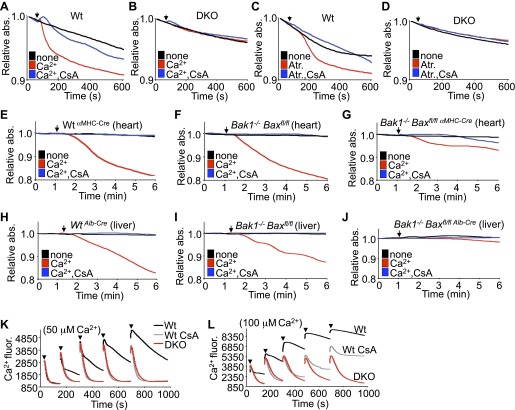
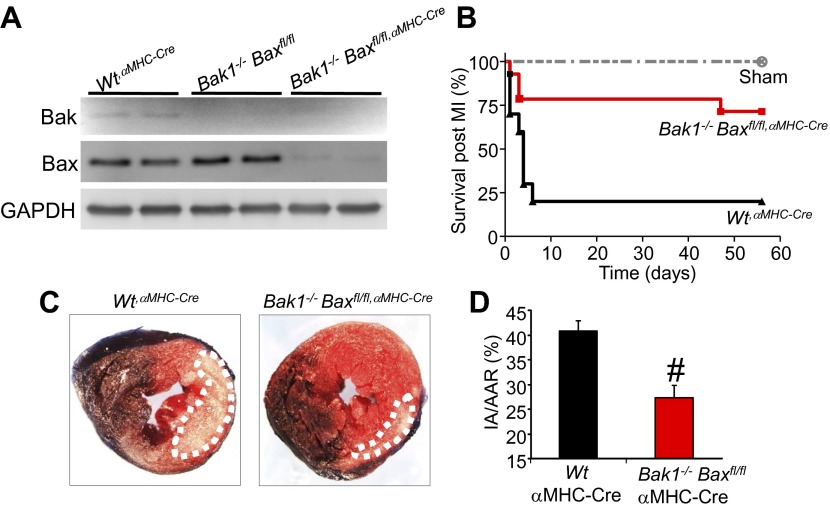
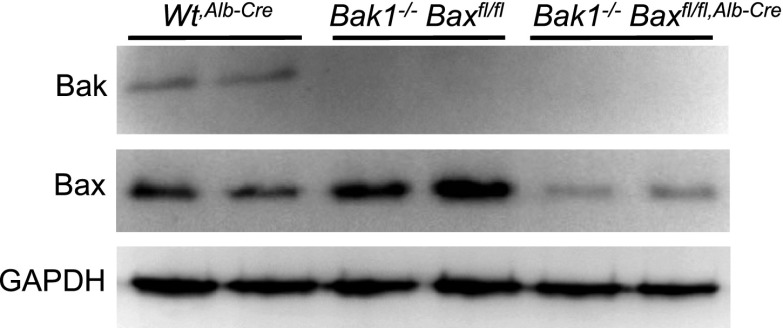
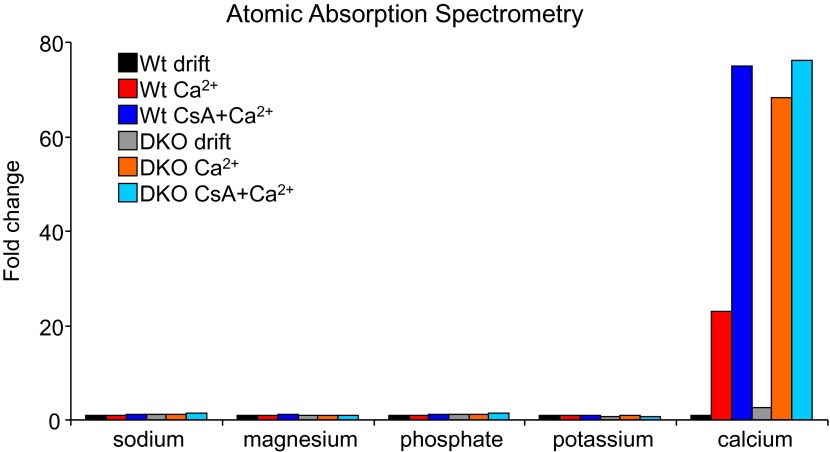
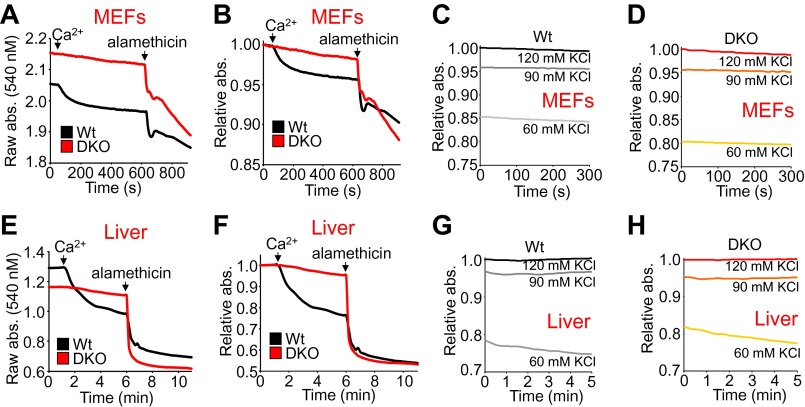
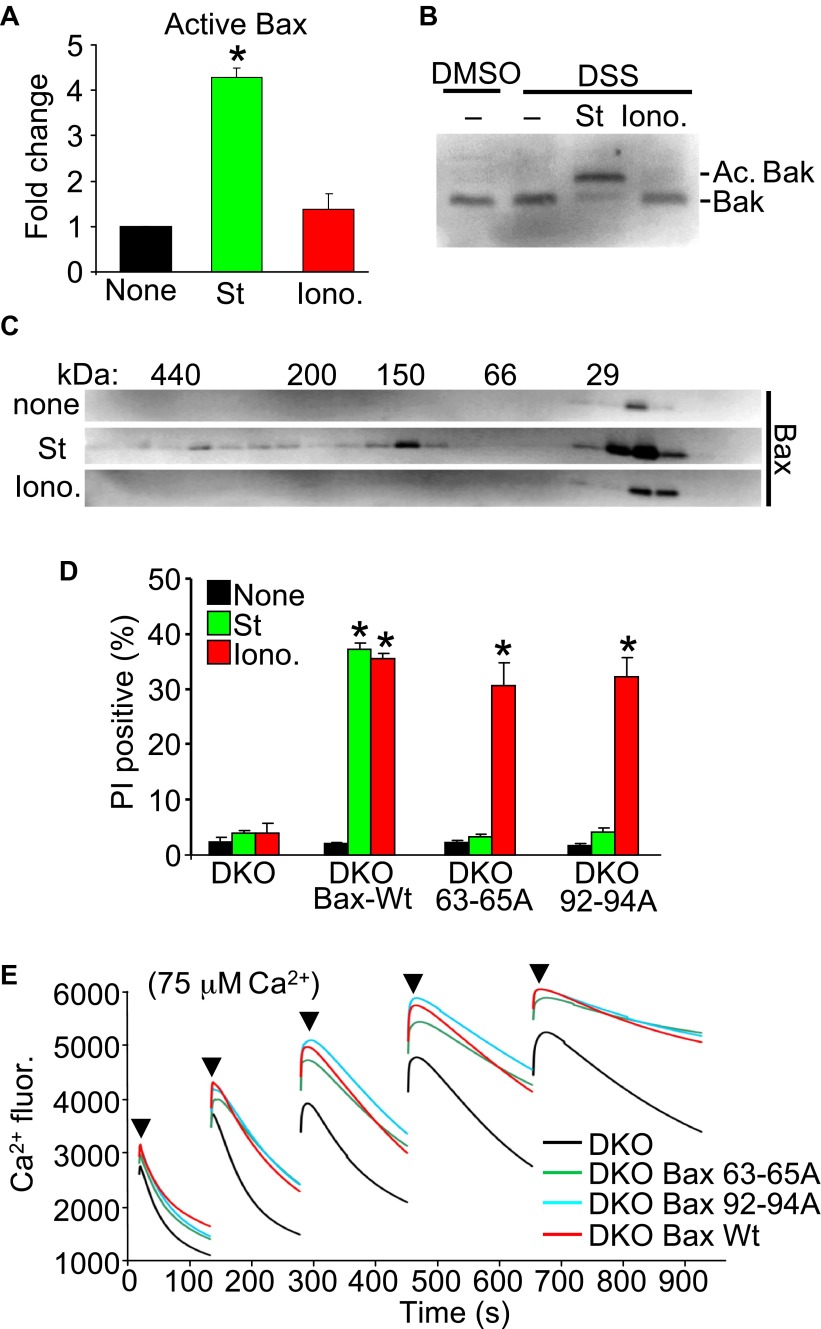
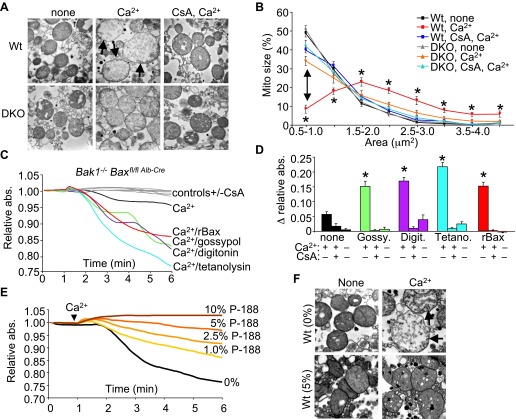
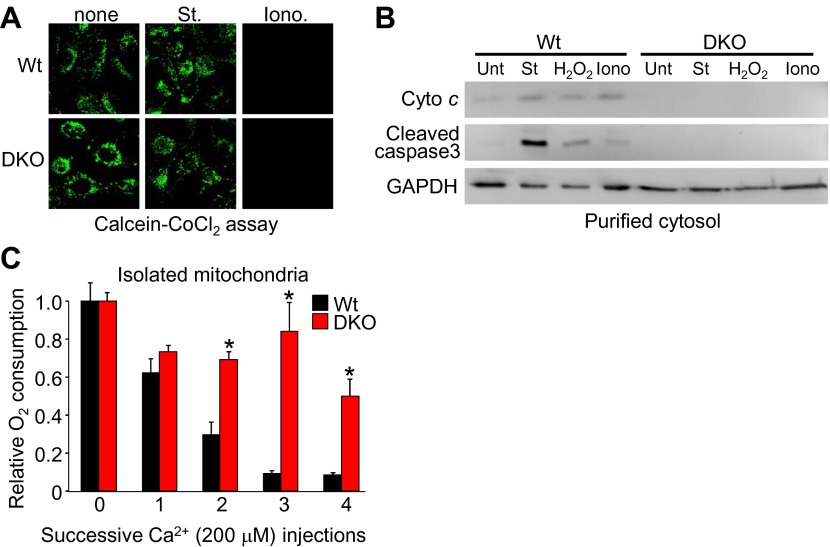
A critical event in ischemia-based cell death is the opening of the mitochondrial permeability transition pore (MPTP). However, the molecular identity of the components of the MPTP remains unknown. Here, we determined that the Bcl-2 family members Bax and Bak, which are central regulators of apoptotic cell death, are also required for mitochondrial pore-dependent necrotic cell death by facilitating outer membrane permeability of the MPTP. Loss of Bax/Bak reduced outer mitochondrial membrane permeability and conductance without altering inner membrane MPTP function, resulting in resistance to mitochondrial calcium overload and necrotic cell death. Reconstitution with mutants of Bax that cannot oligomerize and form apoptotic pores, but still enhance outer membrane permeability, permitted MPTP-dependent mitochondrial swelling and restored necrotic cell death. Our data predict that the MPTP is an inner membrane regulated process, although in the absence of Bax/Bak the outer membrane resists swelling and prevents organelle rupture to prevent cell death.
Overview
The claims and statistics of this paper haven’t been checked yet.
Run the check — free, no account needed. It reads the open-access text and checks the sources it cites.
Integrity signals
Registry
Cites
Statistics
Figures
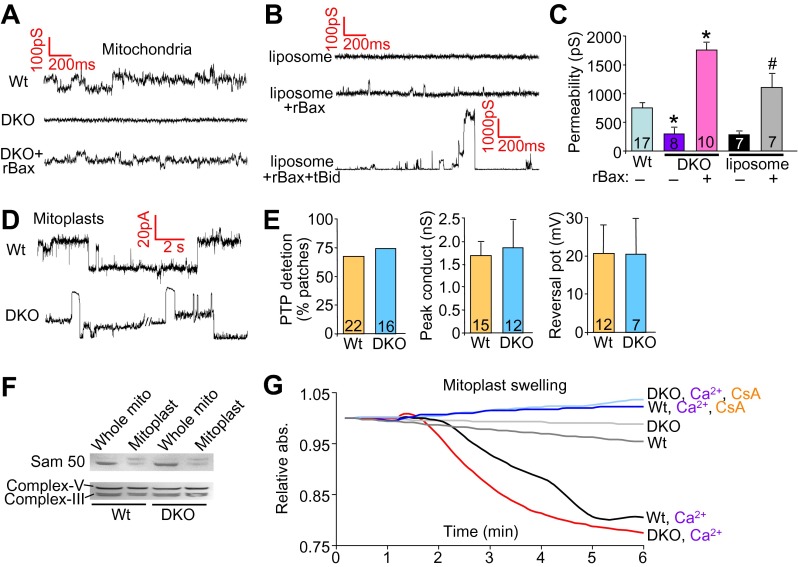
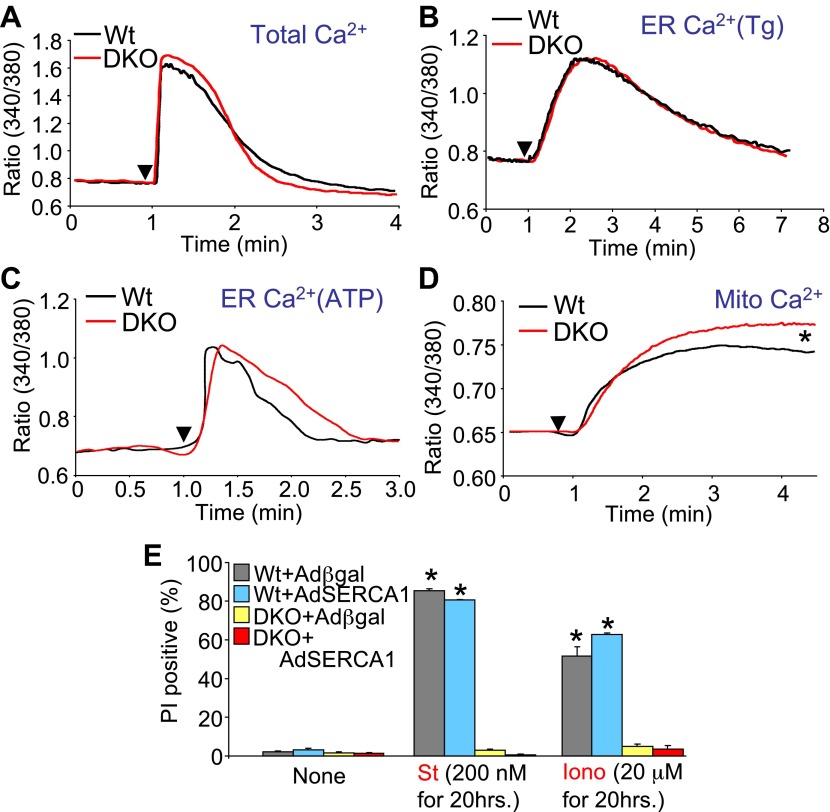
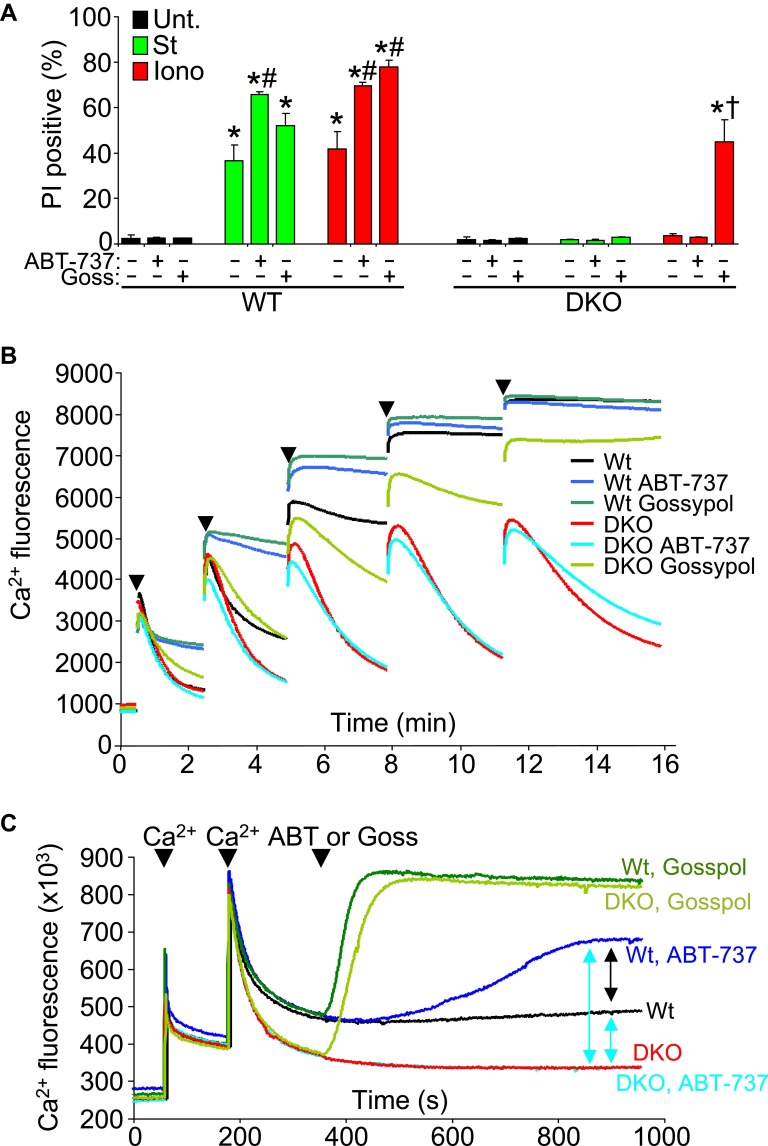
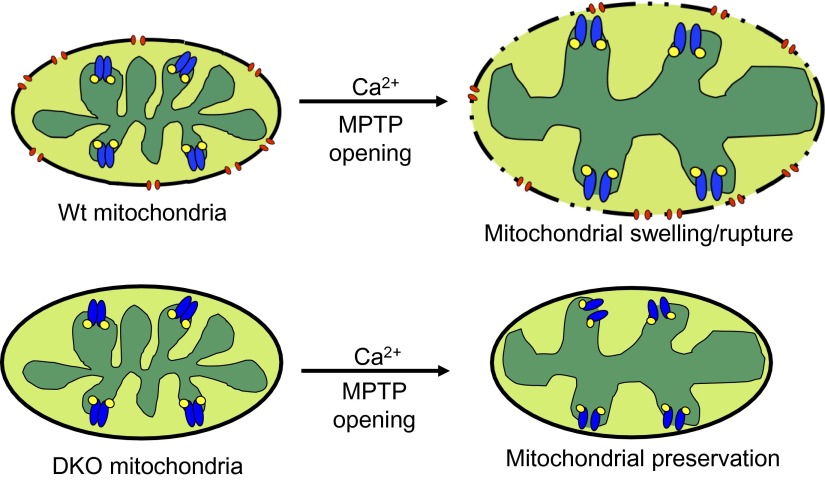
Verification
Claims the paper makes
The claims and statistics of this paper haven’t been checked yet.
Run the check — free, no account needed. It reads the open-access text and checks the sources it cites.
Claims other papers make about this one
Each is checked against this paper’s own text: does it say what the citing paper says it does?
In the citing paper
“These include: (1) pro- and anti-apoptotic BCL2 family members such as BAX, BAK, and BID [407–410], as well as BCL2 and BCL-XL [411–414]”
From Molecular mechanisms of cell death: recommendations of the nomenclature committee on cell death 2018. (2018) · cites this paper as [407]
Self-check
Percentages, sums and reported differences re-computed from the paper’s own numbers.
The self-check needs the paper’s full text.
Citations
Cites
Danial, N. N., & Korsmeyer, S. J. (2004) · Cell · doi:10.1016/s0092-8674(04)00046-7 · Cited by 4,651
Proapoptotic BAX and BAK: A Requisite Gateway to Mitochondrial Dysfunction and Death
Wei, M. C., Zong, W.-X., Cheng, E. H.-Y., Lindsten, T., Panoutsakopoulou, V., Ross, A. J., Roth, K. A., MacGregor, G. R., Thompson, C. B., & Korsmeyer, S. J. (2001) · Science · doi:10.1126/science.1059108 · Cited by 3,988 · cited 2×
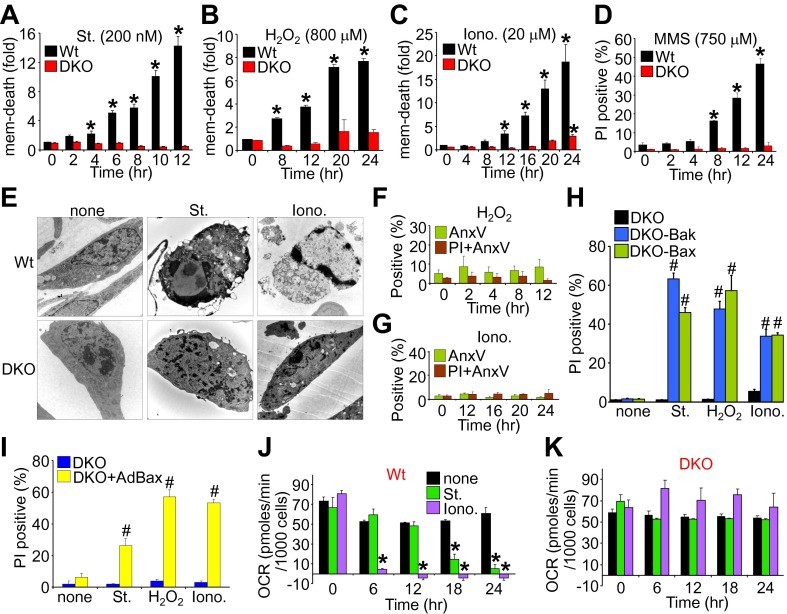
“As previously reported, Bax/Bak1 double-knockout (DKO) MEFs were highly resistant to cell death by the apoptotic inducer staurosporine (Wei et al., 2001), while Wt MEFs showed high levels of killing (Figure 1A).”
BackgroundSelf-citationChemical inhibitor of nonapoptotic cell death with therapeutic potential for ischemic brain injury
Degterev, A., Huang, Z., Boyce, M., Li, Y., Jagtap, P., Mizushima, N., Cuny, G. D., Mitchison, T. J., Moskowitz, M. A., & Yuan, J. (2005) · Nature Chemical Biology · doi:10.1038/nchembio711 · Cited by 3,068 · cited 2×
“Necroptosis is induced in cells when stimulated with tumor necrosis factor α (TNFα) in the presence of caspase inhibitors, such as zVAD-fmk (Degterev et al., 2005).”
BackgroundMixed Lineage Kinase Domain-like Protein Mediates Necrosis Signaling Downstream of RIP3 Kinase
Sun, L., Wang, H., Wang, Z., He, S., Chen, S., Liao, D., Wang, L., Yan, J., Liu, W., Lei, X., et al. (2012) · Cell · doi:10.1016/j.cell.2011.11.031 · Cited by 2,698 · cited 1×
“Recently, mixed lineage kinase domain–like protein (MLKL) and phosphoglycerate mutase family member 5 (PGAM5) were shown to be downstream of the RIP proteins (Sun et al., 2012; Wang et al., 2012).”
BackgroundMitochondria and cell death: outer membrane permeabilization and beyond
Tait, S. W. G., & Green, D. R. (2010) · Nature Reviews Molecular Cell Biology · doi:10.1038/nrm2952 · Cited by 2,593
Cho, Y., Challa, S., Moquin, D., Genga, R., Ray, T. D., Guildford, M., & Chan, F. K.-M. (2009) · Cell · doi:10.1016/j.cell.2009.05.037 · Cited by 2,435 · cited 1×
“RIP1 is able to interact with RIP3 in controlling necroptosis (Cho et al., 2009; He et al., 2009; Zhang et al., 2009).”
BackgroundBaines, C. P., Kaiser, R. A., Purcell, N. H., Blair, N. S., Osinska, H., Hambleton, M. A., Brunskill, E. W., Sayen, M. R., Gottlieb, R. A., Dorn, G. W., et al. (2005) · Nature · doi:10.1038/nature03434 · Cited by 2,280 · cited 2×
“Indeed, deletion of the gene encoding CypD renders mitochondria resistant to Ca2+ overload– induced swelling and the heart and brain partially resistant to cell death due to ischemic injury (Baines et al., 2005; Nakagawa et al., 2005; Schinzel et al., 2005).”
BackgroundSelf-citationReceptor Interacting Protein Kinase-3 Determines Cellular Necrotic Response to TNF-α
He, S., Wang, L., Miao, L., Wang, T., Du, F., Zhao, L., & Wang, X. (2009) · Cell · doi:10.1016/j.cell.2009.05.021 · Cited by 2,214 · cited 1×
“RIP1 is able to interact with RIP3 in controlling necroptosis (Cho et al., 2009; He et al., 2009; Zhang et al., 2009).”
BackgroundShimizu, S., Narita, M., Tsujimoto, Y., & Tsujimoto, Y. (1999) · Nature · doi:10.1038/20959 · Cited by 2,178 · cited 1×
“Over a decade ago, several reports suggested that Bax and/or Bak directly interacted with presumed components of the MPTP, the adenine nucleotide translocator (ANT) in the inner membrane and the VDAC in the outer membrane (Marzo et al., 1998; Narita et al., 1998; Shimizu et al., 1999).”
BackgroundRIP3, an Energy Metabolism Regulator That Switches TNF-Induced Cell Death from Apoptosis to Necrosis
Zhang, D.-W., Shao, J., Lin, J., Zhang, N., Lu, B.-J., Lin, S.-C., Dong, M.-Q., & Han, J. (2009) · Science · doi:10.1126/science.1172308 · Cited by 1,931 · cited 1×
“RIP1 is able to interact with RIP3 in controlling necroptosis (Cho et al., 2009; He et al., 2009; Zhang et al., 2009).”
Background
Cited by
Sorted by citations
Galluzzi, L., Vitale, I., Aaronson, S. A., Abrams, J. M., Adam, D., Agostinis, P., Alnemri, E. S., Altucci, L., Amelio, I., Andrews, D. W., et al. (2018) · Cell Death & Differentiation · doi:10.1038/s41418-017-0012-4 · Cited by 6,680
Self-citationFundamental Mechanisms of Regulated Cell Death and Implications for Heart Disease
Re, D. P. D., Amgalan, D., Linkermann, A., Liu, Q., & Kitsis, R. N. (2019) · Physiological Reviews · doi:10.1152/physrev.00022.2018 · Cited by 994
Genetic lineage tracing defines myofibroblast origin and function in the injured heart
Kanisicak, O., Khalil, H., Ivey, M. J., Karch, J. M., Maliken, B. D., Correll, R. N., Brody, M. J., Lin, S. J., Aronow, B. J., Tallquist, M. D., et al. (2016) · Nature Communications · doi:10.1038/ncomms12260 · Cited by 926
Self-citationc-kit+ cells minimally contribute cardiomyocytes to the heart
van Berlo, J. H., Kanisicak, O., Maillet, M., Vagnozzi, R. J., Karch, J. M., Lin, S. J., Middleton, R., Marbán, E., & Molkentin, J. D. (2014) · Nature · doi:10.1038/nature13309 · Cited by 794
Self-citationMitochondria in health, disease, and aging
Harrington, J. S., Ryter, S. W., Plataki, M. E., Price, D. R., & Choi, A. M. K. (2023) · Physiological Reviews · doi:10.1152/physrev.00058.2021 · Cited by 641
Bernardi, P., Rasola, A., Forte, M. A., & Lippe, G. (2015) · Physiological Reviews · doi:10.1152/physrev.00001.2015 · Cited by 598
“In mitochondria from MEFs in which genes encoding Bax and Bak have been genetically inactivated, OMM permeability decreased without significantly altering PTP function in the IMM (306).”
BackgroundMolecular mechanisms and consequences of mitochondrial permeability transition
Bonora, M., Giorgi, C., & Pinton, P. (2021) · Nature Reviews Molecular Cell Biology · doi:10.1038/s41580-021-00433-y · Cited by 578
Roberts, D. J., & Miyamoto, S. (2014) · Cell Death and Differentiation · doi:10.1038/cdd.2014.173 · Cited by 523
“Recent genetic studies revealed that deletion of Bax/ Bak inhibits mPTP opening and necrotic cell death induced by Ca overload or ROS, suggesting the ability of Bax/Bak to facilitate mPTP-induced cell death.(113,114) Thus the aforementioned mitoHK-II-mediated inhibition of Bax binding to mitochondria could contribute…”
BackgroundBernardi, P., & Lisa, F. D. (2014) · Journal of Molecular and Cellular Cardiology · doi:10.1016/j.yjmcc.2014.09.023 · Cited by 503
“ence of Bax and Bak, whose genetic ablation confers OMM resistance to swelling, thus preventing organelle rupture and cell death [123].”
BackgroundBernardi, P., Gerle, C., Halestrap, A. P., Jonas, E. A., Karch, J. M., Mnatsakanyan, N., Pavlov, E. V., Sheu, S., & Soukas, A. A. (2023) · Cell Death and Differentiation · doi:10.1038/s41418-023-01187-0 · Cited by 504
“It has been proposed that such a “supercomplex” could be present preferentially at contact sites between the outer and inner membrane [23, 120, 121].”
BackgroundSelf-citationPhysiological and Pathological Roles of the Mitochondrial Permeability Transition Pore in the Heart
Kwong, J. Q., & Molkentin, J. D. (2015) · Cell Metabolism · doi:10.1016/j.cmet.2014.12.001 · Cited by 472
“…inhibition of MPTP opening by deletion of MPTP components, notably the genes encoding CypD (Baines et al., 2005; Nakayama et al., 2007), PiC (Kwong et al., 2014), and Bax/ Bak (Karch et al., 2013; Whelan et al., 2012), reduced cardiac damage sustained in response to ischemia-reperfusion injury.”
BackgroundInfluentialSelf-citationHalestrap, A. P., & Richardson, A. P. (2014) · Journal of Molecular and Cellular Cardiology · doi:10.1016/j.yjmcc.2014.08.018 · Cited by 477
Mitochondrial Function, Biology, and Role in Disease
Murphy, E., Ardehali, H., Balaban, R. S., Lisa, F. D., Dorn, G. W., Kitsis, R. N., Otsu, K., Ping, P., Rizzuto, R., Sack, M. N., et al. (2016) · Circulation Research · doi:10.1161/res.0000000000000104 · Cited by 476
“Recently, the proapoptotic proteins BAX and BAK were found to be critical mediators of primary necrosis.(163,186) Mice lacking BAX and BAK or BAX alone exhibit markedly decreased cardiac necrosis, apoptosis, and infarct size after ischemia-reperfusion in vivo.”
Oxidative stress and regulated cell death in Parkinson’s disease
Dionísio, P. A., Amaral, J. D., & Rodrigues, C. M. P. (2021) · Ageing Research Reviews · doi:10.1016/j.arr.2021.101263 · Cited by 443
Apoptotic cell death in disease—Current understanding of the NCCD 2023
Vitale, I., Pietrocola, F., Guilbaud, E., Aaronson, S. A., Abrams, J., Adam, D., Agostini, M., Agostinis, P., Alnemri, E. S., Altucci, L., et al. (2023) · Cell Death and Differentiation · doi:10.1038/s41418-023-01153-w · Cited by 352
Self-citationBonora, M., Wieckowski, M. R., Chinopoulos, C., Kepp, O., Kroemer, G., Galluzzi, L., & Pinton, P. (2015) · Oncogene · doi:10.1038/onc.2014.96 · Cited by 330
Mitochondria—Judges and Executioners of Cell Death Sentences
Bhola, P. D., & Letai, A. (2016) · Molecular Cell · doi:10.1016/j.molcel.2016.02.019 · Cited by 326
“Surprisingly, loss of BAX and BAK inhibits mitochondrial swelling and rupture following mPTP opening, indicating that some of the proteins involved in mitochondrial-mediated apoptosis may nonetheless affect the mPTP (Karch et al., 2013; Whelan et al., 2012).”
Ramachandran, A., & Jaeschke, H. (2019) · Seminars in Liver Disease · doi:10.1055/s-0039-1679919 · Cited by 331
Ong, S., Samangouei, P., Kalkhoran, S. B., & Hausenloy, D. J. (2014) · Journal of Molecular and Cellular Cardiology · doi:10.1016/j.yjmcc.2014.11.005 · Cited by 328
“Most recently, Molkentin's laboratory [52] have suggested that Bax/Bak proteins by regulating OMMpermeability are required forMPTP-dependent necrotic cell death.”
BackgroundRPE necroptosis in response to oxidative stress and in AMD
Hanus, J., Anderson, C. A., & Wang, S. (2015) · Ageing Research Reviews · doi:10.1016/j.arr.2015.09.002 · Cited by 293
Basic Biology of Oxidative Stress and the Cardiovascular System
Sack, M. N., Fyhrquist, F., Saijonmaa, O. J., Fuster, V., & Kovacic, J. C. (2017) · Journal of the American College of Cardiology · doi:10.1016/j.jacc.2017.05.034 · Cited by 248
“This is illustrated by the apoptotic OMM proteins BAX and BAK, which appear to be necessary for some forms of cardiac necrosis (38,49).”
Roca, F. J., Whitworth, L. J., Redmond, S., Jones, A. A., & Ramakrishnan, L. (2019) · Cell · doi:10.1016/j.cell.2019.08.004 · Cited by 233
Morciano, G., Giorgi, C., Bonora, M., Punzetti, S., Pavasini, R., Wieckowski, M. R., Campo, G. C., & Pinton, P. (2014) · Journal of Molecular and Cellular Cardiology · doi:10.1016/j.yjmcc.2014.08.015 · Cited by 232
“These data were confirmed by Molkentin's group, who used genetic background knockout models for Bax and Bak [51].”
BackgroundMethodMitochondrial Ca2+ and regulation of the permeability transition pore
Hurst, S., Hoek, J. B., & Sheu, S. (2016) · Journal of Bioenergetics and Biomembranes · doi:10.1007/s10863-016-9672-x · Cited by 227
“However, the IMM mPTP machinery was still functional and the protection was attributed to preventing OMM rupture and release of IMS components (Whelan et al. 2012; Karch et al. 2013).”
BackgroundMitochondrial Permeability Transition: New Findings and Persisting Uncertainties
Izzo, V., Bravo-San Pedro, J. M., Sica, V., Kroemer, G., & Galluzzi, L. (2016) · Trends in Cell Biology · doi:10.1016/j.tcb.2016.04.006 · Cited by 205
“Moreover, mice lacking specifically Bax and Bak1 in cardiomyocytes have been attributed an increased resistance to cardiac ischemia/reperfusion, as compared to their wild-type littermates, and isolated Bax / Bak1 / mitochondria were unable to normally undergo MPT in vitro [40].”
Acetaminophen Toxicity: Novel Insights Into Mechanisms and Future Perspectives
Ramachandran, A., & Jaeschke, H. (2017) · Gene Expression · doi:10.3727/105221617x15084371374138 · Cited by 215
Oxidative stress induces mitochondrial iron overload and ferroptotic cell death
Chen, Y., Guo, X., Zeng, Y., Mo, X., Hong, S., He, H., Li, J., Fatima, S., & Liu, Q. (2023) · Scientific Reports · doi:10.1038/s41598-023-42760-4 · Cited by 202
Non-apoptotic functions of BCL-2 family proteins
Gross, A., & Katz, S. G. (2017) · Cell Death and Differentiation · doi:10.1038/cdd.2017.22 · Cited by 202
“Moreover, this does not appear to be dependent on their ability to oligomerize and undergo MOMP as an oligomerization-deficient BAXmutant still permitsMPTPdependent mitochondrial swelling and necrotic cell death.(22,23) The mechanism by which BAX and BAK promote MPTP is still under investigation, with some data suppor…”
BackgroundAbdullah, C. S., Alam, S., Aishwarya, R., Miriyala, S., Bhuiyan, M. A. N., Panchatcharam, M., Pattillo, C. B., Orr, A. W., Sadoshima, J., Hill, J. A., et al. (2019) · Scientific Reports · doi:10.1038/s41598-018-37862-3 · Cited by 197
Bonora, M., & Pinton, P. (2014) · Frontiers in Oncology · doi:10.3389/fonc.2014.00302 · Cited by 208
“In particular, the proapoptotic members Bax and Bcl-2 homologous antagonist killer (Bak) have a dramatic positive effect on mPTP opening, as confirmed in bax and bak knockout models (34).”
BackgroundThe Mitochondrial Dynamism-Mitophagy-Cell Death Interactome
Dorn, G. W., & Kitsis, R. N. (2014) · Circulation Research · doi:10.1161/circresaha.116.303554 · Cited by 193
“Some data suggest that Bax on the outer mitochondrial membrane is in complex with MPTP.99 Another mechanism that the Kitsis group has explored is that Bax facilitates necrosis through its previously recognized ability to promote mitochondrial fusion.100,104 Interestingly, oligomerization-deficient Bax mutants, the sam…”
BackgroundInfluentialRamachandran, A., Duan, L., Akakpo, J. Y., & Jaeschke, H. (2018) · Journal of Clinical and Translational Research · doi:10.18053/jctres.04.201801.005 · Cited by 188
“Analysis of molecular mediators involved in mitochondrial MPT pore opening indicated that diclofenac induced early activation of Bax and Bak in immortalized human hepatocytes (HC-04), and caused mitochondrial translocation of Bax [106].”
BackgroundMitochondrial Permeability Transition: A Molecular Lesion with Multiple Drug Targets
Briston, T., Selwood, D. L., Szabadkai, G., & Duchen, M. R. (2018) · Trends in Pharmacological Sciences · doi:10.1016/j.tips.2018.11.004 · Cited by 190
“Outer membrane components, the voltage-dependent anion channel (VDAC) [15] and BCL-2 family members BAK/BAX [20] have further been suggested to play a role as modulators of pore opening.”
BackgroundCancer Metabolism and the Evasion of Apoptotic Cell Death
Sharma, A., Boise, L., & Shanmugam, M. (2019) · Cancers · doi:10.3390/cancers11081144 · Cited by 202
“Further, BAX and BAK are involved in the process of mitochondrial permeability transition pore (MPTP) formation in necrosis [145,146].”
BackgroundMitochondrial permeability transition pore-dependent necrosis
Robichaux, D. J., Harata, M., Murphy, E., & Karch, J. M. (2022) · Journal of Molecular and Cellular Cardiology · doi:10.1016/j.yjmcc.2022.11.003 · Cited by 197
Self-citationKwong, J. Q., Davis, J., Baines, C. P., Sargent, M. A., Karch, J., Wang, X., Huang, T., & Molkentin, J. D. (2014) · Cell Death & Differentiation · doi:10.1038/cdd.2014.36 · Cited by 174
“Structurally, the MPTP complex has been proposed to be comprised of the ATP synthase(17,18) and to be regulated by cyclophilin D (CypD),(19,20) ANT,(21) and the pro-apoptotic proteins Bax and Bak in the outer mitochondrial membrane.(22,23) PiC has also been suggested to be an inner-membrane component of the MPTP becau…”
BackgroundMethodSelf-citationRole of apoptosis and autophagy in tuberculosis
Lam, A., Prabhu, R., Groß, C., Riesenberg, L. A., Singh, V., & Aggarwal, S. (2017) · American Journal of Physiology-Lung Cellular and Molecular Physiology · doi:10.1152/ajplung.00162.2017 · Cited by 182
“Beclin 1 can also influence apoptosis and necrosis of cells AJP-Lung Cell Mol Physiol • doi:10.1152/ajplung.00162.2017 • www.ajplung.org through its interactions with the B-cell lymphoma-2 (BCL2) family of proteins, BCL2-associated X protein (BAX) and BCL2-antagonistic/killer (BAK; 53, 54, 138).”
BackgroundInfluentialMechanisms of acetaminophen hepatotoxicity and their translation to the human pathophysiology
Ramachandran, A., & Jaeschke, H. (2017) · Journal of Clinical and Translational Research · doi:10.18053/jctres.03.2017s1.002 · Cited by 165
“Bak form the components of the mitochondrial permeability transition pore (MPTP) in the outer membrane [90,91], the”
BackgroundThe mitochondrial permeability transition pore: an evolving concept critical for cell life and death
Morciano, G., Naumova, N., Koprowski, P., Valente, S. A., Sardão, V. A., Potes, Y., Rimessi, A., Wieckowski, M. R., & Oliveira, P. J. (2021) · Biological reviews/Biological reviews of the Cambridge Philosophical Society · doi:10.1111/brv.12764 · Cited by 161
“(2013) provided evidence for B-cell lymphoma-2 (Bcl-2)-associated X (Bax) and Bcl-2-antagonist/killer 1 (Bak) members of the Bcl-2 family as mPTP components; using transgenic animal models, they demonstrated that the absence of both proteins promoted resistance to mitochondrial swelling and resulted in the lack of cha…”
BackgroundKarch, J. M., & Molkentin, J. D. (2015) · Circulation Research · doi:10.1161/circresaha.116.305421 · Cited by 164
Self-citationRelease of Cytochrome C from Bax Pores at the Mitochondrial Membrane
Zhang, M., Zheng, J., Nussinov, R., & Ma, B. (2017) · Scientific Reports · doi:10.1038/s41598-017-02825-7 · Cited by 160
Dissecting the molecular pathophysiology of drug-induced liver injury
Ye, H., Nelson, L. J., del Moral, M. G., Martínez-Naves, E., & Cubero, F. J. (2018) · World Journal of Gastroenterology · doi:10.3748/wjg.v24.i13.1373 · Cited by 157
Anticancer potential of bioactive peptides from animal sources
Wang, L., Dong, C., Li, X., Han, W., & Su, X. (2017) · Oncology Reports · doi:10.3892/or.2017.5778 · Cited by 139
Differential regulation of autophagy and mitophagy in pulmonary diseases
Aggarwal, S., Mannam, P., & Zhang, J. (2016) · American Journal of Physiology-Lung Cellular and Molecular Physiology · doi:10.1152/ajplung.00128.2016 · Cited by 137
Physiopathology of the Permeability Transition Pore: Molecular Mechanisms in Human Pathology
Bonora, M., Patergnani, S., Ramaccini, D., Morciano, G., Pedriali, G., Kahsay, A., Bouhamida, E., Giorgi, C., Wieckowski, M., & Pinton, P. (2020) · Biomolecules · doi:10.3390/biom10070998 · Cited by 135
“Bax and Bak are also required for PTPC-dependent necrotic cell death; in fact, the loss of Bax/Bak resulted in resistance to mitochondrial calcium overload and swelling [49].”
BackgroundThe mitochondrial permeability transition: Recent progress and open questions
Bernardi, P., Carraro, M., & Lippe, G. (2021) · FEBS Journal · doi:10.1111/febs.16254 · Cited by 150
Control of mitochondrial physiology and cell death by the Bcl-2 family proteins Bax and Bok
D’Orsi, B., Mateyka, J., & Prehn, J. H. M. (2017) · Neurochemistry International · doi:10.1016/j.neuint.2017.03.010 · Cited by 134
“…including Bcl-2 and Bcl-xL, have been suggested to modulate the mPTP by maintaining it in a close conformation, while pro-apoptotic proteins, such as Bax and Bak, engage ANTand/ or VDAC to induce mPTP opening (Marzo et al., 1998; Shimizu et al., 1999; Whelan et al., 2012; Karch et al., 2013).”
Bisphenol A-induced metabolic disorders: From exposure to mechanism of action
Akash, M. S. H., Sabir, S., & Rehman, K. (2020) · Environmental Toxicology and Pharmacology · doi:10.1016/j.etap.2020.103373 · Cited by 136
Identifying the components of the elusive mitochondrial permeability transition pore
Karch, J. M., & Molkentin, J. D. (2014) · Proceedings of the National Academy of Sciences · doi:10.1073/pnas.1410104111 · Cited by 134
Self-citationMechanisms of Regulated Cell Death: Current Perspectives
Santagostino, S. F., Assenmacher, C., Tarrant, J. C., Adedeji, A. O., & Radaelli, E. (2021) · Veterinary Pathology · doi:10.1177/03009858211005537 · Cited by 137
A small-molecule allosteric inhibitor of BAX protects against doxorubicin-induced cardiomyopathy
Amgalan, D., Garner, T. P., Pekson, R., Jia, X. F., Yanamandala, M., Paulino, V. M., Liang, F. G., Corbalan, J. J., Lee, J., Chen, Y., et al. (2020) · Nature Cancer · doi:10.1038/s43018-020-0039-1 · Cited by 132
Inhibition of the mPTP and Lipid Peroxidation Is Additively Protective Against I/R Injury
Mendoza, A., Patel, P., Robichaux, D. J., Ramirez, D., & Karch, J. M. (2024) · Circulation Research · doi:10.1161/circresaha.123.323882 · Cited by 131
“18 19–21 This lack of translatable protection may be explained by potential compensatory forms of cell death during I/R, as many forms of cell death have been hypothesized to occur during this injury.”
BackgroundSelf-citationThe cGAS-STING pathway-dependent sensing of mitochondrial DNA mediates ocular surface inflammation
Ouyang, W., Wang, S., Yan, D., Wu, J., Zhang, Y., Li, W. S., Hu, J., & Liu, Z. (2023) · Signal Transduction and Targeted Therapy · doi:10.1038/s41392-023-01624-z · Cited by 135
“To explore the role of mPTP in the activation of the cGASSTING pathway, cyclosporin A (CsA), a mPTP inhibitor, was used to block mPTP opening.(46,47) HS-induced mPTP opening was reversed (Fig.”
MethodFernández-Checa, J. C., Bagnaninchi, P., Ye, H., Sancho‐Bru, P., Falcón‐Pérez, J. M., Royo, F., García‐Ruiz, C., Konu, Ö., Miranda, J. P., Lunov, O., et al. (2021) · Journal of Hepatology · doi:10.1016/j.jhep.2021.06.021 · Cited by 131
“…outer membrane and allowing the exit of molecules less than 1,500 Da, including cytochrome c, apoptosis inducing factor (AIF) and endonuclease G. 46 Although release of cytochrome c and AIF is a hallmark of apoptosis, as they activate caspase 3/7 and lead to nuclear DNA cleavage, respectively,…”
BackgroundMitochondrial pores at the crossroad between cell death and inflammatory signaling
Flores‐Romero, H., Dadsena, S., & García‐Sáez, A. J. (2023) · Molecular Cell · doi:10.1016/j.molcel.2023.02.021 · Cited by 131
Targeted Deletion of p53 in the Proximal Tubule Prevents Ischemic Renal Injury
Yuan, Y., Kim, J., Westphal, S. N., Long, K. E., & Padanilam, B. J. (2014) · Journal of the American Society of Nephrology · doi:10.1681/asn.2013121270 · Cited by 121
Intersections between Regulated Cell Death and Autophagy
Napoletano, F., Baron, O., Vandenabeele, P., Mollereau, B., & Fanto, M. (2019) · Trends in Cell Biology · doi:10.1016/j.tcb.2018.12.007 · Cited by 120
Mitochondria as Potential Targets and Initiators of the Blue Light Hazard to the Retina
Tao, J., Zhou, W., & Zhu, X.-G. (2019) · Oxidative Medicine and Cellular Longevity · doi:10.1155/2019/6435364 · Cited by 125
“In addition, in some cases of apoptosis, the opening of the mPTP also contributes to mitochondrial swelling and rupture, as well as to necrotic cell death, which is regulated by Bax/Bak and cyclophilin D (CypD) [192, 193].”
BackgroundYuan, Y., & Padanilam, B. J. (2016) · Cellular and Molecular Life Sciences · doi:10.1007/s00018-016-2202-5 · Cited by 122
“These data suggest that the MPTP is an IMM-regulated process, although in the absence of Bax/ Bak, the OMM resists swelling and prevents organelle rupture, which prevents necrosis [17].”
BackgroundInfluentialMitochondrial–Lysosomal Axis in Acetaminophen Hepatotoxicity
Moles, A., Torres, S., Baulies, A., García‐Ruiz, C., & Fernández-Checa, J. C. (2018) · Frontiers in Pharmacology · doi:10.3389/fphar.2018.00453 · Cited by 116
“The onset of MPT is characterized by the permeabilization of the MOM secondary to a sudden increase in permeability of the MIM, which allows the exit of molecules less than 1500 Da (Karch et al., 2013).”
BackgroundSmall-molecule allosteric inhibitors of BAX
Garner, T. P., Amgalan, D., Reyna, D. E., Li, S., Kitsis, R. N., & Gavathiotis, E. (2019) · Nature Chemical Biology · doi:10.1038/s41589-018-0223-0 · Cited by 105
Cardiolipin Promotes Pore-Forming Activity of Alpha-Synuclein Oligomers in Mitochondrial Membranes
Ghio, S., Camilleri, A., Caruana, M., Ruf, V., Schmidt, F., Leonov, A., Ryazanov, S., Griesinger, C., Cauchi, R. J., Kamp, F., et al. (2019) · ACS Chemical Neuroscience · doi:10.1021/acschemneuro.9b00320 · Cited by 108
Xu, T., Ding, W., Ao, X., Chu, X., Wan, Q., Wang, Y., Xiao, D., Yu, W., Li, M., Yu, F., et al. (2018) · Redox Biology · doi:10.1016/j.redox.2018.10.023 · Cited by 102
Necroptosis Interfaces with MOMP and the MPTP in Mediating Cell Death
Karch, J. M., Kanisicak, O., Brody, M. J., Sargent, M. A., Michael, D. M., & Molkentin, J. D. (2015) · PLoS ONE · doi:10.1371/journal.pone.0130520 · Cited by 106
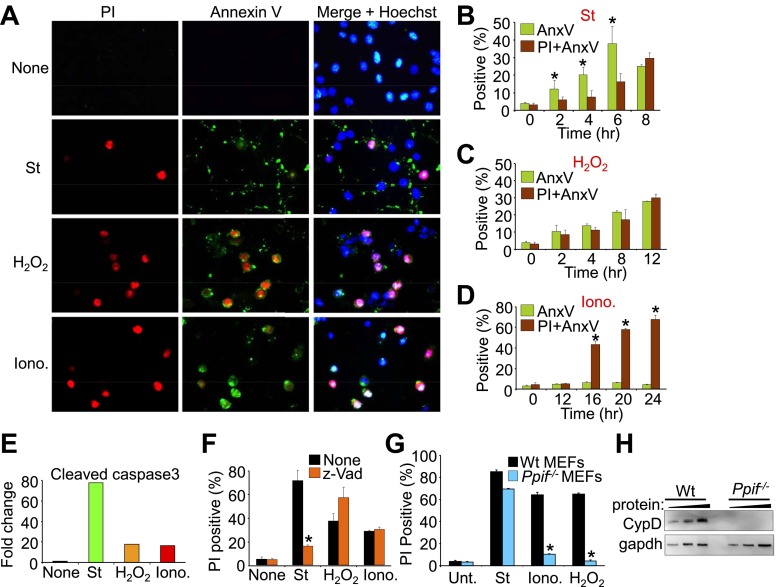
“Ppif MEFs are partially resistant to necrosis induced by ionomycin or H2O2, but not against apoptosis induced by staurosporine [3, 4, 6].”
BackgroundMethodInfluentialSelf-citationIshikita, A., Matoba, T., Ikeda, G., Koga, J., Mao, Y., Nakano, K., Takeuchi, O., Sadoshima, J., & Egashira, K. (2016) · Journal of the American Heart Association · doi:10.1161/jaha.116.003872 · Cited by 108
“Karch et al.(39) recently demonstrated that inhibition of MOMP by Bax and Bak”
BackgroundA Zombie LIF Gene in Elephants Is Upregulated by TP53 to Induce Apoptosis in Response to DNA Damage
Vázquez, J. M., Sulak, M. A., Chigurupati, S., & Lynch, V. J. (2018) · Cell Reports · doi:10.1016/j.celrep.2018.07.042 · Cited by 102
Necroptotic Cell Death Signaling and Execution Pathway: Lessons from Knockout Mice
Belizário, J. E., Cordeiro, L., & Enns, S. C. (2015) · Mediators of Inflammation · doi:10.1155/2015/128076 · Cited by 106
“In light on these results, the authors concluded that Bax/Bak oligomers within the outer membrane are required for mitochondrial permeability pore-dependent cell death by serving as a necessary functional component of the MPTP [106].”
BackgroundResultInfluentialMitochondrial biogenesis as a therapeutic target for traumatic and neurodegenerative CNS diseases
Simmons, E. C., Scholpa, N. E., & Schnellmann, R. G. (2020) · Experimental Neurology · doi:10.1016/j.expneurol.2020.113309 · Cited by 100
“The mPTP is a key effector in the pathway to cell death (Baines et al., 2003; Karch et al., 2013; Karch and Molkentin, 2014; Xu et al., 2019) in that opening of the mPTP further exacerbates mitochondrial dysfunction (Baines et al.”
BackgroundCaspases in the Developing Central Nervous System: Apoptosis and Beyond
Nguyen, T. T. M., Gillet, G., & Popgeorgiev, N. (2021) · Frontiers in Cell and Developmental Biology · doi:10.3389/fcell.2021.702404 · Cited by 104
Role of Mitochondria in Retinal Pigment Epithelial Aging and Degeneration
Tong, Y., Zhang, Z., & Wang, S. (2022) · Frontiers in Aging · doi:10.3389/fragi.2022.926627 · Cited by 102
Cyclophilin D and myocardial ischemia–reperfusion injury: A fresh perspective
Alam, M. R., Baetz, D., & Ovize, M. (2014) · Journal of Molecular and Cellular Cardiology · doi:10.1016/j.yjmcc.2014.09.026 · Cited by 101
“components of the OMM are still known to contribute to its induction [42,69].”
BackgroundLiu, H., Zhu, Z., Xue, Q., Yang, F., Li, Z., Xue, Z., Cao, W., He, J., Guo, J., Liu, X., et al. (2023) · PLoS Pathogens · doi:10.1371/journal.ppat.1011132 · Cited by 96
“mPTP is located at the inner mitochondrial membrane, while VDAC1 and Bak/Bax are located at the outer mitochondrial membrane [41,42].”
BackgroundA mitochondrial journey through acetaminophen hepatotoxicity
Ramachandran, A., & Jaeschke, H. (2020) · Food and Chemical Toxicology · doi:10.1016/j.fct.2020.111282 · Cited by 95
“For example, activation of the inner membrane permeability transition and loss of mitochondrial membrane potential can occur in absence of Bax and Bak (Karch et al., 2013), and Bax has been shown to form two distinct types of channels which can fine-tune outer membrane permeabilization (Lin et al.”
BackgroundInfluentialCa 2+ toxicity and mitochondrial damage in acute pancreatitis: translational overview
Maléth, J., & Hegyi, P. J. (2016) · Philosophical Transactions of the Royal Society B Biological Sciences · doi:10.1098/rstb.2015.0425 · Cited by 92
Autophagic cell death is dependent on lysosomal membrane permeability through bax and bak
Karch, J., Schips, T. G., Maliken, B. D., Brody, M. J., Sargent, M. A., Kanisicak, O., & Molkentin, J. D. (2017) · eLife · doi:10.7554/elife.30543 · Cited by 91
“…Karch et al. This article is distributed under the terms of the Creative Commons Attribution License, which permits unrestricted use and redistribution provided that the original author and source are credited. needed for mitochondrial-dependent cellular necrosis (Karch et al., 2013).”
InfluentialSelf-citationA novel fission-independent role of dynamin-related protein 1 in cardiac mitochondrial respiration
Zhang, H., Wang, P., Bisetto, S., Yoon, Y., Chen, Q., Sheu, S., & Wang, W. (2016) · Cardiovascular Research · doi:10.1093/cvr/cvw212 · Cited by 88
Free radicals, antioxidants, nuclear factor‐E2‐related factor‐2 and liver damage
Ramos‐Tovar, E., & Muriel, P. (2019) · Journal of Applied Toxicology · doi:10.1002/jat.3880 · Cited by 91
“…the synthesis of mitochondrial proteins and increase mitochondrial permeability transition, which in turn allows the efflux of small molecules (Karch et al., 2013), causing mitochondria to become further depolarized, thus reducing the proton gradient leading to the collapse of the…”
BackgroundNecroptosis: A new way of dying?
Hanson, B. (2016) · Cancer Biology & Therapy · doi:10.1080/15384047.2016.1210732 · Cited by 93
“The essential apoptotic MOMP proteins, BAK and BAX, have been implicated in MPT by Karch et al. 94 to effect necrotic mitochondrial pore-dependent cell death through a mechanism that differs from apoptotic MOMP.94 The effect of mitochondrial disruption is thought to cause ATP-depletion and excessive ROS production to…”
BackgroundInfluentialA 20/20 view of ANT function in mitochondrial biology and necrotic cell death
Bround, M. J., Bers, D. M., & Molkentin, J. D. (2020) · Journal of Molecular and Cellular Cardiology · doi:10.1016/j.yjmcc.2020.05.012 · Cited by 83
“While subsequent studies have ruled out the requirement of VDAC as a component of the MPTP [125], other work has shown that the ANT c-state can specifically associate with BAX [126], which is consistent with our current understanding of BAX and BAK and their putative role in MPTP-dependent cell death [127].”
ResultHAX-1 regulates cyclophilin-D levels and mitochondria permeability transition pore in the heart
Lam, C. K., Zhao, W., Liu, G.-S., Cai, W.-F., Gardner, G., Adly, G., & Kranias, E. G. (2015) · Proceedings of the National Academy of Sciences · doi:10.1073/pnas.1508760112 · Cited by 80
“Furthermore, the expression levels of Bax and Bak, which were recently suggested to govern the porosity of the mitochondrial outer membrane (22), were not altered by HAX-1 overexpression either.”
BackgroundAdverse Effects of Perfluorooctane Sulfonate on the Liver and Relevant Mechanisms
Wang, P., Liu, D., Yan, S., Cui, J., Liang, Y., & Ren, S. (2022) · Toxics · doi:10.3390/toxics10050265 · Cited by 84
“ROS-induced oxidative stress can induce the occurrence of mitochondrial permeability transition (MPT) in hepatocytes, which also leads to changes in mitochondrial membrane potential [122,123].”
BackgroundBNIP3 and Nix: Atypical regulators of cell fate
Field, J. T., & Gordon, J. W. (2022) · Biochimica et Biophysica Acta (BBA) - Molecular Cell Research · doi:10.1016/j.bbamcr.2022.119325 · Cited by 84
Abdullah, C. S., Alam, S., Aishwarya, R., Miriyala, S., Panchatcharam, M., Bhuiyan, M. A. N., Peretik, J. M., Orr, A. W., James, J., Osińska, H. E., et al. (2018) · Journal of the American Heart Association · doi:10.1161/jaha.118.009775 · Cited by 77
Self-citationSENP5, a SUMO isopeptidase, induces apoptosis and cardiomyopathy
Kim, E. Y., Zhang, Y., Beketaev, I., Segura, A. M., Yu, W., Xi, Y. T., Chang, J., & Wang, J. (2014) · Journal of Molecular and Cellular Cardiology · doi:10.1016/j.yjmcc.2014.08.003 · Cited by 81
“To determine mitochondrial permeability transition pore (MPTP) activation, cardiac mitochondria were isolated by differential centrifugation [33,34].”
MethodMelatonin and Ischemic Stroke: Mechanistic Roles and Action
Andrabi, S. S., Parvez, S., & Tabassum, H. (2015) · Advances in Pharmacological Sciences · doi:10.1155/2015/384750 · Cited by 77
“Bcl-2 associated proteins contain various antiapoptotic proteins (bcl-2, bcl-xl) and proapoptotic proteins (bax, bak) which are prime regulators of apoptosis and necrotic death [50–52].”
BackgroundCarinci, M., Vezzani, B., Patergnani, S., Ludewig, P., Lessmann, K., Magnus, T. U., Casetta, I., Pugliatti, M., Pinton, P., & Giorgi, C. (2021) · Biomedicines · doi:10.3390/biomedicines9020169 · Cited by 80
“Of note, loss of the proapoptotic proteins BAK and BAX has been shown to reduce mitochondrial membrane permeability, resulting in resistance to mitochondrial calcium overload and necrotic cell death [74].”
BackgroundTuzlak, S., Kaufmann, T., & Villunger, A. (2016) · Genes & Development · doi:10.1101/gad.289298.116 · Cited by 73
“Also, in tissues with a low proliferative index, like the brain (Ren et al. 2010), heart, and liver (Whelan et al. 2012; Karch et al. 2013), BAX and BAK seem dispensable for homeostasis, as their codeletion does not seem to trigger a hyperplastic phenotype in these organs (Table 2).”
BackgroundInfluentialMitochondrial involvement in myocyte death and heart failure
Goldenthal, M. J. (2016) · Heart Failure Reviews · doi:10.1007/s10741-016-9531-1 · Cited by 73
“Strikingly, triple knockout mice lacking Bax/Bak and cyclophilin D, the key regulator of mPTP opening and necrotic cell death, failed to display any further reduction in infarct size over those deficient in Bax/Bak suggesting that Bax and Bak regulate necrosis in vivo and confirming a connection between mitochondrial…”
InfluentialBaines, C. P., & Gutiérrez‐Aguilar, M. (2018) · Cell Calcium · doi:10.1016/j.ceca.2018.05.003 · Cited by 72
“The role of Bax as an MPT pore component has been considered in some studies proposing that Bax and Bak may behave as the mitochondrial outer membrane component of the MPT pore [44].”
BackgroundDhaouadi, N., Vitto, V. A. M., Pinton, P., Galluzzi, L., & Marchi, S. (2023) · Cell Calcium · doi:10.1016/j.ceca.2023.102759 · Cited by 72
“Accordingly, BAX and BAK1 have been involved in RCD modalities other than apoptosis [74,75].”
Acetaminophen hepatotoxicity: A mitochondrial perspective
Ramachandran, A., & Jaeschke, H. (2019) · Advances in pharmacology · doi:10.1016/bs.apha.2019.01.007 · Cited by 77
“While the components of the MPTP on the inner membrane other than cyclophilin D are still being characterized, it is well recognized that the outer membrane components are composed of Bax, along with the protein Bak on the mitochondrial outer membrane (Karch et al., 2013; Karch et al., 2014).”
Regulation of cell death in the cardiovascular system
Patel, P., & Karch, J. M. (2019) · International review of cytology · doi:10.1016/bs.ircmb.2019.11.005 · Cited by 74
Self-citationMitochondrial Mechanisms of Necroptosis in Liver Diseases
Xue, C., Gu, X., Li, G., Bao, Z., & Li, L. (2020) · International Journal of Molecular Sciences · doi:10.3390/ijms22010066 · Cited by 70
“reported that BCL-2 family members are also required for mitochondrial pore-dependent necrotic cell death by facilitating outer membrane permeability of the MPTP [70].”
BackgroundBCL2 Family, Mitochondrial Apoptosis, and Beyond
Dai, H., Meng, W., & Kaufmann, S. H. (2016) · Cancer translational medicine · doi:10.4103/2395-3977.177558 · Cited by 72
Oxidant Stress and Lipid Peroxidation in Acetaminophen Hepatotoxicity
Jaeschke, H., & Ramachandran, A. (2018) · doi:10.20455/ros.2018.835 · Cited by 68
Excitotoxicity Revisited: Mitochondria on the Verge of a Nervous Breakdown
Plotegher, N., Filadi, R., Pizzo, P., & Duchen, M. R. (2021) · Trends in Neurosciences · doi:10.1016/j.tins.2021.01.001 · Cited by 65
Necroptosis in heart disease: Molecular mechanisms and therapeutic implications
Guo, X., Chen, Y., & Liu, Q. (2022) · Journal of Molecular and Cellular Cardiology · doi:10.1016/j.yjmcc.2022.05.006 · Cited by 70
Programmed necrosis in cardiomyocytes: mitochondria, death receptors and beyond
Zhang, J., Liu, D., Zhang, M., & Zhang, Y. (2018) · British Journal of Pharmacology · doi:10.1111/bph.14363 · Cited by 67
“Recently, double-knockout genetic experiments confirmed and extended the involvement of Bax and Bak, which are known as pro-apoptotic proteins, in mPTP action and in necrotic cell death (Karch et al., 2013).”
BackgroundJensen, K. M., WuWong, D. J., Wong, S., Matsuyama, M., & Matsuyama, S. (2019) · Experimental Biology and Medicine · doi:10.1177/1535370219833624 · Cited by 61
Rohde, K., Kleinesudeik, L., Roesler, S., Löwe, O., Heidler, J., Schröder, K., Wittig, I., Dröse, S., & Fulda, S. (2016) · Cell Death and Differentiation · doi:10.1038/cdd.2016.102 · Cited by 60
“During necrotic cell death, Bax and Bak as outer membrane components have been shown to promote mitochondrial swelling and rupture upon opening of the mitochondrial permeability transition pore (MPTP) by facilitating outer membrane permeability.(31) Opening of the MPTP, a channel in the inner mitochondrial membrane th…”
Background
Metadata
- Authors
- Karch, J., Kwong, J. Q., Burr, A. R., Sargent, M. A., Elrod, J. W., Peixoto, P. M., Martinez-Caballero, S., Osinska, H., Cheng, E. H.-Y., Robbins, J., Kinnally, K. W., & Molkentin, J. D.
- Affiliations
- Cincinnati Children's Hospital Medical Center (US)
- New York University (US)
- Department of Basic Sciences, New York University College of Dentistry, New York, United States
- Department of Pediatrics, Cincinnati Children’s Hospital Medical Center, University of Cincinnati, Cincinnati, United States
- Memorial Sloan Kettering Cancer Center (US)
- Corresponding author
- Molkentin, Jeffery D
- ORCID
- Venue
- eLife
- Publisher
- eLife Sciences Publications, Ltd
- Published
- 2013-08-27
- Volume
- 2
- Pages
- e00772-e00772
- ISSN
- 2050-084X (ISSN-L)
- PMC
- PMC3755340
- OpenAlex
- W2139284714
- Cited by
- 290
- References
- 53
- Citations by year
- 2026: 8 · 2025: 25 · 2024: 16 · 2023: 31 · 2022: 22 · 2021: 26 · 2020: 25 · 2019: 23 · 2018: 27 · 2017: 22 · 2016: 26 · 2015: 16 · 2014: 21 · 2013: 1
- FWCI
- 9.55
- Type
- journal article
- Language
- en
- Open access
- gold
- doi.org
- Licence
- Locations
- eLife (publishedVersion, cc-by)
- Europe PMC (PubMed Central) (publishedVersion, cc-by)
- PubMed Central (publishedVersion, cc-by)
- PubMed (publishedVersion)
- CUNY Academic Works (City University of New York) (submittedVersion, cc-by)
- DOAJ (DOAJ: Directory of Open Access Journals) (submittedVersion, cc-by-sa)
- Funders
- Howard Hughes Medical Institute
- National Institutes of Health (P01 HL080101)
- American Heart Association pre-doctoral grant
- American Heart Association
- Topics
- Life Sciences › Biochemistry, Genetics and Molecular Biology › Molecular Biology › Cell death mechanisms and regulation
- Life Sciences › Biochemistry, Genetics and Molecular Biology › Molecular Biology › Mitochondrial Function and Pathology
- Health Sciences › Medicine › Cardiology and Cardiovascular Medicine › Cardiac Ischemia and Reperfusion
- Keywords
- Bax, Bak, mitochondrial permeability transition pore, necrosis, mitochondrial outer membrane permeabilization, Bcl-2 family proteins, mitochondrial calcium overload, mitochondrial swelling, ischemia, Bax oligomerization
- MeSH terms
- Mitochondrial Permeability Transition Pore, Animals, Necrosis, Mitochondrial Membrane Transport Proteins, bcl-2 Homologous Antagonist-Killer Protein, bcl-2-Associated X Protein, Mice
About these checks
Registry, retraction, Cites and statistics results are computed, not judged, with one exception: a printed reference that no index lists is read once by a model before it counts as a citation error. Claims are extracted by a model and kept only when their quote appears verbatim in the text; each cited source is then checked, with a model’s help, for whether it says what the claim relies on. Those verdicts can be wrong — read the claim’s quote and the cited source before relying on one.
Statistics and arithmetic are recomputed, not judged.
Confidence bands are shown only for fields calibrated on our annotated test set. None is calibrated yet, so no band is shown.
What counts as a claim ›How we measure confidence ›How we check this ›
Are you an author, or do you see a problem with this page? Request a review
