

The DOI matches its Crossref record; 53 of the 53 references it cites were found in a registry or an index.
Bax and Bak function as the outer membrane component of the mitochondrial permeability pore in regulating necrotic cell death in mice
Open accessAbstract
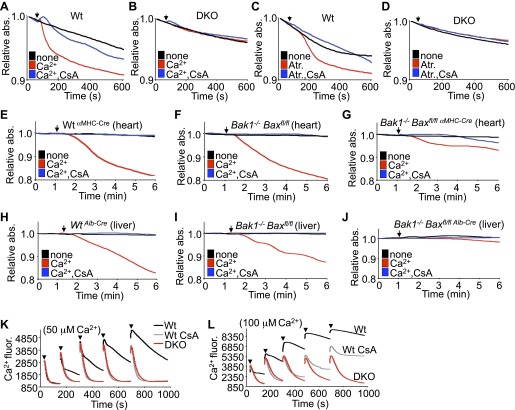
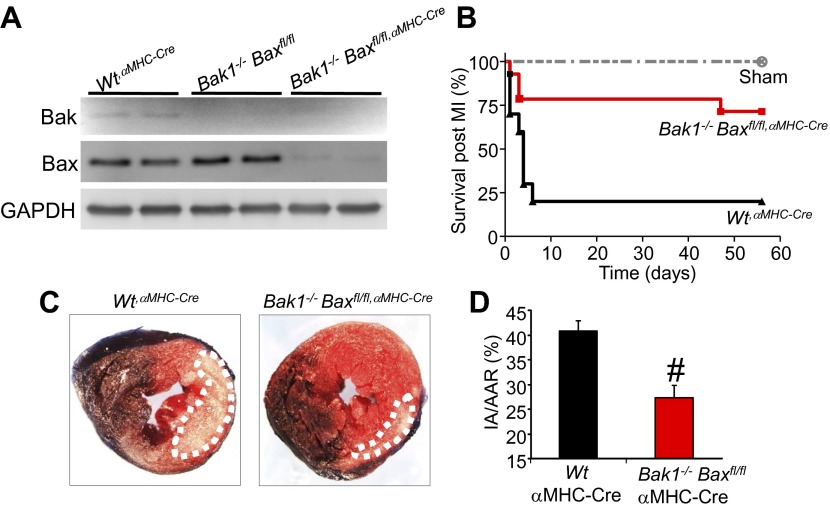
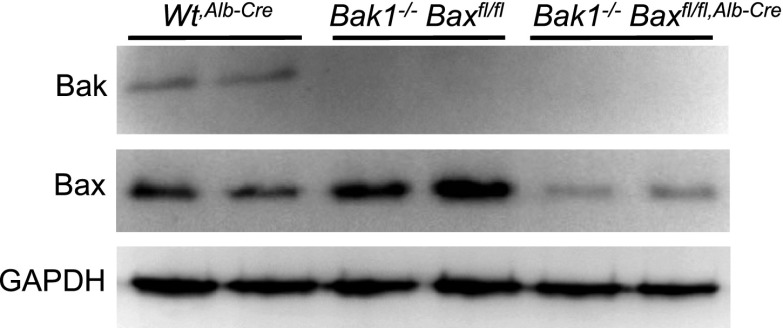
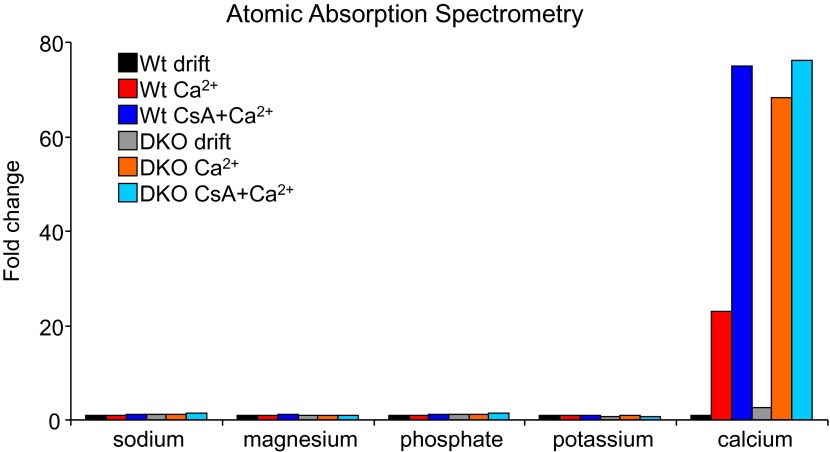
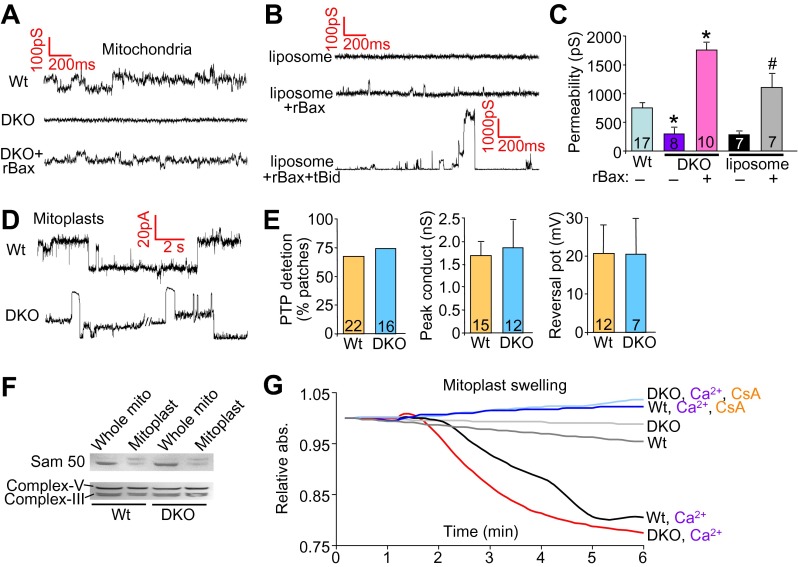
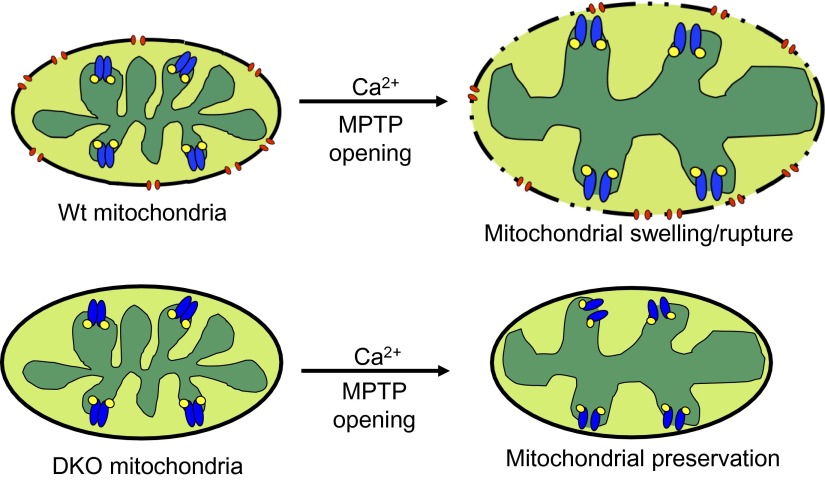
A critical event in ischemia-based cell death is the opening of the mitochondrial permeability transition pore (MPTP). However, the molecular identity of the components of the MPTP remains unknown. Here, we determined that the Bcl-2 family members Bax and Bak, which are central regulators of apoptotic cell death, are also required for mitochondrial pore-dependent necrotic cell death by facilitating outer membrane permeability of the MPTP. Loss of Bax/Bak reduced outer mitochondrial membrane permeability and conductance without altering inner membrane MPTP function, resulting in resistance to mitochondrial calcium overload and necrotic cell death. Reconstitution with mutants of Bax that cannot oligomerize and form apoptotic pores, but still enhance outer membrane permeability, permitted MPTP-dependent mitochondrial swelling and restored necrotic cell death. Our data predict that the MPTP is an inner membrane regulated process, although in the absence of Bax/Bak the outer membrane resists swelling and prevents organelle rupture to prevent cell death.
Overview
The claims and statistics of this paper haven’t been checked yet.
Run the check — free, no account needed. It reads the open-access text and checks the sources it cites.
Integrity signals
Registry
Cites
Statistics
Figures
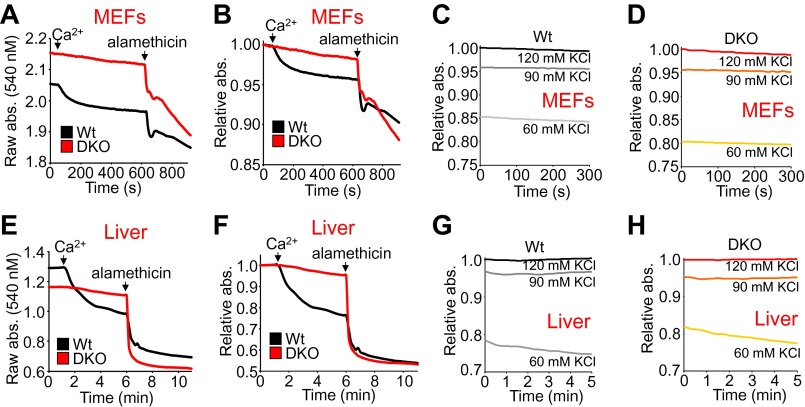
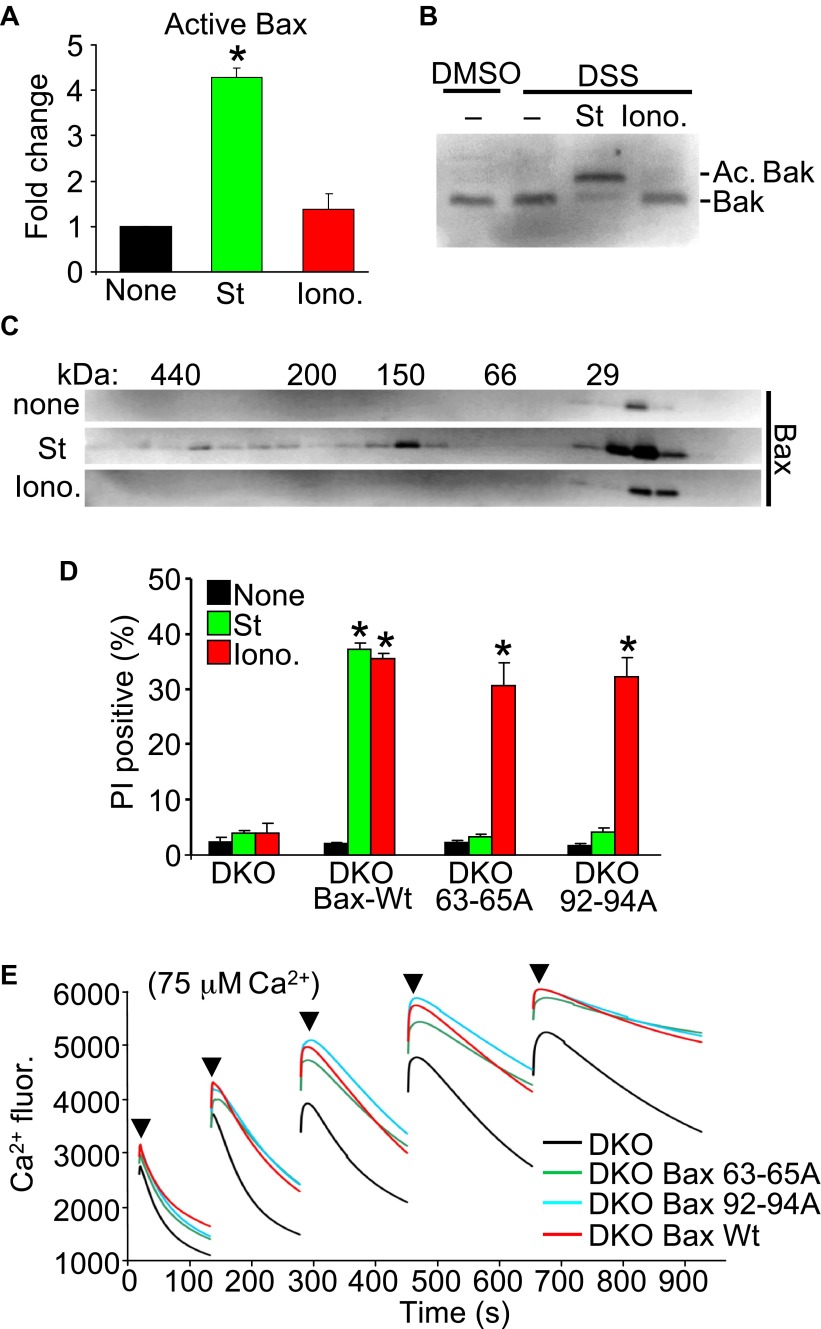
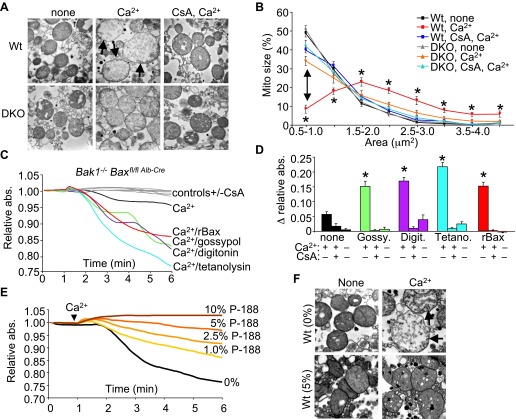
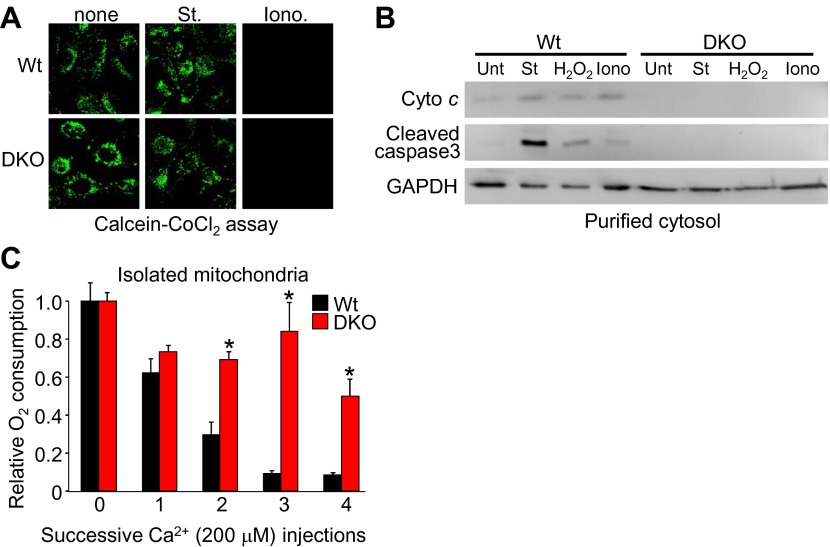
Verification
Claims the paper makes
The claims and statistics of this paper haven’t been checked yet.
Run the check — free, no account needed. It reads the open-access text and checks the sources it cites.
Claims other papers make about this one
Each is checked against this paper’s own text: does it say what the citing paper says it does?
In the citing paper
“These include: (1) pro- and anti-apoptotic BCL2 family members such as BAX, BAK, and BID [407–410], as well as BCL2 and BCL-XL [411–414]”
From Molecular mechanisms of cell death: recommendations of the nomenclature committee on cell death 2018. (2018) · cites this paper as [407]
Self-check
Percentages, sums and reported differences re-computed from the paper’s own numbers.
The self-check needs the paper’s full text.
Citations
Cites
Danial, N. N., & Korsmeyer, S. J. (2004) · Cell · doi:10.1016/s0092-8674(04)00046-7 · Cited by 4,651
Proapoptotic BAX and BAK: A Requisite Gateway to Mitochondrial Dysfunction and Death
Wei, M. C., Zong, W.-X., Cheng, E. H.-Y., Lindsten, T., Panoutsakopoulou, V., Ross, A. J., Roth, K. A., MacGregor, G. R., Thompson, C. B., & Korsmeyer, S. J. (2001) · Science · doi:10.1126/science.1059108 · Cited by 3,988 · cited 2×
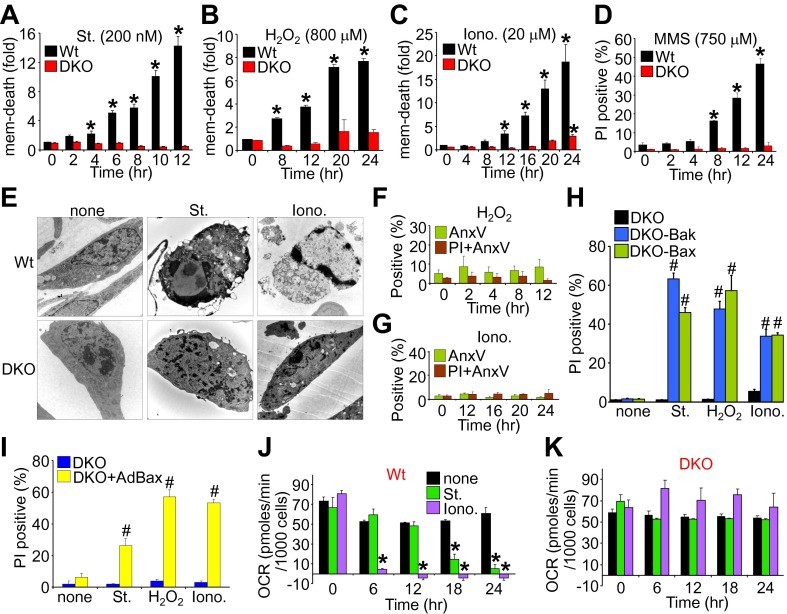
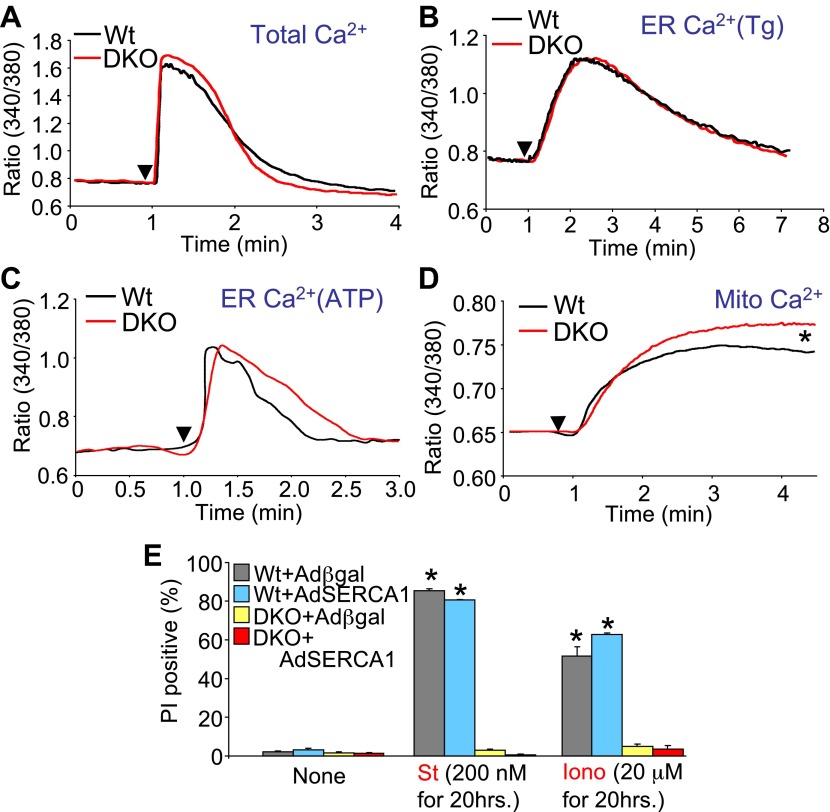
“As previously reported, Bax/Bak1 double-knockout (DKO) MEFs were highly resistant to cell death by the apoptotic inducer staurosporine (Wei et al., 2001), while Wt MEFs showed high levels of killing (Figure 1A).”
BackgroundSelf-citationChemical inhibitor of nonapoptotic cell death with therapeutic potential for ischemic brain injury
Degterev, A., Huang, Z., Boyce, M., Li, Y., Jagtap, P., Mizushima, N., Cuny, G. D., Mitchison, T. J., Moskowitz, M. A., & Yuan, J. (2005) · Nature Chemical Biology · doi:10.1038/nchembio711 · Cited by 3,068 · cited 2×
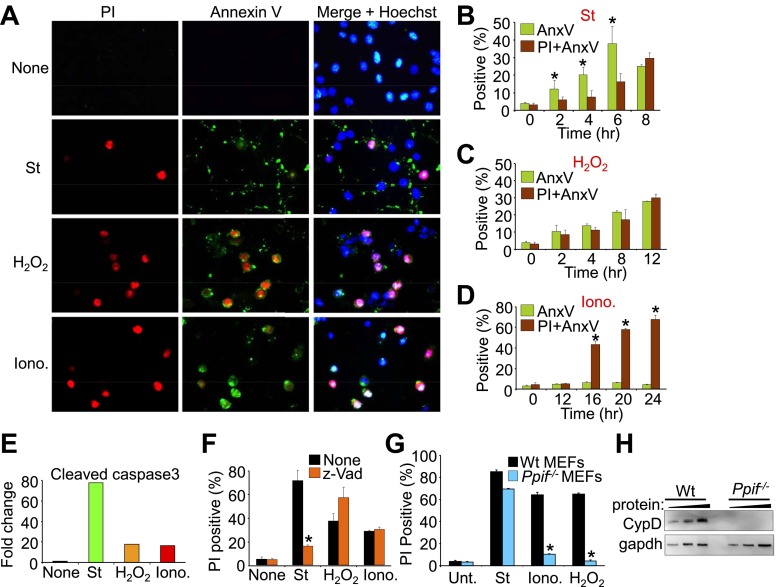
“Necroptosis is induced in cells when stimulated with tumor necrosis factor α (TNFα) in the presence of caspase inhibitors, such as zVAD-fmk (Degterev et al., 2005).”
BackgroundMixed Lineage Kinase Domain-like Protein Mediates Necrosis Signaling Downstream of RIP3 Kinase
Sun, L., Wang, H., Wang, Z., He, S., Chen, S., Liao, D., Wang, L., Yan, J., Liu, W., Lei, X., et al. (2012) · Cell · doi:10.1016/j.cell.2011.11.031 · Cited by 2,698 · cited 1×
“Recently, mixed lineage kinase domain–like protein (MLKL) and phosphoglycerate mutase family member 5 (PGAM5) were shown to be downstream of the RIP proteins (Sun et al., 2012; Wang et al., 2012).”
BackgroundMitochondria and cell death: outer membrane permeabilization and beyond
Tait, S. W. G., & Green, D. R. (2010) · Nature Reviews Molecular Cell Biology · doi:10.1038/nrm2952 · Cited by 2,593
Cho, Y., Challa, S., Moquin, D., Genga, R., Ray, T. D., Guildford, M., & Chan, F. K.-M. (2009) · Cell · doi:10.1016/j.cell.2009.05.037 · Cited by 2,435 · cited 1×
“RIP1 is able to interact with RIP3 in controlling necroptosis (Cho et al., 2009; He et al., 2009; Zhang et al., 2009).”
BackgroundBaines, C. P., Kaiser, R. A., Purcell, N. H., Blair, N. S., Osinska, H., Hambleton, M. A., Brunskill, E. W., Sayen, M. R., Gottlieb, R. A., Dorn, G. W., et al. (2005) · Nature · doi:10.1038/nature03434 · Cited by 2,280 · cited 2×
“Indeed, deletion of the gene encoding CypD renders mitochondria resistant to Ca2+ overload– induced swelling and the heart and brain partially resistant to cell death due to ischemic injury (Baines et al., 2005; Nakagawa et al., 2005; Schinzel et al., 2005).”
BackgroundSelf-citationReceptor Interacting Protein Kinase-3 Determines Cellular Necrotic Response to TNF-α
He, S., Wang, L., Miao, L., Wang, T., Du, F., Zhao, L., & Wang, X. (2009) · Cell · doi:10.1016/j.cell.2009.05.021 · Cited by 2,214 · cited 1×
“RIP1 is able to interact with RIP3 in controlling necroptosis (Cho et al., 2009; He et al., 2009; Zhang et al., 2009).”
BackgroundShimizu, S., Narita, M., Tsujimoto, Y., & Tsujimoto, Y. (1999) · Nature · doi:10.1038/20959 · Cited by 2,178 · cited 1×
“Over a decade ago, several reports suggested that Bax and/or Bak directly interacted with presumed components of the MPTP, the adenine nucleotide translocator (ANT) in the inner membrane and the VDAC in the outer membrane (Marzo et al., 1998; Narita et al., 1998; Shimizu et al., 1999).”
BackgroundRIP3, an Energy Metabolism Regulator That Switches TNF-Induced Cell Death from Apoptosis to Necrosis
Zhang, D.-W., Shao, J., Lin, J., Zhang, N., Lu, B.-J., Lin, S.-C., Dong, M.-Q., & Han, J. (2009) · Science · doi:10.1126/science.1172308 · Cited by 1,931 · cited 1×
“RIP1 is able to interact with RIP3 in controlling necroptosis (Cho et al., 2009; He et al., 2009; Zhang et al., 2009).”
BackgroundNakagawa, T., Shimizu, S., Watanabe, T., Yamaguchi, O., Otsu, K., Yamagata, H., Inohara, H., Kubo, T., & Tsujimoto, Y. (2005) · Nature · doi:10.1038/nature03317 · Cited by 1,635 · cited 1×
“Indeed, deletion of the gene encoding CypD renders mitochondria resistant to Ca2+ overload– induced swelling and the heart and brain partially resistant to cell death due to ischemic injury (Baines et al., 2005; Nakagawa et al., 2005; Schinzel et al., 2005).”
BackgroundBAX and BAK Regulation of Endoplasmic Reticulum Ca 2+ : A Control Point for Apoptosis
Scorrano, L., Oakes, S. A., Opferman, J. T., Cheng, E. H. Y., Sorcinelli, M. D., Pozzan, T., & Korsmeyer, S. J. (2003) · Science · doi:10.1126/science.1081208 · Cited by 1,387 · cited 2×
“Bax/Bak regulate cell death independent of ER Ca2+ Bax/Bak1 DKO cells were previously shown to have reduced Ca2+ levels in the endoplasmic reticulum (ER) as a protective mechanism against cell death (Scorrano et al., 2003).”
BackgroundMethodSelf-citationPostic, C., Shiota, M., Niswender, K. D., Jetton, T. L., Chen, Y., Moates, J. M., Shelton, K. D., Lindner, J., Cherrington, A. D., & Magnuson, M. A. (1999) · Journal of Biological Chemistry · doi:10.1074/jbc.274.1.305 · Cited by 1,302 · cited 1×
“To create heart- and liverspecific Bax and Bak1 knockout mice, Baxfl/fl Bak1−/− mice were crossed with α-myosin heavy chain (αMHC)-Cre and albumin-Cre transgenic lines (Postic et al., 1999; Oka et al., 2006).”
BackgroundBax and Adenine Nucleotide Translocator Cooperate in the Mitochondrial Control of Apoptosis
Marzo, I., Brenner, C., Zamzami, N., Jürgensmeier, J. M., Susin, S. A., Vieira, H. L. A., Prévost, M.-C., Xie, Z., Matsuyama, S., Reed, J. C., et al. (1998) · Science · doi:10.1126/science.281.5385.2027 · Cited by 1,168 · cited 2×
“Over a decade ago, several reports suggested that Bax and/or Bak directly interacted with presumed components of the MPTP, the adenine nucleotide translocator (ANT) in the inner membrane and the VDAC in the outer membrane (Marzo et al., 1998; Narita et al., 1998; Shimizu et al., 1999).”
BackgroundThe ADP/ATP translocator is not essential for the mitochondrial permeability transition pore
Kokoszka, J. E., Waymire, K. G., Levy, S. E., Sligh, J. E., Cai, J., Jones, D. P., MacGregor, G. R., & Wallace, D. C. (2004) · Nature · doi:10.1038/nature02229 · Cited by 1,086 · cited 1×
“…that Bax/Bak function merely to regulate the MPTP by binding VDAC or ANT is not consistent with the data from Slc25a4/Slc25a5 (ANT1/2 protein) and Vdac1/2/3 gene–deleted mice, which showed that neither protein is directly required for MPTP formation (Kokoszka et al., 2004; Baines et al., 2007).”
ResultInhibition of Bax Channel-Forming Activity by Bcl-2
Antonsson, B. E., Conti, F., Ciavatta, A., Montessuit, S., Lewis, S., Martinou, I., Bernasconi, L., Bernard, A., Mermod, J., Mazzei, G. J., et al. (1997) · Science · doi:10.1126/science.277.5324.370 · Cited by 1,028 · cited 1×
“Indeed, Bcl-2 family members are known to alter membrane characteristics and have channel-like activities of multiple conductance states (Antonsson et al., 1997; Minn et al., 1997; Schlesinger et al., 1997).”
BackgroundHitomi, J., Christofferson, D. E., Ng, A., Yao, J., Degterev, A., Xavier, R. J., & Yuan, J. (2008) · Cell · doi:10.1016/j.cell.2008.10.044 · Cited by 989 · cited 3×
“More importantly, purified mitochondria from these DKO MEFs reconstituted with Wt or the nonoligomerizing Bax mutants (Hoppins et al., 2011) each showed partial restoration of MPTP function in the Ca2+ uptake assay (Figure 3E).”
BackgroundVoltage-dependent anion channels are dispensable for mitochondrial-dependent cell death
Baines, C. P., Kaiser, R. A., Sheiko, T., Craigen, W. J., & Molkentin, J. D. (2007) · Nature Cell Biology · doi:10.1038/ncb1575 · Cited by 971 · cited 2×
“…that Bax/Bak function merely to regulate the MPTP by binding VDAC or ANT is not consistent with the data from Slc25a4/Slc25a5 (ANT1/2 protein) and Vdac1/2/3 gene–deleted mice, which showed that neither protein is directly required for MPTP formation (Kokoszka et al., 2004; Baines et al., 2007).”
ResultSelf-citationWhat is the mitochondrial permeability transition pore?
Halestrap, A. P. (2009) · Journal of Molecular and Cellular Cardiology · doi:10.1016/j.yjmcc.2009.02.021 · Cited by 966
Wang, Z., Jiang, H., Chen, S., Du, F., & Wang, X. (2012) · Cell · doi:10.1016/j.cell.2011.11.030 · Cited by 949 · cited 5×
“Recently, mixed lineage kinase domain–like protein (MLKL) and phosphoglycerate mutase family member 5 (PGAM5) were shown to be downstream of the RIP proteins (Sun et al., 2012; Wang et al., 2012).”
BackgroundInfluentialNarita, M., Shimizu, S., Ito, T., Chittenden, T., Lutz, R. J., Matsuda, H., & Tsujimoto, Y. (1998) · Proceedings of the National Academy of Sciences · doi:10.1073/pnas.95.25.14681 · Cited by 942 · cited 2×
“Over a decade ago, several reports suggested that Bax and/or Bak directly interacted with presumed components of the MPTP, the adenine nucleotide translocator (ANT) in the inner membrane and the VDAC in the outer membrane (Marzo et al., 1998; Narita et al., 1998; Shimizu et al., 1999).”
BackgroundSchinzel, A. C., Takeuchi, O., Huang, Z., Fisher, J. K., Zhou, Z., Rubens, J., Hetz, C., Danial, N. N., Moskowitz, M. A., & Korsmeyer, S. J. (2005) · Proceedings of the National Academy of Sciences · doi:10.1073/pnas.0505294102 · Cited by 820 · cited 1×
“Indeed, deletion of the gene encoding CypD renders mitochondria resistant to Ca2+ overload– induced swelling and the heart and brain partially resistant to cell death due to ischemic injury (Baines et al., 2005; Nakagawa et al., 2005; Schinzel et al., 2005).”
BackgroundBcl-xL forms an ion channel in synthetic lipid membranes
Minn, A. J., Vélez, P., Schendel, S. L., Liang, H., Muchmore, S. W., Fesik, S. W., Fill, M., & Thompson, C. B. (1997) · Nature · doi:10.1038/385353a0 · Cited by 814 · cited 1×
“Indeed, Bcl-2 family members are known to alter membrane characteristics and have channel-like activities of multiple conductance states (Antonsson et al., 1997; Minn et al., 1997; Schlesinger et al., 1997).”
Backgroundp53 Opens the Mitochondrial Permeability Transition Pore to Trigger Necrosis
Vaseva, A. V., Marchenko, N. D., Ji, K., Tsirka, S. E., Holzmann, S., & Moll, U. M. (2012) · Cell · doi:10.1016/j.cell.2012.05.014 · Cited by 740 · cited 2×
“…recent studies have disputed such a direct role, suggesting that Bax/Bak only have a secondary effect, such as by regulating mitochondrial fission/fusion or no effect whatsoever, or just a secondary effect due to organelle rupture (De Marchi et al., 2004; Vaseva et al., 2012; Whelan et al., 2012).”
BackgroundStepwise Activation of BAX and BAK by tBID, BIM, and PUMA Initiates Mitochondrial Apoptosis
Kim, H., Tu, H.-C., Ren, D., Takeuchi, O., Jeffers, J. R., Zambetti, G. P., Hsieh, J. J.-D., & Cheng, E. H.-Y. (2009) · Molecular Cell · doi:10.1016/j.molcel.2009.09.030 · Cited by 600 · cited 1×
“DKO MEFs with reconstituted Bax and Bak were also previously described (Kim et al., 2009).”
MethodSelf-citationComparison of the ion channel characteristics of proapoptotic BAX and antiapoptotic BCL-2
Schlesinger, P. H., Gross, A., Yin, X., Yamamoto, K., Saito, M. L., Waksman, G., & Korsmeyer, S. J. (1997) · Proceedings of the National Academy of Sciences · doi:10.1073/pnas.94.21.11357 · Cited by 492 · cited 1×
“Indeed, Bcl-2 family members are known to alter membrane characteristics and have channel-like activities of multiple conductance states (Antonsson et al., 1997; Minn et al., 1997; Schlesinger et al., 1997).”
BackgroundOka, T., Maillet, M., Watt, A. J., Schwartz, R. J., Aronow, B. J., Duncan, S. A., & Molkentin, J. D. (2006) · Circulation Research · doi:10.1161/01.res.0000215985.18538.c4 · Cited by 424 · cited 1×
“To create heart- and liverspecific Bax and Bak1 knockout mice, Baxfl/fl Bak1−/− mice were crossed with α-myosin heavy chain (αMHC)-Cre and albumin-Cre transgenic lines (Postic et al., 1999; Oka et al., 2006).”
BackgroundSelf-citationElrod, J. W., Wong, R., Mishra, S., Vagnozzi, R. J., Sakthievel, B., Goonasekera, S. A., Karch, J., Gabel, S., Farber, J., Force, T., et al. (2010) · Journal of Clinical Investigation · doi:10.1172/jci43171 · Cited by 384 · cited 2×
“Since MPTP formation has been proposed to function as a Ca2+ release mechanism (Elrod et al., 2010; Bernardi and von Stockum, 2012), the observed augmentation in baseline Ca2+ in Bax/Bak-deficient mitochondria, and their greater uptake capacity further suggest that Bax/Bak are required for…”
BackgroundSelf-citationBax regulates primary necrosis through mitochondrial dynamics
Whelan, R. S., Konstantinidis, K., Wei, A.-C., Chen, Y., Reyna, D. E., Jha, S., Yang, Y., Calvert, J. W., Lindsten, T., Thompson, C. B., et al. (2012) · Proceedings of the National Academy of Sciences · doi:10.1073/pnas.1201608109 · Cited by 290 · cited 2×
“…recent studies have disputed such a direct role, suggesting that Bax/Bak only have a secondary effect, such as by regulating mitochondrial fission/fusion or no effect whatsoever, or just a secondary effect due to organelle rupture (De Marchi et al., 2004; Vaseva et al., 2012; Whelan et al., 2012).”
BackgroundPavlov, E. V., Priault, M., Pietkiewicz, D., Cheng, E. H. Y., Antonsson, B. E., Manon, S., Korsmeyer, S. J., Mannella, C. A., & Kinnally, K. W. (2001) · The Journal of Cell Biology · doi:10.1083/jcb.200107057 · Cited by 280 · cited 1×
“Ion selectivity was determined through reversal potentials after a 150:30 mM KCl gradient was established across the patch as previously reported (Pavlov et al., 2001).”
MethodSelf-citationThe Soluble Form of Bax Regulates Mitochondrial Fusion via MFN2 Homotypic Complexes
Hoppins, S. C., Edlich, F., Harwig, M. C., Banerjee, S., McCaffery, J. M., Youle, R. J., & Nunnari, J. M. (2011) · Molecular Cell · doi:10.1016/j.molcel.2010.11.030 · Cited by 253 · cited 3×
“More importantly, purified mitochondria from these DKO MEFs reconstituted with Wt or the nonoligomerizing Bax mutants (Hoppins et al., 2011) each showed partial restoration of MPTP function in the Ca2+ uptake assay (Figure 3E).”
BackgroundKaiser, R. A., Bueno, O. F., Lips, D. J., Doevendans, P. A., Jones, F. S., Kimball, T. F., & Molkentin, J. D. (2004) · Journal of Biological Chemistry · doi:10.1074/jbc.m313717200 · Cited by 231 · cited 2×
“Histological analysis of the injury induced by myocardial ischemia/reperfusion was described previously (Kaiser et al., 2004).”
MethodSelf-citationA tale of two mitochondrial channels, MAC and PTP, in apoptosis
Kinnally, K. W., & Antonsson, B. E. (2007) · APOPTOSIS · doi:10.1007/s10495-007-0722-z · Cited by 227 · cited 1×
“The MPTP has been well characterized by direct patch-clamping of mitochondria and shown to have a specific conductance profile that is distinct from any other channels or permeating activities (Kinnally and Antonsson, 2007).”
BackgroundSelf-citationEssential role of BAX,BAK in B cell homeostasis and prevention of autoimmune disease
Takeuchi, O., Fisher, J. K., Suh, H., Harada, H., Malynn, B. A., & Korsmeyer, S. J. (2005) · Proceedings of the National Academy of Sciences · doi:10.1073/pnas.0504783102 · Cited by 205 · cited 1×
“Bax-loxP (fl) Bak1−/− mice were described previously (Takeuchi et al., 2005).”
MethodThe permeability transition pore as a Ca2+ release channel: New answers to an old question
Bernardi, P., & von Stockum, S. (2012) · Cell Calcium · doi:10.1016/j.ceca.2012.03.004 · Cited by 183
Activation of Bak, Bax, and BH3-only Proteins in the Apoptotic Response to Doxorubicin
Panaretakis, T., Tamm, K. P., Shoshan, M. C., & Grandér, D. (2002) · Journal of Biological Chemistry · doi:10.1074/jbc.m205273200 · Cited by 153 · cited 1×
“Flow cytometry analysis of active Bax has been previously described (Panaretakis et al., 2002).”
BackgroundThe mitochondrial respiratory chain is a modulator of apoptosis
Kwong, J. Q., Henning, M. S., Starkov, A. A., & Manfredi, G. (2007) · The Journal of Cell Biology · doi:10.1083/jcb.200704059 · Cited by 148 · cited 1×
“Mitochondrial Ca2+ uptake was measured with Calcium Green-5N (Invitrogen, Grand Island, NY) as previously described (Kwong et al., 2007).”
MethodSelf-citationChen, Y., Lewis, W., Diwan, A., Cheng, E. H. Y., Matkovich, S. J., & Dorn, G. W. (2010) · Proceedings of the National Academy of Sciences · doi:10.1073/pnas.0914013107 · Cited by 142 · cited 2×
“Indeed, Nix/BNip3L, which is induced by disease/developmental signaling pathways that enhance cell death, can alter the activity and pro-death characteristics of Bax/ Bak as well as alter MPTP-dependent cell death (Chen et al., 2010).”
BackgroundMethodSelf-citationGeorge, N. M., Evans, J. J. D., & Luo, X. (2007) · Genes & Development · doi:10.1101/gad.1553607 · Cited by 130 · cited 2×
“However, restoration with either of the two mutants of Bax that cannot oligomerize, although both still localize to the mitochondria (George et al., 2007; Hoppins et al., 2011), restored ionomycin-induced killing but not apoptotic killing with staurosporine (Figure 3D).”
BackgroundLei, X., Chen, Y., Du, G., Yu, W., Wang, X., Qu, H., Xia, B., He, H., Mao, J., Zong, W., et al. (2006) · The FASEB Journal · doi:10.1096/fj.05-5665fje · Cited by 121 · cited 1×
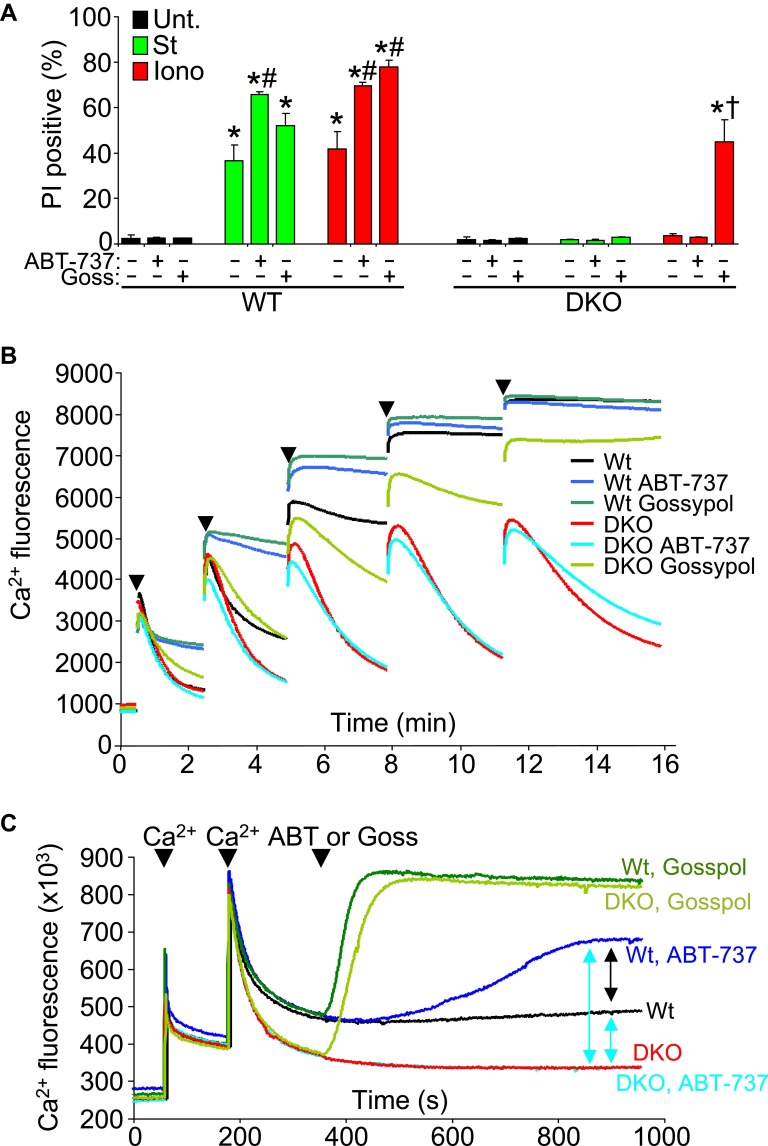
“Moreover, treatment with gossypol, a BH3-mimetic compound that can convert Bcl-2 and Bcl-xl into pore-forming pro-cell death agents (Lei et al., 2006) restored mitochondrial swelling in the absence of Bax/Bak protein, which was also inhibited with CsA (Figure 4C,D).”
BackgroundAssembly of the Mitochondrial Apoptosis-induced Channel, MAC
Martinez‐Caballero, S., Dejean, L. M., Kinnally, M., Oh, K. J., Mannella, C. A., & Kinnally, K. W. (2009) · Journal of Biological Chemistry · doi:10.1074/jbc.m806610200 · Cited by 115 · cited 3×
“Seals were formed with these micropipettes on giant liposomes or mitochondria prepared as described previously (Martinez-Caballero et al., 2009).”
BackgroundMethodInfluentialSelf-citationBcl-2 and calcium: controversy beneath the surface
Distelhorst, C., & Shore, G. C. (2004) · Oncogene · doi:10.1038/sj.onc.1207519 · Cited by 109
Irrinki, K. M., Mallilankaraman, K. B., Thapa, R. J., Chandramoorthy, H. C. K., Smith, F. J., Jog, N. R., Gandhirajan, R. K., Kelsen, S. G., Houser, S. R., May, M. J., et al. (2011) · Molecular and Cellular Biology · doi:10.1128/mcb.05303-11 · Cited by 105 · cited 1×
“Indeed, we and others have observed that Bax/ Bak1 null MEFs were resistant to this form of cell death (data not shown and Irrinki et al., 2011).”
BackgroundJonas, E. A., Hickman, J. A., Chachar, M., Polster, B. M., Brandt, T. A., Fannjiang, Y., Ivanovska, I., Basáñez, G., Kinnally, K. W., Zimmerberg, J. J., et al. (2004) · Proceedings of the National Academy of Sciences · doi:10.1073/pnas.0401372101 · Cited by 99 · cited 3×
“…is not a sieve but rather a membrane whose permeability is tightly regulated, despite the presence of other channels such as voltage-dependent anion channel (VDAC, comprising as many as three gene products, Vdac1, Vdac2, and Vdac3) and TOM (Jonas et al., 2004; Martinez-Caballero et al., 2005).”
BackgroundSelf-citationPores Formed by Baxα5 Relax to a Smaller Size and Keep at Equilibrium
Fuertes, G., García‐Sáez, A. J., Esteban-Martín, S., Giménez, D., Sánchez‐Muñoz, O. L., Schwille, P., & Salgado, J. (2010) · Biophysical Journal · doi:10.1016/j.bpj.2010.08.068 · Cited by 85 · cited 1×
“As another consideration, the α5/α6 domain of Bax is known to have membrane permeation activity and to permit pore formation on its own, the permeation size of which appears to reach an equilibrium of less than 10 kDa (Fuertes et al., 2010).”
BackgroundA binary adenoviral vector system for expressing high levels of the proapoptotic gene bax
Kagawa, S., Pearson, S. A., Ji, L., Xu, K., McDonnell, T. J., Swisher, S. G., Roth, J. A., & Fang, B. (2000) · Gene Therapy · doi:10.1038/sj.gt.3301048 · Cited by 84 · cited 1×
“DOI: 10.7554/eLife.00772 16 of 21 Research article DKO MEFs were infected with a binary adenovirus expressing Bax (Ad-Bax) was previously described and obtained from Dr Bingliang Fang (Kagawa et al., 2000).”
MethodInfluentialMarchi, U. D., Campello, S., Szabó, I., Tombola, F., Martinou, J., & Zoratti, M. (2004) · Journal of Biological Chemistry · doi:10.1074/jbc.m314093200 · Cited by 72 · cited 1×
“…recent studies have disputed such a direct role, suggesting that Bax/Bak only have a secondary effect, such as by regulating mitochondrial fission/fusion or no effect whatsoever, or just a secondary effect due to organelle rupture (De Marchi et al., 2004; Vaseva et al., 2012; Whelan et al., 2012).”
BackgroundLipid Corralling and Poloxamer Squeeze-Out in Membranes
Wu, G., Majewski, J. P., Ege, C., Kjær, K., Weygand, M. J., & Lee, K. Y. C. (2004) · Physical Review Letters · doi:10.1103/physrevlett.93.028101 · Cited by 64 · cited 1×
“Indeed, increasing concentrations of poloxamer-188 (P-188), which inherently reduces membrane permeability characteristics (Wu et al., 2004), prevented mitochondrial swelling induced by Ca2+ as analyzed in purified mitochondria in solution or by transmission electron microscopy (Figure 4E,F).”
BackgroundThe Role of the Mitochondrial Apoptosis Induced Channel MAC in Cytochrome c Release
Martinez‐Caballero, S., Dejean, L. M., Jonas, E. A., & Kinnally, K. W. (2005) · Journal of Bioenergetics and Biomembranes · doi:10.1007/s10863-005-6570-z · Cited by 64 · cited 1×
“…is not a sieve but rather a membrane whose permeability is tightly regulated, despite the presence of other channels such as voltage-dependent anion channel (VDAC, comprising as many as three gene products, Vdac1, Vdac2, and Vdac3) and TOM (Jonas et al., 2004; Martinez-Caballero et al., 2005).”
BackgroundSelf-citationOverexpression of Bcl‐2 suppresses the calcium activation of a mitochondrial megachannel
Murphy, R. C., Schneider, E., & Kinnally, K. W. (2001) · FEBS Letters · doi:10.1016/s0014-5793(01)02440-1 · Cited by 52 · cited 1×
“Cells at 80% confluence were harvested and mitochondria were isolated as previously described (Murphy et al., 2001).”
MethodSelf-citationMembrane structural/functional perturbations induced by gossypol
de Peyster, A., Hyslop, P. A., Kuhn, C. E., & Sauerheber, R. (1986) · Biochemical Pharmacology · doi:10.1016/0006-2952(86)90426-0 · Cited by 34 · cited 1×
“However, gossypol, which can convert endogenous Bcl-2 proteins into a pro-death configuration and increase membrane permeability (de Peyster et al., 1986), enhanced or induced ionomycin-dependent cell death in Wt and DKO MEFs, respectively (Figure 7A).”
BackgroundBax Forms Two Types of Channels, One of Which Is Voltage-Gated
Lin, S. H., Perera, M. N., Nguyen, T., Datskovskiy, D., Miles, M., & Colombini, M. (2011) · Biophysical Journal · doi:10.1016/j.bpj.2011.09.041 · Cited by 21 · cited 1×
“DOI: 10.7554/eLife.00772 14 of 21 Research article one of which has a small pore size (0.9 nm) and is homogenous in the outer mitochondrial membrane, which could fulfill the permeability function we observed here to permit nonapoptotic cell death (Lin et al., 2011).”
BackgroundInfluentialTan, F. J., Zuckerman, J. E., Wells, R. C., & Hill, R. B. (2010) · Protein Science · doi:10.1002/pro.536 · Cited by 6 · cited 1×
“Bcl-2 family members appear to generally alter the permeability and rigidity of lipid membranes, and even the Bcl-2 homologue from Caenorhabditis elegans, CED-9 can induce leakiness of reconstituted lipid membranes (Tan et al., 2011).”
Background
Cited by
Sorted by citations
Galluzzi, L., Vitale, I., Aaronson, S. A., Abrams, J. M., Adam, D., Agostinis, P., Alnemri, E. S., Altucci, L., Amelio, I., Andrews, D. W., et al. (2018) · Cell Death & Differentiation · doi:10.1038/s41418-017-0012-4 · Cited by 6,680
Self-citationFundamental Mechanisms of Regulated Cell Death and Implications for Heart Disease
Re, D. P. D., Amgalan, D., Linkermann, A., Liu, Q., & Kitsis, R. N. (2019) · Physiological Reviews · doi:10.1152/physrev.00022.2018 · Cited by 994
Genetic lineage tracing defines myofibroblast origin and function in the injured heart
Kanisicak, O., Khalil, H., Ivey, M. J., Karch, J. M., Maliken, B. D., Correll, R. N., Brody, M. J., Lin, S. J., Aronow, B. J., Tallquist, M. D., et al. (2016) · Nature Communications · doi:10.1038/ncomms12260 · Cited by 926
Self-citationc-kit+ cells minimally contribute cardiomyocytes to the heart
van Berlo, J. H., Kanisicak, O., Maillet, M., Vagnozzi, R. J., Karch, J. M., Lin, S. J., Middleton, R., Marbán, E., & Molkentin, J. D. (2014) · Nature · doi:10.1038/nature13309 · Cited by 794
Self-citationMitochondria in health, disease, and aging
Harrington, J. S., Ryter, S. W., Plataki, M. E., Price, D. R., & Choi, A. M. K. (2023) · Physiological Reviews · doi:10.1152/physrev.00058.2021 · Cited by 641
Metadata
- Authors
- Karch, J., Kwong, J. Q., Burr, A. R., Sargent, M. A., Elrod, J. W., Peixoto, P. M., Martinez-Caballero, S., Osinska, H., Cheng, E. H.-Y., Robbins, J., Kinnally, K. W., & Molkentin, J. D.
- Affiliations
- Cincinnati Children's Hospital Medical Center (US)
- New York University (US)
- Department of Basic Sciences, New York University College of Dentistry, New York, United States
- Department of Pediatrics, Cincinnati Children’s Hospital Medical Center, University of Cincinnati, Cincinnati, United States
- Memorial Sloan Kettering Cancer Center (US)
- Corresponding author
- Molkentin, Jeffery D
- ORCID
- Venue
- eLife
- Publisher
- eLife Sciences Publications, Ltd
- Published
- 2013-08-27
- Volume
- 2
- Pages
- e00772-e00772
- ISSN
- 2050-084X (ISSN-L)
- PMC
- PMC3755340
- OpenAlex
- W2139284714
- Cited by
- 290
- References
- 53
- Citations by year
- 2026: 8 · 2025: 25 · 2024: 16 · 2023: 31 · 2022: 22 · 2021: 26 · 2020: 25 · 2019: 23 · 2018: 27 · 2017: 22 · 2016: 26 · 2015: 16 · 2014: 21 · 2013: 1
- FWCI
- 9.55
- Type
- journal article
- Language
- en
- Open access
- gold
- doi.org
- Licence
- Locations
- eLife (publishedVersion, cc-by)
- Europe PMC (PubMed Central) (publishedVersion, cc-by)
- PubMed Central (publishedVersion, cc-by)
- PubMed (publishedVersion)
- CUNY Academic Works (City University of New York) (submittedVersion, cc-by)
- DOAJ (DOAJ: Directory of Open Access Journals) (submittedVersion, cc-by-sa)
- Funders
- Howard Hughes Medical Institute
- National Institutes of Health (P01 HL080101)
- American Heart Association pre-doctoral grant
- American Heart Association
- Topics
- Life Sciences › Biochemistry, Genetics and Molecular Biology › Molecular Biology › Cell death mechanisms and regulation
- Life Sciences › Biochemistry, Genetics and Molecular Biology › Molecular Biology › Mitochondrial Function and Pathology
- Health Sciences › Medicine › Cardiology and Cardiovascular Medicine › Cardiac Ischemia and Reperfusion
- Keywords
- Bax, Bak, mitochondrial permeability transition pore, necrosis, mitochondrial outer membrane permeabilization, Bcl-2 family proteins, mitochondrial calcium overload, mitochondrial swelling, ischemia, Bax oligomerization
- MeSH terms
- Mitochondrial Permeability Transition Pore, Animals, Necrosis, Mitochondrial Membrane Transport Proteins, bcl-2 Homologous Antagonist-Killer Protein, bcl-2-Associated X Protein, Mice
About these checks
Registry, retraction, Cites and statistics results are computed, not judged, with one exception: a printed reference that no index lists is read once by a model before it counts as a citation error. Claims are extracted by a model and kept only when their quote appears verbatim in the text; each cited source is then checked, with a model’s help, for whether it says what the claim relies on. Those verdicts can be wrong — read the claim’s quote and the cited source before relying on one.
Statistics and arithmetic are recomputed, not judged.
Confidence bands are shown only for fields calibrated on our annotated test set. None is calibrated yet, so no band is shown.
What counts as a claim ›How we measure confidence ›How we check this ›
Are you an author, or do you see a problem with this page? Request a review
