

The DOI matches its Crossref record; 44 of the 45 references it cites were found in a registry or an index.
Adjusting for age improves identification of gut microbiome alterations in multiple diseases
Open accessAbstract
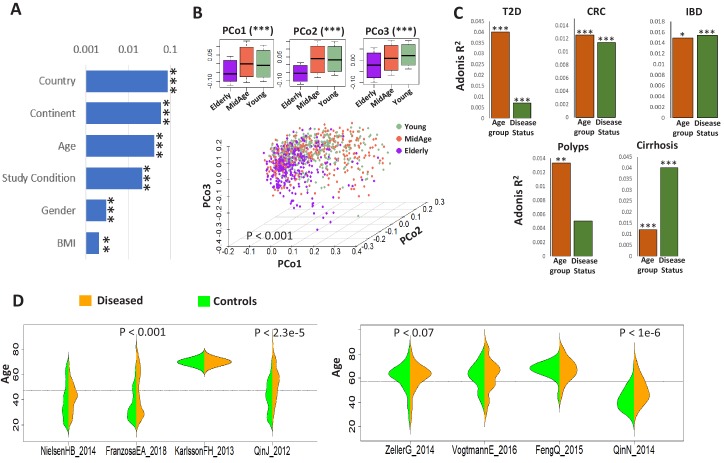
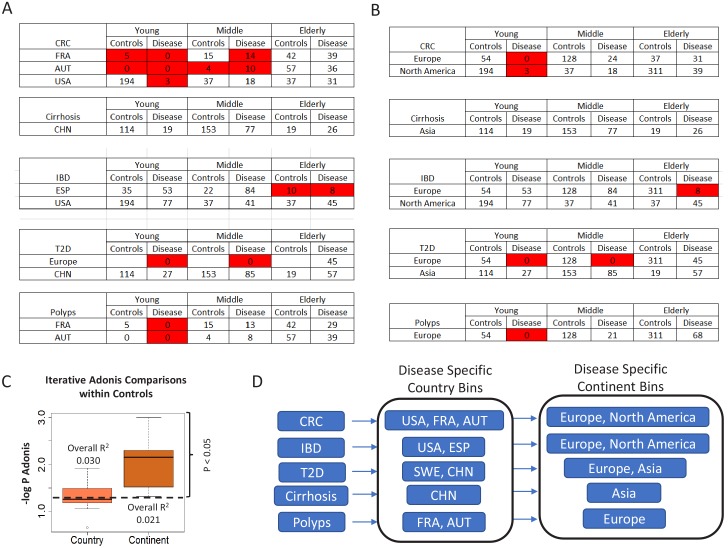
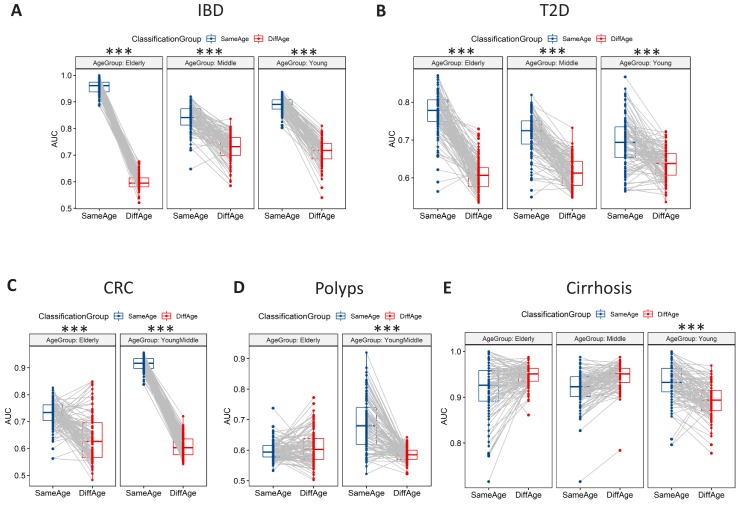
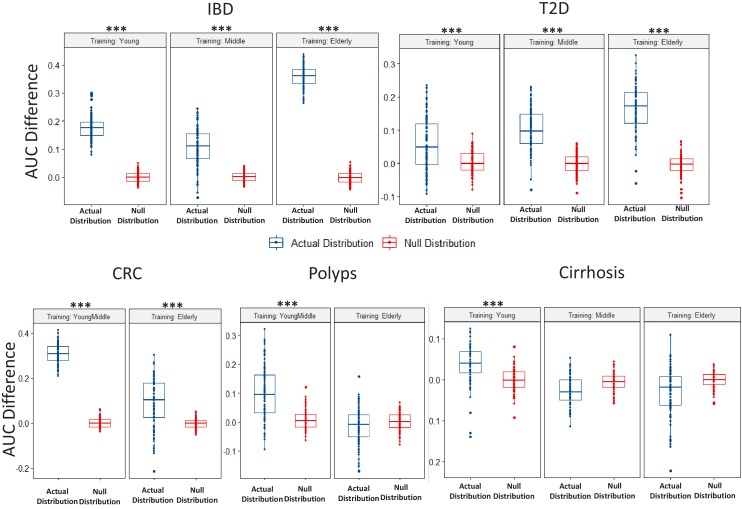
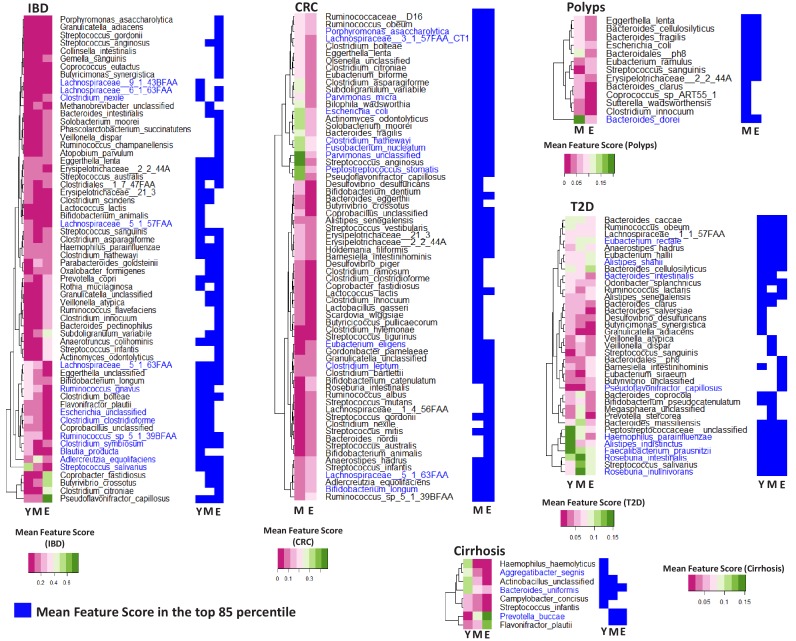
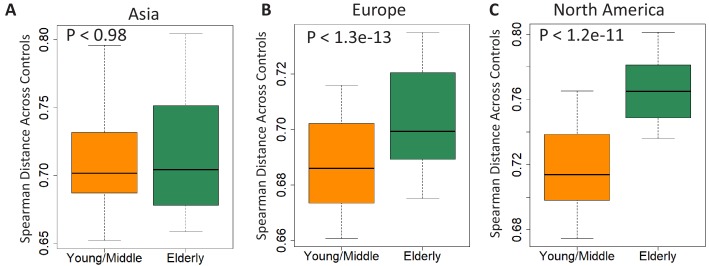
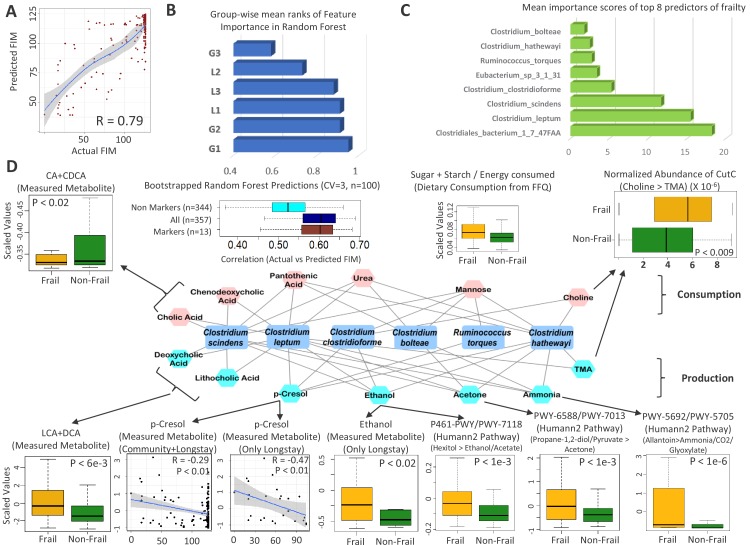
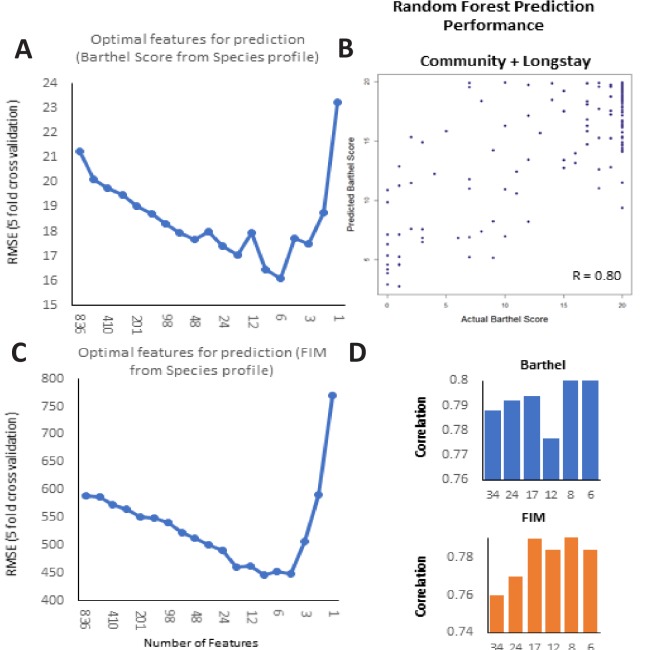
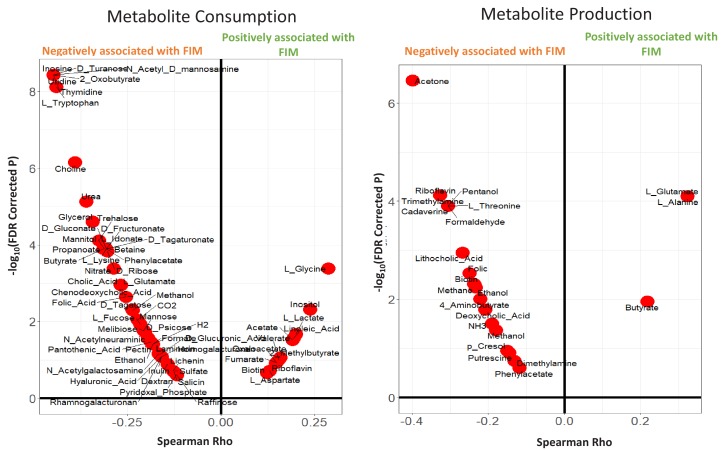
Interaction between disease-microbiome associations and ageing has not been explored in detail. Here, using age/region-matched sub-sets, we analysed the gut microbiome differences across five major diseases in a multi-cohort dataset constituting more than 2500 individuals from 20 to 89 years old. We show that disease-microbiome associations display specific age-centric trends. Ageing-associated microbiome alterations towards a disease-like configuration occur in colorectal cancer patients, thereby masking disease signatures. We identified a microbiome disease response shared across multiple diseases in elderly subjects that is distinct from that in young/middle-aged individuals, but also a novel set of taxa consistently gained in disease across all age groups. A subset of these taxa was associated with increased frailty in subjects from the ELDERMET cohort. The relevant taxa differentially encode specific functions that are known to have disease associations.
Overview
The claims and statistics of this paper haven’t been checked yet.
Run the check — free, no account needed. It reads the open-access text and checks the sources it cites.
Integrity signals
Registry
Cites
Statistics
Figures
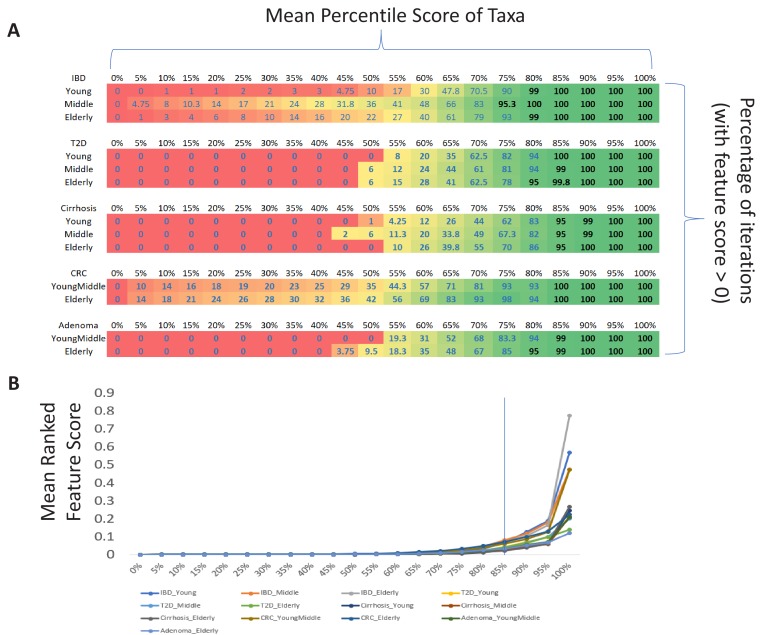
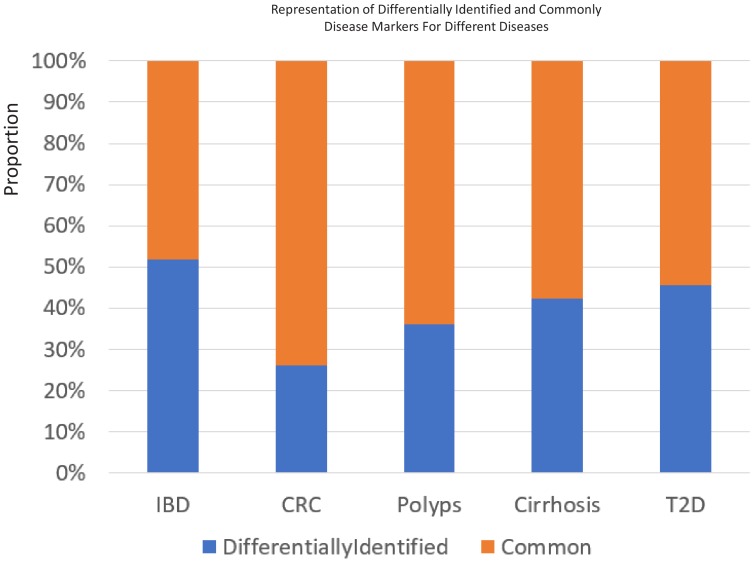
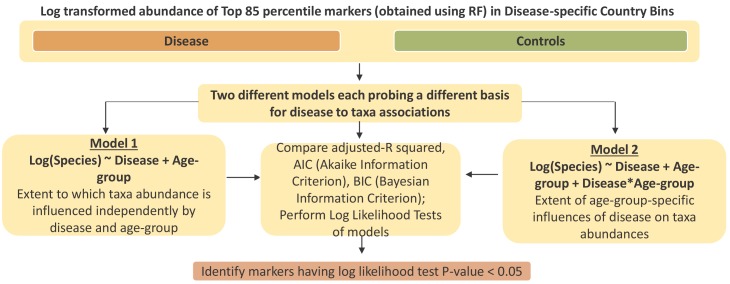
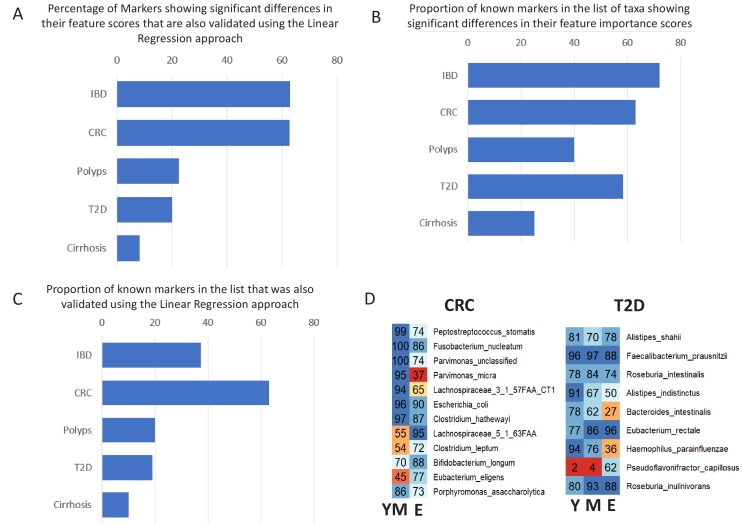
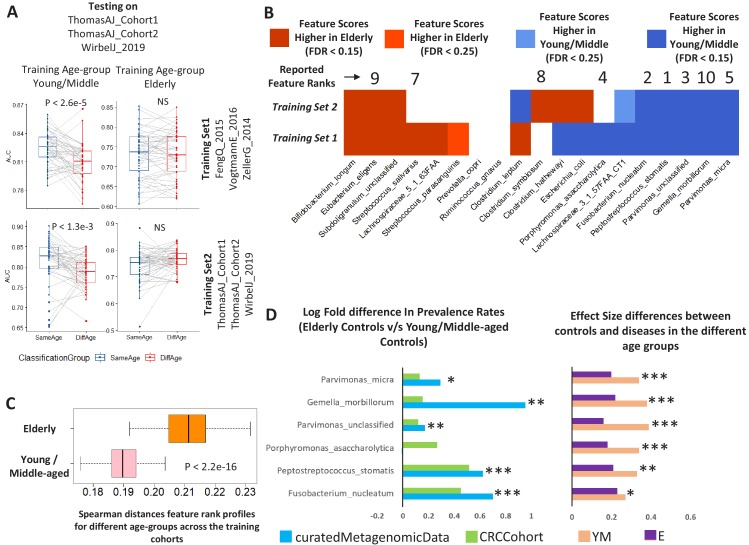
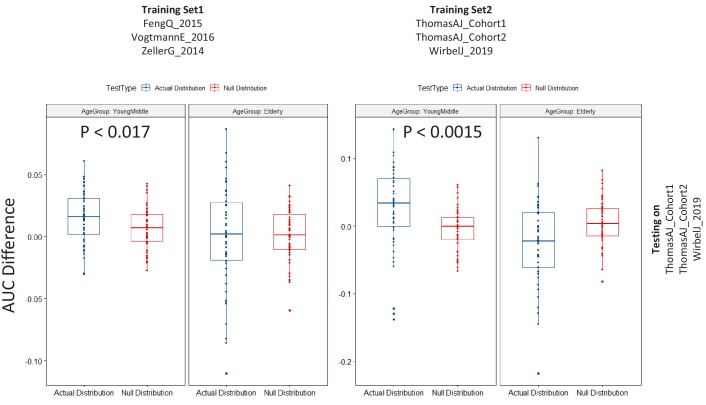
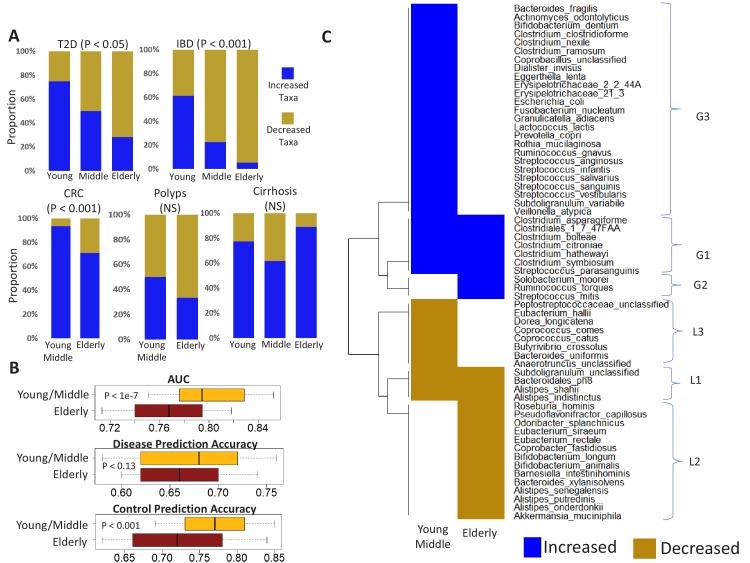
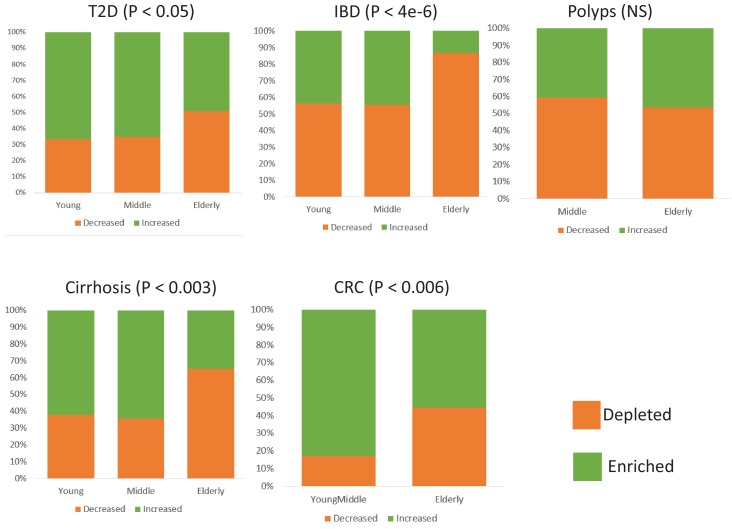
Verification
Claims the paper makes
The claims and statistics of this paper haven’t been checked yet.
Run the check — free, no account needed. It reads the open-access text and checks the sources it cites.
Claims other papers make about this one
Each is checked against this paper’s own text: does it say what the citing paper says it does?
In the citing paper
“Members of the Bifidobacteriaceae, Akkermansiaceae, and Eubacteriaceae families that are associated with beneficial effects on intestinal and extra-intestinal health in both mice and humans”
From Fecal microbiota transfer between young and aged mice reverses hallmarks of the aging gut, eye, and brain (2022) · cites this paper as [43]
In the citing paper
“However, some species are currently thought to modulate cholesterol and bile acid metabolism and are considered potential therapeutics [43].”
From Fecal microbiota transfer between young and aged mice reverses hallmarks of the aging gut, eye, and brain (2022) · cites this paper as [43]
In the citing paper
“Age was also added to the feature-set, as this covariate has been shown to improve microbiome predictions in CRC (Ghosh et al., 2020).”
From Integrating taxonomic, functional, and strain-level profiling of diverse microbial communities with bioBakery 3 (2021) · cites this paper as Ghosh et al., 2020
In the citing paper
“The Enterocloster genus (E. aldensis, E. asparagiformis, and E. bolteae) represents a vancomycin-sensitive clade of immunosuppressive bacteria, dominant in the intestinal microbiota of people and patients suffering from aging and chronic inflammatory disorders including cancer.39”
From Custom scoring based on ecological topology of gut microbiota associated with cancer immunotherapy outcome (2024) · cites this paper as [47]
Self-check
Percentages, sums and reported differences re-computed from the paper’s own numbers.
The self-check needs the paper’s full text.
Citations
Cites
A metagenome-wide association study of gut microbiota in type 2 diabetes
Qin, J., Li, Y., Cai, Z., Li, S., Zhu, J., Zhang, F., Liang, S., Zhang, W., Guan, Y., Shen, D., et al. (2012) · Nature · doi:10.1038/nature11450 · Cited by 6,762 · cited 4×
“not CRC), we compiled a list of known disease-associated markers from each of the original studies (Feng et al., 2015; Franzosa et al., 2019; Karlsson et al., 2013; Qin et al., 2012; Qin et al., 2014).”
BackgroundMethodResultInfluentialGut microbiota composition correlates with diet and health in the elderly
Claesson, M. J., Jeffery, I. B., Conde, S., Power, S. E., O’Connor, E. M., Cusack, S., Harris, H. M. B., Coakley, M., Lakshminarayanan, B., O’Sullivan, O., et al. (2012) · Nature · doi:10.1038/nature11319 · Cited by 3,314 · cited 2×
“We observed that this association analysis of metabolite profiles reflects frailty-associated changes with respect to bioavailability of specific compounds, many of which have been previously shown to have corresponding associations with health, thereby validating our findings (Claesson et al., 2012).”
ResultSelf-citationGut metagenome in European women with normal, impaired and diabetic glucose control
Karlsson, F. H., Tremaroli, V., Nookaew, I., Bergström, G., Behre, C. J., Fagerberg, B., Nielsen, J., & Bäckhed, F. (2013) · Nature · doi:10.1038/nature12198 · Cited by 3,115 · cited 3×
“not CRC), we compiled a list of known disease-associated markers from each of the original studies (Feng et al., 2015; Franzosa et al., 2019; Karlsson et al., 2013; Qin et al., 2012; Qin et al., 2014).”
MethodResultPopulation-level analysis of gut microbiome variation
Falony, G., Joossens, M., Vieira-Silva, S., Wang, J., Darzi, Y., Faust, K., Kurilshikov, A., Bonder, M. J., Valles-Colomer, M., Vandeputte, D., et al. (2016) · Science · doi:10.1126/science.aad3503 · Cited by 2,400 · cited 1×
“region/ethnicity-specific variations, multiple studies have also shown age to be a strong covariate of microbiome composition (Falony et al., 2016).”
BackgroundReduced diversity of faecal microbiota in Crohn’s disease revealed by a metagenomic approach
Manichanh, C., Rigottier-Gois, L., Bonnaud, E., Gloux, K., Pelletier, E., Frangeul, L., Nalin, R., Jarrin, C., Chardon, P., Marteau, P., et al. (2006) · Gut · doi:10.1136/gut.2005.073817 · Cited by 2,277 · cited 1×
“These species were previously implicated in Clostridium difficile resistance and IBD, respectively (Buffie et al., 2015; Manichanh et al., 2006).”
BackgroundMetaPhlAn2 for enhanced metagenomic taxonomic profiling
Truong, D. T., Franzosa, E. A., Tickle, T. L., Scholz, M., Weingart, G., Pasolli, E., Tett, A., Huttenhower, C., & Segata, N. (2015) · Nature Methods · doi:10.1038/nmeth.3589 · Cited by 2,185 · cited 1×
“A further advantage of the curatedMetagenomicData is that these microbiome profiles were created using uniform bioinformatic analysis of the sequenced reads (using metaphlan2 and humann2) (Franzosa et al., 2018; Truong et al., 2015).”
MethodAlterations of the human gut microbiome in liver cirrhosis
Qin, N., Yang, F., Li, A., Prifti, E., Chen, Y., Shao, L., Guo, J., Le Chatelier, E., Yao, J., Wu, L., et al. (2014) · Nature · doi:10.1038/nature13568 · Cited by 2,177 · cited 2×
“not CRC), we compiled a list of known disease-associated markers from each of the original studies (Feng et al., 2015; Franzosa et al., 2019; Karlsson et al., 2013; Qin et al., 2012; Qin et al., 2014).”
MethodResultDisentangling type 2 diabetes and metformin treatment signatures in the human gut microbiota
MetaHIT consortium, Forslund, K., Hildebrand, F., Nielsen, T., Falony, G., Le Chatelier, E., Sunagawa, S., Prifti, E., Vieira-Silva, S., Gudmundsdottir, V., et al. (2015) · Nature · doi:10.1038/nature15766 · Cited by 2,116 · cited 4×
“Another recent study investigating the effect of metformin on the gut microbiome of two of the T2D cohorts analysed in the current study identified Lactobacillus salivarius to be affected by metformin, accompanied by an increase in Escherichia (Forslund et al., 2015).”
InfluentialGut microbiome structure and metabolic activity in inflammatory bowel disease
Franzosa, E. A., Sirota-Madi, A., Avila-Pacheco, J., Fornelos, N., Haiser, H. J., Reinker, S., Vatanen, T., Hall, A. B., Mallick, H., McIver, L. J., et al. (2018) · Nature Microbiology · doi:10.1038/s41564-018-0306-4 · Cited by 1,995 · cited 4×
“not CRC), we compiled a list of known disease-associated markers from each of the original studies (Feng et al., 2015; Franzosa et al., 2019; Karlsson et al., 2013; Qin et al., 2012; Qin et al., 2014).”
MethodResultInfluentialPrecision microbiome reconstitution restores bile acid mediated resistance to Clostridium difficile
Buffie, C. G., Bucci, V., Stein, R. R., McKenney, P. T., Ling, L., Gobourne, A., No, D., Liu, H., Kinnebrew, M., Viale, A., et al. (2015) · Nature · doi:10.1038/nature13828 · Cited by 1,872
Species-level functional profiling of metagenomes and metatranscriptomes
Franzosa, E. A., McIver, L. J., Rahnavard, G., Thompson, L. R., Schirmer, M., Weingart, G., Lipson, K. S., Knight, R., Caporaso, J. G., Segata, N., et al. (2018) · Nature Methods · doi:10.1038/s41592-018-0176-y · Cited by 1,693 · cited 7×
“Details of the samples in (A) the curatedMetagenomicData repository, FranzosaEA_2018 (Franzosa et al., 2018) dataset and (B) WirbelJ_2019 (Wirbel et al.”
BackgroundMethodInfluentialGut microbiome development along the colorectal adenoma-carcinoma sequence
Feng, Q., Liang, S., Jia, H., Stadlmayr, A., Tang, L., Lan, Z., Zhang, D., Xia, H., Xu, X., Jie, Z., et al. (2015) · Nature Communications · doi:10.1038/ncomms7528 · Cited by 1,506 · cited 5×
“not CRC), we compiled a list of known disease-associated markers from each of the original studies (Feng et al., 2015; Franzosa et al., 2019; Karlsson et al., 2013; Qin et al., 2012; Qin et al., 2014).”
BackgroundMethodResultInfluentialYachida, S., Mizutani, S., Shiroma, H., Shiba, S., Nakajima, T., Sakamoto, T., Watanabe, H., Masuda, K., Nishimoto, Y., Kubo, M., et al. (2019) · Nature Medicine · doi:10.1038/s41591-019-0458-7 · Cited by 1,429
Potential of fecal microbiota for early-stage detection of colorectal cancer
Zeller, G., Tap, J., Voigt, A. Y., Sunagawa, S., Kultima, J. R., Costea, P. I., Amiot, A., Böhm, J., Brunetti, F., Habermann, N., et al. (2014) · Molecular Systems Biology · doi:10.15252/msb.20145645 · Cited by 1,375
Wirbel, J., Pyl, P. T., Kartal, E., Zych, K., Kashani, A., Milanese, A., Fleck, J. S., Voigt, A. Y., Palleja, A., Ponnudurai, R., et al. (2019) · Nature Medicine · doi:10.1038/s41591-019-0406-6 · Cited by 1,373
Yu, J. Q., Feng, Q., Wong, S. H., Zhang, D., Liang, Q. Y., Qin, Y., Tang, L., Zhao, H., Stenvang, J., Li, Y., et al. (2015) · Gut · doi:10.1136/gutjnl-2015-309800 · Cited by 1,273
O’Toole, P. W., & Jeffery, I. B. (2015) · Science · doi:10.1126/science.aac8469 · Cited by 1,202
Self-citationLinking the Human Gut Microbiome to Inflammatory Cytokine Production Capacity
Schirmer, M., Smeekens, S. P., Vlamakis, H. C., Jaeger, M., Oosting, M., Franzosa, E. A., ter Horst, R., Jansen, T., Jacobs, L., Bonder, M. J., et al. (2016) · Cell · doi:10.1016/j.cell.2016.10.020 · Cited by 1,173 · cited 1×
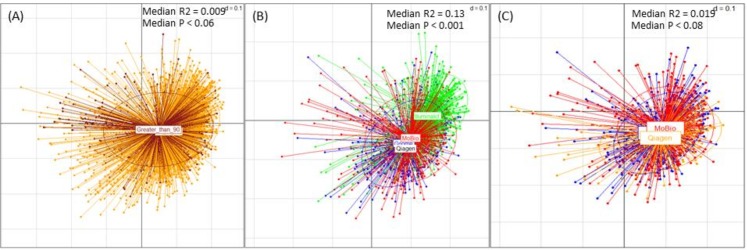
“09) (Figure 1—figure supplement 1A), samples from one of the studies (SchirmerC_2016) (Schirmer et al., 2016), using a DNA extraction technique tagged as ‘Illuminakit’ in the metadata, had a distinct taxonomic profile.”
MethodThomas, A. M., Manghi, P., Asnicar, F., Pasolli, E., Armanini, F., Zolfo, M., Beghini, F., Manara, S., Karcher, N., Pozzi, C., et al. (2019) · Nature Medicine · doi:10.1038/s41591-019-0405-7 · Cited by 1,030
Ghosh, T. S., Rampelli, S., Jeffery, I. B., Santoro, A., Neto, M., Capri, M., Giampieri, E., Jennings, A., Candela, M., Turroni, S., et al. (2020) · Gut · doi:10.1136/gutjnl-2019-319654 · Cited by 991
Self-citationMeta-analysis of gut microbiome studies identifies disease-specific and shared responses
(2017) · doi:10.1038/s41467-017-01973-8 · Cited by 986 · cited 8×
“Alterations in the gut microbiome have been reported for many diseases (Duvallet et al., 2017; Pasolli et al., 2016).”
BackgroundResultInfluentialRegional variation limits applications of healthy gut microbiome reference ranges and disease models
He, Y., Wu, W., Zheng, H.-M., Li, P., McDonald, D., Sheng, H.-F., Chen, M.-X., Chen, Z.-H., Ji, G.-Y., Zheng, Z.-D.-X., et al. (2018) · Nature Medicine · doi:10.1038/s41591-018-0164-x · Cited by 894
US immigration westernizes the human gut microbiome
Vangay, P., Johnson, A. J., Ward, T. L., Al-Ghalith, G. A., Shields-Cutler, R. R., Hillmann, B. M., Lucas, S. K., Beura, L. K., Thompson, E. A., Till, L. M., et al. (2018) · Cell · doi:10.1016/j.cell.2018.10.029 · Cited by 794 · cited 1×
“A recent study of the gut microbiome of Thai individuals migrating to the US observed the loss of metabolic functions linked to degradation of dietary fibers like xylan, arabinoxylan, cellobiose, pullulan, glucomannan and resistant starch, with increasing duration of stay leading to a broader loss of microbiome functi…”
BackgroundDeschasaux, M., Bouter, K. E., Prodan, A., Levin, E., Groen, A. K., Herrema, H., Tremaroli, V., Bakker, G. J., Attaye, I., Pinto-Sietsma, S.-J., et al. (2018) · Nature Medicine · doi:10.1038/s41591-018-0160-1 · Cited by 695 · cited 2×
“Regional factors reflect the ethnicity and other socio-economic properties of the study populations, which has a dominant effect on gut microbiome architecture and microbiome-based disease signatures (Deschasaux et al., 2018; He et al., 2018).”
BackgroundMachine Learning Meta-analysis of Large Metagenomic Datasets: Tools and Biological Insights
Pasolli, E., Truong, D. T., Malik, F., Waldron, L., & Segata, N. (2016) · PLOS Computational Biology · doi:10.1371/journal.pcbi.1004977 · Cited by 659 · cited 7×
“Alterations in the gut microbiome have been reported for many diseases (Duvallet et al., 2017; Pasolli et al., 2016).”
BackgroundMethodResultInfluentialJackson, M. A., Verdi, S., Maxan, M.-E., Shin, C. M., Zierer, J., Bowyer, R. C. E., Martin, T., Williams, F. M. K., Menni, C., Bell, J. T., et al. (2018) · Nature Communications · doi:10.1038/s41467-018-05184-7 · Cited by 616 · cited 2×
“For example, Streptococcaceae have been shown to be associated with intake of Proton Pump Inhibitors (Jackson et al., 2018).”
Accessible, curated metagenomic data through ExperimentHub
Pasolli, E., Schiffer, L., Manghi, P., Renson, A., Obenchain, V., Truong, D. T., Beghini, F., Malik, F., Ramos, M., Dowd, J. B., et al. (2017) · Nature Methods · doi:10.1038/nmeth.4468 · Cited by 514
Noronha, A., Modamio, J., Jarosz, Y., Guerard, E., Sompairac, N., Preciat, G., Daníelsdóttir, A. D., Krecké, M., Merten, D., Haraldsdóttir, H. S., et al. (2018) · Nucleic Acids Research · doi:10.1093/nar/gky992 · Cited by 383
Colorectal Cancer and the Human Gut Microbiome: Reproducibility with Whole-Genome Shotgun Sequencing
Vogtmann, E., Hua, X., Zeller, G., Sunagawa, S., Voigt, A. Y., Hercog, R., Goedert, J. J., Shi, J., Bork, P., & Sinha, R. (2016) · PLOS ONE · doi:10.1371/journal.pone.0155362 · Cited by 366 · cited 3×
“Comparing the list of these associations with a pre-compiled list of all known marker associations reported in the original studies (Figure 3—source data 3) (Feng et al., 2015; Franzosa et al., 2019; Karlsson et al., 2013; Qin et al., 2012; Qin et al., 2014; Vogtmann et al., 2016; Zeller et al., 2014), identified that…”
BackgroundMethodResultMicrobial modulation of insulin sensitivity
Khan, M. T., Nieuwdorp, M., & Bäckhed, F. (2014) · Cell Metabolism · doi:10.1016/j.cmet.2014.07.006 · Cited by 260 · cited 2×
“difficile) that is associated with microbiome alteration, large bowel cancer and insulin resistance (Fau et al., 1976; Khan et al., 2014), high level ethanol production in the gut has not only been linked to incidence of NAFLD, atherosclerosis and SIBO, but also to an increase in the levels of inflammatory markers (El…”
BackgroundSung, J., Kim, S., Cabatbat, J. J. T., Jang, S., Jin, Y., Jung, G. Y., Chia, N., & Kim, P. (2017) · Nature Communications · doi:10.1038/ncomms15393 · Cited by 253 · cited 1×
“, 2018), as well as a recent method to search experimentally-verified functional profiles representing the production and consumption patterns of different metabolites in various gutassociated species (Sung et al., 2017).”
BackgroundBone, E., Tamm, A., & Hill, M. (1976) · The American Journal of Clinical Nutrition · doi:10.1093/ajcn/29.12.1448 · Cited by 234
Martínez-del Campo, A., Bodea, S., Hamer, H. A., Marks, J. A., Haiser, H. J., Turnbaugh, P. J., & Balskus, E. P. (2015) · mBio · doi:10.1128/mbio.00042-15 · Cited by 224
Ghoshal, U. C., Shukla, R., & Ghoshal, U. (2017) · Gut and Liver · doi:10.5009/gnl16126 · Cited by 218 · cited 1×
“Similarly, production of acetone, ammonia (NH3) have been associated with increased cytotoxicity, small intestinal bacterial overgrowth, as well as insulin resistance (Baskaran et al., 1989; Ghoshal et al., 2017; Khan et al., 2014).”
BackgroundGut microbiota composition is associated with polypharmacy in elderly hospitalized patients
Ticinesi, A., Milani, C., Lauretani, F., Nouvenne, A., Mancabelli, L., Lugli, G. A., Turroni, F., Duranti, S., Mangifesta, M., Viappiani, A., et al. (2017) · Scientific Reports · doi:10.1038/s41598-017-10734-y · Cited by 211
Analysis of 1135 gut metagenomes identifies sex-specific resistome profiles
Sinha, T., Vich Vila, A., Garmaeva, S., Jankipersadsing, S. A., Imhann, F., Collij, V., Bonder, M. J., Jiang, X., Gurry, T., Alm, E. J., et al. (2019) · Gut Microbes · doi:10.1080/19490976.2018.1528822 · Cited by 208
Ďuricová, D., Burisch, J. M., Jess, T., Gower‐Rousseau, C., & Lakatos, P. L. (2014) · Journal of Crohn s and Colitis · doi:10.1016/j.crohns.2014.05.006 · Cited by 190
Early-onset Colorectal Cancer is Distinct From Traditional Colorectal Cancer
Yeo, H., Betel, D., Abelson, J. S., Zheng, X., Yantiss, R. K., & Shah, M. A. (2017) · Clinical Colorectal Cancer · doi:10.1016/j.clcc.2017.06.002 · Cited by 175
Armour, C. R., Nayfach, S., Pollard, K. S., & Sharpton, T. J. (2019) · mSystems · doi:10.1128/msystems.00332-18 · Cited by 163 · cited 1×
“Recent meta-analyses have also shown a surprising degree of overlap of microbiome associations (both at the level of specific taxa as well as specific microbial metabolic pathways) (Armour et al., 2019; Duvallet et al., 2017; Pasolli et al., 2016).”
BackgroundElshaghabee, F. M. F., Bockelmann, W., Meske, D., de Vrese, M., Walte, H.-G., Schrezenmeir, J., & Heller, K. J. (2016) · Frontiers in Microbiology · doi:10.3389/fmicb.2016.00047 · Cited by 144
Vincent, C., Miller, M. A., Edens, T. J., Mehrotra, S., Dewar, K., & Manges, A. R. (2016) · Microbiome · doi:10.1186/s40168-016-0156-3 · Cited by 124 · cited 1×
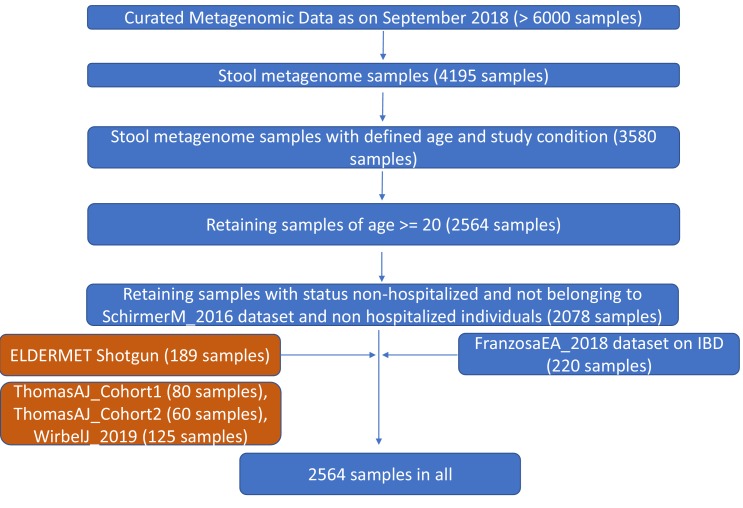
“We first adopted a stepwise methodology to reduce the confounding effects of DNA sequencing/ extraction methodologies on the microbiome profiles from the different studies (See Materials and methods; Figure 1—figure supplement 1), and subsequently retained samples from individuals with age in the range of 20–89 years…”
MethodBile acid dysregulation, gut dysbiosis, and gastrointestinal cancer
Tsuei, J., Chau, T., Mills, D. A., & Wan, Y. Y. (2014) · Experimental Biology and Medicine · doi:10.1177/1535370214538743 · Cited by 119 · cited 2×
“While p-cresol is a cytotoxic compound (produced by specific gut bacterial species including C. difficile) that is associated with microbiome alteration, large bowel cancer and insulin resistance (Fau et al., 1976; Khan et al., 2014), high level ethanol production in the gut has not only been linked to incidence of NA…”
BackgroundA vaccine and diagnostic target for Clostridium bolteae, an autism-associated bacterium
Pequegnat, B., Sagermann, M., Valliani, M., Toh, M. C. W., Chow, H. S., Allen‐Vercoe, E., & Monteiro, M. A. (2013) · Vaccine · doi:10.1016/j.vaccine.2013.04.018 · Cited by 65 · cited 1×
“separate studies of different diseases and/or disease-like states (T2D, Polyps, CRC and autism) (Pequegnat et al., 2013; Qin et al., 2012; Sinha et al., 2019; Yu et al., 2017), but are shown here, for the first time to be part of a shared gain response across diseases.”
BackgroundFormation of methylglyoxal by bacteria isolated from human faeces
Baskaran, S., Rajan, D. P., & Balasubramanian, K. A. (1989) · Journal of Medical Microbiology · doi:10.1099/00222615-28-3-211 · Cited by 50 · cited 1×
“Similarly, production of acetone, ammonia (NH3) have been associated with increased cytotoxicity, small intestinal bacterial overgrowth, as well as insulin resistance (Baskaran et al., 1989; Ghoshal et al., 2017; Khan et al., 2014).”
Background
Cited by
Sorted by citations
Hallmarks of aging: An expanding universe
López-Otín, C., Blasco, M. A., Partridge, L., Serrano, M., & Kroemer, G. (2023) · Cell · doi:10.1016/j.cell.2022.11.001 · Cited by 6,549
Beghini, F., McIver, L. J., Blanco-Míguez, A., Dubois, L., Asnicar, F., Maharjan, S., Mailyan, A., Manghi, P., Scholz, M., Thomas, A. M., et al. (2021) · eLife · doi:10.7554/elife.65088 · Cited by 2,303
Ghosh, T. S., Rampelli, S., Jeffery, I. B., Santoro, A., Neto, M., Capri, M., Giampieri, E., Jennings, A., Candela, M., Turroni, S., et al. (2020) · Gut · doi:10.1136/gutjnl-2019-319654 · Cited by 991
Self-citationThe gut microbiome as a modulator of healthy ageing
Ghosh, T. S., Shanahan, F., & O’Toole, P. W. (2022) · Nature Reviews Gastroenterology & Hepatology · doi:10.1038/s41575-022-00605-x · Cited by 817
“Frailty Ghosh et al.(46) (189) Ireland Shotgun Pathobionts with production capacity of multiple detrimental metabolites increased; SCFA producers decreased”
BackgroundSelf-citationGut microbiome pattern reflects healthy ageing and predicts survival in humans
Wilmanski, T., Diener, C., Rappaport, N., Patwardhan, S., Wiedrick, J., Lapidus, J., Earls, J. C., Zimmer, A., Glusman, G., Robinson, M., et al. (2021) · Nature Metabolism · doi:10.1038/s42255-021-00348-0 · Cited by 675
Metadata
- Authors
- Ghosh, T. S., Das, M., Jeffery, I. B., & O'Toole, P. W.
- Affiliations
- University College Cork (IE)
- APC Microbiome Ireland, University College Cork, Cork, Ireland
- Venue
- eLife
- Publisher
- eLife Sciences Publications, Ltd
- Published
- 2020-03-11
- Volume
- 9
- ISSN
- 2050-084X (ISSN-L)
- PMC
- PMC7065848
- OpenAlex
- W3011436618
- Cited by
- 233
- References
- 45
- Citations by year
- 2026: 30 · 2025: 29 · 2024: 56 · 2023: 38 · 2022: 37 · 2021: 23 · 2020: 20
- FWCI
- 9.65
- Type
- journal article
- Language
- en
- Open access
- gold
- doi.org
- Licence
- Locations
- eLife (publishedVersion, cc-by)
- Europe PMC (PubMed Central) (publishedVersion, cc-by)
- PubMed Central (publishedVersion, cc-by)
- PubMed (publishedVersion)
- DOAJ (DOAJ: Directory of Open Access Journals) (submittedVersion, cc-by-sa)
- Lenus, The Irish Health Repository (Dr Steevens Hospital Library) (submittedVersion)
- Funders
- Science Foundation Ireland (APC/SFI/12/RC/2273, 13/SIRG/2128)
- Topics
- Life Sciences › Biochemistry, Genetics and Molecular Biology › Molecular Biology › Gut microbiota and health
- Health Sciences › Dentistry › Periodontics › Oral microbiology and periodontitis research
- Health Sciences › Medicine › Gastroenterology › Gastrointestinal motility and disorders
- Keywords
- gut microbiota, aging, age adjustment, colorectal cancer, frailty, multi-cohort analysis
- MeSH terms
- Gastrointestinal Microbiome, Adult, Age Factors, Aged, Aged, 80 and over, Data Interpretation, Statistical, Disease Susceptibility, Female, Humans, Male, Middle Aged, Reproducibility of Results, Computational Biology, Metagenome, Young Adult, Metagenomics, Microbiota, Dysbiosis
About these checks
Registry, retraction, Cites and statistics results are computed, not judged, with one exception: a printed reference that no index lists is read once by a model before it counts as a citation error. Claims are extracted by a model and kept only when their quote appears verbatim in the text; each cited source is then checked, with a model’s help, for whether it says what the claim relies on. Those verdicts can be wrong — read the claim’s quote and the cited source before relying on one.
Statistics and arithmetic are recomputed, not judged.
Confidence bands are shown only for fields calibrated on our annotated test set. None is calibrated yet, so no band is shown.
What counts as a claim ›How we measure confidence ›How we check this ›
Are you an author, or do you see a problem with this page? Request a review
