

The DOI matches its Crossref record; 44 of the 45 references it cites were found in a registry or an index.
Adjusting for age improves identification of gut microbiome alterations in multiple diseases
Open accessAbstract
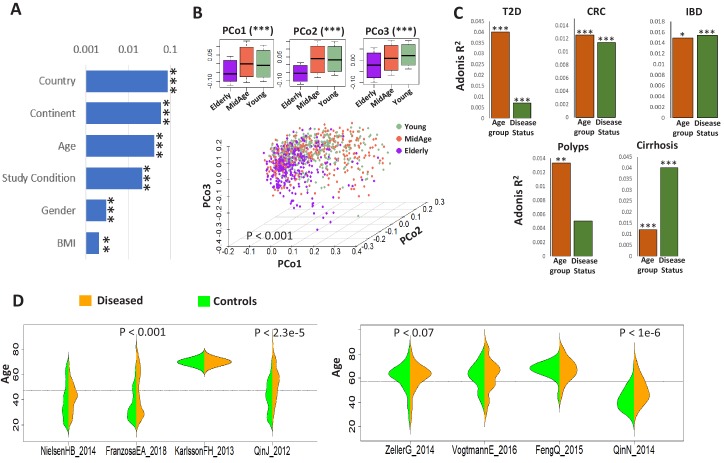
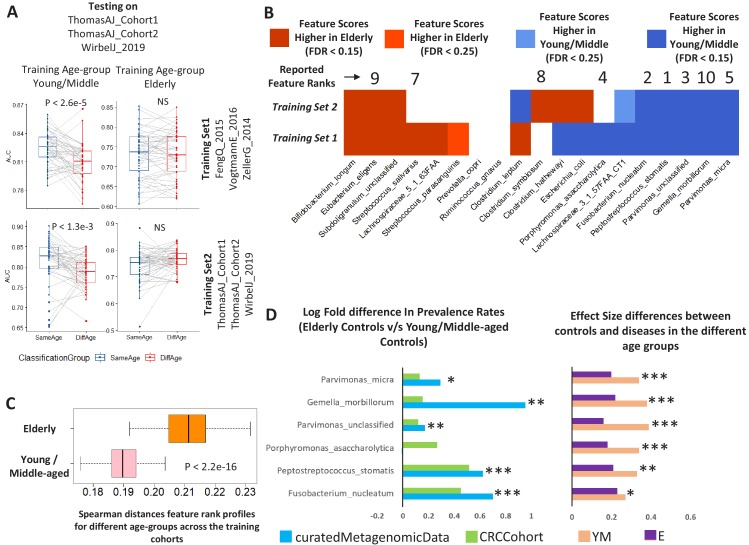
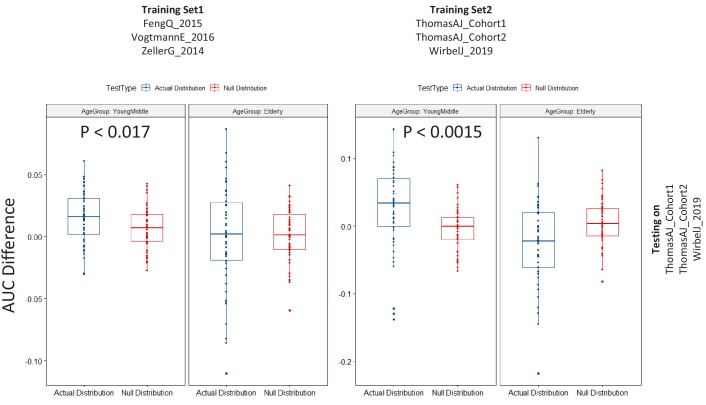
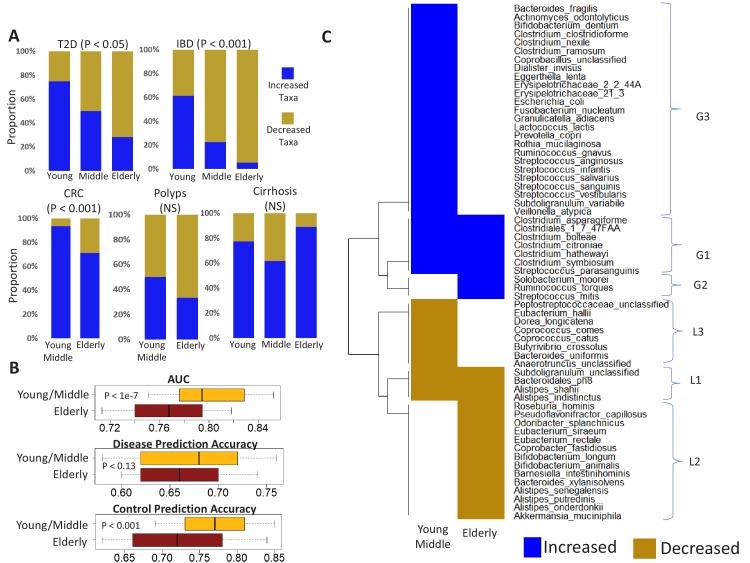
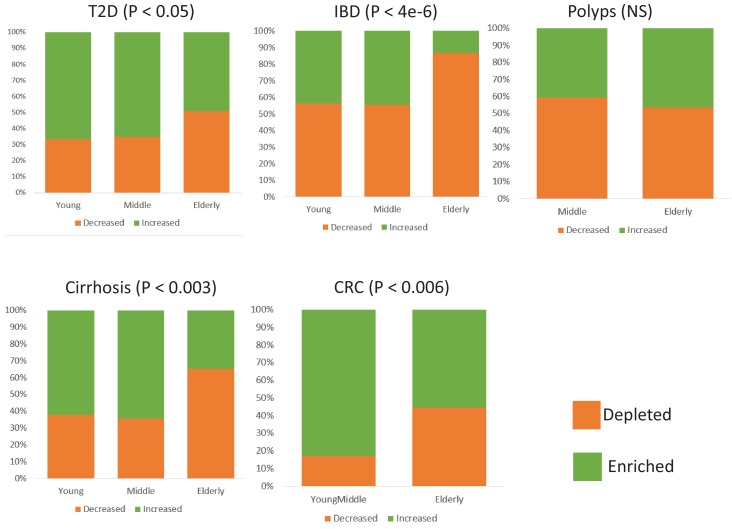
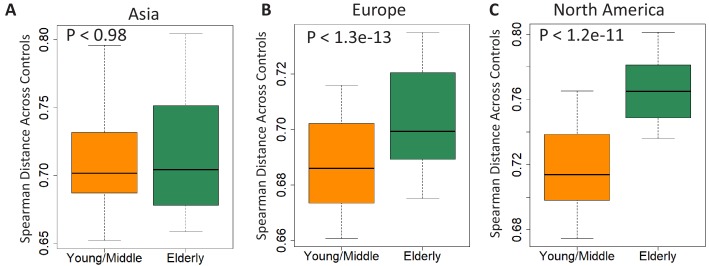
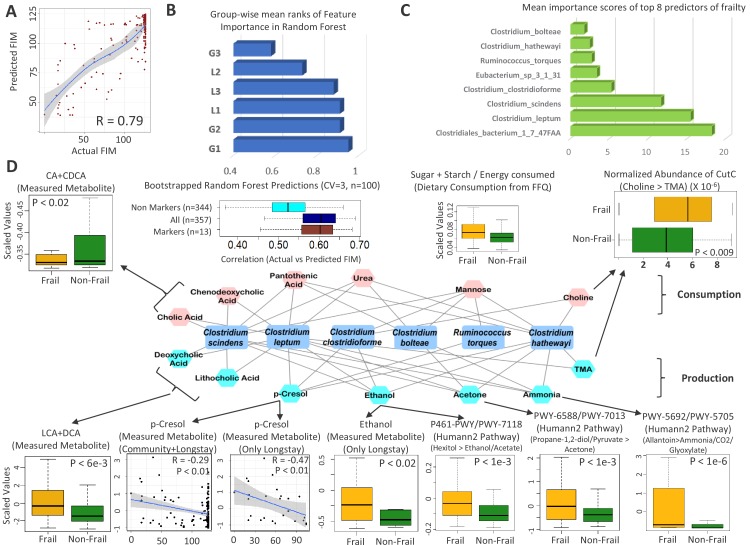
Interaction between disease-microbiome associations and ageing has not been explored in detail. Here, using age/region-matched sub-sets, we analysed the gut microbiome differences across five major diseases in a multi-cohort dataset constituting more than 2500 individuals from 20 to 89 years old. We show that disease-microbiome associations display specific age-centric trends. Ageing-associated microbiome alterations towards a disease-like configuration occur in colorectal cancer patients, thereby masking disease signatures. We identified a microbiome disease response shared across multiple diseases in elderly subjects that is distinct from that in young/middle-aged individuals, but also a novel set of taxa consistently gained in disease across all age groups. A subset of these taxa was associated with increased frailty in subjects from the ELDERMET cohort. The relevant taxa differentially encode specific functions that are known to have disease associations.
Overview
The claims and statistics of this paper haven’t been checked yet.
Run the check — free, no account needed. It reads the open-access text and checks the sources it cites.
Integrity signals
Registry
Cites
Statistics
Figures
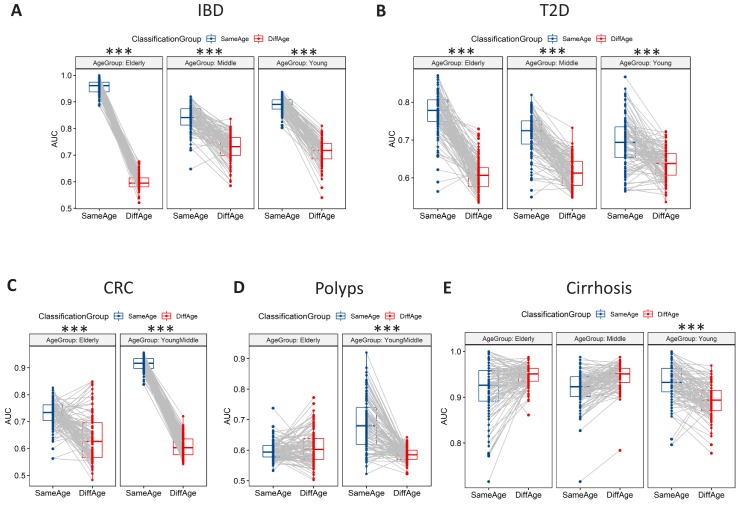
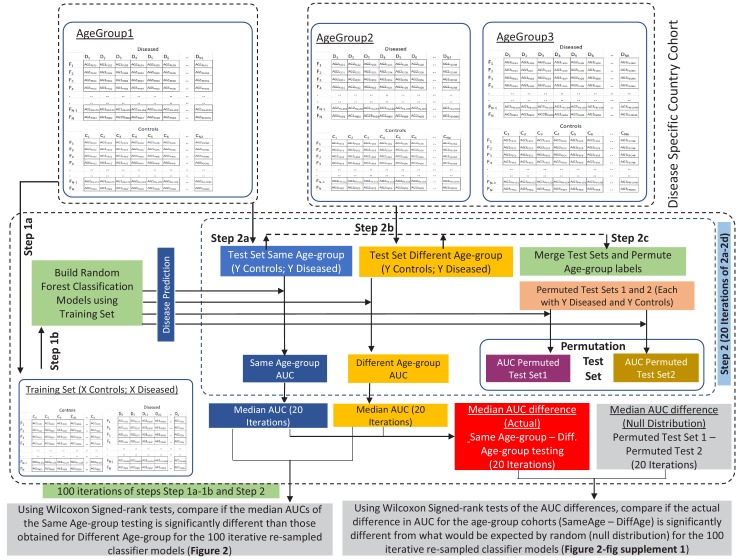
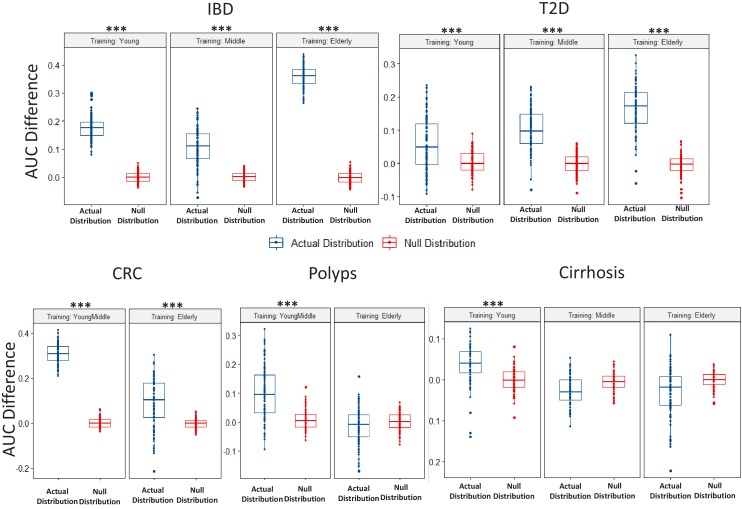
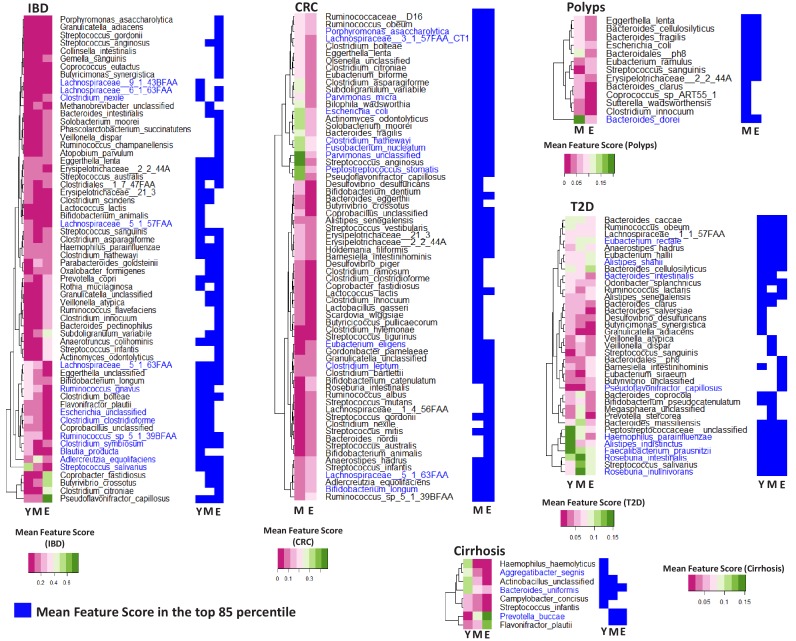
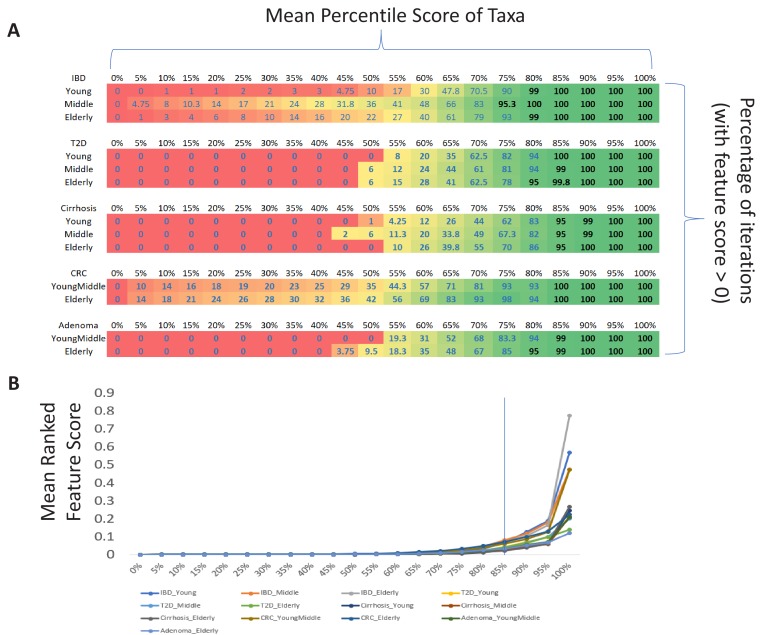
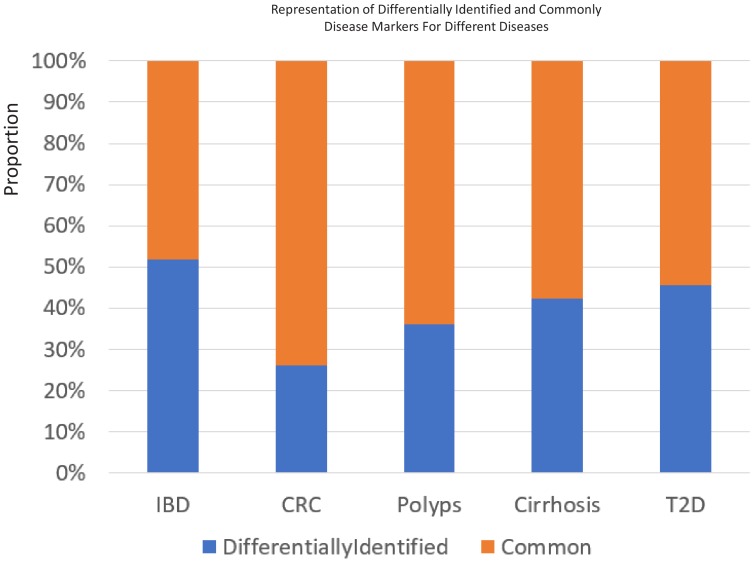
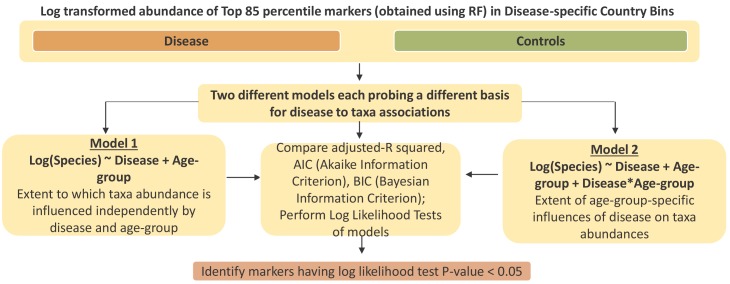
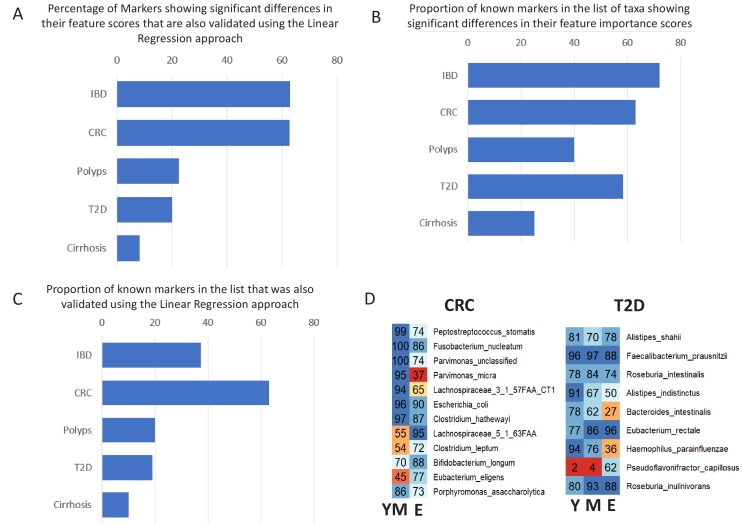
Verification
Claims the paper makes
The claims and statistics of this paper haven’t been checked yet.
Run the check — free, no account needed. It reads the open-access text and checks the sources it cites.
Claims other papers make about this one
Each is checked against this paper’s own text: does it say what the citing paper says it does?
In the citing paper
“Members of the Bifidobacteriaceae, Akkermansiaceae, and Eubacteriaceae families that are associated with beneficial effects on intestinal and extra-intestinal health in both mice and humans”
From Fecal microbiota transfer between young and aged mice reverses hallmarks of the aging gut, eye, and brain (2022) · cites this paper as [43]
In the citing paper
“However, some species are currently thought to modulate cholesterol and bile acid metabolism and are considered potential therapeutics [43].”
From Fecal microbiota transfer between young and aged mice reverses hallmarks of the aging gut, eye, and brain (2022) · cites this paper as [43]
In the citing paper
“Age was also added to the feature-set, as this covariate has been shown to improve microbiome predictions in CRC (Ghosh et al., 2020).”
From Integrating taxonomic, functional, and strain-level profiling of diverse microbial communities with bioBakery 3 (2021) · cites this paper as Ghosh et al., 2020
In the citing paper
“The Enterocloster genus (E. aldensis, E. asparagiformis, and E. bolteae) represents a vancomycin-sensitive clade of immunosuppressive bacteria, dominant in the intestinal microbiota of people and patients suffering from aging and chronic inflammatory disorders including cancer.39”
From Custom scoring based on ecological topology of gut microbiota associated with cancer immunotherapy outcome (2024) · cites this paper as [47]
Self-check
Percentages, sums and reported differences re-computed from the paper’s own numbers.
The self-check needs the paper’s full text.
Citations
Cites
A metagenome-wide association study of gut microbiota in type 2 diabetes
Qin, J., Li, Y., Cai, Z., Li, S., Zhu, J., Zhang, F., Liang, S., Zhang, W., Guan, Y., Shen, D., et al. (2012) · Nature · doi:10.1038/nature11450 · Cited by 6,762 · cited 4×
“not CRC), we compiled a list of known disease-associated markers from each of the original studies (Feng et al., 2015; Franzosa et al., 2019; Karlsson et al., 2013; Qin et al., 2012; Qin et al., 2014).”
BackgroundMethodResultInfluentialGut microbiota composition correlates with diet and health in the elderly
Claesson, M. J., Jeffery, I. B., Conde, S., Power, S. E., O’Connor, E. M., Cusack, S., Harris, H. M. B., Coakley, M., Lakshminarayanan, B., O’Sullivan, O., et al. (2012) · Nature · doi:10.1038/nature11319 · Cited by 3,314 · cited 2×
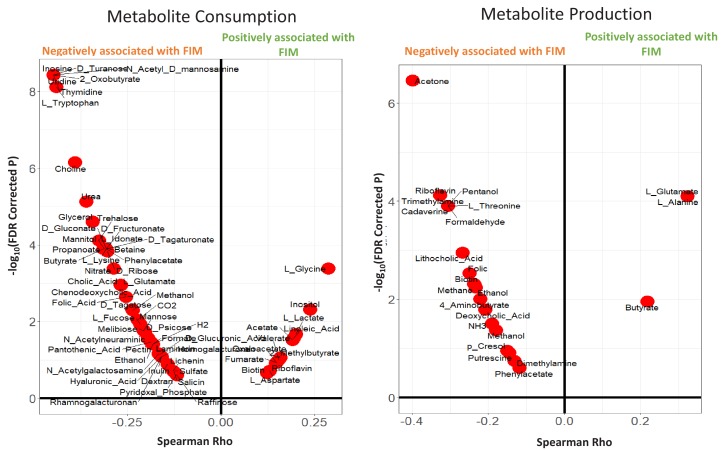
“We observed that this association analysis of metabolite profiles reflects frailty-associated changes with respect to bioavailability of specific compounds, many of which have been previously shown to have corresponding associations with health, thereby validating our findings (Claesson et al., 2012).”
ResultSelf-citationGut metagenome in European women with normal, impaired and diabetic glucose control
Karlsson, F. H., Tremaroli, V., Nookaew, I., Bergström, G., Behre, C. J., Fagerberg, B., Nielsen, J., & Bäckhed, F. (2013) · Nature · doi:10.1038/nature12198 · Cited by 3,115 · cited 3×
“not CRC), we compiled a list of known disease-associated markers from each of the original studies (Feng et al., 2015; Franzosa et al., 2019; Karlsson et al., 2013; Qin et al., 2012; Qin et al., 2014).”
MethodResultPopulation-level analysis of gut microbiome variation
Falony, G., Joossens, M., Vieira-Silva, S., Wang, J., Darzi, Y., Faust, K., Kurilshikov, A., Bonder, M. J., Valles-Colomer, M., Vandeputte, D., et al. (2016) · Science · doi:10.1126/science.aad3503 · Cited by 2,400 · cited 1×
“region/ethnicity-specific variations, multiple studies have also shown age to be a strong covariate of microbiome composition (Falony et al., 2016).”
BackgroundReduced diversity of faecal microbiota in Crohn’s disease revealed by a metagenomic approach
Manichanh, C., Rigottier-Gois, L., Bonnaud, E., Gloux, K., Pelletier, E., Frangeul, L., Nalin, R., Jarrin, C., Chardon, P., Marteau, P., et al. (2006) · Gut · doi:10.1136/gut.2005.073817 · Cited by 2,277 · cited 1×
“These species were previously implicated in Clostridium difficile resistance and IBD, respectively (Buffie et al., 2015; Manichanh et al., 2006).”
BackgroundMetaPhlAn2 for enhanced metagenomic taxonomic profiling
Truong, D. T., Franzosa, E. A., Tickle, T. L., Scholz, M., Weingart, G., Pasolli, E., Tett, A., Huttenhower, C., & Segata, N. (2015) · Nature Methods · doi:10.1038/nmeth.3589 · Cited by 2,185 · cited 1×
“A further advantage of the curatedMetagenomicData is that these microbiome profiles were created using uniform bioinformatic analysis of the sequenced reads (using metaphlan2 and humann2) (Franzosa et al., 2018; Truong et al., 2015).”
MethodAlterations of the human gut microbiome in liver cirrhosis
Qin, N., Yang, F., Li, A., Prifti, E., Chen, Y., Shao, L., Guo, J., Le Chatelier, E., Yao, J., Wu, L., et al. (2014) · Nature · doi:10.1038/nature13568 · Cited by 2,177 · cited 2×
“not CRC), we compiled a list of known disease-associated markers from each of the original studies (Feng et al., 2015; Franzosa et al., 2019; Karlsson et al., 2013; Qin et al., 2012; Qin et al., 2014).”
MethodResultDisentangling type 2 diabetes and metformin treatment signatures in the human gut microbiota
MetaHIT consortium, Forslund, K., Hildebrand, F., Nielsen, T., Falony, G., Le Chatelier, E., Sunagawa, S., Prifti, E., Vieira-Silva, S., Gudmundsdottir, V., et al. (2015) · Nature · doi:10.1038/nature15766 · Cited by 2,116 · cited 4×
“Another recent study investigating the effect of metformin on the gut microbiome of two of the T2D cohorts analysed in the current study identified Lactobacillus salivarius to be affected by metformin, accompanied by an increase in Escherichia (Forslund et al., 2015).”
InfluentialGut microbiome structure and metabolic activity in inflammatory bowel disease
Franzosa, E. A., Sirota-Madi, A., Avila-Pacheco, J., Fornelos, N., Haiser, H. J., Reinker, S., Vatanen, T., Hall, A. B., Mallick, H., McIver, L. J., et al. (2018) · Nature Microbiology · doi:10.1038/s41564-018-0306-4 · Cited by 1,995 · cited 4×
“not CRC), we compiled a list of known disease-associated markers from each of the original studies (Feng et al., 2015; Franzosa et al., 2019; Karlsson et al., 2013; Qin et al., 2012; Qin et al., 2014).”
MethodResultInfluentialPrecision microbiome reconstitution restores bile acid mediated resistance to Clostridium difficile
Buffie, C. G., Bucci, V., Stein, R. R., McKenney, P. T., Ling, L., Gobourne, A., No, D., Liu, H., Kinnebrew, M., Viale, A., et al. (2015) · Nature · doi:10.1038/nature13828 · Cited by 1,872
Cited by
Sorted by citations
Hallmarks of aging: An expanding universe
López-Otín, C., Blasco, M. A., Partridge, L., Serrano, M., & Kroemer, G. (2023) · Cell · doi:10.1016/j.cell.2022.11.001 · Cited by 6,549
Beghini, F., McIver, L. J., Blanco-Míguez, A., Dubois, L., Asnicar, F., Maharjan, S., Mailyan, A., Manghi, P., Scholz, M., Thomas, A. M., et al. (2021) · eLife · doi:10.7554/elife.65088 · Cited by 2,303
Ghosh, T. S., Rampelli, S., Jeffery, I. B., Santoro, A., Neto, M., Capri, M., Giampieri, E., Jennings, A., Candela, M., Turroni, S., et al. (2020) · Gut · doi:10.1136/gutjnl-2019-319654 · Cited by 991
Self-citationThe gut microbiome as a modulator of healthy ageing
Ghosh, T. S., Shanahan, F., & O’Toole, P. W. (2022) · Nature Reviews Gastroenterology & Hepatology · doi:10.1038/s41575-022-00605-x · Cited by 817
“Frailty Ghosh et al.(46) (189) Ireland Shotgun Pathobionts with production capacity of multiple detrimental metabolites increased; SCFA producers decreased”
BackgroundSelf-citationGut microbiome pattern reflects healthy ageing and predicts survival in humans
Wilmanski, T., Diener, C., Rappaport, N., Patwardhan, S., Wiedrick, J., Lapidus, J., Earls, J. C., Zimmer, A., Glusman, G., Robinson, M., et al. (2021) · Nature Metabolism · doi:10.1038/s42255-021-00348-0 · Cited by 675
Increasing Incidence of Early-Onset Colorectal Cancer
Sinicrope, F. A. (2022) · New England Journal of Medicine · doi:10.1056/nejmra2200869 · Cited by 550
Reporting guidelines for human microbiome research: the STORMS checklist
Mirzayi, C. A., Renson, A., Massive Analysis and Quality Control Society, Furlanello, C., Sansone, S., Zohra, F., Elsafoury, S., Geistlinger, L., Kasselman, L. J., Eckenrode, K. B., et al. (2021) · Nature Medicine · doi:10.1038/s41591-021-01552-x · Cited by 587
“For example, age could be a common confounder due to its influence on the microbiome and on the risk of most health outcomes 32 .”
BackgroundEng, C., Yoshino, T., Ruíz‐García, E., Mostafa, N., Cann, C., O’Brian, B., Benny, A., Perez, R. O., & Cremolini, C. (2024) · The Lancet · doi:10.1016/s0140-6736(24)00360-x · Cited by 508
Chronic inflammation and the hallmarks of aging
Baechle, J. J., Chen, N., Makhijani, P., Winer, S., Furman, D., & Winer, D. A. (2023) · Molecular Metabolism · doi:10.1016/j.molmet.2023.101755 · Cited by 471
“[409] Ghosh TS, Das M, Jeffery IB, O’Toole PW.”
BackgroundThe Healthy Microbiome—What Is the Definition of a Healthy Gut Microbiome?
Shanahan, F., Ghosh, T. S., & O’Toole, P. W. (2021) · Gastroenterology · doi:10.1053/j.gastro.2020.09.057 · Cited by 383
Self-citationParker, A., Romano, S., Ansorge, R., Aboelnour, A., Le Gall, G., Savva, G. M., Pontifex, M. G., Telatin, A., Baker, D., Jones, E., et al. (2022) · Microbiome · doi:10.1186/s40168-022-01243-w · Cited by 368
“Members of the Bifidobacteriaceae, Akkermansiaceae, and Eubacteriaceae families that are associated with beneficial effects on intestinal and extra-intestinal health in both mice and humans ([8, 38, 43, 73, 78, 81]) were more Fig.”
BackgroundThe Gut Microbiota and Unhealthy Aging: Disentangling Cause from Consequence
DeJong, E. N., Surette, M. G., & Bowdish, D. M. E. (2020) · Cell Host & Microbe · doi:10.1016/j.chom.2020.07.013 · Cited by 370
Gut Microbiome in Progressive Multiple Sclerosis
Cox, L. M., Maghzi, A. H., Liu, S., Tankou, S. K., Dhang, F. H., Willocq, V., Song, A., Wasén, C., Tauhid, S., Chu, R., et al. (2021) · Annals of Neurology · doi:10.1002/ana.26084 · Cited by 292
“The microbiome composition in adults is relatively stable and similar between young adults (20–40 years of age) and middleaged (40–60 years) adults, but can differ in adults older than 60 years.(77) To address this, we adjusted microbiota correlations with EDSS, MRI, and quality of life for age.”
BackgroundAbdolmaleky, H. M., & Zhou, J. (2024) · Antioxidants · doi:10.3390/antiox13080985 · Cited by 335
“In general, there is a trend toward decreased microbial diversity and increased abundance of pathogenic bacteria as we age [33,34].”
BackgroundRethinking healthy eating in light of the gut microbiome
Armet, A. M., Deehan, E. C., O’Sullivan, A. F., Mota, J. F., Field, C. J., Prado, C. M., Lucey, A. J., & Walter, J. (2022) · Cell Host & Microbe · doi:10.1016/j.chom.2022.04.016 · Cited by 252
Companys, J., Gosalbes, M. J., Pla‐Pagà, L., Calderón-Pérez, L., Llauradó, E., Pedret, A., Valls, R. M., Jiménez‐Hernández, N., Sandoval-Ramírez, B. A., Bas-Prior, J. M. D., et al. (2021) · Nutrients · doi:10.3390/nu13062032 · Cited by 199
“001), both groups were in the same range of age (adulthood) and no adjustments were performed, since it has been shown that subjects between 40 and 59 years (middle age) have similar gut microbiota compared with young adults or older adults [21].”
BackgroundDerosa, L., Iebba, V., Silva, C. A. C., Piccinno, G., Wu, G., Lordello, L., Routy, B., Zhao, N., Thelemaque, C., Birebent, R., et al. (2024) · Cell · doi:10.1016/j.cell.2024.05.029 · Cited by 198
Aging and InflammationPreprint
Singh, A., Schurman, S. H., Bektas, A., Kaileh, M., Roy, R., Wilson, D. M., Sen, R., & Ferrucci, L. (2023) · Cold Spring Harbor Perspectives in Medicine · doi:10.1101/cshperspect.a041197 · Cited by 201
The human gut microbiome and aging
Bradley, E. S., & Haran, J. P. (2024) · Gut Microbes · doi:10.1080/19490976.2024.2359677 · Cited by 197
“61 It has been suggested that there are microbial taxa associated with healthy aging, and that loss of these may represent “taxonomic mile-stones” that contribute to or accompany physiologic decline and subsequent age-related disease.”
BackgroundZhou, Q., Zhang, Y., Wang, X., Yang, R., Zhu, X., Zhang, Y., Chen, C., Yuan, H., Yang, Z., & Sun, L. (2020) · Nutrition & Metabolism · doi:10.1186/s12986-020-00516-1 · Cited by 175
“One previous report showed that the aging-associated microbiome masked the microbial signatures of colorectal cancer because of the interactions between cancer-microbiome and aging [22].”
BackgroundMicrobiota-Centered Interventions: The Next Breakthrough in Immuno-Oncology?
Derosa, L., Routy, B., Desilets, A., Daillère, R., Terrisse, S., Kroemer, G., & Zitvogel, L. (2021) · Cancer Discovery · doi:10.1158/2159-8290.cd-21-0236 · Cited by 170
Nickols, W. A., Kuntz, T. M., Shen, J., Maharjan, S., Mallick, H., Franzosa, E. A., Thompson, K. N., Nearing, J. T., & Huttenhower, C. (2026) · Nature Methods · doi:10.1038/s41592-025-02923-9 · Cited by 218
Gut OncoMicrobiome Signatures (GOMS) as next-generation biomarkers for cancer immunotherapy
Thomas, A. M., Fidelle, M., Routy, B., Kroemer, G., Wargo, J. A., Segata, N., & Zitvogel, L. (2023) · Nature Reviews Clinical Oncology · doi:10.1038/s41571-023-00785-8 · Cited by 141
Toward an improved definition of a healthy microbiome for healthy aging
Ghosh, T. S., Shanahan, F., & O’Toole, P. W. (2022) · Nature Aging · doi:10.1038/s43587-022-00306-9 · Cited by 133
“Reinvestigating the disease associations of the above set of 59 health- and diseaseassociated taxa (originally identified in(1)) in the newly included datasets of the current study (that is, not considered in Ghosh et al.(1)), indicated a high reproducibility of the disease associations of these taxa in the additional…”
BackgroundMethodResultInfluentialSelf-citationDysbiosis in the Gut Microbiota in Patients with Inflammatory Bowel Disease during Remission
Pisani, A., Rausch, P., Bang, C., Ellul, S., Tabone, T., Cordina, C. M., Zahra, G., Franke, A., & Ellul, P. (2022) · Microbiology Spectrum · doi:10.1128/spectrum.00616-22 · Cited by 137
“This points toward a possible age-dependent decrease of colonization resistance or simply continuing succession of the bacterial communities (16, 17).”
BackgroundWu, R., Xiong, R., Li, Y., Chen, J., & Yan, R. (2023) · Journal of Autoimmunity · doi:10.1016/j.jaut.2023.103062 · Cited by 124
Chanda, D., & De, D. (2024) · Gut Microbes · doi:10.1080/19490976.2024.2304900 · Cited by 122
Microbiomes other than the gut: inflammaging and age-related diseases
Santoro, A., Zhao, J., Wu, L. H., Carru, C., Biagi, E., & Franceschi, C. (2020) · Seminars in Immunopathology · doi:10.1007/s00281-020-00814-z · Cited by 106
“The GM undergoes both compositional and functional changes along with physiological modifications that characterize the advancement of age [38].”
BackgroundThe gut microbiota–brain axis in neurological disorders
You, M., Chen, N., Yang, Y., Cheng, L., He, H., Cai, Y., Liu, Y., Liu, H., & Hong, G. (2024) · MedComm · doi:10.1002/mco2.656 · Cited by 113
“18,176,177 The composition and relative abundance of gut bacteria from phylum to genus are different in AD patients compared with healthy people.”
BackgroundChen, Y., Wang, H., Lu, W., Wu, T., Yuan, W., Zhu, J., Lee, Y. K., Zhao, J., Zhang, H., & Chen, W. (2022) · Gut Microbes · doi:10.1080/19490976.2021.2025016 · Cited by 94
“clostridioforme, Clostridium hathewayi, Clostridium bolteae, Clostridium leptum, Clostridiales bacterium 1_7_47FAA and the pathway of pyruvate fermentation to acetone.(8) In addition, some indicators may clarify the collective characteristics of the gut environment.”
BackgroundInfluentialGut microbiota development across the lifespan: Disease links and health‐promoting interventions
Schoultz, I., Claesson, M. J., Domínguez-Bello, M. G., Hållenius, F. F., Konturek, P. C., Korpela, K., Laursen, M. F., Penders, J., Roager, H. M., Vatanen, T., et al. (2025) · Journal of Internal Medicine · doi:10.1111/joim.20089 · Cited by 108
“Based on this framework, adjusting for age could also allow for better identification of microbiome associations with a number of non-communicable diseases [137].”
Microbiome and health implications for ethnic minorities after enforced lifestyle changes
Keohane, D. M., Ghosh, T. S., Jeffery, I. B., Molloy, M. G., O’Toole, P. W., & Shanahan, F. (2020) · Nature Medicine · doi:10.1038/s41591-020-0963-8 · Cited by 89
Self-citationThe Role of Diet and Lifestyle in Early-Onset Colorectal Cancer: A Systematic Review
Puzzono, M., Mannucci, A., Grannò, S., Zuppardo, R. A., Galli, A., Danese, S., & Cavestro, G. M. (2021) · Cancers · doi:10.3390/cancers13235933 · Cited by 92
“In fact, a recent meta-analysis determined that the microbiota composition changes with age, even for healthy individuals [189].”
BackgroundBladder cancer, inflammageing and microbiomes
Martin, A., Woolbright, B. L., Umar, S., Ingersoll, M. A., & Taylor, J. A. (2022) · Nature Reviews Urology · doi:10.1038/s41585-022-00611-3 · Cited by 89
Reinold, J., Farahpour, F., Fehring, C., Dolff, S., Konik, M., Korth, J., van Baal, L., Hoffmann, D. E., Buer, J., Witzke, O., et al. (2021) · Frontiers in Cellular and Infection Microbiology · doi:10.3389/fcimb.2021.747816 · Cited by 86
Risely, A., Wilhelm, K., Clutton-Brock, T. H., Manser, M. B., & Sommer, S. (2021) · Nature Communications · doi:10.1038/s41467-021-26298-5 · Cited by 79
Albrich, W. C., Ghosh, T. S., Ahearn-Ford, S., Mikaeloff, F., Lunjani, N., Forde, B. M., Suh, N., Kleger, G., Pietsch, U., Frischknecht, M., et al. (2022) · Gut Microbes · doi:10.1080/19490976.2022.2073131 · Cited by 72
“In addition, acquisition of this subset of disease-associated taxa has been shown to shift the metabolic state to a disease-like state.(27) These changes in the microbiome may have happened gradually over time and could potentially make the host less resilient to SARS-CoV-2 infection.”
BackgroundMethodSelf-citationRole of gut microbiota in epigenetic regulation of colorectal Cancer
Zhao, Y., Wang, C., & Goel, A. (2020) · Biochimica et Biophysica Acta (BBA) - Reviews on Cancer · doi:10.1016/j.bbcan.2020.188490 · Cited by 68
Jing, Y., Yang, D., Bai, F., Wang, Q., Zhang, C., Yan, Y., Li, Z., Li, Y., Chen, Z., Li, J., et al. (2023) · npj Biofilms and Microbiomes · doi:10.1038/s41522-023-00466-5 · Cited by 72
“Thus, sex and different stages of the disease should be considered as variables in clinical trials of SCI, which may impact the characteristics of disease-related bacteria 48,49 .”
Emerging Targets and Treatments for Sarcopenia: A Narrative Review
Cacciatore, S., Calvani, R., Esposito, I., Massaro, C., Gava, G., Picca, A., Tosato, M., Marzetti, E., & Landi, F. (2024) · Nutrients · doi:10.3390/nu16193271 · Cited by 75
“Ghosh et al. [110] found that individuals over 60 years of age exhibited greater variation in gut microbiota composition than younger individuals.”
BackgroundGhosh, T. S., Arnoux, J., & O’Toole, P. W. (2020) · Gut Microbes · doi:10.1080/19490976.2020.1822729 · Cited by 65
Self-citationSingh, J., Vanlallawmzuali, Singh, A. K., Biswal, S., Zomuansangi, R., Lalbiaktluangi, C., Singh, B. P., Singh, P. K., Vellingiri, B., Iyer, M., et al. (2024) · Asian Journal of Psychiatry · doi:10.1016/j.ajp.2024.104068 · Cited by 71
Pellanda, P., Ghosh, T. S., & O’Toole, P. W. (2020) · Current Opinion in Biotechnology · doi:10.1016/j.copbio.2020.11.001 · Cited by 60
Self-citationWest, K., Yin, X., Rutherford, E. M., Wee, B., Choi, J., Chrisman, B., Dunlap, K., Hannibal, R. L., Hartono, W., Lin, M., et al. (2022) · Scientific Reports · doi:10.1038/s41598-022-21327-9 · Cited by 67
Gut microbial features and circulating metabolomic signatures of frailty in older adults
Pu, Y., Sun, Z., Zhang, H., Huang, Q., Wang, Z., Mei, Z., Wang, P., Kong, M., Yang, W., Lin, C., et al. (2024) · Nature Aging · doi:10.1038/s43587-024-00678-0 · Cited by 62
“This observation supports previous research linking these species to unhealthy aging phenotypes, including frailty 43,47 .”
Ang, Q. Y., Alba, D., Upadhyay, V., Bisanz, J. E., Cai, J., Lee, H. L., Barajas, E., Wei, G., Noecker, C. A., Patterson, A. D., et al. (2021) · eLife · doi:10.7554/elife.70349 · Cited by 60
“…prior studies 167 (Falony et al., 2016), PERMANOVA analysis of our full 16S-seq dataset revealed that diabetes 168 (Forslund et al., 2015), age (Ghosh et al., 2020), metformin use (Wu et al., 2017), and statin 169 intake (Vieira-Silva et al., 2020) were significantly associated with variance…”
BackgroundMethodHuman Gut Microbiota in Coronary Artery Disease: A Systematic Review and Meta-Analysis
Choroszy, M., Litwinowicz, K., Bednarz, R., Roleder, T., Lerman, A., Toya, T., Kamiński, K. A., Sawicka, E., Niemira, M., & Sobieszczańska, B. (2022) · Metabolites · doi:10.3390/metabo12121165 · Cited by 65
Gut Microbiota in Psychiatric Disorders: A Systematic Review
Chen, L. L., Abbaspour, A., Mkoma, G. F., Bulik, C. M., Rück, C., & Djurfeldt, D. R. (2021) · Psychosomatic Medicine · doi:10.1097/psy.0000000000000959 · Cited by 57
He, W., Luo, Y., Liu, J., Sun, N. L., Guo, D., Cui, L.-L., Zheng, P., Yao, S.-M., Yang, J.-F., & Wang, H. (2020) · Clinical Interventions in Aging · doi:10.2147/cia.s270887 · Cited by 52
Microbiome-based therapeutics towards healthier aging and longevity
Kadyan, S., Park, G., Singh, T. P., Patoine, C., Singar, S., Heise, T., Domeier, C., Ray, C. A., Kumar, M., Behare, P. V., et al. (2025) · Genome Medicine · doi:10.1186/s13073-025-01493-x · Cited by 56
Determinants and Interactions of Oral Bacterial and Fungal Microbiota in Healthy Chinese Adults
Cheung, M. K., Chan, J. Y. K., Wong, M. C. S., Wong, P. Y., Lei, P., Cai, L., Lan, L., Ho, W. C. S., Yeung, A. C. M., Chan, P. K. S., et al. (2022) · Microbiology Spectrum · doi:10.1128/spectrum.02410-21 · Cited by 47
“Individuals were binned into three age groups, namely, young (18–39 yr), middle (40–59 yr) and elderly (60 yr or above) (22).”
MethodShrode, R. L., Knobbe, J. E., Cady, N. M., Yadav, M., Hoang, J., Cherwin, C. H., Curry, M. A., Garje, R., Vikas, P., Sugg, S. L., et al. (2023) · Scientific Reports · doi:10.1038/s41598-023-27436-3 · Cited by 43
Kedia, S., Ghosh, T. S., Jain, S., Desigamani, A., Kumar, A., Gupta, V., Bopanna, S., Yadav, D. P., Goyal, S., Makharia, G. K., et al. (2020) · Journal of Gastroenterology and Hepatology · doi:10.1111/jgh.15232 · Cited by 49
Self-citationSpinal cord injury and gut microbiota: A review
Jing, Y., Bai, F., & Yu, Y. (2020) · Life Sciences · doi:10.1016/j.lfs.2020.118865 · Cited by 49
Healthy aging and the human gut microbiome: why we cannot just turn back the clock
Wilmanski, T. M., Gibbons, S. M., & Price, N. D. (2022) · Nature Aging · doi:10.1038/s43587-022-00294-w · Cited by 48
Lian, W., Wang, F., Chen, Y., Tsai, M., Chao, H., Jahr, H., Wu, R., & Ko, J. (2022) · Biomedicines · doi:10.3390/biomedicines10040860 · Cited by 46
A gut aging clock using microbiome multi-view profiles is associated with health and frail risk
Wang, H., Chen, Y., Feng, L., Lu, S., Zhu, J., Zhao, J., Zhang, H., Chen, W., & Lu, W. (2024) · Gut Microbes · doi:10.1080/19490976.2023.2297852 · Cited by 45
“15 Specifically, validation samples were downloaded from the NCBI sequence data and annotated according to the following method.”
MethodThe role of the microbiota in glaucoma
Huang, L., Hong, Y., Fu, X., Tan, H., Chen, Y., Wang, Y., & Chen, D. (2023) · Molecular Aspects of Medicine · doi:10.1016/j.mam.2023.101221 · Cited by 49
Almeida, H. M., Sardeli, A. V., Conway, J., Duggal, N. A., & Cavaglieri, C. R. (2022) · Ageing Research Reviews · doi:10.1016/j.arr.2022.101773 · Cited by 47
Gut Microbiome Interactions with Oxidative Stress: Mechanisms and Consequences for Health
Semenova, N. V., Garashchenko, N. E., Kolesnikov, S. I., Darenskaya, M. A., & Kolesnikova, L. (2024) · Pathophysiology · doi:10.3390/pathophysiology31030023 · Cited by 47
“The gut microbiome structure is affected by a variety of factors, including the environment, diet, age, and geographical location [2–6].”
BackgroundTierney, B. T., Tan, Y., Yang, Z., Shui, B., Walker, M. J., Kent, B. M., Kostic, A. D., & Patel, C. J. (2022) · PLoS Biology · doi:10.1371/journal.pbio.3001556 · Cited by 41
Early-onset Colon Cancer Shows a Distinct Intestinal Microbiome and a Host–Microbe Interaction
Adnan, D., Trinh, J. Q., Sharma, D., Alsayid, M., & Bishehsari, F. (2023) · Cancer Prevention Research · doi:10.1158/1940-6207.capr-23-0091 · Cited by 44
Abdullah, M., Sukartini, N., Nursyirwan, S. A., Pribadi, R. R., Maulahela, H., Utari, A. P., Muzellina, V. N., Wiraatmadja, A., & Renaldi, K. (2021) · Digestion · doi:10.1159/000516689 · Cited by 43
Zhu, L., Chen, J., Pi, X., Li, J., Liu, W., Ding, Q., Wang, X., & Jia, W. (2021) · BMC Microbiology · doi:10.1186/s12866-021-02103-7 · Cited by 40
“We refer midlife as the people between 40 to 60 years old.[33, 34]”
MethodHuman microbiome variance is underestimated
Shanahan, F., Ghosh, T. S., & O’Toole, P. W. (2023) · Current Opinion in Microbiology · doi:10.1016/j.mib.2023.102288 · Cited by 43
Self-citationInfluence of human gut microbiome on the healthy and the neurodegenerative aging
Borrego-Ruiz, A., & Borrego, J. J. (2024) · Experimental Gerontology · doi:10.1016/j.exger.2024.112497 · Cited by 43
Zhang, X., Zhao, A., Sandhu, A. K., Edirisinghe, I., & Burton‐Freeman, B. M. (2020) · Nutrients · doi:10.3390/nu12113595 · Cited by 40
“suggested that younger people gain disease-causing microbes, whereas in older cohorts, the loss of beneficial bacteria may associate with disease [39].”
BackgroundResultInfluentialConvergent pathways of the gut microbiota–brain axis and neurodegenerative disorders
Gubert, C., Gasparotto, J., & Morais, L. H. (2022) · Gastroenterology report · doi:10.1093/gastro/goac017 · Cited by 40
“Taken together, these studies demonstrate that diet and disease status are important co-variates for aging-linked microbiota associations [120].”
Toward a health-associated core keystone index for the human gut microbiome
Goel, A., Shete, O., Goswami, S., Samal, A., C.B., L., Kedia, S., Ahuja, V., O’Toole, P. W., Shanahan, F., & Ghosh, T. S. (2025) · Cell Reports · doi:10.1016/j.celrep.2025.115378 · Cited by 37
Self-citationThe role of dietary strategies in the modulation of hallmarks of aging
de França, N. A. G., Rolland, Y., Guyonnet, S., & Barreto, P. D. S. (2023) · Ageing Research Reviews · doi:10.1016/j.arr.2023.101908 · Cited by 41
Gut Microbiota and Aging: Traditional Chinese Medicine and Modern Medicine
Li, J., Li, D., Chen, Y., Chen, W., Xu, J., & Gao, L. (2023) · Clinical Interventions in Aging · doi:10.2147/cia.s414714 · Cited by 37
“Therefore, it is a significant challenge to clarify the relative contribution of age, drugs, diet and comorbidity to microbial dysbiosis.(60) Indeed, research on the elderly adjusted for diet, lifestyle and medication shows that age is a critical factor in the increase or decrease of the microbial species in the gut,(…”
Sadoughi, B., Schneider, D., Daniel, R., Schülke, O., & Ostner, J. (2022) · Microbiome · doi:10.1186/s40168-022-01283-2 · Cited by 37
“Disentangling the effect of age and frailty is complicated by their strong covariation because age-related changes in diet, medication, lifestyle, location, and concomitant diseases typically correlate [9, 23, 29, 31].”
BackgroundInfluentialFleischer, R., Schmid, D. W., Wasimuddin, Brändel, S. D., Rasche, A., Corman, V. M., Drosten, C., Tschapka, M., & Sommer, S. (2022) · Molecular Ecology · doi:10.1111/mec.16491 · Cited by 35
“Collectively, these results indicate age- specific MHC– microbiota relationships and altered immunomodulatory function of an ageing microbiome (Ghosh et al., 2020).”
BackgroundYou, X., Dadwal, U. C., Lenburg, M. E., Kacena, M. A., & Charles, J. F. (2022) · mSystems · doi:10.1128/msystems.01248-21 · Cited by 36
“For example, diet, medication, disease status, and duration of stay in a care facility may all impact the aging microbiome, yet data on these factors are frequently lacking in human aging microbiome research (15, 46).”
BackgroundDucloux, D., Legendre, M., Bamoulid, J., Saas, P., Courivaud, C., & Crépin, T. (2021) · Frontiers in Medicine · doi:10.3389/fmed.2021.720402 · Cited by 38
Bidirectional relationships between the gut microbiome and sexual traits
del Castillo-Izquierdo, Á., Mayneris‐Perxachs, J., & Fernández‐Real, J. M. (2022) · American Journal of Physiology-Cell Physiology · doi:10.1152/ajpcell.00116.2022 · Cited by 35
“As Fusobacterium relative abundance also increases with age (Ghosh et al, 2020; Shanahan et al, 2021), gender-specific differences seem to confluence with age-specific changes leading to differential gender-specific susceptibility to a given disease.”
Zhuang, Y.-P., Zhou, H., Chen, H., Zheng, M.-Y., Liang, Y., Gu, Y.-T., Li, W., Qiu, W., & Zhou, H. (2023) · Biomedicine & Pharmacotherapy · doi:10.1016/j.biopha.2023.115040 · Cited by 34
Ravikrishnan, A., Wijaya, I., Png, E., Chng, K. R., Ho, E. X. P., Ng, A. H. Q., Naim, A. N. M., Gounot, J.-S., Guan, S. P., Lee, J. H., et al. (2024) · Nature Communications · doi:10.1038/s41467-024-52097-9 · Cited by 39
“Several studies have also highlighted that frailty indices and healthy aging are linked to the state of the gut microbiome 16,17 , along with known gut-microbiome associations with aging-related diseases 18,19 .”
BackgroundMethodRooney, C. M., Jeffery, I. B., Mankia, K. S., Wilcox, M. H., & Emery, P. (2024) · Annals of the Rheumatic Diseases · doi:10.1136/ard-2024-226362 · Cited by 36
“Due to the observed decrease in alpha diversity preceding RA onset (see online supplemental materials, page 44), pairwise dissimilarities between timepoints were assessed to examine gut microbiome stability using 16S rRNA amplicon sequencing.”
Self-citationType, Intensity, and Duration of Exercise as Regulator of Gut Microbiome Profile
Suryani, D., Alfaqih, M. S., Gunadi, J. W., Sylviana, N., Goenawan, H., Megantara, I., & Lesmana, R. (2022) · Current Sports Medicine Reports · doi:10.1249/jsr.0000000000000940 · Cited by 34
Carr, R. M., Li, Y., Chau, L., Friedman, E. S., Lee, J., Adorini, L., Erickson, M., Zaru, L., Shringarpure, R., MacConell, L., et al. (2023) · Hepatology · doi:10.1097/hep.0000000000000474 · Cited by 34
“Together with prior studies showing an association between gut microbiome composition, BMI, [42] and age, [45] these results provide additional evidence emphasizing the critical need to control for both BMI and age when investigating the role of the gut microbiome in NASH.”
ResultAraújo, J. R., Marques, C., Rodrigues, C., Calhau, C., & Faria, A. (2024) · Ageing Research Reviews · doi:10.1016/j.arr.2024.102451 · Cited by 32
Epigenetic Mechanisms in Aging: Extrinsic Factors and Gut Microbiome
Borrego-Ruiz, A., & Borrego, J. J. (2024) · Genes · doi:10.3390/genes15121599 · Cited by 34
“Table 3 shows the GM dysbiosis related to unhealthy aging due to several disorders (modified from [295,318–324]).”
Age-Related Cognitive Decline and Dementia: Interface of Microbiome–Immune–Neuronal Interactions
Prajapati, S. K., Jain, S., & Yadav, H. (2025) · The Journals of Gerontology Series A · doi:10.1093/gerona/glaf038 · Cited by 37
Lapauw, L., Rutten, A., Dupont, J., Amini, N., Vercauteren, L., Derrien, M., Raes, J., & Gielen, E. (2024) · Journal of Cachexia Sarcopenia and Muscle · doi:10.1002/jcsm.13569 · Cited by 28
A metagenomic study of gut viral markers in amyloid-positive Alzheimer’s disease patients
Ghorbani, M., Ferreira, D., & Maioli, S. (2023) · Alzheimer s Research & Therapy · doi:10.1186/s13195-023-01285-8 · Cited by 29
Obesity is the main driver of altered gut microbiome functions in the metabolically unhealthy
de la Cuesta‐Zuluaga, J., Huus, K. E., Youngblut, N. D., Escobar, J. S., & Ley, R. E. (2023) · Gut Microbes · doi:10.1080/19490976.2023.2246634 · Cited by 27
“57,58 In other words, accounting for common confounders might facilitate the comparison between studies by ameliorating biases introduced by the confounding variables.”
BackgroundGut microbiota–astrocyte axis: new insights into age-related cognitive decline
Zhang, L., Wei, J., Liu, X., Li, D., Pang, X., Chen, F., Cao, H., & Lei, P. (2024) · Neural Regeneration Research · doi:10.4103/nrr.nrr-d-23-01776 · Cited by 28
“Among these metabolites, p-cresol has been demonstrated to be correlated with increased frailty and is linked to age-associated decline in elderly individuals (Ghosh et al., 2020).”
BackgroundUtilization of Host and Microbiome Features in Determination of Biological Aging
Ratiner, K., Abdeen, S. K., Goldenberg, K., & Elinav, E. (2022) · Microorganisms · doi:10.3390/microorganisms10030668 · Cited by 27
Exploring the Gut Microbiota–Retina Axis: Implications for Health and Disease
Schiavone, N., Isoldi, G., Calcagno, S., Rovida, E., Antiga, E., Almeida, C. V. D., & Lulli, M. (2025) · Microorganisms · doi:10.3390/microorganisms13051101 · Cited by 27
“The human gut microbial community plays a fundamental role in maintaining physiological homeostasis, yet its composition and function are subject to modifications over time [14].”
Manghi, P., Antonello, G., Schiffer, L., Golzato, D., Wokaty, A., Beghini, F., Mirzayi, C. A., Long, K., Gravel-Pucillo, K., Piccinno, G., et al. (2025) · Nature Communications · doi:10.1038/s41467-025-66888-1 · Cited by 26
“Different con fi gurations of the gut microbiome associated with sex have been reported 2,4,5,13,43 , but these studies have been limited in population diversity and standardized metadata.”
Cross‐Cohort Gut Microbiome Signatures of Irritable Bowel Syndrome Presentation and Treatment
Li, J., Ghosh, T. S., Arendt, E. K., Shanahan, F., & O’Toole, P. W. (2024) · Advanced Science · doi:10.1002/advs.202308313 · Cited by 25
Self-citationKrüger, K., Myeonghyun, Y., van der Wielen, N., Kok, D. E. G., Hooiveld, G. J. E. J., Keshtkar, S., Bruin, M. D.-D., Balvers, M. G. J., Grootte-Bromhaar, M., Mudde, K., et al. (2024) · Scientific Reports · doi:10.1038/s41598-024-75477-z · Cited by 27
Gut Microbiota–Related Biomarkers in Immuno-Oncology
Silva, C. A. C., Fidelle, M., Almonte, A. A., Derosa, L., & Zitvogel, L. (2025) · Annual Review of Pharmacology and Toxicology · doi:10.1146/annurev-pharmtox-061124-102218 · Cited by 22
The gut microbiome and ageing trajectories: mechanisms and clinical implications
Ticinesi, A., Maggi, S., Nouvenne, A., Zuliani, G., & Franceschi, C. (2026) · Nature Reviews Endocrinology · doi:10.1038/s41574-026-01236-x · Cited by 25
“The biological process of ageing, however, shapes gut microbiome composition beyond the sum of the influences of lifetime exposures, inducing changes that tend to dysbiosis 65 .”
Scarring the early-life microbiome: its potential life-long effects on human health and diseases
Park, H., Park, N.-Y., & Koh, A. (2023) · BMB Reports · doi:10.5483/bmbrep.2023-0114 · Cited by 27
“microbiome analysis results given that age-specific differences have been observed in gut microbial change-related diseases among individuals aged 20 to 89 years (13).”
BackgroundThe effect of exercise on depression and gut microbiota: Possible mechanisms
Yao, M., Qu, Y., Zheng, Y., & Guo, H. (2024) · Brain Research Bulletin · doi:10.1016/j.brainresbull.2024.111130 · Cited by 26
“Gut microbiota plays a pivotal role in upholding gut homeostasis but it is susceptible to both internal and external factors, including gene, dietary habits, exercise, and illnesses (Power et al., 2014; Ghosh et al., 2020; O ’ Sullivan et al., 2015).”
Discovering geroprotectors through the explainable artificial intelligence-based platform AgeXtend
Arora, S., Mittal, A., Duari, S., Chauhan, S., Dixit, N. K., Mohanty, S. K., Sharma, A., Solanki, S., Sharma, A. K., Gautam, V., et al. (2024) · Nature Aging · doi:10.1038/s43587-024-00763-4 · Cited by 22
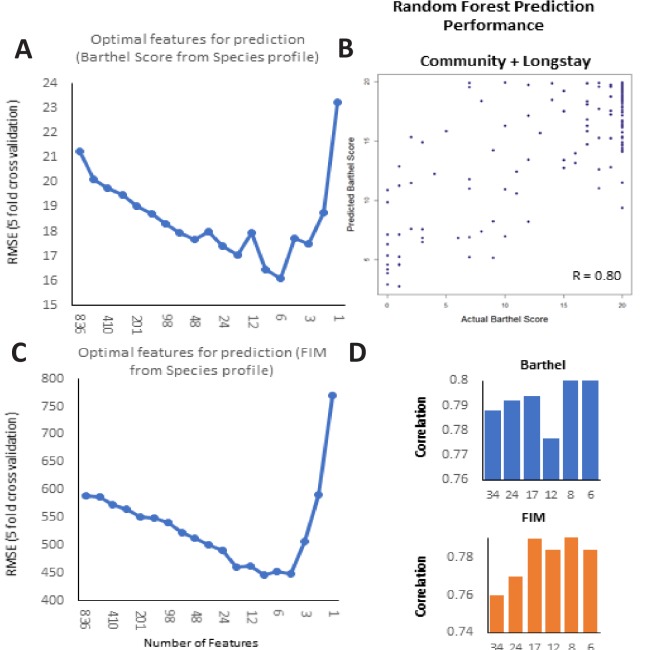
“We began by investigating each taxon and its species associations Technical Report https://doi.org/10.1038/s43587-024-00763-4 with the functional independence measure (FIM) from the ELDERMET gut microbiome cohort study (http://eldermet.ucc.ie) 40 .”
InfluentialSelf-citationMicrobial–Immune Crosstalk in Elderly-Onset Inflammatory Bowel Disease: Unchartered Territory
Meng, G., Monaghan, T. M., Duggal, N. A., Tighe, P., & Peerani, F. (2023) · Journal of Crohn s and Colitis · doi:10.1093/ecco-jcc/jjad025 · Cited by 21
Postbiotics: A Promising Approach to Combat Age-Related Diseases
Hamdi, A., Lloyd, C., Eri, R. D., & Van, T. T. H. (2025) · Life · doi:10.3390/life15081190 · Cited by 25
“The authors reported a marked increase in Muribaculaceae spp., Bacteroidales bacterium M9 , Bacteroidales bacterium M10 , and A. muciniphila , while observing negative correlations with E. coli , Bacteroides intestinalis, and Helicobacter bilis in the postbiotic-fed mice groups.”
Metadata
- Authors
- Ghosh, T. S., Das, M., Jeffery, I. B., & O'Toole, P. W.
- Affiliations
- University College Cork (IE)
- APC Microbiome Ireland, University College Cork, Cork, Ireland
- Venue
- eLife
- Publisher
- eLife Sciences Publications, Ltd
- Published
- 2020-03-11
- Volume
- 9
- ISSN
- 2050-084X (ISSN-L)
- PMC
- PMC7065848
- OpenAlex
- W3011436618
- Cited by
- 233
- References
- 45
- Citations by year
- 2026: 30 · 2025: 29 · 2024: 56 · 2023: 38 · 2022: 37 · 2021: 23 · 2020: 20
- FWCI
- 9.65
- Type
- journal article
- Language
- en
- Open access
- gold
- doi.org
- Licence
- Locations
- eLife (publishedVersion, cc-by)
- Europe PMC (PubMed Central) (publishedVersion, cc-by)
- PubMed Central (publishedVersion, cc-by)
- PubMed (publishedVersion)
- DOAJ (DOAJ: Directory of Open Access Journals) (submittedVersion, cc-by-sa)
- Lenus, The Irish Health Repository (Dr Steevens Hospital Library) (submittedVersion)
- Funders
- Science Foundation Ireland (APC/SFI/12/RC/2273, 13/SIRG/2128)
- Topics
- Life Sciences › Biochemistry, Genetics and Molecular Biology › Molecular Biology › Gut microbiota and health
- Health Sciences › Dentistry › Periodontics › Oral microbiology and periodontitis research
- Health Sciences › Medicine › Gastroenterology › Gastrointestinal motility and disorders
- Keywords
- gut microbiota, aging, age adjustment, colorectal cancer, frailty, multi-cohort analysis
- MeSH terms
- Gastrointestinal Microbiome, Adult, Age Factors, Aged, Aged, 80 and over, Data Interpretation, Statistical, Disease Susceptibility, Female, Humans, Male, Middle Aged, Reproducibility of Results, Computational Biology, Metagenome, Young Adult, Metagenomics, Microbiota, Dysbiosis
About these checks
Registry, retraction, Cites and statistics results are computed, not judged, with one exception: a printed reference that no index lists is read once by a model before it counts as a citation error. Claims are extracted by a model and kept only when their quote appears verbatim in the text; each cited source is then checked, with a model’s help, for whether it says what the claim relies on. Those verdicts can be wrong — read the claim’s quote and the cited source before relying on one.
Statistics and arithmetic are recomputed, not judged.
Confidence bands are shown only for fields calibrated on our annotated test set. None is calibrated yet, so no band is shown.
What counts as a claim ›How we measure confidence ›How we check this ›
Are you an author, or do you see a problem with this page? Request a review
