

FRAX™ and the assessment of fracture probability in men and women from the UK
Open accessThe DOI matches its Crossref record; 106 of the 106 references it cites were found in a registry or an index.
Abstract
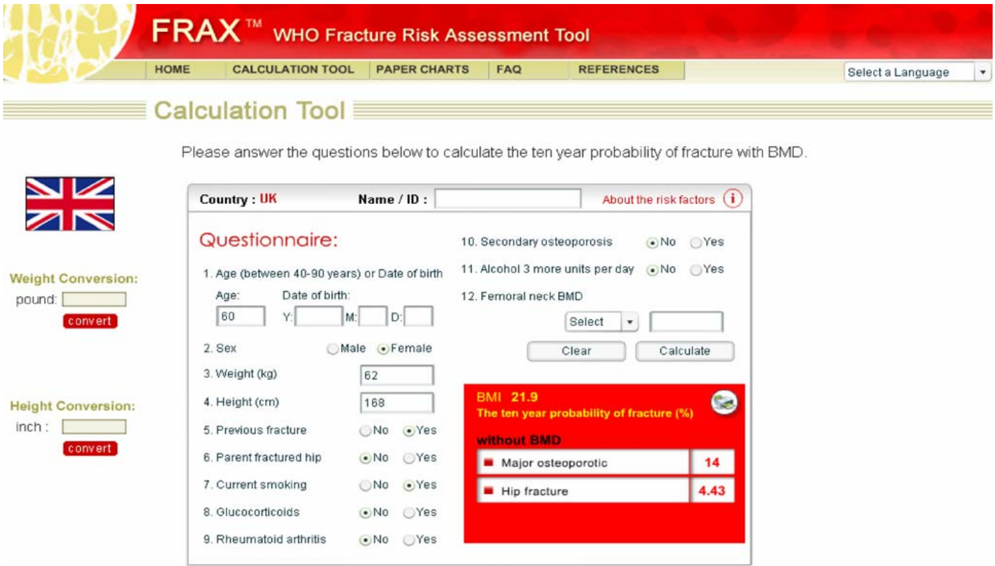
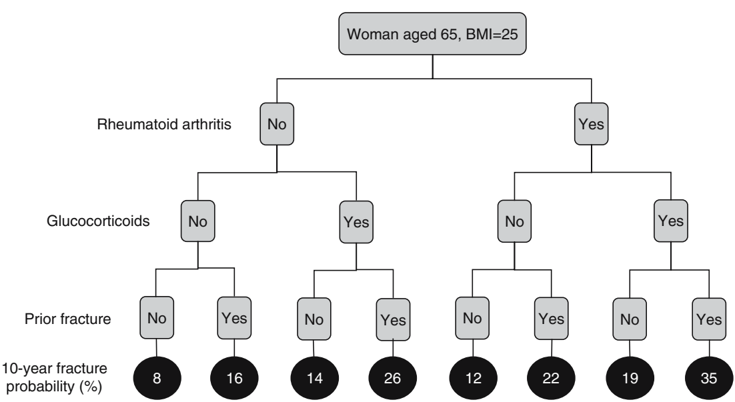
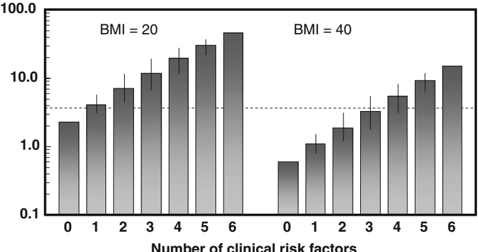
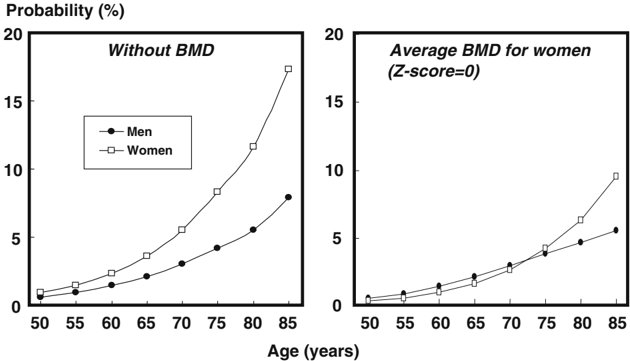
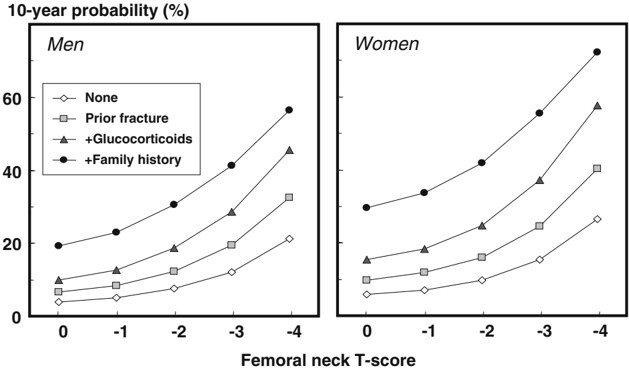
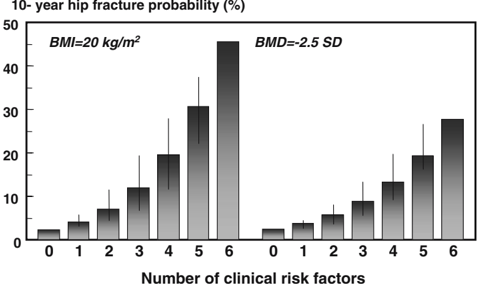
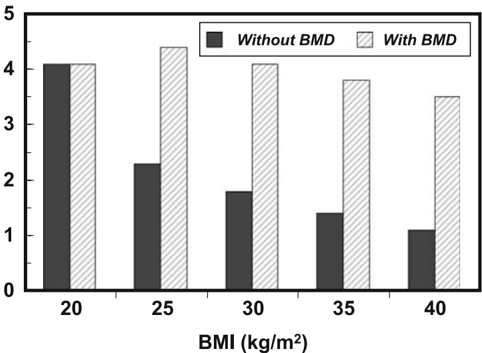
UNLABELLED: A fracture risk assessment tool (FRAX) is developed based on the use of clinical risk factors with or without bone mineral density tests applied to the UK. INTRODUCTION: The aim of this study was to apply an assessment tool for the prediction of fracture in men and women with the use of clinical risk factors (CRFs) for fracture with and without the use of femoral neck bone mineral density (BMD). The clinical risk factors, identified from previous meta-analyses, comprised body mass index (BMI, as a continuous variable), a prior history of fracture, a parental history of hip fracture, use of oral glucocorticoids, rheumatoid arthritis and other secondary causes of osteoporosis, current smoking, and alcohol intake 3 or more units daily. METHODS: Four models were constructed to compute fracture probabilities based on the epidemiology of fracture in the UK. The models comprised the ten-year probability of hip fracture, with and without femoral neck BMD, and the ten-year probability of a major osteoporotic fracture, with and without BMD. For each model fracture and death hazards were computed as continuous functions. RESULTS: Each clinical risk factor contributed to fracture probability. In the absence of BMD, hip fracture probability in women with a fixed BMI (25 kg/m(2)) ranged from 0.2% at the age of 50 years for women without CRF's to 22% at the age of 80 years with a parental history of hip fracture (approximately 100-fold range). In men, the probabilities were lower, as was the range (0.1 to 11% in the examples above). For a major osteoporotic fracture the probabilities ranged from 3.5% to 31% in women, and from 2.8% to 15% in men in the example above. The presence of one or more risk factors increased probabilities in an incremental manner. The differences in probabilities between men and women were comparable at any given T-score and age, except in the elderly where probabilities were higher in women than in men due to the higher mortality of the latter. CONCLUSION: The models provide a framework which enhances the assessment of fracture risk in both men and women by the integration of clinical risk factors alone and/or in combination with BMD.
Overview
The claims and statistics of this paper haven’t been checked yet.
Free: it reads the open-access text and checks the first 5 claims that cite a source we can check. Create a free account to check every claim.
Integrity signals
Registry
Cites
Statistics
Figures

Verification
Claims the paper makes
The claims and statistics of this paper haven’t been checked yet.
Free: it reads the open-access text and checks the first 5 claims that cite a source we can check. Create a free account to check every claim.
Claims other papers make about this one
Each is checked against this paper’s own text: does it say what the citing paper says it does?
The source backs part of the claim, not all of it — or backs it for a different population, condition or comparison.
In the citing paper
“The WHO determined that for many secondary causes of osteoporosis, fracture risk was mediated primarily through impact on BMD [28].”
From Clinician’s Guide to Prevention and Treatment of Osteoporosis (2014) · cites this paper as [28]
Experimental — accuracy not yet measured
Self-check
Percentages, sums and reported differences re-computed from the paper’s own numbers.
The self-check needs the paper’s full text.
Citations
Cites
Statistical Methods in Cancer Research
Breslow, N. E. (1980) · Cited by 7,332
Estimation of ten-year risk of fatal cardiovascular disease in Europe: the SCORE project
Conroy, R. (2003) · European Heart Journal · doi:10.1016/s0195-668x(03)00114-3 · Cited by 5,290
(1994) · PubMed · Cited by 5,043
Marshall, D., Johnell, O., & Wedel, H. (1996) · BMJ · doi:10.1136/bmj.312.7041.1254 · Cited by 3,709
Self-citationASSESSMENT OF FRACTURE RISK AND ITS APPLICATION TO SCREENING FOR POSTMENOPAUSAL OSTEOPOROSIS
Alexeeva, L. P., Burkhardt, P., Christiansen, C., Cooper, C. C., Delmas, P. D., Johnell, O., Johnston, C. C., Kanis, J. A., Lips, P. T. A. M., Melton, L. J., et al. (1994) · Cited by 2,655
Self-citationCummings, S. R. (1998) · JAMA · doi:10.1001/jama.280.24.2077 · Cited by 2,277 · cited 1×
“This concern is greatest in models that omit BMD, because pharmacological agents may not be equally effective across the entire range of BMD [90].”
BackgroundDiagnosis of osteoporosis and assessment of fracture risk
Kanis, J. A. (2002) · The Lancet · doi:10.1016/s0140-6736(02)08761-5 · Cited by 2,260 · cited 1×
“For this reason, there has been interest in the development of algorithms that express absolute risk, or the probability of fracture within a given time period [18–20], as has been done for cardiovascular and other diseases [21– 25].”
BackgroundSelf-citationEffect of Risedronate on the Risk of Hip Fracture in Elderly Women
McClung, M. R., Geusens, P., Miller, P. D., Zippel, H., Bensen, W. G., Roux, C., Adami, S., Fogelman, I., Diamond, T., Eastell, R., et al. (2001) · New England Journal of Medicine · doi:10.1056/nejm200102013440503 · Cited by 1,918
Body mass index as a predictor of fracture risk: A meta-analysis
De Laet, C., Kanis, J. A., Odén, A., Johanson, H., Johnell, O., Delmas, P., Eisman, J. A., Kroger, H., Fujiwara, S., Garnero, P., et al. (2005) · Osteoporosis International · doi:10.1007/s00198-005-1863-y · Cited by 1,622
Self-citationReginster, J.-Y., Minne, H. W., Sorensen, O. H., Hooper, M., Roux, C., Brandi, M. L., Lund, B., Ethgen, D., Pack, S., Roumagnac, I., et al. (2000) · Osteoporosis International · doi:10.1007/s001980050010 · Cited by 1,580
Research works printed but not linked: 4
- Adachi JD, Saag KG, Delmas PD et al (2001) Two year effects of alendronate on bone mineral density and vertebral fracture in patients receiving glucocorticoids: a randomised, double-blind, placebo-controlled extension trial. Arthr Rheum 44:202–211 · doi:10.1002/1529-0131(200101)44:1<202::aid-anr27>3.0.co;2-w
- Davison KS, Siminoski K, Chik C, Jen H, Warshawski R, Lee K (2003) Impact of height loss due to vertebral fractures on body mass index. J Bone Miner Res 18(Suppl 2):S243
- Standing Medical Advisory Committee to the Secretaries of State for Health and for Wales (1989) Drinking problems. A challenge for every doctor. HMSO, London
- World Health Organization (2008) Assessment of osteoporosis at the primary health care level. WHO, Geneva (in press)
Cited by
Items 101–200 of 1,001
Osteoporosis in Rheumatic Diseases
Adami, G., Fassio, A., Rossini, M., Caimmi, C., Giollo, A., Orsolini, G., Viapiana, O., & Gatti, D. (2019) · International Journal of Molecular Sciences · doi:10.3390/ijms20235867 · Cited by 168
2018 update of French recommendations on the management of postmenopausal osteoporosis
Briot, K., Roux, C., Thomas, T., Blain, H., Buchon, D., Chapurlat, R., Debiais, F., Feron, J. M., Gauvain, J. B., Guggenbuhl, P., et al. (2018) · Joint Bone Spine · doi:10.1016/j.jbspin.2018.02.009 · Cited by 167
Spine–hip discordance and fracture risk assessment: a physician-friendly FRAX enhancement
Leslie, W. D., Lix, L. M., Johansson, H., Odén, A., McCloskey, E. V., & Kanis, J. A. (2010) · Osteoporosis International · doi:10.1007/s00198-010-1461-5 · Cited by 167
“FRAX integrates seven clinical risk factors [prior fragility fracture, a parental history of hip fracture, smoking, use of systemic corticosteroids, excess alcohol intake, body mass index (BMI) and rheumatoid arthritis] which, in addition to age and sex, contribute to fracture risk independently of BMD [2, 3 ].”
BackgroundSelf-citationPrognosis of fracture: evaluation of predictive accuracy of the FRAX™ algorithm and Garvan nomogram
Sandhu, S. K., Nguyen, N. D., Pocock, N. A., Eisman, J. A., & Nguyen, T. V. (2009) · Osteoporosis International · doi:10.1007/s00198-009-1026-7 · Cited by 167
“In 2008, the World Health Organization Task Force introduced a countryspecific Fracture Risk Assessment Tool (FRAX™), which estimates the 10-year probability of hip fracture or major osteoporotic fractures combined (hip, spine, humerus, or wrist) [ 16 ].”
BackgroundMethodWorldwide research tendency and hotspots on hip fracture: a 20-year bibliometric analysis
Wu, H., Li, Y., Tong, L., Wang, Y., & Sun, Z. (2021) · Archives of Osteoporosis · doi:10.1007/s11657-021-00929-2 · Cited by 166
Glucocorticoid-induced osteoporosis: who to treat with what agent?
Rizzoli, R., & Biver, E. (2015) · Nature Reviews Rheumatology · doi:10.1038/nrrheum.2014.188 · Cited by 165
Osteoporosis Disease Management: The Role of the Orthopaedic Surgeon
Dell, R., Greene, D., Schelkun, S. R., & Williams, K. (2008) · Journal of Bone and Joint Surgery · doi:10.2106/jbjs.h.00628 · Cited by 165
Osteoimmunology and osteoporosis
Geusens, P., & Lems, W. F. (2011) · Arthritis Research & Therapy · doi:10.1186/ar3375 · Cited by 148
A decade of FRAX: how has it changed the management of osteoporosis?
Kanis, J. А., Harvey, N. C., Johansson, H., Liu, E., Vandenput, L., Lorentzon, M., Leslie, W. D., & McCloskey, E. V. (2020) · Aging Clinical and Experimental Research · doi:10.1007/s40520-019-01432-y · Cited by 165
“The FRAX tool integrates seven dichotomous clinical risk factors (CRFs: prior fragility fracture, parental hip fracture, smoking, systemic glucocorticoid use, excess alcohol intake, rheumatoid arthritis, and other causes of secondary osteoporosis), which, in addition to age and sex and body mass index (BMI), contribut…”
BackgroundMethodSelf-citationDnmt3a -mutated clonal hematopoiesis promotes osteoporosis
Kim, P. G., Niroula, A., Shkolnik, V., McConkey, M., Lin, A. E., Słabicki, M., Kemp, J. P., Bick, A., Gibson, C. J., Griffin, G., et al. (2021) · Journal of Experimental Medicine · doi:10.1084/jem.20211872 · Cited by 164
“Baseline characteristics were compared between individuals with and without CHIP for age, sex, body mass index (BMI), self-reported oral corticosteroid use, history of smoking, and rheumatoid arthritis as osteoporosis risk factors previously used in studies of bone mineral density and incorporated into the Fracture Ri…”
Leslie, W. D., Lix, L. M., Langsetmo, L., Berger, C., Goltzman, D., Hanley, D. A., Adachi, J. D., Johansson, H., Oden, A., McCloskey, E., et al. (2011) · Osteoporosis International · doi:10.1007/s00198-010-1464-2 · Cited by 164
“Models were constructed to compute the 10-year probability of hip fracture and a major osteoporosis related fracture in Canada using the methodology previously described for the development of FRAX in the UK [ 19 ].”
MethodSelf-citationSornay‐Rendu, E., Boutroy, S., Duboeuf, F., & Chapurlat, R. D. (2017) · Journal of Bone and Mineral Research · doi:10.1002/jbmr.3105 · Cited by 165
“humerus, or wrist fracture) and hip fracture were calculated with the Fracture Risk Assessment Tool (FRAX) algorithm.((23)) Data related to the use of osteoporosis-related drugs (bisphospho-”
MethodKanis, J. A., Johansson, H., Oden, A., & McCloskey, E. V. (2009) · Bone · doi:10.1016/j.bone.2009.02.014 · Cited by 163
Self-citationRelationship of body mass index with main limb fragility fractures in postmenopausal women
Gnudi, S., Sitta, E., & Lisi, L. (2009) · Journal of Bone and Mineral Metabolism · doi:10.1007/s00774-009-0056-8 · Cited by 163
Bone health in Parkinson's disease: a systematic review and meta-analysis
Torsney, K. M., Noyce, A. J., Doherty, K. M., Bestwick, J. P., Dobson, R., & Lees, A. J. (2014) · Journal of Neurology, Neurosurgery & Psychiatry · doi:10.1136/jnnp-2013-307307 · Cited by 162
van der Goes, M. C., Jacobs, J. W. G., & Bijlsma, J. W. J. (2014) · Arthritis Research & Therapy · doi:10.1186/ar4686 · Cited by 163
Utility of the trabecular bone score (TBS) in secondary osteoporosis
Ulivieri, F. M., Silva, B. C., Sardanelli, F., Hans, D., Bilezikian, J. P., & Caudarella, R. (2014) · Endocrine · doi:10.1007/s12020-014-0280-4 · Cited by 161
A Bone Structural Basis for Fracture Risk in Diabetes
Melton, L. J., Riggs, B. L., Leibson, C. L., Achenbach, S. J., Camp, J. J., Bouxsein, M., Atkinson, E. J., Robb, R. A., & Khosla, S. (2008) · The Journal of Clinical Endocrinology & Metabolism · doi:10.1210/jc.2008-0639 · Cited by 161
“However, recent clinical practice recommendations focus on hip aBMD (27, 28).”
BackgroundFederal clinical guidelines for diagnosis, treatment and prevention of osteoporosis
Belaya, Z. E., Belova, K. Y., Biryukova, E. V., Dedov, I. I., Dzeranova, L. K., Drapkina, O. M., Dreval', A. V., Dubovitskaya, Т. A., Dudinskaya, Е. N., Ershova, O. B., et al. (2021) · Osteoporosis and Bone Diseases · doi:10.14341/osteo12930 · Cited by 161
Self-citationBMD, clinical risk factors and their combination for hip fracture prevention
Johansson, H., Kanis, J. А., Odén, A., Johnell, O., & McCloskey, E. V. (2009) · Osteoporosis International · doi:10.1007/s00198-009-0845-x · Cited by 160
“The cohorts have been described in several recent publications [2, 17] and the FRAX® tool recently published [19, 20].”
MethodSelf-citationObesity alters cortical and trabecular bone density and geometry in women
Sukumar, D., Schlussel, Y., Riedt, C. S., Gordon, C., Stahl, T., & Shapses, S. A. (2011) · Osteoporosis International · doi:10.1007/s00198-010-1305-3 · Cited by 159
“Indeed, the FRAX model addresses clinical risk factors along with BMD to better predict fracture risk [9].”
BackgroundDeterminants of imminent fracture risk in postmenopausal women with osteoporosis
Barron, R. L., Oster, G., Grauer, A., Crittenden, D. B., & Weycker, D. (2020) · Osteoporosis International · doi:10.1007/s00198-020-05294-3 · Cited by 159
Binkley, N., Krueger, D. C., & Buehring, B. (2013) · Osteoporosis International · doi:10.1007/s00198-013-2427-1 · Cited by 161
“Moreover, it is reasonable that intervention thresholds for such future agents be based on risk of adverse outcomes, analogous to the approach currently recommended for osteoporosis therapy based upon estimation of fracture risk [12, 42–45].”
BackgroundCommunicating Genetic Risk Information for Common Disorders in the Era of Genomic Medicine
Lautenbach, D. M., Christensen, K. D., Sparks, J. A., & Green, R. C. (2013) · Annual Review of Genomics and Human Genetics · doi:10.1146/annurev-genom-092010-110722 · Cited by 158
Ivaska, K. K., Gerdhem, P., Väänänen, H. K., Åkesson, K., & Obrant, K. J. (2009) · Journal of Bone and Mineral Research · doi:10.1359/jbmr.091006 · Cited by 157
“Bone-formation markers (S-OC[1–49], S-TotalOC, S-cOC, and S-boneALP) measured at the 1-year visit were not associated with fracture risk (data not shown).”
BackgroundMethodInfluentialRomme, E. A., Murchison, J. T., Phang, K. F., Jansen, F. H., Rutten, E. P. A., Wouters, E. F. �., Smeenk, F. W. J. M., van Beek, E. J. R., & MacNee, W. (2012) · Journal of Bone and Mineral Research · doi:10.1002/jbmr.1678 · Cited by 159
“that besides BMD measurements, several other factors such as sex, age, and body mass index are important for fracture risk prediction.((4,31,32))”
BackgroundNew laboratory tools in the assessment of bone quality
Chappard, D., Baslé, M. F., Legrand, É., & Audran, M. (2011) · Osteoporosis International · doi:10.1007/s00198-011-1573-6 · Cited by 154
“In addition, a number of studies have reported that, although BMD explains a noticeable number portion of the fracture risk [1, 2], there is a large overlap between the BMD values of patients with and without fractures [3– 6].”
BackgroundAntiepileptics and bone health
Meier, C., & KRAENZLIN, M. E. (2011) · Therapeutic Advances in Musculoskeletal Disease · doi:10.1177/1759720x11410769 · Cited by 154
“These days, a case-finding strategy is recommended aimed at identifying persons with a clearly increased fracture risk [Kanis et al. 2008a].”
BackgroundRisk factors for low BMD in healthy men age 50 years or older: a systematic review
Παπαϊωάννου, Α., Kennedy, C. C., Cranney, A., HAWKER, G. A., Brown, J. P., Kaiser, S., Leslie, W. D., O’Brien, C. J. M., Sawka, A. M., Khan, A. A., et al. (2008) · Osteoporosis International · doi:10.1007/s00198-008-0720-1 · Cited by 155
“The World Health Organization (WHO) has developed a tool (FRAX) that integrates both clinical risk factors and BMD (femoral neck T score) in order to predict fracture risk [54, 55].”
Weight and body mass index predict bone mineral density and fractures in women aged 40 to 59 years
Morin, S. N., Tsang, J. F., & Leslie, W. D. (2008) · Osteoporosis International · doi:10.1007/s00198-008-0688-x · Cited by 154
“Recently, the World Health Organization has proposed a 10-year fracture prediction tool, validated in multiple cohorts of men and women over 40 years of age, which incorporates a number of clinical parameters (including BMI) and BMD at the femoral neck [33].”
MethodAn Update on Dual-Energy X-Ray Absorptiometry
Blake, G. M., & Fogelman, I. (2009) · Seminars in Nuclear Medicine · doi:10.1053/j.semnuclmed.2009.08.001 · Cited by 157
A population-based analysis of the post-fracture care gap 1996–2008: the situation is not improving
Leslie, W. D., Giangregorio, L. M., Yogendran, M., Azimaee, M., Morin, S., Metge, C., Caetano, P., & Lix, L. M. (2012) · Osteoporosis International · doi:10.1007/s00198-011-1630-1 · Cited by 152
Incidence of hip fracture in Brazil and the development of a FRAX model
Zerbini, C. A. F., Szejnfeld, V. L., Abergaria, B. H., McCloskey, E. V., Johansson, H., & Kanis, J. A. (2015) · Archives of Osteoporosis · doi:10.1007/s11657-015-0224-5 · Cited by 152
“The development and validation of FRAX has been extensively described [2, 3].”
MethodSelf-citationMRI assessment of bone structure and microarchitecture
Chang, G., Boone, S., Martel, D., Rajapakse, C. S., Hallyburton, R. S., Valko, M., Honig, S., & Regatte, R. R. (2017) · Journal of Magnetic Resonance Imaging · doi:10.1002/jmri.25647 · Cited by 151
“FRAX is a risk calculator that computes the 10-year probability of hip or major osteoporotic fracture by incorporating DXA-computed femoral neck areal BMD and clinical variables (age, gender, weight, height, fracture history, parental fracture history, alcohol and smoking history, glucocorticoid use, history of rheuma…”
Developing a COVID-19 mortality risk prediction model when individual-level data are not available
Barda, N., Riesel, D., Akriv, A., Levy, J., Finkel, U., Yona, G., Greenfeld, D., Sheiba, S., Somer, J., Bachmat, E., et al. (2020) · Nature Communications · doi:10.1038/s41467-020-18297-9 · Cited by 152
Jin, S., Hsieh, E., Li, P., Yu, C., Wang, Y.-Y.-Q., Wu, C., Wang, Q., Li, K., & Zeng, X. (2018) · Osteoporosis International · doi:10.1007/s00198-018-4473-1 · Cited by 151
“In the widely used fracture risk assessment tool (FRAX), rheumatoid arthritis has been included as an independent clinical risk factor for the estimation of 10-year risk of major osteoporotic and hip fractures [4].”
The Utility and Limitations of FRAX: A US Perspective
Silverman, S. L., & Calderon, A. D. (2010) · Current Osteoporosis Reports · doi:10.1007/s11914-010-0032-1 · Cited by 131
“This tool, called the FRAX tool, calculates the 10-year absolute fracture risk in individual patients for hip fractures or major osteoporotic fractures (hip, wrist, humerus, and clinical spine) [17, 18].”
BackgroundMethodInfluentialVandenput, L., Johansson, H., McCloskey, E. V., Liu, E., Åkesson, K., Anderson, F. A., Azagra, R., Bager, C. L., Beaudart, C., Bischoff-Ferrari, H. A., et al. (2022) · Osteoporosis International · doi:10.1007/s00198-022-06435-6 · Cited by 145
“The algorithm integrates seven dichotomous clinical risk factors (prior fragility fracture, parental hip fracture, smoking, excess alcohol consumption, glucocorticoid use, rheumatoid arthritis and other causes of secondary osteoporosis) with age, sex and body mass index and optionally, a bone mineral density (BMD) mea…”
MethodSelf-citationNishizawà, Y., Ohta, H., Miura, M., Inaba, M., Ichimura, S., Shiraki, M., Takada, J., Chaki, O., Hagino, H., Fujiwara, S., et al. (2012) · Journal of Bone and Mineral Metabolism · doi:10.1007/s00774-012-0392-y · Cited by 143
“Since low BMD is known to be an independent risk factor for future fractures, BMD measurement has been adapted as a predictive factor for fractures in the calculation of the 10-year fracture probability in the WHO fracture risk assessment tool (FRAX") [5].”
MethodHillier, T. A., Cauley, J. A., Rizzo, J. H., Pedula, K. L., Ensrud, K. E., Bauer, D. C., Lui, L.-Y., Vesco, K. K., Black, D. M., Donaldson, M. G., et al. (2011) · Journal of Bone and Mineral Research · doi:10.1002/jbmr.372 · Cited by 115
Javaid, M. K., Sami, A., Lems, W. F., Mitchell, P., Thomas, T., Singer, A. J., Speerin, R., Fujita, M., Pierroz, D. D., Åkesson, K., et al. (2020) · Osteoporosis International · doi:10.1007/s00198-020-05377-1 · Cited by 142
“The expected level of achievement for this indicator will depend on the local risk profile of the population in terms of comorbidity, prevalence of contra-indications and interpretation of the risks vs. benefits of therapy in certain populations (e.g. those with very limited lifespan [41]) and national/ regional guide…”
BackgroundValentinitsch, A., Trebeschi, S., Kaesmacher, J., Lorenz, C., Löffler, M. T., Zimmer, C., Baum, T. H., & Kirschke, J. S. (2019) · Osteoporosis International · doi:10.1007/s00198-019-04910-1 · Cited by 141
Lipton, A., Uzzo, R. G., Amato, R. J., Ellis, G. K., Hakimian, B., Roodman, G. D., & Smith, M. R. (2009) · Journal of the National Comprehensive Cancer Network · doi:10.6004/jnccn.2009.0080 · Cited by 141
Risk factors for osteoporotic fractures and low bone density in pre and postmenopausal women
Pinheiro, M. M., Neto, E. T. D. R., Machado, F. S., Omura, F., Yang, J. H. K., Szejnfeld, J., & Szejnfeld, V. L. (2010) · Revista de Saúde Pública · doi:10.1590/s0034-89102010000300011 · Cited by 147
Diagnostic tests: Bone mineral density: Testing for osteoporosis
Sheu, A., & Diamond, T. (2016) · Australian Prescriber · doi:10.18773/austprescr.2016.020 · Cited by 138
Intervention Thresholds and the Diagnosis of Osteoporosis
Kanis, J. А., McCloskey, E. V., Harvey, N. C., Johansson, H., & Leslie, W. D. (2015) · Journal of Bone and Mineral Research · doi:10.1002/jbmr.2531 · Cited by 138
“原因,无骨折史的女性的干预治疗点可以设定在与有 骨折史的女性相同的年龄特异性骨折风险([39,40])。因此,”
Self-citationLeslie, W. D., Berger, C., Langsetmo, L., Lix, L. M., Adachi, J. D., Hanley, D. A., Ioannidis, G., Josse, R. G., Kovács, C. S., Towheed, T., et al. (2010) · Osteoporosis International · doi:10.1007/s00198-010-1445-5 · Cited by 138
“The present study included women and men aged 50 years and older at baseline with complete data on FRAX risk factors [20].”
Pickhardt, P. J., Graffy, P. M., Zea, R., Lee, S. J., Liu, J., Sandfort, V., & Summers, R. M. (2020) · Radiology · doi:10.1148/radiol.2020200466 · Cited by 132
Novel insights into the relationship between diabetes and osteoporosis
de Paula, F. J. A., Horowitz, M. C., & Rosen, C. J. (2010) · Diabetes/Metabolism Research and Reviews · doi:10.1002/dmrr.1135 · Cited by 126
“Low body weight has long been established as an important risk factor for hip fracture [20].”
BackgroundKanis, J. А., Harvey, N. C., Johansson, H., Odén, A., Leslie, W. D., & McCloskey, E. V. (2017) · Journal of Clinical Densitometry · doi:10.1016/j.jocd.2017.06.022 · Cited by 137
Self-citationBriot, K., Cortet, B., Roux, C., Fardet, L., Abitbol, V., Bacchetta, J., Buchon, D., Debiais, F., Guggenbuhl, P., Laroche, M., et al. (2014) · Joint Bone Spine · doi:10.1016/j.jbspin.2014.10.001 · Cited by 138
Graeff, C., Marín, F., Petto, H., Kayser, O., Reisinger, A., Peña, J. A., Zysset, P. K., & Glüer, C. (2012) · Bone · doi:10.1016/j.bone.2012.10.036 · Cited by 135
Anabolic Therapies in Osteoporosis and Bone Regeneration
Rußow, G., Jahn, D., Appelt, J., Märdian, S., Tsitsilonis, S., & Keller, J. (2018) · International Journal of Molecular Sciences · doi:10.3390/ijms20010083 · Cited by 138
Graat‐Verboom, L., Spruit, M. A., van den Borne, B. E. E. M., Smeenk, F. W. J. M., Martens, E. J., Lunde, R., & Wouters, E. F. �. (2009) · Respiratory Medicine · doi:10.1016/j.rmed.2009.02.014 · Cited by 134
“However, this difference in methodology was corrected for by defining osteoporosis according to Boyanov in order to have a good sensitivity-to-specificity ratio in the diagnosis of osteoporosis.41 Prevalence of osteoporosis of the current study differed from two other studies investigating COPD patients starting pulmo…”
BackgroundInfluentialFracture risk assessment without bone density measurement in routine clinical practice
Program, F. T. M. B. D., Leslie, W. D., Morin, S. N., Lix, L. M., Johansson, H., Odén, A., McCloskey, E. V., & Kanis, J. А. (2011) · Osteoporosis International · doi:10.1007/s00198-011-1747-2 · Cited by 134
“This is not surprising since meta-analyses from the WHO have shown that these clinical risk factors show little BMD dependence [5, 7 ].”
BackgroundMethodSelf-citationCoulson, K. A., Reed, G. W., Gilliam, B. E., Kremer, J. M., & Pepmueller, P. H. (2009) · JCR Journal of Clinical Rheumatology · doi:10.1097/rhu.0b013e3181a5679d · Cited by 134
“The most important results of our study show that female patients in the CORRONA cohort who have risk factors for OP may be underscreened and undertreated for OP.”
BackgroundInfluentialOsteoporosis-associated Fracture and Diabetes
Kurra, S., Fink, D. A., & Siris, E. S. (2013) · Endocrinology and Metabolism Clinics of North America · doi:10.1016/j.ecl.2013.09.004 · Cited by 133
Lorentzon, M., Branco, J., Brandi, M. L., Bruyère, O., Chapurlat, R. D., Cooper, C. C., Cortet, B., Díez‐Pérez, A., Ferrari, S., Gáspárik, A. I., et al. (2019) · Advances in Therapy · doi:10.1007/s12325-019-01063-9 · Cited by 132
“Patients at high fracture risk can be identified by investigating known clinical risk factors, which can be combined using a fracture risk calculator such as FRAX, for the calculation of 10-year probability of major osteoporotic and hip fracture [5].”
BackgroundSelf-citationSalovaara, K., Tuppurainen, M., Kärkkäinen, M., Rikkonen, T., Sandini, L., Sirola, J., Honkanen, R., Alhava, E., & Kröger, H. (2010) · Journal of Bone and Mineral Research · doi:10.1002/jbmr.48 · Cited by 119
“The effect size was calculated for different fracture types separately as a univariate model and adjusted for age, body mass index (BMI), smoking, use of alcohol, previous fracture, parental hip fracture, glucocorticoid use, and diagnosed rheumatoid arthritis and secondary osteoporosis, all well-known and well-validat…”
MethodFRAX® assessment of osteoporotic fracture probability in Switzerland
Lippuner, K., Johansson, H., Kanis, J. A., & Rizzoli, R. (2009) · Osteoporosis International · doi:10.1007/s00198-009-0975-1 · Cited by 131
“For each model, fracture and death were computed as continuous hazard functions using a Poisson regression as previously reported [20].”
MethodSelf-citationPrevalence and determinants of osteoporosis in patients with type 1 and type 2 diabetes mellitus
Leidig‐Bruckner, G., Grobholz, S., Bruckner, T. M., Scheidt‐Nave, C., Nawroth, P. P., & Schneider, J. G. (2014) · BMC Endocrine Disorders · doi:10.1186/1472-6823-14-33 · Cited by 129
“FRAX-algorithm which is a validated instrument to assess fracture probability [21].”
MethodOsteoimmunology in rheumatic diseases
Schett, G. (2009) · Arthritis Research & Therapy · doi:10.1186/ar2571 · Cited by 115
“Fracture risk is indeed higher in RA patients as it has been confirmed by a recent meta-analysis of nine prospective population-based cohorts which showed that fracture risk doubles with the diagnosis of RA, regardless of whether glucocorticoids are used or not [39].”
ResultBrett, A., & Brown, J. K. (2015) · Journal of Orthopaedic Translation · doi:10.1016/j.jot.2015.08.006 · Cited by 128
“Areal CTXA BMD measurements from hip QCT are included in the FRAX tool [24], and hip BMD conversion equations are available between Hologic and Lunar DXA and QCT.”
MethodOsteoporosis in COPD outpatients based on bone mineral density and vertebral fractures
Graat‐Verboom, L., van den Borne, B. E., Smeenk, F. W. J. M., Spruit, M. A., & Wouters, E. F. �. (2010) · Journal of Bone and Mineral Research · doi:10.1002/jbmr.257 · Cited by 128
“In addition, the 10-year fracture risk was calculated by using the FRAX score((22))”
MethodReginster, J.-Y., Kaufman, J.-M., Goemaere, S., Devogelaer, J.-P., Benhamou, C. L., Felsenberg, D., Díaz Curiel, M., Brandi, M. L., Badurski, J. E., Wark, J. D., et al. (2011) · Osteoporosis International · doi:10.1007/s00198-011-1847-z · Cited by 127
“FRAX® [16, 17] was used to evaluate individual patients’ risk of fracture in the 10-year population at 5 years.”
BackgroundMethodCollins, G. S., Mallett, S., & Altman, D. G. (2011) · BMJ · doi:10.1136/bmj.d3651 · Cited by 114
“released under the GNU lesser general public licence, version 3. The performance of the QFractureScores was assessed on an additional 1.3 million patients from the QResearch database with 18 471 incident osteoporotic fractures and 7162 incident hip fractures and showed favourable performance when compared with the FRA…”
MethodInfluentialAntifracture Efficacy of Currently Available Therapies for Postmenopausal Osteoporosis
Reginster, J. (2010) · Drugs · doi:10.2165/11587570-000000000-00000 · Cited by 130
“In this context, the FRAX algorithmmay prove to be a useful tool in the future to predict the risk of fracture in patients at diagnosis and to guide treatment decisions.([55]) Although this article has only considered antifracture efficacy, therapeutic decisions are based on a balance between benefits and risks of tre…”
MethodFRAX and Risk of Vertebral Fractures: The Fracture Intervention Trial
Donaldson, M. G., Palermo, L., Schousboe, J. T., Ensrud, K. E., Hochberg, M. C., & Cummings, S. R. (2009) · Journal of Bone and Mineral Research · doi:10.1359/jbmr.090511 · Cited by 126
“other fractures associated with osteoporosis, the WHO developed two 10-yr probability of fracture models (FRAX): one for hip fracture and one for major osteoporotic fracture (hip, spine [clinical], wrist, or humerus).((13,14)) FRAX uses nine clinical risk factors to estimate the 10-yr probability of fracture: age, sex…”
BackgroundKrueger, D. C., Fidler, E., Libber, J., Aubry‐Rozier, B., Hans, D. B., & Binkley, N. (2013) · Journal of Clinical Densitometry · doi:10.1016/j.jocd.2013.05.001 · Cited by 125
Díez‐Pérez, A., Brandi, M. L., Al‐Daghri, N. M., Branco, J., Bruyère, O., Cavalli, L., Cooper, C. C., Cortet, B., Dawson-Hughes, B. F., Dimai, H. P., et al. (2019) · Aging Clinical and Experimental Research · doi:10.1007/s40520-019-01294-4 · Cited by 127
Dagan, N., Cohen-Stavi, C., Leventer-Roberts, M., & Balicer, R. D. (2017) · BMJ · doi:10.1136/bmj.i6755 · Cited by 118
Bone Disease in CKD: A Focus on Osteoporosis Diagnosis and Management
Miller, P. D. (2014) · American Journal of Kidney Diseases · doi:10.1053/j.ajkd.2013.12.018 · Cited by 126
“In clinical practice, there are a number of biochemical markers of bone turnover that can be measured in serum.(5-64) Bone resorption and bone formation markers can be measured.”
BackgroundOsteoporosis in Older Persons: Old and New Players
Zanker, J., & Duque, G. (2019) · Journal of the American Geriatrics Society · doi:10.1111/jgs.15716 · Cited by 112
Osteoporosis and fractures in liver disease: Relevance, pathogenesis and therapeutic implications
Nakchbandi, I. A. (2014) · World Journal of Gastroenterology · doi:10.3748/wjg.v20.i28.9427 · Cited by 105
Genome-Wide Association Studies of Skeletal Phenotypes: What We Have Learned and Where We Are Headed
Hsu, Y.-H., & Kiel, D. P. (2012) · The Journal of Clinical Endocrinology & Metabolism · doi:10.1210/jc.2012-1890 · Cited by 104
Artificial intelligence, osteoporosis and fragility fractures
Ferizi, U., Honig, S., & Chang, G. A. (2019) · Current Opinion in Rheumatology · doi:10.1097/bor.0000000000000607 · Cited by 120
“Widely used at present, a fracture risk assessment tool, FRAX [46] is a model that uses 12 input parameters : age, sex weight, height, previous fracture, parental fracture history, rheumatoid arthritis, use of glucocorticoids intelligence, osteoporosis and fragility fractures Ferizi et al.…”
MethodChronology of age-related disease definitions: Osteoporosis and sarcopenia
Bijlsma, A. Y., Meskers, C. G. M., Westendorp, R. G. J., & Maier, A. B. (2012) · Ageing Research Reviews · doi:10.1016/j.arr.2012.01.001 · Cited by 120
Bone Health in Adult Cancer Survivorship
Lustberg, M. B., Reinbolt, R. E., & Shapiro, C. L. (2012) · Journal of Clinical Oncology · doi:10.1200/jco.2012.42.2097 · Cited by 110
Seoane‐Mato, D., Sánchez‐Piedra, C., Silva-Fernández, L., Sivera, F., Blanco, F. J., Pérez-Ruiz, F., Juan-Mas, A., Pego‐Reigosa, J. M., Narváez, J., Quilis, N., et al. (2017) · Reumatología Clínica · doi:10.1016/j.reuma.2017.06.009 · Cited by 119
Biver, E., Durosier, C., Chevalley, T., van Rietbergen, B., Rizzoli, R., & Ferrari, S. (2017) · Journal of Bone and Mineral Research · doi:10.1002/jbmr.3299 · Cited by 119
“The fracture risk assessment tool (FRAX) estimates the absolute fracture risk by incorporating several clinical risk factors and FN areal BMD (aBMD).((12,13)) More recently, the trabecular bone score (TBS), a gray-level textural index derived from lumbar spine DXA images, has been added in the FRAX algorithm to adjust…”
MethodDíez‐Pérez, A., Hooven, F. H., Adachi, J. D., Adami, S., Anderson, F. A., Boonen, S., Chapurlat, R. D., Compston, J. E., Cooper, C. C., Delmas, P. D., et al. (2011) · Bone · doi:10.1016/j.bone.2011.05.007 · Cited by 119
“The recognition that clear, consistent, and widely accepted guidance for treatment has been lacking, has resulted in the development of tools for identifying those most at risk of fracture [3,4], although these tools have become widely available only recently.”
BackgroundPedrazzini, A., Dejana, D. O., Romagnoli, F., Bertoni, N., Pedrabissi, B., Simo, H. C. Y., Banchi, M., Medina, V., Pogliacomi, F., Ceccarelli, F., et al. (2017) · PubMed Central · doi:10.23750/abm.v88i4-s.6804 · Cited by 118
Sfeir, J. G., Drake, M. T., Khosla, S., & Farr, J. N. (2022) · Mayo Clinic Proceedings · doi:10.1016/j.mayocp.2022.03.011 · Cited by 105
Rubin, K. H., Abrahamsen, B., Holmberg, T., Hjelmborg, J., Bech, M., Hermann, A. P., Barkmann, R., Glüer, C., & Brixen, K. (2013) · Bone · doi:10.1016/j.bone.2013.05.002 · Cited by 117
“Fracture Risk Assessment Tool (FRAX®) uses 10 clinical risk factors and can be used with or without bone mineral density (BMD) to predict the 10-year probability of hip fractures or major osteoporotic fractures in patients (clinical spine, forearm, hip or shoulder fracture) [9,10].”
Treatment of osteoporosis in men
Kaufman, J., Reginster, J.-Y., Boonen, S., Brandi, M. L., Cooper, C. C., Dere, W. H., Devogelaer, J.-P., Díez‐Pérez, A., Kanis, J. А., McCloskey, E. V., et al. (2012) · Bone · doi:10.1016/j.bone.2012.11.018 · Cited by 119
“The output of FRAX is the 10-year probability of a hip fracture and of a major osteoporotic fracture (hip, clinical spine, humerus or wrist fracture) [48,49].”
Self-citationUpdate on Imaging-Based Measurement of Bone Mineral Density and Quality
Link, T. M., & Kazakia, G. J. (2020) · Current Rheumatology Reports · doi:10.1007/s11926-020-00892-w · Cited by 118
Khandelwal, S., & Lane, N. E. (2023) · Endocrinology and Metabolism Clinics of North America · doi:10.1016/j.ecl.2022.10.009 · Cited by 118
Epidemiology and Quality of Life Working Group of IOF, Kanis, J. А., Johansson, H., Odén, A., Cooper, C. C., & McCloskey, E. V. (2014) · Archives of Osteoporosis · doi:10.1007/s11657-013-0166-8 · Cited by 117
“FRAX was developed by the WHO Collaborating Centre for Metabolic Bone Diseases at Sheffield, UK, and launched in 2008 [1, 2].”
Self-citationPhysiologic Frailty and Fragility Fracture in HIV-Infected Male Veterans
Womack, J. A., Goulet, J. L., Gibert, C., Brandt, C. A., Skanderson, M., Gulanski, B., Rimland, D., Rodriguez-Barradas, M. C., Tate, J., Yin, M. T., et al. (2013) · Clinical Infectious Diseases · doi:10.1093/cid/cit056 · Cited by 109
“diverse national sample, incident outcomes, and data on most major risk factors for fragility fracture [39].”
BackgroundBone Loss in Rheumatoid Arthritis: Systemic, Periarticular, and Focal
Deal, C. L. (2012) · Current Rheumatology Reports · doi:10.1007/s11926-012-0253-7 · Cited by 119
“As a clinical risk factor, RA confers an approximately 30% increase in risk of major osteoporotic fracture (hip, spine, wrist, humerus) and a 40% increased risk of hip fracture [3].”
BackgroundPrimary Care Use of FRAX®: Absolute Fracture Risk Assessment in Postmenopausal Women and Older Men
Siris, E. S., Baim, S., & Nattiv, A. (2010) · Postgraduate Medicine · doi:10.3810/pgm.2010.01.2102 · Cited by 114
“Prior low-trauma fracture after age 40 years is the strongest single predictor of future hip fracture in the absence of BMD.(13) A history of fracture approximately doubles a person’s risk of further low-trauma fractures; this effect is largely independent of BMD.”
BackgroundMethodInfluentialComparison between various fracture risk assessment tools
Leslie, W. D., & Lix, L. M. (2013) · Osteoporosis International · doi:10.1007/s00198-013-2409-3 · Cited by 113
Dagan, N., Elnekave, E., Barda, N., Bregman-Amitai, O., Bar, A., Orlovsky, M., Bachmat, E., & Balicer, R. D. (2020) · Nature Medicine · doi:10.1038/s41591-019-0720-z · Cited by 115
Program, F. T. M. B. D., Leslie, W. D., Majumdar, S. R., Lix, L. M., Johansson, H., Odén, A., McCloskey, E. V., & Kanis, J. А. (2011) · Osteoporosis International · doi:10.1007/s00198-011-1592-3 · Cited by 113
“This has led to broad endorsement of FRAX and its integration into several clinical practice guidelines [7–15].”
MethodSelf-citationRecommendations for the conduct of clinical trials for drugs to treat or prevent sarcopenia
Reginster, J.-Y., Cooper, C., Rizzoli, R., Kanis, J. A., Appelboom, G., Bautmans, I., Bischoff-Ferrari, H. A., Boers, M., Brandi, M. L., Bruyère, O., et al. (2016) · Aging Clinical and Experimental Research · doi:10.1007/s40520-015-0517-y · Cited by 112
“FRAX) with or without the incorporation of a BMD value [29].”
BackgroundSelf-citationAlibhai, S. M. H., Duong-Hua, M., Cheung, A. M., Sutradhar, R., Warde, P., Fleshner, N. E., & Paszat, L. (2010) · Journal of Urology · doi:10.1016/j.juro.2010.04.068 · Cited by 103
“These and other risk factors are well described in the general population(11) and incorporated into risk calculators, such as the WHO fracture risk algorithm.(12) However, their role in the ADT setting is not well described.”
Bone Disease in Thalassemia: A Molecular and Clinical Overview
Wong, P., Fuller, P. J., Gillespie, M. T., & Milat, F. (2016) · Endocrine Reviews · doi:10.1210/er.2015-1105 · Cited by 115
The risks of sarcopenia, falls and fractures in patients with type 2 diabetes mellitus
Sarodnik, C., Bours, S., Schaper, N. C., van den Bergh, J. P., & van Geel, T. A. C. M. (2017) · Maturitas · doi:10.1016/j.maturitas.2017.12.011 · Cited by 113
Lee, M., Lai, C.-L., Tseng, S.-Y., Chen, C.-N., Liao, W.-C., Wang, C.-H., & Hsu, P.-S. (2013) · Clinical Interventions in Aging · doi:10.2147/cia.s53591 · Cited by 112
Metadata
- Authors
- Kanis, J. A., Johnell, O., Oden, A., Johansson, H., & McCloskey, E.
- Affiliations
- Northern General Hospital (GB)
- ORCID
- McCloskey, E.
- Venue
- Osteoporosis International
- Published
- 2008-02-22
- Volume
- 19
- Issue
- 4
- Pages
- 385-397
- ISSN
- 0937-941X (ISSN-L)
- 1433-2965
- PMC
- PMC2267485
- OpenAlex
- W2110768118
- Cited by
- 2,467
- References
- 106
- Citations by year
- 2026: 131 · 2025: 93 · 2024: 121 · 2023: 128 · 2022: 128 · 2021: 154 · 2020: 148 · 2019: 112 · 2018: 125 · 2017: 104 · 2016: 113 · 2015: 142 · 2014: 136 · 2013: 139 · 2012: 157
- FWCI
- 168.19
- Type
- journal article
- Language
- en
- Open access
- hybrid
- doi.org
- Licence
- cc-by-nc
- creativecommons.org/licenses/by-nc/4.0/ (tdm)
- creativecommons.org/licenses/by-nc/4.0/ (vor)
- Locations
- Osteoporosis International (publishedVersion, cc-by-nc)
- PubMed Central (publishedVersion)
- PubMed (publishedVersion)
- Research Bank (Australian Catholic University) (submittedVersion)
- Lund University Publications (Lund University) (submittedVersion)
- Chalmers Publication Library (Chalmers University of Technology) (submittedVersion)
- Chalmers Research (Chalmers University of Technology) (submittedVersion)
- Funders
- Amgen
- Eli Lilly and Company
- Pfizer
- International Osteoporosis Foundation
- Topics
- Health Sciences › Medicine › Orthopedics and Sports Medicine › Bone health and osteoporosis research
- Health Sciences › Medicine › Surgery › Hip and Femur Fractures
- Health Sciences › Medicine › Endocrinology, Diabetes and Metabolism › Menopause: Health Impacts and Treatments
- Keywords
- FRAX, fracture risk assessment, hip fracture, major osteoporotic fracture, clinical risk factors, bone mineral density, femoral neck, body mass index, glucocorticoids, smoking, alcohol consumption, sex differences, mortality, British population
- MeSH terms
- Aged, Aged, 80 and over, Epidemiologic Methods, Female, United Kingdom, Hip Fractures, Humans, Male, Middle Aged, Osteoporosis, Research Design, Time Factors, Body Mass Index
About these checks
Registry, retraction, Cites and statistics results are computed, not judged, with one exception: a printed reference that no index lists is read once by a model before it counts as a citation error. Claims are extracted by a model and kept only when their quote appears verbatim in the text; each cited source is then checked, with a model’s help, for whether it says what the claim relies on. Those verdicts can be wrong — read the claim’s quote and the cited source before relying on one.
Statistics and arithmetic are recomputed, not judged.
Confidence bands are shown only for fields calibrated on our annotated test set. None is calibrated yet, so no band is shown.
What counts as a claim ›How we measure confidence ›How we check this ›
Are you an author, or do you see a problem with this page? Request a review
Data sources
Bibliographic data: Semantic Scholar, OpenAlex, Crossref.
Contains information from the Semantic Scholar Academic Graph Datasets, made available under the ODC Attribution License (ODC-BY 1.0).
Semantic Scholar’s data is described in: Kinney, R., et al. (2023). The Semantic Scholar Open Data Platform. arXiv:2301.10140.
