

FRAX™ and the assessment of fracture probability in men and women from the UK
Open accessThe DOI matches its Crossref record; 106 of the 106 references it cites were found in a registry or an index.
Abstract
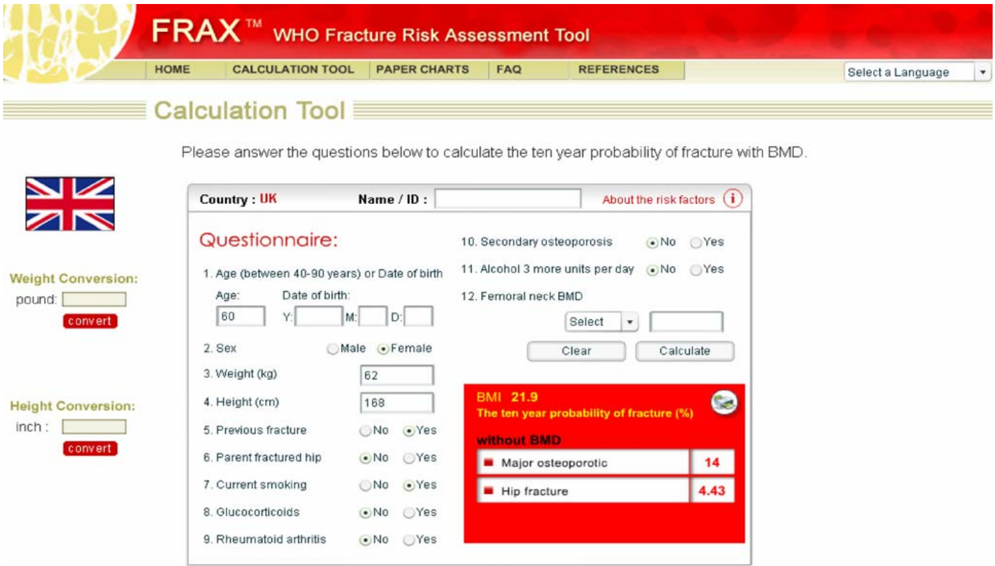
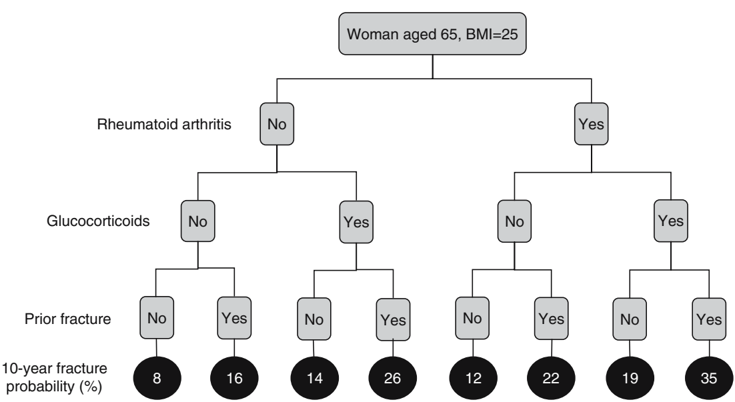
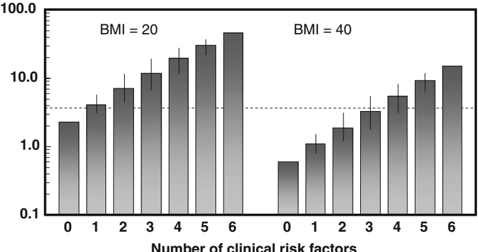
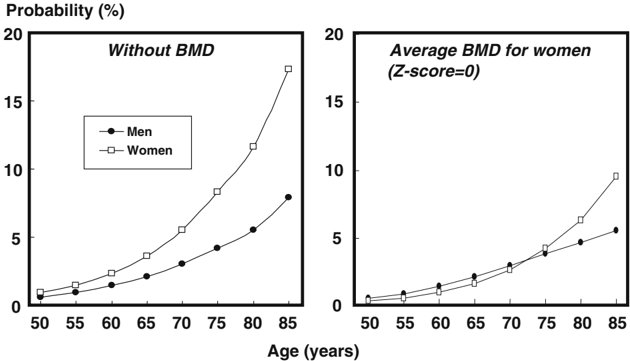
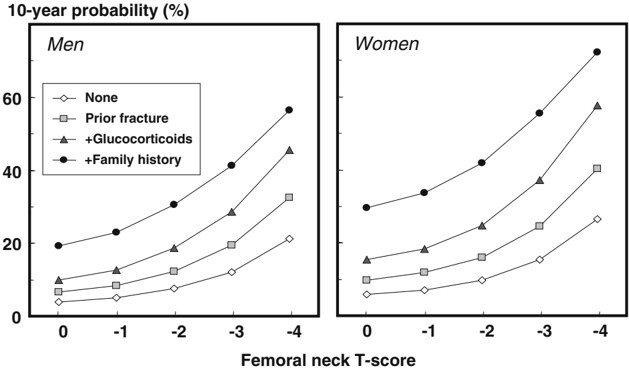
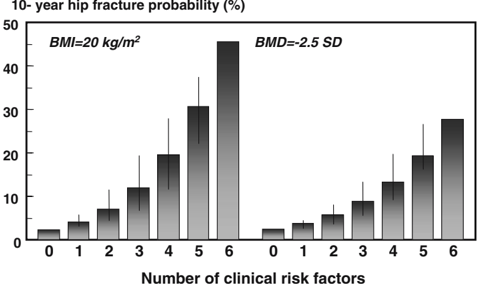
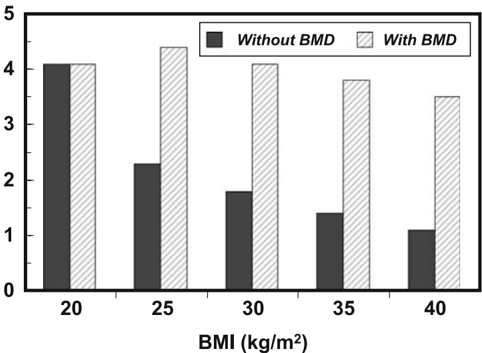
UNLABELLED: A fracture risk assessment tool (FRAX) is developed based on the use of clinical risk factors with or without bone mineral density tests applied to the UK. INTRODUCTION: The aim of this study was to apply an assessment tool for the prediction of fracture in men and women with the use of clinical risk factors (CRFs) for fracture with and without the use of femoral neck bone mineral density (BMD). The clinical risk factors, identified from previous meta-analyses, comprised body mass index (BMI, as a continuous variable), a prior history of fracture, a parental history of hip fracture, use of oral glucocorticoids, rheumatoid arthritis and other secondary causes of osteoporosis, current smoking, and alcohol intake 3 or more units daily. METHODS: Four models were constructed to compute fracture probabilities based on the epidemiology of fracture in the UK. The models comprised the ten-year probability of hip fracture, with and without femoral neck BMD, and the ten-year probability of a major osteoporotic fracture, with and without BMD. For each model fracture and death hazards were computed as continuous functions. RESULTS: Each clinical risk factor contributed to fracture probability. In the absence of BMD, hip fracture probability in women with a fixed BMI (25 kg/m(2)) ranged from 0.2% at the age of 50 years for women without CRF's to 22% at the age of 80 years with a parental history of hip fracture (approximately 100-fold range). In men, the probabilities were lower, as was the range (0.1 to 11% in the examples above). For a major osteoporotic fracture the probabilities ranged from 3.5% to 31% in women, and from 2.8% to 15% in men in the example above. The presence of one or more risk factors increased probabilities in an incremental manner. The differences in probabilities between men and women were comparable at any given T-score and age, except in the elderly where probabilities were higher in women than in men due to the higher mortality of the latter. CONCLUSION: The models provide a framework which enhances the assessment of fracture risk in both men and women by the integration of clinical risk factors alone and/or in combination with BMD.
Overview
The claims and statistics of this paper haven’t been checked yet.
Free: it reads the open-access text and checks the first 5 claims that cite a source we can check. Create a free account to check every claim.
Integrity signals
Registry
Cites
Statistics
Figures

Verification
Claims the paper makes
The claims and statistics of this paper haven’t been checked yet.
Free: it reads the open-access text and checks the first 5 claims that cite a source we can check. Create a free account to check every claim.
Claims other papers make about this one
Each is checked against this paper’s own text: does it say what the citing paper says it does?
The source backs part of the claim, not all of it — or backs it for a different population, condition or comparison.
In the citing paper
“The WHO determined that for many secondary causes of osteoporosis, fracture risk was mediated primarily through impact on BMD [28].”
From Clinician’s Guide to Prevention and Treatment of Osteoporosis (2014) · cites this paper as [28]
Experimental — accuracy not yet measured
Self-check
Percentages, sums and reported differences re-computed from the paper’s own numbers.
The self-check needs the paper’s full text.
Citations
Cites
Statistical Methods in Cancer Research
Breslow, N. E. (1980) · Cited by 7,332
Estimation of ten-year risk of fatal cardiovascular disease in Europe: the SCORE project
Conroy, R. (2003) · European Heart Journal · doi:10.1016/s0195-668x(03)00114-3 · Cited by 5,290
(1994) · PubMed · Cited by 5,043
Marshall, D., Johnell, O., & Wedel, H. (1996) · BMJ · doi:10.1136/bmj.312.7041.1254 · Cited by 3,709
Self-citationASSESSMENT OF FRACTURE RISK AND ITS APPLICATION TO SCREENING FOR POSTMENOPAUSAL OSTEOPOROSIS
Alexeeva, L. P., Burkhardt, P., Christiansen, C., Cooper, C. C., Delmas, P. D., Johnell, O., Johnston, C. C., Kanis, J. A., Lips, P. T. A. M., Melton, L. J., et al. (1994) · Cited by 2,655
Self-citationCummings, S. R. (1998) · JAMA · doi:10.1001/jama.280.24.2077 · Cited by 2,277 · cited 1×
“This concern is greatest in models that omit BMD, because pharmacological agents may not be equally effective across the entire range of BMD [90].”
BackgroundDiagnosis of osteoporosis and assessment of fracture risk
Kanis, J. A. (2002) · The Lancet · doi:10.1016/s0140-6736(02)08761-5 · Cited by 2,260 · cited 1×
“For this reason, there has been interest in the development of algorithms that express absolute risk, or the probability of fracture within a given time period [18–20], as has been done for cardiovascular and other diseases [21– 25].”
BackgroundSelf-citationEffect of Risedronate on the Risk of Hip Fracture in Elderly Women
McClung, M. R., Geusens, P., Miller, P. D., Zippel, H., Bensen, W. G., Roux, C., Adami, S., Fogelman, I., Diamond, T., Eastell, R., et al. (2001) · New England Journal of Medicine · doi:10.1056/nejm200102013440503 · Cited by 1,918
Body mass index as a predictor of fracture risk: A meta-analysis
De Laet, C., Kanis, J. A., Odén, A., Johanson, H., Johnell, O., Delmas, P., Eisman, J. A., Kroger, H., Fujiwara, S., Garnero, P., et al. (2005) · Osteoporosis International · doi:10.1007/s00198-005-1863-y · Cited by 1,622
Self-citationReginster, J.-Y., Minne, H. W., Sorensen, O. H., Hooper, M., Roux, C., Brandi, M. L., Lund, B., Ethgen, D., Pack, S., Roumagnac, I., et al. (2000) · Osteoporosis International · doi:10.1007/s001980050010 · Cited by 1,580
Research works printed but not linked: 4
- Adachi JD, Saag KG, Delmas PD et al (2001) Two year effects of alendronate on bone mineral density and vertebral fracture in patients receiving glucocorticoids: a randomised, double-blind, placebo-controlled extension trial. Arthr Rheum 44:202–211 · doi:10.1002/1529-0131(200101)44:1<202::aid-anr27>3.0.co;2-w
- Davison KS, Siminoski K, Chik C, Jen H, Warshawski R, Lee K (2003) Impact of height loss due to vertebral fractures on body mass index. J Bone Miner Res 18(Suppl 2):S243
- Standing Medical Advisory Committee to the Secretaries of State for Health and for Wales (1989) Drinking problems. A challenge for every doctor. HMSO, London
- World Health Organization (2008) Assessment of osteoporosis at the primary health care level. WHO, Geneva (in press)
Cited by
Items 401–500 of 1,001
Almog, Y. A., Rai, A., Zhang, P., Moulaison, A., Powell, R., Mishra, A., Weinberg, K., Hamilton, C. J., Oates, M. K., McCloskey, E. V., et al. (2020) · Journal of Medical Internet Research · doi:10.2196/22550 · Cited by 60
Self-citationHoffmann, I., Shojaa, M., Kohl, M., von Stengel, S., Becker, C., Gosch, M., Jakob, F. J., Kerschan‐Schindl, K., Kladny, B., Clausen, J., et al. (2020) · Journal of Bone and Mineral Research · doi:10.1002/jbmr.4683 · Cited by 61
“Deviating from FRAX,(15) all types of humerus fractures were considered.”
BackgroundInfluentialSrinivasan, B., Kopperdahl, D. L., Amin, S., Atkinson, E. J., Camp, J. J., Robb, R. A., Riggs, B. L., ORWOLL, E. S., Melton, L. J., Keaveny, T. M., et al. (2011) · Osteoporosis International · doi:10.1007/s00198-011-1822-8 · Cited by 60
“In fact, the current World Health Organization fracture risk assessment tool (FRAX) requires the use of femalereferenced femoral neck (FN) aBMD in both sexes for estimating 10-year fracture risks [10], with the assumption that for a given FN aBMD, fracture risk is similar in men and women.”
MethodInfluentialSaylor, P. J., Kaufman, D. S., Michaelson, M. D., Lee, R. J., & Smith, M. R. (2010) · The Journal of Urology · doi:10.1016/j.juro.2010.02.022 · Cited by 59
Link, T. M. (2016) · Canadian Association of Radiologists Journal · doi:10.1016/j.carj.2015.02.002 · Cited by 59
How accurately can we predict the fracture load of the proximal femur using finite element models?
van den Munckhof, S., & ZADPOOR, A. A. (2014) · Clinical Biomechanics · doi:10.1016/j.clinbiomech.2013.12.018 · Cited by 59
“Hillier et al. conducted a study on the predictive value of FRAX on a population of women aged N65 (Hillier et al., 2011).”
MethodInfluentialZupan, J., Stražar, K., Kocijan, R., Nau, T., Grillari, J., & Marolt, D. (2021) · Mechanisms of Ageing and Development · doi:10.1016/j.mad.2021.111539 · Cited by 61
“Furthermore, a clear association between aging and risk of fractures has been shown (Kanis et al., 2008).”
BackgroundInflammatory bowel disease and the risk of osteoporosis and fracture
Targownik, L. E., Bernstein, C. N., & Leslie, W. D. (2013) · Maturitas · doi:10.1016/j.maturitas.2013.09.009 · Cited by 60
García‐Manzanares, Á., Tenías, J. M., & Lucendo, A. J. (2012) · Scandinavian Journal of Gastroenterology · doi:10.3109/00365521.2012.688217 · Cited by 58
“The clinical risk factors included in the FRAX model are information on race, age, sex, weight, height, femoral neck BMD, a history of previous fracture, parental history of hip fracture, current smoking, use of oral glucocorticoids for more than 3 months, rheumatoid arthritis, other secondary causes of osteoporosis a…”
Reduced Tissue-Level Stiffness and Mineralization in Osteoporotic Cancellous Bone
Kim, G., Cole, J. H., Boskey, A. L., Baker, S. P., & van der Meulen, M. C. H. (2014) · Calcified Tissue International · doi:10.1007/s00223-014-9873-4 · Cited by 52
“Despite the widespread clinical use and acceptance of DXA, aBMD does not always predict fracture [35, 36] and the use of urinary bone turnover markers and various risk factors in addition to aBMD can improve fracture risk assessment in post-menopausal women [37, 38].”
Gnudi, S., Sitta, E., & Pignotti, E. (2012) · British Journal of Radiology · doi:10.1259/bjr/57130600 · Cited by 59
“If confirmed, this should lead to considering the measurement of NSA for hip fracture prevention in younger post-menopausal females without clinical risk factors for hip fracture who had a FNBMD measurement, which, although in contrast with the WHO fracture risk assessment (FRAXH) case finding strategy [39, 40], is no…”
ResultActive shape modeling of the hip in the prediction of incident hip fracture
Baker-LePain, J. C., Luker, K. R., Lynch, J. A., Parimi, N., Nevitt, M. C., & Lane, N. E. (2010) · Journal of Bone and Mineral Research · doi:10.1002/jbmr.254 · Cited by 58
“, glucocorticoid use, smoking, and alcohol use), and BMD but do not currently include hip shape parameters.((38,39)) Our results and those of others suggest that incorporation of geometric measures of hip shape may improve the predictive accuracy of fracture-prediction tools.”
ResultBisphosphonate Use in Acute and Chronic Spinal Cord Injury: A Systematic Review
Bryson, J. E., & Gourlay, M. L. (2009) · Journal of Spinal Cord Medicine · doi:10.1080/10790268.2009.11760776 · Cited by 58
“Standard osteoporosis diagnostic criteria (6), approaches to fracture risk assessment (7), and BMD measurement tools developed for postmenopausal women have not been adequately tested in people with SCI and may not be appropriate given the unique distribution of osteoporosis and associated fractures, risk factors, and…”
BackgroundWu, H., Sun, Z., Tong, L., Wang, Y., Yan, H., & Sun, Z. (2021) · Archives of Osteoporosis · doi:10.1007/s11657-021-01016-2 · Cited by 57
Crandall, C. J., Larson, J. C., Watts, N. B., Gourlay, M. L., Donaldson, M. G., LaCroix, A. Z., Cauley, J. A., Wactawski‐Wende, J., Gass, M. L. S., Robbins, J. A., et al. (2014) · The Journal of Clinical Endocrinology & Metabolism · doi:10.1210/jc.2014-2332 · Cited by 57
Bone health and multiple sclerosis
Dobson, R., Ramagopalan, S. V., & Giovannoni, G. (2012) · Multiple Sclerosis Journal · doi:10.1177/1352458512453362 · Cited by 58
Lim, H. K., Ha, H. I., Park, S.-Y., & Lee, K. (2018) · European Radiology · doi:10.1007/s00330-018-5728-0 · Cited by 57
“In addition, the Fracture Risk Assessment Tool (FRAX) is another test used in conjunction with DXA for the osteoporosis screening among younger postmenopausal women aged 50–64 years, but it requires the results of the DXA [36, 37].”
MethodBenefit-to-Risk Balance of Weight Loss Interventions in Older Adults with Obesity
DiMilia, P. R., Mittman, A. C., & Batsis, J. A. (2019) · Current Diabetes Reports · doi:10.1007/s11892-019-1249-8 · Cited by 47
DXA-based variables and osteoporotic fractures in Lebanese postmenopausal women
Ayoub, M.-L., Maalouf, G., Bachour, F., Barakat, A., Cortet, B., Legroux-Gérot, I., Zunquin, G., Theunynck, D., Nehme, A. H., & Hage, R. E. (2014) · Orthopaedics & Traumatology Surgery & Research · doi:10.1016/j.otsr.2014.06.023 · Cited by 56
Bone fractures after menopause
The ESHRE Capri Workshop Group (2010) · Human Reproduction Update · doi:10.1093/humupd/dmq008 · Cited by 59
“…which combines easily obtained clinical risk factors (body mass index, prior history of fracture, parental history of hip fracture, use of steroids, rheumatoid arthritis and other secondary causes of osteoporosis, current smoking and alcohol intake) with femoral neck BMD (Kanis et al., 2008b).”
BackgroundInfluentialRecurrent Fragility Fractures: A Cross-sectional Analysis
Dang, D. Y., Zetumer, S. D., & Zhang, A. L. (2018) · Journal of the American Academy of Orthopaedic Surgeons · doi:10.5435/jaaos-d-17-00103 · Cited by 57
Leslie, W. D., Lix, L. M., & Program, F. T. M. B. D. (2010) · Journal of Bone and Mineral Research · doi:10.1002/jbmr.248 · Cited by 56
“The World Health Organization (WHO) Collaborating Centre for Metabolic Bone Diseases at Sheffield recently has identified a set of seven clinical risk factors [ie, prior fragility fracture, a parental history of hip fracture, smoking, use of systemic corticosteroids, excess alcohol intake, body mass index (BMI), and r…”
BackgroundDuarte, R. V., Raphael, J. H., Southall, J. L., Labib, M. H., Whallett, A. J., & Ashford, R. L. (2013) · BMJ Open · doi:10.1136/bmjopen-2013-002856 · Cited by 55
“The 10-year probability of fracture was calculated based on the Fracture Risk Assessment Tool (FRAX).(19) In addition to the BMD value or T score (femoral neck), this tool takes into account clinical risk factors for the development of osteoporotic or hip fractures such as previous fractures, a history of hip fracture…”
Herrera, A., Lobo-Escolar, A., Mateo, J., Gil, J., Ibarz, E., & Gracia, L. (2012) · World Journal of Orthopedics · doi:10.5312/wjo.v3.i12.223 · Cited by 55
A comparison of case-finding strategies in the UK for the management of hip fractures
Johansson, H., Kanis, J. A., Odén, A., Compston, J. E., & McCloskey, E. V. (2012) · Osteoporosis International · doi:10.1007/s00198-011-1864-y · Cited by 55
“In some individuals close to a threshold value, a measurement of BMD is recommended to refine the estimate of risk [16, 17].”
BackgroundMethodSelf-citationOsteoporosis: the emperor has no clothes
Järvinen, T. L. N., Michaëlsson, K., Aspenberg, P., & Sievänen, H. T. (2015) · Journal of Internal Medicine · doi:10.1111/joim.12366 · Cited by 56
Yang, N., Chan, C., Yu, I.-L., Lee, C.-Y., & Chou, P. (2010) · Injury · doi:10.1016/j.injury.2010.05.025 · Cited by 55
Bone loss in chronic kidney disease: Quantity or quality?
Zheng, C., Zheng, J.-Q., Wu, C., Lu, C., Shyu, J., Yung-Ho, H., Wu, M., Chiu, I., Wang, Y., Lin, Y., et al. (2016) · Bone · doi:10.1016/j.bone.2016.03.017 · Cited by 55
Romme, E. A., Murchison, J. T., Edwards, L. D., van Beek, E. J. R., Murchison, D. M., Rutten, E. P. A., Smeenk, F. W. J. M., Williams, M. C., Wouters, E. F. �., MacNee, W., et al. (2013) · Journal of Bone and Mineral Research · doi:10.1002/jbmr.1873 · Cited by 54
Protective effect of myo-inositol hexaphosphate (phytate) on bone mass loss in postmenopausal women
López‐González, Á. A., Grases, F., Fuenmayor, N. M., Marí, B., Vicente-Herrero, M. T., Tur, F., & Perelló, J. (2012) · European Journal of Nutrition · doi:10.1007/s00394-012-0377-6 · Cited by 54
“Fracture risk assessment through FRAX The following clinical data were collected: family history of osteoporotic hip fracture in parents, history of fragility fracture (a fracture that occurred in adult life spontaneously or a fracture caused by trauma, which would not have happened in a healthy individual), current t…”
BackgroundInfluentialOsteoporosis in chronic obstructive pulmonary disease
Romme, E. A., Smeenk, F. W. J. M., Rutten, E. P. A., & Wouters, E. F. �. (2013) · Expert Review of Respiratory Medicine · doi:10.1586/17476348.2013.814402 · Cited by 55
Vertebral fracture assessment: impact of instrument and reader
Buehring, B., Krueger, D. C., Checovich, M. M., Gemar, D., Vallarta-Ast, N., Genant, H. K., & Binkley, N. (2009) · Osteoporosis International · doi:10.1007/s00198-009-0972-4 · Cited by 54
Geusens, P., Bours, S., Wyers, C. E., & van den Bergh, J. P. (2019) · Best Practice & Research Clinical Rheumatology · doi:10.1016/j.berh.2019.03.016 · Cited by 54
Estrogen and bones after menopause: a reappraisal of data and future perspectives
Anagnostis, P. G., Bosdou, J. Κ., Vaitsi, K., Goulis, D. G., & Lambrinoudaki, I. V. (2020) · HORMONES · doi:10.1007/s42000-020-00218-6 · Cited by 55
Eriksson, J., Evans, D. S., Nielson, C. M., Shen, J., Srikanth, P., Hochberg, M. C., McWeeney, S. K., Cawthon, P. M., Wilmot, B., Zmuda, J. M., et al. (2014) · Journal of Bone and Mineral Research · doi:10.1002/jbmr.2314 · Cited by 54
Donaldson, M. G., Palermo, L., Ensrud, K. E., Hochberg, M. C., Schousboe, J. T., & Cummings, S. R. (2012) · Journal of Bone and Mineral Research · doi:10.1002/jbmr.1625 · Cited by 54
“1 (4 Previous fracture, n (%) 1392 (43) 1406 (4 Oral glucocorticoid therapy, n (%) 0 0 Rheumatoid arthritis, n (%) 120 (4) 141 (4 Maternal history of hip fracture, n (%) 469 (15) 469 (1 Current smoker, n (%) 352 (11) 336 (1 Alcohol intake 3 drinks per day, n (%) 66 (2) 50 (2 FN BMD, g/cm(2), mean (SD) 0.”
BackgroundTsang, S. W. Y., Kung, A. W., Kanis, J. A., Johansson, H., & Oden, A. (2009) · Osteoporosis International · doi:10.1007/s00198-009-0906-1 · Cited by 54
Self-citationLong-term therapy in COPD: any evidence of adverse effect on bone?
Langhammer, A., Forsmo, S., & Syversen, U. (2009) · International Journal of COPD · doi:10.2147/copd.s4797 · Cited by 54
“uk/FRAX), for example, could be useful supplements to BMD assessments.(164,165) However, the tools are based on cohort studies, and the data might not be representative for all populations.”
MethodEvans, W. R. H., Meslin, E. M., Kai, J., & Qureshi, N. (2024) · Journal of Personalized Medicine · doi:10.3390/jpm14040418 · Cited by 54
“They are well established, used across medicine for more than 40 years [78,79], with widely adopted examples in primary care to stratify patients’ risk of cardiovascular disease, osteoporosis, emergency admission, and degree of frailty [80–83].”
BackgroundOsteoporosis Diagnosis and Medical Treatment
Warriner, A. H., & Saag, K. G. (2013) · Orthopedic Clinics of North America · doi:10.1016/j.ocl.2013.01.005 · Cited by 55
McCloskey, E. V., Harvey, N. C., Johansson, H., & Kanis, J. А. (2016) · Current Opinion in Rheumatology · doi:10.1097/bor.0000000000000304 · Cited by 53
“uk/FRAX) is a computerized algorithm that determines fracture probability in individuals by integrating important individual clinical risk factors for fracture and mortality, with or without the addition of femoral neck bone mineral density (BMD) [1,2].”
BackgroundSelf-citationSchreiber, J. J., Kamal, R. N., & Yao, J. (2017) · The Journal Of Hand Surgery · doi:10.1016/j.jhsa.2017.01.012 · Cited by 53
Bhattacharya, P., Altai, Z., Qasim, M., & Viceconti, M. (2018) · Biomechanics and Modeling in Mechanobiology · doi:10.1007/s10237-018-1081-0 · Cited by 53
Choi, S. T., Kwon, S., Jung, J.-Y., Kim, H., Kim, S.-S., Kim, S.-H., Kim, J., Park, J. H., & Suh, C. (2018) · Journal of Clinical Medicine · doi:10.3390/jcm7120507 · Cited by 53
Prediction of Low and Very Low Bone Mineral Density Among Adult Survivors of Childhood Cancer
van Atteveld, J. E., Pluijm, S. M. F., Ness, K. K., Hudson, M. M., Chemaitilly, W., Kaste, S. C., Robison, L. L., Neggers, S. J. C. M. M., Yasui, Y., van den Heuvel‐Eibrink, M. M., et al. (2019) · Journal of Clinical Oncology · doi:10.1200/jco.18.01917 · Cited by 54
Outcomes of an osteoporosis disease‐management program managed by nurse practitioners
Greene, D. F., & Dell, R. M. (2010) · Journal of the American Academy of Nurse Practitioners · doi:10.1111/j.1745-7599.2010.00515.x · Cited by 53
“Furthermore, studies have shown that osteoporosis can be managed cost effectively (Black et al., 1996; Newman et al., 2003; Kanis et al., 2008).”
BackgroundKull, M. M., Kallikorm, R., & Lember, M. (2011) · Journal of Clinical Densitometry · doi:10.1016/j.jocd.2011.08.007 · Cited by 53
Loures, M. A. A. D. R., Zerbini, C. A. F., Danowski, J. S., Pereira, R. M. R., Moreira, C., de Paula, A. P., Castro, C. H. D. M., Szejnfeld, V. L., de Mendonça, L. M. C., Radominiski, S. C., et al. (2017) · Revista Brasileira de Reumatologia · doi:10.1016/j.rbr.2017.06.002 · Cited by 52
Predicting the risk of osteoporosis in older Vietnamese women using machine learning approaches
Bui, M., Ha, M. H., Pham, H. G., Dao, T. P., Nguyen, T.-T. T., Nguyen, M. L., Vuong, N. T., Hoang, X. H. T., Tien, L., Thanh, D. X., et al. (2022) · Scientific Reports · doi:10.1038/s41598-022-24181-x · Cited by 52
Shieh, A., Karlamangla, A. S., Karvonen‐Guttierez, C. A., & Greendale, G. A. (2023) · Journal of Bone and Mineral Research · doi:10.1002/jbmr.4759 · Cited by 53
“Second, BMI and rates of incident fracture differ by race/ethnicity.((2,47)) However, we did not have sufficient power to examine whether the association between body composition change and fracture differed by race/ethnicity.”
BackgroundFrank, M., Reisinger, A., Andriotis, O. G., Pahr, D. H., & Thurner, P. J. (2024) · JBMR Plus · doi:10.1093/jbmrpl/ziae049 · Cited by 53
“Fracture risk should be assessed with country-specific FRAX™, 6 including BMD for patients at intermediate risk.”
Impacts of Body Mass Index, Physical Activity, and Smoking on Femoral Bone Loss: The Tromsø Study
Emaus, N., Wilsgaard, T., & Ahmed, L. A. (2014) · Journal of Bone and Mineral Research · doi:10.1002/jbmr.2232 · Cited by 52
Bone Disorders in Chronic Kidney Disease: An Update in Diagnosis and Management
Babayev, R., & Nickolas, T. L. (2015) · Seminars in Dialysis · doi:10.1111/sdi.12423 · Cited by 52
“Lehmann G, Stein G, Huller M, Schemer R, Ramakrishnan K, Goodman WG: Specific measurement of PTH (1-84) in various forms of”
BackgroundMethodThe cost-effectiveness of risedronate in the UK for the management of osteoporosis using the FRAX®
Borgström, F., Ström, O., Coelho, J., Johansson, H., Odén, A., McCloskey, E. V., & Kanis, J. A. (2009) · Osteoporosis International · doi:10.1007/s00198-009-0989-8 · Cited by 52
“The FRAX® tool calibrated to the epidemiology of fracture and death in the UK was used in this study [9].”
BackgroundMethodInfluentialSelf-citationThevenot, J., Hirvasniemi, J., Pulkkinen, P., Määttä, M., Korpelainen, R., Saarakkala, S. S., & Jämsä, T. J. (2014) · Radiology · doi:10.1148/radiol.14131390 · Cited by 52
Chappard, C., Bousson, V., Bergot, C., Mitton, D., Marchadier, A., Moser, T., Benhamou, C. L., & Larédo, J.-D. (2010) · Radiology · doi:10.1148/radiol.10090232 · Cited by 53
Crandall, C. J., Vasan, S., LaCroix, A. Z., LeBoff, M. S., Cauley, J. A., Robbins, J. A., Jackson, R. D., & Bauer, D. C. (2018) · Journal of Bone and Mineral Research · doi:10.1002/jbmr.3471 · Cited by 52
Laboratory aspects and clinical utility of bone turnover markers.
Bhattoa, H. P. (2018) · PubMed Central · Cited by 54
Jeor, J. D. S., Jackson, T. J., Xiong, A. E., Kadri, A., Freedman, B. A., Sebastian, A. S., Currier, B. L., Nassr, A. N., Fogelson, J. L., Kennel, K. A., et al. (2020) · Neurosurgical FOCUS · doi:10.3171/2020.5.focus20277 · Cited by 52
Kanis, J. А., Johansson, H., Harvey, N. C., Gudnason, V. G., Sigurðsson, G., Siggeirsdóttir, K., Lorentzon, M., Liu, E., Vandenput, L., & McCloskey, E. V. (2021) · Osteoporosis International · doi:10.1007/s00198-020-05803-4 · Cited by 52
Self-citationKemmler, W., & Stengel, S. (2011) · The Physician and Sportsmedicine · doi:10.3810/psm.2011.02.1851 · Cited by 47
Kim, B., Rhee, Y., Kim, C. H., Baek, K. H., Min, Y., Kim, D., Ahn, S. H., Kim, H., Lee, S. H., Lee, S., et al. (2015) · Bone · doi:10.1016/j.bone.2015.08.014 · Cited by 52
“The CRFs identified were then used to build fracture risk assessment tool models [7,8].”
MethodFracture Risk Assessment: State of the Art, Methodologically Unsound, or Poorly Reported?
Collins, G. S., & Michaëlsson, K. (2012) · Current Osteoporosis Reports · doi:10.1007/s11914-012-0108-1 · Cited by 51
“Worthy of particular note, the well-known FRAX model [12] was excluded from the review due to the insufficient information in the FRAXmanuscript to provide a minimum of information needed to objectively review the model (to be discussed later).”
MethodFRAX TM: construindo uma ideia para o Brasil
Pinheiro, M. A. A., Camargos, B. M., Borba, V. Z. C., & Lazaretti‐Castro, M. (2009) · Arquivos Brasileiros de Endocrinologia & Metabologia · doi:10.1590/s0004-27302009000600015 · Cited by 51
Roux, S., Cabana, F., Carrier, N., Beaulieu, M., April, P.-M., Beaulieu, M., & Boire, G. (2014) · The Journal of Clinical Endocrinology & Metabolism · doi:10.1210/jc.2013-4507 · Cited by 52
A serum metabolomics-based profile in low bone mineral density postmenopausal women
Miyamoto, T. K., Hirayama, A., Sato, Y., Koboyashi, T., Katsuyama, E., Kanagawa, H., Miyamoto, H., Mori, T., Yoshida, S., Fujie, A., et al. (2016) · Bone · doi:10.1016/j.bone.2016.10.027 · Cited by 51
Alibhai, S. M. H., Zukotynski, K., Walker‐Dilks, C., Emmenegger, U., Finelli, A., Morgan, S. C., Hotte, S. J., TOMLINSON, G. A., & Winquist, E. (2017) · Annals of Internal Medicine · doi:10.7326/m16-2577 · Cited by 51
Bleicher, K., Cumming, R. G., Naganathan, V., Blyth, F., Couteur, D. G. L., Handelsman, D. J., Waite, L. M., & Seibel, M. J. (2014) · Journal of Bone and Mineral Research · doi:10.1002/jbmr.2230 · Cited by 51
Hip Fracture in Men—Survival and Subsequent Fractures: A Cohort Study with 22‐Year Follow‐Up
von Friesendorff, M., McGuigan, F. E., Besjakov, J., & Åkesson, K. (2011) · Journal of the American Geriatrics Society · doi:10.1111/j.1532-5415.2011.03399.x · Cited by 50
Vellas, B., Pahor, M., Manini, T., Rooks, D., Guralnik, J. M., Morley, J., Studenski, S., Evans, W., Asbrand, C., Fariello, R., et al. (2013) · The Journal of nutrition, health and aging · doi:10.1007/s12603-013-0362-7 · Cited by 43
“A screening tool based on simple questions rather than actual measurements have also been developed for assessing risk of osteoporotic fractures (28).”
Rubin, K. H., Abrahamsen, B., Hermann, A. P., Bech, M., Gram, J., & Brixen, K. (2010) · Osteoporosis International · doi:10.1007/s00198-010-1348-5 · Cited by 50
“Our data support the idea that more precise risk profiling using FRAX [10] or similar instruments could result in better resource utilization.”
BackgroundResultFatores de risco para osteoporose em mulheres na pós-menopausa do sudeste brasileiro
Buttros, D. D. A. B., Nahás-Neto, J., Nahás, E. A. P., Cangussu, L. M., Barral, A. B. C. R., & Kawakami, M. S. (2011) · Revista Brasileira Ginecologia e Obstetrícia · doi:10.1590/s0100-72032011000600006 · Cited by 50
Endocrine and metabolic manifestations in inflammatory bowel disease.
Tigas, S. K., & Tsatsoulis, A. A. (2012) · PubMed Central · Cited by 50
Chuang, M., Chuang, T., Koo, M., & Wang, Y. (2017) · BioMed Research International · doi:10.1155/2017/4210217 · Cited by 51
Morizio, P., Burkhart, J. I., & Ozawa, S. (2018) · Annals of Pharmacotherapy · doi:10.1177/1060028018768808 · Cited by 50
Briot, K., Paccou, J., Beuzeboc, P., Bonneterre, J. M., Bouvard, B., Confavreux, C. B., Cormier, C., Cortet, B., Hannoun‐Lévi, J., Hennequin, C., et al. (2018) · Joint Bone Spine · doi:10.1016/j.jbspin.2018.09.017 · Cited by 52
Abtahi, S., Driessen, J. H. M., Burden, A. M., Souverein, P. C., van den Bergh, J. P., van Staa, T. P., Boonen, A. E. R. C. H., & de Vries, F. (2020) · Annals of the Rheumatic Diseases · doi:10.1136/annrheumdis-2020-218758 · Cited by 50
Current and Emerging Pharmacologic Therapies for the Management of Postmenopausal Osteoporosis
Lewiecki, E. M. (2009) · Journal of Women s Health · doi:10.1089/jwh.2008.1086 · Cited by 52
Chen, S., Chen, Y., Cheng, C.-H., Hwang, H., Chen, C., & Lin, M. (2016) · Medicine · doi:10.1097/md.0000000000003415 · Cited by 50
Hoffmann, I., Kohl, M., von Stengel, S., Jakob, F., Kerschan-Schindl, K., Lange, U., Peters, S., Schoene, D., Sieber, C., Thomasius, F., et al. (2023) · Osteoporosis International · doi:10.1007/s00198-022-06592-8 · Cited by 49
Health Technology Assessment in Osteoporosis
Hiligsmann, M., Kanis, J. А., Compston, J. E., Cooper, C. C., Flamion, B., Bergmann, P., Body, J., Boonen, S., Bruyère, O., Devogelaer, J., et al. (2013) · Calcified Tissue International · doi:10.1007/s00223-013-9724-8 · Cited by 51
“Fracture risk assessment is increasingly used to guide treatment decisions [35], and the impact of nonadherence with osteoporosis medications on treatment efficacy has led to the development of behavioral interventions to improve adherence [36, 37].”
Self-citationCurrent and future treatment options in osteoporosis
Brewer, L., Williams, D. J., & Moore, A. R. (2011) · European Journal of Clinical Pharmacology · doi:10.1007/s00228-011-0999-2 · Cited by 49
Vasikaran, S. D., & Chubb, S. A. P. (2016) · Endocrine · doi:10.1007/s12020-016-0900-2 · Cited by 49
Gossec, L., Baillet, A. C., Dadoun, S., Daïen, C., Berenbaum, F., Dernis, E., Fayet, F., Hudry, C., Mézières, M., Pouplin, S., et al. (2016) · Joint Bone Spine · doi:10.1016/j.jbspin.2016.05.012 · Cited by 50
Metabolomics-based profiles predictive of low bone mass in menopausal women
Miyamoto, T. K., Hirayama, A., Sato, Y., Koboyashi, T., Katsuyama, E., Kanagawa, H., Fujie, A., Morita, M., Watanabe, R., Tando, T., et al. (2018) · Bone Reports · doi:10.1016/j.bonr.2018.06.004 · Cited by 49
“Moreover, a fracture risk assessment tool (FRAX) can assess future fragility fracture risks and is now utilized to diagnose patients needing treatment or to avoid treating patients unnecessarily (Kanis et al., 2008).”
BackgroundNelson, F. R. T., Craig, J. G., Francois, H., Azuh, O., Oyetakin‐White, P., & King, B. (2014) · Archives of Osteoporosis · doi:10.1007/s11657-014-0194-z · Cited by 49
The impact of a FRAX-based intervention threshold in Turkey: the FRAX-TURK study
Turkish Osteoporosis Society, Tüzün, Ş., Eskiyurt, N., Akarırmak, Ü., Sarıdoğan, M. E., Johansson, H., McCloskey, E. V., & Kanis, J. А. (2012) · Archives of Osteoporosis · doi:10.1007/s11657-012-0101-4 · Cited by 49
“uk/FRAX) calculates the 10year probability of a major fracture (hip, clinical spine, humerus or wrist fracture) and the 10-year probability of hip fracture [1, 6].”
BackgroundSelf-citationOlszynski, W. P., Brown, J. P., Adachi, J. D., Hanley, D. A., Ioannidis, G., & Davison, K. S. (2013) · Journal of Bone and Mineral Research · doi:10.1002/jbmr.1931 · Cited by 50
FRAX and the assessment of the risk of developing a fragility fracture
Middleton, R. G., Shabani, F., Uzoigwe, C. E., Moqsith, M., & Venkatesan, M. (2012) · Journal of Bone and Joint Surgery - British Volume · doi:10.1302/0301-620x.94b10.28889 · Cited by 48
Primary hyperparathyroidism and fracture probability
Kanis, J. А., Harvey, N. C., Liu, E., Vandenput, L., Lorentzon, M., McCloskey, E. V., Bouillon, R., Abrahamsen, B., Rejnmark, L., Johansson, H., et al. (2022) · Osteoporosis International · doi:10.1007/s00198-022-06629-y · Cited by 48
Self-citationCalibration of FRAX ® 3.1 to the Dutch population with data on the epidemiology of hip fractures
Lalmohamed, A., Welsing, P. M. J., Lems, W. F., Jacobs, J. W. G., Kanis, J. А., Johansson, H., de Boer, A., & de Vries, F. (2011) · Osteoporosis International · doi:10.1007/s00198-011-1852-2 · Cited by 48
“fracture risk and mortality rate) for that specific age group in the Netherlands, without altering the relative importance of the beta coefficients [5].”
BackgroundMethodInfluentialSelf-citationSkeletal morbidity among survivors of critical illness*
Orford, N. R., Saunders, K., Merriman, E. N., Henry, M. J., Pasco, J. A., Stow, P. J., & Kotowicz, M. A. (2011) · Critical Care Medicine · doi:10.1097/ccm.0b013e318211ff3d · Cited by 48
“98 Category, % Medical 18 (49) 106 (48) Surgical 9 (24) 54 (24) Cardiothoracic 10 (27) 61 (28) 1.”
BackgroundLi, S., Ou, Y., Zhang, H., Zhang, Z., Zhou, H., Liu, L., Sheng, Z., & Liao, E. (2014) · Annals of Nutrition and Metabolism · doi:10.1159/000358340 · Cited by 49
Tebé, C., del Río, L. M., Gregorio, S. D., Casas, L., Estrada, M.-D., Kotzeva, A., & Espallargues, M. (2012) · Journal of Clinical Densitometry · doi:10.1016/j.jocd.2012.05.007 · Cited by 48
Effects of antiresorptive treatment on nonvertebral fracture outcomes
Mackey, D. C., Black, D. M., Bauer, D. C., McCloskey, E. V., Eastell, R., Mesenbrink, P. G., Thompson, J. R., & Cummings, S. R. (2011) · Journal of Bone and Mineral Research · doi:10.1002/jbmr.446 · Cited by 48
“Third, and perhaps most important, the potential benefits of treatment for an individual patient would be best described for all nonvertebral fractures, not just a subset such as low-trauma fragility fractures or major osteoporotic fractures ie, (clinical spine, forearm, hip, and shoulder) that are part of the WHO FRA…”
BackgroundSelf-citationGonzález-Macías, J., del Pino‐Montes, J., Olmos, J. M., & Nogués, X. (2015) · Revista Clínica Española (English Edition) · doi:10.1016/j.rceng.2015.08.005 · Cited by 49
Zhao, X., Song, H. K., Seifert, A. C., Li, C., & Wehrli, F. W. (2017) · PLoS ONE · doi:10.1371/journal.pone.0173995 · Cited by 48
Osteoporotic fractures of the thoracic and lumbar vertebrae: diagnosis and conservative treatment
Spiegl, U. J. A., Bork, H., Grüninger, S., Maus, U. M., Osterhoff, G., Scheyerer, M. J., Pieroh, P., Schnoor, J., Heyde, C., & Schnake, K. J. (2021) · Deutsches Ärzteblatt international · doi:10.3238/arztebl.m2021.0295 · Cited by 48
Prediction of Fracture Risk in Patients with Osteoporosis: A Brief Review
Arceo-Mendoza, R. M., & Camacho, P. M. (2015) · Women s Health · doi:10.2217/whe.15.14 · Cited by 48
Clinical prediction rules in practice: review of clinical guidelines and survey of GPs
Plüddemann, A., Wallace, E., Bankhead, C., Keogh, C., Van der Windt, D., Lasserson, D., Galvin, R., Moschetti, I., Kearley, K., O’Brien, K., et al. (2014) · British Journal of General Practice · doi:10.3399/bjgp14x677860 · Cited by 45
Metadata
- Authors
- Kanis, J. A., Johnell, O., Oden, A., Johansson, H., & McCloskey, E.
- Affiliations
- Northern General Hospital (GB)
- ORCID
- McCloskey, E.
- Venue
- Osteoporosis International
- Published
- 2008-02-22
- Volume
- 19
- Issue
- 4
- Pages
- 385-397
- ISSN
- 0937-941X (ISSN-L)
- 1433-2965
- PMC
- PMC2267485
- OpenAlex
- W2110768118
- Cited by
- 2,467
- References
- 106
- Citations by year
- 2026: 131 · 2025: 93 · 2024: 121 · 2023: 128 · 2022: 128 · 2021: 154 · 2020: 148 · 2019: 112 · 2018: 125 · 2017: 104 · 2016: 113 · 2015: 142 · 2014: 136 · 2013: 139 · 2012: 157
- FWCI
- 168.19
- Type
- journal article
- Language
- en
- Open access
- hybrid
- doi.org
- Licence
- cc-by-nc
- creativecommons.org/licenses/by-nc/4.0/ (tdm)
- creativecommons.org/licenses/by-nc/4.0/ (vor)
- Locations
- Osteoporosis International (publishedVersion, cc-by-nc)
- PubMed Central (publishedVersion)
- PubMed (publishedVersion)
- Research Bank (Australian Catholic University) (submittedVersion)
- Lund University Publications (Lund University) (submittedVersion)
- Chalmers Publication Library (Chalmers University of Technology) (submittedVersion)
- Chalmers Research (Chalmers University of Technology) (submittedVersion)
- Funders
- Amgen
- Eli Lilly and Company
- Pfizer
- International Osteoporosis Foundation
- Topics
- Health Sciences › Medicine › Orthopedics and Sports Medicine › Bone health and osteoporosis research
- Health Sciences › Medicine › Surgery › Hip and Femur Fractures
- Health Sciences › Medicine › Endocrinology, Diabetes and Metabolism › Menopause: Health Impacts and Treatments
- Keywords
- FRAX, fracture risk assessment, hip fracture, major osteoporotic fracture, clinical risk factors, bone mineral density, femoral neck, body mass index, glucocorticoids, smoking, alcohol consumption, sex differences, mortality, British population
- MeSH terms
- Aged, Aged, 80 and over, Epidemiologic Methods, Female, United Kingdom, Hip Fractures, Humans, Male, Middle Aged, Osteoporosis, Research Design, Time Factors, Body Mass Index
About these checks
Registry, retraction, Cites and statistics results are computed, not judged, with one exception: a printed reference that no index lists is read once by a model before it counts as a citation error. Claims are extracted by a model and kept only when their quote appears verbatim in the text; each cited source is then checked, with a model’s help, for whether it says what the claim relies on. Those verdicts can be wrong — read the claim’s quote and the cited source before relying on one.
Statistics and arithmetic are recomputed, not judged.
Confidence bands are shown only for fields calibrated on our annotated test set. None is calibrated yet, so no band is shown.
What counts as a claim ›How we measure confidence ›How we check this ›
Are you an author, or do you see a problem with this page? Request a review
Data sources
Bibliographic data: Semantic Scholar, OpenAlex, Crossref.
Contains information from the Semantic Scholar Academic Graph Datasets, made available under the ODC Attribution License (ODC-BY 1.0).
Semantic Scholar’s data is described in: Kinney, R., et al. (2023). The Semantic Scholar Open Data Platform. arXiv:2301.10140.
