

FRAX™ and the assessment of fracture probability in men and women from the UK
Open accessThe DOI matches its Crossref record; 106 of the 106 references it cites were found in a registry or an index.
Abstract
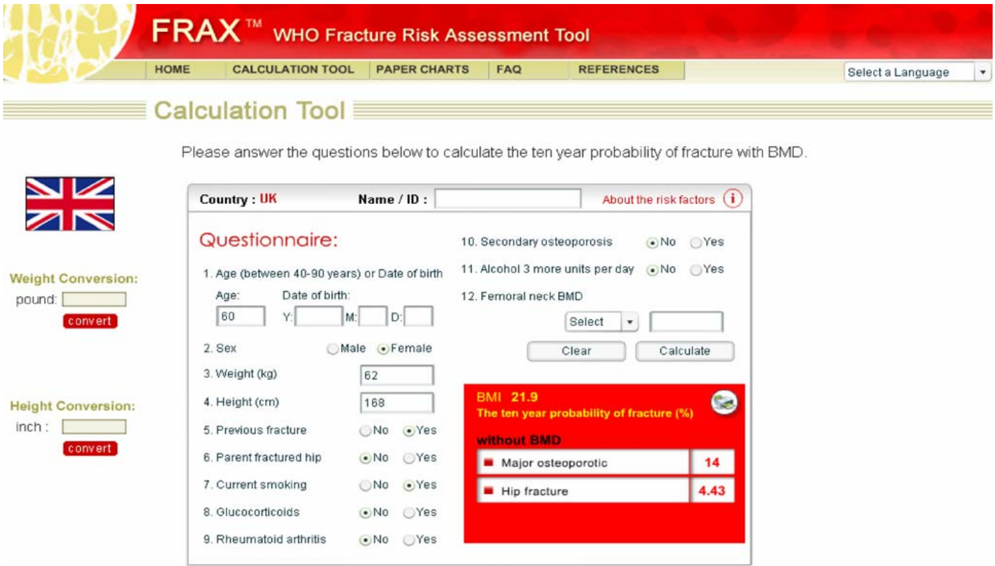
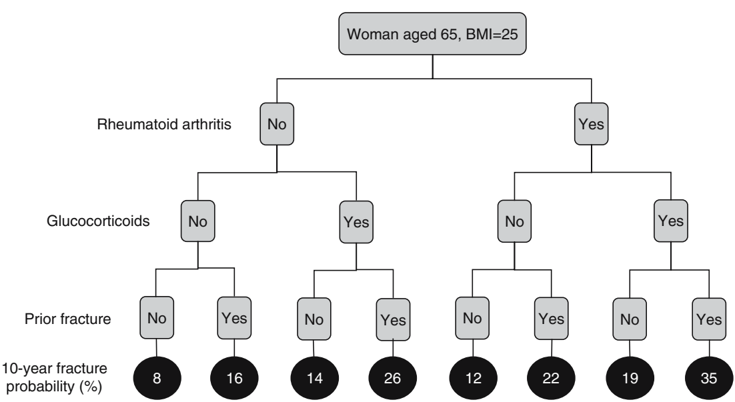
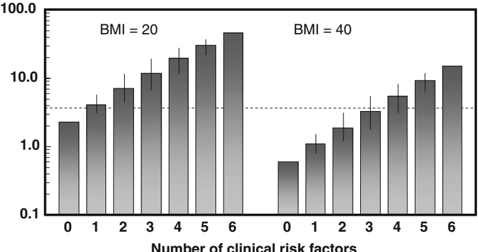
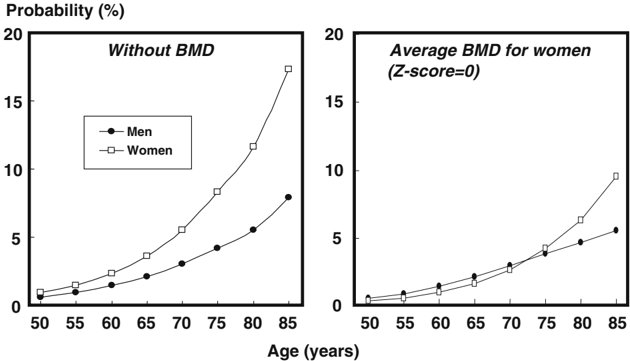
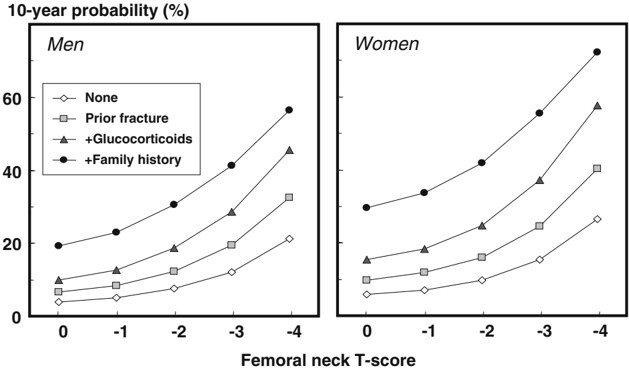
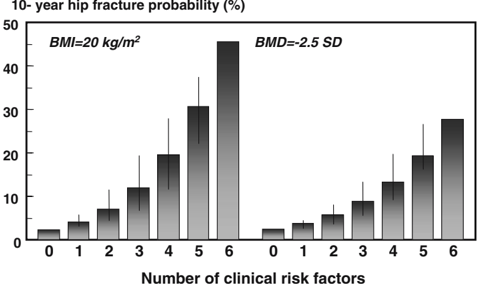
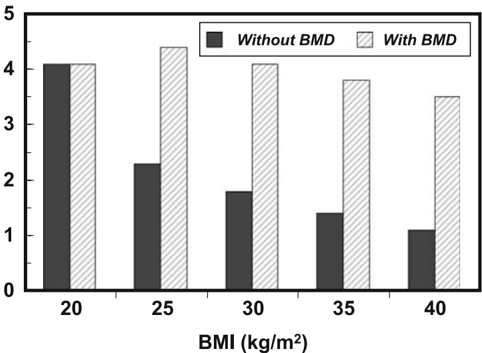
UNLABELLED: A fracture risk assessment tool (FRAX) is developed based on the use of clinical risk factors with or without bone mineral density tests applied to the UK. INTRODUCTION: The aim of this study was to apply an assessment tool for the prediction of fracture in men and women with the use of clinical risk factors (CRFs) for fracture with and without the use of femoral neck bone mineral density (BMD). The clinical risk factors, identified from previous meta-analyses, comprised body mass index (BMI, as a continuous variable), a prior history of fracture, a parental history of hip fracture, use of oral glucocorticoids, rheumatoid arthritis and other secondary causes of osteoporosis, current smoking, and alcohol intake 3 or more units daily. METHODS: Four models were constructed to compute fracture probabilities based on the epidemiology of fracture in the UK. The models comprised the ten-year probability of hip fracture, with and without femoral neck BMD, and the ten-year probability of a major osteoporotic fracture, with and without BMD. For each model fracture and death hazards were computed as continuous functions. RESULTS: Each clinical risk factor contributed to fracture probability. In the absence of BMD, hip fracture probability in women with a fixed BMI (25 kg/m(2)) ranged from 0.2% at the age of 50 years for women without CRF's to 22% at the age of 80 years with a parental history of hip fracture (approximately 100-fold range). In men, the probabilities were lower, as was the range (0.1 to 11% in the examples above). For a major osteoporotic fracture the probabilities ranged from 3.5% to 31% in women, and from 2.8% to 15% in men in the example above. The presence of one or more risk factors increased probabilities in an incremental manner. The differences in probabilities between men and women were comparable at any given T-score and age, except in the elderly where probabilities were higher in women than in men due to the higher mortality of the latter. CONCLUSION: The models provide a framework which enhances the assessment of fracture risk in both men and women by the integration of clinical risk factors alone and/or in combination with BMD.
Overview
The claims and statistics of this paper haven’t been checked yet.
Free: it reads the open-access text and checks the first 5 claims that cite a source we can check. Create a free account to check every claim.
Integrity signals
Registry
Cites
Statistics
Figures

Verification
Claims the paper makes
The claims and statistics of this paper haven’t been checked yet.
Free: it reads the open-access text and checks the first 5 claims that cite a source we can check. Create a free account to check every claim.
Claims other papers make about this one
Each is checked against this paper’s own text: does it say what the citing paper says it does?
The source backs part of the claim, not all of it — or backs it for a different population, condition or comparison.
In the citing paper
“The WHO determined that for many secondary causes of osteoporosis, fracture risk was mediated primarily through impact on BMD [28].”
From Clinician’s Guide to Prevention and Treatment of Osteoporosis (2014) · cites this paper as [28]
Experimental — accuracy not yet measured
Self-check
Percentages, sums and reported differences re-computed from the paper’s own numbers.
The self-check needs the paper’s full text.
Citations
Cites
Statistical Methods in Cancer Research
Breslow, N. E. (1980) · Cited by 7,332
Estimation of ten-year risk of fatal cardiovascular disease in Europe: the SCORE project
Conroy, R. (2003) · European Heart Journal · doi:10.1016/s0195-668x(03)00114-3 · Cited by 5,290
(1994) · PubMed · Cited by 5,043
Marshall, D., Johnell, O., & Wedel, H. (1996) · BMJ · doi:10.1136/bmj.312.7041.1254 · Cited by 3,709
Self-citationASSESSMENT OF FRACTURE RISK AND ITS APPLICATION TO SCREENING FOR POSTMENOPAUSAL OSTEOPOROSIS
Alexeeva, L. P., Burkhardt, P., Christiansen, C., Cooper, C. C., Delmas, P. D., Johnell, O., Johnston, C. C., Kanis, J. A., Lips, P. T. A. M., Melton, L. J., et al. (1994) · Cited by 2,655
Self-citationCummings, S. R. (1998) · JAMA · doi:10.1001/jama.280.24.2077 · Cited by 2,277 · cited 1×
“This concern is greatest in models that omit BMD, because pharmacological agents may not be equally effective across the entire range of BMD [90].”
BackgroundDiagnosis of osteoporosis and assessment of fracture risk
Kanis, J. A. (2002) · The Lancet · doi:10.1016/s0140-6736(02)08761-5 · Cited by 2,260 · cited 1×
“For this reason, there has been interest in the development of algorithms that express absolute risk, or the probability of fracture within a given time period [18–20], as has been done for cardiovascular and other diseases [21– 25].”
BackgroundSelf-citationEffect of Risedronate on the Risk of Hip Fracture in Elderly Women
McClung, M. R., Geusens, P., Miller, P. D., Zippel, H., Bensen, W. G., Roux, C., Adami, S., Fogelman, I., Diamond, T., Eastell, R., et al. (2001) · New England Journal of Medicine · doi:10.1056/nejm200102013440503 · Cited by 1,918
Body mass index as a predictor of fracture risk: A meta-analysis
De Laet, C., Kanis, J. A., Odén, A., Johanson, H., Johnell, O., Delmas, P., Eisman, J. A., Kroger, H., Fujiwara, S., Garnero, P., et al. (2005) · Osteoporosis International · doi:10.1007/s00198-005-1863-y · Cited by 1,622
Self-citationReginster, J.-Y., Minne, H. W., Sorensen, O. H., Hooper, M., Roux, C., Brandi, M. L., Lund, B., Ethgen, D., Pack, S., Roumagnac, I., et al. (2000) · Osteoporosis International · doi:10.1007/s001980050010 · Cited by 1,580
Research works printed but not linked: 4
- Adachi JD, Saag KG, Delmas PD et al (2001) Two year effects of alendronate on bone mineral density and vertebral fracture in patients receiving glucocorticoids: a randomised, double-blind, placebo-controlled extension trial. Arthr Rheum 44:202–211 · doi:10.1002/1529-0131(200101)44:1<202::aid-anr27>3.0.co;2-w
- Davison KS, Siminoski K, Chik C, Jen H, Warshawski R, Lee K (2003) Impact of height loss due to vertebral fractures on body mass index. J Bone Miner Res 18(Suppl 2):S243
- Standing Medical Advisory Committee to the Secretaries of State for Health and for Wales (1989) Drinking problems. A challenge for every doctor. HMSO, London
- World Health Organization (2008) Assessment of osteoporosis at the primary health care level. WHO, Geneva (in press)
Cited by
Items 201–300 of 1,001
Sornay‐Rendu, E., Munoz, F., Delmas, P. D., & Chapurlat, R. D. (2010) · Journal of Bone and Mineral Research · doi:10.1002/jbmr.106 · Cited by 110
Medications associated with fracture risk in patients with rheumatoid arthritis
Özen, G., Pedro, S., Wolfe, F., & Michaud, K. D. (2019) · Annals of the Rheumatic Diseases · doi:10.1136/annrheumdis-2019-215328 · Cited by 110
The effects of a FRAX® revision for the USA
Kanis, J. A., Johansson, H., Odén, A., Dawson-Hughes, B. F., Melton, L. J., & McCloskey, E. V. (2009) · Osteoporosis International · doi:10.1007/s00198-009-1033-8 · Cited by 110
“uk/FRAX) that provides models for the assessment of fracture risk in men and women using easily obtained clinical risk factors for fracture and death to estimate 10-year fracture probability [1–3].”
BackgroundMethodSelf-citationRizzoli, R., Body, J., DeCensi, A., Reginster, J., Piscitelli, P., & Brandi, M. L. (2012) · Osteoporosis International · doi:10.1007/s00198-011-1870-0 · Cited by 112
“A key advance in predicting fracture risk in postmenopausal women has been the development of theWHO FRAX algorithm, which provides a 10-year fracture probability [88].”
MethodKanis, J. А., Johansson, H., Odén, A., & McCloskey, E. V. (2010) · Bone · doi:10.1016/j.bone.2010.06.009 · Cited by 109
Self-citationNew advances in imaging osteoporosis and its complications
Griffith, J. F., & Genant, H. K. (2012) · Endocrine · doi:10.1007/s12020-012-9691-2 · Cited by 109
“This additional information can be incorporated into the fracture risk assessment (FRAX) model along with clinical risk factors to improve 10-year prediction of major osteoporotic fracture [15].”
BackgroundEpidemiology of fracture in the Russian Federation and the development of a FRAX model
Lesnyak, O. M., Ershova, O. B., Belova, K. Y., Gladkova, E. N., Sinitsina, O., Ганерт, О. А., Romanova, M., Khodirev, V., Johansson, H., McCloskey, E. V., et al. (2012) · Archives of Osteoporosis · doi:10.1007/s11657-012-0082-3 · Cited by 109
Self-citationDonaldson, M. G., Cawthon, P. M., Lui, L.-Y., Schousboe, J. T., Ensrud, K. E., Taylor, B. C., Cauley, J. A., Hillier, T. A., Black, D. M., Bauer, D. C., et al. (2009) · Journal of Bone and Mineral Research · doi:10.1359/jbmr.081203 · Cited by 106
“Calculation of absolute risk was done following the FRAX algorithm.((2,8))”
MethodA Review of Body Composition Measurement in the Assessment of Health
Toomey, C. M., Cremona, A., Hughes, K., Norton, C., & Jakeman, P. (2015) · Topics in Clinical Nutrition · doi:10.1097/tin.0000000000000017 · Cited by 82
Bonafede, M., Shi, N., Barron, R., Li, X., Crittenden, D. B., & Chandler, D. (2016) · Archives of Osteoporosis · doi:10.1007/s11657-016-0280-5 · Cited by 101
“, FRAX® and QFracture®), which estimate the 10-year risk of fracture [7, 9].”
BackgroundSaylor, P. J., & Smith, M. R. (2010) · Journal of the National Comprehensive Cancer Network · doi:10.6004/jnccn.2010.0014 · Cited by 107
Assessment of Individual Fracture Risk: FRAX and Beyond
van den Bergh, J. P. W., van Geel, T. A. C. M., Lems, W. F., & Geusens, P. P. (2010) · Current Osteoporosis Reports · doi:10.1007/s11914-010-0022-3 · Cited by 93
“In 2008 the fracture risk assessment tool (FRAX) was released using CRFs with and without BMD for fracture risk predication in men and women [1, 12 ].”
MethodBone density vs bone quality: What’s a clinician to do?
Licata, A. A. (2009) · Cleveland Clinic Journal of Medicine · doi:10.3949/ccjm.76a.08041 · Cited by 108
“EFFECt OF pARAthyROID hORMONE (1-34) ON FRACtUREs AND BONE MINERAL DENsIty IN pOstMENOpAUsAL wOMEN wIth OstEOpOROsIs.”
BackgroundGonzález-Macías, J., Marín, F., Vila, J., & Díez‐Pérez, A. (2011) · Bone · doi:10.1016/j.bone.2011.11.006 · Cited by 106
“The performance characteristics of CRFs have been validated in independent, population-based prospectively studied cohorts with over a million person-years of observation [4].”
MethodPopp, A. W., Guler, S. A., Lamy, O., Senn, C., Buffat, H., Perrelet, R., Hans, D. B., & Lippuner, K. (2012) · Journal of Bone and Mineral Research · doi:10.1002/jbmr.1775 · Cited by 105
“In several studies, TBS has been found to: (1) be lower in postmenopausal women with a past osteoporotic fracture relative to age- and BMD-matched women without fracture; (2) as it decreases, incrementally increase the odds ratio for spine fracture when combined with LS BMD; (3) to be lower in women with fractures, ir…”
BackgroundPostmenopausal Osteoporosis: A Literature Review
Bhatnagar, A., & Kekatpure, A. L. (2022) · Cureus · doi:10.7759/cureus.29367 · Cited by 106
“, it can only be used in untreated patients not currently on any treatment for osteoporosis [85]; moreover, it does not take into account the fact that the risk for a fracture tends to increase post a prior fracture nor does it take into consideration the change in the dose-response relation between a single and multi…”
BackgroundThe Fracture Risk Assessment Tool (FRAX ® ): Applications in Clinical Practice
Watts, N. B. (2011) · Journal of Women s Health · doi:10.1089/jwh.2010.2294 · Cited by 105
Pickhardt, P. J., Bodeen, G., Brett, A., Brown, J. K., & Binkley, N. (2014) · Journal of Clinical Densitometry · doi:10.1016/j.jocd.2014.03.002 · Cited by 106
A Systematic Review of Cost-Effectiveness Analyses of Drugs for Postmenopausal Osteoporosis
Hiligsmann, M., Evers, S., Sedrine, W. B., Kanis, J. А., Ramaekers, B. L. T., Reginster, J., Silverman, S. L., Wyers, C. E., & Boonen, A. E. R. C. H. (2014) · PharmacoEconomics · doi:10.1007/s40273-014-0231-1 · Cited by 104
“Fracture risk algorithms such as FRAX , which represents the 10-year probability of a major fracture and of hip fracture [35], were increasingly used to assess the cost effectiveness of drugs among patients differing in specific combinations of clinical risk factors [14, 26, 27, 36–39].”
MethodSelf-citationMcCloskey, E. V., Kanis, J. A., Odén, A., Harvey, N. C., Bauer, D. C., González-Macías, J., Hans, D. B., Kaptoge, S. K., Krieg, M. A., Kwok, T. C. Y., et al. (2015) · Osteoporosis International · doi:10.1007/s00198-015-3072-7 · Cited by 104
Self-citationEpidemiología de la osteoporosis
Naranjo, L. A. G., Vásquez, G. M., & Molina, J. F. (2009) · Revista Colombiana de Reumatología · doi:10.1016/s0121-8123(09)70119-7 · Cited by 106
Osteoporosis and the Nature of Fragility Fracture: An Overview
van Oostwaard, M. M. (2018) · Perspectives in nursing management and care for older adults · doi:10.1007/978-3-319-76681-2_1 · Cited by 103
“It can assist in targeting patients needing intervention and can be used by all [21].”
BackgroundOsteoporosis Disease Management: What Every Orthopaedic Surgeon Should Know
Dell, R. M., Greene, D. F., Anderson, D., & Williams, K. (2009) · Journal of Bone and Joint Surgery · doi:10.2106/jbjs.i.00521 · Cited by 105
The Global Longitudinal Study of Osteoporosis in Women (GLOW): rationale and study design
Hooven, F. H., Adachi, J. D., Adámi, S., Boonen, S., Compston, J. E., Cooper, C. C., Delmas, P. D., Díez‐Pérez, A., Gehlbach, S. H., Greenspan, S. L., et al. (2009) · Osteoporosis International · doi:10.1007/s00198-009-0958-2 · Cited by 103
Bioactive Compounds from Marine Organisms: Potential for Bone Growth and Healing
Carson, M. A., & Clarke, S. A. (2018) · Marine Drugs · doi:10.3390/md16090340 · Cited by 105
Pickhardt, P. J., Lee, S. J., Liu, J., Yao, J., Lay, N., Graffy, P. M., & Summers, R. M. (2019) · The British Journal of Radiology · doi:10.1259/bjr.20180726 · Cited by 94
Management of cancer treatment-induced bone loss
Coleman, R. E., Rathbone, E. J., & Brown, J. E. (2013) · Nature Reviews Rheumatology · doi:10.1038/nrrheum.2013.36 · Cited by 103
Recent advances in the pathogenesis and treatment of osteoporosis
Curtis, E., Moon, R. J., Dennison, E. M., Harvey, N. C., & Cooper, C. C. (2016) · Clinical Medicine · doi:10.7861/clinmedicine.16-4-360 · Cited by 102
Barrett-Connor, E. L., Nielson, C. M., ORWOLL, E. S., Bauer, D. C., Cauley, J. A., & for the Osteoporotic Fractures in Men (MrOS) Study Group (2010) · BMJ · doi:10.1136/bmj.c1069 · Cited by 102
“Surprisingly little attention has been paid to the causes or consequences of rib fractures, which are not mentioned in classic old or new publications or in the index of the Marcus textbook on osteoporosis.”
BackgroundBolton, J. M., Morin, S. N., Majumdar, S. R., Sareen, J., Lix, L. M., Johansson, H., Odén, A., McCloskey, E. V., Kanis, J. A., & Leslie, W. D. (2017) · JAMA Psychiatry · doi:10.1001/jamapsychiatry.2017.0449 · Cited by 94
Self-citationHiligsmann, M., Reginster, J., Tosteson, A. N. A., Bukata, S. V., Saag, K. G., Gold, D. T., Halbout, P., Jiwa, F., Lewiecki, E. M., Pinto, D., et al. (2018) · Osteoporosis International · doi:10.1007/s00198-018-4744-x · Cited by 100
Self-citationKanis, J. A., Johansson, H., Odén, A., & McCloskey, E. V. (2011) · Osteoporosis International · doi:10.1007/s00198-010-1474-0 · Cited by 99
“0) [21–23].”
Self-citationJager, P. L., Jonkman, S., Koolhaas, W., Stiekema, A., Wolffenbuttel, B. H. R., & Slart, R. H. J. A. (2010) · Osteoporosis International · doi:10.1007/s00198-010-1293-3 · Cited by 99
“Although the concept of risk factors is gaining ground, the current clinical practice of osteoporosis assessment is still largely based on bone mineral density (BMD) measurement only [4].”
BackgroundGreenspan, S. L., Wyman, A. S., Hooven, F. H., Adami, S., Gehlbach, S. H., Frederick A Anderson Jr, Boone, S., LaCroix, A. Z., Lindsay, R., Netelenbos, J. C., et al. (2012) · Journal of the American Geriatrics Society · doi:10.1111/j.1532-5415.2011.03854.x · Cited by 99
“During data collection for this study, the risk assessment tool developed by the World Health Organization (FRAX) became available.(24) This tool uses history of Figure 2.”
MethodOsteoporosis in Chronic Obstructive Pulmonary Disease
Sarkar, M. S., Bhardwaj, R., Madabhavi, I., & Khatana, J. (2015) · Clinical Medicine Insights Circulatory Respiratory and Pulmonary Medicine · doi:10.4137/ccrpm.s22803 · Cited by 99
Bone mineral density in people living with HIV: a narrative review of the literature
Kruger, M., & Nell, T. A. (2017) · AIDS Research and Therapy · doi:10.1186/s12981-017-0162-y · Cited by 97
“Although BMD is used in the diagnosis of osteoporosis, low BMD is not the only risk factor for fractures and is not often used on its own to identify fracture risk [24].”
BackgroundGielen, E., Vanderschueren, D., Callewaert, F., & Boonen, S. (2011) · Best Practice & Research Clinical Endocrinology & Metabolism · doi:10.1016/j.beem.2010.08.012 · Cited by 97
Osteoporosis and rheumatic diseases
Maruotti, N., Corrado, A., & Cantatore, F. P. (2014) · Reumatismo · doi:10.4081/reumatismo.2014.785 · Cited by 99
“[2] Besides age, gender, weight, height, it includes risk factors as defined in Box 1 where only Rheumatoid Arthritis is taken in rheumatic diseases, steroid use has been defined as ≥ 5mg for 3 or more months.”
BackgroundTurner, D. A., Khioe, R. F. S., Shepstone, L., Lenaghan, E., Cooper, C. C., Gittoes, N. J. L., Harvey, N. C., Holland, R., Howe, A. C., McCloskey, E. V., et al. (2018) · Journal of Bone and Mineral Research · doi:10.1002/jbmr.3381 · Cited by 96
“The screening program in the SCOOP study used a baseline questionnaire to assess 10-year risk using the FRAX risk algorithm.((5)) Individuals judged to have sufficiently high risk were invited to undergo dual-energy X-ray absorptiometry (DXA)-based bonemineral density (BMD)measurement, and this information was used to…”
MethodSelf-citationDomiciano, D. S., Figueiredo, C. P., Lopes, J., Caparbo, V. F., Takayama, L., Menezes, P. R., Bonfá, E., & Pereira, R. M. R. (2012) · Osteoporosis International · doi:10.1007/s00198-012-2002-1 · Cited by 95
Crandall, C. J., Larson, J. C., Gourlay, M. L., Donaldson, M. G., LaCroix, A. Z., Cauley, J. A., Wactawski‐Wende, J., Gass, M. L. S., Robbins, J. A., Watts, N. B., et al. (2014) · Journal of Bone and Mineral Research · doi:10.1002/jbmr.2174 · Cited by 93
“0).((2,15)) Per the USPSTF screening guidelines, we defined participants with FRAX‐ predicted 10‐year risk of major osteoporotic fracture 9.”
BackgroundKanis, J. A., Johansson, H., Harvey, N. C., Gudnason, V. G., Sigurðsson, G., Siggeirsdóttir, K., Lorentzon, M., Liu, E., Vandenput, L., & McCloskey, E. V. (2020) · Osteoporosis International · doi:10.1007/s00198-020-05517-7 · Cited by 93
Self-citationAhmed, L. A., Bjørnerem, Å., Bliuc, D., Joakimsen, R. M., Jørgensen, L., Meyer, H. E., Nguyen, N. D., Nguyen, T. V., Omsland, T. K., Störmer, J., et al. (2013) · Journal of Bone and Mineral Research · doi:10.1002/jbmr.1952 · Cited by 93
Population-based Canadian hip fracture rates with international comparisons
For the Osteoporosis Surveillance Expert Working Group, Leslie, W. D., O’Donnell, S., Lagacé, C., Walsh, P., Bancej, C. M., Jean, S., Siminoski, K. G., Kaiser, S., Kendler, D. L., et al. (2009) · Osteoporosis International · doi:10.1007/s00198-009-1080-1 · Cited by 94
“Recently, the World Health Organization (WHO) released a fracture risk assessment tool (FRAX) that can be used to derive individualized estimates of 10-year fracture risk for the hip and other sites typically affected by osteoporosis (i.e., hip, spine, proximal humerus, and distal forearm) [ 4 ].”
BackgroundPrior, J. C., Langsetmo, L., Lentle, B. C., Berger, C., Goltzman, D., Kovács, C. S., Kaiser, S., Adachi, J. D., Παπαϊωάννου, Α., Anastassiades, T., et al. (2014) · Bone · doi:10.1016/j.bone.2014.10.026 · Cited by 92
Liu, C., Broe, K. E., Zhou, Y., Boyd, S. K., Cupples, L. A., Hannan, M. T., Lim, E., McLean, R. R., Samelson, E. J., Bouxsein, M., et al. (2016) · Journal of Bone and Mineral Research · doi:10.1002/jbmr.2931 · Cited by 92
Hans, D. B., Kanis, J. A., Baim, S., Bilezikian, J. P., Binkley, N., Cauley, J. A., Compston, J. E., Cooper, C., Dawson-Hughes, B., El-Hajj Fuleihan, G., et al. (2011) · Journal of Clinical Densitometry · doi:10.1016/j.jocd.2011.05.007 · Cited by 91
Self-citationRepeat Bone Mineral Density Screening and Prediction of Hip and Major Osteoporotic Fracture
Berry, S. D., Samelson, E. J., Pencina, M. J., McLean, R. R., Cupples, L. A., Broe, K. E., & Kiel, D. P. (2013) · JAMA · doi:10.1001/jama.2013.277817 · Cited by 90
“Risk score of hip and major osteoporotic fracture were modeled in 3 ways: using (1) historic clinical characteristics and baseline BMD, (2) updated clinical characteristics and baseline BMD, and (3) updated clinical characteristics and the second BMD measure.”
MethodChen, P., Krege, J. H., Adachi, J. D., Prior, J. C., Tenenhouse, A., Brown, J. P., Papadimitropoulos, E., Kreiger, N., Olszynski, W. P., Josse, R. G., et al. (2009) · Journal of Bone and Mineral Research · doi:10.1359/jbmr.081103 · Cited by 92
“Our study therefore demonstrates that the use of prevalent vertebral fracture status along with age, BMD, and prior clinical fracture has the capacity to predict future fracture risk at least as well as or better than the risk factors included in the WHO tool [1] but with greater simplicity.”
BackgroundMethodInfluentialFRAX and fracture prediction without bone mineral density
Kanis, J. A., Harvey, N. C., Johansson, H., Odén, A., Leslie, W. D., & McCloskey, E. V. (2015) · Climacteric · doi:10.3109/13697137.2015.1092342 · Cited by 90
Self-citationActualización 2011 del consenso Sociedad Española de Reumatología de osteoporosis
Pérez-Edo, L., Ruiz, A. A., Vilaseca, D. R., García-Vadillo, A., Gay, N. G., Peris, P., Eslava, A. T., Audera, C. B., Aresté, J. F., Rodríguez, L. M. A., et al. (2011) · Reumatología Clínica · doi:10.1016/j.reuma.2011.05.013 · Cited by 95
Kim, Y. W., Kim, J. H., Yoon, S. H., Lee, J., Lee, C.-H., Shin, C. S., & Park, Y. S. (2016) · Osteoporosis International · doi:10.1007/s00198-016-3724-2 · Cited by 90
Ong, T. I. W., Sahota, O., Tan, W., & Marshall, L. (2013) · Bone · doi:10.1016/j.bone.2013.11.024 · Cited by 89
“Fracture assessment tool, such as FRAX [29] has its own shortcomings when predicting fracture risk in the obese patients [30].”
MethodAnti-osteoporosis drug prescribing after hip fracture in the UK: 2000–2010
Klop, C., Gibson-Smith, D., Elders, P. J. M., Welsing, P. M. J., Leufkens, H. G. M., Harvey, N. C., Bijlsma, J. W. J., van Staa, T. P., & de Vries, F. (2015) · Osteoporosis International · doi:10.1007/s00198-015-3098-x · Cited by 89
“Increase in the prescribing of anti-osteoporosis medications may be facilitated by recent major advances in risk assessment, such as the FRAX calculator [48], linked to treatment thresholds, as exemplified by the UK NOGG Guidelines [49].”
BackgroundManagement of Glucocorticoid-Induced Osteoporosis
Rizzoli, R., Adachi, J. D., Cooper, C. C., Dere, W. H., Devogelaer, J. P., Díez‐Pérez, A., Kanis, J. А., Laslop, A., Mitlak, B., Papapoulos, S. E., et al. (2012) · Calcified Tissue International · doi:10.1007/s00223-012-9630-5 · Cited by 89
“uk/FRAX) to calculate 10-year fracture probability from clinical risk factors with or without BMD testing [42, 43].”
BackgroundSelf-citationCurtis, E., Moon, R. J., Harvey, N. C., & Cooper, C. C. (2017) · International Journal of Orthopaedic and Trauma Nursing · doi:10.1016/j.ijotn.2017.04.004 · Cited by 89
“16 FRAX ® , developed by the WHO Collaborating Centre for Metabolic Bone Diseases at the University of Sheffield, UK is the most comprehensively developed risk assessment tool [65].”
Fuleihan, G. E., Chakhtoura, M., Cauley, J. A., & Chamoun, N. (2017) · Journal of Clinical Densitometry · doi:10.1016/j.jocd.2017.06.008 · Cited by 89
Slater, H., Dear, B. F., Merolli, M. A., Li, L. C., & Briggs, A. M. (2016) · Best Practice & Research Clinical Rheumatology · doi:10.1016/j.berh.2016.08.006 · Cited by 88
Osteoporosis in Crisis: It's Time to Focus on Fracture
Binkley, N., Blank, R. D., Leslie, W. D., Lewiecki, E. M., Eisman, J. A., & Bilezikian, J. P. (2017) · Journal of Bone and Mineral Research · doi:10.1002/jbmr.3182 · Cited by 88
“These tools, the most widely accepted of which is FRAX,((15,16)) add powerfully to the predictive value of BMD but are imperfect in that some individuals who are estimated to be at low fracture risk nevertheless sustain fractures.”
BackgroundOrthopedic Surgery and the Geriatric Patient
Greenstein, A. S., & Gorczyca, J. T. (2018) · Clinics in Geriatric Medicine · doi:10.1016/j.cger.2018.08.007 · Cited by 90
Osteoporosis and fractures in rheumatoid arthritis
Wysham, K. D., Baker, J. F., & Shoback, D. (2021) · Current Opinion in Rheumatology · doi:10.1097/bor.0000000000000789 · Cited by 87
“Lastly, the ACR GIOP guideline recommends modifying the FRAX calculation for individuals taking 7.5 mg prednisone equivalent/day by multiplying the MOF risk score by 1.15 and the hip fracture risk score by 1.2 [55].”
BackgroundMethodInfluentialBriot, K., Paternotte, S., Kolta, S., Eastell, R., Felsenberg, D., Reid, D. M., Glüer, C., & Roux, C. (2013) · PLoS ONE · doi:10.1371/journal.pone.0083436 · Cited by 89
“The performance characteristics of the FRAXH tool have been validated in independent cohorts from various countries [24] with over a million of person-years of observation.”
MethodInfluentialIs QUS or DXA Better for Predicting the 10-Year Absolute Risk of Fracture?
Moayyeri, A., Kaptoge, S. K., Dalzell, N., Bingham, S. A., Luben, R., Wareham, N. J., REEVE, J., & Khaw, K. (2009) · Journal of Bone and Mineral Research · doi:10.1359/jbmr.090212 · Cited by 87
“This online program for estimation of 10-yr absolute fracture risk for individuals currently considers several clinical risk factors and BMD in the femoral neck.((25,26)) FRAX is likely to be a basis for TABLE 2.”
BackgroundMethodBerry, S. D., Kiel, D. P., Donaldson, M. G., Cummings, S. R., Kanis, J. A., Johansson, H., & Samelson, E. J. (2009) · Osteoporosis International · doi:10.1007/s00198-009-1127-3 · Cited by 87
“Derived and validated using several population-based international cohorts [13], the FRAX algorithm can be used either with or without information on BMD [11].”
MethodSelf-citationJohnson, C. C., Gausden, E. B., Weiland, A. J., Lane, J. M., & Schreiber, J. J. (2016) · The Journal Of Hand Surgery · doi:10.1016/j.jhsa.2016.04.016 · Cited by 88
CAREY, J. J., & Delaney, M. F. (2009) · Clinical Reviews in Bone and Mineral Metabolism · doi:10.1007/s12018-009-9064-4 · Cited by 87
Biologic therapies and systemic bone loss in rheumatoid arthritis
Dimitroulas, T., Nikas, S. N., Trontzas, P., & Kitas, G. D. (2013) · Autoimmunity Reviews · doi:10.1016/j.autrev.2013.03.015 · Cited by 86
“Case control studies [18] and a meta-analysis [19] demonstrate that RA almost doubles the risk of hip and vertebral fractures, regardless of whether steroids are used or not.”
BackgroundRisk of fractures in patients with multiple sclerosis: A population-based cohort study
Bazelier, M. T., van Staa, T. P., Uitdehaag, B. M. J., Cooper, C. C., Leufkens, H. G. M., Vestergaard, P., Herings, R. M. C., & de Vries, F. (2012) · Neurology · doi:10.1212/wnl.0b013e318259e0ff · Cited by 86
Addressing bias in prediction models by improving subpopulation calibration
Barda, N., Yona, G., Rothblum, G. N., Greenland, P., Leibowitz, M., Balicer, R., Bachmat, E., & Dagan, N. (2021) · Journal of the American Medical Informatics Association · doi:10.1093/jamia/ocaa283 · Cited by 59
Osteoporosis and fracture risk are multifactorial in patients with inflammatory rheumatic diseases
Buttgereit, F., Palmowski, A., Bond, M., Adami, G., & Dejaco, C. (2024) · Nature Reviews Rheumatology · doi:10.1038/s41584-024-01120-w · Cited by 85
Osteoporosis in Ankylosing Spondylitis
Magrey, M., & Khan, M. A. (2010) · Current Rheumatology Reports · doi:10.1007/s11926-010-0122-1 · Cited by 85
Prediction of hip and other osteoporotic fractures from hip geometry in a large clinical cohort
Program, F. T. M. B. D., Leslie, W. D., Pahlavan, P. S., Tsang, J. F., & Lix, L. M. (2009) · Osteoporosis International · doi:10.1007/s00198-009-0874-5 · Cited by 88
“bral, forearm, and humerus fractures) were studied since these are the basis for the 10-year absolute fracture risk estimates published by Kanis et al. [26, 27 ].”
BackgroundUnderstanding and managing corticosteroid-induced osteoporosis
Kobza, A. O., Herman, D., Papaioannou, A., Lau, A. N., & Adachi, J. D. (2021) · Open Access Rheumatology Research and Reviews · doi:10.2147/oarrr.s282606 · Cited by 84
“5mg of prednisolone (or equivalent).(36) Schemas have”
Yoo, J. E., Shin, D. W., Han, K., Kim, D., Yoon, J. W., & Lee, D. (2021) · JAMA Network Open · doi:10.1001/jamanetworkopen.2020.30405 · Cited by 85
Hans, D. B., Durosier, C., Kanis, J. А., Johansson, H., Schott, A., & Krieg, M.-A. (2008) · Journal of Bone and Mineral Research · doi:10.1359/jbmr.080229 · Cited by 84
“The relationships between probability, hazard functions, and death rate were used to calculate the 10-yr probability of hip fracture for each combination of risk factors.((12,13)) Because there were many different possible combinations of variables, for the clarity of this paper, we present only specific examples here.”
MethodSelf-citationGajic‐Veljanoski, O., Phua, C. W. W., Shah, P. S., & Cheung, A. M. (2016) · Journal of General Internal Medicine · doi:10.1007/s11606-016-3603-8 · Cited by 84
Senescent T-Cells Promote Bone Loss in Rheumatoid Arthritis
Fessler, J., Husic, R., Theiler‐Schwetz, V., Lerchbaum, E., Aberer, F., Fasching, P., Ficjan, A., Obermayer-Pietsch, B. M., Duftner, C., Graninger, W. B., et al. (2018) · Frontiers in Immunology · doi:10.3389/fimmu.2018.00095 · Cited by 84
“These 17 patients did not significantly differ from patients with stable BMD concerning medication and FRAX scores and lymphocyte subsets (data not shown).”
BackgroundInfluentialLi, G., Ioannidis, G., Pickard, L. E., Kennedy, C. C., Παπαϊωάννου, Α., Thabane, L., & Adachi, J. D. (2014) · BMC Musculoskeletal Disorders · doi:10.1186/1471-2474-15-185 · Cited by 84
“However, external validation of these findings along with comparison with other existed assessment tools such as Garvan Fracture Risk Calculator [47], Fracture Risk Assessment Tool (FRAX) [48] and Fall Risk Assessment Tool (FRAT) [49], are needed in the future research.”
ResultDavis, S., James, M. M., Sanderson, J., Stevens, J., Goka, E., Rawdin, A., Sadler, S., Wong, R., Campbell, F., Stevenson, M., et al. (2016) · Health Technology Assessment · doi:10.3310/hta20780 · Cited by 83
“The cohorts used to estimate the prevalence of prior fracture were the same cohorts used to estimate the impact of prior fracture on future fracture risk for the FRAX algorithm.(17) The prevalence of prior fracture is difficult to quantify as it depends on whether or not all prior fractures are included”
MethodMetabolomics Insights into Osteoporosis Through Association With Bone Mineral Density
Zhang, X., Xu, H., Li, G. H., Long, M. T., Cheung, C., Vasan, R. S., Hsu, Y., Kiel, D. P., & Liu, C. (2020) · Journal of Bone and Mineral Research · doi:10.1002/jbmr.4240 · Cited by 82
“A fracture risk assessment tool (FRAX), for example, has been developed based on the clinical risk factors to predict fracture.((5)) However, previous studies have shown that the aforementioned clinical risk factors do not completely explain measured BMD or fracture risk.”
MethodCranney, A., Lam, M., Rühland, L., Brison, R., Godwin, M., Harrison, M., Harrison, M. B., Anastassiades, T., Grimshaw, J., & Graham, I. D. (2008) · Osteoporosis International · doi:10.1007/s00198-008-0669-0 · Cited by 82
Cascales, E. M., Alcaráz, P. E., Ramos‐Campo, D. J., & Rubio‐Arias, J. Á. (2017) · Menopause The Journal of The North American Menopause Society · doi:10.1097/gme.0000000000000975 · Cited by 81
The Epidemiology of Incident Fracture from Cradle to Senescence
Pasco, J. A., Lane, S. E., Brennan-Olsen, S. L., Holloway‐Kew, K. L., Timney, E. N., Bucki-Smith, G., Morse, A. G., Dobbins, A. G., Williams, L. J., Hyde, N. K., et al. (2015) · Calcified Tissue International · doi:10.1007/s00223-015-0053-y · Cited by 81
Exploring the determinants of fracture risk among individuals with spinal cord injury
Lala, D., Craven, B. C., Thabane, L., Παπαϊωάννου, Α., Adachi, J. D., Popović, M. R., & Giangregorio, L. (2013) · Osteoporosis International · doi:10.1007/s00198-013-2419-1 · Cited by 81
González-Macías, J., del Pino‐Montes, J., Olmos, J. M., & Nogués, X. (2015) · Revista Clínica Española · doi:10.1016/j.rce.2015.08.003 · Cited by 84
Salcuni, A. S., Morelli, V., Eller Vainicher, C., Palmieri, S., Cairoli, E., Spada, A., Scillitani, A., & Chiodini, I. (2016) · European Journal of Endocrinology · doi:10.1530/eje-15-0977 · Cited by 72
Alveolar bone loss in osteoporosis: a loaded and cellular affair?
Jonasson, G., & Rythén, M. (2016) · Clinical Cosmetic and Investigational Dentistry · doi:10.2147/ccide.s92774 · Cited by 82
Padlina, I., Rodríguez, E. G., Hans, D. B., Metzger, M., Stoll, D., Aubry‐Rozier, B., & Lamy, O. (2016) · Osteoporosis International · doi:10.1007/s00198-016-3829-7 · Cited by 81
The Importance of Previous Fracture Site on Osteoporosis Diagnosis and Incident Fractures in Women
Morin, S. N., Lix, L. M., & Leslie, W. D. (2014) · Journal of Bone and Mineral Research · doi:10.1002/jbmr.2204 · Cited by 79
“The Fracture Risk Assessment tool (FRAX), developed by the World Health Organization (WHO), incorporates 10 independent risk factors, such as age, gender, bodymass index, and previous low‐trauma fracture, to estimate 10‐year fracture probability.((4)) Based on economic models, clinical guidelines recommend treating in…”
MethodBaker, J. F., Davis, M., Alexander, R., Zemel, B. S., Mostoufi‐Moab, S., Shults, J., Sulik, M. J., Schiferl, D. J., & Leonard, M. B. (2012) · Bone · doi:10.1016/j.bone.2012.11.035 · Cited by 80
“It is well established that low body mass index (BMI) is a risk factor for osteoporosis and fracture [2]; however, studies of the independent contributions of lean mass and fat mass to bone health have yielded conflicting results.”
ResultSarcopenia Combined With FRAX Probabilities Improves Fracture Risk Prediction in Older Chinese Men
Yu, R., Leung, J. C. S., & Woo, J. (2014) · Journal of the American Medical Directors Association · doi:10.1016/j.jamda.2014.07.011 · Cited by 81
Forgetta, V., Keller‐Baruch, J., Forest, M., Durand, A., Bhatnagar, S., Kemp, J. P., Nethander, M., Evans, D. S., Morris, J. A., Kiel, D. P., et al. (2020) · PLoS Medicine · doi:10.1371/journal.pmed.1003152 · Cited by 82
Self-citationJain, A., Brooks, J. R., Alford, C. C., Chang, C. S., Mueller, N. M., Umscheid, C. A., & Bierman, A. S. (2023) · JAMA Health Forum · doi:10.1001/jamahealthforum.2023.1197 · Cited by 79
Stone, B., Dockrell, D. H., Bowman, C., & McCloskey, E. V. (2010) · Archives of Biochemistry and Biophysics · doi:10.1016/j.abb.2010.07.029 · Cited by 79
Self-citationRees, F., Doherty, M., Lanyon, P., Davenport, G., Riley, R. D., Zhang, W., & Grainge, M. J. (2017) · Arthritis Care & Research · doi:10.1002/acr.23021 · Cited by 82
“Predictive models have gained increasing popularity in medical practice, particularly for estimating cardiovascular risk,(22, 23) osteoporosis risk(24, 25) and earlier diagnosis of malignancy.”
BackgroundResultMederle, O. A., Balaş, M., Ioanoviciu, S. D., Gurban, C., Tudor, A., & Borza, C. (2018) · Clinical Interventions in Aging · doi:10.2147/cia.s170111 · Cited by 81
“7,8 The Fracture Risk Assessment (FRAX) tool, used for the prediction of major fracture probability .”
Periprosthetic osseointegration fractures are infrequent and management is familiar
Hoellwarth, J. S., Tetsworth, K. D., Kendrew, J., Kang, N., Waes, O. J. F. V., Al-Maawi, Q., Roberts, C., & Muderis, M. A. (2020) · The Bone & Joint Journal · doi:10.1302/0301-620x.102b2.bjj-2019-0697.r2 · Cited by 78
Osteoporosis Screening: Applied Methods and Technological Trends
Oliveira, M. D., Moraes, R., Castanha, E. B., Prevedello, A. S., Filho, J. V., Bussolaro, F. A., & Cava, D. G. (2022) · Medical Engineering & Physics · doi:10.1016/j.medengphy.2022.103887 · Cited by 79
Wrist Fracture and Risk of Subsequent Fracture: Findings from the Women's Health Initiative Study
Crandall, C. J., Hovey, K. M., Cauley, J. A., Andrews, C., Curtis, J. R., Wactawski‐Wende, J., Wright, N. C., Li, W., & LeBoff, M. S. (2015) · Journal of Bone and Mineral Research · doi:10.1002/jbmr.2559 · Cited by 78
“0).((31)) Participant weight and height were measured at baseline using standardized protocols.”
MethodDufour, A. B., Roberts, B., Broe, K. E., Kiel, D. P., Bouxsein, M., & Hannan, M. T. (2011) · Osteoporosis International · doi:10.1007/s00198-011-1569-2 · Cited by 78
“This need led to the development of the FRAX risk assessment tool from the World Health Organization that uses multiple risk factors to assess absolute fracture risk based on multiple cohort study data [4].”
BackgroundMethod
Metadata
- Authors
- Kanis, J. A., Johnell, O., Oden, A., Johansson, H., & McCloskey, E.
- Affiliations
- Northern General Hospital (GB)
- ORCID
- McCloskey, E.
- Venue
- Osteoporosis International
- Published
- 2008-02-22
- Volume
- 19
- Issue
- 4
- Pages
- 385-397
- ISSN
- 0937-941X (ISSN-L)
- 1433-2965
- PMC
- PMC2267485
- OpenAlex
- W2110768118
- Cited by
- 2,467
- References
- 106
- Citations by year
- 2026: 131 · 2025: 93 · 2024: 121 · 2023: 128 · 2022: 128 · 2021: 154 · 2020: 148 · 2019: 112 · 2018: 125 · 2017: 104 · 2016: 113 · 2015: 142 · 2014: 136 · 2013: 139 · 2012: 157
- FWCI
- 168.19
- Type
- journal article
- Language
- en
- Open access
- hybrid
- doi.org
- Licence
- cc-by-nc
- creativecommons.org/licenses/by-nc/4.0/ (tdm)
- creativecommons.org/licenses/by-nc/4.0/ (vor)
- Locations
- Osteoporosis International (publishedVersion, cc-by-nc)
- PubMed Central (publishedVersion)
- PubMed (publishedVersion)
- Research Bank (Australian Catholic University) (submittedVersion)
- Lund University Publications (Lund University) (submittedVersion)
- Chalmers Publication Library (Chalmers University of Technology) (submittedVersion)
- Chalmers Research (Chalmers University of Technology) (submittedVersion)
- Funders
- Amgen
- Eli Lilly and Company
- Pfizer
- International Osteoporosis Foundation
- Topics
- Health Sciences › Medicine › Orthopedics and Sports Medicine › Bone health and osteoporosis research
- Health Sciences › Medicine › Surgery › Hip and Femur Fractures
- Health Sciences › Medicine › Endocrinology, Diabetes and Metabolism › Menopause: Health Impacts and Treatments
- Keywords
- FRAX, fracture risk assessment, hip fracture, major osteoporotic fracture, clinical risk factors, bone mineral density, femoral neck, body mass index, glucocorticoids, smoking, alcohol consumption, sex differences, mortality, British population
- MeSH terms
- Aged, Aged, 80 and over, Epidemiologic Methods, Female, United Kingdom, Hip Fractures, Humans, Male, Middle Aged, Osteoporosis, Research Design, Time Factors, Body Mass Index
About these checks
Registry, retraction, Cites and statistics results are computed, not judged, with one exception: a printed reference that no index lists is read once by a model before it counts as a citation error. Claims are extracted by a model and kept only when their quote appears verbatim in the text; each cited source is then checked, with a model’s help, for whether it says what the claim relies on. Those verdicts can be wrong — read the claim’s quote and the cited source before relying on one.
Statistics and arithmetic are recomputed, not judged.
Confidence bands are shown only for fields calibrated on our annotated test set. None is calibrated yet, so no band is shown.
What counts as a claim ›How we measure confidence ›How we check this ›
Are you an author, or do you see a problem with this page? Request a review
Data sources
Bibliographic data: Semantic Scholar, OpenAlex, Crossref.
Contains information from the Semantic Scholar Academic Graph Datasets, made available under the ODC Attribution License (ODC-BY 1.0).
Semantic Scholar’s data is described in: Kinney, R., et al. (2023). The Semantic Scholar Open Data Platform. arXiv:2301.10140.
