

The first NINDS/NIBIB consensus meeting to define neuropathological criteria for the diagnosis of chronic traumatic encephalopathy
Open accessThe DOI matches its Crossref record; 48 of the 49 references it cites were found in a registry or an index.
Abstract
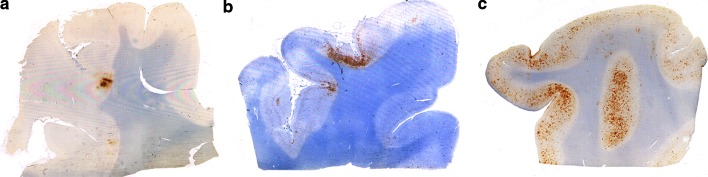
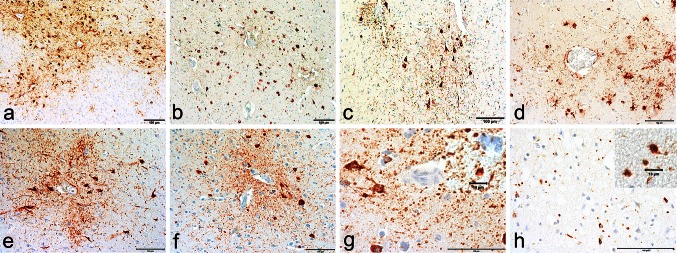
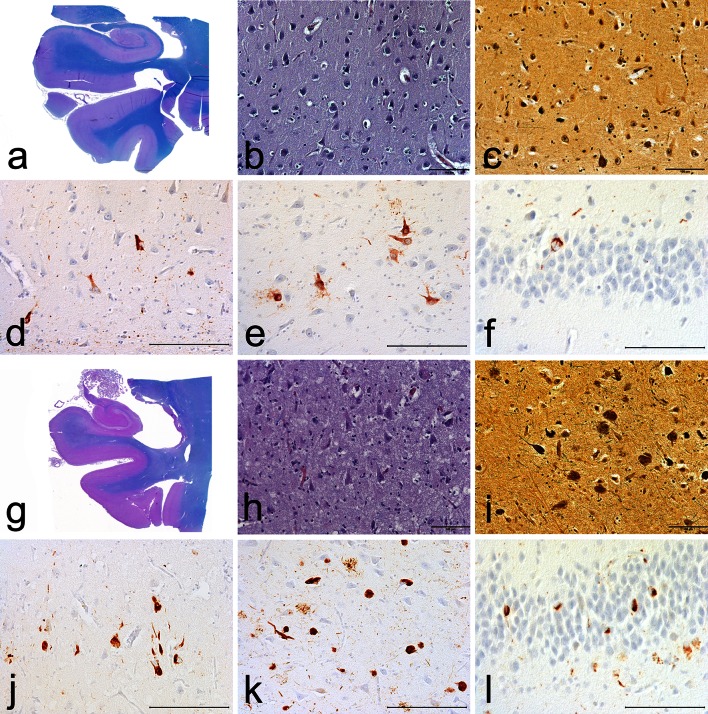
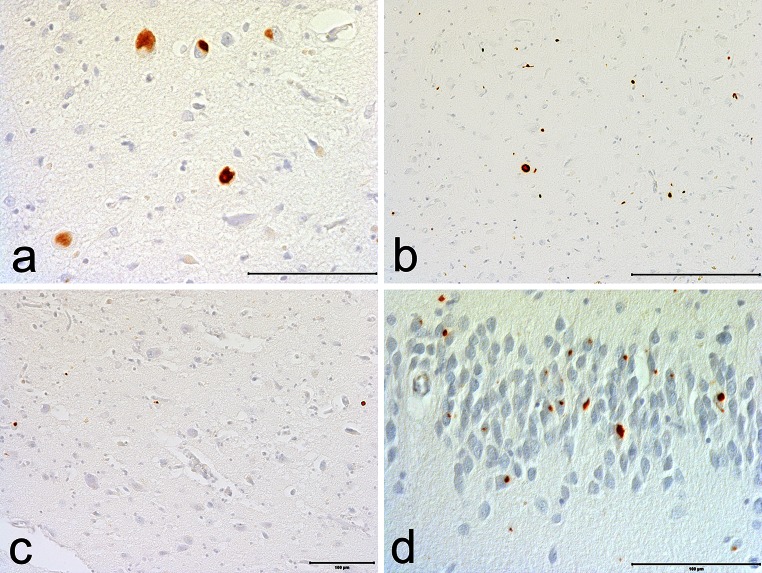
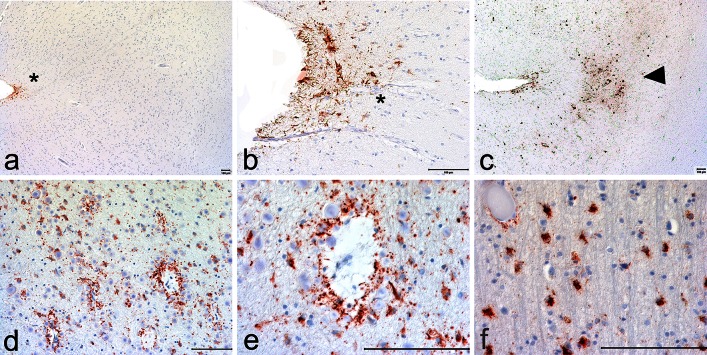
Chronic traumatic encephalopathy (CTE) is a neurodegeneration characterized by the abnormal accumulation of hyperphosphorylated tau protein within the brain. Like many other neurodegenerative conditions, at present, CTE can only be definitively diagnosed by post-mortem examination of brain tissue. As the first part of a series of consensus panels funded by the NINDS/NIBIB to define the neuropathological criteria for CTE, preliminary neuropathological criteria were used by 7 neuropathologists to blindly evaluate 25 cases of various tauopathies, including CTE, Alzheimer's disease, progressive supranuclear palsy, argyrophilic grain disease, corticobasal degeneration, primary age-related tauopathy, and parkinsonism dementia complex of Guam. The results demonstrated that there was good agreement among the neuropathologists who reviewed the cases (Cohen's kappa, 0.67) and even better agreement between reviewers and the diagnosis of CTE (Cohen's kappa, 0.78). Based on these results, the panel defined the pathognomonic lesion of CTE as an accumulation of abnormal hyperphosphorylated tau (p-tau) in neurons and astroglia distributed around small blood vessels at the depths of cortical sulci and in an irregular pattern. The group also defined supportive but non-specific p-tau-immunoreactive features of CTE as: pretangles and NFTs affecting superficial layers (layers II-III) of cerebral cortex; pretangles, NFTs or extracellular tangles in CA2 and pretangles and proximal dendritic swellings in CA4 of the hippocampus; neuronal and astrocytic aggregates in subcortical nuclei; thorn-shaped astrocytes at the glial limitans of the subpial and periventricular regions; and large grain-like and dot-like structures. Supportive non-p-tau pathologies include TDP-43 immunoreactive neuronal cytoplasmic inclusions and dot-like structures in the hippocampus, anteromedial temporal cortex and amygdala. The panel also recommended a minimum blocking and staining scheme for pathological evaluation and made recommendations for future study. This study provides the first step towards the development of validated neuropathological criteria for CTE and will pave the way towards future clinical and mechanistic studies.
Overview
The claims and statistics of this paper haven’t been checked yet.
Free: it reads the open-access text and checks the first 5 claims that cite a source we can check. Create a free account to check every claim.
Integrity signals
Registry
Cites
Statistics
Figures
Verification
Claims the paper makes
The claims and statistics of this paper haven’t been checked yet.
Free: it reads the open-access text and checks the first 5 claims that cite a source we can check. Create a free account to check every claim.
Claims other papers make about this one
Each is checked against this paper’s own text: does it say what the citing paper says it does?
The cited source doesn’t support the claim as written.
In the citing paper
“Unlike Alzheimer's, beta-amyloid plaques are uncommon in CTE.191,192”
From 2023 Alzheimer's disease facts and figures (2023) · cites this paper as [192]
Checked by a reasoning model — may be wrong.
Experimental — accuracy not yet measuredThe source backs part of the claim, not all of it — or backs it for a different population, condition or comparison.
In the citing paper
“Most of the above-mentioned gross and microscopic features have not, as yet, been independently verified as specific to CTE [27–30], and virtually all are associated with aging, other neurological diseases, or both.”
From The Need to Separate Chronic Traumatic Encephalopathy Neuropathology from Clinical Features (2017) · cites this paper as [30]
Experimental — accuracy not yet measuredThe source backs part of the claim, not all of it — or backs it for a different population, condition or comparison.
In the citing paper
“The diagnostic criteria for CTE has no lower bound, meaning that one focus of p-tau is sufficient for a diagnosis [100].”
From DNA repair deficiency and senescence in concussed professional athletes involved in contact sports (2019) · cites this paper as [100]
Experimental — accuracy not yet measuredThe source backs part of the claim, not all of it — or backs it for a different population, condition or comparison.
In the citing paper
“It has been reported that this technique may detect CTE pathology in 20% of cases that is otherwise not detectable by routine histopathological and immunohistochemical methods for dementia diagnosis (15).”
From Mild Chronic Traumatic Encephalopathy Neuropathology in People With No Known Participation in Contact Sports or History of Repetitive Neurotrauma (2019) · cites this paper as [15]
Experimental — accuracy not yet measuredThe source backs part of the claim, not all of it — or backs it for a different population, condition or comparison.
In the citing paper
“In 2015, preliminary consensus criteria were developed for defining the neuropathology of CTE, which substantially narrowed the pathology previously reported to be characteristic.”
From The Need to Separate Chronic Traumatic Encephalopathy Neuropathology from Clinical Features (2017) · cites this paper as [30]
Experimental — accuracy not yet measured
13 more claims about this paper
Create a free account to see every claim other papers make about this one.
Self-check
Percentages, sums and reported differences re-computed from the paper’s own numbers.
The self-check needs the paper’s full text.
Citations
Cites
Statistical Methods for Rates and Proportions
Fleiss, J. L., Levin, B., & Paik, M. C. (2003) · Wiley Series in Probability and Statistics · doi:10.1002/0471445428 · Cited by 18,646
Montine, T. J., Phelps, C. H., Beach, T. G., Bigio, E. H., Cairns, N. J., Dickson, D. W., Duyckaerts, C., Frosch, M. P., Masliah, E., Mirra, S. S., et al. (2012) · Acta Neuropathologica · doi:10.1007/s00401-011-0910-3 · Cited by 2,894 · cited 7×
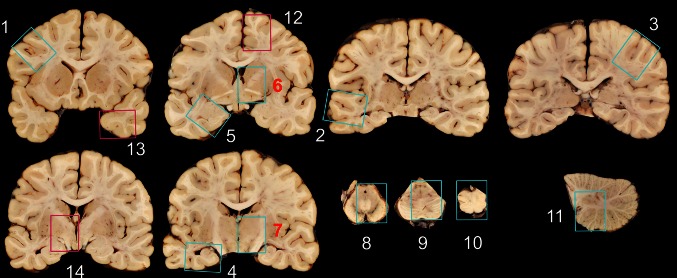
“Of the NIA-AA sampling guidelines, the following blocks are most valuable for detecting CTE: sulcal depths of the superior and middle frontal gyrus, superior and middle temporal gyrus and inferior parietal gyrus (Fig.”
BackgroundMethodInfluentialSelf-citationChronic traumatic encephalopathy in athletes: Progressive tauopathy after repetitive head injury
McKee, A. C., Cantu, R. C., Nowinski, C. J., Hedley-Whyte, E. T., Gavett, B. E., Budson, A. E., Santini, V. E., Lee, H.-S., Kubilus, C. A., & Stern, R. A. (2009) · Journal of Neuropathology & Experimental Neurology · doi:10.1097/nen.0b013e3181a9d503 · Cited by 2,295 · cited 2×
“Although 9 of the 10 subjects diagnosed with CTE in this study were former American football players and only one was a former professional boxer, previous data has shown that the pathological features of CTE associated with boxing (often referred to as “dementia pugilistica”) are similar to the pathological features…”
ResultSelf-citationThe spectrum of disease in chronic traumatic encephalopathy
McKee, A. C., Stein, T. D., Nowinski, C. J., Stern, R. A., Daneshvar, D. H., Alvarez, V. E., Lee, H.-S., Hall, G., Wojtowicz, S. M., Baugh, C. M., et al. (2013) · Brain · doi:10.1093/brain/aws307 · Cited by 2,098 · cited 7×
“Although 9 of the 10 subjects diagnosed with CTE in this study were former American football players and only one was a former professional boxer, previous data has shown that the pathological features of CTE associated with boxing (often referred to as “dementia pugilistica”) are similar to the pathological features…”
BackgroundMethodResultInfluentialSelf-citationPrimary age-related tauopathy (PART): a common pathology associated with human aging
Crary, J. F., Trojanowski, J. Q., Schneider, J. A., Abisambra, J. F., Abner, E. L., Alafuzoff, I., Arnold, S. E., Attems, J., Beach, T. G., Bigio, E. H., et al. (2014) · Acta Neuropathologica · doi:10.1007/s00401-014-1349-0 · Cited by 1,467 · cited 1×
“The neuropathologists were given a tauopathy criteria guide that provided the provisional criteria for CTE [32] as well as published criteria for the other tauopathies (See supplementary material for full tauopathy criteria guide) [4, 7, 11, 21, 25, 34, 40, 47].”
MethodSelf-citationCairns, N. J., Bigio, E. H., Mackenzie, I. R. A., Neumann, M., Lee, V. M.-Y., Hatanpaa, K. J., White, C. L., Schneider, J. A., Grinberg, L. T., Halliday, G., et al. (2007) · Acta Neuropathologica · doi:10.1007/s00401-007-0237-2 · Cited by 1,110 · cited 1×
“The neuropathologists were given a tauopathy criteria guide that provided the provisional criteria for CTE [32] as well as published criteria for the other tauopathies (See supplementary material for full tauopathy criteria guide) [4, 7, 11, 21, 25, 34, 40, 47].”
MethodSelf-citationGoldstein, L. E., Fisher, A. M., Tagge, C. A., Zhang, X.-L., Velisek, L., Sullivan, J. A., Upreti, C., Kracht, J. M., Ericsson, M., Wojnarowicz, M. W., et al. (2012) · Science Translational Medicine · doi:10.1126/scitranslmed.3003716 · Cited by 958 · cited 1×
“Recent neuropathological studies have identified CTE in athletes who played soccer, baseball, ice hockey and rugby, as well as in military personnel exposed to explosive blast [15, 29, 31, 32, 36, 45].”
BackgroundSelf-citationChronic Traumatic Encephalopathy in a National Football League Player
Omalu, B. I., DeKosky, S. T., Minster, R. L., Kamboh, M. I., Hamilton, R. L., & Wecht, C. H. (2005) · Neurosurgery · doi:10.1227/01.neu.0000163407.92769.ed · Cited by 894
Hauw, J.-J., Daniel, S. E., Dickson, D., Horoupian, D. S., Jellinger, K., Lantos, P. L., McKee, A., Tabaton, M., & Litvan, I. (1994) · Neurology · doi:10.1212/wnl.44.11.2015 · Cited by 852 · cited 6×
“In the 15 other tauopathy cases (cases submitted for review with diagnoses other than CTE) (Supplementary Table 2), the reviewers generally agreed with the submission diagnoses of AD (97.1 % of responses), CBD (92.8 %), and PART (78.5 %); however, there were frequent discrepancies in cases with the presumptive diagnos…”
MethodInfluentialSelf-citationCorsellis, J. A. N., Bruton, C. J., & Freeman-Browne, D. (1973) · Psychological Medicine · doi:10.1017/s0033291700049588 · Cited by 836 · cited 2×
“While initial reports of boxers with CTE described cerebellar scarring, atrophy and loss of Purkinje cells [5], recent studies of pugilists find that cerebellar pathology is rare aside from p-tau NFTs and neurites in the dentate nucleus, Purkinje cells and roof of the 4th ventricle [28, 32].”
Result
Research works printed but not linked: 2
- Darby A, Adams J, Babcock K, Avarez V, Stein T, McKee A (2015) Detection of CTE in autopsy cohorts using restricted cortical sampling. In: Journal of Neuropathology and Experimental Neurology, vol 6. Lippincott Williams and Wilkins Two Commerce SQ, 2001 Market ST, Philadelphia, pp 615–615
- Millspaugh J Dementia pugilistica US Naval Med Bull 1937 35 297Y303
Cited by
Items 501–600 of 886
Hosseini, H. C., Rangchian, A., Prins, M. L., Giza, C. C., Ruberti, J. W., & Kavehpour, H. P. (2020) · Journal of Biomechanical Engineering · doi:10.1115/1.4046330 · Cited by 11
Cortical laminar distribution of β-amyloid deposits in five neurodegenerative disorders
Armstrong, R. A. (2020) · Folia Neuropathologica · doi:10.5114/fn.2020.94001 · Cited by 9
History of Chronic Traumatic Encephalopathy
Cantu, R. C., & Bernick, C. B. (2020) · Seminars in Neurology · doi:10.1055/s-0040-1713622 · Cited by 13
Hearn, R., Selfe, J., Cordero, M. I., & Dobbin, N. (2022) · PLoS ONE · doi:10.1371/journal.pone.0271213 · Cited by 9
“While CTE can only be diagnosed post-mortem [5,7], based on the significant increased risk of developing neurodegenerative disease/dementia that former contact sport athletes face [15–17], it can be assumed that a significant number of former athletes are currently living with or at risk of soon…”
Bonfante, E. E., Riascos, R., & Arevalo, O. (2017) · Neuroimaging Clinics of North America · doi:10.1016/j.nic.2017.09.011 · Cited by 11
What triggers tauopathy in chronic traumatic encephalopathy?
Chen, L. (2018) · Neural Regeneration Research · doi:10.4103/1673-5374.233439 · Cited by 9
“…identified as the common pathologic proteinopathy linking frontotemporal dementia (FTD) and amyotrophic lateral sclerosis (ALS) (Neumann et al., 2006), is found in more than 80% CTE cases (McKee et al., 2016), raising the question whether there is a “pathologic synergy” between these two proteins.”
BackgroundTransmissible human proteopathies: an expanding field
Jaunmuktane, Z., & Brandner, S. (2018) · Diagnostic histopathology · doi:10.1016/j.mpdhp.2018.11.002 · Cited by 9
“in boxers) or even by a single severe head trauma [28].”
BackgroundRabinovici, G. D. (2017) · JAMA · doi:10.1001/jama.2017.9353 · Cited by 9
Olsen, A., Babikian, T., Bigler, E. D., Caeyenberghs, K., Conde, V., Dams-O’Connor, K., Dobryakova, E., Genova, H. M., Grafman, J. H., Haberg, A. K., et al. (2019) · doi:10.31234/osf.io/jnsb2 · Cited by 9
Self-citationIverson, G. L., Jamshidi, P., Fisher‐Hubbard, A., Deep‐Soboslay, A., Hyde, T. M., Kleinman, J. E., deJong, J. L., Shepherd, C. E., Hazrati, L., & Castellani, R. J. (2023) · Frontiers in Neurology · doi:10.3389/fneur.2023.1143882 · Cited by 10
“Third, our pathology sampling was less than what is recommended by the two consensus conference statements (1, 9), although more extensive than other large studies as noted above (7, 8).”
BackgroundMethodInfluentialCulhane, J. E., Jackson, C. E., Tripodis, Y., Nowinski, C. J., Dams-O’Connor, K., Pettway, E. C., Uretsky, M., Abdolmohammadi, B., Nair, E. S., Martin, B. M., et al. (2024) · Journal of Neurotrauma · doi:10.1089/neu.2023.0391 · Cited by 9
Self-citationLimitations and Applications of Rodent Models in Tauopathy and Synucleinopathy Research
Szegvari, E., Holec, S. A. M., & Woerman, A. L. (2025) · Journal of Neurochemistry · doi:10.1111/jnc.70021 · Cited by 11
LoBue, C., Bickart, K. C., Bieniek, K. F., Brett, B. L., Cabrera, H., Chiang, H., Sanotos, Y. D. L., Gonzales, M. M., Hart, J., Hernandez, R. S., et al. (2025) · Neurology · doi:10.1212/wnl.0000000000213934 · Cited by 8
Self-citationOverview of Traumatic Brain Injury in American Football Athletes
Canseco, J. A., Franks, R. R., Karamian, B. A., Divi, S. N., Reyes, A. A., Mao, J. Z., Saiegh, F. A., Donnally, C. J., Schroeder, G. D., Harrop, J. S., et al. (2021) · Clinical Journal of Sport Medicine · doi:10.1097/jsm.0000000000000918 · Cited by 10
Sports-Related Brain Injury and Neurodegeneration in Athletes
Dhote, V. V., Raja, M. K. M. M., Samundre, P., Sharma, S., Anwikar, S., & Upaganlawar, A. (2021) · Current Molecular Pharmacology · doi:10.2174/1874467214666210910114324 · Cited by 9
Huie, E. Z., Escudero, A., Saito, N. H., Harvey, D. J., Nguyen, M.-L., Lucot, K. L., LaGrande, J., Mungas, D., DeCarli, C. S., Lamar, M., et al. (2023) · Journal of Alzheimer s Disease · doi:10.3233/jad-220558 · Cited by 8
Ramsay, D. S. C., Miller, A., Baykeens, B., Hassan, H., & Gentleman, S. (2023) · Cureus · doi:10.7759/cureus.34279 · Cited by 11
“Some of the proteins involved may have a role in several diseases; one such example is hyperphosphorylated-tau, which has been implicated in both AD and CTE [5], where hyperphosphorylated-tau is found in neurons and astrocytes at the base of cortical sulci in a perivascular distribution [6].”
BackgroundThe Adult Neurogenesis Theory of Alzheimer’s Disease
Abbate, C. (2023) · Journal of Alzheimer s Disease · doi:10.3233/jad-221279 · Cited by 12
Does a Unique Neuropsychiatric Profile Currently Exist for Chronic Traumatic Encephalopathy?
Hanlon, F. M., McGrew, C. A., & Mayer, A. R. (2017) · Current Sports Medicine Reports · doi:10.1249/jsr.0000000000000324 · Cited by 8
“pathological criteria (8,29), phenotypes (40), and stages (31) of”
InfluentialSchnakers, C., Divine, J., Johnson, M. A., Lutkenhoff, E. S., Monti, M. M., Keil, K., Guthrie, J., Pouratian, N., Patterson, D. P., Jensen, G., et al. (2021) · Brain Injury · doi:10.1080/02699052.2020.1858345 · Cited by 8
Varlow, C., Knight, A. C., Mcquade, P. S., & Vasdev, N. (2022) · Brain Communications · doi:10.1093/braincomms/fcac019 · Cited by 10
“HC(1) Normal M 59 HC(2) Normal F 63 HC(3) Normal M 75 HC(4) Normal M 67 HC(5) Normal F 57 HC(6) Normal M 72 HC(7) Normal M 58 HC(8) Normal M 48 HC(8) Normal F 68 CTE(1) CTE I M 30 CTE(2) CTE I M 46 CTE(3) CTE I M 60 CTE(4) CTE II M 46 CTE(5) CTE II M 84 CTE(6) CTE II M 46 CTE(7) CTE IV M 75 CTE(8) CTE IV M 74 CTE(9) C…”
InfluentialNitríni, R. (2017) · Dementia & Neuropsychologia · doi:10.1590/1980-57642016dn11-030002 · Cited by 15
Siahaan, A. M. P., Japardi, I., Rambe, A. S., Indharty, R. S., & Ichwan, M. (2018) · Open Access Macedonian Journal of Medical Sciences · doi:10.3889/oamjms.2018.440 · Cited by 9
“The epidemiology of CTE is unknown since microscopic examination after an autopsy is the only widely accepted way to diagnose this condition [7].”
BackgroundRisk Factors for Chronic Traumatic Encephalopathy: A Proposed Framework
Phelps, A., Mez, J., Stern, R. A., & Alosco, M. L. (2020) · Seminars in Neurology · doi:10.1055/s-0040-1713633 · Cited by 10
DeKosky, S. T., Jaffee, M. S., & Bauer, R. M. (2018) · JAMA · doi:10.1001/jama.2017.20885 · Cited by 10
Bieniek, K. F., Crary, J. F., Dickson, D. W., Stein, T. D., Mez, J., Alosco, M. L., & McKee, A. C. (2021) · Journal of Neuropathology & Experimental Neurology · doi:10.1093/jnen/nlab066.001 · Cited by 8
Self-citationRepetitive head impacts induce neuronal loss and neuroinflammation in young athletesPreprint
Butler, M. L. M. D., Pervaiz, N., Breen, K., Calderazzo, S. M., Ypsilantis, P., Wang, Y., Breda, J. C., Mazzilli, S. A., Nicks, R., Spurlock, E., et al. (2024) · bioRxiv (Cold Spring Harbor Laboratory) · doi:10.1101/2024.03.26.586815 · Cited by 8
“Neuropathological examination was performed by board certified neuropathologists as described previously 10,43 .”
Self-citationThe neuropathology of chronic traumatic encephalopathy
Affleck, A. J., Suter, C. M., Cropley, J. E., Pearce, A. J., & Buckland, M. E. (2024) · Pathology · doi:10.1016/j.pathol.2024.12.387 · Cited by 14
Traumatic brain injury or head impacts from contact sports are associated with tau astrogliopathy
Arena, J. D., Stewart, W. B., Jr., Kovács, G. G., Lee, E. B., Robinson, J. L., Lee, V. M. ‐., Trojanowski, J. Q., Schneider, A. L. C., Smith, D. H., & Johnson, V. E. (2025) · Brain · doi:10.1093/brain/awaf073 · Cited by 9
Miyata, M., Kamagata, K., Saito, Y., Uchida, W., Takabayashi, K., Moriguchi, S., Momota, Y., Ichihashi, M., Kurose, S., Endo, H., et al. (2025) · Academic Radiology · doi:10.1016/j.acra.2025.04.028 · Cited by 8
Biomarkers of chronic traumatic encephalopathy: A state-of-the art review
Gerges, J. A., Chalhoub, I., Atallah, C., & Khoury, R. (2023) · Biomarkers in Neuropsychiatry · doi:10.1016/j.bionps.2023.100066 · Cited by 9
Huang, Y., Wu, Z., Lin, S., & Chen, X. (2023) · Molecular Medicine · doi:10.1186/s10020-023-00728-0 · Cited by 7
“The pathological changes of CTE mainly involve abnormal protein deposition, neuroinflammation, and microcirculation disorders, among which the typical microscopic pathological features are the aggregation of abnormal P-tau protein in the neurons and astroglia distributed around vessels in the deep cerebral cortical gr…”
BackgroundMcAllister, T. W., Broglio, S. P., Perkins, S. M., Katz, B. P., Pasquina, P. F., & McCrea, M. (2024) · Journal of Neuropsychiatry · doi:10.1176/appi.neuropsych.20240022 · Cited by 7
The prevalence of chronic traumatic encephalopathy in a historical epilepsy post‐mortem collection
Ryniejska, M., Hachami, H. E., Mrzyglod, A., Liu, J. Y. W., & Thom, M. (2024) · Brain Pathology · doi:10.1111/bpa.13317 · Cited by 8
“They also bore resemblance to ‘ dense dot like aggregates ’ of tau described in CTE associated with blood vessels [10].”
Health and Lifestyle Factors and Dementia Risk Among Former Professional Soccer Players
Russell, E., Lyall, D. M., Mackay, D., Cronin, K., Stewart, K., MacLean, J. A., Pell, J. P., & Stewart, W. B., Jr. (2024) · JAMA Network Open · doi:10.1001/jamanetworkopen.2024.49742 · Cited by 11
Warling, A., Uchida, R., Shin, H., Dodelson, C., Garcia, M. E., Shea‐Shumsky, N. B., Svirsky, S. E., Pothast, M. J., Kelley, H., Schumann, C. M., et al. (2020) · The Journal of Comparative Neurology · doi:10.1002/cne.25022 · Cited by 10
Self-citationOmalu, B. I., & Hammers, J. (2021) · Neurosurgery · doi:10.1093/neuros/nyab138 · Cited by 7
The tauopathies: Neuroimaging characteristics and emerging experimental therapies
Riley, K. J., Graner, B. D., & Veronesi, M. C. (2022) · Journal of Neuroimaging · doi:10.1111/jon.13001 · Cited by 8
Ichimata, S., Kim, A., Nishida, N., & Kovács, G. G. (2023) · Neuropathology and Applied Neurobiology · doi:10.1111/nan.12869 · Cited by 7
Beverly, E. A., Fredricks, T. R., Leubitz, A., Oldach, B. R., Kana, D., Grant, M. D., Whipps, J., & Guseman, E. H. (2018) · BMC Family Practice · doi:10.1186/s12875-018-0818-2 · Cited by 10
Suicide as a clinical feature of chronic traumatic encephalopathy: What is the evidence?
Burley, C. (2020) · Aggression and Violent Behavior · doi:10.1016/j.avb.2020.101417 · Cited by 8
Black, E. K., Phillips, J. K., Seminetta, J., Bailes, J. E., Lee, J. M., & Finan, J. D. (2021) · Translational Neuroscience · doi:10.1515/tnsci-2021-0010 · Cited by 9
Greco, F. A., McKee, A. C., Kowall, N. W., & Hanlon, E. B. (2021) · Journal of Alzheimer s Disease · doi:10.3233/jad-201021 · Cited by 7
Self-citationIacono, D., Geraci-Erck, M., Peng, H., & Bouffard, J. (2016) · Journal of Visualized Experiments · doi:10.3791/54602 · Cited by 8
Stewart, W. B., Jr. (2021) · BMJ · doi:10.1136/bmj.n168 · Cited by 11
Gangolli, M., Pajevic, S., Kim, J. H., Hutchinson, E. B., Benjamini, D., & Basser, P. J. (2023) · Brain Communications · doi:10.1093/braincomms/fcad253 · Cited by 6
Miner, A. E., Groh, J. R., Farris, C. W., Hattiangadi, S., Cui, A., Brickman, A. M., Alshikho, M. J., Rabinovici, G. D., Rosen, H. J., Cobigo, Y., et al. (2025) · Alzheimer s & Dementia · doi:10.1002/alz.70085 · Cited by 5
“24,25,49,97,197 We hypothesize that RHI may initiate WM and vascular injury at the time of exposure, and these pathologies potentially progress over time.”
Self-citationJia, Z.-X., Guo, M., Li, M., Liao, P., Yan, B., Zhang, W., Cheng, F.-Y., Liu, Y., Zhang, Z.-H., Wei, C., et al. (2025) · Military Medical Research · doi:10.1186/s40779-025-00631-1 · Cited by 12
“Diagnosis of CTE primarily relies on postmortem biopsies conducted according to recognized neuro-pathological criteria [8].”
Comparison of multiple quantitative strategies for neuropathologic image analyses
Kanner, H., Tilton, C. M., Alvarez, V. E., Stein, T. D., McKee, A. C., & Cherry, J. D. (2025) · Journal of Neuropathology & Experimental Neurology · doi:10.1093/jnen/nlaf098 · Cited by 7
“Subjects were used from 3 34 We also included 269 control cases that did not receive a diagnosis of CTE or other neurodegenerative disease, and had a CERAD score less than or equal to 1.”
Self-citationNasir, A. R., & Nouh, C. D. (2025) · Frontiers in Cellular Neuroscience · doi:10.3389/fncel.2025.1671419 · Cited by 7
Immune signaling and function in neurodegeneration
Latour, Y. L., & McGavern, D. B. (2026) · Journal of Clinical Investigation · doi:10.1172/jci199850 · Cited by 10
“Postmortem CTE brains often show additional prote-inopathies including TDP-43 inclusions, A β plaques, and α-syn deposits (197–200).”
Neurochemical Aspects of Neurological Disorders
Farooqui, A. A. (2019) · Elsevier eBooks · doi:10.1016/b978-0-12-815461-8.00001-3 · Cited by 12
Banks, S. J., Yhang, E., Tripodis, Y., Su, Y., Protas, H. D., Adler, C. H., Balcer, L. J., Bernick, C. B., Mez, J., Palmisano, J. N., et al. (2024) · Neurology Clinical Practice · doi:10.1212/cpj.0000000000200263 · Cited by 8
Self-citationKilgallon, J. (2024) · The International Sports Law Journal · doi:10.1007/s40318-024-00257-w · Cited by 8
History of biological, mechanistic, and clinical understanding of concussion
Eaton, R. G., & Lonser, R. R. (2024) · Neurosurgical FOCUS · doi:10.3171/2024.5.focus24149 · Cited by 6
“35 The neuropathological criteria from the 2015 meeting were subsequently updated in the second annual NIH consensus meeting in 2021, wherein researchers proposed a minimum threshold for CTE diagnosis and attempted to stratify CTE severity as low or high CTE, based on histopathological features…”
BackgroundEssex, C. A., Merenstein, J. L., Overson, D. K., Truong, T., Madden, D. J., Bedggood, M. J., Murray, H. C., Holdsworth, S. J., Stewart, A. W., Morgan, C., et al. (2025) · Cerebral Cortex · doi:10.1093/cercor/bhaf059 · Cited by 7
Antemortem biomarker support for a diagnosis of clinically probable chronic traumatic encephalopathy
Pullman, M. Y., Dickstein, D. L., DeKosky, S. T., & Gandy, S. (2017) · Molecular Psychiatry · doi:10.1038/mp.2016.236 · Cited by 6
Esopenko, C., Simonds, A. H., & Anderson, E. Z. (2018) · Concussion · doi:10.2217/cnc-2018-0004 · Cited by 7
Peters, M. E., Rahman, S., Coughlin, J. M., Pomper, M. G., & Sair, H. I. (2019) · Journal of Neuropsychiatry · doi:10.1176/appi.neuropsych.18110274 · Cited by 6
Ganpule, S. G., Sutar, S., & Shinde, K. (2020) · Frontiers in Bioengineering and Biotechnology · doi:10.3389/fbioe.2020.00810 · Cited by 8
“The emergence of Traumatic brain injury (TBI) and Chronic traumatic encephalopathy (CTE) among American Football players and returning soldiers have created a sense of urgency toward the mitigation and prevention of these injuries (Meaney et al., 2014).”
BackgroundInfluentialA Review of the Role of Chronic Traumatic Encephalopathy in Criminal Court.
Aaronson, A. L., Bordelon, S. D., Brakel, S. J., & Morrison, H. (2021) · PubMed · doi:10.29158/jaapl.200054-20 · Cited by 13
“Primarily, perivascular tau accumulations in astrocytes and neurons in an irregular pattern deep in the sulci are considered diagnostic; other abnormal findings could be supportive or exclusionary.(14) The neurocognitive and behavioral changes that some researchers have proposed as being associated with CTE are quite…”
BackgroundAn Overview and Therapeutic Promise of Nutraceuticals Against Sports-Related Brain Injury
Pottoo, F. H., Haque, S. E., Iqubal, A., Bansal, P., & Iqubal, M. K. (2021) · Current Molecular Pharmacology · doi:10.2174/1874467214666210203211914 · Cited by 8
Summary of the 2015 University of Michigan Sport Concussion Summit
Broglio, S. P., Baldwin, G. T., Castellani, R. J., Chrisman, S. P. D., Duma, S. M., Hainline, B. W., Gerstner, J. C., Guskiewicz, K. M., Kutcher, J. S., Lamba, A., et al. (2016) · Concussion · doi:10.2217/cnc-2016-0007 · Cited by 6
Chronic traumatic encephalopathy: clinical presentation and in vivo diagnosis
D’Ascanio, S., Alosco, M. L., & Stern, R. A. (2018) · Handbook of clinical neurology · doi:10.1016/b978-0-444-63954-7.00027-6 · Cited by 8
Ali, F., & Josephs, K. A. (2019) · Seminars in Neurology · doi:10.1055/s-0039-1678584 · Cited by 5
Iacono, D., Lee, P. J., Hallett, M., & Perl, D. P. (2018) · Movement Disorders Clinical Practice · doi:10.1002/mdc3.12626 · Cited by 6
“In fact, during human brain maturation, there is no gyrification of the BG (a process characteristic of the cerebral and cerebellar cortex during development), so BG-pTau lesions cannot be histologically localized in the cortical sulci, which are the only specific neurohistological sites currently accepted to define a…”
BackgroundSelf-citationEmbracing the Unknown in the Diagnosis of Traumatic Encephalopathy Syndrome
Hazrati, L., & Schwab, N. (2021) · Neurology · doi:10.1212/wnl.0000000000011847 · Cited by 6
“Repeated head injuries (RHIs) are associated with chronic traumatic encephalopathy (CTE), diagnosed neuropathologically by the presence of hyperphosphorylated tau (p-tau) in a pattern defined in the 2016 diagnostic criteria.(1) In this issue of Neurology®, Katz et al.”
BackgroundLouis, E. D., Kuo, S.-H., & Faust, P. L. (2024) · The Cerebellum · doi:10.1007/s12311-024-01739-1 · Cited by 5
Batten, J., Smith, M. J., Young, J. A., Braim, A. G., Jull, R. E., Samuels, C., Pearce, A. J., & White, A. J. (2025) · International Journal of Environmental Research and Public Health · doi:10.3390/ijerph22030393 · Cited by 9
“…sports [6,7], with emerging evidence suggesting that repeated (concussive and non-concussive/non-clinical) impacts to the head may lead to increased risk of cognitive and mental health issues and/or movement disorders in later life [8–11], as well as associated deterioration in brain tissue [12].”
Alosco, M. L., Morrison, M. S., Au, R., Steinberg, E. G., Mwicigi, J., Ly, M. T., Altaras, C., Lenio, S., Abdennadher, M., O’Connor, M. K., et al. (2025) · Alzheimer s & Dementia · doi:10.1002/alz.70654 · Cited by 6
“21,25,26 15 16, 31– 33 The dates back to”
Self-citationZhao, X., & He, Z. (2025) · Neuroscience Research · doi:10.1016/j.neures.2025.104979 · Cited by 5
Zhong, J., Gunner, G., Henninger, N., Schafer, D. P., & Bosco, D. A. (2023) · Journal of Visualized Experiments · doi:10.3791/64701 · Cited by 5
Neuropsychologists' perspectives of chronic traumatic encephalopathy (CTE)
Kanser, R. J., Kretzmer, T. S., Soble, J. R., & Hanks, R. A. (2023) · The Clinical Neuropsychologist · doi:10.1080/13854046.2023.2241191 · Cited by 6
TDP43 pathology in chronic traumatic encephalopathy retinas
Phansalkar, R., Goodwill, V., Nirschl, J., Lillo, C. D., Choi, J., Spurlock, E., Coughlin, D. G., Pizzo, D. P., Sigurdson, C. J., Hiniker, A. O., et al. (2023) · Acta Neuropathologica Communications · doi:10.1186/s40478-023-01650-6 · Cited by 7
“P-tau, an abnormal protein known to form aggregates in CTE and other neurodegenerative conditions [15], is a defining feature of CTE pathology in the brain [4, 24].”
BackgroundMethodInfluentialSelf-citationBigio, M. R. D., Krawitz, S., & Sinha, N. (2023) · Journal of Neuropathology & Experimental Neurology · doi:10.1093/jnen/nlad079 · Cited by 6
Examination of parkinsonism in former elite American football players
Alosco, M. L., Adler, C. H., Dodick, D. W., Tripodis, Y., Balcer, L. J., Bernick, C. B., Banks, S. J., Barr, W., Wethe, J. V., Palmisano, J. N., et al. (2023) · Parkinsonism & Related Disorders · doi:10.1016/j.parkreldis.2023.105903 · Cited by 5
Self-citationTang, J., Sun, R., Wan, J., Zou, Y. F., & Zhang, Q. (2024) · Physical Chemistry Chemical Physics · doi:10.1039/d3cp05427f · Cited by 5
Miyata, M., Takahata, K., Sano, Y., Yamamoto, Y., Kurose, S., Kubota, M., Endo, H., Matsuoka, K., Tagai, K., Oya, M., et al. (2024) · Scientific Reports · doi:10.1038/s41598-024-57383-6 · Cited by 5
Schaffert, J., Iyengar, N., Magill, R., LoBue, C., Chiang, H., White, C. L., Hart, J., Didehbani, N., & Cullum, C. M. (2025) · Neurology · doi:10.1212/wnl.0000000000214012 · Cited by 6
The modern landscape of sport-related concussion research: key achievements and future directions
Asken, B. M., Hack, D. C., & McCrea, M. (2018) · Handbook of clinical neurology · doi:10.1016/b978-0-444-63954-7.00026-4 · Cited by 5
Chronic Traumatic Encephalopathy: Advocacy and Communicating with the Public
Uretsky, M., & Nowinski, C. J. (2020) · Seminars in Neurology · doi:10.1055/s-0040-1713621 · Cited by 6
ХРОНІЧНА ПОСТТРАВМАТИЧНА ЕНЦЕФАЛОПАТІЯ. ПОГЛЯД НА ПРОБЛЕМУ
Салій, З. В. (2020) · Bulletin Of Medical And Biological Research · doi:10.11603/bmbr.2706-6290.2020.3.11528 · Cited by 6
Case Studies in Sports Psychiatry
Runswick, O. R. (2020) · Cambridge University Press eBooks · doi:10.1017/9781108767187 · Cited by 8
Advances Research in Traumatic Encephalopathy
Sriram, S., & Lucke-Wold, B. P. (2022) · Biomedicines · doi:10.3390/biomedicines10092287 · Cited by 11
“The unique pathognomonic lesion in CTE, however, is hyperphosphorylated tau (p-tau) derived neurofibrillary tangle (NFT) accumulation [14] and p-tau pathology in astrocytes [15] situated around sulcal blood vessels [12,16].”
BackgroundNeurodegeneration: 2022 update
Crary, J. F. (2022) · Free Neuropathology · doi:10.17879/freeneuropathology-2022-3866 · Cited by 5
Self-citationRecent insights from non-mammalian models of brain injuries: an emerging literature
Katchur, N. J., & Notterman, D. A. (2024) · Frontiers in Neurology · doi:10.3389/fneur.2024.1378620 · Cited by 6
Scanlon, M., Shields, M. M., Perl, D. P., & Priemer, D. S. (2024) · Journal of Neuropathology & Experimental Neurology · doi:10.1093/jnen/nlae046 · Cited by 7
“The relationship of CTE to astrocytic tau pathology has been a matter of significant debate, particularly since the first CTE neuropathology consensus diagnostic criteria were published in 2016 (20).”
BackgroundSelf-citationMultiparameter cortical surface morphology in former amateur contact sport athletes
Recht, G. O., Hou, J., Buddenbaum, C. V., Cheng, H., Newman, S. D., Saykin, A. J., & Kawata, K. (2024) · Cerebral Cortex · doi:10.1093/cercor/bhae301 · Cited by 6
Mulvaney, S. W., Lynch, J. H., Mahadevan, S., Dineen, K. J., & Olmsted, K. R. (2024) · Brain Sciences · doi:10.3390/brainsci14121193 · Cited by 5
“Furthermore, microtubule damage as sequelae of TBI or concussions is suspected to cause tau protein accumulation through prion-like spread and is associated with other neurodegenerative conditions like chronic traumatic encephalopathy and Alzheimer’s disease [16–19].”
Cortical circuit principles predict patterns of trauma induced tauopathy in humans
Barbas, H., García‐Cabezas, M. Á., John, Y. J., Bautista, J., McKee, A. C., & Zikopoulos, B. (2025) · Cerebral Cortex · doi:10.1093/cercor/bhaf209 · Cited by 6
Self-citationHaider, M. N., & Bezherano, I. (2019) · IntechOpen eBooks · doi:10.5772/intechopen.85432 · Cited by 6
“The National Institutes of Health held a consensus meeting in 2016 with the aim of defining the neuropathological criteria for CTE diagnosis [126].”
BackgroundGasquoine, P. G. (2019) · The Clinical Neuropsychologist · doi:10.1080/13854046.2019.1621383 · Cited by 9
Harrington, M. G. (2020) · EBioMedicine · doi:10.1016/j.ebiom.2020.102798 · Cited by 4
“The long-term consequence of chronic traumatic encephalopathy (CTE) [2] is not currently predictable except from awareness that repetitive trauma from contact sports increases risk [3].”
Chronic traumatic encephalopathy and the nucleus basalis of Meynert
Mufson, E. J., Kelley, C. M., & Perez, S. E. (2021) · Handbook of clinical neurology · doi:10.1016/b978-0-12-819973-2.00002-2 · Cited by 7
Qi, B., Tan, J., Sun, Y., Cao, M., Lin, J., Zhang, Q., & Zou, Y. F. (2023) · ACS Chemical Neuroscience · doi:10.1021/acschemneuro.3c00061 · Cited by 5
Alafuzoff, I. I., & Kovács, G. G. (2017) · Handbook of clinical neurology · doi:10.1016/b978-0-12-802395-2.00036-5 · Cited by 5
Alzheimer’s Dementia due to Suspected CTE from Subconcussive Head Impact
Yuan, S. H., & Wang, S. G. (2018) · Case Reports in Neurological Medicine · doi:10.1155/2018/7890269 · Cited by 9
Ganguly, H. K., Elbaum, M. B., & Zondlo, N. J. (2023) · ChemRxiv · doi:10.26434/chemrxiv-2023-w152b · Cited by 5
Tau Pathology in Alzheimer's Disease Uniquely Affects Sulcal Depths
Maboudian, S. A., Fonseca, C. S., Martersteck, A., Chao, Y., Chen, Y., Ushizima, D. M., Tosun, D., Grinberg, L. T., Weiner, K. S., Jagust, W. J., et al. (2026) · Annals of Neurology · doi:10.1002/ana.78166 · Cited by 4
“Recent work has demonstrated that cortical thinning is greater in sulci than gyri in aging 6 and that various features of sulcal morphology are associated with cognitive decline.”
Clinical and Neuropathological Correlates of Substance Use in American Football Players
Walsh, M., Uretsky, M., Tripodis, Y., Nowinski, C. J., Rasch, A., Bruce, H., Ryder, M. H., Martin, B. M., Palmisano, J. N., Katz, D. I., et al. (2024) · Journal of Alzheimer s Disease · doi:10.3233/jad-240300 · Cited by 7
Self-citation
Metadata
- Authors
- the TBI/CTE group, McKee, A. C., Cairns, N. J., Dickson, D. W., Folkerth, R. D., Dirk Keene, C., Litvan, I., Perl, D. P., Stein, T. D., Vonsattel, J.-P., Stewart, W., Tripodis, Y., Crary, J. F., Bieniek, K. F., Dams-O’Connor, K., Alvarez, V. E., & Gordon, W. A.
- Affiliations
- Boston University (US)
- Mayo Clinic (US)
- Brigham and Women's Hospital (US)
- Uniformed Services University of the Health Sciences (US)
- Columbia University Irving Medical Center (US)
- VA Boston Healthcare System (US)
- Icahn School of Medicine at Mount Sinai (US)
- Corresponding author
- McKee, Ann C.
- ORCID
- Venue
- Acta Neuropathologica
- Published
- 2015-12-14
- Volume
- 131
- Issue
- 1
- Pages
- 75-86
- ISSN
- 0001-6322 (ISSN-L)
- 1432-0533
- PMC
- PMC4698281
- OpenAlex
- W2217184110
- Cited by
- 885
- References
- 49
- Citations by year
- 2026: 36 · 2025: 75 · 2024: 69 · 2023: 68 · 2022: 60 · 2021: 108 · 2020: 110 · 2019: 109 · 2018: 93 · 2017: 96 · 2016: 56 · 2015: 1
- FWCI
- 64.34
- Type
- journal article
- Language
- en
- Open access
- hybrid
- doi.org
- Licence
- cc-by
- creativecommons.org/licenses/by/4.0 (tdm)
- creativecommons.org/licenses/by/4.0 (vor)
- Locations
- Acta Neuropathologica (publishedVersion, cc-by)
- Europe PMC (PubMed Central) (publishedVersion, cc-by)
- PubMed Central (publishedVersion, cc-by)
- PubMed (publishedVersion)
- ENLIGHTEN (Jurnal Bimbingan dan Konseling Islam) (acceptedVersion)
- Digital Access to Scholarship at Harvard (DASH) (Harvard University) (submittedVersion, cc-by)
- Digital Commons@Becker (Washington University School of Medicine) (submittedVersion, cc-by)
- eScholarship (California Digital Library) (submittedVersion, cc-by)
- Funders
- National Institute of Neurological Disorders and Stroke (U01NS086659-01, R01NS078337, R56NS078337, R01NS095252)
- National Institute on Aging (P30-AG13846, P50 AG05681, P01 AG03991, 0572063345–5, R01AG1649)
- U.S. Department of Defense (W81XWH-13-2-0064, W81XWH-14-1-0399)
- U.S. Department of Veterans Affairs (CSP 501)
- Veterans Affairs Rehabilitation Research and Development Traumatic Brain Injury Center of Excellence (B6796-C)
- Department of Defense Peer Reviewed Alzheimer’s Research Program (DoD-PRARP #13267017)
- Andlinger Foundation
- National Football League
- WWE
- Topics
- Health Sciences › Medicine › Clinical Neurology › Traumatic Brain Injury Research
- Life Sciences › Neuroscience › Cellular and Molecular Neuroscience › Alzheimer's disease research and treatments
- Health Sciences › Medicine › Psychiatry and Mental health › Dementia and Cognitive Impairment Research
- Keywords
- chronic traumatic encephalopathy, hyperphosphorylated tau, tauopathy, neurofibrillary tangles, TDP-43 inclusions, hippocampus, cortical sulci
- MeSH terms
- Alzheimer Disease, Autopsy, Humans, Neurons, United States, Neurofibrillary Tangles, tau Proteins, Brain Injury, Chronic, Tauopathies, National Institute of Biomedical Imaging and Bioengineering (U.S.), National Institute of Neurological Disorders and Stroke (U.S.)
About these checks
Registry, retraction, Cites and statistics results are computed, not judged, with one exception: a printed reference that no index lists is read once by a model before it counts as a citation error. Claims are extracted by a model and kept only when their quote appears verbatim in the text; each cited source is then checked, with a model’s help, for whether it says what the claim relies on. Those verdicts can be wrong — read the claim’s quote and the cited source before relying on one.
Statistics and arithmetic are recomputed, not judged.
Confidence bands are shown only for fields calibrated on our annotated test set. None is calibrated yet, so no band is shown.
What counts as a claim ›How we measure confidence ›How we check this ›
Are you an author, or do you see a problem with this page? Request a review
Data sources
Bibliographic data: Semantic Scholar, OpenAlex, Crossref.
Contains information from the Semantic Scholar Academic Graph Datasets, made available under the ODC Attribution License (ODC-BY 1.0).
Semantic Scholar’s data is described in: Kinney, R., et al. (2023). The Semantic Scholar Open Data Platform. arXiv:2301.10140.
