

The first NINDS/NIBIB consensus meeting to define neuropathological criteria for the diagnosis of chronic traumatic encephalopathy
Open accessThe DOI matches its Crossref record; 48 of the 49 references it cites were found in a registry or an index.
Abstract
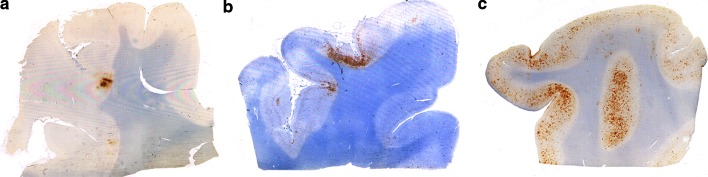
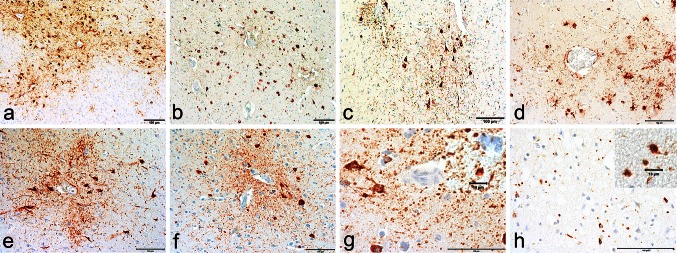
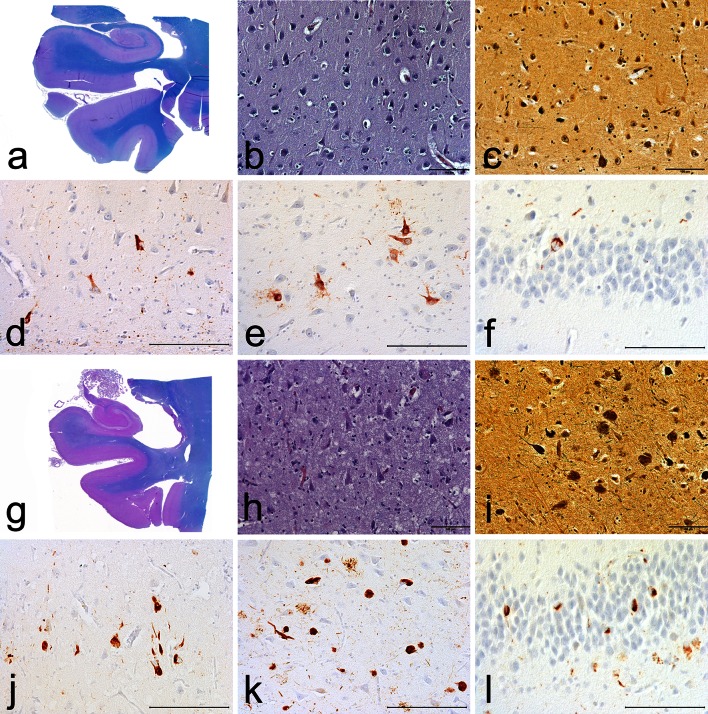
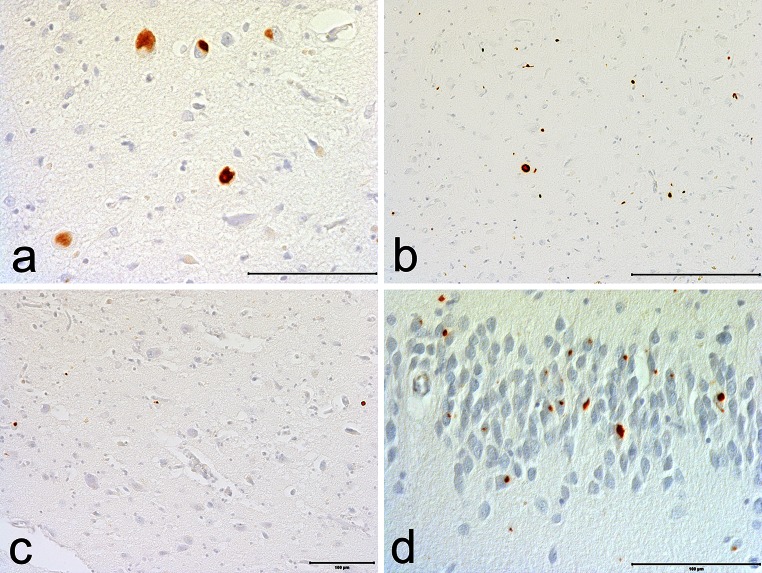
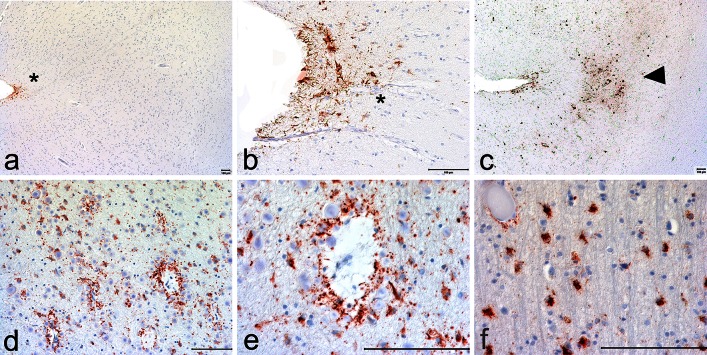
Chronic traumatic encephalopathy (CTE) is a neurodegeneration characterized by the abnormal accumulation of hyperphosphorylated tau protein within the brain. Like many other neurodegenerative conditions, at present, CTE can only be definitively diagnosed by post-mortem examination of brain tissue. As the first part of a series of consensus panels funded by the NINDS/NIBIB to define the neuropathological criteria for CTE, preliminary neuropathological criteria were used by 7 neuropathologists to blindly evaluate 25 cases of various tauopathies, including CTE, Alzheimer's disease, progressive supranuclear palsy, argyrophilic grain disease, corticobasal degeneration, primary age-related tauopathy, and parkinsonism dementia complex of Guam. The results demonstrated that there was good agreement among the neuropathologists who reviewed the cases (Cohen's kappa, 0.67) and even better agreement between reviewers and the diagnosis of CTE (Cohen's kappa, 0.78). Based on these results, the panel defined the pathognomonic lesion of CTE as an accumulation of abnormal hyperphosphorylated tau (p-tau) in neurons and astroglia distributed around small blood vessels at the depths of cortical sulci and in an irregular pattern. The group also defined supportive but non-specific p-tau-immunoreactive features of CTE as: pretangles and NFTs affecting superficial layers (layers II-III) of cerebral cortex; pretangles, NFTs or extracellular tangles in CA2 and pretangles and proximal dendritic swellings in CA4 of the hippocampus; neuronal and astrocytic aggregates in subcortical nuclei; thorn-shaped astrocytes at the glial limitans of the subpial and periventricular regions; and large grain-like and dot-like structures. Supportive non-p-tau pathologies include TDP-43 immunoreactive neuronal cytoplasmic inclusions and dot-like structures in the hippocampus, anteromedial temporal cortex and amygdala. The panel also recommended a minimum blocking and staining scheme for pathological evaluation and made recommendations for future study. This study provides the first step towards the development of validated neuropathological criteria for CTE and will pave the way towards future clinical and mechanistic studies.
Overview
The claims and statistics of this paper haven’t been checked yet.
Free: it reads the open-access text and checks the first 5 claims that cite a source we can check. Create a free account to check every claim.
Integrity signals
Registry
Cites
Statistics
Figures
Verification
Claims the paper makes
The claims and statistics of this paper haven’t been checked yet.
Free: it reads the open-access text and checks the first 5 claims that cite a source we can check. Create a free account to check every claim.
Claims other papers make about this one
Each is checked against this paper’s own text: does it say what the citing paper says it does?
The cited source doesn’t support the claim as written.
In the citing paper
“Unlike Alzheimer's, beta-amyloid plaques are uncommon in CTE.191,192”
From 2023 Alzheimer's disease facts and figures (2023) · cites this paper as [192]
Checked by a reasoning model — may be wrong.
Experimental — accuracy not yet measuredThe source backs part of the claim, not all of it — or backs it for a different population, condition or comparison.
In the citing paper
“Most of the above-mentioned gross and microscopic features have not, as yet, been independently verified as specific to CTE [27–30], and virtually all are associated with aging, other neurological diseases, or both.”
From The Need to Separate Chronic Traumatic Encephalopathy Neuropathology from Clinical Features (2017) · cites this paper as [30]
Experimental — accuracy not yet measuredThe source backs part of the claim, not all of it — or backs it for a different population, condition or comparison.
In the citing paper
“The diagnostic criteria for CTE has no lower bound, meaning that one focus of p-tau is sufficient for a diagnosis [100].”
From DNA repair deficiency and senescence in concussed professional athletes involved in contact sports (2019) · cites this paper as [100]
Experimental — accuracy not yet measuredThe source backs part of the claim, not all of it — or backs it for a different population, condition or comparison.
In the citing paper
“It has been reported that this technique may detect CTE pathology in 20% of cases that is otherwise not detectable by routine histopathological and immunohistochemical methods for dementia diagnosis (15).”
From Mild Chronic Traumatic Encephalopathy Neuropathology in People With No Known Participation in Contact Sports or History of Repetitive Neurotrauma (2019) · cites this paper as [15]
Experimental — accuracy not yet measuredThe source backs part of the claim, not all of it — or backs it for a different population, condition or comparison.
In the citing paper
“In 2015, preliminary consensus criteria were developed for defining the neuropathology of CTE, which substantially narrowed the pathology previously reported to be characteristic.”
From The Need to Separate Chronic Traumatic Encephalopathy Neuropathology from Clinical Features (2017) · cites this paper as [30]
Experimental — accuracy not yet measured
13 more claims about this paper
Create a free account to see every claim other papers make about this one.
Self-check
Percentages, sums and reported differences re-computed from the paper’s own numbers.
The self-check needs the paper’s full text.
Citations
Cites
Statistical Methods for Rates and Proportions
Fleiss, J. L., Levin, B., & Paik, M. C. (2003) · Wiley Series in Probability and Statistics · doi:10.1002/0471445428 · Cited by 18,646
Montine, T. J., Phelps, C. H., Beach, T. G., Bigio, E. H., Cairns, N. J., Dickson, D. W., Duyckaerts, C., Frosch, M. P., Masliah, E., Mirra, S. S., et al. (2012) · Acta Neuropathologica · doi:10.1007/s00401-011-0910-3 · Cited by 2,894 · cited 7×
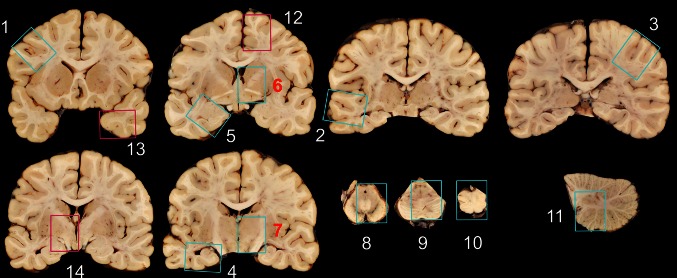
“Of the NIA-AA sampling guidelines, the following blocks are most valuable for detecting CTE: sulcal depths of the superior and middle frontal gyrus, superior and middle temporal gyrus and inferior parietal gyrus (Fig.”
BackgroundMethodInfluentialSelf-citationChronic traumatic encephalopathy in athletes: Progressive tauopathy after repetitive head injury
McKee, A. C., Cantu, R. C., Nowinski, C. J., Hedley-Whyte, E. T., Gavett, B. E., Budson, A. E., Santini, V. E., Lee, H.-S., Kubilus, C. A., & Stern, R. A. (2009) · Journal of Neuropathology & Experimental Neurology · doi:10.1097/nen.0b013e3181a9d503 · Cited by 2,295 · cited 2×
“Although 9 of the 10 subjects diagnosed with CTE in this study were former American football players and only one was a former professional boxer, previous data has shown that the pathological features of CTE associated with boxing (often referred to as “dementia pugilistica”) are similar to the pathological features…”
ResultSelf-citationThe spectrum of disease in chronic traumatic encephalopathy
McKee, A. C., Stein, T. D., Nowinski, C. J., Stern, R. A., Daneshvar, D. H., Alvarez, V. E., Lee, H.-S., Hall, G., Wojtowicz, S. M., Baugh, C. M., et al. (2013) · Brain · doi:10.1093/brain/aws307 · Cited by 2,098 · cited 7×
“Although 9 of the 10 subjects diagnosed with CTE in this study were former American football players and only one was a former professional boxer, previous data has shown that the pathological features of CTE associated with boxing (often referred to as “dementia pugilistica”) are similar to the pathological features…”
BackgroundMethodResultInfluentialSelf-citationPrimary age-related tauopathy (PART): a common pathology associated with human aging
Crary, J. F., Trojanowski, J. Q., Schneider, J. A., Abisambra, J. F., Abner, E. L., Alafuzoff, I., Arnold, S. E., Attems, J., Beach, T. G., Bigio, E. H., et al. (2014) · Acta Neuropathologica · doi:10.1007/s00401-014-1349-0 · Cited by 1,467 · cited 1×
“The neuropathologists were given a tauopathy criteria guide that provided the provisional criteria for CTE [32] as well as published criteria for the other tauopathies (See supplementary material for full tauopathy criteria guide) [4, 7, 11, 21, 25, 34, 40, 47].”
MethodSelf-citationCairns, N. J., Bigio, E. H., Mackenzie, I. R. A., Neumann, M., Lee, V. M.-Y., Hatanpaa, K. J., White, C. L., Schneider, J. A., Grinberg, L. T., Halliday, G., et al. (2007) · Acta Neuropathologica · doi:10.1007/s00401-007-0237-2 · Cited by 1,110 · cited 1×
“The neuropathologists were given a tauopathy criteria guide that provided the provisional criteria for CTE [32] as well as published criteria for the other tauopathies (See supplementary material for full tauopathy criteria guide) [4, 7, 11, 21, 25, 34, 40, 47].”
MethodSelf-citationGoldstein, L. E., Fisher, A. M., Tagge, C. A., Zhang, X.-L., Velisek, L., Sullivan, J. A., Upreti, C., Kracht, J. M., Ericsson, M., Wojnarowicz, M. W., et al. (2012) · Science Translational Medicine · doi:10.1126/scitranslmed.3003716 · Cited by 958 · cited 1×
“Recent neuropathological studies have identified CTE in athletes who played soccer, baseball, ice hockey and rugby, as well as in military personnel exposed to explosive blast [15, 29, 31, 32, 36, 45].”
BackgroundSelf-citationChronic Traumatic Encephalopathy in a National Football League Player
Omalu, B. I., DeKosky, S. T., Minster, R. L., Kamboh, M. I., Hamilton, R. L., & Wecht, C. H. (2005) · Neurosurgery · doi:10.1227/01.neu.0000163407.92769.ed · Cited by 894
Hauw, J.-J., Daniel, S. E., Dickson, D., Horoupian, D. S., Jellinger, K., Lantos, P. L., McKee, A., Tabaton, M., & Litvan, I. (1994) · Neurology · doi:10.1212/wnl.44.11.2015 · Cited by 852 · cited 6×
“In the 15 other tauopathy cases (cases submitted for review with diagnoses other than CTE) (Supplementary Table 2), the reviewers generally agreed with the submission diagnoses of AD (97.1 % of responses), CBD (92.8 %), and PART (78.5 %); however, there were frequent discrepancies in cases with the presumptive diagnos…”
MethodInfluentialSelf-citationCorsellis, J. A. N., Bruton, C. J., & Freeman-Browne, D. (1973) · Psychological Medicine · doi:10.1017/s0033291700049588 · Cited by 836 · cited 2×
“While initial reports of boxers with CTE described cerebellar scarring, atrophy and loss of Purkinje cells [5], recent studies of pugilists find that cerebellar pathology is rare aside from p-tau NFTs and neurites in the dentate nucleus, Purkinje cells and roof of the 4th ventricle [28, 32].”
Result
Research works printed but not linked: 2
- Darby A, Adams J, Babcock K, Avarez V, Stein T, McKee A (2015) Detection of CTE in autopsy cohorts using restricted cortical sampling. In: Journal of Neuropathology and Experimental Neurology, vol 6. Lippincott Williams and Wilkins Two Commerce SQ, 2001 Market ST, Philadelphia, pp 615–615
- Millspaugh J Dementia pugilistica US Naval Med Bull 1937 35 297Y303
Cited by
Items 601–700 of 886
Brengel, E. K., Axe, B., Maheswari, A., Abeer, M. I., Ortiz, R. J., Woodward, T. J., Walhof, R., Du, W., Utama, R., Rodrigue, B., et al. (2026) · Communications Biology · doi:10.1038/s42003-026-10804-w · Cited by 5
Han, X., Zhang, Y., Petrosky, J. N., Bald, S., Sherva, R., Labadorf, A. T., Cherry, J. D., Chung, J., Farrell, K. W., Abdolmohammadi, B., et al. (2025) · Cell Reports Medicine · doi:10.1016/j.xcrm.2025.102084 · Cited by 6
Self-citationPlasma and MRI biomarkers capture neuronal damage in former professional boxers
Kamps, S., van Amerongen, S., Blujdea, E. R., Hoppen, M. I., Bongers, B., Schelvis, K. H., Caton, D. K., Königs, M., Teunissen, C. E., Scheltens, P., et al. (2025) · Scientific Reports · doi:10.1038/s41598-025-93066-6 · Cited by 4
“Whilst astrocytes are important in maintaining integrity of the blood-brain barrier, the ongoing elevation can contribute to neuroinflammation and neurodegeneration, which are processes associated with i.e. CTE 23,24 .”
Tod eines Boxers: Beispiel für eine chronische traumatische Enzephalopathie (CTE)
Günther, M., Becker, J. U., Wegner, C., Brück, W., & Pauli, R. (2016) · Rechtsmedizin · doi:10.1007/s00194-016-0133-y · Cited by 3
Assessment of Sports Concussion in Female Athletes: A Role for Neuroinformatics?
Edelstein, R., Gutterman, S., Newman, B. T., & Horn, J. D. V. (2024) · Neuroinformatics · doi:10.1007/s12021-024-09680-8 · Cited by 5
Cantu, R. C. (2014) · Springer eBooks · doi:10.1007/978-1-4939-0295-8_2 · Cited by 4
Neurofilament Protein and Antineurofilament Antibodies Following Traumatic Brain Injury—Reply
Shahim, P., Zetterberg, H., & Blennow, K. (2017) · JAMA Neurology · doi:10.1001/jamaneurol.2016.5905 · Cited by 4
Shining (Laser) Light on Traumatic Brain Injury Blood Biomarkers
Goldstein, L. E., & McKee, A. C. (2017) · JAMA Neurology · doi:10.1001/jamaneurol.2017.0800 · Cited by 4
Self-citationLong-Term Neurocognitive, Mental Health Consequences of Contact Sports
Willer, B. S., Haider, M. N., Wilber, C., Esopenko, C., Turner, M., & Leddy, J. J. (2020) · Clinics in Sports Medicine · doi:10.1016/j.csm.2020.08.012 · Cited by 5
Klotz, S., & Gelpí, E. (2021) · Wiener Medizinische Wochenschrift · doi:10.1007/s10354-021-00848-4 · Cited by 6
Dhote, V. V., Samundre, P., Upaganlawar, A., & Ganeshpurkar, A. (2021) · Current Gene Therapy · doi:10.2174/1566523221666211123101441 · Cited by 5
Die funktionelle Neuroanatomie des limbischen Systems
Dicke, U. (2020) · Psychoneurowissenschaften · doi:10.1007/978-3-662-59038-6_2 · Cited by 1
Cantu, R. C., & Uretsky, M. (2021) · Springer eBooks · doi:10.1007/978-3-030-75564-5_1 · Cited by 6
Recent Treatment Strategies in Alzheimer's Disease and Chronic Traumatic Encephalopathy
Lucke-Wold, B. P. (2022) · Biomedical Research and Clinical Reviews · doi:10.31579/2692-9406/128 · Cited by 5
“Due to the unique neuropathological phenotype associated with CTE, confirmational diagnostic strategies currently require post-mortem examination [98,99].”
BackgroundImaging Approach to Concussion
Ware, J. B., & Sandsmark, D. K. (2023) · Neuroimaging Clinics of North America · doi:10.1016/j.nic.2023.01.002 · Cited by 6
Abbate, C. (2018) · Frontiers in Aging Neuroscience · doi:10.3389/fnagi.2018.00308 · Cited by 4
“fact, it is in perivascular regions and depths of sulci, that are the most stressed sites (McKee et al., 2016; Vile and Atkinson, 2017).”
Kovács, G. G., Robinson, J. L., Perl, D. P., Lee, V. M. ‐., & Trojanowski, J. Q. (2020) · Acta Neuropathologica · doi:10.1007/s00401-020-02192-0 · Cited by 4
Self-citationThe neurological risks of playing association football
Cockerell, O. C., Hayes, N. I., & Sylvester, R. J. (2021) · JRSM Open · doi:10.1177/20542704211055558 · Cited by 4
Management of Neuropsychiatric Symptoms for Chronic Traumatic Encephalopathy
Fusco, A. F., Olowofela, B. O., Dagra, A., Hatem, R., Pierre, K., Siyanaki, M. R. H., & Lucke-Wold, B. P. (2022) · MedPress Psychiatry and Behavioral Sciences · doi:10.33582/mppbs.2022.202209003 · Cited by 3
Chronic Traumatic Encephalopathy
Kanthasamy, A. G., Anantharam, V., Jin, H., Ghaisas, S., Zenitsky, G. D., & Kanthasamy, A. (2016) · Springer eBooks · doi:10.1007/978-3-319-44022-4_38 · Cited by 5
Chief Concern: “I'm Worried I Have Chronic Traumatic Encephalopathy”
Brody, D. L. (2018) · Annals of Internal Medicine · doi:10.7326/m17-2707 · Cited by 4
Pathological Assessment of Chronic Traumatic Encephalopathy: Review of Concepts and Methodology
Ommeren, R. V., & Hazrati, L. (2018) · Academic Forensic Pathology · doi:10.1177/1925362118797729 · Cited by 4
Sports Medicine and Adaptive Sports
McMullen, C. W., Latzka, E. W., Laker, S. R., Luigi, A. J. D., & Harrast, M. A. (2020) · Elsevier eBooks · doi:10.1016/b978-0-323-62539-5.00039-4 · Cited by 8
The Influence of Family History of Neurodegenerative Disease on Adolescent Concussion Outcomes
Coffman, C. A., Harrison, A. T., Kay, J., Holloway, J. P., Fountaine, M. F. L., & Moore, R. D. (2021) · Journal of Clinical Medicine · doi:10.3390/jcm10030528 · Cited by 4
“, chronic traumatic encephalopathy, Alzheimer’s, Parkinson’s and dementia) in retired athletes [22,23], investigators have begun to examine how genetic precursors of neurodegenerative diseases might influence recovery trajectories following a concussion.”
Smith, C. (2022) · Elsevier eBooks · doi:10.1016/b978-0-323-85654-6.00010-1 · Cited by 5
Chronic Traumatic Encephalopathy in Football Players
Zuckerman, S. L., Brett, B. L., & Yengo-Kahn, A. M. (2017) · JAMA · doi:10.1001/jama.2017.16667 · Cited by 4
Iverson, G. L., Luoto, T. M., & Castellani, R. J. (2020) · Journal of Neuropathology & Experimental Neurology · doi:10.1093/jnen/nlaa047.001 · Cited by 5
“” The consensus criteria (11) indicate that p-tau aggregates in the amygdala can be considered “supportive” criteria for the neuropathology of CTE.”
BackgroundNovoseltseva, A., Küreli, G., Chang, S., Yang, J., Antinew, P. D., Chandra, A., Berghol, S. A., Spurlock, E., McKee, A. C., Huber, B. R., et al. (2025) · Alzheimer s & Dementia · doi:10.1002/alz.70582 · Cited by 5
“…this is not a brain region that displays early pathological markers, we selected it because it has pronounced accumulation of p-tau at the late stages of both AD and CTE, 7,8,38 and because we sought to assess whether local indications of myelin structural degradation precede protein depositions.”
InfluentialSelf-citationProgress in Concussion/Traumatic Brain Injury Science and Clinical Care Over the Last 40 Years
Silverberg, N. D., & Leddy, J. J. (2025) · Journal of Head Trauma Rehabilitation · doi:10.1097/htr.0000000000001102 · Cited by 3
Cerebrovascular remodeling in aging and neurodegenerative disease progression
Halvorsen, S., Gkousioudi, A., Nicks, R., Alvarez, V. E., Bigio, I. J., Zaia, J., Stein, T. D., & Zhang, Y. (2025) · Frontiers in Bioengineering and Biotechnology · doi:10.3389/fbioe.2025.1597917 · Cited by 6
Self-citationAranha, M. R., Coutinho, A. M., Carneiro, C. D. G., Pastorello, B., Studart‐Neto, A., Guariglia, C., Tsunemi, M. H., Moreira, E. L. S., Ianof, J. N., Anghinah, R., et al. (2023) · Arquivos de Neuro-Psiquiatria · doi:10.1055/s-0043-1768666 · Cited by 5
Chronic traumatic encephalopathy neuropathologic change in former Australian rugby players
Shepherd, C. E., McCann, H., McLean, C. A., Iverson, G. L., & Gardner, A. J. (2024) · Neuropathology and Applied Neurobiology · doi:10.1111/nan.12972 · Cited by 5
Altaras, C., Ly, M. T., Schultz, O., Barr, W., Banks, S. J., Wethe, J. V., Tripodis, Y., Adler, C. H., Balcer, L. J., Bernick, C. B., et al. (2025) · The Clinical Neuropsychologist · doi:10.1080/13854046.2025.2453103 · Cited by 3
“CTE is a neuropathological diagnosis that can only be identified postmortem on autopsy using published diagnostic criteria (Bieniek et al., 2021; McKee et al., 2016), with research validating in-vivo biomarkers and its clinical presentation in life still ongoing.”
Self-citationPitteu, C., Lepère, P., Poisson, P., Guillaud, É., Doat, E., Glize, B., Dehail, P., & Cassoudesalle, H. (2025) · EBioMedicine · doi:10.1016/j.ebiom.2025.105674 · Cited by 5
Festoff, B. W., Sajja, R. K., & Cucullo, L. (2017) · BioMed Research International · doi:10.1155/2017/1549194 · Cited by 3
“McKee and other neuropathologists on the criteria for CTE diagnosis [81].”
BackgroundLeggieri, M., Gupta, R. K., & Hinds, S. (2017) · Journal of Neurotrauma · doi:10.1089/neu.2017.29013.introduction · Cited by 2
Head impacts in youth national hockey leagues in Slovakia: a retrospective analysis of four seasons
Majdán, M., Tóth, I., Barila, P., Peráček, P., Peráčková, J., Parničan, S., Cente, M., & Filipčík, P. (2021) · General Physiology and Biophysics · doi:10.4149/gpb_2021041 · Cited by 3
Age-Related Trajectories of Brain Structure–Function Coupling in Female Roller Derby Athletes
Monroe, D. C., DuBois, S. L., Rhea, C. K., & Duffy, D. (2021) · Brain Sciences · doi:10.3390/brainsci12010022 · Cited by 4
“Currently, these processes are only detectable by postmortem assays of phosphorylated tau in neurons, astrocytes, and the perivascular space around small vessels at the depths of the cortical sulci [13].”
BackgroundPriemer, D. S., & Perl, D. P. (2022) · Free Neuropathology · doi:10.17879/freeneuropathology-2022-4495 · Cited by 3
“Free Neuropathology 3:26 (2022) Priemer et al”
Self-citationLate Presentation of Chronic Traumatic Encephalopathy in a Former Association Football Player
Cullinane, P. W., Wrigley, S., Bradshaw, T. Y., Shaw, K., Shribman, S., Pablo‐Fernández, E. D., Warner, T. T., & Jaunmuktane, Z. (2023) · Movement Disorders Clinical Practice · doi:10.1002/mdc3.13829 · Cited by 3
“Hyperphosphorylated tau accumulation in neurons and astroglia distributed around small blood vessels at the depths of cortical sulci is considered pathognomonic for CTE.”
BackgroundInfluentialTau Imaging in Late Traumatic Brain Injury: A [ 18 F]MK-6240 Positron Emission Tomography Study
Vanderlinden, G., Michiels, L., Koole, M. J. B., Lemmens, R., Liessens, D., Walleghem, J. V., Depreitere, B., Vandenbulcke, M., & Laere, K. V. (2023) · Journal of Neurotrauma · doi:10.1089/neu.2023.0085 · Cited by 3
Bakhtiarydavijani, A., & Stone, T. W. (2024) · Journal of the mechanical behavior of biomedical materials/Journal of mechanical behavior of biomedical materials · doi:10.1016/j.jmbbm.2024.106489 · Cited by 3
Iverson, G. L., Gardner, A. J., Castellani, R. J., & Kissinger-Knox, A. M. (2024) · Neurotrauma Reports · doi:10.1089/neur.2023.0134 · Cited by 8
Qi, B., Guan, L., Tan, J., Li, G., Sun, Y., Zhang, Q., & Zou, Y. F. (2025) · Physical Chemistry Chemical Physics · doi:10.1039/d4cp03207a · Cited by 3
When did “I don't know” become a diagnosis? A conceptual review on diagnoses of exclusion
Papandreas, M., Carrasco‐Labra, A., & Glick, M. (2025) · Oral Surgery Oral Medicine Oral Pathology and Oral Radiology · doi:10.1016/j.oooo.2025.08.020 · Cited by 3
Multiple Pathologic Pathways to Dementia in Football Players With Chronic Traumatic Encephalopathy
Schneider, J. A. (2019) · JAMA Neurology · doi:10.1001/jamaneurol.2019.1089 · Cited by 3
Chronic Traumatic Encephalopathy
Muñoz, D. G., & Mackenzie, I. R. (2022) · Springer eBooks · doi:10.1007/978-3-030-93813-0_11 · Cited by 3
Blood–Brain Barrier Disruption
Milikovsky, D. Z., Kaufer, D., & Friedman, A. (2017) · Elsevier eBooks · doi:10.1016/b978-0-12-804066-9.00066-3 · Cited by 3
Ojo, J. O., Leary, P., Lungmus, C., Algamal, M., Mouzon, B., Bachmeier, C. J., MULLAN, M. J., Stewart, W. B., Jr., & Crawford, F. (2018) · Journal of Neuropathology & Experimental Neurology · doi:10.1093/jnen/nly101 · Cited by 3
A comparison of the spatial patterns of β-amyloid (Aβ) deposits in five neurodegenerative disorders
Armstrong, R. A. (2018) · Folia Neuropathologica · doi:10.5114/fn.2018.80860 · Cited by 5
Tau Protein in Drug-Resistant Epilepsy and Cognitive Decline
Thom, M., & Koepp, M. J. (2021) · Progress in inflammation research · doi:10.1007/978-3-030-67403-8_7 · Cited by 3
He, G., & Fan, L. (2022) · Acta Mechanica Solida Sinica · doi:10.1007/s10338-022-00309-4 · Cited by 3
“In 2016, the National Institute of Neurological Disorders and Stroke (NINDS) and the National Institute of Biomedical Imaging and Bioengineering (NIBIB) reached a consensus that formally defined the pathology of CTE as an accumulation of p-tau protein in an irregular pattern within the brain [4].”
BackgroundAbstracts from The 35 th Annual National Neurotrauma Symposium July 7–12, 2017 Snowbird, Utah
circuits, H. I. P. S. C.-D. N. S. C. (.-N. R. A. E. T. S. F. T. S. C. I. (. A. T. C. R. L. N., Unfortunately, R. D. A. A. P. L. T. S., recovery, M. P. A. I. T. C. P. O. T. I. W. D. C. S. P. (. S. S. I. N. O. A. R. C. M. S. S.-M. E. H. B. S. T. S. E. N.-M., however, hiPS-NSCs, N. I. A. C. P. O.-T. E. W. A. T. G. A. G.-E. L. O., cells, T. S. M. M. A. R. T. (., regions, U. C. O. E. A. S.-M. E. W. T. H. E. T. E. F. R. A. P. E. W. N.-V. I. I. H.-N. A. A. M. L. O. S. C. W. G. A. E. C. T. E. E. R. D. C. O. B. A. A. A. N. T. E. I. C.-R., Furthermore, media, U. W.-T. H.-N., in, C. S. C. M. C. D. P.-I. R. C., et al. (2017) · Journal of Neurotrauma · doi:10.1089/neu.2017.29011.abstracts · Cited by 3
Freeman, K., Sackheim, A. M., Mughal, A., Koide, M., Bonson, G., Ebner, G., Hennig, G. W., Lockette, W. E., & Nelson, M. T. (2023) · bioRxiv (Cold Spring Harbor Laboratory) · doi:10.1101/2023.08.08.552492 · Cited by 3
“The precise and efficient delivery of nutrients to active neurons in the brain relies on the intricate network of capillaries in which local inositol 1,4,5-triphosphate IP 3 receptor (IP 3 R)–mediated calcium (Ca 2+ ) signals through nitric oxide production direct blood flow 8 .”
Murine Non-Transgenic Models of Alzheimer’s Disease Pathology: Focus on Risk Factors
Rodríguez, M. H., López, J. M. V., Rosas, M., Nicolás‐Vázquez, M. I., & Jiménez, E. M. (2025) · Brain Sciences · doi:10.3390/brainsci15030322 · Cited by 3
Mulvaney, S. W., Mahadevan, S., Desronvilles, R. J., Dineen, K. J., & Olmsted, K. R. (2025) · Biomedicines · doi:10.3390/biomedicines13071526 · Cited by 2
“Furthermore, microtubule damage as sequelae of TBI or concussions is suspected to cause tau protein accumulation through prion-like spread and is associated with other neurodegenerative conditions like chronic traumatic encephalopathy and Alzheimer’s disease [21–24].”
Association Between Concussion and Risk of Suicide Among Youth and Young Adults
Yang, J. G., Brock, G. N., Steelesmith, D. L., Thompson, A., Llamocca, E. N., Bridge, J. A., & Fontanella, C. A. (2025) · American Journal of Preventive Medicine · doi:10.1016/j.amepre.2025.108127 · Cited by 2
Selmanovic, E., Seifert, A. C., Delman, B. N., Pruyser, A., Thorn, E. L., Nolan, A., Keene, C. D., Walker, J. M., Crary, J. F., Hof, P. R., et al. (2025) · Journal of Neuropathology & Experimental Neurology · doi:10.1093/jnen/nlaf117 · Cited by 3
“14,15 Briefly, for each case, comprehensive sampling exceeded the recommended anatomical regions required per CTE consensus criteria (blocks submitted, 23-65 per brain, median 42) but did not differ across cases in this series, to minimize detection bias.”
Self-citationRepetitive Head Impacts: Definitional Challenges, Clinical Implications, and Research Directions
Rabinowitz, A. R., Tracey, A. J., & Sergeyenko, Y. (2025) · Current Physical Medicine and Rehabilitation Reports · doi:10.1007/s40141-025-00518-1 · Cited by 3
Neuroglia in traumatic brain injury: Pathophysiology and therapeutic targeting
Suk, K. (2026) · Brain Network Disorders · doi:10.1016/j.bnd.2026.03.002 · Cited by 4
Tackling the brain: Clues emerge about the pathology of sports-related brain trauma
Keener, A. B. (2016) · Nature Medicine · doi:10.1038/nm0416-326 · Cited by 3
Clinical Manifestations of CTE: Disruptions in Cognition, Mood, & Behavior
Golden, C. J., & Zusman, M. R. (2019) · SpringerBriefs in psychology · doi:10.1007/978-3-030-23288-7_2 · Cited by 5
Sports-Related Traumatic Brain Injury and Concussion
Martins, D. (2021) · Springer eBooks · doi:10.1007/978-3-030-64316-4_8 · Cited by 2
Dementia After Traumatic Brain Injury
Koliatsos, V. E., Rao, V., & Alexandris, A. S. (2021) · Advances in Psychiatry and Behavioral Health · doi:10.1016/j.ypsc.2021.05.018 · Cited by 2
Chronic traumatic encephalopathy: genes load the gun and repeated concussion pulls the trigger
Vink, R., & Corrigan, F. (2022) · Neural Regeneration Research · doi:10.4103/1673-5374.335147 · Cited by 2
“Notably, we do not have an epidemic of CTE associated with the increased participation in contact sports, with the incidence of the disease in the general community having been reported to be extremely low (Postupna et al., 2021).”
BackgroundPavel, D. G., Henderson, T. A., DeBruin, S., & Cohen, P. F. (2022) · Frontiers in Neurology · doi:10.3389/fneur.2022.851609 · Cited by 2
Prevalence and Distribution of Lewy Pathology in a Homeless Population
Danics, K., Visanji, N. P., Ichimata, S., Mathur, S., Sára-Klausz, G., & Kovács, G. G. (2023) · Canadian Journal of Neurological Sciences / Journal Canadien des Sciences Neurologiques · doi:10.1017/cjn.2023.291 · Cited by 2
Chronic Traumatic Encephalopathy
Wallingford, A., & Junn, C. (2024) · Physical Medicine and Rehabilitation Clinics of North America · doi:10.1016/j.pmr.2024.02.011 · Cited by 2
Laker, S. R., & Nicolosi, C. (2024) · Physical Medicine and Rehabilitation Clinics of North America · doi:10.1016/j.pmr.2024.02.007 · Cited by 2
Hearn, R., Selfe, J., Cordero, M. I., & Dobbin, N. (2024) · PLoS ONE · doi:10.1371/journal.pone.0302260 · Cited by 3
“CTE has now been diagnosed post-mortem in former American football, football (soccer), rugby, Australian rules football, ice hockey, baseball, and wrestling athletes, as well as military personnel and domestic abuse victims [1–3].”
BackgroundKarr, J. E., & Ingram, E. O. (2024) · The Clinical Neuropsychologist · doi:10.1080/13854046.2024.2399797 · Cited by 3
“…recently, researchers funded by the National Institute of Neurological Disorders and Stroke (NINDS) aimed to develop consensus neuropathological research criteria for CTE as a neurodegenerative condition resulting from exposure to repetitive head impacts (Bieniek et al., 2021; McKee et al., 2016).”
Hapig, M., Zurstiege, G., Mayer, J., Thiel, A., & John, J. M. (2024) · Frontiers in Sports and Active Living · doi:10.3389/fspor.2024.1446680 · Cited by 6
Unprecedented Combination of Rare Degenerative Pathologies in an Octogenarian Ex‐Football Player
Forrest, S. L., Sadia, N., Khodadadi, M., Tator, C. H., Green, R., Tartaglia, M. C., & Kovács, G. G. (2025) · Neuropathology · doi:10.1111/neup.70004 · Cited by 1
Traumatic Encephalopathy Syndrome in the Late Effects of Traumatic Brain Injury (LETBI) Study Cohort
Dams-O’Connor, K., Selmanovic, E., Pruyser, A., Spielman, L. A., Bulas, A. M., Watson, E., Mez, J., & Hoffman, J. M. (2025) · Neurology Open Access · doi:10.1212/wn9.0000000000000015 · Cited by 3
Self-citationIverson, G. L., Jamshidi, P., Deep‐Soboslay, A., Hyde, T. M., Kleinman, J. E., Hazrati, L., & Castellani, R. J. (2025) · Journal of Alzheimer s Disease · doi:10.1177/13872877251351524 · Cited by 2
Imaging of neuroinflammation due to repetitive head injury in currently active kickboxers
Stormezand, G. N., Doorduin, J., Rakers, S. E., Spikman, J. M., van der Naalt, J., García, D. V., van der Hoorn, A., van der Weijden, C. W. J., Kremer, B. P. H., Renken, R. J., et al. (2022) · European Journal of Nuclear Medicine and Molecular Imaging · doi:10.1007/s00259-022-05715-x · Cited by 3
“In 2015, consensus criteria became available which defined accumulation of abnormal tau proteins in neurons and astroglia around small blood vessels at the depth of cortical sulci in an irregular pattern as pathognomonic for the disease [8].”
BackgroundTraumatic Brain Injury: Nuclear Medicine Neuroimaging
Sánchez-Catasús, C. A., García, D. V., Morales, E. L. R., Sánchez, R. G., & Dierckx, R. A. J. O. (2014) · Springer eBooks · doi:10.1007/978-3-642-54307-4_45 · Cited by 2
Thomas-Antérion, C., & Sellal, F. (2016) · Pratique Neurologique - FMC · doi:10.1016/j.praneu.2016.07.001 · Cited by 6
Return to Play After a Sports-Related Head Injury
Sindelar, B., Patel, V. A., & Bailes, J. E. (2017) · Contemporary Neurosurgery · doi:10.1097/01.cne.0000516087.03855.69 · Cited by 2
Pathology of Chronic Traumatic Encephalopathy
McKee, A. C., Stein, T. D., Huber, B. R., & Alvarez, V. E. (2017) · Elsevier eBooks · doi:10.1016/b978-0-323-54425-2.00002-3 · Cited by 2
Self-citationChronic traumatic encephalopathy and age of first exposure to American‐style football
Pascual‐Leone, Á., & ZAFONTE, R. D. (2018) · Annals of Neurology · doi:10.1002/ana.25258 · Cited by 2
Chronic Traumatic Encephalopathy
Barr, W., & Karantzoulis, S. (2019) · Clinical handbooks in neuropsychology · doi:10.1007/978-3-319-93497-6_43 · Cited by 2
Hypothesis: Entrapment of lipoprotein particles in the brain causes Alzheimer’s disease
Boche, D., & Nicoll, J. A. R. (2021) · Free Neuropathology · doi:10.17879/freeneuropathology-2021-3459 · Cited by 3
“This relative deficiency of cholesterol, when recurrent over time with repeated blows to the head, could explain the development of tangles in CTE [51-56] [65] Studies using cerebral organoids derived from AD patients highlight an association of tau pathology with APOE ε4 carriage [69].”
The Functional Neuroanatomy of the Limbic System
Dicke, U. (2023) · Springer eBooks · doi:10.1007/978-3-662-65774-4_2 · Cited by 2
Bedggood, M. J., Essex, C., Theadom, A., Murray, H. C., Hume, P. A., Holdsworth, S. J., Faull, R. L. M., & Pedersen, M. (2025) · Journal of Neuroscience Research · doi:10.1002/jnr.70034 · Cited by 2
“…after clinical recovery, it remains unknown what the longer-term implications are, especially as cortical regions are known to be an early marker for cumulative damage and chronic injury, including neurodegenerative disease (Bieniek et al. 2021; Ghajari et al. 2017; McKee et al. 2016, 2018).”
LONG-TERM CONSEQUENCES OF TRAUMATIC BRAIN INJURY IN ICE-HOCKEY PLAYERS
Sekretnyi, V., & Nekhanevych, O. B. (2020) · Bulletin of Problems Biology and Medicine · doi:10.29254/2077-4214-2020-2-156-328-332 · Cited by 2
What do we know about the risks of developing dementia after traumatic brain injury?
Raymont, V., & Thayanandan, T. (2021) · Minerva Medica · doi:10.23736/s0026-4806.20.07084-6 · Cited by 3
McAbee, G. N. (2018) · Journal of Child Neurology · doi:10.1177/0883073818790169 · Cited by 2
Omalu, B. I., & Hammers, J. (2021) · Neurosurgery · doi:10.1093/neuros/nyab231 · Cited by 3
Detecting a History of Repetitive Head Impacts from a Short Voice RecordingPreprint
Tauro, M. G., Ravanelli, M., & Droppelmann, C. A. (2021) · medRxiv · doi:10.1101/2021.09.20.21263753 · Cited by 3
“CTE is pathologically characterized, with diagnoses only possible post-mortem [54].”
BackgroundDementia and Cognitive Impairment
Chong, Y. F. V., & Tang, S. (2024) · Elsevier eBooks · doi:10.1016/b978-0-323-99967-0.00134-4 · Cited by 2
Vrillon, A., Spina, S., Mejía‐Perez, J. A., LaMore, T., Yballa, C., Soleimani‐Meigooni, D. N., Blazhenets, G., Boxer, A. L., Rojas, J. C., Lago, A. L., et al. (2025) · medRxiv · doi:10.1101/2025.05.14.25326954 · Cited by 2
Mez, J., Abdolmohammadi, B., Durape, S., Dwyer, B. C., Alosco, M. L., Yew, B., Pritchett, A., Fernández, N. B., Hicks, A. J., Uretsky, M., et al. (2026) · medRxiv · doi:10.64898/2026.05.24.26353505 · Cited by 2
Self-citationAnatomic and Histological Changes of the Aging Brain
Yachnis, A. T. (2019) · Cambridge University Press eBooks · doi:10.1017/9781108554350.002 · Cited by 9
Cycling: Attention Deficit Hyperactivity Disorder and Anti-Doping
Dove, J., & Rowe, L. (2020) · Cambridge University Press eBooks · doi:10.1017/9781108767187.007 · Cited by 1
Swimming: Adolescent Athlete Training Commitments
Nahman, C., Plateau, C. R., & Moorhouse, A. (2020) · Cambridge University Press eBooks · doi:10.1017/9781108767187.011 · Cited by 1
Pelayo, M. D. P. S., Pelayo, R., Albu, S., & Figueira, C. (2021) · Rehabilitación · doi:10.1016/j.rh.2021.04.004 · Cited by 1
Quantifying and Examining Reserve in Symptomatic Former National Football League Players
Foley, É. M., Tripodis, Y., Yhang, E., Koerte, I. K., Martin, B. M., Palmisano, J. N., Makris, N., Schultz, V., Lepage, C., Muehlmann, M., et al. (2021) · Journal of Alzheimer s Disease · doi:10.3233/jad-210379 · Cited by 1
Self-citationConcussions in Baseball Players
Guidry, B. S., Dragun, A. J., & Valadka, A. B. (2024) · Clinics in Sports Medicine · doi:10.1016/j.csm.2024.03.011 · Cited by 1
Metadata
- Authors
- the TBI/CTE group, McKee, A. C., Cairns, N. J., Dickson, D. W., Folkerth, R. D., Dirk Keene, C., Litvan, I., Perl, D. P., Stein, T. D., Vonsattel, J.-P., Stewart, W., Tripodis, Y., Crary, J. F., Bieniek, K. F., Dams-O’Connor, K., Alvarez, V. E., & Gordon, W. A.
- Affiliations
- Boston University (US)
- Mayo Clinic (US)
- Brigham and Women's Hospital (US)
- Uniformed Services University of the Health Sciences (US)
- Columbia University Irving Medical Center (US)
- VA Boston Healthcare System (US)
- Icahn School of Medicine at Mount Sinai (US)
- Corresponding author
- McKee, Ann C.
- ORCID
- Venue
- Acta Neuropathologica
- Published
- 2015-12-14
- Volume
- 131
- Issue
- 1
- Pages
- 75-86
- ISSN
- 0001-6322 (ISSN-L)
- 1432-0533
- PMC
- PMC4698281
- OpenAlex
- W2217184110
- Cited by
- 885
- References
- 49
- Citations by year
- 2026: 36 · 2025: 75 · 2024: 69 · 2023: 68 · 2022: 60 · 2021: 108 · 2020: 110 · 2019: 109 · 2018: 93 · 2017: 96 · 2016: 56 · 2015: 1
- FWCI
- 64.34
- Type
- journal article
- Language
- en
- Open access
- hybrid
- doi.org
- Licence
- cc-by
- creativecommons.org/licenses/by/4.0 (tdm)
- creativecommons.org/licenses/by/4.0 (vor)
- Locations
- Acta Neuropathologica (publishedVersion, cc-by)
- Europe PMC (PubMed Central) (publishedVersion, cc-by)
- PubMed Central (publishedVersion, cc-by)
- PubMed (publishedVersion)
- ENLIGHTEN (Jurnal Bimbingan dan Konseling Islam) (acceptedVersion)
- Digital Access to Scholarship at Harvard (DASH) (Harvard University) (submittedVersion, cc-by)
- Digital Commons@Becker (Washington University School of Medicine) (submittedVersion, cc-by)
- eScholarship (California Digital Library) (submittedVersion, cc-by)
- Funders
- National Institute of Neurological Disorders and Stroke (U01NS086659-01, R01NS078337, R56NS078337, R01NS095252)
- National Institute on Aging (P30-AG13846, P50 AG05681, P01 AG03991, 0572063345–5, R01AG1649)
- U.S. Department of Defense (W81XWH-13-2-0064, W81XWH-14-1-0399)
- U.S. Department of Veterans Affairs (CSP 501)
- Veterans Affairs Rehabilitation Research and Development Traumatic Brain Injury Center of Excellence (B6796-C)
- Department of Defense Peer Reviewed Alzheimer’s Research Program (DoD-PRARP #13267017)
- Andlinger Foundation
- National Football League
- WWE
- Topics
- Health Sciences › Medicine › Clinical Neurology › Traumatic Brain Injury Research
- Life Sciences › Neuroscience › Cellular and Molecular Neuroscience › Alzheimer's disease research and treatments
- Health Sciences › Medicine › Psychiatry and Mental health › Dementia and Cognitive Impairment Research
- Keywords
- chronic traumatic encephalopathy, hyperphosphorylated tau, tauopathy, neurofibrillary tangles, TDP-43 inclusions, hippocampus, cortical sulci
- MeSH terms
- Alzheimer Disease, Autopsy, Humans, Neurons, United States, Neurofibrillary Tangles, tau Proteins, Brain Injury, Chronic, Tauopathies, National Institute of Biomedical Imaging and Bioengineering (U.S.), National Institute of Neurological Disorders and Stroke (U.S.)
About these checks
Registry, retraction, Cites and statistics results are computed, not judged, with one exception: a printed reference that no index lists is read once by a model before it counts as a citation error. Claims are extracted by a model and kept only when their quote appears verbatim in the text; each cited source is then checked, with a model’s help, for whether it says what the claim relies on. Those verdicts can be wrong — read the claim’s quote and the cited source before relying on one.
Statistics and arithmetic are recomputed, not judged.
Confidence bands are shown only for fields calibrated on our annotated test set. None is calibrated yet, so no band is shown.
What counts as a claim ›How we measure confidence ›How we check this ›
Are you an author, or do you see a problem with this page? Request a review
Data sources
Bibliographic data: Semantic Scholar, OpenAlex, Crossref.
Contains information from the Semantic Scholar Academic Graph Datasets, made available under the ODC Attribution License (ODC-BY 1.0).
Semantic Scholar’s data is described in: Kinney, R., et al. (2023). The Semantic Scholar Open Data Platform. arXiv:2301.10140.
