

The first NINDS/NIBIB consensus meeting to define neuropathological criteria for the diagnosis of chronic traumatic encephalopathy
Open accessThe DOI matches its Crossref record; 48 of the 49 references it cites were found in a registry or an index.
Abstract
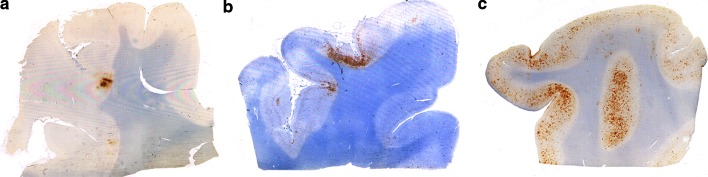
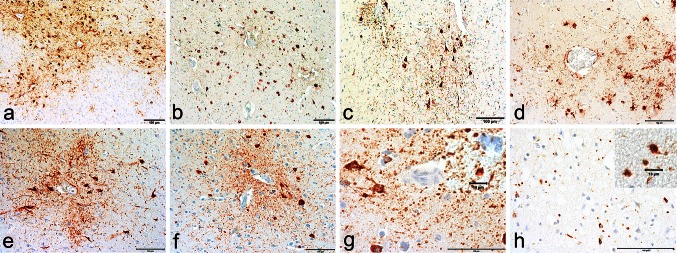
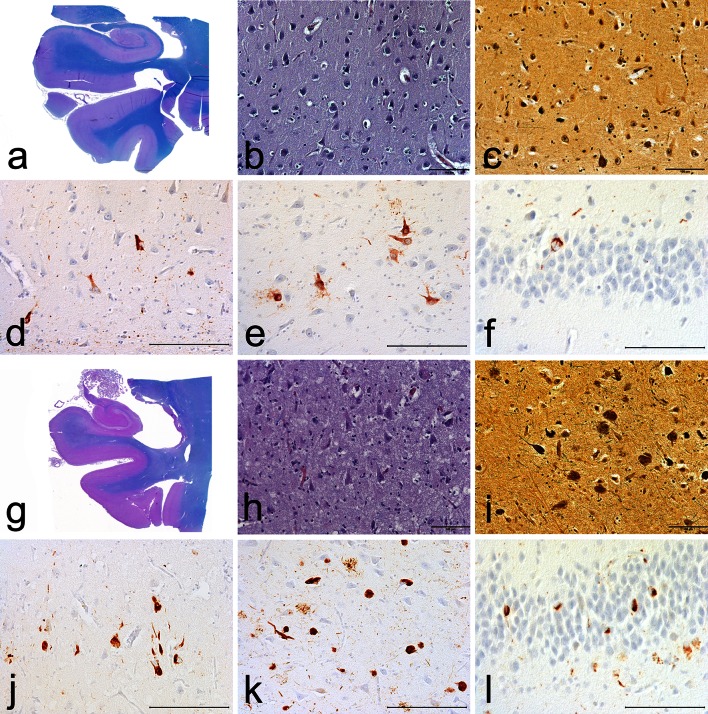
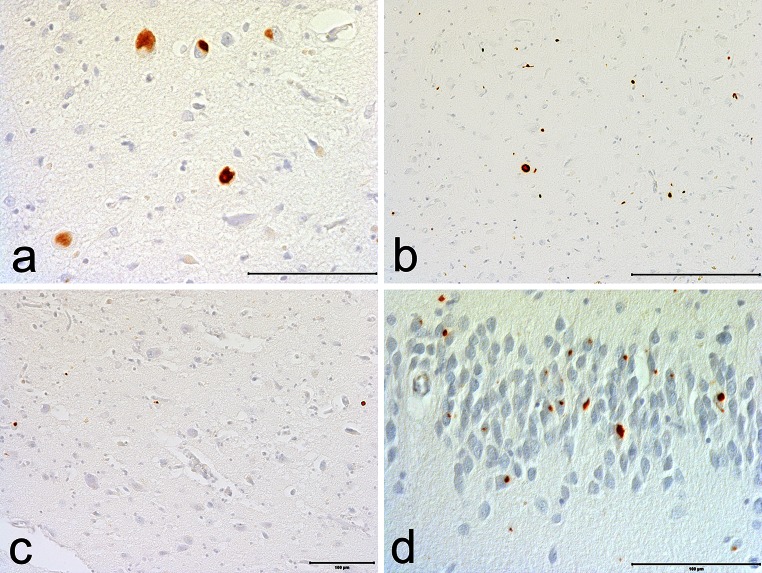
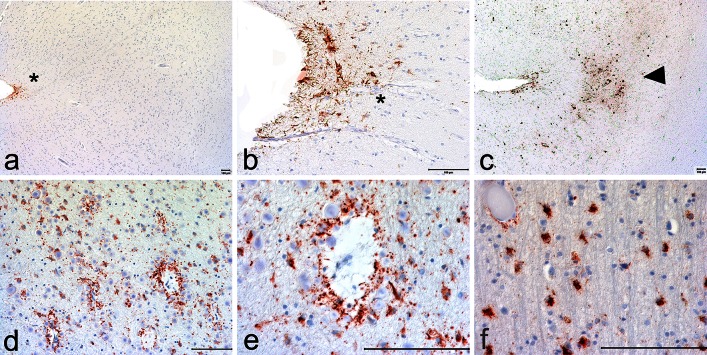
Chronic traumatic encephalopathy (CTE) is a neurodegeneration characterized by the abnormal accumulation of hyperphosphorylated tau protein within the brain. Like many other neurodegenerative conditions, at present, CTE can only be definitively diagnosed by post-mortem examination of brain tissue. As the first part of a series of consensus panels funded by the NINDS/NIBIB to define the neuropathological criteria for CTE, preliminary neuropathological criteria were used by 7 neuropathologists to blindly evaluate 25 cases of various tauopathies, including CTE, Alzheimer's disease, progressive supranuclear palsy, argyrophilic grain disease, corticobasal degeneration, primary age-related tauopathy, and parkinsonism dementia complex of Guam. The results demonstrated that there was good agreement among the neuropathologists who reviewed the cases (Cohen's kappa, 0.67) and even better agreement between reviewers and the diagnosis of CTE (Cohen's kappa, 0.78). Based on these results, the panel defined the pathognomonic lesion of CTE as an accumulation of abnormal hyperphosphorylated tau (p-tau) in neurons and astroglia distributed around small blood vessels at the depths of cortical sulci and in an irregular pattern. The group also defined supportive but non-specific p-tau-immunoreactive features of CTE as: pretangles and NFTs affecting superficial layers (layers II-III) of cerebral cortex; pretangles, NFTs or extracellular tangles in CA2 and pretangles and proximal dendritic swellings in CA4 of the hippocampus; neuronal and astrocytic aggregates in subcortical nuclei; thorn-shaped astrocytes at the glial limitans of the subpial and periventricular regions; and large grain-like and dot-like structures. Supportive non-p-tau pathologies include TDP-43 immunoreactive neuronal cytoplasmic inclusions and dot-like structures in the hippocampus, anteromedial temporal cortex and amygdala. The panel also recommended a minimum blocking and staining scheme for pathological evaluation and made recommendations for future study. This study provides the first step towards the development of validated neuropathological criteria for CTE and will pave the way towards future clinical and mechanistic studies.
Overview
The claims and statistics of this paper haven’t been checked yet.
Free: it reads the open-access text and checks the first 5 claims that cite a source we can check. Create a free account to check every claim.
Integrity signals
Registry
Cites
Statistics
Figures
Verification
Claims the paper makes
The claims and statistics of this paper haven’t been checked yet.
Free: it reads the open-access text and checks the first 5 claims that cite a source we can check. Create a free account to check every claim.
Claims other papers make about this one
Each is checked against this paper’s own text: does it say what the citing paper says it does?
The cited source doesn’t support the claim as written.
In the citing paper
“Unlike Alzheimer's, beta-amyloid plaques are uncommon in CTE.191,192”
From 2023 Alzheimer's disease facts and figures (2023) · cites this paper as [192]
Checked by a reasoning model — may be wrong.
Experimental — accuracy not yet measuredThe source backs part of the claim, not all of it — or backs it for a different population, condition or comparison.
In the citing paper
“Most of the above-mentioned gross and microscopic features have not, as yet, been independently verified as specific to CTE [27–30], and virtually all are associated with aging, other neurological diseases, or both.”
From The Need to Separate Chronic Traumatic Encephalopathy Neuropathology from Clinical Features (2017) · cites this paper as [30]
Experimental — accuracy not yet measuredThe source backs part of the claim, not all of it — or backs it for a different population, condition or comparison.
In the citing paper
“The diagnostic criteria for CTE has no lower bound, meaning that one focus of p-tau is sufficient for a diagnosis [100].”
From DNA repair deficiency and senescence in concussed professional athletes involved in contact sports (2019) · cites this paper as [100]
Experimental — accuracy not yet measuredThe source backs part of the claim, not all of it — or backs it for a different population, condition or comparison.
In the citing paper
“It has been reported that this technique may detect CTE pathology in 20% of cases that is otherwise not detectable by routine histopathological and immunohistochemical methods for dementia diagnosis (15).”
From Mild Chronic Traumatic Encephalopathy Neuropathology in People With No Known Participation in Contact Sports or History of Repetitive Neurotrauma (2019) · cites this paper as [15]
Experimental — accuracy not yet measuredThe source backs part of the claim, not all of it — or backs it for a different population, condition or comparison.
In the citing paper
“In 2015, preliminary consensus criteria were developed for defining the neuropathology of CTE, which substantially narrowed the pathology previously reported to be characteristic.”
From The Need to Separate Chronic Traumatic Encephalopathy Neuropathology from Clinical Features (2017) · cites this paper as [30]
Experimental — accuracy not yet measured
13 more claims about this paper
Create a free account to see every claim other papers make about this one.
Self-check
Percentages, sums and reported differences re-computed from the paper’s own numbers.
The self-check needs the paper’s full text.
Citations
Cites
Statistical Methods for Rates and Proportions
Fleiss, J. L., Levin, B., & Paik, M. C. (2003) · Wiley Series in Probability and Statistics · doi:10.1002/0471445428 · Cited by 18,646
Montine, T. J., Phelps, C. H., Beach, T. G., Bigio, E. H., Cairns, N. J., Dickson, D. W., Duyckaerts, C., Frosch, M. P., Masliah, E., Mirra, S. S., et al. (2012) · Acta Neuropathologica · doi:10.1007/s00401-011-0910-3 · Cited by 2,894 · cited 7×
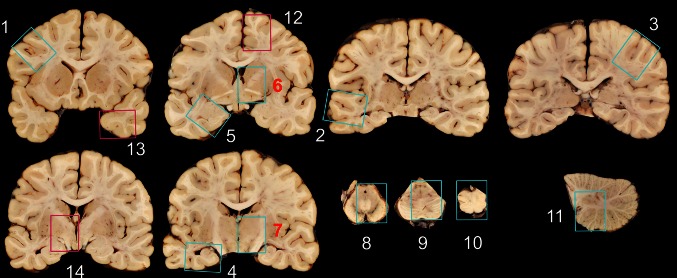
“Of the NIA-AA sampling guidelines, the following blocks are most valuable for detecting CTE: sulcal depths of the superior and middle frontal gyrus, superior and middle temporal gyrus and inferior parietal gyrus (Fig.”
BackgroundMethodInfluentialSelf-citationChronic traumatic encephalopathy in athletes: Progressive tauopathy after repetitive head injury
McKee, A. C., Cantu, R. C., Nowinski, C. J., Hedley-Whyte, E. T., Gavett, B. E., Budson, A. E., Santini, V. E., Lee, H.-S., Kubilus, C. A., & Stern, R. A. (2009) · Journal of Neuropathology & Experimental Neurology · doi:10.1097/nen.0b013e3181a9d503 · Cited by 2,295 · cited 2×
“Although 9 of the 10 subjects diagnosed with CTE in this study were former American football players and only one was a former professional boxer, previous data has shown that the pathological features of CTE associated with boxing (often referred to as “dementia pugilistica”) are similar to the pathological features…”
ResultSelf-citationThe spectrum of disease in chronic traumatic encephalopathy
McKee, A. C., Stein, T. D., Nowinski, C. J., Stern, R. A., Daneshvar, D. H., Alvarez, V. E., Lee, H.-S., Hall, G., Wojtowicz, S. M., Baugh, C. M., et al. (2013) · Brain · doi:10.1093/brain/aws307 · Cited by 2,098 · cited 7×
“Although 9 of the 10 subjects diagnosed with CTE in this study were former American football players and only one was a former professional boxer, previous data has shown that the pathological features of CTE associated with boxing (often referred to as “dementia pugilistica”) are similar to the pathological features…”
BackgroundMethodResultInfluentialSelf-citationPrimary age-related tauopathy (PART): a common pathology associated with human aging
Crary, J. F., Trojanowski, J. Q., Schneider, J. A., Abisambra, J. F., Abner, E. L., Alafuzoff, I., Arnold, S. E., Attems, J., Beach, T. G., Bigio, E. H., et al. (2014) · Acta Neuropathologica · doi:10.1007/s00401-014-1349-0 · Cited by 1,467 · cited 1×
“The neuropathologists were given a tauopathy criteria guide that provided the provisional criteria for CTE [32] as well as published criteria for the other tauopathies (See supplementary material for full tauopathy criteria guide) [4, 7, 11, 21, 25, 34, 40, 47].”
MethodSelf-citationCairns, N. J., Bigio, E. H., Mackenzie, I. R. A., Neumann, M., Lee, V. M.-Y., Hatanpaa, K. J., White, C. L., Schneider, J. A., Grinberg, L. T., Halliday, G., et al. (2007) · Acta Neuropathologica · doi:10.1007/s00401-007-0237-2 · Cited by 1,110 · cited 1×
“The neuropathologists were given a tauopathy criteria guide that provided the provisional criteria for CTE [32] as well as published criteria for the other tauopathies (See supplementary material for full tauopathy criteria guide) [4, 7, 11, 21, 25, 34, 40, 47].”
MethodSelf-citationGoldstein, L. E., Fisher, A. M., Tagge, C. A., Zhang, X.-L., Velisek, L., Sullivan, J. A., Upreti, C., Kracht, J. M., Ericsson, M., Wojnarowicz, M. W., et al. (2012) · Science Translational Medicine · doi:10.1126/scitranslmed.3003716 · Cited by 958 · cited 1×
“Recent neuropathological studies have identified CTE in athletes who played soccer, baseball, ice hockey and rugby, as well as in military personnel exposed to explosive blast [15, 29, 31, 32, 36, 45].”
BackgroundSelf-citationChronic Traumatic Encephalopathy in a National Football League Player
Omalu, B. I., DeKosky, S. T., Minster, R. L., Kamboh, M. I., Hamilton, R. L., & Wecht, C. H. (2005) · Neurosurgery · doi:10.1227/01.neu.0000163407.92769.ed · Cited by 894
Hauw, J.-J., Daniel, S. E., Dickson, D., Horoupian, D. S., Jellinger, K., Lantos, P. L., McKee, A., Tabaton, M., & Litvan, I. (1994) · Neurology · doi:10.1212/wnl.44.11.2015 · Cited by 852 · cited 6×
“In the 15 other tauopathy cases (cases submitted for review with diagnoses other than CTE) (Supplementary Table 2), the reviewers generally agreed with the submission diagnoses of AD (97.1 % of responses), CBD (92.8 %), and PART (78.5 %); however, there were frequent discrepancies in cases with the presumptive diagnos…”
MethodInfluentialSelf-citationCorsellis, J. A. N., Bruton, C. J., & Freeman-Browne, D. (1973) · Psychological Medicine · doi:10.1017/s0033291700049588 · Cited by 836 · cited 2×
“While initial reports of boxers with CTE described cerebellar scarring, atrophy and loss of Purkinje cells [5], recent studies of pugilists find that cerebellar pathology is rare aside from p-tau NFTs and neurites in the dentate nucleus, Purkinje cells and roof of the 4th ventricle [28, 32].”
Result
Research works printed but not linked: 2
- Darby A, Adams J, Babcock K, Avarez V, Stein T, McKee A (2015) Detection of CTE in autopsy cohorts using restricted cortical sampling. In: Journal of Neuropathology and Experimental Neurology, vol 6. Lippincott Williams and Wilkins Two Commerce SQ, 2001 Market ST, Philadelphia, pp 615–615
- Millspaugh J Dementia pugilistica US Naval Med Bull 1937 35 297Y303
Cited by
Items 101–200 of 886
Data-Driven Risk Classification of Concussion Rates: A Systematic Review and Meta-Analysis
Pelt, K. L. V., Puetz, T., Swallow, J. S., Lapointe, A. P., & Broglio, S. P. (2021) · Sports Medicine · doi:10.1007/s40279-021-01428-7 · Cited by 96
Injury cascades in TBI-related neurodegeneration
DeKosky, S. T., & Asken, B. M. (2017) · Brain Injury · doi:10.1080/02699052.2017.1312528 · Cited by 101
“Recently published pathological criteria defined pTau aggregates in neurons, astrocytes, and cell processes around small vessels in cluster patterns at the depths of cortical sulci as the pathognomonic sign of CTE [31].”
BackgroundTau and TDP-43 proteinopathies: kindred pathologic cascades and genetic pleiotropy
Chornenkyy, Y., Fardo, D. W., & Nelson, P. T. (2019) · Laboratory Investigation · doi:10.1038/s41374-019-0196-y · Cited by 93
Dementia After Moderate-Severe Traumatic Brain Injury: Coexistence of Multiple Proteinopathies
Kenney, K., Iacono, D., Edlow, B. L., Katz, D. I., Diaz-Arrastia, R., Dams-O’Connor, K., Daneshvar, D. H., Stevens, A., Moreau, A. L., Tirrell, L. S., et al. (2018) · Journal of Neuropathology & Experimental Neurology · doi:10.1093/jnen/nlx101 · Cited by 92
Self-citationFinan, J. D., Sundaresh, S. N., Elkin, B. S., McKhann, G. M., & Morrison, B. (2017) · Acta Biomaterialia · doi:10.1016/j.actbio.2017.03.037 · Cited by 97
Protein astrogliopathies in human neurodegenerative diseases and aging
Kovacs, G. G., Lee, V. M., & Trojanowski, J. Q. (2017) · Brain Pathology · doi:10.1111/bpa.12536 · Cited by 91
“Therefore, for the definition of CTE-associated lesions the presence of neuronal tau pathology is important to emphasize (106) while the presence of pure subpial of cortical clusters of astrocytic tau immunoreactivities should not be at once interpreted as CTE.”
BackgroundAlosco, M. L., Mariani, M. L., Adler, C. H., Balcer, L. J., Bernick, C. B., Au, R., Banks, S. J., Barr, W., Bouix, S., Cantu, R. C., et al. (2021) · Alzheimer s Research & Therapy · doi:10.1186/s13195-021-00872-x · Cited by 108
“The panels concluded that the pattern of p-tau in CTE is distinct from that of any other neurodegenerative disease [17, 18].”
Self-citationTaoka, T., & Naganawa, S. (2020) · Japanese Journal of Radiology · doi:10.1007/s11604-020-01017-0 · Cited by 95
A Clinical Approach to the Diagnosis of Traumatic Encephalopathy Syndrome: A Review
Reams, N., Eckner, J. T., Almeida, A. A., Aagesen, A. L., Giordani, B., Paulson, H., Lorincz, M. T., & Kutcher, J. S. (2016) · JAMA Neurology · doi:10.1001/jamaneurol.2015.5015 · Cited by 88
CCL11 is increased in the CNS in chronic traumatic encephalopathy but not in Alzheimer’s disease
Cherry, J. D., Stein, T. D., Tripodis, Y., Alvarez, V. E., Huber, B. R., Au, R., Kiernan, P. T., Daneshvar, D. H., Mez, J., Solomon, T. M., et al. (2017) · PLOS ONE · doi:10.1371/journal.pone.0185541 · Cited by 87
Self-citationBrain injury-induced dysfunction of the blood brain barrier as a risk for dementia
Abrahamson, E. E., & Ikonomovic, M. D. (2020) · Experimental Neurology · doi:10.1016/j.expneurol.2020.113257 · Cited by 86
LoBue, C., Munro, C., Schaffert, J., Didehbani, N., Hart, Batjer, H., & Cullum, C. M. (2019) · Journal of Alzheimer's Disease · doi:10.3233/jad-190028 · Cited by 86
Combat blast related traumatic brain injury (TBI): Decade of recognition; promise of progress
DePalma, R. G., & Hoffman, S. W. (2016) · Behavioural Brain Research · doi:10.1016/j.bbr.2016.08.036 · Cited by 89
Yu, F., Shukla, D. K., Armstrong, R. C., Marion, C. M., Radomski, K. L., Selwyn, R. G., & Dardzinski, B. J. (2017) · Journal of Neurotrauma · doi:10.1089/neu.2016.4569 · Cited by 84
Reid, M. J., Beltran-Lobo, P., Johnson, L., Perez-Nievas, B. G., & Noble, W. (2020) · Frontiers in Neurology · doi:10.3389/fneur.2020.572850 · Cited by 84
Cherry, J. D., Esnault, C. D., Baucom, Z. H., Tripodis, Y., Huber, B. R., Alvarez, V. E., Stein, T. D., Dickson, D. W., & McKee, A. C. (2021) · Acta Neuropathologica Communications · doi:10.1186/s40478-021-01189-4 · Cited by 82
“CTE was observed to have a greater proportion of the total tau pathology, as well as a higher total amount in CA4 and CA2/3.”
BackgroundMethodInfluentialSelf-citationFactors Influencing Clinical Correlates of Chronic Traumatic Encephalopathy (CTE): a Review
Asken, B. M., Sullan, M. J., Snyder, A. R., Houck, Z. M., Bryant, V. E., Hizel, L. P., McLaren, M. E., Dede, D. E., Jaffee, M. S., DeKosky, S. T., et al. (2016) · Neuropsychology Review · doi:10.1007/s11065-016-9327-z · Cited by 83
Wojnarowicz, M. W., Fisher, A. M., Minaeva, O., & Goldstein, L. E. (2017) · Frontiers in Neurology · doi:10.3389/fneur.2017.00240 · Cited by 80
“, TDP-43 immunoreactive neurons, dilatation of the third ventricle, septum cavum pellucidum, mammillary body atrophy, and signs of prior brain contusion), the diagnosis of CTE requires evidence of deep sulcal perivascular tau pathology (105).”
BackgroundOmalu, B. I., Small, G. W., Bailes, J. E., Ercoli, L. M., Merrill, D. A., Wong, K. P., Huang, S., Satyamurthy, N., Hammers, J., Lee, J., et al. (2017) · Neurosurgery · doi:10.1093/neuros/nyx536 · Cited by 91
Slow blood-to-brain transport underlies enduring barrier dysfunction in American football players
Veksler, R., Vazana, U., Serlin, Y., Prager, O., Ofer, J., Shemen, N., Fisher, A. M., Minaeva, O. V., Hua, N., Saar‐Ashkenazy, R., et al. (2020) · Brain · doi:10.1093/brain/awaa140 · Cited by 89
“Traumatic brain injury (TBI) is a leading cause of death and disability, and is associated with significant secondary morbidity, including late-life increased risk of neurodegenerative diseases such as chronic traumatic encephalopathy (CTE) (Critchley, 1957; Omalu et al., 2006; Gavett et al., 2011; Ling et al., 2017;…”
BackgroundInfluentialCurrent Understanding of Neurodegenerative Diseases Associated With the Protein Tau
Josephs, K. A. (2017) · Mayo Clinic Proceedings · doi:10.1016/j.mayocp.2017.04.016 · Cited by 80
“This pathology was recently characterized as the accumulation of the abnormal tau in neurons and glial cells that are located predominantly around small blood vessels at the depths of cortical sulci and in an irregular pattern.(37) Currently, there are many unanswered questions about chronic traumatic encephalopathy,…”
Predictors of cognitive impairment in primary age-related tauopathy: an autopsy study
Iida, M. A., Farrell, K. W., Walker, J. M., Richardson, T. E., Marx, G. A., Bryce, C., Purohit, D. P., Ayalon, G., Beach, T. G., Bigio, E. H., et al. (2021) · Acta Neuropathologica Communications · doi:10.1186/s40478-021-01233-3 · Cited by 83
Self-citationHolleran, L., Kim, J. H., Gangolli, M., Stein, T. D., Alvarez, V. E., McKee, A. C., & Brody, D. L. (2017) · Acta Neuropathologica · doi:10.1007/s00401-017-1686-x · Cited by 86
Self-citationConcussion—Mild Traumatic Brain Injury
Kamins, J., & Giza, C. C. (2016) · Neurosurgery Clinics of North America · doi:10.1016/j.nec.2016.05.005 · Cited by 93
Takahata, K., Kimura, Y., Sahara, N., Koga, S., Shimada, H., Ichise, M., Saito, F., Moriguchi, S., Kitamura, S., Kubota, M., et al. (2019) · Brain · doi:10.1093/brain/awz238 · Cited by 78
“A post-mortem study reported that psychosis was frequently described as a symptom in the later stages of CTE (McKee et al., 2013).”
BackgroundMethodInfluentialSelf-citationYoshida, K., Hata, Y., Kinoshita, K., Takashima, S., Tanaka, K., & Nishida, N. (2017) · Acta Neuropathologica · doi:10.1007/s00401-016-1665-7 · Cited by 84
In vivo detection of cerebral tau pathology in long-term survivors of traumatic brain injury
Gorgoraptis, N., Li, L. M., Whittington, A., Zimmerman, K. A., Maclean, L. M., McLeod, C., Ross, E., Heslegrave, A., Zetterberg, H., Passchier, J., et al. (2019) · Science Translational Medicine · doi:10.1126/scitranslmed.aaw1993 · Cited by 75
The Neuropathology of Chronic Traumatic Encephalopathy: The Status of the Literature
McKee, A. C. (2020) · Seminars in Neurology · doi:10.1055/s-0040-1713632 · Cited by 87
Self-citationWhite matter signal abnormalities in former National Football League players
Alosco, M. L., Koerte, I. K., Tripodis, Y., Mariani, M. L., Chua, A. S., Jarnagin, J., Rahimpour, Y., Puzo, C. J., Healy, R. C., Martin, B. M., et al. (2017) · Alzheimer s & Dementia Diagnosis Assessment & Disease Monitoring · doi:10.1016/j.dadm.2017.10.003 · Cited by 80
“CTE can currently only be diagnosed through neuropathological examination [5], in part, because biomarkers that can accurately detect CTE in vivo do not yet exist.”
BackgroundInfluentialSelf-citationAdvanced biomarkers of pediatric mild traumatic brain injury: Progress and perils
Mayer, A. R., Kaushal, M., Dodd, A. B., Hanlon, F. M., Shaff, N. A., Mannix, R., Master, C. L., Leddy, J. J., Stephenson, D., Wertz, C. J., et al. (2018) · Neuroscience & Biobehavioral Reviews · doi:10.1016/j.neubiorev.2018.08.002 · Cited by 74
“as contributing to neurobehavioral sequelae and the potential development of neuropathology (Gardner and Yaffe, 2015; McKee et al., 2016; Montenigro et al., 2017; Nordstrom et al., 2014; Smith et al., 2013; Stein et al., 2015; Stewart et al., 2017).”
A critical appraisal of tau‐targeting therapies for primary and secondary tauopathies
Imbimbo, B. P., Ippati, S., Watling, M., & Balducci, C. (2022) · Alzheimer's & Dementia · doi:10.1002/alz.12453 · Cited by 75
Atri, A., Dickerson, B. C., Clevenger, C. K., Karlawish, J. H., Knopman, D. S., Lin, P., Norman, M., Onyike, C. U., Sano, M., Scanland, S., et al. (2024) · Alzheimer s & Dementia · doi:10.1002/alz.14333 · Cited by 111
McConnell, H., Li, Z., Woltjer, R. L., & Mishra, A. (2019) · Neurochemistry International · doi:10.1016/j.neuint.2019.04.005 · Cited by 83
Arena, J. D., Smith, D. H., Lee, E. B., Gibbons, G. S., Irwin, D. J., Robinson, J. L., Lee, V. M. Y., Trojanowski, J. Q., Stewart, W., & Johnson, V. E. (2020) · Brain · doi:10.1093/brain/awaa071 · Cited by 72
The Need to Separate Chronic Traumatic Encephalopathy Neuropathology from Clinical Features
Iverson, G. L., Keene, C. D., Perry, G., & Castellani, R. J. (2017) · Journal of Alzheimer's Disease · doi:10.3233/jad-170654 · Cited by 72
Potential Long-Term Consequences of Concussive and Subconcussive Injury
Huber, B. R., Alosco, M. L., Stein, T. D., & McKee, A. C. (2016) · Physical Medicine and Rehabilitation Clinics of North America · doi:10.1016/j.pmr.2015.12.007 · Cited by 89
Self-citationDickstein, D. L., Pullman, M. Y., Fernandez, C., Short, J. A., Kostakoglu, L., Knesaurek, K., Soleimani, L., Jordan, B. D., Gordon, W. A., Dams-O'Connor, K., et al. (2016) · Translational Psychiatry · doi:10.1038/tp.2016.175 · Cited by 72
Self-citationEsopenko, C., Meyer, J. E., Wilde, E. A., Marshall, A. D., Tate, D. F., Lin, A. P., Koerte, I. K., Werner, K. B., Dennis, E. L., Ware, A. L., et al. (2021) · Brain Imaging and Behavior · doi:10.1007/s11682-020-00417-0 · Cited by 80
Self-citationAssociation of Sex With Adolescent Soccer Concussion Incidence and Characteristics
Bretzin, A. C., Covassin, T., Wiebe, D. J., & Stewart, W. B., Jr. (2021) · JAMA Network Open · doi:10.1001/jamanetworkopen.2021.8191 · Cited by 88
Chronic traumatic encephalopathy-like abnormalities in a routine neuropathology service
Noy, S., Krawitz, S., & Del Bigio, M. R. (2016) · Journal of Neuropathology & Experimental Neurology · doi:10.1093/jnen/nlw092 · Cited by 70
“Although our study began acquiring cases in 2013, summation of the findings was done after consensus criteria for CTE-like p-tau-immunoreactive deposits were established by McKee et al (2).”
BackgroundMethodInfluentialAssociation of APOE Genotypes and Chronic Traumatic Encephalopathy
Atherton, K., Han, X., Chung, J., Cherry, J. D., Baucom, Z., Saltiel, N., Nair, E., Abdolmohammadi, B., Uretsky, M., Khan, M. M., et al. (2022) · JAMA Neurology · doi:10.1001/jamaneurol.2022.1634 · Cited by 70
Self-citationTau immunotherapies for Alzheimer’s disease
Hoskin, J. L., Sabbagh, M. N., Al-Hasan, Y., & Decourt, B. (2019) · Expert Opinion on Investigational Drugs · doi:10.1080/13543784.2019.1619694 · Cited by 68
Kulbe, J. R., & Hall, E. D. (2017) · Progress in Neurobiology · doi:10.1016/j.pneurobio.2017.08.003 · Cited by 78
“Although there are several tauopathies, the pathoanatomic location of tau deposition in CTE makes it distinct from the others (Kiernan et al., 2015; McKee et al., 2016).”
BackgroundInfluentialNeurofilaments: The C-Reactive Protein of Neurology
Lambertsen, K. L., Soares, C. B., Gaist, D., & Nielsen, H. H. (2020) · Brain Sciences · doi:10.3390/brainsci10010056 · Cited by 73
“• 118 elderly mild traumatic injury +/- neurological disorders + 40 age-matched controls sNF-L Simoa Older age and neurological diseases are associated with elevated serum NF-L levels in TBI and controls [60]”
BackgroundResultInfluentialGouttebarge, V., Aoki, H., Lambert, M., Stewart, W., & Kerkhoffs, G. (2017) · The Physician and Sportsmedicine · doi:10.1080/00913847.2017.1376572 · Cited by 67
“Of note, studies describing clinical presentation in early stage CTE report behavioral and/or mood disturbance, including depression and suicidality, in the phenotype [9].”
BackgroundChronic Traumatic Encephalopathy: A Brief Overview
Fesharaki‐Zadeh, A. (2019) · Frontiers in Neurology · doi:10.3389/fneur.2019.00713 · Cited by 85
“The spread of the p-tau affects most regions, including the calcarine cortex (7, 8).”
BackgroundAsken, B. M., & Rabinovici, G. D. (2021) · Acta Neuropathologica Communications · doi:10.1186/s40478-021-01197-4 · Cited by 74
“Astrocytic tau inclusions are also a prominent feature of CTE despite being insufficient for formal diagnosis [34].”
BackgroundInfluentialClinical Significance of TDP-43 Neuropathology in Amyotrophic Lateral Sclerosis
Cykowski, M. D., Powell, S. Z.-E., Peterson, L. E., Appel, J. E., Rivera, A. L., Takei, H., Chang, E., & Appel, S. H. (2017) · Journal of Neuropathology & Experimental Neurology · doi:10.1093/jnen/nlx025 · Cited by 75
“No atypical tau immunoreactive lesions of chronic traumatic encephalopathy were reported; however, this was not systematically investigated and further studies of this pathology in our autopsy cohort are underway according to consensus recommendations and methods (38).”
MethodMerezhinskaya, N., Mallia, R. K., Park, D., Bryden, D. W., Mathur, K., & Barker, F. M. (2019) · Optometry and Vision Science · doi:10.1097/opx.0000000000001407 · Cited by 75
Marklund, N., Vedung, F., Lubberink, M., Tegner, Y., Johansson, J., Blennow, K., Zetterberg, H., Fahlström, M., Haller, S., Stenson, S., et al. (2021) · NeuroImage Clinical · doi:10.1016/j.nicl.2021.102665 · Cited by 72
“Irregular p-tau aggregates around small vessels at the depths of the cortical sulci is considered pathognomonic in CTE, but supporting abnormal p-tau immunoreaction in various brain regions such as subcortical nuclei, the hippocampus and the periventricular region may also be found (McKee et al., 2016).”
BackgroundVariation in TMEM106B in chronic traumatic encephalopathy
Cherry, J. D., Mez, J., Crary, J. F., Tripodis, Y., Alvarez, V. E., Mahar, I., Huber, B. R., Alosco, M. L., Nicks, R., Abdolmohammadi, B., et al. (2018) · Acta Neuropathologica Communications · doi:10.1186/s40478-018-0619-9 · Cited by 65
“using previously published methods [18, 19, 22].”
Self-citationTredici, K. D., & Braak, H. (2019) · Current Opinion in Neurobiology · doi:10.1016/j.conb.2019.11.008 · Cited by 74
Cognitive Impairment in Older Adults and Therapeutic Strategies
Montine, T. J., Bukhari, S. A., & White, L. R. (2020) · Pharmacological Reviews · doi:10.1124/pharmrev.120.000031 · Cited by 71
Astrocytic degeneration in chronic traumatic encephalopathy
Hsu, E. T., Gangolli, M., Su, S., Holleran, L., Stein, T. D., Alvarez, V. E., McKee, A. C., Schmidt, R. E., & Brody, D. L. (2018) · Acta Neuropathologica · doi:10.1007/s00401-018-1902-3 · Cited by 72
Self-citationEvolution of neuronal and glial tau isoforms in chronic traumatic encephalopathy
Cherry, J. D., Kim, S. H., Stein, T. D., Pothast, M. J., Nicks, R., Meng, G., Huber, B. R., Mez, J., Alosco, M. L., Tripodis, Y., et al. (2020) · Brain Pathology · doi:10.1111/bpa.12867 · Cited by 65
“Neuropathological criteria for CTE require at least one perivascular p-tau lesion consisting of aggregates in neurons, astrocytes and cell processes around a small vessel; these pathognomonic lesions are most often distributed at the depths of the sulci in the cerebral cortex and are distinct from the lesions of ARTAG…”
BackgroundSelf-citationHead trauma in sports – clinical characteristics, epidemiology and biomarkers
Zetterberg, H., Winblad, B. G., Bernick, C. B., Yaffe, K. S., Majdán, M., Johansson, G., Newcombe, V., Nyberg, L. H., Sharp, D. J., Tenovuo, O. S., et al. (2018) · Journal of Internal Medicine · doi:10.1111/joim.12863 · Cited by 71
Iverson, G. L., Luoto, T. M., Karhunen, P. J., & Castellani, R. J. (2019) · Journal of Neuropathology & Experimental Neurology · doi:10.1093/jnen/nlz045 · Cited by 63
“Paraffin sections from all blocks were immunostained for p-tau to assess for CTE pathology (15), Braak stage (28), and aging-related p-tau (16, 17).”
BackgroundMethodInfluentialHow the immune system shapes neurodegenerative diseases
Mason, H. D., & McGavern, D. B. (2022) · Trends in Neurosciences · doi:10.1016/j.tins.2022.08.001 · Cited by 69
Primum non nocere: a call for balance when reporting on CTE
Stewart, W., Allinson, K., Al-Sarraj, S., Bachmeier, C., Barlow, K., Belli, A., Burns, M. P., Carson, A., Crawford, F., Dams-O'Connor, K., et al. (2019) · The Lancet Neurology · doi:10.1016/s1474-4422(19)30020-1 · Cited by 63
Self-citationMantyh, W. G., Spina, S., Lee, A., Iaccarino, L., Soleimani-Meigooni, D., Tsoy, E., Mellinger, T. J., Grant, H., Vandevrede, L., La Joie, R., et al. (2020) · JAMA Neurology · doi:10.1001/jamaneurol.2019.4509 · Cited by 63
Herring, S. A., Kibler, W. B., Putukian, M., Solomon, G. S., Boyajian-O’Neill, L. A., Dec, K. L., Franks, R., Indelicato, P. A., LaBella, C. R., Leddy, J. J., et al. (2021) · British Journal of Sports Medicine · doi:10.1136/bjsports-2021-104235 · Cited by 75
Muraoka, S., Jedrychowski, M. P., Tatebe, H., DeLeo, A. M., Ikezu, S., Tokuda, T., Gygi, S. P., Stern, R. A., & Ikezu, T. (2019) · Frontiers in Neuroscience · doi:10.3389/fnins.2019.01059 · Cited by 60
“CTE has a unique neuropathology from other tauopathies and the tau filaments of CTE are distinct from those in Alzheimer’s disease (AD) (McKee et al., 2016; Falcon et al., 2019).”
BackgroundTraumatic injury compromises nucleocytoplasmic transport and leads to TDP-43 pathology
Anderson, E. N., Morera, A. A., Kour, S., Cherry, J. D., Ramesh, N., Gleixner, A., Schwartz, J. C., Ebmeier, C., Old, W., Donnelly, C. J., et al. (2021) · eLife · doi:10.7554/elife.67587 · Cited by 61
Self-citationTau Filament Self-Assembly and Structure: Tau as a Therapeutic Target
Oakley, S. S., Maina, M. B., Marshall, K. E., Al-Hilaly, Y. K., Harrington, C. R., Wischik, C. M., & Serpell, L. C. (2020) · Frontiers in Neurology · doi:10.3389/fneur.2020.590754 · Cited by 61
Stathas, S., Alvarez, V. E., Xia, W., Nicks, R., Meng, G., Daley, S. A., Pothast, M. J., Shah, A., Kelley, H. J., Esnault, C. D., et al. (2021) · Alzheimer s & Dementia · doi:10.1002/alz.12502 · Cited by 66
Self-citationChronic Traumatic Encephalopathy Presenting as Alzheimer’s Disease in a Retired Soccer Player
Grinberg, L. T., Anghinah, R., Nascimento, C. F., Amaro, E., Leite, R. P., Martin, M. D. G. M., Naslavsky, M. S., Takada, L. T., Filho, W. J., Pasqualucci, C. A., et al. (2016) · Journal of Alzheimer's Disease · doi:10.3233/jad-160312 · Cited by 59
“The advent of the neuropathological criteria for CTE [11] will greatly”
InfluentialPathologic Thr 175 tau phosphorylation in CTE and CTE with ALS
Moszczynski, A. J., Strong, W., Xu, K., McKee, A., Brown, A., & Strong, M. J. (2018) · Neurology · doi:10.1212/wnl.0000000000004899 · Cited by 59
“All tissue and slides were obtained from the Veterans Affairs–Boston University–Concussion Legacy Foundation brain bank and were neuropathologically diagnosed as stage III CTE.(8,18) Demographic data are summarized in table e-1 (http://links.”
BackgroundMethodInfluentialSelf-citationA magnetic resonance spectroscopy investigation in symptomatic former NFL players
Alosco, M. L., Tripodis, Y., Rowland, B., Chua, A. S., Liao, H., Martin, B., Jarnagin, J., Chaisson, C. E., Pasternak, O., Karmacharya, S., et al. (2020) · Brain Imaging and Behavior · doi:10.1007/s11682-019-00060-4 · Cited by 59
Self-citationChronic traumatic encephalopathy pathology in multiple system atrophy
Koga, S., Dickson, D. W., & Bieniek, K. F. (2016) · Journal of Neuropathology & Experimental Neurology · doi:10.1093/jnen/nlw073 · Cited by 58
“In contrast, Ling et al used preliminary CTE criteria, and it is unclear whether all the CTE pathology they described would meet stringent consensus criteria for CTE in accordance with newly defined NINDS guidelines (23).”
BackgroundMethodInfluentialSelf-citationForrest, S. L., Kril, J. J., Wagner, S., Hönigschnabl, S., Reiner, A., Fischer, P., & Kovacs, G. G. (2019) · Journal of Neuropathology & Experimental Neurology · doi:10.1093/jnen/nlz017 · Cited by 57
The Role of Mitochondrial Impairment in Alzheimer´s Disease Neurodegeneration: The Tau Connection
Quntanilla, R. A., & Tapia-Monsalves, C. (2020) · Current Neuropharmacology · doi:10.2174/1570159x18666200525020259 · Cited by 61
“Indeed, recent consensus criteria consider TBI as a tauopathy [101].”
BackgroundSeo, J.-S., Lee, S., Shin, J.-Y., Hwang, Y. J., Cho, H., Yoo, S.-K., Kim, Y., Lim, S., Kim, Y. K., Hwang, E. M., et al. (2017) · Experimental & Molecular Medicine · doi:10.1038/emm.2017.56 · Cited by 55
Self-citationCastranio, E. L., Mounier, A., Wolfe, C. M., Nam, K. N., Fitz, N. F., Letronne, F., Schug, J., Koldamova, R., & Lefterov, I. (2017) · Neurobiology of Disease · doi:10.1016/j.nbd.2017.05.006 · Cited by 56
“TBI is strongly linked to increased risk of developing dementia, including chronic traumatic encephalopathy andpossibly Alzheimer's disease (AD) (Jordan, 2007; Jordan, 2014; McKee et al., 2016).”
BackgroundThe glymphatic system’s role in traumatic brain injury-related neurodegeneration
Peters, M. E., & Lyketsos, C. G. (2023) · Molecular Psychiatry · doi:10.1038/s41380-023-02070-7 · Cited by 66
van Hameren, G., Aboghazleh, R., Parker, E., Dreier, J. P., Kaufer, D., & Friedman, A. (2024) · Nature Reviews Neurology · doi:10.1038/s41582-024-00973-9 · Cited by 67
“In chronic traumatic encephalopathy (CTE), a neurodegenerative condition related to recurrent brain injuries, phosphorylated tau accumulates around leaky blood vessels, which is thought to aggravate vascular dysfunction and underlie neurodegeneration 195,196 .”
Dementia Pugilistica Revisited
Castellani, R. J., & Perry, G. L. (2017) · Journal of Alzheimer s Disease · doi:10.3233/jad-170669 · Cited by 73
“It is further stated that as many as 20% of cases with presumably sport-related p-tau deposits may be missed by routine dementia sampling and immunostaining protocols [13].”
Limbic system structure volumes and associated neurocognitive functioning in former NFL players
Lepage, C., Muehlmann, M., Tripodis, Y., Hufschmidt, J., Stamm, J. M., Green, K., Wróbel, P., Schultz, V., Weir, I. R., Alosco, M. L., et al. (2018) · Brain Imaging and Behavior · doi:10.1007/s11682-018-9895-z · Cited by 63
“As the disease progresses, neuronal loss and atrophy are observed in both frontal and medial temporal regions, including limbic system structures such as the amygdala, hippocampus, and cingulate gyrus (McKee et al. 2016; McKee et al. 2009; McKee et al. 2013).”
Self-citationSequeira, A., Shen, K., Gottlieb, A., & Limón, A. (2019) · Communications Biology · doi:10.1038/s42003-019-0413-7 · Cited by 62
Calvo-Rodríguez, M., Hou, S. S., Snyder, A. C., Dujardin, S., Shirani, H., Nilsson, K. P. R., & Bacskai, B. J. (2019) · Acta Neuropathologica Communications · doi:10.1186/s40478-019-0832-1 · Cited by 62
Nicks, R., Clement, N. F., Alvarez, V. E., Tripodis, Y., Baucom, Z. H., Huber, B. R., Mez, J., Alosco, M. L., Aytan, N., Cherry, J. D., et al. (2023) · Acta Neuropathologica · doi:10.1007/s00401-023-02539-3 · Cited by 58
“CTE was then staged based on regional p-tau involvement [2, 36].”
BackgroundMethodSelf-citationMouzon, B., Bachmeier, C. J., Ojo, J. O., Acker, C. M., Ferguson, S., Crynen, G. C., Davies, P., MULLAN, M. J., Stewart, W. B., Jr., & Crawford, F. (2018) · Journal of Neurotrauma · doi:10.1089/neu.2018.5720 · Cited by 58
“pathology of CTE is complex and multifaceted, the current preliminary pathological diagnostic criteria for CTE have been defined, with the presence of perivascular accumulation of phosphorylated tau (p-tau) in neurons and glia in a patchy distribution at the depths of cortical sulci regarded as pathognomonic.(13)”
BackgroundMultisite Assessment of Aging-Related Tau Astrogliopathy (ARTAG)
Kovacs, G. G., Xie, S. X., Lee, E. B., Robinson, J. L., Caswell, C., Irwin, D. J., Toledo, J. B., Johnson, V. E., Smith, D. H., Alafuzoff, I., et al. (2017) · Journal of Neuropathology & Experimental Neurology · doi:10.1093/jnen/nlx041 · Cited by 52
Self-citationNodding syndrome in Uganda is a tauopathy.
Pollanen, M. S., Onzivua, S., Robertson, J., McKeever, P. M., Olawa, F., Kitara, D. L., & Fong, A. (2018) · Acta Neuropathologica · doi:10.1007/s00401-018-1909-9 · Cited by 54
Neuroinflammation and not tauopathy is a predominant pathological signature of nodding syndrome.
Hotterbeekx, A., Lammens, M., Idro, R., Akun, P. R., Lukande, R., Akena, G., Nath, A., Taylor, J., Olwa, F., Kumar-Singh, S., et al. (2019) · Journal of Neuropathology & Experimental Neurology · doi:10.1093/jnen/nlz090 · Cited by 54
“Like in NS, tau-deposition in CTE occurs in the form of threadlike neurites and large grain-like and dot-like structures preferentially affecting superficial cortical layers, subcortical nuclei including the hypothalamic nuclei, amygdala, nucleus accumbens, thalamus, midbrain, tegmentum, and isodendritic core (29, 30,…”
BackgroundStructural MRI profiles and tau correlates of atrophy in autopsy-confirmed CTE
Alosco, M. L., Mian, A. Z., Buch, K. A., Farris, C. W., Uretsky, M., Tripodis, Y., Baucom, Z., Martin, B. M., Palmisano, J. N., Puzo, C. J., et al. (2021) · Alzheimer s Research & Therapy · doi:10.1186/s13195-021-00928-y · Cited by 64
“The hippocampus is also markedly affected in CTE, but later in the disease course and with CA2 and CA4 hippocampal subfields disproportionately affected [6, 7].”
BackgroundMethodResultInfluentialSelf-citationTau accumulations in the brains of woodpeckers
Farah, G. M., Siwek, D. F., & Cummings, P. (2018) · PLoS ONE · doi:10.1371/journal.pone.0191526 · Cited by 56
Kahriman, A., Bouley, J., Smith, T. W., Bosco, D. A., Woerman, A. L., & Henninger, N. (2021) · Acta Neuropathologica Communications · doi:10.1186/s40478-021-01220-8 · Cited by 53
Shively, S. B., Edgerton, S. L., Iacono, D., Purohit, D. P., Qu, B.-X., Haroutunian, V., Davis, K. L., Diaz-Arrastia, R., & Perl, D. P. (2017) · Acta Neuropathologica · doi:10.1007/s00401-016-1649-7 · Cited by 52
“In CTE, NFTs and other p-tau pathologies preferentially affect the CA2 and CA4 regions of the hippocampus, which differs from CA1 and subiculum involvement in normal aging or AD [26].”
BackgroundMethodInfluentialSelf-citationNeurodegenerative Dementias After Traumatic Brain Injury
LoBue, C., Cullum, C. M., Didehbani, N., Yeatman, K., Jones, B., Kraut, M. A., & Hart, J. (2018) · The Journal of Neuropsychiatry and Clinical Neurosciences · doi:10.1176/appi.neuropsych.17070145 · Cited by 51
Altered oligodendroglia and astroglia in chronic traumatic encephalopathy
Chancellor, K. B., Chancellor, S. E., Duke-Cohan, J. E., Huber, B. R., Stein, T. D., Alvarez, V. E., Okaty, B. W., Dymecki, S. M., & McKee, A. C. (2021) · Acta Neuropathologica · doi:10.1007/s00401-021-02322-2 · Cited by 51
“A National Institute of Neurological Disease and Stroke (NINDS)/National Institute of Biomedical Imaging and Bioengineering (NIBIB) panel defined the pathognomonic lesion of CTE as the perivascular accumulation of hyperphosphorylated tau (p-tau) in neurons and astrocytes in an irregular pattern in the cerebral cortex,…”
BackgroundSelf-citationThe Delayed Neuropathological Consequences of Traumatic Brain Injury in a Community-Based Sample
Postupna, N., Rose, S. E., Gibbons, L. E., Coleman, N. M., Hellstern, L. L., Ritchie, K., Wilson, A. M., Cudaback, E., Li, X., Melief, E. J., et al. (2021) · Frontiers in Neurology · doi:10.3389/fneur.2021.624696 · Cited by 50
“However, superior frontal gyrus and temporal pole, sites recommended for CTE screening by NINDS/NIBIB consensus meeting criteria (9) are not routinely sampled and could not be assessed for this large number of cases.”
BackgroundMethodSelf-citationChronic traumatic encephalopathy in sports: a historical and narrative review
Solomon, G. S. (2018) · Developmental Neuropsychology · doi:10.1080/87565641.2018.1447575 · Cited by 58
“Regarding diagnostic criteria for CTE, a conference was held in 2016 by the NINDS/NIBIB “TBI/CTE” group and preliminary consensus diagnostic neuropathological criteria for CTE were proposed (McKee et al., 2016).”
BackgroundMethodInfluentialMerz, Z. C., Patten, R. V., & Lace, J. W. (2016) · Archives of Clinical Neuropsychology · doi:10.1093/arclin/acw092 · Cited by 65
“…are at least partially driven by inconsistencies in the empirical literature, with some investigators arguing in support of the construct of CTE (McKee et al., 2016; Mez et al., 2016) and others contending that this evidence is far from convincing (Karantzoulis & Randolph, 2013; McCrory et al.,…”
ResultTurk, K. W., Geada, A., Alvarez, V. E., Xia, W., Cherry, J. D., Nicks, R., Meng, G., Daley, S. A., Tripodis, Y., Huber, B. R., et al. (2022) · Alzheimer s Research & Therapy · doi:10.1186/s13195-022-00976-y · Cited by 54
“Pathologic diagnosis of CTE was based on consensus criteria [1] and CTE staging I–IV was determined using previously published staging criteria [12, 16].”
MethodSelf-citationTau Pathology in Chronic Traumatic Encephalopathy is Primarily Neuronal
Butler, M. L. M. D., Dixon, E., Stein, T. D., Alvarez, V. E., Huber, B. R., Buckland, M. E., McKee, A. C., & Cherry, J. D. (2022) · Journal of Neuropathology & Experimental Neurology · doi:10.1093/jnen/nlac065 · Cited by 59
Self-citationChen, S. T., Siddarth, P., Merrill, D. A., Martinez, J., Emerson, N. D., Liu, J., Wong, K. P., Satyamurthy, N., Giza, C. C., Huang, S., et al. (2018) · Journal of Alzheimer s Disease · doi:10.3233/jad-171152 · Cited by 53
“NINDS criteria for the diagnosis of CTE require p-tau aggregates around small vessels in an irregular pattern at the depths of the cortical sulci and are supported by p-tau-related pathologies in the hippocampus, mammillary bodies and other hypothalamic nuclei, amygdala, nucleus accumbens, thalamus, midbrain tegmentum…”
Ledreux, A., Pryhoda, M. K., Gorgens, K. A., Shelburne, K. B., Gilmore, A., Linseman, D. A., Fleming, H., Koza, L. A., Campbell, J., Wolff, A., et al. (2020) · Frontiers in Neuroscience · doi:10.3389/fnins.2020.00761 · Cited by 60
Chronic Traumatic Encephalopathy: Update on Current Clinical Diagnosis and Management
Pierre, K., Dyson, K. A., Dagra, A., Williams, E., Porche, K. M., & Lucke-Wold, B. P. (2021) · Biomedicines · doi:10.3390/biomedicines9040415 · Cited by 58
“Another hypothesis suggests that while initial tau deposition happens in a trauma-dependent mechanism, the continued spread of depositions possibly occurs via trauma-independent mechanisms possibly associated with increased level of inflammation, neuronal tau secretion, damaged tau clearance in extracellular cerebrosp…”
BackgroundLee, J. K., Wu, J. C. N., Bullen, J. A., Banks, S. J., Bernick, C. B., Modic, M. T., Ruggieri, P. M., Bennett, L. L., & Jones, S. E. (2019) · JAMA Neurology · doi:10.1001/jamaneurol.2019.2861 · Cited by 56
Hickman, R. A., Flowers, X. E., & Wısnıewskı, T. (2020) · Current Neurology and Neuroscience Reports · doi:10.1007/s11910-020-01063-1 · Cited by 52
Metadata
- Authors
- the TBI/CTE group, McKee, A. C., Cairns, N. J., Dickson, D. W., Folkerth, R. D., Dirk Keene, C., Litvan, I., Perl, D. P., Stein, T. D., Vonsattel, J.-P., Stewart, W., Tripodis, Y., Crary, J. F., Bieniek, K. F., Dams-O’Connor, K., Alvarez, V. E., & Gordon, W. A.
- Affiliations
- Boston University (US)
- Mayo Clinic (US)
- Brigham and Women's Hospital (US)
- Uniformed Services University of the Health Sciences (US)
- Columbia University Irving Medical Center (US)
- VA Boston Healthcare System (US)
- Icahn School of Medicine at Mount Sinai (US)
- Corresponding author
- McKee, Ann C.
- ORCID
- Venue
- Acta Neuropathologica
- Published
- 2015-12-14
- Volume
- 131
- Issue
- 1
- Pages
- 75-86
- ISSN
- 0001-6322 (ISSN-L)
- 1432-0533
- PMC
- PMC4698281
- OpenAlex
- W2217184110
- Cited by
- 885
- References
- 49
- Citations by year
- 2026: 36 · 2025: 75 · 2024: 69 · 2023: 68 · 2022: 60 · 2021: 108 · 2020: 110 · 2019: 109 · 2018: 93 · 2017: 96 · 2016: 56 · 2015: 1
- FWCI
- 64.34
- Type
- journal article
- Language
- en
- Open access
- hybrid
- doi.org
- Licence
- cc-by
- creativecommons.org/licenses/by/4.0 (tdm)
- creativecommons.org/licenses/by/4.0 (vor)
- Locations
- Acta Neuropathologica (publishedVersion, cc-by)
- Europe PMC (PubMed Central) (publishedVersion, cc-by)
- PubMed Central (publishedVersion, cc-by)
- PubMed (publishedVersion)
- ENLIGHTEN (Jurnal Bimbingan dan Konseling Islam) (acceptedVersion)
- Digital Access to Scholarship at Harvard (DASH) (Harvard University) (submittedVersion, cc-by)
- Digital Commons@Becker (Washington University School of Medicine) (submittedVersion, cc-by)
- eScholarship (California Digital Library) (submittedVersion, cc-by)
- Funders
- National Institute of Neurological Disorders and Stroke (U01NS086659-01, R01NS078337, R56NS078337, R01NS095252)
- National Institute on Aging (P30-AG13846, P50 AG05681, P01 AG03991, 0572063345–5, R01AG1649)
- U.S. Department of Defense (W81XWH-13-2-0064, W81XWH-14-1-0399)
- U.S. Department of Veterans Affairs (CSP 501)
- Veterans Affairs Rehabilitation Research and Development Traumatic Brain Injury Center of Excellence (B6796-C)
- Department of Defense Peer Reviewed Alzheimer’s Research Program (DoD-PRARP #13267017)
- Andlinger Foundation
- National Football League
- WWE
- Topics
- Health Sciences › Medicine › Clinical Neurology › Traumatic Brain Injury Research
- Life Sciences › Neuroscience › Cellular and Molecular Neuroscience › Alzheimer's disease research and treatments
- Health Sciences › Medicine › Psychiatry and Mental health › Dementia and Cognitive Impairment Research
- Keywords
- chronic traumatic encephalopathy, hyperphosphorylated tau, tauopathy, neurofibrillary tangles, TDP-43 inclusions, hippocampus, cortical sulci
- MeSH terms
- Alzheimer Disease, Autopsy, Humans, Neurons, United States, Neurofibrillary Tangles, tau Proteins, Brain Injury, Chronic, Tauopathies, National Institute of Biomedical Imaging and Bioengineering (U.S.), National Institute of Neurological Disorders and Stroke (U.S.)
About these checks
Registry, retraction, Cites and statistics results are computed, not judged, with one exception: a printed reference that no index lists is read once by a model before it counts as a citation error. Claims are extracted by a model and kept only when their quote appears verbatim in the text; each cited source is then checked, with a model’s help, for whether it says what the claim relies on. Those verdicts can be wrong — read the claim’s quote and the cited source before relying on one.
Statistics and arithmetic are recomputed, not judged.
Confidence bands are shown only for fields calibrated on our annotated test set. None is calibrated yet, so no band is shown.
What counts as a claim ›How we measure confidence ›How we check this ›
Are you an author, or do you see a problem with this page? Request a review
Data sources
Bibliographic data: Semantic Scholar, OpenAlex, Crossref.
Contains information from the Semantic Scholar Academic Graph Datasets, made available under the ODC Attribution License (ODC-BY 1.0).
Semantic Scholar’s data is described in: Kinney, R., et al. (2023). The Semantic Scholar Open Data Platform. arXiv:2301.10140.
