

The first NINDS/NIBIB consensus meeting to define neuropathological criteria for the diagnosis of chronic traumatic encephalopathy
Open accessThe DOI matches its Crossref record; 48 of the 49 references it cites were found in a registry or an index.
Abstract
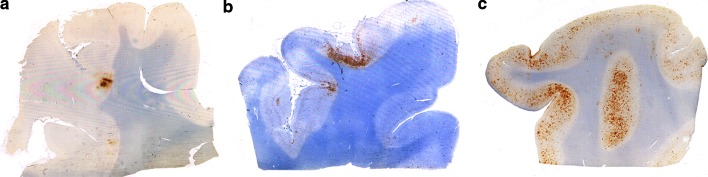
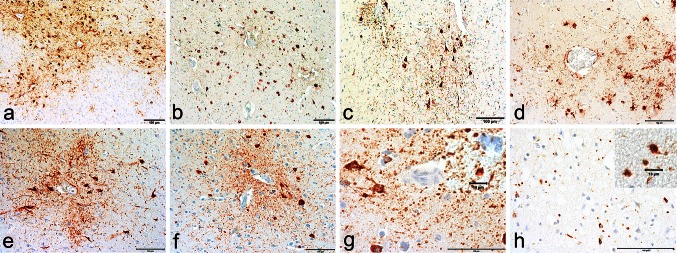
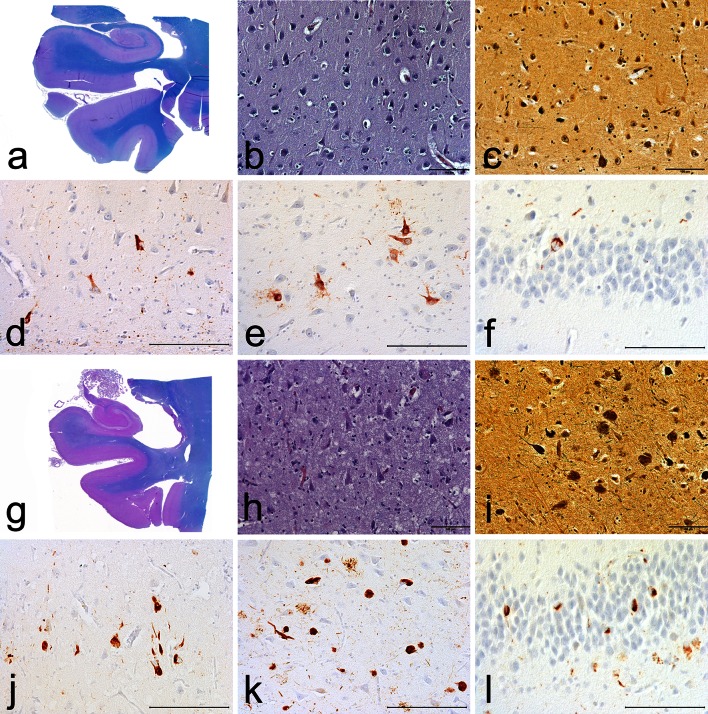
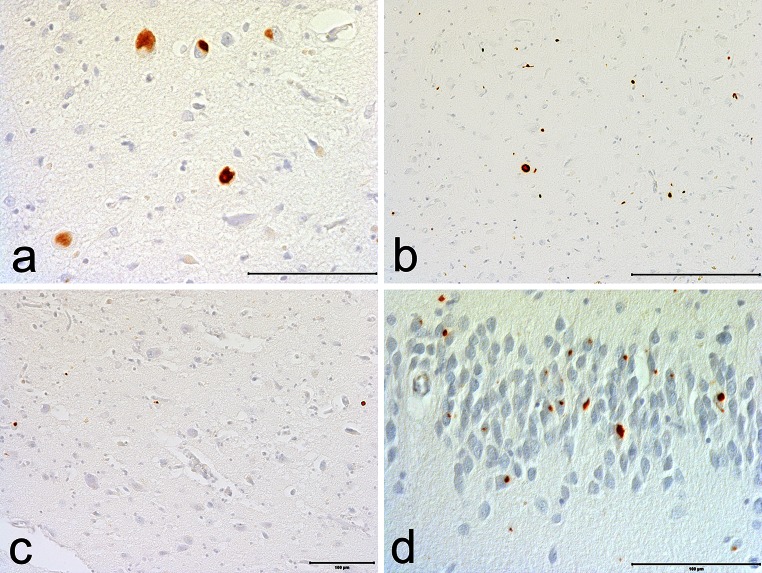
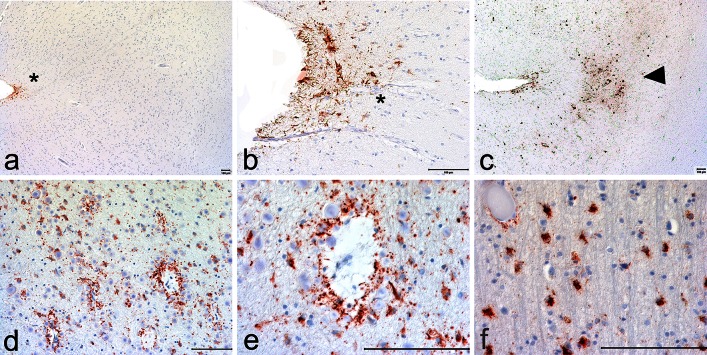
Chronic traumatic encephalopathy (CTE) is a neurodegeneration characterized by the abnormal accumulation of hyperphosphorylated tau protein within the brain. Like many other neurodegenerative conditions, at present, CTE can only be definitively diagnosed by post-mortem examination of brain tissue. As the first part of a series of consensus panels funded by the NINDS/NIBIB to define the neuropathological criteria for CTE, preliminary neuropathological criteria were used by 7 neuropathologists to blindly evaluate 25 cases of various tauopathies, including CTE, Alzheimer's disease, progressive supranuclear palsy, argyrophilic grain disease, corticobasal degeneration, primary age-related tauopathy, and parkinsonism dementia complex of Guam. The results demonstrated that there was good agreement among the neuropathologists who reviewed the cases (Cohen's kappa, 0.67) and even better agreement between reviewers and the diagnosis of CTE (Cohen's kappa, 0.78). Based on these results, the panel defined the pathognomonic lesion of CTE as an accumulation of abnormal hyperphosphorylated tau (p-tau) in neurons and astroglia distributed around small blood vessels at the depths of cortical sulci and in an irregular pattern. The group also defined supportive but non-specific p-tau-immunoreactive features of CTE as: pretangles and NFTs affecting superficial layers (layers II-III) of cerebral cortex; pretangles, NFTs or extracellular tangles in CA2 and pretangles and proximal dendritic swellings in CA4 of the hippocampus; neuronal and astrocytic aggregates in subcortical nuclei; thorn-shaped astrocytes at the glial limitans of the subpial and periventricular regions; and large grain-like and dot-like structures. Supportive non-p-tau pathologies include TDP-43 immunoreactive neuronal cytoplasmic inclusions and dot-like structures in the hippocampus, anteromedial temporal cortex and amygdala. The panel also recommended a minimum blocking and staining scheme for pathological evaluation and made recommendations for future study. This study provides the first step towards the development of validated neuropathological criteria for CTE and will pave the way towards future clinical and mechanistic studies.
Overview
The claims and statistics of this paper haven’t been checked yet.
Free: it reads the open-access text and checks the first 5 claims that cite a source we can check. Create a free account to check every claim.
Integrity signals
Registry
Cites
Statistics
Figures
Verification
Claims the paper makes
The claims and statistics of this paper haven’t been checked yet.
Free: it reads the open-access text and checks the first 5 claims that cite a source we can check. Create a free account to check every claim.
Claims other papers make about this one
Each is checked against this paper’s own text: does it say what the citing paper says it does?
The cited source doesn’t support the claim as written.
In the citing paper
“Unlike Alzheimer's, beta-amyloid plaques are uncommon in CTE.191,192”
From 2023 Alzheimer's disease facts and figures (2023) · cites this paper as [192]
Checked by a reasoning model — may be wrong.
Experimental — accuracy not yet measuredThe source backs part of the claim, not all of it — or backs it for a different population, condition or comparison.
In the citing paper
“Most of the above-mentioned gross and microscopic features have not, as yet, been independently verified as specific to CTE [27–30], and virtually all are associated with aging, other neurological diseases, or both.”
From The Need to Separate Chronic Traumatic Encephalopathy Neuropathology from Clinical Features (2017) · cites this paper as [30]
Experimental — accuracy not yet measuredThe source backs part of the claim, not all of it — or backs it for a different population, condition or comparison.
In the citing paper
“The diagnostic criteria for CTE has no lower bound, meaning that one focus of p-tau is sufficient for a diagnosis [100].”
From DNA repair deficiency and senescence in concussed professional athletes involved in contact sports (2019) · cites this paper as [100]
Experimental — accuracy not yet measuredThe source backs part of the claim, not all of it — or backs it for a different population, condition or comparison.
In the citing paper
“It has been reported that this technique may detect CTE pathology in 20% of cases that is otherwise not detectable by routine histopathological and immunohistochemical methods for dementia diagnosis (15).”
From Mild Chronic Traumatic Encephalopathy Neuropathology in People With No Known Participation in Contact Sports or History of Repetitive Neurotrauma (2019) · cites this paper as [15]
Experimental — accuracy not yet measuredThe source backs part of the claim, not all of it — or backs it for a different population, condition or comparison.
In the citing paper
“In 2015, preliminary consensus criteria were developed for defining the neuropathology of CTE, which substantially narrowed the pathology previously reported to be characteristic.”
From The Need to Separate Chronic Traumatic Encephalopathy Neuropathology from Clinical Features (2017) · cites this paper as [30]
Experimental — accuracy not yet measured
13 more claims about this paper
Create a free account to see every claim other papers make about this one.
Self-check
Percentages, sums and reported differences re-computed from the paper’s own numbers.
The self-check needs the paper’s full text.
Citations
Cites
Statistical Methods for Rates and Proportions
Fleiss, J. L., Levin, B., & Paik, M. C. (2003) · Wiley Series in Probability and Statistics · doi:10.1002/0471445428 · Cited by 18,646
Montine, T. J., Phelps, C. H., Beach, T. G., Bigio, E. H., Cairns, N. J., Dickson, D. W., Duyckaerts, C., Frosch, M. P., Masliah, E., Mirra, S. S., et al. (2012) · Acta Neuropathologica · doi:10.1007/s00401-011-0910-3 · Cited by 2,894 · cited 7×
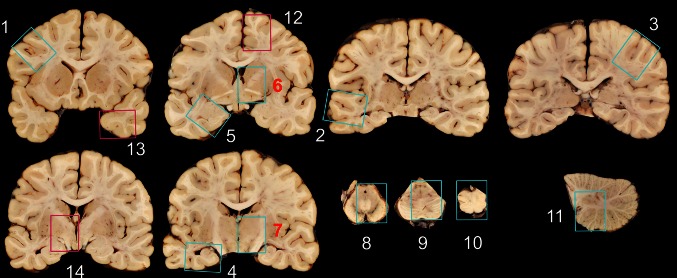
“Of the NIA-AA sampling guidelines, the following blocks are most valuable for detecting CTE: sulcal depths of the superior and middle frontal gyrus, superior and middle temporal gyrus and inferior parietal gyrus (Fig.”
BackgroundMethodInfluentialSelf-citationChronic traumatic encephalopathy in athletes: Progressive tauopathy after repetitive head injury
McKee, A. C., Cantu, R. C., Nowinski, C. J., Hedley-Whyte, E. T., Gavett, B. E., Budson, A. E., Santini, V. E., Lee, H.-S., Kubilus, C. A., & Stern, R. A. (2009) · Journal of Neuropathology & Experimental Neurology · doi:10.1097/nen.0b013e3181a9d503 · Cited by 2,295 · cited 2×
“Although 9 of the 10 subjects diagnosed with CTE in this study were former American football players and only one was a former professional boxer, previous data has shown that the pathological features of CTE associated with boxing (often referred to as “dementia pugilistica”) are similar to the pathological features…”
ResultSelf-citationThe spectrum of disease in chronic traumatic encephalopathy
McKee, A. C., Stein, T. D., Nowinski, C. J., Stern, R. A., Daneshvar, D. H., Alvarez, V. E., Lee, H.-S., Hall, G., Wojtowicz, S. M., Baugh, C. M., et al. (2013) · Brain · doi:10.1093/brain/aws307 · Cited by 2,098 · cited 7×
“Although 9 of the 10 subjects diagnosed with CTE in this study were former American football players and only one was a former professional boxer, previous data has shown that the pathological features of CTE associated with boxing (often referred to as “dementia pugilistica”) are similar to the pathological features…”
BackgroundMethodResultInfluentialSelf-citationPrimary age-related tauopathy (PART): a common pathology associated with human aging
Crary, J. F., Trojanowski, J. Q., Schneider, J. A., Abisambra, J. F., Abner, E. L., Alafuzoff, I., Arnold, S. E., Attems, J., Beach, T. G., Bigio, E. H., et al. (2014) · Acta Neuropathologica · doi:10.1007/s00401-014-1349-0 · Cited by 1,467 · cited 1×
“The neuropathologists were given a tauopathy criteria guide that provided the provisional criteria for CTE [32] as well as published criteria for the other tauopathies (See supplementary material for full tauopathy criteria guide) [4, 7, 11, 21, 25, 34, 40, 47].”
MethodSelf-citationCairns, N. J., Bigio, E. H., Mackenzie, I. R. A., Neumann, M., Lee, V. M.-Y., Hatanpaa, K. J., White, C. L., Schneider, J. A., Grinberg, L. T., Halliday, G., et al. (2007) · Acta Neuropathologica · doi:10.1007/s00401-007-0237-2 · Cited by 1,110 · cited 1×
“The neuropathologists were given a tauopathy criteria guide that provided the provisional criteria for CTE [32] as well as published criteria for the other tauopathies (See supplementary material for full tauopathy criteria guide) [4, 7, 11, 21, 25, 34, 40, 47].”
MethodSelf-citationGoldstein, L. E., Fisher, A. M., Tagge, C. A., Zhang, X.-L., Velisek, L., Sullivan, J. A., Upreti, C., Kracht, J. M., Ericsson, M., Wojnarowicz, M. W., et al. (2012) · Science Translational Medicine · doi:10.1126/scitranslmed.3003716 · Cited by 958 · cited 1×
“Recent neuropathological studies have identified CTE in athletes who played soccer, baseball, ice hockey and rugby, as well as in military personnel exposed to explosive blast [15, 29, 31, 32, 36, 45].”
BackgroundSelf-citationChronic Traumatic Encephalopathy in a National Football League Player
Omalu, B. I., DeKosky, S. T., Minster, R. L., Kamboh, M. I., Hamilton, R. L., & Wecht, C. H. (2005) · Neurosurgery · doi:10.1227/01.neu.0000163407.92769.ed · Cited by 894
Hauw, J.-J., Daniel, S. E., Dickson, D., Horoupian, D. S., Jellinger, K., Lantos, P. L., McKee, A., Tabaton, M., & Litvan, I. (1994) · Neurology · doi:10.1212/wnl.44.11.2015 · Cited by 852 · cited 6×
“In the 15 other tauopathy cases (cases submitted for review with diagnoses other than CTE) (Supplementary Table 2), the reviewers generally agreed with the submission diagnoses of AD (97.1 % of responses), CBD (92.8 %), and PART (78.5 %); however, there were frequent discrepancies in cases with the presumptive diagnos…”
MethodInfluentialSelf-citationCorsellis, J. A. N., Bruton, C. J., & Freeman-Browne, D. (1973) · Psychological Medicine · doi:10.1017/s0033291700049588 · Cited by 836 · cited 2×
“While initial reports of boxers with CTE described cerebellar scarring, atrophy and loss of Purkinje cells [5], recent studies of pugilists find that cerebellar pathology is rare aside from p-tau NFTs and neurites in the dentate nucleus, Purkinje cells and roof of the 4th ventricle [28, 32].”
Result
Research works printed but not linked: 2
- Darby A, Adams J, Babcock K, Avarez V, Stein T, McKee A (2015) Detection of CTE in autopsy cohorts using restricted cortical sampling. In: Journal of Neuropathology and Experimental Neurology, vol 6. Lippincott Williams and Wilkins Two Commerce SQ, 2001 Market ST, Philadelphia, pp 615–615
- Millspaugh J Dementia pugilistica US Naval Med Bull 1937 35 297Y303
Cited by
Items 701–800 of 886
Risk Factors for Suicide Among Professional Athletes
Wilson, G. A., Smith, J. M., & New, K. J. (2024) · Journal of Psychiatric Practice · doi:10.1097/pra.0000000000000806 · Cited by 3
“35 It has been assumed that participation in contact sports increases the risk of concussion and subconcussive blows, which can cause neuropathological changes that can subsequently lead to neuropsychiatric disease (including personality change and risk of suicide) after retirement.”
Duve, K. V., Шкробот, С. І., Petakh, P., Oksenych, V., & Kamyshnyi, O. (2025) · Journal of Clinical Medicine · doi:10.3390/jcm14082796 · Cited by 1
“In 2015, a consensus conference organized by the National Institute of Neurological Disorders and Stroke (NINDS) defined neuropathological criteria for CTE, identifying hyperphosphorylated tau as its pathognomonic feature [12,13].”
Neurological Disorders and Clinical Progression in Boxers from the 20th Century: A Narrative Review
Castellani, R. J., Kostelecky, N., Ahrendsen, J. T., Nassan, M. M., Jamshidi, P., & Iverson, G. L. (2025) · Brain Sciences · doi:10.3390/brainsci15070729 · Cited by 1
“…science by lay observers [1], while recently proposed chronic traumatic encephalopathy neuropathology is a postmortem neuropathological entity [60,61], and it is not known whether this neuropathology causes specific neurological or psychiatric problems or whether it is inevitably progressive…”
Age-informed, attention-based weakly supervised learning for neuropathological image assessment
Li, S., Malamut, M., McKee, A. C., Cherry, J. D., & Tian, L. (2025) · Brain Informatics · doi:10.1186/s40708-025-00276-9 · Cited by 1
“Diagnostic workflows traditionally rely on evaluating known markers, such as hyperphosphorylated tau (p-tau) [3–5], with changes also observed in Luxol Fast Blue and Hematoxy-lin and Eosin (LH&E) stained slides [6].”
Self-citationVitreous STMN2 levels reflect TDP-43-associated neurodegeneration in postmortem eyes and brains
Pulukuri, S. V., Spurlock, E., Tuz‐Zahra, F., Tripodis, Y., Sampani, K., Nicks, R., Meng, G., Alvarez, V. E., McKee, A. C., Xia, W., et al. (2025) · Journal of Alzheimer s Disease Reports · doi:10.1177/25424823251392553 · Cited by 1
Self-citationChronic Traumatic Encephalopathy Neuropathologic Change in Military Veterans
Iverson, G. L., Jamshidi, P., Deep‐Soboslay, A., Hyde, T. M., Kleinman, J. E., Fisher‐Hubbard, A., deJong, J. L., Shepherd, C. E., Hazrati, L., & Castellani, R. J. (2025) · Military Medicine · doi:10.1093/milmed/usaf553 · Cited by 1
Hartman, S., Aytan, N., Nicks, R., Hawkins, S., Cherry, J. D., Alvarez, V. E., Meng, G., Tripodis, Y., Martin, B. M., Palmisano, J. N., et al. (2025) · Acta Neuropathologica · doi:10.1007/s00401-025-02955-7 · Cited by 1
“Pathologically, CTE is a progressive tauopathy defined by intraneuronal hyperphosphorylated tau (p-tau) inclusions within neurons and sometimes glial cells around small blood vessels and concentrated at the cortical sulcal depths [6, 33].”
Self-citationWan, Y., Grossman‐Ponemon, B. E., & Kesari, H. (2026) · Journal of Applied Mechanics · doi:10.1115/1.4071002 · Cited by 1
Nosek, S. B., Gil, S. G., Abdolmohammadi, B., Layden, R. M., Nowinski, C. J., Tripodis, Y., Martin, B. M., Palmisano, J. N., Torres, A. R., Dwyer, B. C., et al. (2026) · Journal of Neurotrauma · doi:10.1177/08977151261424707 · Cited by 1
Self-citationCalderazzo, S. M., Butler, M. L. M. D., Breen, K., Kanner, H., Tripodis, Y., Stein, T. D., Holtzman, D. M., Cherry, J. D., Huber, B. R., & McKee, A. C. (2026) · Acta Neuropathologica Communications · doi:10.1186/s40478-026-02285-z · Cited by 2
“A neuropathologic diagnosis of CTE was made using the National Institute of Neurological Disorders and Stroke (NINDS)/National Institute of Biomedical Imaging and Bioengineering (NIBIB) consensus criteria [1, 2].”
Self-citationAstrocytic contributions to the pathogenesis of chronic traumatic encephalopathy: a scoping review
Kubiak, A., Hahn, K., Powers, N., Arroyo, E., Vandello, C., Martins, J., & He, L. (2026) · Chinese Neurosurgical Journal · doi:10.1186/s41016-026-00434-w · Cited by 1
“These pathological distinctions were formalized by McKee et al. [31] through the National Institute of Neurological Disorders and Stroke (NINDS) consensus diagnostic criteria for CTE [31].”
Arciniega, H., Wickham, A., Szekely, B., Kim, N., Cho, K. I., Carrington, H., Knyazhanskaya, E. E., John, O., Jung, L., Breedlove, K. M., et al. (2026) · Brain Communications · doi:10.1093/braincomms/fcag195 · Cited by 4
Self-citationCTE has multiple pathologic variants that might relate to different clinical symptom presentation
Tuz‐Zahra, F., Hallowell, E., Tilton, C. M., Alvarez, V. E., Aytan, N., Hawkins, S., Mez, J., Alosco, M. L., McKee, A. C., Tripodis, Y., et al. (2026) · Acta Neuropathologica · doi:10.1007/s00401-026-03045-y · Cited by 1
“The neuropathologic lesion that defines CTE is the perivascular accumulation of hyperphosphorylated tau (pTau) at the depth of the cortical sulcus [5, 18].”
Self-citationPlasma Phosphorylated Tau 217 in Participants at Risk for Chronic Traumatic Encephalopathy
Miner, A. E., Zetterberg, H., Blennow, K., Groh, J. R., Singh, A., Dieckhoff, K., Tripodis, Y., Adler, C. H., Balcer, L. J., Bernick, C. B., et al. (2026) · JAMA Network Open · doi:10.1001/jamanetworkopen.2026.22966 · Cited by 2
Self-citationNeuropsychological Profile of Autopsy-Confirmed Chronic Traumatic Encephalopathy
Aaronson, A., Nosek, S. B., Abdolmohammadi, B., Hadley, J., Labonte, J., Uretsky, M., Mosaheb, S., Nowinski, C. J., Altaras, C., Asken, B. M., et al. (2026) · JAMA Network Open · doi:10.1001/jamanetworkopen.2026.31754 · Cited by 1
Self-citationTau in Chronic Traumatic Encephalopathy—Reply
Asken, B. M., Jaffee, M. S., & Bauer, R. M. (2018) · JAMA Neurology · doi:10.1001/jamaneurol.2017.4893 · Cited by 1
Encefalopatía traumática crónica, definición, diagnóstico y prevención. Revisión de la literatura
Alicia, A., Mariaconsuelo Ramos, S., Esteban Jaña, B., Tomás Velozo, D., Rodolfo Muñoz, G., Cortez, F. O., Ariel Varela, H., Astudillo, P. H., Claudio Martínez, T., Reinaldo Torres, A., et al. (2019) · Revista Chilena de Neurocirugía · doi:10.36593/rev.chil.neurocir.v43i1.64 · Cited by 2
Football Participation and Chronic Traumatic Encephalopathy
Laker, S. R., Greiss, C., Finnoff, J. T., & Singh, J. R. (2018) · PM&R · doi:10.1016/j.pmrj.2018.05.001 · Cited by 3
Drosophila Model to Study Chronic Traumatic Encephalopathy
Azwoir, R., & Chen, L. (2018) · Neuromethods · doi:10.1007/978-1-4939-8564-7_4 · Cited by 1
スポーツにおける脳振盪に関する共同声明 ─第5回国際スポーツ脳振盪会議(ベルリン, 2016)─ 解説と翻訳
雅宏, 荻., 中山, 晴., 重森, 裕., 佳史, 溝., 荒木尚, Paul, M., & 永廣, 信. (2019) · doi:10.32187/neurotraumatology.42.1_1 · Cited by 3
Is Youth Football Safe? An Analysis of Youth Football Head Impact Data
Heary, R. F., Majmundar, N. J., & Nagurka, R. (2020) · Neurosurgery · doi:10.1093/neuros/nyz563 · Cited by 3
“27 Although the overwhelming majority of cases of CTE have been reported in retired professional football players, CTE is not diagnosed during life and has only been definitively identified in postmortem autopsies.”
BackgroundManagement of Sport-Related Ocular Injuries and Concussion
Erickson, G. B. (2021) · Elsevier eBooks · doi:10.1016/b978-0-323-75543-6.00003-6 · Cited by 1
Systems of Care and Natural History of Traumatic Brain Injury
Katz, D. I., Zasler, N. D., & ZAFONTE, R. D. (2021) · Springer Publishing Company eBooks · doi:10.1891/9780826143051.0001 · Cited by 1
Dettmeyer, R. B. (2018) · Springer eBooks · doi:10.1007/978-3-319-77997-3_20 · Cited by 1
Prognostic imaging markers for sports-related concussion: a review
Zhu, M., Gao, J., Han, F., Yang, J., & Zhang, J. (2022) · Radiology Science · doi:10.15212/radsci-2022-0010 · Cited by 1
“Chronic traumatic encephalopathy (CTE), a neurodegenerative tauopathy marked by tau protein aggregation, has been increasingly diagnosed in athletes with a repeated SRC history at the time of autopsy [43].”
BackgroundEmerging Symptomatic Treatment of Chronic Traumatic Encephalopathy (CTE): a narrative review
Rossi, C. A., Campese, N., & Colosimo, C. (2023) · Expert Opinion on Pharmacotherapy · doi:10.1080/14656566.2023.2224501 · Cited by 2
“Supportive macroscopic non-tau related neuropathological features of CTE are a disproportionate dilatation of the third ventricle, septal abnormalities, mammillary body atrophy, and contusion or other signs of previous traumatic injury [27].”
BackgroundKim, P. S.-H., & Beran, R. G. (2023) · Frontiers in Neurology · doi:10.3389/fneur.2023.1179319 · Cited by 1
“(2) Obligation to update the latest medical and scientific developments and to share with the MBT”
BackgroundInfluentialPerceived CTE and Suicidality—Is Perception Reality?
Alosco, M. L., & Yaffe, K. S. (2024) · JAMA Neurology · doi:10.1001/jamaneurol.2024.3078 · Cited by 1
Anderson, A. N., Dopler, M. B., Arezoumandan, S., Osei‐KanKam, D., Davis, S. A., Ajroud, K., Lilek, J. N., Bambakadis, E., Shapiro, R., Flanagan, M. E., et al. (2025) · Journal of Neuropathology & Experimental Neurology · doi:10.1093/jnen/nlae137 · Cited by 1
“35,36 Further research in understanding the relationship between changes in NEFH associated with a TDP-43 proteinopathy such as HS-A could be valuable.”
Self-citationParekh, E., Stead, T. S., Elahi, J., & Ganti, L. (2025) · Journal of Craniofacial Surgery · doi:10.1097/scs.0000000000011330 · Cited by 2
Mavroudis, I. A., Petridis, F., Kazis, D. A., Ionescu, C., Novac, B., Petroaie, A. D., Novac, O., Gurzu, I. L., & Gurzu, B. (2025) · BRAIN BROAD RESEARCH IN ARTIFICIAL INTELLIGENCE AND NEUROSCIENCE · doi:10.70594/brain/16.2/1 · Cited by 2
Neurobiology and Impact of Chronic Traumatic Encephalopathy in Athletes: A Focused Review
Makhoul, J. T., Nasr, A., Qazi, Z. G., Piper, B. J., Ahmed, A., & Javeed, A. (2025) · Cureus · doi:10.7759/cureus.86367
Vasilevskaya, A., & Tartaglia, M. C. (2018) · Springer eBooks · doi:10.1007/978-3-319-95376-2_12 · Cited by 3
Pearce, A. J. (2019) · OBM Neurobiology · doi:10.21926/obm.neurobiol.1903042 · Cited by 1
Harrison, A. T., McAllister, T. W., McCrea, M., Broglio, S. P., Moore, R. D., Anderson, S. A., Benjamin, H. J., Buckley, T. A., Chisman, S. P. D., Clugston, J. R., et al. (2021) · Journal of Neurotrauma · doi:10.1089/neu.2020.7386 · Cited by 1
Asken, B. M., Sindelar, B., Clugston, J. R., & Bailes, J. E. (2021) · Springer eBooks · doi:10.1007/978-3-030-54875-9_17 · Cited by 1
Neurodegeneration: 2021 update
Crary, J. F. (2021) · Free Neuropathology · doi:10.17879/freeneuropathology-2021-3317 · Cited by 2
“Since that time, broad consensus has emerged among neuropathologists that CTE has a distinct neuropathological presentation that is distinguishable from other tauopathies, with a unique pathognomonic perivascular lesion that was codified in consensus criteria (McKee et al., 2016).”
BackgroundSelf-citationChronic Traumatic Encephalopathy
Iacono, D., & Perl, D. P. (2019) · Springer eBooks · doi:10.1007/978-3-030-22436-3_20 · Cited by 2
Self-citationTraumatic Brain Injury: Nuclear Medicine Neuroimaging
Sánchez-Catasús, C. A., Stormezand, G. N., García, D. V., Morales, E. L. R., Sánchez, R. G., & Dierckx, R. A. J. O. (2020) · Springer eBooks · doi:10.1007/978-3-030-53168-3_43 · Cited by 1
The Role of ATP and P2X Purinoceptor 7 in the Development of Cerebral Tau
Gao, A. F. (2018) · TSpace (University of Toronto) · Cited by 1
Reply to “Chronic Traumatic Encephalopathy and Primary Age‐Related Tauopathy”
Mez, J., Daneshvar, D. H., Alosco, M. L., Alvarez, V. E., Huber, B. R., Stein, T. D., & McKee, A. C. (2020) · Annals of Neurology · doi:10.1002/ana.25858 · Cited by 1
“PART is a common pathology associated with aging and presents pathologically as a non-amyloidbeta tauopathy with features overlapping with CTE.(3) A previous study found initial tau deposition in all individuals aged 40 years or older.”
BackgroundSelf-citationCase Studies in Sports Psychiatry
Runswick, O. R. (2021) · Journal of Mental Health · doi:10.1080/09638237.2021.1952957 · Cited by 1
Special Issue on Concussions in Sports
Rowson, B., & Duma, S. M. (2021) · Annals of Biomedical Engineering · doi:10.1007/s10439-021-02847-3 · Cited by 1
Essex, C. A., Bedggood, M. J., Merenstein, J. L., Murray, H. C., Morgan, C., Holdsworth, S. J., Faull, R. L. M., Hume, P. A., Theadom, A., & Pedersen, M. (2025) · medRxiv · doi:10.1101/2025.01.09.25320291 · Cited by 2
Jun, S., Hinrichsen, D. S., Kansakar, S. B. S., Anamala, C. C., Teregeyo, J., Roberts, H. C., Arrasmith, C., Thielen, M. D., & Liaudanskaya, V. (2025) · bioRxiv (Cold Spring Harbor Laboratory) · doi:10.64898/2025.12.29.696879 · Cited by 3
“CTE pathology has been defined primarily through postmortem observations, including perivascular hyperphosphorylated tau, axonal injury, microgliosis, astrocytosis, and vascular abnormalities 7,11-13 , 33 .”
Heptig, M. (2016) · Digital Commons - PCOM (Philadelphia College of Osteopathic Medicine) · Cited by 1
Diagnosing Traumatic Encephalopathy Syndrome
Samadani, U., & Hubbard, M. E. (2016) · JAMA Neurology · doi:10.1001/jamaneurol.2016.2802
Ventriculomegaly in Aging, Injury and Disease
Acabchuk, R. L. (2016) · OpenCommons at University of Connecticut (University of Connecticut)
Comorbid Pathology in Chronic Traumatic Encephalopathy
Stein, T. D. (2017) · Elsevier eBooks · doi:10.1016/b978-0-323-54425-2.00008-4
Self-citationChronic Traumatic Encephalopathy
Stern, R. A., & Alosco, M. L. (2017) · Elsevier eBooks · doi:10.1016/b978-0-323-54425-2.00003-5
¿Qué debería saber el médico de familia sobre...? Encefalopatía traumática crónica
Reyes, V. A., Avendaño, J. P., & Palomer, R. M. (2017) · FMC - Formación Médica Continuada en Atención Primaria · doi:10.1016/j.fmc.2017.06.001
Assessing the impact of concussion history on the N200, P300 and reward positivity
Fisher, S. M. (2017) · UVic’s Research and Learning Repository (University of Victoria)
Cortical thinning in former NFL players
Veggeberg, R. (2018) · OpenBU (Boston University)
Molecular Aspects of Concussion and Chronic Traumatic Encephalopathy
Farooqui, A. A. (2018) · Elsevier eBooks · doi:10.1016/b978-0-12-813596-9.00008-0
Punch Drunk: Repetitive Concussions in an Adolescent Student-Athlete
Thomas, S., & Driver, D. I. (2018) · Springer eBooks · doi:10.1007/978-3-319-94998-7_6
Lorigan, J., KEARNEY, H. F., Grimes, B., Heffernan, J. M., Beausang, A., Cryan, J. B., Farrell, M. A., & Brett, F. M. (2018) · Irish Journal of Medical Science (1971 -) · doi:10.1007/s11845-018-1943-6 · Cited by 2
Tauopathies in Traumatic Brain Injury
Pace, J., Shammassian, B. H., & Hoffer, S. A. (2019) · Elsevier eBooks · doi:10.1016/b978-0-12-812344-7.00009-1
Victoroff, J. (2019) · Cambridge University Press eBooks · doi:10.1017/9781139696432.009
Armstrong, R. A. (2018) · EMJ Neurology · doi:10.33590/emjneurol/10312487
Abbate, C. (2019) · Journal of the Neurological Sciences · doi:10.1016/j.jns.2019.03.003
Castranio, E. L. (2018) · D-Scholarship@Pitt (University of Pittsburgh)
Links in the Chain of Chronic Traumatic Encephalopathy
Ropper, A. H. (2019) · New England Journal of Medicine · doi:10.1056/nejme1903746
Pathological Tau as a Cause, and Consequence, of Cellular Dysfunction
Meier, S. E. (2019) · UKnowledge (University of Kentucky) · doi:10.13023/etd.2019.368
“For example, the distribution of tangle pathology is very different between AD and CTE.”
BackgroundInfluentialInvited Commentary on “Traumatic Brain Injury: Imaging Patterns and Complications”
Mathur, S., & Nicolaou, S. (2019) · Radiographics · doi:10.1148/rg.2019190186
Genetic interplay with soccer ball heading
Smith, D. H., & Stewart, W. B., Jr. (2020) · Nature Reviews Neurology · doi:10.1038/s41582-020-0334-6 · Cited by 2
Top ten discoveries of the year: Neurotrauma
Perl, D. P. (2020) · Free Neuropathology · doi:10.17879/freeneuropathology-2020-2662 · Cited by 1
Self-citationRogers, T., Larkin, J., & Cavaday, N. (2020) · Cambridge University Press eBooks · doi:10.1017/9781108767187.012
Athletics: Energy Levels, Exercise Addiction and Disordered Eating
Dudgeon, E., McGregor, R., & Robinson, R. (2020) · Cambridge University Press eBooks · doi:10.1017/9781108767187.004
American Football: Cognitive Impairment
McCabe, T., Stewart, W., Pandya, M. A., Kasper, J., & Sanders, S. (2020) · Cambridge University Press eBooks · doi:10.1017/9781108767187.003
Self-citationFootball: Alcohol and Barriers to Support
Mistry, A., Peters, S., Chatterjee, R., & Cotterill, D. (2020) · Cambridge University Press eBooks · doi:10.1017/9781108767187.008
Golf: Alcohol, Anxiety and Sleep Problems
Creado, S., Hopley, P., Murray, A., & Hull, M. (2020) · Cambridge University Press eBooks · doi:10.1017/9781108767187.009
Cricket: Mental Health Emergencies
Mahmood, H., Hopley, P., & Foster, P. (2020) · Cambridge University Press eBooks · doi:10.1017/9781108767187.006
Johnston, A., Al-Dawoud, M., & Pattinson, C. (2020) · Cambridge University Press eBooks · doi:10.1017/9781108767187.005
Rugby: Concussion and Mental Health Symptoms
McCabe, T., Lester, C., Kemp, S. P. T., & Vickerman, R. (2020) · Cambridge University Press eBooks · doi:10.1017/9781108767187.010
Not all adverse health outcomes in former contact sports athletes are concussion related
Russell, E., McCabe, T., & Stewart, W. B., Jr. (2020) · Journal of Neurology Neurosurgery & Psychiatry · doi:10.1136/jnnp-2020-324672
Sustained Tau Phosphorylation and Microglial Activation Following Repetitive Traumatic Brain Injury
Siahaan, A. M. P., Indharty, R. S., Chrestella, J., Sadewo, W., Tandean, S., & Syarifah, S. (2020) · Open Access Macedonian Journal of Medical Sciences · doi:10.3889/oamjms.2020.5471 · Cited by 1
“Repetitive TBI can induce a constellation of clinical manifestations such as cognitive deficits, mood instability, and behavioral abnormalities associated with the accumulation of p-tau and TDP-43 [5], [6].”
Behavioral and Neurocognitive Sequelae of Concussion in the Emergency Department
Jagoda, A. S., Prabhu, A., & Riggio, S. (2021) · Springer eBooks · doi:10.1007/978-3-030-52520-0_35
The Role of DNA Damage-induced Cellular Senescence in the Pathophysiology of mTBI
Schwab, N. (2019) · TSpace (University of Toronto)
Difficult-to-Characterize Cognitive/Behavioral Disorders
Josephs, K. A., Rodriguez‐Porcel, F. E., Shatz, R. S., Weintraub, D. A., & Espay, A. J. (2020)
Watling, S. E. (2019) · TSpace (University of Toronto) · Cited by 1
Mobbs, R. E., Batchelor, J., Teunisse, A. K., Erskine, E., Brown, E., Hood, J., Mobbs, A. E. D., Fraser, C. L., Pearce, A. J., Stevenson, R. J., et al. (2021) · medRxiv · doi:10.1101/2021.04.20.21255372
33.小児の副鼻腔撮影法の検討(第41回総会会員研究発表)(単純撮影-3(頭部))
鍋倉, 良., 松田, 幸., 佐藤, 龍., 水越, 章., 川崎, 雄., & 橋本, 宏. (1985) · 日本放射線技術學會雜誌
Sports-Related Traumatic Brain Injury
Marklund, N. (2021) · Springer eBooks · doi:10.1007/978-3-030-78075-3_13
Review on Impacts of Rural Land Registration and Certification on Small Holder Farmers in Ethiopia
Kaba, M. (2021) · Journal of Economics and Sustainable Development · doi:10.7176/jesd/12-15-02 · Cited by 1
Tau Biomarkers for Long-Term Effects of Neurotrauma: Technology Versus the Null Hypothesis
Castellani, R. J. (2021) · Neuromethods · doi:10.1007/978-1-0716-1712-0_13
Long-term consequences of traumatic brain injuries with ice-hockey players
Sekretnyi, V., & Nekhanevych, O. B. (2021) · Journal of Education Health and Sport · doi:10.12775/jehs.2021.11.10.018
Mesoscale finite element modeling of brain structural heterogeneities and geometrical complexities
Bakhtiarydavijani, A., Miralami, R., Dobbins, A. C., Horstemeyer, M. F., & Prabhu, R. K. (2021) · Elsevier eBooks · doi:10.1016/b978-0-12-818144-7.00013-x
Sports concussion and epigenetics
Fie, S. M., Posthumus, M., & September, A. V. (2021) · Elsevier eBooks · doi:10.1016/b978-0-12-820682-9.00013-x
Traumatic Brain Injury and Chronic Traumatic Encephalopathy
Aranha, M. R., Coutinho, A. M., Leite, C. D. C., & Buchpiguel, C. A. (2021) · Springer eBooks · doi:10.1007/978-3-030-82367-2_40
Oudere docenten inzetbaar in het heden en de toekomst
Bekhuis, L. M. (2014) · Utrecht University Repository (Utrecht University)
Chronic Traumatic Encephalopathy: Past, Present, and Future
Patel, A., Abou‐Al‐Shaar, H., Mathkour, M., & Maroon, J. C. (2022) · Springer eBooks · doi:10.1007/978-3-030-88227-3_15
Appendix: International Society for Sports Psychiatry Curriculum 2018
Mistry, A. D., McCabe, T., & Currie, A. (2020) · Cambridge University Press eBooks · doi:10.1017/9781108767187.013
Mistry, A. D., McCabe, T., & Currie, A. (2020) · Cambridge University Press eBooks · doi:10.1017/9781108767187.015
Victoroff, J. (2019) · Cambridge University Press eBooks · doi:10.1017/9781139696432.013
Ehrenreich, H., Krampe, H., & Sirén, A. (2020) · Wiley eBooks · doi:10.1002/9781119159322.ch24
Mistry, A. D., McCabe, T., & Currie, A. (2020) · Cambridge University Press eBooks · doi:10.1017/9781108767187.001
Mistry, A. D., McCabe, T., & Currie, A. (2020) · Cambridge University Press eBooks · doi:10.1017/9781108767187.002
Metadata
- Authors
- the TBI/CTE group, McKee, A. C., Cairns, N. J., Dickson, D. W., Folkerth, R. D., Dirk Keene, C., Litvan, I., Perl, D. P., Stein, T. D., Vonsattel, J.-P., Stewart, W., Tripodis, Y., Crary, J. F., Bieniek, K. F., Dams-O’Connor, K., Alvarez, V. E., & Gordon, W. A.
- Affiliations
- Boston University (US)
- Mayo Clinic (US)
- Brigham and Women's Hospital (US)
- Uniformed Services University of the Health Sciences (US)
- Columbia University Irving Medical Center (US)
- VA Boston Healthcare System (US)
- Icahn School of Medicine at Mount Sinai (US)
- Corresponding author
- McKee, Ann C.
- ORCID
- Venue
- Acta Neuropathologica
- Published
- 2015-12-14
- Volume
- 131
- Issue
- 1
- Pages
- 75-86
- ISSN
- 0001-6322 (ISSN-L)
- 1432-0533
- PMC
- PMC4698281
- OpenAlex
- W2217184110
- Cited by
- 885
- References
- 49
- Citations by year
- 2026: 36 · 2025: 75 · 2024: 69 · 2023: 68 · 2022: 60 · 2021: 108 · 2020: 110 · 2019: 109 · 2018: 93 · 2017: 96 · 2016: 56 · 2015: 1
- FWCI
- 64.34
- Type
- journal article
- Language
- en
- Open access
- hybrid
- doi.org
- Licence
- cc-by
- creativecommons.org/licenses/by/4.0 (tdm)
- creativecommons.org/licenses/by/4.0 (vor)
- Locations
- Acta Neuropathologica (publishedVersion, cc-by)
- Europe PMC (PubMed Central) (publishedVersion, cc-by)
- PubMed Central (publishedVersion, cc-by)
- PubMed (publishedVersion)
- ENLIGHTEN (Jurnal Bimbingan dan Konseling Islam) (acceptedVersion)
- Digital Access to Scholarship at Harvard (DASH) (Harvard University) (submittedVersion, cc-by)
- Digital Commons@Becker (Washington University School of Medicine) (submittedVersion, cc-by)
- eScholarship (California Digital Library) (submittedVersion, cc-by)
- Funders
- National Institute of Neurological Disorders and Stroke (U01NS086659-01, R01NS078337, R56NS078337, R01NS095252)
- National Institute on Aging (P30-AG13846, P50 AG05681, P01 AG03991, 0572063345–5, R01AG1649)
- U.S. Department of Defense (W81XWH-13-2-0064, W81XWH-14-1-0399)
- U.S. Department of Veterans Affairs (CSP 501)
- Veterans Affairs Rehabilitation Research and Development Traumatic Brain Injury Center of Excellence (B6796-C)
- Department of Defense Peer Reviewed Alzheimer’s Research Program (DoD-PRARP #13267017)
- Andlinger Foundation
- National Football League
- WWE
- Topics
- Health Sciences › Medicine › Clinical Neurology › Traumatic Brain Injury Research
- Life Sciences › Neuroscience › Cellular and Molecular Neuroscience › Alzheimer's disease research and treatments
- Health Sciences › Medicine › Psychiatry and Mental health › Dementia and Cognitive Impairment Research
- Keywords
- chronic traumatic encephalopathy, hyperphosphorylated tau, tauopathy, neurofibrillary tangles, TDP-43 inclusions, hippocampus, cortical sulci
- MeSH terms
- Alzheimer Disease, Autopsy, Humans, Neurons, United States, Neurofibrillary Tangles, tau Proteins, Brain Injury, Chronic, Tauopathies, National Institute of Biomedical Imaging and Bioengineering (U.S.), National Institute of Neurological Disorders and Stroke (U.S.)
About these checks
Registry, retraction, Cites and statistics results are computed, not judged, with one exception: a printed reference that no index lists is read once by a model before it counts as a citation error. Claims are extracted by a model and kept only when their quote appears verbatim in the text; each cited source is then checked, with a model’s help, for whether it says what the claim relies on. Those verdicts can be wrong — read the claim’s quote and the cited source before relying on one.
Statistics and arithmetic are recomputed, not judged.
Confidence bands are shown only for fields calibrated on our annotated test set. None is calibrated yet, so no band is shown.
What counts as a claim ›How we measure confidence ›How we check this ›
Are you an author, or do you see a problem with this page? Request a review
Data sources
Bibliographic data: Semantic Scholar, OpenAlex, Crossref.
Contains information from the Semantic Scholar Academic Graph Datasets, made available under the ODC Attribution License (ODC-BY 1.0).
Semantic Scholar’s data is described in: Kinney, R., et al. (2023). The Semantic Scholar Open Data Platform. arXiv:2301.10140.
