

The first NINDS/NIBIB consensus meeting to define neuropathological criteria for the diagnosis of chronic traumatic encephalopathy
Open accessThe DOI matches its Crossref record; 48 of the 49 references it cites were found in a registry or an index.
Abstract
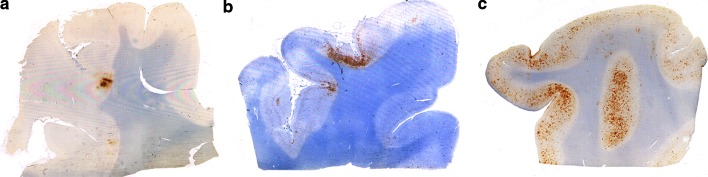
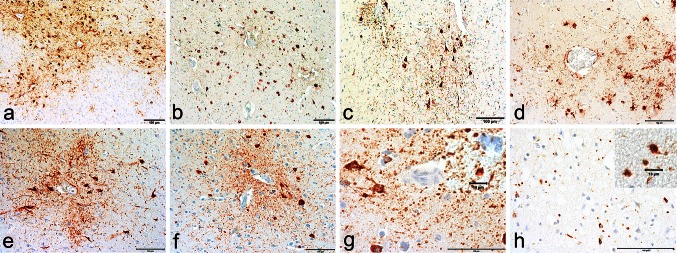
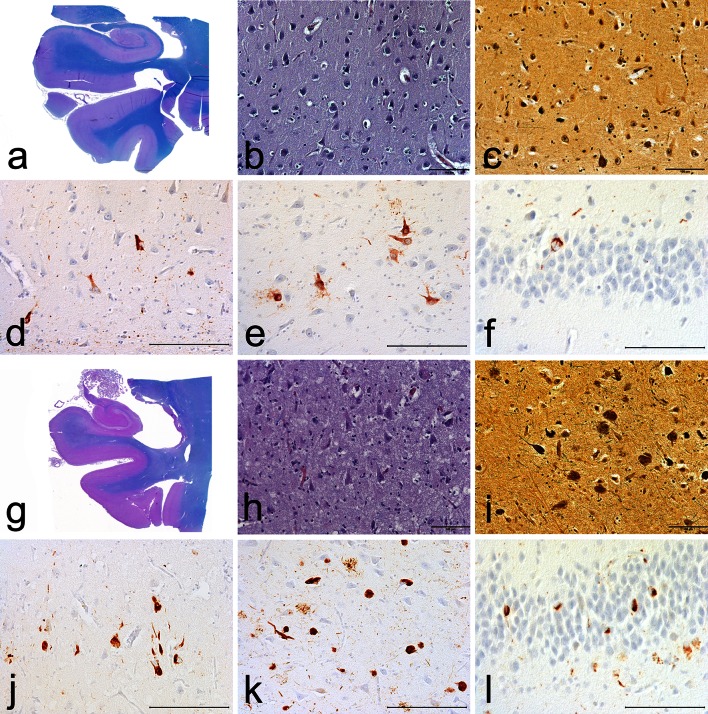
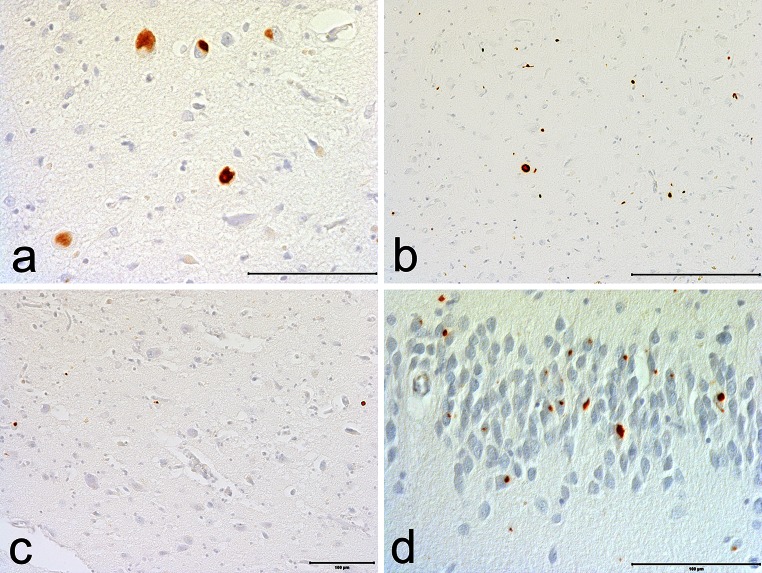
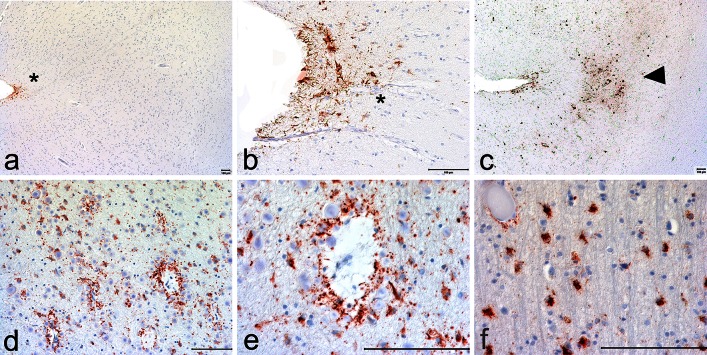
Chronic traumatic encephalopathy (CTE) is a neurodegeneration characterized by the abnormal accumulation of hyperphosphorylated tau protein within the brain. Like many other neurodegenerative conditions, at present, CTE can only be definitively diagnosed by post-mortem examination of brain tissue. As the first part of a series of consensus panels funded by the NINDS/NIBIB to define the neuropathological criteria for CTE, preliminary neuropathological criteria were used by 7 neuropathologists to blindly evaluate 25 cases of various tauopathies, including CTE, Alzheimer's disease, progressive supranuclear palsy, argyrophilic grain disease, corticobasal degeneration, primary age-related tauopathy, and parkinsonism dementia complex of Guam. The results demonstrated that there was good agreement among the neuropathologists who reviewed the cases (Cohen's kappa, 0.67) and even better agreement between reviewers and the diagnosis of CTE (Cohen's kappa, 0.78). Based on these results, the panel defined the pathognomonic lesion of CTE as an accumulation of abnormal hyperphosphorylated tau (p-tau) in neurons and astroglia distributed around small blood vessels at the depths of cortical sulci and in an irregular pattern. The group also defined supportive but non-specific p-tau-immunoreactive features of CTE as: pretangles and NFTs affecting superficial layers (layers II-III) of cerebral cortex; pretangles, NFTs or extracellular tangles in CA2 and pretangles and proximal dendritic swellings in CA4 of the hippocampus; neuronal and astrocytic aggregates in subcortical nuclei; thorn-shaped astrocytes at the glial limitans of the subpial and periventricular regions; and large grain-like and dot-like structures. Supportive non-p-tau pathologies include TDP-43 immunoreactive neuronal cytoplasmic inclusions and dot-like structures in the hippocampus, anteromedial temporal cortex and amygdala. The panel also recommended a minimum blocking and staining scheme for pathological evaluation and made recommendations for future study. This study provides the first step towards the development of validated neuropathological criteria for CTE and will pave the way towards future clinical and mechanistic studies.
Overview
The claims and statistics of this paper haven’t been checked yet.
Free: it reads the open-access text and checks the first 5 claims that cite a source we can check. Create a free account to check every claim.
Integrity signals
Registry
Cites
Statistics
Figures
Verification
Claims the paper makes
The claims and statistics of this paper haven’t been checked yet.
Free: it reads the open-access text and checks the first 5 claims that cite a source we can check. Create a free account to check every claim.
Claims other papers make about this one
Each is checked against this paper’s own text: does it say what the citing paper says it does?
The cited source doesn’t support the claim as written.
In the citing paper
“Unlike Alzheimer's, beta-amyloid plaques are uncommon in CTE.191,192”
From 2023 Alzheimer's disease facts and figures (2023) · cites this paper as [192]
Checked by a reasoning model — may be wrong.
Experimental — accuracy not yet measuredThe source backs part of the claim, not all of it — or backs it for a different population, condition or comparison.
In the citing paper
“Most of the above-mentioned gross and microscopic features have not, as yet, been independently verified as specific to CTE [27–30], and virtually all are associated with aging, other neurological diseases, or both.”
From The Need to Separate Chronic Traumatic Encephalopathy Neuropathology from Clinical Features (2017) · cites this paper as [30]
Experimental — accuracy not yet measuredThe source backs part of the claim, not all of it — or backs it for a different population, condition or comparison.
In the citing paper
“The diagnostic criteria for CTE has no lower bound, meaning that one focus of p-tau is sufficient for a diagnosis [100].”
From DNA repair deficiency and senescence in concussed professional athletes involved in contact sports (2019) · cites this paper as [100]
Experimental — accuracy not yet measuredThe source backs part of the claim, not all of it — or backs it for a different population, condition or comparison.
In the citing paper
“It has been reported that this technique may detect CTE pathology in 20% of cases that is otherwise not detectable by routine histopathological and immunohistochemical methods for dementia diagnosis (15).”
From Mild Chronic Traumatic Encephalopathy Neuropathology in People With No Known Participation in Contact Sports or History of Repetitive Neurotrauma (2019) · cites this paper as [15]
Experimental — accuracy not yet measuredThe source backs part of the claim, not all of it — or backs it for a different population, condition or comparison.
In the citing paper
“In 2015, preliminary consensus criteria were developed for defining the neuropathology of CTE, which substantially narrowed the pathology previously reported to be characteristic.”
From The Need to Separate Chronic Traumatic Encephalopathy Neuropathology from Clinical Features (2017) · cites this paper as [30]
Experimental — accuracy not yet measured
13 more claims about this paper
Create a free account to see every claim other papers make about this one.
Self-check
Percentages, sums and reported differences re-computed from the paper’s own numbers.
The self-check needs the paper’s full text.
Citations
Cites
Statistical Methods for Rates and Proportions
Fleiss, J. L., Levin, B., & Paik, M. C. (2003) · Wiley Series in Probability and Statistics · doi:10.1002/0471445428 · Cited by 18,646
Montine, T. J., Phelps, C. H., Beach, T. G., Bigio, E. H., Cairns, N. J., Dickson, D. W., Duyckaerts, C., Frosch, M. P., Masliah, E., Mirra, S. S., et al. (2012) · Acta Neuropathologica · doi:10.1007/s00401-011-0910-3 · Cited by 2,894 · cited 7×
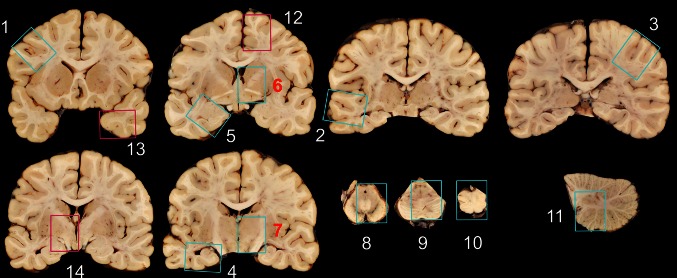
“Of the NIA-AA sampling guidelines, the following blocks are most valuable for detecting CTE: sulcal depths of the superior and middle frontal gyrus, superior and middle temporal gyrus and inferior parietal gyrus (Fig.”
BackgroundMethodInfluentialSelf-citationChronic traumatic encephalopathy in athletes: Progressive tauopathy after repetitive head injury
McKee, A. C., Cantu, R. C., Nowinski, C. J., Hedley-Whyte, E. T., Gavett, B. E., Budson, A. E., Santini, V. E., Lee, H.-S., Kubilus, C. A., & Stern, R. A. (2009) · Journal of Neuropathology & Experimental Neurology · doi:10.1097/nen.0b013e3181a9d503 · Cited by 2,295 · cited 2×
“Although 9 of the 10 subjects diagnosed with CTE in this study were former American football players and only one was a former professional boxer, previous data has shown that the pathological features of CTE associated with boxing (often referred to as “dementia pugilistica”) are similar to the pathological features…”
ResultSelf-citationThe spectrum of disease in chronic traumatic encephalopathy
McKee, A. C., Stein, T. D., Nowinski, C. J., Stern, R. A., Daneshvar, D. H., Alvarez, V. E., Lee, H.-S., Hall, G., Wojtowicz, S. M., Baugh, C. M., et al. (2013) · Brain · doi:10.1093/brain/aws307 · Cited by 2,098 · cited 7×
“Although 9 of the 10 subjects diagnosed with CTE in this study were former American football players and only one was a former professional boxer, previous data has shown that the pathological features of CTE associated with boxing (often referred to as “dementia pugilistica”) are similar to the pathological features…”
BackgroundMethodResultInfluentialSelf-citationPrimary age-related tauopathy (PART): a common pathology associated with human aging
Crary, J. F., Trojanowski, J. Q., Schneider, J. A., Abisambra, J. F., Abner, E. L., Alafuzoff, I., Arnold, S. E., Attems, J., Beach, T. G., Bigio, E. H., et al. (2014) · Acta Neuropathologica · doi:10.1007/s00401-014-1349-0 · Cited by 1,467 · cited 1×
“The neuropathologists were given a tauopathy criteria guide that provided the provisional criteria for CTE [32] as well as published criteria for the other tauopathies (See supplementary material for full tauopathy criteria guide) [4, 7, 11, 21, 25, 34, 40, 47].”
MethodSelf-citationCairns, N. J., Bigio, E. H., Mackenzie, I. R. A., Neumann, M., Lee, V. M.-Y., Hatanpaa, K. J., White, C. L., Schneider, J. A., Grinberg, L. T., Halliday, G., et al. (2007) · Acta Neuropathologica · doi:10.1007/s00401-007-0237-2 · Cited by 1,110 · cited 1×
“The neuropathologists were given a tauopathy criteria guide that provided the provisional criteria for CTE [32] as well as published criteria for the other tauopathies (See supplementary material for full tauopathy criteria guide) [4, 7, 11, 21, 25, 34, 40, 47].”
MethodSelf-citationGoldstein, L. E., Fisher, A. M., Tagge, C. A., Zhang, X.-L., Velisek, L., Sullivan, J. A., Upreti, C., Kracht, J. M., Ericsson, M., Wojnarowicz, M. W., et al. (2012) · Science Translational Medicine · doi:10.1126/scitranslmed.3003716 · Cited by 958 · cited 1×
“Recent neuropathological studies have identified CTE in athletes who played soccer, baseball, ice hockey and rugby, as well as in military personnel exposed to explosive blast [15, 29, 31, 32, 36, 45].”
BackgroundSelf-citationChronic Traumatic Encephalopathy in a National Football League Player
Omalu, B. I., DeKosky, S. T., Minster, R. L., Kamboh, M. I., Hamilton, R. L., & Wecht, C. H. (2005) · Neurosurgery · doi:10.1227/01.neu.0000163407.92769.ed · Cited by 894
Hauw, J.-J., Daniel, S. E., Dickson, D., Horoupian, D. S., Jellinger, K., Lantos, P. L., McKee, A., Tabaton, M., & Litvan, I. (1994) · Neurology · doi:10.1212/wnl.44.11.2015 · Cited by 852 · cited 6×
“In the 15 other tauopathy cases (cases submitted for review with diagnoses other than CTE) (Supplementary Table 2), the reviewers generally agreed with the submission diagnoses of AD (97.1 % of responses), CBD (92.8 %), and PART (78.5 %); however, there were frequent discrepancies in cases with the presumptive diagnos…”
MethodInfluentialSelf-citationCorsellis, J. A. N., Bruton, C. J., & Freeman-Browne, D. (1973) · Psychological Medicine · doi:10.1017/s0033291700049588 · Cited by 836 · cited 2×
“While initial reports of boxers with CTE described cerebellar scarring, atrophy and loss of Purkinje cells [5], recent studies of pugilists find that cerebellar pathology is rare aside from p-tau NFTs and neurites in the dentate nucleus, Purkinje cells and roof of the 4th ventricle [28, 32].”
Result
Research works printed but not linked: 2
- Darby A, Adams J, Babcock K, Avarez V, Stein T, McKee A (2015) Detection of CTE in autopsy cohorts using restricted cortical sampling. In: Journal of Neuropathology and Experimental Neurology, vol 6. Lippincott Williams and Wilkins Two Commerce SQ, 2001 Market ST, Philadelphia, pp 615–615
- Millspaugh J Dementia pugilistica US Naval Med Bull 1937 35 297Y303
Cited by
Items 301–400 of 886
Chronic Traumatic Encephalopathy in Athletes Involved with High-impact Sports.
Safinia, C., Bershad, E. M., Clark, H. B., SantaCruz, K. S., Alakbarova, N., Suárez, J. I., & Divani, A. A. (2016) · Journal of vascular and interventional neurology · Cited by 46
Logsdon, A. F., Lucke-Wold, B. P., Turner, R. C., Li, X., Adkins, C. E., Mohammad, A. S., Huber, J. D., Rosen, C. L., & Lockman, P. R. (2017) · Archives of Neuroscience · doi:10.5812/archneurosci.44254 · Cited by 28
“The characteristic finding of chronic traumatic encephalopathy is neurofibrillary tau tangles (24, 25).”
BackgroundPearce, A. J., Sy, J. S., Lee, M. C., Harding, A. J., Mobbs, R. E., Batchelor, J., Suter, C. M., & Buckland, M. E. (2020) · Acta Neuropathologica Communications · doi:10.1186/s40478-020-0895-z · Cited by 28
Finkel, A. M., & Bieniek, K. F. (2018) · Human and Ecological Risk Assessment An International Journal · doi:10.1080/10807039.2018.1456899 · Cited by 31
“…sponsored by the National Institutes of Health, defined the pathognomonic lesion of CTE as hyperphosphorylated tau aggregates in neurons, astrocytes, and cell processes around small vessels in an irregular pattern at the depths of the cortical sulci (McKee et al. 2016).”
BackgroundSelf-citationPaclitaxel Reduces Brain Injury from Repeated Head Trauma in Mice
Cross, D. J., Meabon, J. S., Cline, M. M., Richards, T. L., Stump, A. J., Cross, C. G., Minoshima, S., Banks, W. A., & Cook, D. G. (2019) · Journal of Alzheimer s Disease · doi:10.3233/jad-180871 · Cited by 32
“showed that paclitaxel significantly reduced escape latencies, indicative of improved performance (F[2, 20] = 7.”
InfluentialRetired National Football League Players are Not at Greater Risk for Suicide
Iverson, G. L. (2019) · Archives of Clinical Neuropsychology · doi:10.1093/arclin/acz023 · Cited by 35
The long-term consequences of repetitive head impacts: Chronic traumatic encephalopathy
Alosco, M. L., & Stern, R. A. (2019) · Handbook of clinical neurology · doi:10.1016/b978-0-12-804766-8.00018-2 · Cited by 29
Adams, J. W., Alosco, M. L., Mez, J., Alvarez, V. E., Huber, B. R., Tripodis, Y., Adler, C. H., Kubilius, C., Cormier, K., Mathais, R., et al. (2020) · Acta Neuropathologica · doi:10.1007/s00401-020-02206-x · Cited by 31
“CTE was neuropathologically diagnosed using the National Institutes of Health consensus criteria, which include abnormal perivascular accumulations of hyperphosphorylated tau (p-tau) in neurons, astrocytes, and cell processes concentrated at the sulcal depths [42], and staged based on regional p-tau involvement [44].”
MethodSelf-citationAlosco, M. L., Culhane, J. E., & Mez, J. (2021) · Neurotherapeutics · doi:10.1007/s13311-021-01028-3 · Cited by 34
“In 2015, a NINDS and National Institute of Biomedical Imaging and Bioengineering sponsored conference was convened to evaluate proposed neuropathological diagnostic criteria for CTE [12, 19].”
BackgroundInfluentialSynergistic effects of brain injury and aging: common mechanisms of proteostatic dysfunction
Saikumar, J., & Bonini, N. M. (2021) · Trends in Neurosciences · doi:10.1016/j.tins.2021.06.003 · Cited by 31
Prevalence of chronic traumatic encephalopathy in the Sydney Brain Bank
McCann, H., Bahar, A. Y., Burkhardt, K., Gardner, A. J., Halliday, G. M., Iverson, G. L., & Shepherd, C. E. (2022) · Brain Communications · doi:10.1093/braincomms/fcac189 · Cited by 32
“Cases that were identified as having CTE-NC then had a full set of regions stained according to the 2016 and 2021 NINDS/NIBIB consensus criteria.(18,19) Where possible, bilateral regions were examined from the cortex, hippocampus, amygdala, basal ganglia, thalamus, midbrain with substantia nigra, pons with locus coeru…”
BackgroundMethodResultInfluentialAlosco, M. L., Su, Y., Stein, T. D., Protas, H. D., Cherry, J. D., Adler, C. H., Balcer, L. J., Bernick, C. B., Pulukuri, S. V., Abdolmohammadi, B., et al. (2022) · European Journal of Nuclear Medicine and Molecular Imaging · doi:10.1007/s00259-022-05963-x · Cited by 30
“The neuropathological diagnosis of CTE was made using criteria defined at two National Institute of Neurological Disorders and Stroke (NINDS) and National Institute of Biomedical Imaging and Bioengineering (NIBIB) sponsored consensus conferences [6, 7].”
InfluentialSelf-citationCharacterization of Detergent Insoluble Proteome in Chronic Traumatic Encephalopathy
Cherry, J. D., Zeineddin, A., Dammer, E. B., Webster, J. A., Duong, D. M., Seyfried, N. T., Levey, A. I., Alvarez, V. E., Huber, B. R., Stein, T. D., et al. (2017) · Journal of Neuropathology & Experimental Neurology · doi:10.1093/jnen/nlx100 · Cited by 33
“Brains with a history of repetitive head injury from the VA-BU-CLF Brain Bank were neuropathologically evaluated for changes of CTE using recently established NINDS consensus criteria for CTE (15) as well as criteria for AD, PD, dementia with Lewy bodies, frontotemporal lobe degeneration, or motor neuron disease (Supp…”
BackgroundMethodSelf-citationDNA damage as a marker of brain damage in individuals with history of concussions
Schwab, N., Tator, C., & Hazrati, L.-N. (2019) · Laboratory Investigation · doi:10.1038/s41374-019-0199-8 · Cited by 26
“The 2016 consensus group identified one feature required for the diagnosis of CTE: the presence of p-tau aggregates in neurons and astrocytes, specifically in perivascular regions at the depths of cortical sulci [17].”
BackgroundMethodInfluentialHenry, L. C., Tremblay, S., & Beaumont, L. D. (2016) · The Neuroscientist · doi:10.1177/1073858416651034 · Cited by 34
Nascimento, C. F., Nunes, P. V., Rodriguez, R. D., Takada, L. T., Suemoto, C. K., Grinberg, L. T., Nitríni, R., & Lafer, B. (2019) · Progress in Neuro-Psychopharmacology and Biological Psychiatry · doi:10.1016/j.pnpbp.2019.04.008 · Cited by 31
“, 2016), chronic traumatic encephalopathy (McKee et al., 2016), argyrophilic grain disease (Rodriguez et al.”
BackgroundHorstemeyer, M. F., Berthelson, P. R., Moore, J. L., Persons, A. K., Dobbins, A. C., & Prabhu, R. K. (2019) · Annals of Biomedical Engineering · doi:10.1007/s10439-019-02294-1 · Cited by 27
Tau progression in single severe frontal traumatic brain injury in human brains
Okamura, Y., Kawakami, I., Watanabe, K., Oshima, K., Niizato, K., Ikeda, K., Akiyama, H., & Hasegawa, M. (2019) · Journal of the Neurological Sciences · doi:10.1016/j.jns.2019.116495 · Cited by 26
Interaction of APOE4 alleles and PET tau imaging in former contact sport athletes
Vasilevskaya, A., Taghdiri, F., Burke, C., Tarazi, A., Naeimi, S. A., Khodadadi, M., Goswami, R., Sato, C., Grinberg, M., Moreno, D., et al. (2020) · NeuroImage Clinical · doi:10.1016/j.nicl.2020.102212 · Cited by 53
“The pathognomonic lesion of CTE, as defined by a National Institute of Neurological Disease and Stroke (NINDS)/National Institute of Biomedical Imaging and Bioengineering (NIBIB) meeting, consists of irregular hyperphosphorylated tau deposits in neurons and astroglia, preferentially at the depths of the sulci in the s…”
Chronic Traumatic Encephalopathy and Neuropathological Comorbidities
Stein, T. D., & Crary, J. F. (2020) · Seminars in Neurology · doi:10.1055/s-0040-1713628 · Cited by 32
Self-citationAnatomic survey of seeding in Alzheimer’s disease brains reveals unexpected patterns
Stopschinski, B. E., Del Tredici, K., Estill-Terpack, S.-J., Ghebremedhin, E., Yu, F. F., Braak, H., & Diamond, M. I. (2021) · Acta Neuropathologica Communications · doi:10.1186/s40478-021-01255-x · Cited by 26
Performance-based alternatives to race-norms in neuropsychological assessment
Gasquoine, P. G. (2021) · Cortex · doi:10.1016/j.cortex.2021.12.003 · Cited by 29
Environmental and lifestyle risk factors for early-onset dementia: a systematic review.
Bosi, M., Malavolti, M., Garuti, C., Tondelli, M., Marchesi, C., Vinceti, M., & Filippini, T. (2022) · Acta bio-medica dell'Ateneo parmense/Acta biomedica · doi:10.23750/abm.v93i6.13279 · Cited by 43
Motor Function in Former Professional Football Players with History of Multiple Concussions
Tarazi, A., Tator, C. H., Wennberg, R. A., Ebraheem, A., Green, R., Colella, B., Saverino, C., Khodadadi, M., Misquitta, K., & Tartaglia, M. C. (2017) · Journal of Neurotrauma · doi:10.1089/neu.2017.5290 · Cited by 34
Traumatic Brain Injury, Chronic Traumatic Encephalopathy, and Alzheimer Disease
Al‐Dahhak, R., Khoury, R., Qazi, E., & Grossberg, G. T. (2018) · Clinics in Geriatric Medicine · doi:10.1016/j.cger.2018.06.008 · Cited by 27
Longitudinal Changes in Hippocampal Subfield Volume Associated with Collegiate Football
Parivash, S. N., Goubran, M., Mills, B. D., Rezaii, P. G., Thaler, C. P., Wolman, D. N., Bian, W., Mitchell, L. A., Boldt, B. M., Douglas, D., et al. (2019) · Journal of Neurotrauma · doi:10.1089/neu.2018.6357 · Cited by 28
Arciniega, H., Baucom, Z., Tuz‐Zahra, F., Tripodis, Y., John, O., Carrington, H., Kim, N., Knyazhanskaya, E. E., Jung, L., Breedlove, K. M., et al. (2024) · Brain · doi:10.1093/brain/awae098 · Cited by 30
Self-citationAlosco, M. L., Tripodis, Y., Koerte, I. K., Jackson, J., Chua, A. S., Mariani, M. L., Haller, O., Foley, É. M., Martin, B. M., Palmisano, J. N., et al. (2019) · Frontiers in Human Neuroscience · doi:10.3389/fnhum.2019.00440 · Cited by 27
Self-citationMechanisms of cell damage due to mechanical impact: an in vitro investigation
Kang, W., Robitaille, M. C., Merrill, M. H., Teferra, K., Kim, C.-H., & Raphael, M. P. (2020) · Scientific Reports · doi:10.1038/s41598-020-68655-2 · Cited by 26
Pearson, A., Ajoy, R., Crynen, G., Reed, J. M., Algamal, M., Mullan, M., Purohit, D., Crawford, F., & Ojo, J. O. (2020) · BMC Neurology · doi:10.1186/s12883-020-01849-3 · Cited by 25
The Significance of Tau Aggregates in the Human Brain
Castellani, R. J. (2020) · Brain Sciences · doi:10.3390/brainsci10120972 · Cited by 27
Influence of traumatic brain injury on extracellular tau elimination at the blood–brain barrier
Eisenbaum, M., Pearson, A., Gratkowski, A., Mouzon, B., MULLAN, M. J., Crawford, F., Ojo, J. O., & Bachmeier, C. J. (2021) · Fluids and Barriers of the CNS · doi:10.1186/s12987-021-00283-y · Cited by 28
The spectrum of disease and tau pathology of nodding syndrome in Uganda
Pollanen, M. S., Onzivua, S., McKeever, P. M., Robertson, J., Mackenzie, I. R., Kovács, G. G., Olwa, F., Kitara, D. L., & Fong, A. (2022) · Brain · doi:10.1093/brain/awac137 · Cited by 25
Modeling neurodegeneration in chronic traumatic encephalopathy using gradient damage models
Noël, L., & Kuhl, E. (2019) · Computational Mechanics · doi:10.1007/s00466-019-01717-z · Cited by 24
“1 Department of Mechanical Engineering, Stanford University, Stanford, CA 94305, USA From a histopathological point of view, chronic traumatic encephalopathymanifests itself by an accumulation of abnormally phosphorylated tau proteins within the brain [29].”
BackgroundMethodResultInfluentialPerani, D., Iaccarino, L., Lammertsma, A. A., Windhorst, A. D., Edison, P., Boellaard, R., Hansson, O., Nordberg, A. K., Jacobs, A. H., & IMBI Project (2019) · Alzheimer s & Dementia · doi:10.1016/j.jalz.2019.02.004 · Cited by 27
“Abnormal hyperphosphorylated tau accumulation has also been found as pathognomonic in CTE, with a peculiar irregular pattern of deposition in neurons and astroglia around small blood vessels [75].”
BackgroundChronic Traumatic Encephalopathy in Football Players—Reply
McKee, A. C., Mez, J. B., & Abdolmohammadi, B. (2017) · JAMA · doi:10.1001/jama.2017.16687 · Cited by 25
Self-citationBiomechanical simulation of traumatic brain injury in the rat
Finan, J. D. (2018) · Clinical Biomechanics · doi:10.1016/j.clinbiomech.2018.01.015 · Cited by 23
“This interest stems from evidence that repeated mild TBI among military veterans, athletes and other highly exposed individuals leads to a form of neurodegeneration called chronic traumatic encephalopathy (McKee et al., 2016).”
BackgroundDallmeier, J., Meysami, S., Merrill, D. A., & Raji, C. A. (2019) · British Journal of Radiology · doi:10.1259/bjr.20180925 · Cited by 25
Honig, M. G., Dorian, C. C., Worthen, J. D., Micetich, A. C., Mulder, I. A., Sanchez, K. B., Pierce, W. F., Mar, N. A. D., & Reiner, A. J. (2020) · European Journal of Neuroscience · doi:10.1111/ejn.14711 · Cited by 27
Risk for Misdiagnosing Chronic Traumatic Encephalopathy in Men With Anger Control Problems
Iverson, G. L., & Gardner, A. J. (2020) · Frontiers in Neurology · doi:10.3389/fneur.2020.00739 · Cited by 26
“In its modern form, CTE is considered to be a postmortem neuropathological diagnosis (18, 19), with the defining pathological feature being the accumulation of hyperphosphorylated tau (p-tau), in a patchy distribution at the depths of the cortical sulci around small vessels (18, 19).”
BackgroundInfluentialKrishnadas, N., Doré, V., Lamb, F., Groot, C., McCrory, P. R., Guzman, R., Mulligan, R. S., Huang, K., O'Donnell, M. L., Ponsford, J. L., et al. (2020) · Frontiers in Neurology · doi:10.3389/fneur.2020.598980 · Cited by 27
“The first consensus criteria require the presence of phosphorylated tau aggregates in neurons, astrocytes, and cell processes around small vessels in an irregular pattern at the depths of cortical sulci (2).”
BackgroundRitter, A. R., Shan, G., Montes, A., Randall, R., & Bernick, C. B. (2022) · British Journal of Sports Medicine · doi:10.1136/bjsports-2022-105819 · Cited by 29
The Role of Microglia in the Etiology and Evolution of Chronic Traumatic Encephalopathy
Makinde, H. M., Just, T. B., Cuda, C. M., Perlman, H., & Schwulst, S. J. (2017) · Shock · doi:10.1097/shk.0000000000000859 · Cited by 29
“The largest study of neuropathologically confirmed CTE to date formed the foundation for the recent NIH Consensus criteria for the neuropathology of CTE: macroscopic abnormalities of the septum pellucidum, superficial location of neurofibrillary tangles at cortical layers II and III, neurofibrillary tangles in the CA2…”
Animal models of chronic traumatic encephalopathy
McAteer, K. M., Turner, R. J., & Corrigan, F. (2017) · Concussion · doi:10.2217/cnc-2016-0031 · Cited by 25
The Behavioral Neuroscience of Traumatic Brain Injury
Koliatsos, V. E., & Rao, V. (2020) · Psychiatric Clinics of North America · doi:10.1016/j.psc.2020.02.009 · Cited by 32
Repetitive Head Trauma Induces Chronic Traumatic Encephalopathy by Multiple Mechanisms
Cherry, J. D., Babcock, K. J., & Goldstein, L. E. (2020) · Seminars in Neurology · doi:10.1055/s-0040-1713620 · Cited by 26
Sensation-Seeking and Impulsivity in Athletes with Sport-Related Concussion
Liebel, S. W., Edwards, K. A. M., & Broglio, S. P. (2021) · Current Psychiatry Reports · doi:10.1007/s11920-021-01232-0 · Cited by 30
Decreased myelin proteins in brain donors exposed to football-related repetitive head impacts
Alosco, M. L., Ly, M. T., Mosaheb, S., Saltiel, N. A., Uretsky, M., Tripodis, Y., Martin, B. M., Palmisano, J. N., Delano‐Wood, L., Bondi, M. W., et al. (2023) · Brain Communications · doi:10.1093/braincomms/fcad019 · Cited by 27
“cephalopathy (CTE), a progressive neurodegenerative disease characterized by the perivascular deposition of hyper-phosphorylated tau (p-tau) in neurons at the depths of the cerebral sulci.(12,13) The duration of exposure to RHI (i.”
BackgroundMethodSelf-citationRaman, M. R., Kantarci, K., Murray, M. E., Jack, C. R., & Vemuri, P. (2016) · Alzheimer s & Dementia Diagnosis Assessment & Disease Monitoring · doi:10.1016/j.dadm.2016.12.006 · Cited by 25
“[35] McKee AC, Cairns NJ, Dickson DW, Folkerth RD, Keene CD, Litvan I, et al.”
BackgroundA Preliminary Study of Early-Onset Dementia of Former Professional Football and Hockey Players
Willer, B. S., Zivadinov, R., Haider, M. N., Miecznikowski, J. C., & Leddy, J. J. (2018) · Journal of Head Trauma Rehabilitation · doi:10.1097/htr.0000000000000421 · Cited by 26
Elevated cerebrospinal fluid total tau in former professional athletes with multiple concussions
Taghdiri, F., Multani, N., Tarazi, A., Naeimi, S. A., Khodadadi, M., Esopenko, C., Green, R., Colella, B., Wennberg, R. A., Mikulis, D. J., et al. (2019) · Neurology · doi:10.1212/wnl.0000000000007608 · Cited by 29
“Chronic traumatic encephalopathy (CTE) is a slowly progressive neurodegenerative disease that is characterized by a distinct pattern of hyperphosphorylated tau deposition in the brain.(1) CTE has been observed most often in professional contact sports athletes such as football or hockey players who have been subjected…”
BackgroundManagement of chronic traumatic encephalopathy
Cantu, R. C., & Budson, A. E. (2019) · Expert Review of Neurotherapeutics · doi:10.1080/14737175.2019.1633916 · Cited by 24
Su, Y., Protas, H. D., Luo, J., Chen, K., Alosco, M. L., Adler, C. H., Balcer, L. J., Bernick, C. B., Au, R., Banks, S. J., et al. (2023) · Alzheimer s & Dementia · doi:10.1002/alz.13602 · Cited by 22
“3,5 9 Currently, CTE can only be definitively diagnosed or traumatic brain injury (TBI).”
BackgroundSelf-citationThe Neurovascular Unit as a Locus of Injury in Low-Level Blast-Induced Neurotrauma
Elder, G. A., Sosa, M. A. G., Gasperi, R. D., Garcia, G. S. P., Perez, G. M., Abutarboush, R., Kawoos, U., Zhu, C. W., Janssen, W. G. M., Stone, J. R., et al. (2024) · International Journal of Molecular Sciences · doi:10.3390/ijms25021150 · Cited by 26
“In CTE, p-tau aggregates occur in neurons and astrocytes in perivascular locations, especially within the depths of the cortical sulci [202,203].”
BackgroundSchlegel, P., Novotný, M., Vališ, M., & Klímová, B. (2021) · The Physician and Sportsmedicine · doi:10.1080/00913847.2021.1885966 · Cited by 29
COllaborative Neuropathology NEtwork Characterizing ouTcomes of TBI (CONNECT-TBI)
Smith, D. H., Dollé, J.-P., Ameen‐Ali, K. E., Bretzin, A. C., Cortes, E. P., Crary, J. F., Dams-O’Connor, K., Diaz-Arrastia, R. R., Edlow, B. L., Folkerth, R. D., et al. (2021) · Acta Neuropathologica Communications · doi:10.1186/s40478-021-01122-9 · Cited by 23
Self-citationIverson, G. L., Kissinger-Knox, A. M., Huebschmann, N. A., Castellani, R. J., & Gardner, A. J. (2023) · Frontiers in Neurology · doi:10.3389/fneur.2023.1214814 · Cited by 23
“Notably, when the postmortem brain tissue from that case series was reexamined using the modern definition of CTE-NC (56), by Goldfinger and colleagues (81), the man who had suicidality documented did not have CTE-NC.”
BackgroundMethodConcussion, dementia and CTE: are we getting it very wrong?
Carson, A. J. (2017) · Journal of Neurology Neurosurgery & Psychiatry · doi:10.1136/jnnp-2016-315510 · Cited by 22
First confirmed case of chronic traumatic encephalopathy in a professional bull rider
Keene, C. D., Latimer, C. S., Steele, L. M., & Mac Donald, C. L. (2018) · Acta Neuropathologica · doi:10.1007/s00401-017-1801-z · Cited by 22
“While CTE pathology stages have been proposed [5] they are neither fully validated nor well accepted; nevertheless, the distribution and burden of pathological tau was most consistent with low-stage CTE pathology.”
BackgroundInfluentialSelf-citationO’Connor, K. L., Allred, C. D., Cameron, K. L., Campbell, D. E., D’Lauro, C. J., Houston, M. N., Johnson, B. R., Kelly, T. F., McGinty, G. T., O’Donnell, P. G., et al. (2018) · Military Medicine · doi:10.1093/milmed/usx130 · Cited by 25
Neuropsychological functioning in ageing retired NFL players: a critical review
Schaffert, J., LoBue, C., Fields, L. M., Wilmoth, K., Didehbani, N., Hart, J., & Cullum, C. M. (2019) · International Review of Psychiatry · doi:10.1080/09540261.2019.1658572 · Cited by 29
LoBue, C., Schaffert, J., Cullum, C. M., Peters, M. E., Didehbani, N., Hart, J., & White, C. L. (2020) · Journal of Neurology Neurosurgery & Psychiatry · doi:10.1136/jnnp-2019-321567 · Cited by 26
Emotional Lability as a Unique Presenting Sign of Suspected Chronic Traumatic Encephalopathy
Yuan, S. H., & Wang, S. G. (2018) · Case Reports in Neurological Medicine · doi:10.1155/2018/2621416 · Cited by 22
“The definitive diagnosis for CTE is neuropathological evidence of early perivascular tau deposition in the brain [3].”
BackgroundChronic Traumatic Encephalopathy
Turk, K. W., & Budson, A. E. (2019) · CONTINUUM Lifelong Learning in Neurology · doi:10.1212/con.0000000000000686 · Cited by 25
Chronic traumatic encephalopathy: fluid biomarkers
Zetterberg, H., & Blennow, K. (2018) · Handbook of clinical neurology · doi:10.1016/b978-0-444-63954-7.00030-6 · Cited by 28
Anti-Phospho-Tau Gene Therapy for Chronic Traumatic Encephalopathy
Sacramento, C. B., Sondhi, D., Rosenberg, J. B., Chen, A., Giordano, S., Pey, E. P., Lee, V., Stiles, K. M., Havlicek, D. F., Leopold, P. L., et al. (2019) · Human Gene Therapy · doi:10.1089/hum.2019.174 · Cited by 23
Yang, C., Nag, S., Xing, G., Aggarwal, N. T., & Schneider, J. A. (2020) · Frontiers in Neurology · doi:10.3389/fneur.2020.00042 · Cited by 23
“The degree of non-p-tau-related pathology in the hippocampus was greater than that described in the CTE cases (10).”
BackgroundMethodInfluentialCasson, I. R., & Viano, D. C. (2019) · Journal of Alzheimer s Disease · doi:10.3233/jad-190115 · Cited by 22
Hossain, I., Mohammadian, M., Takala, R. S. K., Tenovuo, O. S., Azurmendi, L., Frantzén, J., van Gils, M., Hutchinson, P. J., Katila, A. J., Maanpää, H.-R., et al. (2020) · Frontiers in Neurology · doi:10.3389/fneur.2020.00325 · Cited by 24
“It has been reported that plasma levels of Aβ40 and Aβ42 do not have a value for the diagnosis and the prediction of outcome of mTBI (15, 23, 33, 35, 36).”
BackgroundResultBachstetter, A. D., Garrett, F. G., Jicha, G. A., & Nelson, P. T. (2021) · Acta Neuropathologica Communications · doi:10.1186/s40478-021-01152-3 · Cited by 20
Gibbons, L. E., Power, M. C., Walker, R. L., Kumar, R. G., Murphy, A., Latimer, C. S., Nolan, A., Melief, E. J., Beller, A., Bogdani, M., et al. (2023) · Journal of Alzheimer s Disease · doi:10.3233/jad-221224 · Cited by 21
Self-citationHoglund, Z. T., Ruiz‐Uribe, N. E., del Sastre, E., Woost, B., Bader, E., Bailey, J. J., Hyman, B. T., Zwang, T. J., & Bennett, R. E. (2024) · Acta Neuropathologica · doi:10.1007/s00401-024-02751-9 · Cited by 25
“Prominent accumulation of NFTs near blood vessels is also a neuropathological feature of the mildest forms of chronic traumatic encephalopathy in young individuals and this may indicate shared mechanisms between diseases [27, 28].”
BackgroundNeurodegenerative Diseases and Ageing
Walker, L., McAleese, K. E., Erskine, D., & Attems, J. (2019) · Sub-cellular biochemistry/Subcellular biochemistry · doi:10.1007/978-981-13-3681-2_4 · Cited by 24
Mouzon, B., Saltiel, N. A., Ferguson, S., Ojo, J. O., Lungmus, C., Lynch, C., Algamal, M., Morin, A., Carper, B. A., Bieler, G. S., et al. (2018) · Brain Injury · doi:10.1080/02699052.2018.1486457 · Cited by 19
Miner, A. E., Groh, J. R., Tripodis, Y., Adler, C. H., Balcer, L. J., Bernick, C. B., Zetterberg, H., Blennow, K., Peskind, E. R., Ashton, N. J., et al. (2024) · Alzheimer s & Dementia · doi:10.1002/alz.14231 · Cited by 22
“8 19 Advancements in blood immunoassay techniques have allowed for the identification of blood-based biomarkers that provide insight into neuropathological processes.”
Self-citationDuration of Ice Hockey Play and Chronic Traumatic Encephalopathy
Abdolmohammadi, B., Tuz‐Zahra, F., Uretsky, M., Nicks, R., Mosaheb, S., Labonte, J., Yhang, E., Durape, S., Martin, B. M., Palmisano, J. N., et al. (2024) · JAMA Network Open · doi:10.1001/jamanetworkopen.2024.49106 · Cited by 26
Self-citationEvolving concepts of chronic traumatic encephalopathy as a neuropathological entity
Ling, H., Neal, J., & Révész, T. (2017) · Neuropathology and Applied Neurobiology · doi:10.1111/nan.12425 · Cited by 23
Cannabis in the Treatment of Traumatic Brain Injury: A Primer for Clinicians
Grenier, K., Ponnambalam, F., Lee, D. M., Lauwers, R., & Bhalerao, S. (2019) · Canadian Journal of Neurological Sciences / Journal Canadien des Sciences Neurologiques · doi:10.1017/cjn.2019.298 · Cited by 23
“Interestingly, CTE neuropathology was recently shown to involve, in addition to cortical areas, isodendritic core nuclei such as the locus ceruleus, dorsal raphe nuclei, nucleus basalis of meynert, and substantia nigra, which are, respectively, the major outputs of adrenergic, serotonergic, cholinergic, and dopaminerg…”
BackgroundVentresca, M. (2019) · Springer eBooks · doi:10.1007/978-981-32-9127-0_4 · Cited by 26
Do as I say: contradicting beliefs and attitudes towards sports concussion in Australia
Pearce, A. J., Young, J. A., Parrington, L., & Aimers, N. (2016) · Journal of Sports Sciences · doi:10.1080/02640414.2016.1241420 · Cited by 24
“2014; Smith, Johnson, & Stewart, 2013), and associated deterioration in brain tissue (McKee et al., 2016).”
BackgroundMolecular mechanisms of chronic traumatic encephalopathy
van den Bedem, H., & Kuhl, E. (2017) · Current Opinion in Biomedical Engineering · doi:10.1016/j.cobme.2017.02.003 · Cited by 23
A Season of American Football Is Not Associated with Changes in Plasma Tau
Oliver, J. M., Jones, M. T., Anzalone, A. J., Kirk, K. M., Gable, D. A., Repshas, J., Johnson, T. A., Höglund, K., Blennow, K., & Zetterberg, H. (2017) · Journal of Neurotrauma · doi:10.1089/neu.2017.5064 · Cited by 19
Retinal nerve fibre changes in sports‐related repetitive traumatic brain injury
Kelman, J. C., Hodge, C., Stanwell, P., Mustafic, N., & Fraser, C. L. (2019) · Clinical and Experimental Ophthalmology · doi:10.1111/ceo.13673 · Cited by 23
“It has been suggested for almost a century that sports-related repetitive traumatic brain injury (rTBI) could result in brain damage.(3) Movement disorders and cognitive decline were first described in professional boxers in 1928, a condition initially coined “punch drunk.”
BackgroundKelley, C. M., Perez, S. E., & Mufson, E. J. (2019) · Acta Neuropathologica Communications · doi:10.1186/s40478-019-0861-9 · Cited by 21
Albayram, Ö., Albayram, S., & Mannix, R. (2020) · Translational Psychiatry · doi:10.1038/s41398-020-01111-x · Cited by 22
Schwab, N., & Hazrati, L.-N. (2018) · Journal of Alzheimer’s Disease · doi:10.3233/jad-180373 · Cited by 18
Ye, C., Behnke, J. A., Hardin, K. R., & Zheng, J. Q. (2023) · Frontiers in Neuroscience · doi:10.3389/fnins.2023.1150694 · Cited by 24
“CTE pathology is characterized by the presence of hyperphosphorylated tau accumulated within neurons and glia surrounding small blood vessels (perivascular) at sulci depths in a pattern distinct from AD (McKee et al., 2016; Mez et al., 2017).”
BackgroundVig, V., Garg, I., Tuz‐Zahra, F., Xu, J., Tripodis, Y., Nicks, R., Xia, W., Alvarez, V. E., Alosco, M. L., Stein, T. D., et al. (2023) · Journal of Alzheimer s Disease · doi:10.3233/jad-230167 · Cited by 23
Self-citationMcAllister, T. W. (2016) · FOCUS The Journal of Lifelong Learning in Psychiatry · doi:10.1176/appi.focus.20160025 · Cited by 25
Tauopathy with hippocampal 4‐repeat tau immunoreactive spherical inclusions: a report of three cases
Kovács, G. G., Kwong, L. K., Grossman, M., Irwin, D. J., Lee, E. B., Robinson, J. L., Suh, E. R., Deerlin, V. M. V., Lee, V. M., & Trojanowski, J. Q. (2016) · Brain Pathology · doi:10.1111/bpa.12482 · Cited by 19
“The distribution of tau pathology and the presence of basophilic inclusions distinguish our cases from the neuropathology of chronic traumatic encephalopathy (25) and the tauopathy associated with IgLON5 antibodies, where the hippocampus and brainstem shows prominent involvement (10).”
BackgroundRepetitive head impacts do not affect postural control following a competitive athletic season
Murray, N. G., Grimes, K. E., Shiflett, E. D., Munkasy, B. A., D’Amico, N. R., Mormile, M. E., Powell, D. W., & Buckley, T. A. (2017) · International Journal of Psychophysiology · doi:10.1016/j.ijpsycho.2017.09.018 · Cited by 23
Systematic review on the characterization of chronic traumatic encephalopathy by MRI and MRS
Ruprecht, R., Scheurer, E., & Lenz, C. (2018) · Journal of Magnetic Resonance Imaging · doi:10.1002/jmri.26162 · Cited by 23
Llibre‐Guerra, J. J., Lee, S. E., Suemoto, C. K., Ehrenberg, A. J., Kovács, G. G., Karydas, A., Staffaroni, A. M., Resende, E. D. P. F., Kim, E., Hwang, J., et al. (2021) · Brain Pathology · doi:10.1111/bpa.12924 · Cited by 20
“The primary neuropathological diagnosis classified participants into FTLD major molecular classes (FTLD-tau, FTLD-TDP-43, or FTLD-FUS) and subtypes (33,34), ALS (28), Alzheimer's disease (32), Lewy body disease (35), chronic traumatic encephalopathy (36), argyrophilic grain disease (22), or healthy controls (Figure 1).”
BackgroundA Novel Method to Model Chronic Traumatic Encephalopathy in Drosophila
Sun, M., & Chen, L. L. (2017) · Journal of Visualized Experiments · doi:10.3791/55602 · Cited by 28
Broglio, S. P., Williams, R. M., Rettmann, A., Moore, B., Eckner, J. T., & Meehan, S. K. (2017) · Clinical Journal of Sport Medicine · doi:10.1097/jsm.0000000000000420 · Cited by 23
The utility of clinical criteria in patients with chronic traumatic encephalopathy
Laffey, M., Darby, A. J., Cline, M. G., Teng, E., & Mendez, M. F. (2018) · Neurorehabilitation · doi:10.3233/nre-182452 · Cited by 18
Nelson, P. T., Dickson, D. W., Trojanowski, J. Q., Jack, C. R., Boyle, P. A., Arfanakis, K., Rademakers, R., Alafuzoff, I. I., Attems, J., Brayne, C., et al. (2019) · Brain · doi:10.1093/brain/awz226 · Cited by 18
“, 2014); while the term ‘encephalopathy’ is used in consensus recommendations for chronic traumatic encephalopathy (McKee et al., 2016).”
Self-citationMolecular features of human pathological tau distinguish tauopathy-associated dementias
Kumar, M., Schlaffner, C. N., Tang, S., Beuvink, M. A., Viodé, A., Mair, W., Jha, M., Uncu, C., Wesseling, H., Wang, T., et al. (2026) · Cell · doi:10.1016/j.cell.2025.12.036 · Cited by 27
“12,13 23 Current clinical or neuroimaging biomarkers cannot accurately or robustly detect and distinguish the different types of tauopathies.”
Self-citationRecent Preclinical Insights Into the Treatment of Chronic Traumatic Encephalopathy
Breen, P., & Krishnan, V. (2020) · Frontiers in Neuroscience · doi:10.3389/fnins.2020.00616 · Cited by 22
Subconcussion, Concussion, and Cognitive Decline: The Impact of Sports Related Collisions
Dioso, E., Cerillo, J., Azab, M. A., Foster, D. T., Smith, I. B., Leary, O. P., Goutnik, M., & Lucke-Wold, B. P. (2022) · Journal of Medical Research and Surgery · doi:10.52916/jmrs224081 · Cited by 23
“CTE is characterized by the “accumulation of abnormal tau in neurons and astroglia distributed around small blood vessels at the depths of the sulci”[4].”
Background
Metadata
- Authors
- the TBI/CTE group, McKee, A. C., Cairns, N. J., Dickson, D. W., Folkerth, R. D., Dirk Keene, C., Litvan, I., Perl, D. P., Stein, T. D., Vonsattel, J.-P., Stewart, W., Tripodis, Y., Crary, J. F., Bieniek, K. F., Dams-O’Connor, K., Alvarez, V. E., & Gordon, W. A.
- Affiliations
- Boston University (US)
- Mayo Clinic (US)
- Brigham and Women's Hospital (US)
- Uniformed Services University of the Health Sciences (US)
- Columbia University Irving Medical Center (US)
- VA Boston Healthcare System (US)
- Icahn School of Medicine at Mount Sinai (US)
- Corresponding author
- McKee, Ann C.
- ORCID
- Venue
- Acta Neuropathologica
- Published
- 2015-12-14
- Volume
- 131
- Issue
- 1
- Pages
- 75-86
- ISSN
- 0001-6322 (ISSN-L)
- 1432-0533
- PMC
- PMC4698281
- OpenAlex
- W2217184110
- Cited by
- 885
- References
- 49
- Citations by year
- 2026: 36 · 2025: 75 · 2024: 69 · 2023: 68 · 2022: 60 · 2021: 108 · 2020: 110 · 2019: 109 · 2018: 93 · 2017: 96 · 2016: 56 · 2015: 1
- FWCI
- 64.34
- Type
- journal article
- Language
- en
- Open access
- hybrid
- doi.org
- Licence
- cc-by
- creativecommons.org/licenses/by/4.0 (tdm)
- creativecommons.org/licenses/by/4.0 (vor)
- Locations
- Acta Neuropathologica (publishedVersion, cc-by)
- Europe PMC (PubMed Central) (publishedVersion, cc-by)
- PubMed Central (publishedVersion, cc-by)
- PubMed (publishedVersion)
- ENLIGHTEN (Jurnal Bimbingan dan Konseling Islam) (acceptedVersion)
- Digital Access to Scholarship at Harvard (DASH) (Harvard University) (submittedVersion, cc-by)
- Digital Commons@Becker (Washington University School of Medicine) (submittedVersion, cc-by)
- eScholarship (California Digital Library) (submittedVersion, cc-by)
- Funders
- National Institute of Neurological Disorders and Stroke (U01NS086659-01, R01NS078337, R56NS078337, R01NS095252)
- National Institute on Aging (P30-AG13846, P50 AG05681, P01 AG03991, 0572063345–5, R01AG1649)
- U.S. Department of Defense (W81XWH-13-2-0064, W81XWH-14-1-0399)
- U.S. Department of Veterans Affairs (CSP 501)
- Veterans Affairs Rehabilitation Research and Development Traumatic Brain Injury Center of Excellence (B6796-C)
- Department of Defense Peer Reviewed Alzheimer’s Research Program (DoD-PRARP #13267017)
- Andlinger Foundation
- National Football League
- WWE
- Topics
- Health Sciences › Medicine › Clinical Neurology › Traumatic Brain Injury Research
- Life Sciences › Neuroscience › Cellular and Molecular Neuroscience › Alzheimer's disease research and treatments
- Health Sciences › Medicine › Psychiatry and Mental health › Dementia and Cognitive Impairment Research
- Keywords
- chronic traumatic encephalopathy, hyperphosphorylated tau, tauopathy, neurofibrillary tangles, TDP-43 inclusions, hippocampus, cortical sulci
- MeSH terms
- Alzheimer Disease, Autopsy, Humans, Neurons, United States, Neurofibrillary Tangles, tau Proteins, Brain Injury, Chronic, Tauopathies, National Institute of Biomedical Imaging and Bioengineering (U.S.), National Institute of Neurological Disorders and Stroke (U.S.)
About these checks
Registry, retraction, Cites and statistics results are computed, not judged, with one exception: a printed reference that no index lists is read once by a model before it counts as a citation error. Claims are extracted by a model and kept only when their quote appears verbatim in the text; each cited source is then checked, with a model’s help, for whether it says what the claim relies on. Those verdicts can be wrong — read the claim’s quote and the cited source before relying on one.
Statistics and arithmetic are recomputed, not judged.
Confidence bands are shown only for fields calibrated on our annotated test set. None is calibrated yet, so no band is shown.
What counts as a claim ›How we measure confidence ›How we check this ›
Are you an author, or do you see a problem with this page? Request a review
Data sources
Bibliographic data: Semantic Scholar, OpenAlex, Crossref.
Contains information from the Semantic Scholar Academic Graph Datasets, made available under the ODC Attribution License (ODC-BY 1.0).
Semantic Scholar’s data is described in: Kinney, R., et al. (2023). The Semantic Scholar Open Data Platform. arXiv:2301.10140.
