

The DOI matches its Crossref record; 16 of the 16 references it cites were found in a registry or an index.
Associations of exercise-induced hormone profiles and gains in strength and hypertrophy in a large cohort after weight training
Overview
The claims and statistics of this paper haven’t been checked yet.
Run the check — free, no account needed. It reads the open-access text and checks the sources it cites.
Integrity signals
Registry
Cites
Statistics
Figures
Verification
Claims the paper makes
The claims and statistics of this paper haven’t been checked yet.
Run the check — free, no account needed. It reads the open-access text and checks the sources it cites.
Claims other papers make about this one
Each is checked against this paper’s own text: does it say what the citing paper says it does?
The source backs part of the claim, not all of it — or backs it for a different population, condition or comparison.
In the citing paper
“In subjects who were in energy balance (or mildly positive energy balance), exercise-induced changes in hormones such as testosterone, growth hormone, cortisol, and/or insulin-like growth factor I (IGF-I) were not associated with changes in MPS (10,11), muscle mass (12,13), or strength (13).”
From Higher compared with lower dietary protein during an energy deficit combined with intense exercise promotes greater lean mass gain and fat mass loss: a randomized trial (2016) · cites this paper as [13]
Experimental — accuracy not yet measured
Self-check
Percentages, sums and reported differences re-computed from the paper’s own numbers.
The self-check needs the paper’s full text.
Citations
Cites
Hormonal Responses and Adaptations to Resistance Exercise and Training
Kraemer, W. J., & Ratamess, N. A. (2005) · Sports Medicine · doi:10.2165/00007256-200535040-00004 · Cited by 1,389 · cited 4×
“That is, cortisol is frequently elevated after resistance exercise protocols designed to elicit hypertrophy (Kraemer et al. 1993, 1998; Kraemer and Ratamess 2005) and yet is generally considered to be catabolic and as such counteractive to hypertrophy (Kraemer and Ratamess 2005; Spiering et al.”
InfluentialTang, J. E., Moore, D. R., Kujbida, G. W., Tarnopolsky, M. A., & Phillips, S. M. (2009) · Journal of Applied Physiology · doi:10.1152/japplphysiol.00076.2009 · Cited by 998
Self-citationKumar, V., Selby, A., Rankin, D., Patel, R., Atherton, P., Hildebrandt, W., Williams, J., Smith, K., Seynnes, O., Hiscock, N., et al. (2009) · The Journal of Physiology · doi:10.1113/jphysiol.2008.164483 · Cited by 740 · cited 2×
“Recently, responses of microRNA expression (Davidsen et al. 2010), p70S6K1 phosphorylation (Kumar et al. 2009; Terzis et al. 2008), satellite cell activation and myonuclear addition (Petrella et al. 2008) have been highlighted as exhibiting differentiated responses to resistance training in…”
Petrella, J. K., Kim, J.-S., Mayhew, D. L., Cross, J. M., & Bamman, M. M. (2008) · Journal of Applied Physiology · doi:10.1152/japplphysiol.01215.2007 · Cited by 435 · cited 1×
“Interestingly, despite the overall group differences we still observed, as is common (Bamman et al. 2007; Petrella et al. 2006, 2008), a high degree of heterogeneity in phenotypic response of gain in LBM, fibre CSA as well as strength.”
Burd, N. A., Tang, J. E., Moore, D. R., & Phillips, S. M. (2009) · Journal of Applied Physiology · doi:10.1152/japplphysiol.91351.2008 · Cited by 390
Self-citationDavidsen, P. K., Gallagher, I. J., Hartman, J. W., Tarnopolsky, M. A., Dela, F., Helge, J. W., Timmons, J. A., & Phillips, S. M. (2011) · Journal of Applied Physiology · doi:10.1152/japplphysiol.00901.2010 · Cited by 385
Self-citationPetrella, J. K., Kim, J.-S., Cross, J. M., Kosek, D. J., & Bamman, M. M. (2006) · American Journal of Physiology-Endocrinology and Metabolism · doi:10.1152/ajpendo.00190.2006 · Cited by 356
Protein requirements and supplementation in strength sports
Phillips, S. M. (2004) · Nutrition · doi:10.1016/j.nut.2004.04.009 · Cited by 320
Self-citationWest, D. W. D., Burd, N. A., Tang, J. E., Moore, D. R., Staples, A. W., Holwerda, A. M., Baker, S. K., & Phillips, S. M. (2010) · Journal of Applied Physiology · doi:10.1152/japplphysiol.01147.2009 · Cited by 290 · cited 7×
“However, we have recently reported similar acute hormone responses, and resting hormone concentrations, at the beginning and end of 15 weeks of training (West et al. 2009) and thus believe the measurements made at the midpoint represent a reasonable characterization of the acute hormonal milieu, an assumption shared b…”
InfluentialSelf-citationIncreased proteolysis. An effect of increases in plasma cortisol within the physiologic range.
Simmons, P. S., Miles, J. M., Gerich, J. E., & Haymond, M. W. (1984) · Journal of Clinical Investigation · doi:10.1172/jci111227 · Cited by 286 · cited 2×
“2008) and amino acids (Simmons et al. 1984), respectively; it remains unknown whether exercise-induced changes in these hormones could also be modulating these energy-releasing and tissue-remodelling processes leading to an improved phe-”
Research works printed but not linked: 37
- Ahtiainen JP, Pakarinen A, Alen M, Kraemer WJ, Hakkinen K (2003a) Muscle hypertrophy, hormonal adaptations and strength development during strength training in strength-trained and untrained men. Eur J Appl Physiol 89:555–563 · DOI
- Ahtiainen JP, Pakarinen A, Kraemer WJ, Hakkinen K (2003b) Acute hormonal and neuromuscular responses and recovery to forced vs maximum repetitions multiple resistance exercises. Int J Sports Med 24:410–418 · DOI
- Beaven CM, Cook CJ, Gill ND (2008a) Significant strength gains observed in rugby players after specific resistance exercise protocols based on individual salivary testosterone responses. J Strength Cond Res 22:419–425 · DOI
- Beaven CM, Gill ND, Cook CJ (2008b) Salivary testosterone and cortisol responses in professional rugby players after four resistance exercise protocols. J Strength Cond Res 22:426–432 · DOI
- Bhasin S, Storer TW, Berman N, Callegari C, Clevenger B, Phillips J, Bunnell TJ, Tricker R, Shirazi A, Casaburi R (1996) The effects of supraphysiologic doses of testosterone on muscle size and strength in normal men. N Engl J Med 335:1–7 · DOI · Paper page
- Burd NA, Holwerda AM, Selby KC, West DW, Staples AW, Cain NE, Cashaback JG, Potvin JR, Baker SK, Phillips SM (2010) Resistance exercise volume affects myofibrillar protein synthesis and anabolic signalling molecule phosphorylation in young men. J Physiol 588:3119–3130 · DOI
- Crewther B, Cronin J, Keogh J, Cook C (2008) The salivary testosterone and cortisol response to three loading schemes. J Strength Cond Res 22:250–255 · DOI
- Crewther BT, Cook C, Cardinale M, Weatherby RP, Lowe T (2011) Two emerging concepts for elite athletes: the short-term effects of testosterone and cortisol on the neuromuscular system and the dose-response training role of these endogenous hormones. Sports Med 41:103–123 · DOI
- Curtin F, Schulz P (1998) Multiple correlations and bonferroni’s correction. Biol Psychiatry 44:775–777 · DOI
- Gotshalk LA, Loebel CC, Nindl BC, Putukian M, Sebastianelli WJ, Newton RU, Hakkinen K, Kraemer WJ (1997) Hormonal responses of multiset versus single-set heavy-resistance exercise protocols. Can J Appl Physiol 22:244–255 · DOI
- Hakkinen K, Pakarinen A (1993) Acute hormonal responses to two different fatiguing heavy-resistance protocols in male athletes. J Appl Physiol 74:882–887 · DOI
- Hartman JW, Tang JE, Wilkinson SB, Tarnopolsky MA, Lawrence RL, Fullerton AV, Phillips SM (2007) Consumption of fat-free fluid milk after resistance exercise promotes greater lean mass accretion than does consumption of soy or carbohydrate in young, novice, male weightlifters. Am J Clin Nutr 86:373–381 · DOI · Paper page
- Hayes LD, Bickerstaff GF, Baker JS (2010) Interactions of cortisol, testosterone, and resistance training: influence of circadian rhythms. Chronobiol Int 27:675–705 · DOI
- Inagaki Y, Madarame H, Neya M, Ishii N (2011) Increase in serum growth hormone induced by electrical stimulation of muscle combined with blood flow restriction. Eur J Appl Physiol 111:2715–2721 · DOI
- Judelson DA, Maresh CM, Yamamoto LM, Farrell MJ, Armstrong LE, Kraemer WJ, Volek JS, Spiering BA, Casa DJ, Anderson JM (2008) Effect of hydration state on resistance exercise-induced endocrine markers of anabolism, catabolism, and metabolism. J Appl Physiol 105:816–824 · DOI
- Kraemer WJ, Dziados JE, Marchitelli LJ, Gordon SE, Harman EA, Mello R, Fleck SJ, Frykman PN, Triplett NT (1993) Effects of different heavy-resistance exercise protocols on plasma beta-endorphin concentrations. J Appl Physiol 74:450–459 · DOI
- Kraemer WJ, Aguilera BA, Terada M, Newton RU, Lynch JM, Rosendaal G, McBride JM, Gordon SE, Hakkinen K (1995) Responses of IGF-I to endogenous increases in growth hormone after heavy-resistance exercise. J Appl Physiol 79:1310–1315 · DOI
- Kraemer WJ, Hakkinen K, Newton RU, McCormick M, Nindl BC, Volek JS, Gotshalk LA, Fleck SJ, Campbell WW, Gordon SE, Farrell PA, Evans WJ (1998) Acute hormonal responses to heavy resistance exercise in younger and older men. Eur J Appl Physiol Occup Physiol 77:206–211 · DOI
- Kraemer WJ, Loebel CC, Volek JS, Ratamess NA, Newton RU, Wickham RB, Gotshalk LA, Duncan ND, Mazzetti SA, Gomez AL, Rubin MR, Nindl BC, Hakkinen K (2001) The effect of heavy resistance exercise on the circadian rhythm of salivary testosterone in men. Eur J Appl Physiol 84:13–18 · DOI
- Kraemer RR, Hollander DB, Reeves GV, Francois M, Ramadan ZG, Meeker B, Tryniecki JL, Hebert EP, Castracane VD (2006) Similar hormonal responses to concentric and eccentric muscle actions using relative loading. Eur J Appl Physiol 96:551–557 · DOI
- Kraemer WJ, Dunn-Lewis C, Comstock BA, Thomas GA, Clark JE, Nindl BC (2010) Growth hormone, exercise, and athletic performance: a continued evolution of complexity. Curr Sports Med Rep 9:242–252 · DOI
- Meinhardt U, Nelson AE, Hansen JL, Birzniece V, Clifford D, Leung KC, Graham K, Ho KK (2010) The effects of growth hormone on body composition and physical performance in recreational athletes: a randomized trial. Ann Intern Med 152:568–577 · DOI · Paper page
- Migiano MJ, Vingren JL, Volek JS, Maresh CM, Fragala MS, Ho JY, Thomas GA, Hatfield DL, Hakkinen K, Ahtiainen J, Earp JE, Kraemer WJ (2009) Endocrine response patterns to acute unilateral and bilateral resistance exercise in men. J Strength Cond Res 24:128–134 · DOI
- Nakagawa S (2004) A farewell to Bonferroni: the problems of low statistical power and publication bias. Behav Ecol 15:1044–1045 · DOI
- Oates BR, Glover EI, West DW, Fry JL, Tarnopolsky MA, Phillips SM (2010) Low-volume resistance exercise attenuates the decline in strength and muscle mass associated with immobilization. Muscle Nerve 42:539–546 · DOI
- Phillips SM, Tang JE, Moore DR (2009) The role of milk- and soy-based protein in support of muscle protein synthesis and muscle protein accretion in young and elderly persons. J Am Coll Nutr 28:343–354 · DOI · Paper page
- Rennie MJ (2003) Claims for the anabolic effects of growth hormone: a case of the emperor’s new clothes? Br J Sports Med 37:100–105 · DOI
- Ronnestad BR, Nygaard H, Raastad T (2011) Physiological elevation of endogenous hormones results in superior strength training adaptation. Eur J Appl Physiol 111:2249–2259 · DOI · Paper page
- Sakharova AA, Horowitz JF, Surya S, Goldenberg N, Harber MP, Symons K, Barkan A (2008) Role of growth hormone in regulating lipolysis, proteolysis, and hepatic glucose production during fasting. J Clin Endocrinol Metab 93:2755–2759 · DOI
- Shepstone TN, Tang JE, Dallaire S, Schuenke MD, Staron RS, Phillips SM (2005) Short-term high- vs. low-velocity isokinetic lengthening training results in greater hypertrophy of the elbow flexors in young men. J Appl Physiol 98:1768–1776 · DOI
- Spiering BA, Kraemer WJ, Anderson JM, Armstrong LE, Nindl BC, Volek JS, Judelson DA, Joseph M, Vingren JL, Hatfield DL, Fragala MS, Ho JY, Maresh CM (2008) Effects of elevated circulating hormones on resistance exercise-induced Akt signaling. Med Sci Sports Exerc 40:1039–1048 · DOI
- Spiering BA, Kraemer WJ, Vingren JL, Ratamess NA, Anderson JM, Armstrong LE, Nindl BC, Volek JS, Hakkinen K, Maresh CM (2009) Elevated endogenous testosterone concentrations potentiate muscle androgen receptor responses to resistance exercise. J Steroid Biochem Mol Biol 114:195–199 · DOI
- Tarpenning KM, Wiswell RA, Hawkins SA, Marcell TJ (2001) Influence of weight training exercise and modification of hormonal response on skeletal muscle growth. J Sci Med Sport 4:431–446 · DOI
- Tremblay MS, Copeland JL, Van HW (2004) Effect of training status and exercise mode on endogenous steroid hormones in men. J Appl Physiol 96:531–539 · DOI
- Vingren JL, Kraemer WJ, Ratamess NA, Anderson JM, Volek JS, Maresh CM (2010) Testosterone physiology in resistance exercise and training: the up-stream regulatory elements. Sports Med 40:1037–1053 · DOI · Paper page
- Wilkinson SB, Tarnopolsky MA, Grant EJ, Correia CE, Phillips SM (2006) Hypertrophy with unilateral resistance exercise occurs without increases in endogenous anabolic hormone concentration. Eur J Appl Physiol 98:546–555 · DOI
- Yarasheski KE, Zachweija JJ, Angelopoulos TJ, Bier DM (1993) Short-term growth hormone treatment does not increase muscle protein synthesis in experienced weight lifters. J Appl Physiol 74:3073–3076 · DOI
Cited by
Sorted by citations
Resistance exercise load does not determine training-mediated hypertrophic gains in young men
Mitchell, C. J., Churchward-Venne, T. A., West, D. W. D., Burd, N. A., Breen, L., Baker, S. K., & Phillips, S. M. (2012) · Journal of Applied Physiology · doi:10.1152/japplphysiol.00307.2012 · Cited by 627
Self-citationA review on the mechanisms of blood-flow restriction resistance training-induced muscle hypertrophy
Pearson, S. J., & Hussain, S. R. (2015) · Sports Medicine · doi:10.1007/s40279-014-0264-9 · Cited by 592
Morton, R. W., Oikawa, S. Y., Wavell, C. G., Mazara, N., McGlory, C., Quadrilatero, J., Baechler, B. L., Baker, S. K., & Phillips, S. M. (2016) · Journal of Applied Physiology · doi:10.1152/japplphysiol.00154.2016 · Cited by 404
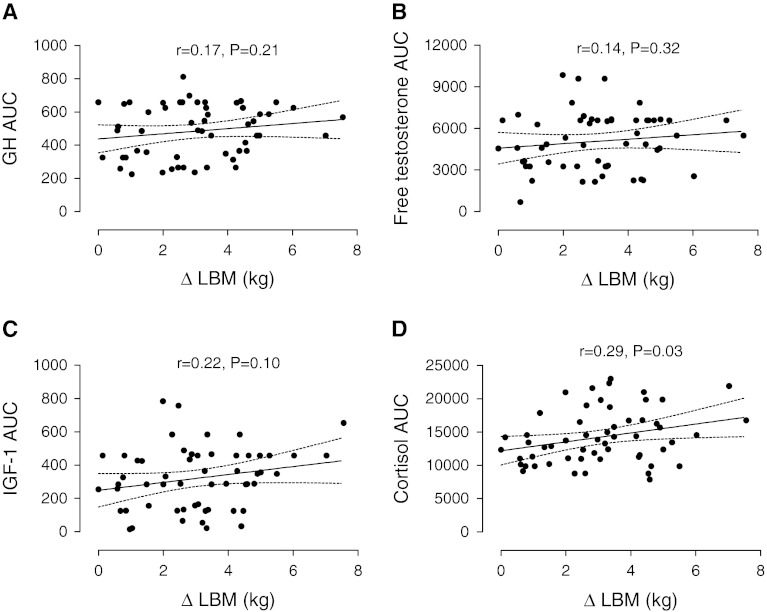
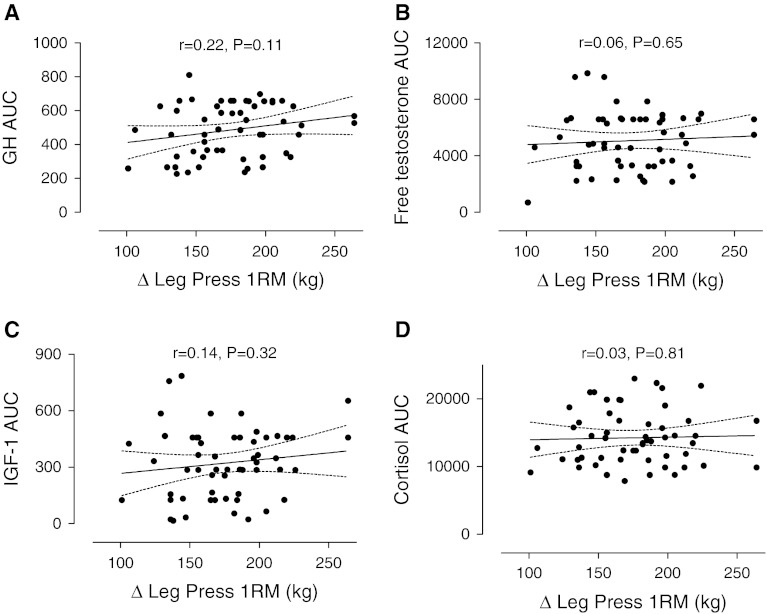
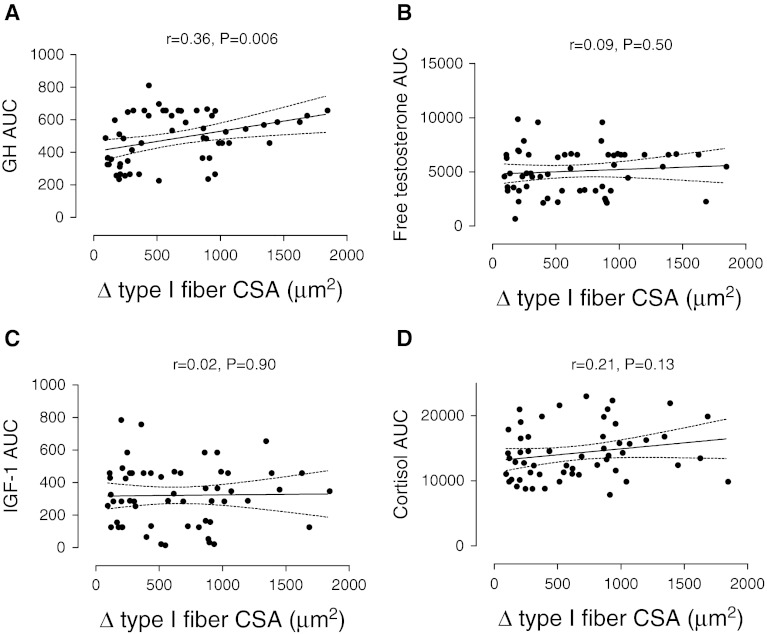
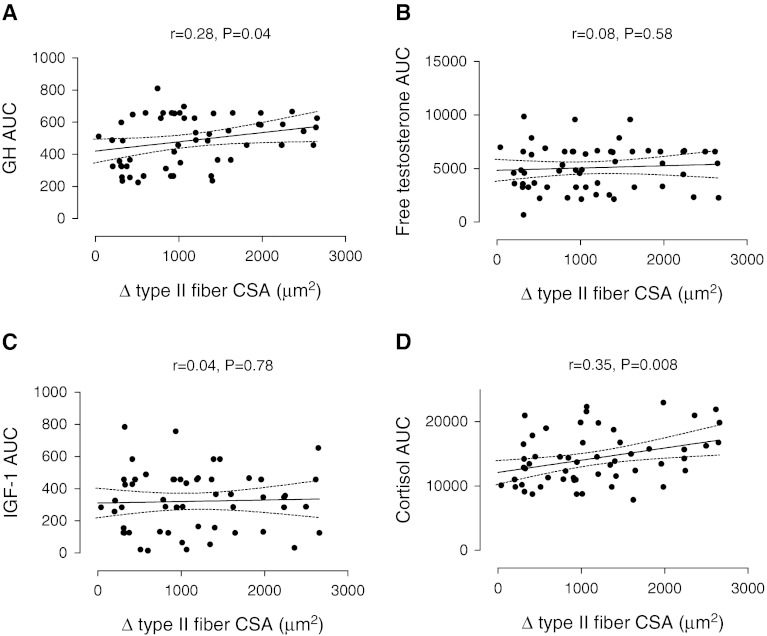
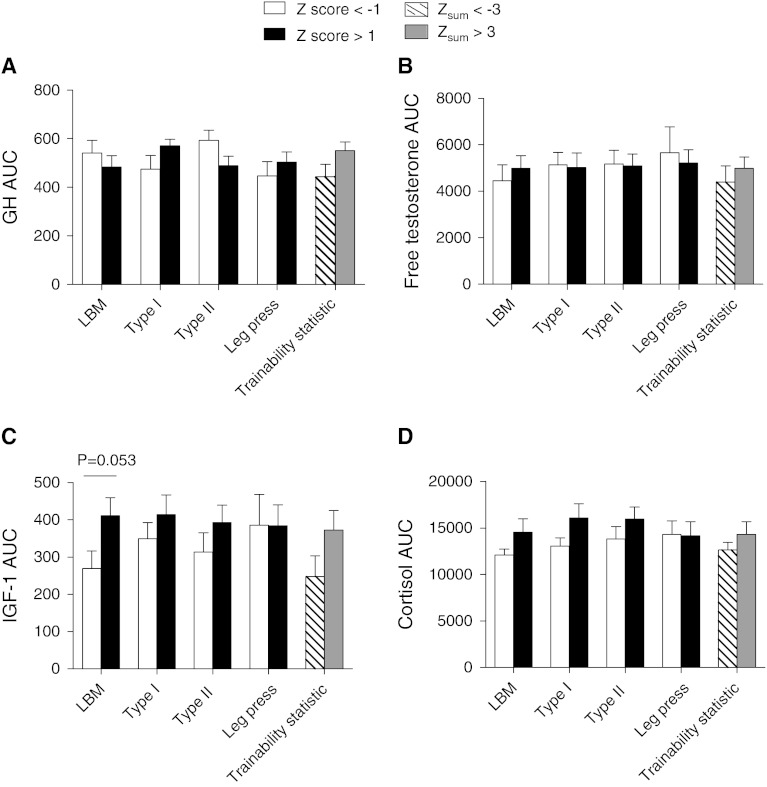
“West and Phillips (52) concluded that anabolic hormones such as GH, IGF-1, and T have little to no correlation with changes in hypertrophy and strength as a result of a 12-wk RT intervention.”
BackgroundInfluentialLongland, T. M., Oikawa, S. Y., Mitchell, C. J., Devries, M. C., & Phillips, S. M. (2016) · The American Journal of Clinical Nutrition · doi:10.3945/ajcn.115.119339 · Cited by 271
Self-citationEgan, B., & Sharples, A. P. (2023) · Physiological Reviews · doi:10.1152/physrev.00054.2021 · Cited by 278
Mitchell, C. J., Churchward-Venne, T. A., Parise, G., Bellamy, L., Baker, S. K., Smith, K., Atherton, P. J., & Phillips, S. M. (2014) · PLoS ONE · doi:10.1371/journal.pone.0089431 · Cited by 212
Self-citationMuscle metabolism and atrophy: let’s talk about sex
Rosa-Caldwell, M. E., & Greene, N. P. (2019) · Biology of Sex Differences · doi:10.1186/s13293-019-0257-3 · Cited by 202
Davies, T., Orr, R., Halaki, M., & Hackett, D. (2016) · Sports Medicine · doi:10.1007/s40279-015-0451-3 · Cited by 184
Recovery responses of testosterone, growth hormone, and IGF-1 after resistance exercise
Kraemer, W. J., Ratamess, N. A., & Nindl, B. C. (2017) · Journal of Applied Physiology · doi:10.1152/japplphysiol.00599.2016 · Cited by 181
Bird, S. P., Mabon, T., Pryde, M., Feebrey, S., & Cannon, J. (2013) · Nutrition Research · doi:10.1016/j.nutres.2013.03.002 · Cited by 17
Metadata
- Authors
- West, D. W. D., & Phillips, S. M.
- Venue
- European Journal of Applied Physiology
- Published
- 2011-11-22
- Volume
- 112
- Issue
- 7
- Pages
- 2693-2702
- ISSN
- 1439-6319
- 1439-6327
- PMC
- PMC3371329
- Cited by
- 115
- References
- 16
- Language
- en
About these checks
Registry, retraction, Cites and statistics results are computed, not judged, with one exception: a printed reference that no index lists is read once by a model before it counts as a citation error. Claims are extracted by a model and kept only when their quote appears verbatim in the text; each cited source is then checked, with a model’s help, for whether it says what the claim relies on. Those verdicts can be wrong — read the claim’s quote and the cited source before relying on one.
Statistics and arithmetic are recomputed, not judged.
Confidence bands are shown only for fields calibrated on our annotated test set. None is calibrated yet, so no band is shown.
What counts as a claim ›How we measure confidence ›How we check this ›
Are you an author, or do you see a problem with this page? Request a review
