

Conversion of biomass to biofuels and life cycle assessment: a review
Open accessThe DOI matches its Crossref record; 242 of the 242 references it cites were found in a registry or an index; 6 of the 80 sources its claims cite were checked for support.
Abstract
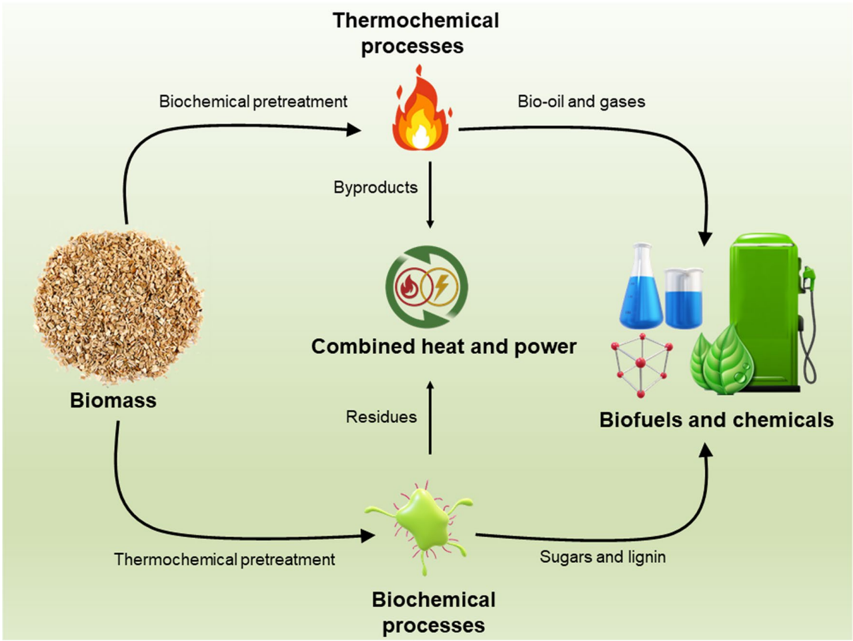
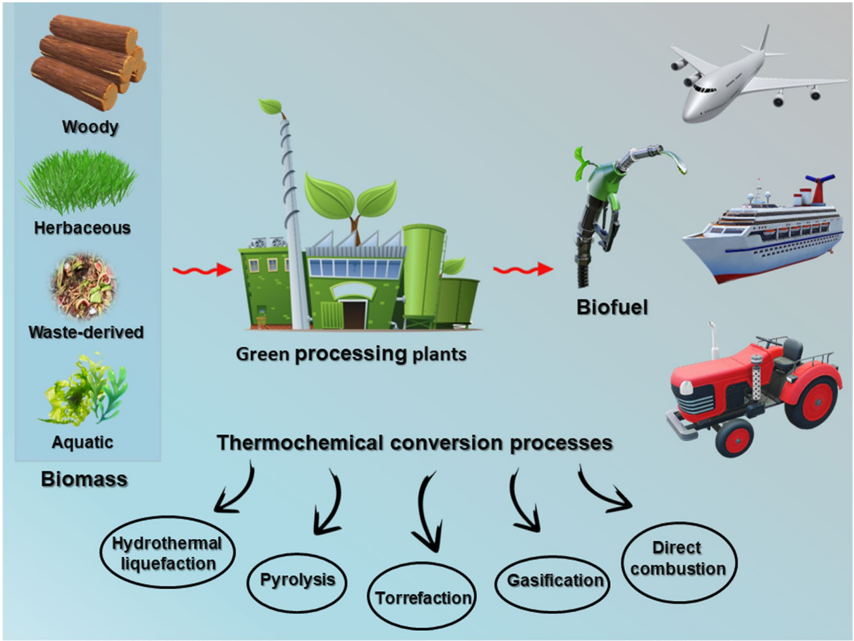
Thermochemical processes are classified into low temperature, below 300 °C, and high temperature, higher than 300 °C, i.e. gasification, combustion and pyrolysis.
Overview
CoChat Summary
TL;DR
This review surveys biomass-to-biofuel conversion routes and the life cycle assessment (LCA) literature, with a critical review of 40 LCA studies published from 2019–2021. It concludes that thermochemical routes are more researched than biochemical ones, and that integrating hydrothermal and biochemical routes is promising for a circular economy but still faces technical and cost challenges.
Key findings
- Biomass contributes about 9% (~51 EJ) of global primary energy supply, and the paper says global energy demand is projected to rise by almost 28% by 2040.
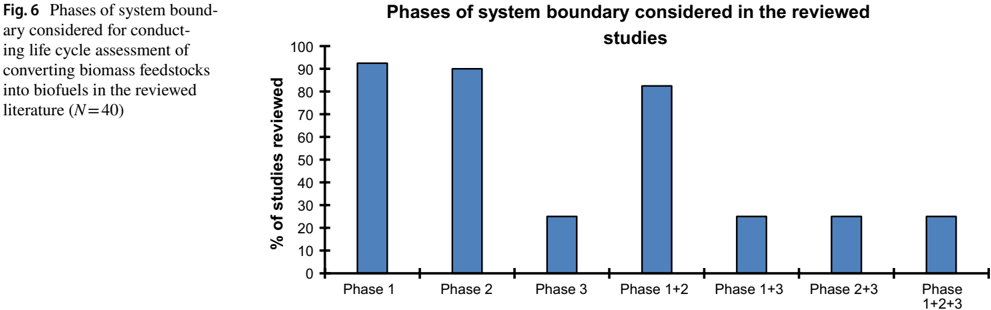
- The review analyzed 40 LCA studies from 2019–2021 and found that only 8 studies included all three phases of biofuel production; about 90% considered Phase 1 and Phase 2, but only 25% included Phase 3.
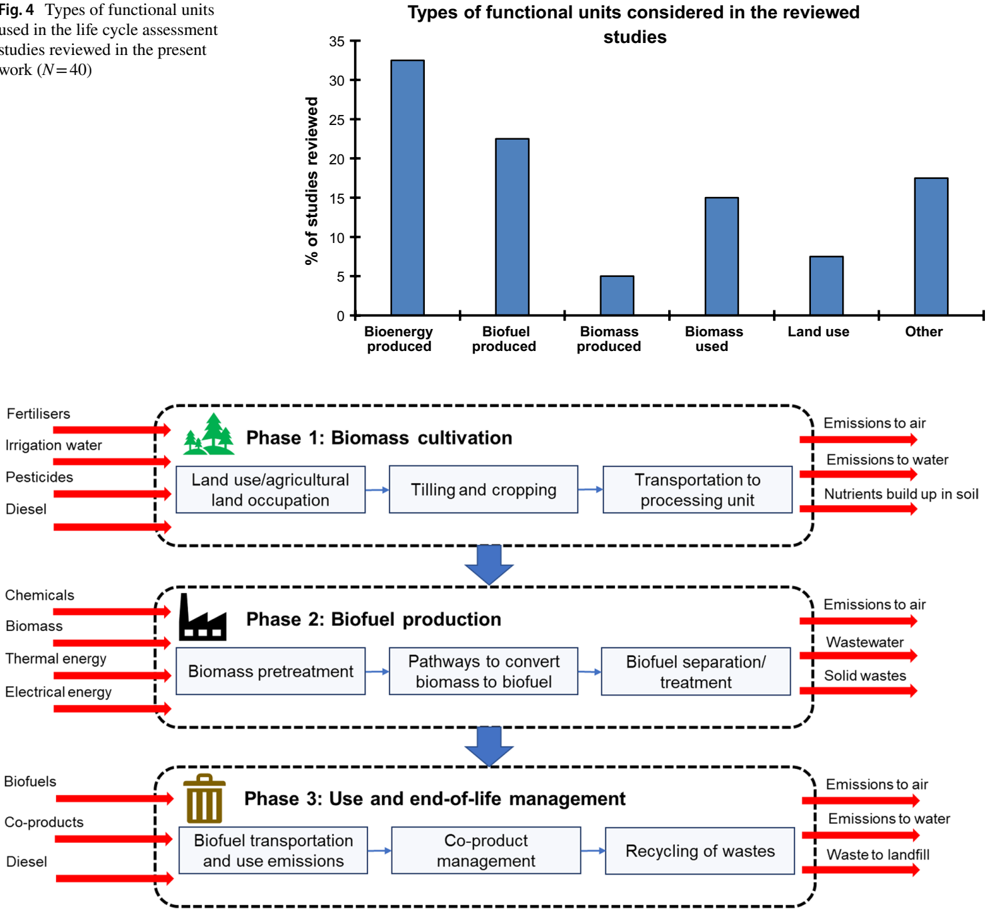
- About 32% of reviewed studies used “units of bioenergy in J or kWh” as the functional unit, while about 22% used “amount of biofuels produced” such as kg.
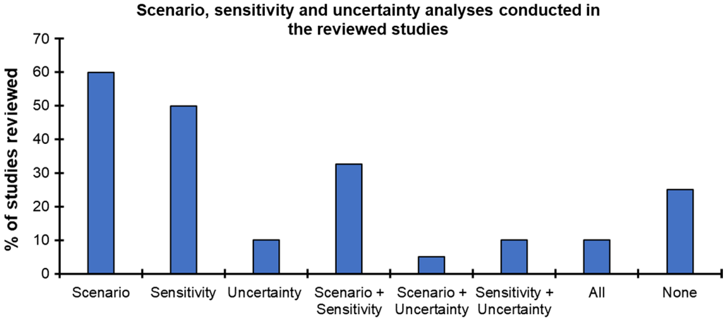
- The paper reports that 60% of the reviewed studies considered scenario analysis, 10% did uncertainty analysis, and 50% conducted sensitivity analysis; it also states that no study included all three phases of the biofuel production system boundary together with uncertainty, scenario, and sensitivity analyses.
- Across comparative LCA studies, thermochemical processes generally showed lower environmental impacts than biological processes for the same biomass and geographic/temporal span; one cited comparison found anaerobic digestion best for 14 out of 18 impacts.
Methods
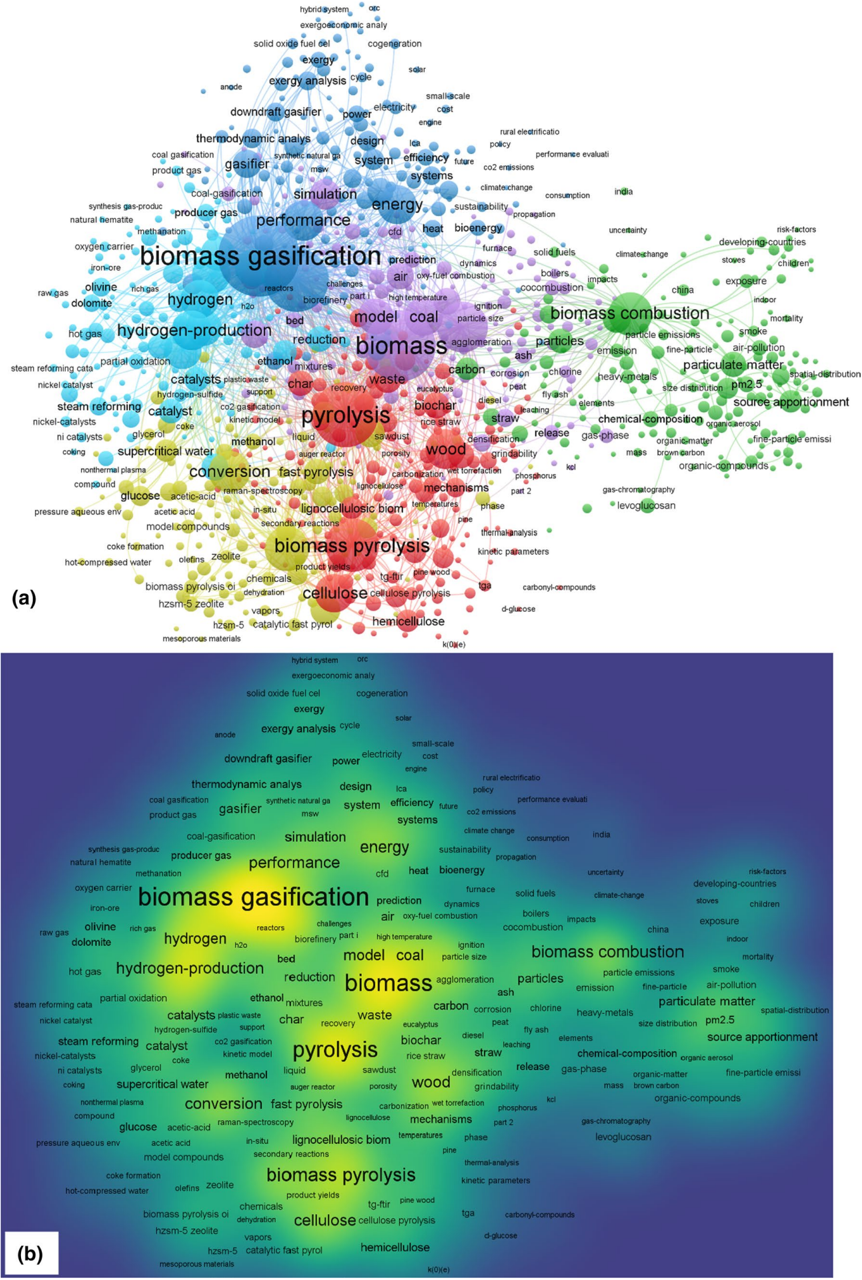
- Narrative review of biomass conversion technologies plus a bibliometric analysis using Web of Science data and VOSviewer; the bibliometric search returned 9,947 results, exported in batches of 500 entries.
- Critical review of 40 LCA studies published from 2019 to 2021 on biofuels, covering biomass feedstocks, geographical span, biofuels produced, life cycle tools, and inventories.
- The paper organizes analysis around ISO LCA stages: goal and scope, inventory analysis, impact assessment (mid-point and endpoint indicators), uncertainty/scenario/sensitivity analysis, and interpretation.
Limitations
- Stated in the paper: there was no study identified that included all three phases of biofuel production along with uncertainty, sensitivity, and scenario analyses.
- Stated in the paper: only 4 studies had all three of scenario, sensitivity, and uncertainty analyses, which “poses questions” about the applicability of findings for decision-making.
- Evident from the text: the review is limited to 40 studies from 2019–2021 for the LCA synthesis, so older or more recent studies are not part of that analysis.
Model-written summary. Check it against the paper before relying on it.
Integrity signals
Registry
Cites
Statistics
Figures
Verification
Claims the paper makes
3 Valid · 1 Not valid · 58 Not checked · 42 Own results and interpretations
The cited sources that could be checked couldn’t confirm or dispute this claim.
In the paper
“Biomass, unlike other sustainable energy sources such as wind, solar, geothermal, marine and hydropower, can directly produce fuel along with chemicals (Quereshi et al. 2021;Farrell et al. 2019;Farrell et al. 2020).”
§ Conversion of biomass to biofuels and life cycle assessment: a review > Introduction
What the sources say
- Not checked — no full text of the sourcecites Quereshi et al. 2021 matched to “Overview of sustainable fuel and energy technologies” (2021) source
- Could not verifycites Farrell et al. 2019 matched to “Assessment of the energy recovery potential of waste Photovoltaic (PV) modules” (2019) sourceExperimental — accuracy not yet measured
The Introduction (page unavailable) describes solar PV as producing electricity, and the Results and Discussion (page unavailable) compare PV polymers’ calorific value with energy crops. Neither passage addresses whether biomass can directly produce both fuels and chemicals, or makes the claimed comparison with other renewable sources. Searches for that comparison and for biomass, fuels, and chemicals found no supporting passage in our copy. (LLM, conf=0.76)
- Could not verifycites Farrell et al. 2020 matched to “Technical challenges and opportunities in realising a circular economy for waste photovoltaic modules” (2020) sourceExperimental — accuracy not yet measured
The Introduction (page unavailable) lists biomass alongside solar, wind, hydro, tidal and geothermal as renewable technologies, but does not compare what they produce. A search for biomass conversion into fuels and chemicals found discussion of pyrolysis in photovoltaic-module recycling, not a statement that biomass directly produces fuels and chemicals. (LLM, conf=0.76)
plain- Asserted: passes — The authors put it forward as true.
- Checkable: passes — It can be checked against evidence.
- Load-bearing: passes — The paper’s conclusions depend on it.
- Based: passes — The paper gives a reason why it holds.
The sources with a verdict support this claim; the rest weren’t checked yet, have no full text we could read, or their verdicts aren’t rated yet.
In the paper
“Some studies computed net energy ratio to evaluate the usability of biofuels as energy sources (Al-Mawali et al. 2021;Al-Muhtaseb et al. 2021;Dasan et al. 2019;Im-Orb and Arpornwichanop 2020;Reaño 2020;Saranya and Ramachandra 2020)”
§ Conversion of biomass to biofuels and life cycle assessment: a review > Mid-point indicators
What the sources say
- Could not verifycites Al-Mawali et al. 2021 matched to “Life cycle assessment of biodiesel production utilising waste date seed oil and a novel magnetic catalyst: A circular bioeconomy approach” (2021) sourceExperimental — accuracy not yet measured
Our copy of Al-Mawali et al. (2021) holds only the institutional-repository record: the title/author block, the keyword list (life cycle assessment, magnetic catalyst, circular bioeconomy, biodiesel, date seed oil) and the citation/RIS entries (Abstract section, no page numbers). Six searches ('net energy ratio', 'energy payback ratio fossil energy demand', 'energy efficiency ratio of energy output to input', transesterification/yield, and LCA functional-unit/GWP terms) returned only these metadata passages — no abstract body, methods, results or discussion text is present. Nothing in our copy therefore states or excludes that the authors computed a net energy ratio to assess biodiesel's usability as an energy source; the claim can be neither confirmed nor disputed. (LLM, conf=0.70)
- Supportedcites Al-Muhtaseb et al. 2021 matched to “Circular economy approach of enhanced bifunctional catalytic system of CaO/CeO2 for biodiesel production from waste loquat seed oil with life cycle assessment study” (2021) source
In the Figure 12 discussion, the paper calculates a net energy ratio of 2.23 using biodiesel energy output and fossil-resource savings. Section 3.6 identifies this as an LCA of biodiesel production from waste loquat seeds, supporting the citing sentence's characterization of the study. (LLM, conf=0.92)
- Not checked — no full text of the sourcecites Dasan et al. 2019 matched to “Life cycle evaluation of microalgae biofuels production: Effect of cultivation system on energy, carbon emission and cost balance analysis” (2019) source
plain- Asserted: passes — The authors put it forward as true.
- Checkable: passes — It can be checked against evidence.
- Load-bearing: unclear — It is unclear whether the paper’s conclusions depend on it.
- Based: passes — The paper gives a reason why it holds.
- Could not verify
Every source the paper cites for this claim was checked and supports it.
In the paper
“In fact, there was only one study identified that highlighted that for spent coffee grounds, incineration is a better route compared to biofuel production (Schmidt Rivera et al. 2020).”
§ Conversion of biomass to biofuels and life cycle assessment: a review > Key points observed in life cycle assessment studies
What the sources say
- Supportedcites Schmidt Rivera et al. 2020 matched to “Life cycle environmental sustainability of valorisation routes for spent coffee grounds: From waste to resources” (2020) source
Our copy states exactly what is attributed to it: the Abstract and Section 3.1 ('incineration is the most environmentally sustainable valorisation route, with net-negative impacts in 14 out of 16 categories') and the Conclusions rank biodiesel as 'the least preferred option with the highest impacts in 11 categories'. Section 3.2 reinforces this ('production of biodiesel from SCGs is not yet environmentally a competitive option, in particular when replacing incineration'). The 'only one study identified' framing is the citing authors' own review tally, not a statement attributed to this source. (LLM, conf=0.90)
plainSingle case- Asserted: passes — The authors put it forward as true.
- Checkable: passes — It can be checked against evidence.
- Load-bearing: unclear — It is unclear whether the paper’s conclusions depend on it.
- Based: passes — The paper gives a reason why it holds.
- Rests on an assumption not shown here.
- Supported
A result the paper reports from its own data — it cites no other source for it, so there is none to check. The quote shows it is in the paper.
In the paper
“There was no study identified that included all three phases of the life cycle of biofuel production system boundary (described in Fig. 5) and uncertainty, scenario and sensitivity analyses in the 40 reviewed studies.”
- Also stated in: § Key points observed in life cycle assessment studies · plain
“There was no study identified that included all the three phases of biofuel production along with uncertainty, sensitivity and scenario analyses.”
§ Conversion of biomass to biofuels and life cycle assessment: a review > Uncertainty, scenario and sensitivity analysis
plain- Asserted: passes — The authors put it forward as true.
- Checkable: passes — It can be checked against evidence.
- Load-bearing: passes — The paper’s conclusions depend on it.
- Based: passes — The paper gives a reason why it holds.
- Rests on an assumption not shown here.
- Also stated in: § Key points observed in life cycle assessment studies · plain
A result the paper reports from its own data — it cites no other source for it, so there is none to check. The quote shows it is in the paper.
In the paper
“Most of the studies focused on specific processes of the biofuel production chain, focusing on critical areas of concern rather than evaluating the overall impacts of the entire production chain.”
§ Conversion of biomass to biofuels and life cycle assessment: a review > Goal and scope definition
plain- Asserted: passes — The authors put it forward as true.
- Checkable: passes — It can be checked against evidence.
- Load-bearing: passes — The paper’s conclusions depend on it.
- Based: passes — The paper gives a reason why it holds.
56 more claims
Create a free account to see all 104 claims and to verify the 17 references still open.
- It may state two separate claims as one. 26
- Probably not a substantial claim. 19
- The quote only partly states this claim. 1
Citations
Cites
Review of fast pyrolysis of biomass and product upgrading
Bridgwater, A. V. (2012) · Biomass and Bioenergy · doi:10.1016/j.biombioe.2011.01.048 · Cited by 4,856 · cited 1×
“The primary product is liquid oil (Bridgwater, 2012a).”
Alvira, P., Tomás-Pejó, E., Ballesteros, M., & Negro, M. J. (2010) · Bioresource Technology · doi:10.1016/j.biortech.2009.11.093 · Cited by 3,912 · cited 1×
“Bioconversion of biomass to biofuel comprises of sequential stages: pretreatment, hydrolysis (acid/enzymatic) and fermentation (Alvira et al. 2010).”
BackgroundHydrothermal liquefaction of biomass: A review of subcritical water technologies
Toor, S. S., Rosendahl, L., & Rudolf, A. (2011) · Energy · doi:10.1016/j.energy.2011.03.013 · Cited by 1,840
Ethanol fermentation from biomass resources: current state and prospects
Lin, Y., & Tanaka, S. (2006) · Applied Microbiology and Biotechnology · doi:10.1007/s00253-005-0229-x · Cited by 1,621 · cited 1×
“In the consolidated bioprocessing scenario, only one microorganism is simultaneously utilised for hydrolysis and fermentation, which decreases the operation cost and enhances the process efficacy (Lin and Tanaka, 2006).”
BackgroundCombustion characteristics of different biomass fuels
Demirbas, A. (2004) · Progress in Energy and Combustion Science · doi:10.1016/j.pecs.2003.10.004 · Cited by 1,591
Strategies for mitigation of climate change: a review
Fawzy, S., Osman, A. I., Doran, J., & Rooney, D. W. (2020) · Environmental Chemistry Letters · doi:10.1007/s10311-020-01059-w · Cited by 1,522 · cited 1×
“The depletion of non-renewable fuel sources, accompanied with greenhouse gas emissions, has become a critical issue (Fawzy et al. 2020; Osman et al. 2021).”
BackgroundSelf-citationProgress in bioethanol processing
Balat, M., Balat, H., & Öz, C. (2008) · Progress in Energy and Combustion Science · doi:10.1016/j.pecs.2007.11.001 · Cited by 1,490 · cited 1×
“Under these subcritical conditions, physicochemical properties of water such as density, diffusivity, dielectric constant and viscosity alter and improve the biomass degradation process, which further upgrades the torrefaction process (Bach and Skreiberg 2016; Balat et al. 2008).”
BackgroundLignocellulosic biomass to bioethanol, a comprehensive review with a focus on pretreatment
Haghighi Mood, S., Hossein Golfeshan, A., Tabatabaei, M., Salehi Jouzani, G., Najafi, G. H., Gholami, M., & Ardjmand, M. (2013) · Renewable and Sustainable Energy Reviews · doi:10.1016/j.rser.2013.06.033 · Cited by 1,342 · cited 1×
“It can be classified into four main categories, including: (1) physical, e.g. grinding, (2) physicochemical, e.g. wet oxidation, (3) chemical, e.g. oxidising agents and organic solvents, and (4) biological or combination of them (Haghighi Mood et al. 2013).”
BackgroundCatalytic Conversion of Carbohydrates to Initial Platform Chemicals: Chemistry and Sustainability
Mika, L. T., Cséfalvay, E., & Németh, Á. (2018) · Chemical Reviews · doi:10.1021/acs.chemrev.7b00395 · Cited by 1,320 · cited 1×
“Based on the mode of operation, it can be divided into two main subclasses: (1) indirect liquefaction and (2) solvent liquefaction (Mika et al. 2018).”
BackgroundA review on hydrothermal liquefaction of biomass
Gollakota, A. R. K., Kishore, N., & Gu, S. (2018) · Renewable and Sustainable Energy Reviews · doi:10.1016/j.rser.2017.05.178 · Cited by 1,306 · cited 1×
“Solvent liquefaction has the priority to be implemented over the other scenario because of its remarkable merits, moderate operational conditions and higher yield of products (Gollakota et al. 2018).”
Background
Cited by
Items 201–300 of 714
Farid, M. A. A., Johari, S. A. M., Lease, J., Ayoub, M., & Andou, Y. (2023) · Fuel · doi:10.1016/j.fuel.2024.131580 · Cited by 24
Effective Valorization of Anaerobic Digestate—A Sustainable Approach to Circular Economy
Dincă, M., Ferdeș, M., Zăbavă, B.-Ș., IONESCU, M., Moiceanu, G., & Paraschiv, G. (2025) · Applied Sciences · doi:10.3390/app15168939 · Cited by 36
Hossain, S. M. Z., Sultana, N. N., Irfan, M. F., Haque, S. M., Nasr, N., & Razzak, S. A. (2022) · International Journal of Energy Research · doi:10.1002/er.7764 · Cited by 23
“Additionally, life cycle assessment (LCA) has been utilized to assess environmental impacts associated with the biofuels production chain.(8) Many countries worldwide, namely, the United States, Germany, Argentina, Brazil, and France, produce biodiesel from crops, brans, and grain seeds.”
BackgroundAgarwal, N. K., Pattnaik, F., Kumar, M., Adlak, K., Kumari, P., Vijay, V. K., & Kumar, V. (2023) · Industrial Crops and Products · doi:10.1016/j.indcrop.2023.116973 · Cited by 22
Pahariya, R., Chauhan, A. P. S., Ranjan, A., Basniwal, R. K., Upadhyay, S., Thakur, S. K., & Jindal, T. (2023) · BioEnergy Research · doi:10.1007/s12155-023-10672-w · Cited by 30
“Through techno-economic assessment (TEA) and life cycle assessment (LCA), it becomes possible to scrutinize the capital and operating expenses, as well as assess the associated risks of different production processes and technologies [106].”
Potential of using microalgae to sequester carbon dioxide and processing to bioproducts
Balan, V., Pierson, J., Husain, H., Kumar, S., Saffron, C. M., & Kumar, V. (2023) · Green Chemistry · doi:10.1039/d3gc02286b · Cited by 27
Energy: An Overview of Type, Form, Storage, Advantages, Efficiency, and Their Impact
Mekuye, B., Mebratie, G., Abera, B., Yibeltal, A., Lake, A., & Tefera, A. (2024) · Energy Science & Engineering · doi:10.1002/ese3.1937 · Cited by 29
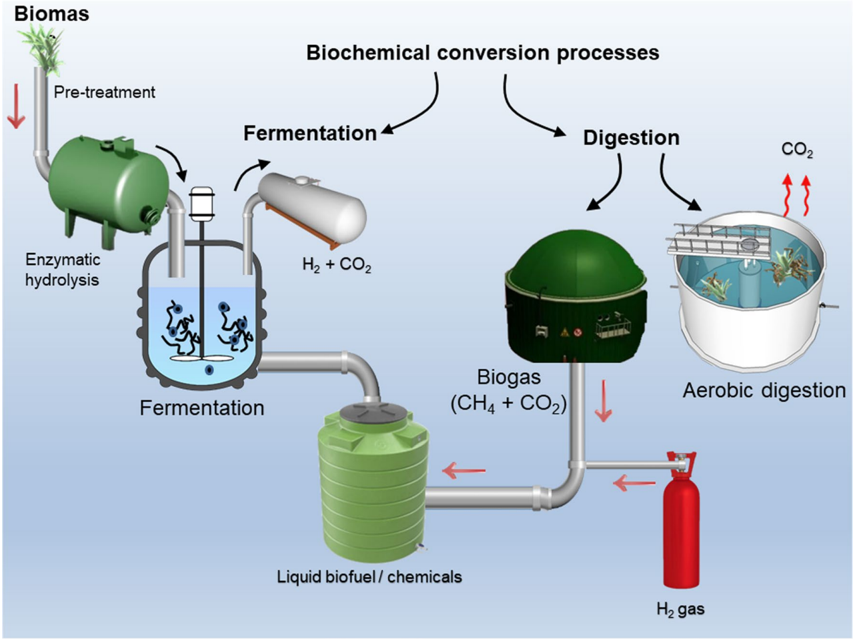
“Thermal processes, biological processes, thermochemical processes, and biochemical processes are some paths for converting biomass to bioenergy as shown in Figure 11 [107 – 121].”
Liu, N., Dou, C., Yang, X., Bai, B., Zhu, S., Tian, J., Wang, Z., Xu, L. J., & Shen, B. (2024) · Journal of the Energy Institute · doi:10.1016/j.joei.2024.101943 · Cited by 32
Amalina, F., Krishnan, S., Zularisam, A. W., & Nasrullah, M. (2023) · Journal of Analytical and Applied Pyrolysis · doi:10.1016/j.jaap.2023.105958 · Cited by 27
RetractedCao, Q., Li, J., Fan, Q., et al. (2024) · Polymer Degradation and Stability · doi:10.1016/j.polymdegradstab.2024.110707 · Cited by 21
Advanced biofuel production: A comprehensive techno-economic review of pathways and costs
Karimi, M., Şimşek, H., & Kheiralipour, K. (2024) · Energy Conversion and Management X · doi:10.1016/j.ecmx.2024.100863 · Cited by 54
(2019) · DOAJ (DOAJ: Directory of Open Access Journals) · doi:10.12162/jbb.v4i4.009 · Cited by 21
Prospective energy content assessment of waste biomass and polymer via preliminary analysis
Seah, C. C., Habib, S. H., Hafriz, R. S. R. M., Shamsuddin, A. H., Razali, N. M., & Salmiaton, A. (2024) · Results in Engineering · doi:10.1016/j.rineng.2024.102301 · Cited by 31
Sustainable bioenergy contributes to cost-effective climate change mitigation in China
Xu, Y., Smith, P., & Qin, Z. (2024) · iScience · doi:10.1016/j.isci.2024.110232 · Cited by 27
Ragini, Y. P., Karishma, S., Kamalesh, R., Saravanan, A., Tajsabreen, B., & Eswaar, D. K. (2025) · Sustainable Energy Technologies and Assessments · doi:10.1016/j.seta.2025.104239 · Cited by 38
Boron Adsorption Kinetics of Microcrystalline Cellulose and Polymer Resin
Raval, P., Thomas, N., Hamdouna, L., Delevoye, L., Lafon, O., & Reddy, G. N. M. (2023) · Langmuir · doi:10.1021/acs.langmuir.3c00021 · Cited by 21
Life cycle assessment of renewable hydrogen transport by ammonia
Cho, H. H., Strezov, V., & Evans, T. (2024) · International Journal of Hydrogen Energy · doi:10.1016/j.ijhydene.2024.11.076 · Cited by 24
Masimukku, S., Lee, Y., Huang, B.-W., Li, I.-C., & Chang‐Chien, G. (2025) · International Journal of Hydrogen Energy · doi:10.1016/j.ijhydene.2024.12.430 · Cited by 20
The impact of artificial intelligence adoption and financial accessibility on energy sustainability
Hesary, F. T. (2025) · Energy Strategy Reviews · doi:10.1016/j.esr.2025.101744 · Cited by 25
Gupta, S., Patel, P., & Mondal, P. (2022) · Sustainable Energy & Fuels · doi:10.1039/d2se00079b · Cited by 21
Mukumba, P., & Chivanga, S. Y. (2023) · Challenges · doi:10.3390/challe14010019 · Cited by 19
“Biomass combustion is a form of thermal conversion whereby biomass is burned in an oxygenated environment to generate heat and electricity [22].”
BackgroundAentung, T., Wu, W. Y., & Patcharavorachot, Y. (2024) · Journal of the Taiwan Institute of Chemical Engineers · doi:10.1016/j.jtice.2024.105688 · Cited by 19
Zero waste multistage utilization of Ginkgo biloba branches
Ma, J., Ling, N., Zhang, D., Wu, N., Liu, X., Meng, L., Ma, D., Gao, X., Chu, Z., Zhang, P., et al. (2021) · Chemosphere · doi:10.1016/j.chemosphere.2021.133345 · Cited by 20
Benavides, P. T., Balchandani, S., & Gracida-Alvarez, U. R. (2024) · Biotechnology for the Environment · doi:10.1186/s44314-024-00010-5 · Cited by 21
“However, in some instances, the combination of these conversion technologies has also been considered to achieve a specific fuel or product [17].”
BackgroundAlazaiza, M. Y. D., Al-Zghoul, T. M., Ramu, M. B., & Nassani, D. E. (2025) · Catalysts · doi:10.3390/catal15030227 · Cited by 25
Varthan, M. K. H., Keerthana, V. S., Saravanan, A., Deivayanai, V. C., Kumar, R., Raveendran, S. K., Ahmed, Z. H. T., Indumathi, S. M., & Prakash, P. (2025) · Fuel · doi:10.1016/j.fuel.2025.136599 · Cited by 27
Verma, P., Kumar, A., Choudhary, R., Lai, C. W., Kaushik, R., & Wang, T. (2025) · International Journal of Environmental Science and Technology · doi:10.1007/s13762-025-06856-w · Cited by 22
Biswas, I., Mitra, D., & MOHAPATRA, P. K. D. (2022) · Bioresource Technology Reports · doi:10.1016/j.biteb.2022.101103 · Cited by 18
Ban, W., Yang, Q., Huang, W., Li, X., Wang, Z., Chen, S., Xiang, L., & Yan, B. (2023) · Industrial & Engineering Chemistry Research · doi:10.1021/acs.iecr.2c03645 · Cited by 17
Tardy, B. L., Greca, L. G., Mihhels, K., Lizundia, E., Dumée, L. F., & Vega, L. F. (2023) · ACS Sustainable Chemistry & Engineering · doi:10.1021/acssuschemeng.3c01853 · Cited by 20
A concise review of technologies for converting forest biomass to bioenergy
Raihan, A. (2023) · Journal of Technology Innovations and Energy · doi:10.56556/jtie.v2i3.592 · Cited by 27
“Thermochemical conversion procedure of biomass (Osman et al., 2021).”
Samuel, O. D., Patel, G. C. M., Thomas, L., et al. (2024) · Scientific Reports · doi:10.1038/s41598-024-72109-4 · Cited by 18
Pranolo, S. H., Waluyo, J., Putro, F. A., Adnan, M. A., & Kibria, M. G. (2022) · International Journal of Hydrogen Energy · doi:10.1016/j.ijhydene.2022.10.066 · Cited by 19
Iqbal, A., Noreen, N., Imran, M., Alves, J. L. F., da Silva, J. C. G., & Badshah, S. L. (2022) · Biomass and Bioenergy · doi:10.1016/j.biombioe.2022.106690 · Cited by 17
Perveen, F., Farooq, M., Ramli, A., Naeem, A., Khan, I. W., Saeed, T., & Khan, J. (2022) · ACS Omega · doi:10.1021/acsomega.2c04545 · Cited by 19
Waste-to-Energy: Applications and Perspectives on Sustainable Aviation Fuel Production
Kokkinos, N. C., & Emmanouilidou, E. (2023) · Energy, environment, and sustainability · doi:10.1007/978-981-99-1392-3_10 · Cited by 32
Riaz, I., Qamar, O. A., Jamil, F., Hussain, M., Inayat, A., Rocha‐Meneses, L., Akhter, P., Musaddiq, S., Karim, M. R. A., & Park, Y. (2023) · Korean Journal of Chemical Engineering · doi:10.1007/s11814-023-1467-2 · Cited by 18
Ni, Z., Liu, X., Shi, H. S., Tian, J., Yao, Y., Hu, P., He, L., Meng, K., & Lin, Q. (2024) · Renewable Energy · doi:10.1016/j.renene.2024.120961 · Cited by 19
Investigation of Pressed Solid Biofuel Produced from Multi-Crop Biomass
Petlickaitė, R., Jasinskas, A., Mieldažys, R., Romaneckas, K., Praspaliauskas, M., & Balandaitė, J. (2022) · Sustainability · doi:10.3390/su14020799 · Cited by 24
Wyszkowska, J., Borowik, A., Zaborowska, M., & Kucharski, J. (2023) · Energies · doi:10.3390/en16093788 · Cited by 16
Yang, W., Zheng, X., Fang, T., Du, S., Zhang, Y., Gao, C., Fang, X., Huang, J., Xu, X., Feng, H., et al. (2024) · ACS Sustainable Chemistry & Engineering · doi:10.1021/acssuschemeng.4c04574 · Cited by 16
El-Sayed, S. A. (2025) · Biomass Conversion and Biorefinery · doi:10.1007/s13399-025-06624-3 · Cited by 20
“Bio-mass typically contributes less than 10% of the world’s total energy supply to wealthy nations, but between 20 and 30% to underdeveloped nations [137, 142].”
Mishra, R. K., Mohanty, K., & Wang, X. (2024) · Environmental Progress & Sustainable Energy · doi:10.1002/ep.14357 · Cited by 16
Parmar, P., Mukherjee, S., & Meikap, B. C. (2024) · Process Safety and Environmental Protection · doi:10.1016/j.psep.2024.05.083 · Cited by 18
Catalytic hydroconversion of lignin-based aromatics to aviation fuels—a review
Gundekari, S., Manupathi, A., Chandu, S., Varkolu, M., Kumar, P., & Karmee, S. K. (2024) · Biomass Conversion and Biorefinery · doi:10.1007/s13399-024-05895-6 · Cited by 19
“Over the past two decades, considerable efforts have been directed toward generating value-added products from biomass, presenting an appealing alternative to traditional fossil-based feedstocks [1, 2].”
Martinelli, R., Ricci, F., Zembi, J., et al. (2022) · SAE technical papers on CD-ROM/SAE technical paper series · doi:10.4271/2022-24-0034 · Cited by 16
Thermochemical technologies for conversion of biomass and waste into light olefins (C2-C4)
Zhu, H., Babkoor, M., Coppens, M., & Materazzi, M. (2024) · Fuel Processing Technology · doi:10.1016/j.fuproc.2024.108174 · Cited by 20
Yang, J. Y., Ma, R., Xing, Y., Ma, H., Dong, B., Li, H., Hong, C., & Xia, C. (2022) · Fuel · doi:10.1016/j.fuel.2022.125413 · Cited by 15
Shi, F., Wang, J., Wang, H., Liu, C., Lu, Y., Lin, X., Hou, D., Wen, C., Yang, S., Luo, C., et al. (2023) · Journal of the Energy Institute · doi:10.1016/j.joei.2023.101206 · Cited by 17
Nunes, L. J. R., Casau, M., Matias, J. C. O., & Dias, M. F. (2023) · Applied Sciences · doi:10.3390/app13074349 · Cited by 23
Effiom, S. O., Abam, F. I., Effiom, P.-C. O., et al. (2023) · Indonesian Journal of Science and Technology · doi:10.17509/ijost.v9i1.64006 · Cited by 15
“Biofuels are generated through a variety of processes, including physiochemical (transesterification, esterification), thermochemical (pyrolysis, gasification), and biochemical (anaerobic digestion, fermentation) (Osman et al ., 2021; Bhikuning & Senda, 2020).”
BackgroundOptimization of biofuel supply chain integrated with petroleum refineries under carbon trade policy
Zhang, W., Luo, Y., & Yuan, X. (2024) · Frontiers of Chemical Science and Engineering · doi:10.1007/s11705-024-2397-1 · Cited by 16
Evaluation of Multi-Crop Biofuel Pellet Properties and the Life Cycle Assessment
Petlickaitė, R., Jasinskas, A., Venslauskas, K., Navickas, K., Praspaliauskas, M., & Lemanas, E. (2024) · Agriculture · doi:10.3390/agriculture14071162 · Cited by 17
Operando PEPICO unveils the catalytic fast pyrolysis mechanism of the three methoxyphenol isomers
Pan, Z., Bödi, A., van Bokhoven, J. A., & Hemberger, P. (2022) · Physical Chemistry Chemical Physics · doi:10.1039/d2cp02741k · Cited by 16
Megía, P. J., Rocha, C., Vizcaíno, A. J., Carrero, A., Calles, J. A., Madeira, L. M., & Soria, M. A. (2025) · Energy & Fuels · doi:10.1021/acs.energyfuels.4c05035 · Cited by 15
Goldáraz-Salamero, N., Baima, L., Moles, S., Sierra-Pérez, J., Martínez, I. C., Murillo, R., Brun, F., & Blanc, S. (2025) · Bioresource Technology · doi:10.1016/j.biortech.2025.132772 · Cited by 17
Chemical and microalgal conversion of carbon dioxide into fuels and materials: a review
Kumar, A., Sharma, A., Majumder, P., Vishal, V., & Dutta, A. (2025) · Environmental Chemistry Letters · doi:10.1007/s10311-025-01855-2 · Cited by 15
“This rise is driven by the rapid growth of the global population and consistent evolution in lifestyle practices [1].”
Exploring the Valorization Potential of Sugarcane Bagasse Pith: a Review
Agarwal, N. K., Kumar, M., Pattnaik, F., Kumari, P., Vijay, V. K., & Kumar, V. (2023) · BioEnergy Research · doi:10.1007/s12155-023-10632-4 · Cited by 15
“Pyrolysis is a promising thermochemical process to produce chemicals and fuels [53].”
BackgroundSu, Z., Sharma, M., Zhang, P., Zhang, L., Xing, X., Yue, J., Song, Z., Nan, L., Yujun, S., Zheng, Y., et al. (2023) · Journal of environmental chemical engineering · doi:10.1016/j.jece.2023.110398 · Cited by 14
Assessing biodiesel feedstocks and production techniques: a comprehensive review
Perumal, G. (2023) · Petroleum Science and Technology · doi:10.1080/10916466.2023.2268148 · Cited by 17
“Osman et al. (2021a, 2021b) discussed using bibliometric mapping and methodology and predicted that thermochemical conversion processes has become advantageous than the physical conversion processes for the production of biodiesel.”
Shrivastava, A., & Sharma, R. K. (2022) · Biomass Conversion and Biorefinery · doi:10.1007/s13399-022-02914-2 · Cited by 14
“A lot of work has been carried out in this field, which was primarily focused on the production of bioethanol from agriculture-based lignocellulosic biomass [2].”
Zargar, S., Roy, B. B., Li, Q., Gan, J., Ke, J., Liu, X., & Tu, Q. (2022) · Current Forestry Reports · doi:10.1007/s40725-022-00174-x · Cited by 16
Ibrahim, A. L. S. Y., Mahmood, S. F., Younis, A. L. S. A., & Fadhil, A. B. (2023) · Chemistry & Biodiversity · doi:10.1002/cbdv.202300103 · Cited by 14
Bakhtyari, A., Rasoolzadeh, A., Vaferi, B., & Khandakar, A. A. (2023) · Scientific Reports · doi:10.1038/s41598-023-39441-7 · Cited by 14
In situ hydro-deoxygenation onto nickel-doped HZSM-5 zeolite catalyst for upgrading pyrolytic oil
Wantala, K., Klangwichian, W., Suwannaruang, T., Praphatsaraphiwat, S., Taksungnern, R., Chirawatkul, P., Kaewluan, S., & Shivaraju, H. P. (2023) · Environmental Science and Pollution Research · doi:10.1007/s11356-023-30528-2 · Cited by 13
Advancements, Challenges, and Pathways to Sustainable Biofuel Production
Din, M. I., Ameen, S., Hussain, Z., & Khalid, R. (2024) · Chemical Engineering & Technology · doi:10.1002/ceat.202300263 · Cited by 13
Microbial Engineering in Biofuel Production—A Global Outlook, Advances, and Roadmap
Mitra, S., Paliya, S., & Mandpe, A. (2024) · Environmental science and engineering · doi:10.1007/978-3-031-52167-6_22 · Cited by 23
Do female political leaders make the environment greener? Evidence from the United States
Wu, A. (2024) · Kybernetes · doi:10.1108/k-09-2023-1932 · Cited by 13
Fuel Quality from Thermochemical Conversion and Biological Treatment of Biomass
Constantinou, A., Hafeez, S., Harkou, E., Adamou, P., Pallari, E., Manos, G., Webb, A., Kotha, R., Morgen, O. V., Walls, L. E., et al. (2024) · Industrial & Engineering Chemistry Research · doi:10.1021/acs.iecr.4c02174 · Cited by 16
Slow pyrolysis of buri palm: Investigation of pyrolysis temperature and residence time effects
Rubi, R. V. C., Dimalibot, P. A., Hutamares, M., Solatre, S., Cruzada, K. I., Olay, J. G., Roque, E. C., Lopez, E. C. R., & Halabaso, E. R. (2023) · Materials Today Proceedings · doi:10.1016/j.matpr.2023.04.454 · Cited by 15
Wang, R., Ma, X., Ding, D., Huang, B., Zhu, Z., Su, T., Liao, W., Lü, H., & Yang, K. (2023) · Inorganic Chemistry Frontiers · doi:10.1039/d3qi01229h · Cited by 13
Sharew, S. S., Montastruc, L., Yimam, A., Negny, S., & Ferrasse, J. (2022) · Biomass · doi:10.3390/biomass2040019 · Cited by 16
“In contrast to the thermochemical pathway toward chemicals and fuels, the biochemical pathway includes physical, chemical, and biological biomass pretreatments to hydrolyze cellulosic components to produce bioethanol with lower energy consumption at high efficiency [15].”
BackgroundAnstine, D. M., Zhao, Q., Zubatyuk, R. I., Zhang, S., Singla, V., Nikitin, F., Savoie, B. M., & Isayev, O. (2026) · Science Advances · doi:10.26434/chemrxiv-2025-hpdmg · Cited by 30
“…we are currently developing batched versions of the sequential image-dependent pair potential (IDPP) method of Schmerwitz et al. ( 53 ) and pursing data-driven approaches for high-quality estimates of initial pathways. competing reaction cascades that can yield a diversity of products ( 56 ).”
Li, X.-J., Zhao, Y.-Y., Tan, Q., Han, Z.-H., Tang, B., Wang, Y., & Song, F. (2024) · Industrial Crops and Products · doi:10.1016/j.indcrop.2024.120393 · Cited by 12
State of the Art in Thermal Catalytic Upgrading of Biomass and Biomass-Derived Intermediates
Hall, J. N., Miller, J. H., Assary, R. S., Baddour, F. G., Dagle, R. A., Dagle, V. L., Griffin, M. B., Habas, S. E., Iisa, K., Krause, T. R., et al. (2025) · Annual Review of Chemical and Biomolecular Engineering · doi:10.1146/annurev-chembioeng-082323-122317 · Cited by 16
Liu, H., Huang, X., Liu, Y., et al. (2023) · Journal of Agricultural and Food Chemistry · doi:10.1021/acs.jafc.3c06528 · Cited by 12
Qayyum, S., Tahir, A., Mian, A. H., Zeb, S., Siddiqui, M. F., & Rehman, B. (2024) · Biomass Conversion and Biorefinery · doi:10.1007/s13399-024-05651-w · Cited by 14
“Following initial fluorescence-based identification, further characterization of the bacterial iso-lates was undertaken utilizing established protocols [50, 51].”
Investigating the sustainable energy generation potential of an invasive weed: Lantana camara
Kaushik, Y., & Arora, P. (2024) · Environmental Science and Pollution Research · doi:10.1007/s11356-024-35322-2 · Cited by 18
“It provides evidence-based information to support decision-making to enhance environmental sustainability and inform long-term strategic choices (Osman et al. 2021).”
Saidi, M., Inaloo, E. B., Liu, H., & Zhao, H. (2024) · Process Safety and Environmental Protection · doi:10.1016/j.psep.2024.10.123 · Cited by 13
Eguchi, S. (2022) · Energies · doi:10.3390/en15072430 · Cited by 14
Advances and Emerging Issues in Life‐Cycle Assessment for Biofuel Policy
Nematian, M., & Scown, C. D. (2025) · GCB Bioenergy · doi:10.1111/gcbb.70061 · Cited by 16
“For example, Osman et al. (2021) reviewed advances in biomass conversion pathways and the life-cycle environmental impact values published by 40 prior studies.”
Lim, S. Y., Choi, D., Younis, S. A., Kim, K., & Lee, J. (2025) · Renewable and Sustainable Energy Reviews · doi:10.1016/j.rser.2025.116401 · Cited by 13
Zheng, J., Wu, Z., Sharma, R., & Lv, H. (2022) · Sustainable Energy Technologies and Assessments · doi:10.1016/j.seta.2022.102352 · Cited by 11
Temnikova, M., Medvedev, J. J., Medvedeva, X. V., Delva, N. H., Khairullina, E. M., Krivoshapkina, E. F., & Klinkova, A. (2022) · ChemElectroChem · doi:10.1002/celc.202200865 · Cited by 14
Lifecycle Emissions of Fossil Fuels and Biofuels for Maritime Transportation: A Requirement Analysis
Sevim, C., & Zincir, B. (2023) · Energy, environment, and sustainability · doi:10.1007/978-981-99-1677-1_3 · Cited by 17
Lin, P., Yu, X., Wang, H., Ming, H., Ge, S., Liu, F., Peng, H., Sonne, C., & Zhang, L. (2023) · Energy · doi:10.1016/j.energy.2023.128554 · Cited by 14
Yi, L., & Dong, L. (2023) · International Journal of Low-Carbon Technologies · doi:10.1093/ijlct/ctad092 · Cited by 10
RetractedAdvanced biofuels: a path to sustainable energy
Maharjan, A., Kim, M.-R., Choi, W., Kim, H.-C., & Park, J. (2024) · Sustainable Energy & Fuels · doi:10.1039/d4se00536h · Cited by 13
Toward sustainable propylene: A comparison of current and future production pathways
Shirzad, P., & Kantor, I. D. (2024) · Renewable and Sustainable Energy Transition · doi:10.1016/j.rset.2024.100099 · Cited by 22
Prabu, S., & Chiang, K. (2025) · Journal of the Taiwan Institute of Chemical Engineers · doi:10.1016/j.jtice.2025.106007 · Cited by 13
Rashidi, N. A., Yusoff, M. H. M., Termezi, M. F. A., & Azmi, N. (2025) · Biofuels Bioproducts and Biorefining · doi:10.1002/bbb.70023 · Cited by 15
“132 Another key sustainability concern involves feedstock sourcing and land use.”
Javanmard, A., Zuki, F. M., Daud, W. M. A. W., & Patah, M. F. A. (2025) · Process Safety and Environmental Protection · doi:10.1016/j.psep.2025.107643 · Cited by 17
Farooq, M., Ramli, A., gul, M., Naeem, A., Perveen, F., Khan, I. W., Saeed, S., Sahar, J., & Abid, G. (2022) · Process Safety and Environmental Protection · doi:10.1016/j.cherd.2022.04.022 · Cited by 11
Kumar, P., Edwin, M., & Percy, A. J. (2022) · Biomass Conversion and Biorefinery · doi:10.1007/s13399-022-03662-z · Cited by 11
“…production processes such as thermochemical conversion (hydrothermal liquefaction, pyrolysis, torrefaction, gasification and direct combustion), biochemical conversion (microbial fermentation, enzymatic hydrolysis and anaerobic digestion) and chemical treatment process (trans-esterification) [5].”
Kinetic study of different biomass pyrolysis and oxygen-enriched combustion
Castells, B., Amez, I., Manić, N. G., Stojiljkovic, D. D., Pejić, L. M., & Torrent, J. G. (2022) · Thermal Science · doi:10.2298/tsci2205131c · Cited by 14
Fang, Y., & Liu, Y. (2023) · Algal Research · doi:10.1016/j.algal.2023.103231 · Cited by 13
Catalytic conversion of triglycerides to biodiesel using ZnO/SnTiO4/SBA-15 nanostructures
Albalawi, K. M., Tahir, K., Khan, A. U., Nazir, S., Almarhoon, Z. M., Alanazi, A. A., Althagafi, T. M., Al‐Saeedi, S. I., Hassan, H. M. A., & Zaki, M. E. A. (2024) · Materials Chemistry and Physics · doi:10.1016/j.matchemphys.2024.129694 · Cited by 12
Snousy, M. G., Abouelmagd, A., Alexakis, D. Ε., Helmy, H. M., Moustafa, Y. M., Negm, A., Weiss, E., Weiss, R., Ismail, E., Sakr, S. M., et al. (2025) · International Journal of Hydrogen Energy · doi:10.1016/j.ijhydene.2025.152042 · Cited by 12
Jideani, T., Seroka, N. S., & Khotseng, L. E. (2025) · ChemistryOpen · doi:10.1002/open.202500353 · Cited by 14
Metadata
- Authors
- Osman, A. I., Mehta, N., Elgarahy, A. M., Al-Hinai, A., Al-Muhtaseb, A. H., & Rooney, D. W.
- Affiliations
- Queen's University Belfast (GB)
- Port Said University (EG)
- Sultan Qaboos University (OM)
- Corresponding author
- Osman, Ahmed I.
- Al-Muhtaseb, Ala’a H.
- Venue
- Environmental Chemistry Letters
- Published
- 2021-07-23
- Volume
- 19
- Issue
- 6
- Pages
- 4075-4118
- ISSN
- 1610-3653 (ISSN-L)
- 1610-3661
- OpenAlex
- W3186199070
- Cited by
- 761
- References
- 234
- Citations by year
- 2026: 134 · 2025: 182 · 2024: 180 · 2023: 150 · 2022: 101 · 2021: 14
- FWCI
- 30.36
- Type
- journal article
- Language
- en
- Open access
- hybrid
- doi.org
- Licence
- cc-by
- creativecommons.org/licenses/by/4.0 (tdm)
- creativecommons.org/licenses/by/4.0 (vor)
- Locations
- Environmental Chemistry Letters (publishedVersion, cc-by)
- University of Birmingham Research Portal (University of Birmingham) (publishedVersion, cc-by)
- Research Portal (Queen's University Belfast) (publishedVersion, cc-by)
- Funders
- OQ Oman (CR/DVC/SERC/19/01)
- European Union’s INTERREG VA Programme (Bryden Centre project (Project ID VA5048))
- Topics
- Physical Sciences › Engineering › Biomedical Engineering › Biofuel production and bioconversion
- Physical Sciences › Energy › Fuel Technology › Thermochemical Biomass Conversion Processes
- Physical Sciences › Environmental Science › Environmental Engineering › Environmental Impact and Sustainability
- Keywords
- biomass conversion, biofuels, life cycle assessment, thermochemical conversion, biochemical conversion, pyrolysis, gasification, combustion, enzymatic hydrolysis, fermentation, hydrothermal conversion, greenhouse gas emissions, circular economy
About these checks
Registry, retraction, Cites and statistics results are computed, not judged, with one exception: a printed reference that no index lists is read once by a model before it counts as a citation error. Claims are extracted by a model and kept only when their quote appears verbatim in the text; each cited source is then checked, with a model’s help, for whether it says what the claim relies on. Those verdicts can be wrong — read the claim’s quote and the cited source before relying on one.
The claim verdicts this report counts are experimental: their accuracy is not yet measured.
A language model drew the claims from the paper on 2026-10-10, under version 3 of the claim definition (model deepseek-v4.1-flash, prompt extract-v3).
A second model labelled each claim on 2026-10-10 (model jev-1.13-20260917, definition revision gold-guideline-v0.2).
Cited sources are checked with a language model’s help (gpt-6-sol and qwen3.8-omni-flash).
Statistics and arithmetic are recomputed, not judged.
Confidence bands are shown only for fields calibrated on our annotated test set. None is calibrated yet, so no band is shown.
What counts as a claim ›How we measure confidence ›How we check this ›
Are you an author, or do you see a problem with this page? Request a review
Data sources
Bibliographic data: Semantic Scholar, OpenAlex, Crossref.
Contains information from the Semantic Scholar Academic Graph Datasets, made available under the ODC Attribution License (ODC-BY 1.0).
Semantic Scholar’s data is described in: Kinney, R., et al. (2023). The Semantic Scholar Open Data Platform. arXiv:2301.10140.
