

Conversion of biomass to biofuels and life cycle assessment: a review
Open accessThe DOI matches its Crossref record; 242 of the 242 references it cites were found in a registry or an index; 6 of the 80 sources its claims cite were checked for support.
Abstract
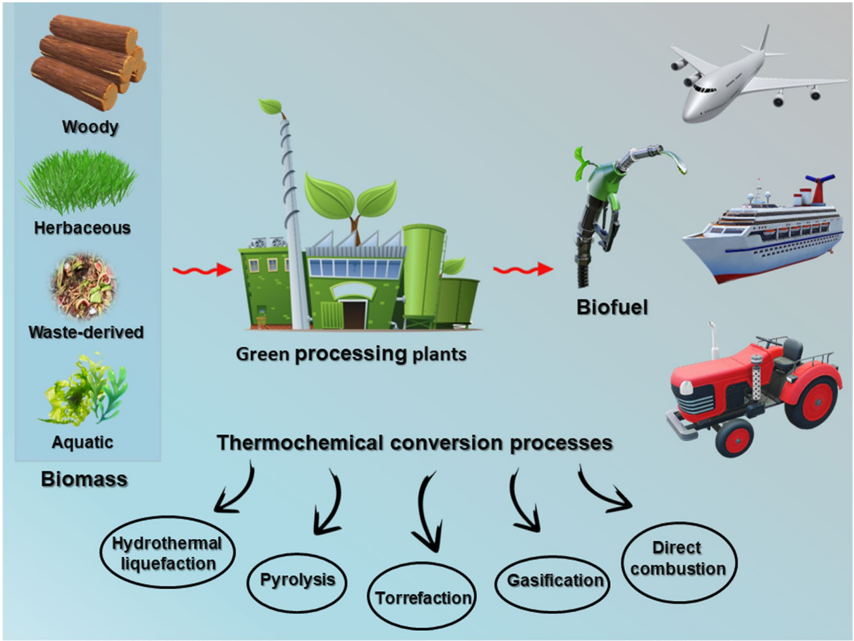
Thermochemical processes are classified into low temperature, below 300 °C, and high temperature, higher than 300 °C, i.e. gasification, combustion and pyrolysis.
Overview
CoChat Summary
TL;DR
This review surveys biomass-to-biofuel conversion routes and the life cycle assessment (LCA) literature, with a critical review of 40 LCA studies published from 2019–2021. It concludes that thermochemical routes are more researched than biochemical ones, and that integrating hydrothermal and biochemical routes is promising for a circular economy but still faces technical and cost challenges.
Key findings
- Biomass contributes about 9% (~51 EJ) of global primary energy supply, and the paper says global energy demand is projected to rise by almost 28% by 2040.
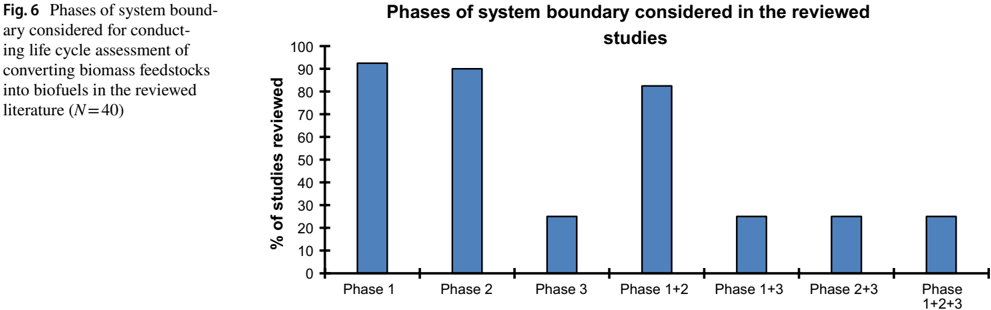
- The review analyzed 40 LCA studies from 2019–2021 and found that only 8 studies included all three phases of biofuel production; about 90% considered Phase 1 and Phase 2, but only 25% included Phase 3.
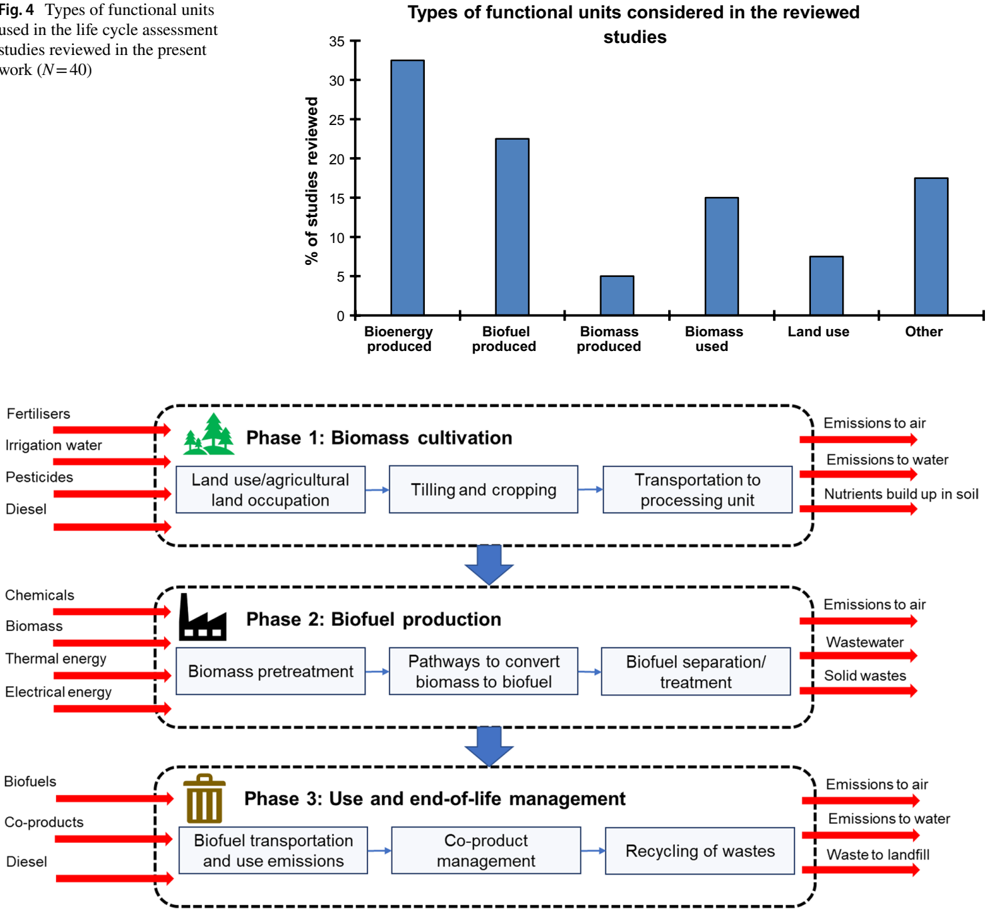
- About 32% of reviewed studies used “units of bioenergy in J or kWh” as the functional unit, while about 22% used “amount of biofuels produced” such as kg.
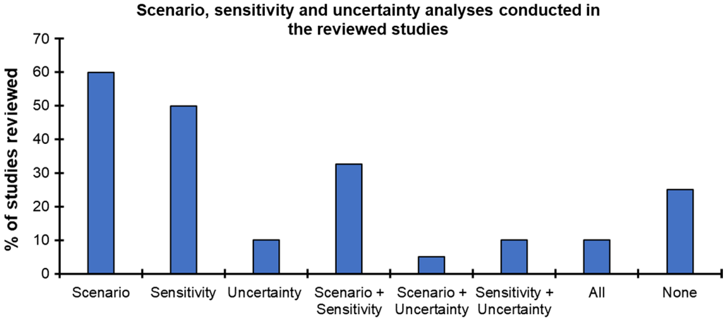
- The paper reports that 60% of the reviewed studies considered scenario analysis, 10% did uncertainty analysis, and 50% conducted sensitivity analysis; it also states that no study included all three phases of the biofuel production system boundary together with uncertainty, scenario, and sensitivity analyses.
- Across comparative LCA studies, thermochemical processes generally showed lower environmental impacts than biological processes for the same biomass and geographic/temporal span; one cited comparison found anaerobic digestion best for 14 out of 18 impacts.
Methods
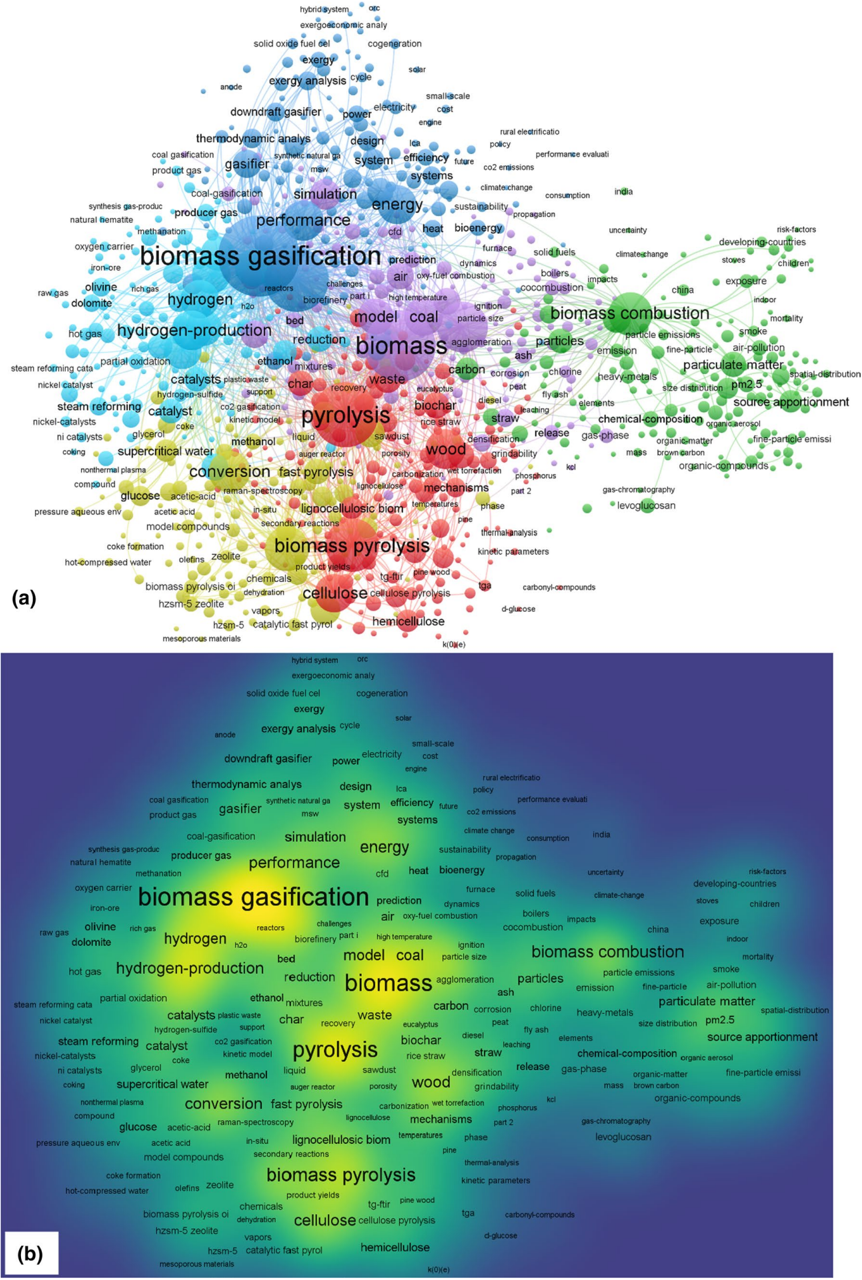
- Narrative review of biomass conversion technologies plus a bibliometric analysis using Web of Science data and VOSviewer; the bibliometric search returned 9,947 results, exported in batches of 500 entries.
- Critical review of 40 LCA studies published from 2019 to 2021 on biofuels, covering biomass feedstocks, geographical span, biofuels produced, life cycle tools, and inventories.
- The paper organizes analysis around ISO LCA stages: goal and scope, inventory analysis, impact assessment (mid-point and endpoint indicators), uncertainty/scenario/sensitivity analysis, and interpretation.
Limitations
- Stated in the paper: there was no study identified that included all three phases of biofuel production along with uncertainty, sensitivity, and scenario analyses.
- Stated in the paper: only 4 studies had all three of scenario, sensitivity, and uncertainty analyses, which “poses questions” about the applicability of findings for decision-making.
- Evident from the text: the review is limited to 40 studies from 2019–2021 for the LCA synthesis, so older or more recent studies are not part of that analysis.
Model-written summary. Check it against the paper before relying on it.
Integrity signals
Registry
Cites
Statistics
Figures
Verification
Claims the paper makes
3 Valid · 1 Not valid · 58 Not checked · 42 Own results and interpretations
The cited sources that could be checked couldn’t confirm or dispute this claim.
In the paper
“Biomass, unlike other sustainable energy sources such as wind, solar, geothermal, marine and hydropower, can directly produce fuel along with chemicals (Quereshi et al. 2021;Farrell et al. 2019;Farrell et al. 2020).”
§ Conversion of biomass to biofuels and life cycle assessment: a review > Introduction
What the sources say
- Not checked — no full text of the sourcecites Quereshi et al. 2021 matched to “Overview of sustainable fuel and energy technologies” (2021) source
- Could not verifycites Farrell et al. 2019 matched to “Assessment of the energy recovery potential of waste Photovoltaic (PV) modules” (2019) sourceExperimental — accuracy not yet measured
The Introduction (page unavailable) describes solar PV as producing electricity, and the Results and Discussion (page unavailable) compare PV polymers’ calorific value with energy crops. Neither passage addresses whether biomass can directly produce both fuels and chemicals, or makes the claimed comparison with other renewable sources. Searches for that comparison and for biomass, fuels, and chemicals found no supporting passage in our copy. (LLM, conf=0.76)
- Could not verifycites Farrell et al. 2020 matched to “Technical challenges and opportunities in realising a circular economy for waste photovoltaic modules” (2020) sourceExperimental — accuracy not yet measured
The Introduction (page unavailable) lists biomass alongside solar, wind, hydro, tidal and geothermal as renewable technologies, but does not compare what they produce. A search for biomass conversion into fuels and chemicals found discussion of pyrolysis in photovoltaic-module recycling, not a statement that biomass directly produces fuels and chemicals. (LLM, conf=0.76)
plain- Asserted: passes — The authors put it forward as true.
- Checkable: passes — It can be checked against evidence.
- Load-bearing: passes — The paper’s conclusions depend on it.
- Based: passes — The paper gives a reason why it holds.
The sources with a verdict support this claim; the rest weren’t checked yet, have no full text we could read, or their verdicts aren’t rated yet.
In the paper
“Some studies computed net energy ratio to evaluate the usability of biofuels as energy sources (Al-Mawali et al. 2021;Al-Muhtaseb et al. 2021;Dasan et al. 2019;Im-Orb and Arpornwichanop 2020;Reaño 2020;Saranya and Ramachandra 2020)”
§ Conversion of biomass to biofuels and life cycle assessment: a review > Mid-point indicators
What the sources say
- Could not verifycites Al-Mawali et al. 2021 matched to “Life cycle assessment of biodiesel production utilising waste date seed oil and a novel magnetic catalyst: A circular bioeconomy approach” (2021) sourceExperimental — accuracy not yet measured
Our copy of Al-Mawali et al. (2021) holds only the institutional-repository record: the title/author block, the keyword list (life cycle assessment, magnetic catalyst, circular bioeconomy, biodiesel, date seed oil) and the citation/RIS entries (Abstract section, no page numbers). Six searches ('net energy ratio', 'energy payback ratio fossil energy demand', 'energy efficiency ratio of energy output to input', transesterification/yield, and LCA functional-unit/GWP terms) returned only these metadata passages — no abstract body, methods, results or discussion text is present. Nothing in our copy therefore states or excludes that the authors computed a net energy ratio to assess biodiesel's usability as an energy source; the claim can be neither confirmed nor disputed. (LLM, conf=0.70)
- Supportedcites Al-Muhtaseb et al. 2021 matched to “Circular economy approach of enhanced bifunctional catalytic system of CaO/CeO2 for biodiesel production from waste loquat seed oil with life cycle assessment study” (2021) source
In the Figure 12 discussion, the paper calculates a net energy ratio of 2.23 using biodiesel energy output and fossil-resource savings. Section 3.6 identifies this as an LCA of biodiesel production from waste loquat seeds, supporting the citing sentence's characterization of the study. (LLM, conf=0.92)
- Not checked — no full text of the sourcecites Dasan et al. 2019 matched to “Life cycle evaluation of microalgae biofuels production: Effect of cultivation system on energy, carbon emission and cost balance analysis” (2019) source
plain- Asserted: passes — The authors put it forward as true.
- Checkable: passes — It can be checked against evidence.
- Load-bearing: unclear — It is unclear whether the paper’s conclusions depend on it.
- Based: passes — The paper gives a reason why it holds.
- Could not verify
Every source the paper cites for this claim was checked and supports it.
In the paper
“In fact, there was only one study identified that highlighted that for spent coffee grounds, incineration is a better route compared to biofuel production (Schmidt Rivera et al. 2020).”
§ Conversion of biomass to biofuels and life cycle assessment: a review > Key points observed in life cycle assessment studies
What the sources say
- Supportedcites Schmidt Rivera et al. 2020 matched to “Life cycle environmental sustainability of valorisation routes for spent coffee grounds: From waste to resources” (2020) source
Our copy states exactly what is attributed to it: the Abstract and Section 3.1 ('incineration is the most environmentally sustainable valorisation route, with net-negative impacts in 14 out of 16 categories') and the Conclusions rank biodiesel as 'the least preferred option with the highest impacts in 11 categories'. Section 3.2 reinforces this ('production of biodiesel from SCGs is not yet environmentally a competitive option, in particular when replacing incineration'). The 'only one study identified' framing is the citing authors' own review tally, not a statement attributed to this source. (LLM, conf=0.90)
plainSingle case- Asserted: passes — The authors put it forward as true.
- Checkable: passes — It can be checked against evidence.
- Load-bearing: unclear — It is unclear whether the paper’s conclusions depend on it.
- Based: passes — The paper gives a reason why it holds.
- Rests on an assumption not shown here.
- Supported
A result the paper reports from its own data — it cites no other source for it, so there is none to check. The quote shows it is in the paper.
In the paper
“There was no study identified that included all three phases of the life cycle of biofuel production system boundary (described in Fig. 5) and uncertainty, scenario and sensitivity analyses in the 40 reviewed studies.”
- Also stated in: § Key points observed in life cycle assessment studies · plain
“There was no study identified that included all the three phases of biofuel production along with uncertainty, sensitivity and scenario analyses.”
§ Conversion of biomass to biofuels and life cycle assessment: a review > Uncertainty, scenario and sensitivity analysis
plain- Asserted: passes — The authors put it forward as true.
- Checkable: passes — It can be checked against evidence.
- Load-bearing: passes — The paper’s conclusions depend on it.
- Based: passes — The paper gives a reason why it holds.
- Rests on an assumption not shown here.
- Also stated in: § Key points observed in life cycle assessment studies · plain
A result the paper reports from its own data — it cites no other source for it, so there is none to check. The quote shows it is in the paper.
In the paper
“Most of the studies focused on specific processes of the biofuel production chain, focusing on critical areas of concern rather than evaluating the overall impacts of the entire production chain.”
§ Conversion of biomass to biofuels and life cycle assessment: a review > Goal and scope definition
plain- Asserted: passes — The authors put it forward as true.
- Checkable: passes — It can be checked against evidence.
- Load-bearing: passes — The paper’s conclusions depend on it.
- Based: passes — The paper gives a reason why it holds.
56 more claims
Create a free account to see all 104 claims and to verify the 17 references still open.
- It may state two separate claims as one. 26
- Probably not a substantial claim. 19
- The quote only partly states this claim. 1
Citations
Cites
Review of fast pyrolysis of biomass and product upgrading
Bridgwater, A. V. (2012) · Biomass and Bioenergy · doi:10.1016/j.biombioe.2011.01.048 · Cited by 4,856 · cited 1×
“The primary product is liquid oil (Bridgwater, 2012a).”
Alvira, P., Tomás-Pejó, E., Ballesteros, M., & Negro, M. J. (2010) · Bioresource Technology · doi:10.1016/j.biortech.2009.11.093 · Cited by 3,912 · cited 1×
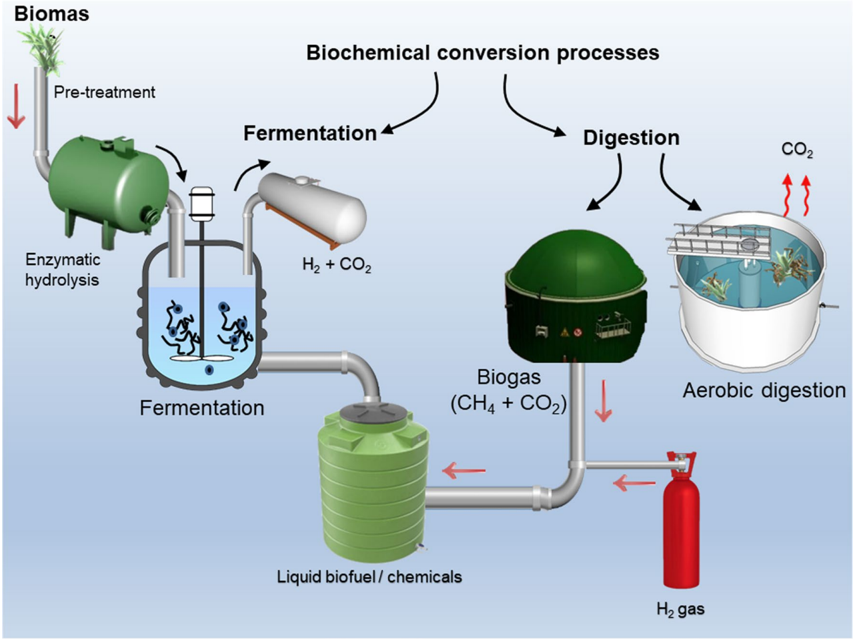
“Bioconversion of biomass to biofuel comprises of sequential stages: pretreatment, hydrolysis (acid/enzymatic) and fermentation (Alvira et al. 2010).”
BackgroundHydrothermal liquefaction of biomass: A review of subcritical water technologies
Toor, S. S., Rosendahl, L., & Rudolf, A. (2011) · Energy · doi:10.1016/j.energy.2011.03.013 · Cited by 1,840
Ethanol fermentation from biomass resources: current state and prospects
Lin, Y., & Tanaka, S. (2006) · Applied Microbiology and Biotechnology · doi:10.1007/s00253-005-0229-x · Cited by 1,621 · cited 1×
“In the consolidated bioprocessing scenario, only one microorganism is simultaneously utilised for hydrolysis and fermentation, which decreases the operation cost and enhances the process efficacy (Lin and Tanaka, 2006).”
BackgroundCombustion characteristics of different biomass fuels
Demirbas, A. (2004) · Progress in Energy and Combustion Science · doi:10.1016/j.pecs.2003.10.004 · Cited by 1,591
Strategies for mitigation of climate change: a review
Fawzy, S., Osman, A. I., Doran, J., & Rooney, D. W. (2020) · Environmental Chemistry Letters · doi:10.1007/s10311-020-01059-w · Cited by 1,522 · cited 1×
“The depletion of non-renewable fuel sources, accompanied with greenhouse gas emissions, has become a critical issue (Fawzy et al. 2020; Osman et al. 2021).”
BackgroundSelf-citationProgress in bioethanol processing
Balat, M., Balat, H., & Öz, C. (2008) · Progress in Energy and Combustion Science · doi:10.1016/j.pecs.2007.11.001 · Cited by 1,490 · cited 1×
“Under these subcritical conditions, physicochemical properties of water such as density, diffusivity, dielectric constant and viscosity alter and improve the biomass degradation process, which further upgrades the torrefaction process (Bach and Skreiberg 2016; Balat et al. 2008).”
BackgroundLignocellulosic biomass to bioethanol, a comprehensive review with a focus on pretreatment
Haghighi Mood, S., Hossein Golfeshan, A., Tabatabaei, M., Salehi Jouzani, G., Najafi, G. H., Gholami, M., & Ardjmand, M. (2013) · Renewable and Sustainable Energy Reviews · doi:10.1016/j.rser.2013.06.033 · Cited by 1,342 · cited 1×
“It can be classified into four main categories, including: (1) physical, e.g. grinding, (2) physicochemical, e.g. wet oxidation, (3) chemical, e.g. oxidising agents and organic solvents, and (4) biological or combination of them (Haghighi Mood et al. 2013).”
BackgroundCatalytic Conversion of Carbohydrates to Initial Platform Chemicals: Chemistry and Sustainability
Mika, L. T., Cséfalvay, E., & Németh, Á. (2018) · Chemical Reviews · doi:10.1021/acs.chemrev.7b00395 · Cited by 1,320 · cited 1×
“Based on the mode of operation, it can be divided into two main subclasses: (1) indirect liquefaction and (2) solvent liquefaction (Mika et al. 2018).”
BackgroundA review on hydrothermal liquefaction of biomass
Gollakota, A. R. K., Kishore, N., & Gu, S. (2018) · Renewable and Sustainable Energy Reviews · doi:10.1016/j.rser.2017.05.178 · Cited by 1,306 · cited 1×
“Solvent liquefaction has the priority to be implemented over the other scenario because of its remarkable merits, moderate operational conditions and higher yield of products (Gollakota et al. 2018).”
Background
Cited by
Strategies to achieve a carbon neutral society: a review
Chen, L., Msigwa, G., Yang, M., Osman, A. I., Fawzy, S., Rooney, D. W., & Yap, P.-S. (2022) · Environmental Chemistry Letters · doi:10.1007/s10311-022-01435-8 · Cited by 1,326
“Life cycle analysis is also frequently utilized in various car-bon-neutral systems to characterize greenhouse gases, and related climate change impacts objectively (Osman et al. 2021).”
BackgroundSelf-citationHydrogen production, storage, utilisation and environmental impacts: a review
Osman, A. I., Mehta, N., Elgarahy, A. M., Hefny, M., Al-Hinai, A., Al-Muhtaseb, A. H., & Rooney, D. W. (2022) · Environmental Chemistry Letters · doi:10.1007/s10311-021-01322-8 · Cited by 1,048
Self-citationCost, environmental impact, and resilience of renewable energy under a changing climate: a review
Osman, A. I., Chen, L., Yang, M., Msigwa, G., Farghali, M., Fawzy, S., Rooney, D. W., & Yap, P.-S. (2023) · Environmental Chemistry Letters · doi:10.1007/s10311-022-01532-8 · Cited by 1,048
“Biomass is incinerated to generate heat and/or electricity or converted into biofuel and c on ti nu e d biogas using anaerobic digestion, gasification, or pyrolysis/ hydrothermal carbonization (Farghali et al., 2022; Osman et al., 2021a; Rahman et al., 2022).”
BackgroundMethodSelf-citationCircular economy strategies for combating climate change and other environmental issues
Yang, M., Chen, L., Wang, J., Msigwa, G., Osman, A. I., Fawzy, S., Rooney, D. W., & Yap, P.-S. (2023) · Environmental Chemistry Letters · doi:10.1007/s10311-022-01499-6 · Cited by 835
Self-citationRecent advancement and assessment of green hydrogen production technologies
Zainal, B. S., Ker, P. J., Mohamed, H., Ong, H. C., Fattah, I. M. R., Rahman, S. M. A., Nghiem, L. D., & Mahlia, T. M. I. (2024) · Renewable and Sustainable Energy Reviews · doi:10.1016/j.rser.2023.113941 · Cited by 727
Lignin valorization: Status, challenges and opportunities
Sethupathy, S., Murillo Morales, G., Gao, L., Wang, H., Yang, B., Jiang, J., Sun, J., & Zhu, D. (2022) · Bioresource Technology · doi:10.1016/j.biortech.2022.126696 · Cited by 473
Zhang, B., Biswal, B. K., Zhang, J., & Balasubramanian, R. (2023) · Chemical Reviews · doi:10.1021/acs.chemrev.2c00673 · Cited by 432
Algal Biomass Valorization for Biofuel Production and Carbon Sequestration: A Review
Sarwer, A., Hamed, S. M., Osman, A. I., Jamil, F., Al-Muhtaseb, A. H., Alhajeri, N. S., & Rooney, D. W. (2022) · Environmental Chemistry Letters · doi:10.1007/s10311-022-01458-1 · Cited by 380
Self-citationGreen construction for low-carbon cities: a review
Chen, L., Huang, L., Hua, J., Chen, Z., Wei, L., Osman, A. I., Fawzy, S., Rooney, D. W., Dong, L., & Yap, P.-S. (2023) · Environmental Chemistry Letters · doi:10.1007/s10311-022-01544-4 · Cited by 358
“The construction and building industry is highlighted as a major source of carbon emissions due to its extensive consumption of resources and energy and carbon emissions throughout its entire life cycle (Osman et al. 2021a).”
BackgroundSelf-citationWu, Y., Wang, H., Li, H., Han, X., Zhang, M., Sun, Y., Fan, X., Tu, R., Zeng, Y., Xu, C. C., et al. (2022) · Renewable Energy · doi:10.1016/j.renene.2022.07.031 · Cited by 274
Biodegradable plastic applications towards sustainability: A recent innovations in the green product
Moshood, T. D., Nawanir, G., Mahmud, F., Mohamad, F., Ahmad, M. H., & AbdulGhani, A. (2022) · Cleaner Engineering and Technology · doi:10.1016/j.clet.2022.100404 · Cited by 271
Methanol fuel production, utilization, and techno-economy: a review
Deka, T. J., Osman, A. I., Baruah, D. C., & Rooney, D. W. (2022) · Environmental Chemistry Letters · doi:10.1007/s10311-022-01485-y · Cited by 265
Self-citationZhang, Y., Liang, Y., Li, S., Yuan, Y., Zhang, D., Wu, Y., Xie, H., Brindhadevi, K., Pugazhendhi, A., & Xia, C. (2023) · Fuel · doi:10.1016/j.fuel.2023.128461 · Cited by 241
Biomass Energy and Biofuels: Perspective, Potentials, and Challenges in the Energy Transition
Mignogna, D., Szabó, M., Ceci, P., & Avino, P. (2024) · Sustainability · doi:10.3390/su16167036 · Cited by 248
Biofuels versus climate change: Exploring potentials and challenges in the energy transition
Rial, R. C. (2024) · Renewable and Sustainable Energy Reviews · doi:10.1016/j.rser.2024.114369 · Cited by 237
Life cycle assessment and techno-economic analysis of sustainable bioenergy production: a review
Osman, A. I., Fang, B., Zhang, Y., Liu, Y., Yu, J., Farghali, M., Rashwan, A. K., Chen, Z., Chen, L., Ihara, I., et al. (2024) · Environmental Chemistry Letters · doi:10.1007/s10311-023-01694-z · Cited by 236
“Various technologies are employed in this process, including direct combustion, torrefaction, hydro-thermal liquefaction, pyrolysis, and gasification (Osman et al. 2021).”
Self-citationFarghali, M., Mohamed, I. M. A., Osman, A. I., & Rooney, D. W. (2023) · Environmental Chemistry Letters · doi:10.1007/s10311-022-01520-y · Cited by 225
Self-citationAdvances in biomass torrefaction: Parameters, models, reactors, applications, deployment, and market
Thengane, S. K., Kung, K. S., Gomez-Barea, A., & Ghoniem, A. F. (2022) · Progress in Energy and Combustion Science · doi:10.1016/j.pecs.2022.101040 · Cited by 222
del Mar Contreras-Gámez, M., Galán-Martín, Á., Seixas, N., da Costa Lopes, A. M., Silvestre, A., & Castro, E. (2023) · Bioresource Technology · doi:10.1016/j.biortech.2022.128396 · Cited by 216
Osman, A. I., Farghali, M., Ihara, I., Elgarahy, A. M., Ayyad, A., Mehta, N., Ng, K. H., Abd El-Monaem, E. M., Eltaweil, A. S., Hosny, M., et al. (2023) · Environmental Chemistry Letters · doi:10.1007/s10311-023-01573-7 · Cited by 214
Self-citationIntegration of biogas systems into a carbon zero and hydrogen economy: a review
Farghali, M., Osman, A. I., Umetsu, K., & Rooney, D. W. (2022) · Environmental Chemistry Letters · doi:10.1007/s10311-022-01468-z · Cited by 209
Self-citationRETRACTED: Biochar modulating soil biological health: A review
Bolan, S., Sharma, S., Mukherjee, S., Kumar, M., Rao, C. S., Nataraj, K. C., Singh, G., Vinu, A., Bhowmik, A., Sharma, H., et al. (2024) · Science of The Total Environment · doi:10.1016/j.scitotenv.2023.169585 · Cited by 209
RetractedOsman, A. I., Lai, Z. Y., Farghali, M., Yiin, C. L., Elgarahy, A. M., Hammad, A., Ihara, I., Al-Fatesh, A. S., Rooney, D. W., & Yap, P.-S. (2023) · Environmental Chemistry Letters · doi:10.1007/s10311-023-01613-2 · Cited by 202
Self-citationOsman, A. I., Elgarahy, A. M., Eltaweil, A. S., Abd El-Monaem, E. M., El-Aqapa, H. G., Park, Y., Hwang, Y., Ayati, A., Farghali, M., Ihara, I., et al. (2023) · Environmental Chemistry Letters · doi:10.1007/s10311-023-01581-7 · Cited by 191
Self-citationPeriyasamy, S., Karthik, V., Senthil Kumar, P., Isabel, J. B., Temesgen, T., Hunegnaw, B. M., Melese, B. B., Mohamed, B. A., & Vo, D.-V. N. (2022) · Environmental Chemistry Letters · doi:10.1007/s10311-021-01374-w · Cited by 183
“Four types of pretreatment methods such as physical, chemical, biological, and concoction are used under different operating circumstances to efficiently separate the major components of various biomasses based on the benefits, drawbacks, and applications in which it is employed (Dey et al. 2020; Osman et al. 2021).”
MethodWaste to catalyst: Role of agricultural waste in water and wastewater treatment
Kumar, M., Ambika, S., Hassani, A., & Nidheesh, P. V. (2023) · Science of The Total Environment · doi:10.1016/j.scitotenv.2022.159762 · Cited by 177
Elgarahy, A. M., Hammad, A., El-Sherif, D. M., Abouzid, M., Gaballah, M. S., & Elwakeel, K. Z. (2021) · Journal of Environmental Chemical Engineering · doi:10.1016/j.jece.2021.106503 · Cited by 166
Self-citationMultifaceted applications of biochar in environmental management: a bibliometric profile
Kumar, A., Bhattacharya, T., Shaikh, W. A., Roy, A., Chakraborty, S., Vithanage, M., & Biswas, J. K. (2023) · Biochar · doi:10.1007/s42773-023-00207-z · Cited by 159
“Technologies include incineration, torrefaction, plasma technology, gasification, pyrolysis, fermentation, liquefaction, and anaerobic digestion (Lee et al. 2019; Osman et al. 2021).”
MethodPérez-Almada, D., Galán‐Martín, Á., Contreras, M. D. M., & Castro, E. (2023) · Sustainable Energy & Fuels · doi:10.1039/d3se00405h · Cited by 197
Yafetto, L., Odamtten, G. T., & Wiafe‐Kwagyan, M. (2023) · Heliyon · doi:10.1016/j.heliyon.2023.e14814 · Cited by 196
Zhang, H., Yang, K., Tao, Y., Yang, Q., Xu, L., Liu, C., Ma, L., & Xiao, R. (2023) · Biotechnology Advances · doi:10.1016/j.biotechadv.2023.108262 · Cited by 143
Synthesis and potential applications of cyclodextrin-based metal–organic frameworks: a review
Xu, Y., Rashwan, A. K., Osman, A. I., El-Monaem, E. M. A., Elgarahy, A. M., Eltaweil, A. S., Omar, M., Li, Y., MEHANNI, A.-H. E. S., Chen, W., et al. (2022) · Environmental Chemistry Letters · doi:10.1007/s10311-022-01509-7 · Cited by 147
Self-citationPhotocatalytic and Electrochemical Synthesis of Biofuel via Efficient Valorization of Biomass
Sun, D., Zhang, Y., Zhou, Y. F., Nie, Y., Ban, L., Wu, D., Yang, S., Zhang, H., Li, C., & Zhang, K. (2025) · Advanced Energy Materials · doi:10.1002/aenm.202406098 · Cited by 162
Densification of waste biomass for manufacturing solid biofuel pellets: a review
Sarker, T. R., Nanda, S., Meda, V., & Dalai, A. K. (2022) · Environmental Chemistry Letters · doi:10.1007/s10311-022-01510-0 · Cited by 158
“Biofuels generated from waste biomass provide direct and long-term environmental advantages as a critical component of sustainability (Srivastava et al. 2020; Tang et al. 2020; Osman et al. 2021).”
BackgroundFueling the future: biomass applications for green and sustainable energy
Ali, F., Dawood, A., Hussain, A., Alnasir, M. H., Khan, M. A., Butt, T. M., Janjua, N. K., & Hamid, A. (2024) · Discover Sustainability · doi:10.1007/s43621-024-00309-z · Cited by 190
Oyekunle, D. T., Barasa, M., Gendy, E. A., & Kiong, T. S. (2023) · Process Safety and Environmental Protection · doi:10.1016/j.psep.2023.07.064 · Cited by 154
Osman, A. I., Nasr, M., Farghali, M. R. F., Rashwan, A. K., Abdelkader, A., Al-Muhtaseb, A. H., Ihara, I., & Rooney, D. W. (2024) · Environmental Chemistry Letters · doi:10.1007/s10311-024-01700-y · Cited by 168
Self-citationPatel, M. R., & Panwar, N. L. (2023) · Resources Conservation & Recycling Advances · doi:10.1016/j.rcradv.2023.200173 · Cited by 195
Advances in CaO-based catalysts for sustainable biodiesel synthesis
Basumatary, S. F., Brahma, S., Hoque, M., Das, B. K., Selvaraj, M., Brahma, S., & Basumatary, S. (2023) · Green Energy and Resources · doi:10.1016/j.gerr.2023.100032 · Cited by 142
Oil palm biomass in Indonesia: Thermochemical upgrading and its utilization
Nabila, R., Hidayat, W., Haryanto, A., Hasanudin, U., Iryani, D. A., Lee, S., Kim, S., Kim, S., Chun, D., Choi, H., et al. (2023) · Renewable and Sustainable Energy Reviews · doi:10.1016/j.rser.2023.113193 · Cited by 204
Sustainable utilization of food waste for bioenergy production: A step towards circular bioeconomy
Mohanty, A., Mankoti, M., Rout, P. R., Meena, S. S., Dewan, S., Kalia, B., Varjani, S., Wong, J. W. C., & Banu, J. R. (2022) · International Journal of Food Microbiology · doi:10.1016/j.ijfoodmicro.2022.109538 · Cited by 133
Production of polyols and polyurethane from biomass: a review
Tran, M. H., & Lee, E. Y. (2023) · Environmental Chemistry Letters · doi:10.1007/s10311-023-01592-4 · Cited by 125
Tawfik, A., Eraky, M., Alhajeri, N. S., Osman, A. I., & Rooney, D. W. (2022) · Environmental Chemistry Letters · doi:10.1007/s10311-022-01481-2 · Cited by 114
Self-citationSuppressing inhibitory compounds by nanomaterials for highly efficient biofuel production: A review
Thakur, A., Kumar, A., Kaya, S., Vo, D. N., & Sharma, A. K. (2021) · Fuel · doi:10.1016/j.fuel.2021.122934 · Cited by 115
Poornima, S., Manikandan, S., Prakash, R., Deena, S. R., Subbaiya, R., Karmegam, N., Kim, W., & Govarthanan, M. (2024) · Fuel · doi:10.1016/j.fuel.2024.132204 · Cited by 113
Andreo‐Martínez, P., Ortiz-Martínez, V. M., Salar-García, M. J., Veiga-del-Baño, J. M., Chica, A., & Quesada‐Medina, J. (2022) · Energy Sustainable Development/Energy for sustainable development · doi:10.1016/j.esd.2022.06.004 · Cited by 130
Cellulosic biomass fermentation for biofuel production: Review of artificial intelligence approaches
Naveed, M. H., Khan, M. N. A., Mukarram, M., Naqvi, S. R., Abdullah, A., Haq, Z. U., Ullah, H., & AlMohamadi, H. (2023) · Renewable and Sustainable Energy Reviews · doi:10.1016/j.rser.2023.113906 · Cited by 128
Environmental life cycle assessment of biomass conversion using hydrothermal technology: A review
Hussin, F., Hazani, N. N., Khalil, M., & Aroua, M. K. (2023) · Fuel Processing Technology · doi:10.1016/j.fuproc.2023.107747 · Cited by 120
Sugarcane Bagasse: Challenges and Opportunities for Waste Recycling
Hiranobe, C. T., Gomes, A. S., de Paiva, F. F. G., Tolosa, G. R., Paim, L. L., Dognani, G., Cardim, G. P., Cardim, H. P., dos Santos, R. J., & Cabrera, F. C. (2024) · Clean Technologies · doi:10.3390/cleantechnol6020035 · Cited by 142
“However, among these methods, pyrolysis stands out as the most advantageous choice in many respects [67,68].”
BackgroundGoswami, R. K., Agrawal, K., Upadhyaya, H. M., Gupta, V. K., & Verma, P. (2022) · Energy Conversion and Management · doi:10.1016/j.enconman.2022.116118 · Cited by 106
Techno-Economical Evaluation of Bio-Oil Production via Biomass Fast Pyrolysis Process: A Review
Inayat, A., Ahmed, A., Tariq, R., Waris, A., Jamil, F., Ahmed, S. F., Ghenai, C., & Park, Y.-K. (2022) · Frontiers in Energy Research · doi:10.3389/fenrg.2021.770355 · Cited by 103
Akinpelu, D. A., Adekoya, O. A., Oladoye, P. O., Ogbaga, C. C., & Okolie, J. A. (2023) · Digital Chemical Engineering · doi:10.1016/j.dche.2023.100103 · Cited by 126
Tomás‐Pejó, E., González‐Fernández, C., Greses, S., Kennes, C., Otero-Logilde, N., Veiga, M. C., Bolzonella, D., Müller, B., & Passoth, V. (2023) · Biotechnology for Biofuels and Bioproducts · doi:10.1186/s13068-023-02349-5 · Cited by 109
Electrochemical conversion of biomass-derived aldehydes into fine chemicals and hydrogen: A review
Theerthagiri, J., Karuppasamy, K., Park, J., Rahamathulla, N., Kumari, M. L. A., Souza, M. K. R., Cardoso, E. S. F., Murthy, A. P., Maia, G., Kim, H., et al. (2022) · Environmental Chemistry Letters · doi:10.1007/s10311-022-01543-5 · Cited by 104
Rice straw for energy and value-added products in China: a review
Alengebawy, A., Yi, R., Ghimire, N., Osman, A. I., & Ai, P. (2023) · Environmental Chemistry Letters · doi:10.1007/s10311-023-01612-3 · Cited by 124
Self-citationElsayed, M., Eraky, M. T., Osman, A. I., Wang, J., Farghali, M. R. F., Rashwan, A. K., Yacoub, I. H., Hanelt, D., & Abomohra, A. (2023) · Environmental Chemistry Letters · doi:10.1007/s10311-023-01671-6 · Cited by 121
“The necessity to explore sustainable feedstocks for biofuel production has been recognized by the depletion of natural resources brought on by excessive consumption of non-renewable fossil fuels and the rising global energy demand (Farghali et al. 2023a; Osman et al. 2021a, b Elsayed et al. 2018).”
Self-citationIntegration of advanced biotechnology for green carbon
Wang, M., Wang, Y., Liu, J., Yu, H., Liu, P., Yang, Y., Sun, D., Kang, H., Wang, Y., Tang, J., et al. (2024) · Green Carbon · doi:10.1016/j.greenca.2024.02.006 · Cited by 108
Padder, S. A., Khan, R., & Rather, R. A. (2024) · Biomass and Bioenergy · doi:10.1016/j.biombioe.2024.107220 · Cited by 97
Gandam, P. K., Chinta, M. L., Pabbathi, N. P. P., Baadhe, R. R., Sharma, M., Thakur, V. K., Sharma, G. D., Ranjitha, J., & Gupta, V. K. (2022) · Industrial Crops and Products · doi:10.1016/j.indcrop.2022.115245 · Cited by 105
Singh, R., Paritosh, K., Pareek, N., & Vivekanand, V. (2022) · Bioresource Technology · doi:10.1016/j.biortech.2022.127596 · Cited by 117
Biofuels from Microalgae Biomass: A Review of Conversion Processes and Procedures
Ebhodaghe, S. O., Imanah, O. E., & Ndibe, H. (2022) · Arabian Journal of Chemistry · doi:10.1016/j.arabjc.2021.103591 · Cited by 93
Performance analysis of an integrated biomass-to-energy system based on gasification and pyrolysis
Li, T., Wang, J., Chen, H., Li, W., Pan, P., Wu, L., Xu, G., & Chen, H. (2023) · Energy Conversion and Management · doi:10.1016/j.enconman.2023.117085 · Cited by 102
Fu, R., Kang, L., Zhang, C., & Fei, Q. (2022) · Green Chemical Engineering · doi:10.1016/j.gce.2022.09.002 · Cited by 98
Gaffey, J., Collins, M. N., & Styles, D. (2024) · Journal of Environmental Management · doi:10.1016/j.jenvman.2024.120813 · Cited by 114
Guo, J. L., Yang, J., Guan, J., Chen, X., Zhu, Y., Fu, H., Liu, Q., Wei, B., & Geng, H. (2022) · Chemical Engineering Journal · doi:10.1016/j.cej.2022.138007 · Cited by 82
Biomass to biofuel: Impacts and mitigation of environmental, health, and socioeconomic challenges
Chowdhury, P., Mahi, N. A., Yeassin, R., Chowdhury, N.-U.-R., & Farrok, O. (2025) · Energy Conversion and Management X · doi:10.1016/j.ecmx.2025.100889 · Cited by 201
A comprehensive review on application of plant-based bioadsorbents for Congo red removal
Manzoor, K., Batool, M., Naz, F., Nazar, M. F., Hameed, B. H., & Zafar, M. N. (2022) · Biomass Conversion and Biorefinery · doi:10.1007/s13399-022-02741-5 · Cited by 95
“A detailed study in this regard is performed by Osman et al. [6].”
Ding, K., Liu, D., Chen, X., Zhang, H., Shi, S., Guo, X., Zhou, L. H., Han, L., & Xiao, W. (2024) · Renewable and Sustainable Energy Reviews · doi:10.1016/j.rser.2024.114692 · Cited by 91
Pyrolysis of waste oils for biofuel production: An economic and life cycle assessment
Mohanty, A., Ajmera, S., Chinnam, S., Kumar, V., Mishra, R. K., & Acharya, B. (2024) · Fuel Communications · doi:10.1016/j.jfueco.2024.100108 · Cited by 87
Weldeslase, M. G., Benti, N. E., Desta, M. A., & Mekonnen, Y. S. (2023) · Scientific Reports · doi:10.1038/s41598-023-30961-w · Cited by 91
Life Cycle Assessment Research Trends and Implications: A Bibliometric Analysis
Moutik, B., Summerscales, J., Graham‐Jones, J., & Pemberton, R. (2023) · Sustainability · doi:10.3390/su151813408 · Cited by 107
“Notably, energy, including clean energy technologies and energy storage technologies like vehicle battery storage [112,113], fuel cells [114], hydrogen production [115], and bioenergy, encompassing biofuels [116,117], are taking the forefront.”
Overview of municipal solid wastes-derived refuse-derived fuels for cement co-processing
Tihin, G. L., Mo, K. H., Onn, C. C., Ong, H. C., Taufiq‐Yap, Y. H., & Lee, H. V. (2023) · Alexandria Engineering Journal · doi:10.1016/j.aej.2023.10.043 · Cited by 117
“In general, after torrefaction and carbonization, lower moisture content and oxygen-to-carbon (O/C) ratios are obtained, resulting in higher high heating value (HHV) and carbon content [104,105].”
BackgroundRecent Advances in Lignin-Based Biofuel Production
Kocatürk, E., Salan, T., Ozcelik, O., Alma, M. H., & Candan, Z. (2023) · Energies · doi:10.3390/en16083382 · Cited by 93
Solar-powered hydrogen production: Advancements, challenges, and the path to net-zero emissions
Singh, S. K., & Tiwari, A. K. (2024) · International Journal of Hydrogen Energy · doi:10.1016/j.ijhydene.2024.08.209 · Cited by 83
Karrabi, M., Ranjbar, F. M., Shahnavaz, B., & Seyedi, S. (2023) · Fuel · doi:10.1016/j.fuel.2022.127239 · Cited by 106
Textile production by additive manufacturing and textile waste recycling: a review
Fan, W., Wang, Y., Liu, R., Zou, J., Yu, X., Liu, Y., Zhi, C., & Meng, J. (2024) · Environmental Chemistry Letters · doi:10.1007/s10311-024-01726-2 · Cited by 82
Carbon-based and carbon-supported nanomaterials for the catalytic conversion of biomass: a review
Xia, D., Yu, H., Li, H., Huang, P., Li, Q., & Wang, Y. (2022) · Environmental Chemistry Letters · doi:10.1007/s10311-022-01402-3 · Cited by 73
Zheng, Y., Li, D., Wang, J., Chen, Y., Liu, C., Lu, Y., Lin, X., Lv, B., Li, J., & Zheng, Z. (2022) · Journal of the Energy Institute · doi:10.1016/j.joei.2022.03.011 · Cited by 70
Advancements in biomass valorization in integrated biorefinery systems
Pandey, A., & Sharma, Y. C. (2024) · Biofuels Bioproducts and Biorefining · doi:10.1002/bbb.2670 · Cited by 82
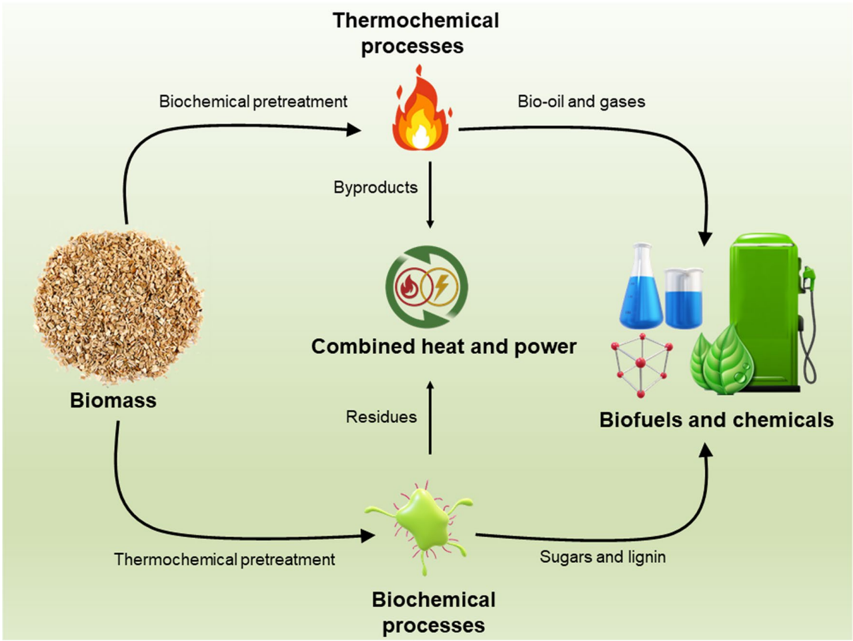
“31 Figure 1 represents the conversion techniques of biomass along with their subcategories and bioproducts obtained using these processes.”
Ao, S., Gouda, S. P., Selvaraj, M., Boddula, R., Al-Qahtani, N. H. S., Mohan, S., & Rokhum, S. L. (2023) · Energy Conversion and Management · doi:10.1016/j.enconman.2023.117956 · Cited by 77
Life cycle assessment of alternative fuel production by co-pyrolysis of waste biomass and plastics
Stančin, H., Strezov, V., & Mikulčić, H. (2023) · Journal of Cleaner Production · doi:10.1016/j.jclepro.2023.137676 · Cited by 73
Advancements in biomass waste conversion to sustainable biofuels via gasification
Abioye, K. J., Rajamanickam, R., Ogunjinmi, T., Paul, S., Selvasembian, R., & Ighalo, J. O. (2025) · Chemical Engineering Journal · doi:10.1016/j.cej.2024.159151 · Cited by 104
Moshood, T. D., Nawanir, G., Mahmud, F. B., Mohamad, F. B., Ahmad, M. H., & AbdulGhani, A. (2021) · Journal of Retailing and Consumer Services · doi:10.1016/j.jretconser.2021.102807 · Cited by 76
Kumari, D., & Singh, R. (2022) · Scientific Reports · doi:10.1038/s41598-022-14627-7 · Cited by 67
Sivaranjani, R., Veerathai, S., Jenifer, K. J., Sowmiya, K., Rupesh, K. J., Sudalai, S., & Arumugam, A. (2023) · International Journal of Hydrogen Energy · doi:10.1016/j.ijhydene.2023.03.161 · Cited by 67
Sustainable synergy: unleashing the potential of biomass in integrated biorefineries
Kashif, M., Sabri, M. A., Aresta, M., Dibenedetto, A., & Dumeignil, F. (2025) · Sustainable Energy & Fuels · doi:10.1039/d4se01293c · Cited by 78
Advancing frontiers in CO2 capture: The renaissance of biomass-derived carbon materials
Umar, M., Yusuf, B. O., Aliyu, M., Hussain, I., Alhassan, A. M., Awad, M. M., Taialla, O. A., Ali, B., Alhooshani, K. R., & Ganiyu, S. A. (2024) · Coordination Chemistry Reviews · doi:10.1016/j.ccr.2024.216380 · Cited by 69
Rakib, M. R. J., Jolly, Y. N., Dioses-Salinas, D. C., Pizarro-Ortega, C. I., De-la-Torre, G. E., Khandaker, M. U., Alsubaie, A. S., Almalki, A. S. A., & Bradley, D. A. (2021) · Scientific Reports · doi:10.1038/s41598-021-99750-7 · Cited by 71
Recent Progress on CO 2 Capture Based on Sterically Hindered Amines: A Review
Guo, R., Li, G.-Y., Liu, Y., & Pan, W. (2023) · Energy & Fuels · doi:10.1021/acs.energyfuels.3c02438 · Cited by 61
Corral-Bobadilla, M., Lostado-Lorza, R., Sabando-Fraile, C., & Íñiguez-Macedo, S. (2024) · Energy · doi:10.1016/j.energy.2024.132712 · Cited by 62
Jayakumar, M., Gebeyehu, K. B., Abo, L. D., Wondimu, A., Vivekanandan, B., Sundramurthy, V. P., Garuma, W. B., Ashokkumar, V., & Baskar, G. (2023) · Fuel · doi:10.1016/j.fuel.2023.128690 · Cited by 72
Rambabu, K., Bharath, G., Sivarajasekar, N., Velu, S., Sudha, P. N., Wongsakulphasatch, S., & BANAT, F. A. (2022) · Fuel · doi:10.1016/j.fuel.2022.125688 · Cited by 62
Hoang, T., Anh, N. V., Yusuf, M., A, M. A. S., Subramanian, Y., Nam, N. H., Nguyen, M., Le, V., Huyen, N. T. T., Bianasari, A. A., et al. (2024) · The Chemical Record · doi:10.1002/tcr.202300333 · Cited by 73
Development Status and Prospects of Biomass Energy in China
Wang, T., Zhou, T., Li, C., Song, Q., Zhang, M., & Yang, H. (2024) · Energies · doi:10.3390/en17174484 · Cited by 75
Bukhari, I., Haq, F., Kiran, M., Aziz, T., Mehmood, S., & Haroon, M. (2025) · Biomass and Bioenergy · doi:10.1016/j.biombioe.2025.108133 · Cited by 72
Environmental sustainability analysis of biofuels: a critical review of LCA studies
Patel, K., & Singh, S. K. (2023) · Clean Technologies and Environmental Policy · doi:10.1007/s10098-023-02596-y · Cited by 70
Comprehensive review of biomass utilization and gasification for sustainable energy production
Kumar, J., & Vyas, S. (2024) · Environment Development and Sustainability · doi:10.1007/s10668-023-04127-7 · Cited by 66
“The gasification process operates at elevated temperatures ranging from 800 to 1300 °C (Osman et al., 2021).”
Hossain, M. S., Karim, T. U., Onik, M. H., Kumar, D., Rahman, M. A., Yousuf, A., & Uddin, M. R. (2022) · Scientific Reports · doi:10.1038/s41598-022-10025-1 · Cited by 57
Ibrahim, T., Durillon, B., Faraj, J., Ali, S., Saudemont, C., Harion, J. ‐., & Khaled, M. (2025) · International Communications in Heat and Mass Transfer · doi:10.1016/j.icheatmasstransfer.2025.109095 · Cited by 61
Metadata
- Authors
- Osman, A. I., Mehta, N., Elgarahy, A. M., Al-Hinai, A., Al-Muhtaseb, A. H., & Rooney, D. W.
- Affiliations
- Queen's University Belfast (GB)
- Port Said University (EG)
- Sultan Qaboos University (OM)
- Corresponding author
- Osman, Ahmed I.
- Al-Muhtaseb, Ala’a H.
- Venue
- Environmental Chemistry Letters
- Published
- 2021-07-23
- Volume
- 19
- Issue
- 6
- Pages
- 4075-4118
- ISSN
- 1610-3653 (ISSN-L)
- 1610-3661
- OpenAlex
- W3186199070
- Cited by
- 761
- References
- 234
- Citations by year
- 2026: 134 · 2025: 182 · 2024: 180 · 2023: 150 · 2022: 101 · 2021: 14
- FWCI
- 30.36
- Type
- journal article
- Language
- en
- Open access
- hybrid
- doi.org
- Licence
- cc-by
- creativecommons.org/licenses/by/4.0 (tdm)
- creativecommons.org/licenses/by/4.0 (vor)
- Locations
- Environmental Chemistry Letters (publishedVersion, cc-by)
- University of Birmingham Research Portal (University of Birmingham) (publishedVersion, cc-by)
- Research Portal (Queen's University Belfast) (publishedVersion, cc-by)
- Funders
- OQ Oman (CR/DVC/SERC/19/01)
- European Union’s INTERREG VA Programme (Bryden Centre project (Project ID VA5048))
- Topics
- Physical Sciences › Engineering › Biomedical Engineering › Biofuel production and bioconversion
- Physical Sciences › Energy › Fuel Technology › Thermochemical Biomass Conversion Processes
- Physical Sciences › Environmental Science › Environmental Engineering › Environmental Impact and Sustainability
- Keywords
- biomass conversion, biofuels, life cycle assessment, thermochemical conversion, biochemical conversion, pyrolysis, gasification, combustion, enzymatic hydrolysis, fermentation, hydrothermal conversion, greenhouse gas emissions, circular economy
About these checks
Registry, retraction, Cites and statistics results are computed, not judged, with one exception: a printed reference that no index lists is read once by a model before it counts as a citation error. Claims are extracted by a model and kept only when their quote appears verbatim in the text; each cited source is then checked, with a model’s help, for whether it says what the claim relies on. Those verdicts can be wrong — read the claim’s quote and the cited source before relying on one.
The claim verdicts this report counts are experimental: their accuracy is not yet measured.
A language model drew the claims from the paper on 2026-10-10, under version 3 of the claim definition (model deepseek-v4.1-flash, prompt extract-v3).
A second model labelled each claim on 2026-10-10 (model jev-1.13-20260917, definition revision gold-guideline-v0.2).
Cited sources are checked with a language model’s help (gpt-6-sol and qwen3.8-omni-flash).
Statistics and arithmetic are recomputed, not judged.
Confidence bands are shown only for fields calibrated on our annotated test set. None is calibrated yet, so no band is shown.
What counts as a claim ›How we measure confidence ›How we check this ›
Are you an author, or do you see a problem with this page? Request a review
Data sources
Bibliographic data: Semantic Scholar, OpenAlex, Crossref.
Contains information from the Semantic Scholar Academic Graph Datasets, made available under the ODC Attribution License (ODC-BY 1.0).
Semantic Scholar’s data is described in: Kinney, R., et al. (2023). The Semantic Scholar Open Data Platform. arXiv:2301.10140.
