

Lipid (per) oxidation in mitochondria: an emerging target in the ageing process?
Open accessThe DOI matches its Crossref record; 174 of the 174 references it cites were found in a registry or an index.
Abstract
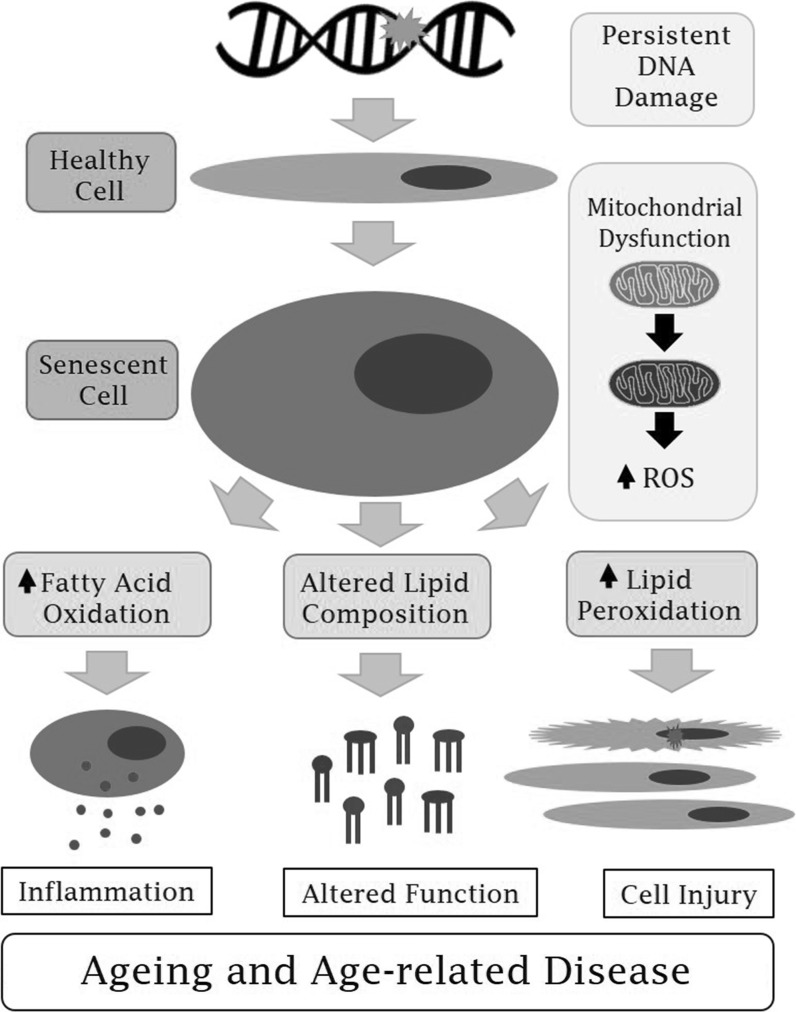
Lipids are essential for physiological processes such as maintaining membrane integrity, providing a source of energy and acting as signalling molecules to control processes including cell proliferation, metabolism, inflammation and apoptosis. Disruption of lipid homeostasis can promote pathological changes that contribute towards biological ageing and age-related diseases. Several age-related diseases have been associated with altered lipid metabolism and an elevation in highly damaging lipid peroxidation products; the latter has been ascribed, at least in part, to mitochondrial dysfunction and elevated ROS formation. In addition, senescent cells, which are known to contribute significantly to age-related pathologies, are also associated with impaired mitochondrial function and changes in lipid metabolism. Therapeutic targeting of dysfunctional mitochondrial and pathological lipid metabolism is an emerging strategy for alleviating their negative impact during ageing and the progression to age-related diseases. Such therapies could include the use of drugs that prevent mitochondrial uncoupling, inhibit inflammatory lipid synthesis, modulate lipid transport or storage, reduce mitochondrial oxidative stress and eliminate senescent cells from tissues. In this review, we provide an overview of lipid structure and function, with emphasis on mitochondrial lipids and their potential for therapeutic targeting during ageing and age-related disease.
Overview
The claims and statistics of this paper haven’t been checked yet.
Free: it reads the open-access text and checks the first 5 claims that cite a source we can check. Create a free account to check every claim.
Integrity signals
Registry
Cites
Statistics
Figures
Verification
Claims the paper makes
The claims and statistics of this paper haven’t been checked yet.
Free: it reads the open-access text and checks the first 5 claims that cite a source we can check. Create a free account to check every claim.
Claims other papers make about this one
Each is checked against this paper’s own text: does it say what the citing paper says it does?
The source backs part of the claim, not all of it — or backs it for a different population, condition or comparison.
In the citing paper
“Apart from oxidation, lipid-derived aldehyde modifications (e.g., 4-hydroxy-2-nonenal [4-HNE]) have been reported in senescent cells (Ademowo et al., 2017; Jurk et al., 2012).”
From Cellular Senescence: Defining a Path Forward (2019) · cites this paper as Ademowo et al., 2017
Experimental — accuracy not yet measuredThe cited source says what the claim attributes to it.
In the citing paper
“Some age-related diseases are characterized by altered lipid metabolism, resulting in lipid profile changes (Ademowo et al., 2017).”
From Cellular Senescence: Defining a Path Forward (2019) · cites this paper as Ademowo et al., 2017
In the citing paper
“accumulation of 4-HNE has been previously reported in senescence, aging, and age-related diseases (Ademowo et al., 2017, Jurk et al., 2014)”
From Small Extracellular Vesicles Have GST Activity and Ameliorate Senescence-Related Tissue Damage (2020) · cites this paper as Ademowo et al., 2017
Self-check
Percentages, sums and reported differences re-computed from the paper’s own numbers.
The self-check needs the paper’s full text.
Citations
Cites
Chemistry and biochemistry of 4-hydroxynonenal, malonaldehyde and related aldehydes
Esterbauer, H., Schaur, R. J., & Zollner, H. (1991) · Free Radical Biology and Medicine · doi:10.1016/0891-5849(91)90192-6 · Cited by 6,672 · cited 1×
“Due to the instability of many other intermediate products, PUFA-derived stable aldehydes such as 4-hydroxy-2-nonenal (HNE), malondialdehyde (MDA) and acrolein are the most extensive species that are studied (Esterbauer et al. 1991; Ayala et al. 2014; Zhang and Forman 2016).”
BackgroundAyala, A., Muñoz, M. F., & Argüelles, S. (2014) · Oxidative Medicine and Cellular Longevity · doi:10.1155/2014/360438 · Cited by 6,349 · cited 1×
“Due to the instability of many other intermediate products, PUFA-derived stable aldehydes such as 4-hydroxy-2-nonenal (HNE), malondialdehyde (MDA) and acrolein are the most extensive species that are studied (Esterbauer et al. 1991; Ayala et al. 2014; Zhang and Forman 2016).”
BackgroundCellular senescence: from physiology to pathology
Muñoz-Espín, D., & Serrano, M. (2014) · Nature Reviews Molecular Cell Biology · doi:10.1038/nrm3823 · Cited by 2,818 · cited 2×
“In recent years, cell senescence has emerged as a major mechanism promoting biological ageing and age-related diseases (Childs et al. 2015; Muñoz-Espı́n and Serrano 2014; van Deursen 2014) and as such, a discussion on the potential connection between cellular senescence, mitochondrial dysfunction and lipid metabolism…”
BackgroundThe role of senescent cells in ageing
van Deursen, J. M. (2014) · Nature · doi:10.1038/nature13193 · Cited by 2,623 · cited 1×
“…has emerged as a major mechanism promoting biological ageing and age-related diseases (Childs et al. 2015; Muñoz-Espı́n and Serrano 2014; van Deursen 2014) and as such, a discussion on the potential connection between cellular senescence, mitochondrial dysfunction and lipid metabolism is…”
BackgroundThe Achilles' heel of senescent cells: from transcriptome to senolytic drugs
Zhu, Y., Tchkonia, T., Pirtskhalava, T., Gower, A. C., Ding, H., Giorgadze, N., Palmer, A. K., Ikeno, Y., Hubbard, G. B., Lenburg, M., et al. (2015) · Aging Cell · doi:10.1111/acel.12344 · Cited by 2,584
Cellular senescence in aging and age-related disease: from mechanisms to therapy
Childs, B. G., Durik, M., Baker, D. J., & van Deursen, J. M. (2015) · Nature Medicine · doi:10.1038/nm.4000 · Cited by 2,363 · cited 2×
“In recent years, cell senescence has emerged as a major mechanism promoting biological ageing and age-related diseases (Childs et al. 2015; Muñoz-Espı́n and Serrano 2014; van Deursen 2014) and as such, a discussion on the potential connection between cellular senescence, mitochondrial dysfunction and lipid metabolism…”
BackgroundPersistent DNA damage signalling triggers senescence-associated inflammatory cytokine secretion
Rodier, F., Coppé, J.-P., Patil, C. K., Hoeijmakers, W. A. M., Muñoz, D. P., Raza, S. R., Freund, A., Campeau, E., Davalos, A. R., & Campisi, J. (2009) · Nature Cell Biology · doi:10.1038/ncb1909 · Cited by 2,232
Free Radical Lipid Peroxidation: Mechanisms and Analysis
Yin, H., Xu, L., & Porter, N. A. (2011) · Chemical Reviews · doi:10.1021/cr200084z · Cited by 1,937 · cited 1×
“Propagation and termination have been reviewed extensively elsewhere (Yin et al. 2011; Girotti 1998).”
BackgroundLipid peroxidation in cell death
Gaschler, M. M., & Stockwell, B. R. (2017) · Biochemical and Biophysical Research Communications · doi:10.1016/j.bbrc.2016.10.086 · Cited by 1,828 · cited 2×
“Gaschler and Stockwell reviewed in details several other methods for the detection and analysis of lipid peroxidation in biological samples [see (Gaschler and Stockwell 2017)].”
BackgroundMethodOncogene-induced senescence is a DNA damage response triggered by DNA hyper-replication
Di Micco, R., Fumagalli, M., Cicalese, A., Piccinin, S., Gasparini, P., Luise, C., Schurra, C., Garre’, M., Giovanni Nuciforo, P., Bensimon, A., et al. (2006) · Nature · doi:10.1038/nature05327 · Cited by 1,821 · cited 1×
“Cells become senescent in response to various stress-inducing stimuli such as ROS, telomere dysfunction and oncogene activation, which consequently initiates a persistent DNA damage response (DDR) (Di Micco et al. 2006; Rodier et al. 2009; Rossiello et al. 2014).”
BackgroundClearance of senescent cells by ABT263 rejuvenates aged hematopoietic stem cells in mice
Chang, J., Wang, Y., Shao, L., Laberge, R.-M., Demaria, M., Campisi, J., Janakiraman, K., Sharpless, N. E., Ding, S., Feng, W., et al. (2016) · Nature Medicine · doi:10.1038/nm.4010 · Cited by 1,819
Baar, M. P., Brandt, R. M. C., Putavet, D. A., Klein, J. D. D., Derks, K. W. J., Bourgeois, B. R. M., Stryeck, S., Rijksen, Y., van Willigenburg, H., Feijtel, D. A., et al. (2017) · Cell · doi:10.1016/j.cell.2017.02.031 · Cited by 1,454 · cited 1×
“More recently, a FOXO4 peptide was shown to specifically induce apoptosis in senescent cells and reverse some aspects of ageing (Baar et al. 2017).”
BackgroundMitochondrial Dysfunction Induces Senescence with a Distinct Secretory Phenotype
Wiley, C. D., Velarde, M. C., Lecot, P., Liu, S., Sarnoski, E. A., Freund, A., Shirakawa, K., Lim, H. W., Davis, S. S., Ramanathan, A., et al. (2016) · Cell Metabolism · doi:10.1016/j.cmet.2015.11.011 · Cited by 1,275 · cited 2×
“depleted mtDNA in IMR90 fibroblasts, treated cells with electron transport chain inhibitors (rotenone or antimycin A) or depleted cells of the mitochondrial chaperone HSPA9 (Wiley et al. 2016).”
BackgroundLipid hydroperoxide generation, turnover, and effector action in biological systems
Girotti, A. W. (1998) · Journal of Lipid Research · doi:10.1016/s0022-2275(20)32182-9 · Cited by 1,200
PPAR-γ is a major driver of the accumulation and phenotype of adipose tissue Treg cells
Cipolletta, D., Feuerer, M., Li, A., Kamei, N., Lee, J., Shoelson, S. E., Benoist, C., & Mathis, D. (2012) · Nature · doi:10.1038/nature11132 · Cited by 1,143 · cited 2×
“Intriguingly, PPARc expression by Treg cells is necessary to restore insulin sensitivity in obese mice (Cipolletta et al. 2012).”
BackgroundDirected elimination of senescent cells by inhibition of BCL-W and BCL-XL
Yosef, R., Pilpel, N., Tokarsky-Amiel, R., Biran, A., Ovadya, Y., Cohen, S., Vadai, E., Dassa, L., Shahar, E., Condiotti, R., et al. (2016) · Nature Communications · doi:10.1038/ncomms11190 · Cited by 1,032
Oxidative Stress, Mitochondrial Dysfunction, and Aging
Cui, H., Kong, Y., & Zhang, H. (2012) · Journal of Signal Transduction · doi:10.1155/2012/646354 · Cited by 1,022 · cited 1×
“ROS-induced mitochondria DNA mutation/damage, lipid and protein oxidation, affect physiological functions (Cui et al. 2012).”
BackgroundFeedback between p21 and reactive oxygen production is necessary for cell senescence
Passos, J. F., Nelson, G., Wang, C., Richter, T., Simillion, C., Proctor, C. J., Miwa, S., Olijslagers, S., Hallinan, J., Wipat, A., et al. (2010) · Molecular Systems Biology · doi:10.1038/msb.2010.5 · Cited by 1,019 · cited 4×
“An elevation in ROS production in response to impaired mitochondrial function could theoretically activate a DDR, triggering cellular senescence and activating their proageing responses.”
BackgroundInfluentialStructure of mitochondrial ADP/ATP carrier in complex with carboxyatractyloside
Pebay-Peyroula, E., Dahout-Gonzalez, C., Kahn, R., Trézéguet, V., Lauquin, G. J.-M., & Brandolin, G. (2003) · Nature · doi:10.1038/nature02056 · Cited by 998 · cited 2×
“…and small metabolites between the cytoplasm and the matrix; these proteins include the 33 kDa ATP/ADP carrier, the soluble electron carrier protein, cytochrome c and enzymes such as the ATP synthase, succinate dehydrogenase and other oxidoreductases (Pebay-Peyroula et al. 2003; Kühlbrandt 2015).”
BackgroundMechanism of Oxidative Stress in Neurodegeneration
Gandhi, S., & Abramov, A. Y. (2012) · Oxidative Medicine and Cellular Longevity · doi:10.1155/2012/428010 · Cited by 960 · cited 2×
“During oxidative stress, the imbalance in oxidants and antioxidant levels results in oxidative damage to macromolecules (Simoncini et al. 2015; Gandhi and Abramov 2012).”
BackgroundHorvath, S. E., & Daum, G. (2013) · Progress in Lipid Research · doi:10.1016/j.plipres.2013.07.002 · Cited by 907
Anti-inflammatory lipid mediators and insights into the resolution of inflammation
Lawrence, T., Willoughby, D. A., & Gilroy, D. W. (2002) · Nature Reviews Immunology · doi:10.1038/nri915 · Cited by 862 · cited 2×
“be beneficial for the senescent program during the early stages of senescence induction, possibly through modulating inflammatory and immune responses (Lawrence et al. 2002; van Diepen et al. 2013; Yaqoob 2003).”
BackgroundA Review: Inflammatory Process in Alzheimer's Disease, Role of Cytokines
Rubio-Perez, J. M., & Morillas-Ruiz, J. M. (2012) · The Scientific World Journal · doi:10.1100/2012/756357 · Cited by 839 · cited 2×
“They are reported to have a beneficial effect on some neurodegenerative diseases (Rubio-Perez and Morillas-Ruiz 2012).”
BackgroundRegulation of energy metabolism by long-chain fatty acids
Nakamura, M. T., Yudell, B. E., & Loor, J. J. (2014) · Progress in Lipid Research · doi:10.1016/j.plipres.2013.12.001 · Cited by 818 · cited 1×
“The peroxisome proliferator activated receptor c (PPARc) transcription factor family regulates the expression of genes that catalyse the conversion of fatty acids into triglyceride for storage in a tissue specific manner (Nakamura et al. 2014).”
BackgroundMitochondria are required for pro-ageing features of the senescent phenotype
Correia‐Melo, C., Marques, F. D., Anderson, R., Hewitt, G., Hewitt, R., Cole, J., Carroll, B. M., Miwa, S., Birch, J., Merz, A., et al. (2016) · The EMBO Journal · doi:10.15252/embj.201592862 · Cited by 796 · cited 2×
“…pro-ageing features of the senescent phenotype, Correia-Melo et al. demonstrated that senescent cells lacking mitochondria reduced many aspects of the senescent phenotype including the pro-inflammatory secretome, whilst maintaining ATP production via enhanced glycolysis (Correia-Melo et al. 2016).”
BackgroundA “mitochondrial cascade hypothesis” for sporadic Alzheimer’s disease
Swerdlow, R. H., & Khan, S. M. (2004) · Medical Hypotheses · doi:10.1016/j.mehy.2003.12.045 · Cited by 758 · cited 8×
“An impaired ETC reduces ATP energy but increases ROS production.”
BackgroundInfluentialStructure and function of mitochondrial membrane protein complexes
Kühlbrandt, W. (2015) · BMC Biology · doi:10.1186/s12915-015-0201-x · Cited by 699 · cited 4×
“The biogenesis of mitochondrial proteins during ageing is not well explored and due to the dynamic and fragile nature of mitochondria protein complexes, they are not easily analysed by established methods (Kühlbrandt 2015).”
BackgroundInfluentialEffect of Lipid Peroxidation on the Properties of Lipid Bilayers: A Molecular Dynamics Study
Wong-ekkabut, J., Xu, Z., Triampo, W., Tang, I.-M., Peter Tieleman, D., & Monticelli, L. (2007) · Biophysical Journal · doi:10.1529/biophysj.107.112565 · Cited by 644 · cited 2×
“ultimately leads to destruction of the membrane (Wong-ekkabut et al. 2007).”
BackgroundGeneration and Biological Activities of Oxidized Phospholipids
Bochkov, V. N., Oskolkova, O. V., Birukov, K. G., Levonen, A.-L., Binder, C. J., & Stöckl, J. (2010) · Antioxidants & Redox Signaling · doi:10.1089/ars.2009.2597 · Cited by 610 · cited 1×
“OxPLs may also inhibit inflammation induced via TLR4 (Bochkov et al. 2010).”
BackgroundParadies, G., Petrosillo, G., Pistolese, M., Di Venosa, N., Federici, A., & Ruggiero, F. M. (2004) · Circulation Research · doi:10.1161/01.res.0000109416.56608.64 · Cited by 468 · cited 1×
“Lower levels of CL were observed in the rat ischemia–reperfusion model and a decrease in mitochondrial complex III activity was also observed (Paradies et al. 2004).”
BackgroundHeilbronn, L., Smith, S. R., & Ravussin, E. (2004) · International Journal of Obesity · doi:10.1038/sj.ijo.0802853 · Cited by 412 · cited 1×
“This may be cytotoxic to emergent immune cells, satellite cells and increase non-alcoholic fatty liver disease (Heilbronn et al. 2004) and can exacerbate insulin resistance (Gao et al. 2009).”
BackgroundLi, T., Zhang, Z., Kolwicz, S. C., Abell, L., Roe, N. D., Kim, M., Zhou, B., Cao, Y., Ritterhoff, J., Gu, H., et al. (2017) · Cell Metabolism · doi:10.1016/j.cmet.2016.11.005 · Cited by 401 · cited 2×
“2017) and cardiovascular diseases (Li et al. 2017).”
BackgroundOtani, H. (2013) · Oxidative Medicine and Cellular Longevity · doi:10.1155/2013/936436 · Cited by 393
Interaction of aldehydes derived from lipid peroxidation and membrane proteins
Pizzimenti, S., Ciamporcero, E., Daga, M., Pettazzoni, P., Arcaro, A., Cetrangolo, G., Minelli, R., Dianzani, C., Lepore, A., Gentile, F., et al. (2013) · Frontiers in Physiology · doi:10.3389/fphys.2013.00242 · Cited by 380 · cited 2×
“HNE and MDA show high chemical reactivity and interact with proteins, resulting in the formation of covalent adducts that can be measured by ELISA and often modulating protein activity (Liu et al. 2014b) including in proteins in the membrane (Pizzimenti et al. 2013).”
BackgroundNomura, K., Imai, H., Koumura, T., Kobayashi, T., & Nakagawa, Y. (2000) · Biochemical Journal · doi:10.1042/0264-6021:3510183 · Cited by 373 · cited 2×
“was suppressed when the production of ox-CL in mitochondria was inhibited by the overexpression of mitochondrial phospholipid hydroperoxide glutathione peroxidase (Nomura et al. 2000).”
BackgroundEvidence of altered phosphatidylcholine metabolism in Alzheimer's disease
Whiley, L., Sen, A., Heaton, J., Proitsi, P., García-Gómez, D., Leung, R., Smith, N., Thambisetty, M., Kloszewska, I., Mecocci, P., et al. (2014) · Neurobiology of Aging · doi:10.1016/j.neurobiolaging.2013.08.001 · Cited by 340 · cited 5×
“Whiley et al. identified that some long chain PCs (16:0/20:5; 16:0/22:6 and 18:0/ 22:6) were at significantly lower concentrations in AD patients, particularly 16:0/20:5 (Whiley et al. 2014); noticeable reduction of sulfatides has also been found in AD (Hong et al. 2016).”
BackgroundInfluentialBiomarkers of lipid peroxidation, airway inflammation and asthma
Wood, L. G., Gibson, P. G., & Garg, M. L. (2003) · European Respiratory Journal · doi:10.1183/09031936.03.00017003a · Cited by 322
Lipid rafts as major platforms for signaling regulation in cancer
Mollinedo, F., & Gajate, C. (2015) · Advances in Biological Regulation · doi:10.1016/j.jbior.2014.10.003 · Cited by 308 · cited 1×
“In turn, lipids play important roles in the regulation of cell proliferation, apoptosis, inflammation, migration and adhesion (Ng et al. 2017; Helkin et al. 2016; Mollinedo and Gajate 2015; Greig et al. 2012).”
BackgroundBirk, A. V., Chao, W. M., Bracken, C., Warren, J. D., & Szeto, H. H. (2014) · British Journal of Pharmacology · doi:10.1111/bph.12468 · Cited by 306 · cited 2×
“function in ageing muscle, maintain the structure of cristae and protect neurons from hypoxia reperfusion injury (Birk et al. 2014).”
BackgroundAkalιn, F. A., Baltacιoğlu, E., Alver, A., & Karabulut, E. (2007) · Journal of Clinical Periodontology · doi:10.1111/j.1600-051x.2007.01091.x · Cited by 301
van Diepen, J. A., Berbée, J. F. P., Havekes, L. M., & Rensen, P. C. N. (2013) · Atherosclerosis · doi:10.1016/j.atherosclerosis.2013.02.028 · Cited by 292
Are mitochondria critical in the pathogenesis of Alzheimer's disease?
Reddy, P. H., & Beal, M. F. (2005) · Brain Research Reviews · doi:10.1016/j.brainresrev.2005.03.004 · Cited by 289 · cited 5×
“…and temporal cortex of AD brain, rendering the AD mitochondrion at increased risk for oxidation and offering a possible explanation as to why brain cells (astrocytes, neurones and glial cells) are more susceptible to mitochondrial dysfunction in AD (Reddy and Beal 2005; Moreira et al. 2009).”
BackgroundInfluentialSarban, S., Kocyigit, A., Yazar, M., & Isikan, U. E. (2005) · Clinical Biochemistry · doi:10.1016/j.clinbiochem.2005.08.003 · Cited by 286
Redox regulation in metabolic programming and inflammation
Griffiths, H. R., Gao, D., & Pararasa, C. (2017) · Redox Biology · doi:10.1016/j.redox.2017.01.023 · Cited by 285 · cited 2×
“Metabolic switching between energy sources can also be controlled by PPARc in immune cells (Griffiths et al. 2017) highlighting a tight relationship between metabolism and immune function (Torrao et al. 2014).”
BackgroundSelf-citationDiscovery of piperlongumine as a potential novel lead for the development of senolytic agents
Wang, Y., Chang, J., Liu, X., Zhang, X., Zhang, S., Zhang, X., Zhou, D., & Zheng, G. (2016) · Aging · doi:10.18632/aging.101100 · Cited by 274
Umeno, A., Biju, V., & Yoshida, Y. (2017) · Free Radical Research · doi:10.1080/10715762.2017.1315114 · Cited by 268 · cited 1×
“Several authors have used antioxidant activities and oxidative stress derived biomarkers to detect and analyse lipid peroxidation (Cai et al. 2017; Umeno et al. 2017; Ademowo et al. 2017).”
BackgroundExercise Prevents Diet-Induced Cellular Senescence in Adipose Tissue
Schafer, M. J., White, T. A., Evans, G., Tonne, J. M., Verzosa, G. C., Stout, M. B., Mazula, D. L., Palmer, A. K., Baker, D. J., Jensen, M. D., et al. (2016) · Diabetes · doi:10.2337/db15-0291 · Cited by 267
Physiological and pathological consequences of cellular senescence
Burton, D. G. A., & Krizhanovsky, V. (2014) · Cellular and Molecular Life Sciences · doi:10.1007/s00018-014-1691-3 · Cited by 253 · cited 1×
“Cellular senescence can be considered as a programmed change in cell state, associated with irreversible proliferative arrest and often accompanied by conversion to a pro-inflammatory, immunogenic phenotype (Burton and Krizhanovsky 2014).”
BackgroundSelf-citationDi Domenico, F., Tramutola, A., & Butterfield, D. A. (2017) · Free Radical Biology and Medicine · doi:10.1016/j.freeradbiomed.2016.10.490 · Cited by 253 · cited 1×
“…have been attributed to mitochondrial dysfunction (Yin et al. 2015) and in the pathogenesis of inflammation (Wan et al. 2014) and age related diseases including neurodegenerative diseases (Di Domenico et al. 2016), diabetes (Vadvalkar et al. 2017) and cardiovascular diseases (Li et al. 2017).”
BackgroundAntioxidants, reactive oxygen and nitrogen species, gene induction and mitochondrial function
Jackson, M. (2002) · Molecular Aspects of Medicine · doi:10.1016/s0098-2997(02)00018-3 · Cited by 241 · cited 1×
“However, in conditions of nutrient excess or when components of the electron transport chain are modified, single electrons may leak (Jackson et al. 2002).”
BackgroundSelf-citationAging and Regional Differences in Fat Cell Progenitors – A Mini-Review
Sepe, A., Tchkonia, T., Thomou, T., Zamboni, M., & Kirkland, J. L. (2011) · Gerontology · doi:10.1159/000279755 · Cited by 232 · cited 1×
“With age, there is a decline in preadipocyte proliferation and differentiation (Sepe et al. 2011).”
BackgroundJames, E. L., Michalek, R. D., Pitiyage, G. N., de Castro, A. M., Vignola, K. S., Jones, J., Mohney, R. P., Karoly, E. D., Prime, S. S., & Parkinson, E. K. (2015) · Journal of Proteome Research · doi:10.1021/pr501221g · Cited by 231 · cited 2×
“The senescent state has been shown to be associated with a shift from mitochondrial respiration towards glycolysis (Aird and Zhang 2014; James et al. 2015) and whilst mitochondrial dysfunction may contribute to this metabolic shift, induction of glycolysis itself could possibly contribute to…”
BackgroundBiosynthesis, remodeling and turnover of mitochondrial cardiolipin
Schlame, M., & Greenberg, M. L. (2017) · Biochimica et Biophysica Acta (BBA) - Molecular and Cell Biology of Lipids · doi:10.1016/j.bbalip.2016.08.010 · Cited by 230 · cited 2×
“…and transported to the mitochondria, but some lipids (cardiolipin, phosphatidylethanolamine) are known to be synthesised within the inner membrane of the mitochondria and are critical for maintaining the unique architecture of the mitochondrial membranes, the cristae (Schlame and Greenberg 2017).”
BackgroundReynolds, L. M., Taylor, J. R., Ding, J., Lohman, K., Johnson, C., Siscovick, D., Burke, G., Post, W., Shea, S., Jacobs, D. R., et al. (2014) · Nature Communications · doi:10.1038/ncomms6366 · Cited by 209 · cited 1×
“This effect may be related to the observed increase in methylation of the Elongation of Very Long Chain Fatty Acids 2 (ELOVL2) promoter that has been reported in monocytes and T cells with age (Reynolds et al. 2014).”
BackgroundTherapeutic interventions for aging: the case of cellular senescence
Soto-Gamez, A., & Demaria, M. (2017) · Drug Discovery Today · doi:10.1016/j.drudis.2017.01.004 · Cited by 192 · cited 1×
“In fact, drugs have emerged that could potentially eliminate senescent cells to improve health (see Table 2) [reviewed in (de Keizer 2017; Soto-Gamez and Demaria 2017; Schmitt 2017)].”
BackgroundAn Integrative View of the Role of Oxidative Stress, Mitochondria and Insulin in Alzheimer's Disease
Moreira, P. I., Duarte, A. I., Santos, M. S., Rego, A. C., & Oliveira, C. R. (2009) · Journal of Alzheimer's Disease · doi:10.3233/jad-2009-0972 · Cited by 190 · cited 4×
“The mitochondrion-located antioxidant enzyme copper/zinc superoxide dismutase is significantly decreased in the frontal and temporal cortex of AD brain, rendering the AD mitochondrion at increased risk for oxidation and offering a possible explanation as to why brain cells (astrocytes, neurones and glial cells) are mo…”
BackgroundInfluentialn−3 PUFA and membrane microdomains: a new frontier in bioactive lipid research
Ma, D. W. L., Seo, J., Switzer, K. C., Fan, Y.-Y., McMurray, D. N., Lupton, J. R., & Chapkin, R. S. (2004) · The Journal of Nutritional Biochemistry · doi:10.1016/j.jnutbio.2004.08.002 · Cited by 190 · cited 2×
“of membrane phospholipid thus changes in their frequency will influence both the structure and function of the membrane (Ma et al. 2004).”
BackgroundFree Radicals and Other Reactive Species in Disease
Halliwell, B. (2005) · Encyclopedia of Life Sciences · doi:10.1038/npg.els.0003913 · Cited by 187 · cited 1×
“…PUFA and cholesterol, undergo oxidation at varied rates initiated by ROS [e.g. hydroxyl radicals (OH ), superoxide (O2 –), peroxyl radical (ROO–), nitric oxide (NO ), peroxynitrite (ONOO –) or nitrogen dioxide (NO2 )], and in PUFA this initiates a self-propagating chain reaction (Halliwell 2001).”
BackgroundCipolletta, D., Cohen, P., Spiegelman, B. M., Benoist, C., & Mathis, D. (2015) · Proceedings of the National Academy of Sciences · doi:10.1073/pnas.1423486112 · Cited by 186 · cited 1×
“In common with adipocytes, PPARc is phosphorylated at Ser273 by Cdk5 in visceral adipose tissue Treg cells (Cipolletta et al. 2015).”
BackgroundHan, X., Yang, J., Cheng, H., Yang, K., Abendschein, D. R., & Gross, R. W. (2005) · Biochemistry · doi:10.1021/bi051908a · Cited by 180 · cited 2×
“Using shotgun lipidomics data with multidimensional mass spectrometry, Han et al. (2005) identified a significant decrease in cardiolipin levels and alterations of cardiolipin acyl chain remodelling in diabetic murine myocardium, linking altered substrate utilization and metabolic flux with the…”
BackgroundMethodBaltacıoğlu, E., Yuva, P., Aydın, G., Alver, A., Kahraman, C., Karabulut, E., & Akalın, F. A. (2014) · Journal of Periodontology · doi:10.1902/jop.2014.130654 · Cited by 179
Role of mitochondrial homeostasis and dynamics in Alzheimer's disease
Selfridge, J. E., E, L., Lu, J., & Swerdlow, R. H. (2013) · Neurobiology of Disease · doi:10.1016/j.nbd.2011.12.057 · Cited by 175 · cited 7×
“Idebenone, MitoQ and SkQ have been specifically explored for the treatment of AD (Zhang et al. 2016; Selfridge et al. 2013).”
BackgroundInfluentialLipid Peroxidation Products in Human Health and Disease
Ramana, K. V., Srivastava, S., & Singhal, S. S. (2013) · Oxidative Medicine and Cellular Longevity · doi:10.1155/2013/583438 · Cited by 173 · cited 1×
“For example, stable aldehydes can diffuse from their site of generation and form adducts at distant locations, thereby propagating the responses and injury initiated by ROS (Ramana et al. 2013), including the induction of cell senescence in neighbouring cells.”
BackgroundChattopadhyay, M., Khemka, V. K., Chatterjee, G., Ganguly, A., Mukhopadhyay, S., & Chakrabarti, S. (2015) · Molecular and Cellular Biochemistry · doi:10.1007/s11010-014-2236-7 · Cited by 172 · cited 1×
“Pancreatic islet b-cell mitochondria promote lipid oxidation, increase lipogenesis and activate several stress-response pathways in diabetes (Chattopadhyay et al. 2015).”
BackgroundChemistry and analysis of HNE and other prominent carbonyl-containing lipid oxidation compounds
Sousa, B. C., Pitt, A. R., & Spickett, C. M. (2017) · Free Radical Biology and Medicine · doi:10.1016/j.freeradbiomed.2017.02.003 · Cited by 172 · cited 2×
“The majority of studies have focussed on the aforementioned three stable aldehydes, however, advances in analytical capability using advanced MS methods are revealing many other interesting and less well-studied carbonyl compounds (Sousa et al. 2017).”
BackgroundTargeted Cargo Delivery in Senescent Cells Using Capped Mesoporous Silica Nanoparticles
Agostini, A., Mondragón, L., Bernardos, A., Martínez‐Máñez, R., Marcos, M. D., Sancenón, F., Soto, J., Costero, A., Manguan‐García, C., Perona, R., et al. (2012) · Angewandte Chemie International Edition · doi:10.1002/anie.201204663 · Cited by 166 · cited 1×
“Nanoparticles loaded with drugs targeted towards senescent cells have also been developed (Agostini et al. 2012; Thapa et al. 2017).”
BackgroundMitochondrial cholesterol import
Elustondo, P., Martin, L. A., & Karten, B. (2017) · Biochimica et Biophysica Acta (BBA) - Molecular and Cell Biology of Lipids · doi:10.1016/j.bbalip.2016.08.012 · Cited by 159 · cited 2×
“Lipid metabolism and lipid composition changes with ageing Lipids are essential and multifunctional; they are structural components of cell membranes, provide energy reserves, mediate signal transduction and indirectly, can regulate gene expression (Mecocci et al. 1996; Elustondo et al. 2017).”
BackgroundInglés, M., Gambini, J., Carnicero, J. A., García‐García, F. J., Rodríguez‐Mañas, L., Olaso‐González, G., Dromant, M., Borrás, C., & Viña, J. (2014) · Journal of the American Geriatrics Society · doi:10.1111/jgs.12876 · Cited by 157 · cited 1×
“To further investigate any relationship between lipid peroxidation and ageing, a cohort study was undertaken in a geriatric population; circulating MDA was related to frailty and not to age or sex (Inglés et al. 2014).”
BackgroundRossiello, F., Herbig, U., Longhese, M. P., Fumagalli, M., & d’Adda di Fagagna, F. (2014) · Current Opinion in Genetics & Development · doi:10.1016/j.gde.2014.06.009 · Cited by 156 · cited 3×
“Findings by Passos et al. suggest that ROS are initially important for the maintenance of cell senescence through sustaining a persistent DNA damage response (DDR) (Passos et al. 2010).”
BackgroundLipid Disorders and Their Relevance to Outcomes in Chronic Kidney Disease
Vaziri, N. D., & Norris, K. (2011) · Blood Purification · doi:10.1159/000321845 · Cited by 155
Oncogene-induced senescence results in marked metabolic and bioenergetic alterations
Quijano, C., Cao, L., Fergusson, M. M., Romero, H., Liu, J., Gutkind, S., Rovira, I. I., Mohney, R. P., Karoly, E. D., & Finkel, T. (2012) · Cell Cycle · doi:10.4161/cc.19800 · Cited by 155 · cited 2×
“Pharmacological inhibition (Etomoxir) of carnitine palmitoyltransferase 1, the rate limiting step in mitochondrial fatty acid oxidation was shown to normalise metabolic activity, as determined by oxygen consumption in OIS fibroblasts (Quijano et al. 2012).”
BackgroundMethodLipid peroxidation in brain or spinal cord mitochondria after injury
Hall, E. D., Wang, J. A., Bosken, J. M., & Singh, I. N. (2015) · Journal of Bioenergetics and Biomembranes · doi:10.1007/s10863-015-9600-5 · Cited by 155
Redox Homeostasis and Cellular Stress Response in Aging and Neurodegeneration
Calabrese, V., Cornelius, C., Mancuso, C., Lentile, R., Stella, A. M. G., & Butterfield, D. A. (2010) · Methods in Molecular Biology · doi:10.1007/978-1-60327-029-8_17 · Cited by 144 · cited 2×
“signalling, repair, replicative and adaptive capacity (Calabrese et al. 2010).”
BackgroundAdult-onset, short-term dietary restriction reduces cell senescence in mice
Wang, C., Maddick, M., Miwa, S., Jurk, D., Czapiewski, R., Saretzki, G., Langie, S. A. S., Godschalk, R. W. L., Cameron, K., & von Zglinicki, T. (2010) · Aging · doi:10.18632/aging.100196 · Cited by 142 · cited 1×
“For example, it has been demonstrated in mice that exercise can prevent dietinduced cell senescence and short-term dietary restriction has been shown to reduce the number of senescent cells in tissue of mice (Schafer et al. 2016; Wang et al. 2010).”
BackgroundReddy, P. H., Manczak, M., & Kandimalla, R. (2017) · Human Molecular Genetics · doi:10.1093/hmg/ddx052 · Cited by 138 · cited 2×
“The antioxidant peptide has the ability to confer protective effects against mutant mitochondria and synaptic toxicities (Hemachandra Reddy et al. 2017).”
BackgroundGreig, F. H., Kennedy, S., & Spickett, C. M. (2011) · Free Radical Biology and Medicine · doi:10.1016/j.freeradbiomed.2011.10.481 · Cited by 135 · cited 2×
“…cardiovascular diseases, diabetes, kidney disease, rheumatoid arthritis and neurodegenerative diseases are associated with altered lipid metabolism and consequently changes in lipid profiles (Greig et al. 2012; AbouAssi et al. 2017; Zhang and Forman 2016; Helkin et al. 2016; Pararasa et al. 2015).”
BackgroundInterrelationships Among HDL Metabolism, Aging, and Atherosclerosis
Walter, M. (2009) · Arteriosclerosis, Thrombosis, and Vascular Biology · doi:10.1161/atvbaha.108.181438 · Cited by 134 · cited 1×
“However, this effect is not uniform across lipid classes; plasma LDL increases whereas HDL concentrations tend to be lower (Davidson et al. 2002; Walter 2009).”
BackgroundFree Radicals and Other Reactive Species in Disease
Halliwell, B. B. (2015) · Wiley eBooks · doi:10.1002/9780470015902.a0002269.pub3 · Cited by 130
The Fountain of Youth by Targeting Senescent Cells?
de Keizer, P. L. J. (2017) · Trends in Molecular Medicine · doi:10.1016/j.molmed.2016.11.006 · Cited by 127 · cited 1×
“In fact, drugs have emerged that could potentially eliminate senescent cells to improve health (see Table 2) [reviewed in (de Keizer 2017; Soto-Gamez and Demaria 2017; Schmitt 2017)].”
BackgroundPrakash, A. K., & Kumar, A. (2014) · European Journal of Pharmacology · doi:10.1016/j.ejphar.2014.07.036 · Cited by 123 · cited 2×
“against b-A1-42 induced cognitive dysfunction and modulated amyloidogenesis (Prakash and Kumar 2014).”
BackgroundSerum Lipid Levels and Cognitive Change in Late Life
Reynolds, C. A., Gatz, M., Prince, J. A., Berg, S., & Pedersen, N. L. (2010) · Journal of the American Geriatrics Society · doi:10.1111/j.1532-5415.2010.02739.x · Cited by 121 · cited 2×
“The gender effect seen in the lipid profile has been associated with the hormone androgen (Reynolds et al. 2010).”
BackgroundDyslipidemia Part 1—Review of Lipid Metabolism and Vascular Cell Physiology
Helkin, A., Stein, J. J., Lin, S., Siddiqui, S., Maier, K. G., & Gahtan, V. (2016) · Vascular and Endovascular Surgery · doi:10.1177/1538574416628654 · Cited by 121 · cited 2×
“…cardiovascular diseases, diabetes, kidney disease, rheumatoid arthritis and neurodegenerative diseases are associated with altered lipid metabolism and consequently changes in lipid profiles (Greig et al. 2012; AbouAssi et al. 2017; Zhang and Forman 2016; Helkin et al. 2016; Pararasa et al. 2015).”
BackgroundDmitriev, L. F., & Титов, В. Н. (2009) · Ageing Research Reviews · doi:10.1016/j.arr.2009.09.004 · Cited by 119 · cited 2×
“…UK H. R. Griffiths (&) Health and Medical Sciences, University of Surrey, Guildford, UK e-mail: h.r.griffiths@surrey.ac.uk (Tindale et al. 2017; Dmitriev and Titov 2010; van Diepen et al. 2013), it is often difficult to discern whether such changes are a cause or a consequence of ageing.”
BackgroundThapa, R. K., Nguyen, H. T., Jeong, J.-H., Kim, J. R., Choi, H.-G., Yong, C. S., & Kim, J. O. (2017) · Scientific Reports · doi:10.1038/srep43299 · Cited by 115 · cited 1×
“Nanoparticles loaded with drugs targeted towards senescent cells have also been developed (Agostini et al. 2012; Thapa et al. 2017).”
Background4-hydroxynonenal-mediated signaling and aging
Zhang, H., & Forman, H. J. (2017) · Free Radical Biology and Medicine · doi:10.1016/j.freeradbiomed.2016.11.032 · Cited by 114 · cited 2×
“…cardiovascular diseases, diabetes, kidney disease, rheumatoid arthritis and neurodegenerative diseases are associated with altered lipid metabolism and consequently changes in lipid profiles (Greig et al. 2012; AbouAssi et al. 2017; Zhang and Forman 2016; Helkin et al. 2016; Pararasa et al. 2015).”
BackgroundCellular senescence: from growth arrest to immunogenic conversion
Burton, D. G. A., & Faragher, R. (2015) · AGE · doi:10.1007/s11357-015-9764-2 · Cited by 112 · cited 1×
“This may suggest that ROS production is initially beneficial during the transient appearance of cell senescence, but if senescent cells persist in tissues, likely owing to impaired clearance by the immune system (Burton and Faragher 2015), persistent senescent cells later become harmful.”
BackgroundSelf-citationThe role of sphingolipid signalling in diabetes-associated pathologies (Review)
Ng, M. L., Wadham, C., & Sukocheva, O. A. (2017) · International Journal of Molecular Medicine · doi:10.3892/ijmm.2017.2855 · Cited by 111 · cited 1×
“In turn, lipids play important roles in the regulation of cell proliferation, apoptosis, inflammation, migration and adhesion (Ng et al. 2017; Helkin et al. 2016; Mollinedo and Gajate 2015; Greig et al. 2012).”
BackgroundAgeing, adipose tissue, fatty acids and inflammation
Pararasa, C., Bailey, C. J., & Griffiths, H. R. (2015) · Biogerontology · doi:10.1007/s10522-014-9536-x · Cited by 110 · cited 4×
“2016), probably due to changes in hormone secretion (Pararasa et al. 2015).”
BackgroundSelf-citationMitochondrion‐Permeable Antioxidants to Treat ROS‐Burst‐Mediated Acute Diseases
Zhang, Z.-W., Xu, X.-C., Liu, T., & Yuan, S. (2016) · Oxidative Medicine and Cellular Longevity · doi:10.1155/2016/6859523 · Cited by 105 · cited 9×
“Idebenone, MitoQ and SkQ have been specifically explored for the treatment of AD (Zhang et al. 2016; Selfridge et al. 2013).”
BackgroundInfluentialNolan, J. M., Loskutova, E., Howard, A. N., Moran, R., Mulcahy, R., Stack, J., Bolger, M., Dennison, J., Akuffo, K. O., Owens, N., et al. (2014) · Journal of Alzheimer’s Disease · doi:10.3233/jad-140507 · Cited by 102 · cited 1×
“AD patients exhibit significantly lower serum concentrations of carotenoids such as lutein, lycopene and zeaxanthin associated with increased lipid peroxidation products (Nolan et al. 2014).”
BackgroundRegulation of lipids is central to replicative senescence
Lizardo, D. Y., Lin, Y.-L., Gokcumen, O., & Atilla-Gokcumen, G. E. (2017) · Molecular BioSystems · doi:10.1039/c6mb00842a · Cited by 102 · cited 2×
“A further study compared global lipid profiles and associated mRNA levels of proliferating and replicative senescent BJ fibroblasts; 19 specific polyunsaturated triacylglycerol species were identified as undergoing significant changes in lipid composition during cell senescence (Lizardo et al. 2017).”
BackgroundChicken or the egg: Warburg effect and mitochondrial dysfunction
Senyilmaz, D., & Teleman, A. A. (2015) · F1000Prime Reports · doi:10.12703/p7-41 · Cited by 99 · cited 2×
“2015) and whilst mitochondrial dysfunction may contribute to this metabolic shift, induction of glycolysis itself could possibly contribute to mitochondrial dysfunction (Senyilmaz and Teleman 2015).”
BackgroundThe Role of Cardiolipin in Cardiovascular Health
Shen, Z., Ye, C., McCain, K., & Greenberg, M. L. (2015) · BioMed Research International · doi:10.1155/2015/891707 · Cited by 97 · cited 1×
“CL is essential for mitochondrial health (Shen et al. 2015) and CL oxidation has been identified as a primary event in the release of cytochrome c and to increase permeability of the mitochondrial membrane to apoptosis factors such as BAX and BAD.”
BackgroundMitochondrial function in ageing: coordination with signalling and transcriptional pathways
Yin, F., Sancheti, H., Liu, Z., & Cadenas, E. (2016) · The Journal of Physiology · doi:10.1113/jp270541 · Cited by 90 · cited 4×
“Mitochondria are cytoplasmic organelles with a characteristic double-membrane structure and have been described as the ‘‘powerhouses’’ of the cell, generating the energy needed to function and survive (Reddy and Beal 2005; Yin et al. 2015; Simoncini et al. 2015).”
BackgroundInfluentialDetoxification reactions: Relevance to aging
Zimniak, P. (2008) · Ageing Research Reviews · doi:10.1016/j.arr.2008.04.001 · Cited by 89 · cited 1×
“The redoxins (thioredoxin, peroxiredoxin, glutaredoxin) and dismutase enzymes also play a role in the detoxification process and have been reviewed elsewhere (Zimniak 2008; Krag 2011).”
BackgroundPparγ2 Is a Key Driver of Longevity in the Mouse
Argmann, C., Dobrin, R., Heikkinen, S., Auburtin, A., Pouilly, L., Cock, T.-A., Koutnikova, H., Zhu, J., Schadt, E. E., & Auwerx, J. (2009) · PLoS Genetics · doi:10.1371/journal.pgen.1000752 · Cited by 88 · cited 1×
“The importance of fatty acid storage for longevity was elegantly demonstrated in a PPARc deficient mouse that showed reduced lifespan; moreover, an in silico study suggested that the PPARc signalling pathway was part of a longevity network (Argmann et al. 2009).”
BackgroundLipids and the immune response: from molecular mechanisms to clinical applications
Yaqoob, P. (2003) · Current Opinion in Clinical Nutrition & Metabolic Care · doi:10.1097/00075197-200303000-00002 · Cited by 88 · cited 2×
“be beneficial for the senescent program during the early stages of senescence induction, possibly through modulating inflammatory and immune responses (Lawrence et al. 2002; van Diepen et al. 2013; Yaqoob 2003).”
BackgroundThe Impact of Supplemental Macular Carotenoids in Alzheimer's Disease: A Randomized Clinical Trial
Nolan, J. M., Loskutova, E., Howard, A., Mulcahy, R., Moran, R., Stack, J., Bolger, M., Coen, R. F., Dennison, J., Akuffo, K. O., et al. (2015) · Journal of Alzheimer’s Disease · doi:10.3233/jad-142265 · Cited by 87 · cited 2×
“2015), but supplementation with these nutrients may only support and protect cognitive health if achieved early enough (Nolan et al. 2015).”
BackgroundKolamunne, R. T., Dias, I. H. K., Vernallis, A. B., Grant, M. M., & Griffiths, H. R. (2013) · Redox Biology · doi:10.1016/j.redox.2013.08.002 · Cited by 86 · cited 1×
“Increased mitochondrial ROS and reactive nitrogen species production during the early stages of hypoxia are associated with cardiomyocyte toxicity (Kolamunne et al. 2013).”
BackgroundSelf-citationCalorie restriction delays lipid oxidative damage in Drosophila melanogaster
Zheng, J., Mutcherson, R., & Helfand, S. L. (2005) · Aging Cell · doi:10.1111/j.1474-9726.2005.00159.x · Cited by 83 · cited 2×
“(2005) measured HNE-adduct accumulation in ageing in fruit flies using an ELISA method and found that HNE adduct concentrations are significantly increased in the second half of the adult life by two fold (Zheng et al. 2005).”
MethodHong, J. H., Kang, J. W., Kim, D. K., Baik, S. H., Kim, K. H., Shanta, S. R., Jung, J. H., Mook-Jung, I., & Kim, K. P. (2016) · Journal of Lipid Research · doi:10.1194/jlr.m057869 · Cited by 83 · cited 8×
“Whiley et al. identified that some long chain PCs (16:0/20:5; 16:0/22:6 and 18:0/ 22:6) were at significantly lower concentrations in AD patients, particularly 16:0/20:5 (Whiley et al. 2014); noticeable reduction of sulfatides has also been found in AD (Hong et al. 2016).”
BackgroundInfluentialMitochondrial lipids in neurodegeneration
Aufschnaiter, A., Kohler, V., Diessl, J., Peselj, C., Carmona-Gutierrez, D., Keller, W., & Büttner, S. (2017) · Cell and Tissue Research · doi:10.1007/s00441-016-2463-1 · Cited by 83 · cited 1×
“Products of peroxidation, lipid-oxides and –peroxides, are reported to be involved in many cellular processes including cellular metabolism, signalling, and cell survival (Aufschnaiter et al. 2017).”
BackgroundPararasa, C., Ikwuobe, J., Shigdar, S., Boukouvalas, A., Nabney, I. T., Brown, J. E., Devitt, A., Bailey, C. J., Bennett, S. J., & Griffiths, H. R. (2016) · Aging Cell · doi:10.1111/acel.12416 · Cited by 81 · cited 2×
“This is likely to contribute to the increased systemic load of free fatty acids that we and others have described during healthy ageing (Pararasa et al. 2016).”
BackgroundSelf-citationIncreased glycolysis in ageing cultured human diploid fibroblasts
Bittles, A. H., & Harper, N. (1984) · Bioscience Reports · doi:10.1007/bf01128816 · Cited by 77 · cited 2×
“observed that precedes the onset of senescence (Bittles and Harper 1984).”
BackgroundFatty liver induced by free radicals and lipid peroxidation
Morita, M., Ishida, N., Uchiyama, K., Yamaguchi, K., Itoh, Y., Shichiri, M., Yoshida, Y., Hagihara, Y., Naito, Y., Yoshikawa, T., et al. (2012) · Free Radical Research · doi:10.3109/10715762.2012.677840 · Cited by 77
Dias, H. K. I., Brown, C. L. R., Polidori, M. C., Lip, G. Y. H., & Griffiths, H. R. (2015) · Clinical Science · doi:10.1042/cs20150351 · Cited by 75 · cited 1×
“IsoPs have been measured in biological fluids such as urine, plasma, bile, cerebrospinal fluids, and in many cell and tissue types (Dias et al. 2015; Cracowski 2004; Ademowo et al. 2017).”
MethodSelf-citationNaudí, A., Cabré, R., Domínguez-González, M., Ayala, V., Jové, M., Mota‐Martorell, N., Piñol‐Ripoll, G., Gil‐Villar, M. P., Rué, M., Portero‐Otín, M., et al. (2017) · Biochimica et Biophysica Acta (BBA) - Molecular and Cell Biology of Lipids · doi:10.1016/j.bbalip.2017.02.001 · Cited by 75
Oxidized but not native cardiolipin has pro-inflammatory effects, which are inhibited by Annexin A5
Wan, M., Hua, X., Su, J., Thiagarajan, D., Frostegård, A. G., Haeggström, J. Z., & Frostegård, J. (2014) · Atherosclerosis · doi:10.1016/j.atherosclerosis.2014.05.913 · Cited by 74 · cited 2×
“…and perturbed redox homeostasis have been attributed to mitochondrial dysfunction (Yin et al. 2015) and in the pathogenesis of inflammation (Wan et al. 2014) and age related diseases including neurodegenerative diseases (Di Domenico et al. 2016), diabetes (Vadvalkar et al. 2017) and…”
BackgroundWensaas, A. J., Rustan, A. C., Just, M., Berge, R. K., Drevon, C. A., & Gaster, M. (2009) · Diabetes · doi:10.2337/db08-1043 · Cited by 73
Palmitate promotes monocyte atherogenicity via de novo ceramide synthesis
Gao, D., Pararasa, C., Dunston, C. R., Bailey, C. J., & Griffiths, H. R. (2012) · Free Radical Biology and Medicine · doi:10.1016/j.freeradbiomed.2012.05.026 · Cited by 71 · cited 1×
“The most important fatty acid in lipotoxicity is palmitate that is converted to ceramides intracellularly (Gao et al. 2012).”
BackgroundSelf-citationAccumulation of Deletions and Point Mutations in Mitochondrial Genome in Degenerative Diseases
TANAKA, M., KOVALENKO, S. A., GONG, J., BORGELD, H. W., KATSUMATA, K., HAYAKAWA, M., YONEDA, M., & OZAWA, T. (1996) · Annals of the New York Academy of Sciences · doi:10.1111/j.1749-6632.1996.tb39055.x · Cited by 69 · cited 2×
“…oxidative DNA damage from lipid peroxidation products may contribute to the increasing numbers of mitochondrial mutations seen in diseases and inactive respiratory complexes, so promoting further ROS leakage in a vicious cycle of oxidative damage (Yao and Brinton 2011; Tanaka et al. 1996).”
BackgroundFree and total plasma malondialdehyde in chronic renal insufficiency and in dialysis patients
Vecchi, A. F. D., Bamonti, F., Novembrino, C., Ippolito, S., Guerra, L., Lonati, S., Salini, S., Aman, C. S., Scurati-Manzoni, E., & Cighetti, G. (2009) · Nephrology Dialysis Transplantation · doi:10.1093/ndt/gfp102 · Cited by 66
Decreased Mitochondrial Pyruvate Transport Activity in the Diabetic Heart
Vadvalkar, S. S., Matsuzaki, S., Eyster, C. A., Giorgione, J. R., Bockus, L. B., Kinter, C. S., Kinter, M., & Humphries, K. M. (2017) · Journal of Biological Chemistry · doi:10.1074/jbc.m116.753509 · Cited by 62 · cited 2×
“2016), diabetes (Vadvalkar et al. 2017) and cardiovascular diseases (Li et al.”
BackgroundInsulin Resistance in Human iPS Cells Reduces Mitochondrial Size and Function
Burkart, A. M., Tan, K., Warren, L., Iovino, S., Hughes, K. J., Kahn, C. R., & Patti, M.-E. (2016) · Scientific Reports · doi:10.1038/srep22788 · Cited by 60 · cited 2×
“…need in preventing cancer to switch away from glycolysis as a rapid source of energy that is harnessed by cancer cells to enable them to proliferate rapidly versus the increasing insulin resistance that is seen in ageing and which associates with impaired oxidative metabolism (Burkart et al. 2016).”
BackgroundKelly, D., Coen, R. F., Akuffo, K. O., Beatty, S., Dennison, J., Moran, R., Stack, J., Howard, A. N., Mulcahy, R., & Nolan, J. M. (2015) · Journal of Alzheimer’s Disease · doi:10.3233/jad-150199 · Cited by 57 · cited 1×
“…rescue brain mitochondrial lipids, metabolism, redox state and energy stability, thereby increasing lifespan and delaying the appearance of disease (Kelly et al. 2015), but supplementation with these nutrients may only support and protect cognitive health if achieved early enough (Nolan et al.…”
BackgroundKahle, M., Schäfer, A., Seelig, A., Schultheiß, J., Wu, M., Aichler, M., Leonhardt, J., Rathkolb, B., Rozman, J., Sarioglu, H., et al. (2014) · Molecular Metabolism · doi:10.1016/j.molmet.2014.11.004 · Cited by 56 · cited 3×
“Kahle et al. (2015) took a targeted metabolomics approach to identify high fat (HF) diet-induced modifications in membrane lipid and mitochondrialmembrane protein signatures in mouse liver cells.”
BackgroundInfluentialAltered mitochondrial membrane fluidity in AD brain
Mecocci, P., Cherubini, A., Beal, M. F., Cecchetti, R., Chionne, F., Polidori, M. C., Romano, G., & Senin, U. (1996) · Neuroscience Letters · doi:10.1016/0304-3940(96)12509-x · Cited by 56 · cited 2×
“Lipid metabolism and lipid composition changes with ageing Lipids are essential and multifunctional; they are structural components of cell membranes, provide energy reserves, mediate signal transduction and indirectly, can regulate gene expression (Mecocci et al. 1996; Elustondo et al. 2017).”
BackgroundHormetic and anti-inflammatory properties of oxidized phospholipids
Mauerhofer, C., Philippova, M., Oskolkova, O., & Bochkov, V. N. (2016) · Molecular Aspects of Medicine · doi:10.1016/j.mam.2016.02.003 · Cited by 56 · cited 2×
“Hence, phospholipid oxidation may provide a negative feedback to prevent damage to host tissues from uncontrolled inflammation and oxidative stress (Mauerhofer et al. 2016).”
BackgroundOxidative Phospholipidomics in health and disease: Achievements, challenges and hopes
Reis, A. (2017) · Free Radical Biology and Medicine · doi:10.1016/j.freeradbiomed.2017.01.014 · Cited by 56 · cited 2×
“…hydroperoxides are more stable and have been studied both in model systems and cells (van Lier et al. 2015), the analysis of the predominant lipid peroxide species in fluids and tissue in health and how they change in disease requires methodological precision and sensitivity (Reis 2017).”
BackgroundHerrera, A. C. S. A., Victorino, V. J., de Campos, F. C., Verenitach, B. D., Lemos, L. G. T., Aranome, A. M. F., Oliveira, S. R., Cecchini, A. L., Simão, A. N. C., Abdelhay, E. S. F. W., et al. (2014) · Clinical Breast Cancer · doi:10.1016/j.clbc.2014.05.002 · Cited by 55
Isoprostanes: an emerging role in vascular physiology and disease?
Cracowski, J. (2003) · Chemistry and Physics of Lipids · doi:10.1016/j.chemphyslip.2003.10.006 · Cited by 54 · cited 1×
“IsoPs have been measured in biological fluids such as urine, plasma, bile, cerebrospinal fluids, and in many cell and tissue types (Dias et al. 2015; Cracowski 2004; Ademowo et al. 2017).”
MethodLiu, P., Kerr, B. J., Chen, C., Weber, T. E., Johnston, L. J., & Shurson, G. C. (2014) · Journal of Animal Science · doi:10.2527/jas.2012-5708 · Cited by 54
Phospholipid oxidation and carotenoid supplementation in Alzheimer’s disease patients
Ademowo, O. S., Dias, H. K. I., Milic, I., Devitt, A., Moran, R., Mulcahy, R., Howard, A. N., Nolan, J. M., & Griffiths, H. R. (2017) · Free Radical Biology and Medicine · doi:10.1016/j.freeradbiomed.2017.03.008 · Cited by 53 · cited 4×
“Several authors have used antioxidant activities and oxidative stress derived biomarkers to detect and analyse lipid peroxidation (Cai et al. 2017; Umeno et al. 2017; Ademowo et al. 2017).”
BackgroundMethodSelf-citationLiu, Y., Zhang, D., Yong-pei, W., & Ji, B. (2014) · Journal of Photochemistry and Photobiology B Biology · doi:10.1016/j.jphotobiol.2014.07.016 · Cited by 51 · cited 1×
“HNE and MDA show high chemical reactivity and interact with proteins, resulting in the formation of covalent adducts that can be measured by ELISA and often modulating protein activity (Liu et al. 2014b) including in proteins in the membrane (Pizzimenti et al. 2013).”
BackgroundManagement of Hypercholesterolaemia in Postmenopausal Women
Davidson, M. H., Maki, K. C., Karp, S. K., & Ingram, K. A. (2002) · Drugs & Aging · doi:10.2165/00002512-200219030-00002 · Cited by 50
Targeting Mitochondrial Bioenergetics for Alzheimers Prevention and Treatment
Yao, J., & Diaz Brinton, R. (2011) · Current Pharmaceutical Design · doi:10.2174/138161211798072517 · Cited by 49 · cited 5×
“…metabolism and mitochondrial function with increased oxidative stress often appears decades before onset of clinical/pathological symptoms of the disease (Yao and Brinton 2011), hence, ROS have been suggested to be the cause rather than the consequence of neurodegeneration (Moreira et al. 2009).”
BackgroundInfluentialELOVL2 overexpression enhances triacylglycerol synthesis in 3T3‐L1 and F442A cells
Kobayashi, T., Zadravec, D., & Jacobsson, A. (2007) · FEBS Letters · doi:10.1016/j.febslet.2007.05.081 · Cited by 48 · cited 1×
“Finally, ELOVL2 also plays an important role in triglyceride storage and lower expression promotes an increase in fatty acid release by adipocytes (Kobayashi et al. 2007).”
BackgroundPosttranslational modifications and dysfunction of mitochondrial enzymes in human heart failure
Sheeran, F. L., & Pepe, S. (2016) · American Journal of Physiology-Endocrinology and Metabolism · doi:10.1152/ajpendo.00127.2016 · Cited by 47
Asselin, C., Bouchard, B., Tardif, J., & Rosiers, C. D. (2006) · Free Radical Biology and Medicine · doi:10.1016/j.freeradbiomed.2006.03.011 · Cited by 46 · cited 1×
“Another study using ageing Wistar rats at 7, 15, 22 and 30 weeks found significantly increased levels of HNE-protein adducts with ageing (Asselin et al. 2006).”
BackgroundGoh, V. H. H., Tong, T. Y. Y., Mok, H. P. P., & Said, B. B. (2007) · Asian Journal of Andrology · doi:10.1111/j.1745-7262.2007.00294.x · Cited by 46 · cited 3×
“They also reported TG to be significantly correlated with lipids and lipoproteins differently in men and women (Goh et al. 2007).”
BackgroundBalietti, M., Giannubilo, S. R., Giorgetti, B., Solazzi, M., Turi, A., Casoli, T., Ciavattini, A., & Fattoretti, P. (2015) · Journal of the Science of Food and Agriculture · doi:10.1002/jsfa.7131 · Cited by 45 · cited 2×
“Balietti et al. reported astaxanthin as having a gender-related effect on ageing rat brain by exerting anti-inflammatory effects differentially in male and female brains (Balietti et al. 2016).”
BackgroundOxidative Stress in Chronic Liver Disease: Relationship Between Peripheral and Hepatic Measurements
Vuppalanchi, R., Ghabril, M., Chalasani, N., Juluri, R., Bell, L. N., Kamendulis, L. M., Klaunig, J. E., Saxena, R., Agarwal, D. M., & Johnson, M. S. (2011) · The American Journal of the Medical Sciences · doi:10.1097/maj.0b013e31821d9905 · Cited by 45
Myocardial Regulation of Lipidomic Flux by Cardiolipin Synthase
Kiebish, M. A., Yang, K., Sims, H. F., Jenkins, C. M., Liu, X., Mancuso, D. J., Zhao, Z., Guan, S., Abendschein, D. R., Han, X., et al. (2012) · Journal of Biological Chemistry · doi:10.1074/jbc.m112.340521 · Cited by 44 · cited 2×
“Transgenic expression of cardiolipin synthase in a streptozotocin-induced diabetic mouse model, accelerated cardiolipin remodelling, improved mitochondrial function and attenuated mitochondrial dysfunction during diabetes (Kiebish et al. 2012).”
BackgroundCai, X., Ana, Y., Fu, N., & Wang, S. (2017) · Marine Drugs · doi:10.3390/md15040115 · Cited by 44 · cited 1×
“Several authors have used antioxidant activities and oxidative stress derived biomarkers to detect and analyse lipid peroxidation (Cai et al. 2017; Umeno et al. 2017; Ademowo et al. 2017).”
BackgroundAlzheimer’s Pathogenesis and Its Link to the Mitochondrion
Simoncini, C., Orsucci, D., Caldarazzo Ienco, E., Siciliano, G., Bonuccelli, U., & Mancuso, M. (2015) · Oxidative Medicine and Cellular Longevity · doi:10.1155/2015/803942 · Cited by 41 · cited 10×
“Although the central nervous system (CNS) function is dependent on efficient mitochondrial activity due to its energy requirement, it is still unclear whether or not mitochondrial impairment and oxidative stress are actually involved at the onset or progression of neurodegeneration and some other diseases (Simoncini e…”
BackgroundInfluentialStabilising cysteinyl thiol oxidation and nitrosation for proteomic analysis
Ratnayake, S., Dias, I. H. K., Lattman, E., & Griffiths, H. R. (2013) · Journal of Proteomics · doi:10.1016/j.jprot.2013.06.019 · Cited by 40 · cited 1×
“Hydrogen peroxide can mediate oxidation of thiolate anions found in cysteine residues that have a pKa *5 and this is considered to be an important reaction for inactivation of tyrosine phosphatases and for propagating inflammatory signalling (Ratnayake et al. 2013).”
BackgroundSelf-citationRegulation of fatty acid synthesis and Δ9-desaturation in senescence of human fibroblasts
Maeda, M., Scaglia, N., & Igal, R. A. (2009) · Life Sciences · doi:10.1016/j.lfs.2008.11.009 · Cited by 40 · cited 2×
“(2009) investigated the regulation of fatty acid synthesis and D9-desaturation during cell senescence in human fibroblasts (Maeda et al. 2009).”
BackgroundA Signaling Lipid Associated with Alzheimer’s Disease Promotes Mitochondrial Dysfunction
Kennedy, M. A., Moffat, T. C., Gable, K. S., Ganesan, S., Niewola‐Staszkowska, K., Johnston, A., Nislow, C., Giaever, G. N., Harris, L. J., Loewith, R., et al. (2016) · Scientific Reports · doi:10.1038/srep19332 · Cited by 40
Modulation of therapy-induced senescence by reactive lipid aldehydes
Flor, A. C., Doshi, A. P., & Kron, S. J. (2016) · Cell Death Discovery · doi:10.1038/cddiscovery.2016.45 · Cited by 40 · cited 1×
“Furthermore, the use of the aldehyde-sequestering drug hydralazine blocked cell senescence induction by 25 Gy and etoposide treatment, demonstrating the potential importance of lipid peroxidation during therapy-induced senescence (Flor et al. 2016).”
BackgroundMetabolic alterations accompanying oncogene-induced senescence
Aird, K. M., & Zhang, R. (2014) · Molecular & Cellular Oncology · doi:10.4161/23723548.2014.963481 · Cited by 39 · cited 4×
“promyelocytic leukemia (PML) activation of the fatty acid oxidation pathway through PPAR signalling (Aird and Zhang 2014).”
BackgroundInfluentialSynthetic ceramides induce growth arrest or apoptosis by altering cellular redox status
Phillips, D. C., Allen, K., & Griffiths, H. R. (2002) · Archives of Biochemistry and Biophysics · doi:10.1016/s0003-9861(02)00496-4 · Cited by 39 · cited 1×
“Palmitate, probably via ceramide, is an uncoupler of mitochondria, promoting release of ROS in a range of cell types (Phillips et al. 2002).”
BackgroundSelf-citationSenotherapy: growing old and staying young?
Schmitt, R. (2017) · Pflügers Archiv - European Journal of Physiology · doi:10.1007/s00424-017-1972-4 · Cited by 38 · cited 1×
“In fact, drugs have emerged that could potentially eliminate senescent cells to improve health (see Table 2) [reviewed in (de Keizer 2017; Soto-Gamez and Demaria 2017; Schmitt 2017)].”
BackgroundBabizhayev, M. A., & Kasus‐Jacobi, A. (2009) · Current Clinical Pharmacology · doi:10.2174/157488409787236074 · Cited by 37
Dasuri, K., Nguyen, A., Zhang, L., Fernandez-Kim, O. S., Bruce-Keller, A. J., Blalock, B. A., Cabo, R. D., & Keller, J. N. (2009) · Free Radical Research · doi:10.1080/10715760802534812 · Cited by 37 · cited 1×
“While a high level (C20 lM) of HNE was cardio-toxic, levels around 5 lM of HNE induced endogenous anti-oxidant systems through Nrf2 activation (Dasuri et al. 2009).”
BackgroundTindale, L. C., Leach, S., Spinelli, J. J., & Brooks-Wilson, A. R. (2017) · Oncotarget · doi:10.18632/oncotarget.15296 · Cited by 36 · cited 1×
“…University, Birmingham, UK H. R. Griffiths (&) Health and Medical Sciences, University of Surrey, Guildford, UK e-mail: h.r.griffiths@surrey.ac.uk (Tindale et al. 2017; Dmitriev and Titov 2010; van Diepen et al. 2013), it is often difficult to discern whether such changes are a cause or a…”
BackgroundOxidised phospholipids as biomarkers in human disease
Philippova, M., Resink, T. J., Erné, P., & Bochkov, V. (2014) · Swiss Medical Weekly · doi:10.4414/smw.2014.14037 · Cited by 35 · cited 4×
“Other oxidised derivative of PAPC are 1–palmitoyl-2–(5– oxovaleroyl)- sn -glycero-3–phosphocholine (POVPC), 5–hydroxy-8–oxo-6–octenoyl-phosphocholine (HOOAPC), 1–palmitoyl-2–(5,6–epoxyisoprostane E2)- sn - glycero-3–phosphocholine (PEIPC), and 1–palmitoyl2–glutaroyl- sn -glycero-3–phosphocholine (PGPC) (Philippova et…”
BackgroundInfluentialAging, immunosenescence and membrane rafts: the lipid connection
Fulop, T., Le Page, A., Garneau, H., Azimi, N., Baehl, S., Dupuis, G., Pawelec, G., & Larbi, A. (2012) · Longevity & Healthspan · doi:10.1186/2046-2395-1-6 · Cited by 34 · cited 1×
“Cholesterol together with ceramides can confer changes in membrane fluidity in the phospholipid bilayer and affect the formation of lipid raft microdomains; accumulating data suggest that the function of lipid microdomains is altered with ageing and can impair immune signalling (Fulop et al. 2012).”
BackgroundDiamond, J. M., Porteous, M. K., Roberts, L. J., Wickersham, N. E., Rushefski, M., Kawut, S. M., Shah, R., Cantu, E., Lederer, D. J., Chatterjee, S., et al. (2016) · The Journal of Heart and Lung Transplantation · doi:10.1016/j.healun.2015.12.012 · Cited by 34
Adductome-based identification of biomarkers for lipid peroxidation
Shibata, T., Shimizu, K., Hirano, K., Nakashima, F., Kikuchi, R., Matsushita, T., & Uchida, K. (2017) · Journal of Biological Chemistry · doi:10.1074/jbc.m116.762609 · Cited by 34 · cited 2×
“Due to the ability of lipid peroxidation products such as aldehydes to covalently modify proteins, Shibati et al. used mass spectrometry methods to detect product ions generated from positively ionised adducts (Shibata et al. 2017).”
BackgroundMethodAge Related Bioenergetics Profiles in Isolated Rat Cardiomyocytes Using Extracellular Flux Analyses
Mdaki, K. S., Larsen, T. D., Weaver, L. J., & Baack, M. L. (2016) · PLOS ONE · doi:10.1371/journal.pone.0149002 · Cited by 33 · cited 1×
“…therapy in ROS-related diseases There is a need to explore the potential of mitochondria-specific antioxidants as novel therapeutic strategies targeted towards the prevention, delay or treatment of mitochondria dysfunction in diseases related to mitochondria dysfunction (Mdaki et al. 2016).”
BackgroundGeng, H., Zhang, X., Wang, C., Zhao, M., Yu, C., Zhang, B., Wang, Y., Ban, B., & Zhao, J. (2014) · Endocrine Research · doi:10.3109/07435800.2013.879166 · Cited by 32
Heffern, C. T. R., Pocivavsek, L., Birukova, A. A., Moldobaeva, N., Bochkov, V. N., Lee, K. Y. C., & Birukov, K. G. (2013) · Chemistry and Physics of Lipids · doi:10.1016/j.chemphyslip.2013.07.003 · Cited by 31 · cited 1×
“…the most abundant phospholipids undergo oxidation leading to generation of fragmented phospholipids such as 1-palmitoyl-2-hydroxy-sn-glycero-3-phosphocholine (lysoPC), or 1-palmitoyl-2-arachidonoyl-sn-glycero3-phosphocholine (PAPC) full length oxygenation products (oxPAPC) (Heffern et al. 2013).”
BackgroundCai, M., Li, J., Lin, S., Chen, X., Huang, J., Jiang, X., Yang, L., & Luo, Y. (2014) · Current Eye Research · doi:10.3109/02713683.2014.959607 · Cited by 30 · cited 2×
“…to significant lipid peroxidation, impaired lipid biosynthesis and ageing itself, then therapeutic stabilisation and restoration of mitochondrial function via targeted treatment with antioxidants (Zhang et al. 2016; Cai et al. 2015) may prove beneficial for alleviating agerelated decline.”
BackgroundZheng, R., Heck, D. E., Mishin, V. M., Black, A. T., Shakarjian, M. P., Kong, A. T., Laskin, D. L., & Laskin, J. D. (2014) · Toxicology and Applied Pharmacology · doi:10.1016/j.taap.2014.01.001 · Cited by 29
Gaudin, M., Panchal, M., Auzeil, N., Duyckaerts, C. J., Brunelle, A., Laprévôte, O., & Touboul, D. (2012) · Bioanalysis · doi:10.4155/bio.12.189 · Cited by 29 · cited 1×
“Gaudin et al. also found that PC with very long chain fatty acids (32:0 and 34:0) increased in AD (Gaudin et al. 2012).”
BackgroundWei, Y. Q., Qi, B., Xu, J., Zhou, G., Chen, S., Ouyang, P., & Liu, S. (2014) · Journal of clinical lipidology · doi:10.1016/j.jacl.2014.09.006 · Cited by 27 · cited 4×
“TG levels were higher in 40–49, 50–59, and 60–69 year age groups in males than those in 70–79, 80–89, and C90 year age groups (Wei et al. 2014).”
BackgroundInfluentialReddy, P. H., Manczak, M., & Kandimalla, R. (2017) · Human Molecular Genetics · doi:10.1093/hmg/ddx129 · Cited by 25 · cited 2×
“The antioxidant peptide has the ability to confer protective effects against mutant mitochondria and synaptic toxicities (Hemachandra Reddy et al. 2017).”
Lower levels of F2-isoprostanes in serum and livers of long-lived Ames dwarf mice
Choksi, K. B., Roberts, L. J., DeFord, J. H., Rabek, J. P., & Papaconstantinou, J. (2007) · Biochemical and Biophysical Research Communications · doi:10.1016/j.bbrc.2007.10.100 · Cited by 24 · cited 2×
“The authors suggested that lower levels of endogenous ROS production may be a factor in their resistance to oxidative stress and longevity (Choksi et al. 2007).”
BackgroundLipid-derived reactive aldehydes link oxidative stress to cell senescence
Flor, A. C., & Kron, S. J. (2016) · Cell Death and Disease · doi:10.1038/cddis.2016.275 · Cited by 24 · cited 1×
“Flor and Kron observed an accumulation of lipid-derived aldehydes such as 4-hydroxy-2-nonenal (4-HNE) during accelerated senescence (Flor and Kron 2016).”
BackgroundAssociation of Lipid Peroxidation with Endothelial Dysfunction in Patients with Overt Hypothyroidism
Tejovathi, B., Suchitra, M. M., Suresh, V., Varikasuvu, S. R., Sachan, A., Rao, P. V. L. S., & Bitla, A. R. R. (2013) · Experimental and Clinical Endocrinology & Diabetes · doi:10.1055/s-0032-1333298 · Cited by 23
Does metabolic reprogramming underpin age-associated changes in T cell phenotype and function?
Torrão, R. C., Bennett, S. J., Brown, J. E. P., & Griffiths, H. R. (2014) · Free Radical Biology and Medicine · doi:10.1016/j.freeradbiomed.2014.03.002 · Cited by 21 · cited 2×
“2017) highlighting a tight relationship between metabolism and immune function (Torrao et al. 2014).”
BackgroundSelf-citationDoes a lack of physical activity explain the rheumatoid arthritis lipid profile?
AbouAssi, H., Connelly, M. A., Bateman, L. A., Tune, K. N., Huebner, J. L., Kraus, V. B., Winegar, D. A., Otvos, J. D., Kraus, W. E., & Huffman, K. M. (2017) · Lipids in Health and Disease · doi:10.1186/s12944-017-0427-4 · Cited by 21 · cited 2×
“…cardiovascular diseases, diabetes, kidney disease, rheumatoid arthritis and neurodegenerative diseases are associated with altered lipid metabolism and consequently changes in lipid profiles (Greig et al. 2012; AbouAssi et al. 2017; Zhang and Forman 2016; Helkin et al. 2016; Pararasa et al. 2015).”
BackgroundPytel, E., Jackowska, P., Chwatko, G., Olszewska-Banaszczyk, M., Koter−Michalak, M., Kubalczyk, P., & Broncel, M. (2015) · Pharmacological Reports · doi:10.1016/j.pharep.2015.08.019 · Cited by 20 · cited 1×
“Even subtle alterations in mitochondrial function or membrane potential e.g. through peroxidation, can cause a significant change in cardiomyocyte energy production and deleterious consequences in cardiovascular health (Pytel et al. 2016).”
BackgroundFlaquer, A., Rospleszcz, S., Reischl, E., Kunze, S., Prokisch, H., Meitinger, T., Meisinger, C., Peters, A., Waldenberger, M., Grallert, H., et al. (2015) · PLoS ONE · doi:10.1371/journal.pone.0126294 · Cited by 20
Protective effects of SS31 on t-BHP induced oxidative damage in 661W cells
MA, W., Zhu, X., Ding, X., Li, T., Hu, Y., Hu, X., YUAN, L., Lei, L., Hu, A., Luo, Y., et al. (2015) · Molecular Medicine Reports · doi:10.3892/mmr.2015.4055 · Cited by 19 · cited 1×
“A mitochondrion-targeted antioxidant peptide, SS31, has been reported to protect against oxidative damage (Ma et al. 2015).”
BackgroundMetabolic memory effect of the saturated fatty acid, palmitate, in monocytes
Gao, D., Bailey, C. J., & Griffiths, H. R. (2009) · Biochemical and Biophysical Research Communications · doi:10.1016/j.bbrc.2009.07.160 · Cited by 17 · cited 2×
“This may be cytotoxic to emergent immune cells, satellite cells and increase non-alcoholic fatty liver disease (Heilbronn et al. 2004) and can exacerbate insulin resistance (Gao et al. 2009).”
BackgroundSelf-citationSantini, S. A., Spada, C., Bononi, F., Foschia, F., Mutignani, M., Perri, V., Giardina, B., Silveri, N. G., & Costamagna, G. (2003) · Digestive and Liver Disease · doi:10.1016/j.dld.2003.09.004 · Cited by 17
García-Flores, L. A., Medina, S., Martínez-Hernández, P., Oger, C., Galano, J., Durand, T., Casas, T., Ferreres, F., & Gil‐Izquierdo, Á. (2017) · Redox Biology · doi:10.1016/j.redox.2017.01.008 · Cited by 17
Torres‐Villalobos, G., Hamdan‐Pérez, N., Díaz‐Villaseñor, A., Tovar, A. R., Torre-Villalvazo, I., Ordáz‐Nava, G., Morán‐Ramos, S., Noriega, L. G., Martínez‐Benítez, B., Lopez-Garibay, A., et al. (2016) · Physiological Reports · doi:10.14814/phy2.12909 · Cited by 16 · cited 1×
“…fat deposition; there is less subcutaneous fat deposited under the skin which not only impairs thermostasis but also reduces the potential for glucose and fatty acid disposal and insulin resistance (Torres-Villalobos et al. 2016), probably due to changes in hormone secretion (Pararasa et al. 2015).”
Backgroundvan Lier, J. E., Mast, N., & Pikuleva, I. A. (2015) · Angewandte Chemie International Edition · doi:10.1002/anie.201505002 · Cited by 11 · cited 1×
“Whilst cholesterol-derived hydroperoxides are more stable and have been studied both in model systems and cells (van Lier et al. 2015), the analysis of the predominant lipid peroxide species in fluids and tissue in health and how they change in disease requires methodological precision and…”
BackgroundSS31 Ameliorates age-related activation of NF-κB signaling in senile mice model, SAMP8
Hao, Z., Huang, Y. M., Wang, M., Huo, T., Jia, Q., Feng, R.-F., Fan, P., & Wang, J.-H. (2016) · Oncotarget · doi:10.18632/oncotarget.14077 · Cited by 11
On the properties of calcium-induced permeability transition in neonatal heart mitochondria
Pavón, N., Gallardo, J. C., Hernández‐Esquivel, L., El‐Hafidi, M., Buelna‐Chontal, M., Zazueta, C., Rodríguez‐Enríquez, S., & Chávez, E. (2011) · Journal of Bioenergetics and Biomembranes · doi:10.1007/s10863-011-9401-4 · Cited by 7 · cited 2×
“A proteomic study by (Pavón et al. 2011) revealed that proteins of the electron transport chain constituted the greatest percentage of altered lipid-adducted proteins in rat cardiac mitochondria treated with a spectrum of lipid peroxidation products including HNE and 4-hydroxyhexanal (HHE).”
Background[Exercise and aging: regulation of mitochondrial function and redox system].
Sun, L., Zhang, Y., & Liu, J. (2014) · PubMed · Cited by 4
Special Issue: Human and murine redox protein atlases
Krag, S. S. (2010) · Biochimica et Biophysica Acta (BBA) - General Subjects · doi:10.1016/j.bbagen.2010.11.003 · Cited by 2 · cited 1×
“The redoxins (thioredoxin, peroxiredoxin, glutaredoxin) and dismutase enzymes also play a role in the detoxification process and have been reviewed elsewhere (Zimniak 2008; Krag 2011).”
Background
Cited by
Cellular Senescence: Defining a Path Forward
Gorgoulis, V., Adams, P. D., Alimonti, A., Bennett, D. C., Bischof, O., Bishop, C., Campisi, J., Collado, M., Evangelou, K., Ferbeyre, G., et al. (2019) · Cell · doi:10.1016/j.cell.2019.10.005 · Cited by 3,225
SARS-CoV-2 infection pathogenesis is related to oxidative stress as a response to aggression
Cecchini, R., & Cecchini, A. L. (2020) · Medical Hypotheses · doi:10.1016/j.mehy.2020.110102 · Cited by 399
Mitochondrial Management of Reactive Oxygen Species
Napolitano, G., Fasciolo, G., & Venditti, P. (2021) · Antioxidants · doi:10.3390/antiox10111824 · Cited by 281
Markers of T Cell Senescence in Humans
Xu, W., & Larbi, A. (2017) · International Journal of Molecular Sciences · doi:10.3390/ijms18081742 · Cited by 261
Cellular senescence: Immunosurveillance and future immunotherapy
Burton, D. G. A., & Stolzing, A. (2018) · Ageing Research Reviews · doi:10.1016/j.arr.2018.02.001 · Cited by 221
“Senescent cells commonly display higher levels of ROS, likely owing to changes in cell metabolism and/or the presence of dysfunctional mitochondria, which can lead to the oxidation of phospholipids (Ademowo et al., 2017).”
BackgroundSelf-citation
Metadata
- Authors
- Ademowo, O. S., Dias, H. K. I., Burton, D. G. A., & Griffiths, H. R.
- Affiliations
- Aston University (GB)
- Corresponding author
- Griffiths, H. R.
- Venue
- Biogerontology
- Published
- 2017-05-24
- Volume
- 18
- Issue
- 6
- Pages
- 859-879
- ISSN
- 1389-5729 (ISSN-L)
- 1573-6768
- PMC
- PMC5684309
- OpenAlex
- W2619532405
- Cited by
- 184
- References
- 174
- Citations by year
- 2026: 12 · 2025: 24 · 2024: 27 · 2023: 26 · 2022: 14 · 2021: 33 · 2020: 18 · 2019: 11 · 2018: 11 · 2017: 8
- FWCI
- 1.23
- Type
- journal article
- Language
- en
- Open access
- hybrid
- doi.org
- Locations
- Biogerontology (publishedVersion, cc-by)
- PubMed Central (publishedVersion, cc-by)
- PubMed (publishedVersion)
- Surrey Research Insight Open Access (The University of Surrey) (submittedVersion)
- Aston Publications Explorer (Aston University) (submittedVersion)
- University of Derby Online Research Archive. (University of Derby) (submittedVersion, cc-by-nc-nd)
- Loughborough University Institutional Repository (Loughborough University) (submittedVersion, cc-by)
- Loughborough University Research Repository (Loughborough University) (submittedVersion, cc-by)
- Funders
- Glenn Family Foundation
- H2020 Marie Skłodowska-Curie Actions (657286)
- Kidney Research UK (PDF3/2014)
- Topics
- Life Sciences › Biochemistry, Genetics and Molecular Biology › Molecular Biology › Mitochondrial Function and Pathology
- Health Sciences › Medicine › Biochemistry (medical) › Antioxidant Activity and Oxidative Stress
- Life Sciences › Biochemistry, Genetics and Molecular Biology › Aging › Genetics, Aging, and Longevity in Model Organisms
- Keywords
- lipid peroxidation, mitochondrial lipids, aging, age-related diseases, lipid metabolism, mitochondrial dysfunction, reactive oxygen species, cellular senescence, senolytics, mitochondrial uncoupling, lipid transport, fat deposition, mitochondrial oxidative stress, lipid homeostasis
- MeSH terms
- Aging, Animals, Humans, Mitochondria, Oxidation-Reduction, Lipid Peroxidation, Reactive Oxygen Species
About these checks
Registry, retraction, Cites and statistics results are computed, not judged, with one exception: a printed reference that no index lists is read once by a model before it counts as a citation error. Claims are extracted by a model and kept only when their quote appears verbatim in the text; each cited source is then checked, with a model’s help, for whether it says what the claim relies on. Those verdicts can be wrong — read the claim’s quote and the cited source before relying on one.
Statistics and arithmetic are recomputed, not judged.
Confidence bands are shown only for fields calibrated on our annotated test set. None is calibrated yet, so no band is shown.
What counts as a claim ›How we measure confidence ›How we check this ›
Are you an author, or do you see a problem with this page? Request a review
Data sources
Bibliographic data: Semantic Scholar, OpenAlex, Crossref.
Contains information from the Semantic Scholar Academic Graph Datasets, made available under the ODC Attribution License (ODC-BY 1.0).
Semantic Scholar’s data is described in: Kinney, R., et al. (2023). The Semantic Scholar Open Data Platform. arXiv:2301.10140.
