

The DOI matches its Crossref record; 46 of the 47 references it cites were found in a registry or an index; none of the 53 sources its claims cite is checked for support yet.
Too stupid for PhD? Doctoral impostor syndrome among Finnish PhD students
Open accessAbstract
Impostor syndrome (IS) refers to the inner speech of self-doubt and the belief that you are not as competent as others perceive you to be. The university can be considered a work environment prone to IS, especially because of the requirements of present higher education and science policy, which emphasizes continuous evaluation, a competitive spirit, and a focus on performance and excellence. It is therefore understandable that many doctoral students have begun to experience inadequacy and uncertainty during their postgraduate studies. This study focuses on the prevalence of IS among Finnish PhD students (n = 1694). In particular, attention is paid to the background factors in which experiences of uncertainty and attitudes related to IS are linked. Theoretically, we interpret IS as a phenomenon related to the habitus formed through an individual’s life experiences and the inner speech associated with it. Based on the results of the linear regression analysis, the lack of encouragement in childhood and a low level of planning when applying for doctoral studies explain the emergence of IS in a statistically significant manner.
Overview
AI snapshot
Written from the paper’s full text.
TL;DR
This study examines impostor syndrome among Finnish doctoral students using a 2015 survey of 1,694 respondents. It finds that a non-encouraging childhood family atmosphere and low planning before applying for doctoral studies are statistically significant predictors of doctoral impostor feelings, while home resources and demanding parenting are not.
Key findings
- On a 1–4 doctoral impostor syndrome (DIS) scale, the mean score was 2.13, and slightly more than 7% of respondents scored at least 3; the authors estimate this corresponds to more than 1,200 doctoral students in Finland.
- In multiple linear regression, only encouraging parenting style (EPS) and level of planning (LoP) before applying for doctoral studies significantly predicted DIS: EPS B = −0.223, β = −0.294, p < 0.001; LoP B = −0.036, β = −0.197, p < 0.001. Less childhood encouragement and “drifting” into doctoral studies were associated with more impostor feelings.
- Home resources and demanding parenting style were not statistically significant predictors in the regression (HR p = 0.565; DPS p = 0.235), although bivariate correlations with DIS were negative and small.
- Gender and age were not associated with DIS, and master’s thesis grade was not statistically significant; the model explained approximately 13% of the variation in DIS scores (adjusted R² = 0.126).
Methods
- A 2015 survey of Finnish doctoral students (n = 1,694), approximately 12% of doctoral students at eight Finnish-speaking multidisciplinary universities; 97% of respondents had Finnish as their mother tongue.
- The questionnaire included 70 questions. DIS was measured with a 10-item Likert-scale sum variable (Cronbach’s alpha = 0.83); home resources, encouraging parenting style, and demanding parenting style were also formed as sum variables.
- Analysis used correlations, t-tests/ANOVA, and multiple linear regression with the Enter method; gender, age, and master’s thesis grade were excluded from the regression after not being statistically significantly associated with DIS.
Limitations
- The authors state the response rate was very low (12%), and the data were skewed by gender, age, and university: women were about 70% of respondents versus about 54% of all doctoral students in 2015, and 50% were under 35 versus 45% of the population; some universities were over- or under-represented. They argue this does not greatly affect generalizability because gender and age were not linked to DIS and Finnish university differences are relatively small.
- The authors note that no questionnaire developed specifically to measure the impostor phenomenon was available; they selected claims from previous studies to form the DIS gauge.
- Evident from the text: the design is a cross-sectional, self-report survey, so causal direction cannot be established, and the sample is limited to Finnish-speaking multidisciplinary universities, although the authors claim wider international relevance.
Model-written summary. Check it against the paper before relying on it.
Integrity signals
Registry
Cites
Statistics
Figures
Verification
Claims the paper makes
29 Own result · 23 Own interpretation · 17 No full text of the sources · 14 Own method · 8 Check pending · 6 Not checked yet · 3 Sources not found · 2 No basis given
A result the paper reports from its own data — it cites no other source for it, so there is none to check. The quote shows it is in the paper.
In the paper
“Age was also not associated with DIS, t(934) = -0.42,p = 0.672.”
§ Too stupid for PhD? Doctoral impostor syndrome among Finnish PhD students > Variables and analysis
plain- Asserted: passes — The authors put it forward as true.
- Checkable: passes — It can be checked against evidence.
- Load-bearing: unclear — It is unclear whether the paper’s conclusions depend on it.
- Based: passes — The paper gives a reason why it holds.
A result the paper reports from its own data — it cites no other source for it, so there is none to check. The quote shows it is in the paper.
In the paper
“Half of the respondents in our survey often felt overwhelmed by their doctoral studies.”
§ Too stupid for PhD? Doctoral impostor syndrome among Finnish PhD students > Limitations
plain- Asserted: passes — The authors put it forward as true.
- Checkable: passes — It can be checked against evidence.
- Load-bearing: unclear — It is unclear whether the paper’s conclusions depend on it.
- Based: passes — The paper gives a reason why it holds.
A result the paper reports from its own data — it cites no other source for it, so there is none to check. The quote shows it is in the paper.
In the paper
“Contrary to what we assumed, doctoral students from the working class had no more impostor experiences than those who came from the middle or upper class, when parenting styles were also accounted for.”
§ Too stupid for PhD? Doctoral impostor syndrome among Finnish PhD students > Discussion and conclusion
plain- Asserted: passes — The authors put it forward as true.
- Checkable: passes — It can be checked against evidence.
- Load-bearing: passes — The paper’s conclusions depend on it.
- Based: passes — The paper gives a reason why it holds.
A result the paper reports from its own data — it cites no other source for it, so there is none to check. The quote shows it is in the paper.
In the paper
“The average score of the DIS in the data was 2.13, and slightly more than 7% of the respondents received a score of at least 3 (on a scale of 1 to 4).”
§ Too stupid for PhD? Doctoral impostor syndrome among Finnish PhD students > Variables and analysis
plain- Asserted: passes — The authors put it forward as true.
- Checkable: passes — It can be checked against evidence.
- Load-bearing: unclear — It is unclear whether the paper’s conclusions depend on it.
- Based: passes — The paper gives a reason why it holds.
A result the paper reports from its own data — it cites no other source for it, so there is none to check. The quote shows it is in the paper.
In the paper
“The adjusted R 2 value was 0.126, meaning that approximately 13% of the variation in DIS scores can be explained by the model.”
§ Too stupid for PhD? Doctoral impostor syndrome among Finnish PhD students > Results
plaincorrelational- Asserted: passes — The authors put it forward as true.
- Checkable: passes — It can be checked against evidence.
- Load-bearing: unclear — It is unclear whether the paper’s conclusions depend on it.
- Based: passes — The paper gives a reason why it holds.
A result the paper reports from its own data — it cites no other source for it, so there is none to check. The quote shows it is in the paper.
In the paper
“In contrast, it can be concluded from the averages in Table 2 that, during doctoral studies, one is more likely to have impostor experiences if the parents' wishes and expectations regarding school success have been at most moderate.”
§ Too stupid for PhD? Doctoral impostor syndrome among Finnish PhD students > Results
boostedcorrelational- Asserted: passes — The authors put it forward as true.
- Checkable: passes — It can be checked against evidence.
- Load-bearing: passes — The paper’s conclusions depend on it.
- Based: passes — The paper gives a reason why it holds.
A result the paper reports from its own data — it cites no other source for it, so there is none to check. The quote shows it is in the paper.
In the paper
“The average score of the DIS in the data was 2.13, and slightly more than 7% of the respondents received a score of at least 3 (on a scale of 1 to 4).”
§ Too stupid for PhD? Doctoral impostor syndrome among Finnish PhD students > Variables and analysis
plain- Asserted: passes — The authors put it forward as true.
- Checkable: passes — It can be checked against evidence.
- Load-bearing: unclear — It is unclear whether the paper’s conclusions depend on it.
- Based: passes — The paper gives a reason why it holds.
A result the paper reports from its own data — it cites no other source for it, so there is none to check. The quote shows it is in the paper.
In the paper
“There was no difference between the women and men in experiencing DIS, t(931) = 0.82, p = 0.411.”
§ Too stupid for PhD? Doctoral impostor syndrome among Finnish PhD students > Variables and analysis
plain- Asserted: passes — The authors put it forward as true.
- Checkable: passes — It can be checked against evidence.
- Load-bearing: unclear — It is unclear whether the paper’s conclusions depend on it.
- Based: passes — The paper gives a reason why it holds.
A result the paper reports from its own data — it cites no other source for it, so there is none to check. The quote shows it is in the paper.
In the paper
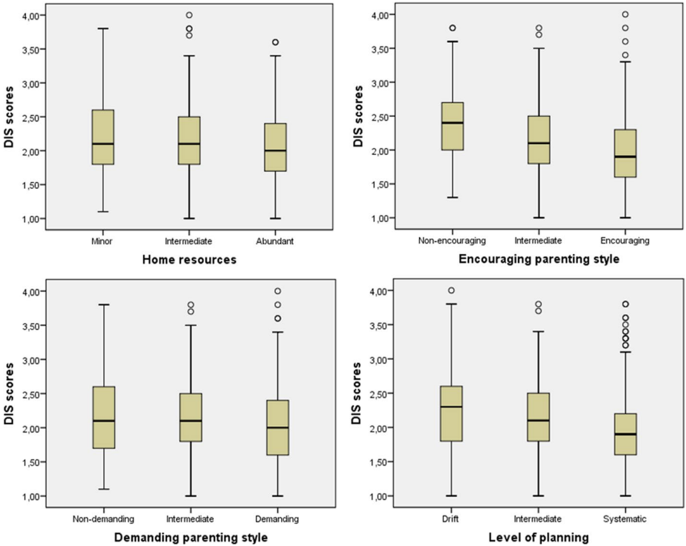
“Demanding parenting was associated with less-than-average DIS scores, F(2, 919) = 7,00, p < 0.001, eta 2 = 0.02.”
§ Too stupid for PhD? Doctoral impostor syndrome among Finnish PhD students > Variables and analysis
plaincorrelational- Asserted: passes — The authors put it forward as true.
- Checkable: passes — It can be checked against evidence.
- Load-bearing: unclear — It is unclear whether the paper’s conclusions depend on it.
- Based: passes — The paper gives a reason why it holds.
A result the paper reports from its own data — it cites no other source for it, so there is none to check. The quote shows it is in the paper.
In the paper
“The DIS scores were negatively related to all four variables, suggesting that higher DIS scores were related to fewer HR (r = -0.112,p < 0.01), less EPS (r = -0.299,p < 0.001), less DPS (r = -0.110,p < 0.01), and lower LoP before applying for doctoral studies (r = -0.227,p < 0.001).”
§ Too stupid for PhD? Doctoral impostor syndrome among Finnish PhD students > Results
hedgedcorrelational- Asserted: passes — The authors put it forward as true.
- Checkable: passes — It can be checked against evidence.
- Load-bearing: passes — The paper’s conclusions depend on it.
- Based: passes — The paper gives a reason why it holds.
A result the paper reports from its own data — it cites no other source for it, so there is none to check. The quote shows it is in the paper.
In the paper
“The results of the multiple regression analysis, as shown in Table 4, indicated that only EPS (p < 0.001) and LoP before applying for doctoral studies (p < 0.001) were significant predictors of DIS.”
§ Too stupid for PhD? Doctoral impostor syndrome among Finnish PhD students > Results
hedgedcorrelational- Asserted: passes — The authors put it forward as true.
- Checkable: passes — It can be checked against evidence.
- Load-bearing: passes — The paper’s conclusions depend on it.
- Based: passes — The paper gives a reason why it holds.
The paper states this without a source or data behind it here, so there is nothing to check it against. The quote shows it is in the paper.
In the paper
“On the DIS scale of 1 to 4, more than 7% of the respondents had a score of at least 3.”
§ Too stupid for PhD? Doctoral impostor syndrome among Finnish PhD students > Discussion and conclusion
plain- Asserted: passes — The authors put it forward as true.
- Checkable: passes — It can be checked against evidence.
- Load-bearing: passes — The paper’s conclusions depend on it.
- Based: passes — The paper gives a reason why it holds.
A result the paper reports from its own data — it cites no other source for it, so there is none to check. The quote shows it is in the paper.
In the paper
“There was also a moderate positive correlation between EPS and DPS (p < 0.001).”
§ Too stupid for PhD? Doctoral impostor syndrome among Finnish PhD students > Results
plaincorrelational- Asserted: passes — The authors put it forward as true.
- Checkable: passes — It can be checked against evidence.
- Load-bearing: unclear — It is unclear whether the paper’s conclusions depend on it.
- Based: passes — The paper gives a reason why it holds.
A result the paper reports from its own data — it cites no other source for it, so there is none to check. The quote shows it is in the paper.
In the paper
“The results of the multiple regression analysis, as shown in Table 4, indicated that only EPS (p < 0.001) and LoP before applying for doctoral studies (p < 0.001) were significant predictors of DIS.”
§ Too stupid for PhD? Doctoral impostor syndrome among Finnish PhD students > Results
hedgedcorrelational- Asserted: passes — The authors put it forward as true.
- Checkable: passes — It can be checked against evidence.
- Load-bearing: passes — The paper’s conclusions depend on it.
- Based: passes — The paper gives a reason why it holds.
A result the paper reports from its own data — it cites no other source for it, so there is none to check. The quote shows it is in the paper.
In the paper
“The DIS scores were negatively related to all four variables, suggesting that higher DIS scores were related to fewer HR (r = -0.112,p < 0.01), less EPS (r = -0.299,p < 0.001), less DPS (r = -0.110,p < 0.01), and lower LoP before applying for doctoral studies (r = -0.227,p < 0.001).”
§ Too stupid for PhD? Doctoral impostor syndrome among Finnish PhD students > Results
hedgedcorrelational- Asserted: passes — The authors put it forward as true.
- Checkable: passes — It can be checked against evidence.
- Load-bearing: passes — The paper’s conclusions depend on it.
- Based: passes — The paper gives a reason why it holds.
A result the paper reports from its own data — it cites no other source for it, so there is none to check. The quote shows it is in the paper.
In the paper
“The DIS scores were negatively related to all four variables, suggesting that higher DIS scores were related to fewer HR (r = -0.112,p < 0.01), less EPS (r = -0.299,p < 0.001), less DPS (r = -0.110,p < 0.01), and lower LoP before applying for doctoral studies (r = -0.227,p < 0.001).”
§ Too stupid for PhD? Doctoral impostor syndrome among Finnish PhD students > Results
hedgedcorrelational- Asserted: passes — The authors put it forward as true.
- Checkable: passes — It can be checked against evidence.
- Load-bearing: unclear — It is unclear whether the paper’s conclusions depend on it.
- Based: passes — The paper gives a reason why it holds.
A result the paper reports from its own data — it cites no other source for it, so there is none to check. The quote shows it is in the paper.
In the paper
“Finally, a weak positive correlation was found between EPS and LoP before applying for doctoral studies, with subjects having more encouraging parents reporting more systematic planning (p < 0.01).”
§ Too stupid for PhD? Doctoral impostor syndrome among Finnish PhD students > Results
plaincorrelational- Asserted: passes — The authors put it forward as true.
- Checkable: passes — It can be checked against evidence.
- Load-bearing: unclear — It is unclear whether the paper’s conclusions depend on it.
- Based: passes — The paper gives a reason why it holds.
A result the paper reports from its own data — it cites no other source for it, so there is none to check. The quote shows it is in the paper.
In the paper
“Furthermore, a moderate positive correlation was found between HR and both parenting styles (p < 0.001), and a weak positive correlation was found between HR and LoP before applying (p < 0.01).”
§ Too stupid for PhD? Doctoral impostor syndrome among Finnish PhD students > Results
plaincorrelational- Asserted: passes — The authors put it forward as true.
- Checkable: passes — It can be checked against evidence.
- Load-bearing: unclear — It is unclear whether the paper’s conclusions depend on it.
- Based: passes — The paper gives a reason why it holds.
In the paper
“The university can be considered a work environment prone to IS, especially because of the requirements of present higher education and science policy, which emphasizes continuous evaluation, a competitive spirit, and a focus on performance and excellence.”
- Also stated in: § Introduction · plain
“The university can be considered a work environment prone to IS, especially because of its continuous evaluation, competitive spirit, and focus on performance (Hutchins, 2015).”
§ Too stupid for PhD? Doctoral impostor syndrome among Finnish PhD students > Abstract
What the sources say
- Not checked — no full text of the sourcecites Hutchins, 2015 source
plaindirect- Asserted: passes — The authors put it forward as true.
- Checkable: passes — It can be checked against evidence.
- Load-bearing: passes — The paper’s conclusions depend on it.
- Based: passes — The paper gives a reason why it holds.
- Also stated in: § Introduction · plain
In the paper
“Environmental conditions contribute to impostor fears (Kumar et al., 2021).”
§ Too stupid for PhD? Doctoral impostor syndrome among Finnish PhD students > Introduction
What the sources say
- Not checked — no full text of the sourcecites Kumar et al., 2021 source
plaindirect- Asserted: passes — The authors put it forward as true.
- Checkable: passes — It can be checked against evidence.
- Load-bearing: unclear — It is unclear whether the paper’s conclusions depend on it.
- Based: passes — The paper gives a reason why it holds.
A claim is checked only against the cited paper’s full text, never its abstract, and none is available for its sources.
In the paper
“PhD students are at especially high risk of developing IS, given the multidimensional evaluations they receive from peers, students, and professors (Gardner & Holley, 2011;Knights & Clarke, 2014).”
§ Too stupid for PhD? Doctoral impostor syndrome among Finnish PhD students > Introduction
What the sources say
plaindirect- Asserted: passes — The authors put it forward as true.
- Checkable: passes — It can be checked against evidence.
- Load-bearing: passes — The paper’s conclusions depend on it.
- Based: passes — The paper gives a reason why it holds.
A conclusion the paper draws from its own results — it cites no other source for it, so there is none to check. The quote shows it is in the paper.
In the paper
“Although these parenting styles are more common in families with abundant resources and capital than in those with less diverse resources, home resources are not directly related to the emergence of a DIS.”
§ Too stupid for PhD? Doctoral impostor syndrome among Finnish PhD students > Results
plain- Asserted: passes — The authors put it forward as true.
- Checkable: passes — It can be checked against evidence.
- Load-bearing: passes — The paper’s conclusions depend on it.
- Based: passes — The paper gives a reason why it holds.
What the paper did — it cites no source for this, so there is none to check. The quote shows it is in the paper.
In the paper
“The statements chosen for the sum variable measured the phenomenon to be explained quite uniformly, as Cronbach's alpha received a value of 0.83.”
§ Too stupid for PhD? Doctoral impostor syndrome among Finnish PhD students > Variables and analysis
plain- Asserted: passes — The authors put it forward as true.
- Checkable: passes — It can be checked against evidence.
- Load-bearing: unclear — It is unclear whether the paper’s conclusions depend on it.
- Based: passes — The paper gives a reason why it holds.
A conclusion the paper draws from its own results — it cites no other source for it, so there is none to check. The quote shows it is in the paper.
In the paper
“Thus, the less a doctoral student has received encouragement from their parents during childhood and adolescence, the more likely they will experience impostor feelings.”
§ Too stupid for PhD? Doctoral impostor syndrome among Finnish PhD students > Results
hedgedcorrelational- Asserted: passes — The authors put it forward as true.
- Checkable: passes — It can be checked against evidence.
- Load-bearing: passes — The paper’s conclusions depend on it.
- Based: passes — The paper gives a reason why it holds.
A conclusion the paper draws from its own results — it cites no other source for it, so there is none to check. The quote shows it is in the paper.
In the paper
“However, the total number of respondents to the survey was so large that, despite the limitations mentioned above, the survey results could be generalized to the population.”
§ Too stupid for PhD? Doctoral impostor syndrome among Finnish PhD students > Research questions and data
hedgeddirect- Asserted: passes — The authors put it forward as true.
- Checkable: passes — It can be checked against evidence.
- Load-bearing: passes — The paper’s conclusions depend on it.
- Based: passes — The paper gives a reason why it holds.
A conclusion the paper draws from its own results — it cites no other source for it, so there is none to check. The quote shows it is in the paper.
In the paper
“Proportioned to all doctoral students in Finland, this means more than 1200 doctoral students.”
§ Too stupid for PhD? Doctoral impostor syndrome among Finnish PhD students > Discussion and conclusion
plain- Asserted: passes — The authors put it forward as true.
- Checkable: passes — It can be checked against evidence.
- Load-bearing: unclear — It is unclear whether the paper’s conclusions depend on it.
- Based: passes — The paper gives a reason why it holds.
A conclusion the paper draws from its own results — it cites no other source for it, so there is none to check. The quote shows it is in the paper.
In the paper
“More important than parents' level of education, social class, or wealth is whether parents have been able to support and encourage their children to trust themselves.”
§ Too stupid for PhD? Doctoral impostor syndrome among Finnish PhD students > Results
plaindirect- Asserted: passes — The authors put it forward as true.
- Checkable: passes — It can be checked against evidence.
- Load-bearing: passes — The paper’s conclusions depend on it.
- Based: passes — The paper gives a reason why it holds.
A conclusion the paper draws from its own results — it cites no other source for it, so there is none to check. The quote shows it is in the paper.
In the paper
“In contrast, gender and age had no connection to DIS scores; thus, the minor over-representation of women and young PhD students does not affect the wider generalizability of the results.”
§ Too stupid for PhD? Doctoral impostor syndrome among Finnish PhD students > Limitations
plainn = 1,600- Asserted: passes — The authors put it forward as true.
- Checkable: passes — It can be checked against evidence.
- Load-bearing: passes — The paper’s conclusions depend on it.
- Based: passes — The paper gives a reason why it holds.
A conclusion the paper draws from its own results — it cites no other source for it, so there is none to check. The quote shows it is in the paper.
In the paper
“However, in Finland, the differences between universities are relatively small compared to many other countries (Kohvakka et al., 2019), so there are presumably no major university-specific differences in the background and experience of doctoral students.”
§ Too stupid for PhD? Doctoral impostor syndrome among Finnish PhD students > Limitations
hedged- Asserted: passes — The authors put it forward as true.
- Checkable: passes — It can be checked against evidence.
- Load-bearing: unclear — It is unclear whether the paper’s conclusions depend on it.
- Based: passes — The paper gives a reason why it holds.
A conclusion the paper draws from its own results — it cites no other source for it, so there is none to check. The quote shows it is in the paper.
In the paper
“Thus, it is justified to claim that the working environment of doctoral students and the resulting pressures and experiences of inadequacy are quite similar in different parts of the world.”
§ Too stupid for PhD? Doctoral impostor syndrome among Finnish PhD students > Discussion and conclusion
boosted- Asserted: passes — The authors put it forward as true.
- Checkable: passes — It can be checked against evidence.
- Load-bearing: passes — The paper’s conclusions depend on it.
- Based: unclear — It is unclear why the paper says it holds.
A conclusion the paper draws from its own results — it cites no other source for it, so there is none to check. The quote shows it is in the paper.
In the paper
“Our research shows that the IS roots often extend to the early onset of the life course, when the inner story of an individual gradually begins to build.”
§ Too stupid for PhD? Doctoral impostor syndrome among Finnish PhD students > Discussion and conclusion
plaindirect- Asserted: passes — The authors put it forward as true.
- Checkable: unclear — It is unclear whether it could be checked against evidence.
- Load-bearing: passes — The paper’s conclusions depend on it.
- Based: passes — The paper gives a reason why it holds.
What the paper did — it cites no source for this, so there is none to check. The quote shows it is in the paper.
In the paper
“Second, the data contained skew in terms of gender, age, and university.”
§ Too stupid for PhD? Doctoral impostor syndrome among Finnish PhD students > Limitations
plain- Asserted: passes — The authors put it forward as true.
- Checkable: passes — It can be checked against evidence.
- Load-bearing: unclear — It is unclear whether the paper’s conclusions depend on it.
- Based: passes — The paper gives a reason why it holds.
In the paper
“However, in Finland, the differences between universities are relatively small compared to many other countries (Kohvakka et al., 2019), so there are presumably no major university-specific differences in the background and experience of doctoral students.”
§ Too stupid for PhD? Doctoral impostor syndrome among Finnish PhD students > Limitations
What the sources say
- Check pendingcites Kohvakka et al., 2019 source
plain- Asserted: passes — The authors put it forward as true.
- Checkable: passes — It can be checked against evidence.
- Load-bearing: passes — The paper’s conclusions depend on it.
- Based: passes — The paper gives a reason why it holds.
In the paper
“In many ways, the descriptions of women involved in Käyhkö's (2014) study of their difficulties in adapting to the culture of the university world are similar to those of women suffering from IS.”
§ Too stupid for PhD? Doctoral impostor syndrome among Finnish PhD students > Inner story and habitus
What the sources say
- Not checked — no full text of the sourcecites Käyhkö, 2014
plaincorrelational- Asserted: passes — The authors put it forward as true.
- Checkable: passes — It can be checked against evidence.
- Load-bearing: unclear — It is unclear whether the paper’s conclusions depend on it.
- Based: passes — The paper gives a reason why it holds.
- Probably not a substantial claim. 49
- It may state two separate claims as one. 30
- The quote only partly states this claim. 4
A result the paper reports from its own data — it cites no other source for it, so there is none to check. The quote shows it is in the paper.
In the paper
“According to most respondents, success in research requires, among other things, extroversion (67%), the ability to market oneself (78%), persuasive speech and presentation skills (91%), and the ability to create social networks (91%).”
§ Too stupid for PhD? Doctoral impostor syndrome among Finnish PhD students > Limitations
plain- Asserted: passes — The authors put it forward as true.
- Checkable: passes — It can be checked against evidence.
- Load-bearing: fails — The paper’s conclusions may not depend on it.
- Based: passes — The paper gives a reason why it holds.
Probably not a substantial claim. The paper’s conclusions may not depend on it. It may state two separate claims as one.
A result the paper reports from its own data — it cites no other source for it, so there is none to check. The quote shows it is in the paper.
In the paper
“The Pearson correlation coefficient matrix (Table 3) showed that HR correlated moderately with EPS (r = 0.32) and DPS (r = 0.45).”
§ Too stupid for PhD? Doctoral impostor syndrome among Finnish PhD students > Results
plaincorrelational- Asserted: passes — The authors put it forward as true.
- Checkable: passes — It can be checked against evidence.
- Load-bearing: unclear — It is unclear whether the paper’s conclusions depend on it.
- Based: passes — The paper gives a reason why it holds.
The quote only partly states this claim.
A result the paper reports from its own data — it cites no other source for it, so there is none to check. The quote shows it is in the paper.
In the paper
“Those with the highest grades in their master's theses were better protected from impostor feelings than the others, but the differences were not statistically significant.”
§ Too stupid for PhD? Doctoral impostor syndrome among Finnish PhD students > Variables and analysis
plaincorrelational- Asserted: passes — The authors put it forward as true.
- Checkable: passes — It can be checked against evidence.
- Load-bearing: unclear — It is unclear whether the paper’s conclusions depend on it.
- Based: passes — The paper gives a reason why it holds.
It may state two separate claims as one.
A result the paper reports from its own data — it cites no other source for it, so there is none to check. The quote shows it is in the paper.
In the paper
“Long-term planning to apply for doctoral studies clearly reduced the DIS scores, F(2, 932) = 22,92, p < 0.001, eta 2 = 0.05: those who had”
§ Too stupid for PhD? Doctoral impostor syndrome among Finnish PhD students > Variables and analysis
boosteddirect- Asserted: passes — The authors put it forward as true.
- Checkable: passes — It can be checked against evidence.
- Load-bearing: unclear — It is unclear whether the paper’s conclusions depend on it.
- Based: passes — The paper gives a reason why it holds.
It may state two separate claims as one.
The paper states this without a source or data behind it here, so there is nothing to check it against. The quote shows it is in the paper.
In the paper
“Although these parenting styles are more common in families with abundant resources and capital than in those with less diverse resources, home resources are not directly related to the emergence of a DIS.”
§ Too stupid for PhD? Doctoral impostor syndrome among Finnish PhD students > Results
plaincorrelational- Asserted: passes — The authors put it forward as true.
- Checkable: passes — It can be checked against evidence.
- Load-bearing: fails — The paper’s conclusions may not depend on it.
- Based: fails — The paper may give no reason why it holds.
Probably not a substantial claim. The paper’s conclusions may not depend on it. The paper may give no reason why it holds.
A result the paper reports from its own data — it cites no other source for it, so there is none to check. The quote shows it is in the paper.
In the paper
“Since doctoral student's age, gender, and master's thesis grade were not statistically significantly associated with the DIS scores, we excluded these variables from the regression analysis.”
§ Too stupid for PhD? Doctoral impostor syndrome among Finnish PhD students > Results
plain- Asserted: passes — The authors put it forward as true.
- Checkable: passes — It can be checked against evidence.
- Load-bearing: unclear — It is unclear whether the paper’s conclusions depend on it.
- Based: passes — The paper gives a reason why it holds.
It may state two separate claims as one.
A result the paper reports from its own data — it cites no other source for it, so there is none to check. The quote shows it is in the paper.
In the paper
“In contrast, HR and DPS were not statistically significant predictors of impostor feelings.”
§ Too stupid for PhD? Doctoral impostor syndrome among Finnish PhD students > Results
plain- Asserted: passes — The authors put it forward as true.
- Checkable: passes — It can be checked against evidence.
- Load-bearing: unclear — It is unclear whether the paper’s conclusions depend on it.
- Based: passes — The paper gives a reason why it holds.
The quote only partly states this claim.
A result the paper reports from its own data — it cites no other source for it, so there is none to check. The quote shows it is in the paper.
In the paper
“As shown in the figure, the differences in the medians were the greatest in the box plots visualizing EPS and LoP before application.”
§ Too stupid for PhD? Doctoral impostor syndrome among Finnish PhD students > Variables and analysis
plaincorrelational- Asserted: passes — The authors put it forward as true.
- Checkable: passes — It can be checked against evidence.
- Load-bearing: fails — The paper’s conclusions may not depend on it.
- Based: passes — The paper gives a reason why it holds.
Probably not a substantial claim. The paper’s conclusions may not depend on it.
A result the paper reports from its own data — it cites no other source for it, so there is none to check. The quote shows it is in the paper.
In the paper
“Childhood home parenting styles were associated with feelings related to DIS, F(2, 925) = 45,86, p < 0.001, eta 2 = 0.09: those who spent their childhoods in a non-encouraging environment had significantly higher DIS scores than others.”
§ Too stupid for PhD? Doctoral impostor syndrome among Finnish PhD students > Variables and analysis
plaincorrelational- Asserted: passes — The authors put it forward as true.
- Checkable: passes — It can be checked against evidence.
- Load-bearing: passes — The paper’s conclusions depend on it.
- Based: passes — The paper gives a reason why it holds.
It may state two separate claims as one.
A result the paper reports from its own data — it cites no other source for it, so there is none to check. The quote shows it is in the paper.
In the paper
“In contrast, HR and DPS were not statistically significant predictors of impostor feelings.”
§ Too stupid for PhD? Doctoral impostor syndrome among Finnish PhD students > Results
plain- Asserted: passes — The authors put it forward as true.
- Checkable: passes — It can be checked against evidence.
- Load-bearing: unclear — It is unclear whether the paper’s conclusions depend on it.
- Based: passes — The paper gives a reason why it holds.
The quote only partly states this claim.
A result the paper reports from its own data — it cites no other source for it, so there is none to check. The quote shows it is in the paper.
In the paper
“Those who had grown up in families with scarce resources had slightly more impostor feelings than others, F(2, 828) = 6.55, p < 0.001, eta 2 = 0.02, but the differences between the averages remained small.”
§ Too stupid for PhD? Doctoral impostor syndrome among Finnish PhD students > Variables and analysis
plaincorrelational- Asserted: passes — The authors put it forward as true.
- Checkable: passes — It can be checked against evidence.
- Load-bearing: unclear — It is unclear whether the paper’s conclusions depend on it.
- Based: passes — The paper gives a reason why it holds.
It may state two separate claims as one.
A result the paper reports from its own data — it cites no other source for it, so there is none to check. The quote shows it is in the paper.
In the paper
“The Pearson correlation coefficient matrix (Table 3) showed that HR correlated moderately with EPS (r = 0.32) and DPS (r = 0.45).”
§ Too stupid for PhD? Doctoral impostor syndrome among Finnish PhD students > Results
plaincorrelational- Asserted: passes — The authors put it forward as true.
- Checkable: passes — It can be checked against evidence.
- Load-bearing: unclear — It is unclear whether the paper’s conclusions depend on it.
- Based: passes — The paper gives a reason why it holds.
The quote only partly states this claim.
In the paper
“In the twentyfirst century, competition has intensified further, as the number of jobs available to doctors has not grown at the same pace as the number of doctoral degrees (Haila et al., 2016).”
§ Too stupid for PhD? Doctoral impostor syndrome among Finnish PhD students > Introduction
What the sources say
- Not matchedcites Haila et al., 2016
Couldn’t be matched to a paper in Crossref, so it can’t be checked.
plaindirect- Asserted: passes — The authors put it forward as true.
- Checkable: passes — It can be checked against evidence.
- Load-bearing: fails — The paper’s conclusions may not depend on it.
- Based: passes — The paper gives a reason why it holds.
Probably not a substantial claim. The paper’s conclusions may not depend on it. It may state two separate claims as one.
- Not matched
What the paper did — it cites no source for this, so there is none to check. The quote shows it is in the paper.
In the paper
“The data included over-representation of women and PhD students under 35 years of age.”
§ Too stupid for PhD? Doctoral impostor syndrome among Finnish PhD students > Limitations
plain- Asserted: passes — The authors put it forward as true.
- Checkable: passes — It can be checked against evidence.
- Load-bearing: unclear — It is unclear whether the paper’s conclusions depend on it.
- Based: passes — The paper gives a reason why it holds.
It may state two separate claims as one.
None of the sources cited for this claim have been checked yet.
In the paper
“For example, school success, educational goals, and applying for higher education are strongly associated with HR and parents' educational attainment (Boudon, 1974;Breen & Goldthorpe, 1997;Jackson, 2013).”
§ Too stupid for PhD? Doctoral impostor syndrome among Finnish PhD students > Discussion and conclusion
What the sources say
boostedcorrelational- Asserted: passes — The authors put it forward as true.
- Checkable: passes — It can be checked against evidence.
- Load-bearing: fails — The paper’s conclusions may not depend on it.
- Based: passes — The paper gives a reason why it holds.
Probably not a substantial claim. The paper’s conclusions may not depend on it. It may state two separate claims as one.
A claim is checked only against the cited paper’s full text, never its abstract, and none is available for its sources.
In the paper
“According to the literature (Craddock et al., 2011;Sonnak & Towell, 2001;Thompson et al., 1998;Yaffe, 2021), the following background variables of students have an impact on impostor feelings: gender, age, home resources, parenting styles, academic success, and level of planning (LoP) before applying for doctoral studies (Table 2).”
§ Too stupid for PhD? Doctoral impostor syndrome among Finnish PhD students > Variables and analysis
What the sources say
plaincorrelational- Asserted: passes — The authors put it forward as true.
- Checkable: passes — It can be checked against evidence.
- Load-bearing: passes — The paper’s conclusions depend on it.
- Based: passes — The paper gives a reason why it holds.
It may state two separate claims as one.
In the paper
“With proper supervision and support, a doctoral student can socialize better into the academic community (Holley & Caldwell, 2012).”
§ Too stupid for PhD? Doctoral impostor syndrome among Finnish PhD students > Discussion and conclusion
What the sources say
- Not checked — no full text of the sourcecites Holley & Caldwell, 2012 source
plainconditional- Asserted: passes — The authors put it forward as true.
- Checkable: passes — It can be checked against evidence.
- Load-bearing: fails — The paper’s conclusions may not depend on it.
- Based: passes — The paper gives a reason why it holds.
Probably not a substantial claim. The paper’s conclusions may not depend on it.
What the paper did — it cites no source for this, so there is none to check. The quote shows it is in the paper.
In the paper
“We did not have, at our disposal, a questionnaire developed to measure the impostor phenomenon as such.”
§ Too stupid for PhD? Doctoral impostor syndrome among Finnish PhD students > Acknowledgements
plain- Asserted: passes — The authors put it forward as true.
- Checkable: passes — It can be checked against evidence.
- Load-bearing: passes — The paper’s conclusions depend on it.
- Based: passes — The paper gives a reason why it holds.
Probably not a substantial claim.
In the paper
“In general, although the impostor copes with challenging tasks, the mental pressure associated with performing can further reinforce the notion that the path to success at work goes through suffering.At worst, such a mindset can lead to burnout and depression (Sakulku & Alexander, 2011).”
§ Too stupid for PhD? Doctoral impostor syndrome among Finnish PhD students > Inner story and habitus
What the sources say
- Check pendingcites Sakulku & Alexander, 2011 source
plaindirect- Asserted: passes — The authors put it forward as true.
- Checkable: passes — It can be checked against evidence.
- Load-bearing: fails — The paper’s conclusions may not depend on it.
- Based: passes — The paper gives a reason why it holds.
Probably not a substantial claim. The paper’s conclusions may not depend on it. It may state two separate claims as one.
What the paper did — it cites no source for this, so there is none to check. The quote shows it is in the paper.
In the paper
“Demanding parenting style (Scale 1-5) (Cronbach's alpha = 0.80)”
§ Too stupid for PhD? Doctoral impostor syndrome among Finnish PhD students > Variables and analysis
plain- Asserted: passes — The authors put it forward as true.
- Checkable: passes — It can be checked against evidence.
- Load-bearing: fails — The paper’s conclusions may not depend on it.
- Based: passes — The paper gives a reason why it holds.
Probably not a substantial claim. The paper’s conclusions may not depend on it.
In the paper
“According to Clance and O'Toole (1987), when faced with a new task, impostors doubt their ability to cope with it.”
§ Too stupid for PhD? Doctoral impostor syndrome among Finnish PhD students > Inner story and habitus
What the sources say
- Not checked — no full text of the sourcecites Clance & O'Toole, 1987 source
plain- Asserted: passes — The authors put it forward as true.
- Checkable: passes — It can be checked against evidence.
- Load-bearing: fails — The paper’s conclusions may not depend on it.
- Based: passes — The paper gives a reason why it holds.
Probably not a substantial claim. The paper’s conclusions may not depend on it.
None of the sources cited for this claim have been checked yet.
In the paper
“Previous research has suggested that these include underestimating one's own gifts and abilities, considering others more self-skilled, dissatisfaction with one's own performance, distrust of one's own skills and persuasive self-expression, introversion, and feelings of outwardness (see, e.g., Clance & O'Toole, 1987;Chakraverty, 2020;Ekman, 2017;Royse Roskowski, 2010;Sakulku & Alexander, 2011).”
§ Too stupid for PhD? Doctoral impostor syndrome among Finnish PhD students > Variables and analysis
What the sources say
hedgedcorrelational- Asserted: passes — The authors put it forward as true.
- Checkable: passes — It can be checked against evidence.
- Load-bearing: passes — The paper’s conclusions depend on it.
- Based: passes — The paper gives a reason why it holds.
Probably not a substantial claim. It may state two separate claims as one.
In the paper
“Cutting-edge talk, which has become common in education and science policy, can be seen as one way of governmentality by which doctoral students and other university staff have been perused to compete with each other and adopt a narrow understanding of science, the university world, and the work of a researcher (Hannukainen & Brunila, 2017;Filander et al., 2019).”
§ Too stupid for PhD? Doctoral impostor syndrome among Finnish PhD students > Discussion and conclusion
What the sources say
- Check pendingcites Hannukainen & Brunila, 2017 source
- Not matchedcites Filander et al., 2019
Couldn’t be matched to a paper in Crossref, so it can’t be checked.
plaindirect- Asserted: passes — The authors put it forward as true.
- Checkable: fails — It may be too vague to check against evidence.
- Load-bearing: fails — The paper’s conclusions may not depend on it.
- Based: passes — The paper gives a reason why it holds.
Probably not a substantial claim. It may be too vague to check against evidence. The paper’s conclusions may not depend on it.
A conclusion the paper draws from its own results — it cites no other source for it, so there is none to check. The quote shows it is in the paper.
In the paper
“Doctoral students with impostor feelings most obviously compare themselves to a kind of ideal graduate and a successful top researcher who meets all requirements and expectations.”
§ Too stupid for PhD? Doctoral impostor syndrome among Finnish PhD students > Discussion and conclusion
boosted- Asserted: passes — The authors put it forward as true.
- Checkable: passes — It can be checked against evidence.
- Load-bearing: fails — The paper’s conclusions may not depend on it.
- Based: fails — The paper may give no reason why it holds.
Probably not a substantial claim. The paper’s conclusions may not depend on it. The paper may give no reason why it holds.
A conclusion the paper draws from its own results — it cites no other source for it, so there is none to check. The quote shows it is in the paper.
In the paper
“If the dissertation process has started, for example, to fulfill the wishes of other people, then feelings of inadequacy and uncertainty are quite understandable.”
§ Too stupid for PhD? Doctoral impostor syndrome among Finnish PhD students > Discussion and conclusion
plainconditional- Asserted: passes — The authors put it forward as true.
- Checkable: fails — It may be too vague to check against evidence.
- Load-bearing: fails — The paper’s conclusions may not depend on it.
- Based: passes — The paper gives a reason why it holds.
Probably not a substantial claim. It may be too vague to check against evidence. The paper’s conclusions may not depend on it.
A conclusion the paper draws from its own results — it cites no other source for it, so there is none to check. The quote shows it is in the paper.
In the paper
“According to our interpretation, the above concepts are united by the view that an individual's self-understanding and relationship with the world around us take on a verbal form in inner speech that we constantly engage in our minds.”
§ Too stupid for PhD? Doctoral impostor syndrome among Finnish PhD students > Discussion and conclusion
hedged- Asserted: passes — The authors put it forward as true.
- Checkable: fails — It may be too vague to check against evidence.
- Load-bearing: fails — The paper’s conclusions may not depend on it.
- Based: fails — The paper may give no reason why it holds.
Probably not a substantial claim. It may be too vague to check against evidence. The paper’s conclusions may not depend on it. The paper may give no reason why it holds.
What the paper did — it cites no source for this, so there is none to check. The quote shows it is in the paper.
In the paper
“The response rates at the universities of Jyväskylä, Lapland, and Turku were higher than those at other universities.In Tampere, the response rate was the lowest.”
§ Too stupid for PhD? Doctoral impostor syndrome among Finnish PhD students > Research questions and data
plain- Asserted: passes — The authors put it forward as true.
- Checkable: passes — It can be checked against evidence.
- Load-bearing: fails — The paper’s conclusions may not depend on it.
- Based: passes — The paper gives a reason why it holds.
Probably not a substantial claim. The paper’s conclusions may not depend on it. It may state two separate claims as one.
In the paper
“As Deem (2020) indicated, it is interesting how few existing studies on the well-being of doctoral candidates have emphasized the organizational climate of higher education systems.”
§ Too stupid for PhD? Doctoral impostor syndrome among Finnish PhD students > Discussion and conclusion
What the sources say
- Not checked — no full text of the sourcecites Deem, 2020 source
hedged- Asserted: passes — The authors put it forward as true.
- Checkable: passes — It can be checked against evidence.
- Load-bearing: passes — The paper’s conclusions depend on it.
- Based: passes — The paper gives a reason why it holds.
Probably not a substantial claim.
In the paper
“In addition, problems with job continuity and research funding, deficiencies in dissertation supervision, the complexity of work combined with excessive workload, difficulties in reconciling work and family life, and a lack of community spirit increase the risk of mental health problems (Deem, 2020).”
§ Too stupid for PhD? Doctoral impostor syndrome among Finnish PhD students > The impostor phenomenon: definition and previous research
What the sources say
- Not checked — no full text of the sourcecites Deem, 2020 source
plaindirect- Asserted: passes — The authors put it forward as true.
- Checkable: passes — It can be checked against evidence.
- Load-bearing: fails — The paper’s conclusions may not depend on it.
- Based: passes — The paper gives a reason why it holds.
Probably not a substantial claim. The paper’s conclusions may not depend on it. It may state two separate claims as one.
In the paper
“Many studies have found that strong internal motivation to create a dissertation is central to the well-being, satisfaction, and success of doctoral students (Sverdlik et al., 2018).”
§ Too stupid for PhD? Doctoral impostor syndrome among Finnish PhD students > Discussion and conclusion
What the sources say
- Not checked yetcites Sverdlik et al., 2018 source
boosteddirect- Asserted: passes — The authors put it forward as true.
- Checkable: passes — It can be checked against evidence.
- Load-bearing: fails — The paper’s conclusions may not depend on it.
- Based: passes — The paper gives a reason why it holds.
Probably not a substantial claim. The paper’s conclusions may not depend on it. It may state two separate claims as one.
A conclusion the paper draws from its own results — it cites no other source for it, so there is none to check. The quote shows it is in the paper.
In the paper
“Based on the results of the linear regression analysis, the lack of encouragement in childhood and a low level of planning when applying for doctoral studies explain the emergence of IS in a statistically significant manner.”
§ Too stupid for PhD? Doctoral impostor syndrome among Finnish PhD students > Abstract
plaindirectn = 1,694 ·- Asserted: passes — The authors put it forward as true.
- Checkable: passes — It can be checked against evidence.
- Load-bearing: passes — The paper’s conclusions depend on it.
- Based: passes — The paper gives a reason why it holds.
It may state two separate claims as one.
A conclusion the paper draws from its own results — it cites no other source for it, so there is none to check. The quote shows it is in the paper.
In the paper
“The inner story of the impostor also includes the story of a”
§ Too stupid for PhD? Doctoral impostor syndrome among Finnish PhD students > Discussion and conclusion
plain- Asserted: passes — The authors put it forward as true.
- Checkable: fails — It may be too vague to check against evidence.
- Load-bearing: fails — The paper’s conclusions may not depend on it.
- Based: fails — The paper may give no reason why it holds.
Probably not a substantial claim. It may be too vague to check against evidence. The paper’s conclusions may not depend on it. The paper may give no reason why it holds.
A claim is checked only against the cited paper’s full text, never its abstract, and none is available for its sources.
In the paper
“In addition to this seemingly contradictory requisite, researchers are required to have not only good research skills but also good language skills, self-confidence, and presentation skills, as well as the ability to network internationally and to market themselves (Cardoso et al., 2022;Kouhia & Tammi, 2014).”
§ Too stupid for PhD? Doctoral impostor syndrome among Finnish PhD students > Introduction
What the sources say
- Not checked — no full text of the sourcecites Cardoso et al., 2022 source
- Not checked — no full text of the sourcecites Kouhia & Tammi, 2014
plain- Asserted: passes — The authors put it forward as true.
- Checkable: passes — It can be checked against evidence.
- Load-bearing: fails — The paper’s conclusions may not depend on it.
- Based: passes — The paper gives a reason why it holds.
Probably not a substantial claim. The paper’s conclusions may not depend on it. It may state two separate claims as one.
In the paper
“More than four decades ago, American psychologists Clance and Imes (1978) found that many of the successful and talented women were plagued by an unwarranted, self-dismissive mindset.”
§ Too stupid for PhD? Doctoral impostor syndrome among Finnish PhD students > The impostor phenomenon: definition and previous research
What the sources say
- Not checked — no full text of the sourcecites Clance & Imes, 1978 source
plain- Asserted: passes — The authors put it forward as true.
- Checkable: passes — It can be checked against evidence.
- Load-bearing: fails — The paper’s conclusions may not depend on it.
- Based: passes — The paper gives a reason why it holds.
Probably not a substantial claim. The paper’s conclusions may not depend on it.
What the paper did — it cites no source for this, so there is none to check. The quote shows it is in the paper.
In the paper
“Research permits were obtained from eight universities: the universities of Helsinki, Eastern Finland, Jyväskylä, Lapland, Oulu, Tampere, and Turku and Aalto University.”
§ Too stupid for PhD? Doctoral impostor syndrome among Finnish PhD students > Research questions and data
plain- Asserted: passes — The authors put it forward as true.
- Checkable: passes — It can be checked against evidence.
- Load-bearing: fails — The paper’s conclusions may not depend on it.
- Based: passes — The paper gives a reason why it holds.
Probably not a substantial claim. The paper’s conclusions may not depend on it.
In the paper
“However, later studies also showed that men experience IS (Clance & O'Toole, 1987;Sakulku & Alexander, 2011).”
§ Too stupid for PhD? Doctoral impostor syndrome among Finnish PhD students > The impostor phenomenon: definition and previous research
What the sources say
plain- Asserted: passes — The authors put it forward as true.
- Checkable: passes — It can be checked against evidence.
- Load-bearing: fails — The paper’s conclusions may not depend on it.
- Based: passes — The paper gives a reason why it holds.
Probably not a substantial claim. The paper’s conclusions may not depend on it.
In the paper
“Women also appear to suffer more than men from the life-limiting consequences of IS (Clance & O'Toole, 1987).”
§ Too stupid for PhD? Doctoral impostor syndrome among Finnish PhD students > The impostor phenomenon: definition and previous research
What the sources say
- Not checked — no full text of the sourcecites Clance & O'Toole, 1987 source
hedgedcorrelational- Asserted: passes — The authors put it forward as true.
- Checkable: passes — It can be checked against evidence.
- Load-bearing: fails — The paper’s conclusions may not depend on it.
- Based: passes — The paper gives a reason why it holds.
Probably not a substantial claim. The paper’s conclusions may not depend on it.
In the paper
“The support and encouragement of supervisors and mentors is also crucial (Craddock et al., 2011;Nori et al., 2020).”
§ Too stupid for PhD? Doctoral impostor syndrome among Finnish PhD students > Discussion and conclusion
What the sources say
plaindirect- Asserted: passes — The authors put it forward as true.
- Checkable: fails — It may be too vague to check against evidence.
- Load-bearing: passes — The paper’s conclusions depend on it.
- Based: passes — The paper gives a reason why it holds.
Probably not a substantial claim. It may be too vague to check against evidence.
What the paper did — it cites no source for this, so there is none to check. The quote shows it is in the paper.
In the paper
“First, although there were more than 1600 respondents to the survey, the response rate (12%) remained very low.”
§ Too stupid for PhD? Doctoral impostor syndrome among Finnish PhD students > Limitations
plainn = 1,600- Asserted: passes — The authors put it forward as true.
- Checkable: passes — It can be checked against evidence.
- Load-bearing: unclear — It is unclear whether the paper’s conclusions depend on it.
- Based: passes — The paper gives a reason why it holds.
It may state two separate claims as one.
None of the sources cited for this claim have been checked yet.
In the paper
“They attribute their success to luck and their own shortcomings of failure; it is also difficult for the impostor to receive compliments and positive feedback.”
§ Too stupid for PhD? Doctoral impostor syndrome among Finnish PhD students > The impostor phenomenon: definition and previous research
What the sources say
plain- Asserted: passes — The authors put it forward as true.
- Checkable: passes — It can be checked against evidence.
- Load-bearing: fails — The paper’s conclusions may not depend on it.
- Based: passes — The paper gives a reason why it holds.
Probably not a substantial claim. The paper’s conclusions may not depend on it. It may state two separate claims as one.
A conclusion the paper draws from its own results — it cites no other source for it, so there is none to check. The quote shows it is in the paper.
In the paper
“In addition,”
§ Too stupid for PhD? Doctoral impostor syndrome among Finnish PhD students > Results
plaindirect- Asserted: fails — The authors may not put it forward as true.
- Checkable: passes — It can be checked against evidence.
- Load-bearing: fails — The paper’s conclusions may not depend on it.
- Based: fails — The paper may give no reason why it holds.
Probably not a substantial claim. The authors may not put it forward as true. The paper’s conclusions may not depend on it. The paper may give no reason why it holds.
A conclusion the paper draws from its own results — it cites no other source for it, so there is none to check. The quote shows it is in the paper.
In the paper
“When anxiety-and stress-inducing IS is seen as an individual's problem alone, we easily end up providing attitude formation, individual therapy, and psychiatric drugs as a solution.”
§ Too stupid for PhD? Doctoral impostor syndrome among Finnish PhD students > Discussion and conclusion
plaindirect- Asserted: passes — The authors put it forward as true.
- Checkable: fails — It may be too vague to check against evidence.
- Load-bearing: passes — The paper’s conclusions depend on it.
- Based: fails — The paper may give no reason why it holds.
Probably not a substantial claim. It may be too vague to check against evidence. The paper may give no reason why it holds.
What the paper did — it cites no source for this, so there is none to check. The quote shows it is in the paper.
In the paper
“The sum of home resources was quite similar internally, as the Cronbach's alpha describing reliability was 0.77.”
§ Too stupid for PhD? Doctoral impostor syndrome among Finnish PhD students > Variables and analysis
plain- Asserted: passes — The authors put it forward as true.
- Checkable: passes — It can be checked against evidence.
- Load-bearing: fails — The paper’s conclusions may not depend on it.
- Based: passes — The paper gives a reason why it holds.
Probably not a substantial claim. The paper’s conclusions may not depend on it.
A conclusion the paper draws from its own results — it cites no other source for it, so there is none to check. The quote shows it is in the paper.
In the paper
“Although this study focused on Finland, we believe that the results also have wider relevance to other countries.”
§ Too stupid for PhD? Doctoral impostor syndrome among Finnish PhD students > Discussion and conclusion
hedged- Asserted: passes — The authors put it forward as true.
- Checkable: fails — It may be too vague to check against evidence.
- Load-bearing: fails — The paper’s conclusions may not depend on it.
- Based: passes — The paper gives a reason why it holds.
Probably not a substantial claim. It may be too vague to check against evidence. The paper’s conclusions may not depend on it.
In the paper
“According to Bourdieu's theory, the values internalized by the offspring of highly educated parents, the meanings they attach to different things, the tendencies to act and choose, and the resources provided by the home environment provide them with a competitive advantage over the children of less-educated parents.”
§ Too stupid for PhD? Doctoral impostor syndrome among Finnish PhD students > Inner story and habitus
What the sources say
- Not matchedcites Bourdieu
Couldn’t be matched to a paper in Crossref, so it can’t be checked.
plaindirect- Asserted: passes — The authors put it forward as true.
- Checkable: passes — It can be checked against evidence.
- Load-bearing: fails — The paper’s conclusions may not depend on it.
- Based: passes — The paper gives a reason why it holds.
Probably not a substantial claim. The paper’s conclusions may not depend on it.
- Not matched
In the paper
“The women they interviewed did not feel intelligent and progressive, despite all their accomplishments and the accolades of colleagues.”
§ Too stupid for PhD? Doctoral impostor syndrome among Finnish PhD students > The impostor phenomenon: definition and previous research
What the sources say
- Not checked — no full text of the sourcecites Clance & Imes, 1978 source
plain- Asserted: passes — The authors put it forward as true.
- Checkable: passes — It can be checked against evidence.
- Load-bearing: fails — The paper’s conclusions may not depend on it.
- Based: passes — The paper gives a reason why it holds.
Probably not a substantial claim. The paper’s conclusions may not depend on it.
In the paper
“Similar experiences among PhD students were evident in Chakraverty's (2020) study: scientific writing and publishing one's own texts could also trigger IS feelings.”
§ Too stupid for PhD? Doctoral impostor syndrome among Finnish PhD students > Inner story and habitus
What the sources say
- Not checked — no full text of the sourcecites Chakraverty, 2020 source
hedgedconditional- Asserted: passes — The authors put it forward as true.
- Checkable: passes — It can be checked against evidence.
- Load-bearing: fails — The paper’s conclusions may not depend on it.
- Based: passes — The paper gives a reason why it holds.
Probably not a substantial claim. The paper’s conclusions may not depend on it.
In the paper
“Because a culture of critique is embedded in the academic community and doctoral programs, PhD students are at especially high risk of developing IS (Pervez et al., 2020) and other mental health problems (Deem, 2020;Kismihók et al., 2022;Levecque et al., 2017;Mackie & Bates, 2019;Schmidt & Hansson, 2018).”
§ Too stupid for PhD? Doctoral impostor syndrome among Finnish PhD students > The impostor phenomenon: definition and previous research
What the sources say
plaindirect- Asserted: passes — The authors put it forward as true.
- Checkable: passes — It can be checked against evidence.
- Load-bearing: unclear — It is unclear whether the paper’s conclusions depend on it.
- Based: passes — The paper gives a reason why it holds.
It may state two separate claims as one.
A conclusion the paper draws from its own results — it cites no other source for it, so there is none to check. The quote shows it is in the paper.
In the paper
“It is therefore understandable that many doctoral candidates have begun to experience inadequacy and feel that they have been put in a playoff game where it is distressing to be involved.”
§ Too stupid for PhD? Doctoral impostor syndrome among Finnish PhD students > Discussion and conclusion
plain- Asserted: passes — The authors put it forward as true.
- Checkable: passes — It can be checked against evidence.
- Load-bearing: passes — The paper’s conclusions depend on it.
- Based: passes — The paper gives a reason why it holds.
Probably not a substantial claim. It may state two separate claims as one.
- Rests on an assumption: Top ideology, with its rankings and evaluation practices, has been fairly uncritically received in universities.
In the paper
“The new requirements are particularly challenging for individuals prone to IS, who are often introverted, experience severe performance pressure, and continuously compare themselves to others (e.g., Cisco, 2020;Sakulku & Alexander, 2011).”
§ Too stupid for PhD? Doctoral impostor syndrome among Finnish PhD students > Introduction
What the sources say
plaincorrelational- Asserted: passes — The authors put it forward as true.
- Checkable: passes — It can be checked against evidence.
- Load-bearing: fails — The paper’s conclusions may not depend on it.
- Based: passes — The paper gives a reason why it holds.
Probably not a substantial claim. The paper’s conclusions may not depend on it. It may state two separate claims as one.
In the paper
“The roots of IS have been sought in a childhood family, and the problem has been thought to worsen at the school level, where the pupil is subjected to ongoing evaluation.”
§ Too stupid for PhD? Doctoral impostor syndrome among Finnish PhD students > The impostor phenomenon: definition and previous research
What the sources say
- Not checked — no full text of the sourcecites Clance & Imes, 1978 source
hedgeddirect- Asserted: passes — The authors put it forward as true.
- Checkable: passes — It can be checked against evidence.
- Load-bearing: fails — The paper’s conclusions may not depend on it.
- Based: passes — The paper gives a reason why it holds.
Probably not a substantial claim. The paper’s conclusions may not depend on it. It may state two separate claims as one.
In the paper
“Despite this, empirical studies have considered IS to be its own independent phenomenon, which is different from other close concepts of the same type (Leonhardt et al., 2017).”
§ Too stupid for PhD? Doctoral impostor syndrome among Finnish PhD students > The impostor phenomenon: definition and previous research
What the sources say
- Check pendingcites Leonhardt et al., 2017 source
plain- Asserted: passes — The authors put it forward as true.
- Checkable: passes — It can be checked against evidence.
- Load-bearing: fails — The paper’s conclusions may not depend on it.
- Based: passes — The paper gives a reason why it holds.
Probably not a substantial claim. The paper’s conclusions may not depend on it.
In the paper
“According to Kumar et al. (2021), impostor fears are associated with a sense of misfit with an organization.”
§ Too stupid for PhD? Doctoral impostor syndrome among Finnish PhD students > The impostor phenomenon: definition and previous research
What the sources say
- Not checked — no full text of the sourcecites Kumar et al., 2021 source
plaincorrelational- Asserted: passes — The authors put it forward as true.
- Checkable: passes — It can be checked against evidence.
- Load-bearing: fails — The paper’s conclusions may not depend on it.
- Based: passes — The paper gives a reason why it holds.
Probably not a substantial claim. The paper’s conclusions may not depend on it.
In the paper
“For example, women might think that competence can only be demonstrated by being better than others.For men, in turn, the experience of IS is more related to the fear of failure (Royse Roskowski, 2010).”
§ Too stupid for PhD? Doctoral impostor syndrome among Finnish PhD students > The impostor phenomenon: definition and previous research
What the sources say
- Not matchedcites Royse Roskowski, 2010
Couldn’t be matched to a paper in Crossref, so it can’t be checked.
hedgedcorrelational- Asserted: passes — The authors put it forward as true.
- Checkable: passes — It can be checked against evidence.
- Load-bearing: fails — The paper’s conclusions may not depend on it.
- Based: passes — The paper gives a reason why it holds.
Probably not a substantial claim. The paper’s conclusions may not depend on it. It may state two separate claims as one.
- Not matched
A conclusion the paper draws from its own results — it cites no other source for it, so there is none to check. The quote shows it is in the paper.
In the paper
“In turn, an individual's inner speech is connected to prevailing cultural practices and thinking patterns that determine what we should be like.”
§ Too stupid for PhD? Doctoral impostor syndrome among Finnish PhD students > Discussion and conclusion
plaincorrelational- Asserted: passes — The authors put it forward as true.
- Checkable: fails — It may be too vague to check against evidence.
- Load-bearing: fails — The paper’s conclusions may not depend on it.
- Based: fails — The paper may give no reason why it holds.
Probably not a substantial claim. It may be too vague to check against evidence. The paper’s conclusions may not depend on it. The paper may give no reason why it holds.
A conclusion the paper draws from its own results — it cites no other source for it, so there is none to check. The quote shows it is in the paper.
In the paper
“Based on the results, experiences of IS were evident, regardless of the home background, particularly among doctoral students who had a non-supportive and nonencouraging childhood family atmosphere.”
§ Too stupid for PhD? Doctoral impostor syndrome among Finnish PhD students > Discussion and conclusion
plaincorrelational- Asserted: passes — The authors put it forward as true.
- Checkable: passes — It can be checked against evidence.
- Load-bearing: passes — The paper’s conclusions depend on it.
- Based: passes — The paper gives a reason why it holds.
It may state two separate claims as one.
What the paper did — it cites no source for this, so there is none to check. The quote shows it is in the paper.
In the paper
“The universities of Lapland, Jyväskylä, and Turku were over-represented in the study, while those of Helsinki and Tampere were under-represented.”
§ Too stupid for PhD? Doctoral impostor syndrome among Finnish PhD students > Limitations
plain- Asserted: passes — The authors put it forward as true.
- Checkable: passes — It can be checked against evidence.
- Load-bearing: unclear — It is unclear whether the paper’s conclusions depend on it.
- Based: passes — The paper gives a reason why it holds.
It may state two separate claims as one.
None of the sources cited for this claim have been checked yet.
In the paper
“Such experiences of”
§ Too stupid for PhD? Doctoral impostor syndrome among Finnish PhD students > Inner story and habitus
What the sources say
plaincorrelational- Asserted: passes — The authors put it forward as true.
- Checkable: passes — It can be checked against evidence.
- Load-bearing: fails — The paper’s conclusions may not depend on it.
- Based: passes — The paper gives a reason why it holds.
Probably not a substantial claim. The paper’s conclusions may not depend on it.
A conclusion the paper draws from its own results — it cites no other source for it, so there is none to check. The quote shows it is in the paper.
In the paper
“The contradictory results are attributable to the fact that the doctoral students who responded to the survey in this study might have interpreted the statements describing DPS as demanding in a positive manner, with parents encouraging them to set high learning goals.”
§ Too stupid for PhD? Doctoral impostor syndrome among Finnish PhD students > Results
hedgedconditional- Asserted: passes — The authors put it forward as true.
- Checkable: fails — It may be too vague to check against evidence.
- Load-bearing: passes — The paper’s conclusions depend on it.
- Based: fails — The paper may give no reason why it holds.
Probably not a substantial claim. It may be too vague to check against evidence. The paper may give no reason why it holds. It may state two separate claims as one.
In the paper
“Corcelles et al. (2019) stated that funding issues are among the main challenges faced by PhD researchers during their doctoral studies.”
§ Too stupid for PhD? Doctoral impostor syndrome among Finnish PhD students > Discussion and conclusion
What the sources say
- Not checked — no full text of the sourcecites Corcelles et al., 2019 source
plain- Asserted: passes — The authors put it forward as true.
- Checkable: passes — It can be checked against evidence.
- Load-bearing: fails — The paper’s conclusions may not depend on it.
- Based: passes — The paper gives a reason why it holds.
Probably not a substantial claim. The paper’s conclusions may not depend on it.
A conclusion the paper draws from its own results — it cites no other source for it, so there is none to check. The quote shows it is in the paper.
In the paper
“Parents have thus shown that they trust and believe that their children will succeed in their studies-and in life in general.”
§ Too stupid for PhD? Doctoral impostor syndrome among Finnish PhD students > Results
boosteddirect- Asserted: passes — The authors put it forward as true.
- Checkable: fails — It may be too vague to check against evidence.
- Load-bearing: fails — The paper’s conclusions may not depend on it.
- Based: passes — The paper gives a reason why it holds.
Probably not a substantial claim. It may be too vague to check against evidence. The paper’s conclusions may not depend on it. It may state two separate claims as one.
What the paper did — it cites no source for this, so there is none to check. The quote shows it is in the paper.
In the paper
“Compared to the population, there were also differences in the sample in terms of age and gender.The women clearly answered more often than men: women accounted for approximately 70% of the respondents, compared to approximately 54% of all doctoral students in 2015.The youngest age groups of doctoral students had also responded to the survey slightly more actively: 50% were under 35 years of age (”
§ Too stupid for PhD? Doctoral impostor syndrome among Finnish PhD students > Research questions and data
boosted- Asserted: passes — The authors put it forward as true.
- Checkable: passes — It can be checked against evidence.
- Load-bearing: unclear — It is unclear whether the paper’s conclusions depend on it.
- Based: passes — The paper gives a reason why it holds.
It may state two separate claims as one.
What the paper did — it cites no source for this, so there is none to check. The quote shows it is in the paper.
In the paper
“After two reminder messages, 1694 doctoral students responded to the survey, which is approximately 12% of the doctoral students in the universities involved in the study.”
§ Too stupid for PhD? Doctoral impostor syndrome among Finnish PhD students > Research questions and data
plain- Asserted: passes — The authors put it forward as true.
- Checkable: passes — It can be checked against evidence.
- Load-bearing: unclear — It is unclear whether the paper’s conclusions depend on it.
- Based: passes — The paper gives a reason why it holds.
It may state two separate claims as one.
A conclusion the paper draws from its own results — it cites no other source for it, so there is none to check. The quote shows it is in the paper.
In the paper
“The chosen line of education and science policy can eventually lead to a situation in which average performance has to be shamed and only the best is good enough.”
§ Too stupid for PhD? Doctoral impostor syndrome among Finnish PhD students > Discussion and conclusion
plaindirect- Asserted: passes — The authors put it forward as true.
- Checkable: fails — It may be too vague to check against evidence.
- Load-bearing: fails — The paper’s conclusions may not depend on it.
- Based: fails — The paper may give no reason why it holds.
Probably not a substantial claim. It may be too vague to check against evidence. The paper’s conclusions may not depend on it. The paper may give no reason why it holds.
What the paper did — it cites no source for this, so there is none to check. The quote shows it is in the paper.
In the paper
“The selected claims to describe the DIS formed an internally congruent gauge; that is, they described the same phenomenon: uncertainty about one's own competence, underestimation of one's own abilities, and feelings of inferiority in relation to peers.”
§ Too stupid for PhD? Doctoral impostor syndrome among Finnish PhD students > Acknowledgements
plain- Asserted: passes — The authors put it forward as true.
- Checkable: passes — It can be checked against evidence.
- Load-bearing: passes — The paper’s conclusions depend on it.
- Based: fails — The paper may give no reason why it holds.
Probably not a substantial claim. The paper may give no reason why it holds.
None of the sources cited for this claim have been checked yet.
In the paper
“The premise is that an individual's perception of themselves and their possibilities gradually takes shape during the course of life as a result of different experiences.”
§ Too stupid for PhD? Doctoral impostor syndrome among Finnish PhD students > Discussion and conclusion
What the sources say
- Not checked — no full text of the sourcecites Bourdieu, 1990 source
- Not matchedcites Hall, 1996
Couldn’t be matched to a paper in Crossref, so it can’t be checked.
plaindirect- Asserted: passes — The authors put it forward as true.
- Checkable: fails — It may be too vague to check against evidence.
- Load-bearing: passes — The paper’s conclusions depend on it.
- Based: passes — The paper gives a reason why it holds.
Probably not a substantial claim. It may be too vague to check against evidence.
What the paper did — it cites no source for this, so there is none to check. The quote shows it is in the paper.
In the paper
“Encouraging parenting style (Scale 1-4) (Cronbach's alpha = 0.88)”
§ Too stupid for PhD? Doctoral impostor syndrome among Finnish PhD students > Variables and analysis
plain- Asserted: passes — The authors put it forward as true.
- Checkable: passes — It can be checked against evidence.
- Load-bearing: fails — The paper’s conclusions may not depend on it.
- Based: passes — The paper gives a reason why it holds.
Probably not a substantial claim. The paper’s conclusions may not depend on it.
The paper relies on this without support.
The process of building and changing self-perception throughout life is partially unconscious and difficult to observe.
“As the perception of self builds up and changes gradually throughout life, the process is partially unconscious and difficult to observe.”
The paper relies on this without support.
People already embrace in childhood primary socialization when interacting with parents and other close people when acting on what kinds of knowledge, skills, choices, and behaviors are expected of them.
“People already embrace in childhood primary socialization when interacting with parents and other close people when acting on what kinds of knowledge, skills, choices, and behaviors are expected of them.”
The paper relies on this without support.
Top ideology, with its rankings and evaluation practices, has been fairly uncritically received in universities.
“For one reason or another, top ideology, with its rankings and evaluation practices, has been fairly uncritically received in universities.”
The paper relies on this without support.
Previous studies have enabled the authors to pinpoint situations in which impostor feelings occurred most commonly among PhD students.
“In contrast, previous studies have enabled us to pinpoint situations in which impostor feelings occurred most commonly among PhD students.”
The paper relies on this without support.
Because doctoral students have gone through multiple educational selection processes, their genuine lack of ability or competence is quite different.
“Because doctoral students have gone through multiple educational selection processes, their genuine lack of ability or competence is quite different.”
The paper relies on this without support.
The constant suspicion of one's own abilities and feelings of inferiority can lead to burnout and, in the worst case, dropout from doctoral studies.
“This is important because the constant suspicion of one's own abilities and feelings of inferiority can lead to burnout and, in the worst case, dropout from doctoral studies.”
The paper relies on this without support.
The international environment of universities is increasingly typically described as a competitive field where the tops in science and expertise are sought.
“The international environment of universities is increasingly typically described as a competitive field where the tops in science and expertise are sought.”
The paper relies on this without support.
The mere knowledge that uncertainty feelings are also quite common among other PhD students can reduce excessive self-criticality.
“The mere knowledge that uncertainty feelings are also quite common among other PhD students can reduce excessive self-criticality.”
The paper relies on this without support.
Supportive parents will undoubtedly help create a positive inner story.
“Supportive parents will undoubtedly help create a positive inner story.”
The paper relies on this without support.
Although it is impossible to change the past, we can, to some extent, shape our inner story and attitude towards ourselves as well as our own life history.
“Although it is impossible to change the past, we can, to some extent, shape our inner story and attitude towards ourselves as well as our own life history.”
Claims other papers make about this one
Each is checked against this paper’s own text: does it say what the citing paper says it does?
In the citing paper
“For the measurement of IP among doctoral students, Nori and Vanttaja developed the Doctoral Impostor Syndrome (DIS) scale, according to a survey in 2015 that included 1,694 Finnish doctoral students.”
From The impostor phenomenon among doctoral students: a scoping review (2023) · cites this paper as Nori and Vanttaja, 2022
In the citing paper
“Currently, many Ph.D. students enter the academic world with enthusiasm but cannot break free from the continuous evaluation, monitoring of results, and glorification of excellence, some doctoral students might begin to demand too much from themselves and feel like an impostor who is not good enough for doctoral studies (Nori and Vanttaja, 2022).”
From The impostor phenomenon among doctoral students: a scoping review (2023) · cites this paper as Nori and Vanttaja, 2022
In the citing paper
“However, studies have found that experiences of IP were evident, regardless of the home background (Nori and Vanttaja, 2022), though be differences in the degree of IP.”
From The impostor phenomenon among doctoral students: a scoping review (2023) · cites this paper as Nori and Vanttaja, 2022
In the citing paper
“Indeed, these feelings are not caused by an external competitive environment or measures of success (e.g., publication or awards), but rather stem from a deep-seated personal denial of self”
From The impostor phenomenon among doctoral students: a scoping review (2023) · cites this paper as Nori and Vanttaja, 2022
In the citing paper
““Drifting” into doctoral education can exacerbate feelings of unease, incompetence, and low self-esteem (Nori and Vanttaja, 2022).”
From The impostor phenomenon among doctoral students: a scoping review (2023) · cites this paper as Nori and Vanttaja, 2022
Statistics that don’t add up
Each reported p-value recomputed from its test statistic and degrees of freedom.
Rated minor: it would not touch a result — a value no result rests on, a p-value that stays on the same side of the significance level, or a conflict that is clerical, resolved elsewhere in the paper, or outside its own findings.
In the paper
“F(2, 828) = 6.55, p < 0.001”
§ Too stupid for PhD? Doctoral impostor syndrome among Finnish PhD students > Variables and analysis
Reported p < .001 · recomputed p = .002
Statistics recomputed
Every reported test result, recomputed from its test statistic and degrees of freedom. A result shows as not adding up only once an independent check has confirmed it.
- Doesn’t add upF(2, 828) = 6.55reported p < .001 · recomputed p = .002
“F(2, 828) = 6.55, p < .001”
- Consistentt(931) = 0.82reported p = .411 · recomputed p = .412
“t(931) = 0.82, p = .411”
- Consistentt(934) = -0.42reported p = .672 · recomputed p = .675
“t(934) = -0.42,p = .672”
Self-check
Percentages, sums and reported differences re-computed from the paper’s own numbers.
Each contradiction between two passages listed here was confirmed by an independent check.
Rated minor: it would not touch a result — a value no result rests on, a p-value that stays on the same side of the significance level, or a conflict that is clerical, resolved elsewhere in the paper, or outside its own findings.
In the paper
§ Too stupid for PhD? Doctoral impostor syndrome among Finnish PhD students > Variables and analysis
“Thus, we obtained a sum variable describing DIS, which we used as an explanatory variable in the regression analysis.”
§ Too stupid for PhD? Doctoral impostor syndrome among Finnish PhD students > Results
“The results of the multiple regression analysis, as shown in Table 4, indicated that only EPS (p < 0.001) and LoP before applying for doctoral studies (p < 0.001) were significant predictors of DIS.”
Citations
Cites
Bourdieu, P. (1990) · doi:10.1515/9781503621749 · Cited by 17,271
Questions of Cultural Identity
Jacobson, J., Hall, S., & du Gay, P. (1997) · British Journal of Sociology · doi:10.2307/591920 · Cited by 4,274
The imposter phenomenon in high achieving women: Dynamics and therapeutic intervention.
Clance, P. R., & Imes, S. A. (1978) · Psychotherapy: Theory, Research & Practice · doi:10.1037/h0086006 · Cited by 2,212
EXPLAINING EDUCATIONAL DIFFERENTIALS: TOWARDS A FORMAL RATIONAL ACTION THEORY
Breen, R., & Goldthorpe, J. H. (1997) · Rationality and Society · doi:10.1177/104346397009003002 · Cited by 1,644
Work organization and mental health problems in PhD students
Levecque, K., Anseel, F., De Beuckelaer, A., Van der Heyden, J., & Gisle, L. (2017) · Research Policy · doi:10.1016/j.respol.2017.02.008 · Cited by 1,182 · cited 1×
“, 2020) and other mental health problems (Deem, 2020; Kismihók et al., 2022; Levecque et al., 2017; Mackie & Bates, 2019; Schmidt & Hansson, 2018).”
BackgroundOn Education, opportunity, and social inequality
Ramsøy, N. R. (1975) · Social Science Information · doi:10.1177/053901847501400606 · Cited by 931
Culture tales: A narrative approach to thinking, cross-cultural psychology, and psychotherapy.
Howard, G. S. (1991) · American Psychologist · doi:10.1037/0003-066x.46.3.187 · Cited by 639
‘Strangers in Paradise’?: Working-class Students in Elite Universities
Reay, D., Crozier, G., & Clayton, J. (2009) · Sociology · doi:10.1177/0038038509345700 · Cited by 634
Sverdlik, A., C. Hall, N., McAlpine, L., & Hubbard, K. (2018) · International Journal of Doctoral Studies · doi:10.28945/4113 · Cited by 616
It’s a Bittersweet Symphony, this Life: Fragile Academic Selves and Insecure Identities at Work
Knights, D., & Clarke, C. A. (2014) · Organization Studies · doi:10.1177/0170840613508396 · Cited by 441
Research works printed but not linked: 5
- Bourdieu, P., & Wacquant, L. (1995). Refleksiiviseen sosiologiaan. Tutkimus, käytäntö ja yhteiskunta. [An invitation to reflexive sosiology. Research, practice and society]. Joensuu University Press
- Filander, K., Korhonen, M., & Siivonen, P. (Eds.) (2019). Huiputuksen moraalijärjestys – Osallisuuden ja sosiaalisen kivun kertomuksia. [The moral order of the swizzle – Stories of inclusion and social pain]. Vastapaino.
- Parkman, A. (2016). The imposter phenomenon in higher education: Incidence and impact. Journal of Higher Education Theory and Practice, 16(1), 51–61. Retrieved February 4, 2022, from https://articlegateway.com/index.php/JHETP/article/view/1936
- Royse Roskowski, J. C. (2010). Impostor phenomenon and counselling self-efficacy: The impact of impostor feelings. Ball State University.
- Vygotsky, L. S. (1934/1986). Thought and language. The MIT Press.
Cited by
Sorted by citations
The impostor phenomenon among doctoral students: a scoping review
Wang, Y., & Li, W. (2023) · Frontiers in Psychology · doi:10.3389/fpsyg.2023.1233434 · Cited by 50
A systematic review of impostor syndrome in higher education
Yang, X., Yeo, K. J., Lee, S.-H., & Handayani, L. (2024) · International Journal of Evaluation and Research in Education (IJERE) · doi:10.11591/ijere.v13i6.30726 · Cited by 23
Gimenez, J., Paterson, R., & Specht, D. (2023) · Higher Education · doi:10.1007/s10734-023-01019-7 · Cited by 20
Domingo, M. A. (2025) · Asian Journal of English Language Studies · doi:10.59960/13.1.a5 · Cited by 11
Vincent, C., Tremblay-Wragg, É., & Plante, I. (2023) · International Journal of Environmental Research and Public Health · doi:10.3390/ijerph20206953 · Cited by 9
Metadata
- Authors
- Nori, H., & Vanttaja, M.
- Affiliations
- University of Turku (FI)
- Corresponding author
- Nori, Hanna
- Venue
- Higher Education
- Published
- 2022-09-16
- Volume
- 86
- Issue
- 3
- Pages
- 675-691
- ISSN
- 0018-1560 (ISSN-L)
- 1573-174X
- OpenAlex
- W4296046343
- Cited by
- 73
- References
- 47
- Citations by year
- 2026: 22 · 2025: 25 · 2024: 14 · 2023: 10 · 2022: 2
- FWCI
- 9.90
- Type
- journal article
- Language
- en
- Open access
- hybrid
- doi.org
- Locations
- Higher Education (publishedVersion, cc-by)
- UTUPub (University of Turku) (submittedVersion, cc-by)
- Funders
- University of Turku (UTU) including Turku University Central Hospital
- Topics
- Social Sciences › Psychology › Clinical Psychology › Perfectionism, Procrastination, Anxiety Studies
- Social Sciences › Education › Doctoral Education Challenges and Solutions
- Social Sciences › Psychology › Developmental and Educational Psychology › Student Stress and Coping
- Keywords
- impostor syndrome, doctoral students, self-doubt, habitus, uncertainty
About these checks
Registry, retraction, Cites and statistics results are computed, not judged, with one exception: a printed reference that no index lists is read once by a model before it counts as a citation error. Claims are extracted by a model and kept only when their quote appears verbatim in the text; each cited source is then checked, with a model’s help, for whether it says what the claim relies on. Those verdicts can be wrong — read the claim’s quote and the cited source before relying on one.
A language model drew the claims from the paper on 2026-11-11, under version 3 of the claim definition (model deepseek-v4.1-flash, prompt extract-v3).
A second model labelled each claim on 2026-11-11 (model jev-1.13-20260917, definition revision gold-guideline-v0.2).
Statistics and arithmetic are recomputed, not judged.
Confidence bands are shown only for fields calibrated on our annotated test set. None is calibrated yet, so no band is shown.
What counts as a claim ›How we measure confidence ›How we check this ›
Are you an author, or do you see a problem with this page? Request a review
