

Mapping anhedonia-specific dysfunction in a transdiagnostic approach: an ALE meta-analysis
Open accessThe DOI matches its Crossref record; 142 of the 142 references it cites were found in a registry or an index.
Abstract
Anhedonia is a prominent symptom in neuropsychiatric disorders, most markedly in major depressive disorder (MDD) and schizophrenia (SZ). Emerging evidence indicates an overlap in the neural substrates of anhedonia between MDD and SZ, which supported a transdiagnostic approach. Therefore, we used activation likelihood estimation (ALE) meta-analysis of functional magnetic resonance imaging studies in MDD and SZ to examine the neural bases of three subdomains of anhedonia: consummatory anhedonia, anticipatory anhedonia and emotional processing. ALE analysis focused specifically on MDD or SZ was used later to dissociate specific anhedonia-related neurobiological impairments from potential disease general impairments. ALE results revealed that consummatory anhedonia was associated with decreased activation in ventral basal ganglia areas, while anticipatory anhedonia was associated with more substrates in frontal-striatal networks except the ventral striatum, which included the dorsal anterior cingulate, middle frontal gyrus and medial frontal gyrus. MDD and SZ patients showed similar neurobiological impairments in anticipatory and consummatory anhedonia, but differences in the emotional experience task, which may also involve affective/mood general processing. These results support that anhedonia is characterized by alterations in reward processing and relies on frontal-striatal brain circuitry. The transdiagnostic approach is a promising way to reveal the overall neurobiological framework that contributes to anhedonia and could help to improve targeted treatment strategies.
Overview
The claims and statistics of this paper haven’t been checked yet.
Free: it reads the open-access text and checks the first 5 claims that cite a source we can check. Create a free account to check every claim.
Integrity signals
Registry
Cites
Statistics
Figures
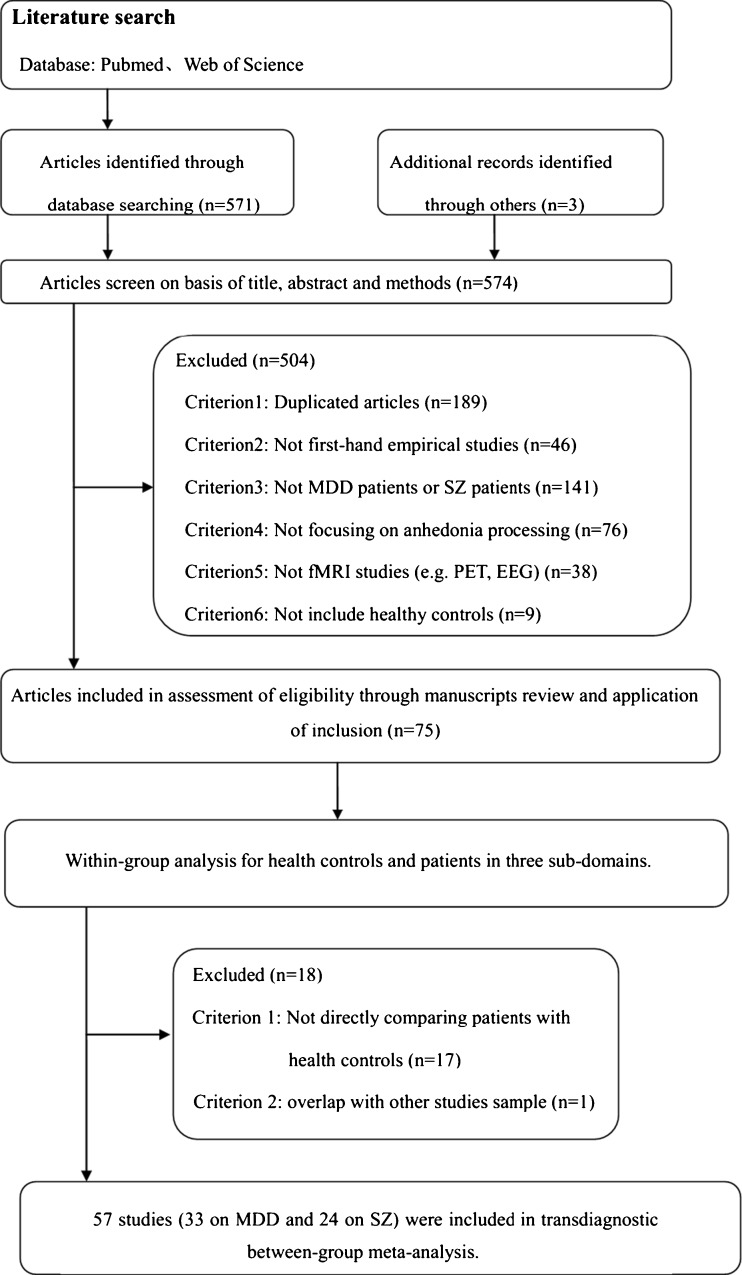
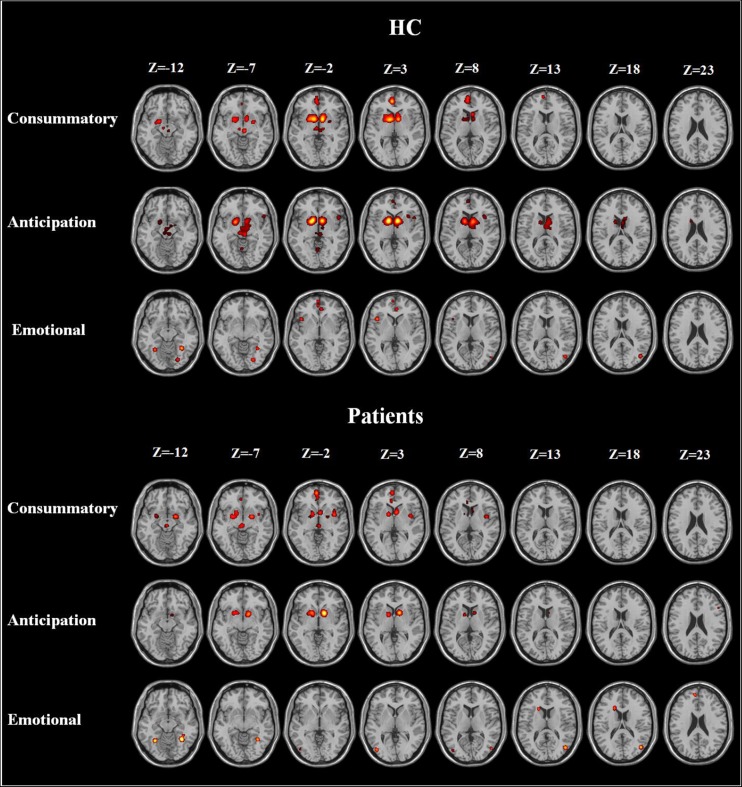
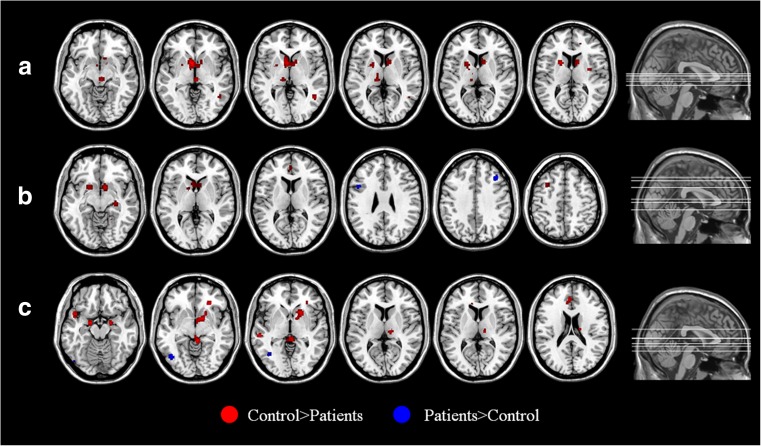
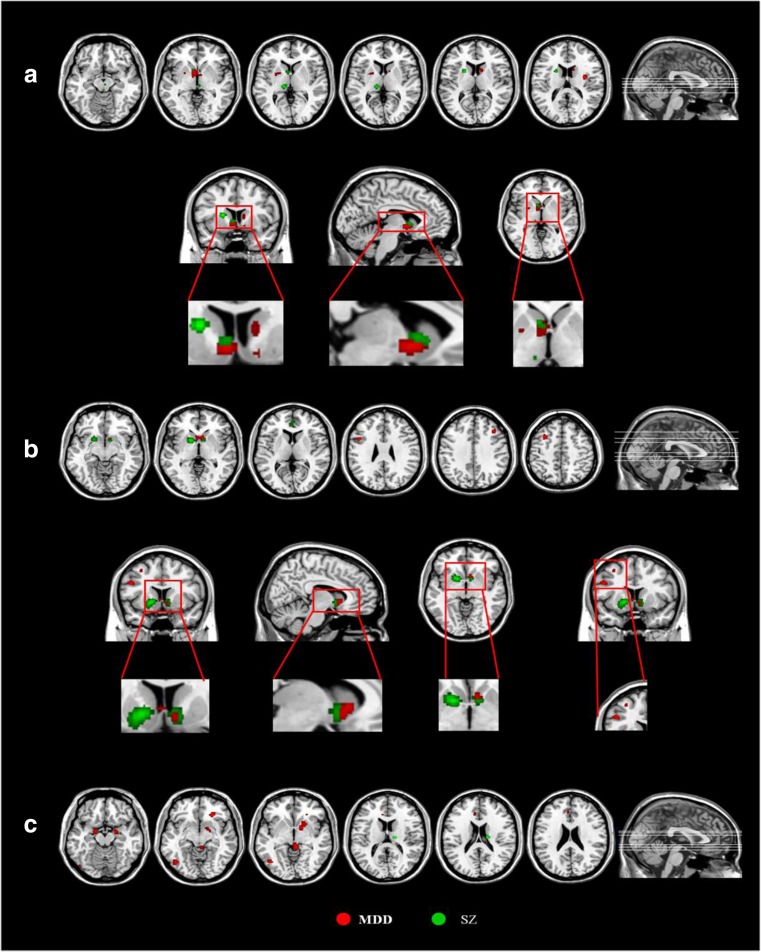
Verification
Claims the paper makes
The claims and statistics of this paper haven’t been checked yet.
Free: it reads the open-access text and checks the first 5 claims that cite a source we can check. Create a free account to check every claim.
Claims other papers make about this one
Each is checked against this paper’s own text: does it say what the citing paper says it does?
The cited source doesn’t support the claim as written.
In the citing paper
“In tasks probing consummatory anhedonia (e.g., receipt of secondary rewards such as money), MDD has been associated with reduced activation in ventral (nucleus accumbens) and dorsal (caudate, putamen) striatum, ACC (rostral, dorsal), and OFC but hyperactivation in the mPFC, vmPFC (including sgACC) and dlPFC [100, 102, 104].”
From Prefrontal cortex and depression (2022) · cites this paper as [100]
Checked by a reasoning model — may be wrong.
Experimental — accuracy not yet measured
Self-check
Percentages, sums and reported differences re-computed from the paper’s own numbers.
The self-check needs the paper’s full text.
Citations
Cites
Insel, T., Cuthbert, B., Garvey, M., Heinssen, R., Pine, D. S., Quinn, K., Sanislow, C., & Wang, P. (2010) · American Journal of Psychiatry · doi:10.1176/appi.ajp.2010.09091379 · Cited by 7,067 · cited 2×
“the NIMH Research Domain Criteria (RDoC) project (Insel et al. 2010), investigators are seeking to use the basic behavioral dimension of functioning, rather than t r a d i t i o n a l d i a gno s t i c c a t e go r i e s , t o i d e n t i f y transdiagnostic neural markers of anhedonia (CorralFrias et al.”
BackgroundMethodThe reward circuit: linking primate anatomy and human imaging
Haber, S. N., & Knutson, B. (2010) · Neuropsychopharmacology · doi:10.1038/npp.2009.129 · Cited by 3,718 · cited 2×
“…forthcoming rewards, including updating/maintaining the value of pleasant stimuli, effort-value computation, decision-making to engage in goal-directed activity and monitoring incentive-based behavioral responses (Haber and Knutson 2010; Pujara and Koenigs 2014; Wallis and Kennerley 2010).”
BackgroundToward the future of psychiatric diagnosis: the seven pillars of RDoC
Cuthbert, B. N., & Insel, T. R. (2013) · BMC Medicine · doi:10.1186/1741-7015-11-126 · Cited by 3,053 · cited 2×
“…(RDoC) project (Insel et al. 2010), investigators are seeking to use the basic behavioral dimension of functioning, rather than traditional diagnostic categories, to identify transdiagnostic neural markers of anhedonia (Corral-Frias et al. 2015; Cuthbert and Insel2013 ; Markou et al. 2009).”
BackgroundThe debate over dopamine’s role in reward: the case for incentive salience
Berridge, K. C. (2007) · Psychopharmacology · doi:10.1007/s00213-006-0578-x · Cited by 2,347 · cited 1×
“Most antidepressant treatments act on the serotonergic or noradrenergic circuits, but not directly enhance Dopamine (DA) neurotransmission, which plays a significant role in motivation and reward processing (Berridge 2007; Treadway and Zald 2011).”
BackgroundThe human orbitofrontal cortex: linking reward to hedonic experience
Kringelbach, M. L. (2005) · Nature Reviews Neuroscience · doi:10.1038/nrn1747 · Cited by 2,180 · cited 2×
“which is considered to be a key cortical region involved in anhedonia, in particular in the reward value presentation (Kringelbach 2005; Pizzagalli 2014).”
BackgroundEickhoff, S. B., Laird, A. R., Grefkes, C., Wang, L. E., Zilles, K., & Fox, P. T. (2009) · Human Brain Mapping · doi:10.1002/hbm.20718 · Cited by 1,924 · cited 6×
“Nevertheless, previous studies suggested that no individual study could significantly bias the results of ALE meta-analyses after including the sample size and number of reported foci into ALE algorithm, changing from fixed-effects to random-effects inference, and revising for multiple comparison correction (Eickhoff…”
BackgroundMethodResultInfluentialBerridge, K. C., & Robinson, T. E. (2003) · Trends in Neurosciences · doi:10.1016/s0166-2236(03)00233-9 · Cited by 1,869 · cited 2×
“…brain activity impairments in experience/ consummatory and motivational/anticipatory stages separately, and they discussed the link between anhedonia and the reward-processing components of ‘ liking ’ and ‘ wanting ’ from the preclinical literature (Berridge and Robinson 2003; Dillon et al. 2008).”
BackgroundPessoa, L., & Adolphs, R. (2010) · Nature Reviews Neuroscience · doi:10.1038/nrn2920 · Cited by 1,794 · cited 1×
“A more recent conceptualization of pulvinar function posited that this region plays an important role in emotional salience and awareness (Hamilton et al. 2012; Pessoa and Adolphs 2010) and has strong bidirectional connectivity with insula and dACC (Mufson and Mesulam 1984).”
BackgroundHaber, S. N., Fudge, J. L., & McFarland, N. R. (2000) · The Journal of Neuroscience · doi:10.1523/jneurosci.20-06-02369.2000 · Cited by 1,610 · cited 2×
“For instance, the striatum can be divided into three functional subregions (i.e., limbic, associative and sensorimotor) based on afferent inputs from the frontal cortex (Haber 2010; Haber et al.2000; Iversen 2010; van den Bos et al. 2014).”
BackgroundMeta-analysis of the functional neuroanatomy of single-word reading: method and validation
Turkeltaub, P. E., Eden, G. F., Jones, K. M., & Zeffiro, T. A. (2002) · NeuroImage · doi:10.1006/nimg.2002.1131 · Cited by 1,604
Cited by
Neuroscience of apathy and anhedonia: a transdiagnostic approach
Husain, M., & Roiser, J. P. (2018) · Nature Reviews Neuroscience · doi:10.1038/s41583-018-0029-9 · Cited by 640
Prefrontal cortex and depression
Pizzagalli, D. A., & Roberts, A. C. (2022) · Neuropsychopharmacology · doi:10.1038/s41386-021-01101-7 · Cited by 667
Reward Processing in Depression: A Conceptual and Meta-Analytic Review Across fMRI and EEG Studies
Keren, H., O’Callaghan, G., Vidal-Ribas, P., Buzzell, G. A., Brotman, M. A., Leibenluft, E., Pan, P. M., Meffert, L., Kaiser, A., Wolke, S., et al. (2018) · American Journal of Psychiatry · doi:10.1176/appi.ajp.2018.17101124 · Cited by 521
“Anhedonia is a core feature of depression closely linked to reward processing (102).”
BackgroundDissecting diagnostic heterogeneity in depression by integrating neuroimaging and genetics
Buch, A. M., & Liston, C. (2021) · Neuropsychopharmacology · doi:10.1038/s41386-020-00789-3 · Cited by 274
Evidence-based umbrella review of 162 peripheral biomarkers for major mental disorders
Carvalho, A. F., Solmi, M., Sanches, M., Machado, M. O., Stubbs, B., Ajnakina, O., Sherman, C., Sun, Y. R., Liu, C. S., Brunoni, A. R., et al. (2020) · Translational Psychiatry · doi:10.1038/s41398-020-0835-5 · Cited by 204
Pizzagalli, D. A. (2022) · American Journal of Psychiatry · doi:10.1176/appi.ajp.20220423 · Cited by 199
“Notably, reward-related blunting in these regions has been accompanied byhyperactivation in themedial prefrontal cortex (mPFC), ventromedial prefrontal cortex (vmPFC; including the sgACC), and dorsolateral prefrontal cortex (dlPFC) (33, 38, 49).”
BackgroundZhong, X., Pu, W., & Yao, S. (2016) · Journal of Affective Disorders · doi:10.1016/j.jad.2016.09.005 · Cited by 163
Self-citationAnhedonia in depression and schizophrenia: A transdiagnostic challenge
Lambert, C., Da Silva, S., Ceniti, A. K., Rizvi, S. J., Foussias, G., & Kennedy, S. H. (2018) · CNS Neuroscience & Therapeutics · doi:10.1111/cns.12854 · Cited by 155
Roles of the medial and lateral orbitofrontal cortex in major depression and its treatment
Zhang, B., Rolls, E. T., Wang, X., Xie, C., Cheng, W., & Feng, J. (2024) · Molecular Psychiatry · doi:10.1038/s41380-023-02380-w · Cited by 156
“…to the consistent fi nding that blunted neural responses in the ventral striatum /nucleus accumbens (NAcc) are involved in de fi cits in reward anticipation [97, 98], hypoactivation of the OFC (which projects to the VS) also plays a crucial role in the anticipation of rewards in depressed states.”
BackgroundSelf-citationWard, J., Lyall, L. M., Bethlehem, R. A. I., Ferguson, A., Strawbridge, R. J., Lyall, D. M., Cullen, B., Graham, N., Johnston, K. J. A., Bailey, M. E. S., et al. (2019) · Translational Psychiatry · doi:10.1038/s41398-019-0635-y · Cited by 83
Ding, Y., Chen, X., Chen, Z., Li, L., Li, X., Castellanos, F. X., Bai, T., Bo, Q., Cao, J., Chang, Z., et al. (2022) · Translational Psychiatry · doi:10.1038/s41398-022-01995-x · Cited by 94
“A previous meta-analysis reported that decreased activation in the left ACC was associated with consummatory anhedonia in patients with MDD [54].”
BackgroundSelf-citationAnhedonia in depression and bipolar disorder
Whitton, A. E., & Pizzagalli, D. A. (2022) · Current topics in behavioral neurosciences · doi:10.1007/7854_2022_323 · Cited by 80
“Reduced activation in ventral (nucleus accumbens) and dorsal (caudate, putamen) striatum, ACC, and OFC, as well as potentiated activation in various PFC regions (medial PFC, ventromedial PFC, and dorsolateral PFC) has emerged in tasks probing consummatory anhedonia (Borsini et al. 2020; O’Callaghan and Stringaris 2019…”
BackgroundLiu, R., Wang, Y., Chen, X., Zhang, Z., Xiao, L., & Zhou, Y. (2021) · NeuroImage Clinical · doi:10.1016/j.nicl.2021.102599 · Cited by 93
“left ACC (including sgACC and pgACC) was associated with consummatory anhedonia in MDD patients (Zhang et al., 2016).”
BackgroundWu, X., Lin, P., Yang, J., Song, H., Yang, R., & Yang, J. (2016) · Journal of Affective Disorders · doi:10.1016/j.jad.2016.04.046 · Cited by 73
Self-citationAnhedonia in Depression and Schizophrenia: Brain Reward and Aversion Circuits
Liang, S., Wu, Y., Hanxiaoran, L., Greenshaw, A. J., & Li, T. (2022) · Neuropsychiatric Disease and Treatment · doi:10.2147/ndt.s367839 · Cited by 95
“1,22,24,46,100,101 A transdiagnostic meta-analysis reported that consummatory anhedonia is associated with decreased activation of the ventral basal ganglia region in both disorders, and anticipatory anhedonia is linked to areas of the frontostriatal circuitry, which include the ventral striatum,…”
Anhedonia as a Key Clinical Feature in the Maintenance and Treatment of Opioid Use Disorder
Kiluk, B. D., Yip, S. W., DeVito, E. E., Carroll, K. M., & Sofuoglu, M. (2019) · Clinical Psychological Science · doi:10.1177/2167702619855659 · Cited by 66
Bodén, R., Bengtsson, J., Thörnblom, E., Struckmann, W., & Persson, J. (2021) · Journal of Affective Disorders · doi:10.1016/j.jad.2021.04.053 · Cited by 75
Dunlop, K., Rizvi, S. J., Kennedy, S. H., Hassel, S., Strother, S. C., Harris, J. K., Zamyadi, M., Arnott, S. R., Davis, A. D., Mansouri, F., et al. (2020) · Neuropsychopharmacology · doi:10.1038/s41386-020-0688-x · Cited by 72
Szczypiński, J., & Gola, M. K. (2018) · Reviews in the Neurosciences · doi:10.1515/revneuro-2017-0091 · Cited by 68
“, 2009), and also different anatomical brain templates (Zhang et al., 2016).”
BackgroundResultSpano, M. C., Lorusso, M., Pettorruso, M., Zoratto, F., Di Giuda, D., Martinotti, G., & di Giannantonio, M. (2019) · CNS Neuroscience & Therapeutics · doi:10.1111/cns.13230 · Cited by 52
Yang, X., Su, Y., Yang, F., Song, Y. Y., Yan, J., Luo, Y., & Zeng, J. (2022) · Psychological Medicine · doi:10.1017/s0033291722002707 · Cited by 58
Sex differences in the human reward system: convergent behavioral, autonomic and neural evidence
Warthen, K., Boyse-Peacor, A., Jones, K. G., Sanford, B., Love, T., & Mickey, B. J. (2020) · Social Cognitive and Affective Neuroscience · doi:10.1093/scan/nsaa104 · Cited by 57
“Decreased mesoaccumbal function and electrodermal hyporeactivity have previously been linked with depression and suicide (Thorell et al., 2013; Zhang et al., 2013; Zhang et al., 2016), so the lower activation of the mesoaccumbal pathway and lower SCRs we found among a community sample of women compared to men may also…”
BackgroundResultYang, J., Yin, Y., Svob, C., Long, J., He, X., Zhang, Y., Xu, Z., Li, L., Liu, J., Dong, J., et al. (2017) · PLoS ONE · doi:10.1371/journal.pone.0168239 · Cited by 57
Ashok, A. H., Myers, J., Marques, T. R., Rabiner, E. A., & Howes, O. D. (2019) · Nature Communications · doi:10.1038/s41467-019-12366-4 · Cited by 50
The Prevalence of Negative Symptoms Across the Stages of the Psychosis Continuum
Sauvé, G., Brodeur, M. B., Shah, J. L., & Lepage, M. (2018) · Harvard Review of Psychiatry · doi:10.1097/hrp.0000000000000184 · Cited by 60
Categorizing and assessing negative symptoms
Bucci, P., & Galderisi, S. (2017) · Current Opinion in Psychiatry · doi:10.1097/yco.0000000000000322 · Cited by 56
Meta‐analytic evidence for altered mesolimbic responses to reward in schizophrenia
Chase, H. W., Loriemi, P., Wensing, T., Eickhoff, S. B., & Nickl‐Jockschat, T. (2018) · Human Brain Mapping · doi:10.1002/hbm.24049 · Cited by 51
“, 2015) and one using trans-diagnostic inclusion criteria (Zhang et al., 2016), by confirming an alteration in ventral striatal BOLD signal in SCZ compared to controls.”
BackgroundResultInfluentialGuessoum, S. B., Strat, Y. L., Dubertret, C., & Mallet, J. (2020) · Progress in Neuro-Psychopharmacology and Biological Psychiatry · doi:10.1016/j.pnpbp.2020.109862 · Cited by 56
Altered directed functional connectivity of the right amygdala in depression: high-density EEG study
Damborská, A., Honzírková, E., Barteček, R., Hořínková, J., Fedorová, S., Ondruš, Š., Michel, C. M., & Rubega, M. (2020) · Scientific Reports · doi:10.1038/s41598-020-61264-z · Cited by 50
“2 Network metrics 242 The connectivity network measures that we performed in the [4-12] Hz frequency range, showed 243 increased values in patients compared to controls at both levels.”
BackgroundMethodInfluentialA Pilot Study Investigating the Effect of Music-Based Intervention on Depression and Anhedonia
Janzen, T. B., Shirawi, M. I. A., Rotzinger, S., Kennedy, S. H., & Bartel, L. (2019) · Frontiers in Psychology · doi:10.3389/fpsyg.2019.01038 · Cited by 57
Pornpattananangkul, N., Leibenluft, E., Pine, D. S., & Stringaris, A. (2019) · JAMA Psychiatry · doi:10.1001/jamapsychiatry.2019.0020 · Cited by 43
RetractedXia, J., Fan, J., Du, H., Liu, W., Li, S., Zhu, J., Yi, J., Tan, C., & Zhu, X. (2019) · Journal of Affective Disorders · doi:10.1016/j.jad.2019.08.019 · Cited by 47
Pleasure, Reward Value, Prediction Error and Anhedonia
Kieslich, K., Valton, V., & Roiser, J. P. (2022) · Current topics in behavioral neurosciences · doi:10.1007/7854_2021_295 · Cited by 64
Lalousis, P. A., Wood, S. J., Schmaal, L., Chisholm, K., Griffiths, S. L., Reniers, R. L. E. P., Bertolino, A., Borgwardt, S., Brambilla, P., Kambeitz, J., et al. (2021) · Schizophrenia Bulletin · doi:10.1093/schbul/sbaa185 · Cited by 42
“50 Our GMV model revealed that orbitofrontal areas were higher weighted in the classification to the ROD group.”
MethodŠagud, M., Tudor, L., Šimunić, L., Jezernik, D., Madžarac, Z., Jakšić, N., Peleš, A. M., Vuksan‐Ćusa, B., Filipčić, I. Š., Stefanović, I., et al. (2020) · Suicide and Life-Threatening Behavior · doi:10.1111/sltb.12724 · Cited by 41
Gandhi, A., Mote, J., & Fulford, D. (2022) · Psychiatry Research · doi:10.1016/j.psychres.2021.114379 · Cited by 39
“Anhedonia is characterized by a reduced experience of pleasure, at least partly reflected by impaired reward processing (Zhang et al., 2016), that can limit goal-directed activity and associated psychosocial functioning (Barch and Dowd, 2010; Kring and Barch, 2014).”
BackgroundRisbrough, V. B., Glynn, L. M., Davis, E. P., Sandman, C. A., Obenaus, A., Stern, H. S., Keator, D. B., Yassa, M. A., Baram, T. Z., & Baker, D. G. (2018) · Current topics in behavioral neurosciences · doi:10.1007/7854_2018_51 · Cited by 39
Reward anticipation in schizophrenia: A coordinate-based meta-analysis
Leroy, A., Amad, A., D'Hondt, F., Pins, D., Jaafari, N., Thomas, P., & Jardri, R. (2020) · Schizophrenia Research · doi:10.1016/j.schres.2019.12.041 · Cited by 39
Liu, X., Li, L., Li, M., Ren, Z., & Ma, P. (2020) · Psychiatry Research Neuroimaging · doi:10.1016/j.pscychresns.2020.111239 · Cited by 43
Barch, D. M., Culbreth, A. J., Ben‐Zeev, D., Campbell, A. T., Nepal, S. K., & Moran, E. K. (2023) · Biological Psychiatry · doi:10.1016/j.biopsych.2023.04.007 · Cited by 49
Neural mapping of anhedonia across psychiatric diagnoses: A transdiagnostic neuroimaging analysis
Schaub, A.-C., Kirschner, M., Schweinfurth, N., Mählmann, L., Kettelhack, C., Engeli, E., Doll, J. P. K., Borgwardt, S., Lang, U. E., Kaiser, S., et al. (2021) · NeuroImage Clinical · doi:10.1016/j.nicl.2021.102825 · Cited by 42
“A previous meta-analysis revealed that both consummatory and anticipatory anhedonia was associated with reduced putamen activity in MDD and SZ patients compared to healthy volunteers (Zhang et al., 2016).”
ResultZhang, B., Li, S., Zhuo, C., Li, M., Safron, A., Genz, A., Qin, W., Yu, C., & Walter, M. (2016) · Journal of Affective Disorders · doi:10.1016/j.jad.2016.08.042 · Cited by 44
Self-citationLin, P., Wang, X., Zhang, B., Kirkpatrick, B. W., Öngür, D., Levitt, J. J., Jovicich, J., Yao, S., & Wang, X. (2017) · Human Brain Mapping · doi:10.1002/hbm.23879 · Cited by 39
Self-citationDunlop, K., Grosenick, L., Downar, J. H., Vila‐Rodriguez, F., Gunning, F. M., Daskalakis, Z. J., Blumberger, D. M., & Liston, C. M. (2024) · Biological Psychiatry · doi:10.1016/j.biopsych.2024.01.012 · Cited by 40
Cui, X., Guo, W., Wang, Y., Yang, T., Yang, X., Wang, Y., Gong, J., Tan, C., & Xie, G. (2016) · International Journal of Psychophysiology · doi:10.1016/j.ijpsycho.2016.12.005 · Cited by 35
Altered motivation of effortful decision‐making for self and others in subthreshold depression
Bi, R., Dong, W., Zheng, Z., Li, S., & Zhang, D. (2022) · Depression and Anxiety · doi:10.1002/da.23267 · Cited by 38
Madžarac, Z., Tudor, L., Šagud, M., Erjavec, G. N., Peleš, A. M., & Pivac, N. (2021) · Current Issues in Molecular Biology · doi:10.3390/cimb43020045 · Cited by 29
“For example, while consummatory anhedonia was associated with decreased ventral striatal activity, anticipatory anhedonia was related to fronto-striatal pathway deficits (except from the ventral striatum) [69].”
BackgroundPhenotypic and genetic associations between anhedonia and brain structure in UK Biobank
Zhu, X., Ward, J., Cullen, B., Lyall, D. M., Strawbridge, R. J., Lyall, L. M., & Smıth, D. J. (2021) · Translational Psychiatry · doi:10.1038/s41398-021-01522-4 · Cited by 33
“A meta-analysis for emotion/reward tasks in relation to anhedonia also observed associations with altered activation in widespread regions including PHC, STG and insula cortex in healthy controls and patients with schizophrenia or MDD (47).”
BackgroundWu, Z., Fang, X., Yu, L., Wang, D., Liu, R., Teng, X., Guo, C., Ren, J., & Zhang, C. (2021) · Journal of Affective Disorders · doi:10.1016/j.jad.2021.09.104 · Cited by 33
Ritsner, M. S., & Ratner, Y. (2018) · The Journal of Nervous and Mental Disease · doi:10.1097/nmd.0000000000000923 · Cited by 32
Trait Anhedonia in Schizophrenia: A Systematic Review and Comparative Meta-analysis
Krzyzanowski, D. J., Wu, S., Carnovale, M., Agarwal, S. M., Remington, G. J., & Goghari, V. M. (2021) · Schizophrenia Bulletin · doi:10.1093/schbul/sbab136 · Cited by 48
Barch, D. M., Gold, J. M., & Kring, A. M. (2017) · Schizophrenia Bulletin · doi:10.1093/schbul/sbx063 · Cited by 30
The impact of overweight/obesity on monetary reward processing: A systematic review
Gill, H., Gill, B., Lipsitz, O., Rodrigues, N. B., Cha, D. S., El‐Halabi, S., Mansur, R. B., Rosenblat, J. D., Cooper, D. H., Lee, Y. L., et al. (2021) · Journal of Psychiatric Research · doi:10.1016/j.jpsychires.2021.03.029 · Cited by 29
Ji, X., Zhao, J., Fan, L., Li, H., Lin, P., Zhang, P., Fang, S., Law, S., Yao, S., & Wang, X. (2021) · Journal of Clinical Psychology · doi:10.1002/jclp.23246 · Cited by 27
Self-citationGao, K., Sweet, J. A., Su, M., & Calabrese, J. R. (2017) · Asian Journal of Psychiatry · doi:10.1016/j.ajp.2017.02.013 · Cited by 24
“…mood and hedonic experience are highly connected although the prefrontal cortices play a major role in mood regulation and the striatum play a critical role in hedonic experience (Sternat & Katzman, 2016; Ferenczi et al, 2016; Zhang et al., 2016; Der-Avakian & Markou, 2012; Schlaefer et al., 2008).”
BackgroundPharmacological Treatments for Anhedonia
Klein, M. E., Grice, A. B., Sheth, S., Go, M., & Murrough, J. W. (2022) · Current topics in behavioral neurosciences · doi:10.1007/7854_2022_357 · Cited by 29
Potvin, S., Tikàsz, A., Richard‐Devantoy, S., Lungu, O., & Dumais, A. (2018) · Schizophrenia Research and Treatment · doi:10.1155/2018/9898654 · Cited by 28
“, reduced ability to experience pleasure) [34] and that anhedonia is associated with suicidal behavior in schizophrenia, as shown in a 14-year longitudinal study involving 150 patients [35].”
Backgroundkhodadadifar, T., Soltaninejad, Z., Ebneabbasi, A., Eickhoff, C. R., Sorg, C., van Eimeren, T., Vogeley, K. T., Zarei, M., Eickhoff, S. B., & Tahmasian, M. (2021) · Human Brain Mapping · doi:10.1002/hbm.25722 · Cited by 24
Barendse, M. E. A., Lara, G. A., Guyer, A. E., Swartz, J. R., Taylor, S. L., Shirtcliff, E. A., Lamb, S. T., Miller, C., Ng, J., Yu, G., et al. (2023) · Schizophrenia Research · doi:10.1016/j.schres.2022.12.011 · Cited by 25
A three-dimensional model of neural activity and phenomenal-behavioral patterns
Martino, M., & Magioncalda, P. (2023) · Molecular Psychiatry · doi:10.1038/s41380-023-02356-w · Cited by 22
Yankouskaya, A., Denholm-Smith, T., Yi, D., Greenshaw, A. J., Cao, B., & Sui, J. (2022) · Frontiers in Systems Neuroscience · doi:10.3389/fnsys.2022.833625 · Cited by 25
“Well-documented studies indicate that dysfunction in emotion- and reward-related processing may be a prominent transdiagnostic feature for a number of psychiatric disorders (Ryan and Skandali, 2016; Sabharwal et al., 2016; Zhang et al., 2016; Barkus and Badcock, 2019; Scalabrini et al., 2020).”
BackgroundKotoula, V., Stringaris, A. K., Mackes, N. K., Mazibuko, N., Hawkins, P. C. T., Furey, M., Curran, H. V., & Mehta, M. A. (2021) · Biological Psychiatry Cognitive Neuroscience and Neuroimaging · doi:10.1016/j.bpsc.2021.05.009 · Cited by 32
Phillips, R., Walsh, E. C., Zürcher, N. R., Lalush, D. S., Kinard, J. L., Tseng, C.-E. J., Cernasov, P., Kan, D., Cummings, K. K., Kelley, L., et al. (2022) · Psychiatry Research Neuroimaging · doi:10.1016/j.pscychresns.2023.111660 · Cited by 22
“, 2020) and consummatory processing (Nawijn et al., 2015; Ng et al., 2019; Zhang et al., 2016) in psychiatric populations where anhedonia is a central feature.”
BackgroundFeng, C., Huang, W., Xu, K., Stewart, J. L., Camilleri, J. A., Yang, X., Wei, P., Gu, R., Luo, W., & Eickhoff, S. B. (2022) · Clinical Psychology Review · doi:10.1016/j.cpr.2022.102189 · Cited by 20
Depression and approach-avoidance decisions to emotional displays: The role of anhedonia
Grèzes, J., Risch, N., Courtet, P., Olié, É., & Mennella, R. (2023) · Behaviour Research and Therapy · doi:10.1016/j.brat.2023.104306 · Cited by 17
Nkire, N., Scully, P. J., Browne, D. J., Baldwin, P. A., Kingston, T., Owoeye, O., Kinsella, A., O’Callaghan, E., Russell, V., & Waddington, J. L. (2019) · Psychological Medicine · doi:10.1017/s0033291719003520 · Cited by 24
“It might be argued that extent of depressive symptoms, particularly in MDDP, could confound assessment of negative symptoms; however, features such as anhedonia are considered to be a ‘core’ feature of both SZ and major depressive disorder, whether with or without psychotic features (see DSM-IV), having a neurobiology…”
BackgroundDaniels, A., Wellan, S. A., Beck, A., Erk, S., Wackerhagen, C., Romanczuk‐Seiferth, N., Schwarz, K., Schweiger, J. I., Meyer‐Lindenberg, A., Heinz, A., et al. (2025) · Cognitive Affective & Behavioral Neuroscience · doi:10.3758/s13415-024-01261-1 · Cited by 23
“…also reported (Kumari et al., 2003; Mit-terschiffthaler et al., 2003; Remijnse et al., 2009), but the overall evidence points towards decreased striatal (including putamen) reward processing in MD, as demonstrated in recent meta-analyses (Keren et al., 2018; Yang et al., 2022; Zhang et al., 2016).”
Zhang, Y., Cui, X., Ou, Y., Liu, F., Li, H., Chen, J., Zhao, J., Xie, G., & Guo, W. (2022) · Frontiers in Psychiatry · doi:10.3389/fpsyt.2021.763770 · Cited by 19
“The default mode network (DMN) (18), frontal-limbic network (34, 35), reward system (17, 36, 37), and frontal-striatal network (6, 38) are related to MEL features.”
BackgroundLi, S., Zhang, Y., Fan, J., Liu, W., Gan, J., He, J., Yi, J., Tan, C., & Zhu, X. (2019) · Frontiers in Psychology · doi:10.3389/fpsyg.2019.01196 · Cited by 18
Yu, F., Fang, H., Zhang, J., Wang, Z., Ai, H., Kwok, V. P. Y., Fang, Y., Guo, Y., Wang, X., Zhu, C., et al. (2022) · Depression and Anxiety · doi:10.1002/da.23292 · Cited by 20
“, 2021) and extend the previous findings of frontostriatal network model in anhedonia (Gabbay et al., 2013; Zhang et al., 2016).”
BackgroundSelf-citationDu, Y., He, L., Wang, Y., & Liao, D. (2022) · Frontiers in Human Neuroscience · doi:10.3389/fnhum.2022.854692 · Cited by 20
Berg, M., Riehle, M., Rief, W., & Lincoln, T. M. (2023) · Journal of Psychiatric Research · doi:10.1016/j.jpsychires.2023.01.014 · Cited by 16
Lee, S. W., Kim, S., Chang, Y., Cha, H., Noeske, R., Choi, C., & Lee, S. J. (2024) · Biological Psychiatry · doi:10.1016/j.biopsych.2024.08.018 · Cited by 16
Neuropeptide Y and representation of salience in human nucleus accumbens
Warthen, K., Sanford, B., Walker, K. A., Jones, K. G., Angstadt, M., Sripada, C., Goldman, D. A., Zubieta, J.-K., Welsh, R. C., Burmeister, M., et al. (2018) · Neuropsychopharmacology · doi:10.1038/s41386-018-0230-6 · Cited by 16
“However, we believe our findings are consistent with studies of schizophrenia, depression, and trait anhedonia which suggest that striatal hypoactivation may be characteristic of anhedonia rather than major depressive disorder per se [46, 47].”
ResultRezaei, M., Bagheri, M. M. S., Khazaei, S., & Garavand, H. (2023) · Journal of Affective Disorders · doi:10.1016/j.jad.2023.07.065 · Cited by 15
Pyszkowska, A., Åström, E., & Rönnlund, M. (2024) · Frontiers in Psychology · doi:10.3389/fpsyg.2023.1290676 · Cited by 17
“As persons with depression experience elevated rates of anhedonia (Zhang et al., 2016), individuals with higher levels of Present Hedonistic may be unable to fulfill their needs for stimulation due to the blockage of pleasant stimuli, and that would enhance depressive mood (Bodecka et al., 2021).”
BackgroundHan, Y., Jing, Y., Li, X., Zhou, H.-W., & Deng, F. (2024) · NeuroImage · doi:10.1016/j.neuroimage.2024.120664 · Cited by 16
“Furthermore, one meta-analysis revealed that reduced activation of the ventral basal ganglia, VTA, and left ACC was associated with anhedonia in patients with major depressive disorder (MDD) (Zhang et al., 2016).”
BackgroundThe Use of Ketamine for the Treatment of Anhedonia in Depression
Patarroyo-Rodríguez, L., Cavalcanti, S., Voort, J. L. V., & Singh, B. (2024) · CNS Drugs · doi:10.1007/s40263-024-01099-8 · Cited by 16
“It is important to note that the profile of activation/inactivation of these areas is related to the underlying condition, the imaging technique, and the paradigm used in the study, with often inconsistent results [47].”
Saward, J. B., Ellis, E. G., Cobden, A. L., & Caeyenberghs, K. (2022) · Brain Imaging and Behavior · doi:10.1007/s11682-022-00655-4 · Cited by 14
“, 2020) and major depressive disorders (Zhang et al., 2016).”
Yan, H., Lau, W. K., Eickhoff, S. B., Long, J., Song, X., Wang, C., Zhao, J., Feng, X., Huang, R., Wang, M., et al. (2022) · Progress in Neuro-Psychopharmacology and Biological Psychiatry · doi:10.1016/j.pnpbp.2022.110618 · Cited by 21
Souther, M. K., Wolf, D. H., Kazinka, R., Lee, S., Ruparel, K., Elliott, M. A., Xu, A., Cieslak, M., Prettyman, G. E., Satterthwaite, T. D., et al. (2022) · NeuroImage Clinical · doi:10.1016/j.nicl.2022.103227 · Cited by 15
Díaz, A. P., Fernandes, B. S., Teixeira, A. L., Mwangi, B., Hasan, K. M., Wu, M., Selvaraj, S., Suen, P. J. C., Zanao, T. A., Brunoni, A. R., et al. (2021) · Journal of Affective Disorders · doi:10.1016/j.jad.2021.12.037 · Cited by 14
Macoveanu, J., Meluken, I., Chase, H. W., Phillips, M. L., Kessing, L. V., Siebner, H. R., Vinberg, M., & Miskowiak, K. W. (2021) · Psychological Medicine · doi:10.1017/s0033291720000367 · Cited by 12
“Increased recruitment of ACC (BA32), together with other frontostriatal regions, has previously been associated with anticipatory anhedonia in a transdiagnostic meta-analysis in UD and schizophrenia (Zhang et al., 2016).”
BackgroundOh, J., Lee, E., Cha, E. J., Seo, H., & Choi, K. (2023) · Schizophrenia Research · doi:10.1016/j.schres.2022.12.051 · Cited by 17
Perrottelli, A., Giordano, G. M., Koenig, T. W., Caporusso, E., Giuliani, L., Pezzella, P., Bucci, P., Mucci, A., & Galderisi, S. (2023) · Brain Topography · doi:10.1007/s10548-023-00984-7 · Cited by 13
“It is believed that the clinical phenotype of anhedonia reflects the presence of dysfunctions in the cerebral networks involved in reward processing (Der-Avakian and Markou 2012; Liang et al. 2022; Zhang et al. 2016).”
BackgroundWu, Y., Su, Y., Zhu, L.-L., Yan, C., Li, J., Lin, J., Chen, J., Chen, L., Li, K., Stein, D. J., et al. (2024) · Translational Psychiatry · doi:10.1038/s41398-024-02838-7 · Cited by 14
Further support for association between GWAS variant for positive emotion and reward systems
Lancaster, T. M., Ihssen, N., Brindley, L. M., & Linden, D. E. J. (2017) · Translational Psychiatry · doi:10.1038/tp.2016.289 · Cited by 13
Petrie, D. J., Knapp, K. S., Freet, C. S., Deneke, E., Brick, T. R., Cleveland, H. H., & Bunce, S. C. (2022) · Brain Research Bulletin · doi:10.1016/j.brainresbull.2022.09.012 · Cited by 11
Mapping anticipatory anhedonia: an fMRI study
Szczepanik, J. E., Reed, J. L., Nugent, A. C., Ballard, E. D., Evans, J. W., Lejuez, C. W., & Zarate, C. A. (2019) · Brain Imaging and Behavior · doi:10.1007/s11682-019-00084-w · Cited by 10
Predictive processing accounts of psychosis: bottom-up or top-down disruptions
Goodwin, I., Diederen, K. M. J., Hird, E., Weilnhammer, V. A., Garrido, M. I., & Knolle, F. (2026) · Nature Mental Health · doi:10.1038/s44220-025-00558-5 · Cited by 15
“Depressed individuals indeed show reduced striatal activation during reward anticipation 112–114 , similarly to schizophrenia 115 .”
Increased Functional Coupling between VTA and Hippocampus during Rest in First-Episode Psychosis
Gregory, D. F., Rothrock, J. M., Jalbrzikowski, M., Foran, W., Montez, D. F., Luna, B., & Murty, V. P. (2021) · eNeuro · doi:10.1523/eneuro.0375-20.2021 · Cited by 10
Macroscopic resting state model predicts theta burst stimulation response: A randomized trial
Kaboodvand, N., Iravani, B., van den Heuvel, M. P., Persson, J., & Bodén, R. (2023) · PLoS Computational Biology · doi:10.1371/journal.pcbi.1010958 · Cited by 10
Chu, M., Li, S., Wang, Y., Lui, S. S. Y., & Chan, R. C. K. (2023) · PsyCh Journal · doi:10.1002/pchj.723 · Cited by 11
“A previous meta-analysis revealed that anticipatory anhedonia involved dysfunctions in frontal-striatal networks, whereas consummatory anhedonia involved the ventral basal ganglia area (Zhang et al., 2016).”
BackgroundResultZhang, B., Lin, P., Wang, X., Öngür, D., Ji, X., Situ, W., Yao, S., & Wang, X. (2019) · Frontiers in Psychiatry · doi:10.3389/fpsyt.2019.00756 · Cited by 15
Self-citationKotoula, V., Stringaris, A. K., Mackes, N. K., Mazibuko, N., Hawkins, P. C. T., Furey, M., Curran, H. V., & Mehta, M. A. (2020) · medRxiv · doi:10.1101/2020.12.07.20230151 · Cited by 9
“In depression, recent meta-analyses showed that the ventral striatum (VS), the caudate and the putamen present with decreased activation during the anticipation and feedback phases of the MID (2, 11-14).”
BackgroundResultWu, Q., He, J., Fang, S., Zhang, P., Luo, X., Zhang, J., Xiong, Y., Luo, F., Wang, X., Yao, S., et al. (2020) · BMC Psychiatry · doi:10.1186/s12888-020-02900-w · Cited by 9
“Anhedonia, defined as a diminished or absent ability to experience pleasure in normally pleasurable daily activities [1], has been associated with a neurotransmitter imbalance in reward processing circuitry involving multiple neuroanatomical areas[2-4] and dopamine dysregulation [3, 5, 6].”
BackgroundSelf-citationShatalina, E., Ashok, A. H., Wall, M. B., Nour, M. M., Myers, J., Marques, T. R., Rabiner, E. A., & Howes, O. D. (2023) · NeuroImage Clinical · doi:10.1016/j.nicl.2023.103481 · Cited by 10
Lv, R., Cai, M., Tang, N., Shi, Y., Zhang, Y., Liu, N., Han, T., Zhang, Y., & Wang, H. (2024) · Trials · doi:10.1186/s13063-023-07814-y · Cited by 8
Amad, A., Expert, P., Lord, L.-D., Fovet, T., & Geoffroy, P. A. (2019) · The Neuroscientist · doi:10.1177/1073858419867083 · Cited by 8
Brain network localization of anhedonia
Liu, C., Song, Y., Zhao, X., Wang, Z., Yan, L., Yu, Y., & Zhu, J. (2026) · Translational Psychiatry · doi:10.1038/s41398-026-04005-6 · Cited by 11
Metadata
- Authors
- Zhang, B., Lin, P., Shi, H., Öngür, D., Auerbach, R. P., Wang, X., Yao, S., & Wang, X.
- Affiliations
- Second Xiangya Hospital of Central South University (CN)
- Xi'an Jiaotong University (CN)
- Shanghai Normal University (CN)
- Harvard University (US)
- Central South University (CN)
- Corresponding author
- Wang, Xiaosheng
- Venue
- Brain Imaging and Behavior
- Published
- 2015-10-20
- Volume
- 10
- Issue
- 3
- Pages
- 920-939
- ISSN
- 1931-7557 (ISSN-L)
- 1931-7565
- PMC
- PMC4838562
- OpenAlex
- W2119831202
- Semantic Scholar
- 1d9332ed48f89a64ed99bbd8181003f5683bad03
- Cited by
- 152
- References
- 142
- Citations by year
- 2026: 11 · 2025: 13 · 2024: 14 · 2023: 21 · 2022: 24 · 2021: 16 · 2020: 16 · 2019: 13 · 2018: 11 · 2017: 7 · 2016: 6
- FWCI
- 0.79
- Type
- journal article
- Language
- en
- Open access
- hybrid
- doi.org
- Locations
- Brain Imaging and Behavior (publishedVersion, cc-by)
- PubMed Central (publishedVersion, cc-by)
- PubMed (publishedVersion)
- Digital Access to Scholarship at Harvard (DASH) (Harvard University) (submittedVersion, cc-by)
- Funders
- National Natural Science Foundation of China (61473221, 30700236)
- Program for New Century Excellent Talents in University
- National Institute of Mental Health (R01MH094594, K23MH097786)
- Topics
- Life Sciences › Neuroscience › Cognitive Neuroscience › Neural and Behavioral Psychology Studies
- Life Sciences › Neuroscience › Cellular and Molecular Neuroscience › Neurotransmitter Receptor Influence on Behavior
- Health Sciences › Medicine › Psychiatry and Mental health › Schizophrenia research and treatment
- Keywords
- anhedonia, transdiagnostic approach, major depressive disorder, schizophrenia, consummatory anhedonia, anticipatory anhedonia, emotional processing, reward processing, ventral striatum, dorsal anterior cingulate cortex
- MeSH terms
- Brain, Brain Mapping, Major Depressive Disorder, Humans, Schizophrenia, Anhedonia
About these checks
Registry, retraction, Cites and statistics results are computed, not judged, with one exception: a printed reference that no index lists is read once by a model before it counts as a citation error. Claims are extracted by a model and kept only when their quote appears verbatim in the text; each cited source is then checked, with a model’s help, for whether it says what the claim relies on. Those verdicts can be wrong — read the claim’s quote and the cited source before relying on one.
Statistics and arithmetic are recomputed, not judged.
Confidence bands are shown only for fields calibrated on our annotated test set. None is calibrated yet, so no band is shown.
What counts as a claim ›How we measure confidence ›How we check this ›
Are you an author, or do you see a problem with this page? Request a review
Data sources
Bibliographic data: Semantic Scholar, OpenAlex, Crossref.
Contains information from the Semantic Scholar Academic Graph Datasets, made available under the ODC Attribution License (ODC-BY 1.0).
Semantic Scholar’s data is described in: Kinney, R., et al. (2023). The Semantic Scholar Open Data Platform. arXiv:2301.10140.
