

Mapping anhedonia-specific dysfunction in a transdiagnostic approach: an ALE meta-analysis
Open accessThe DOI matches its Crossref record; 142 of the 142 references it cites were found in a registry or an index.
Abstract
Anhedonia is a prominent symptom in neuropsychiatric disorders, most markedly in major depressive disorder (MDD) and schizophrenia (SZ). Emerging evidence indicates an overlap in the neural substrates of anhedonia between MDD and SZ, which supported a transdiagnostic approach. Therefore, we used activation likelihood estimation (ALE) meta-analysis of functional magnetic resonance imaging studies in MDD and SZ to examine the neural bases of three subdomains of anhedonia: consummatory anhedonia, anticipatory anhedonia and emotional processing. ALE analysis focused specifically on MDD or SZ was used later to dissociate specific anhedonia-related neurobiological impairments from potential disease general impairments. ALE results revealed that consummatory anhedonia was associated with decreased activation in ventral basal ganglia areas, while anticipatory anhedonia was associated with more substrates in frontal-striatal networks except the ventral striatum, which included the dorsal anterior cingulate, middle frontal gyrus and medial frontal gyrus. MDD and SZ patients showed similar neurobiological impairments in anticipatory and consummatory anhedonia, but differences in the emotional experience task, which may also involve affective/mood general processing. These results support that anhedonia is characterized by alterations in reward processing and relies on frontal-striatal brain circuitry. The transdiagnostic approach is a promising way to reveal the overall neurobiological framework that contributes to anhedonia and could help to improve targeted treatment strategies.
Overview
The claims and statistics of this paper haven’t been checked yet.
Free: it reads the open-access text and checks the first 5 claims that cite a source we can check. Create a free account to check every claim.
Integrity signals
Registry
Cites
Statistics
Figures
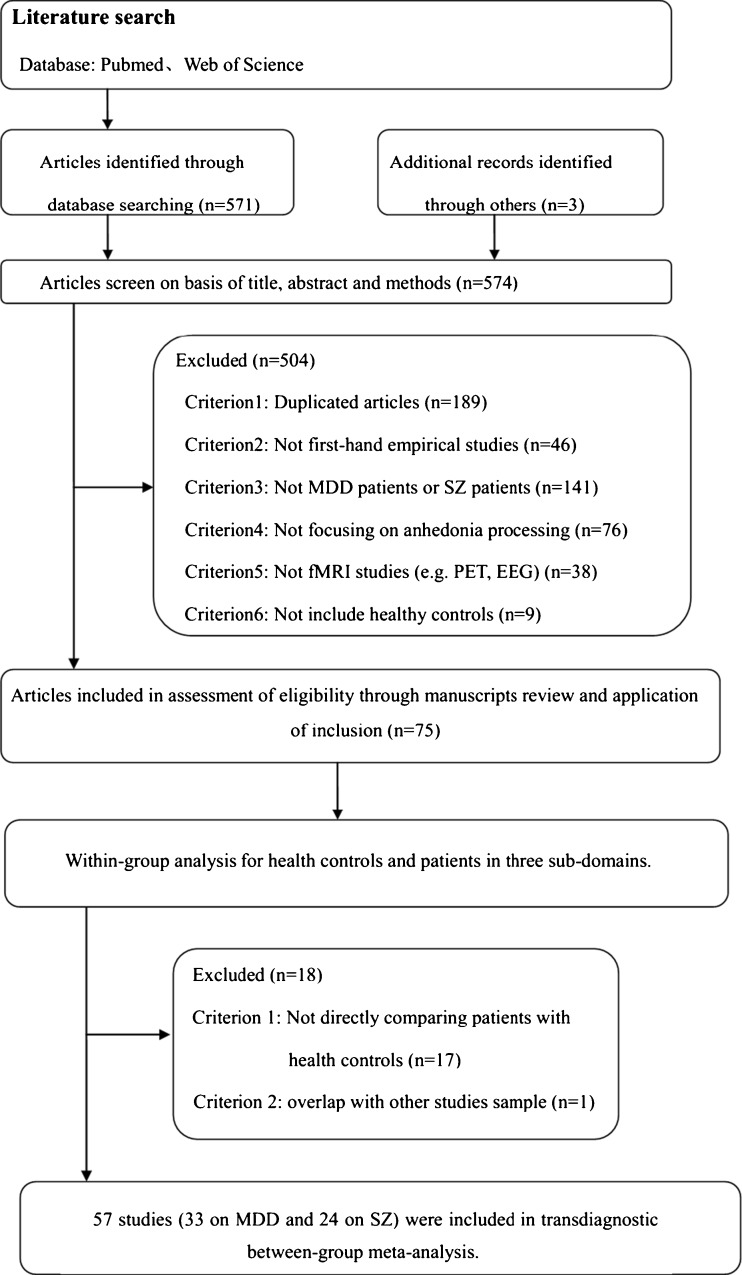
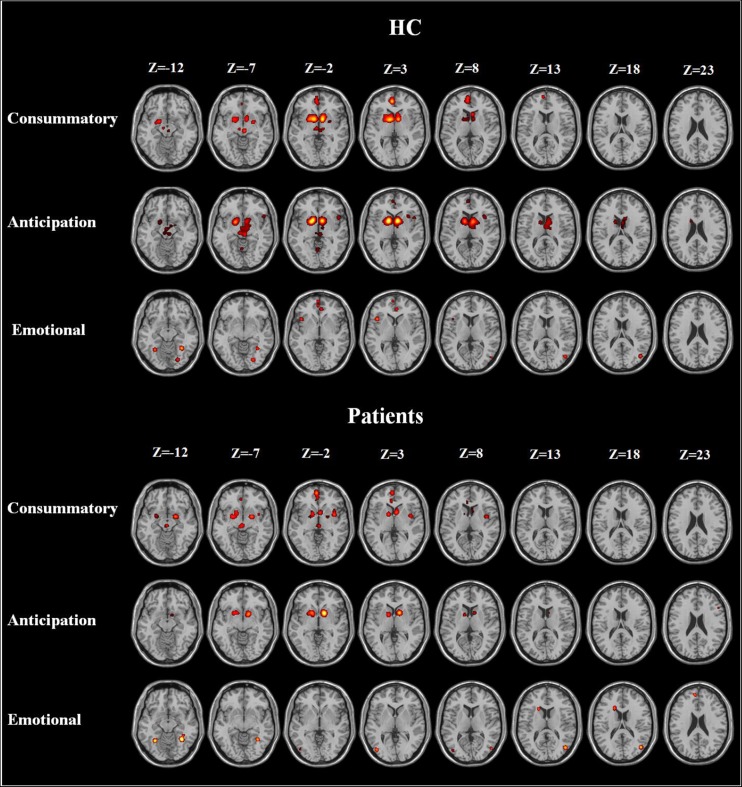
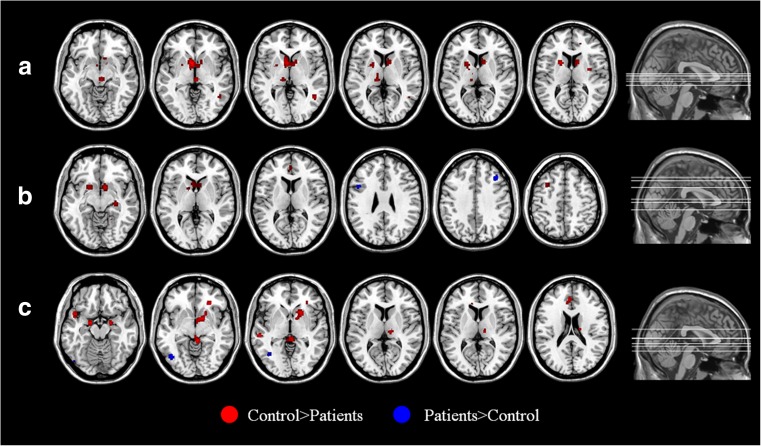
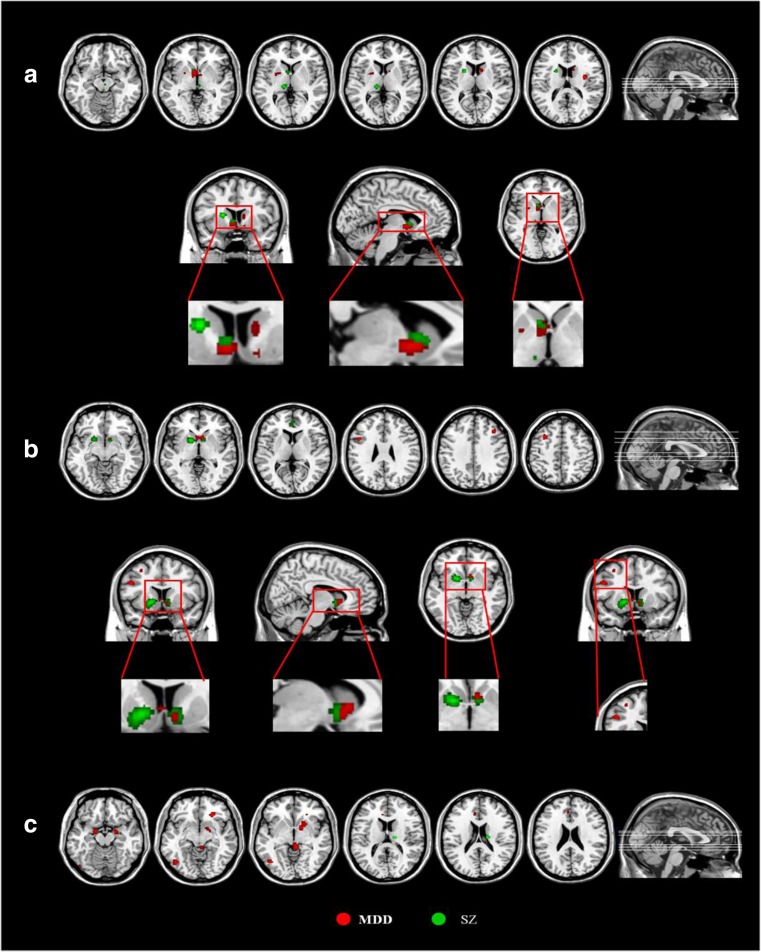
Verification
Claims the paper makes
The claims and statistics of this paper haven’t been checked yet.
Free: it reads the open-access text and checks the first 5 claims that cite a source we can check. Create a free account to check every claim.
Claims other papers make about this one
Each is checked against this paper’s own text: does it say what the citing paper says it does?
The cited source doesn’t support the claim as written.
In the citing paper
“In tasks probing consummatory anhedonia (e.g., receipt of secondary rewards such as money), MDD has been associated with reduced activation in ventral (nucleus accumbens) and dorsal (caudate, putamen) striatum, ACC (rostral, dorsal), and OFC but hyperactivation in the mPFC, vmPFC (including sgACC) and dlPFC [100, 102, 104].”
From Prefrontal cortex and depression (2022) · cites this paper as [100]
Checked by a reasoning model — may be wrong.
Experimental — accuracy not yet measured
Self-check
Percentages, sums and reported differences re-computed from the paper’s own numbers.
The self-check needs the paper’s full text.
Citations
Cites
Insel, T., Cuthbert, B., Garvey, M., Heinssen, R., Pine, D. S., Quinn, K., Sanislow, C., & Wang, P. (2010) · American Journal of Psychiatry · doi:10.1176/appi.ajp.2010.09091379 · Cited by 7,067 · cited 2×
“the NIMH Research Domain Criteria (RDoC) project (Insel et al. 2010), investigators are seeking to use the basic behavioral dimension of functioning, rather than t r a d i t i o n a l d i a gno s t i c c a t e go r i e s , t o i d e n t i f y transdiagnostic neural markers of anhedonia (CorralFrias et al.”
BackgroundMethodThe reward circuit: linking primate anatomy and human imaging
Haber, S. N., & Knutson, B. (2010) · Neuropsychopharmacology · doi:10.1038/npp.2009.129 · Cited by 3,718 · cited 2×
“…forthcoming rewards, including updating/maintaining the value of pleasant stimuli, effort-value computation, decision-making to engage in goal-directed activity and monitoring incentive-based behavioral responses (Haber and Knutson 2010; Pujara and Koenigs 2014; Wallis and Kennerley 2010).”
BackgroundToward the future of psychiatric diagnosis: the seven pillars of RDoC
Cuthbert, B. N., & Insel, T. R. (2013) · BMC Medicine · doi:10.1186/1741-7015-11-126 · Cited by 3,053 · cited 2×
“…(RDoC) project (Insel et al. 2010), investigators are seeking to use the basic behavioral dimension of functioning, rather than traditional diagnostic categories, to identify transdiagnostic neural markers of anhedonia (Corral-Frias et al. 2015; Cuthbert and Insel2013 ; Markou et al. 2009).”
BackgroundThe debate over dopamine’s role in reward: the case for incentive salience
Berridge, K. C. (2007) · Psychopharmacology · doi:10.1007/s00213-006-0578-x · Cited by 2,347 · cited 1×
“Most antidepressant treatments act on the serotonergic or noradrenergic circuits, but not directly enhance Dopamine (DA) neurotransmission, which plays a significant role in motivation and reward processing (Berridge 2007; Treadway and Zald 2011).”
BackgroundThe human orbitofrontal cortex: linking reward to hedonic experience
Kringelbach, M. L. (2005) · Nature Reviews Neuroscience · doi:10.1038/nrn1747 · Cited by 2,180 · cited 2×
“which is considered to be a key cortical region involved in anhedonia, in particular in the reward value presentation (Kringelbach 2005; Pizzagalli 2014).”
BackgroundEickhoff, S. B., Laird, A. R., Grefkes, C., Wang, L. E., Zilles, K., & Fox, P. T. (2009) · Human Brain Mapping · doi:10.1002/hbm.20718 · Cited by 1,924 · cited 6×
“Nevertheless, previous studies suggested that no individual study could significantly bias the results of ALE meta-analyses after including the sample size and number of reported foci into ALE algorithm, changing from fixed-effects to random-effects inference, and revising for multiple comparison correction (Eickhoff…”
BackgroundMethodResultInfluentialBerridge, K. C., & Robinson, T. E. (2003) · Trends in Neurosciences · doi:10.1016/s0166-2236(03)00233-9 · Cited by 1,869 · cited 2×
“…brain activity impairments in experience/ consummatory and motivational/anticipatory stages separately, and they discussed the link between anhedonia and the reward-processing components of ‘ liking ’ and ‘ wanting ’ from the preclinical literature (Berridge and Robinson 2003; Dillon et al. 2008).”
BackgroundPessoa, L., & Adolphs, R. (2010) · Nature Reviews Neuroscience · doi:10.1038/nrn2920 · Cited by 1,794 · cited 1×
“A more recent conceptualization of pulvinar function posited that this region plays an important role in emotional salience and awareness (Hamilton et al. 2012; Pessoa and Adolphs 2010) and has strong bidirectional connectivity with insula and dACC (Mufson and Mesulam 1984).”
BackgroundHaber, S. N., Fudge, J. L., & McFarland, N. R. (2000) · The Journal of Neuroscience · doi:10.1523/jneurosci.20-06-02369.2000 · Cited by 1,610 · cited 2×
“For instance, the striatum can be divided into three functional subregions (i.e., limbic, associative and sensorimotor) based on afferent inputs from the frontal cortex (Haber 2010; Haber et al.2000; Iversen 2010; van den Bos et al. 2014).”
BackgroundMeta-analysis of the functional neuroanatomy of single-word reading: method and validation
Turkeltaub, P. E., Eden, G. F., Jones, K. M., & Zeffiro, T. A. (2002) · NeuroImage · doi:10.1006/nimg.2002.1131 · Cited by 1,604
Reconsidering anhedonia in depression: Lessons from translational neuroscience
Treadway, M. T., & Zald, D. H. (2011) · Neuroscience & Biobehavioral Reviews · doi:10.1016/j.neubiorev.2010.06.006 · Cited by 1,579 · cited 5×
“Furthermore, these data provide a partial explanation for the discordance between self-reported trait pleasure and momentary pleasure in previous behavioral studies: MDD and SZ patients reported normative affective ratings in response to evocative laboratory stimuli, but low positive affect and pleasurable experiences…”
BackgroundResultInfluentialFrontiers in Human Neuroscience
Avenanti, A. (2013) · Archivio istituzionale della ricerca (Alma Mater Studiorum Università di Bologna) · Cited by 1,572
Intrinsic and task-evoked network architectures of the human brain
Cole, M. W., Bassett, D. S., Power, J. D., Braver, T. S., & Petersen, S. E. (2014) · Neuron · doi:10.1016/j.neuron.2014.05.014 · Cited by 1,564 · cited 1×
“Recent resting-state fMRI showed that different neural circuits were engaged in the emotional task-general and emotion task-specific processing (Cole et al. 2014), which would be differently activated by the emotional experience task between controls and patients with affective symptoms.”
BackgroundActivation likelihood estimation meta-analysis revisited
Eickhoff, S. B., Bzdok, D., Laird, A. R., Kurth, F., & Fox, P. T. (2012) · NeuroImage · doi:10.1016/j.neuroimage.2011.09.017 · Cited by 1,443 · cited 6×
“…ALE meta-analyses after including the sample size and number of reported foci into ALE al-gorithm, changing from fixed-effects to random-effects inference, and revising for multiple comparison correction (Eickhoff et al. 2009; Turkeltaub et al. 2012; Eickhoff et al. 2012; Kollndorfer et al. 2013).”
BackgroundMethodResultInfluentialThe mysterious motivational functions of mesolimbic dopamine
Salamone, J. D., & Correa, M. (2012) · Neuron · doi:10.1016/j.neuron.2012.10.021 · Cited by 1,418 · cited 2×
“Previous studies suggested that multiple prefrontal-striatal pathways and reciprocal connections within subregions of PFC play an important role in regulating behavioral response to rewards or pleasurable stimuli in the motivational/anticipatory stage (Der-Avakian and Markou 2012; Salamone and Correa 2012).”
BackgroundAffective neuroscience of pleasure: reward in humans and animals
Berridge, K. C., & Kringelbach, M. L. (2008) · Psychopharmacology · doi:10.1007/s00213-008-1099-6 · Cited by 1,254 · cited 1×
“Animal studies have demonstrated involvement of the ventral striatum and ventral pallidum in the experience of pleasure and hedonic perception of rewards (Berridge and Kringelbach 2008; Kelley et al. 2002).”
BackgroundThe role of dopamine in the pathophysiology of depression
Dunlop, B. W., & Nemeroff, C. B. (2007) · Archives of General Psychiatry · doi:10.1001/archpsyc.64.3.327 · Cited by 1,244 · cited 2×
“However, recent literature showed that the antidepressant mechanism such as increasing serotonin (5-HT) originating from midbrain raphe nuclei (RN), could sequentially decrease the dopamine inhibition and increased ventral striatal activity to reward in humans and animals (Dremencov et al. 2005; Dunlop and Nemeroff 20…”
BackgroundPizzagalli, D. A., Holmes, A. J., Dillon, D. G., Goetz, E. L., Birk, J. L., Bogdan, R., Dougherty, D. D., Iosifescu, D. V., Rauch, S. L., & Fava, M. (2009) · American Journal of Psychiatry · doi:10.1176/appi.ajp.2008.08081201 · Cited by 1,232 · cited 6×
“Another study using the same experimental paradigm (MID) showed no significant group difference in ventral striatum between unmedicated MDD and controls after correction (Pizzagalli et al. 2009).”
BackgroundMethodInfluentialDepression, Stress, and Anhedonia: Toward a Synthesis and Integrated Model
Pizzagalli, D. A. (2014) · Annual Review of Clinical Psychology · doi:10.1146/annurev-clinpsy-050212-185606 · Cited by 1,155 · cited 3×
“which is considered to be a key cortical region involved in anhedonia, in particular in the reward value presentation (Kringelbach 2005; Pizzagalli 2014).”
BackgroundThe neurobiology of anhedonia and other reward-related deficits
Der-Avakian, A., & Markou, A. (2012) · Trends in Neurosciences · doi:10.1016/j.tins.2011.11.005 · Cited by 1,130 · cited 6×
“Still others propose to bridge the gap between preclinical and clinical studies by isolating the neural substrates of various processes, such as sensing a pleasant stimulus or anticipating expected rewards, computing value and associated costs, determining effort required, deciding to obtain the reward, increasing mot…”
BackgroundResultInfluentialTurkeltaub, P. E., Eickhoff, S. B., Laird, A. R., Fox, M., Wiener, M., & Fox, P. (2012) · Human Brain Mapping · doi:10.1002/hbm.21186 · Cited by 1,119 · cited 2×
“…ALE meta-analyses after including the sample size and number of reported foci into ALE al-gorithm, changing from fixed-effects to random-effects inference, and revising for multiple comparison correction (Eickhoff et al. 2009; Turkeltaub et al. 2012; Eickhoff et al. 2012; Kollndorfer et al. 2013).”
MethodResultReward-motivated learning: mesolimbic activation precedes memory formation
Adcock, R. A., Thangavel, A., Whitfield-Gabrieli, S., Knutson, B., & Gabrieli, J. D. E. (2006) · Neuron · doi:10.1016/j.neuron.2006.03.036 · Cited by 977 · cited 2×
“Our ALE analysis for anticipatory anhedonia also revealed reduced activation of the hippocampus and parahippocampal gyrus, which could impair retrieval of previous autobiographical memories and their incorporation into working memory to represent the value of a reward and anticipate a pleasurable stimulus (Adcock et a…”
BackgroundALE meta-analysis: controlling the false discovery rate and performing statistical contrasts
Laird, A. R., Fox, P. M., Price, C. J., Glahn, D. C., Uecker, A. M., Lancaster, J. L., Turkeltaub, P. E., Kochunov, P., & Fox, P. T. (2005) · Human Brain Mapping · doi:10.1002/hbm.20136 · Cited by 868
Hamilton, J. P., Etkin, A., Furman, D. J., Lemus, M. G., Johnson, R. F., & Gotlib, I. H. (2012) · American Journal of Psychiatry · doi:10.1176/appi.ajp.2012.11071105 · Cited by 866 · cited 1×
“A more recent conceptualization of pulvinar function posited that this region plays an important role in emotional salience and awareness (Hamilton et al. 2012; Pessoa and Adolphs 2010) and has strong bidirectional connectivity with insula and dACC (Mufson and Mesulam 1984).”
BackgroundReduced hedonic capacity in major depressive disorder: evidence from a probabilistic reward task
Pizzagalli, D. A., Iosifescu, D., Hallett, L. A., Ratner, K. G., & Fava, M. (2008) · Journal of Psychiatric Research · doi:10.1016/j.jpsychires.2008.03.001 · Cited by 780
Treadway, M. T., Buckholtz, J. W., Schwartzman, A. N., Lambert, W. E., & Zald, D. H. (2009) · PLoS ONE · doi:10.1371/journal.pone.0006598 · Cited by 769 · cited 2×
“Recently, although other paradigms have been developed to assess a specific aspect of anhedonia-related processing, such as the Effort Expenditure for Rewards Task (EEfRT), which focuses on motivation and effort-based decision-making (Fervaha et al. 2013; Treadway et al. 2009; Yang et al. 2014) and the Probabilistic L…”
BackgroundReward processing dysfunction in major depression, bipolar disorder and schizophrenia
Whitton, A. E., Treadway, M. T., & Pizzagalli, D. A. (2015) · Current Opinion in Psychiatry · doi:10.1097/yco.0000000000000122 · Cited by 739 · cited 4×
“Others hold that studies should move away from conceptualization of anhedonia as a steady-state, mood-like phenomena, and instead focus on the reward-related motivational/decisionalmaking aspect (Treadway et al. 2012; Whitton et al. 2015).”
BackgroundInfluentialReward‐Related Responses in the Human Striatum
DELGADO, M. R. (2007) · Annals of the New York Academy of Sciences · doi:10.1196/annals.1390.002 · Cited by 736 · cited 2×
“2009), whereas anticipatory anhedonia is associated with both limbic/ventral striatum and associative striatum, including the dorsal caudate and anterior part of the dorsal putamen (Delgado 2007; Dichter et al. 2009; Mucci et al. 2015).”
BackgroundTreadway, M. T., Bossaller, N. A., Shelton, R. C., & Zald, D. H. (2012) · Journal of Abnormal Psychology · doi:10.1037/a0028813 · Cited by 733 · cited 4×
“In both MDD and SZ, anhedonia is considered to be a core clinical characteristic (Griffiths et al. 2014; Treadway et al. 2012; Wang et al. 2008).”
BackgroundInfluentialZhu, X., Wang, X., Xiao, J., Liao, J., Zhong, M., Wang, W., & Yao, S. (2012) · Biological Psychiatry · doi:10.1016/j.biopsych.2011.10.035 · Cited by 638 · cited 2×
“Our ALE analysis for anticipatory anhedonia also revealed reduced activation of the hippocampus and parahippocampal gyrus, which could impair retrieval of previous autobiographical memories and their incorporation into working memory to represent the value of a reward and anticipate a pleasurable stimulus (Adcock et a…”
BackgroundSelf-citationSurguladze, S., Brammer, M. J., Keedwell, P., Giampietro, V., Young, A. W., Travis, M. J., Williams, S. C. R., & Phillips, M. L. (2005) · Biological Psychiatry · doi:10.1016/j.biopsych.2004.10.028 · Cited by 633
Forbes, E. E., Hariri, A. R., Martin, S. L., Silk, J. S., Moyles, D. L., Fisher, P. M., Brown, S. M., Ryan, N. D., Birmaher, B., Axelson, D. A., et al. (2009) · American Journal of Psychiatry · doi:10.1176/appi.ajp.2008.07081336 · Cited by 582
Dysfunction of ventral striatal reward prediction in schizophrenia
Juckel, G., Schlagenhauf, F., Koslowski, M., Wüstenberg, T., Villringer, A., Knutson, B., Wrase, J., & Heinz, A. (2006) · NeuroImage · doi:10.1016/j.neuroimage.2005.07.051 · Cited by 578
Effort-Based Cost–Benefit Valuation and the Human Brain
Croxson, P. L., Walton, M. E., O'Reilly, J. X., Behrens, T. E. J., & Rushworth, M. F. S. (2009) · The Journal of Neuroscience · doi:10.1523/jneurosci.4515-08.2009 · Cited by 560 · cited 1×
“Moreover, striatal lesions or dopamine depletion in striatum or dACC impaired the computation of effort-related costs, which then lead to a deficit of effort-based decision-making as the expected rewards were discounted (Croxson et al. 2009).”
BackgroundErratum to: “Parsing reward” [Trends Neurosci. 26 (2003) 507–513]
Berridge, K. C., & Robinson, T. E. (2003) · Trends in Neurosciences · doi:10.1016/j.tins.2003.09.001 · Cited by 558 · cited 2×
“…brain activity impairments in experience/ consummatory and motivational/anticipatory stages separately, and they discussed the link between anhedonia and the reward-processing components of ‘ liking ’ and ‘ wanting ’ from the preclinical literature (Berridge and Robinson 2003; Dillon et al. 2008).”
BackgroundSubstantia nigra/ventral tegmental reward prediction error disruption in psychosis
Murray, G. K., Corlett, P. R., Clark, L., Pessiglione, M., Blackwell, A. D., Honey, G., Jones, P. B., Bullmore, E. T., Robbins, T. W., & Fletcher, P. C. (2008) · Molecular Psychiatry · doi:10.1038/sj.mp.4002058 · Cited by 532
Opioid modulation of taste hedonics within the ventral striatum
Kelley, A. E., Bakshi, V. P., Haber, S. N., Steininger, T. L., Will, M. J., & Zhang, M. (2002) · Physiology & Behavior · doi:10.1016/s0031-9384(02)00751-5 · Cited by 526
Reward Processing in Schizophrenia: A Deficit in the Representation of Value
Gold, J. M., Waltz, J. A., Prentice, K. J., Morris, S. E., & Heerey, E. A. (2008) · Schizophrenia Bulletin · doi:10.1093/schbul/sbn068 · Cited by 521 · cited 1×
“Deficits in other reward processes, such as valuation, motivation and decision-making, may lead to behaviors that can be interpreted as anhedonia (Der-Avakian and Markou 2012; Gold et al. 2008; Leventhal et al. 2006).”
BackgroundNeural Responses to Monetary Incentives in Major Depression
Knutson, B., Bhanji, J. P., Cooney, R. E., Atlas, L. Y., & Gotlib, I. H. (2008) · Biological Psychiatry · doi:10.1016/j.biopsych.2007.07.023 · Cited by 496 · cited 4×
“For instance, several studies that used a reward-related task, most often MID, indicated ventral striatal blunting in depressed adults (Knutson et al. 2008; Kumar et al. 2008; Ubl et al. 2015) and even in never-depressed youth with family history of MDD (Gotlib et al.”
BackgroundResultInfluentialExpected value and prediction error abnormalities in depression and schizophrenia
Gradin, V. B., Kumar, P., Waiter, G., Ahearn, T., Stickle, C., Milders, M., Reid, I., Hall, J., & Steele, J. D. (2011) · Brain · doi:10.1093/brain/awr059 · Cited by 485 · cited 2×
“…MDD patients viewing positive valence pictures (Epstein et al. 2006; Mitterschiffthaler et al. 2003; Osuch et al. 2009), which was highly consistent with the correlations between dysfunctional BOLD signals and anhedonia in a consummatory anhedonia task (Gradin et al. 2011; Pizzagalli et al. 2009).”
BackgroundBarch, D. M., & Dowd, E. C. (2010) · Schizophrenia Bulletin · doi:10.1093/schbul/sbq068 · Cited by 477 · cited 2×
“Those results highlighted importance of frontostriatal circuitry in reward anticipatory/prediction processing (Barch and Dowd 2010; Jarbo and Verstynen 2015) and indicated that further investigation are needed on identifying the connectivites between subareas of frontal cortex and striatum for specific reward componen…”
BackgroundLack of Ventral Striatal Response to Positive Stimuli in Depressed Versus Normal Subjects
Epstein, J., Pan, H., Kocsis, J. H., Yang, Y., Butler, T., Chusid, J., Hochberg, H., Murrough, J., Strohmayer, E., Stern, E., et al. (2006) · American Journal of Psychiatry · doi:10.1176/ajp.2006.163.10.1784 · Cited by 464 · cited 4×
“It is worth noting that only blunted activation in part of ventral basal ganglia was correlated with anhedonia in MDD patients viewing positive valence pictures (Epstein et al. 2006; Mitterschiffthaler et al. 2003; Osuch et al. 2009), which was highly consistent with the correlations between dysfunctional BOLD signals…”
BackgroundResultInfluentialMeta-analysis of functional neuroimaging data: current and future directions
Wager, T. D., Lindquist, M., & Kaplan, L. (2007) · Social Cognitive and Affective Neuroscience · doi:10.1093/scan/nsm015 · Cited by 434 · cited 2×
“…instead of labels, weighting the foci by the number of participants in each study, yielding a quantitative estimate of the probability of activation, identifying common activations across different studies (Laird et al. 2005; Wager et al. 2007; Eickhoff et al. 2009; Eickhoff et al. 2012).”
BackgroundMethodAbnormal temporal difference reward-learning signals in major depression
Kumar, P., Waiter, G., Ahearn, T., Milders, M., Reid, I., & Steele, J. D. (2008) · Brain · doi:10.1093/brain/awn136 · Cited by 374 · cited 2×
“For instance, several studies that used a reward-related task, most often MID, indicated ventral striatal blunting in depressed adults (Knutson et al. 2008; Kumar et al. 2008; Ubl et al. 2015) and even in never-depressed youth with family history of MDD (Gotlib et al.”
BackgroundZhang, W.-N., Chang, S.-H., Guo, L.-Y., Zhang, K.-L., & Wang, J. (2013) · Journal of Affective Disorders · doi:10.1016/j.jad.2013.06.039 · Cited by 355 · cited 1×
“Another three articles were obtained from reference lists of prior reviews (Whitton et al. 2015; Zhang et al. 2013).”
BackgroundTremblay, L. K., Naranjo, C. A., Graham, S. J., Herrmann, N., Mayberg, H. S., Hevenor, S., & Busto, U. E. (2005) · Archives of General Psychiatry · doi:10.1001/archpsyc.62.11.1228 · Cited by 340
Neural Processing of Reward and Loss in Girls at Risk for Major Depression
Gotlib, I. H., Hamilton, J. P., Cooney, R. E., Singh, M. K., Henry, M. L., & Joormann, J. (2010) · Archives of General Psychiatry · doi:10.1001/archgenpsychiatry.2010.13 · Cited by 333 · cited 2×
“2015) and even in never-depressed youth with family history of MDD (Gotlib et al. 2010).”
BackgroundfMRI of alterations in reward selection, anticipation, and feedback in major depressive disorder
Smoski, M. J., Felder, J., Bizzell, J., Green, S. R., Ernst, M., Lynch, T. R., & Dichter, G. S. (2009) · Journal of Affective Disorders · doi:10.1016/j.jad.2009.01.034 · Cited by 328
Removing Obstacles in Neuroscience Drug Discovery: The Future Path for Animal Models
Markou, A., Chiamulera, C., Geyer, M. A., Tricklebank, M., & Steckler, T. (2009) · Neuropsychopharmacology · doi:10.1038/npp.2008.173 · Cited by 328
Juckel, G., Schlagenhauf, F., Koslowski, M., Filonov, D., Wüstenberg, T., Villringer, A., Knutson, B., Kienast, T., Gallinat, J., Wrase, J., et al. (2006) · Psychopharmacology · doi:10.1007/s00213-006-0405-4 · Cited by 323 · cited 1×
“…directly impacts the DA neurotransmission, evidence showed that the first generation (typical) and second generation (atypical) antipsychotic medications had different effects on the neural correlates of reward/motivation tasks (Juckel et al. 2006a, b; Kirsch et al. 2007; Schlagenhauf et al. 2008).”
BackgroundWalter, M., Henning, A., Grimm, S., Schulte, R. F., Beck, J., Dydak, U., Schnepf, B., Boeker, H., Boesiger, P., & Northoff, G. (2009) · Archives of General Psychiatry · doi:10.1001/archgenpsychiatry.2009.39 · Cited by 306 · cited 1×
“When presented with reward stimuli, SZ patients showed impairments in both ventral striatal and prefrontal areas (da Silva Alves et al. 2013; Walter et al. 2009a), impairments in prefrontal cortex but not basal ganglia areas (Waltz et al. 2010) or no impairments in either area (Mucc i e t a l .”
BackgroundYang, X.-H., Huang, J., Zhu, C.-Y., Wang, Y.-F., Cheung, E. F. C., Chan, R. C. K., & Xie, G.-R. (2014) · Psychiatry Research · doi:10.1016/j.psychres.2014.08.056 · Cited by 288 · cited 2×
“Recently, although other paradigms have been developed to assess a specific aspect of anhedoniarelated processing, such as the Effort Expenditure for Rewards Task (EEfRT), which focuses on motivation and effort-based decision-making (Fervaha et al. 2013; Treadway et al. 2009; Yang et al. 2014) and the Probabilistic Le…”
BackgroundNeural Responses to Happy Facial Expressions in Major Depression Following Antidepressant Treatment
Fu, C. H. Y., Williams, S. C. R., Brammer, M. J., Suckling, J., Kim, J., Cleare, A. J., Walsh, N. D., Mitterschiffthaler, M. T., Andrew, C. M., Pich, E. M., et al. (2007) · American Journal of Psychiatry · doi:10.1176/ajp.2007.164.4.599 · Cited by 288
Meta-analysis of brain volume changes in obsessive-compulsive disorder
Rotge, J.-Y., Guehl, D., Dilharreguy, B., Tignol, J., Bioulac, B., Allard, M., Burbaud, P., & Aouizerate, B. (2009) · Biological Psychiatry · doi:10.1016/j.biopsych.2008.06.019 · Cited by 284 · cited 1×
“The ROI-based methods allow for optimal statistical analyses but are based on a priori hypotheses therefore being affected by a limited and potentially biased inclusion of brain regions (Rotge et al. 2009; Radua and Mataix-Cols 2012).”
MethodStoy, M., Schlagenhauf, F., Sterzer, P., Bermpohl, F., Hägele, C., Suchotzki, K., Schmack, K., Wrase, J., Ricken, R., Knutson, B., et al. (2012) · Journal of Psychopharmacology · doi:10.1177/0269881111416686 · Cited by 279
The effects of psychotherapy on neural responses to rewards in major depression
Dichter, G. S., Felder, J. N., Petty, C., Bizzell, J., Ernst, M., & Smoski, M. J. (2009) · Biological Psychiatry · doi:10.1016/j.biopsych.2009.06.021 · Cited by 278 · cited 2×
“2009), whereas anticipatory anhedonia is associated with both limbic/ventral striatum and associative striatum, including the dorsal caudate and anterior part of the dorsal putamen (Delgado 2007; Dichter et al. 2009; Mucci et al. 2015).”
BackgroundAnticipatory reward processing in addicted populations: a focus on the monetary incentive delay task
Balodis, I. M., & Potenza, M. N. (2015) · Biological Psychiatry · doi:10.1016/j.biopsych.2014.08.020 · Cited by 267 · cited 2×
“…also plays an important role in several other psychiatric and neurological disorders, such as Parkinson ’ s disease (Loas et al. 2012), post-traumatic stress disorder (Frewen et al. 2012) and drug addiction (Balodis and Potenza 2015; Hatzigiakoumis et al. 2011), albeit in heterogeneous ways.”
BackgroundMufson, E. J., & Mesulam, M. M. (1984) · Journal of Comparative Neurology · doi:10.1002/cne.902270112 · Cited by 267 · cited 2×
“2012; Pessoa and Adolphs 2010) and has strong bidirectional connectivity with insula and dACC (Mufson and Mesulam 1984).”
BackgroundBlunted response to feedback information in depressive illness
Steele, J. D., Kumar, P., & Ebmeier, K. P. (2007) · Brain · doi:10.1093/brain/awm150 · Cited by 261
Neural representation of reward in recovered depressed patients
McCabe, C., Cowen, P. J., & Harmer, C. J. (2009) · Psychopharmacology · doi:10.1007/s00213-009-1573-9 · Cited by 248
Meta-analytic methods for neuroimaging data explained
Radua, J., & Mataix-Cols, D. (2012) · Biology of Mood & Anxiety Disorders · doi:10.1186/2045-5380-2-6 · Cited by 244 · cited 3×
“An additional limitation of the ALE is that it may be unable to assess subtle methodological differences in individual studies such as the thresholding used in the original studies, relative strength of activations/differences between groups and differences in preprocessing steps (Radua and Mataix-Cols 2012).”
BackgroundMethodAnhedonia and Substance Dependence: Clinical Correlates and Treatment Options
Hatzigiakoumis, D. S., Martinotti, G., Giannantonio, M. D., & Janiri, L. (2011) · Frontiers in Psychiatry · doi:10.3389/fpsyt.2011.00010 · Cited by 235
Robinson, O. J., Cools, R., Carlisi, C. O., Sahakian, B. J., & Drevets, W. C. (2012) · American Journal of Psychiatry · doi:10.1176/appi.ajp.2011.11010137 · Cited by 232
The formation of abnormal associations in schizophrenia: Neural and behavioral evidence
Jensen, J., Willeit, M., Zipursky, R. B., Savina, I., Smith, A. J., Menon, M., Crawley, A. P., & Kapur, S. (2008) · Neuropsychopharmacology · doi:10.1038/sj.npp.1301437 · Cited by 225
Jarbo, K., & Verstynen, T. D. (2015) · The Journal of Neuroscience · doi:10.1523/jneurosci.2636-14.2015 · Cited by 222 · cited 2×
“Those results highlighted importance of frontostriatal circuitry in reward anticipatory/prediction processing (Barch and Dowd 2010; Jarbo and Verstynen 2015) and indicated that further investigation are needed on identifying the connectivites between subareas of frontal cortex and striatum for specific reward componen…”
BackgroundStriatum-Based Circuitry of Adolescent Depression and Anhedonia
Gabbay, V., Ely, B. A., Li, Q., Bangaru, S. D., Panzer, A. M., Alonso, C. M., Castellanos, F. X., & Milham, M. P. (2013) · Journal of the American Academy of Child & Adolescent Psychiatry · doi:10.1016/j.jaac.2013.04.003 · Cited by 222 · cited 4×
“−4 48 2 2864 21.02 3 R Red Nucleus 4 −22 −8 1432 14.40 L Red Nucleus −4 −16 −4 9.87 L Substania Nigra −8 −16 −12 8.77 4 R Putamen 26 0 −6 440 10.84 Reward anticipation 1 L Lateral Globus Pallidus −12 6 0 20736 49.99 R Caudate Head 10 6 0 46.31 R Red Nucleus 6 −26 −8 19.19 L Red Nucleus −6 −22 −8…”
BackgroundInfluentialNeural correlates of reward processing in schizophrenia — Relationship to apathy and depression
Simon, J. J., Biller, A., Walther, S., Roesch-Ely, D., Stippich, C., Weisbrod, M., & Kaiser, S. (2010) · Schizophrenia Research · doi:10.1016/j.schres.2009.11.007 · Cited by 221
Keedwell, P. A., Andrew, C., Williams, S. C. R., Brammer, M. J., & Phillips, M. L. (2005) · Biological Psychiatry · doi:10.1016/j.biopsych.2005.04.035 · Cited by 218
Measuring hedonic capacity in depression: A psychometric analysis of three anhedonia scales
Leventhal, A. M., Chasson, G. S., Tapia, E., Miller, E. K., & Pettit, J. W. (2006) · Journal of Clinical Psychology · doi:10.1002/jclp.20327 · Cited by 212 · cited 5×
“This ALE version used a random effect model and weighted for sample size of the original studies (Laird et al. 2005).”
BackgroundMethodInfluentialFervaha, G., Graff-Guerrero, A., Zakzanis, K. K., Foussias, G., Agid, O., & Remington, G. (2013) · Journal of Psychiatric Research · doi:10.1016/j.jpsychires.2013.08.003 · Cited by 211 · cited 2×
“Recently, although other paradigms have been developed to assess a specific aspect of anhedoniarelated processing, such as the Effort Expenditure for Rewards Task (EEfRT), which focuses on motivation and effort-based decision-making (Fervaha et al. 2013; Treadway et al. 2009; Yang et al. 2014) and the Probabilistic Le…”
BackgroundMethodAlterations of the Brain Reward System in Antipsychotic Naïve Schizophrenia Patients
Nielsen, M. Ø., Rostrup, E., Wulff, S., Bak, N., Lublin, H., Kapur, S., & Glenthøj, B. (2012) · Biological Psychiatry · doi:10.1016/j.biopsych.2012.02.007 · Cited by 210 · cited 1×
“Those results were further supported by a controlled, longitudinal study (Nielsen et al. 2012a) .”
ResultReward system activation in schizophrenic patients switched from typical neuroleptics to olanzapine
Schlagenhauf, F., Juckel, G., Koslowski, M., Kahnt, T., Knutson, B., Dembler, T., Kienast, T., Gallinat, J., Wrase, J., & Heinz, A. (2008) · Psychopharmacology · doi:10.1007/s00213-007-1016-4 · Cited by 204 · cited 2×
“…directly impacts the DA neurotransmission, evidence showed that the first generation (typical) and second generation (atypical) antipsychotic medications had different effects on the neural correlates of reward/motivation tasks (Juckel et al. 2006a, b; Kirsch et al. 2007; Schlagenhauf et al. 2008).”
BackgroundReward feedback alterations in unmedicated schizophrenia patients: Relevance for delusions
Schlagenhauf, F., Sterzer, P., Schmack, K., Ballmaier, M., Rapp, M., Wrase, J., Juckel, G., Gallinat, J., & Heinz, A. (2009) · Biological Psychiatry · doi:10.1016/j.biopsych.2008.12.016 · Cited by 195
Subgenual anterior cingulate activation to valenced emotional stimuli in major depression
Gotlib, I. H., Sivers, H., Gabrieli, J. D. E., Whitfield-Gabrieli, S., Goldin, P., Minor, K. L., & Canli, T. (2005) · NeuroReport · doi:10.1097/01.wnr.0000183901.70030.82 · Cited by 194
Waltz, J. A., Schweitzer, J. B., Gold, J. M., Kurup, P. K., Ross, T. J., Jo Salmeron, B., Rose, E. J., McClure, S. M., & Stein, E. A. (2009) · Neuropsychopharmacology · doi:10.1038/npp.2008.214 · Cited by 186
Heterogeneous reward signals in prefrontal cortex
Wallis, J. D., & Kennerley, S. W. (2010) · Current Opinion in Neurobiology · doi:10.1016/j.conb.2010.02.009 · Cited by 186 · cited 2×
“…forthcoming rewards, including updating/maintaining the value of pleasant stimuli, effort-value computation, decision-making to engage in goal-directed activity and monitoring incentive-based behavioral responses (Haber and Knutson 2010; Pujara and Koenigs 2014; Wallis and Kennerley 2010).”
BackgroundAnhedonia and Emotional Experience in Schizophrenia: Neural and Behavioral Indicators
Dowd, E. C., & Barch, D. M. (2010) · Biological Psychiatry · doi:10.1016/j.biopsych.2009.10.020 · Cited by 184 · cited 1×
“Specifically, reduced caudate activation has been reported to be associated with blunted processing of incentive perception and reinforcement learning in both MDD and SZ (Dowd and Barch 2010; Pizzagalli 2014; Pizzagalli et al. 2009).”
Backgroundvan den Bos, W., Rodriguez, C. A., Schweitzer, J. B., & McClure, S. M. (2014) · Journal of Neuroscience · doi:10.1523/jneurosci.4105-13.2014 · Cited by 178
Dichter, G. S., Kozink, R. V., McClernon, F. J., & Smoski, M. J. (2012) · Journal of Affective Disorders · doi:10.1016/j.jad.2011.09.048 · Cited by 170
Neural abnormalities during cognitive generation of affect in Treatment-Resistant depression
Kumari, V., Mitterschiffthaler, M. T., Teasdale, J. D., Malhi, G. S., Brown, R. G., Giampietro, V., Brammer, M. J., Poon, L., Simmons, A., Williams, S. C. R., et al. (2003) · Biological Psychiatry · doi:10.1016/s0006-3223(02)01785-7 · Cited by 166 · cited 2×
“…activation in part of ventral basal ganglia was correlated with anhedonia in MDD patients viewing positive valence pictures (Epstein et al. 2006; Mitterschiffthaler et al. 2003; Osuch et al. 2009), which was highly consistent with the correlations between dysfunctional BOLD signals and…”
BackgroundElman, I., Lowen, S., Frederick, B. B., Chi, W., Becerra, L., & Pitman, R. K. (2009) · Biological Psychiatry · doi:10.1016/j.biopsych.2009.06.006 · Cited by 165 · cited 7×
“Another study using the same experimental paradigm (MID) showed no significant group difference in ventral striatum between unmedicated MDD and controls after correction (Pizzagalli et al. 2009).”
BackgroundInfluentialAltered neural reward and loss processing and prediction error signalling in depression
Ubl, B., Kuehner, C., Kirsch, P., Ruttorf, M., Diener, C., & Flor, H. (2015) · Social Cognitive and Affective Neuroscience · doi:10.1093/scan/nsu158 · Cited by 165 · cited 2×
“For instance, several studies that used a reward-related task, most often MID, indicated ventral striatal blunting in depressed adults (Knutson et al. 2008; Kumar et al. 2008; Ubl et al. 2015) and even in never-depressed youth with family history of MDD (Gotlib et al.”
BackgroundNeural response to pleasant stimuli in anhedonia: an fMRI study
Mitterschiffthaler, M. T., Kumari, V., Malhi, G. S., Brown, R. G., Giampietro, V. P., Brammer, M. J., Suckling, J., Poon, L., Simmons, A., Andrew, C., et al. (2003) · NeuroReport · doi:10.1097/00001756-200302100-00003 · Cited by 162 · cited 3×
“It is worth noting that only blunted activation in part of ventral basal ganglia was correlated with anhedonia in MDD patients viewing positive valence pictures (Epstein et al. 2006; Mitterschiffthaler et al. 2003; Osuch et al. 2009), which was highly consistent with the correlations between dysfunctional BOLD signals…”
BackgroundResultBrain activation to emotional words in depressed vs healthy subjects
Canli, T., Sivers, H., Thomason, M. E., Whitfield-Gabrieli, S., Gabrieli, J. D. E., & Gotlib, I. H. (2004) · NeuroReport · doi:10.1097/00001756-200412030-00005 · Cited by 158
Prefrontal Cortical Deficits and Impaired Cognition-Emotion Interactions in Schizophrenia
Ursu, S., Kring, A. M., Gard, M. G., Minzenberg, M. J., Yoon, J. H., Ragland, J. D., Solomon, M., & Carter, C. S. (2011) · American Journal of Psychiatry · doi:10.1176/appi.ajp.2010.09081215 · Cited by 155
Pavlovian Reward Prediction and Receipt in Schizophrenia: Relationship to Anhedonia
Dowd, E. C., & Barch, D. M. (2012) · PLoS ONE · doi:10.1371/journal.pone.0035622 · Cited by 154
Abnormal Responses to Monetary Outcomes in Cortex, but not in the Basal Ganglia, in Schizophrenia
Waltz, J. A., Schweitzer, J. B., Ross, T. J., Kurup, P. K., Salmeron, B. J., Rose, E. J., Gold, J. M., & Stein, E. A. (2010) · Neuropsychopharmacology · doi:10.1038/npp.2010.126 · Cited by 151 · cited 2×
“impairments in prefrontal cortex but not basal ganglia areas (Waltz et al. 2010) or no impairments in either area (Mucci et al.”
BackgroundImprovement of Brain Reward Abnormalities by Antipsychotic Monotherapy in Schizophrenia
Nielsen, M. O., Rostrup, E., Wulff, S., Bak, N., Broberg, B. V., Lublin, H., Kapur, S., & Glenthoj, B. (2012) · Archives of General Psychiatry · doi:10.1001/archgenpsychiatry.2012.847 · Cited by 151 · cited 2×
“Those results were further supported by a controlled, longitudinal study (Nielsen et al. 2012a) .”
ResultWalter, H., Kammerer, H., Frasch, K., Spitzer, M., & Abler, B. (2009) · Psychopharmacology · doi:10.1007/s00213-009-1586-4 · Cited by 149 · cited 1×
“When presented with reward stimuli, SZ patients showed impairments in both ventral striatal and prefrontal areas (da Silva Alves et al. 2013; Walter et al. 2009a), impairments in prefrontal cortex but not basal ganglia areas (Waltz et al. 2010) or no impairments in either area (Mucci et al. 2015;…”
BackgroundDisambiguating ventral striatum fMRI-related bold signal during reward prediction in schizophrenia
Morris, R. W., Vercammen, A., Lenroot, R., Moore, L., Langton, J. M., Short, B., Kulkarni, J., Curtis, J., O'Donnell, M., Weickert, C. S., et al. (2012) · Molecular Psychiatry · doi:10.1038/mp.2011.75 · Cited by 149
Beninger, R. J., Wasserman, J., Zanibbi, K., Charbonneau, D., Mangels, J. A., & Beninger, B. V. (2003) · Schizophrenia Research · doi:10.1016/s0920-9964(02)00315-8 · Cited by 137 · cited 2×
“The different impact of typical and atypical antipsychotics on reinforcement learning of reward processing were also supported by both behavioral evidences (Beninger et al. 2003; Keri et al.2005) and neuroimaging data (Insel et al. 2014).”
ResultDillon, D. G., Holmes, A. J., Jahn, A. L., Bogdan, R., Wald, L. L., & Pizzagalli, D. A. (2008) · Psychophysiology · doi:10.1111/j.1469-8986.2007.00594.x · Cited by 134 · cited 6×
“Those studies have typically explored brain activity impairments in experience/ consummatory and motivational/anticipatory stages separately, and they discussed the link between anhedonia and the reward-processing components of ‘ liking ’ and ‘ wanting ’ from the preclinical literature (Berridge and Robinson 2003; Dil…”
BackgroundInfluentialCorral-Frías, N. S., Nikolova, Y. S., Michalski, L. J., Baranger, D. A. A., Hariri, A. R., & Bogdan, R. (2015) · Psychological Medicine · doi:10.1017/s0033291715000525 · Cited by 132 · cited 3×
“Consummatory anhedonia is mainly associated with limbic/ventral striatum, including anterior and ventral caudate and putamen (Corral-Frias et al. 2015; Pizzagalli et al. 2009), whereas anticipatory anhedonia is associated with both limbic/ventral striatum and associative striatum, including the…”
BackgroundMucci, A., Dima, D., Soricelli, A., Volpe, U., Bucci, P., Frangou, S., Prinster, A., Salvatore, M., Galderisi, S., & Maj, M. (2015) · Psychological Medicine · doi:10.1017/s0033291714002943 · Cited by 132
Anhedonia After a Selective Bilateral Lesion of the Globus Pallidus
Miller, J. M., Vorel, S. R., Tranguch, A. J., Kenny, E. T., Mazzoni, P., van Gorp, W. G., & Kleber, H. D. (2006) · American Journal of Psychiatry · doi:10.1176/ajp.2006.163.5.786 · Cited by 131
Remijnse, P. L., Nielen, M. M. A., van Balkom, A. J. L. M., Hendriks, G.-J., Hoogendijk, W. J., Uylings, H. B. M., & Veltman, D. J. (2009) · Psychological Medicine · doi:10.1017/s0033291708005072 · Cited by 127
Esslinger, C., Englisch, S., Inta, D., Rausch, F., Schirmbeck, F. N., Mier, D. U., Kirsch, P., Meyer‐Lindenberg, A., & Zink, M. (2012) · Schizophrenia Research · doi:10.1016/j.schres.2012.06.025 · Cited by 120
Griffiths, K. R., Morris, R. W., & Balleine, B. W. (2014) · Frontiers in Systems Neuroscience · doi:10.3389/fnsys.2014.00101 · Cited by 118 · cited 1×
“In both MDD and SZ, anhedonia is considered to be a core clinical characteristic (Griffiths et al. 2014; Treadway et al. 2012; Wang et al.2008 ).”
BackgroundDremencov, E., Newman, M. E., Kinor, N., Blatman‐Jan, G., Schindler, C. J., Overstreet, D. H., & Yadid, G. (2004) · Neuropharmacology · doi:10.1016/j.neuropharm.2004.09.013 · Cited by 118 · cited 2×
“However, recent literature showed that the antidepressant mechanism such as increasing serotonin (5-HT) originating from midbrain raphe nuclei (RN), could sequentially decrease the dopamine inhibition and increased ventral striatal activity to reward in humans and animals (Dremencov et al. 2005; Dunlop and Nemeroff 20…”
BackgroundFaure, A., Richard, J. M., & Berridge, K. C. (2010) · PLoS ONE · doi:10.1371/journal.pone.0011223 · Cited by 114 · cited 2×
“For instance, disruption of glutamatergic signaling be-tween the mPFC and nucleus accumbens resulted in avolition for rewards (Faure et al. 2010).”
BackgroundStuhrmann, A., Dohm, K., Kugel, H., Zwanzger, P., Redlich, R., Grotegerd, D., Rauch, A. V., Arolt, V., Heindel, W., Suslow, T., et al. (2013) · Journal of Psychiatry and Neuroscience · doi:10.1503/jpn.120060 · Cited by 112 · cited 1×
“No brain regions showed increased likelihood of activation in patients compared to controls.”
BackgroundThe Anterior Cingulate Gyrus Signals the Net Value of Others' Rewards
Apps, M. A. J., & Ramnani, N. (2014) · The Journal of Neuroscience · doi:10.1523/jneurosci.2701-13.2014 · Cited by 109 · cited 2×
“Increased likelihood of activation was observed in the left IFG and MFG.”
BackgroundKoch, K., Schachtzabel, C., Wagner, G., Schikora, J., Schultz, C., Reichenbach, J. R., Sauer, H., & Schlösser, R. G. M. (2010) · NeuroImage · doi:10.1016/j.neuroimage.2009.12.031 · Cited by 101
Neural correlates of social approach and withdrawal in patients with major depression
Derntl, B., Seidel, E.-M., Eickhoff, S. B., Kellermann, T., Gur, R. C., Schneider, F., & Habel, U. (2011) · Social Neuroscience · doi:10.1080/17470919.2011.579800 · Cited by 100
Brain activation to favorite music in healthy controls and depressed patients
Osuch, E. A., Bluhm, R. L., Williamson, P. C., Théberge, J., Densmore, M., & Neufeld, R. W. J. (2009) · NeuroReport · doi:10.1097/wnr.0b013e32832f4da3 · Cited by 99 · cited 4×
“…pleasure in previous behavioral studies: MDD and SZ patients reported normative affective ratings in response to evocative laboratory stimuli, but low positive affect and pleasurable experiences on evaluation of inventories (Osuch et al. 2009; Pizzagalli 2010; Strauss 2013; Treadway and Zald 2011).”
BackgroundResultInfluentialThe Influence of Antipsychotic Treatment on Brain Reward System Reactivity in Schizophrenia Patients
Kirsch, P., Ronshausen, S., Mier, D., & Gallhofer, B. (2007) · Pharmacopsychiatry · doi:10.1055/s-2007-984463 · Cited by 95 · cited 2×
“…directly impacts the DA neurotransmission, evidence showed that the first generation (typical) and second generation (atypical) antipsychotic medications had different effects on the neural correlates of reward/motivation tasks (Juckel et al. 2006a, b; Kirsch et al. 2007; Schlagenhauf et al. 2008).”
BackgroundHarvey, P., Armony, J. L., MALLA, A. K., & Lepage, M. (2010) · Journal of Psychiatric Research · doi:10.1016/j.jpsychires.2009.12.008 · Cited by 94 · cited 2×
“…including the anterior and posterior cingulate, mPFC, basal ganglia and visual areas, were activated during passive viewing of positive-valence stimuli, but the ventral striatum and mPFC were the key regions correlated with self-reported anhedonia severity (Epstein et al. 2006; Harvey et al.2010).”
BackgroundFronto-striato-cerebellar dysregulation in adolescents with depression during motivated attention
Chantiluke, K., Halari, R., Simic, M., Pariante, C. M., Papadopoulos, A., Giampietro, V., & Rubia, K. (2012) · Biological Psychiatry · doi:10.1016/j.biopsych.2011.09.005 · Cited by 91
Smoski, M. J., Rittenberg, A., & Dichter, G. S. (2011) · Psychiatry Research: Neuroimaging · doi:10.1016/j.pscychresns.2011.06.012 · Cited by 91 · cited 2×
“…the neurobiology of the three subdomains of an-hedonia, which involve different neurocognitive process and functional neuroanatomy bases: consummatory anhe-donia, anticipatory anhedonia and emotional (positive stimuli) processing (Berridge and Robinson 2003; Dillon et al. 2008; Smoski et al. 2011).”
BackgroundStability of emotional dysfunctions? A long-term fMRI study in first-episode schizophrenia
Reske, M., Kellermann, T., Habel, U., Shah, N. J., Backes, V., von Wilmsdorff, M., Stöcker, T., Gäebel, W., & Schneider, F. W. (2007) · Journal of Psychiatric Research · doi:10.1016/j.jpsychires.2007.02.009 · Cited by 81
Assessment of anhedonia in psychological trauma: psychometric and neuroimaging perspectives
Frewen, P. A., Dozois, D. J. A., & Lanius, R. A. (2012) · European Journal of Psychotraumatology · doi:10.3402/ejpt.v3i0.8587 · Cited by 76 · cited 2×
“…also plays an important role in several other psychiatric and neurological disorders, such as Parkinson ’ s disease (Loas et al. 2012), post-traumatic stress disorder (Frewen et al. 2012) and drug addiction (Balodis and Potenza 2015; Hatzigiakoumis et al. 2011), albeit in heterogeneous ways.”
BackgroundThe Emotion Paradox of Anhedonia in Schizophrenia: Or Is It?
Strauss, G. P. (2013) · Schizophrenia Bulletin · doi:10.1093/schbul/sbs192 · Cited by 76 · cited 2×
“…pleasure in previous behavioral studies: MDD and SZ patients reported normative affective ratings in response to evocative laboratory stimuli, but low positive affect and pleasurable experiences on evaluation of inventories (Osuch et al. 2009; Pizzagalli 2010; Strauss 2013; Treadway and Zald 2011).”
ResultDissociation between medial temporal lobe and basal ganglia memory systems in schizophrenia
Kéri, S., Nagy, O., Kelemen, O., Myers, C. E., & Gluck, M. A. (2005) · Schizophrenia Research · doi:10.1016/j.schres.2005.03.024 · Cited by 74 · cited 2×
“The different impact of typical and atypical antipsychotics on reinforcement learning of reward processing were also supported by both behavioral evidences (Beninger et al. 2003; Keri et al.2005) and neuroimaging data (Insel et al. 2014).”
ResultAdmon, R., Nickerson, L. D., Dillon, D. G., Holmes, A. J., Bogdan, R., Kumar, P., Dougherty, D. D., Iosifescu, D. V., Mischoulon, D., Fava, M., et al. (2015) · Psychological Medicine · doi:10.1017/s0033291714001123 · Cited by 70 · cited 6×
“Another study using the same experimental paradigm (MID) showed no significant group difference in ventral striatum between unmedicated MDD and controls after correction (Pizzagalli et al. 2009).”
BackgroundInfluentialWang, X., Yao, S., Kirkpatrick, B. W., Shi, C., & Yi, J. (2008) · Psychiatry Research · doi:10.1016/j.psychres.2006.09.007 · Cited by 69 · cited 1×
“Transdiagnostic neural markers of anhedonia In both MDD and SZ, anhedonia is considered to be a core clinical characteristic (Griffiths et al. 2014; Treadway et al. 2012; Wang et al. 2008).”
BackgroundSelf-citationBermpohl, F., Walter, M., Sajonz, B., Lücke, C., Hägele, C., Sterzer, P., Adli, M., Heinz, A., & Northoff, G. (2009) · Neuroscience Letters · doi:10.1016/j.neulet.2009.07.061 · Cited by 66
Anhedonia in Parkinson’s Disease: An Overview
Loas, G., Krystkowiak, P., & Godefroy, O. (2012) · The Journal of Neuropsychiatry and Clinical Neurosciences · doi:10.1176/appi.neuropsych.11110332 · Cited by 66 · cited 2×
“It is important to note that anhedonia also plays an important role in several other psychiatric and neurological disorders, such as Parkinson’s disease (Loas et al. 2012), post-traumatic stress disorder (Frewen et al.”
BackgroundBarr, A. M., & Phillips, A. G. (2002) · Pharmacology Biochemistry and Behavior · doi:10.1016/s0091-3057(01)00664-5 · Cited by 64 · cited 1×
“Animal studies have demonstrated parallel substrates across different disorders associated with altered anhedonia-related processing (Barr and Phillips 2002; Der-Avakian and Markou 2010).”
BackgroundOssewaarde, L., Verkes, R. J., Hermans, E. J., Kooijman, S. C., Urner, M., Tendolkar, I., van Wingen, G. A., & Fernández, G. (2011) · Biological Psychiatry · doi:10.1016/j.biopsych.2011.03.041 · Cited by 63
Hooker, C. I., Benson, T. L., Gyurak, A., Yin, H., Tully, L. M., & Lincoln, S. H. (2014) · Journal of Abnormal Psychology · doi:10.1037/a0035223 · Cited by 58
Clarke, H. F., Cardinal, R. N., Rygula, R., Hong, Y. T., Fryer, T. D., Sawiak, S. J., Ferrari, V., Cockcroft, G., Aigbirhio, F. I., Robbins, T. W., et al. (2014) · The Journal of Neuroscience · doi:10.1523/jneurosci.0718-14.2014 · Cited by 54 · cited 2×
“Secondly, given that the patients in 31/35 MDD studies and 22/25 SZ studies were treated in their lifetime by antidepressant or antipsychotics, the drug effects on the brain activated pattern in reward-related processing are potential confounding factors which need to be addressed (Clarke et al. 2014; Boccia et al. 20…”
BackgroundFailure of hippocampal deactivation during loss events in treatment-resistant depression
Johnston, B. A., Tolomeo, S., Gradin, V., Christmas, D., Matthews, K., & Douglas Steele, J. (2015) · Brain · doi:10.1093/brain/awv177 · Cited by 54
Mechanisms of Reward Circuit Dysfunction in Psychiatric Illness: Prefrontal–Striatal Interactions
Pujara, M., & Koenigs, M. (2014) · The Neuroscientist · doi:10.1177/1073858413499407 · Cited by 52 · cited 2×
“…forthcoming rewards, including updating/maintaining the value of pleasant stimuli, effort-value computation, decision-making to engage in goal-directed activity and monitoring incentive-based behavioral responses (Haber and Knutson 2010; Pujara and Koenigs 2014; Wallis and Kennerley 2010).”
BackgroundFaro, S. H., Mohamed, F. B., & Haughton, V. (2006) · Springer eBooks · doi:10.1007/0-387-34665-1 · Cited by 51
An fMRI study of reward circuitry in patients with minimal or extensive history of major depression
Hall, G. B., Milne, A. M., & MacQUEEN, G. M. (2013) · European Archives of Psychiatry and Clinical Neuroscience · doi:10.1007/s00406-013-0437-9 · Cited by 50
Kollndorfer, K., Krajnik, J., Woitek, R., Freiherr, J., Prayer, D., & Schöpf, V. (2013) · Neuroscience & Biobehavioral Reviews · doi:10.1016/j.neubiorev.2013.09.005 · Cited by 48
Grimm, O., Vollstädt‐Klein, S., Krebs, L., Zink, M., & Smolka, M. N. (2011) · Schizophrenia Research · doi:10.1016/j.schres.2011.11.027 · Cited by 46
Der-Avakian, A., & Markou, A. (2010) · Behavioural Pharmacology · doi:10.1097/fbp.0b013e32833c7cc8 · Cited by 43 · cited 1×
“Animal studies have demonstrated parallel substrates across different disorders associated with altered anhedonia-related processing (Barr and Phillips 2002; Der-Avakian and Markou 2010).”
BackgroundEmotional and motivational changes after bilateral lesions of the globus pallidus.
Vijayaraghavan, L., Vaidya, J. G., Humphreys, C. T., Beglinger, L. J., & Paradiso, S. (2008) · Neuropsychology · doi:10.1037/0894-4105.22.3.412 · Cited by 42
Neural response to reward anticipation in those with depression with and without panic disorder
Gorka, S. M., Huggins, A. A., Fitzgerald, D. A., Nelson, B. D., Phan, K. L., & Shankman, S. A. (2014) · Journal of Affective Disorders · doi:10.1016/j.jad.2014.04.019 · Cited by 42 · cited 2×
“(2008) reported decreased activation in dorsal anterior cingulate (dACC) during the MID task in MDD patients compared with healthy controls, whereas other studies found increased activation of dACC in MDD (Gorka et al. 2014; Knutson et al. 2008).”
ResultAlves, F. D. S., Bakker, G., Schmitz, N., Abeling, N. G. G. M., Hasler, G., van der Meer, J. N., Nederveen, A. J., de Haan, L., LINSZEN, D. H., & van Amelsvoort, T. (2013) · European Neuropsychopharmacology · doi:10.1016/j.euroneuro.2013.06.008 · Cited by 38
Boccia, M., Piccardi, L., & Guariglia, P. (2015) · Brain Imaging and Behavior · doi:10.1007/s11682-015-9429-x · Cited by 37 · cited 2×
“Secondly, given that the patients in 31/35 MDD studies and 22/25 SZ studies were treated in their lifetime by antidepressant or antipsychotics, the drug effects on the brain activated pattern in reward-related processing are potential confounding factors which need to be addressed (Clarke et al. 2014; Boccia et al. 20…”
BackgroundThe “Anhedonia Paradox” in Schizophrenia: Insights from Affective Neuroscience
Pizzagalli, D. A. (2010) · Biological Psychiatry · doi:10.1016/j.biopsych.2010.02.022 · Cited by 37 · cited 2×
“…pleasure in previous behavioral studies: MDD and SZ patients reported normative affective ratings in response to evocative laboratory stimuli, but low positive affect and pleasurable experiences on evaluation of inventories (Osuch et al. 2009; Pizzagalli 2010; Strauss 2013; Treadway and Zald 2011).”
ResultInsel, C., Reinen, J., Weber, J., Wager, T. D., Jarskog, L. F., Shohamy, D., & Smith, E. E. (2014) · Cognitive Affective & Behavioral Neuroscience · doi:10.3758/s13415-014-0261-3 · Cited by 36 · cited 1×
“The different impact of typical and atypical antipsychotics on reinforcement learning of reward processing were also supported by both behavioral evidences (Beninger et al. 2003; Keri et al.2005) and neuroimaging data (Insel et al. 2014).”
ResultTobler, P. N. (2009) · doi:10.1093/acprof:oso/9780195373035.001.0001 · Cited by 32
Yacoubi, M. E., Dubois, M., Gabriel, C., Mocaër, E., & Vaugeois, J. (2011) · Pharmacology Biochemistry and Behavior · doi:10.1016/j.pbb.2011.08.001 · Cited by 28 · cited 2×
“Between-group ALE analysis in MDD or SZ”
BackgroundFournier, J. C., Keener, M. T., Mullin, B. C., Hafeman, D. M., LaBarbara, E. J., Stiffler, R. S., Almeida, J., Kronhaus, D. M., Frank, E., & Phillips, M. L. (2013) · Psychological Medicine · doi:10.1017/s0033291712000918 · Cited by 26
Neural basis of anhedonia as a failure to predict pleasantness in schizophrenia
Choi, S., Lee, H., Ku, J. H., Yoon, K. J., & Kim, J. (2013) · The World Journal of Biological Psychiatry · doi:10.3109/15622975.2013.819121 · Cited by 20
Physical and physiological consequences of passive intra-oral shimming
Österbauer, R. A., Wilson, J. L., Calvert, G. A., & Jezzard, P. (2005) · NeuroImage · doi:10.1016/j.neuroimage.2005.07.006 · Cited by 18 · cited 2×
“One possible explanation is that detection of OFC is challenging for functional MRI experiments using regular EPI sequences due to strong magnetic susceptibility variation near the air-filled sinuses and corresponding signal loss and distortion (Faro et al. 2006; Osterbauer et al. 2006).”
BackgroundShi, H., Wang, X., & Yao, S. (2013) · Frontiers in Human Neuroscience · doi:10.3389/fnhum.2013.00459 · Cited by 18 · cited 1×
“Early neuroimaging studies frequently adopted the passive picture-viewing task based on the viewpoint that anhedonia represents a diminished responsiveness to positive-valence stimuli (Hooker et al. 2014; Mitterschiffthaler et al. 2003; Shi et al. 2013).”
BackgroundSelf-citationHaber, S. N. (2009) · Oxford University Press eBooks · doi:10.1093/acprof:oso/9780195373035.003.0004 · Cited by 16 · cited 2×
“For instance, the striatum can be divided into three functional subregions (i.e., limbic, associative and sensorimotor) based on afferent inputs from the frontal cortex (Haber 2010; Haber et al.2000; Iversen 2010; van den Bos et al. 2014).”
BackgroundMazgaj, R., Tal, A., Goetz, R. R., Lazar, M., Rothman, K., Walsh‐Messinger, J., Malaspina, D., & Gonen, O. (2015) · Brain Imaging and Behavior · doi:10.1007/s11682-015-9372-x · Cited by 14 · cited 2×
“Our ALE analysis for anticipatory anhedonia also revealed reduced activation of the hippocampus and parahippocampal gyrus, which could impair retrieval of previous autobiographical memories and their incorporation into working memory to represent the value of a reward and anticipate a pleasurable stimulus (Adcock et a…”
Background
Cited by
Neuroscience of apathy and anhedonia: a transdiagnostic approach
Husain, M., & Roiser, J. P. (2018) · Nature Reviews Neuroscience · doi:10.1038/s41583-018-0029-9 · Cited by 640
Prefrontal cortex and depression
Pizzagalli, D. A., & Roberts, A. C. (2022) · Neuropsychopharmacology · doi:10.1038/s41386-021-01101-7 · Cited by 667
Reward Processing in Depression: A Conceptual and Meta-Analytic Review Across fMRI and EEG Studies
Keren, H., O’Callaghan, G., Vidal-Ribas, P., Buzzell, G. A., Brotman, M. A., Leibenluft, E., Pan, P. M., Meffert, L., Kaiser, A., Wolke, S., et al. (2018) · American Journal of Psychiatry · doi:10.1176/appi.ajp.2018.17101124 · Cited by 521
“Anhedonia is a core feature of depression closely linked to reward processing (102).”
BackgroundDissecting diagnostic heterogeneity in depression by integrating neuroimaging and genetics
Buch, A. M., & Liston, C. (2021) · Neuropsychopharmacology · doi:10.1038/s41386-020-00789-3 · Cited by 274
Evidence-based umbrella review of 162 peripheral biomarkers for major mental disorders
Carvalho, A. F., Solmi, M., Sanches, M., Machado, M. O., Stubbs, B., Ajnakina, O., Sherman, C., Sun, Y. R., Liu, C. S., Brunoni, A. R., et al. (2020) · Translational Psychiatry · doi:10.1038/s41398-020-0835-5 · Cited by 204
Metadata
- Authors
- Zhang, B., Lin, P., Shi, H., Öngür, D., Auerbach, R. P., Wang, X., Yao, S., & Wang, X.
- Affiliations
- Second Xiangya Hospital of Central South University (CN)
- Xi'an Jiaotong University (CN)
- Shanghai Normal University (CN)
- Harvard University (US)
- Central South University (CN)
- Corresponding author
- Wang, Xiaosheng
- Venue
- Brain Imaging and Behavior
- Published
- 2015-10-20
- Volume
- 10
- Issue
- 3
- Pages
- 920-939
- ISSN
- 1931-7557 (ISSN-L)
- 1931-7565
- PMC
- PMC4838562
- OpenAlex
- W2119831202
- Cited by
- 152
- References
- 142
- Citations by year
- 2026: 11 · 2025: 13 · 2024: 14 · 2023: 21 · 2022: 24 · 2021: 16 · 2020: 16 · 2019: 13 · 2018: 11 · 2017: 7 · 2016: 6
- FWCI
- 0.79
- Type
- journal article
- Language
- en
- Open access
- hybrid
- doi.org
- Locations
- Brain Imaging and Behavior (publishedVersion, cc-by)
- PubMed Central (publishedVersion, cc-by)
- PubMed (publishedVersion)
- Digital Access to Scholarship at Harvard (DASH) (Harvard University) (submittedVersion, cc-by)
- Funders
- National Natural Science Foundation of China (61473221, 30700236)
- Program for New Century Excellent Talents in University
- National Institute of Mental Health (R01MH094594, K23MH097786)
- Topics
- Life Sciences › Neuroscience › Cognitive Neuroscience › Neural and Behavioral Psychology Studies
- Life Sciences › Neuroscience › Cellular and Molecular Neuroscience › Neurotransmitter Receptor Influence on Behavior
- Health Sciences › Medicine › Psychiatry and Mental health › Schizophrenia research and treatment
- Keywords
- anhedonia, transdiagnostic approach, major depressive disorder, schizophrenia, consummatory anhedonia, anticipatory anhedonia, emotional processing, reward processing, ventral striatum, dorsal anterior cingulate cortex
- MeSH terms
- Brain, Brain Mapping, Major Depressive Disorder, Humans, Schizophrenia, Anhedonia
About these checks
Registry, retraction, Cites and statistics results are computed, not judged, with one exception: a printed reference that no index lists is read once by a model before it counts as a citation error. Claims are extracted by a model and kept only when their quote appears verbatim in the text; each cited source is then checked, with a model’s help, for whether it says what the claim relies on. Those verdicts can be wrong — read the claim’s quote and the cited source before relying on one.
Statistics and arithmetic are recomputed, not judged.
Confidence bands are shown only for fields calibrated on our annotated test set. None is calibrated yet, so no band is shown.
What counts as a claim ›How we measure confidence ›How we check this ›
Are you an author, or do you see a problem with this page? Request a review
Data sources
Bibliographic data: Semantic Scholar, OpenAlex, Crossref.
Contains information from the Semantic Scholar Academic Graph Datasets, made available under the ODC Attribution License (ODC-BY 1.0).
Semantic Scholar’s data is described in: Kinney, R., et al. (2023). The Semantic Scholar Open Data Platform. arXiv:2301.10140.
