

The DOI matches its Crossref record; 216 of the 216 references it cites were found in a registry or an index.
Anti-inflammatory Action of Statins in Cardiovascular Disease: the Role of Inflammasome and Toll-Like Receptor Pathways
Open accessAbstract
Atherosclerosis is one type of cardiovascular disease (CVD) in which activation of the NLRP3 inflammasome and toll-like receptor (TLR) pathways is implicated. One of the most effective treatments for atherosclerosis is the use of statin medications. Recent studies have indicated that statins, in addition to their lipid-lowering effects, exert inhibitory and/or stimulatory effects on the NLRP3 inflammasome and TLRs. Some of the statins lead to activation of the inflammasome and subsequently cause secretion of IL-1β and IL-18. Thus, these actions may further aggravate the disease. On the other hand, some statins cause inhibition of the inflammasome or TLRs and along with lipid-lowering, help to improve the disease by reducing inflammation. In this article, we discuss these contradictory studies and the mechanisms of action of statins on the NLRP3 inflammasome and TLR pathways. The dose-dependent effects of statins on the NLRP3 complex are related to their chemistry, pharmacokinetic properties, and danger signals. Lipophilic statins have more pleiotropic effects on the NLRP3 complex in comparison to hydrophilic statins. Statins can suppress TLR4/MyD88/NF-ĸB signaling and cause an immune response shift to an anti-inflammatory response. Furthermore, statins inhibit the NF-ĸB pathway by decreasing the expression of TLRs 2 and 4. Statins are cost-effective drugs, which should have a continued future in the treatment of atherosclerosis due to both their immune-modulating and lipid-lowering effects.
Overview
The claims and statistics of this paper haven’t been checked yet.
Run the check — free, no account needed. It reads the open-access text and checks the sources it cites.
Integrity signals
Registry
Cites
Statistics
Figures
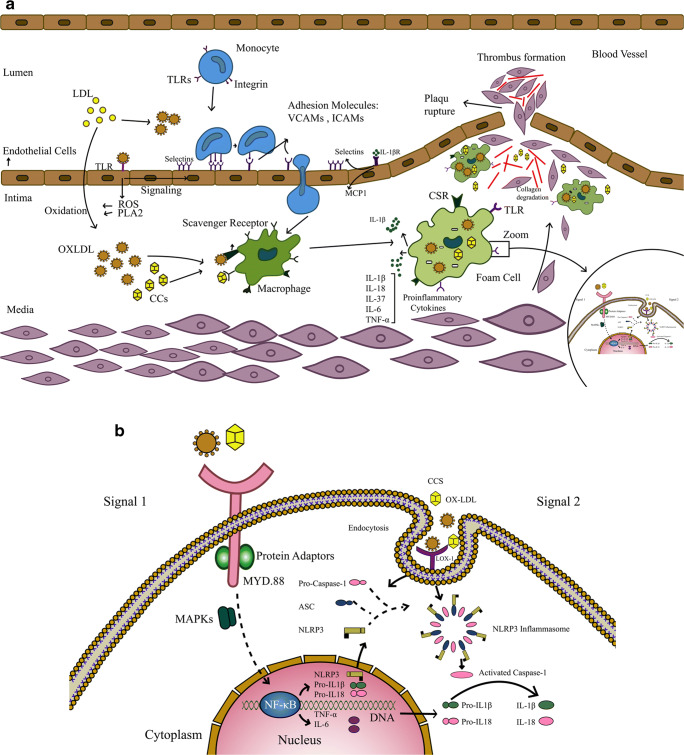
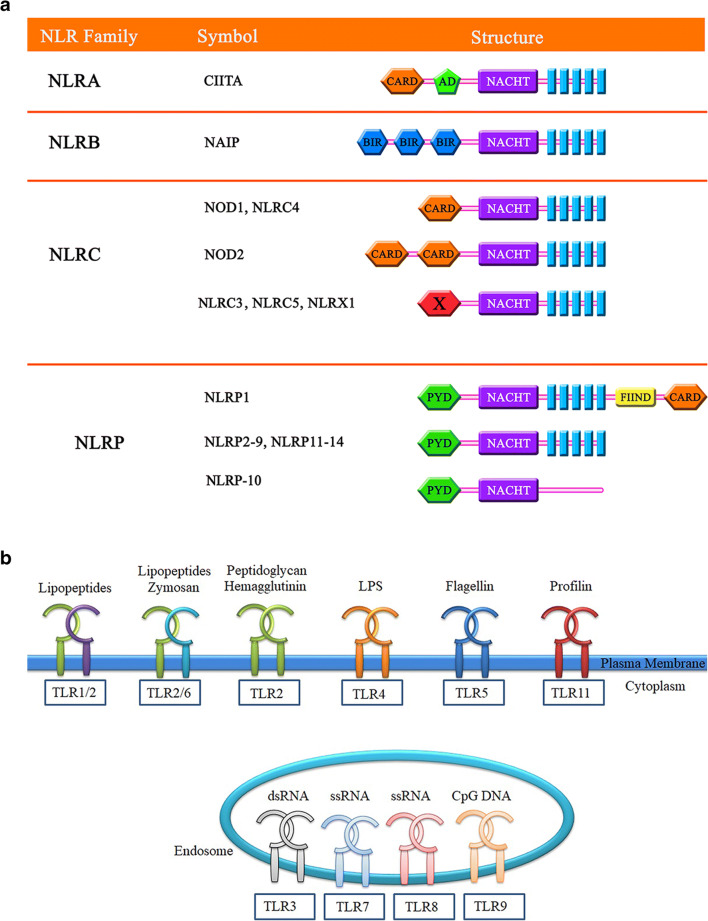
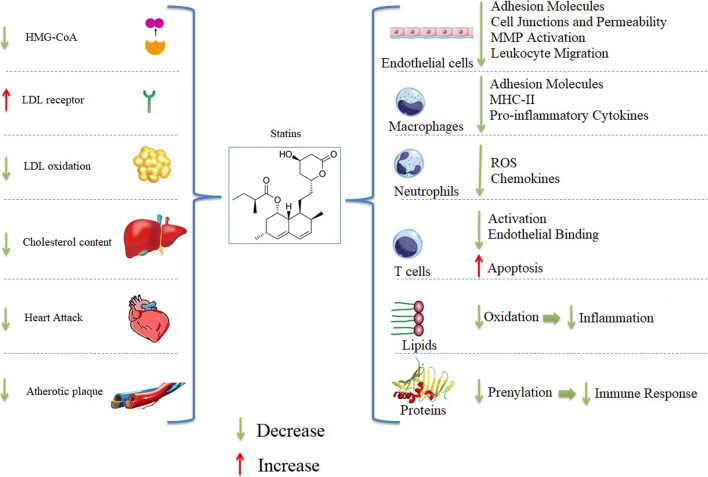
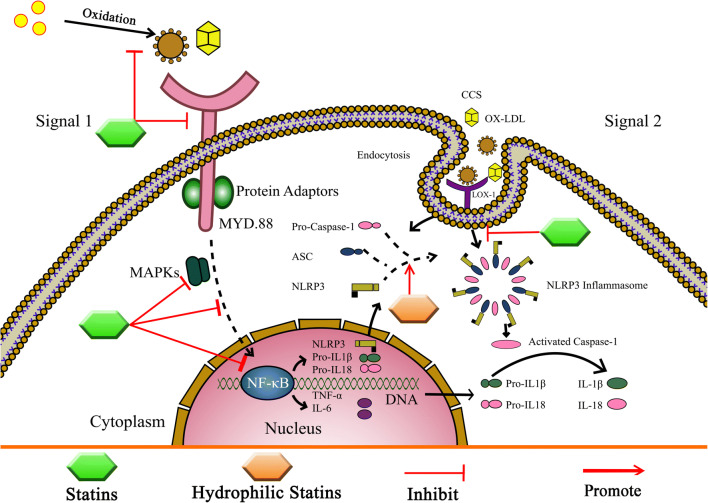
Verification
Claims the paper makes
The claims and statistics of this paper haven’t been checked yet.
Run the check — free, no account needed. It reads the open-access text and checks the sources it cites.
Claims other papers make about this one
Each is checked against this paper’s own text: does it say what the citing paper says it does?
The cited source says what the claim attributes to it.
In the citing paper
“In addition to their primary role in lowering LDL cholesterol, statins have demonstrated potential in various off‐label applications, such as anti‐inflammatory and immunomodulatory effects, which continue to drive research into their expanded therapeutic uses [108, 109].”
From Statins as Antifungal Agents: A Review on Drug Repurposing and Nanotechnology-Driven Delivery Strategies (2025) · cites this paper as [108]
The cited source says what the claim attributes to it.
In the citing paper
“These drugs have exhibited other pleiotropic effects; antioxidant, anticoagulant (Vadivoo et al. 2018), anticancer (Gupta et al. 2019; Di Bello et al. 2020); anti-inflammatory (Koushki et al. 2021) and antibacterial activities (Ko et al. 2017; Vadivoo et al. 2018”
From In vitro study on the potential fungicidal effects of atorvastatin in combination with some azole drugs against multidrug resistant Candida albicans (2021) · cites this paper as Koushki et al. 2021
Self-check
Percentages, sums and reported differences re-computed from the paper’s own numbers.
The self-check needs the paper’s full text.
Citations
Cites
Atherosclerosis--an inflammatory disease
Ross, R. (1999) · New England Journal of Medicine · doi:10.1056/nejm199901143400207 · Cited by 21,725
Pathogen Recognition and Innate Immunity
Akira, S., Uematsu, S., & Takeuchi, O. (2006) · Cell · doi:10.1016/j.cell.2006.02.015 · Cited by 11,976
Inflammation, Atherosclerosis, and Coronary Artery Disease
Hansson, G. K. (2005) · New England Journal of Medicine · doi:10.1056/nejmra043430 · Cited by 8,773
Inflammation and Atherosclerosis
Libby, P., Ridker, P. M., & Maseri, A. (2002) · Circulation · doi:10.1161/hc0902.104353 · Cited by 7,724
Ticagrelor versus clopidogrel in patients with acute coronary syndromes
Wallentin, L., Becker, R. C., Budaj, A., Cannon, C. P., Emanuelsson, H., Held, C., Horrow, J., Husted, S., James, S., Katus, H., et al. (2009) · New England Journal of Medicine · doi:10.1056/nejmoa0904327 · Cited by 7,117 · cited 1×
“Long-term treatment with ticagrelor, an antiplatelet medication, reduces cardiovascular events in patients with acute coronary syndrome [177, 178].”
BackgroundDowns, J. R., Clearfield, M., Weis, S., Whitney, E., Shapiro, D. R., Beere, P. A., Langendorfer, A., Stein, E. A., Kruyer, W., Gotto, Jr., et al. (1998) · JAMA · doi:10.1001/jama.279.20.1615 · Cited by 5,236
The Pathogenesis of Atherosclerosis — An Update
Ross, R. (1986) · New England Journal of Medicine · doi:10.1056/nejm198602203140806 · Cited by 4,885
Taganov, K. D., Boldin, M. P., Chang, K.-J., & Baltimore, D. (2006) · Proceedings of the National Academy of Sciences · doi:10.1073/pnas.0605298103 · Cited by 4,317
NLRP3 inflammasomes are required for atherogenesis and activated by cholesterol crystals
Duewell, P., Kono, H., Rayner, K. J., Sirois, C. M., Vladimer, G., Bauernfeind, F. G., Abela, G. S., Franchi, L., Nuñez, G., Schnurr, M., et al. (2010) · Nature · doi:10.1038/nature08938 · Cited by 4,026 · cited 2×
“These events increase the inflammatory macrophage phenotype, which exerts effects on cardiac muscle cells to promote their proliferation [19].”
BackgroundFerence, B. A., Ginsberg, H. N., Graham, I., Ray, K. K., Packard, C. J., Bruckert, E., Hegele, R. A., Krauss, R. M., Raal, F. J., Schunkert, H., et al. (2017) · European Heart Journal · doi:10.1093/eurheartj/ehx144 · Cited by 3,962
Immunological and inflammatory functions of the interleukin-1 family
Dinarello, C. A. (2009) · Annual Review of Immunology · doi:10.1146/annurev.immunol.021908.132612 · Cited by 3,466
Bauernfeind, F. G., Horvath, G. L., Stutz, A., Alnemri, E. S., MacDonald, K. L., Speert, D. P., Fernandes‐Alnemri, T., Wu, J., Monks, B. G., Fitzgerald, K. A., et al. (2009) · The Journal of Immunology · doi:10.4049/jimmunol.0901363 · Cited by 3,087
Sterile inflammation: sensing and reacting to damage
Chen, G. Y., & Nuñez, G. (2010) · Nature Reviews Immunology · doi:10.1038/nri2873 · Cited by 3,051
Thomas, A. C., & Campbell, J. H. (2000) · Cited by 2,800
The NLRP3 inflammasome instigates obesity-induced inflammation and insulin resistance
Vandanmagsar, B., Youm, Y.-H., Ravussin, A., Galgani, J. E., Stadler, K., Mynatt, R. L., Ravussin, E., Stephens, J. M., & Dixit, V. D. (2011) · Nature Medicine · doi:10.1038/nm.2279 · Cited by 2,655
C-Reactive Protein Levels and Outcomes after Statin Therapy
Ridker, P. M., Cannon, C. P., Morrow, D., Rifai, N., Rose, L. M., McCabe, C. H., Pfeffer, M. A., & Braunwald, E. (2005) · New England Journal of Medicine · doi:10.1056/nejmoa042378 · Cited by 2,292
Danesh, J., Collins, R., Appleby, P. N., & Peto, R. (1998) · JAMA · doi:10.1001/jama.279.18.1477 · Cited by 2,027
TLR4 mutations are associated with endotoxin hyporesponsiveness in humans
Arbour, N. C., Lorenz, E., Schutte, B. C., Zabner, J., Kline, J. N., Jones, M., Frees, K., Watt, J. L., & Schwartz, D. A. (2000) · Nature Genetics · doi:10.1038/76048 · Cited by 2,024
Long-term use of ticagrelor in patients with prior myocardial infarction
Bonaca, M. P., Bhatt, D. L., Cohen, M., Steg, P. G., Storey, R. F., Jensen, E. C., Magnani, G., Bansilal, S., Fish, M. P., Im, K., et al. (2015) · New England Journal of Medicine · doi:10.1056/nejmoa1500857 · Cited by 1,999 · cited 1×
“Long-term treatment with ticagrelor, an antiplatelet medication, reduces cardiovascular events in patients with acute coronary syndrome [177, 178].”
BackgroundThe interleukin-1 family: back to the future
Garlanda, C., Dinarello, C. A., & Mantovani, A. (2013) · Immunity · doi:10.1016/j.immuni.2013.11.010 · Cited by 1,945
Overview of the IL ‐1 family in innate inflammation and acquired immunity
Dinarello, C. A. (2018) · Immunological Reviews · doi:10.1111/imr.12621 · Cited by 1,866
Effect of Statin Therapy on C-Reactive Protein Levels
Albert, M. A., Danielson, E., Rifai, N., Ridker, P. M., & for the PRINCE Investigators (2001) · JAMA · doi:10.1001/jama.286.1.64 · Cited by 1,644
Pedersen, T. R. (2005) · JAMA · doi:10.1001/jama.294.19.2437 · Cited by 1,548
Chatzizisis, Y. S., Coskun, A. U., Jonas, M., Edelman, E. R., Feldman, C. L., & Stone, P. H. (2007) · Journal of the American College of Cardiology · doi:10.1016/j.jacc.2007.02.059 · Cited by 1,483
Immune and Inflammatory Mechanisms of Atherosclerosis
Galkina, E., & Ley, K. F. (2009) · Annual Review of Immunology · doi:10.1146/annurev.immunol.021908.132620 · Cited by 1,480
Jones, P. H., Davidson, M. H., Stein, E. A., Bays, H. E., McKenney, J. M., Miller, E., Cain, V. A., & Blasetto, J. W. (2003) · The American Journal of Cardiology · doi:10.1016/s0002-9149(03)00530-7 · Cited by 1,392
Statin Therapy, LDL Cholesterol, C-Reactive Protein, and Coronary Artery Disease
Nissen, S. E., Tuzcu, E. M., Schoenhagen, P., Crowe, T., Sasiela, W. J., Tsai, J., Orazem, J., Magorien, R. D., O'Shaughnessy, C., & Ganz, P. (2005) · New England Journal of Medicine · doi:10.1056/nejmoa042000 · Cited by 1,325
NEK7 is an essential mediator of NLRP3 activation downstream of potassium efflux
He, Y., Zeng, M. Y., Yang, D., Motro, B., & Núñez, G. (2016) · Nature · doi:10.1038/nature16959 · Cited by 1,295
Toll-Like Receptor Signaling Pathways
Barton, G. M., & Medzhitov, R. M. (2003) · Science · doi:10.1126/science.1085536 · Cited by 1,270
Brown, M. S., & Goldstein, J. L. (1980) · Journal of Lipid Research · doi:10.1016/s0022-2275(20)42221-7 · Cited by 1,210
Horror Autoinflammaticus: The Molecular Pathophysiology of Autoinflammatory Disease
Masters, S. L., Simon, A., Aksentijevich, I. A., & Kastner, D. L. (2009) · Annual Review of Immunology · doi:10.1146/annurev.immunol.25.022106.141627 · Cited by 1,083
Kunjathoor, V., Febbraio, M., Podrez, E., Moore, K., Andersson, L., Koehn, S. L., Rhee, J. S., Silverstein, R., Hoff, H., & Freeman, M. (2002) · Journal of Biological Chemistry · doi:10.1074/jbc.m209649200 · Cited by 1,064
Rajamäki, K., Lappalainen, J., Öörni, K., Välimäki, E., Matikainen, S., Kovanen, P. T., & Eklund, K. K. (2010) · PLoS ONE · doi:10.1371/journal.pone.0011765 · Cited by 1,039
Toll-like Receptor 4 Polymorphisms and Atherogenesis
Kiechl, S. J., Lorenz, E., Reindl, M., Wiedermann, C. J., Oberhollenzer, F., Bonora, E., Willeit, J., & Schwartz, D. A. (2002) · New England Journal of Medicine · doi:10.1056/nejmoa012673 · Cited by 1,022
Michelsen, K. S., Wong, M. H., Shah, P. K., Zhang, W., Yano, J., Doherty, T. M., Akira, S., Rajavashisth, T. B., & Arditi, M. (2004) · Proceedings of the National Academy of Sciences · doi:10.1073/pnas.0403249101 · Cited by 1,019
Vasa‐Nicotera, M., Fichtlscherer, S., Adler, K., Aicher, A., Martin, H., Zeiher, A. M., & Dimmeler, S. (2001) · Circulation · doi:10.1161/hc2401.092816 · Cited by 1,010
Ridker, P. M. (2016) · Circulation Research · doi:10.1161/circresaha.115.306656 · Cited by 1,002
Crisby, M., Fredrikson, G. N., Shah, P. K., Yano, J., Zhu, J., & Nilsson, J. Å. (2001) · Circulation · doi:10.1161/01.cir.103.7.926 · Cited by 999
Redox Regulation of NLRP3 Inflammasomes: ROS as Trigger or Effector?
Abais, J. M., Xia, M., Zhang, Y., Boini, K. M., & Li, P. (2014) · Antioxidants and Redox Signaling · doi:10.1089/ars.2014.5994 · Cited by 936
Monocytes in atherosclerosis: subsets and functions
Woollard, K. J., & Geissmann, F. (2010) · Nature Reviews Cardiology · doi:10.1038/nrcardio.2009.228 · Cited by 890
Chen, C.-J., Kono, H., Golenbock, D., Reed, G., Akira, S., & Rock, K. L. (2007) · Nature Medicine · doi:10.1038/nm1603 · Cited by 876
Ridker, P. M., Thuren, T., Zalewski, A., & Libby, P. (2011) · American Heart Journal · doi:10.1016/j.ahj.2011.06.012 · Cited by 799
Activated transcription factor nuclear factor-kappa B is present in the atherosclerotic lesion.
Brand, K., Page, S., Rogler, G., Bartsch, A., Brandl, R., Knuechel, R., Page, M., Kaltschmidt, C., Baeuerle, P. A., & Neumeier, D. (1996) · Journal of Clinical Investigation · doi:10.1172/jci118598 · Cited by 799
LOX-1, OxLDL, and Atherosclerosis
Pirillo, A., Norata, G. D., & Catapano, A. L. (2013) · Mediators of Inflammation · doi:10.1155/2013/152786 · Cited by 793
(1998) · Circulation · doi:10.1161/01.cir.97.15.1440 · Cited by 792
Lack of Interleukin-1β Decreases the Severity of Atherosclerosis in ApoE-Deficient Mice
Kirii, H., Niwa, T., Yamada, Y., Wada, H., Saito, K., Iwakura, Y., Asano, M., Moriwaki, H., & Seishima, M. (2003) · Arteriosclerosis Thrombosis and Vascular Biology · doi:10.1161/01.atv.0000064374.15232.c3 · Cited by 748
Induction and Stabilization of IκBα by Nitric Oxide Mediates Inhibition of NF-κB
Peng, H., Libby, P., & Liao, J. K. (1995) · Journal of Biological Chemistry · doi:10.1074/jbc.270.23.14214 · Cited by 703
Statins do more than just lower cholesterol
Vaughan, C. J., Murphy, M. B., & Buckley, B. M. (1996) · The Lancet · doi:10.1016/s0140-6736(96)05190-2 · Cited by 700
Statin therapy and autoimmune disease: from protein prenylation to immunomodulation
Greenwood, J., Steinman, L., & Zamvil, S. S. (2006) · Nature reviews. Immunology · doi:10.1038/nri1839 · Cited by 696
Xu, X.-O. H., Shah, P. K., Faure, E., Equils, O., Thomas, L. S., Fishbein, M. C., Luthringer, D., Xu, X., Rajavashisth, T. B., Yano, J., et al. (2001) · Circulation · doi:10.1161/hc5001.100631 · Cited by 676
Toll4 (TLR4) expression in cardiac myocytes in normal and failing myocardium
Frantz, S., Kobzik, L., Kim, Y., Fukazawa, R., Medzhitov, R. M., Lee, R. T., & Kelly, R. A. (1999) · Journal of Clinical Investigation · doi:10.1172/jci6709 · Cited by 645
Björkbacka, H., Kunjathoor, V. V., Moore, K. J., Koehn, S., Ordija, C. M., Lee, M. A., Means, T., Halmen, K., Luster, A. D., Golenbock, D. T., et al. (2004) · Nature Medicine · doi:10.1038/nm1008 · Cited by 634
Morishita, R., Sugimoto, T., Aoki, M., Kida, I., Tomita, N., Moriguchi, A., Maeda, K., Sawa, Y., Kaneda, Y., Higaki, J., et al. (1997) · Nature Medicine · doi:10.1038/nm0897-894 · Cited by 584
The evolving role of statins in the management of atherosclerosis
Vaughan, C. J., Gotto, A. M., & Basson, C. T. (2000) · Journal of the American College of Cardiology · doi:10.1016/s0735-1097(99)00525-2 · Cited by 573
Modulation of atherosclerosis in mice by Toll-like receptor 2
Mullick, A. E. (2005) · Journal of Clinical Investigation · doi:10.1172/jci25482 · Cited by 549
Chronic Infections and the Risk of Carotid Atherosclerosis
Kiechl, S. J., Egger, G., Mayr, M., Wiedermann, C. J., Bonora, E., Oberhollenzer, F., Muggeo, M., Xu, Q., Wick, G., Poewe, W. H., et al. (2001) · Circulation · doi:10.1161/01.cir.103.8.1064 · Cited by 508
Inhibition of Tumor Necrosis Factor-α Reduces Atherosclerosis in Apolipoprotein E Knockout Mice
Brånén, L., Hovgaard, L., Nitulescu, M., Bengtsson, E., Nilsson, J. Å., & Jovinge, S. V. (2004) · Arteriosclerosis Thrombosis and Vascular Biology · doi:10.1161/01.atv.0000143933.20616.1b · Cited by 506
Association of endotoxemia with carotid atherosclerosis and cardiovascular disease
Wiedermann, C. J., Kiechl, S., Dunzendorfer, S., Schratzberger, P., Egger, G., Oberhollenzer, F., & Willeit, J. (1999) · Journal of the American College of Cardiology · doi:10.1016/s0735-1097(99)00448-9 · Cited by 505
Blocking IL-1 in systemic inflammation
Dinarello, C. A. (2005) · The Journal of Experimental Medicine · doi:10.1084/jem.20050640 · Cited by 501
Inflammation, Immunity, and HMG-CoA Reductase Inhibitors
Schönbeck, U., & Libby, P. (2004) · Circulation · doi:10.1161/01.cir.0000129505.34151.23 · Cited by 500
Interleukin‐1β, Interleukin‐18, and the Interleukin‐1β Converting Enzymea
Dinarello, C. A. (1998) · Annals of the New York Academy of Sciences · doi:10.1111/j.1749-6632.1998.tb08307.x · Cited by 497
NOD-Like Receptors in Infection, Immunity, and Diseases
Kim, Y. K., Shin, J., & Nahm, M. H. (2015) · Yonsei Medical Journal · doi:10.3349/ymj.2016.57.1.5 · Cited by 481
Role of Lipoprotein-Associated Phospholipase A 2 in Atherosclerosis
Zalewski, A. A., & Macphee, C. H. (2005) · Arteriosclerosis Thrombosis and Vascular Biology · doi:10.1161/01.atv.0000160551.21962.a7 · Cited by 476
A novel anti-inflammatory role for simvastatin in inflammatory arthritis.
Leung, B. P., Sattar, N., Crilly, A., Prach, M., McCarey, D. W., Payne, H., Madhok, R., Campbell, C., Gracie, J. A., Liew, F. Y., et al. (2003) · The Journal of Immunology · doi:10.4049/jimmunol.170.3.1524 · Cited by 434
Pitt, B., Mancini, G. B. J., Ellis, S. G., Rosman, H., Park, J.-S., & Mcgovern, M. E. (1995) · Journal of the American College of Cardiology · doi:10.1016/0735-1097(95)00301-0 · Cited by 424
Reduced atherosclerosis in interleukin-18 deficient apolipoprotein E-knockout mice
Elhage, R. (2003) · Cardiovascular Research · doi:10.1016/s0008-6363(03)00343-2 · Cited by 378
Inhibition of proinflammatory cytokine production by pravastatin
Rosenson, R. S., Tangney, C., & Casey, L. C. (1999) · The Lancet · doi:10.1016/s0140-6736(98)05917-0 · Cited by 375
The Biochemical and Cellular Basis of Cell Proliferation Assays That Use Tetrazolium Salts
Berridge, M. V., Tan, A. S., McCoy, K. D., & Wang, R. (1996) · Cited by 375
Coeshott, C. M., Ohnemus, C., Pilyavskaya, A., Ross, S., Wieczorek, M., Kroona, H., Leimer, A. H., & Cheronis, J. C. (1999) · Proceedings of the National Academy of Sciences · doi:10.1073/pnas.96.11.6261 · Cited by 365
Dichtl, W., Dulak, J., Frick, M., Alber, H. F., Schwarzacher, S. P., Ares, M. P. S., Nilsson, J., Pachinger, O. M., & Weidinger, F. F. (2003) · Arteriosclerosis Thrombosis and Vascular Biology · doi:10.1161/01.atv.0000043456.48735.20 · Cited by 343
Ortego, M., Bustos, C., Hernández-Presa, M. Á., Tuñón, J., Díaz, C., Hernández, G., & Egido, J. (1999) · Atherosclerosis · doi:10.1016/s0021-9150(99)00193-8 · Cited by 339
HMG CoA reductase inhibitors lower LDL cholesterol without reducing Lp(a) levels.
Kostner, G. M., Gavish, D., Leopold, B., Bolzano, K., Weintraub, M. S., & Breslow, J. L. (1989) · Circulation · doi:10.1161/01.cir.80.5.1313 · Cited by 339
Mizutani, H., Schechter, N. M., Lazarus, G. S., Black, R. A., & Kupper, T. S. (1991) · The Journal of Experimental Medicine · doi:10.1084/jem.174.4.821 · Cited by 317
Anti-inflammatory therapeutics for the treatment of atherosclerosis
Charo, I. F., & Taub, R. A. (2011) · Nature Reviews Drug Discovery · doi:10.1038/nrd3444 · Cited by 314
Interleukin-1β in Coronary Arteries of Patients With Ischemic Heart Disease
Galea, J., Armstrong, J., Gadsdon, P., Holden, H. M., Francis, S., & Holt, C. M. (1996) · Arteriosclerosis Thrombosis and Vascular Biology · doi:10.1161/01.atv.16.8.1000 · Cited by 310
NLRP3 Inflammasome Expression and Activation in Human Atherosclerosis
Paramel, G. V., Folkersen, L., Strawbridge, R. J., Halvorsen, B. L., Yndestad, A., Ranheim, T., Krohg‐Sørensen, K., Skjelland, M., Espevik, T., Aukrust, P., et al. (2016) · Journal of the American Heart Association · doi:10.1161/jaha.115.003031 · Cited by 308
Joosten, L. A. B., Netea, M. G., Fantuzzi, G., Koenders, M. I., Helsen, M. M. A., Sparrer, H., Pham, C. T. N., van der Meer, J. W. M., Dinarello, C. A., & van den Berg, W. B. (2009) · Arthritis & Rheumatism · doi:10.1002/art.25006 · Cited by 304
Statin treatment after onset of sepsis in a murine model improves survival.
Merx, M. W., Liehn, E. A., Graf, J., van de Sandt, A., Schaltenbrand, M., Schrader, J., Hanrath, P., & Weber, C. (2005) · Circulation · doi:10.1161/circulationaha.104.502195 · Cited by 287
Role of NLRP3 Inflammasomes in Atherosclerosis
Karasawa, T., & Takahashi, M. (2017) · Journal of Atherosclerosis and Thrombosis · doi:10.5551/jat.rv17001 · Cited by 283
Role of TLR-2 in the Activation of Nuclear Factor κB by Oxidative Stress in Cardiac Myocytes
Frantz, S., Kelly, R. A., & Bourcier, T. (2001) · Journal of Biological Chemistry · doi:10.1074/jbc.m009160200 · Cited by 266
Rajesh, M., Bátkai, S., Kechrid, M., Mukhopadhyay, P., Lee, W.-S., Horváth, B., Holovac, E., Çınar, R., Liaudet, L., Mackie, K., et al. (2012) · Diabetes · doi:10.2337/db11-0477 · Cited by 261
Atherosclerosis in ApoE-deficient mice progresses independently of the NLRP3 inflammasome
Menu, P., Pellegrin, M., Aubert, J.-F., Bouzourène, K., Tardivel, A., Mazzolai, L., & Tschopp, J. (2011) · Cell Death and Disease · doi:10.1038/cddis.2011.18 · Cited by 249
In Vivo Evidence for a Role of Toll-Like Receptor 4 in the Development of Intimal Lesions
Vink, A., Schoneveld, A. H., van der Meer, J. J., van Middelaar, B. J., Sluijter, J. P. G., Smeets, M. B., Quax, P. H. A., Lim, S. K., Borst, C., Pasterkamp, G., et al. (2002) · Circulation · doi:10.1161/01.cir.0000032146.75113.ee · Cited by 243
Toldo, S. A., Marchetti, C., Mauro, A. G., Chojnacki, J. E., Mezzaroma, E., Carbone, S., Zhang, S., Tassell, B. W. V., Salloum, F. N., & Abbate, A. (2016) · International Journal of Cardiology · doi:10.1016/j.ijcard.2016.02.043 · Cited by 242
Lipoprotein Accumulation in Macrophages via Toll-Like Receptor-4–Dependent Fluid Phase Uptake
Choi, S.-H., Harkewicz, R., Lee, J. H., Boullier, A., Almazan, F., Li, A. C., Witztum, J. L., Bae, Y. S., & Miller, Y. I. (2009) · Circulation Research · doi:10.1161/circresaha.108.192880 · Cited by 233
Tiret, L., Godefroy, T., Lubos, E., Nicaud, V., Trégouët, D., Barbaux, S., Schnabel, R. B., Bickel, C., Espinola–Klein, C., Poirier, O., et al. (2005) · Circulation · doi:10.1161/circulationaha.104.519702 · Cited by 229
Interleukin-1 Receptor Antagonist Expression in Human Endothelial Cells and Atherosclerosis
Dewberry, R. M., Holden, H. M., Crossman, D. C., & Francis, S. (2000) · Arteriosclerosis Thrombosis and Vascular Biology · doi:10.1161/01.atv.20.11.2394 · Cited by 228
The NLRP3 inflammasome: A sensor of immune danger signals
Cassel, S. L., Joly, S., & Sutterwala, F. S. (2009) · Seminars in Immunology · doi:10.1016/j.smim.2009.05.002 · Cited by 226
Bhaskar, V., Yin, J., Mirza, A. M., Phan, D., Vanegas, S., Issafras, H., Michelson, K. S., Hunter, J., & Kantak, S. S. (2011) · Atherosclerosis · doi:10.1016/j.atherosclerosis.2011.02.026 · Cited by 226
Novel Aspects of Mevalonate Pathway Inhibitors as Antitumor Agents
Thurnher, M., Nussbaumer, O., & Gruenbacher, G. (2012) · Clinical Cancer Research · doi:10.1158/1078-0432.ccr-12-0489 · Cited by 226
The role of the NLRP3 inflammasome in gout
McDermott, M., Kingsbury, S. R., & Conaghan, P. G. (2011) · Journal of Inflammation Research · doi:10.2147/jir.s11330 · Cited by 225
Boekholdt, S. M., Agema, W. R. P., Peters, R. J. G., Zwinderman, A. H., van der Wall, E. E., Reitsma, P. H., Kastelein, J. J. P., & Jukema, J. W. (2003) · Circulation · doi:10.1161/01.cir.0000068311.40161.28 · Cited by 224
Abela, G. S., Aziz, K. S., Vedre, A., Pathak, D. R., Talbott, J. D., & deJong, J. L. (2009) · The American Journal of Cardiology · doi:10.1016/j.amjcard.2008.12.019 · Cited by 214
NLRP3 Inflammasome as a Molecular Marker in Diabetic Cardiomyopathy
Luo, B., Huang, F., Liu, Y., Liang, Y., Wei, Z., Ke, H., Zeng, Z., Huang, W., & He, Y. (2017) · Frontiers in Physiology · doi:10.3389/fphys.2017.00519 · Cited by 213
TLR Signaling: An Emerging Bridge from Innate Immunity to Atherogenesis
Michelsen, K. S., Doherty, T. M., Shah, P. K., & Arditi, M. (2004) · The Journal of Immunology · doi:10.4049/jimmunol.173.10.5901 · Cited by 211
Molecular and cellular mechanisms involved in cardiac remodeling after acute myocardial infarction
Vilahur, G., Juan‐Babot, O., Peña, E., Oñate, B., Casaní, L., & Badimón, L. (2011) · Journal of Molecular and Cellular Cardiology · doi:10.1016/j.yjmcc.2010.12.021 · Cited by 209
Inflammation and Atherothrombosis
Libby, P., & Ridker, P. M. (2006) · Journal of the American College of Cardiology · doi:10.1016/j.jacc.2006.08.011 · Cited by 204
NLRP3 inflammasome pathways in atherosclerosis
Baldrighi, M., Mallat, Z., & Li, X. (2017) · Atherosclerosis · doi:10.1016/j.atherosclerosis.2017.10.027 · Cited by 204
Innate immune signals in atherosclerosis
Lundberg, A. M., & Hansson, G. K. (2009) · Clinical Immunology · doi:10.1016/j.clim.2009.07.016 · Cited by 200
Chandrasekar, B., Mummidi, S., Mahimainathan, L., Patel, D. N., Bailey, S. R., Imam, S. Z., Greene, W. C., & Valente, A. J. (2006) · Journal of Biological Chemistry · doi:10.1074/jbc.m600200200 · Cited by 197
Inflammation and Atherosclerosis
Jialal, I., & Devaraj, S. (2001) · Pathology Patterns Reviews · doi:10.1309/j63v-5lth-wyfc-vdr5 · Cited by 195
Chruściel, P., Sahebkar, A., Rembek, M., Șerban, M.-C., Ursoniu, S., Mikhailidis, D. P., Jones, S. R., Moșteoru, S., Blaha, M. J., Martin, S. S., et al. (2016) · Atherosclerosis · doi:10.1016/j.atherosclerosis.2016.07.897 · Cited by 195
Self-citationCholesterol crystals piercing the arterial plaque and intima trigger local and systemic inflammation
Abela, G. S. (2010) · Journal of clinical lipidology · doi:10.1016/j.jacl.2010.03.003 · Cited by 192
Andreakos, E., Foxwell, B. M. J., & Feldmann, M. (2004) · Immunological Reviews · doi:10.1111/j.0105-2896.2004.00202.x · Cited by 191
Sahebkar, A., Kotani, K., Șerban, M.-C., Ursoniu, S., Mikhailidis, D. P., Jones, S. R., Ray, K. K., Blaha, M. J., Rysz, J., Toth, P. P., et al. (2015) · Atherosclerosis · doi:10.1016/j.atherosclerosis.2015.05.022 · Cited by 182
Self-citationInnate immunity and toll-like receptors: clinical implications of basic science research
Abreu, M. T., & Arditi, M. (2004) · The Journal of Pediatrics · doi:10.1016/j.jpeds.2004.01.057 · Cited by 182
Parizadeh, S. M. R., Azarpazhooh, M. R., Moohebati, M., Nematy, M., Ghayour‐Mobarhan, M., Tavallaie, S., Rahsepar, A. A., Amini, M., Sahebkar, A., Mohammadi, M., et al. (2011) · Lipids · doi:10.1007/s11745-010-3517-x · Cited by 182
Self-citationExpression of the NLRP3 Inflammasome in Carotid Atherosclerosis
Shi, X., Xie, W., Kong, W.-W., Chen, D., & Qu, P. (2015) · Journal of Stroke and Cerebrovascular Diseases · doi:10.1016/j.jstrokecerebrovasdis.2015.03.024 · Cited by 180
The impact of statin therapy on plasma levels of von Willebrand factor antigen
Sahebkar, A., Șerban, M.-C., Ursoniu, S., Mikhailidis, D. P., Undas, A., Lip, G. Y. H., Bittner, V., Ray, K. K., Watts, G. F., Hovingh, G. K., et al. (2015) · Thrombosis and Haemostasis · doi:10.1160/th15-08-0620 · Cited by 180
Self-citationSahebkar, A., & Watts, G. F. (2013) · Cardiovascular Drugs and Therapy · doi:10.1007/s10557-013-6479-4 · Cited by 176
Self-citationToll like receptor 4 in atherosclerosis and plaque destabilization
den Dekker, W. K., Cheng, C., Pasterkamp, G., & Duckers, H. J. (2009) · Atherosclerosis · doi:10.1016/j.atherosclerosis.2009.09.075 · Cited by 173
Takahashi, Y., Satoh, M., Minami, Y., Tabuchi, T., Itoh, T., & Nakamura, M. (2010) · Clinical Science · doi:10.1042/cs20100003 · Cited by 173
Statins Decrease Toll-Like Receptor 4 Expression and Downstream Signaling in Human CD14 + Monocytes
Methe, H., Kim, J.-O., Kofler, S., Nabauer, M., & Weis, M. (2005) · Arteriosclerosis, Thrombosis, and Vascular Biology · doi:10.1161/01.atv.0000168410.44722.86 · Cited by 172
Liu, P., Yu, Y.-R. A., Spencer, J. A., Johnson, A. E., Vallanat, C. T., Fong, A. M., Patterson, C., & Patel, D. D. (2007) · Arteriosclerosis Thrombosis and Vascular Biology · doi:10.1161/atvbaha.107.158675 · Cited by 169
van de Ree, M. A., Huisman, M. V., Princen, H. M. G., Meinders, A. E., & Kluft, C. (2002) · Atherosclerosis · doi:10.1016/s0021-9150(02)00316-7 · Cited by 159
Association between statin use and plasma D-dimer levels
Mikhailidis, D. P., Undas, A., Lip, G. Y. H., Muntner, P., Bittner, V., Ray, K. K., Watts, G. F., Hovingh, G. K., Rysz, J., Kastelein, J. J. P., et al. (2015) · Thrombosis and Haemostasis · doi:10.1160/th14-11-0937 · Cited by 157
Self-citationSimvastatin suppresses endotoxin-induced upregulation of toll-like receptors 4 and 2 in vivo
Niessner, A., Steiner, S., Speidl, W. S., Pleiner, J., Seidinger, D., Maurer, G., Goronzy, J. J., Weyand, C. M., Kopp, C. W., Huber, K., et al. (2006) · Atherosclerosis · doi:10.1016/j.atherosclerosis.2005.12.022 · Cited by 155
Zelvyté, I., Dominaitiene, R., Crisby, M., & Janciauskiene, S. M. (2002) · Pharmacological Research · doi:10.1006/phrs.2001.0922 · Cited by 152
Luo, B., Li, B., Wang, W., Liu, X., Liu, X., Xia, Y., Zhang, C., Zhang, Y., Zhang, M., & An, F. (2013) · Cardiovascular Drugs and Therapy · doi:10.1007/s10557-013-6498-1 · Cited by 150
Zheng, F. Y., Xing, S., Gong, Z., Mu, W., & Xing, Q. (2014) · Mediators of Inflammation · doi:10.1155/2014/507208 · Cited by 147
Devlin, C. M., Kuriakose, G., Hirsch, E., & Tabas, I. A. (2002) · Proceedings of the National Academy of Sciences · doi:10.1073/pnas.092324399 · Cited by 147
LOX-1, mtDNA damage, and NLRP3 inflammasome activation in macrophages: implications in atherogenesis
Ding, Z., Liu, S., Wang, X., Dai, Y., Khaidakov, M., Deng, X., Fan, Y., Xiang, D., & Mehta, J. L. (2014) · Cardiovascular Research · doi:10.1093/cvr/cvu114 · Cited by 145
Gojová, A., Brun, V., Esposito, B., Cottrez, F., Gourdy, P., Ardouin, P., Tedgui, A., Mallat, Z., & Groux, H. (2003) · Blood · doi:10.1182/blood-2003-05-1729 · Cited by 145
Fluvastatin Causes NLRP3 Inflammasome-Mediated Adipose Insulin Resistance
Henriksbo, B. D., Lau, T. C., Cavallari, J. F., Denou, E., Chi, W., Lally, J., Crane, J. D., Duggan, B. M., Foley, K. P., Fullerton, M. D., et al. (2014) · Diabetes · doi:10.2337/db13-1398 · Cited by 145
Sadeghi, M. M., Collinge, M., Pardi, R., & Bender, J. R. (2000) · The Journal of Immunology · doi:10.4049/jimmunol.165.5.2712 · Cited by 144
Self-citationTRB3 Gene Silencing Alleviates Diabetic Cardiomyopathy in a Type 2 Diabetic Rat Model
Ti, Y., Xie, G.-L., Wang, Z., Bi, X., Ding, W., Wang, J., Jiang, G.-H., Bu, P. L., Zhang, Y., Zhong, M., et al. (2011) · Diabetes · doi:10.2337/db11-0549 · Cited by 141
Statins and Pulmonary Fibrosis: The Potential Role of NLRP3 Inflammasome Activation
Xu, J., Washko, G. R., Nakahira, K., Hatabu, H., Patel, A. S., Fernandez, I. E., Nishino, M., Okajima, Y., Yamashiro, T., Ross, J. C., et al. (2012) · American Journal of Respiratory and Critical Care Medicine · doi:10.1164/rccm.201108-1574oc · Cited by 140
P2X7R is involved in the progression of atherosclerosis by promoting NLRP3 inflammasome activation
Kuang, P., Liu, L.-S., Wei, D., Lv, Y.-C., Wang, G., Xiong, W., Wang, X., Altaf, A., Wang, L., He, D., et al. (2015) · International Journal of Molecular Medicine · doi:10.3892/ijmm.2015.2129 · Cited by 139
Thomas, M. R., Outteridge, S. N., Ajjan, R., Phoenix, F. A., Sangha, G. K., Faulkner, R. E., Ecob, R., Judge, H. M., Khan, H. Z., West, L. E., et al. (2015) · Arteriosclerosis Thrombosis and Vascular Biology · doi:10.1161/atvbaha.115.306528 · Cited by 139
Chronic Treatment With Ticagrelor Limits Myocardial Infarct Size
Nanhwan, M. K., Ling, S., Kodakandla, M., Nylander, S., Ye, Y., & Birnbaum, Y. (2014) · Arteriosclerosis Thrombosis and Vascular Biology · doi:10.1161/atvbaha.114.304002 · Cited by 134
Satoh, M., Tabuchi, T., Itoh, T., & Nakamura, M. (2013) · Clinical Science · doi:10.1042/cs20130043 · Cited by 126
Protective Effects of Ticagrelor on Myocardial Injury After Infarction
Vilahur, G., Gutiérrez, M., Casaní, L., Varela, L. M., Capdevila, A., Pons‐Lladó, G., Carreras, F., Carlsson, L. G., Hidalgo, A., & Badimón, L. (2016) · Circulation · doi:10.1161/circulationaha.116.024014 · Cited by 124
Kong, F., Ye, B., Lü, L., Cai, X., Huang, W., & Huang, Z. (2016) · Biomedicine & Pharmacotherapy · doi:10.1016/j.biopha.2016.04.043 · Cited by 123
Hernández-Presa, M. Á., Martı́n-Ventura, J. L., Ortego, M., Gómez‐Hernández, A., Tuñón, J., Hernández-Vargas, P., Blanco‐Colio, L. M., Mas, S., Aparicio, C., Ortega, L. M., et al. (2002) · Atherosclerosis · doi:10.1016/s0021-9150(01)00547-0 · Cited by 122
Özbek, E., Çekmen, M., İlbey, Y. Ö., Şimşek, A., Polat, E. C., & Somay, A. (2009) · Renal Failure · doi:10.1080/08860220902835863 · Cited by 122
Volonte, D., Liu, Z., Musille, P. M., Stoppani, E., Wakabayashi, N., Di, Y.-P., Lisanti, M. P., Kensler, T. W., & Galbiati, F. (2013) · Molecular Biology of the Cell · doi:10.1091/mbc.e12-09-0666 · Cited by 119
Therapeutic potential of statins in Alzheimer's disease
Kandiah, N., & Feldman, H. (2009) · Journal of the Neurological Sciences · doi:10.1016/j.jns.2009.02.352 · Cited by 113
The essential roles of Toll-like receptor signaling pathways in sterile inflammatory diseases
Lin, Q., Li, M., Fang, D., Fang, J., & Su, S. B. (2011) · International Immunopharmacology · doi:10.1016/j.intimp.2011.04.026 · Cited by 109
P2X 7 Deficiency Blocks Lesional Inflammasome Activity and Ameliorates Atherosclerosis in Mice
Stachon, P., Heidenreich, A., Merz, J., Hilgendorf, I., Wolf, D., Willecke, F., von Garlen, S., Albrecht, P., Härdtner, C., Ehrat, N., et al. (2017) · Circulation · doi:10.1161/circulationaha.117.027400 · Cited by 106
New Insights into Plaque Stabilisation by Lipid Lowering
Libby, P., & Aikawa, M. (1998) · Drugs · doi:10.2165/00003495-199856001-00002 · Cited by 104
Birks, E., Felkin, L., Banner, N., Khaghani, A., Barton, P., & Yacoub, M. (2004) · The Journal of Heart and Lung Transplantation · doi:10.1016/s1053-2498(03)00106-2 · Cited by 102
TLR4 Asp299Gly polymorphism is not associated with coronary artery stenosis
Yang, I. A. (2003) · Atherosclerosis · doi:10.1016/s0021-9150(03)00286-7 · Cited by 101
Montero, M. T., Hernández, O., Suárez, Y., Matilla, J., Ferruelo, A. J., Martı́nez-Botas, J., Gómez-Coronado, D., & Lasunción, M. A. (2000) · Atherosclerosis · doi:10.1016/s0021-9150(00)00417-2 · Cited by 97
Frostegård, J., Zhang, Y., Sun, J., Yan, K., & Liu, A. (2016) · Journal of the American Heart Association · doi:10.1161/jaha.116.003976 · Cited by 95
Wang, S., Xie, X., Lei, T., Zhang, K., Lai, B., Zhang, Z., Guan, Y., Mao, G., Xiao, L., & Wang, N. (2017) · Molecular Pharmacology · doi:10.1124/mol.116.108100 · Cited by 93
Lipids, blood pressure and kidney update 2014
Banach, M., Aronow, W. S., Șerban, M.-C., Sahabkar, A., Rysz, J., Voroneanu, L. E., & Covic, A. C. (2015) · Pharmacological Research · doi:10.1016/j.phrs.2015.03.009 · Cited by 92
Self-citationYamamoto, A., Hoshi, K., & Ichihara, K. (1998) · European Journal of Pharmacology · doi:10.1016/s0014-2999(98)00692-x · Cited by 90
Statin synergizes with LPS to induce IL-1β release by THP-1 cells through activation of caspase-1
Kuijk, L. M., Mandey, S. H. L., Schellens, I. M. M., Waterham, H. R., Rijkers, G. T., Coffer, P. J., & Frenkel, J. (2008) · Molecular Immunology · doi:10.1016/j.molimm.2007.12.008 · Cited by 86
Mason, R. P., Walter, M. F., Day, C. A., & Jacob, R. F. (2006) · Journal of Biological Chemistry · doi:10.1074/jbc.m513000200 · Cited by 86
Neurauter, G., Wirleitner, B., Laich, A., Schennach, H., WEISS, G., & Fuchs, D. (2003) · Clinical & Experimental Immunology · doi:10.1046/j.1365-2249.2003.02021.x · Cited by 85
Variation in the toll-like receptor 4 gene and susceptibility to myocardial infarction
Holloway, J. W., Yang, I. A., & Ye, S. (2005) · Pharmacogenetics and Genomics · doi:10.1097/01213011-200501000-00003 · Cited by 83
Arboix, A., García‐Eroles, L., Oliveres, M., Targa, C., Balcells, M., & Massons, J. (2010) · BMC Neurology · doi:10.1186/1471-2377-10-47 · Cited by 83
Shishido, T., Nozaki, N., Takahashi, H., Arimoto, T., Niizeki, T., Koyama, Y., Abe, J., Takeishi, Y., & Kubota, I. (2006) · Biochemical and Biophysical Research Communications · doi:10.1016/j.bbrc.2006.05.056 · Cited by 83
on behalf of the PRIME Study group, Morange, P., Tiret, L., Saut, N., Luc, G., Arveiler, D., Ferrières, J., Amouyel, P., Evans, A., Ducimetière, P., et al. (2004) · European Journal of Human Genetics · doi:10.1038/sj.ejhg.5201277 · Cited by 82
The role of the inflammasome in patients with autoinflammatory diseases
Hoffman, H. M., & Broderick, L. (2016) · Journal of Allergy and Clinical Immunology · doi:10.1016/j.jaci.2016.05.001 · Cited by 80
Yuan, X., Deng, Y., Guo, X., Shang, J., Zhu, D., & Liu, H. (2014) · Biochemical and Biophysical Research Communications · doi:10.1016/j.bbrc.2014.02.091 · Cited by 79
Zaitone, S. A., & Abogresha, N. M. (2012) · European Journal of Pharmacology · doi:10.1016/j.ejphar.2012.06.022 · Cited by 79
Altaf, A., Qu, P., Zhao, Y., Wang, H., Lou, D., & Niu, N. (2015) · Coronary Artery Disease · doi:10.1097/mca.0000000000000255 · Cited by 77
Bone marrow‐specific caspase‐1/11 deficiency inhibits atherosclerosis development in Ldlr−/− mice
Hendrikx, T., Jeurissen, M. L. J., van Gorp, P. J., Gijbels, M. J., Walenbergh, S. M. A., Houben, T., van Gorp, R. H., Pöttgens, C. C. H., Stienstra, R., Netea, M. G., et al. (2015) · FEBS Journal · doi:10.1111/febs.13279 · Cited by 73
Satoh, M., Tabuchi, T., Minami, Y., Takahashi, Y., Itoh, T., & Nakamura, M. (2011) · Immunobiology · doi:10.1016/j.imbio.2011.08.005 · Cited by 72
IL-1 Cytokines in Cardiovascular Disease: Diagnostic, Prognostic and Therapeutic Implications
Apostolakis, S. Z., Vogiatzi, K., Krambovitis, E., & Spandidos, D. A. (2008) · Cardiovascular & Hematological Agents in Medicinal Chemistry · doi:10.2174/187152508783955006 · Cited by 71
Closing the loop on inflammation and atherothrombosis: why perform the CIRT and CANTOS trials?
Ridker, P. M. (2013) · Europe PMC (PubMed Central) · Cited by 67
Földes, G., von Haehling, S., Okonko, D. O., Jankowska, E. A., Poole-Wilson, P. A., & Anker, S. D. (2007) · International Journal of Cardiology · doi:10.1016/j.ijcard.2006.12.024 · Cited by 66
Lovastatin inhibits lipopolysaccharide-induced NF-kB activation in human mesangial cells
Guijarro, C., Kim, Y., Schoonover, C. M., Massy, Z. A., O’Donnell, M. P., Kasiske, B. L., Keane, W. F., & Kashtan, C. E. (1996) · Nephrology Dialysis Transplantation · doi:10.1093/ndt/11.6.990 · Cited by 65
Malik, T. H., Cortini, A., Carassiti, D., Boyle, J. J., Haskard, D. O., & Botto, M. (2010) · Circulation · doi:10.1161/circulationaha.110.981365 · Cited by 64
Moutzouri, E., Tellis, C. C., Rousouli, K., Liberopoulos, E. N., Milionis, H. J., Elisaf, M., & Tselepis, A. D. (2012) · Atherosclerosis · doi:10.1016/j.atherosclerosis.2012.08.037 · Cited by 62
Versteeg, D., Hoefer, I. E., Schoneveld, A. H., de Kleijn, D. P. V., Busser, E., Strijder, C. F., Emons, M., Stella, P. R., Doevendans, P. A., & Pasterkamp, G. (2007) · Heart · doi:10.1136/hrt.2007.117259 · Cited by 60
Wang, Y., Zhang, M. X., Meng, X., Liu, F. Q., Yu, G. S., Zhang, C., Sun, T., Wang, X. P., Li, L., Wang, Y. Y., et al. (2011) · American Journal of Physiology-Heart and Circulatory Physiology · doi:10.1152/ajpheart.01335.2008 · Cited by 59
Liu, A., Ming, J. Y., Fiskesund, R., Ninio, E., Karabina, S., Bergmark, C., Frostegård, A. G., & Frostegård, J. (2014) · Arteriosclerosis Thrombosis and Vascular Biology · doi:10.1161/atvbaha.114.304342 · Cited by 57
Liao, Y.-H., Lin, Y.-C., Tsao, S.-T., Lin, Y., Yang, A.-J., Huang, C.-T., Huang, K., & Lin, W. (2012) · Journal of Leukocyte Biology · doi:10.1189/jlb.0812409 · Cited by 56
Toll Receptor Polymorphisms and Carotid Artery Intima-Media Thickness
Labrum, R. W., Bevan, S., Sitzer, M., Lorenz, M., & Markus, H. S. (2007) · Stroke · doi:10.1161/01.str.0000260184.85257.2b · Cited by 54
Ticagrelor and Rosuvastatin Have Additive Cardioprotective Effects via Adenosine
Birnbaum, Y., Birnbaum, G. D., Birnbaum, I., Nylander, S., & Ye, Y. (2016) · Cardiovascular Drugs and Therapy · doi:10.1007/s10557-016-6701-2 · Cited by 53
Toll-like Receptor Polymorphisms and Carotid Artery Intima-Media Thickness
Lepper, P. M., von Eynatten, M., Humpert, P. M., Triantafilou, M., & Triantafilou, K. (2007) · Stroke · doi:10.1161/strokeaha.107.487058 · Cited by 53
Statins as potential therapeutic drug for asthma?
Yuan, C., Zhou, L., Cheng, J., Zhang, J., Teng, Y., Huang, M., Adcock, I. M., Barnes, P. J., & Yao, X. (2012) · Respiratory Research · doi:10.1186/1465-9921-13-108 · Cited by 52
Atorvastatin attenuates TLR4-mediated NF-kappaB activation in a MyD88-dependent pathway.
Chansrichavala, P., Chantharaksri, U., Sritara, P., & Chaiyaroj, S. C. (2009) · PubMed · Cited by 51
de Bont, N., Netea, M. G., Bleeker‐Rovers, C. P., Smilde, T. J., Demacker, P. N. M., van der Meer, J. W. M., & Stalenhoef, A. F. H. (1998) · Atherosclerosis · doi:10.1016/s0021-9150(98)00074-4 · Cited by 50
Ashida, K., Miyazaki, K., Takayama, E., Tsujimoto, H., Ayaori, M., Yakushiji, T., Iwamoto, N., Yonemura, A., Isoda, K., Mochizuki, H., et al. (2005) · Journal of Atherosclerosis and Thrombosis · doi:10.5551/jat.12.53 · Cited by 48
Is immunity a mechanism contributing to statin-induced diabetes?
Henriksbo, B. D., & Schertzer, J. D. (2015) · Adipocyte · doi:10.1080/21623945.2015.1024394 · Cited by 46
TLR signaling and trapped vascular dendritic cells in the development of atherosclerosis
Doherty, T. M., Fisher, E. A. A., & Arditi, M. (2006) · Trends in Immunology · doi:10.1016/j.it.2006.03.006 · Cited by 46
Tian, X., Wong, W. T., Xu, A., Chen, Z., Lu, Y., Lm, L., Lee, V. W. Y., Lau, C., Yao, X., & Huang, Y. (2011) · British Journal of Pharmacology · doi:10.1111/j.1476-5381.2011.01416.x · Cited by 46
Prediction of long-term functional outcome in patients with acute ischemic non-embolic stroke
Protopsaltis, J., Kokkoris, S., Korantzopoulos, P. G., Milionis, H. J., Karzi, E., Anastasopoulou, A., Filioti, K., Antonopoulos, S., Melidonis, A. J., & Giannoulis, G. (2008) · Atherosclerosis · doi:10.1016/j.atherosclerosis.2008.05.042 · Cited by 44
Kapelouzou, A., Giaglis, S., Peroulis, M., Katsimpoulas, M., Moustardas, P., Aravanis, C. V., Kostakis, A. I., Karayannakos, P. E., & Cokkinos, D. V. (2017) · Journal of Vascular Research · doi:10.1159/000457797 · Cited by 44
Montero, M. T., Matilla, J., Gómez-Mampaso, E., & Lasunción, M. A. (2004) · The Journal of Immunology · doi:10.4049/jimmunol.173.8.4936 · Cited by 43
Atorvastatin affects TLR4 clustering via lipid raft modulation
Chansrichavala, P., Chantharaksri, U., Sritara, P., Kosoltanapiwat, N., & Chaiyaroj, S. C. (2010) · International Immunopharmacology · doi:10.1016/j.intimp.2010.04.027 · Cited by 41
Satoh, M., Takahashi, Y., Tabuchi, T., Tamada, M., Takahashi, K., Itoh, T., Morino, Y., & Nakamura, M. (2014) · Clinical Science · doi:10.1042/cs20140417 · Cited by 38
Lv, Z.-H., Phuong, T. A., Jin, S., Li, X.-X., & Xu, M. (2017) · Oncotarget · doi:10.18632/oncotarget.20443 · Cited by 37
Statins inhibit toll-like receptor 4-mediated lipopolysaccharide signaling and cytokine expression
Hodgkinson, C. P., & Ye, S. (2008) · Pharmacogenetics and Genomics · doi:10.1097/fpc.0b013e3283050aff · Cited by 36
Massonnet, B., Normand, S., Moschitz, R., Delwail, A., Favot, L., Garcia, M., Bourmeyster, N., Cuisset, L., Grateau, G., Morel, F., et al. (2009) · European Cytokine Network · doi:10.1684/ecn.2009.0162 · Cited by 35
Mitchell, P. L., & Marette, A. (2014) · Diabetes · doi:10.2337/db14-1059 · Cited by 34
Zhang, W. B., Du, Q., Li, H., Sun, A., Qiu, Z., Wu, C. N., Zhao, G., Gong, H., Hu, K., Zou, Y., et al. (2012) · Journal of Cellular and Molecular Medicine · doi:10.1111/j.1582-4934.2012.01536.x · Cited by 33
Li, W., Asagami, T., Matsushita, H., Lee, K.-H., & Tsao, P. S. (2005) · Journal of Pharmacology and Experimental Therapeutics · doi:10.1124/jpet.104.080002 · Cited by 31
Davaro, F., Forde, S., Garfield, M. K., Jiang, Z., Halmen, K. A., Tamburro, N. D., Kurt‐Jones, E. A., Fitzgerald, K. A., Golenbock, D. T., & Wang, D. (2014) · Journal of Biological Chemistry · doi:10.1074/jbc.m114.571505 · Cited by 31
Yang, S. S., Li, R.-G., Qu, X., Fang, W., & Quan, Z. (2012) · Cellular Immunology · doi:10.1016/j.cellimm.2012.09.008 · Cited by 30
The effects of atorvastatin and rosuvastatin on oxidative stress in diabetic patients
Koksal, M., Eren, M. A., Turan, M. N., & Sabuncu, T. (2011) · European Journal of Internal Medicine · doi:10.1016/j.ejim.2010.12.003 · Cited by 29
Effect of atorvastatin on expression of TLR4 and NF-κB p65 in atherosclerotic rabbits
Shen, D., Xin, S.-L., Chen, C., & Liu, T. (2013) · Asian Pacific Journal of Tropical Medicine · doi:10.1016/s1995-7645(13)60081-4 · Cited by 28
Toll-like receptor 4 gene (Asp299Gly) polymorphism associates with carotid artery elasticity
Hernesniemi, J. A., Raitakari, O. T., Kähönen, M. A. P., Juonala, M., Hutri‐Kähönen, N., Marniemi, J., Viikari, J. S. A., & Lehtimäki, T. J. (2007) · Atherosclerosis · doi:10.1016/j.atherosclerosis.2007.09.024 · Cited by 27
Effects of HMG-CoA Reductase Inhibitor on Experimental Autoimmune Myocarditis
Liu, X., Li, B., Wang, W., Zhang, C., Zhang, M., Zhang, Y., Xia, Y., Dong, Z., Guo, Y. L., & An, F. (2012) · Cardiovascular Drugs and Therapy · doi:10.1007/s10557-012-6372-6 · Cited by 27
Yang, J., Zhang, X.-D., Yang, J. M., Ding, J., Liu, Z., Li, S.-G., & Yang, R. (2010) · Molecular Biology Reports · doi:10.1007/s11033-010-9970-z · Cited by 27
Boland, A. J., Gangadharan, N., Kavanagh, P. V., Hemeryck, L., Kieran, J., Barry, M. G., Walsh, P. T., & Lucitt, M. B. (2018) · Journal of Cardiovascular Pharmacology and Therapeutics · doi:10.1177/1074248418776261 · Cited by 26
Bobryshev, Y. V., & Watanabe, T. (1997) · PubMed · Cited by 25
Research works printed but not linked: 1
- Galea J, Armstrong J, Gadsdon P, Holden H, Francis SE, Holt CM (1996) Interleukin-1β in coronary arteries of patients with ischemic heart disease. Arterioscler Thromb Vasc Biol 16(8):1000–1006 · DOI
Cited by
Sorted by citations
Inflammation and atherosclerosis: signaling pathways and therapeutic intervention
Kong, P., Cui, Z.-Y., Huang, X.-F., Zhang, D.-D., Guo, R.-J., & Han, M. (2022) · Signal Transduction and Targeted Therapy · doi:10.1038/s41392-022-00955-7 · Cited by 1,183
Bai, J., Zhang, Y., Tang, C., Hou, Y., Ai, X., Chen, X., Zhang, Y., Wang, X., & Meng, X. (2021) · Biomedicine & Pharmacotherapy · doi:10.1016/j.biopha.2020.110985 · Cited by 720
The Role of Inflammation in Diabetic Retinopathy
Forrester, J. V., Kuffová, L., & Delibegović, M. (2020) · Frontiers in Immunology · doi:10.3389/fimmu.2020.583687 · Cited by 462
Arterial stiffness and vascular aging: mechanisms, prevention, and therapy
Herzog, M. J., Müller, P., Lechner, K., Stiebler, M., Arndt, P., Kunz, M., Ahrens, D., Schmeißer, A., Schreiber, S., & Braun-Dullaeus, R. C. (2025) · Signal Transduction and Targeted Therapy · doi:10.1038/s41392-025-02346-0 · Cited by 275
Henning, R. J. (2021) · Europe PMC (PubMed Central) · Cited by 209
Metadata
- Authors
- Koushki, K., Shahbaz, S. K., Mashayekhi, K., Sadeghi, M., Zayeri, Z. D., Taba, M. Y., Banach, M., Al-Rasadi, K., Johnston, T. P., & Sahebkar, A.
- Affiliations
- Mashhad University of Medical Sciences (IR)
- Ahvaz Jundishapur University of Medical Sciences (IR)
- Medical University of Lodz (PL)
- University of Missouri–Kansas City (US)
- Corresponding author
- Sahebkar, Amirhossein
- ORCID
- Venue
- Clinical Reviews in Allergy & Immunology
- Published
- 2020-05-06
- Volume
- 60
- Issue
- 2
- Pages
- 175-199
- ISSN
- 1080-0549 (ISSN-L)
- 1559-0267
- PMC
- PMC7985098
- OpenAlex
- W3021399606
- Cited by
- 382
- References
- 216
- Citations by year
- 2026: 50 · 2025: 74 · 2024: 70 · 2023: 86 · 2022: 52 · 2021: 40 · 2020: 9
- FWCI
- 4.48
- Type
- journal article
- Language
- en
- Open access
- hybrid
- doi.org
- Locations
- Clinical Reviews in Allergy & Immunology (publishedVersion, cc-by)
- PubMed Central (publishedVersion, cc-by)
- PubMed (publishedVersion)
- Funders
- Polish Mother's Memorial Hospital Research Institute
- Topics
- Life Sciences › Biochemistry, Genetics and Molecular Biology › Molecular Biology › Inflammasome and immune disorders
- Life Sciences › Immunology and Microbiology › Immunology › Atherosclerosis and Cardiovascular Diseases
- Health Sciences › Medicine › Cardiology and Cardiovascular Medicine › Lipoproteins and Cardiovascular Health
- Keywords
- statins, atherosclerosis, NLRP3 inflammasome, Toll-like receptors, TLR4/MyD88/NF-κB signaling, IL-1β, IL-18, anti-inflammatory activity, hypolipidemic effect, dose-dependent effects, cardiovascular disease
- MeSH terms
- NLR Family, Pyrin Domain-Containing 3 Protein, Animals, Anti-Inflammatory Agents, Cardiovascular Diseases, Humans, Signal Transduction, NF-kappa B, Hydroxymethylglutaryl-CoA Reductase Inhibitors, Interleukin-18, Toll-Like Receptors, Interleukin-1beta, Inflammasomes
About these checks
Registry, retraction, Cites and statistics results are computed, not judged, with one exception: a printed reference that no index lists is read once by a model before it counts as a citation error. Claims are extracted by a model and kept only when their quote appears verbatim in the text; each cited source is then checked, with a model’s help, for whether it says what the claim relies on. Those verdicts can be wrong — read the claim’s quote and the cited source before relying on one.
Statistics and arithmetic are recomputed, not judged.
Confidence bands are shown only for fields calibrated on our annotated test set. None is calibrated yet, so no band is shown.
What counts as a claim ›How we measure confidence ›How we check this ›
Are you an author, or do you see a problem with this page? Request a review
