

Collagen as a double-edged sword in tumor progression
Open accessThe DOI matches its Crossref record; 112 of the 112 references it cites were found in a registry or an index.
Abstract
It has been recognized that cancer is not merely a disease of tumor cells, but a disease of imbalance, in which stromal cells and tumor microenvironment play crucial roles. Extracellular matrix (ECM) as the most abundant component in tumor microenvironment can regulate tumor cell behaviors and tissue tension homeostasis. Collagen constitutes the scaffold of tumor microenvironment and affects tumor microenvironment such that it regulates ECM remodeling by collagen degradation and re-deposition, and promotes tumor infiltration, angiogenesis, invasion and migration. While collagen was traditionally regarded as a passive barrier to resist tumor cells, it is now evident that collagen is also actively involved in promoting tumor progression. Collagen changes in tumor microenvironment release biomechanical signals, which are sensed by both tumor cells and stromal cells, trigger a cascade of biological events. In this work, we discuss how collagen can be a double-edged sword in tumor progression, both inhibiting and promoting tumor progression at different stages of cancer development.
Overview
The claims and statistics of this paper haven’t been checked yet.
Free: it reads the open-access text and checks the first 5 claims that cite a source we can check. Create a free account to check every claim.
Integrity signals
Registry
Cites
Statistics
Figures
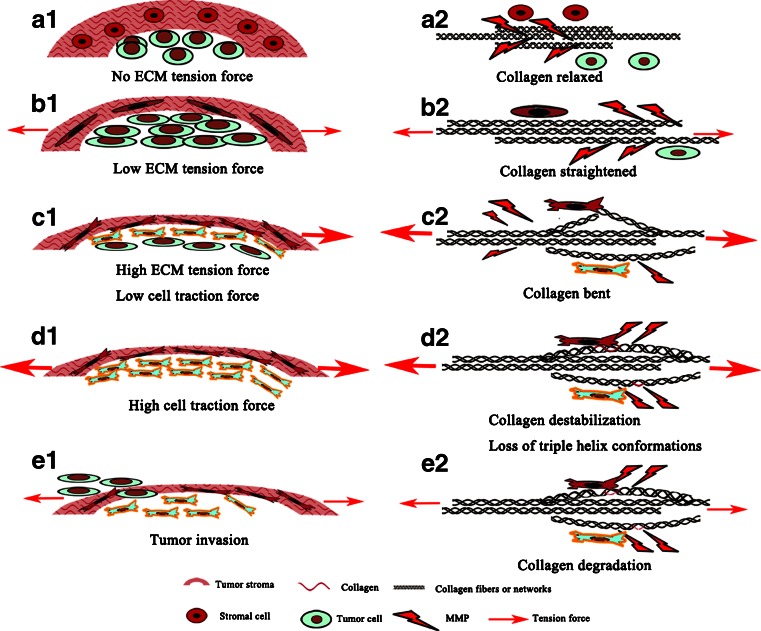
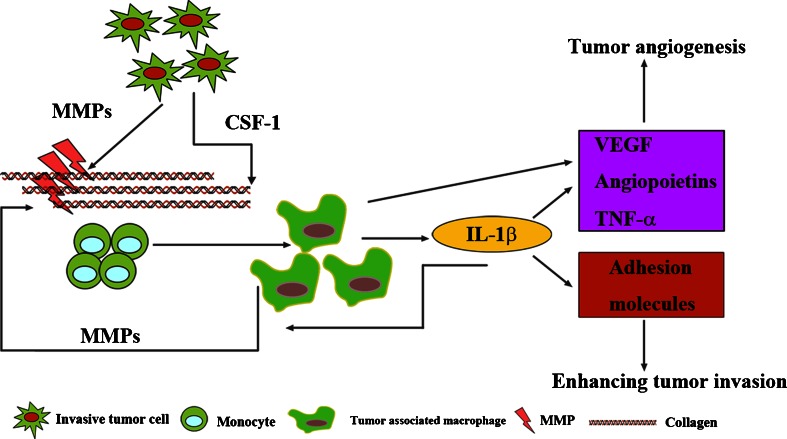
Verification
Claims the paper makes
The claims and statistics of this paper haven’t been checked yet.
Free: it reads the open-access text and checks the first 5 claims that cite a source we can check. Create a free account to check every claim.
Claims other papers make about this one
Each is checked against this paper’s own text: does it say what the citing paper says it does?
The cited source says what the claim attributes to it.
In the citing paper
“The overexpression of these collagens leads to the formation of a stiffer ECM which in turn promotes the formation of a tumorigenic microenvironment [26].”
From Microfluidic modelling of the tumor microenvironment for anti-cancer drug development (2019) · cites this paper as [26]
Self-check
Percentages, sums and reported differences re-computed from the paper’s own numbers.
The self-check needs the paper’s full text.
Citations
Cites
2 retracted
Lysyl oxidase is essential for hypoxia-induced metastasis
Erler, J. T., Bennewith, K. L., Nicolau, M., Dornhöfer, N., Kong, C., Le, Q.-T., Chi, J.-T. A., Jeffrey, S. S., & Giaccia, A. J. (2006) · Nature · doi:10.1038/nature04695 · Cited by 1,309 · cited 2×
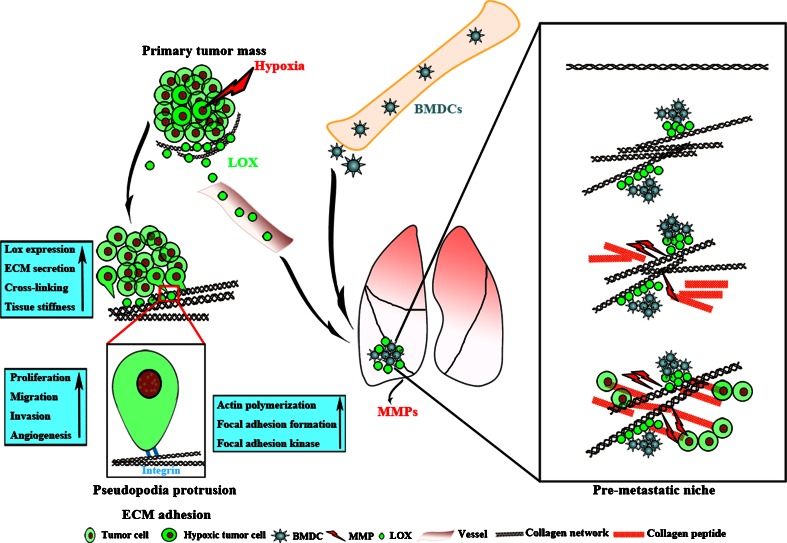
“It is reported that LOX can be disseminated into distal target organs via circulation to mobilize bone marrow derived cells (BMDCs) to distal sites, and to create pre-metastatic niche [29], as evidenced by consistent correlation between increased LOX expression and higher cancer metastasis risk [34].”
BackgroundRetractedSudhakar, A. (2005) · Journal of Clinical Investigation · doi:10.1172/jci24813 · Cited by 162
RetractedJemal, A., Bray, F., Center, M. M., Ferlay, J., Ward, E., & Forman, D. (2011) · CA: A Cancer Journal for Clinicians · doi:10.3322/caac.20107 · Cited by 54,679
Angiogenesis in cancer and other diseases
Carmeliet, P., & Jain, R. K. (2000) · Nature · doi:10.1038/35025220 · Cited by 9,070
Intratumor Heterogeneity and Branched Evolution Revealed by Multiregion Sequencing
Gerlinger, M., Rowan, A. J., Horswell, S., Larkin, J., Endesfelder, D., Gronroos, E., Martinez, P., Matthews, N., Stewart, A., Tarpey, P., et al. (2012) · New England Journal of Medicine · doi:10.1056/nejmoa1113205 · Cited by 7,774 · cited 1×
“To tackle this problem, many efforts focusing on tumor cells have been made over the past century, and some genetic and epigenetic mechanisms have been elucidated [2–6].”
BackgroundNew functions for the matrix metalloproteinases in cancer progression
Egeblad, M., & Werb, Z. (2002) · Nature Reviews Cancer · doi:10.1038/nrc745 · Cited by 6,108
Matrix Crosslinking Forces Tumor Progression by Enhancing Integrin Signaling
Levental, K. R., Yu, H., Kass, L., Lakins, J. N., Egeblad, M., Erler, J. T., Fong, S. F. T., Csiszar, K., Giaccia, A., Weninger, W., et al. (2009) · Cell · doi:10.1016/j.cell.2009.10.027 · Cited by 4,101 · cited 1×
“As the most abundant constituent of ECM, collagen accounts for the major function of ECM, and either increased [12] or decreased [13] deposition of collagen can be associated with increased malignancy.”
BackgroundTensional homeostasis and the malignant phenotype
Paszek, M. J., Zahir, N., Johnson, K. R., Lakins, J. N., Rozenberg, G. I., Gefen, A., Reinhart-King, C. A., Margulies, S. S., Dembo, M., Boettiger, D., et al. (2005) · Cancer Cell · doi:10.1016/j.ccr.2005.08.010 · Cited by 3,941 · cited 3×
“The progressive ECM remodeling produces typical morphological changes characterized by linearization of interstitial collagens at tumor invasion front, with significant impacts on tumor cell biology including gene expression, cell differentiation, proliferation, migration and responses to treatments [10].”
BackgroundCollagen Structure and Stability
Shoulders, M. D., & Raines, R. T. (2009) · Annual Review of Biochemistry · doi:10.1146/annurev.biochem.77.032207.120833 · Cited by 3,923 · cited 2×
“At least 28 different types of collagens have been identified in vertebrates [19, 20] (Table 1).”
BackgroundTumour-educated macrophages promote tumour progression and metastasis
Pollard, J. W. (2004) · Nature Reviews Cancer · doi:10.1038/nrc1256 · Cited by 3,367
Cited by
Items 101–200 of 608
Cancer cell survival depends on collagen uptake into tumor-associated stroma
Hsu, K.-S., Dunleavey, J. M., Szot, C. S., Yang, L., Hilton, M. B., Morris, K., Seaman, S., Feng, Y., Lutz, E. M., Koogle, R., et al. (2022) · Nature Communications · doi:10.1038/s41467-022-34643-5 · Cited by 69
Lugo-Cintrón, K. M., Ayuso, J. M., White, B. R., Harari, P. M., Ponik, S. M., Beebe, D. J., Gong, M. M., & Virumbrales-Muñoz, M. (2020) · Lab on a Chip · doi:10.1039/d0lc00099j · Cited by 64
YAP/TAZ inhibition reduces metastatic potential of Ewing sarcoma cells
Bierbaumer, L., Katschnig, A. M., Radic-Sarikas, B., Kauer, M. O., Petro, J. A., Högler, S., Gurnhofer, E., Pedot, G., Schäfer, B. W., Schwentner, R., et al. (2021) · Oncogenesis · doi:10.1038/s41389-020-00294-8 · Cited by 66
Dzobo, K., & Sinkala, M. (2021) · OMICS A Journal of Integrative Biology · doi:10.1089/omi.2021.0025 · Cited by 69
“Several reports have shown tumor cells, stromal cells, and the ECM change during the different stages of cancer development (Casey et al., 2009; Fang et al., 2014; Giussani et al., 2015; Orimo and Weinberg, 2006; Pupa et al., 2002; Tian et al., 2019).”
Extracellular Matrix Imaging of Breast Tissue Pathologies by MALDI–Imaging Mass Spectrometry
Angel, P. M., Schwamborn, K., Comte‐Walters, S., Clift, C. L., Ball, L. E., Mehta, A. S., & Drake, R. R. (2018) · PROTEOMICS - CLINICAL APPLICATIONS · doi:10.1002/prca.201700152 · Cited by 64
Macromolecular crowding tunes 3D collagen architecture and cell morphogenesis
Ranamukhaarachchi, S. K., Modi, R. N., Han, A., Velez, D. O., Kumar, A., Engler, A. J., & Fraley, S. I. (2019) · Biomaterials Science · doi:10.1039/c8bm01188e · Cited by 66
Despotović, S. Z., Milićević, Đ. N., Krmpot, A. J., Pavlovic, A. M., Živanović, V., Krivokapić, Z., Pavlović, V. B., Lević, S., Nikolić, G., & Rabasović, M. D. (2020) · Scientific Reports · doi:10.1038/s41598-020-63368-y · Cited by 69
Franchi, M., Piperigkou, Z., Karamanos, K.-A., Franchi, L., & Masola, V. (2020) · Cells · doi:10.3390/cells9092031 · Cited by 56
“The most dramatic peri-tumoral fiber degradation and disruption seem to occur when matrix metalloproteinases (MMPs) are released by cancer cells and penetrate among collagen fibers [42,43].”
BackgroundRigogliuso, S., Campora, S., Notarbartolo, M., & Ghersi, G. (2023) · Molecules · doi:10.3390/molecules28031152 · Cited by 67
PPAR Agonists for the Prevention and Treatment of Lung Cancer
Lakshmi, S. P., Reddy, A. T., Banno, A., & Reddy, R. C. (2017) · PPAR Research · doi:10.1155/2017/8252796 · Cited by 63
“PPARγ agonists also prevent themyofibroblast-associated increase in collagen secretion [58, 59] that can result in remodeling of the tumor microenvironment and facilitate cancer pathogenesis [61].”
BackgroundLi, J., Zormpas‐Petridis, K., Boult, J. K. R., Reeves, E. L., Heindl, A., Vinci, M., Lopes, F., Cummings, C., Springer, C. J., Chesler, L., et al. (2019) · Cancer Research · doi:10.1158/0008-5472.can-19-1595 · Cited by 67
Esophageal Cancer Development: Crucial Clues Arising from the Extracellular Matrix
Palumbo, A., Costa, N. M. D., Pontes, B., de Oliveira, F. L., Lohan-Codeço, M., Pinto, L. F. R., & Nasciutti, L. E. (2020) · Cells · doi:10.3390/cells9020455 · Cited by 65
“The increase in tissue stiffness occurs not only due to the increased deposition and cross-linking of thick fibers of type I collagen together with other proteins, such as fibronectin and types III and IV collagens, but also by the increase in cross-linking capacity of these meshworks [29].”
BackgroundOptimizing the manufacturing and antitumour response of CAR T therapy
Liu, Y., Sperling, A. S., Smith, E. L., & Mooney, D. J. (2023) · Nature Reviews Bioengineering · doi:10.1038/s44222-023-00031-x · Cited by 63
Filliol, A., & Schwabe, R. F. (2019) · Seminars in Liver Disease · doi:10.1055/s-0039-1685539 · Cited by 58
Glycosylation Modulates the Structure and Functions of Collagen: A Review
Tvaroška, I. (2024) · Molecules · doi:10.3390/molecules29071417 · Cited by 65
“See, for example, references [14,15,31,194,212–216].”
BackgroundMjelle, R., Dima, S., Bacalbașa, N., Chawla, K., Sorop, A., Cucu, D., Herlea, V., Sætrom, P., & Popescu, I. (2019) · BMC Cancer · doi:10.1186/s12885-019-6249-1 · Cited by 59
Wang, J., Jiang, Y.-H., Yang, P., & Liu, F. (2021) · OncoTargets and Therapy · doi:10.2147/ott.s288422 · Cited by 57
“Some collagen proteins are upregulated in cancer and associate with cancer progression and prognosis.(6) Targeting microenvironmental COL5A3 and COL4A2 have been shown to attenuate mammary tumor cell growth and progression.”
BackgroundRole of the Extracellular Matrix in Cancer: Insights into Tumor Progression and Therapy
Desai, N., Sahel, D. K., Sawant, B. K. S., Postwala, H. I., Shah, Y. B., Chavda, V. P., Fernandes, C., Khatri, D. K., & Vora, L. K. (2025) · Advanced Therapeutics · doi:10.1002/adtp.202400370 · Cited by 67
Gong, P., Wang, F., Hua, Y., Ying, J., Chen, J., & Qiao, Y. (2025) · Journal of Nanobiotechnology · doi:10.1186/s12951-025-03815-y · Cited by 65
Collagen analysis with mass spectrometry
van Huizen, N. A., IJzermans, J. N. M., Burgers, P. C., & Luider, T. M. (2019) · Mass Spectrometry Reviews · doi:10.1002/mas.21600 · Cited by 58
Zhang, Q., Wang, C., & Cliby, W. A. (2018) · Gynecologic Oncology · doi:10.1016/j.ygyno.2018.11.014 · Cited by 59
Anillin regulates epithelial cell mechanics by structuring the medial-apical actomyosin network
Arnold, T. R., Shawky, J. H., Stephenson, R. E., Dinshaw, K. M., Higashi, T., Huq, F., Davidson, L. A., & Miller, A. L. (2019) · eLife · doi:10.7554/elife.39065 · Cited by 57
“It is well known that tumors increase in stiffness over time due to increased extracellular collagen, and this stiffening promotes tumor progression (Fang et al., 2014); however, measurements of the stiffness of individual cancer cells revealed that cells become less stiff as they become metastatic…”
BackgroundThe Role of Collagen XVII in Cancer: Squamous Cell Carcinoma and Beyond
Jones, V., Patel, P. M., Gibson, F. T., Cordova, A., & Amber, K. T. (2020) · Frontiers in Oncology · doi:10.3389/fonc.2020.00352 · Cited by 58
“Following this model, studies have shown that extracellular matrix (ECM), historically considered a structural barrier to tumor cell migration, likely facilitates the first steps of cancer cell metastasis and supports tumor progression (6, 7).”
ResultPlatelets as messengers of early-stage cancer
Sabrkhany, S., Kuijpers, M. J. E., Egbrink, M. G. A. O., & Griffioen, A. W. (2021) · Cancer and Metastasis Reviews · doi:10.1007/s10555-021-09956-4 · Cited by 59
Pamplona, R., González‐Lana, S., Romero, P., Ochoa, I., Martín‐Rapún, R., & Sánchez‐Somolinos, C. (2023) · ACS Applied Polymer Materials · doi:10.1021/acsapm.2c01980 · Cited by 52
Graf, F., Horn, P., Ho, A. D., Boutros, M., & Maercker, C. (2021) · The FASEB Journal · doi:10.1096/fj.202002558rr · Cited by 58
Xia, T., He, Q., Shi, K., Wang, Y., Yu, Q., Zhang, L., Zhang, Q., Gao, H., Ma, L., & Liu, J. (2016) · Pharmaceutical Development and Technology · doi:10.1080/10837450.2016.1265553 · Cited by 53
Marine Collagen Substrates for 2D and 3D Ovarian Cancer Cell Systems
Paradiso, F., Fitzgerald, J. C., Yao, S. N., Barry, F., Taraballi, F., González, D., Conlan, R. S., & Francis, L. W. (2019) · Frontiers in Bioengineering and Biotechnology · doi:10.3389/fbioe.2019.00343 · Cited by 53
“In a tumor setting collagen remodeling (degradation and redeposition) strongly affects tumor infiltration, angiogenesis, invasion and migration (Provenzano et al., 2006; Fang et al., 2014).”
BackgroundJeanne, A., Untereiner, V., Perreau, C., Proult, I., Gobinet, C., Boulagnon‐Rombi, C., Terryn, C., Martiny, L., Brézillon, S., & Dedieu, S. (2017) · Scientific Reports · doi:10.1038/s41598-017-07043-9 · Cited by 51
Discoidin Domain Receptor 2 Signaling Regulates Fibroblast Apoptosis through PDK1/Akt
Jia, S., Agarwal, M., Yang, J., Horowitz, J. C., White, E. S., & Kim, K. K. (2018) · American Journal of Respiratory Cell and Molecular Biology · doi:10.1165/rcmb.2017-0419oc · Cited by 51
Collagen-rich airway smooth muscle cells are a metastatic niche for tumor colonization in the lung
Lee, Y., Kurtova, A. V., Xiao, J., Nikolos, F., Hayashi, K., Tramel, Z., Jain, A., Chen, F., Chokshi, M., Lee, C. M., et al. (2019) · Nature Communications · doi:10.1038/s41467-019-09878-4 · Cited by 54
PPARγas a Novel Therapeutic Target in Lung Cancer
Reddy, A. T., Lakshmi, S. P., & Reddy, R. C. (2016) · PPAR Research · doi:10.1155/2016/8972570 · Cited by 62
“An increase in some ECM constituents, including fibronectin and type I collagen and consequent remodeling of the tumor microenvironment, contributes to the pathogenesis of cancer [53].”
BackgroundEngineering Breast Cancer On-chip—Moving Toward Subtype Specific Models
Moccia, C., & Haase, K. (2021) · Frontiers in Bioengineering and Biotechnology · doi:10.3389/fbioe.2021.694218 · Cited by 51
Liang, D., Liu, L., Zhao, Y., Luo, Z., He, Y., Li, Y., Tang, S., Tang, J., & Chen, N. (2023) · Frontiers in Pharmacology · doi:10.3389/fphar.2023.1186712 · Cited by 52
“Deposition of fibrillar collagen is the most common tumorigenic change in the ECM and can directly promote tumor growth (Fang et al., 2014; Zhou et al., 2017).”
BackgroundSelf-citationPhagocyte—extracellular matrix crosstalk empowers tumor development and dissemination
Varol, C., & Sagi, I. (2017) · FEBS Journal · doi:10.1111/febs.14317 · Cited by 51
Traction Force Microscopy for Noninvasive Imaging of Cell Forces
Mulligan, J. A., Bordeleau, F., Reinhart‐King, C. A., & Adie, S. G. (2018) · Advances in experimental medicine and biology · doi:10.1007/978-3-319-95294-9_15 · Cited by 49
“(Collagen and fibronectin, which are among the most abundant ECM components found in tumors [51-53], are often used for this purpose.”
BackgroundGeneration of 3D Tumor Spheroids with Encapsulating Basement Membranes for Invasion Studies
Nazari, S. (2020) · Current Protocols in Cell Biology · doi:10.1002/cpcb.105 · Cited by 47
The Monocyte, a Maestro in the Tumor Microenvironment (TME) of Breast Cancer
Amer, H. T., Stein, U., & Tayebi, H. M. E. (2022) · Cancers · doi:10.3390/cancers14215460 · Cited by 50
“of tissue-remodeling cysteine cathepsin proteases that contribute to ECM and collagen degradation [47].”
BackgroundInfluentialTsafas, V., Gavgiotaki, E., Tzardi, M. N., Tsafa, E., Fotakis, C., Athanassakis, I., & Filippidis, G. (2020) · Journal of Biophotonics · doi:10.1002/jbio.202000180 · Cited by 46
Gene expression profiling of breast cancer in Lebanese women
Makoukji, J., Makhoul, N. J., Khalil, M., El‐Sitt, S., Aldin, E. S., Jabbour, M. N., Boulos, F. I., Gadaleta, E., Sangaralingam, A., Chelala, C., et al. (2016) · Scientific Reports · doi:10.1038/srep36639 · Cited by 44
Recent advances in tumor microenvironment associated therapeutic strategies and evaluation models
Haider, T., Sandha, K. K., Soni, V., & Gupta, P. N. (2020) · Materials Science and Engineering C · doi:10.1016/j.msec.2020.111229 · Cited by 45
Assessing Collagen D-Band Periodicity with Atomic Force Microscopy
Stylianou, A. (2022) · Materials · doi:10.3390/ma15041608 · Cited by 47
Anggorowati, N., Kurniasari, C. R., Damayanti, K., Cahyanti, T., Widodo, I., Ghozali, A., Romi, M. M., Sari, D. C. R., & Arfian, N. (2017) · Europe PMC (PubMed Central) · doi:10.22034/apjcp.2017.18.3.667 · Cited by 43
“Collagen is a physical barrier against invasion of tumor cells, but it is also known in inducing infiltration, angiogenesis, invasion, and migration of tumor cells (Fang et al., 2014).”
Radziejewska, I., Supruniuk, K., Nazaruk, J., Karna, E., Popławska, B., Bielawska, A., & Galicka, A. (2018) · Biomedicine & Pharmacotherapy · doi:10.1016/j.biopha.2018.07.123 · Cited by 43
Craven, K. E., Gore, J., Wilson, J. L., & Korc, M. (2015) · Oncotarget · doi:10.18632/oncotarget.6345 · Cited by 44
Angel, P. M., Spruill, L., Jefferson, M. S., Bethard, J. R., Ball, L. E., Halbert, C. H., & Drake, R. R. (2020) · The Prostate · doi:10.1002/pros.24031 · Cited by 43
Collagen type VI‑α1 and 2 repress the proliferation, migration and invasion of bladder cancer cells
Piao, X., Hwang, B., Jeong, P., Byun, Y. J., Kang, H. W., Seo, S., Kim, W., Lee, J., Ha, Y., Lee, Y.-S., et al. (2021) · International Journal of Oncology · doi:10.3892/ijo.2021.5217 · Cited by 46
Giustarini, G., Pavesi, A., & Adriani, G. (2021) · Frontiers in Bioengineering and Biotechnology · doi:10.3389/fbioe.2021.689245 · Cited by 48
“Additionally, loss of the containment function of the ECM might facilitate access to the bloodstream and consequent tumor metastasis, leading to a worse prognosis (Bonnans et al., 2014; Fang et al., 2014).”
BackgroundThe effects of growth hormone on therapy resistance in cancer
Basu, R., & Kopchick, J. J. (2019) · Cancer Drug Resistance · doi:10.20517/cdr.2019.27 · Cited by 50
“Although collagen deposition seems to be beneficial in restricting metastasis of the tumor, increased collagen correlates with increased angiogenic (VEGF) and inflammatory factors (TGFb)([190]).”
BackgroundNanofibrillar Hydrogel Recapitulates Changes Occurring in the Fibrotic Extracellular Matrix
Prince, E., Chen, Z., Khuu, N., & Kumacheva, E. (2021) · Biomacromolecules · doi:10.1021/acs.biomac.0c01714 · Cited by 44
Nissen, N. I., Johansen, A. Z., Chen, I. M., Johansen, J. S., Pedersen, R. S., Hansen, C. P., Karsdal, M. A., & Willumsen, N. (2022) · Cancers · doi:10.3390/cancers14030819 · Cited by 45
Habanjar, O., Diab‐Assaf, M., Caldefie‐Chezet, F., & Delort, L. (2022) · Biology · doi:10.3390/biology11020339 · Cited by 45
Faraji, F., Ramirez, S. I., Quiroz, P. Y. A., Mendez-Molina, A. N., & Gutkind, J. S. (2022) · Cells · doi:10.3390/cells11081370 · Cited by 45
“Given the role of Hippo signaling in sensing ECM stiffness, such conditions are likely to induce YAP activation, which in turn mediates tumor cell proliferation, differentiation, migration, and invasion programs attributed to ECM-stiff tumors [68,70].”
BackgroundSekar, V., Anandasadagopan, S. K., & Ganapasam, S. (2016) · BioFactors · doi:10.1002/biof.1298 · Cited by 42
“Collagen changes the tissue microenvironment through biomechanical signals which trigger a cascade of biological events [49].”
BackgroundCavaco, A. C. M., Rezaei, M., Niland, S., & Eble, J. A. (2017) · International Journal of Molecular Sciences · doi:10.3390/ijms18112355 · Cited by 43
“Notably, immune cells tend to accumulate and migrate within dense collagen-enriched tumor stroma regions [115].”
BackgroundSawicki, L. A., Ovadia, E. M., Pradhan, L., Cowart, J. E., ROSS, K. E., Wu, C. H., & Kloxin, A. M. (2019) · APL Bioengineering · doi:10.1063/1.5064596 · Cited by 45
A bioinformatics analysis: ZFHX4 is associated with metastasis and poor survival in ovarian cancer
Zong, S., Xu, P.-P., Xu, Y., & Guo, Y. C. (2022) · Journal of Ovarian Research · doi:10.1186/s13048-022-01024-x · Cited by 44
“In the metastatic sites, however, CAFs deposited more collagens into matrix to support new lesions growth and help them evade immune surveillance [25, 26].”
BackgroundLihachev, A., Lihacova, I., Ploriņa, E. V., Lange, M., Derjabo, A., & Spīgulis, J. (2018) · Biomedical Optics Express · doi:10.1364/boe.9.001852 · Cited by 39
Macrophage-tumor cell interaction promotes ATRT progression and chemoresistance
Melcher, V., Graf, M., Interlandi, M., Moreno, N., de Faria, F. W., Kim, S. N., Kastrati, D., Korbanka, S., Alfert, A., Gerß, J., et al. (2019) · Acta Neuropathologica · doi:10.1007/s00401-019-02116-7 · Cited by 42
“A collagenrich matrix has already been implicated in aggressive colon tumors harboring a MES gene signature [24, 84].”
BackgroundGolé, L., Yeong, J. P.-S., Lim, J. C. T., Ong, K. H., Han, H., Thike, A. A., Poh, Y. C., Yee, S., Iqbal, J., Hong, W., et al. (2020) · Breast Cancer Research · doi:10.1186/s13058-020-01282-x · Cited by 42
“underlying these contradictory reports were unclear [48].”
BackgroundRaman spectroscopy reveals phenotype switches in breast cancer metastasis
Paidi, S. K., Troncoso, J. R., Harper, M. G., Liu, Z., Nguyen, K. G., Ravindranathan, S., Rebello, L., Lee, D. E., Ivers, J. D., Zaharoff, D. A., et al. (2022) · Theranostics · doi:10.7150/thno.74002 · Cited by 42
Shen, H., Gao, Q., Ye, Q., Yang, S., Wu, Y., Huang, Q., Wang, X., & Sun, Z. (2018) · International Journal of Nanomedicine · doi:10.2147/ijn.s178585 · Cited by 38
“The collagen network in tumors is mainly constructed from collagen I.(17,39) Los can dramatically deplete tumor collagen I, according to previous reports.”
ResultThe Multifaced Role of Collagen in Cancer Development and Progression
Buglio, G. L., Cicero, A. L., Campora, S., & Ghersi, G. (2024) · International Journal of Molecular Sciences · doi:10.3390/ijms252413523 · Cited by 42
Rigogliuso, S., Salamone, M., Barbarino, E., Barbarino, M., Nicosia, A., & Ghersi, G. (2020) · International Journal of Molecular Sciences · doi:10.3390/ijms21165798 · Cited by 38
“There is extensive evidence on the key role of the ECM, of which collagen type I is among the main components, to tune morphogenesis, development, cell growth, migration and tumorigenesis [14,15].”
BackgroundExtracellular matrix macromolecules: potential tools and targets in cancer gene therapy
Sainio, A., & Järveläinen, H. (2014) · Molecular and Cellular Therapies · doi:10.1186/2052-8426-2-14 · Cited by 43
“Different collagens, particularly types I and III are often associated with cancers such as breast and pancreatic cancers resulting in increased stromal collagen accumulation and promotion of cancer progression [37-40].”
BackgroundSaini, H., Rahmani Eliato, K., Silva, C., Allam, M., Mouneimne, G., Ros, R., & Nikkhah, M. (2018) · Cellular and Molecular Bioengineering · doi:10.1007/s12195-018-0544-9 · Cited by 37
Multiscale Modelling of Fibres Dynamics and Cell Adhesion within Moving Boundary Cancer Invasion
Shuttleworth, R., & Trucu, D. (2019) · Bulletin of Mathematical Biology · doi:10.1007/s11538-019-00598-w · Cited by 41
“Many in vitro experiments have shown that CAFs rearrange both collagen fibres and fibronectin, enabling a smooth invasion of the cancer cells [15, 16, 19, 26].”
BackgroundFranchi, M., Masola, V., Bellin, G., Onisto, M., Karamanos, K.-A., & Piperigkou, Z. (2019) · Journal of Clinical Medicine · doi:10.3390/jcm8020213 · Cited by 33
“Comparing the parallel to orthogonal collagen fiber array proposed in vitro, which correspond to TACS-II and TACS-III in vivo, we can conclude that ECM plays dual roles as a tumor suppressor at the early stages, but paradoxically also as a tumor promoter in the later stages of tumor progression [31].”
BackgroundInfluentialRecent progress in cancer immunotherapy approaches based on nanoparticle delivery devices
Gupta, B., & Kim, J. O. (2021) · Journal of Pharmaceutical Investigation · doi:10.1007/s40005-021-00527-x · Cited by 37
Franchi-Mendes, T., Lopes, N., & Brito, C. (2021) · Frontiers in Bioengineering and Biotechnology · doi:10.3389/fbioe.2021.649949 · Cited by 40
“Specific ECM proteins, such as collagen I and IV and fibronectin, have been described as supportive for ECs within the TME (Lu et al., 2012; Fang et al., 2014; Pickup et al., 2014) and are known to be secreted by fibroblasts (Kalluri and Zeisberg, 2006; Newman et al., 2011).”
BackgroundPrognostic Value of Highly Expressed Type VII Collagen (COL7A1) in Patients With Gastric Cancer
Oh, S. E., Oh, M. Y., An, J. Y., Lee, J. H., Sohn, T. S., Bae, J. M., Choi, M.-G., & Kim, K. (2021) · Pathology & Oncology Research · doi:10.3389/pore.2021.1609860 · Cited by 39
“Among the many components of the tumor microenvironment, collagen provides the major structural framework of the extracellular matrix and can thus aid or restrain tumor progression [18].”
BackgroundThe BRAFV600E inhibitor, PLX4032, increases type I collagen synthesis in melanoma cells
Jenkins, M. H., Croteau, W., Mullins, D. W., & Brinckerhoff, C. (2015) · Matrix Biology · doi:10.1016/j.matbio.2015.05.007 · Cited by 39
“The contradictory nature of these studies suggests that collagen may be a ‘double-edged sword’ [24], in that it may both inhibit and promote the progression of melanomas.”
Court, M., Malier, M., & Millet, A. (2019) · Biomaterials · doi:10.1016/j.biomaterials.2019.04.018 · Cited by 38
The regulatory mechanisms of proline and hydroxyproline metabolism: Recent advances in perspective
Phang, J. M. (2023) · Frontiers in Oncology · doi:10.3389/fonc.2022.1118675 · Cited by 37
“Collagen is thought to play an important role between cancer cells and their microenvironment (28).”
BackgroundAn insight on the association of glycation with hepatocellular carcinoma
Jabir, N. R., Ahmad, S., & Tabrez, S. S. M. (2017) · Seminars in Cancer Biology · doi:10.1016/j.semcancer.2017.06.005 · Cited by 36
“Collagen has been considered as a potential contributor of tumor progression at different stages of cancer development through intracellular pathways signal transduction [71].”
Analysis of Collagen Spatial Structure Using Multiphoton Microscopy and Machine Learning Methods
Kistenev, Y. V., Vrazhnov, D. A., Nikolaev, V. V., Sandykova, E. A., & Krivova, N. A. (2019) · Biochemistry (Moscow) · doi:10.1134/s0006297919140074 · Cited by 42
Nissen, N. I., Kehlet, S. N., Boisen, M. K., Liljefors, M., Jensen, C., Johansen, A. Z., Johansen, J. S., Erler, J. T., Karsdal, M. A., Mortensen, J. H., et al. (2021) · Scientific Reports · doi:10.1038/s41598-020-79608-0 · Cited by 35
Fibrillar Collagen: A Review of the Mechanical Modeling of Strain-Mediated Enzymatic Turnover
Topol, H., Demirkoparan, H., & Pence, T. J. (2021) · Applied Mechanics Reviews · doi:10.1115/1.4052752 · Cited by 40
Extracellular Matrix Remodeling by Fibroblast-MMP14 Regulates Melanoma Growth
Pach, E., Kümper, M., Fromme, J. E., Zamek, J., Metzen, F., Koch, M., Mauch, C., & Zigrino, P. (2021) · International Journal of Molecular Sciences · doi:10.3390/ijms222212276 · Cited by 37
“Enhanced deposition and crosslinking of collagen, the major component of the ECM, and the resulting increased stiffness has been implicated to have a regulatory function in the progression of several tumor types [25,26].”
BackgroundCao, Z., & Zhang, S. (2016) · Scientific Reports · doi:10.1038/srep33398 · Cited by 42
Novel Microfluidic Colon with an Extracellular Matrix Membrane
Wang, C., Tanataweethum, N., Karnik, S. J., & Bhushan, A. (2018) · ACS Biomaterials Science & Engineering · doi:10.1021/acsbiomaterials.7b00883 · Cited by 35
Lothong, M., Sakares, W., Rojsitthisak, P., Tanikawa, C., Matsuda, K., & Yodsurang, V. (2021) · PLoS ONE · doi:10.1371/journal.pone.0255179 · Cited by 34
“Accordingly, the biochemical mechanisms of extracellular matrix molecules associated with cancer cell development and metastasis have been addressed [3].”
BackgroundMin, S., Lee, Y., Hong, J., Park, T. J., Woo, H. G., Kwon, S. M., & Yoon, G. (2021) · Cell Death and Disease · doi:10.1038/s41419-021-04370-8 · Cited by 42
“Collagens are the major structural components of the extracellular matrix (ECM) and form the scaffold of the tumor microenvironment, thereby regulating tumor infiltration, angiogenesis, and metastasis [12].”
BackgroundWenta, T., Nastały, P., Lipińska, B., & Manninen, A. (2024) · Matrix Biology · doi:10.1016/j.matbio.2024.10.007 · Cited by 36
Tumor-Associated Regulatory T Cell Expression of LAIR2 Is Prognostic in Lung Adenocarcinoma
Ly, D., Li, Q., Navab, R., Zeltz, C., Fang, L., Cabanero, M., Zhu, C., Tsao, M., & Zhang, L. (2021) · Cancers · doi:10.3390/cancers14010205 · Cited by 35
Preservation of circadian rhythms by the protein folding chaperone, BiP
Pickard, A., Chang, J., Alachkar, N., Calverley, B. C., Garva, R., Arvan, P., Meng, Q., & Kadler, K. E. (2019) · The FASEB Journal · doi:10.1096/fj.201802366rr · Cited by 33
Identification of P4HA1 as a prognostic biomarker for high-grade gliomas
Hu, W.-M., Zhang, J., Sun, S., Xi, S., Chen, Z.-J., Jiang, X., Lin, F.-H., Chen, Z.-H., Chen, Y.-S., Wang, J., et al. (2017) · Pathology - Research and Practice · doi:10.1016/j.prp.2017.09.017 · Cited by 32
Rujchanarong, D., Lefler, J. E., Saunders, J. E., Pippin, S., Spruill, L., Bethard, J. R., Ball, L. E., Mehta, A. S., Drake, R. R., Ostrowski, M. C., et al. (2021) · Cancers · doi:10.3390/cancers13174419 · Cited by 33
“Emerging research have found that breast stroma plays a crucial role in breast cancer development, progression and outcome [3], yet the breast stroma remains poorly understood.”
BackgroundInfluentialRecruited and Tissue-Resident Natural Killer Cells in the Lung During Infection and Cancer
Franklin, M., Connolly, E., & Hussell, T. (2022) · Frontiers in Immunology · doi:10.3389/fimmu.2022.887503 · Cited by 35
Lineage Plasticity in SCLC Generates Non-Neuroendocrine Cells Primed for Vasculogenic Mimicry
Pearsall, S. M., Williamson, S. C., Humphrey, S., Hughes, E., Morgan, D., Garcia-Marques, F. J., Awanis, G., Carroll, R., Burks, L., Shue, Y. T., et al. (2023) · Journal of Thoracic Oncology · doi:10.1016/j.jtho.2023.07.012 · Cited by 34
“72 Furthermore, VM-forming breast cancer cells are exquisitely sensitive to changes in collagen organization, 42 further supporting the importance of integrin-mediated ECM remodeling in VM.”
BackgroundProgression and dormancy in metastatic thyroid cancer: concepts and clinical implications
Rajan, N., Khanal, T., & Ringel, M. D. (2020) · Endocrine · doi:10.1007/s12020-020-02453-8 · Cited by 34
Studies of postpartum mammary gland involution reveal novel pro-metastatic mechanisms
Wallace, T. R., Tarullo, S. E., Crump, L. S., & Lyons, T. R. (2019) · Journal of Cancer Metastasis and Treatment · doi:10.20517/2394-4722.2019.01 · Cited by 36
“For a more comprehensive review on collagen and angiogenesis, see Fang et al.[149].”
BackgroundHow tumour-induced vascular changes alter angiogenesis: Insights from a computational model
Stéphanou, A., Lesart, A.-C., Deverchère, J., Juhem, A., Popov, A., & Estève, F. (2017) · Journal of Theoretical Biology · doi:10.1016/j.jtbi.2017.02.018 · Cited by 30
“It evolves when the tumour develops and can play an important role to stabilize the tumour or at the opposite to favour tumour invasion (Fang et al., 2014).”
BackgroundCancer-Associated Fibroblast Subgroups Showing Differential Promoting Effect on HNSCC Progression
Kang, S. H., Oh, S. Y., Lee, H., Kwon, T., Kim, J., Lee, S., Choi, S., & Hong, S. (2021) · Cancers · doi:10.3390/cancers13040654 · Cited by 32
“Although collagen was conventionally considered as a passive barrier to resist tumor cells [33], it is now evident that collagen is also actively involved in promoting tumor progression [32].”
BackgroundPurdy, M. P., Ducharme, M. T., Haak, A. J., Ravix, J., Tan, Q., Sicard, D., Prakash, Y. S., Tschumperlin, D. J., & Stewart, E. A. (2020) · Reproductive Sciences · doi:10.1007/s43032-019-00106-4 · Cited by 30
Bendau, E. V., Smith, J. T., Zhang, L., Ackerstaff, E., Kruchevsky, N., Wu, B., Koutcher, J. A., Alfano, R. R., & Shi, L. (2020) · Journal of Biophotonics · doi:10.1002/jbio.202000005 · Cited by 30
Joseph, C., Alsaleem, M. A., Toss, M. S., Kariri, Y. A., Althobiti, M. M., Alsaeed, S. A., Aljohani, A., Narasimha, P. L., Mongan, N. P., Green, A. R., et al. (2020) · Cancers · doi:10.3390/cancers13010080 · Cited by 30
“As collagens play a major role in tumour progression, collagen-mediated stimulation of LAIR-1 may activate ITIMs, resulting in the inhibition of immune cell activity [6].”
BackgroundMatrix adhesion and remodeling diversifies modes of cancer invasion across spatial scales
Pramanik, D., Jolly, M. K., & Bhat, R. (2021) · Journal of Theoretical Biology · doi:10.1016/j.jtbi.2021.110733 · Cited by 34
Engineering Biomimetic Extracellular Matrix with Silica Nanofibers: From 1D Material to 3D Network
Zhou, J., Nie, Y., Jin, C., & Zhang, J. X. J. (2022) · ACS Biomaterials Science & Engineering · doi:10.1021/acsbiomaterials.1c01525 · Cited by 31
Schaier, M., Theiner, S., Baier, D., Braun, G., Berger, W., & Koellensperger, G. (2023) · JACS Au · doi:10.1021/jacsau.2c00571 · Cited by 30
Metadata
- Authors
- Fang, M., Yuan, J., Peng, C., & Li, Y.
- Affiliations
- Zhongnan Hospital of Wuhan University (CN)
- Corresponding author
- Li, Yan
- Venue
- Tumor Biology
- Published
- 2013-12-15
- Volume
- 35
- Issue
- 4
- Pages
- 2871-2882
- ISSN
- 1010-4283 (ISSN-L)
- 1423-0380
- PMC
- PMC3980040
- OpenAlex
- W2116586864
- Semantic Scholar
- 431cc89326c45343b7634dc894588122f4206efd
- Cited by
- 580
- References
- 109
- Citations by year
- 2026: 26 · 2025: 42 · 2024: 41 · 2023: 61 · 2022: 56 · 2021: 84 · 2020: 85 · 2019: 72 · 2018: 45 · 2017: 33 · 2016: 20 · 2015: 11 · 2014: 4
- FWCI
- 1.35
- Type
- journal article
- Language
- en
- Open access
- hybrid
- doi.org
- Locations
- Tumor Biology (publishedVersion, cc-by)
- Europe PMC (PubMed Central) (publishedVersion, cc-by)
- PubMed Central (publishedVersion, cc-by)
- PubMed (publishedVersion)
- Funders
- National Natural Science Foundation of China (81171396, 10002012, 81230031)
- National Science and Technology Major Project (2012ZX10002012-12)
- Topics
- Life Sciences › Biochemistry, Genetics and Molecular Biology › Cell Biology › Cellular Mechanics and Interactions
- Life Sciences › Biochemistry, Genetics and Molecular Biology › Molecular Biology › TGF-β signaling in diseases
- Life Sciences › Biochemistry, Genetics and Molecular Biology › Cancer Research › Protease and Inhibitor Mechanisms
- Keywords
- collagen, tumor progression, tumor microenvironment, extracellular matrix, extracellular matrix remodeling, collagen degradation, tumor stroma, biomechanical signaling, tumor invasion, tumor cell migration, angiogenesis, tumor infiltration, tissue tension
- MeSH terms
- Animals, Collagen, Humans, Protein-Lysine 6-Oxidase, Neoplasms, Neovascularization, Pathologic, Disease Progression, Matrix Metalloproteinases, Epithelial-Mesenchymal Transition
About these checks
Registry, retraction, Cites and statistics results are computed, not judged, with one exception: a printed reference that no index lists is read once by a model before it counts as a citation error. Claims are extracted by a model and kept only when their quote appears verbatim in the text; each cited source is then checked, with a model’s help, for whether it says what the claim relies on. Those verdicts can be wrong — read the claim’s quote and the cited source before relying on one.
Statistics and arithmetic are recomputed, not judged.
Confidence bands are shown only for fields calibrated on our annotated test set. None is calibrated yet, so no band is shown.
What counts as a claim ›How we measure confidence ›How we check this ›
Are you an author, or do you see a problem with this page? Request a review
Data sources
Bibliographic data: Semantic Scholar, OpenAlex, Crossref.
Contains information from the Semantic Scholar Academic Graph Datasets, made available under the ODC Attribution License (ODC-BY 1.0).
Semantic Scholar’s data is described in: Kinney, R., et al. (2023). The Semantic Scholar Open Data Platform. arXiv:2301.10140.
