

Collagen as a double-edged sword in tumor progression
Open accessThe DOI matches its Crossref record; 112 of the 112 references it cites were found in a registry or an index.
Abstract
It has been recognized that cancer is not merely a disease of tumor cells, but a disease of imbalance, in which stromal cells and tumor microenvironment play crucial roles. Extracellular matrix (ECM) as the most abundant component in tumor microenvironment can regulate tumor cell behaviors and tissue tension homeostasis. Collagen constitutes the scaffold of tumor microenvironment and affects tumor microenvironment such that it regulates ECM remodeling by collagen degradation and re-deposition, and promotes tumor infiltration, angiogenesis, invasion and migration. While collagen was traditionally regarded as a passive barrier to resist tumor cells, it is now evident that collagen is also actively involved in promoting tumor progression. Collagen changes in tumor microenvironment release biomechanical signals, which are sensed by both tumor cells and stromal cells, trigger a cascade of biological events. In this work, we discuss how collagen can be a double-edged sword in tumor progression, both inhibiting and promoting tumor progression at different stages of cancer development.
Overview
The claims and statistics of this paper haven’t been checked yet.
Free: it reads the open-access text and checks the first 5 claims that cite a source we can check. Create a free account to check every claim.
Integrity signals
Registry
Cites
Statistics
Figures
Verification
Claims the paper makes
The claims and statistics of this paper haven’t been checked yet.
Free: it reads the open-access text and checks the first 5 claims that cite a source we can check. Create a free account to check every claim.
Claims other papers make about this one
Each is checked against this paper’s own text: does it say what the citing paper says it does?
The cited source says what the claim attributes to it.
In the citing paper
“The overexpression of these collagens leads to the formation of a stiffer ECM which in turn promotes the formation of a tumorigenic microenvironment [26].”
From Microfluidic modelling of the tumor microenvironment for anti-cancer drug development (2019) · cites this paper as [26]
Self-check
Percentages, sums and reported differences re-computed from the paper’s own numbers.
The self-check needs the paper’s full text.
Citations
Cites
2 retracted
Lysyl oxidase is essential for hypoxia-induced metastasis
Erler, J. T., Bennewith, K. L., Nicolau, M., Dornhöfer, N., Kong, C., Le, Q.-T., Chi, J.-T. A., Jeffrey, S. S., & Giaccia, A. J. (2006) · Nature · doi:10.1038/nature04695 · Cited by 1,309 · cited 2×
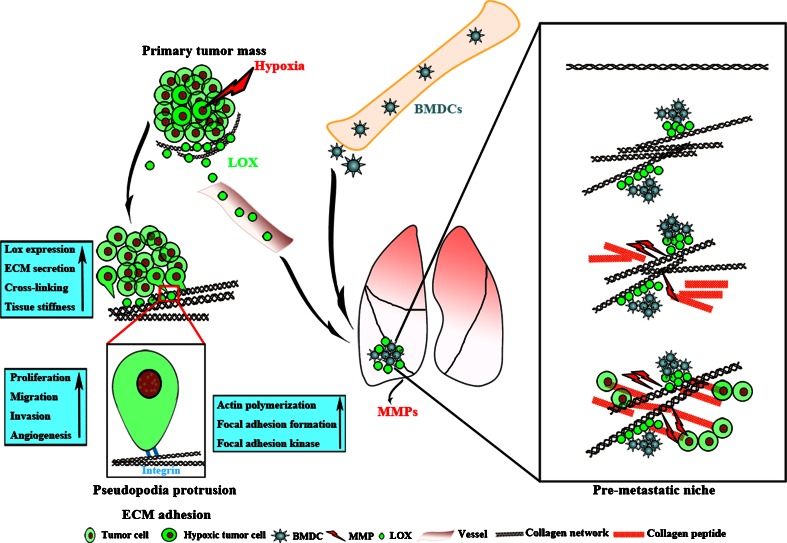
“It is reported that LOX can be disseminated into distal target organs via circulation to mobilize bone marrow derived cells (BMDCs) to distal sites, and to create pre-metastatic niche [29], as evidenced by consistent correlation between increased LOX expression and higher cancer metastasis risk [34].”
BackgroundRetractedSudhakar, A. (2005) · Journal of Clinical Investigation · doi:10.1172/jci24813 · Cited by 162
RetractedJemal, A., Bray, F., Center, M. M., Ferlay, J., Ward, E., & Forman, D. (2011) · CA: A Cancer Journal for Clinicians · doi:10.3322/caac.20107 · Cited by 54,679
Angiogenesis in cancer and other diseases
Carmeliet, P., & Jain, R. K. (2000) · Nature · doi:10.1038/35025220 · Cited by 9,070
Intratumor Heterogeneity and Branched Evolution Revealed by Multiregion Sequencing
Gerlinger, M., Rowan, A. J., Horswell, S., Larkin, J., Endesfelder, D., Gronroos, E., Martinez, P., Matthews, N., Stewart, A., Tarpey, P., et al. (2012) · New England Journal of Medicine · doi:10.1056/nejmoa1113205 · Cited by 7,774 · cited 1×
“To tackle this problem, many efforts focusing on tumor cells have been made over the past century, and some genetic and epigenetic mechanisms have been elucidated [2–6].”
BackgroundNew functions for the matrix metalloproteinases in cancer progression
Egeblad, M., & Werb, Z. (2002) · Nature Reviews Cancer · doi:10.1038/nrc745 · Cited by 6,108
Matrix Crosslinking Forces Tumor Progression by Enhancing Integrin Signaling
Levental, K. R., Yu, H., Kass, L., Lakins, J. N., Egeblad, M., Erler, J. T., Fong, S. F. T., Csiszar, K., Giaccia, A., Weninger, W., et al. (2009) · Cell · doi:10.1016/j.cell.2009.10.027 · Cited by 4,101 · cited 1×
“As the most abundant constituent of ECM, collagen accounts for the major function of ECM, and either increased [12] or decreased [13] deposition of collagen can be associated with increased malignancy.”
BackgroundTensional homeostasis and the malignant phenotype
Paszek, M. J., Zahir, N., Johnson, K. R., Lakins, J. N., Rozenberg, G. I., Gefen, A., Reinhart-King, C. A., Margulies, S. S., Dembo, M., Boettiger, D., et al. (2005) · Cancer Cell · doi:10.1016/j.ccr.2005.08.010 · Cited by 3,941 · cited 3×
“The progressive ECM remodeling produces typical morphological changes characterized by linearization of interstitial collagens at tumor invasion front, with significant impacts on tumor cell biology including gene expression, cell differentiation, proliferation, migration and responses to treatments [10].”
BackgroundCollagen Structure and Stability
Shoulders, M. D., & Raines, R. T. (2009) · Annual Review of Biochemistry · doi:10.1146/annurev.biochem.77.032207.120833 · Cited by 3,923 · cited 2×
“At least 28 different types of collagens have been identified in vertebrates [19, 20] (Table 1).”
BackgroundTumour-educated macrophages promote tumour progression and metastasis
Pollard, J. W. (2004) · Nature Reviews Cancer · doi:10.1038/nrc1256 · Cited by 3,367
Transitions between epithelial and mesenchymal states: acquisition of malignant and stem cell traits
Polyak, K., & Weinberg, R. A. (2009) · Nature Reviews Cancer · doi:10.1038/nrc2620 · Cited by 3,302 · cited 1×
“In more aggressive and poorly differentiated tumors, LOX also induces epithelial–mesenchymal transition (EMT) and promotes metastatic dissemination by facilitating tumor cells invasion into vascular system (intravasation) [35].”
BackgroundVEGFR1-positive haematopoietic bone marrow progenitors initiate the pre-metastatic niche
Kaplan, R. N., Riba, R. D., Zacharoulis, S., Bramley, A. H., Vincent, L., Costa, C., MacDonald, D. D., Jin, D. K., Shido, K., Kerns, S. A., et al. (2005) · Nature · doi:10.1038/nature04186 · Cited by 3,288 · cited 1×
“Indeed, fibronectin has been implicated as early step of cancer metastasis [42].”
BackgroundTumour-cell invasion and migration: diversity and escape mechanisms
Friedl, P., & Wolf, K. (2003) · Nature Reviews Cancer · doi:10.1038/nrc1075 · Cited by 3,222 · cited 1×
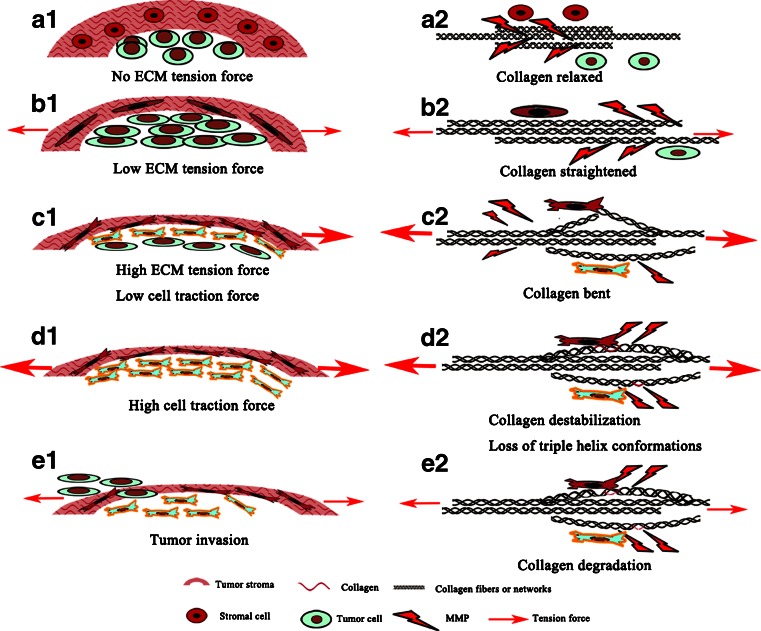
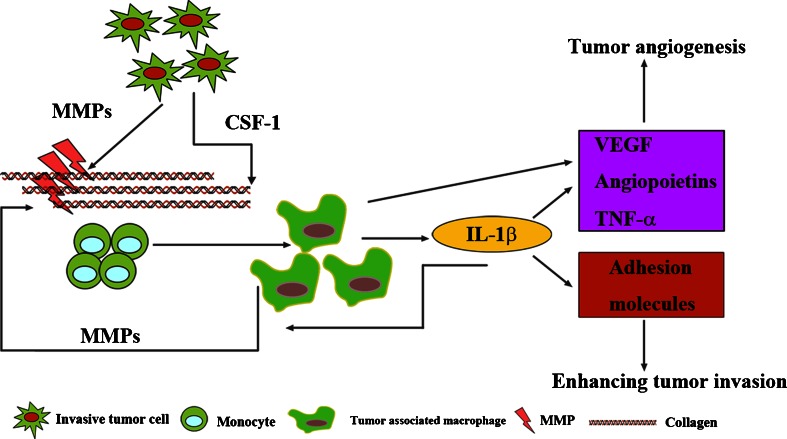
“The prerequisite for tumor invasion is collagen degradation [49], for which matrix metalloproteinases (MMPs) play an important role [8, 50], with direct causative effects on tumor growth, invasion and angiogenesis [51–63], Fig.”
BackgroundMatrix metalloproteinases and the regulation of tissue remodelling
Page-McCaw, A., Ewald, A. J., & Werb, Z. (2007) · Nature Reviews Molecular Cell Biology · doi:10.1038/nrm2125 · Cited by 2,630 · cited 3×
“The prerequisite for tumor invasion is collagen degradation [49], for which matrix metalloproteinases (MMPs) play an important role [8, 50], with direct causative effects on tumor growth, invasion and angiogenesis [51–63], Fig.”
BackgroundBingle, L., Brown, N. J., & Lewis, C. E. (2002) · The Journal of Pathology · doi:10.1002/path.1027 · Cited by 2,022
A tense situation: forcing tumour progression
Butcher, D. T., Alliston, T., & Weaver, V. M. (2009) · Nature Reviews Cancer · doi:10.1038/nrc2544 · Cited by 1,940 · cited 1×
“However, recent studies have shown that ECM also elicits biochemical and biophysical signaling [10, 11] that affects cell adhesion and migration, tissue morphogenesis and repair, angiogenesis and cancer, and ECM proteolysis is tightly controlled in normal tissues but typically deregulated in cancer [8].”
BackgroundMatrix metalloproteinases as modulators of inflammation and innate immunity
Parks, W. C., Wilson, C. L., & López-Boado, Y. S. (2004) · Nature Reviews Immunology · doi:10.1038/nri1418 · Cited by 1,929 · cited 1×
“by a host of mechanobiological mechanisms such as to degrade collagen paving a potential tunnel for escaping tumor cells [8], to disturb tumor microenvironment producing additional mechanical force to induce EMT, and to expose active sites on collagen to recruit monocytes leading to a cascade of innate immuno-inflamma…”
BackgroundCollagen reorganization at the tumor-stromal interface facilitates local invasion
Provenzano, P. P., Eliceiri, K. W., Campbell, J. M., Inman, D. R., White, J. G., & Keely, P. J. (2006) · BMC Medicine · doi:10.1186/1741-7015-4-38 · Cited by 1,804
Basement membranes: structure, assembly and role in tumour angiogenesis
Kalluri, R. (2003) · Nature Reviews Cancer · doi:10.1038/nrc1094 · Cited by 1,748 · cited 1×
“It forms an interlaced network at basement membrane (BM), found at the basal surface of epithelial and endothelial cells and essential for tissue polarity [21], where it has an important molecular filtration function.”
BackgroundFocal Contacts as Mechanosensors
Riveline, D., Zamir, E., Balaban, N. Q., Schwarz, U. S., Ishizaki, T., Narumiya, S., Kam, Z., Geiger, B., & Bershadsky, A. D. (2001) · The Journal of Cell Biology · doi:10.1083/jcb.153.6.1175 · Cited by 1,419 · cited 1×
“Increased ECM stiffness can activate integrins [30], enhance tumor cell adhesion and migration [31–33].”
BackgroundPlasticity of cell migration: a multiscale tuning model
Friedl, P., & Wolf, K. (2010) · Journal of Cell Biology · doi:10.1083/jcb.200909003 · Cited by 1,355
Biomechanics and biophysics of cancer cells☆
SURESH, S. (2007) · Acta Biomaterialia · doi:10.1016/j.actbio.2007.04.002 · Cited by 1,284
Tumors as Organs: Complex Tissues that Interface with the Entire Organism
Egeblad, M., Nakasone, E. S., & Werb, Z. (2010) · Developmental Cell · doi:10.1016/j.devcel.2010.05.012 · Cited by 1,234 · cited 1×
“To tackle this problem, many efforts focusing on tumor cells have been made over the past century, and some genetic and epigenetic mechanisms have been elucidated [2–6].”
BackgroundErler, J. T., Bennewith, K. L., Cox, T. R., Lang, G., Bird, D., Koong, A., Le, Q.-T., & Giaccia, A. J. (2009) · Cancer Cell · doi:10.1016/j.ccr.2008.11.012 · Cited by 1,231 · cited 3×
“Protease dependent-ECM remodeling is predominantly catalyzed by enzymes such as lysyl oxidase (LOX) [28], synthesized by either stromal cells during early stages of carcinogenesis, or tumor cells during late stages of tumor progression in response to hypoxia [29].”
BackgroundCollagens, modifying enzymes and their mutations in humans, flies and worms
Myllyharju, J. (2004) · Trends in Genetics · doi:10.1016/j.tig.2003.11.004 · Cited by 1,180 · cited 1×
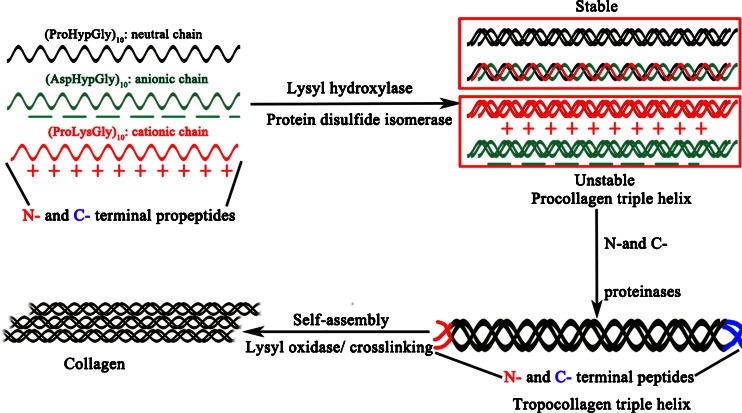
“A number of enzymes and molecular chaperones assist in their correct folding and trimerisation, including hydroxylases, collagen glycosyltransferases, peptidyl cis–trans isomerase and protein disulphide isomerase [17, 18].”
BackgroundRole of extracellular matrix assembly in interstitial transport in solid tumors.
Netti, P. A., Berk, D. A., Swartz, M. A., Grodzinsky, A. J., & Jain, R. K. (2000) · PubMed · Cited by 1,165
Cell and molecular mechanics of biological materials
Bao, G., & Suresh, S. (2003) · Nature Materials · doi:10.1038/nmat1001 · Cited by 1,055
Direct Visualization of Macrophage-Assisted Tumor Cell Intravasation in Mammary Tumors
Wyckoff, J. B., Wang, Y., Lin, E. Y., Li, J.-F., Goswami, S., Stanley, E. R., Segall, J. E., Pollard, J. W., & Condeelis, J. (2007) · Cancer Research · doi:10.1158/0008-5472.can-06-1823 · Cited by 1,053 · cited 1×
“Indeed, intravital imaging shows that breast cancer cells and leukocytes migrate rapidly along collagen fibers [26].”
BackgroundIL-1 is required for tumor invasiveness and angiogenesis
Voronov, E., Shouval, D. S., Krelin, Y., Cagnano, E., Benharroch, D., Iwakura, Y., Dinarello, C. A., & Apte, R. N. (2003) · Proceedings of the National Academy of Sciences · doi:10.1073/pnas.0437939100 · Cited by 1,023
Wolf, K., Wu, Y. I., Liu, Y., Geiger, J., Tam, E., Overall, C., Stack, M. S., & Friedl, P. (2007) · Nature Cell Biology · doi:10.1038/ncb1616 · Cited by 1,010
Dynamic molecular processes mediate cellular mechanotransduction
Hoffman, B. D., Grashoff, C., & Schwartz, M. A. (2011) · Nature · doi:10.1038/nature10316 · Cited by 956 · cited 1×
“The prerequisite for tumor invasion is collagen degradation [49], for which matrix metalloproteinases (MMPs) play an important role [8, 50], with direct causative effects on tumor growth, invasion and angiogenesis [51–63], Fig.”
BackgroundIntravital imaging of cell movement in tumours
Condeelis, J., & Segall, J. E. (2003) · Nature Reviews Cancer · doi:10.1038/nrc1231 · Cited by 929
The relationship between force and focal complex development
Galbraith, C. G., Yamada, K. M., & Sheetz, M. P. (2002) · The Journal of Cell Biology · doi:10.1083/jcb.200204153 · Cited by 908 · cited 1×
“Increased ECM stiffness can activate integrins [30], enhance tumor cell adhesion and migration [31–33].”
BackgroundKadler, K. E., Baldock, C., Bella, J., & Boot-Handford, R. P. (2007) · Journal of Cell Science · doi:10.1242/jcs.03453 · Cited by 823 · cited 2×
“At least 28 different types of collagens have been identified in vertebrates [19, 20] (Table 1).”
BackgroundDiabetes Mellitus as a Predictor of Cancer Mortality in a Large Cohort of US Adults
Coughlin, S. S., Calle, E. E., Teras, L. R., Petrelli, J., & Thun, M. J. (2004) · American Journal of Epidemiology · doi:10.1093/aje/kwh161 · Cited by 795 · cited 1×
“It could contribute to fibrosis by parenchyma stiffening in injured lungs [37], and be accompanied with elevated risk of developing cancers in diabetic patients with inappropriate glycation-mediated cross-linking [38–40].”
BackgroundRisk for breast cancer development determined by mammographic parenchymal pattern
Wolfe, J. N. (1976) · Cancer · doi:10.1002/1097-0142(197605)37:5<2486::aid-cncr2820370542>3.0.co;2-8 · Cited by 750
Risk for breast cancer development determined by mammographic parenchymal pattern
Wolfe, J. N. (1976) · Cancer · doi:10.1002/1097-0142(197605)37:5<2380::aid-cncr2820370530>3.0.co;2-# · Cited by 745
Sabeh, F., Shimizu-Hirota, R., & Weiss, S. J. (2009) · Journal of Cell Biology · doi:10.1083/jcb.200807195 · Cited by 658 · cited 2×
“Collagen in tissues has been traditionally regarded as merely a physical barrier against cancer invasion and tumor cells migration [47, 48].”
BackgroundVincent, T., Neve, E. P. A., Johnson, J. R., Kukalev, A., Rojo, F., Albanell, J., Pietras, K., Virtanen, I., Philipson, L., Leopold, P. L., et al. (2009) · Nature Cell Biology · doi:10.1038/ncb1905 · Cited by 650
Molecular Structure of the Collagen Triple Helix
Brodsky, B., & Persikov, A. V. (2005) · Advances in Protein Chemistry · doi:10.1016/s0065-3233(05)70009-7 · Cited by 601 · cited 1×
“The fibrous, structural protein contains three polypeptide α-chains, displaying a polyproline-II conformation, a right-handed supercoil and a one-residue stagger between adjacent chains [14].”
BackgroundMenetrier-Caux, C., Montmain, G., Dieu, M. C., Bain, C., Favrot, M. C., Caux, C., & Blay, J. Y. (1998) · Blood · doi:10.1182/blood.v92.12.4778 · Cited by 590
Tzima, E. (2001) · The EMBO Journal · doi:10.1093/emboj/20.17.4639 · Cited by 569
Regulation of In Situ to Invasive Breast Carcinoma Transition
Hu, M., Yao, J., Carroll, D. K., Weremowicz, S., Chen, H., Carrasco, D., Richardson, A., Violette, S., Nikolskaya, T., Nikolsky, Y., et al. (2008) · Cancer Cell · doi:10.1016/j.ccr.2008.03.007 · Cited by 502
A novel peptide CXCR ligand derived from extracellular matrix degradation during airway inflammation
Weathington, N. M., van Houwelingen, A. H., Noerager, B. D., Jackson, P. L., Kraneveld, A. D., Galin, F. S., Folkerts, G., Nijkamp, F. P., & Blalock, J. E. (2006) · Nature Medicine · doi:10.1038/nm1361 · Cited by 496
Xu, J., Rodriguez, D., Petitclerc, E., Kim, J. J., Hangai, M., Yuen, S. M., Davis, G. E., & Brooks, P. C. (2001) · The Journal of Cell Biology · doi:10.1083/jcb.200103111 · Cited by 489
Canstatin, a Novel Matrix-derived Inhibitor of Angiogenesis and Tumor Growth
Kamphaus, G. D., Colorado, P. C., Panka, D. J., Hopfer, H., Ramchandran, R., Torre, A., Maeshima, Y., Mier, J. W., Sukhatme, V. P., & Kalluri, R. (2000) · Journal of Biological Chemistry · doi:10.1074/jbc.275.2.1209 · Cited by 475
Postnatal mammary gland development requires macrophages and eosinophils
Gouon-Evans, V., Rothenberg, M. E., & Pollard, J. W. (2000) · Development · doi:10.1242/dev.127.11.2269 · Cited by 468
The Tension Mounts: Mechanics Meets Morphogenesis and Malignancy
Paszek, M. J., & Weaver, V. M. (2004) · Journal of Mammary Gland Biology and Neoplasia · doi:10.1007/s10911-004-1404-x · Cited by 467 · cited 1×
“Increased ECM deposition and remodeling creates a reorganized microenvironment to promote tumor progression by destabilizing cell polarity and cell–cell adhesion, and augmenting growth factor signaling [10, 24].”
BackgroundBreaching the basement membrane: who, when and how?
Rowe, R. G., & Weiss, S. J. (2008) · Trends in Cell Biology · doi:10.1016/j.tcb.2008.08.007 · Cited by 443 · cited 1×
“The prerequisite for tumor invasion is collagen degradation [49], for which matrix metalloproteinases (MMPs) play an important role [8, 50], with direct causative effects on tumor growth, invasion and angiogenesis [51–63], Fig.”
BackgroundLeitinger, B., & Hohenester, E. (2007) · Matrix Biology · doi:10.1016/j.matbio.2006.10.007 · Cited by 427
Targeting Epigenetic Readers in Cancer
Dawson, M. A., Kouzarides, T., & Huntly, B. J. P. (2012) · New England Journal of Medicine · doi:10.1056/nejmra1112635 · Cited by 397 · cited 1×
“To tackle this problem, many efforts focusing on tumor cells have been made over the past century, and some genetic and epigenetic mechanisms have been elucidated [2–6].”
BackgroundCoussens, L. M., & Werb, Z. (2001) · The Journal of Experimental Medicine · doi:10.1084/jem.193.6.f23 · Cited by 384
Velling, T., Risteli, J., Wennerberg, K., Mosher, D. F., & Johansson, S. (2002) · Journal of Biological Chemistry · doi:10.1074/jbc.m206286200 · Cited by 357
Selective Inhibition of Matrix Metalloproteinase-14 Blocks Tumor Growth, Invasion, and Angiogenesis
Devy, L., Huang, L., Naa, L., Yanamandra, N., Pieters, H., Frans, N., Chang, E., Tao, Q., Vanhove, M., Lejeune, A., et al. (2009) · Cancer Research · doi:10.1158/0008-5472.can-08-3255 · Cited by 355 · cited 1×
“The prerequisite for tumor invasion is collagen degradation [49], for which matrix metalloproteinases (MMPs) play an important role [8, 50], with direct causative effects on tumor growth, invasion and angiogenesis [51–63], Fig.”
BackgroundKim, Y. M., Jang, J.-W., Lee, O., Yeon, J.-H., Choi, E.-Y., Kim, K., Lee, S., & Kwon, Y. (2000) · PubMed · Cited by 347
New Functions for Non-collagenous Domains of Human Collagen Type IV
Petitclerc, E., Boutaud, A., Prestayko, A., Xu, J., Sado, Y., Ninomiya, Y., Sarras, M. P., Hudson, B. G., & Brooks, P. C. (2000) · Journal of Biological Chemistry · doi:10.1074/jbc.275.11.8051 · Cited by 315
Collagen-and collagen peptide-induced chemotaxis of human blood monocytes.
Postlethwaite, A. E., & Kang, A. H. (1976) · The Journal of experimental medicine · doi:10.1084/jem.143.6.1299 · Cited by 307
A Sulfilimine Bond Identified in Collagen IV
Vanacore, R., Ham, A.-J. L., Voehler, M., Sanders, C. R., Conrads, T. P., Veenstra, T. D., Sharpless, K. B., Dawson, P. E., & Hudson, B. G. (2009) · Science · doi:10.1126/science.1176811 · Cited by 304
The inhibitory collagen receptor LAIR-1 (CD305)
Meyaard, L. (2008) · Journal of Leukocyte Biology · doi:10.1189/jlb.0907609 · Cited by 288
Lysyl Oxidase, Extracellular Matrix Remodeling and Cancer Metastasis
Xiao, Q., & Ge, G. (2012) · Cancer Microenvironment · doi:10.1007/s12307-012-0105-z · Cited by 276 · cited 1×
“Protease dependent-ECM remodeling is predominantly catalyzed by enzymes such as lysyl oxidase (LOX) [28], synthesized by either stromal cells during early stages of carcinogenesis, or tumor cells during late stages of tumor progression in response to hypoxia [29].”
BackgroundIngman, W. V., Wyckoff, J., Gouon‐Evans, V., Condeelis, J., & Pollard, J. W. (2006) · Developmental Dynamics · doi:10.1002/dvdy.20972 · Cited by 273
Integrin α5β1 facilitates cancer cell invasion through enhanced contractile forces
Mierke, C. T., Frey, B., Fellner, M., Herrmann, M., & Fabry, B. (2011) · Journal of Cell Science · doi:10.1242/jcs.071985 · Cited by 270
Shintani, Y., Fukumoto, Y., Chaika, N., Svoboda, R., Wheelock, M. J., & Johnson, K. R. (2008) · The Journal of Cell Biology · doi:10.1083/jcb.200708137 · Cited by 267
Loss of p53 promotes RhoA–ROCK-dependent cell migration and invasion in 3D matrices
Gadea, G., de Toledo, M., Anguille, C., & Roux, P. (2007) · The Journal of Cell Biology · doi:10.1083/jcb.200701120 · Cited by 244 · cited 1×
“The prerequisite for tumor invasion is collagen degradation [49], for which matrix metalloproteinases (MMPs) play an important role [8, 50], with direct causative effects on tumor growth, invasion and angiogenesis [51–63], Fig.”
BackgroundThe effects of the Maillard reaction on the physical properties and cell interactions of collagen
Avery, N. C., & Bailey, A. J. (2006) · Pathologie Biologie · doi:10.1016/j.patbio.2006.07.005 · Cited by 240 · cited 1×
“Non-enzymatic collagen cross-linking, such as glycation and transglutamination or increased biglycan and fibro-modulin proteoglycan deposition, can also stiffen matrix [36].”
BackgroundHerbst, T. J., McCarthy, J. B., Tsilibary, E. C., & Furcht, L. T. (1988) · The Journal of cell biology · doi:10.1083/jcb.106.4.1365 · Cited by 239
Atabai, K., Jame, S., Azhar, N., Kuo, A., Lam, M., McKleroy, W., DeHart, G., Rahman, S., Xia, D. D., Melton, A. C., et al. (2009) · Journal of Clinical Investigation · doi:10.1172/jci40053 · Cited by 237
Huijbers, I. J., Iravani, M., Popov, S., Robertson, D., Al-Sarraj, S., Jones, C., & Isacke, C. M. (2010) · PLoS ONE · doi:10.1371/journal.pone.0009808 · Cited by 223
Lysyl Oxidase Mediates Hypoxic Control of Metastasis
Erler, J. T., & Giaccia, A. J. (2006) · Cancer Research · doi:10.1158/0008-5472.can-06-3197 · Cited by 213 · cited 1×
“Furthermore, increased LOX expression is associated with early stromal reaction in breast cancer, and reactive fibrosis at the invasive front of infiltrating tumors also releases high levels of LOX [33].”
BackgroundMigration of Human Glioma Cells on Myelin
Giese, A., Kluwe, L., Laube, B., Meissner, H., Berens, M. E., & Westphal, M. (1996) · Neurosurgery · doi:10.1097/00006123-199604000-00026 · Cited by 210 · cited 1×
“Cancer cells might exploit these remodeled stiff collagens as invasion "highways", analogous to the preferential migration of glioma cells along the matrix associated with blood vessels and rigid myelin sheath bundles [27].”
BackgroundFibrillar collagen: The key to vertebrate evolution? A tale of molecular incest
Boot‐Handford, R. P., & Tuckwell, D. S. (2003) · BioEssays · doi:10.1002/bies.10230 · Cited by 199 · cited 2×
“Among these, type I collagen is the archetypal collagen in that its triple helix has no imperfections and it has predominant role in tissue [16].”
BackgroundEgeblad, M., Ewald, A. J., Askautrud, H. A., Truitt, M. L., Welm, B. E., Bainbridge, E., Peeters, G., Krummel, M. F., & Werb, Z. (2008) · Disease Models & Mechanisms · doi:10.1242/dmm.000596 · Cited by 199
TFAP2E–DKK4 and Chemoresistance in Colorectal Cancer
Ebert, M. P. A., Tänzer, M., Balluff, B., Burgermeister, E., Kretzschmar, A. K., Hughes, D. J., Tetzner, R., Lofton-Day, C., Rosenberg, R., Reinacher-Schick, A. C., et al. (2012) · New England Journal of Medicine · doi:10.1056/nejmoa1009473 · Cited by 189
Biomechanical Forces Shape the Tumor Microenvironment
Shieh, A. C. (2011) · Annals of Biomedical Engineering · doi:10.1007/s10439-011-0252-2 · Cited by 173
Self-Assembled Heterotrimeric Collagen Triple Helices Directed through Electrostatic Interactions
Gauba, V., & Hartgerink, J. D. (2007) · Journal of the American Chemical Society · doi:10.1021/ja0683640 · Cited by 166 · cited 1×
“Gauba and Hartgerink [15] observed that assembly of heterotrimeric triple helices was based on the 1:1:1 mixture of (ProLysGly)10/ (AspHypGly)10/(ProHypGly)10 (Fig.”
BackgroundBreast cancer-induced angiogenesis: multiple mechanisms and the role of the microenvironment
Boudreau, N., & Myers, C. (2003) · Breast Cancer Research · doi:10.1186/bcr589 · Cited by 165
Modulation of matrix remodeling by SPARC in neoplastic progression
Chlenski, A., & Cohn, S. L. (2009) · Seminars in Cell and Developmental Biology · doi:10.1016/j.semcdb.2009.11.018 · Cited by 159 · cited 1×
“It could participate in ECM organization and bind to type I and IV collagen [13] and also suppress or promote progression of cancers depending on interactions at cell-matrix and tumor-stroma surface [13, 43–46].”
BackgroundEBIHARA, T., VENKATESAN, N., TANAKA, R., & LUDWIG, M. S. (2000) · American Journal of Respiratory and Critical Care Medicine · doi:10.1164/ajrccm.162.4.9912011 · Cited by 158
Motrescu, E. R., Blaise, S. A., Etique, N., Messaddeq, N., Chenard, M.-P., Stoll, I., Tomasetto, C., & Rio, M. C. (2008) · Oncogene · doi:10.1038/onc.2008.218 · Cited by 142
Protein Disulfide Isomerase and Sulfhydryl-Dependent Pathways in Platelet Activation
Essex, D. W., Li, M., Miller, A., & Feinman, R. D. (2001) · Biochemistry · doi:10.1021/bi002454e · Cited by 136 · cited 1×
“The prerequisite for tumor invasion is collagen degradation [49], for which matrix metalloproteinases (MMPs) play an important role [8, 50], with direct causative effects on tumor growth, invasion and angiogenesis [51–63], Fig.”
BackgroundArnold, S. A., Rivera, L. B., Miller, A. F., Carbon, J. G., Dineen, S. P., Xie, Y., Castrillon, D. H., Sage, E. H., Puolakkainen, P., Bradshaw, A. D., et al. (2010) · Disease Models & Mechanisms · doi:10.1242/dmm.003228 · Cited by 118 · cited 2×
“As the most abundant constituent of ECM, collagen accounts for the major function of ECM, and either increased [12] or decreased [13] deposition of collagen can be associated with increased malignancy.”
BackgroundMechanical Force Affects Expression of an In Vitro Metastasis-Like Phenotype in HCT-8 Cells
Tang, X., Kuhlenschmidt, T. B., Zhou, J., Bell, P., Wang, F., Kuhlenschmidt, M. S., & Saif, T. A. (2010) · Biophysical Journal · doi:10.1016/j.bpj.2010.08.034 · Cited by 112
Mechanical Forces Induced by the Transendothelial Migration of Human Neutrophils
Rabodzey, A., Alcaide, P., Luscinskas, F. W., & Ladoux, B. (2008) · Biophysical Journal · doi:10.1529/biophysj.107.119156 · Cited by 112 · cited 1×
“The prerequisite for tumor invasion is collagen degradation [49], for which matrix metalloproteinases (MMPs) play an important role [8, 50], with direct causative effects on tumor growth, invasion and angiogenesis [51–63], Fig.”
BackgroundEffect ofmts1 (S100A4) expression on the progression of human breast cancer cells
Grigorian, M., Ambartsumian, N. S., Lykkesfeldt, A. E., Bastholm, L., Elling, F., Georgiev, G. P., & Lukanidin, E. M. (1996) · International Journal of Cancer · doi:10.1002/(sici)1097-0215(19960917)67:6<816::aid-ijc10>3.0.co;2-# · Cited by 108
SPARC Is a Key Regulator of Proliferation, Apoptosis and Invasion in Human Ovarian Cancer
Chen, J., Wang, M., Xi, B., Xue, J., He, D., Zhang, J., & Zhao, Y. (2012) · PLoS ONE · doi:10.1371/journal.pone.0042413 · Cited by 94 · cited 1×
“It could participate in ECM organization and bind to type I and IV collagen [13] and also suppress or promote progression of cancers depending on interactions at cell-matrix and tumor-stroma surface [13, 43–46].”
BackgroundTaniwaki, K., Fukamachi, H., Komori, K., Ohtake, Y., Nonaka, T., Sakamoto, T., Shiomi, T., Okada, Y., Itoh, T., Itohara, S., et al. (2007) · Cancer Research · doi:10.1158/0008-5472.can-06-4761 · Cited by 93 · cited 1×
“The prerequisite for tumor invasion is collagen degradation [49], for which matrix metalloproteinases (MMPs) play an important role [8, 50], with direct causative effects on tumor growth, invasion and angiogenesis [51–63], Fig.”
BackgroundKaplan, G. (1983) · The Journal of experimental medicine · doi:10.1084/jem.157.6.2061 · Cited by 78
Borza, D., Bondar, O., Colon, S., Todd, P., Sado, Y., Neilson, E. G., & Hudson, B. G. (2005) · Journal of Biological Chemistry · doi:10.1074/jbc.m504050200 · Cited by 73 · cited 1×
“The prerequisite for tumor invasion is collagen degradation [49], for which matrix metalloproteinases (MMPs) play an important role [8, 50], with direct causative effects on tumor growth, invasion and angiogenesis [51–63], Fig.”
BackgroundMacrophage infiltration and tumor progression
Normann, S. J. (1985) · Cancer and Metastasis Reviews · doi:10.1007/bf00048093 · Cited by 72
A new paradigm for mechanobiological mechanisms in tumor metastasis
Torzilli, P. A., Bourne, J. W., Cigler, T., & Vincent, C. T. (2012) · Seminars in Cancer Biology · doi:10.1016/j.semcancer.2012.05.002 · Cited by 71 · cited 1×
“The prerequisite for tumor invasion is collagen degradation [49], for which matrix metalloproteinases (MMPs) play an important role [8, 50], with direct causative effects on tumor growth, invasion and angiogenesis [51–63], Fig.”
BackgroundGarcía, M. G., Bayo, J., Bolontrade, M. F., Sganga, L., Malvicini, M., Alaniz, L. D., Aquino, J. B., Fiore, E. J., Rizzo, M., Rodriguez, A., et al. (2011) · Molecular Pharmaceutics · doi:10.1021/mp200137c · Cited by 68
Intrinsic fibroblast-mediated remodeling of damaged collagenous matrices in vivo
Provenzano, P. P., Alejandro-Osorio, A. L., Valhmu, W. B., JENSEN, K., & VANDERBYJR, R. (2005) · Matrix Biology · doi:10.1016/j.matbio.2004.09.008 · Cited by 62
Extracellular matrix modulation of vascular cell behaviour
Madri, J. A. (1997) · Transplant Immunology · doi:10.1016/s0966-3274(97)80035-4 · Cited by 59
Robins, S. P., Milne, G., Duncan, A., Davies, C., Butt, R., Greiling, D., & James, I. T. (2003) · Journal of Investigative Dermatology · doi:10.1046/j.1523-1747.2003.12373.x · Cited by 58 · cited 1×
“It could contribute to fibrosis by parenchyma stiffening in injured lungs [37], and be accompanied with elevated risk of developing cancers in diabetic patients with inappropriate glycation-mediated cross-linking [38–40].”
BackgroundMaragoudakis, M. E., Missirlis, E., Karakiulakis, G., Sarmonica, M., Bastakis, M., & Tsopanoglou, N. E. (1993) · Kidney International · doi:10.1038/ki.1993.24 · Cited by 55
Tsilibary, E. C., Reger, L. A., Vogel, A. M., Koliakos, G., Anderson, S. S., CHARONIS, A. S., Alegre, J. N., & Furcht, L. T. (1990) · The Journal of Cell Biology · doi:10.1083/jcb.111.4.1583 · Cited by 50
Yu, D., Zhuang, L., Sun, X., Chen, J., Yao, Y., Meng, K., & Ding, Y. (2007) · BMC Cancer · doi:10.1186/1471-2407-7-122 · Cited by 48 · cited 1×
“It has been well documented that tumor microenvironment plays an important role in tumor progression via the co-evolution of tumor cells and tumor stroma [7–9].”
BackgroundBasement membranes and biological thixotropy: A new hypothesis
Simpson, L. O. (1980) · Pathology · doi:10.3109/00313028009077099 · Cited by 47
Cross-link breakers as a new therapeutic approach to cardiovascular disease
Susic, D. (2007) · Biochemical Society Transactions · doi:10.1042/bst0350853 · Cited by 44 · cited 1×
“It could contribute to fibrosis by parenchyma stiffening in injured lungs [37], and be accompanied with elevated risk of developing cancers in diabetic patients with inappropriate glycation-mediated cross-linking [38–40].”
BackgroundChirivi, R. G. S., Chiodoni, C., Musiani, P., Garofalo, A., Bernasconi, S., Colombo, M. P., & Giavazzi, R. (1996) · International Journal of Cancer · Cited by 40
Notch signaling regulates tumor-induced angiogenesis in SPARC-overexpressed neuroblastoma
Gorantla, B., Bhoopathi, P., Chetty, C., Gogineni, V. R., Sailaja, G. S., Gondi, C. S., & Rao, J. S. (2013) · Angiogenesis · doi:10.1007/s10456-012-9301-1 · Cited by 37 · cited 1×
“It could participate in ECM organization and bind to type I and IV collagen [13] and also suppress or promote progression of cancers depending on interactions at cell-matrix and tumor-stroma surface [13, 43–46].”
BackgroundTargeting Epigenetic Readers in Cancer
Rosner, M., & Hengstschläger, M. (2012) · New England Journal of Medicine · doi:10.1056/nejmc1211175 · Cited by 34 · cited 1×
“To tackle this problem, many efforts focusing on tumor cells have been made over the past century, and some genetic and epigenetic mechanisms have been elucidated [2–6].”
BackgroundInhibition of Experimental Metastasis by Targeting the HUIV26 Cryptic Epitope in Collagen
Roth, J., Caunt, M., Cretu, A., Akalu, A., Policarpio, D., Li, X., Gagne, P. J., Formenti, S. C., & Brooks, P. C. (2006) · American Journal Of Pathology · doi:10.2353/ajpath.2006.050176 · Cited by 29
Zhu, G.-G., Stenbäck, F., Risteli, L., Risteli, J., & Kauppila, A. (1993) · Cancer · Cited by 26
Aberrant methylation ofSPARCin human hepatocellular carcinoma and its clinical implication
Zhang, Y. (2012) · World Journal of Gastroenterology · doi:10.3748/wjg.v18.i17.2043 · Cited by 25 · cited 1×
“It could participate in ECM organization and bind to type I and IV collagen [13] and also suppress or promote progression of cancers depending on interactions at cell-matrix and tumor-stroma surface [13, 43–46].”
BackgroundExpression of metalloproteases and their inhibitors in different histological types of breast cancer
del Casar, J. M., González‐Reyes, S., González, L. O., González, J. M., Junquera, S., Bongera, M., García, M. F., Andicoechea, A., Serra, C., & Vizoso, F. J. (2009) · Journal of Cancer Research and Clinical Oncology · doi:10.1007/s00432-009-0721-2 · Cited by 24
Baba, Y., Iyama, K.-I., Ikeda, K., Ishikawa, S., Hayashi, N., Miyanari, N., Sado, Y., Ninomiya, Y., & Baba, H. (2007) · Annals of Surgical Oncology · doi:10.1245/s10434-007-9592-4 · Cited by 22 · cited 1×
“Collagen in tissues has been traditionally regarded as merely a physical barrier against cancer invasion and tumor cells migration [47, 48].”
BackgroundGonzález, L. O., González‐Reyes, S., Junquera, S., Marín, L., González, L. O., del Casar, J. M., González, J. M., & Vizoso, F. J. (2010) · Journal of Cancer Research and Clinical Oncology · doi:10.1007/s00432-010-0782-2 · Cited by 20
TFAP2E-DKK4and Chemoresistance in Colorectal Cancer
Giovannetti, E., Codacci-Pisanelli, G., & Peters, G. J. (2012) · New England Journal of Medicine · doi:10.1056/nejmc1201170 · Cited by 13
del Casar, J. M., Carreño, G., González, L. O., Junquera, S., González‐Reyes, S., González, J. M., Bongera, M., Merino, A., & Vizoso, F. J. (2009) · Journal of Cancer Research and Clinical Oncology · doi:10.1007/s00432-009-0750-x · Cited by 10
Bernstein, M. L., Whitehead, V. M., Devine, S., Grier, H. E., Kung, F., Krischer, J. P., Dreyer, Z. E., Bell, B. A., Land, V. J., Buchanan, G. R., et al. (1993) · Cancer · doi:10.1002/1097-0142(19930901)72:5<1790::aid-cncr2820720545>3.0.co;2-4 · Cited by 7
Zhu, G.-G., Kauppila, A., Risteli, L., Mäkinen, M., Stenbäck, F., & Risteli, J. (1995) · Cancer · doi:10.1002/1097-0142(19950215)75:4<1010::aid-cncr2820750417>3.0.co;2-o
Cited by
Molecular Mechanisms of Stress-Responsive Changes in Collagen and Elastin Networks in Skin
Aziz, J., Shezali, H., Radzi, Z., Yahya, N. A., Abu Kassim, N. H., Czernuszka, J., & Rahman, M. T. (2016) · Skin Pharmacology and Physiology · doi:10.1159/000447017 · Cited by 7,323
Concepts of extracellular matrix remodelling in tumour progression and metastasis
Winkler, J., Abisoye-Ogunniyan, A., Metcalf, K. J., & Werb, Z. (2020) · Nature Communications · doi:10.1038/s41467-020-18794-x · Cited by 2,296
Role of Extracellular Matrix in Development and Cancer Progression
Walker, C., Mojares, E., & Del Río Hernández, A. (2018) · International Journal of Molecular Sciences · doi:10.3390/ijms19103028 · Cited by 1,084
“Moreover, elevated LOX activity found on invasive edges of tumours has been noted to drive actin polymerization, cell contractility, and migration, providing a pathway for successive tumour cells to follow [130].”
BackgroundCox, T. R. (2021) · Nature Reviews Cancer · doi:10.1038/s41568-020-00329-7 · Cited by 976
Extracellular matrix and its therapeutic potential for cancer treatment
Huang, J., Zhang, L., Wan, D., Zhou, L., Zheng, S., Lin, S., & Qiao, Y. (2021) · Signal Transduction and Targeted Therapy · doi:10.1038/s41392-021-00544-0 · Cited by 962
Metadata
- Authors
- Fang, M., Yuan, J., Peng, C., & Li, Y.
- Affiliations
- Zhongnan Hospital of Wuhan University (CN)
- Corresponding author
- Li, Yan
- Venue
- Tumor Biology
- Published
- 2013-12-15
- Volume
- 35
- Issue
- 4
- Pages
- 2871-2882
- ISSN
- 1010-4283 (ISSN-L)
- 1423-0380
- PMC
- PMC3980040
- OpenAlex
- W2116586864
- Semantic Scholar
- 431cc89326c45343b7634dc894588122f4206efd
- Cited by
- 580
- References
- 109
- Citations by year
- 2026: 26 · 2025: 42 · 2024: 41 · 2023: 61 · 2022: 56 · 2021: 84 · 2020: 85 · 2019: 72 · 2018: 45 · 2017: 33 · 2016: 20 · 2015: 11 · 2014: 4
- FWCI
- 1.35
- Type
- journal article
- Language
- en
- Open access
- hybrid
- doi.org
- Locations
- Tumor Biology (publishedVersion, cc-by)
- Europe PMC (PubMed Central) (publishedVersion, cc-by)
- PubMed Central (publishedVersion, cc-by)
- PubMed (publishedVersion)
- Funders
- National Natural Science Foundation of China (81171396, 10002012, 81230031)
- National Science and Technology Major Project (2012ZX10002012-12)
- Topics
- Life Sciences › Biochemistry, Genetics and Molecular Biology › Cell Biology › Cellular Mechanics and Interactions
- Life Sciences › Biochemistry, Genetics and Molecular Biology › Molecular Biology › TGF-β signaling in diseases
- Life Sciences › Biochemistry, Genetics and Molecular Biology › Cancer Research › Protease and Inhibitor Mechanisms
- Keywords
- collagen, tumor progression, tumor microenvironment, extracellular matrix, extracellular matrix remodeling, collagen degradation, tumor stroma, biomechanical signaling, tumor invasion, tumor cell migration, angiogenesis, tumor infiltration, tissue tension
- MeSH terms
- Animals, Collagen, Humans, Protein-Lysine 6-Oxidase, Neoplasms, Neovascularization, Pathologic, Disease Progression, Matrix Metalloproteinases, Epithelial-Mesenchymal Transition
About these checks
Registry, retraction, Cites and statistics results are computed, not judged, with one exception: a printed reference that no index lists is read once by a model before it counts as a citation error. Claims are extracted by a model and kept only when their quote appears verbatim in the text; each cited source is then checked, with a model’s help, for whether it says what the claim relies on. Those verdicts can be wrong — read the claim’s quote and the cited source before relying on one.
Statistics and arithmetic are recomputed, not judged.
Confidence bands are shown only for fields calibrated on our annotated test set. None is calibrated yet, so no band is shown.
What counts as a claim ›How we measure confidence ›How we check this ›
Are you an author, or do you see a problem with this page? Request a review
Data sources
Bibliographic data: Semantic Scholar, OpenAlex, Crossref.
Contains information from the Semantic Scholar Academic Graph Datasets, made available under the ODC Attribution License (ODC-BY 1.0).
Semantic Scholar’s data is described in: Kinney, R., et al. (2023). The Semantic Scholar Open Data Platform. arXiv:2301.10140.
