

Flash Glucose-Sensing Technology as a Replacement for Blood Glucose Monitoring for the Management of Insulin-Treated Type 2 Diabetes: a Multicenter, Open-Label Randomized Controlled Trial
Open accessThe DOI matches its Crossref record; 39 of the 40 references it cites were found in a registry or an index.
Abstract
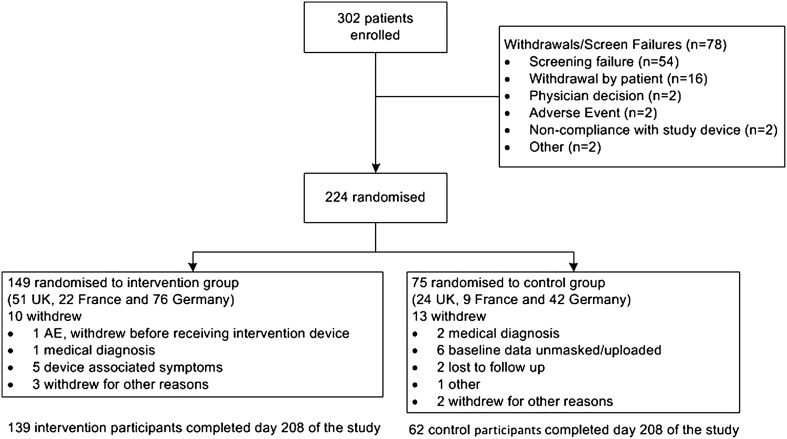
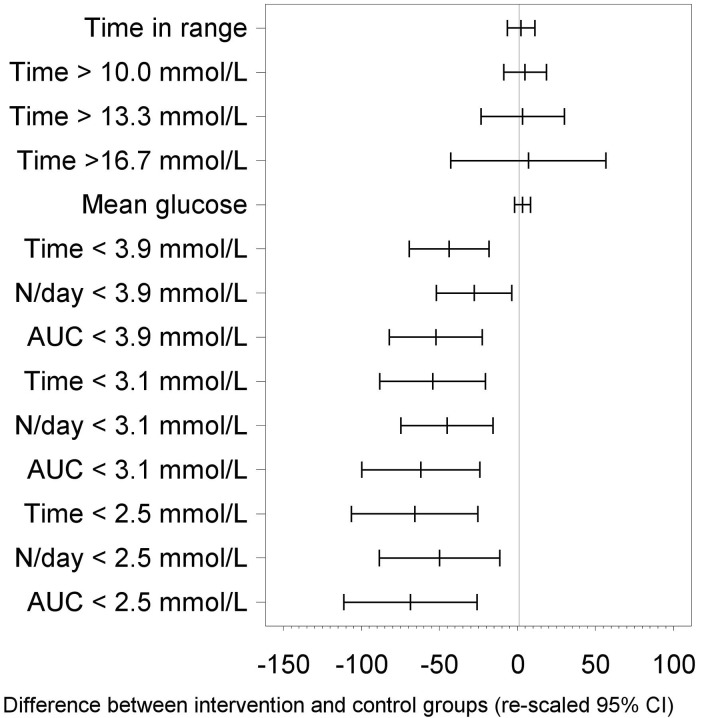
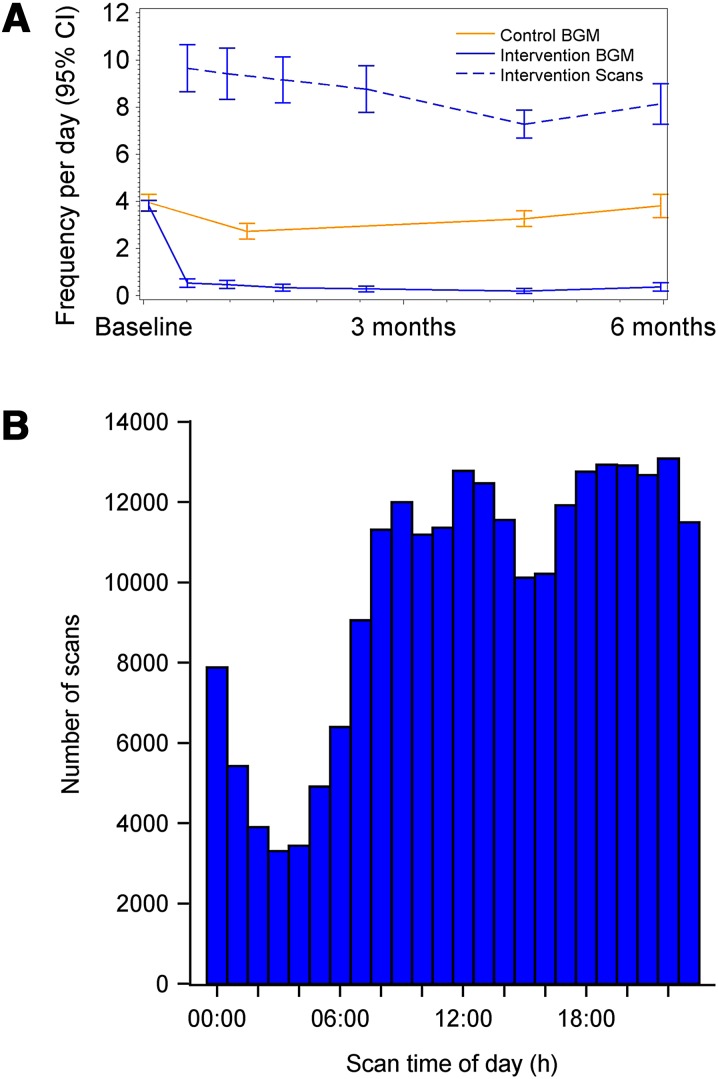
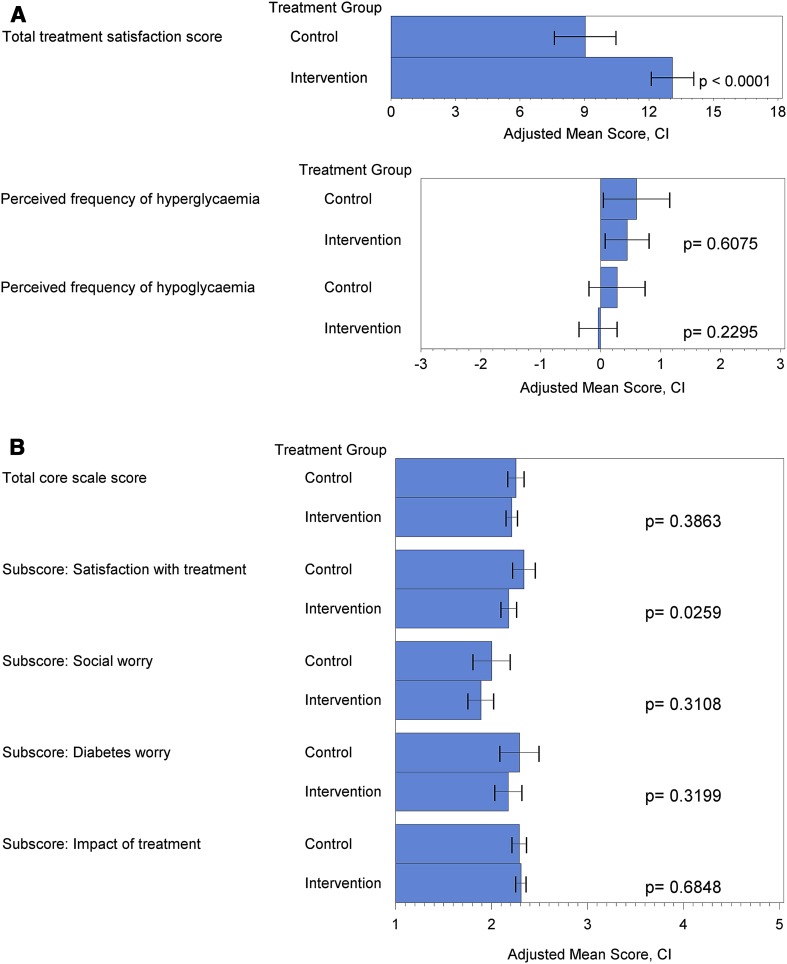
INTRODUCTION: Glycemic control in participants with insulin-treated diabetes remains challenging. We assessed safety and efficacy of new flash glucose-sensing technology to replace self-monitoring of blood glucose (SMBG). METHODS: This open-label randomized controlled study (ClinicalTrials.gov, NCT02082184) enrolled adults with type 2 diabetes on intensive insulin therapy from 26 European diabetes centers. Following 2 weeks of blinded sensor wear, 2:1 (intervention/control) randomization (centrally, using biased-coin minimization dependant on study center and insulin administration) was to control (SMBG) or intervention (glucose-sensing technology). Participants and investigators were not masked to group allocation. Primary outcome was difference in HbA1c at 6 months in the full analysis set. Prespecified secondary outcomes included time in hypoglycemia, effect of age, and patient satisfaction. RESULTS: Participants (n = 224) were randomized (149 intervention, 75 controls). At 6 months, there was no difference in the change in HbA1c between intervention and controls: -3.1 ± 0.75 mmol/mol, [-0.29 ± 0.07% (mean ± SE)] and -3.4 ± 1.04 mmol/mol (-0.31 ± 0.09%) respectively; p = 0.8222. A difference was detected in participants aged <65 years [-5.7 ± 0.96 mmol/mol (-0.53 ± 0.09%) and -2.2 ± 1.31 mmol/mol (-0.20 ± 0.12%), respectively; p = 0.0301]. Time in hypoglycemia <3.9 mmol/L (70 mg/dL) reduced by 0.47 ± 0.13 h/day [mean ± SE (p = 0.0006)], and <3.1 mmol/L (55 mg/dL) reduced by 0.22 ± 0.07 h/day (p = 0.0014) for intervention participants compared with controls; reductions of 43% and 53%, respectively. SMBG frequency, similar at baseline, decreased in intervention participants from 3.8 ± 1.4 tests/day (mean ± SD) to 0.3 ± 0.7, remaining unchanged in controls. Treatment satisfaction was higher in intervention compared with controls (DTSQ 13.1 ± 0.50 (mean ± SE) and 9.0 ± 0.72, respectively; p < 0.0001). No serious adverse events or severe hypoglycemic events were reported related to sensor data use. Forty-two serious events [16 (10.7%) intervention participants, 12 (16.0%) controls] were not device-related. Six intervention participants reported nine adverse events for sensor-wear reactions (two severe, six moderate, one mild). CONCLUSION: Flash glucose-sensing technology use in type 2 diabetes with intensive insulin therapy results in no difference in HbA1c change and reduced hypoglycemia, thus offering a safe, effective replacement for SMBG. TRIAL REGISTRATION: ClinicalTrials.gov identifier: NCT02082184. FUNDING: Abbott Diabetes Care.
Overview
The claims and statistics of this paper haven’t been checked yet.
Free: it reads the open-access text and checks the first 5 claims that cite a source we can check. Create a free account to check every claim.
Integrity signals
Registry
Cites
Statistics
Figures
Verification
Claims the paper makes
The claims and statistics of this paper haven’t been checked yet.
Free: it reads the open-access text and checks the first 5 claims that cite a source we can check. Create a free account to check every claim.
Claims other papers make about this one
Each is checked against this paper’s own text: does it say what the citing paper says it does?
The cited source doesn’t support the claim as written.
In the citing paper
“In adults with type 2 diabetes using insulin, two studies were done: one study did not meet its primary end point of A1C level reduction (69) but achieved a secondary end point of a reduction in hypoglycemia, and the other study met its primary end point of an improvement in the Diabetes Treatment Satisfaction Questionnaire score as well as a secondary end point of A1C level reduction (70).”
From 7. Diabetes Technology: Standards of Care in Diabetes—2025 (2025) · cites this paper as [69]
Checked by a reasoning model — may be wrong.
Experimental — accuracy not yet measuredThe source backs part of the claim, not all of it — or backs it for a different population, condition or comparison.
In the citing paper
“Benefits of CGM in this population include reductions in A1C, fewer severe hypoglycemia events in children and adults, increased TIR, as well as significant reductions in hospitalizations for severe hypoglycemia and DKA.156,162–168”
From American Association of Clinical Endocrinology Clinical Practice Guideline: Developing a Diabetes Mellitus Comprehensive Care Plan-2022 Update. (2022) · cites this paper as [168]
Experimental — accuracy not yet measuredThe source backs part of the claim, not all of it — or backs it for a different population, condition or comparison.
In the citing paper
“Continuous glucose monitoring (CGM) has been shown to improve glycemic control and self-monitoring, as well as to reduce the risk of hypoglycemia.”
From Importance of FDA-integrated continuous glucose monitors to ensure accuracy of continuous glucose monitoring (2025) · cites this paper as [11]
Experimental — accuracy not yet measuredThe source backs part of the claim, not all of it — or backs it for a different population, condition or comparison.
In the citing paper
“In fact, CGM supports people with DM to optimize their therapy, diet, and activity, facilitating improved HbA1c, increased time in target range of 70 to 180 mg/dL, reduced time below range (<70 mg/dL), and improved Glycemia Risk Index scores.5-11”
From Importance of FDA-integrated continuous glucose monitors to ensure accuracy of continuous glucose monitoring (2025) · cites this paper as [11]
Experimental — accuracy not yet measuredThe source backs part of the claim, not all of it — or backs it for a different population, condition or comparison.
In the citing paper
“Numerous studies have demonstrated significant clinical benefits of CGM use in people with diabetes regardless of insulin delivery method (1-15).”
From Clinical Targets for Continuous Glucose Monitoring Data Interpretation: Recommendations From the International Consensus on Time in Range (2019) · cites this paper as [9]
Experimental — accuracy not yet measured
2 more claims about this paper
Create a free account to see every claim other papers make about this one.
Self-check
Percentages, sums and reported differences re-computed from the paper’s own numbers.
The self-check needs the paper’s full text.
Citations
Cites
Turner, R. C., Fox, C., Matthews, McElroy, H. H., Cull, C. A., Holman, R. R., Neil, P., Hadden, D. R., Wright, D., Manley, E., et al. (1998) · The Lancet · Cited by 8,419
10-year follow-up of intensive glucose control in type 2 diabetes
Holman, R. R., Paul, S. K., Bethel, M. A., Matthews, D. R., & Neil, H. A. W. (2008) · New England Journal of Medicine · doi:10.1056/nejmoa0806470 · Cited by 7,751 · cited 2×
“These findings may have future clinical implications as past studies show worse glycemic control in younger participants with type 2 diabetes [3, 4] and this new sensor-based technology may be helpful for these participants.”
BackgroundGupta, A., & Uribarri, J. (2016) · Hormone Research in Paediatrics · doi:10.1159/000444053 · Cited by 4,006
Analysing controlled trials with baseline and follow up measurements
Vickers, A. J., & Altman, D. G. (2001) · BMJ · doi:10.1136/bmj.323.7321.1123 · Cited by 2,116 · cited 1×
“Analysis of covariance was used to adjust for chance imbalances in baseline measurements between the treatment groups [23], adjusted means were”
MethodAssessing Psychosocial Distress in Diabetes
Polonsky, W. H., Fisher, L., Earles, J., Dudl, R. J., Lees, J., Mullan, J., & Jackson, R. A. (2005) · Diabetes Care · doi:10.2337/diacare.28.3.626 · Cited by 1,575 · cited 3×
“DQoL Diabetes Quality of Life Questionnaire, DTSQ Diabetes Treatment Satisfaction Questionnaire and DQoL or for the DDS scales (Fig.”
MethodContinuous glucose monitoring and intensive treatment of type 1 diabetes
(2008) · New England Journal of Medicine · doi:10.1056/nejmoa0805017 · Cited by 1,559
Defining and Reporting Hypoglycemia in Diabetes
American Diabetes Association Workgroup on Hypoglycemia (2005) · Diabetes Care · doi:10.2337/diacare.28.5.1245 · Cited by 1,146
Bonds, D. E., Miller, M. E., Bergenstal, R. M., Buse, J. B., Byington, R. P., Cutler, J. A., Dudl, R. J., Ismail-Beigi, F., Kimel, A. R., Hoogwerf, B., et al. (2010) · BMJ · doi:10.1136/bmj.b4909 · Cited by 933 · cited 2×
“However, intensification of insulin therapy increases the risk of hypoglycemia [4] which is associated with adverse clinical outcome [5], impacts on quality of life [6], and increases treatment costs secondary to hospital admissions, ambulance call-outs, and clinic attendance [7].”
BackgroundBolinder, J., Antuna, R., Geelhoed-Duijvestijn, P., Kröger, J., & Weitgasser, R. (2016) · The Lancet · doi:10.1016/s0140-6736(16)31535-5 · Cited by 893 · cited 1×
“demonstrated superior reduction in hypoglycemia without deterioration of HbA1c and improved treatment satisfaction [34].”
Cited by
Items 301–400 of 643
Continuous Glucose Monitoring for the Internist
Lee, G. S., & Lupsa, B. C. (2021) · Medical Clinics of North America · doi:10.1016/j.mcna.2021.06.004 · Cited by 13
Yan, J., Zhou, Y., Zheng, X., Zheng, M., Lü, J., Luo, S., Yang, D., Deng, H., Xu, W., Bi, Y., et al. (2023) · Diabetes/Metabolism Research and Reviews · doi:10.1002/dmrr.3614 · Cited by 14
“The reasons might also be attributed to the different pathophysiological and social characteristics in distinct types of diabetes with patients with type 2 diabetes having residual insulin secretion, lower glucose variability, or less self‐motivation and self‐consciousness.(17) The results in our study indicate that t…”
ResultFolz, H. N., Lee, S., & Sherrill, C. H. (2024) · Patient Education and Counseling · doi:10.1016/j.pec.2024.108578 · Cited by 13
Martens, T. W., Bergenstal, R. M., Pearson, T. L., Carlson, A. L., Scheiner, G., Carlos, C., Liao, B., Syring, K. E., & Pollom, R. D. (2020) · Postgraduate Medicine · doi:10.1080/00325481.2020.1851946 · Cited by 14
Yan, R., Cai, T., Jiang, L., Jing, T., Cai, L., Xie, X., Su, X., Xu, L., He, K., Cheng, L., et al. (2022) · Frontiers in Endocrinology · doi:10.3389/fendo.2022.832102 · Cited by 13
Wang, Y., Lu, J., Shen, Y., Ni, J., Zhang, L., Lu, W., Zhu, W., Bao, Y., & Zhou, J. (2022) · Endocrine · doi:10.1007/s12020-022-03038-3 · Cited by 13
Flash glucose monitoring system in special situations
Rigon, F., Ronsoni, M. F., Vianna, A. G. D., Schiavon, L. D. L., Hohl, A., & van de Sande‐Lee, S. (2022) · Archives of Endocrinology and Metabolism · doi:10.20945/2359-3997000000479 · Cited by 15
(2019) · Europe PMC (PubMed Central) · Cited by 19
Saulnier, P., Briet, C., Gand, E., Chaillous, L., Dubois, S. G., Bonnet, F., Leguerrier, A.-M., Fradet, G., Crespin, I. D., Kerlan, V., et al. (2019) · Journal of Diabetes and its Complications · doi:10.1016/j.jdiacomp.2019.05.003 · Cited by 14
Lega, I. C., Yale, J.-F., Chadha, A., Paty, B., Roscoe, R., Snider, M., Steier, J., Bajaj, H. S., Barnes, T., Gilbert, J., et al. (2023) · Canadian Journal of Diabetes · doi:10.1016/j.jcjd.2023.08.003 · Cited by 25
“…rtCGM and isCGM have been shown to improve glycemic management in individuals with type 2 diabetes, there is also evidence that these CGM technologies are associated with a reduction in hypoglycemia in adults with type 2 diabetes treated with either insulin and/or insulin secretagogues [99,100].”
BackgroundHarris, S., Cimino, S., Nguyen, Y., Szafranski, K., & Poon, Y. (2025) · Diabetes Therapy · doi:10.1007/s13300-024-01677-5 · Cited by 12
Continuous Glucose Monitoring for Type 2 Diabetes: How Does It Compare with Type 1 Diabetes?
Beck, R. W., & Bergenstal, R. M. (2022) · Diabetes Technology & Therapeutics · doi:10.1089/dia.2021.0374 · Cited by 12
Diabetes Technology in People with Type 2 Diabetes: Novel Indications
Agarwal, S., Galindo, R. J., Shah, A. V., & Abreu, M. (2024) · Current Diabetes Reports · doi:10.1007/s11892-024-01536-4 · Cited by 12
“…mean glucose, standard deviation of glucose, mean amplitude of glycemic excursions) in non-insulin-treated T2D [23], T2D treated with basal insulin only [24], and in a randomized controlled, open-label trial of people with T2D treated with multiple daily injection (MDI) insulin therapy [25].”
Matsuoka, A., Hirota, Y., Takeda, A., Kishi, M., Hashimoto, N., Ohara, T., Higo, S., Yamada, H., Nakamura, T., Hamaguchi, T., et al. (2019) · Journal of Diabetes Investigation · doi:10.1111/jdi.13132 · Cited by 14
Glennie, J. L., Berard, L., & Levrat‐Guillen, F. (2022) · ClinicoEconomics and Outcomes Research · doi:10.2147/ceor.s346736 · Cited by 35
Liang, B., Koye, D. N., Hachem, M., Zafari, N., Braat, S., & Ekinci, E. I. (2022) · Frontiers in Clinical Diabetes and Healthcare · doi:10.3389/fcdhc.2022.849725 · Cited by 13
Time in Range from Continuous Glucose Monitoring: A Novel Metric for Glycemic Control
Yoo, J. H., & Kim, J. H. (2021) · Diabetes & Metabolism Journal · doi:10.4093/dmj.2021.0256 · Cited by 12
Gao, Y., Zhou, M., Xu, X., & Chen, W. Y. (2022) · Journal of Diabetes and its Complications · doi:10.1016/j.jdiacomp.2022.108314 · Cited by 13
Legris, P., Bouillet, B., Pâris, J., Pistre, P., Devaux, M., Bost, S., Simoneau, I., Manfrédi, S., Drouillard, A., Bastie, J.-N., et al. (2023) · Acta Diabetologica · doi:10.1007/s00592-023-02032-z · Cited by 12
“When we compare the time spent under the target in our study with the scarce literature data on CGM in type 2 diabetics without cancer, it appears that this time is longer in our patients [7, 8].”
ResultZhang, L., Sun, X., & Tian, Q. (2024) · Acta Diabetologica · doi:10.1007/s00592-024-02241-0 · Cited by 12
“The IMPACT study and the REPLACE randomized controlled trial have also demonstrated the association of iCGM use with reduced hypoglycemia, increased TIR, decreased blood glucose variability, and improved patient satisfaction, although no significant reduction in HbA1c was observed [23, 24].”
Hirsch, I. B., Nardacci, E., & Verderese, C. A. (2019) · Diabetes Spectrum · doi:10.2337/ds18-0059 · Cited by 14
Sopfe, J., Vigers, T., Pyle, L. L., Giller, R., & Forlenza, G. P. (2020) · Diabetes Technology & Therapeutics · doi:10.1089/dia.2019.0521 · Cited by 12
How Well Do Continuous Glucose Monitoring Systems Perform During Exercise?
Castle, J. R., & Rodbard, D. (2019) · Diabetes Technology & Therapeutics · doi:10.1089/dia.2019.0132 · Cited by 12
Could FreeStyle Libre™ sensor glucose data support decisions for safe driving?
Rayman, G., Kröger, J., & Bolinder, J. (2018) · Diabetic Medicine · doi:10.1111/dme.13515 · Cited by 11
Self-citationSignificance of the CGM metric of time in range in children and adolescents with type 1 diabetes
Urakami, T. (2022) · Endocrine Journal · doi:10.1507/endocrj.ej22-0257 · Cited by 11
Utilizing the New Glucometrics: A Practical Guide to Ambulatory Glucose Profile Interpretation
Doupis, J., & Horton, E. S. (2022) · touchREVIEWS in Endocrinology · doi:10.17925/ee.2022.18.1.20 · Cited by 15
Thabit, H., Rubio, J., Karuppan, M., Mubita, W., Lim, J. Z. M., Thomas, T., Fonseca, I., Fullwood, C., Leelarathna, L., & Schofield, J. D. (2024) · Diabetes Obesity and Metabolism · doi:10.1111/dom.15885 · Cited by 13
“The role of RT-CGM is well established in type 1 diabetes 12,16 and growing evidence shows that RT-CGM use in insulin 17,18 and non-insulin-treated 19 board-certified endocrinologist offering insulin dose titration recommendations.”
Bober, T., Garvin, S., Krall, J. S., Zupa, M. F., Low, C. A., & Rosland, A.-M. M. (2025) · JMIR Diabetes · doi:10.2196/64505 · Cited by 11
“While CGM use has been linked to lower glycated hemoglobin levels among people with type 2 diabetes who use insulin [11,12], available evidence is not clear on whether using CGMs enables patients to improve medication taking or other diabetes self-management behaviors [13,14].”
The Role of Advanced Technologies in Improving Diabetes Outcomes
Marrero, D. G., Parkin, C. G., Aleppo, G., Hirsch, I. B., McGill, J. B., Galindo, R. J., Kruger, D. F., Levy, C. J., Carlson, A. L., & Umpierrez, G. E. (2025) · The American Journal of Managed Care · doi:10.37765/ajmc.2025.89725 · Cited by 14
Strollo, F., Furia, A., Verde, P., Bellia, A., Grussu, M., Mambro, A., Petrelli, M. D., & Gentile, S. (2020) · Diabetes Research and Clinical Practice · doi:10.1016/j.diabres.2020.108638 · Cited by 14
“[26] Haak T, Hanaire H, Ajjan R, Hermanns N, Riveline JP, Rayman G.”
BackgroundHua, X., Catchpool, M., Clarke, P., Blackberry, I., Chiang, J., Holmes‐Truscott, E., Jenkins, A. J., Khunti, K., O'Neal, D. N., Speight, J., et al. (2021) · Diabetic Medicine · doi:10.1111/dme.14747 · Cited by 12
Grady, M., Cameron, H., & Holt, E. (2023) · Journal of Diabetes Science and Technology · doi:10.1177/19322968221148764 · Cited by 13
Pai, R., Barua, S., Kim, B. S., McDonald, M., Wierzchowska-McNew, R. A., Pai, A., Deutz, N. E. P., Kerr, D. E., & Sabharwal, A. (2024) · Journal of Diabetes Science and Technology · doi:10.1177/19322968241274800 · Cited by 12
“5,6 However, the value of CGMs for individuals with T2D not using insulin or in diabetes-free individuals at risk for T2D (e.g. prediabetes) is unclear.”
Abe, H., Shikuma, J., Suwanai, H., Sano, K., Okumura, T., Kan, K., Takahashi, T., Miwa, T., Suzuki, R., & Odawara, M. (2019) · Geriatrics and gerontology international/Geriatrics & gerontology international · doi:10.1111/ggi.13765 · Cited by 11
Williams, J. K., Gilchrist, M., Strain, W. D., Fraser, D. J., & Shore, A. C. (2021) · Peritoneal Dialysis International · doi:10.1177/08968608211047787 · Cited by 11
“18 Data are transferred by radio frequency identification from the sensor to a handheld reader.”
Monnier, L., Colette, C., & Owens, D. R. (2019) · Diabetes & Metabolism · doi:10.1016/j.diabet.2019.101118 · Cited by 11
Aleppo, G., Parkin, C. G., Carlson, A. L., Galindo, R. J., Kruger, D. F., Levy, C. J., Umpierrez, G. E., Forlenza, G. P., & McGill, J. B. (2021) · Diabetes Technology & Therapeutics · doi:10.1089/dia.2021.0196 · Cited by 11
Levy, C. J., Galindo, R. J., Parkin, C. G., Gillis, J., & Argento, N. B. (2023) · Journal of Diabetes Science and Technology · doi:10.1177/19322968231161317 · Cited by 13
Ratzki‐Leewing, A. A., Harris, S. B., RABASA-LHORET, R. P. R., & Poon, Y. (2025) · Diabetes Obesity and Metabolism · doi:10.1111/dom.16266 · Cited by 10
Alvarez, S. D., Fellas, A., Santos, D., Sculley, D., Wynne, K., Acharya, S., Navathe, P. D., Gironès, X., & Coda, A. (2023) · JMIR Diabetes · doi:10.2196/42389 · Cited by 11
“This scoping review focused on the use of FGM, as it is gaining momentum as an emerging technology in continuous glucose monitoring with early evidence of benefits in the management of type 2 diabetes [42-44].”
MethodGC-MS analysis of exhaled gas for fine detection of inflammatory diseases
Tsutsui, K., Nemoto, M., Kono, M., Sato, T., YOSHIZAWA, Y., Yumoto, Y., Nakagawa, R., Iwamoto, T., Wada, H., & Sasaki, T. (2023) · Analytical Biochemistry · doi:10.1016/j.ab.2023.115155 · Cited by 10
Time in range is a tool for assessing the quality of glycemic control in diabetes
Суплотова, Л. А., Сергеевна, С. А., Романова, Н. В., & Shestakova, M. V. (2021) · Diabetes Mellitus · doi:10.14341/dm12703 · Cited by 10
FGM-based remote intervention for adults with type 1 diabetes: The FRIEND randomized clinical trial
Lee, J., Lee, M. H., Park, J., Kim, K., Kim, S., Cho, Y., Han, H. W., & Song, Y. S. (2022) · Frontiers in Endocrinology · doi:10.3389/fendo.2022.1054697 · Cited by 10
Gupta, A. V., Mukherjee, S., Bhadada, S. K., Ram, S., Pal, R., Sachdeva, N. K., & Dutta, P. R. (2024) · Diabetes Research and Clinical Practice · doi:10.1016/j.diabres.2024.111610 · Cited by 10
Petrie, J. R., Peters, A. L., Bergenstal, R. M., Holl, R. W., Ga, F., & Heinemann, L. (2018) · Yearbook of pediatric endocrinology · doi:10.1530/ey.15.10.9 · Cited by 10
Baba, Y., Ishibashi, R., Takasaki, A., Ito, C., Watanabe, A., Tokita, M., Meguro, M., Harama, T., Hirayama, K., Yamamoto, T., et al. (2021) · Diabetes Therapy · doi:10.1007/s13300-021-01047-5 · Cited by 10
Al Hayek, A. A., & Al Dawish, M. A. (2023) · Advances in Therapy · doi:10.1007/s12325-023-02508-y · Cited by 9
Wright, E. E., Miller, E. M., Bindal, A., & Poon, Y. (2025) · Journal of Managed Care & Specialty Pharmacy · doi:10.18553/jmcp.2025.24253 · Cited by 10
Ehrhardt, N. M., Montour, L., Berberian, P., Vasconcelos, A. G., Comstock, B. A., & Wright, L. A.-C. (2025) · Journal of Diabetes Science and Technology · doi:10.1177/19322968251331526 · Cited by 9
“22 Similar results were found in studies with insulin-requiring individuals using RT-CGM 23,24 or intermittent scan (IS-CGM), 25 though glucose control worsened when CGM use was stopped.”
Eer, A., Ho, R. C. Y., Hearn, T., Hachem, M., Freund, M., Burchill, L. J., Atkinson‐Briggs, S., Singh, S., Eades, S., O’Brien, R. C., et al. (2023) · BMC Health Services Research · doi:10.1186/s12913-023-10121-6 · Cited by 9
“Currently, two categories of these devices are available to people with diabetes; real time-continuous glucose monitoring (RT-CGM) [9] and intermittent flash glucose monitoring (FGM) [10].”
BackgroundAjjan, R., Seidu, S., & Riveline, J. (2024) · Diabetes Therapy · doi:10.1007/s13300-024-01607-5 · Cited by 9
“RCTs and real-life studies in insulin-treated patients with T2D have shown that CGM is beneficial either through reduction of HbA1c and/or by limiting hypoglycemia and this applies to both multiple daily injections of insulin as well as basal insulin therapies [20–23].”
BackgroundSelf-citationAdvances in Care for Insulin-Requiring Patients Without Closed Loop
Lal, R., Buckingham, B. A., & Maahs, D. M. (2018) · Diabetes Technology & Therapeutics · doi:10.1089/dia.2018.0084 · Cited by 10
“0006).(36) The Senseonics Eversense, 90-day implantable CGM, is still under FDA review at the time of this writing.”
BackgroundCowart, K. (2019) · Journal of Diabetes Science and Technology · doi:10.1177/1932296819890865 · Cited by 9
Chacón, R. P., Fernández, C. A., Loro, M. M., Jiménez, A. B. A., Ceballos, L. T., Hinojosa, J. M. J., López‐Siguero, J. P., & Gea, I. L. (2021) · Journal of Clinical Medicine · doi:10.3390/jcm10214913 · Cited by 10
“The IMPACT and REPLACE studies [10,11] conducted with the FreeStyle Libre 1 sensor in adults with T1D or type 2 diabetes (T2D) on insulin therapy showed no decrease in HbA1c compared to SMBG.”
MethodEldor, R., Roitman, E., Merzon, E., Toledano, Y., Alves, C., & Tsur, A. (2022) · Endocrine Practice · doi:10.1016/j.eprac.2022.02.004 · Cited by 10
Riveline, J., Levrat‐Guillen, F., Detournay, B., Vicaut, É., de Pouvourville, G., Emery, C., & Guerci, B. (2024) · Diabetes Technology & Therapeutics · doi:10.1089/dia.2024.0171 · Cited by 8
Self-citationNimri, R., Murray, N., Ochs, A., Pinsker, J. E., & Dassau, E. (2017) · Diabetes Technology & Therapeutics · doi:10.1089/dia.2017.2504 · Cited by 8
Addendum 1: Forum for Injection Technique and Therapy Expert Recommendations, India
Kalra, S., Unnikrishnan, A., KUMAR, K. M. P., Sahay, R. K., Chandalia, H. B., Saboo, B., Sundaram, A., Kesavadev, J., Shukla, R., WANGNOO, S. K., et al. (2022) · Diabetes Therapy · doi:10.1007/s13300-022-01332-x · Cited by 8
“The REPLACE study evaluated FGM in people with type 2 diabetes (T2D) and found that time in hypoglycaemia\70 mg/dl was reduced by 43% and 55 mg/dl by 53% after the use of FGM technology for 6 months [35].”
MethodShi, L., Hellmund, R., & Abbott Diabetes Care, A. (2020) · US Endocrinology · doi:10.17925/use.2020.16.1.24 · Cited by 9
“ADA Standards of Care and evidence from real-world studies support frequent glucose testing to achieve effective management of both HbA1c levels and to reduce the risk of hypoglycemia associated with intensive insulin use; flash monitoring appears to be more consistent with this goal than SMBG.2,3 A recent internation…”
BackgroundMethodResultInfluentialFlash glucose monitoring: the story so far and the journey ahead
Crabtree, T. S. J., Choudhary, P., Kar, P. S., & Wilmot, E. G. (2022) · BMJ Innovations · doi:10.1136/bmjinnov-2021-000862 · Cited by 8
North, R. A., Pospisil, C., Clukey, R. J., & Parkin, C. G. (2019) · Journal of Diabetes Science and Technology · doi:10.1177/1932296819831071 · Cited by 8
The Expanding Use of Continuous Glucose Monitoring in Type 2 Diabetes
Dabbagh, Z., McKee, M. D., Pirraglia, P. A., Clements, K. M., Liu, F., Amante, D. J., Shukla, P., & Gerber, B. S. (2022) · Diabetes Technology & Therapeutics · doi:10.1089/dia.2021.0536 · Cited by 7
“10,14,51 Social determinants of health, including food insecurity, lack of health insurance, low rates of acculturation, 6 as well as low socioeconomic status, adverse neighborhood environment, and social context, 52 affect diabetes self-management and outcomes.”
Enhancing Type 2 Diabetes Care With CGM Integration: Insights From an Italian Expert Group
Irace, C., Avogaro, A., Bertuzzi, F., Buzzetti, R., Candido, R., Prato, S. D., Bartolo, P. D., Fiorina, P., Giorda, C. B., & Giorgino, F. (2025) · Diabetes/Metabolism Research and Reviews · doi:10.1002/dmrr.70059 · Cited by 7
Nishimura, R., Okada, Y., Kuroda, A., Suzuki, J., Hirota, Y., Matsuhisa, M., Ishiguro, M., Ohno, T., Suganuma, Y., Tanaka, K., et al. (2025) · Diabetology International · doi:10.1007/s13340-025-00820-2 · Cited by 9
“First, the REPLACE study reported a mean TIR of 56.7% and a mean TBR of 2.5% in type 2 diabetes treated with multiple daily insulin injections (MDI) or continuous subcutaneous insulin infusion (CSII) following intermit-tently scanned continuous glucose monitoring (isCGM) [33].”
InfluentialMiller, E. M., Roberts, G. J., Joseph, J., Nabutovsky, Y., Reyes, I. J., Souto, D., Virdi, N. S., & Hirsch, I. B. (2022) · American Journal of Medicine Open · doi:10.1016/j.ajmo.2022.100008 · Cited by 7
Deshmukh, H., Wilmot, E. G., Pieri, B. A., Choudhary, P., Shah, N. Z., Gregory, R., Kilvert, A., Lumb, A. N., Christian, P., Barnes, D., et al. (2022) · Diabetic Medicine · doi:10.1111/dme.14942 · Cited by 8
Alsaif, M., Farhat, A. A. K., Blumer, Z., & Barham, L. (2024) · Health Economics Review · doi:10.1186/s13561-024-00505-7 · Cited by 7
“CGM has been shown to be clinically superior to SMBG at maintaining blood glucose levels within the euglycemic range [32].”
BackgroundMethodInfluentialTwigg, S. M., Kazemi, M. R., Abbott Diabetes Care, A., & Craig, M. E. (2017) · US Endocrinology · doi:10.17925/use.2017.13.02.57 · Cited by 8
Tucker, A. P., Erdman, A. G., Schreiner, P. J., Ma, S., & Chow, L. S. (2022) · Journal of Diabetes Science and Technology · doi:10.1177/19322968221100839 · Cited by 7
“8 Other important characteristics of the FreeStyle Libre Pro system include 14-day continuous monitoring, a 15-minute sampling rate, 42,43 and the ability to download the raw glucose data and time stamp from the sensor.”
BackgroundFlash glucose monitoring—using technology to improve outcomes for patients with diabetes
Weiss, J., Cohen, N. D., Zajac, J. D., & Ekinci, E. I. (2018) · Australian Journal of Rural Health · doi:10.1111/ajr.12440 · Cited by 8
Berget, C., & Wyckoff, L. (2020) · NASN School Nurse · doi:10.1177/1942602x19899143 · Cited by 7
Wysham, C., & Kruger, D. F. (2021) · Journal of the Endocrine Society · doi:10.1210/jendso/bvab064 · Cited by 7
“Improvements in glycated hemoglobin A1c (HbA1c) and percentage of time within the target glucose range were observed in T1D [3] but not T2D [17] patients.”
BackgroundKitae, A., Kimura, T., Munekawa, C., Hosomi, Y., Osaka, T., Kitagawa, N., Ushigome, E., Yamazaki, M., Hamaguchi, M., & Fukui, M. (2021) · Diabetes Obesity and Metabolism · doi:10.1111/dom.14457 · Cited by 7
“Thus, we aimed to develop an application to calculate MAGE automatically using comma-separated values (CSV) files obtained from intermittently scanned continuous glucose monitoring (isCGM).(8)”
MethodExamining Sensor Agreement in Neural Network Blood Glucose Prediction
Tucker, A. P., Erdman, A. G., Schreiner, P. J., Ma, S., & Chow, L. S. (2021) · Journal of Diabetes Science and Technology · doi:10.1177/19322968211018246 · Cited by 7
Hohendorff, J., Czupryniak, L., Dzida, G. J., Fichna, P., Jarosz-Chobot, P. A., Klupa, T., Myśliwiec, M., Szadkowska, A., Zozulińska‐Ziółkiewicz, D., & Malecki, M. T. (2021) · Archives of Medical Science · doi:10.5114/aoms/139025 · Cited by 11
A Position Statement of the Utilization and Support Status of Continuous Glucose Monitoring in Korea
Kim, W. J., Kim, J. H., Yoo, H. J., Son, J. W., Khang, A. R., Kwon, S. K., Kim, J. H., Kim, T. H., Ryu, O. H., Park, K. H., et al. (2021) · Journal of Korean Diabetes · doi:10.4093/jkd.2021.22.4.225 · Cited by 7
“MDI를 사용하는 2형 당뇨병에서 isCGM 사용 시 특화된 교육이 없을 때와 비교할 때, 특화된 교육이 진행되었을 때에 혈당조절 개선효과가 있 었다[22,23].”
Accuracy of Flash Glucose Monitoring in Hemodialysis Patients With and Without Diabetes Mellitus
Weber, M. R., Diebold, M., Wiesli, P., & Kistler, A. D. (2022) · Experimental and Clinical Endocrinology & Diabetes · doi:10.1055/a-1978-0226 · Cited by 8
Practical Application of Continuous Glucose Monitoring in Clinical Practice: Case Studies
Unger, J., & Franco, D. R. (2023) · Diabetes Technology & Therapeutics · doi:10.1089/dia.2023.0080 · Cited by 7
Maiorino, M. I., Buzzetti, R., Irace, C., Laviola, L., Napoli, N., Pitocco, D., Esposito, K., & on behalf of LIVE CGM working group (2023) · Endocrine · doi:10.1007/s12020-023-03473-w · Cited by 7
The Changing Landscape of Glycemic Targets: Focus on Continuous Glucose Monitoring
Kushner, P. R., & Kruger, D. F. (2020) · Clinical Diabetes · doi:10.2337/cd19-0093 · Cited by 8
Freckmann, G., Schlüter, S., Heinemann, L., & on behalf of the Diabetes Technology Working Group of the German Diabetes Society (2017) · Journal of Diabetes Science and Technology · doi:10.1177/1932296817721004 · Cited by 7
Ssemmondo, E., Shah, N., Newham, M., Rigby, A., Buckland, R., Deshmukh, H., & Sathyapalan, T. (2025) · Diabetes, Obesity and Metabolism · doi:10.1111/dom.16116 · Cited by 6
“26 Similarly, another randomised controlled trial of T2DM patients treated with diet and exercise alone or other glucose lowering therapies other than prandial insulin showed no impact of rt-CGM on diabetes-related distress.”
Ampudia‐Blasco, F. J., de la Cuadra-Grande, A., Bellido, V., Cuenca, A. M. C., Mezquita‐Raya, P., Carretero‐Gómez, J., Martínez, A.-M. H., Oyagüez, I., & Peralta, F. G. (2025) · Diabetes Technology & Therapeutics · doi:10.1177/15209156251363576 · Cited by 6
“Among the FM systems, FreeStyle Libre (Abbott Diabetes Care, Alameda, CA, USA) is an interstitial fl uid fl ash monitoring system with a wide and robust clinical development program that has proven its ef fi cacy and effectiveness in T1D 17,18 and T2D 19 – 21 populations.”
Son, H., Moon, S. J., & Cho, Y. M. (2025) · Diabetes Therapy · doi:10.1007/s13300-025-01830-8 · Cited by 7
“The multi‑ center, open‑label trial by Haak et al. [28] dem‑ onstrated that isCGM as a replacement for con‑ ventional blood glucose monitoring resulted in reductions in hypoglycemia exposure, decreas‑ ing TBR < 70 mg/dl (< 3.9 mmol/l) by 1.96% (0.47 h/day) and TBR < 55 mg/dl (< 3.1 mmol/l) by 0.92%…”
InfluentialShao, X., Lu, J., Tao, R., Wu, L., Wang, Y., Lu, W., Li, H., Zhou, J., & Yu, X. (2024) · Diabetes Obesity and Metabolism · doi:10.1111/dom.15512 · Cited by 7
Martens, T. W., Johnson, J. L., Katz, M. L., Davidson, M. B., Schneck, K. B., Xue, J., Chang, X., & Dassau, E. (2025) · Diabetes & Metabolic Syndrome Clinical Research & Reviews · doi:10.1016/j.dsx.2025.103266 · Cited by 6
Diabetes Technology in Saudi Arabia: Current Status and Future Directions
Al‐Sofiani, M. E., ALMURASHI, A. M., Alagil, N. A., Al-Othman, A. O., Al-Faris, S. Y., & Al-Enzi, A. M. (2025) · Journal of Diabetes Science and Technology · doi:10.1177/19322968251370756 · Cited by 7
“48,49 Similarly, and consistent with the MOBILE trial findings, a beneficial effect of CGM use was observed among people with T2D who do not use insulin.”
An endocrine clinic's perspective and experience with the abbott freestyle libre cgm
Blum, J. R., & Rayfield, E. J. (2018) · Endocrine Practice · doi:10.4158/ep-2017-0136 · Cited by 6
Johansson, U., Gleissman, S. A., Lidén, M. K., Wickman, M., Gustafsson, B., & Sjöberg, S. (2024) · Heliyon · doi:10.1016/j.heliyon.2024.e29498 · Cited by 6
“Reduced time in nocturnal hypoglycemia and higher treatment satisfaction were also observed in this group [5].”
BackgroundMontenegro, A. M. R., Áñez, R., Pastor, A. G.-S., & Albarrán, O. G. (2025) · Endocrine Practice · doi:10.1016/j.eprac.2025.02.007 · Cited by 7
Torres, L. C., & Romero, C. (2022) · Journal of Clinical Nursing · doi:10.1111/jocn.16523 · Cited by 8
de la Marca, M. D. L. O. N., Díaz-Soto, G., Ibáñez, M. S., Simón, S. D. A., Fernández-Velasco, P., Torres, B., Gómez, J. J. L., Hoyos, E. G., Buigues, A. O., García, E. D., et al. (2022) · Endocrinología Diabetes y Nutrición (English ed ) · doi:10.1016/j.endien.2022.01.009 · Cited by 6
Seidu, S. (2024) · Diabetes Therapy · doi:10.1007/s13300-023-01524-z · Cited by 6
Schipfer, M., Albrecht, C., Ehrmann, D., Haak, T., Kulzer, B., & Hermanns, N. (2018) · Trials · doi:10.1186/s13063-018-2479-9 · Cited by 8
Self-citationTechnology for Augmenting Type 1 Diabetes Mellitus Management
Condren, M. E., Sabet, S., Chalmers, L. J., Saley, T. P., & Hopwood, J. (2019) · The Journal of Pediatric Pharmacology and Therapeutics · doi:10.5863/1551-6776-24.2.99 · Cited by 6
Glucose monitoring in diabetes: A suggested algorithm to choice the best treatment option
Longo, M., Petrizzo, M., Esposito, K., & Maiorino, M. I. (2020) · Diabetes Research and Clinical Practice · doi:10.1016/j.diabres.2020.108242 · Cited by 6
Assessment of insulin adherence in diabetic outpatients: An observational study
Despras, J., Guedj, A. M., Soula-Dion, S., Choukroun, C., & Leguelinel, G. (2022) · Annales Pharmaceutiques Françaises · doi:10.1016/j.pharma.2022.05.001 · Cited by 6
Nonadjunctive Use of Continuous Glucose Monitoring: The End of Fingersticks?
Beck, R. W., Brown, S. A., Lum, J. W., & Kovatchev, B. P. (2020) · Diabetes Technology & Therapeutics · doi:10.1089/dia.2019.0387 · Cited by 7
Wong, C., de Bray, A., Hassan, N. U., Almohandes, A., Thant, K. Z., Gill, S., Gill, D., Forsdick, H., Sinclair, A. J., Karamat, M. A., et al. (2024) · Therapeutic Advances in Endocrinology and Metabolism · doi:10.1177/20420188241269133 · Cited by 5
Wilmot, E. G., Ajjan, R., Cheah, Y. S., Choudhary, P., CRANSTON, I. C., Elliott, R. A., Evans, M. L., Iqbal, A., Kamaruddin, S., Barnard-Kelly, K. D., et al. (2025) · BMJ Open · doi:10.1136/bmjopen-2024-090154 · Cited by 7
Self-citation
Metadata
- Authors
- Haak, T., Hanaire, H., Ajjan, R., Hermanns, N., Riveline, J.-P., & Rayman, G.
- Affiliations
- German Diabetes Center Mergentheim (DE)
- Centre Hospitalier Universitaire de Toulouse (FR)
- University of Leeds (GB)
- Assistance Publique – Hôpitaux de Paris (FR)
- Ipswich Hospital (GB)
- Corresponding author
- Haak, Thomas
- Venue
- Diabetes Therapy
- Published
- 2016-12-20
- Volume
- 8
- Issue
- 1
- Pages
- 55-73
- ISSN
- 1869-6953 (ISSN-L)
- 1869-6961
- PMC
- PMC5306122
- OpenAlex
- W2563731248
- Semantic Scholar
- 2015a86b0af46a1f808e99a1eedb7fa1f61f22eb
- Cited by
- 623
- References
- 40
- Citations by year
- 2026: 34 · 2025: 63 · 2024: 72 · 2023: 64 · 2022: 76 · 2021: 76 · 2020: 69 · 2019: 72 · 2018: 58 · 2017: 37
- FWCI
- 55.95
- Type
- journal article
- Language
- en
- Open access
- gold
- doi.org
- Licence
- cc-by-nc
- creativecommons.org/licenses/by/4.0 (tdm)
- Locations
- Diabetes Therapy (publishedVersion, cc-by-nc)
- Europe PMC (PubMed Central) (publishedVersion, cc-by-nc)
- PubMed Central (publishedVersion, cc-by-nc)
- PubMed (publishedVersion)
- White Rose Research Online (University of Leeds, The University of Sheffield, University of York) (acceptedVersion)
- Funders
- Abbott
- Topics
- Health Sciences › Medicine › Endocrinology, Diabetes and Metabolism › Diabetes Management and Research
- Health Sciences › Medicine › Endocrinology, Diabetes and Metabolism › Diabetes Treatment and Management
- Health Sciences › Medicine › Endocrinology, Diabetes and Metabolism › Diabetes Management and Education
- Keywords
- flash glucose monitoring, continuous glucose monitoring, type 2 diabetes, insulin-treated diabetes, intensive insulin therapy, self-monitoring of blood glucose, glycemic control, HbA1c, hypoglycemia, time in range, patient satisfaction, older adults, diabetes management, treatment efficacy and safety, Europe
About these checks
Registry, retraction, Cites and statistics results are computed, not judged, with one exception: a printed reference that no index lists is read once by a model before it counts as a citation error. Claims are extracted by a model and kept only when their quote appears verbatim in the text; each cited source is then checked, with a model’s help, for whether it says what the claim relies on. Those verdicts can be wrong — read the claim’s quote and the cited source before relying on one.
Statistics and arithmetic are recomputed, not judged.
Confidence bands are shown only for fields calibrated on our annotated test set. None is calibrated yet, so no band is shown.
What counts as a claim ›How we measure confidence ›How we check this ›
Are you an author, or do you see a problem with this page? Request a review
Data sources
Bibliographic data: Semantic Scholar, OpenAlex, Crossref.
Contains information from the Semantic Scholar Academic Graph Datasets, made available under the ODC Attribution License (ODC-BY 1.0).
Semantic Scholar’s data is described in: Kinney, R., et al. (2023). The Semantic Scholar Open Data Platform. arXiv:2301.10140.
