

Flash Glucose-Sensing Technology as a Replacement for Blood Glucose Monitoring for the Management of Insulin-Treated Type 2 Diabetes: a Multicenter, Open-Label Randomized Controlled Trial
Open accessThe DOI matches its Crossref record; 39 of the 40 references it cites were found in a registry or an index.
Abstract
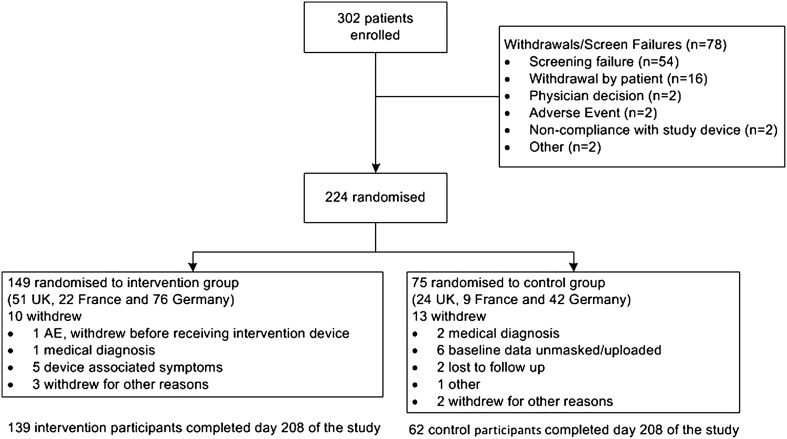
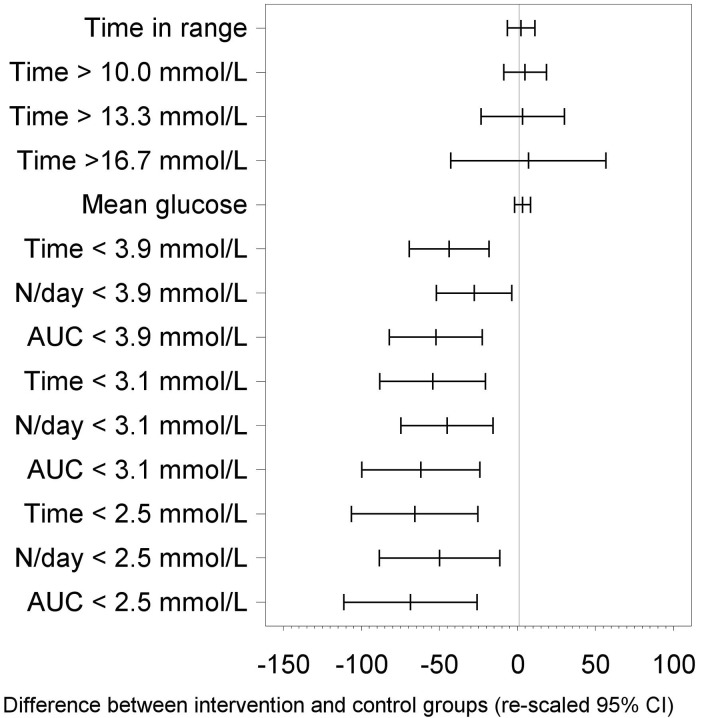
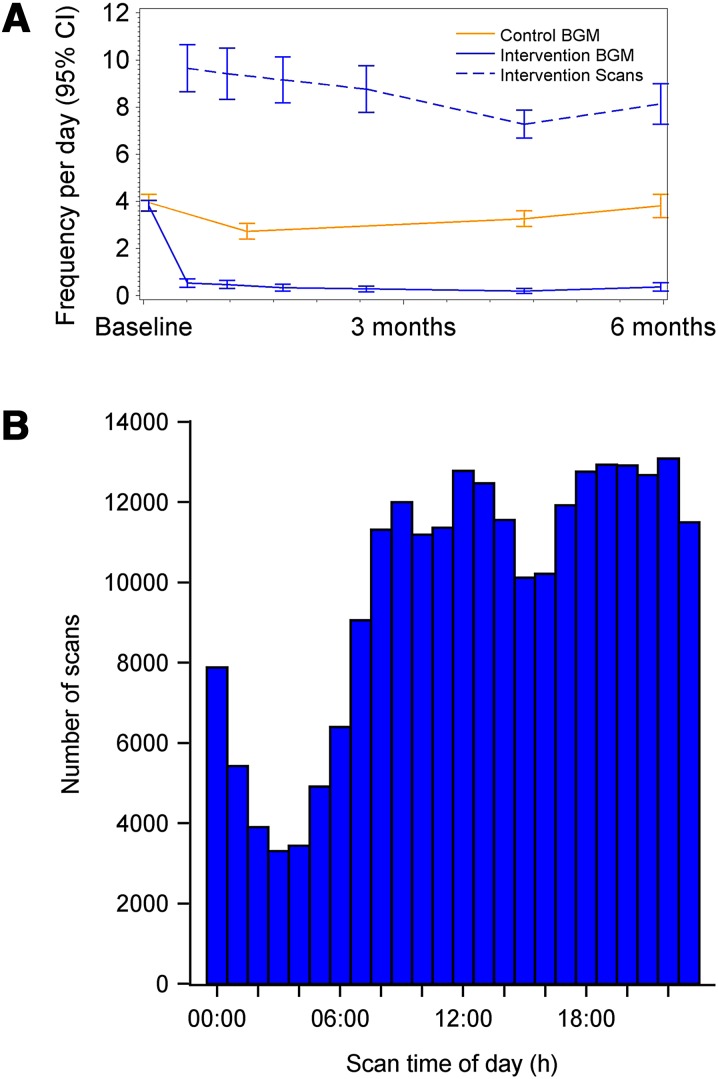
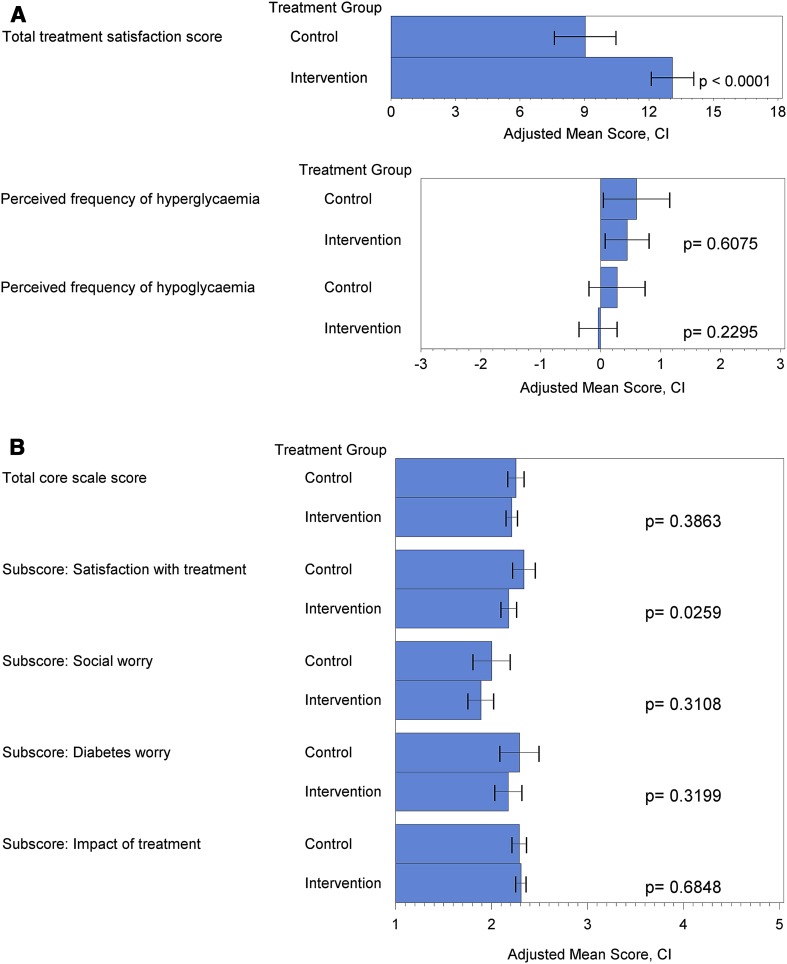
INTRODUCTION: Glycemic control in participants with insulin-treated diabetes remains challenging. We assessed safety and efficacy of new flash glucose-sensing technology to replace self-monitoring of blood glucose (SMBG). METHODS: This open-label randomized controlled study (ClinicalTrials.gov, NCT02082184) enrolled adults with type 2 diabetes on intensive insulin therapy from 26 European diabetes centers. Following 2 weeks of blinded sensor wear, 2:1 (intervention/control) randomization (centrally, using biased-coin minimization dependant on study center and insulin administration) was to control (SMBG) or intervention (glucose-sensing technology). Participants and investigators were not masked to group allocation. Primary outcome was difference in HbA1c at 6 months in the full analysis set. Prespecified secondary outcomes included time in hypoglycemia, effect of age, and patient satisfaction. RESULTS: Participants (n = 224) were randomized (149 intervention, 75 controls). At 6 months, there was no difference in the change in HbA1c between intervention and controls: -3.1 ± 0.75 mmol/mol, [-0.29 ± 0.07% (mean ± SE)] and -3.4 ± 1.04 mmol/mol (-0.31 ± 0.09%) respectively; p = 0.8222. A difference was detected in participants aged <65 years [-5.7 ± 0.96 mmol/mol (-0.53 ± 0.09%) and -2.2 ± 1.31 mmol/mol (-0.20 ± 0.12%), respectively; p = 0.0301]. Time in hypoglycemia <3.9 mmol/L (70 mg/dL) reduced by 0.47 ± 0.13 h/day [mean ± SE (p = 0.0006)], and <3.1 mmol/L (55 mg/dL) reduced by 0.22 ± 0.07 h/day (p = 0.0014) for intervention participants compared with controls; reductions of 43% and 53%, respectively. SMBG frequency, similar at baseline, decreased in intervention participants from 3.8 ± 1.4 tests/day (mean ± SD) to 0.3 ± 0.7, remaining unchanged in controls. Treatment satisfaction was higher in intervention compared with controls (DTSQ 13.1 ± 0.50 (mean ± SE) and 9.0 ± 0.72, respectively; p < 0.0001). No serious adverse events or severe hypoglycemic events were reported related to sensor data use. Forty-two serious events [16 (10.7%) intervention participants, 12 (16.0%) controls] were not device-related. Six intervention participants reported nine adverse events for sensor-wear reactions (two severe, six moderate, one mild). CONCLUSION: Flash glucose-sensing technology use in type 2 diabetes with intensive insulin therapy results in no difference in HbA1c change and reduced hypoglycemia, thus offering a safe, effective replacement for SMBG. TRIAL REGISTRATION: ClinicalTrials.gov identifier: NCT02082184. FUNDING: Abbott Diabetes Care.
Overview
The claims and statistics of this paper haven’t been checked yet.
Free: it reads the open-access text and checks the first 5 claims that cite a source we can check. Create a free account to check every claim.
Integrity signals
Registry
Cites
Statistics
Figures
Verification
Claims the paper makes
The claims and statistics of this paper haven’t been checked yet.
Free: it reads the open-access text and checks the first 5 claims that cite a source we can check. Create a free account to check every claim.
Claims other papers make about this one
Each is checked against this paper’s own text: does it say what the citing paper says it does?
The cited source doesn’t support the claim as written.
In the citing paper
“In adults with type 2 diabetes using insulin, two studies were done: one study did not meet its primary end point of A1C level reduction (69) but achieved a secondary end point of a reduction in hypoglycemia, and the other study met its primary end point of an improvement in the Diabetes Treatment Satisfaction Questionnaire score as well as a secondary end point of A1C level reduction (70).”
From 7. Diabetes Technology: Standards of Care in Diabetes—2025 (2025) · cites this paper as [69]
Checked by a reasoning model — may be wrong.
Experimental — accuracy not yet measuredThe source backs part of the claim, not all of it — or backs it for a different population, condition or comparison.
In the citing paper
“Benefits of CGM in this population include reductions in A1C, fewer severe hypoglycemia events in children and adults, increased TIR, as well as significant reductions in hospitalizations for severe hypoglycemia and DKA.156,162–168”
From American Association of Clinical Endocrinology Clinical Practice Guideline: Developing a Diabetes Mellitus Comprehensive Care Plan-2022 Update. (2022) · cites this paper as [168]
Experimental — accuracy not yet measuredThe source backs part of the claim, not all of it — or backs it for a different population, condition or comparison.
In the citing paper
“Continuous glucose monitoring (CGM) has been shown to improve glycemic control and self-monitoring, as well as to reduce the risk of hypoglycemia.”
From Importance of FDA-integrated continuous glucose monitors to ensure accuracy of continuous glucose monitoring (2025) · cites this paper as [11]
Experimental — accuracy not yet measuredThe source backs part of the claim, not all of it — or backs it for a different population, condition or comparison.
In the citing paper
“In fact, CGM supports people with DM to optimize their therapy, diet, and activity, facilitating improved HbA1c, increased time in target range of 70 to 180 mg/dL, reduced time below range (<70 mg/dL), and improved Glycemia Risk Index scores.5-11”
From Importance of FDA-integrated continuous glucose monitors to ensure accuracy of continuous glucose monitoring (2025) · cites this paper as [11]
Experimental — accuracy not yet measuredThe source backs part of the claim, not all of it — or backs it for a different population, condition or comparison.
In the citing paper
“Numerous studies have demonstrated significant clinical benefits of CGM use in people with diabetes regardless of insulin delivery method (1-15).”
From Clinical Targets for Continuous Glucose Monitoring Data Interpretation: Recommendations From the International Consensus on Time in Range (2019) · cites this paper as [9]
Experimental — accuracy not yet measured
2 more claims about this paper
Create a free account to see every claim other papers make about this one.
Self-check
Percentages, sums and reported differences re-computed from the paper’s own numbers.
The self-check needs the paper’s full text.
Citations
Cites
Turner, R. C., Fox, C., Matthews, McElroy, H. H., Cull, C. A., Holman, R. R., Neil, P., Hadden, D. R., Wright, D., Manley, E., et al. (1998) · The Lancet · Cited by 8,419
10-year follow-up of intensive glucose control in type 2 diabetes
Holman, R. R., Paul, S. K., Bethel, M. A., Matthews, D. R., & Neil, H. A. W. (2008) · New England Journal of Medicine · doi:10.1056/nejmoa0806470 · Cited by 7,751 · cited 2×
“These findings may have future clinical implications as past studies show worse glycemic control in younger participants with type 2 diabetes [3, 4] and this new sensor-based technology may be helpful for these participants.”
BackgroundGupta, A., & Uribarri, J. (2016) · Hormone Research in Paediatrics · doi:10.1159/000444053 · Cited by 4,006
Analysing controlled trials with baseline and follow up measurements
Vickers, A. J., & Altman, D. G. (2001) · BMJ · doi:10.1136/bmj.323.7321.1123 · Cited by 2,116 · cited 1×
“Analysis of covariance was used to adjust for chance imbalances in baseline measurements between the treatment groups [23], adjusted means were”
MethodAssessing Psychosocial Distress in Diabetes
Polonsky, W. H., Fisher, L., Earles, J., Dudl, R. J., Lees, J., Mullan, J., & Jackson, R. A. (2005) · Diabetes Care · doi:10.2337/diacare.28.3.626 · Cited by 1,575 · cited 3×
“DQoL Diabetes Quality of Life Questionnaire, DTSQ Diabetes Treatment Satisfaction Questionnaire and DQoL or for the DDS scales (Fig.”
MethodContinuous glucose monitoring and intensive treatment of type 1 diabetes
(2008) · New England Journal of Medicine · doi:10.1056/nejmoa0805017 · Cited by 1,559
Defining and Reporting Hypoglycemia in Diabetes
American Diabetes Association Workgroup on Hypoglycemia (2005) · Diabetes Care · doi:10.2337/diacare.28.5.1245 · Cited by 1,146
Bonds, D. E., Miller, M. E., Bergenstal, R. M., Buse, J. B., Byington, R. P., Cutler, J. A., Dudl, R. J., Ismail-Beigi, F., Kimel, A. R., Hoogwerf, B., et al. (2010) · BMJ · doi:10.1136/bmj.b4909 · Cited by 933 · cited 2×
“However, intensification of insulin therapy increases the risk of hypoglycemia [4] which is associated with adverse clinical outcome [5], impacts on quality of life [6], and increases treatment costs secondary to hospital admissions, ambulance call-outs, and clinic attendance [7].”
BackgroundBolinder, J., Antuna, R., Geelhoed-Duijvestijn, P., Kröger, J., & Weitgasser, R. (2016) · The Lancet · doi:10.1016/s0140-6736(16)31535-5 · Cited by 893 · cited 1×
“demonstrated superior reduction in hypoglycemia without deterioration of HbA1c and improved treatment satisfaction [34].”
Cited by
Items 501–600 of 643
Riveline, J., Guerci, B., Wojtusciszyn, A., & Dunn, T. C. (2020) · Médecine des Maladies Métaboliques · doi:10.1016/j.mmm.2020.08.001 · Cited by 5
Self-citationEverett, C., Reynolds, C., Fernandez, C., Stocken, D. D., Sharples, L. D., Sathyapalan, T., Heller, S. R., Storey, R. F., & Ajjan, R. (2020) · Diabetes and Vascular Disease Research · doi:10.1177/1479164120957934 · Cited by 2
“Previous randomised controlled trials have shown that Freestyle Libre reduces hypoglycaemic exposure both in type 1 and type 2 diabetes patients with the added benefit of reducing HbA1c in inadequately controlled type 2 diabetes (T2D) patients younger than 65 years.(21,22) Moreover, realworld data in over 50,000 users…”
BackgroundSelf-citationUse of Flash Glucose Monitoring in Patients on Intensive Insulin Treatment
Moon, J. S. (2020) · Journal of Korean Diabetes · doi:10.4093/jkd.2020.21.4.184 · Cited by 2
“다회인슐린요법 중인 제2형 당뇨병환자를 대상으로 한 Novel glucose-sensing technology as a replacement for blood glucose monitoring for the management of insulintreated type 2 diabetes (REPLACE) 연구는 FGM군과 자 가혈당측정군 간의 6개월 후 당화혈색소를 비교하였다[13].”
Александровна, М. О., Олеговна, Н. А., & Андреевна, Т. Е. (2019) · CyberLeninK (CyberLeninka) · doi:10.24411/2304-9529-2019-14004 · Cited by 2
Initial Diagnosis and Management of Type 2 Diabetes Mellitus
Suda, N., & Lee, H. J. (2022) · Springer eBooks · doi:10.1007/978-3-030-84367-0_39 · Cited by 3
de la Marca, M. D. L. O. N., Díaz-Soto, G., Ibáñez, M. S., Simón, S. D. A., Fernández-Velasco, P., Torres, B., Gómez, J. J. L., Hoyos, E. G., Buigues, A. O., García, E. D., et al. (2022) · Endocrinología Diabetes y Nutrición · doi:10.1016/j.endinu.2022.01.003 · Cited by 2
Newer Outpatient Diabetes Therapies and Technologies
Kamal, N., Lee, K., & Aleppo, G. (2024) · Medical Clinics of North America · doi:10.1016/j.mcna.2024.03.002 · Cited by 2
Continuous Glucose Monitors for Insulin Dosing
Beck, R. W. (2018) · JAMA · doi:10.1001/jama.2018.0185 · Cited by 2
Brohi, A. H., Hakim, A., Khan, M. J., Malik, E., Mugheri, D., Shaikh, F., Abbas, W., Baloch, N., Ashraf, Z., Mangi, A. A., et al. (2020) · Research Square · doi:10.21203/rs.3.rs-35708/v1 · Cited by 3
“Furthermore, several trials have shown that frequent SMBG is correlated with improvements in metabolic control (10-12).”
Background(2018) · Diabetes Case Reports · doi:10.4172/2572-5629 · Cited by 2
2023 Clinical Practice Guidelines for Diabetes: Continuous Glucose Monitoring and Insulin Pumps
Jin, S. (2023) · Journal of Korean Diabetes · doi:10.4093/jkd.2023.24.3.141 · Cited by 2
“이는 가장 중요한 근거가 되는 무작위대조연구 인 Multiple Daily Injections and Continuous Glucose Monitoring in Diabetes (DIAMOND) 연구가 사실 당시의 허가사항으로 인해 연속혈당측정을 단독이 아닌 채혈을 통한 혈당측정의 보조수단으로 사용한 연구였고[16], 이후에 시행 된 간헐스캔연속혈당측정 연구들이 일관된 결과를 보여주지 못했기 때문이다[17].”
Dover, A. R., Wright, R. J., Forbes, S., Strachan, M. W. J., Stimson, R. H., & Gibb, F. W. (2024) · Diabetes Obesity and Metabolism · doi:10.1111/dom.16003 · Cited by 1
Aljohani, R. A., Altaib, H. N., & Kofi, M. A. (2025) · Cureus · doi:10.7759/cureus.79705 · Cited by 2
“Studies have shown that CGM leads to decreased HbA1c levels and reduced glycemic variability [6,7].”
InfluentialNishikage, S., Hirota, Y., Nakagawa, Y., Nakatsuji, M., Saito, S., Yoshimura, K., Ueda, M., Yamamoto, A., Takayoshi, T., Matsuoka, A., et al. (2025) · Diabetology International · doi:10.1007/s13340-025-00838-6 · Cited by 1
“For individuals with T2DM undergoing intensive insulin therapy, isCGM has been found to facilitate behavioral changes, improve treatment satisfaction [21–23], and reduce the occurrence of hypoglycemia [22].”
Banu, Q. S., Donatien, C., Ramdeen, S., Calixte, R., Khaimova, R., Budovich, A., & Thomas, N. (2025) · Clinical Medicine Insights Endocrinology and Diabetes · doi:10.1177/11795514251389034 · Cited by 1
“8 While the reasons for this are unclear, we can hypothesize it to be due to ‘CGM fatigue’ where decision fatigue from dealing with increased amounts of data and alerts diminishes long-term engagement with the device.”
Ruíz, M. P., Jiménez, B. R., Gómez, P. R. D. V., Robles, N. L., Ortega, R. P., Sánchez-Laguna, F. J., Cruz, I. V., Sánchez, E. M., Sánchez-Álvarez, M., Fernandez-Delgado, C., et al. (2025) · Endocrinología Diabetes y Nutrición · doi:10.1016/j.endinu.2025.501661 · Cited by 2
Lim, S. K., Nishimura, R., Kesavadev, J., Kong, A. P. S., McGill, M. J., Ou, H., Chun Kwan, O., Lee, C., Zhang, X., Ji, L., et al. (2025) · Diabetes Research and Clinical Practice · doi:10.1016/j.diabres.2025.113054 · Cited by 1
Accuracy of a continuous glucose monitoring system in people with diabetes on peritoneal dialysis
Williams, J. K., Gilchrist, M., & Shore, A. C. (2025) · Peritoneal Dialysis International · doi:10.1177/08968608251406514 · Cited by 3
AI Integration in Telemedicine for Metabolic Monitoring and Gut Microbiome Analysis
Arya, L., Rastogi, R., Sivaparvathi, M., Yallamanda, R. B., Banda, L., Katuri, V. R., Gautam, D., Elloumi, M., Tiwari, N., & Tyagi, S. (2025) · Advances in computational intelligence and robotics book series · doi:10.4018/979-8-3373-3196-6.ch004 · Cited by 1
Cigler, M., el Hakouni, O., Meçani, R., Pouwer, F., Abbink, E. J., Moser, M., de Galan, B. E., Renard, É., Evans, M. L., Brøsen, J. M. B., et al. (2026) · Diabetic Medicine · doi:10.1111/dme.70301 · Cited by 1
Hayek, A. A., Zahrani, W. M. A., Alotaibi, H. F., & Dawish, M. A. A. (2026) · Journal of Diabetes Science and Technology · doi:10.1177/19322968261447256 · Cited by 1
Outcomes of Diabetes Management with Continuous Glucose Monitoring Technology
Vayser, D., Wang, P., Dafesh, N., & Agrawal, D. K. (2026) · Archives of Internal Medicine Research · doi:10.26502/aimr.0243 · Cited by 1
“The REPLACE trial conducted by Haak et al. [84] did not find an overall HbA1c difference compared to fingerstick monitoring, but revealed substantial improvement in hypoglycemia, including a 43% reduction in time spent at <70 mg/dl, and a 54% loss in nocturnal hypoglycemia.”
Primary Care–Initiated Continuous Glucose Monitoring in Adults With Insulin-Treated Diabetes
Milosavljevic, J., Leon, L. R., Rikin, S., Schechter, C. B., Hodgson, S., & Agarwal, S. (2026) · JAMA Network Open · doi:10.1001/jamanetworkopen.2026.21713 · Cited by 1
Irace, C., & Akra, B. (2026) · Diabetes Obesity and Metabolism · doi:10.1111/dom.71202 · Cited by 1
“The approval for non-adjunctive use reflects the result of clinical trials [10–12], which have demonstrated the Dexcom and the FreeStyle Libre CGM systems to be safe and more-effective in supporting glycaemic management, compared to standard self-management of blood glucose (SMBG) capillary blood…”
Relevancia del monitoreo continuo de glucosa en la práctica clínica: revisión de la evidencia
Gómez, A. M., Carrillo, D. C. H., Tapoada, L., & Toro, M. R. (2018) · Revista Colombiana de Endocrinología Diabetes & Metabolismo · doi:10.53853/encr.5.3.432 · Cited by 3
“El FreeStyle Libre Flash Glucose Monitoring System® utiliza un sensor calibrado en fábrica, que permite mediciones de glucosa intersticial con una frecuencia determinada por el número de veces que el paciente realice el “escaneo” con el lector; sin embargo, no emite alarmas que indiquen al paciente realizar acciones e…”
BackgroundShould all patients on insulin be using continuous glucose monitoring?
Distiller, L. A. (2018) · Journal of Endocrinology Metabolism and Diabetes of South Africa · doi:10.1080/16089677.2018.1515164 · Cited by 1
“On the other hand, a study by Haak et al.43 involving 224 type 2 patients from 26 European centres, using Flash glucose monitoring as a replacement for blood glucose monitoring showed no difference in HbA1c but a reduced incidence and duration of hypoglycaemia.”
ResultLensing, C. J., Garth, S. R., Ehlert, B., Duerr, J. M., Wagner, C. D., Kapov, K. A., Jones, J. P., & Hoversten, S. (2019) · Diabetes Spectrum · doi:10.2337/ds19-0005 · Cited by 1
Raddatz, A. (2019) · Springer eBooks · doi:10.1007/978-3-658-25141-3_9 · Cited by 1
Expanding Flash Continuous Glucose Monitoring Technology to a Broader Population
Cowart, K. (2021) · Clinical Diabetes · doi:10.2337/cd20-0066 · Cited by 2
Mateu-Salat, M., Moreno-Fernández, J., Mangas, N., Genua, I., Martínez, M. J., López, A., González, C., & Chico, A. I. (2021) · Endocrinología Diabetes y Nutrición · doi:10.1016/j.endinu.2021.04.008 · Cited by 2
Mateu-Salat, M., Moreno-Fernández, J., Mangas, N., Genua, I., Martínez, M. J., López, A., González, C., & Chico, A. I. (2022) · Endocrinología Diabetes y Nutrición (English ed ) · doi:10.1016/j.endien.2022.03.007 · Cited by 1
Il monitoraggio in continuo della glicemia: stato dell’arte
Irace, C., & Molfetta, S. D. (2022) · il Diabete · doi:10.30682/ildia2204g · Cited by 1
Il monitoraggio continuo del glucosio a scansione intermittente (FGM) nel diabete tipo 2
Giandalia, A., & Cuttone, A. (2023) · L Endocrinologo · doi:10.1007/s40619-023-01300-y · Cited by 2
The Application of Digital Health in Diabetes Management
Ye, J. (2023) · Highlights in Science Engineering and Technology · doi:10.54097/hset.v66i.11711 · Cited by 1
On Standardization and Evaluation of Continuous Glucose Monitoring Systems
Темиргалиевич, М. К., Прокопьев, М. В., & Ivanov, I. V. (2024) · Measurement Standards Reference Materials · doi:10.20915/2077-1177-2023-19-5-113-125 · Cited by 1
An Analysis of the Distribution of Direct Cost of Diabetes Care in Selected Districts in Italy
Mennini, F. S., Sciattella, P., Marcellusi, A., Bartolini, F., Bernardi, F. F., Levrat‐Guillen, F., Cozzolino, M., Gennaro, M. D., Giordana, R., Giustozzi, M., et al. (2024) · Diabetes Therapy · doi:10.1007/s13300-024-01580-z · Cited by 1
“This could include the use of scanning continuous glucose monitoring (CGM), which is proven to reduce HbA1c com‑ pared to SMBG testing for people with T1D or with T2D on insulin therapy [13–15], as well as reducing time in hypoglycemia [16, 17].”
MethodSeufert, J., Dänschel, I., Gölz, S., Haller, N., Kulzer, B., Tan, S., Schnell, O., Wiesner, T., & Kroeger, J. (2024) · Diabetologie und Stoffwechsel · doi:10.1055/a-2305-9093 · Cited by 1
Muayyad, M., Abusnana, S., Mussa, B. M., Helal, R., Abdelrahim, D. N., Reheim, N. M. A., Amiri, E. A., Daboul, M. M., Al-Abadla, Z., Lessan, N. G., et al. (2024) · Journal of Education and Health Promotion · doi:10.4103/jehp.jehp_1609_23 · Cited by 1
“…of combining flash glucose monitoring (FGM) technology into diabetes management include improved glycemic variability, reduced time spent in hypoglycemia, [8] reduced HbA1c levels, [9] and increased numbers of readings per day for the maximum daily care of blood glucose [10] in patients with T1D.”
BackgroundSingh, P., & Singh, A. K. (2024) · Future Postharvest and Food · doi:10.1002/fpf2.12032 · Cited by 1
Status of Continuous Glucose Monitoring Technology in Clinical Practice
O’Connor, C., & Aleppo, G. (2019) · doi:10.2337/9781580406932.part1_ch04 · Cited by 1
Hellmund, R., Blissett, D. B., & Levrat‐Guillen, F. (2018) · Journal of Diabetes Science and Technology · doi:10.1177/1932296818822513 · Cited by 1
Smartphone apps for type 2 diabetes self-management and medication adherence : a multi-method study
Huang, Z. (2020) · DR-NTU (Nanyang Technological University) · doi:10.32657/10356/137883 · Cited by 2
Hiemstra, M. S. (2021) · Scholarship@Western (Western University) · Cited by 1
Almokayyad, R. M., & Cuddihy, R. M. (2021) · Wiley eBooks · doi:10.1002/9781119603207.ch7
Aguilera, E., & Vázquez, F. (2017) · Endocrinología Diabetes y Nutrición · doi:10.1016/j.endinu.2017.02.001 · Cited by 1
Aguilera, E., & Vázquez, F. (2017) · Endocrinología Diabetes y Nutrición (English ed ) · doi:10.1016/j.endien.2017.02.008
Avancées dans la prise en charge du diabète
Sicard, J. (2017) · Actualités Pharmaceutiques · doi:10.1016/j.actpha.2017.07.007
Corrao, S., Nativo, B., Natoli, G., Monaco, M. L., & Perticone, F. (2018) · Internal and Emergency Medicine · doi:10.1007/s11739-018-1855-5
Reduktion des kardiovaskulären Risikos
Siegmund, T. (2018) · CardioVasc · doi:10.1007/s15027-018-1367-2
Koide, K., Azuma, K., Nojima, J., Kodama, K., & Atsumi, Y. (2018) · Diabetology & Metabolic Syndrome · doi:10.1186/s13098-018-0364-z · Cited by 1
Die neue Flash-Glukosemessung kann auch Alarm schlagen
Pampel, S. L. (2018) · Info Diabetologie · doi:10.1007/s15034-018-1425-y
Consider alternative evidence sources for medical devices
Smart, N. J. (2018) · BMJ · doi:10.1136/bmj.k5202
Newer Modalities in the Treatment of Type 2 Diabetes Mellitus: Focus on Technology
Schorr, A. B. (2019) · IntechOpen eBooks · doi:10.5772/intechopen.84285
“Several randomized controlled trails note that the use of flash CGM with the Libre system reduced hypoglycemia, increased the time in target range and reduced glucose variability [44, 45] Studies and personal observation have also shown higher device utilization.”
BackgroundContinuous and flash glucose monitoring in diabetes
Morris, D. (2019) · Journal of Prescribing Practice · doi:10.12968/jprp.2019.1.sup3.s3
Hypoglykämien bei Diabetes mellitus: häufig und gefährlich
Holstein, A., & Holstein, D. J. F. (2019) · Diabetes aktuell · doi:10.1055/a-1031-2237
“Für Typ-2-Diabetes mit ICT ergab sich eine signifikante Verminderung biochemisch definierter Hypoglykämien (< 70 mg/dl) und insbesondere auch Reduktion nächtlicher Hypoglykämien von 54 % [36].”
BackgroundMakkar, B. M. (2020) · International Journal of Advances in Medicine · doi:10.18203/2349-3933.ijam20200029
“The flash glucose-sensing technology was found to be safe and effective when used in place of standard SMBG for glycemic management of T2DM with intensive insulin therapy.(11) In another study of 29 patients with T2DM controlled on metformin plus sulfonylureas, the use of CGM demonstrated that 18 patients (62%) had 65…”
MethodHypoglycaemia in older people with dementia and diabetes
Mattishent, K. (2019) · UEA Digital Repository (University of East Anglia)
Uduku, C. N., Reddy, M., & Oliver, N. S. (2020) · Elsevier eBooks · doi:10.1016/b978-0-12-816714-4.00007-7
Part I: Continuous glucose monitoring systems
Moorman, J. M. (2020) · JACCP JOURNAL OF THE AMERICAN COLLEGE OF CLINICAL PHARMACY · doi:10.1002/jac5.1260
CGM-101: How to Identify Appropriate Use
Howell, C., & Meredith, A. H. (2020) · ADCES in Practice · doi:10.1177/2633559x20925456
Lu, C. (2017) · Arizona State University Library Digital Repository (Arizona State University)
Westman, K., Imberg, H., Albrektsson, H., Hirsch, I. B., Tuomilehto, J. O., Dahlqvist, S., & Lind, M. (2020) · Primary care diabetes · doi:10.1016/j.pcd.2020.11.005
Continuous Glucose Monitors are Cost Neutral Compared to SMBG
Elliott, T. G., & Weissinger, A. (2020) · Journal of Diabetes Research and Therapy · doi:10.16966/2380-5544.155
“The direct benefits of using CGM have been extensively documented [1-16].”
BackgroundNew Trends: Time in Range and the Use of Continuous Glucose Monitoring Devices on Glycemic Control
Souza, K. L. V. D., Rassi, M. M. B., de Sá, D. A. R., Bussuan, R. M., Rodrigues, L. C. D. S., & Arbex, A. K. (2021) · European Journal of Medical and Health Sciences · doi:10.24018/ejmed.2021.3.1.491 · Cited by 1
“With these results it is possible to verify the actual follow-up of the patient and the need for modifications in the short or long term therapy [59]-[63].”
BackgroundLiu, P., Zeng, T., Cai, L., Wang, J., & Xue, L. (2021) · Indian Journal of Pharmaceutical Sciences · doi:10.36468/pharmaceutical-sciences.spl.180
Flash Glucose Monitoring(FGM)時代の血糖値の分類 ―低血糖・血糖値スパイクを中心に―
勝太郎, 永., 悟子, 志., 大槻, 千., & 喜山, 克. (2021) · doi:10.32183/ifcm.19.1_21
Placement of insulin pump by telemedicine
Foglia, A. (2020) · The Journal of AMD · doi:10.36171/jamd20.23.4.6
Myers, A. K. (2021) · Journal of Endocrinology and Thyroid Research · doi:10.19080/jetr.2021.06.555682
“Studies have shown that the use of this technology can either improve or make little impact on glycemic control as measured by Hemoglobin A1c and glucose variability [7-10].”
BackgroundGlucose flash monitoring systems: sources of funding, procurement and delivering to patients
Федоров, А. А., Сергеевна, П. О., & Ratushnyak, S. S. (2021) · Medical Technologies Assessment and Choice · doi:10.17116/medtech20214304144
Clinical and economic benefits of continuous blood glucose monitoring devices
Rahman, R. S., Salamah, H. E., Alshair, F. M., Alsawadi, A. A., Alghamdi, O. M., Alalasi, A. B., Mufarrihi, A. M., Alalawi, A. O., Alzahrani, O. M., Alanazi, H. O., et al. (2022) · International Journal of Community Medicine and Public Health · doi:10.18203/2394-6040.ijcmph20220053
“The authors furtherly reported that the estimated reduction rate for patients with well-controlled T1DM was 38%.(24,25) It should be noted that the estimated reductions in all of these occasions were more significant in the CGM than the SMBG group, indicating the clinical efficacy and benefits of using CGM devices.”
Glucose Monitoring and Sensing
Pickup, J. C., & Oliver, N. S. (2022) · doi:10.1093/med/9780198870197.003.0251 · Cited by 1
Lu, G., Wang, M., Fox, T., Jiang, P., & Jiang, F. (2022) · Journal of Shanghai Jiaotong University (Science) · doi:10.1007/s12204-022-2439-0
“Recently, BG monitoring sensors, such as real time continuous glucose monitoring (RT-CGM), have been proposed to measure BG concentration almost continuously (1—5 min) sampling period and lasting several consecutive days([1-3]).”
BackgroundWaldenmaier, D., Buck, S., Pleus, S., Beltzer, A., Schauer, S., Link, M., Zschornack, E., Jendrike, N. R. M., Haug, C., & Freckmann, G. (2022) · Research Square · doi:10.21203/rs.3.rs-1992681/v1
„Time in range“ (TIR) vs. Glykohämoglobin Typ A1c (HbA1c): was zählt für unsere Patienten?
Harer, C., & Mader, J. K. (2022) · Die Diabetologie · doi:10.1007/s11428-022-00963-9
Make room for continuous glucose monitoring in type 2 diabetes management
Schleich, K. T., & Ray, B. E. (2022) · The Journal of Family Practice · doi:10.12788/jfp.0500
Monitorización de la glucemia en DM2
Martin, R. S., & Vela, N. S. (2022) · Diabetes práctica · doi:10.52102/diabet/pract/nuevastecnologias/art1 · Cited by 1
Does use of continuous or flash glucose monitors decrease hypoglycemia episodes in T2D?
Wen, F. K., Bigelow, S., Crosby, K., Reeder, R., Hoberecht, T., & Moreau, E. (2023) · The Journal of Family Practice · doi:10.12788/jfp.0643
Generalized maculopapular rash and fever
Verdieck, A., Ardman, E., & Defelice, N. (2023) · The Journal of Family Practice · doi:10.12788/jfp.0640
Importance of continuous glucose monitoring in the treatment of diabetes mellitus
Moon, S. J., & Lee, W. (2023) · Journal of Korean Medical Association · doi:10.5124/jkma.2023.66.7.432
“는데, 자가혈당측정군 대비 isCGM군에서 1차 유효성평가 변수였던 당화혈색소의 유의미한 개선은 보이지 못하였고, 다만 <70 mg/dL 저혈당 발생시간에서는 개선을 보였다 [29].”
Schwere Hypoglykämie und diabetische Ketoazidose: Warnung erwünscht
Thomas, A. (2023) · Info Diabetologie · doi:10.1007/s15034-023-4545-y
Seidu, S., Kunutsor, S. K., Ajjan, R., & Choudhary, P. (2023) · doi:10.2337/figshare.24291334.v1
Self-citationBadnjević-Čengić, A., Čerim-Aldobašić, A., Hodžić, M., & Dautbegović-Stevanović, D. (2024) · World Congress on Medical Physics and Biomedical Engineering, September 7 - 12, 2009, Munich, Germany · doi:10.1007/978-3-031-49068-2_20
Iqbal, A., Chow, E., Jones, T. W., & Heller, S. R. (2024) · Wiley eBooks · doi:10.1002/9781119697473.ch40
New Technologies for Glucose Monitoring
Danne, T., & Kordonouri, O. (2024) · Wiley eBooks · doi:10.1002/9781119697473.ch32
Comité de Innovación. Uso de los sistemas de infusión continua de insulina en personas con DM1
Carnero, R., Saleme, A., Lequi, L., Daín, A., Campos, F. S., Sosa, L., Flores, A., & Kabakian, L. (2024) · Revista de la Sociedad Argentina de Diabetes · doi:10.47196/diab.v58i1sup.763 · Cited by 1
Mesure continue du glucose : quels sont les nouveaux indicateurs de suivi ?
Joubert, M. (2024) · Médecine des Maladies Métaboliques · doi:10.1016/j.mmm.2024.05.001 · Cited by 1
Yépez-Rodríguez, A. E., Garduño-Pérez, Á. A., Martínez-Abundis, E., Lavalle-González, F. J., Canto, J. A. C., Garnica-Cuéllar, J. C., Vera-Zertuche, J. M., la Garza-Hernández, N. E. D., Almeda‐Valdés, P., & Faradji, R. N. (2026) · Revista Mexicana de Endocrinología Metabolismo y Nutrición · doi:10.24875/rme.m24000032
Lameijer, A. (2024) · University of Groningen research database (University of Groningen / Centre for Information Technology) · doi:10.33612/diss.1021051970
Japanese candlestick charts for diabetes
Boj-Carceller, D. (2024) · World Journal of Methodology · doi:10.5662/wjm.v14.i2.90708
Pérez-López, P. (2024) · UVaDOC UVaDOC University of Valladolid Documentary Repository (University of Valladolid) · doi:10.35376/10324/68548
Abucevicz-Swick, K. (2024) · The Research Repository @ WVU (West Virginia University) · doi:10.33915/etd.12543 · Cited by 1
Divilly, P., Martine‐Edith, G., Zaremba, N., Søholm, U., MAHMOUDI, Z., Cigler, M., Ali, N., Abbink, E. J., Brøsen, J. M. B., de Galan, B. E., et al. (2024) · doi:10.2337/figshare.26359831
Indications, specifics and reimbursement of glucose sensors in type 2 diabetes patients
Štechová, K. (2024) · Vnitřní lékařství · doi:10.36290/vnl.2024.077
Galhardo, A. C., Garcia, E. P. L., Baccarin, C. S., & Gyotoku, L. C. (2024) · Research Society and Development · doi:10.33448/rsd-v13i10.47044
Innovaciones tecnológicas y diabetes
Lablanche, S., Delagenière, J., & Jalbert, M. (2025) · EMC - Tratado de Medicina · doi:10.1016/s1636-5410(25)50386-0
Titova, V. V., Yanovskaya, E. A., & Яновская, М. Е. (2025) · FOCUS Endocrinology · doi:10.62751/2713-0177-2025-6-1-09
Eer, A., Hachem, M., Hearn, T., Koye, D. N., Atkinson‐Briggs, S., Jones, J. L., Eades, S., Braat, S., Twigg, S. M., Sinha, A. K., et al. (2025) · Pilot and Feasibility Studies · doi:10.1186/s40814-025-01607-7
“Since the development of continuous glucose monitoring (CGM) [19] and flash glucose monitoring (FGM), clear and comprehensive data can now be obtained with minimal user inconvenience [19, 20].”
InfluentialHassan, T. A. M., Abusnana, S., Mussa, B. M., Bhamidimarri, P. M., Zakaria, H., Ashfaq, A., Merie, H., & Alawadi, F. (2025) · Clinical Diabetology · doi:10.5603/cd.103990
Metadata
- Authors
- Haak, T., Hanaire, H., Ajjan, R., Hermanns, N., Riveline, J.-P., & Rayman, G.
- Affiliations
- German Diabetes Center Mergentheim (DE)
- Centre Hospitalier Universitaire de Toulouse (FR)
- University of Leeds (GB)
- Assistance Publique – Hôpitaux de Paris (FR)
- Ipswich Hospital (GB)
- Corresponding author
- Haak, Thomas
- Venue
- Diabetes Therapy
- Published
- 2016-12-20
- Volume
- 8
- Issue
- 1
- Pages
- 55-73
- ISSN
- 1869-6953 (ISSN-L)
- 1869-6961
- PMC
- PMC5306122
- OpenAlex
- W2563731248
- Semantic Scholar
- 2015a86b0af46a1f808e99a1eedb7fa1f61f22eb
- Cited by
- 623
- References
- 40
- Citations by year
- 2026: 34 · 2025: 63 · 2024: 72 · 2023: 64 · 2022: 76 · 2021: 76 · 2020: 69 · 2019: 72 · 2018: 58 · 2017: 37
- FWCI
- 55.95
- Type
- journal article
- Language
- en
- Open access
- gold
- doi.org
- Licence
- cc-by-nc
- creativecommons.org/licenses/by/4.0 (tdm)
- Locations
- Diabetes Therapy (publishedVersion, cc-by-nc)
- Europe PMC (PubMed Central) (publishedVersion, cc-by-nc)
- PubMed Central (publishedVersion, cc-by-nc)
- PubMed (publishedVersion)
- White Rose Research Online (University of Leeds, The University of Sheffield, University of York) (acceptedVersion)
- Funders
- Abbott
- Topics
- Health Sciences › Medicine › Endocrinology, Diabetes and Metabolism › Diabetes Management and Research
- Health Sciences › Medicine › Endocrinology, Diabetes and Metabolism › Diabetes Treatment and Management
- Health Sciences › Medicine › Endocrinology, Diabetes and Metabolism › Diabetes Management and Education
- Keywords
- flash glucose monitoring, continuous glucose monitoring, type 2 diabetes, insulin-treated diabetes, intensive insulin therapy, self-monitoring of blood glucose, glycemic control, HbA1c, hypoglycemia, time in range, patient satisfaction, older adults, diabetes management, treatment efficacy and safety, Europe
About these checks
Registry, retraction, Cites and statistics results are computed, not judged, with one exception: a printed reference that no index lists is read once by a model before it counts as a citation error. Claims are extracted by a model and kept only when their quote appears verbatim in the text; each cited source is then checked, with a model’s help, for whether it says what the claim relies on. Those verdicts can be wrong — read the claim’s quote and the cited source before relying on one.
Statistics and arithmetic are recomputed, not judged.
Confidence bands are shown only for fields calibrated on our annotated test set. None is calibrated yet, so no band is shown.
What counts as a claim ›How we measure confidence ›How we check this ›
Are you an author, or do you see a problem with this page? Request a review
Data sources
Bibliographic data: Semantic Scholar, OpenAlex, Crossref.
Contains information from the Semantic Scholar Academic Graph Datasets, made available under the ODC Attribution License (ODC-BY 1.0).
Semantic Scholar’s data is described in: Kinney, R., et al. (2023). The Semantic Scholar Open Data Platform. arXiv:2301.10140.
