

Flash Glucose-Sensing Technology as a Replacement for Blood Glucose Monitoring for the Management of Insulin-Treated Type 2 Diabetes: a Multicenter, Open-Label Randomized Controlled Trial
Open accessThe DOI matches its Crossref record; 39 of the 40 references it cites were found in a registry or an index.
Abstract
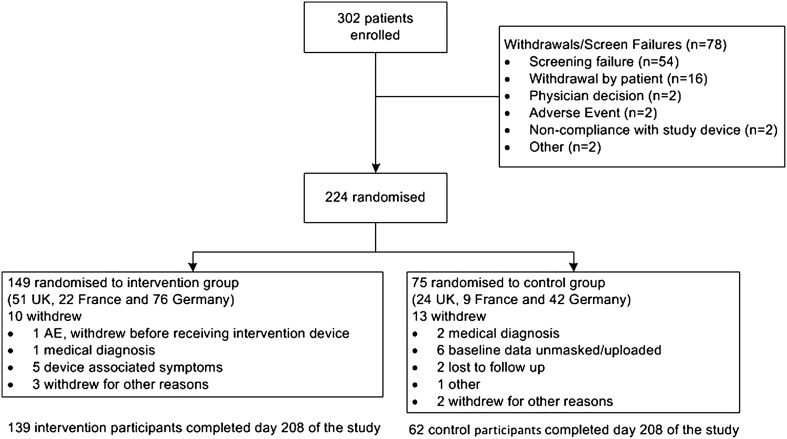
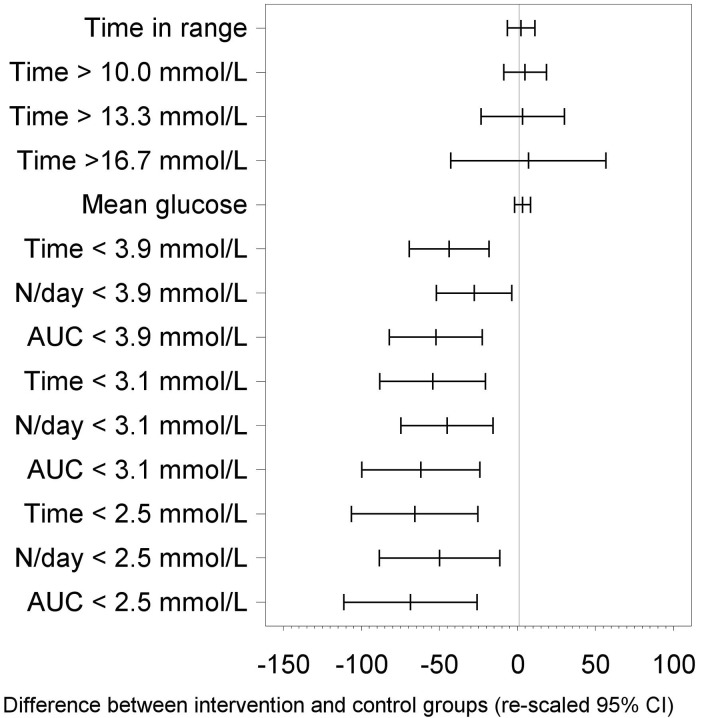
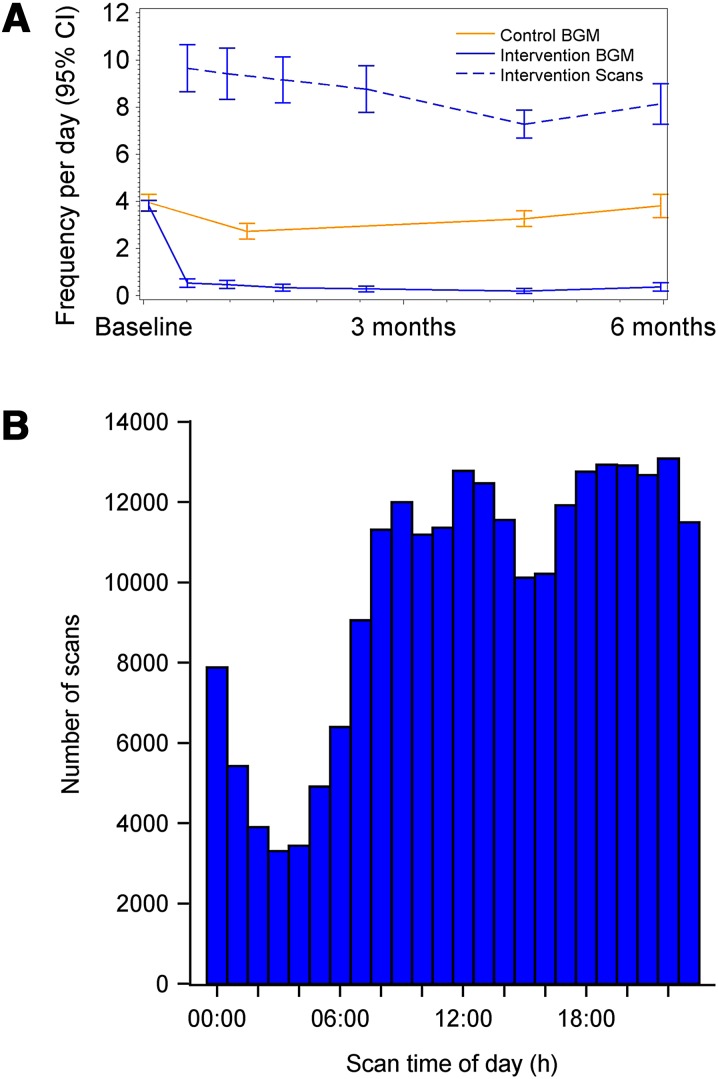
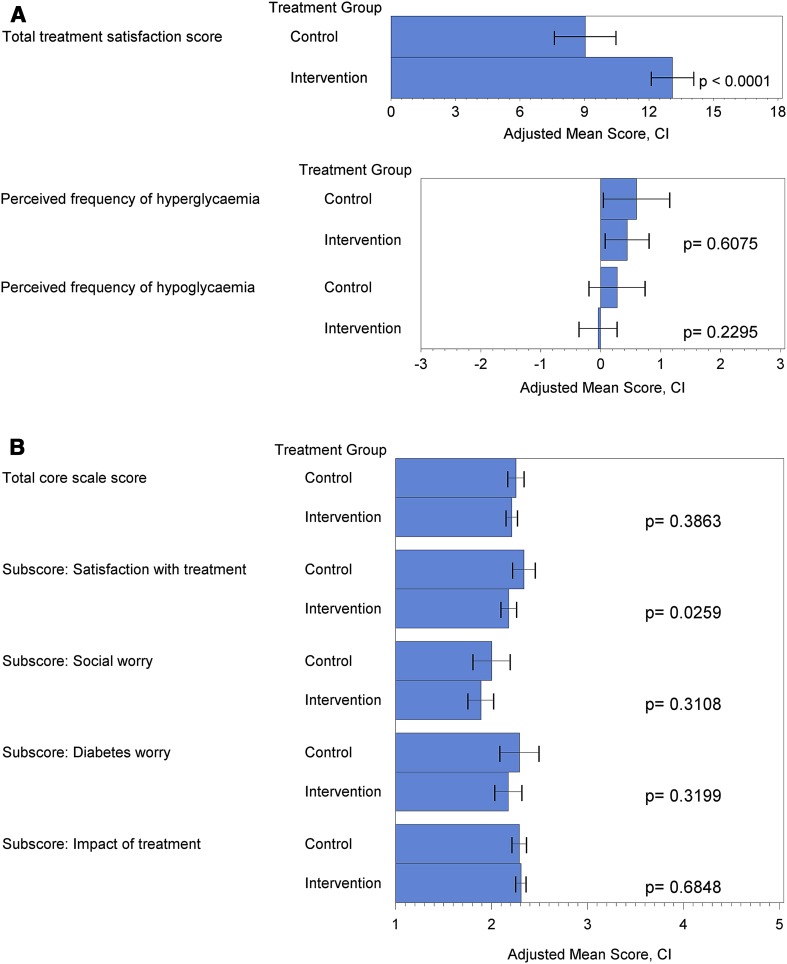
INTRODUCTION: Glycemic control in participants with insulin-treated diabetes remains challenging. We assessed safety and efficacy of new flash glucose-sensing technology to replace self-monitoring of blood glucose (SMBG). METHODS: This open-label randomized controlled study (ClinicalTrials.gov, NCT02082184) enrolled adults with type 2 diabetes on intensive insulin therapy from 26 European diabetes centers. Following 2 weeks of blinded sensor wear, 2:1 (intervention/control) randomization (centrally, using biased-coin minimization dependant on study center and insulin administration) was to control (SMBG) or intervention (glucose-sensing technology). Participants and investigators were not masked to group allocation. Primary outcome was difference in HbA1c at 6 months in the full analysis set. Prespecified secondary outcomes included time in hypoglycemia, effect of age, and patient satisfaction. RESULTS: Participants (n = 224) were randomized (149 intervention, 75 controls). At 6 months, there was no difference in the change in HbA1c between intervention and controls: -3.1 ± 0.75 mmol/mol, [-0.29 ± 0.07% (mean ± SE)] and -3.4 ± 1.04 mmol/mol (-0.31 ± 0.09%) respectively; p = 0.8222. A difference was detected in participants aged <65 years [-5.7 ± 0.96 mmol/mol (-0.53 ± 0.09%) and -2.2 ± 1.31 mmol/mol (-0.20 ± 0.12%), respectively; p = 0.0301]. Time in hypoglycemia <3.9 mmol/L (70 mg/dL) reduced by 0.47 ± 0.13 h/day [mean ± SE (p = 0.0006)], and <3.1 mmol/L (55 mg/dL) reduced by 0.22 ± 0.07 h/day (p = 0.0014) for intervention participants compared with controls; reductions of 43% and 53%, respectively. SMBG frequency, similar at baseline, decreased in intervention participants from 3.8 ± 1.4 tests/day (mean ± SD) to 0.3 ± 0.7, remaining unchanged in controls. Treatment satisfaction was higher in intervention compared with controls (DTSQ 13.1 ± 0.50 (mean ± SE) and 9.0 ± 0.72, respectively; p < 0.0001). No serious adverse events or severe hypoglycemic events were reported related to sensor data use. Forty-two serious events [16 (10.7%) intervention participants, 12 (16.0%) controls] were not device-related. Six intervention participants reported nine adverse events for sensor-wear reactions (two severe, six moderate, one mild). CONCLUSION: Flash glucose-sensing technology use in type 2 diabetes with intensive insulin therapy results in no difference in HbA1c change and reduced hypoglycemia, thus offering a safe, effective replacement for SMBG. TRIAL REGISTRATION: ClinicalTrials.gov identifier: NCT02082184. FUNDING: Abbott Diabetes Care.
Overview
The claims and statistics of this paper haven’t been checked yet.
Free: it reads the open-access text and checks the first 5 claims that cite a source we can check. Create a free account to check every claim.
Integrity signals
Registry
Cites
Statistics
Figures
Verification
Claims the paper makes
The claims and statistics of this paper haven’t been checked yet.
Free: it reads the open-access text and checks the first 5 claims that cite a source we can check. Create a free account to check every claim.
Claims other papers make about this one
Each is checked against this paper’s own text: does it say what the citing paper says it does?
The cited source doesn’t support the claim as written.
In the citing paper
“In adults with type 2 diabetes using insulin, two studies were done: one study did not meet its primary end point of A1C level reduction (69) but achieved a secondary end point of a reduction in hypoglycemia, and the other study met its primary end point of an improvement in the Diabetes Treatment Satisfaction Questionnaire score as well as a secondary end point of A1C level reduction (70).”
From 7. Diabetes Technology: Standards of Care in Diabetes—2025 (2025) · cites this paper as [69]
Checked by a reasoning model — may be wrong.
Experimental — accuracy not yet measuredThe source backs part of the claim, not all of it — or backs it for a different population, condition or comparison.
In the citing paper
“Benefits of CGM in this population include reductions in A1C, fewer severe hypoglycemia events in children and adults, increased TIR, as well as significant reductions in hospitalizations for severe hypoglycemia and DKA.156,162–168”
From American Association of Clinical Endocrinology Clinical Practice Guideline: Developing a Diabetes Mellitus Comprehensive Care Plan-2022 Update. (2022) · cites this paper as [168]
Experimental — accuracy not yet measuredThe source backs part of the claim, not all of it — or backs it for a different population, condition or comparison.
In the citing paper
“Continuous glucose monitoring (CGM) has been shown to improve glycemic control and self-monitoring, as well as to reduce the risk of hypoglycemia.”
From Importance of FDA-integrated continuous glucose monitors to ensure accuracy of continuous glucose monitoring (2025) · cites this paper as [11]
Experimental — accuracy not yet measuredThe source backs part of the claim, not all of it — or backs it for a different population, condition or comparison.
In the citing paper
“In fact, CGM supports people with DM to optimize their therapy, diet, and activity, facilitating improved HbA1c, increased time in target range of 70 to 180 mg/dL, reduced time below range (<70 mg/dL), and improved Glycemia Risk Index scores.5-11”
From Importance of FDA-integrated continuous glucose monitors to ensure accuracy of continuous glucose monitoring (2025) · cites this paper as [11]
Experimental — accuracy not yet measuredThe source backs part of the claim, not all of it — or backs it for a different population, condition or comparison.
In the citing paper
“Numerous studies have demonstrated significant clinical benefits of CGM use in people with diabetes regardless of insulin delivery method (1-15).”
From Clinical Targets for Continuous Glucose Monitoring Data Interpretation: Recommendations From the International Consensus on Time in Range (2019) · cites this paper as [9]
Experimental — accuracy not yet measured
2 more claims about this paper
Create a free account to see every claim other papers make about this one.
Self-check
Percentages, sums and reported differences re-computed from the paper’s own numbers.
The self-check needs the paper’s full text.
Citations
Cites
Turner, R. C., Fox, C., Matthews, McElroy, H. H., Cull, C. A., Holman, R. R., Neil, P., Hadden, D. R., Wright, D., Manley, E., et al. (1998) · The Lancet · Cited by 8,419
10-year follow-up of intensive glucose control in type 2 diabetes
Holman, R. R., Paul, S. K., Bethel, M. A., Matthews, D. R., & Neil, H. A. W. (2008) · New England Journal of Medicine · doi:10.1056/nejmoa0806470 · Cited by 7,751 · cited 2×
“These findings may have future clinical implications as past studies show worse glycemic control in younger participants with type 2 diabetes [3, 4] and this new sensor-based technology may be helpful for these participants.”
BackgroundGupta, A., & Uribarri, J. (2016) · Hormone Research in Paediatrics · doi:10.1159/000444053 · Cited by 4,006
Analysing controlled trials with baseline and follow up measurements
Vickers, A. J., & Altman, D. G. (2001) · BMJ · doi:10.1136/bmj.323.7321.1123 · Cited by 2,116 · cited 1×
“Analysis of covariance was used to adjust for chance imbalances in baseline measurements between the treatment groups [23], adjusted means were”
MethodAssessing Psychosocial Distress in Diabetes
Polonsky, W. H., Fisher, L., Earles, J., Dudl, R. J., Lees, J., Mullan, J., & Jackson, R. A. (2005) · Diabetes Care · doi:10.2337/diacare.28.3.626 · Cited by 1,575 · cited 3×
“DQoL Diabetes Quality of Life Questionnaire, DTSQ Diabetes Treatment Satisfaction Questionnaire and DQoL or for the DDS scales (Fig.”
MethodContinuous glucose monitoring and intensive treatment of type 1 diabetes
(2008) · New England Journal of Medicine · doi:10.1056/nejmoa0805017 · Cited by 1,559
Defining and Reporting Hypoglycemia in Diabetes
American Diabetes Association Workgroup on Hypoglycemia (2005) · Diabetes Care · doi:10.2337/diacare.28.5.1245 · Cited by 1,146
Bonds, D. E., Miller, M. E., Bergenstal, R. M., Buse, J. B., Byington, R. P., Cutler, J. A., Dudl, R. J., Ismail-Beigi, F., Kimel, A. R., Hoogwerf, B., et al. (2010) · BMJ · doi:10.1136/bmj.b4909 · Cited by 933 · cited 2×
“However, intensification of insulin therapy increases the risk of hypoglycemia [4] which is associated with adverse clinical outcome [5], impacts on quality of life [6], and increases treatment costs secondary to hospital admissions, ambulance call-outs, and clinic attendance [7].”
BackgroundBolinder, J., Antuna, R., Geelhoed-Duijvestijn, P., Kröger, J., & Weitgasser, R. (2016) · The Lancet · doi:10.1016/s0140-6736(16)31535-5 · Cited by 893 · cited 1×
“demonstrated superior reduction in hypoglycemia without deterioration of HbA1c and improved treatment satisfaction [34].”
Cited by
Items 101–200 of 643
A review of flash glucose monitoring in type 2 diabetes
Krakauer, M., Botero, J. F., Lavalle-González, F. J., Proietti, A., & Barbieri, D. E. (2021) · Diabetology & Metabolic Syndrome · doi:10.1186/s13098-021-00654-3 · Cited by 71
“Evidence interpretation The reasons for discordance between the REPLACE trial [8] and subsequent RCTs [10, 11] and real-world studies [12–14] with respect to the effects of flash glucose monitoring on HbA1c are unknown, although the”
MethodCarlson, A. L., Daniel, T. D., DeSantis, A., Jabbour, S., Karslioglu French, E., Kruger, D., Miller, E., Ozer, K., & Elliott, T. (2022) · BMJ Open Diabetes Research & Care · doi:10.1136/bmjdrc-2021-002590 · Cited by 69
Flash Glucose Monitoring: A Review of the Literature with a Special Focus on Type 1 Diabetes
Mancini, G., Berioli, M. G., Santi, E., Rogari, F., Toni, G., Tascini, G., Crispoldi, R., Ceccarini, G., & Esposito, S. (2018) · Nutrients · doi:10.3390/nu10080992 · Cited by 70
“Clinical benefits of FGM use, in particular a reduction in hypoglycemia, have also been reported in patients with type 2 diabetes mellitus (T2DM) on intensive insulin therapy [25,26].”
BackgroundInfluentialBasics and use of continuous glucose monitoring (CGM) in diabetes therapy
Freckmann, G. (2020) · Journal of Laboratory Medicine · doi:10.1515/labmed-2019-0189 · Cited by 87
“Scanned glucose values of iscCGM systems can be either downloaded to a personal computer or uploaded to a cloud-based system [9].”
BackgroundBorot, S., Benhamou, P., Atlan, C., Bismuth, É., Bonnemaison, É., Catargi, B., Charpentier, G., Farret, A., Filhol, N., Franc, S., et al. (2017) · Diabetes & Metabolism · doi:10.1016/j.diabet.2017.10.009 · Cited by 79
Self-citationAng, E., Lee, Z. X., Moore, S., & Nana, M. (2020) · Journal of Diabetes and its Complications · doi:10.1016/j.jdiacomp.2020.107559 · Cited by 67
Berard, L. D., Siemens, R., & Woo, V. (2018) · Canadian Journal of Diabetes · doi:10.1016/j.jcjd.2017.10.007 · Cited by 69
Selecting the Appropriate Continuous Glucose Monitoring System – a Practical Approach
Adolfsson, P., Parkin, C. G., Thomas, A., & Krinelke, L. G. (2018) · European Endocrinology · doi:10.17925/ee.2018.14.1.24 · Cited by 63
“This may explain why the current Libre studies showed no reductions in HbA1c.36,37 Apart from the clinical implications of CGM inaccuracy, there is the potential impact on patient persistence in using their devices.”
ResultAl Hayek, A. A., & Al Dawish, M. A. (2019) · Diabetes Therapy · doi:10.1007/s13300-019-0616-4 · Cited by 66
Wood, A., O'Neal, D., Furler, J., & Ekinci, E. I. (2018) · Internal Medicine Journal · doi:10.1111/imj.13770 · Cited by 67
Evans, M., Welsh, Z., & Seibold, A. (2022) · Diabetes Therapy · doi:10.1007/s13300-022-01253-9 · Cited by 67
“9 mmol/L (70 mg/ dL) [1, 2], with significant improvements both in daytime and nocturnal hypoglycaemia.”
BackgroundYang, J., Yang, X., Zhao, D., Wang, X., Wei, W., & Yuan, H. (2021) · Journal of Diabetes Investigation · doi:10.1111/jdi.13394 · Cited by 62
Hermanns, N., Heinemann, L., Freckmann, G., Waldenmaier, D., & Ehrmann, D. (2019) · Journal of Diabetes Science and Technology · doi:10.1177/1932296819831695 · Cited by 66
Self-citationHealth Care Disparities in Use of Continuous Glucose Monitoring
Isaacs, D., Bellini, N. J., Biba, U., Cai, A., & Close, K. L. (2021) · Diabetes Technology & Therapeutics · doi:10.1089/dia.2021.0268 · Cited by 61
Freckmann, G., Link, M., Pleus, S., Westhoff, A., Kamecke, U., & Haug, C. (2018) · Diabetes Technology & Therapeutics · doi:10.1089/dia.2018.0105 · Cited by 64
“…use of these CGM systems in people with type 1 diabetes mellitus or type 2 diabetes mellitus reported no change in time spent in the glucose target range, 20–23 suggesting that using CGM instead of BGM for therapeutic decisions might not affect the quality of diabetes therapy in the short term.”
Riveline, J.-P., Roussel, R., Vicaut, E., de Pouvourville, G., Detournay, B., Emery, C., Levrat-Guillen, F., & Guerci, B. (2022) · Diabetes Technology & Therapeutics · doi:10.1089/dia.2022.0085 · Cited by 64
Self-citationDiabetes mellitus type 2 in adults
Dedov, I. I., Shestakova, M. V., Mayorov, A. Y., Шамхалова, М. Ш., Sukhareva, O. Y., Galstyan, G. R., Tokmakova, A. Y., Nikonova, T. V., Surkova, E. V., Кононенко, И. В., et al. (2020) · Diabetes Mellitus · doi:10.14341/dm12507 · Cited by 69
Insulin – Pharmacology, Therapeutic Regimens and Principles of Intensive Insulin Therapy
Donner, T. W., & Sarkar, S. (2015) · Europe PMC (PubMed Central) · Cited by 86
Dehghani Zahedani, A., Shariat Torbaghan, S., Rahili, S., Karlin, K., Scilley, D., Thakkar, R., Saberi, M., Hashemi, N., Perelman, D., Aghaeepour, N., et al. (2021) · Diabetes Therapy · doi:10.1007/s13300-021-01081-3 · Cited by 62
Standardization process of continuous glucose monitoring: Traceability and performance
Freckmann, G., Nichols, J. H., Hinzmann, R., Klonoff, D. C., Ju, Y., Diem, P., Makris, K., & Slingerland, R. J. (2021) · Clinica Chimica Acta · doi:10.1016/j.cca.2020.12.025 · Cited by 62
Landscape of Continuous Glucose Monitoring (CGM) and Integrated CGM: Accuracy Considerations
Bailey, T. S., & Alva, S. (2021) · Diabetes Technology & Therapeutics · doi:10.1089/dia.2021.0236 · Cited by 56
“26 Numerous real-world studies have also shown that use of CGM improves overall glycemic control, 27–34 reduces hypo-glycemia risk, 27,28,33–35 and has been shown to reduced the incidence of diabetes-related events and hospitalizations.”
Continuous Glucose Monitoring Use in Older Adults for Optimal Diabetes Management
Munshi, M. N. (2023) · Diabetes Technology & Therapeutics · doi:10.1089/dia.2023.0111 · Cited by 63
Clinical Implications of Accuracy Measurements of Continuous Glucose Sensors
Bailey, T. S. (2017) · Diabetes Technology & Therapeutics · doi:10.1089/dia.2017.0050 · Cited by 60
“5% to 12% on intensive insulin therapy 2:1 to either CGM (Abbott Libre) or SMBG for 6 months.(34) Patients with a history of severe hypoglycemia were excluded and no training to interpret CGM data was provided.”
Elliott, T., Beca, S., Beharry, R., Tsoukas, M. A., Zarruk, A., & Abitbol, A. (2021) · Diabetes and Vascular Disease Research · doi:10.1177/14791641211021374 · Cited by 49
Choe, H. J., Rhee, E.-J., Won, J. C., Park, K. S., Lee, W.-Y., & Cho, Y. M. (2022) · Diabetes Care · doi:10.2337/dc22-0764 · Cited by 59
“In the Randomised Controlled Study to Evaluate the Impact of Novel Glucose Sensing Technology on HbA1c in Type 2 Diabetes (REPLACE), T2D patients who were on an intensive insulin regimen did not show differences in HbA1c at 6 months with intermittently scanned CGM (isCGM) compared with control subjects with BGM, altho…”
BackgroundMethodKang, S., Kang, S. M., Choi, J. H., Ko, S., Koo, B. K., Kwon, H.-S., Kim, M. K., Kim, S. Y., Kim, S., Kim, Y., et al. (2025) · Diabetes & Metabolism Journal · doi:10.4093/dmj.2025.0469 · Cited by 85
Çöpür, S., Onal, E. M., Afşar, B., Ortíz, A., van Raalte, D. H., Cherney, D. Z. I., Rossing, P. R., & Kanbay, M. (2020) · Journal of Diabetes and its Complications · doi:10.1016/j.jdiacomp.2020.107707 · Cited by 61
Richardson, K. M., Jospe, M. R., Bohlen, L. C., Crawshaw, J., Saleh, A. A., & Schembre, S. M. (2024) · International Journal of Behavioral Nutrition and Physical Activity · doi:10.1186/s12966-024-01692-6 · Cited by 61
Furler, J., O'Neal, D., Speight, J., Blackberry, I., Manski-Nankervis, J.-A., Thuraisingam, S., de La Rue, K., Ginnivan, L., Doyle, R., Holmes-Truscott, E., et al. (2020) · The Lancet Diabetes & Endocrinology · doi:10.1016/s2213-8587(19)30385-7 · Cited by 55
Reference Guide for Integrating Continuous Glucose Monitoring Into Clinical Practice
Kruger, D. F., Edelman, S. V., Hinnen, D. A., & Parkin, C. G. (2019) · The Diabetes Educator · doi:10.1177/0145721718818066 · Cited by 55
Emerging Diabetes Technologies: Continuous Glucose Monitors/Artificial Pancreases
ALMURASHI, A. M., Rodriguez, E., & Garg, S. K. (2023) · Journal of the Indian Institute of Science · doi:10.1007/s41745-022-00348-3 · Cited by 67
Chamberlain, J. J., Doyle-Delgado, K., Peterson, L., & SKOLNIK, N. (2019) · Annals of Internal Medicine · doi:10.7326/m19-1638 · Cited by 60
“In patients with type 1 (29) and type 2 (43) diabetes, isCGM may decrease hypoglycemia risk.”
BackgroundWilmot, E. G., Lumb, A. N., Hammond, P. J., Murphy, H. R., SCOTT, E. M., Gibb, F. W., Platts, J. K., & Choudhary, P. (2020) · Diabetic Medicine · doi:10.1111/dme.14433 · Cited by 58
Guillot, F. H., Jacobs, P. G., Wilson, L. M., Youssef, J. E., Gabo, V. B., Branigan, D. L., Tyler, N. S., Ramsey, K., Riddell, M. C., & Castle, J. R. (2020) · Biosensors · doi:10.3390/bios10100138 · Cited by 54
Baldo, F. D., Canton, C., Testa, S., Swales, H., Drudi, I., Golinelli, S., & Fracassi, F. (2020) · Journal of Veterinary Internal Medicine · doi:10.1111/jvim.15930 · Cited by 55
“This effect is likely due to a combination of on-demand access to real-time sensor glucose results with trend arrows, enabling preventive action and informing behavior modification to alter the balance of insulins.(50) The clinical accuracy of the FGMS has been demonstrated in dogs previously; however, a decreased in…”
BackgroundContinuous Glucose Monitoring with Multiple Daily Insulin Treatment: Outcome Studies
McGill, J. B., & Ahmann, A. (2017) · Diabetes Technology & Therapeutics · doi:10.1089/dia.2017.0090 · Cited by 49
“found no difference in HbA1c after 6 months, but did find nearly 30 min less time daily in the hypoglycemic range in those on the sensor.(76) However, flash glucose sensing differs from CGM in frequency of results, automated trending information, and the use of alarms.”
Divilly, P., Martine‐Edith, G., Zaremba, N., Søholm, U., MAHMOUDI, Z., Cigler, M., Ali, N., Abbink, E. J., Brøsen, J. M. B., de Galan, B. E., et al. (2024) · Diabetes Care · doi:10.2337/dc23-2332 · Cited by 51
Dicembrini, I., Mannucci, E., Monami, M., & Pala, L. (2019) · Diabetes, Obesity and Metabolism · doi:10.1111/dom.13845 · Cited by 46
“Similarly to what was observed with CSII, CGM seems to produce greater advantages in type 1 than in insulin-treated type 2 diabetes.(20,21) The reasons underlying this apparent discrepancy could be similar to those listed above for CSII, that is, lower glucose variability, more regular lifestyle and greater difficulty…”
ResultMathieu, C., Irace, C., Wilmot, E. G., Akra, B., Prato, S. D., Cuesta, M., Adolfsson, P., Klupa, T., Renard, É., & Battelino, T. (2024) · Diabetes Obesity and Metabolism · doi:10.1111/dom.16153 · Cited by 55
Roldan, V. D. T., Urtecho, M., Nayfeh, T., Firwana, M., Muthusamy, K., Hasan, B., Abd‐Rabu, R., Maraboto, A., Qoubaitary, A., Prokop, L. J., et al. (2022) · The Journal of Clinical Endocrinology & Metabolism · doi:10.1210/clinem/dgac601 · Cited by 49
Diabetes Technology Use in Adults with Type 1 and Type 2 Diabetes
Kravarusic, J., & Aleppo, G. (2020) · Endocrinology and Metabolism Clinics of North America · doi:10.1016/j.ecl.2019.10.006 · Cited by 42
Thieu, V. T., Mitchell, B. D., Varnado, O. J., & Frier, B. M. (2020) · Diabetes, Obesity and Metabolism · doi:10.1111/dom.13941 · Cited by 44
Choudhary, P., Bellido, V., Graner, M., Altpeter, B., Cicchetti, A., Durand‐Zaleski, I., & Kristensen, F. B. (2021) · Diabetes Therapy · doi:10.1007/s13300-021-01132-9 · Cited by 47
Oser, T. K., Litchman, M. L., Allen, N. A., Kwan, B. M., Fisher, L., Jortberg, B. T., Polonsky, W. H., & Oser, S. M. (2021) · Current Diabetes Reports · doi:10.1007/s11892-021-01408-1 · Cited by 43
“re po rt, w hi le S M B G g ro up h yp og ly ce m ia w as b as ed on S M B G re ad in gs a nd se lfre po rt Page 5 of 16 49 Current Diabetes Reports (2021) 21: 49”
BackgroundInfluentialAjjan, R. A., Heller, S. R., Everett, C. C., Vargas-Palacios, A., Higham, R., Sharples, L., Gorog, D. A., Rogers, A., Reynolds, C., Fernandez, C., et al. (2023) · Diabetes Care · doi:10.2337/dc22-1219 · Cited by 44
“Moreover, there was a high level of engagement supported by good and consistent glucose scanning frequency, which was only marginally lower than that in the T2D group without a recent acute vascular event (23).”
BackgroundResultInfluentialSelf-citationInternational consensus on use of continuous glucose monitoring
T, D., R, N., T, B., RM, B., KL, C., JH, D., S, G., L, H., I, H., SA, A., et al. (2018) · Yearbook of Paediatric Endocrinology · doi:10.1530/ey.15.10.10 · Cited by 44
Kitazawa, M., Takeda, Y., Hatta, M., Horikawa, C., Sato, T., OSAWA, T., Ishizawa, M., Suzuki, H., Matsubayashi, Y., Fujihara, K., et al. (2023) · The Journal of Clinical Endocrinology & Metabolism · doi:10.1210/clinem/dgad639 · Cited by 47
Hohendorff, J., Gumprecht, J., Mysliwiec, M., Zozulinska-Ziolkiewicz, D., & Malecki, M. T. (2021) · Diabetes Technology & Therapeutics · doi:10.1089/dia.2021.0034 · Cited by 43
Bellido, V., Aguilera, E., Cardona‐Hernandez, R., Díaz-Soto, G., de Villar, N. G. P., César, M. J. P., & Ampudia‐Blasco, F. J. (2022) · Journal of Diabetes Science and Technology · doi:10.1177/19322968221088601 · Cited by 47
Anjana, R. M., Kesavadev, J., Neeta, D., Tiwaskar, M., Pradeepa, R., Jebarani, S., Thangamani, S., Sastry, N. G., Brijendra Kumar, S., Ramu, M., et al. (2017) · Diabetes Technology & Therapeutics · doi:10.1089/dia.2017.0063 · Cited by 42
Comprehensive Telehealth Model to Support Diabetes Self-Management
Aleppo, G., Gal, R. L., Raghinaru, D., Kruger, D., Beck, R. W., Bergenstal, R. M., Cushman, T., Hood, K. K., Johnson, M. L., McArthur, T., et al. (2023) · JAMA Network Open · doi:10.1001/jamanetworkopen.2023.36876 · Cited by 42
“001 Coefficient of variation, mean (SD)c 37 (7) 36 (5) −1 (−2 to −0.”
BackgroundInfluentialWhelan, M. E., Orme, M. W., Kingsnorth, A. P., Sherar, L. B., Denton, F. L., & Esliger, D. W. (2019) · JMIR mHealth and uHealth · doi:10.2196/14195 · Cited by 36
“Early studies have demonstrated reductions in hypoglycemia, increased time spent in the target range, and greater levels of patient satisfaction compared with traditional fingerstick monitoring for individuals living with type 1 diabetes and T2D [7,8].”
BackgroundGuerci, B., Levrat‐Guillen, F., Vicaut, É., de Pouvourville, G., Detournay, B., Emery, C., & Riveline, J. (2023) · Diabetes Technology & Therapeutics · doi:10.1089/dia.2023.0034 · Cited by 41
Self-citationProof of Concept for a New Raman-Based Prototype for Noninvasive Glucose Monitoring
Pleus, S., Schauer, S., Jendrike, N. R. M., Zschornack, E., Link, M., Hepp, K. D., Haug, C., & Freckmann, G. (2020) · Journal of Diabetes Science and Technology · doi:10.1177/1932296820947112 · Cited by 40
Lu, J., Ying, Z., Wang, P., Fu, M., Han, C., & Zhang, M. (2024) · Diabetes, Obesity and Metabolism · doi:10.1111/dom.15328 · Cited by 39
Nathanson, D., Eeg‐Olofsson, K., Spelman, T. D., Bülow, E., Kyhlstedt, M., Levrat‐Guillen, F., & Bolinder, J. (2024) · Diabetologia · doi:10.1007/s00125-024-06289-z · Cited by 40
Lucidi, P., Porcellati, F., Bolli, G. B., & Fanelli, C. G. (2018) · Current Diabetes Reports · doi:10.1007/s11892-018-1065-6 · Cited by 38
Gal, R. L., Cohen, N. J., Kruger, D., Beck, R. W., Bergenstal, R. M., Calhoun, P., Cushman, T., Haban, A., Hood, K., Johnson, M. L., et al. (2020) · Journal of the Endocrine Society · doi:10.1210/jendso/bvaa076 · Cited by 32
Galindo, R. J., Parkin, C. G., Aleppo, G., Carlson, A. L., Kruger, D. F., Levy, C. J., Umpierrez, G. E., & McGill, J. B. (2021) · Diabetes Technology & Therapeutics · doi:10.1089/dia.2021.0107 · Cited by 39
“Significant decreases in %TBR.(21,22) Significant reductions in diabetes-related hospitalizations.”
Current concepts and clinical importance of glycemic variability
Ravi, R., Balasubramaniam, V., Kuppusamy, G., & Ponnusankar, S. (2021) · Diabetes & Metabolic Syndrome Clinical Research & Reviews · doi:10.1016/j.dsx.2021.03.004 · Cited by 38
Cowart, K., Updike, W., & Bullers, K. (2020) · Diabetes Technology & Therapeutics · doi:10.1089/dia.2019.0345 · Cited by 36
“19 On the contrary, several other RCTs did not find a change in time in glycemic range with isCGM use among adult patients with uncontrolled T2DM using insulin, 14,17 or when compared with rtCGM in patients with T1DM and impaired awareness of hypoglycemia.”
InfluentialKlonoff, D. C., Gabbay, M., Moon, S. J., & Wilmot, E. G. (2025) · Journal of Diabetes Science and Technology · doi:10.1177/19322968241250357 · Cited by 36
Kim, J. Y., Jin, S.-M., Sim, K. H., Kim, B.-Y., Cho, J. H., Moon, J. S., Lim, S., Kang, E. S., Park, C.-Y., Kim, S. G., et al. (2024) · Diabetologia · doi:10.1007/s00125-024-06152-1 · Cited by 36
“Given that Haak et al also reported a reduction in hypoglycaemia with isCGM [5], we speculate that isCGM alone might be effective for reducing hypoglycaemia regardless of the intensity of education.”
InfluentialKong, S.-Y., & Cho, M.-K. (2024) · Healthcare · doi:10.3390/healthcare12050571 · Cited by 36
Current trends of digital solutions for diabetes management
Neborachko, M., Pkhakadze, A., & Vlasenko, I. (2019) · Diabetes & Metabolic Syndrome: Clinical Research & Reviews · doi:10.1016/j.dsx.2018.07.014 · Cited by 36
Johnston, A. R., Poll, J. B., Hays, E., & Jones, C. W. (2022) · Diabetes Epidemiology and Management · doi:10.1016/j.deman.2022.100068 · Cited by 41
Continuous Glucose Monitoring to Optimize Management of Diabetes in Patients with Advanced CKD
Galindo, R. J., de Boer, I. H., Neumiller, J. J., & Tuttle, K. R. (2022) · Clinical Journal of the American Society of Nephrology · doi:10.2215/cjn.04510422 · Cited by 36
Lu, Y., Liu, D., Liang, Z., Liu, R., Chen, P., Liu, Y., Li, J., Feng, Z., Li, L. M., Sheng, B., et al. (2025) · National Science Review · doi:10.1093/nsr/nwaf039 · Cited by 46
“Evidence from clinical research has demonstrated that CGM devices can improve glycemic con-trol for people with T2DM, as well as more-timely treatment intensification, lower risk of diabetes complications and hospital admissions [86 –88 ].”
Blood Glucose Monitoring in Adults and Children with Diabetes: Update 2021
CHENG, A. Y. Y., Feig, D. S., Ho, J., Siemens, R. L., BAJAJ, H. S., Gilbert, J. D., Houlden, R. L., Kim, J., MacKay, D., Rabi, D. M., et al. (2021) · Canadian Journal of Diabetes · doi:10.1016/j.jcjd.2021.07.003 · Cited by 41
Alharazi, W. Z., McGowen, A., Rose, P., & Jethwa, P. H. (2021) · British Journal Of Nutrition · doi:10.1017/s0007114521003706 · Cited by 42
Eeg-Olofsson, K., Svensson, A.-M., Franzén, S., Ahmed Ismail, H., Törnblom, M., & Levrat-Guillen, F. (2023) · Diabetes and Vascular Disease Research · doi:10.1177/14791641211067418 · Cited by 29
Accuracy of flash glucose monitoring in insulin‐treated patients with type 2 diabetes
Sato, T., Oshima, H., Nakata, K., Kimura, Y., Yano, T., Furuhashi, M., Tanno, M., Miki, T., & Miura, T. (2018) · Journal of Diabetes Investigation · doi:10.1111/jdi.12954 · Cited by 35
Porumb, M., Griffen, C., Hattersley, J. G., & Pecchia, L. (2020) · Biomedical Signal Processing and Control · doi:10.1016/j.bspc.2020.102054 · Cited by 36
Molfetta, S. D., Caruso, I., Cignarelli, A., Natalicchio, A., Perrini, S., Laviola, L., & Giorgino, F. (2023) · Diabetes Obesity and Metabolism · doi:10.1111/dom.14981 · Cited by 36
Oyagüez, I., Merino-Torres, J. F., Brito, M., Bellido, V., Cardona-Hernandez, R., Gomez-Peralta, F., & Morales-Perez, F. (2020) · BMJ Open Diabetes Research & Care · doi:10.1136/bmjdrc-2020-001330 · Cited by 33
Leveraging continuous glucose monitoring as a catalyst for behaviour change: a scoping review
Jospe, M. R., Richardson, K. M., Saleh, A. A., Bohlen, L. C., Crawshaw, J., Liao, Y., Konnyu, K. J., & Schembre, S. M. (2024) · International Journal of Behavioral Nutrition and Physical Activity · doi:10.1186/s12966-024-01622-6 · Cited by 34
Adolfsson, P., Rentoul, D., Klinkenbijl, B., & Parkin, C. G. (2018) · touchREVIEWS in Endocrinology · doi:10.17925/ee.2018.14.2.50 · Cited by 39
“What do we know? Several recent studies have demonstrated the clinical utility of CGM in reducing hypoglycaemia in T1D and multiple daily insulins injection-treated T2D.(18,19) Because most of these studies have been reviewed in the literature, further comment on them is not needed.”
BackgroundInfluentialPersonal Versus Professional Continuous Glucose Monitoring: When to Use Which on Whom
Longo, R. R., & Sperling, S. B. (2019) · Diabetes Spectrum · doi:10.2337/ds18-0093 · Cited by 36
“Both studies showed similar reductions in hypoglycemia for patients using isCGM without worsening of A1C compared to SMBG alone (10,18).”
BackgroundResultXu, Y., Dunn, T. C., & Ajjan, R. (2020) · Journal of Diabetes Science and Technology · doi:10.1177/1932296819897613 · Cited by 32
“Numbers 54 66 120 Sex (M/F) 37/17 42/24 79/41 Age (year) 42 (33-51) 61 (54-66) 52 (44-62) Diabetes duration (years) 20 (13-27) 18 (11-23) 19 (13-24) Screening HbA1c (%) 6.”
Self-citationType 2 Diabetes and Glycemic Variability: Various Parameters in Clinical Practice
Sakamoto, M. (2018) · Journal of Clinical Medicine Research · doi:10.14740/jocmr3556w · Cited by 35
“Furthermore, detection of hypoglycemia related to CV events has become possible [10, 28, 29].”
BackgroundClinical Approach to Flash Glucose Monitoring: An Expert Recommendation
Chico, A. I., Aguilera, E., Ampudia‐Blasco, F. J., Bellido, V., Cardona‐Hernandez, R., Escalada, F. J., Fernández, D. O., Peralta, F. G., de Villar, N. G. P., Gorgojo, J. J., et al. (2019) · Journal of Diabetes Science and Technology · doi:10.1177/1932296819841911 · Cited by 34
“To prepare this document, the available scientific evidence was reviewed, including similar international recommendations.(3,4) Most of these were developed for continuous glucose monitoring (CGM) systems.”
MethodDavis, T. M. E., Dwyer, P., England, M., Fegan, P. G., & Davis, W. A. (2020) · Diabetes Technology & Therapeutics · doi:10.1089/dia.2019.0331 · Cited by 31
“In two 6-month randomized studies of the FreeStyle Libre (cid:2) system versus SMBG in insulin-treated type 2 diabetes, there was similarly no effect on HbA 1c but reduced hypoglycemia with FreeStyle Libre (cid:2) use in one, 15 and a lower HbA 1c but no effect on hypoglycemia in the other.”
InfluentialAddressing shortfalls of laboratory HbA1c using a model that incorporates red cell lifespan
Xu, Y., Bergenstal, R. M., Dunn, T. C., & Ajjan, R. (2021) · eLife · doi:10.7554/elife.69456 · Cited by 35
Self-citationDiabetes: the role of continuous glucose monitoring
Kluemper, J. R., Smith, A. C., & Wobeter, B. R. (2022) · Drugs in Context · doi:10.7573/dic.2021-9-13 · Cited by 33
Devices for continuous monitoring of glucose: update in technology
Gómez, A. M., Carrillo, D. C. H., & Múñoz, Ó. (2017) · Medical Devices Evidence and Research · doi:10.2147/mder.s110121 · Cited by 35
“The device FreeStyle Libre Flash glucose monitoring system designed by Abbott Diabetes Care has a sensor calibrated in the factory, using wired enzyme technology (osmium mediator and enzyme glucose oxidase enzyme co-immobilized on an electrochemical sensor) that allows measuring interstitial glucose, as frequently as…”
An Owner-Independent Investigation of Diabetes Alert Dog Performance
Wilson, C., Morant, S. V., Kane, S. A., Pesterfield, C., Guest, C., & Rooney, N. J. (2019) · Frontiers in Veterinary Science · doi:10.3389/fvets.2019.00091 · Cited by 36
Samson, S. L., Vellanki, P., Blonde, L., Hirsch, I. B., Hoang, T. D., Isaacs, S. D., Izuora, K. E., Wang, C. C. L., Ooi, C. P., Padilla, B. I., et al. (2026) · Endocrine Practice · doi:10.1016/j.eprac.2026.01.006 · Cited by 36
Jangam, S. R., Dunn, T. C., Xu, Y., Hayter, G., & Ajjan, R. (2019) · BMJ Open Diabetes Research & Care · doi:10.1136/bmjdrc-2018-000611 · Cited by 35
Self-citationOgawa, W., Hirota, Y., Osonoi, T., Tosaki, T., Kato, Y., Utsunomiya, K., Nishimura, R., & Nakamura, J. (2020) · Journal of Diabetes Investigation · doi:10.1111/jdi.13327 · Cited by 31
Caruso, I., Molfetta, S. D., Guarini, F., Giordano, F., Cignarelli, A., Natalicchio, A., Perrini, S., Leonardini, A., Giorgino, F., & Laviola, L. (2020) · Diabetes/Metabolism Research and Reviews · doi:10.1002/dmrr.3404 · Cited by 31
Grady, M., Katz, L. B., Cameron, H., & Levy, B. L. (2017) · JMIR Diabetes · doi:10.2196/diabetes.7454 · Cited by 30
Grady, M., Katz, L. B., & Levy, B. L. (2018) · Journal of Diabetes Science and Technology · doi:10.1177/1932296818775755 · Cited by 30
Wei, W., Zhao, S., Fu, S.-L., Lan, Y., Mao, H., Tan, Q., Xu, P., & Yang, G. (2019) · Frontiers in Endocrinology · doi:10.3389/fendo.2019.00536 · Cited by 32
Monnier, L., Colette, C., Schlienger, J.-L., Bauduceau, B., & Owens, D. R. (2019) · Diabetes & Metabolism · doi:10.1016/j.diabet.2019.01.007 · Cited by 30
Continuous glucose monitoring in persons with type 2 diabetes not using insulin
Cowart, K., Updike, W. H., & Franks, R. (2021) · Expert Review of Medical Devices · doi:10.1080/17434440.2021.1992274 · Cited by 27
“sons with T2D on intensive insulin regimens to FGM or SMBG for six months [36].”
BackgroundMethodInfluentialJENDLE, J. H., Eeg‐Olofsson, K., Svensson, J., Franzén, S., Lamotte, M., & Levrat‐Guillen, F. (2021) · Diabetes Therapy · doi:10.1007/s13300-021-01172-1 · Cited by 32
“Missing baseline characteristics were obtained from the REPLACE trial [14], and were already used in a previous cost-effectiveness analysis of FSL in Sweden [25].”
MethodZhang, X., Zhang, L., Lin, Y., Liu, Y., Yang, X., Cao, W., Ji, Y., & Chang, C. J. (2023) · Frontiers in Endocrinology · doi:10.3389/fendo.2023.1068254 · Cited by 32
“Patients adjust their SM behavior in response to the changes in blood glucose levels, which prevents adverse consequences caused by hypoglycemia (58).”
BackgroundMitsuishi, S., Nishimura, R., Harashima, S., Kawamura, T., Tsujino, D., Koide, K., Nishimura, A., Utsunomiya, K., Inagaki, N., & Atsumi, Y. (2017) · Advances in Therapy · doi:10.1007/s12325-017-0649-x · Cited by 30
Röhling, M., Martin, T., Wonnemann, M., Kragl, M., Klein, H. H., Heinemann, L., Martin, S., & Kempf, K. (2019) · Nutrients · doi:10.3390/nu11102305 · Cited by 32
“, user error on test accuracy, the need for multiple fingerstick blood samples each day, and the limited data available (only a single snap shot of glucose concentrations and not trending data) [14,15]), and has been evaluated in patients without [16] and with type 1 or type 2 diabetes [7,17].”
BackgroundMethodKruger, D. F., & Anderson, J. E. (2021) · Diabetes Technology & Therapeutics · doi:10.1089/dia.2021.0193 · Cited by 30
Metadata
- Authors
- Haak, T., Hanaire, H., Ajjan, R., Hermanns, N., Riveline, J.-P., & Rayman, G.
- Affiliations
- German Diabetes Center Mergentheim (DE)
- Centre Hospitalier Universitaire de Toulouse (FR)
- University of Leeds (GB)
- Assistance Publique – Hôpitaux de Paris (FR)
- Ipswich Hospital (GB)
- Corresponding author
- Haak, Thomas
- Venue
- Diabetes Therapy
- Published
- 2016-12-20
- Volume
- 8
- Issue
- 1
- Pages
- 55-73
- ISSN
- 1869-6953 (ISSN-L)
- 1869-6961
- PMC
- PMC5306122
- OpenAlex
- W2563731248
- Semantic Scholar
- 2015a86b0af46a1f808e99a1eedb7fa1f61f22eb
- Cited by
- 623
- References
- 40
- Citations by year
- 2026: 34 · 2025: 63 · 2024: 72 · 2023: 64 · 2022: 76 · 2021: 76 · 2020: 69 · 2019: 72 · 2018: 58 · 2017: 37
- FWCI
- 55.95
- Type
- journal article
- Language
- en
- Open access
- gold
- doi.org
- Licence
- cc-by-nc
- creativecommons.org/licenses/by/4.0 (tdm)
- Locations
- Diabetes Therapy (publishedVersion, cc-by-nc)
- Europe PMC (PubMed Central) (publishedVersion, cc-by-nc)
- PubMed Central (publishedVersion, cc-by-nc)
- PubMed (publishedVersion)
- White Rose Research Online (University of Leeds, The University of Sheffield, University of York) (acceptedVersion)
- Funders
- Abbott
- Topics
- Health Sciences › Medicine › Endocrinology, Diabetes and Metabolism › Diabetes Management and Research
- Health Sciences › Medicine › Endocrinology, Diabetes and Metabolism › Diabetes Treatment and Management
- Health Sciences › Medicine › Endocrinology, Diabetes and Metabolism › Diabetes Management and Education
- Keywords
- flash glucose monitoring, continuous glucose monitoring, type 2 diabetes, insulin-treated diabetes, intensive insulin therapy, self-monitoring of blood glucose, glycemic control, HbA1c, hypoglycemia, time in range, patient satisfaction, older adults, diabetes management, treatment efficacy and safety, Europe
About these checks
Registry, retraction, Cites and statistics results are computed, not judged, with one exception: a printed reference that no index lists is read once by a model before it counts as a citation error. Claims are extracted by a model and kept only when their quote appears verbatim in the text; each cited source is then checked, with a model’s help, for whether it says what the claim relies on. Those verdicts can be wrong — read the claim’s quote and the cited source before relying on one.
Statistics and arithmetic are recomputed, not judged.
Confidence bands are shown only for fields calibrated on our annotated test set. None is calibrated yet, so no band is shown.
What counts as a claim ›How we measure confidence ›How we check this ›
Are you an author, or do you see a problem with this page? Request a review
Data sources
Bibliographic data: Semantic Scholar, OpenAlex, Crossref.
Contains information from the Semantic Scholar Academic Graph Datasets, made available under the ODC Attribution License (ODC-BY 1.0).
Semantic Scholar’s data is described in: Kinney, R., et al. (2023). The Semantic Scholar Open Data Platform. arXiv:2301.10140.
