

Flash Glucose-Sensing Technology as a Replacement for Blood Glucose Monitoring for the Management of Insulin-Treated Type 2 Diabetes: a Multicenter, Open-Label Randomized Controlled Trial
Open accessThe DOI matches its Crossref record; 39 of the 40 references it cites were found in a registry or an index.
Abstract
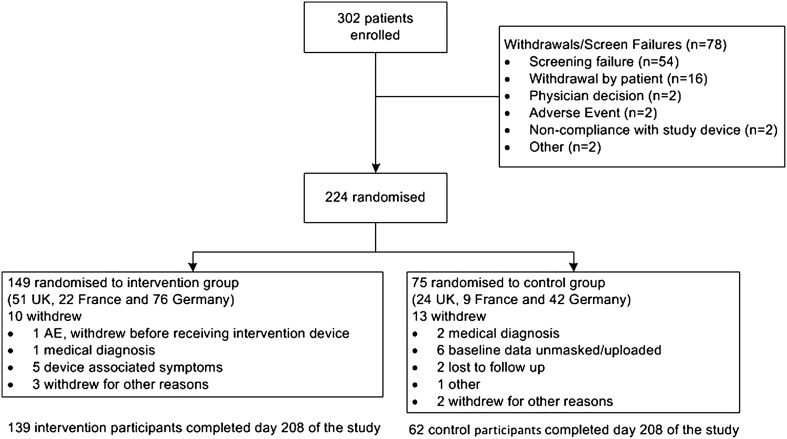
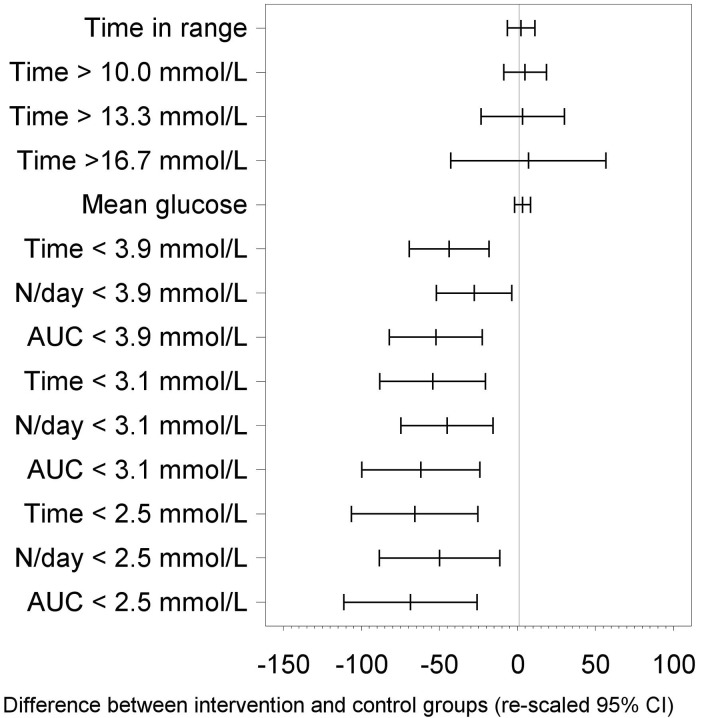
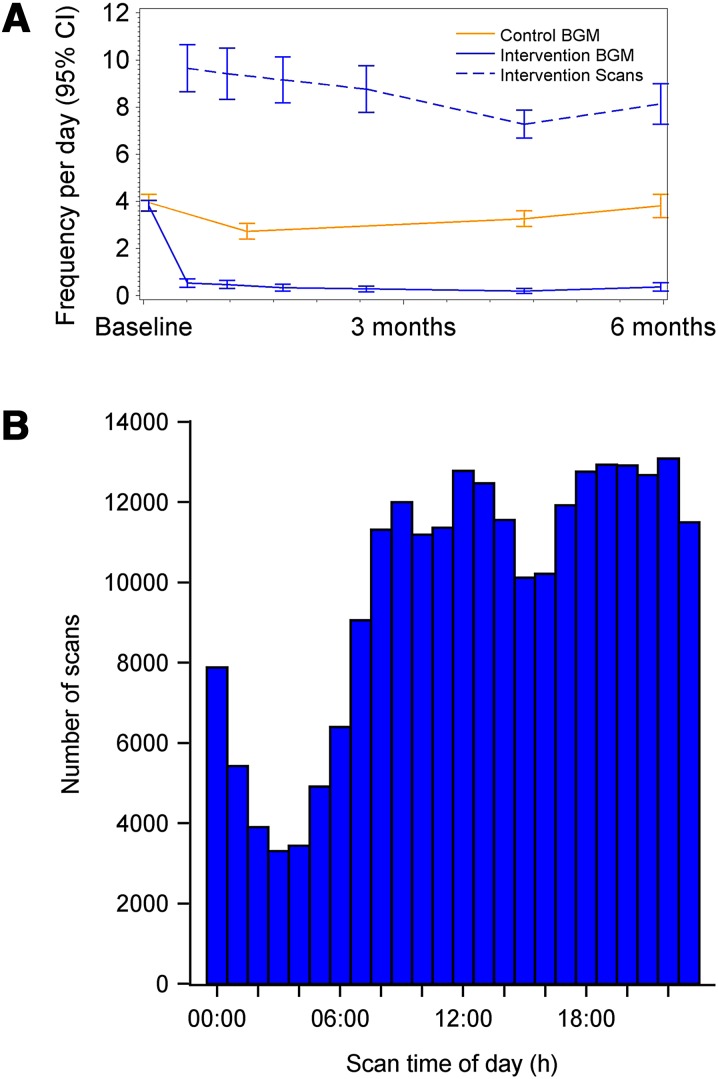
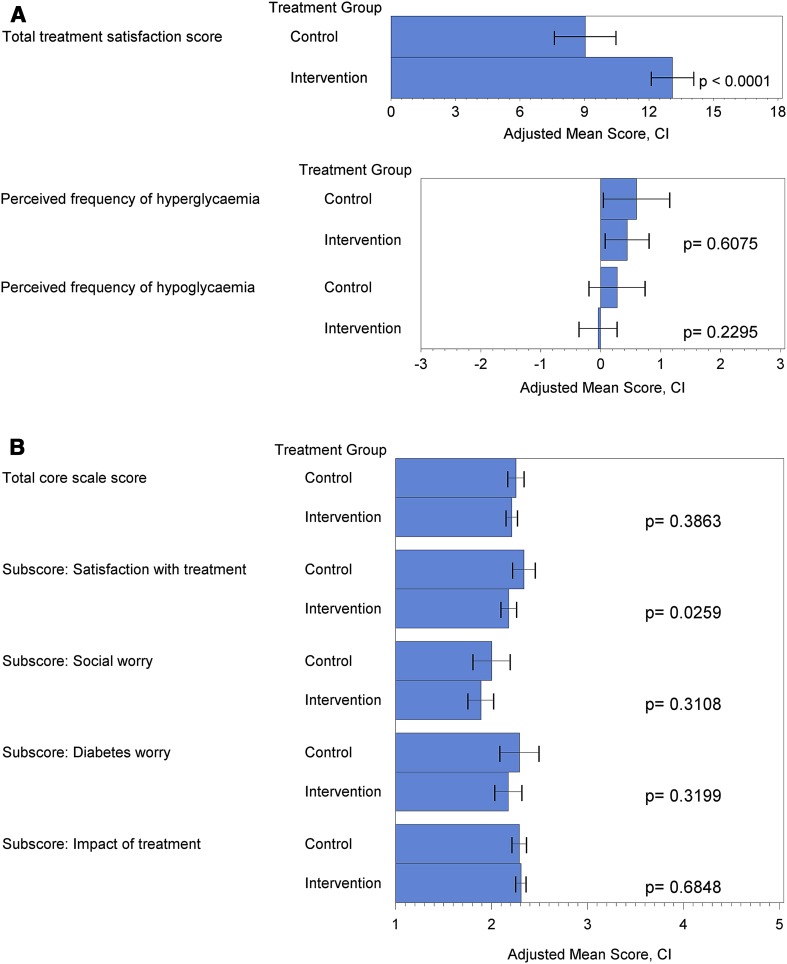
INTRODUCTION: Glycemic control in participants with insulin-treated diabetes remains challenging. We assessed safety and efficacy of new flash glucose-sensing technology to replace self-monitoring of blood glucose (SMBG). METHODS: This open-label randomized controlled study (ClinicalTrials.gov, NCT02082184) enrolled adults with type 2 diabetes on intensive insulin therapy from 26 European diabetes centers. Following 2 weeks of blinded sensor wear, 2:1 (intervention/control) randomization (centrally, using biased-coin minimization dependant on study center and insulin administration) was to control (SMBG) or intervention (glucose-sensing technology). Participants and investigators were not masked to group allocation. Primary outcome was difference in HbA1c at 6 months in the full analysis set. Prespecified secondary outcomes included time in hypoglycemia, effect of age, and patient satisfaction. RESULTS: Participants (n = 224) were randomized (149 intervention, 75 controls). At 6 months, there was no difference in the change in HbA1c between intervention and controls: -3.1 ± 0.75 mmol/mol, [-0.29 ± 0.07% (mean ± SE)] and -3.4 ± 1.04 mmol/mol (-0.31 ± 0.09%) respectively; p = 0.8222. A difference was detected in participants aged <65 years [-5.7 ± 0.96 mmol/mol (-0.53 ± 0.09%) and -2.2 ± 1.31 mmol/mol (-0.20 ± 0.12%), respectively; p = 0.0301]. Time in hypoglycemia <3.9 mmol/L (70 mg/dL) reduced by 0.47 ± 0.13 h/day [mean ± SE (p = 0.0006)], and <3.1 mmol/L (55 mg/dL) reduced by 0.22 ± 0.07 h/day (p = 0.0014) for intervention participants compared with controls; reductions of 43% and 53%, respectively. SMBG frequency, similar at baseline, decreased in intervention participants from 3.8 ± 1.4 tests/day (mean ± SD) to 0.3 ± 0.7, remaining unchanged in controls. Treatment satisfaction was higher in intervention compared with controls (DTSQ 13.1 ± 0.50 (mean ± SE) and 9.0 ± 0.72, respectively; p < 0.0001). No serious adverse events or severe hypoglycemic events were reported related to sensor data use. Forty-two serious events [16 (10.7%) intervention participants, 12 (16.0%) controls] were not device-related. Six intervention participants reported nine adverse events for sensor-wear reactions (two severe, six moderate, one mild). CONCLUSION: Flash glucose-sensing technology use in type 2 diabetes with intensive insulin therapy results in no difference in HbA1c change and reduced hypoglycemia, thus offering a safe, effective replacement for SMBG. TRIAL REGISTRATION: ClinicalTrials.gov identifier: NCT02082184. FUNDING: Abbott Diabetes Care.
Overview
The claims and statistics of this paper haven’t been checked yet.
Free: it reads the open-access text and checks the first 5 claims that cite a source we can check. Create a free account to check every claim.
Integrity signals
Registry
Cites
Statistics
Figures
Verification
Claims the paper makes
The claims and statistics of this paper haven’t been checked yet.
Free: it reads the open-access text and checks the first 5 claims that cite a source we can check. Create a free account to check every claim.
Claims other papers make about this one
Each is checked against this paper’s own text: does it say what the citing paper says it does?
The cited source doesn’t support the claim as written.
In the citing paper
“In adults with type 2 diabetes using insulin, two studies were done: one study did not meet its primary end point of A1C level reduction (69) but achieved a secondary end point of a reduction in hypoglycemia, and the other study met its primary end point of an improvement in the Diabetes Treatment Satisfaction Questionnaire score as well as a secondary end point of A1C level reduction (70).”
From 7. Diabetes Technology: Standards of Care in Diabetes—2025 (2025) · cites this paper as [69]
Checked by a reasoning model — may be wrong.
Experimental — accuracy not yet measuredThe source backs part of the claim, not all of it — or backs it for a different population, condition or comparison.
In the citing paper
“Benefits of CGM in this population include reductions in A1C, fewer severe hypoglycemia events in children and adults, increased TIR, as well as significant reductions in hospitalizations for severe hypoglycemia and DKA.156,162–168”
From American Association of Clinical Endocrinology Clinical Practice Guideline: Developing a Diabetes Mellitus Comprehensive Care Plan-2022 Update. (2022) · cites this paper as [168]
Experimental — accuracy not yet measuredThe source backs part of the claim, not all of it — or backs it for a different population, condition or comparison.
In the citing paper
“Continuous glucose monitoring (CGM) has been shown to improve glycemic control and self-monitoring, as well as to reduce the risk of hypoglycemia.”
From Importance of FDA-integrated continuous glucose monitors to ensure accuracy of continuous glucose monitoring (2025) · cites this paper as [11]
Experimental — accuracy not yet measuredThe source backs part of the claim, not all of it — or backs it for a different population, condition or comparison.
In the citing paper
“In fact, CGM supports people with DM to optimize their therapy, diet, and activity, facilitating improved HbA1c, increased time in target range of 70 to 180 mg/dL, reduced time below range (<70 mg/dL), and improved Glycemia Risk Index scores.5-11”
From Importance of FDA-integrated continuous glucose monitors to ensure accuracy of continuous glucose monitoring (2025) · cites this paper as [11]
Experimental — accuracy not yet measuredThe source backs part of the claim, not all of it — or backs it for a different population, condition or comparison.
In the citing paper
“Numerous studies have demonstrated significant clinical benefits of CGM use in people with diabetes regardless of insulin delivery method (1-15).”
From Clinical Targets for Continuous Glucose Monitoring Data Interpretation: Recommendations From the International Consensus on Time in Range (2019) · cites this paper as [9]
Experimental — accuracy not yet measured
2 more claims about this paper
Create a free account to see every claim other papers make about this one.
Self-check
Percentages, sums and reported differences re-computed from the paper’s own numbers.
The self-check needs the paper’s full text.
Citations
Cites
Turner, R. C., Fox, C., Matthews, McElroy, H. H., Cull, C. A., Holman, R. R., Neil, P., Hadden, D. R., Wright, D., Manley, E., et al. (1998) · The Lancet · Cited by 8,419
10-year follow-up of intensive glucose control in type 2 diabetes
Holman, R. R., Paul, S. K., Bethel, M. A., Matthews, D. R., & Neil, H. A. W. (2008) · New England Journal of Medicine · doi:10.1056/nejmoa0806470 · Cited by 7,751 · cited 2×
“These findings may have future clinical implications as past studies show worse glycemic control in younger participants with type 2 diabetes [3, 4] and this new sensor-based technology may be helpful for these participants.”
BackgroundGupta, A., & Uribarri, J. (2016) · Hormone Research in Paediatrics · doi:10.1159/000444053 · Cited by 4,006
Analysing controlled trials with baseline and follow up measurements
Vickers, A. J., & Altman, D. G. (2001) · BMJ · doi:10.1136/bmj.323.7321.1123 · Cited by 2,116 · cited 1×
“Analysis of covariance was used to adjust for chance imbalances in baseline measurements between the treatment groups [23], adjusted means were”
MethodAssessing Psychosocial Distress in Diabetes
Polonsky, W. H., Fisher, L., Earles, J., Dudl, R. J., Lees, J., Mullan, J., & Jackson, R. A. (2005) · Diabetes Care · doi:10.2337/diacare.28.3.626 · Cited by 1,575 · cited 3×
“DQoL Diabetes Quality of Life Questionnaire, DTSQ Diabetes Treatment Satisfaction Questionnaire and DQoL or for the DDS scales (Fig.”
MethodContinuous glucose monitoring and intensive treatment of type 1 diabetes
(2008) · New England Journal of Medicine · doi:10.1056/nejmoa0805017 · Cited by 1,559
Defining and Reporting Hypoglycemia in Diabetes
American Diabetes Association Workgroup on Hypoglycemia (2005) · Diabetes Care · doi:10.2337/diacare.28.5.1245 · Cited by 1,146
Bonds, D. E., Miller, M. E., Bergenstal, R. M., Buse, J. B., Byington, R. P., Cutler, J. A., Dudl, R. J., Ismail-Beigi, F., Kimel, A. R., Hoogwerf, B., et al. (2010) · BMJ · doi:10.1136/bmj.b4909 · Cited by 933 · cited 2×
“However, intensification of insulin therapy increases the risk of hypoglycemia [4] which is associated with adverse clinical outcome [5], impacts on quality of life [6], and increases treatment costs secondary to hospital admissions, ambulance call-outs, and clinic attendance [7].”
BackgroundBolinder, J., Antuna, R., Geelhoed-Duijvestijn, P., Kröger, J., & Weitgasser, R. (2016) · The Lancet · doi:10.1016/s0140-6736(16)31535-5 · Cited by 893 · cited 1×
“demonstrated superior reduction in hypoglycemia without deterioration of HbA1c and improved treatment satisfaction [34].”
Cited by
Cosentino, F., Grant, P. J., Aboyans, V., Bailey, C. J., Ceriello, A., Delgado, V., Federici, M., Filippatos, G., Grobbee, D. E., Hansen, T. B., et al. (2020) · European Heart Journal · doi:10.1093/eurheartj/ehz486 · Cited by 4,763
Self-citationBattelino, T., Danne, T., Bergenstal, R. M., Amiel, S. A., Beck, R., Biester, T., Bosi, E., Buckingham, B. A., Cefalu, W. T., Close, K. L., et al. (2019) · Diabetes Care · doi:10.2337/dci19-0028 · Cited by 4,237
International consensus on use of continuous glucose monitoring
Danne, T., Nimri, R., Battelino, T., Bergenstal, R. M., Close, K. L., DeVries, J. H., Garg, S., Heinemann, L., Hirsch, I., Amiel, S. A., et al. (2017) · Diabetes Care · doi:10.2337/dc17-1600 · Cited by 2,069
6. Glycemic Targets: Standards of Medical Care in Diabetes—2022
American Diabetes Association Professional Practice Committee (2022) · Diabetes Care · doi:10.2337/dc22-s006 · Cited by 1,403
Ahmad, E., Lim, S., Lamptey, R., Webb, D. R., & Davies, M. J. (2022) · The Lancet · doi:10.1016/s0140-6736(22)01655-5 · Cited by 1,120
6. Glycemic Targets: Standards of Medical Care in Diabetes—2021
American Diabetes Association (2021) · Diabetes Care · doi:10.2337/dc21-s006 · Cited by 847
Continuous glucose monitoring and metrics for clinical trials: an international consensus statement
Battelino, T., Alexander, C. M., Amiel, S. A., Arreaza-Rubin, G., Beck, R. W., Bergenstal, R. M., Buckingham, B. A., Carroll, J., Ceriello, A., Chow, E., et al. (2023) · The Lancet Diabetes & Endocrinology · doi:10.1016/s2213-8587(22)00319-9 · Cited by 831
6. Glycemic Targets: Standards of Medical Care in Diabetes—2020
American Diabetes Association (2020) · Diabetes Care · doi:10.2337/dc20-s006 · Cited by 744
6. Glycemic Targets: Standards of Care in Diabetes—2023
ElSayed, N. A., Aleppo, G., Aroda, V. R., Bannuru, R. R., Brown, F. M., Bruemmer, D., Collins, B. S., Hilliard, M. E., Isaacs, D., Johnson, E. L., et al. (2023) · Diabetes Care · doi:10.2337/dc23-s006 · Cited by 684
Beck, R. W., Riddlesworth, T. D., Ruedy, K., Ahmann, A., Haller, S., Kruger, D., McGill, J. B., Polonsky, W., Price, D., Aronoff, S., et al. (2017) · Annals of Internal Medicine · doi:10.7326/m16-2855 · Cited by 635
“In contrast, Haak and colleagues' (20) randomized trial of insulin-using adults with poorly controlled type 2 diabetes found no HbA1c benefit of the FreeStyle Libre Flash Glucose Monitoring System (Abbott Diabetes Care) compared with blood See also: Editorial comment . . . . . . . . . . . . . . . . . . . . . . . . . .”
BackgroundResultInfluentialJapanese clinical practice guideline for diabetes 2019
Araki, E., Goto, A., Kondo, T., Noda, M., Noto, H., Origasa, H., Osawa, H., Taguchi, A., Tanizawa, Y., Tobe, K., et al. (2020) · Diabetology International · doi:10.1007/s13340-020-00439-5 · Cited by 545
Lu, J., Ma, X., Zhou, J., Zhang, L., Mo, Y., Ying, L., Lu, W., Zhu, W., Bao, Y., Vigersky, R. A., et al. (2018) · Diabetes Care · doi:10.2337/dc18-1131 · Cited by 517
“However, patients using flash glucose monitoring alone were unable to achieve any improvement in TIR above the baseline of 58% (30).”
BackgroundBlonde, L., Umpierrez, G. E., Reddy, S. S., McGill, J. B., Berga, S. L., Bush, M., Chandrasekaran, S., DeFronzo, R. A., Einhorn, D., Galindo, R. J., et al. (2022) · Endocrine Practice · doi:10.1016/j.eprac.2022.08.002 · Cited by 507
Cappon, G., Vettoretti, M., Sparacino, G., & Facchinetti, A. (2019) · Diabetes & Metabolism Journal · doi:10.4093/dmj.2019.0121 · Cited by 477
“[53] analyzed the impact of CGM use on individuals affected by T2DM in free-living conditions under either MDI or CSII therapy.”
BackgroundContinuous glucose monitoring: a review of recent studies demonstrating improved glycemic outcomes
Rodbard, D. (2017) · Diabetes Technology & Therapeutics · doi:10.1089/dia.2017.0035 · Cited by 458
“52,53 People with type 2 diabetes who require basal–bolus insulin therapy may be regarded as nearly equivalent to people with type 1 diabetes.”
InfluentialSamson, S. L., Vellanki, P., Blonde, L., Christofides, E. A., Galindo, R. J., Hirsch, I. B., Isaacs, S. D., Izuora, K. E., Low Wang, C. C., Twining, C. L., et al. (2023) · Endocrine Practice · doi:10.1016/j.eprac.2023.02.001 · Cited by 375
Maiorino, M. I., Signoriello, S., Maio, A., Chiodini, P., Bellastella, G., Scappaticcio, L., Longo, M., Giugliano, D., & Esposito, K. (2020) · Diabetes Care · doi:10.2337/dc19-1459 · Cited by 364
7. Diabetes Technology: Standards of Medical Care in Diabetes—2022
American Diabetes Association Professional Practice Committee (2022) · Diabetes Care · doi:10.2337/dc22-s007 · Cited by 358
Sacks, D. B., Arnold, M., Bakris, G. L., Bruns, D. E., Horvath, A. R., Lernmark, Å., Metzger, B. E., Nathan, D. M., & Kirkman, M. S. (2023) · Diabetes Care · doi:10.2337/dci23-0036 · Cited by 351
7. Diabetes Technology: Standards of Care in Diabetes—2025
American Diabetes Association Professional Practice Committee, ElSayed, N. A., McCoy, R. G., Aleppo, G., Balapattabi, K., Beverly, E. A., Briggs Early, K., Bruemmer, D., Echouffo-Tcheugui, J. B., Ekhlaspour, L., et al. (2025) · Diabetes Care · doi:10.2337/dc25-s007 · Cited by 348
Japanese Clinical Practice Guideline for Diabetes 2019
Araki, E., Goto, A., Kondo, T., Noda, M., Noto, H., Origasa, H., Osawa, H., Taguchi, A., Tanizawa, Y., Tobe, K., et al. (2020) · Journal of Diabetes Investigation · doi:10.1111/jdi.13306 · Cited by 341
Shan, R., Sarkar, S., & Martin, S. S. (2019) · Diabetologia · doi:10.1007/s00125-019-4864-7 · Cited by 339
7. Diabetes Technology: Standards of Care in Diabetes — 2023
ElSayed, N. A., Aleppo, G., Aroda, V. R., Bannuru, R. R., Brown, F. M., Bruemmer, D., Collins, B. S., Hilliard, M. E., Isaacs, D., Johnson, E. L., et al. (2023) · Diabetes Care · doi:10.2337/dc23-s007 · Cited by 301
Grunberger, G., Sherr, J., Allende, M., Blevins, T., Bode, B., Handelsman, Y., Hellman, R., Lajara, R., Roberts, V. L., Rodbard, D., et al. (2021) · Endocrine Practice · doi:10.1016/j.eprac.2021.04.008 · Cited by 288
7. Diabetes Technology: Standards of Care in Diabetes—2024
American Diabetes Association Professional Practice Committee, ElSayed, N. A., Aleppo, G., Bannuru, R. R., Bruemmer, D., Collins, B. S., Ekhlaspour, L., Hilliard, M. E., Johnson, E. L., Khunti, K., et al. (2024) · Diabetes Care · doi:10.2337/dc24-s007 · Cited by 281
7. Diabetes Technology: Standards of Medical Care in Diabetes—2020
American Diabetes Association (2020) · Diabetes Care · doi:10.2337/dc20-s007 · Cited by 250
“8%, no reduction in A1C was seen; however, the time spent in a hypoglycemic range was reduced by 43% (51).”
BackgroundCharleer, S., De Block, C., Van Huffel, L., Broos, B., Fieuws, S., Nobels, F., Mathieu, C., & Gillard, P. (2020) · Diabetes Care · doi:10.2337/dc19-1610 · Cited by 261
Dunn, T. C., Xu, Y., Hayter, G., & Ajjan, R. A. (2018) · Diabetes Research and Clinical Practice · doi:10.1016/j.diabres.2017.12.015 · Cited by 239
Self-citationSilbert, R., Salcido-Montenegro, A., Rodriguez-Gutierrez, R., Katabi, A., & McCoy, R. G. (2018) · Current Diabetes Reports · doi:10.1007/s11892-018-1018-0 · Cited by 229
“[ 118– 122] Dieticians can help address hypoglycemia related to dietary miscalculations, while mental health professionals can focus on diabetes distress, fear of hypoglycemia, and treatment burden.”
Yaron, M., Roitman, E., Aharon-Hananel, G., Landau, Z., Ganz, T., Yanuv, I., Rozenberg, A., Karp, M., Ish-Shalom, M., Singer, J., et al. (2019) · Diabetes Care · doi:10.2337/dc18-0166 · Cited by 211
“ment for Blood Glucose Monitoring for theManagement of Insulin-Treated Type2 Diabetes: a Multicenter, Open-Label, RandomizedControlled Trial) (7) used an identical FGM technology on a comparable population with type 2 diabetes on MDI but did not report a reduction in HbA1c.”
BackgroundMethodResultInfluential7. Diabetes Technology: Standards of Medical Care in Diabetes—2021
American Diabetes Association (2021) · Diabetes Care · doi:10.2337/dc21-s007 · Cited by 202
“8%, no reduction in A1C was seen; however, the time spent in a hypoglycemic range was reduced by 43% (71).”
BackgroundMeasures of Accuracy for Continuous Glucose Monitoring and Blood Glucose Monitoring Devices
Freckmann, G., Pleus, S., Grady, M., Setford, S., & Levy, B. (2019) · Journal of Diabetes Science and Technology · doi:10.1177/1932296818812062 · Cited by 202
Clinical Implications of Real-time and Intermittently Scanned Continuous Glucose Monitoring
Edelman, S. V., Argento, N. B., Pettus, J., & Hirsch, I. B. (2018) · Diabetes Care · doi:10.2337/dc18-1150 · Cited by 199
“However, it also has inherent limitations that can impact its utility, especially in insulin-treated individuals with T1D and type 2 diabetes (T2D).”
BackgroundMethodResultInfluentialContinuous glucose monitoring: A review of the evidence in type 1 and 2 diabetes mellitus
Lin, R., Brown, F., James, S., Jones, J., & Ekinci, E. (2021) · Diabetic Medicine · doi:10.1111/dme.14528 · Cited by 197
Continuous glucose monitoring in adults with type 2 diabetes: a systematic review and meta-analysis
Jancev, M., Vissers, T. A. C. M., Visseren, F. L. J., van Bon, A. C., Serné, E. H., DeVries, J. H., de Valk, H. W., & van Sloten, T. T. (2024) · Diabetologia · doi:10.1007/s00125-024-06107-6 · Cited by 191
“Four trials [21, 22, 24, 28] had an overall low risk of bias, whereas eight trials [23, 25–27 , 29– 32 ] Primary outcome Results of all included 12 trials [21– 32] were pooled in the primary meta-analysis.”
BackgroundMethodResultInfluentialHaak, T., Hanaire, H., Ajjan, R., Hermanns, N., Riveline, J.-P., & Rayman, G. (2017) · Diabetes Therapy · doi:10.1007/s13300-017-0255-6 · Cited by 188
“Our findings from a further 6 months of using flash glucose sensing technology reinforce those from the 6 months of use in the REPLACE study [9], demonstrating that the device is safe with repetitive, consecutive use over an extended period of 12 month for adults, irrespective of age, and that the benefit of reduced h…”
InfluentialSelf-citationClinical Use of Continuous Glucose Monitoring in Adults with Type 2 Diabetes
Carlson, A. L., Mullen, D. M., & Bergenstal, R. M. (2017) · Diabetes Technology & Therapeutics · doi:10.1089/dia.2017.0024 · Cited by 177
“conducted a randomized controlled trial that looked at 224 patients on intensive insulin therapy (prandial and basal insulin, prandial only, or insulin pump therapy) for T2D randomized to use the personal flash CGM (using the Abbott FreeStyle Libre system, Abbott Diabetes Care, Witney, United Kingdom) versus SMBG over…”
Evans, M., Welsh, Z., Ells, S., & Seibold, A. (2020) · Diabetes Therapy · doi:10.1007/s13300-019-00720-0 · Cited by 185
“…1 104 8.51 - 0.48 0.118 4 12 Adults 1 102 8.51 - 0.46 0.123 4 Abdalaziz 2018 [30] 6 Adults 1 40 8.56 - 0.55 0.174 4 12 Adults 1 40 8.56 - 0.64 0.166 4 Haak 2017 [11] 3 Adults 2 149 8.65 - 0.44 0.080 4 4 6 Adults 2 149 8.65 - 0.27 0.083 4 Yaron 2019 [31] 2 Adults 2 53 8.68 - 0.82 0.116 4 4 Weiss…”
Influential7. Diabetes Technology: Standards of Medical Care in Diabetes—2019
American Diabetes Association (2019) · Diabetes Care · doi:10.2337/dc19-s007 · Cited by 179
“viduals with type 1 (85) or type 2 diabetes (94).”
BackgroundWright, L. A.-C., & Hirsch, I. B. (2017) · Diabetes Technology & Therapeutics · doi:10.1089/dia.2017.0029 · Cited by 178
“Interestingly in this study, of the 224 randomized participants, in those aged >65 years, FCGM did not decrease A1C, compared to the control group (SMBG), nonetheless, time in hypoglycemia was reduced by 56% in FCGM users.(106) A direct head-to-head comparison of CGM (Dexcom G4 Platinum) and FCGM showed that glucose p…”
BackgroundResultDeshmukh, H., Wilmot, E. G., Gregory, R., Barnes, D., Narendran, P., Saunders, S., Furlong, N., Kamaruddin, S., Banatwalla, R., Herring, R., et al. (2020) · Diabetes Care · doi:10.2337/dc20-0738 · Cited by 175
“Randomized controlled trials have demonstrated that FSL use is associated with a significant 79 reduction in the incidence of hypoglycaemia in people with Type 1 and Type 2 diabetes, but 80 to date, a reduction in HbA1c has not been reported [6-8].”
BackgroundRoussel, R., Riveline, J.-P., Vicaut, E., de Pouvourville, G., Detournay, B., Emery, C., Levrat-Guillen, F., & Guerci, B. (2021) · Diabetes Care · doi:10.2337/dc20-1690 · Cited by 173
Self-citationSacks, D. B., Arnold, M. A., Bakris, G. L., Bruns, D. E., Horvath, A. R., Lernmark, Å., Metzger, B. E., Nathan, D. M., & Kirkman, M. S. (2023) · Clinical Chemistry · doi:10.1093/clinchem/hvad080 · Cited by 208
Positioning time in range in diabetes management
Advani, A. (2020) · Diabetologia · doi:10.1007/s00125-019-05027-0 · Cited by 170
“isCGMhas been associated with reduced time spent in hypoglycaemia in individuals with type 1 or type 2 diabetes [14, 15].”
BackgroundAlva, S., Bailey, T., Brazg, R., Budiman, E. S., Castorino, K., Christiansen, M. P., Forlenza, G., Kipnes, M., Liljenquist, D. R., & Liu, H. (2022) · Journal of Diabetes Science and Technology · doi:10.1177/1932296820958754 · Cited by 164
Oskarsson, P., Antuna, R., Geelhoed-Duijvestijn, P., Krӧger, J., Weitgasser, R., & Bolinder, J. (2018) · Diabetologia · doi:10.1007/s00125-017-4527-5 · Cited by 160
“In addition, a crossover study design may add to the evidence that continuous monitoring has an effect only concurrent with treatment [10, 31], and a longer duration study may demonstrate sustained avoidance of hypoglycaemia with continued use of the device in type 1 diabetes, similar to use in type 2 diabetes [33].”
BackgroundMethodResultScott, E. M., Bilous, R. W., & Kautzky-Willer, A. (2018) · Diabetes Technology & Therapeutics · doi:10.1089/dia.2017.0386 · Cited by 153
“Other studies have demonstrated that use of the FreeStyle Libre System can significantly reduce the amount of time spent in hypoglycemia.(13,14) Further studies are needed to confirm whether the same improvement can be achieved with its use during pregnancy.”
BackgroundWada, E., Onoue, T., Kobayashi, T., Handa, T., Hayase, A., Ito, M., Furukawa, M., Okuji, T., Okada, N., Iwama, S., et al. (2020) · BMJ Open Diabetes Research & Care · doi:10.1136/bmjdrc-2019-001115 · Cited by 157
“9 14 In our study, the time in hyperglycemia was significantly decreased while that of hypoglycemia Emerging Technologies, Pharmacology and Therapeutics was not changed in the FGM group compared with the SMBG group.”
Management of hypoglycemia in older adults with type 2 diabetes
Freeman, J. (2019) · Postgraduate Medicine · doi:10.1080/00325481.2019.1578590 · Cited by 144
“In an open-label randomized clinical study of patients with T2D treated with intensive insulin therapy, the use of flash sensor-based technology resulted in less time spent in a hypoglycemic state, especially at night, and was particularly significant in those aged ≥65 years [25].”
BackgroundDiagnosis and Treatment of Type 2 Diabetes in Adults: A Review
Kalyani, R. R., Neumiller, J. J., Maruthur, N. M., & Wexler, D. J. (2025) · JAMA · doi:10.1001/jama.2025.5956 · Cited by 204
Continuous glucose monitoring: The achievement of 100 years of innovation in diabetes technology
Galindo, R. J., & Aleppo, G. (2020) · Diabetes Research and Clinical Practice · doi:10.1016/j.diabres.2020.108502 · Cited by 133
“[4] Similar results were reported in the REPLACE study, which showed an association between FreeStyle Libre use and a 43% reduction in time spent in hypoglycemia in a large T2DM population treated with intensive insulin therapy.”
ResultInfluentialRSSDI clinical practice recommendations for the management of type 2 diabetes mellitus 2017
Bajaj, S. (2018) · International Journal of Diabetes in Developing Countries · doi:10.1007/s13410-018-0604-7 · Cited by 125
Improving the clinical value and utility of CGM systems: issues and recommendations
Petrie, J. R., Peters, A. L., Bergenstal, R. M., Holl, R. W., Fleming, G. A., & Heinemann, L. (2017) · Diabetologia · doi:10.1007/s00125-017-4463-4 · Cited by 149
Continuous Glucose Monitoring: Review of an Innovation in Diabetes Management
Mian, Z., Hermayer, K. L., & Jenkins, A. (2019) · The American Journal of the Medical Sciences · doi:10.1016/j.amjms.2019.07.003 · Cited by 139
McCall, A. L., Lieb, D. C., Gianchandani, R., MacMaster, H., Maynard, G. A., Murad, M. H., Seaquist, E., Wolfsdorf, J. I., Wright, R. F., & Wiercioch, W. (2023) · The Journal of Clinical Endocrinology & Metabolism · doi:10.1210/clinem/dgac596 · Cited by 123
Phillip, M., Bergenstal, R. M., Close, K. L., Danne, T., Garg, S. K., Heinemann, L., Hirsch, I. B., Kovatchev, B. P., Laffel, L. M., Mohan, V., et al. (2021) · Diabetes Technology & Therapeutics · doi:10.1089/dia.2020.0375 · Cited by 135
“28 The recent DIA-MOND trials showed that use of real-time CGM (rtCGM) resulted in lower glycated hemoglobin (HbA1c) levels, less time spent in the hypoglycemic and hyperglycemic ranges, and reductions in moderate to severe hypoglycemia in T1D and T2D individuals treated with multiple daily insulin…”
BackgroundImproving the Clinical Value and Utility of CGM Systems: Issues and Recommendations
Petrie, J. R., Peters, A. L., Bergenstal, R. M., Holl, R. W., Fleming, G. A., & Heinemann, L. (2017) · Diabetes Care · doi:10.2337/dci17-0043 · Cited by 135
Using Continuous Glucose Monitoring in Clinical Practice
Miller, E. M. (2020) · Clinical Diabetes · doi:10.2337/cd20-0043 · Cited by 122
Continuous Glucose Monitoring: A Brief Review for Primary Care Practitioners
Ajjan, R., Slattery, D., & Wright, E. (2019) · Advances in Therapy · doi:10.1007/s12325-019-0870-x · Cited by 120
Self-citation2023 Clinical Practice Guidelines for Diabetes Mellitus of the Korean Diabetes Association
Choi, J. H., Lee, K. A., Moon, J. H., Chon, S., Kim, D. J., Kim, H. J., Kim, N. H., Seo, J. A., Kim, M. K., Lim, J. H., et al. (2023) · Diabetes & Metabolism Journal · doi:10.4093/dmj.2023.0282 · Cited by 150
“org it is also beneficial for glycemic control and preventing hypoglycemia [22-24] and is available at a lower cost.”
BackgroundSeidu, S., Kunutsor, S. K., Ajjan, R. A., & Choudhary, P. (2024) · Diabetes Care · doi:10.2337/dc23-1520 · Cited by 124
Self-citationAjjan, R. A., Cummings, M. H., Jennings, P., Leelarathna, L., Rayman, G., & Wilmot, E. G. (2018) · Diabetes and Vascular Disease Research · doi:10.1177/1479164118756240 · Cited by 111
Self-citationHermanns, N., Ehrmann, D., Schipfer, M., Kröger, J., Haak, T., & Kulzer, B. (2019) · Diabetes Research and Clinical Practice · doi:10.1016/j.diabres.2019.03.003 · Cited by 112
Self-citationAronson, R., Brown, R. E., Chu, L., Bajaj, H. S., Khandwala, H., Abitbol, A., Malakieh, N., & Goldenberg, R. (2023) · Diabetes, Obesity and Metabolism · doi:10.1111/dom.14949 · Cited by 118
“Of note, isCGM scanning frequency was not correlated with glycaemic outcomes in this study, similar to the findings in other isCGM studies in type 2 diabetes.(10,11) In this study, other than the degree of baseline hyperglycaemia, there was no heterogeneity of the primary outcome with other categorical subgroups, such…”
ResultContinuous glucose monitoring for the routine care of type 2 diabetes mellitus
Ajjan, R. A., Battelino, T., Cos, X., Del Prato, S., Philips, J.-C., Meyer, L., Seufert, J., & Seidu, S. (2024) · Nature Reviews Endocrinology · doi:10.1038/s41574-024-00973-1 · Cited by 117
“With increased use of CGM systems and increased accuracy in study situations over time, QoL was assessed as improving with CGM systems compared with SMBG in both people with T1DM and those with T2DM on intensive insulin therapy 57,78 .”
InfluentialSelf-citationEhrhardt, N., & Al Zaghal, E. (2019) · Journal of Diabetes Science and Technology · doi:10.1177/1932296818790994 · Cited by 105
Wright, E. E., Kerr, M. S. D., Reyes, I. J., Nabutovsky, Y., & Miller, E. (2021) · Diabetes Spectrum · doi:10.2337/ds20-0069 · Cited by 115
Bergenstal, R. M., Layne, J. E., Zisser, H., Gabbay, R. A., Barleen, N. A., Lee, A. A., Majithia, A. R., Parkin, C. G., & Dixon, R. F. (2021) · Diabetes Technology & Therapeutics · doi:10.1089/dia.2020.0396 · Cited by 110
Taylor, P. J., Thompson, C. H., & Brinkworth, G. D. (2018) · Journal of Diabetes Investigation · doi:10.1111/jdi.12807 · Cited by 105
“…– 12.2 (SD) Intervention 15.7 – 8.5 (SD) Control 13.6 – 8.1 (SD) 12 Retrospective flash-CGM + visual charts used by clinician to adjust diabetes medication SMBGL and usual care† Haak et al. (2017)32 224 Adults 149 Intervention 75 Control multi-dose insulin therapy 26 public diabetes clinics…”
MethodInfluentialPark, C., & Le, Q. A. (2018) · Diabetes Technology & Therapeutics · doi:10.1089/dia.2018.0177 · Cited by 104
“17 According to our analysis, however, the long-term impact on HbA1c was not improved with FGM use.”
Al Hayek, A. A., Robert, A. A., & Al Dawish, M. A. (2017) · Clinical Medicine Insights: Endocrinology and Diabetes · doi:10.1177/1179551417746957 · Cited by 103
Johnson, M. L., Martens, T. W., Criego, A. B., Carlson, A. L., Simonson, G. D., & Bergenstal, R. M. (2019) · Diabetes Technology & Therapeutics · doi:10.1089/dia.2019.0034 · Cited by 104
“6,11 As in T1D, individuals with T2D on intensive insulin regimens can benefit from the use and availability of CGM for glycemic monitoring.”
Dicembrini, I., Cosentino, C., Monami, M., Mannucci, E., & Pala, L. (2021) · Acta Diabetologica · doi:10.1007/s00592-020-01589-3 · Cited by 106
“Notably, FGM did not reduce HbA1c in patients with type 2 diabetes on basal-bolus insulin therapy, despite higher baseline HbA1c values [48], whereas CGM improved glycemic control in patients with similar characteristics [49].”
BackgroundHow Can We Realize the Clinical Benefits of Continuous Glucose Monitoring?
Ajjan, R. A. (2017) · Diabetes Technology & Therapeutics · doi:10.1089/dia.2017.0021 · Cited by 97
“05).(66) Moreover, hypoglycemia was reduced by 43% in intervention compared with control arm (P < 0.”
Self-citationFlash glucose monitoring reduces glycemic variability and hypoglycemia: real-world data from Spain
Gomez-Peralta, F., Dunn, T., Landuyt, K., Xu, Y., & Merino-Torres, J. F. (2020) · BMJ Open Diabetes Research & Care · doi:10.1136/bmjdrc-2019-001052 · Cited by 94
Yoo, J. H., & Kim, J. H. (2023) · Diabetes & Metabolism Journal · doi:10.4093/dmj.2022.0271 · Cited by 121
Approach to Using Trend Arrows in the FreeStyle Libre Flash Glucose Monitoring Systems in Adults
Kudva, Y. C., Ahmann, A. J., Bergenstal, R. M., Gavin, J. R., Kruger, D. F., Midyett, L. K., Miller, E., & Harris, D. R. (2018) · Journal of the Endocrine Society · doi:10.1210/js.2018-00294 · Cited by 97
“Also, as discussed earlier, use of the FreeStyle Libre system reduces hypoglycemia and hyperglycemia in both well-controlled T1D [6] and poorly controlled insulin-treated patients with T2D [7], whereas frequent fingerstick monitoring does not protect against severe hypoglycemia [28].”
BackgroundMethodInfluentialTime in Range from Continuous Glucose Monitoring: A Novel Metric for Glycemic Control
Yoo, J. H., & Kim, J. H. (2020) · Diabetes & Metabolism Journal · doi:10.4093/dmj.2020.0257 · Cited by 108
“Vigersky and McMahon [23] reported that a 10% increase in TIR equals an approximately 0.8% reduction in HbA1c in 1,137 T1DM and T2DM in 18 studies, which was slightly higher than the previous studies [22,24].”
BackgroundInfluentialTechnology in the management of type 2 diabetes: Present status and future prospects
DALY, A. B., & Hovorka, R. (2021) · Diabetes Obesity and Metabolism · doi:10.1111/dom.14418 · Cited by 109
Zahedani, A. D., McLaughlin, T., Veluvali, A., Aghaeepour, N., Hosseinian, A., Agarwal, S., Ruan, J., Tripathi, S., Woodward, M., Hashemi, N., et al. (2023) · npj Digital Medicine · doi:10.1038/s41746-023-00956-y · Cited by 96
Ida, S., Kaneko, R., & Murata, K. (2019) · Journal of Diabetes Research · doi:10.1155/2019/4684815 · Cited by 86
“Three trials regarding time spent with hypoglycaemia were included in the meta-analysis [21, 22, 24], with 181 and 104 pooled subjects in the CGM and SMBG groups, respectively.”
BackgroundMethodInfluentialBergenstal, R. M., Kerr, M. S. D., Roberts, G. J., Souto, D., Nabutovsky, Y., & Hirsch, I. B. (2021) · Journal of the Endocrine Society · doi:10.1210/jendso/bvab013 · Cited by 89
“However, randomized controlled trials have demonstrated that use of continuous glucose monitoring (CGM) significantly lowers HbA1c [13], with reductions in hypoglycemia [14, 15] and improved treatment satisfaction [13, 14] in various type 2 diabetes populations.”
BackgroundMethodFerreira, R. O. M., Trevisan, T., Pasqualotto, E., Chavez, M. P., Marques, B. F., Lamounier, R. N., & van de Sande-Lee, S. (2024) · Diabetes Technology & Therapeutics · doi:10.1089/dia.2023.0390 · Cited by 92
“9 12 Whether the same benefit is seen in noninsulin-treated people with T2D is not clear.”
Expanding the Role of Continuous Glucose Monitoring in Modern Diabetes Care Beyond Type 1 Disease
Klupa, T., Czupryniak, L., Dzida, G. J., Fichna, P., Jarosz-Chobot, P. A., Gumprecht, J., Myśliwiec, M., Szadkowska, A., Bomba-Opon, D. A., Czajkowski, K., et al. (2023) · Diabetes Therapy · doi:10.1007/s13300-023-01431-3 · Cited by 97
“Given the proven role CGM in reducing hyperglycemia with reduced risk of severe hypoglycemia for people with T2DM on intensive therapies [25, 161], the use of CGM as part of acute management for cardiometabolic, neurological, and oncological conditions must be strongly considered.”
BackgroundMethodInfluentialKröger, J., Fasching, P., & Hanaire, H. (2020) · Diabetes Therapy · doi:10.1007/s13300-019-00741-9 · Cited by 90
“[3] who reported an HbA1c reduction in younger participants only.”
BackgroundMethodResultInfluentialSelf-citationOser, T. K., Hall, T. L., Dickinson, L. M., Callen, E., Carroll, J. K., Nease, D. E., Michaels, L., & Oser, S. M. (2022) · The Annals of Family Medicine · doi:10.1370/afm.2876 · Cited by 72
Advances in Continuous Glucose Monitoring: Clinical Applications
Kwon, S. Y., & Moon, J. S. (2025) · Endocrinology and Metabolism · doi:10.3803/enm.2025.2370 · Cited by 94
Paris, I., Henry, C., Pirard, F., Gérard, A., & Colin, I. M. (2018) · Endocrinology, Diabetes & Metabolism · doi:10.1002/edm2.23 · Cited by 84
Castellana, M., Parisi, C., Di Molfetta, S., Di Gioia, L., Natalicchio, A., Perrini, S., Cignarelli, A., Laviola, L., & Giorgino, F. (2020) · BMJ Open Diabetes Research & Care · doi:10.1136/bmjdrc-2019-001092 · Cited by 84
Lin, Y. K., Fisher, S. J., & Pop‐Busui, R. (2020) · Journal of Diabetes Investigation · doi:10.1111/jdi.13290 · Cited by 82
Moon, J. S., Kang, S., Choi, J. H., Lee, K. A., Moon, J. H., Chon, S., Kim, D. J., Kim, H. J., Seo, J. A., Kim, M. K., et al. (2024) · Diabetes & Metabolism Journal · doi:10.4093/dmj.2024.0249 · Cited by 90
Current Eligibility Requirements for CGM Coverage Are Harmful, Costly, and Unjustified
Anderson, J. E., Gavin, J. R., & Kruger, D. F. (2020) · Diabetes Technology & Therapeutics · doi:10.1089/dia.2019.0303 · Cited by 77
“Numerous large randomized trials have demonstrated the efficacy of CGM use in individuals with T1D and insulintreated T2D.(13,14) Specific benefits include reductions in A1c and glycemic variability; increased time in target glycemic range; decreased time in hypoglycemic range; and fewer hypoglycemic events.”
BackgroundMethodInfluentialAjjan, R. A., Jackson, N., & Thomson, S. A. (2019) · Diabetes and Vascular Disease Research · doi:10.1177/1479164119827456 · Cited by 79
Self-citationMoser, O., Eckstein, M. L., McCarthy, O., Deere, R., Pitt, J., Williams, D. M., Hayes, J., Sourij, H., Bain, S. C., & Bracken, R. M. (2019) · Diabetes, Obesity and Metabolism · doi:10.1111/dom.13835 · Cited by 76
Shang, T., Zhang, J. Y., Thomas, A., Arnold, M. A., Vetter, B. N., Heinemann, L., & Klonoff, D. C. (2022) · Journal of Diabetes Science and Technology · doi:10.1177/19322968211007212 · Cited by 71
Guerci, B., Roussel, R., Levrat-Guillen, F., Detournay, B., Vicaut, E., De Pouvourville, G., Emery, C., & Riveline, J.-P. (2023) · Diabetes Technology & Therapeutics · doi:10.1089/dia.2022.0271 · Cited by 69
“…studies indicate that improvements in measures of glycemic control in T2DM using FSL consider subjects on intensive insulin therapy using multiple daily injections (MDI) with insulin 2,6,8 or do not differentiate between those on MDI versus those on basal-insulin alone or on noninsulin therapy.”
Self-citationContinuous Glucose Monitoring As a Behavior Modification Tool
Ehrhardt, N., & Al Zaghal, E. (2020) · Clinical Diabetes · doi:10.2337/cd19-0037 · Cited by 69
“poglycemia (30,39), lack any assessment of nutrition or activity, andhavebeenperformedwith patients usingMDI insulin regimens or insulin pumps.”
BackgroundUhl, S., Choure, A., Rouse, B., Loblack, A., & Reaven, P. (2024) · The Journal of Clinical Endocrinology & Metabolism · doi:10.1210/clinem/dgad652 · Cited by 76
Bruttomesso, D., Laviola, L., Avogaro, A., Bonora, E., Del Prato, S., Frontoni, S., Orsi, E., Rabbone, I., Sesti, G., & Purrello, F. (2019) · Nutrition, Metabolism and Cardiovascular Diseases · doi:10.1016/j.numecd.2019.01.018 · Cited by 72
“Nocturnal hypoglycemia was also reduced, by 40% in IMPACT [14], by 52% in REPLACE [15].”
BackgroundMethodInfluentialJoseph, J. I. (2020) · Journal of Diabetes Science and Technology · doi:10.1177/1932296820911919 · Cited by 82
Metadata
- Authors
- Haak, T., Hanaire, H., Ajjan, R., Hermanns, N., Riveline, J.-P., & Rayman, G.
- Affiliations
- German Diabetes Center Mergentheim (DE)
- Centre Hospitalier Universitaire de Toulouse (FR)
- University of Leeds (GB)
- Assistance Publique – Hôpitaux de Paris (FR)
- Ipswich Hospital (GB)
- Corresponding author
- Haak, Thomas
- Venue
- Diabetes Therapy
- Published
- 2016-12-20
- Volume
- 8
- Issue
- 1
- Pages
- 55-73
- ISSN
- 1869-6953 (ISSN-L)
- 1869-6961
- PMC
- PMC5306122
- OpenAlex
- W2563731248
- Semantic Scholar
- 2015a86b0af46a1f808e99a1eedb7fa1f61f22eb
- Cited by
- 623
- References
- 40
- Citations by year
- 2026: 34 · 2025: 63 · 2024: 72 · 2023: 64 · 2022: 76 · 2021: 76 · 2020: 69 · 2019: 72 · 2018: 58 · 2017: 37
- FWCI
- 55.95
- Type
- journal article
- Language
- en
- Open access
- gold
- doi.org
- Licence
- cc-by-nc
- creativecommons.org/licenses/by/4.0 (tdm)
- Locations
- Diabetes Therapy (publishedVersion, cc-by-nc)
- Europe PMC (PubMed Central) (publishedVersion, cc-by-nc)
- PubMed Central (publishedVersion, cc-by-nc)
- PubMed (publishedVersion)
- White Rose Research Online (University of Leeds, The University of Sheffield, University of York) (acceptedVersion)
- Funders
- Abbott
- Topics
- Health Sciences › Medicine › Endocrinology, Diabetes and Metabolism › Diabetes Management and Research
- Health Sciences › Medicine › Endocrinology, Diabetes and Metabolism › Diabetes Treatment and Management
- Health Sciences › Medicine › Endocrinology, Diabetes and Metabolism › Diabetes Management and Education
- Keywords
- flash glucose monitoring, continuous glucose monitoring, type 2 diabetes, insulin-treated diabetes, intensive insulin therapy, self-monitoring of blood glucose, glycemic control, HbA1c, hypoglycemia, time in range, patient satisfaction, older adults, diabetes management, treatment efficacy and safety, Europe
About these checks
Registry, retraction, Cites and statistics results are computed, not judged, with one exception: a printed reference that no index lists is read once by a model before it counts as a citation error. Claims are extracted by a model and kept only when their quote appears verbatim in the text; each cited source is then checked, with a model’s help, for whether it says what the claim relies on. Those verdicts can be wrong — read the claim’s quote and the cited source before relying on one.
Statistics and arithmetic are recomputed, not judged.
Confidence bands are shown only for fields calibrated on our annotated test set. None is calibrated yet, so no band is shown.
What counts as a claim ›How we measure confidence ›How we check this ›
Are you an author, or do you see a problem with this page? Request a review
Data sources
Bibliographic data: Semantic Scholar, OpenAlex, Crossref.
Contains information from the Semantic Scholar Academic Graph Datasets, made available under the ODC Attribution License (ODC-BY 1.0).
Semantic Scholar’s data is described in: Kinney, R., et al. (2023). The Semantic Scholar Open Data Platform. arXiv:2301.10140.
