

Flash Glucose-Sensing Technology as a Replacement for Blood Glucose Monitoring for the Management of Insulin-Treated Type 2 Diabetes: a Multicenter, Open-Label Randomized Controlled Trial
Open accessThe DOI matches its Crossref record; 39 of the 40 references it cites were found in a registry or an index.
Abstract
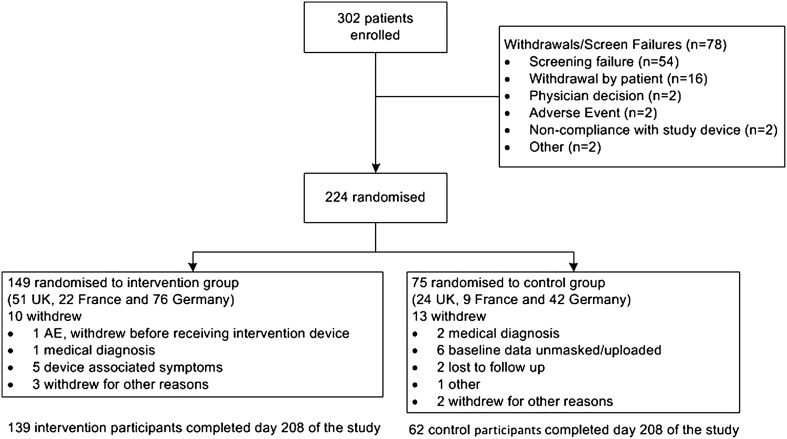
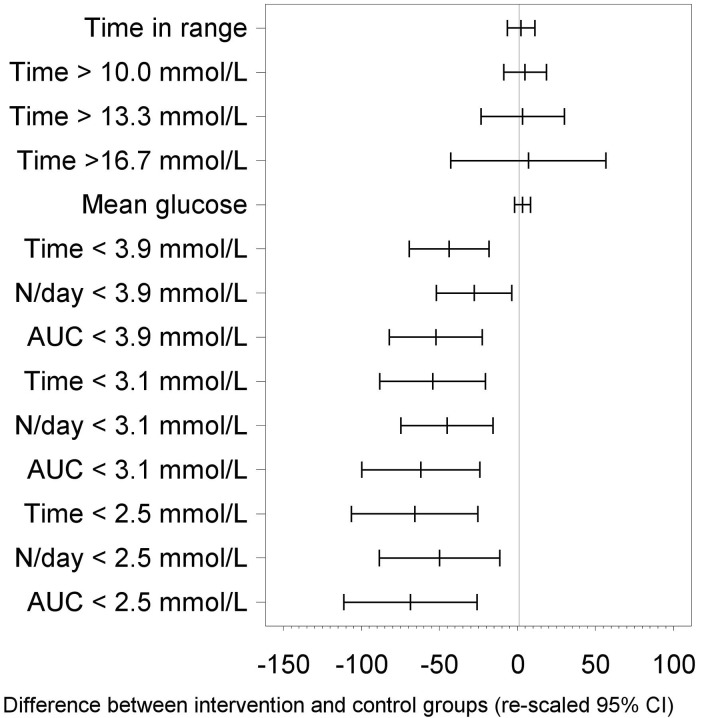
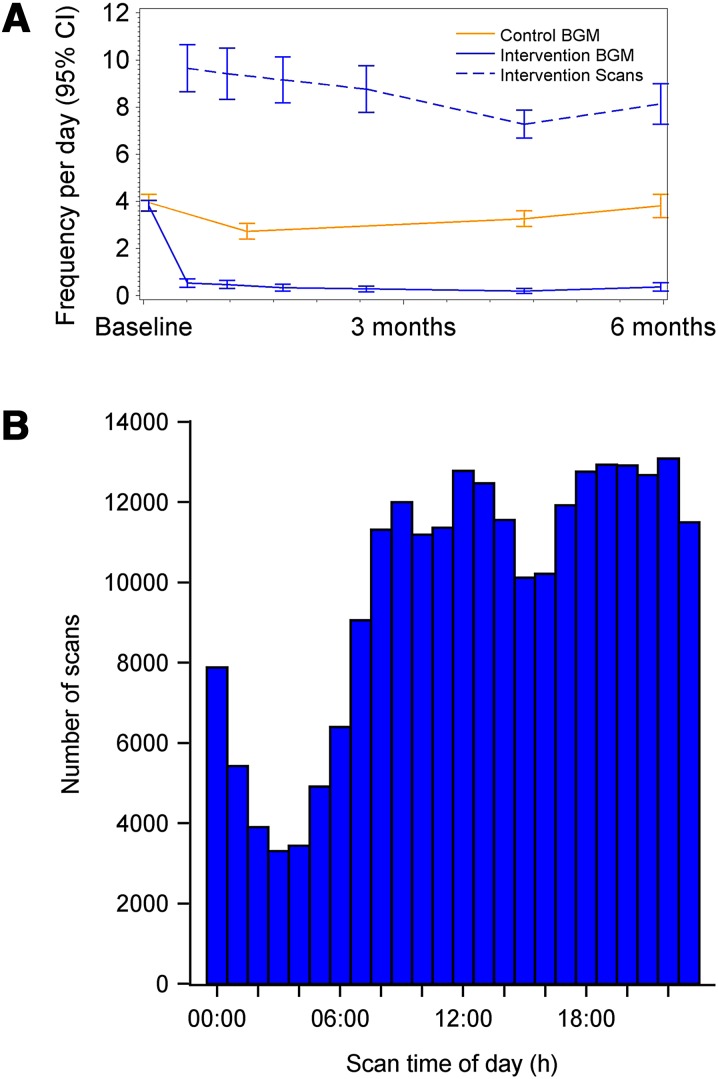
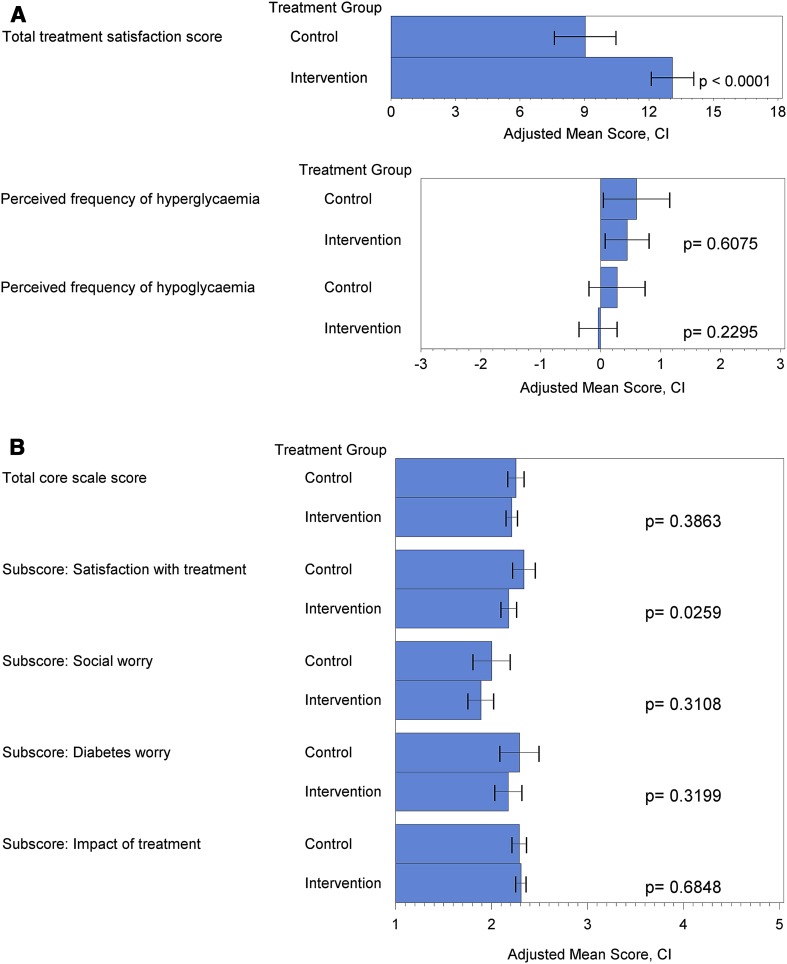
INTRODUCTION: Glycemic control in participants with insulin-treated diabetes remains challenging. We assessed safety and efficacy of new flash glucose-sensing technology to replace self-monitoring of blood glucose (SMBG). METHODS: This open-label randomized controlled study (ClinicalTrials.gov, NCT02082184) enrolled adults with type 2 diabetes on intensive insulin therapy from 26 European diabetes centers. Following 2 weeks of blinded sensor wear, 2:1 (intervention/control) randomization (centrally, using biased-coin minimization dependant on study center and insulin administration) was to control (SMBG) or intervention (glucose-sensing technology). Participants and investigators were not masked to group allocation. Primary outcome was difference in HbA1c at 6 months in the full analysis set. Prespecified secondary outcomes included time in hypoglycemia, effect of age, and patient satisfaction. RESULTS: Participants (n = 224) were randomized (149 intervention, 75 controls). At 6 months, there was no difference in the change in HbA1c between intervention and controls: -3.1 ± 0.75 mmol/mol, [-0.29 ± 0.07% (mean ± SE)] and -3.4 ± 1.04 mmol/mol (-0.31 ± 0.09%) respectively; p = 0.8222. A difference was detected in participants aged <65 years [-5.7 ± 0.96 mmol/mol (-0.53 ± 0.09%) and -2.2 ± 1.31 mmol/mol (-0.20 ± 0.12%), respectively; p = 0.0301]. Time in hypoglycemia <3.9 mmol/L (70 mg/dL) reduced by 0.47 ± 0.13 h/day [mean ± SE (p = 0.0006)], and <3.1 mmol/L (55 mg/dL) reduced by 0.22 ± 0.07 h/day (p = 0.0014) for intervention participants compared with controls; reductions of 43% and 53%, respectively. SMBG frequency, similar at baseline, decreased in intervention participants from 3.8 ± 1.4 tests/day (mean ± SD) to 0.3 ± 0.7, remaining unchanged in controls. Treatment satisfaction was higher in intervention compared with controls (DTSQ 13.1 ± 0.50 (mean ± SE) and 9.0 ± 0.72, respectively; p < 0.0001). No serious adverse events or severe hypoglycemic events were reported related to sensor data use. Forty-two serious events [16 (10.7%) intervention participants, 12 (16.0%) controls] were not device-related. Six intervention participants reported nine adverse events for sensor-wear reactions (two severe, six moderate, one mild). CONCLUSION: Flash glucose-sensing technology use in type 2 diabetes with intensive insulin therapy results in no difference in HbA1c change and reduced hypoglycemia, thus offering a safe, effective replacement for SMBG. TRIAL REGISTRATION: ClinicalTrials.gov identifier: NCT02082184. FUNDING: Abbott Diabetes Care.
Overview
The claims and statistics of this paper haven’t been checked yet.
Free: it reads the open-access text and checks the first 5 claims that cite a source we can check. Create a free account to check every claim.
Integrity signals
Registry
Cites
Statistics
Figures
Verification
Claims the paper makes
The claims and statistics of this paper haven’t been checked yet.
Free: it reads the open-access text and checks the first 5 claims that cite a source we can check. Create a free account to check every claim.
Claims other papers make about this one
Each is checked against this paper’s own text: does it say what the citing paper says it does?
The cited source doesn’t support the claim as written.
In the citing paper
“In adults with type 2 diabetes using insulin, two studies were done: one study did not meet its primary end point of A1C level reduction (69) but achieved a secondary end point of a reduction in hypoglycemia, and the other study met its primary end point of an improvement in the Diabetes Treatment Satisfaction Questionnaire score as well as a secondary end point of A1C level reduction (70).”
From 7. Diabetes Technology: Standards of Care in Diabetes—2025 (2025) · cites this paper as [69]
Checked by a reasoning model — may be wrong.
Experimental — accuracy not yet measuredThe source backs part of the claim, not all of it — or backs it for a different population, condition or comparison.
In the citing paper
“Benefits of CGM in this population include reductions in A1C, fewer severe hypoglycemia events in children and adults, increased TIR, as well as significant reductions in hospitalizations for severe hypoglycemia and DKA.156,162–168”
From American Association of Clinical Endocrinology Clinical Practice Guideline: Developing a Diabetes Mellitus Comprehensive Care Plan-2022 Update. (2022) · cites this paper as [168]
Experimental — accuracy not yet measuredThe source backs part of the claim, not all of it — or backs it for a different population, condition or comparison.
In the citing paper
“Continuous glucose monitoring (CGM) has been shown to improve glycemic control and self-monitoring, as well as to reduce the risk of hypoglycemia.”
From Importance of FDA-integrated continuous glucose monitors to ensure accuracy of continuous glucose monitoring (2025) · cites this paper as [11]
Experimental — accuracy not yet measuredThe source backs part of the claim, not all of it — or backs it for a different population, condition or comparison.
In the citing paper
“In fact, CGM supports people with DM to optimize their therapy, diet, and activity, facilitating improved HbA1c, increased time in target range of 70 to 180 mg/dL, reduced time below range (<70 mg/dL), and improved Glycemia Risk Index scores.5-11”
From Importance of FDA-integrated continuous glucose monitors to ensure accuracy of continuous glucose monitoring (2025) · cites this paper as [11]
Experimental — accuracy not yet measuredThe source backs part of the claim, not all of it — or backs it for a different population, condition or comparison.
In the citing paper
“Numerous studies have demonstrated significant clinical benefits of CGM use in people with diabetes regardless of insulin delivery method (1-15).”
From Clinical Targets for Continuous Glucose Monitoring Data Interpretation: Recommendations From the International Consensus on Time in Range (2019) · cites this paper as [9]
Experimental — accuracy not yet measured
2 more claims about this paper
Create a free account to see every claim other papers make about this one.
Self-check
Percentages, sums and reported differences re-computed from the paper’s own numbers.
The self-check needs the paper’s full text.
Citations
Cites
Turner, R. C., Fox, C., Matthews, McElroy, H. H., Cull, C. A., Holman, R. R., Neil, P., Hadden, D. R., Wright, D., Manley, E., et al. (1998) · The Lancet · Cited by 8,419
10-year follow-up of intensive glucose control in type 2 diabetes
Holman, R. R., Paul, S. K., Bethel, M. A., Matthews, D. R., & Neil, H. A. W. (2008) · New England Journal of Medicine · doi:10.1056/nejmoa0806470 · Cited by 7,751 · cited 2×
“These findings may have future clinical implications as past studies show worse glycemic control in younger participants with type 2 diabetes [3, 4] and this new sensor-based technology may be helpful for these participants.”
BackgroundGupta, A., & Uribarri, J. (2016) · Hormone Research in Paediatrics · doi:10.1159/000444053 · Cited by 4,006
Analysing controlled trials with baseline and follow up measurements
Vickers, A. J., & Altman, D. G. (2001) · BMJ · doi:10.1136/bmj.323.7321.1123 · Cited by 2,116 · cited 1×
“Analysis of covariance was used to adjust for chance imbalances in baseline measurements between the treatment groups [23], adjusted means were”
MethodAssessing Psychosocial Distress in Diabetes
Polonsky, W. H., Fisher, L., Earles, J., Dudl, R. J., Lees, J., Mullan, J., & Jackson, R. A. (2005) · Diabetes Care · doi:10.2337/diacare.28.3.626 · Cited by 1,575 · cited 3×
“DQoL Diabetes Quality of Life Questionnaire, DTSQ Diabetes Treatment Satisfaction Questionnaire and DQoL or for the DDS scales (Fig.”
MethodContinuous glucose monitoring and intensive treatment of type 1 diabetes
(2008) · New England Journal of Medicine · doi:10.1056/nejmoa0805017 · Cited by 1,559
Defining and Reporting Hypoglycemia in Diabetes
American Diabetes Association Workgroup on Hypoglycemia (2005) · Diabetes Care · doi:10.2337/diacare.28.5.1245 · Cited by 1,146
Bonds, D. E., Miller, M. E., Bergenstal, R. M., Buse, J. B., Byington, R. P., Cutler, J. A., Dudl, R. J., Ismail-Beigi, F., Kimel, A. R., Hoogwerf, B., et al. (2010) · BMJ · doi:10.1136/bmj.b4909 · Cited by 933 · cited 2×
“However, intensification of insulin therapy increases the risk of hypoglycemia [4] which is associated with adverse clinical outcome [5], impacts on quality of life [6], and increases treatment costs secondary to hospital admissions, ambulance call-outs, and clinic attendance [7].”
BackgroundBolinder, J., Antuna, R., Geelhoed-Duijvestijn, P., Kröger, J., & Weitgasser, R. (2016) · The Lancet · doi:10.1016/s0140-6736(16)31535-5 · Cited by 893 · cited 1×
“demonstrated superior reduction in hypoglycemia without deterioration of HbA1c and improved treatment satisfaction [34].”
Cited by
Items 201–300 of 643
Gavin, J. R., & Bailey, C. J. (2021) · Diabetes Technology & Therapeutics · doi:10.1089/dia.2021.0211 · Cited by 29
Practical guidance for using the FreeStyle Libre flash continuous glucose monitoring in primary care
Unger, J., Kushner, P. R., & Anderson, J. E. (2020) · Postgraduate Medicine · doi:10.1080/00325481.2020.1744393 · Cited by 30
Tumminia, A., Milluzzo, A., Festa, C., Fresa, R., Pintaudi, B., Scavini, M., Vitacolonna, E., Napoli, A., & Sciacca, L. (2021) · Nutrition Metabolism and Cardiovascular Diseases · doi:10.1016/j.numecd.2021.03.013 · Cited by 29
Mohan, V., Joshi, S., Mithal, A., Kesavadev, J., Unnikrishnan, A., Saboo, B., Kumar, P. R. G., Chawla, M. S., Bhograj, A., & KOVIL, R. R. (2023) · Diabetes Therapy · doi:10.1007/s13300-022-01355-4 · Cited by 31
“The current guidelines recommend a range of 70–180 mg/dL (3.9–10 mmol/L) for people with type 1 or type 2 diabetes mellitus (T1DM or T2DM).”
BackgroundInfluentialVascimini, A., Saba, Y., Baskharoun, F., Crooks, K., Huynh, V., Wasson, S., Wright, E., Bullers, K., Franks, R. B., Carris, N. W., et al. (2023) · Journal of the American Pharmacists Association · doi:10.1016/j.japh.2023.07.010 · Cited by 29
Self-measurement of Blood Glucose and Continuous Glucose Monitoring – Is There Only One Future?
Heinemann, L., & Stuhr, A. (2018) · touchREVIEWS in Endocrinology · doi:10.17925/ee.2018.14.2.24 · Cited by 30
“Additional reasons for the slow uptake of rtCGM systems has been their cost and the fact that they have to be used constantly by the patients in order to achieve a meaningful benefit.(9)”
BackgroundEhrmann, D., Heinemann, L., Freckmann, G., Waldenmaier, D., Faber-Heinemann, G., & Hermanns, N. (2019) · Diabetes Technology & Therapeutics · doi:10.1089/dia.2018.0332 · Cited by 27
Self-citationKamusheva, M., Tachkov, K., Dimitrova, M. J., Mitkova, Z. E., García-Sáez, G., Hernando, M. E., Goettsch, W., & Petrova, G. I. (2021) · Frontiers in Endocrinology · doi:10.3389/fendo.2021.636959 · Cited by 32
Hissa, M. R. N., Hissa, P. N. G., Guimarães, S. B., & Hissa, M. N. (2021) · Diabetology & Metabolic Syndrome · doi:10.1186/s13098-021-00722-8 · Cited by 28
“Clinical trials have demonstrated the benefit to control type 1 [7] and type 2 diabetes [8].”
BackgroundUrakami, T., Yoshida, K., Kuwabara, R., Mine, Y., Aoki, M., Suzuki, J., & Morioka, I. (2022) · Journal of Diabetes Investigation · doi:10.1111/jdi.13618 · Cited by 26
Shea, E. K., & Hess, R. S. (2021) · Journal of Veterinary Internal Medicine · doi:10.1111/jvim.16046 · Cited by 27
Suzuki, J., Urakami, T., Yoshida, K., Kuwabara, R., Mine, Y., Aoki, M., & Morioka, I. (2020) · Pediatrics International · doi:10.1111/ped.14412 · Cited by 26
Utilizing continuous glucose monitoring in primary care practice: What the numbers mean
Edelman, S. V., Cavaiola, T. S., BOEDER, S. C., & Pettus, J. (2020) · Primary care diabetes · doi:10.1016/j.pcd.2020.10.013 · Cited by 27
Critical Reappraisal of the Time-in-Range: Alternative or Useful Addition to Glycated Hemoglobin?
Heinemann, L., Freckmann, G., Müller‐Wieland, D., & Kellerer, M. (2019) · Journal of Diabetes Science and Technology · doi:10.1177/1932296819883885 · Cited by 28
Kompala, T., Wong, J. C., & Neinstein, A. B. (2022) · Journal of Diabetes Science and Technology · doi:10.1177/19322968221088267 · Cited by 28
The use of technology in type 2 diabetes and prediabetes: a narrative review
Liarakos, A. L., Lim, J. Z. M., Leelarathna, L., & Wilmot, E. G. (2024) · Diabetologia · doi:10.1007/s00125-024-06203-7 · Cited by 27
“Treatment satisfaction improved with CGM use, especially with newer generation systems, compared with SMBG [13, 17, 20, 21].”
BackgroundMethodTechnological Advancements in the Management of Type 2 Diabetes
Grant, A. K., & Golden, L. (2019) · Current Diabetes Reports · doi:10.1007/s11892-019-1278-3 · Cited by 28
Cost Analysis of FreeStyle Libre® 2 System in Type 2 Diabetes Mellitus Population
Oyagüez, I., Peralta, F. G., Artola, S., Carrasco-Sánchez, F. J., Carretero‐Gómez, J., Soidán, F. J. G., Gómez‐Huelgas, R., Merino-Torres, J. F., & Pérez, A. (2021) · Diabetes Therapy · doi:10.1007/s13300-021-01064-4 · Cited by 26
“Reductions of biochemical hypoglycaemia episodes associated with use of the FreeStyle Libre 2 system reported in the REPLACE study [25] were applied to the incidence of clinical hypoglycaemia in this analysis.”
BackgroundMethodResultInfluentialMoser, O., Pandis, M., Aberer, F., Kojzar, H., Hochfellner, D. A., Elsayed, H., Motschnig, M., Augustin, T., Kreuzer, P., Pieber, T. R., et al. (2018) · Diabetes Obesity and Metabolism · doi:10.1111/dom.13598 · Cited by 25
Beck, R. W., & Riddlesworth, T. D. (2018) · Annals of Internal Medicine · doi:10.7326/l17-0706 · Cited by 26
“Furthermore, there was no significant difference in CGM-measured hypoglycemia or quality-of-life outcomes (1).”
InfluentialDiabetes: how to manage patients experiencing hypoglycaemia
Lowe, R. N., Williams, B., & Claus, L. W. (2022) · Drugs in Context · doi:10.7573/dic.2021-9-11 · Cited by 27
Mario, C. D., Genovese, S., Lanza, G. A., Mannucci, E., Marenzi, G., Sciatti, E., Pitocco, D., the Expert Panel Group, Avogaro, A., Bertuzzi, F., et al. (2022) · Cardiovascular Diabetology · doi:10.1186/s12933-022-01598-2 · Cited by 26
“Two large randomized controlled trials have demonstrated a significant reduction of hypoglycaemic events and GV, as well as increase in TIR and patients’ satisfaction in subjects with T1DM [30] and insulin treated T2DM [31] managed with FGM, as compared to SMBG.”
BackgroundProfessional flash continuous glucose monitoring as a supplement to A1C in primary care
Hirsch, I. B. (2017) · Postgraduate Medicine · doi:10.1080/00325481.2017.1383137 · Cited by 25
Bilir, S. P., Hellmund, R., Wehler, E., Li, H., Munakata, J., & Lamotte, M. (2018) · European Endocrinology · doi:10.17925/ee.2018.14.2.80 · Cited by 23
“7% reduction in measured hypoglycaemia <70 mg/dl for flash monitoring compared to SMBG, without raising HbA1c levels.(26)”
MethodFrank, J., Son, D., Szafranski, K., & Poon, Y. (2024) · Journal of Managed Care & Specialty Pharmacy · doi:10.18553/jmcp.2024.24025 · Cited by 25
Reliability of continuous glucose monitoring system in the inpatient setting
Murray-Bachmann, R., Leung, T. M., Myers, A. K., Murthi, S., Sarbanes, M., Ziskovich, K., LESSER, M. L., & Poretsky, L. (2021) · Journal of Clinical & Translational Endocrinology · doi:10.1016/j.jcte.2021.100262 · Cited by 25
Continuous Glucose Monitoring in Dogs and Cats
Baldo, F. D., & Fracassi, F. (2023) · Veterinary Clinics of North America Small Animal Practice · doi:10.1016/j.cvsm.2023.01.008 · Cited by 26
Targets for blood glucose: What have the trials told us
Valensi, P. E., Prévost, G., Schnell, O., Standl, E., & Ceriello, A. (2019) · European Journal of Preventive Cardiology · doi:10.1177/2047487319885456 · Cited by 27
“This method seems able to increase the time in range and reduce time spent in hypoglycaemia.(55,56)”
MethodIda, S., Kaneko, R., Imataka, K., Ôkubo, K., Shirakura, Y., Azuma, K., Hujiwara, R., Takahashi, H., & Murata, K. (2020) · Journal of Diabetes Research · doi:10.1155/2020/9463648 · Cited by 27
“6%) [14], FGM use led to decreased CV levels, an index of glycemic variability, and reduction of AAC of a glucose level of <70mg/dL.”
BackgroundBeyond A1C: exploring continuous glucose monitoring metrics in managing diabetes
Friedman, J. G., Coyne, K., Aleppo, G., & Szmuilowicz, E. D. (2023) · Endocrine Connections · doi:10.1530/ec-23-0085 · Cited by 22
Hirsch, I. B., & Verderese, C. A. (2017) · Endocrine Practice · doi:10.4158/ep171962.ra · Cited by 22
Time above range for predicting the development of type 2 diabetes
Marco, A., Pazos-Couselo, M., Moreno-Fernández, J., Díez‐Fernández, A., Alonso‐Sampedro, M., Fernández‐Merino, C., González‐Quintela, A., & Gudé, F. (2022) · Frontiers in Public Health · doi:10.3389/fpubh.2022.1005513 · Cited by 26
The Evolution of Diabetes Technology – Options Toward Personalized Care
Zahid, M., Dowlatshahi, S., Kansara, A., & Sadhu, A. (2023) · Endocrine Practice · doi:10.1016/j.eprac.2023.04.007 · Cited by 24
Moreno-Fernández, J., Pazos-Couselo, M., González‐Rodríguez, M., Rozas, P., Delgado‐Rodríguez, M., Aguirre, M., & López, J. M. G. (2018) · Endocrinología Diabetes y Nutrición · doi:10.1016/j.endinu.2018.04.003 · Cited by 28
Urakami, T., Yoshida, K., Kuwabara, R., Mine, Y., Aoki, M., Suzuki, J., & Morioka, I. (2020) · Endocrine Journal · doi:10.1507/endocrj.ej20-0193 · Cited by 24
“Several studies have demonstrated significant clinical benefits of use of FreeStyle® Libre in individuals with diabetes [9-12].”
BackgroundMethodInfluentialTian, Y., Ma, Y., Fu, Y., & Zheng, J. (2020) · Current Developments in Nutrition · doi:10.1093/cdn/nzaa143 · Cited by 23
Conti, M., Massari, G., Meneghini, E., Pasquino, B., Agosti, B., Chinotti, F., Pintaudi, B., Girelli, A., & Bertuzzi, F. (2024) · Journal of Clinical Medicine · doi:10.3390/jcm13030642 · Cited by 21
Rizos, E. C., Markozannes, G., Charitakis, N., Filis, P., Stoimeni, A. E., Nørgaard, K., Ntzani, E. E., & Tsilidis, K. K. (2025) · Diabetes Technology & Therapeutics · doi:10.1089/dia.2024.0599 · Cited by 21
Alva, S., Bhargava, A., Bode, B. W., Brazg, R., CASTORINO, K. N., Kipnes, M. S., Liljenquist, D. R., Tran, H., Liu, H., & Nada, M. (2025) · Journal of Diabetes Science and Technology · doi:10.1177/19322968251329364 · Cited by 23
“9,11,27”
Tsur, A., Cahn, A., Israel, M., Feldhamer, I., Hammerman, A., & Pollack, R. M. (2020) · Diabetes/Metabolism Research and Reviews · doi:10.1002/dmrr.3355 · Cited by 24
Rose, L., Klausmann, G., & Seibold, A. (2021) · Diabetes Therapy · doi:10.1007/s13300-020-00978-9 · Cited by 18
Peters, A. L., Ahmann, A., Hirsch, I. B., & Raymond, J. K. (2018) · Journal of the Endocrine Society · doi:10.1210/js.2018-00262 · Cited by 21
“7%) who were receiving multiple insulin injections, hypoglycemic exposure was again reduced with CGM and there was no difference in HbA1c level [35].”
BackgroundIntegrating Continuous Glucose Monitoring Into Clinical Practices and Patients' Lives
Hirsch, I. B., & Miller, E. M. (2021) · Diabetes Technology & Therapeutics · doi:10.1089/dia.2021.0233 · Cited by 25
“22 These benefits include reductions in hemoglobin HbA1c, 7,9,11,17,18,23–27 fewer severe hypoglycemia events, 24,25,28 increased time within target glucose range (time in range [TIR]), 11,18,19,29 and reductions in time below range.”
Miller, E. M., & Midyett, L. K. (2021) · Diabetes Technology & Therapeutics · doi:10.1089/dia.2021.0192 · Cited by 26
Bosi, E., Gregori, G., Cruciani, G., Irace, C., Pozzilli, P., & Buzzetti, R. (2021) · Diabetes Research and Clinical Practice · doi:10.1016/j.diabres.2021.109172 · Cited by 22
“Priori sample size was calculated based on results from a previous study [3].”
BackgroundMethodResultInfluentialLi, L.-Q., Yao, M.-Y., Ma, J.-X., Xue, P., & Li, Y.-K. (2019) · Endocrine Journal · doi:10.1507/endocrj.ej19-0016 · Cited by 20
“Worldwide, the majority of studies on FGM have focused on accuracy and safety, and it has proven safe and accurate [1-4] compared with conventional self-”
BackgroundUsing continuous glucose monitoring data in daily clinical practice
Martens, T. W., Simonson, G. D., & Bergenstal, R. M. (2024) · Cleveland Clinic Journal of Medicine · doi:10.3949/ccjm.91a.23090 · Cited by 24
Sherrill, C. H., Lee, S., & Bradley, C. L. (2021) · Currents in Pharmacy Teaching and Learning · doi:10.1016/j.cptl.2021.11.021 · Cited by 20
Bergenstal, R. M. (2023) · Diabetes Spectrum · doi:10.2337/dsi23-0005 · Cited by 20
Correlation analysis of heart rate variations and glucose fluctuations during sleep
Kajisa, T., Kuroi, T., Hara, H., & Sakai, T. (2023) · Sleep Medicine · doi:10.1016/j.sleep.2023.11.038 · Cited by 23
Dávila-Rúales, V., Córdoba, L. F. G., Medina, A. M. G., Múñoz, Ó., Serrano, M. N., & Henao, D. C. (2024) · Therapeutic Advances in Endocrinology and Metabolism · doi:10.1177/20420188241304459 · Cited by 22
Hayek, A. A., Robert, A. A., & Dawish, M. A. A. (2021) · Diabetes & Metabolic Syndrome Clinical Research & Reviews · doi:10.1016/j.dsx.2021.02.027 · Cited by 20
Chazova, I. E., Shestakova, M. V., Zhernakova, Y. V., Blinova, N. V., Маркова, Т. Н., Mazurina, N. V., Владиславович, Е. М., Tereshchenko, S. N., Жиров, И. В., Komarov, A. L., et al. (2021) · Eurasian heart journal · doi:10.38109/2225-1685-2021-2-6-61 · Cited by 27
Narrative Review: Continuous Glucose Monitoring (CGM) in Older Adults with Diabetes
Wilson, A., Morrison, D., Sainsbury, C. A. R., & Jones, G. C. (2025) · Diabetes Therapy · doi:10.1007/s13300-025-01720-z · Cited by 21
“The guidance does not yet cover all patients on basal-bolus insulin regimens, despite evidence for their benefit in improving HbA1c and reducing hypoglycaemia [8–11].”
InfluentialMaida, E., Caruso, P., Bonavita, S., Abbadessa, G., Miele, G., Longo, M., Scappaticcio, L., Ruocco, E., Trojsi, F., Esposito, K., et al. (2025) · Journal of Clinical Medicine · doi:10.3390/jcm14124240 · Cited by 15
“However, there is evidence that isCGM with optional alarms is associated with a reduction in HbA1c in people with T1DM [35] and a decreased rate of hypoglycemia in T2DM [36,37].”
Sekido, K., Sekido, T., Kaneko, A., Hosokawa, M., Sato, A., Sato, Y., Yamazaki, M., & Komatsu, M. (2017) · Endocrine Journal · doi:10.1507/endocrj.ej17-0193 · Cited by 23
“In two randomized controlled studies performed in insulin-treated adult patients with type 1 or 2 diabetes, FGM intervention failed to decrease HbA1c levels, but achieved a 38–43% reduction of time in hypoglycemia (<70 mg/dL) with less undesirable sensor-wear reactions [6, 7].”
BackgroundHu, Y., Shen, Y., Yan, R., Li, F.-F., Ding, B., Wang, H., Su, X., & Ma, J. (2020) · Diabetes Therapy · doi:10.1007/s13300-020-00879-x · Cited by 22
Roadmap to the Effective Use of Continuous Glucose Monitoring in Primary Care
Martens, T. W. (2023) · Diabetes Spectrum · doi:10.2337/dsi23-0001 · Cited by 20
Flash Continuous Glucose Monitoring: A Summary Review of Recent Real-World Evidence
Bailey, C. J., & Gavin, J. R. (2020) · Clinical Diabetes · doi:10.2337/cd20-0076 · Cited by 20
“Findings from large RCTs and prospective, observational studies have shown that use of flash CGM is associated with improved overall glycemic control (23–26,28), reductions in hypoglycemia (23–25), fewer diabetes-related hospitalizations (23–25,33), decreased absenteeism (23,24), and improvements in treatment satisfac…”
BackgroundResultInfluentialBahillo-Curieses, P., Díaz-Soto, G., Martínez, A. M. V., Ballester, I. T., Hoyos, E. G., & Román, D. A. D. L. (2021) · Endocrine · doi:10.1007/s12020-021-02691-4 · Cited by 21
Suzuki, D., Yamada, H., Yoshida, M., Funazaki, S., Amamoto, M., Morimoto, J., & Hara, K. (2020) · Journal of Diabetes Investigation · doi:10.1111/jdi.13240 · Cited by 20
Al-Harbi, M. Y., Albunyan, A., Nahari, A., Kao, K., Brandner, L., Jammal, M. E., & Dunn, T. C. (2022) · Diabetology & Metabolic Syndrome · doi:10.1186/s13098-022-00831-y · Cited by 20
“Randomized control trials have shown that frequent flash glucose monitoring can reduce time spent in hypoglycemia for type 1 diabetes patients with well-controlled diabetes [10], as well as in type 2 diabetes patients on intensive insulin therapy [11].”
BackgroundPrato, S. D., Giorgino, F., Szafranski, K., & Poon, Y. (2024) · Diabetes Obesity and Metabolism · doi:10.1111/dom.15703 · Cited by 19
Pleus, S., Heinemann, L., & Freckmann, G. (2018) · Journal of Diabetes Science and Technology · doi:10.1177/1932296817753629 · Cited by 18
Hayek, A. A., Robert, A. A., & Dawish, M. A. A. (2020) · Clinical Medicine Insights Endocrinology and Diabetes · doi:10.1177/1179551420910122 · Cited by 21
Insulin Pump Therapy and Continuous Glucose Monitoring
Schütz-Fuhrmann, I., Rami-Merhar, B. M., Fröhlich-Reiterer, E. E., Hofer, S. E., Tauschmann, M., Mader, J. K., Resl, M., Kautzky‐Willer, A., Winhofer-Stöckl, Y., Laimer, M., et al. (2009) · Oxford University Press eBooks · doi:10.1093/med/9780199568604.001.0001 · Cited by 19
Kramer, G., Michalak, L., Müller, U., Kloos, C., Werner, C., & Kuniß, N. (2019) · Experimental and Clinical Endocrinology & Diabetes · doi:10.1055/a-0875-3988 · Cited by 23
“2 events/day) and higher treatment satisfaction in the FGM group compared to those with conventional self-monitoring of blood-glucose after 6 months [2, 3].”
MethodGalindo, R. J., Aleppo, G., Parkin, C. G., Baidal, D. A., Carlson, A. L., Cengiz, E., Forlenza, G. P., Kruger, D. F., Levy, C. J., McGill, J. B., et al. (2022) · Journal of Diabetes Science and Technology · doi:10.1177/19322968221144052 · Cited by 19
“29,40,47 • Significant decreases in %TBR. 19,48 • Significant decreases in %TAR.”
Discordance between postprandial plasma glucose measurement and continuous glucose monitoring
Barua, S., Wierzchowska-McNew, R. A., Deutz, N. E. P., & Sabharwal, A. (2022) · American Journal of Clinical Nutrition · doi:10.1093/ajcn/nqac181 · Cited by 17
Use of continuous glucose monitoring in insulin-treated older adults with type 2 diabetes
Leite, S. A. O., da Silva, M. P., Lavalle, A. C. R., Bertogy, M. C. V., Bastos, M., Kuklik, S. C. V., & Umpierrez, G. E. (2023) · Diabetology & Metabolic Syndrome · doi:10.1186/s13098-023-01225-4 · Cited by 19
“Unfortunately, older adults ( ≥ 65 years) are underrepresented in clinical trials, [10, 11] and there are limited data regarding the benefit and adherence of CGM in older adults with T2DM [12].”
BackgroundHannah, K. L., Nemlekar, P. M., Johnson, M. L., Cherñavvsky, D. R., & Norman, G. J. (2024) · Kidney360 · doi:10.34067/kid.0000000000000396 · Cited by 17
“…(CGM) systems, which measure glucose levels in interstitial fl uid for up to 14 days and provide a glucose value every 1 – 5 minutes, have been shown to be safe and effective in people with T2D on intensive insulin therapy 10,11 and on non-intensive insulin therapy or non-insulin therapies.”
MethodGruson, D., Cobbaert, C. M., Dabla, P. K., Stankovic, S. D., Homšak, E., Kotani, K., Assaad, R. S., Nichols, J. H., & Gouget, B. (2024) · Clinical Chemistry and Laboratory Medicine (CCLM) · doi:10.1515/cclm-2023-1455 · Cited by 19
Hellmund, R., Weitgasser, R., & Blissett, D. (2018) · European Endocrinology · doi:10.17925/ee.2018.14.2.86 · Cited by 17
“(2017) suggested that older patients using flash monitoring in the REPLACE trial prioritised hypoglycaemic reduction over a more indiscriminate approach to glucose control.(23)”
BackgroundMethodResultInfluentialGlycemic Status Assessment by the Latest Glucose Monitoring Technologies
Malandrucco, I., Russo, B., Picconi, F., Menduni, M., & Frontoni, S. (2020) · International Journal of Molecular Sciences · doi:10.3390/ijms21218243 · Cited by 17
“a significant reduction in the time spent in hypoglycemia, in particular during the night, in patients with FGM while no differences are observed in HbA1c change [68,69].”
BackgroundEmerging technologies for the management of type 2 diabetes mellitus
Shah, N. A., & Levy, C. J. (2021) · Journal of Diabetes · doi:10.1111/1753-0407.13188 · Cited by 18
“Haak and colleagues' randomized trial of insulin-using adults with poorly controlled T2DM found no HbA1c benefit or increase in TIR with use of the FreeStyle Libre Flash Glucose Monitoring System (Abbott Diabetes Care) compared with FSBG testing; however, there was a significant improvement in QOL measures as well as…”
MethodChekima, K., Wong, B. T., Noor, M. I., Ooi, Y. B. H., Yan, S. W., & Chekima, B. (2022) · Foods · doi:10.3390/foods11070983 · Cited by 17
“With the robustness of the continuous glucose monitoring (CGM) system, it can be utilised to measure the glycaemic response to foods and be able to overcome the shortcomings of the other common classical methods [16,17].”
MethodTwigg, S. M., Lim, S. K., Yoo, S.-H., Chen, L., Bao, Y., Kong, A. P. S., Yeoh, E. C. K., Chan, S. P., Robles, J., Mohan, V., et al. (2023) · Journal of Diabetes Science and Technology · doi:10.1177/19322968231176533 · Cited by 17
von Kobyletzki, L. B., Ulriksdotter, J., Sukakul, T., Aerts, O., Agner, T., Buhl, T., Bruze, M., Foti, C., Giménez‐Arnau, A. M., Gonçalo, M., et al. (2024) · Journal of the European Academy of Dermatology and Venereology · doi:10.1111/jdv.19908 · Cited by 17
From diabetes to diverse domains: the multifaceted roles of GLP-1 receptor agonists
Dave, B. P., Chorawala, M. R., Shah, I., Shah, N. N., Bhagat, S. U., Prajapati, B. G., & Thakkar, P. C. (2024) · Molecular Biology Reports · doi:10.1007/s11033-024-09793-y · Cited by 17
“Liraglutide, another GLP-1RA, is an acylated analog of GLP-1, with a plasma half-life of 10–18 h, [55] showed HbA1c reduction of up to 1.6% and weight loss of up to 2.5 kg over 30 weeks [38].”
InfluentialPatient‐reported outcomes in studies of diabetes technology: What matters
Liarakos, A. L., Crabtree, T. S. J., & Wilmot, E. G. (2024) · Diabetes Obesity and Metabolism · doi:10.1111/dom.15858 · Cited by 19
Porcellati, F., Mauro, S. D., Mazzieri, A., Scamporrino, A., Filippello, A., Fano, M. D., Fanelli, C. G., Purrello, F., Malaguarnera, R., & Piro, S. (2021) · Biomolecules · doi:10.3390/biom11091281 · Cited by 19
How use of continuous glucose monitoring can address therapeutic inertia in primary care
Martens, T. W., & Parkin, C. G. (2022) · Postgraduate Medicine · doi:10.1080/00325481.2022.2080419 · Cited by 16
“a risk factor for severe hypoglycemia [55–57], and the time spent in hypoglycemia [49,52] among T2D adults treated with intensive insulin therapy.”
BackgroundBahia, L., Mello, K. F., de Lemos, L. L. P., Costa, N. L., Mulinari, E., & Malerbi, D. A. C. (2023) · Diabetology & Metabolic Syndrome · doi:10.1186/s13098-023-01208-5 · Cited by 16
Flash Glucose Monitoring: Differences Between Intermittently Scanned and Continuously Stored Data
Pleus, S., Kamecke, U., Link, M., Haug, C., & Freckmann, G. (2017) · Journal of Diabetes Science and Technology · doi:10.1177/1932296817733095 · Cited by 17
“Over the past months, several studies have been published in which this iscCGM system was used, focusing, for example, on measurement performance or on its impact on glycemic control.(1-7) In some cases, scanned data were used for analysis,(1-3) whereas in other cases continuously stored data were used(4,5) or no deta…”
MethodRole of Continuous Glucose Monitoring in Insulin-Requiring Patients with Diabetes
Welsh, J. B. (2018) · Diabetes Technology & Therapeutics · doi:10.1089/dia.2018.0100 · Cited by 17
Hochfellner, D. A., Simic, A., Taucher, M. T., Sailer, L. S., Kopanz, J., Pöttler, T., & Mader, J. K. (2022) · Biosensors · doi:10.3390/bios12020106 · Cited by 15
Continuous glucose monitoring to assess glucose variability in type 3c diabetes
Lee, V. T. Y., Poynten, A. M., & Depczynski, B. (2022) · Diabetic Medicine · doi:10.1111/dme.14882 · Cited by 18
Psavko, S., Katz, N., Mirchi, T., & Green, C. R. (2022) · JMIR Human Factors · doi:10.2196/42057 · Cited by 15
“This is encouraging because the association between CGM use and improved outcomes in people with T2D is strong and growing [3,29,30].”
BackgroundAgarwal, S., Varghese, R. T., SAVIAN, R. E. N. A. T. O. R. E. Z. E. N. D. E., Wang, C. C. L., & Galindo, R. J. (2025) · Endocrine Practice · doi:10.1016/j.eprac.2025.05.749 · Cited by 15
Using Flash Continuous Glucose Monitoring in Primary Practice
Hirsch, I. B., & Wright, E. E. (2018) · Clinical Diabetes · doi:10.2337/cd18-0054 · Cited by 15
“(60) compared FCGM to standard fingerstick glucose measurement in 224 participants.”
Bergenstal, R. M., Johnson, M. L., Aroda, V. R., Brazg, R., Dreon, D. M., Frías, J. P., Kruger, D. F., Molitch, M. E., Mullen, D. M., Peyrot, M. F., et al. (2021) · Journal of Diabetes Science and Technology · doi:10.1177/19322968211016513 · Cited by 15
Genua, I., Sánchez-Hernández, J., Martínez, M. J., Pujol, I., Places, J., González, C., Martínez, E., Díaz, J. M., & Chico, A. I. (2020) · Journal of Diabetes Science and Technology · doi:10.1177/1932296820975057 · Cited by 16
Saadane, I., Ali, T., El-Laboudi, A. H., & Lessan, N. G. (2020) · Diabetes Research and Clinical Practice · doi:10.1016/j.diabres.2020.108592 · Cited by 15
Ajjan, R., Bilir, S. P., Hellmund, R., & Souto, D. (2022) · Diabetes Therapy · doi:10.1007/s13300-022-01325-w · Cited by 14
Self-citationRossi, A., Rossi, G., Montefusco, L. B., Cimino, V., Pastore, I., Gandolfi, A., Bucciarelli, L. G., Loretelli, C., Boci, D., D’Addio, F., et al. (2024) · Journal of Diabetes & Metabolic Disorders · doi:10.1007/s40200-024-01488-2 · Cited by 15
“Intermittently scanned continuous glucose monitoring, particularly, has greater convenience and ease of use and it can ensure successful management of multiple dose insulin therapy also in type 2 diabetes [4, 5].”
Xu, Y., Hou, L., Zhao, H., Bi, S., Zhu, L. Z., & Lu, Y. (2018) · Applied Surface Science · doi:10.1016/j.apsusc.2018.08.248 · Cited by 14
Harris, S. B., & Levrat‐Guillen, F. (2023) · Diabetes Obesity and Metabolism · doi:10.1111/dom.15025 · Cited by 16
Al Hayek, A., Al Dawish, M., & El Jammal, M. (2021) · Cureus · doi:10.7759/cureus.16007 · Cited by 11
“Monitoring frequency increased with the use of flash glucose monitoring in this study population with MDI therapy which has been observed previously in Europe [2] and in type 1 diabetes in Saudi Arabia [19, 20].”
BackgroundResultInfluentialCASTORINO, K. N., Durnwald, C. P., Ehrenberg, S., Ehrhardt, N. M., Isaacs, D., Levy, C. J., Valent, A. M., & Continuous Glucose Monitoring for Gestational Diabetes Management Working Group (2024) · Journal of Women s Health · doi:10.1089/jwh.2023.0864 · Cited by 15
Speight, J., Hermanns, N., Jensen, W., Kanc, K., Karagiannis, T., Law, M., Mocan, A., Rutters, F., Sturt, J. A., Zaccardi, F., et al. (2026) · Diabetologia · doi:10.1007/s00125-026-06840-0 · Cited by 15
“This recommendation is based on a meta-analysis of three RCTs [164–166] including 611 adults with type 2 diabetes (345 randomised to CGM).”
Self-citation
Metadata
- Authors
- Haak, T., Hanaire, H., Ajjan, R., Hermanns, N., Riveline, J.-P., & Rayman, G.
- Affiliations
- German Diabetes Center Mergentheim (DE)
- Centre Hospitalier Universitaire de Toulouse (FR)
- University of Leeds (GB)
- Assistance Publique – Hôpitaux de Paris (FR)
- Ipswich Hospital (GB)
- Corresponding author
- Haak, Thomas
- Venue
- Diabetes Therapy
- Published
- 2016-12-20
- Volume
- 8
- Issue
- 1
- Pages
- 55-73
- ISSN
- 1869-6953 (ISSN-L)
- 1869-6961
- PMC
- PMC5306122
- OpenAlex
- W2563731248
- Semantic Scholar
- 2015a86b0af46a1f808e99a1eedb7fa1f61f22eb
- Cited by
- 623
- References
- 40
- Citations by year
- 2026: 34 · 2025: 63 · 2024: 72 · 2023: 64 · 2022: 76 · 2021: 76 · 2020: 69 · 2019: 72 · 2018: 58 · 2017: 37
- FWCI
- 55.95
- Type
- journal article
- Language
- en
- Open access
- gold
- doi.org
- Licence
- cc-by-nc
- creativecommons.org/licenses/by/4.0 (tdm)
- Locations
- Diabetes Therapy (publishedVersion, cc-by-nc)
- Europe PMC (PubMed Central) (publishedVersion, cc-by-nc)
- PubMed Central (publishedVersion, cc-by-nc)
- PubMed (publishedVersion)
- White Rose Research Online (University of Leeds, The University of Sheffield, University of York) (acceptedVersion)
- Funders
- Abbott
- Topics
- Health Sciences › Medicine › Endocrinology, Diabetes and Metabolism › Diabetes Management and Research
- Health Sciences › Medicine › Endocrinology, Diabetes and Metabolism › Diabetes Treatment and Management
- Health Sciences › Medicine › Endocrinology, Diabetes and Metabolism › Diabetes Management and Education
- Keywords
- flash glucose monitoring, continuous glucose monitoring, type 2 diabetes, insulin-treated diabetes, intensive insulin therapy, self-monitoring of blood glucose, glycemic control, HbA1c, hypoglycemia, time in range, patient satisfaction, older adults, diabetes management, treatment efficacy and safety, Europe
About these checks
Registry, retraction, Cites and statistics results are computed, not judged, with one exception: a printed reference that no index lists is read once by a model before it counts as a citation error. Claims are extracted by a model and kept only when their quote appears verbatim in the text; each cited source is then checked, with a model’s help, for whether it says what the claim relies on. Those verdicts can be wrong — read the claim’s quote and the cited source before relying on one.
Statistics and arithmetic are recomputed, not judged.
Confidence bands are shown only for fields calibrated on our annotated test set. None is calibrated yet, so no band is shown.
What counts as a claim ›How we measure confidence ›How we check this ›
Are you an author, or do you see a problem with this page? Request a review
Data sources
Bibliographic data: Semantic Scholar, OpenAlex, Crossref.
Contains information from the Semantic Scholar Academic Graph Datasets, made available under the ODC Attribution License (ODC-BY 1.0).
Semantic Scholar’s data is described in: Kinney, R., et al. (2023). The Semantic Scholar Open Data Platform. arXiv:2301.10140.
