

Flash Glucose-Sensing Technology as a Replacement for Blood Glucose Monitoring for the Management of Insulin-Treated Type 2 Diabetes: a Multicenter, Open-Label Randomized Controlled Trial
Open accessThe DOI matches its Crossref record; 39 of the 40 references it cites were found in a registry or an index.
Abstract
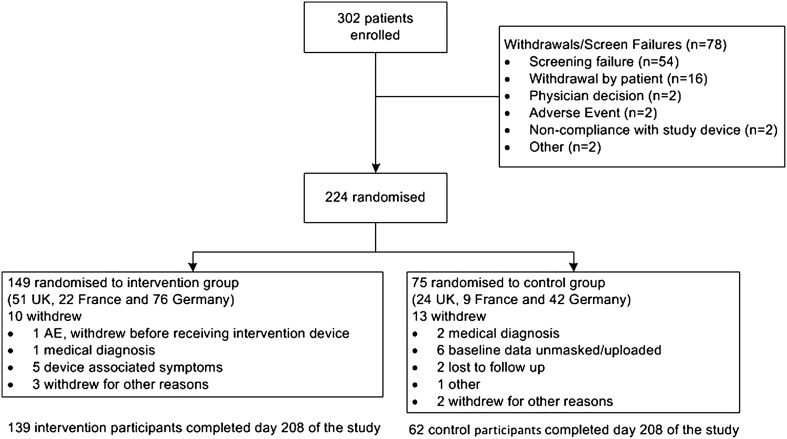
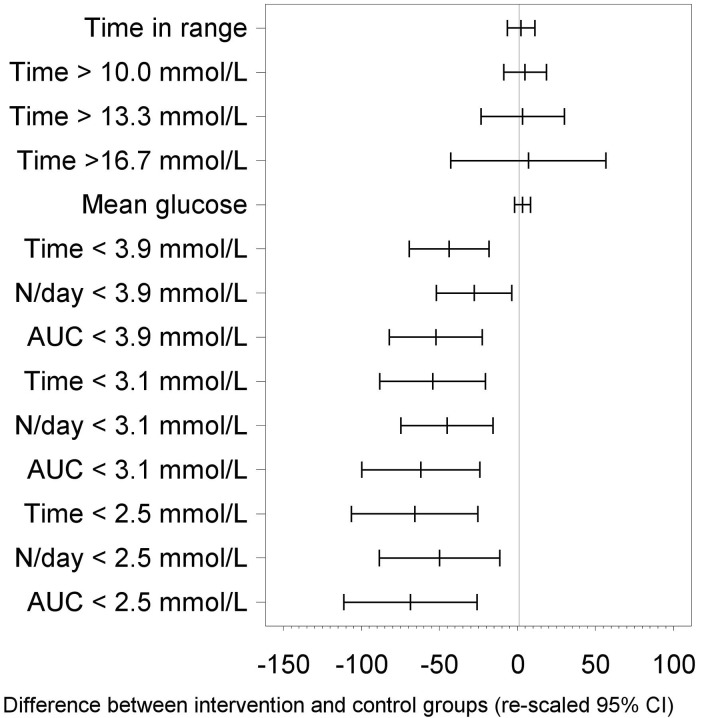
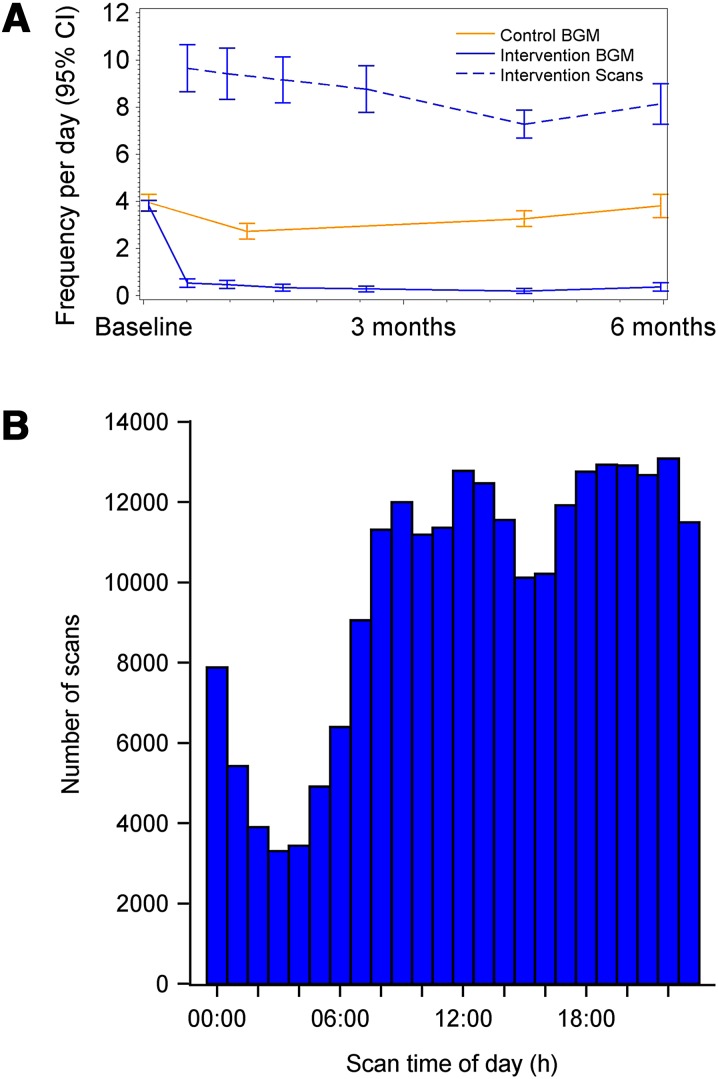
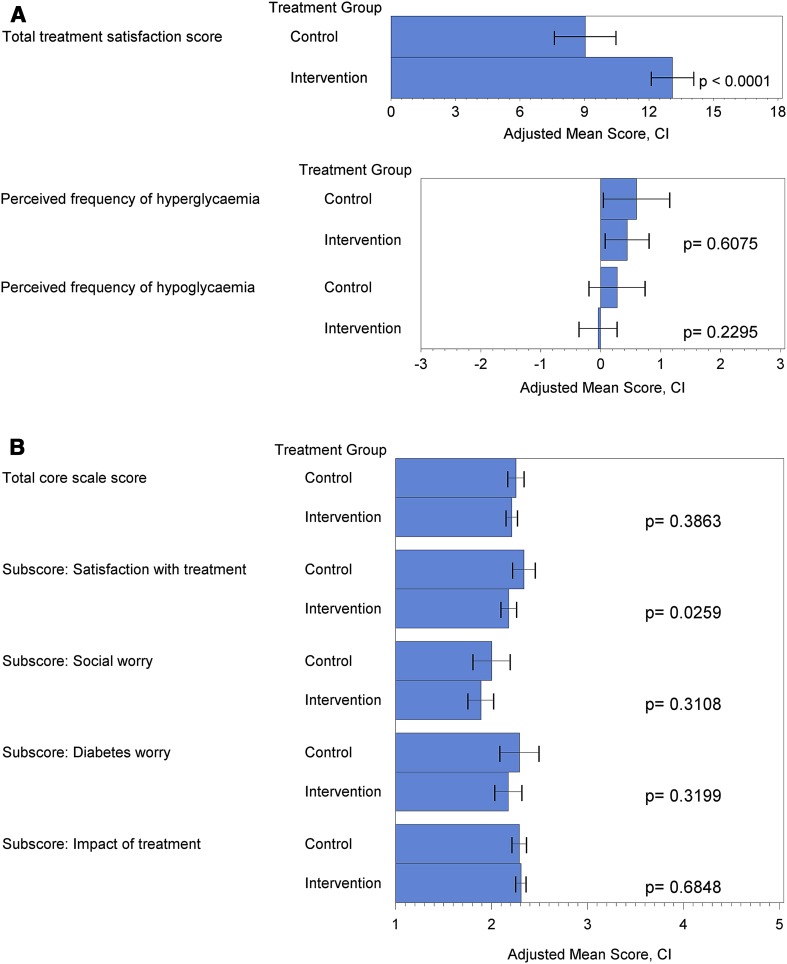
INTRODUCTION: Glycemic control in participants with insulin-treated diabetes remains challenging. We assessed safety and efficacy of new flash glucose-sensing technology to replace self-monitoring of blood glucose (SMBG). METHODS: This open-label randomized controlled study (ClinicalTrials.gov, NCT02082184) enrolled adults with type 2 diabetes on intensive insulin therapy from 26 European diabetes centers. Following 2 weeks of blinded sensor wear, 2:1 (intervention/control) randomization (centrally, using biased-coin minimization dependant on study center and insulin administration) was to control (SMBG) or intervention (glucose-sensing technology). Participants and investigators were not masked to group allocation. Primary outcome was difference in HbA1c at 6 months in the full analysis set. Prespecified secondary outcomes included time in hypoglycemia, effect of age, and patient satisfaction. RESULTS: Participants (n = 224) were randomized (149 intervention, 75 controls). At 6 months, there was no difference in the change in HbA1c between intervention and controls: -3.1 ± 0.75 mmol/mol, [-0.29 ± 0.07% (mean ± SE)] and -3.4 ± 1.04 mmol/mol (-0.31 ± 0.09%) respectively; p = 0.8222. A difference was detected in participants aged <65 years [-5.7 ± 0.96 mmol/mol (-0.53 ± 0.09%) and -2.2 ± 1.31 mmol/mol (-0.20 ± 0.12%), respectively; p = 0.0301]. Time in hypoglycemia <3.9 mmol/L (70 mg/dL) reduced by 0.47 ± 0.13 h/day [mean ± SE (p = 0.0006)], and <3.1 mmol/L (55 mg/dL) reduced by 0.22 ± 0.07 h/day (p = 0.0014) for intervention participants compared with controls; reductions of 43% and 53%, respectively. SMBG frequency, similar at baseline, decreased in intervention participants from 3.8 ± 1.4 tests/day (mean ± SD) to 0.3 ± 0.7, remaining unchanged in controls. Treatment satisfaction was higher in intervention compared with controls (DTSQ 13.1 ± 0.50 (mean ± SE) and 9.0 ± 0.72, respectively; p < 0.0001). No serious adverse events or severe hypoglycemic events were reported related to sensor data use. Forty-two serious events [16 (10.7%) intervention participants, 12 (16.0%) controls] were not device-related. Six intervention participants reported nine adverse events for sensor-wear reactions (two severe, six moderate, one mild). CONCLUSION: Flash glucose-sensing technology use in type 2 diabetes with intensive insulin therapy results in no difference in HbA1c change and reduced hypoglycemia, thus offering a safe, effective replacement for SMBG. TRIAL REGISTRATION: ClinicalTrials.gov identifier: NCT02082184. FUNDING: Abbott Diabetes Care.
Overview
The claims and statistics of this paper haven’t been checked yet.
Free: it reads the open-access text and checks the first 5 claims that cite a source we can check. Create a free account to check every claim.
Integrity signals
Registry
Cites
Statistics
Figures
Verification
Claims the paper makes
The claims and statistics of this paper haven’t been checked yet.
Free: it reads the open-access text and checks the first 5 claims that cite a source we can check. Create a free account to check every claim.
Claims other papers make about this one
Each is checked against this paper’s own text: does it say what the citing paper says it does?
The cited source doesn’t support the claim as written.
In the citing paper
“In adults with type 2 diabetes using insulin, two studies were done: one study did not meet its primary end point of A1C level reduction (69) but achieved a secondary end point of a reduction in hypoglycemia, and the other study met its primary end point of an improvement in the Diabetes Treatment Satisfaction Questionnaire score as well as a secondary end point of A1C level reduction (70).”
From 7. Diabetes Technology: Standards of Care in Diabetes—2025 (2025) · cites this paper as [69]
Checked by a reasoning model — may be wrong.
Experimental — accuracy not yet measuredThe source backs part of the claim, not all of it — or backs it for a different population, condition or comparison.
In the citing paper
“Benefits of CGM in this population include reductions in A1C, fewer severe hypoglycemia events in children and adults, increased TIR, as well as significant reductions in hospitalizations for severe hypoglycemia and DKA.156,162–168”
From American Association of Clinical Endocrinology Clinical Practice Guideline: Developing a Diabetes Mellitus Comprehensive Care Plan-2022 Update. (2022) · cites this paper as [168]
Experimental — accuracy not yet measuredThe source backs part of the claim, not all of it — or backs it for a different population, condition or comparison.
In the citing paper
“Continuous glucose monitoring (CGM) has been shown to improve glycemic control and self-monitoring, as well as to reduce the risk of hypoglycemia.”
From Importance of FDA-integrated continuous glucose monitors to ensure accuracy of continuous glucose monitoring (2025) · cites this paper as [11]
Experimental — accuracy not yet measuredThe source backs part of the claim, not all of it — or backs it for a different population, condition or comparison.
In the citing paper
“In fact, CGM supports people with DM to optimize their therapy, diet, and activity, facilitating improved HbA1c, increased time in target range of 70 to 180 mg/dL, reduced time below range (<70 mg/dL), and improved Glycemia Risk Index scores.5-11”
From Importance of FDA-integrated continuous glucose monitors to ensure accuracy of continuous glucose monitoring (2025) · cites this paper as [11]
Experimental — accuracy not yet measuredThe source backs part of the claim, not all of it — or backs it for a different population, condition or comparison.
In the citing paper
“Numerous studies have demonstrated significant clinical benefits of CGM use in people with diabetes regardless of insulin delivery method (1-15).”
From Clinical Targets for Continuous Glucose Monitoring Data Interpretation: Recommendations From the International Consensus on Time in Range (2019) · cites this paper as [9]
Experimental — accuracy not yet measured
2 more claims about this paper
Create a free account to see every claim other papers make about this one.
Self-check
Percentages, sums and reported differences re-computed from the paper’s own numbers.
The self-check needs the paper’s full text.
Citations
Cites
Turner, R. C., Fox, C., Matthews, McElroy, H. H., Cull, C. A., Holman, R. R., Neil, P., Hadden, D. R., Wright, D., Manley, E., et al. (1998) · The Lancet · Cited by 8,419
10-year follow-up of intensive glucose control in type 2 diabetes
Holman, R. R., Paul, S. K., Bethel, M. A., Matthews, D. R., & Neil, H. A. W. (2008) · New England Journal of Medicine · doi:10.1056/nejmoa0806470 · Cited by 7,751 · cited 2×
“These findings may have future clinical implications as past studies show worse glycemic control in younger participants with type 2 diabetes [3, 4] and this new sensor-based technology may be helpful for these participants.”
BackgroundGupta, A., & Uribarri, J. (2016) · Hormone Research in Paediatrics · doi:10.1159/000444053 · Cited by 4,006
Analysing controlled trials with baseline and follow up measurements
Vickers, A. J., & Altman, D. G. (2001) · BMJ · doi:10.1136/bmj.323.7321.1123 · Cited by 2,116 · cited 1×
“Analysis of covariance was used to adjust for chance imbalances in baseline measurements between the treatment groups [23], adjusted means were”
MethodAssessing Psychosocial Distress in Diabetes
Polonsky, W. H., Fisher, L., Earles, J., Dudl, R. J., Lees, J., Mullan, J., & Jackson, R. A. (2005) · Diabetes Care · doi:10.2337/diacare.28.3.626 · Cited by 1,575 · cited 3×
“DQoL Diabetes Quality of Life Questionnaire, DTSQ Diabetes Treatment Satisfaction Questionnaire and DQoL or for the DDS scales (Fig.”
MethodContinuous glucose monitoring and intensive treatment of type 1 diabetes
(2008) · New England Journal of Medicine · doi:10.1056/nejmoa0805017 · Cited by 1,559
Defining and Reporting Hypoglycemia in Diabetes
American Diabetes Association Workgroup on Hypoglycemia (2005) · Diabetes Care · doi:10.2337/diacare.28.5.1245 · Cited by 1,146
Bonds, D. E., Miller, M. E., Bergenstal, R. M., Buse, J. B., Byington, R. P., Cutler, J. A., Dudl, R. J., Ismail-Beigi, F., Kimel, A. R., Hoogwerf, B., et al. (2010) · BMJ · doi:10.1136/bmj.b4909 · Cited by 933 · cited 2×
“However, intensification of insulin therapy increases the risk of hypoglycemia [4] which is associated with adverse clinical outcome [5], impacts on quality of life [6], and increases treatment costs secondary to hospital admissions, ambulance call-outs, and clinic attendance [7].”
BackgroundBolinder, J., Antuna, R., Geelhoed-Duijvestijn, P., Kröger, J., & Weitgasser, R. (2016) · The Lancet · doi:10.1016/s0140-6736(16)31535-5 · Cited by 893 · cited 1×
“demonstrated superior reduction in hypoglycemia without deterioration of HbA1c and improved treatment satisfaction [34].”
Cited by
Items 401–500 of 643
Botelho, M. S., Galendi, J. S. C., Novo, M. A. F. M., & Nogueira, V. D. S. N. (2025) · Diabetology & Metabolic Syndrome · doi:10.1186/s13098-025-01935-x · Cited by 5
“…and control 1 Characteristics and summary of findings of studies evaluating the effect of the intermittently scanned continuous glucose monitoring versus self-monitoring of blood glucose in individuals with type 1 or type 2 diabetes on insulin therapy groups [16, 31, 32, 35–37, 41, 45].”
Robles-Plaza, M., Peralta, F. G., Bellido, V., Ampudia‐Blasco, F. J., Carretero‐Gómez, J., Cuenca, A. M. C., de la Cuadra-Grande, A., & Mezquita‐Raya, P. (2025) · Diabetes Therapy · doi:10.1007/s13300-025-01816-6 · Cited by 6
Kishimoto, M., Tamada, S., & Oshiba, Y. (2017) · Journal of Diabetes & Metabolic Disorders · doi:10.1186/s40200-017-0327-1 · Cited by 7
“The FGM system can also be used as part of intensive insulin therapy for type 2 diabetes, which reduces the incidence of hypoglycemia without altering the patient’s HbA1c levels [11].”
MethodPráticas inovadoras no controle do diabetes tipo 1: uma revisão sistemática
Gouvêa, M. M., Lima, C. S. D. A., & de Oliveira, M. F. (2022) · Research Society and Development · doi:10.33448/rsd-v11i12.34579 · Cited by 9
Hussain, F. N., Raymond, S., Feldman, K. M., Scarpelli, S. A., Strauss, T. S., Al-Ibraheemi, Z., & Brustman, L. E. (2023) · American Journal of Perinatology · doi:10.1055/a-2053-7650 · Cited by 6
Palacios, A., Cairoli, F. R., Balan, D. J., Rojas‐Roque, C., Moreno, C., Braun, B., Augustovski, F., Pichón-Rivière, A., & Bardach, A. (2023) · Applied Health Economics and Health Policy · doi:10.1007/s40258-023-00800-0 · Cited by 5
Nishikage, S., Nakagawa, Y., Hirota, Y., Yoshimura, K., Ueda, M., Yamamoto, A., Takayoshi, T., Matsuoka, A., Takahashi, M., Takeda, A., et al. (2025) · Obesity Research & Clinical Practice · doi:10.1016/j.orcp.2025.01.008 · Cited by 6
Hanaire, H. P., Atlan, C., Benhamou, P., Bismuth, É., Bonnemaison, É., Borot, S., Catargi, B., Charpentier, G., Farret, A., Filhol, N., et al. (2017) · Médecine des Maladies Métaboliques · doi:10.1016/s1957-2557(18)30030-0 · Cited by 10
Self-citationContinuous Glucose Monitoring Systems
Joubert, M. (2019) · Springer eBooks · doi:10.1007/978-3-319-98119-2_4 · Cited by 5
Glucose monitoring in diabetes: from clinical studies to real‐world practice
Sagar, R. C., Abbas, A., & Ajjan, R. (2019) · Practical Diabetes · doi:10.1002/pdi.2215 · Cited by 5
Self-citationThe Use of Continuous Glucose Monitoring in Older People With Type 2 Diabetes
Rao, H., Fakourfar, N., Sun, C., & Lewis, J. (2021) · The Senior Care Pharmacist · doi:10.4140/tcp.n.2021.556 · Cited by 5
Yeoh, E. C. K., Png, D., Koh, P. L., Sum, C. F., Lim, S. C., Tan, H. H., Ubeynarayana, C. U., & Subramaniam, T. (2021) · Diabetic Medicine · doi:10.1111/dme.14733 · Cited by 5
Wilson, S. L., Crosley‐Lyons, R., Junk, J., Hasanaj, K., Larouche, M. L., Hollingshead, K. E., Gu, H., Whisner, C. M., Sears, D. D., & Buman, M. P. (2023) · JMIR Research Protocols · doi:10.2196/45133 · Cited by 5
Mirzaei, T., Ravari, A., Hosseini, F., & Hassanshahi, E. (2023) · PubMed Central · doi:10.30476/ijcbnm.2023.97837.2210 · Cited by 5
Flash glucose monitoring system in gestational diabetes: a study of accuracy and usability
Lopes, S. G. D. C., Brito, A. I., Barbosa, M., Matos, A. C., Pereira, M. L., Monteiro, A. M., & Fernandes, V. (2023) · HORMONES · doi:10.1007/s42000-023-00485-z · Cited by 5
Deru, L. S., Gipson, E. Z., Hales, K. E., Bikman, B. T., Davidson, L. E., Horne, B. D., LeCheminant, J. D., Tucker, L. A., & Bailey, B. W. (2024) · Nutrients · doi:10.3390/nu16010164 · Cited by 5
“…sustainability of these dietary patterns and their effects on glycemic control over time, and additional attention should be given to uncovering the mechanisms that accompany these approaches to fasting and their combination with exercise and/or pharmaceuticals for optimizing glycemic control.”
BackgroundAdamson, K., Gibb, F. W., McLaren, J. B., Min, T., Price, H. C., Sankaranarayanan, S., & Strzelecka, A. (2024) · Diabetes Therapy · doi:10.1007/s13300-024-01629-z · Cited by 5
10th Annual Symposium on Self-Monitoring of Blood Glucose, April 27–29, 2017, Warsaw, Poland
Parkin, C. G., Homberg, A., & Hinzmann, R. (2017) · Diabetes Technology & Therapeutics · doi:10.1089/dia.2017.0356 · Cited by 6
“9 mmol/L) have been reported.(43,44) Real-time CGM, which has previously been assessed in mixed populations with an overrepresentation of people using insulin pump therapy, now has an evidence base in people using multiple-dose injection regimens.”
Wylie, T. A. F., Shah, C., Burgess, L. C., Robertson, E., Dupont, D., Swindell, R., Hovorka, R., Murphy, H. R., & Heller, S. R. (2021) · Diabetic Medicine · doi:10.1111/dme.14647 · Cited by 5
Moreno-Fernández, J., Pazos-Couselo, M., González‐Rodríguez, M., Rozas, P., Delgado‐Rodríguez, M., Aguirre, M., & López, J. M. G. (2018) · Endocrinología Diabetes y Nutrición (English ed ) · doi:10.1016/j.endien.2018.11.003 · Cited by 6
COMPARATIVE PHARMACOECONOMIC ANALYSIS OF SELF-CONTROL OF DIABETES MELLITUS USING GLUCOMETERS
Власенко, І. О., Babileva, A., Kurashvili, R. B., & Давтян, Л. Л. (2022) · Wiadomości Lekarskie · doi:10.36740/wlek202205110 · Cited by 5
Diabetestechnologie (Update 2023)
Schütz-Fuhrmann, I., Rami-Merhar, B. M., Fröhlich-Reiterer, E. E., Hofer, S. E., Tauschmann, M., Mader, J. K., Resl, M., Kautzky‐Willer, A., Winhofer-Stöckl, Y., Laimer, M., et al. (2023) · Wiener klinische Wochenschrift · doi:10.1007/s00508-023-02165-9 · Cited by 5
Abitbol, A., Jain, A., Tsoukas, M. A., Sigalas, J., Galm, B. P., Lee, J., Qureshy, K., Collins, C., & Woo, V. C. (2024) · Diabetes and Vascular Disease Research · doi:10.1177/14791641241253967 · Cited by 5
Mobile technology for self-monitoring of blood glucose among patients with type 2 diabetes mellitus
Coughlin, S. S. (2017) · mHealth · doi:10.21037/mhealth.2017.10.03 · Cited by 5
“com Worldwide, the number of people with diabetes is increasing and about 90% of patients have type 2 diabetes mellitus; about one fifth of people with type 2 diabetes are on insulin treatment (1).”
BackgroundZimmer, R. T., Aberer, F., Schierbauer, J., Zimmermann, P., Birnbaumer, P., Fritsch, M., Fröhlich-Reiterer, E. E., Hofmann, P., Sourij, H., & Moser, O. (2024) · Pediatric Endocrinology Diabetes and Metabolism · doi:10.5114/pedm.2024.146685 · Cited by 5
“Regular CGM use enables an increased quantity of readings per day [14] and is associated with improved glycaemia by means of improved HbA 1c levels, increased time in range (TIR, 70–180 mg/dl), reduced time below (< 70 mg/dl) and above range (> 180 mg/dl), and lower glycaemic variability [13,…”
Willis, M. S., Nilsson, A., Alshannaq, H. A., Matuoka, J. Y., & Norman, G. J. (2025) · Journal of Comparative Effectiveness Research · doi:10.57264/cer-2025-0125 · Cited by 4
“Two clinical trials were selected: the daily injections and CGM in diabetes for Type 2 diabetes study (DIAMOND T2D) [34] , which assessed rt-CGM versus SMBG in 158 participants, and REPLACE [35] , which compared is-CGM versus SMBG in 224 participants.”
Mena-Lapaix, J. L., Chibuko, C., Kyaw, M. H., & Prausnitz, M. R. (2025) · iScience · doi:10.1016/j.isci.2025.113741 · Cited by 4
“6,7 To avoid an indwelling sensor, various methods have been used to collect biomarkers from dermal ISF for analysis outside skin, including microdialysis, 8,9 open-flow microperfusion, 10,11 laser photoporation, 12–14 reverse iontophoresis, 15,16 low-frequency ultrasound, 17,18 and micro-needles…”
Bohlen, L. C., Crawshaw, J., Jospe, M. R., Richardson, K. M., Konnyu, K. J., & Schembre, S. M. (2025) · International Journal of Behavioral Nutrition and Physical Activity · doi:10.1186/s12966-025-01833-5 · Cited by 4
Inequity in Continuous Glucose Monitor (CGM) Prescribing Behaviors in Primary Care
Milosavljevic, J., Schechter, C. B., Fazzari, M. J., Mathias, P., Mathew, J. T., & Agarwal, S. (2026) · Journal of General Internal Medicine · doi:10.1007/s11606-025-09923-7 · Cited by 5
“3,26,27 Partnership with specialty care may lower barriers to CGM use in primary care by bolstering clinicians’ confidence and familiarity with device initiation.”
Schipper, S. B. J., Karagiannis, T., Zaccardi, F., Remmelzwaal, S., Blom, M. T., Dagan, N., Schoonmade, L. J., Langendam, M. W., Mb, J., Jensen, W., et al. (2026) · Diabetologia · doi:10.1007/s00125-026-06789-0 · Cited by 4
“12a) [162, 164, 167].”
Self-citationHu, Y., Yan, R., Shen, Y., Li, H., Ma, J., & Su, X. (2025) · Diabetes Metabolic Syndrome and Obesity · doi:10.2147/dmso.s498620 · Cited by 4
“23 Nevertheless, a previous study 24 found that FGM use in T2DM with intensive insulin therapy results in no difference in HbA1c change, which may be due to differences in enrollment populations.”
Been, R. A., van Helsdingen, M. R. X., Zammit, D., Grzegorczyk, M. A., Krijnen, W. P., Tamási, K., Gans, R. O. B., van Beek, A. P., & van Dijk, P. R. (2025) · Diabetes Obesity and Metabolism · doi:10.1111/dom.16417 · Cited by 4
“33 Only a minority of users (2.8”
InfluentialKrakauer, M., Alves, S. T. D. F., Rodacki, M., Gabbay, M. A. L., Vianna, A. G. D., Scharf, M., Lamounier, R. N., Franco, D. R., Araujo, L. R., & Calliari, L. E. (2025) · Diabetology & Metabolic Syndrome · doi:10.1186/s13098-025-01797-3 · Cited by 5
Srinivasan, R., Sinha, A., Tentolouris, N., & Jude, E. B. (2025) · The International Journal of Lower Extremity Wounds · doi:10.1177/15347346251369622 · Cited by 7
Maiorino, M. I., Martino, N. D., Angelino, S., Maio, A., Caruso, P., Petrizzo, M., Scappaticcio, L., Longo, M., Forestiere, D., Porcellini, C., et al. (2025) · Endocrine · doi:10.1007/s12020-025-04405-6 · Cited by 4
Ogrin, R., Neoh, S. L., Aylen, T., Audehm, R. G., Churilov, L. P., Thurgood, L., Major, G., Zajac, J. D., & Ekinci, E. I. (2019) · JMIR Research Protocols · doi:10.2196/13986 · Cited by 4
“The participant completes the 4-month intervention by supplying a flash glucose monitor data capture rate of at least 40% (defined as the number of 15-min time points with glucose values captured divided by the total number of 15-min time points for the duration the sensor was applied); 40% was chosen as the feasibili…”
Neue Therapieoptionen mit kontinuierlich gemessenen Glukosedaten – Empfehlungen für die Praxis
Seufert, J., Deiss, D., Gölz, S., Haak, T., Klausmann, G., Kroeger, J., Lobmann, R., Pfeiffer, A. F. H., Schnell, O., Seibold, A., et al. (2019) · Diabetologie und Stoffwechsel · doi:10.1055/a-0978-4537 · Cited by 4
“Weiterhin konnten die Glukosevariabilität und die Patientenzufriedenheit verbessert werden [31].”
BackgroundSelf-citationMedina, A. M. G., Yepes, C. A., Duarte-Osorio, A., Henao, D. C., Jaramillo-Parra, P., Stephens-Leal, I., García-Morales, O. M. P., Rubio, C., Salej-Durán, V., Monroy, G., et al. (2022) · Acta Médica Colombiana · doi:10.36104/amc.2022.2239 · Cited by 5
Fernández, A. C., Almeida, J. M. G., Vegas-Aguilar, I. M., Porca, C., Quintana, T. C., Pérez, C. T., Tinahones, F. J., & Bellido, D. (2023) · Nutrición Hospitalaria · doi:10.20960/nh.04577 · Cited by 4
Pros and cons of continous glucose monitoring
Ciechański, M., Witkowska, E., Ostańska, A., Szafran, A., Wiśniewska, K., Piasek, L., Godek, G., Więcław, K., Stańko, K., & Terelak, W. (2023) · Journal of Medical Science · doi:10.20883/medical.e873 · Cited by 4
Ługowski, F., Babińska, J., Awiżeń-Panufnik, Z., Litwińska-Korcz, E., Litwińska, M., Ludwin, A., & Stanirowski, P. J. (2024) · Journal of Clinical Medicine · doi:10.3390/jcm13237129 · Cited by 6
An overview of the FreeStyle Libre monitoring system for individuals with type 1 and type 2 diabetes
Molfetta, S. D., Cutruzzolà, A., Gnasso, A., & Irace, C. (2025) · Expert Review of Medical Devices · doi:10.1080/17434440.2025.2489494 · Cited by 4
“At 6 months, the change in HbA1c from baseline (primary endpoint of the trial) was not significantly different in the 149 and 75 participants who were respectively assigned to use FSL (intervention group) and to perform SMBG (control group) [40].”
Stueve, M., & Schnell, O. (2018) · Journal of Diabetes Science and Technology · doi:10.1177/1932296818794668 · Cited by 4
Blissett, D. B., Attvall, S., & Hellmund, R. (2021) · Diabetes Therapy · doi:10.1007/s13300-021-01099-7 · Cited by 4
“Two RCTs in populations using an intensified insulin regimen [18, 19] demonstrate high scanning rates linked to flash glucose monitoring, and real-world evidence confirms that frequent glucose checks with high rates of scanning are maintained when used as regular, daily diabetes management [21].”
BackgroundMethodInfluentialShah, N. Z., Deshmukh, H., Wilmot, E. G., Patmore, J., Choudhary, P., Christian, P., Herring, R. A., Furlong, N. J., Saunders, S., Narendran, P., et al. (2021) · British Journal of Diabetes · doi:10.15277/bjd.2021.308 · Cited by 4
The Implication of Time-in-Range for the Management of Diabetes in India: A Narrative Review
Tripathi, S., Jindal, S., Chawla, M. S., Gupta, A., Jha, S. K., Phadke, U., & Lathia, T. B. (2022) · Clinical Diabetology · doi:10.5603/dk.a2022.0018 · Cited by 4
“it is a factory-calibrated device, with an on-body sensor that is worn on the back of the arm for up to 14 days and automatically stores glucose data every 15 minutes [6].”
MethodAlsifri, S. N., Almalki, A., Alsifri, S., Alsifri, N., Moatism, M., Alsifri, S., & Issak, E. R. (2022) · International Journal of Clinical Medicine · doi:10.4236/ijcm.2022.138027 · Cited by 4
Omeara, M., Acuña, J. C. M., & Uribe, A. (2023) · JMIR Diabetes · doi:10.2196/46880 · Cited by 5
“It should be noted that only a small (but ever-growing) group of subjects with T1D, T2D, and other types of diabetes will be able to access SAP technology due to the increasing use of CGM (with intermittent scanning or real-time monitoring) as a standard of care, with encouraging outcomes in glycemic goals and avoidin…”
BackgroundBorges, L. P., de Jesus, P. C., de Souza, J. B., Silva, D. M. R. R., Moura, P. H. M., Santos, R. S., Barreto, M. D. S., Guimarães, A. G., Santana, L. A. D. M., Fonseca, D. L. M., et al. (2024) · Life · doi:10.3390/life14030320 · Cited by 6
Hachem, M., Hearn, T., Kelly, R. D., Eer, A., Moore, B., Sommerville, C., Atkinson‐Briggs, S., Twigg, S. M., Freund, M., O'Neal, D. N., et al. (2024) · Trials · doi:10.1186/s13063-024-08267-7 · Cited by 4
Normalized glucose variability by Low Carbohydrate Diet (LCD) in CGM study
Muneta, T., Kawaguchi, E., Hayashi, M., Bando, H., & Ebe, K. (2019) · Asploro Journal of Biomedical and Clinical Case Reports · doi:10.36502/2019/asjbccr.6140 · Cited by 6
“This medical apparatus is used for Continuous Glucose Monitoring (CGM) [17].”
MethodArguello, V., & Freeby, M. (2017) · Annals of Internal Medicine · doi:10.7326/m17-2121 · Cited by 4
“However, in another RCT of poorly controlled T2DM, Haak and colleagues (8) did not see HbA1c reductions with a flash glucose monitoring system when compared with SMBG.”
BackgroundGuideline Development for Medical Device Technology: Issues for Consideration
Battelino, T., Brosius, F. C., Ceriello, A., Cosentino, F., Green, J., Kellerer, M., Koob, S., Kosiborod, M., Lalic, N. M., Marx, N., et al. (2022) · Journal of Diabetes Science and Technology · doi:10.1177/19322968221093355 · Cited by 5
Ratzki-Leewing, A., Harris, S. B., Rabasa-Lhoret, R., & Poon, Y. (2025) · Diabetes Technology & Therapeutics · doi:10.1089/dia.2024.0609 · Cited by 3
Oriot, P., Bui, L., kurz, N. K. D., Gavriliu, M. M., Negrea, M.-C., & Hermans, M. P. (2025) · Acta Clinica Belgica · doi:10.1080/17843286.2025.2528030 · Cited by 3
“By delivering real-time glucose data, CGM enables T2D patients and health care providers (HCP) to adopt lifestyle and therapeutic modifications that enhance glycemic control without necessarily escalating glucose-lowering therapy (GLT) intensity, including insulin injections number [2,3].”
Dennis, C., Allaire, J. C., Bouhairie, V. E., & Hirsch, I. B. (2025) · Diabetes Technology & Therapeutics · doi:10.1177/15209156251403569 · Cited by 3
Mackie, S., Wallace, T., & Heath, J. (2026) · Diabetes & Metabolic Syndrome Clinical Research & Reviews · doi:10.1016/j.dsx.2026.103376 · Cited by 4
Sharma, A. K., Lee, A., Mehta, S., Panjwani, Q., & Burugapalli, B. S. (2026) · Diabetes Technology & Therapeutics · doi:10.1177/15209156261423934 · Cited by 3
Kieu, A., Govender, R. D., Östlundh, L., & King, J. (2021) · BMJ Open · doi:10.1136/bmjopen-2021-050027 · Cited by 3
Ampudia‐Blasco, F. J., Ugarte, E., Chico, A. I., García-Alemán, J., & Galan-Barroso, M. (2022) · Journal of Diabetes Science and Technology · doi:10.1177/19322968221087270 · Cited by 3
Hayek, A. A., Robert, A. A., & Dawish, M. A. A. (2022) · Diabetes & Metabolic Syndrome Clinical Research & Reviews · doi:10.1016/j.dsx.2022.102620 · Cited by 3
Health-Care Disparities in the Use of Diabetes Technologies in the UK
Barnard-Kelly, K. D., & Parkin, C. G. (2022) · International Journal of Diabetes and Technology · doi:10.4103/ijdt.ijdt_1_23 · Cited by 3
Diabetes in a Patient with Glycogen Storage Disease Type 1a
Kanemaru, Y., Harada, N., Wada, N., Yasuda, T., Okamura, E., Fujii, T., Ogura, M., & Inagaki, N. (2024) · Internal Medicine · doi:10.2169/internalmedicine.2766-23 · Cited by 3
“Intermittently scanned continuous glucose monitoring (isCGM) has been shown to reduce hypoglycemia and facilitate good glucose control in patients with diabetes (4, 5).”
BackgroundChang, R., Piya, M. K., Ara, P., Fernandes, B., & Simmons, D. S. (2024) · Internal Medicine Journal · doi:10.1111/imj.16494 · Cited by 3
Amuedo, S., Fuentes, E. D., Avila, R. B., Remón-Ruiz, P., Soto-Moreno, A., & Venegas-Moreno, E. M. (2025) · Nutrients · doi:10.3390/nu17020222 · Cited by 4
“Currently, the use of these systems is widely standardized in the care of people with diabetes mellitus, with demonstrated benefits in glycemic control and in reducing the risk of hypoglycemia, both in children and adults with type 1 diabetes mellitus [18,19] and in adults with T2D [20].”
Clinically Beneficial Application of Flash Glucose Monitoring (FGM)
Bando, H. (2018) · Biomedical Journal of Scientific & Technical Research · doi:10.26717/bjstr.2018.11.002095 · Cited by 3
“Furthermore in type 2, young diabetics with poor control showed decreased HbA1c [15,16].”
BackgroundMethodInfluentialNational Consensus in the use of the Flash Glucose Monitoring System in Portugal
Cardoso, H., Carvalho, D., Pape, E., Carrilho, F., Raposo, J. F., Melo, M., Carvalho, E., & Duarte, R. (2019) · Revista Portuguesa de Endocrinologia Diabetes e Metabolismo · doi:10.26497/na190022 · Cited by 5
Pedone, E., Laurenzi, A., Allora, A., Bolla, A. M., & Caretto, A. (2020) · Exploration of Medicine · doi:10.37349/emed.2020.00021 · Cited by 3
“0001) among insulin-treated T2D people, in term of device comfort, avoidance of blood glucose testing and reduced concerns about hypoglycemia especially for older intervention participants [55].”
BackgroundInfluentialThirunavukarasu, S., Brown, L., Chowdhary, A., Jex, N., Swoboda, P., Greenwood, J. P., Plein, S., & Levelt, E. (2021) · Diabetes and Vascular Disease Research · doi:10.1177/14791641211021585 · Cited by 3
Continuous Blood Glucose Monitoring Outcomes in Veterans With Type 2 Diabetes
Langford, S., Lane, M. T., & Karounos, D. G. (2021) · Federal Practitioner · doi:10.12788/fp.0189 · Cited by 3
Ng, A., Greenwood, D. A., Iacob, E., Allen, N. A., Ferrer, M., Gonzales, B. R., & Litchman, M. L. (2022) · JMIR Research Protocols · doi:10.2196/31595 · Cited by 3
“However, research suggests that the use of CGM results improves clinical outcomes in people with T2D and can replace finger prick self–blood glucose monitoring [7].”
BackgroundMimouni, S., Faraoun, K., Nouri, N., & Serouti, A. (2022) · Médecine des Maladies Métaboliques · doi:10.1016/j.mmm.2022.04.005 · Cited by 5
Type 2 diabetes in latin America: recommendations on the flash glucose monitoring system
Krakauer, M., Gómez, A. M., Almeda‐Valdés, P., Manrique-Hurtado, H., Morosini, M. L. R., Jorquera, G., Salles, J. E. N., Sanhueza, D., Siqueira, R. D. A., Faradji, R. N., et al. (2024) · Diabetology & Metabolic Syndrome · doi:10.1186/s13098-024-01343-7 · Cited by 5
Kanazawa, K., Hijikata, M., & Kuwabara, K. (2024) · Endocrine Practice · doi:10.1016/j.eprac.2024.10.009 · Cited by 3
Accuracy and feasibility of continuous glucose monitoring system in pancreatectomy patients
Choi, Y. J., Jeon, S. M., Yu, S., Jo, H.-S., Kim, D., & Yu, Y. (2025) · Langenbeck s Archives of Surgery · doi:10.1007/s00423-024-03601-8 · Cited by 3
The Prediction Model of Blood Glucose Concentration for Smart Health
Yu, H., Lu, J., Jin, Y., Yue, B., & Ma, X. (2019) · IEEE International Conference on Multimedia & Expo Workshops (ICMEW) · doi:10.1109/icmew.2019.0-113 · Cited by 3
“In the research of blood sugar, it mainly studies the influencing factors of blood sugar and the treatment of drugs[4].”
BackgroundDiabetes Update 2017: Was ist neu in der Diabetologie? Welche Leitlinien müssen geändert werden?
Scherbaum, W. A. (2017) · Der Diabetologe · doi:10.1007/s11428-017-0234-6 · Cited by 3
“Die Vorteile des iscCGMSystems gegenüber der Selbstmessung des Blutglukosespiegels wurden in der IMPACT-Studie („initiate and maintain physical activity in clinics: the IMPACT diabetes study“) bei Patienten mit Typ1-Diabetes [15] und in der REPLACEStudie (REPLACE: „an evaluation of a novel glucose sensing technology i…”
BackgroundTranslating patient related outcome measures into practice—lessons to be learnt
Majeed, W., & Thabit, H. (2018) · Annals of Translational Medicine · doi:10.21037/atm.2018.03.11 · Cited by 3
Haak, T. (2018) · Annals of Internal Medicine · doi:10.7326/l17-0705 · Cited by 3
“Furthermore, there was no significant difference in CGM-measured hypoglycemia or quality-of-life outcomes (1).”
BackgroundInfluentialSelf-citationRanting in 2019: Are Things Improving?
Hirsch, I. B. (2019) · Diabetes Technology & Therapeutics · doi:10.1089/dia.2019.0004 · Cited by 3
Santo, K., Nieri, J., Risério, K., & Melo, K. (2025) · Diabetology & Metabolic Syndrome · doi:10.1186/s13098-025-01610-1 · Cited by 2
“More detailed information on the prescription patterns per type of diabetes are presented in Supplementary Tables 5, 6, 7 and 8.”
Atkinson, M., Williams, D. M., Crockett, E., Hathaway, I., Mon, M., Stephens, J. W., & Min, T. (2025) · Journal of Diabetes & Metabolic Disorders · doi:10.1007/s40200-025-01572-1 · Cited by 2
“One of the earliest studies examining the use of FSL in patients with T2D was the 2017 REPLACE trial [13].”
Assessing the Financial Sustainability of a Virtual Clinic Providing Comprehensive Diabetes Care
Dupenloup, P., Guan, G., Aleppo, G., Bergenstal, R. M., Hood, K. K., Kruger, D. F., MCARTHUR, T. S., Olson, B. A., Oser, S. M., Oser, T. K., et al. (2025) · Journal of Diabetes Science and Technology · doi:10.1177/19322968251340664 · Cited by 2
Lim, S. K., Park, C., Jeong, I., Yoon, J. S., Kim, S. Y., Kang, E. S., Noh, J., Hur, K. Y., & Kim, S. (2025) · Journal of Diabetes and its Complications · doi:10.1016/j.jdiacomp.2025.109214 · Cited by 4
Sebastian, S. A., Padda, I., Bimal, T., Varma, S., Collins, J. S. P., Ahmad, Z., & Safarova, M. S. (2025) · Disease-a-Month · doi:10.1016/j.disamonth.2025.102043 · Cited by 3
Sugai, K., Sasaki, J., Tomizawa, G., & Suzuki, R. (2026) · Journal of Diabetes Investigation · doi:10.1111/jdi.70233 · Cited by 2
“In contrast, a large randomized controlled study involving patients with isCGM showed improved HbA1c levels in younger patients 5 .”
Severe Hypoglycemia in Insulin-Treated Type 2 Diabetes: A Call to Revisit Diabetes Education
Bilal, A., Osorio, S., & Casu, A. (2026) · Diabetes Care · doi:10.2337/dci25-0117 · Cited by 2
Ruiz, M. P., Jiménez, B. R., Gómez, P. R. D. V., Robles, N. L., Ortega, R. P., Sánchez-Laguna, F. J., Cruz, I. V., Sánchez, E. M., Sánchez-Álvarez, M., Fernandez-Delgado, C., et al. (2026) · Endocrinología Diabetes y Nutrición (English ed ) · doi:10.1016/j.endien.2025.501661 · Cited by 3
Chico, A. I., Aguilera, E., Albareda, M., Moreno-Fernández, J., Beato-Víbora, P. I., Fernández-Rubio, E., Cuesta, M., Rodrigo, A. B., Ampudia‐Blasco, F. J., Bandrés, O., et al. (2026) · Acta Diabetologica · doi:10.1007/s00592-026-02682-9 · Cited by 2
“RCTs and real-world studies have shown that CGM in T2DM on MDI is associated with lower HbA1c com - pared with SMBG [17–20].”
Brügger, V., Fuchs, M., Jin, Q., Wirth, B., Bilz, S., Brändle, M., Kowatsch, T., & Jovanova, M. (2026) · BMJ Open · doi:10.1136/bmjopen-2026-119395 · Cited by 3
Professional mode flash glucose monitoring in type 2 diabetes
Hermanns, N., Ehrmann, D., & Kulzer, B. (2019) · The Lancet Diabetes & Endocrinology · doi:10.1016/s2213-8587(19)30386-9 · Cited by 2
Self-citationGulati, C., Kanimozhi, N., Prajna, K. B., Sujatha, C. K., Sinduja, K., & Kathiravan, M. N. (2023) · International Conference on Augmented Intelligence and Sustainable Systems (ICAISS) · doi:10.1109/icaiss58487.2023.10250757 · Cited by 2
“FGM has been shown to be more beneficial than SMBG in lowering hypoglycemia [4] and HbA1c level[5] in insulintreated type 2 diabetes.”
BackgroundSkaria, G. M., Reshmi, B., Sabu, K. M., Shetty, S., & Vani Lakshmi, R. (2023) · JMIR Research Protocols · doi:10.2196/50732 · Cited by 2
“To enhance the existing measures to manage T2DM, efficient methods needs to be formulated to ensure adherence to treatment regimen [8].”
MethodAlazmi, A. A., Brema, I. A., ALZAHRANI, S. H., & Almehthel, M. S. (2024) · Cureus · doi:10.7759/cureus.63947 · Cited by 3
“In addition, there is evidence that high FGM device utilization has perhaps resulted in increased patient engagement in managing their diabetes [17].”
BackgroundDigital health for cardiovascular disease and diabetes
Shan, R., Kim, C. H., Spaulding, E. M., Marvel, F. A., & Martin, S. S. (2025) · Elsevier eBooks · doi:10.1016/b978-0-443-15728-8.00004-5 · Cited by 2
Freestyle Libre-Derived Metrics in Assessing Glycemic Control in Diabetic Dogs
Baldo, F. D., Tardo, A. M., Gilor, C., Mott, J., Vela, C. D., Pergolese, V., & Fracassi, F. (2025) · Journal of Veterinary Internal Medicine · doi:10.1111/jvim.70151 · Cited by 2
“In support of these findings, the clinical use of FreeStyle Libre has been demonstrated advantageous in people with DM in reducing hypoglycemic episodes [17].”
Choudhary, P., Kao, K., Quadri, F., Balogh, E. G., & Foster, J. (2025) · Diabetes Obesity and Metabolism · doi:10.1111/dom.70165 · Cited by 2
Slugocki, M., Bialonczyk, D., & Özdener-Poyraz, A. E. (2018) · Journal of Pharmacy Technology · doi:10.1177/8755122518813889 · Cited by 2
Continuous glucose monitoring: review of promising technologies
Klimek, M., & Tulwin, T. (2019) · MATEC Web of Conferences · doi:10.1051/matecconf/201925202012 · Cited by 2
Rapid Efficacy of Low Carbohydrate Diet for Diabetic Patient by Use of FreeStyle Libre
Muneta, T., Kawaguchi, E., Hayashi, M., Bando, H., & Ebe, K. (2019) · Diabetes Case Reports · doi:10.4172/2572-5629.1000138 · Cited by 2
Metadata
- Authors
- Haak, T., Hanaire, H., Ajjan, R., Hermanns, N., Riveline, J.-P., & Rayman, G.
- Affiliations
- German Diabetes Center Mergentheim (DE)
- Centre Hospitalier Universitaire de Toulouse (FR)
- University of Leeds (GB)
- Assistance Publique – Hôpitaux de Paris (FR)
- Ipswich Hospital (GB)
- Corresponding author
- Haak, Thomas
- Venue
- Diabetes Therapy
- Published
- 2016-12-20
- Volume
- 8
- Issue
- 1
- Pages
- 55-73
- ISSN
- 1869-6953 (ISSN-L)
- 1869-6961
- PMC
- PMC5306122
- OpenAlex
- W2563731248
- Semantic Scholar
- 2015a86b0af46a1f808e99a1eedb7fa1f61f22eb
- Cited by
- 623
- References
- 40
- Citations by year
- 2026: 34 · 2025: 63 · 2024: 72 · 2023: 64 · 2022: 76 · 2021: 76 · 2020: 69 · 2019: 72 · 2018: 58 · 2017: 37
- FWCI
- 55.95
- Type
- journal article
- Language
- en
- Open access
- gold
- doi.org
- Licence
- cc-by-nc
- creativecommons.org/licenses/by/4.0 (tdm)
- Locations
- Diabetes Therapy (publishedVersion, cc-by-nc)
- Europe PMC (PubMed Central) (publishedVersion, cc-by-nc)
- PubMed Central (publishedVersion, cc-by-nc)
- PubMed (publishedVersion)
- White Rose Research Online (University of Leeds, The University of Sheffield, University of York) (acceptedVersion)
- Funders
- Abbott
- Topics
- Health Sciences › Medicine › Endocrinology, Diabetes and Metabolism › Diabetes Management and Research
- Health Sciences › Medicine › Endocrinology, Diabetes and Metabolism › Diabetes Treatment and Management
- Health Sciences › Medicine › Endocrinology, Diabetes and Metabolism › Diabetes Management and Education
- Keywords
- flash glucose monitoring, continuous glucose monitoring, type 2 diabetes, insulin-treated diabetes, intensive insulin therapy, self-monitoring of blood glucose, glycemic control, HbA1c, hypoglycemia, time in range, patient satisfaction, older adults, diabetes management, treatment efficacy and safety, Europe
About these checks
Registry, retraction, Cites and statistics results are computed, not judged, with one exception: a printed reference that no index lists is read once by a model before it counts as a citation error. Claims are extracted by a model and kept only when their quote appears verbatim in the text; each cited source is then checked, with a model’s help, for whether it says what the claim relies on. Those verdicts can be wrong — read the claim’s quote and the cited source before relying on one.
Statistics and arithmetic are recomputed, not judged.
Confidence bands are shown only for fields calibrated on our annotated test set. None is calibrated yet, so no band is shown.
What counts as a claim ›How we measure confidence ›How we check this ›
Are you an author, or do you see a problem with this page? Request a review
Data sources
Bibliographic data: Semantic Scholar, OpenAlex, Crossref.
Contains information from the Semantic Scholar Academic Graph Datasets, made available under the ODC Attribution License (ODC-BY 1.0).
Semantic Scholar’s data is described in: Kinney, R., et al. (2023). The Semantic Scholar Open Data Platform. arXiv:2301.10140.
