

Effectiveness and Safety of a Novel Care Model for the Management of Type 2 Diabetes at 1 Year: An Open-Label, Non-Randomized, Controlled Study
Open accessThe DOI matches its Crossref record; 54 of the 54 references it cites were found in a registry or an index; 14 of the 27 sources its claims cite were checked for support.
Abstract
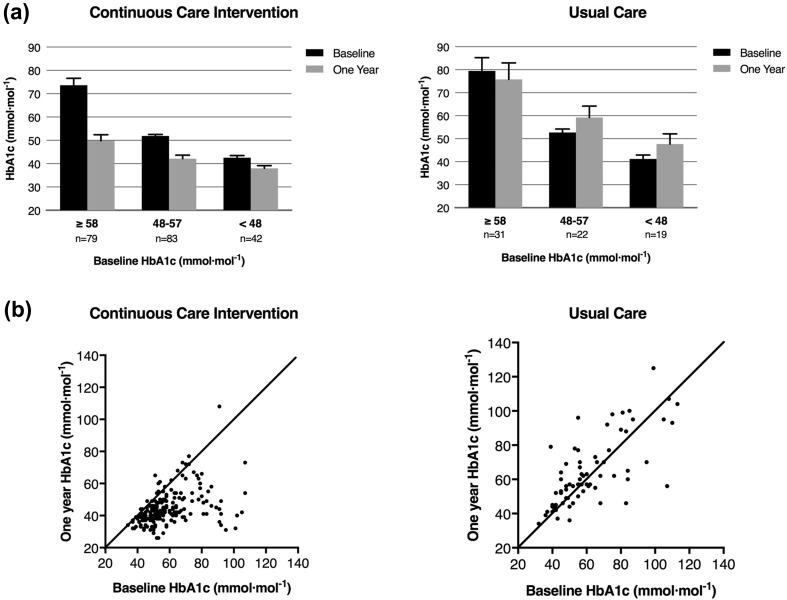
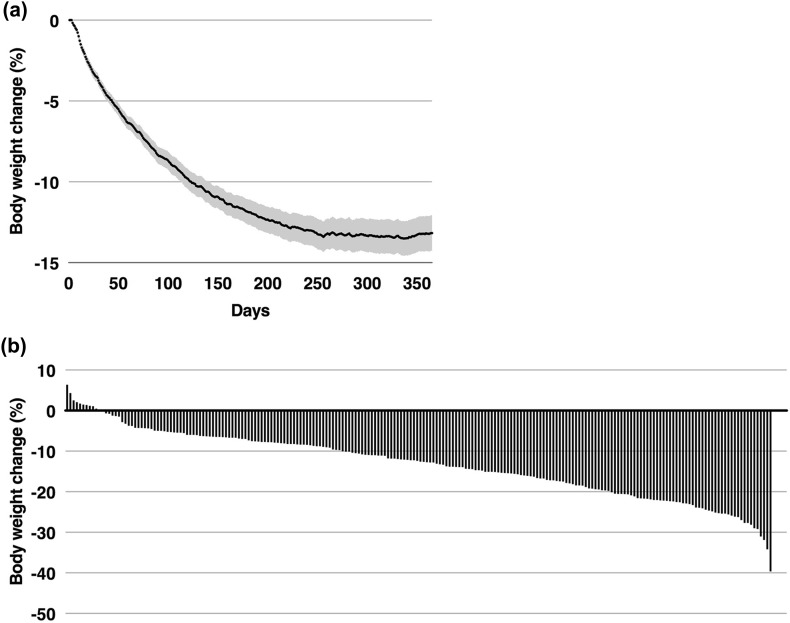
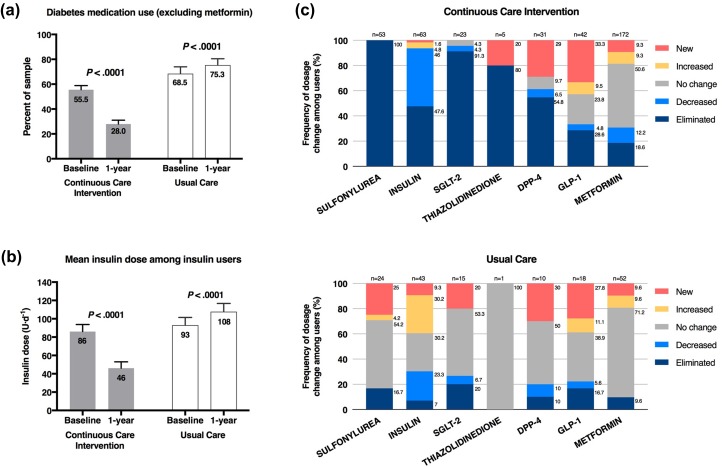
Carbohydrate restriction markedly improves glycemic control in patients with type 2 diabetes (T2D) but necessitates prompt medication changes. Therefore, we assessed the effectiveness and safety of a novel care model providing continuous remote care with medication management based on biometric feedback combined with the metabolic approach of nutritional ketosis for T2D management. We conducted an open-label, non-randomized, controlled, before-and-after 1-year study of this continuous care intervention (CCI) and usual care (UC). Primary outcomes were glycosylated hemoglobin (HbA1c), weight, and medication use. Secondary outcomes included fasting serum glucose and insulin, HOMA-IR, blood lipids and lipoproteins, liver and kidney function markers, and high-sensitivity C-reactive protein (hsCRP). 349 adults with T2D enrolled: CCI: n = 262 [mean (SD); 54 (8) years, 116.5 (25.9) kg, 40.4 (8.8) kg m2, 92% obese, 88% prescribed T2D medication]; UC: n = 87 (52 (10) years, 105.6 (22.15) kg, 36.72 (7.26) kg m2, 82% obese, 87% prescribed T2D medication]. 218 participants (83%) remained enrolled in the CCI at 1 year. Intention-to-treat analysis of the CCI (mean ± SE) revealed HbA1c declined from 59.6 ± 1.0 to 45.2 ± 0.8 mmol mol−1 (7.6 ± 0.09% to 6.3 ± 0.07%, P < 1.0 × 10⁻¹⁶), weight declined 13.8 ± 0.71 kg (P < 1.0 × 10⁻¹⁶), and T2D medication prescription other than metformin declined from 56.9 ± 3.1% to 29.7 ± 3.0% (P < 1.0 × 10⁻¹⁶). Insulin therapy was reduced or eliminated in 94% of users; sulfonylureas were entirely eliminated in the CCI. No adverse events were attributed to the CCI. Additional CCI 1-year effects were HOMA-IR − 55% (P = 3.2 × 10⁻⁵), hsCRP − 39% (P < 1.0 × 10⁻¹⁶), triglycerides − 24% (P < 1.0 × 10⁻¹⁶), HDL-cholesterol + 18% (P < 1.0 × 10⁻¹⁶), and LDL-cholesterol + 10% (P = 5.1 × 10⁻⁵); serum creatinine and liver enzymes (ALT, AST, and ALP) declined (P ≤ 0.0001), and apolipoprotein B was unchanged (P = 0.37). UC participants had no significant changes in biomarkers or T2D medication prescription at 1 year. These results demonstrate that a novel metabolic and continuous remote care model can support adults with T2D to safely improve HbA1c, weight, and other biomarkers while reducing diabetes medication use. NCT02519309. Virta Health Corp. Treatments for type 2 diabetes (T2D) have improved, yet T2D and being overweight are still significant public health concerns. Blood sugar in patients with T2D can improve quickly when patients eat significantly fewer dietary carbohydrates. However, this demands careful medicine management by doctors, and patients need support and frequent contact with health providers to sustain this way of living. The purpose of this study was to evaluate if a new care model with very low dietary carbohydrate intake and continuous supervision by a health coach and doctor could safely lower HbA1c, weight and need for medicines after 1 year in adults with T2D. 262 adults with T2D volunteered to participate in this continuous care intervention (CCI) along with 87 adults with T2D receiving usual care (UC) from their doctors and diabetes education program. After 1 year, patients in the CCI, on average, lowered HbA1c from 7.6 to 6.3%, lost 12% of their body weight, and reduced diabetes medicine use. 94% of patients who were prescribed insulin reduced or stopped their insulin use, and sulfonylureas were eliminated in all patients. Participants in the UC group had no changes to HbA1c, weight or diabetes medicine use over the year. These changes in CCI participants happened safely while dyslipidemia and markers of inflammation and liver function improved. This suggests the novel care model studied here using dietary carbohydrate restriction and continuous remote care can safely support adults with T2D to lower HbA1c, weight, and medicine use.
Overview
CoChat Summary
TL;DR
In an open-label, non-randomized, controlled 1-year study, a continuous care intervention combining remote care with nutritional ketosis was associated with improved HbA1c, weight, and medication use in adults with type 2 diabetes, while usual care showed no significant biomarker changes. No adverse events were attributed to the intervention.
Key findings
- Among 349 enrolled adults (CCI n = 262; UC n = 87), 218 CCI participants (83%) remained enrolled at 1 year. Intention-to-treat CCI results showed HbA1c declined from 59.6 ± 1.0 to 45.2 ± 0.8 mmol/mol (7.6 ± 0.09% to 6.3 ± 0.07%, P < 1.0 × 10⁻¹⁶), weight declined 13.8 ± 0.71 kg (P < 1.0 × 10⁻¹⁶), and diabetes medication prescription other than metformin declined from 56.9 ± 3.1% to 29.7 ± 3.0% (P < 1.0 × 10⁻¹⁶).
- Insulin therapy was reduced or eliminated in 94% of users, and sulfonylureas were entirely eliminated in the CCI; UC participants had no significant changes in biomarkers or T2D medication prescription at 1 year.
- Additional CCI 1-year effects included HOMA-IR −55% (P = 3.2 × 10⁻⁵), hsCRP −39% (P < 1.0 × 10⁻¹⁶), triglycerides −24% (P < 1.0 × 10⁻¹⁶), HDL-cholesterol +18% (P < 1.0 × 10⁻¹⁶), and LDL-cholesterol +10% (P = 5.1 × 10⁻⁵); apolipoprotein B was unchanged (P = 0.37).
- No adverse events were attributed to the CCI; no cases of metabolic acidosis were observed, and one CCI patient (0.38% of starters) had a clinically significant rise in serum creatinine.
Methods
- Open-label, non-randomized, controlled, before-and-after 1-year study of a continuous care intervention (CCI) versus usual care (UC) in adults with T2D, recruited in Lafayette, Indiana, USA, from August 2015 through March 2016 (NCT02519309).
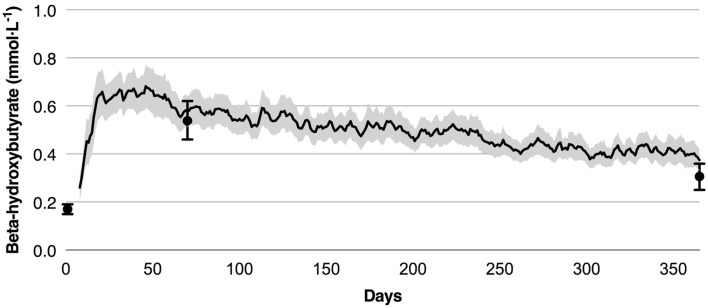
- CCI included remote care, telemedicine, health coaching, biometric feedback, and individualized nutrition targeting nutritional ketosis (goal blood BHB 0.5–3.0 mmol/L); UC participants received their own medical care and diabetes education.
- Primary outcomes were HbA1c, weight, and medication use; secondary outcomes included fasting glucose and insulin, HOMA-IR, lipids, liver and kidney markers, and hsCRP. Analyses used intention-to-treat with multiple imputation (700 imputations), completer analyses, and adjustment for baseline covariates.
Limitations
- Stated by the paper: the study occurred at a single site, participants were mostly Caucasian, socioeconomic and psychosocial status and genetics data were not collected, and the study was not of sufficient size or duration to measure hard endpoints such as mortality.
- Evident from the text: the non-randomized design allowed self-selection into CCI versus UC, and the authors note possible differences in motivation, expectations, and treatment intensity between groups.
- Evident from the text: 24% of 1-year biomarker values were missing and imputed, and the CCI and UC groups differed at baseline on some characteristics, although analyses adjusted for sex, age, baseline BMI, insulin use, and African-American race.
Model-written summary. Check it against the paper before relying on it.
Integrity signals
Registry
Cites
Statistics
Figures
Verification
Claims the paper makes
9 Valid · 0 Not valid · 8 Not checked · 116 Own results and interpretations
The cited sources support only part of this claim — read each source’s verdict below.
In the paper
“previously studied interventions elicited 4–9% weight loss in patients with T2D [25, 26]”
§ Effectiveness and Safety of a Novel Care Model for the Management of Type 2 Diabetes at 1 Year: An Open-Label, Non-Randomized, Controlled Study > Discussion > Effectiveness
What the sources say
- Partly supportedcites [25] The Look AHEAD Research Group Reduction in weight and cardiovascular disease risk factors in individuals with type 2 diabetes: one-year results of the look AHEAD trial Diabetes Care 2007 30 6 1374 1383 10.2337/dc07-0048 17363746 PMC2665929 sourceExperimental — accuracy not yet measured
The Conclusions (page unavailable) report 4–7% weight loss in earlier trials, but those participants had impaired glucose tolerance or hypertension, not specifically type 2 diabetes. The paper reports 8.6% weight loss in its own type 2 diabetes intervention; it does not establish that previously studied interventions in patients with type 2 diabetes produced the claimed 4–9% range. (LLM, conf=0.84)
- Not checked — no full text of the sourcecites [26] Tay J Luscombe-Marsh ND Thompson CH Comparison of low- and high-carbohydrate diets for type 2 diabetes management: a randomized trial Am J Clin Nutr 2015 102 4 780 790 10.3945/ajcn.115.112581 26224300 source
plainstates a cause- Asserted: passes — The authors put it forward as true.
- Checkable: passes — It can be checked against evidence.
- Load-bearing: passes — The paper’s conclusions depend on it.
- Based: passes — The paper gives a reason why it holds.
- Partly supported
A result the paper reports from its own data — it cites no other source for it, so there is none to check. The quote shows it is in the paper.
In the paper
“The CCI-web and CC-onsite sub-cohorts provide replication of the above results.”
§ Effectiveness and Safety of a Novel Care Model for the Management of Type 2 Diabetes at 1 Year: An Open-Label, Non-Randomized, Controlled Study > Results > Effectiveness
plainstates an association- Asserted: passes — The authors put it forward as true.
- Checkable: passes — It can be checked against evidence.
- Load-bearing: passes — The paper’s conclusions depend on it.
- Based: passes — The paper gives a reason why it holds.
A result the paper states — it cites no source for it, so there is none to check. The quote shows it is in the paper.
In the paper
“A usual care group showed no change in diabetes status or related biomarkers over the year.”
§ Effectiveness and Safety of a Novel Care Model for the Management of Type 2 Diabetes at 1 Year: An Open-Label, Non-Randomized, Controlled Study > Discussion
plain- Asserted: passes — The authors put it forward as true.
- Checkable: passes — It can be checked against evidence.
- Load-bearing: passes — The paper’s conclusions depend on it.
- Based: passes — The paper gives a reason why it holds.
A result the paper reports from its own data — it cites no other source for it, so there is none to check. The quote shows it is in the paper.
In the paper
“the CCI had broad positive impact on blood pressure, liver enzymes, hsCRP, triglycerides, and HDL-C”
§ Effectiveness and Safety of a Novel Care Model for the Management of Type 2 Diabetes at 1 Year: An Open-Label, Non-Randomized, Controlled Study > Discussion > Effectiveness
plainstates a cause- Asserted: passes — The authors put it forward as true.
- Checkable: passes — It can be checked against evidence.
- Load-bearing: passes — The paper’s conclusions depend on it.
- Based: passes — The paper gives a reason why it holds.
A result the paper reports from its own data — it cites no other source for it, so there is none to check. The quote shows it is in the paper.
In the paper
“Patients enrolled in UC for 1 year showed no Bonferroni-adjusted significant change for prescription of medication.”
§ Effectiveness and Safety of a Novel Care Model for the Management of Type 2 Diabetes at 1 Year: An Open-Label, Non-Randomized, Controlled Study > Results > Effectiveness
plain- Asserted: passes — The authors put it forward as true.
- Checkable: passes — It can be checked against evidence.
- Load-bearing: passes — The paper’s conclusions depend on it.
- Based: passes — The paper gives a reason why it holds.
78 more claims
Create a free account to see all 133 claims and every source verdict.
- It may state two separate claims as one. 37
- Probably not a substantial claim. 21
Claims other papers make about this one
Each is checked against this paper’s own text: does it say what the citing paper says it does?
The source backs part of the claim, not all of it — or backs it for a different population, condition or comparison.
In the citing paper
“In 2019, American Diabetes Association (ADA) newly endorsed low-carbohydrate diet as part of medical nutrition therapy options in diabetic patients based on the study results denoting enhanced glycemic control with a very low-carbohydrate diet inducing nutritional ketosis in T2DM patients [27,50,51,52].”
From Impact of a ketogenic diet on metabolic parameters in patients with obesity or overweight and with or without type 2 diabetes: a meta-analysis of randomized controlled trials. (2020) · cites this paper as [52]
Experimental — accuracy not yet measuredThe source backs part of the claim, not all of it — or backs it for a different population, condition or comparison.
In the citing paper
“We previously reported improvements in glycemia, body weight, markers of liver disease and cardiovascular risk over two years among participants with T2D receiving a continuous care intervention (CCI) delivered via telemedicine by a care team who counseled participants on a very low carbohydrate diet including nutritional ketosis [8,19].”
From 5-Year effects of a novel continuous remote care model with carbohydrate-restricted nutrition therapy including nutritional ketosis in type 2 diabetes: An extension study (2024) · cites this paper as [19]
Experimental — accuracy not yet measuredThe source backs part of the claim, not all of it — or backs it for a different population, condition or comparison.
In the citing paper
“CCI participants also improved inflammatory status (hsCRP and WBC) at 1 year (10) and 2 years.”
From Long-Term Effects of a Novel Continuous Remote Care Intervention Including Nutritional Ketosis for the Management of Type 2 Diabetes: A 2-Year Non-randomized Clinical Trial (2019) · cites this paper as [10]
Experimental — accuracy not yet measuredThe source backs part of the claim, not all of it — or backs it for a different population, condition or comparison.
In the citing paper
“Strong evidence now exists on the benefits of virtual, telehealth, or internet-based DSMES services for diabetes prevention and management in a wide variety of populations (43)(44)(45)(46)(47)(48)(49)(50)(51)(52)(53)(54).”
From 5. Facilitating Positive Health Behaviors and Well-being to Improve Health Outcomes:Standards of Care in Diabetes—2023 (2023) · cites this paper as [49]
Experimental — accuracy not yet measuredThe cited source says what the claim attributes to it.
In the citing paper
“nutritional ketosis has shown the capacity to reduce the use of hypoglycemic agents in diabetic patients [32,52]”
12 more claims about this paper
Create a free account to see every claim other papers make about this one.
Self-check
Percentages, sums and reported differences re-computed from the paper’s own numbers.
Each contradiction between two passages listed here was confirmed by an independent check.
Rated major: it would touch a result — a value a result rests on, reported and recomputed p-values on opposite sides of the significance level, two passages that conflict with no sign which is right, or a cited work retracted before this paper was published.
In the paper
“| CCI-all educationa | 262 | 59.55 (16.4) | 204 | 58.35 (15.3) | 58 | 63.49 (19.57) | − 28.66 ± 2.73 |”
§ Effectiveness and Safety of a Novel Care Model for the Management of Type 2 Diabetes at 1 Year: An Open-Label, Non-Randomized, Controlled Study > Methods > Statistical Analysis
Reported -28.66 · recomputed -5.14
Rated minor: it would not touch a result — a value no result rests on, a p-value that stays on the same side of the significance level, or a conflict that is clerical, resolved elsewhere in the paper, or outside its own findings.
In the paper
§ Effectiveness and Safety of a Novel Care Model for the Management of Type 2 Diabetes at 1 Year: An Open-Label, Non-Randomized, Controlled Study > Results > Effectiveness
“Of those in the CCI with HbA1c below 48 mmol mol−1 (< 6.5%) at 1 year, 42.3% (52/123) were prescribed no diabetes medication and 57.7% (71/123) were prescribed metformin only.”
§ Effectiveness and Safety of a Novel Care Model for the Management of Type 2 Diabetes at 1 Year: An Open-Label, Non-Randomized, Controlled Study > Results > Effectiveness
“Of those in the CCI with HbA1c reported at 1 year, 72% (147/204) achieved HbA1c below 48 mmol mol−1 (6.5%) and 60.3% (123/204) of participants achieved HbA1c below 48 mmol mol−1 (< 6.5%) while taking no diabetes medication or only metformin.”
Rated minor: it would not touch a result — a value no result rests on, a p-value that stays on the same side of the significance level, or a conflict that is clerical, resolved elsewhere in the paper, or outside its own findings.
In the paper
“| Usual carea | 87 | 59.99 (19.24) | 72 | 61.08 (19.89) | 15 | 54.52 (14.87) | − 16.97 ± 4.48 |”
§ Effectiveness and Safety of a Novel Care Model for the Management of Type 2 Diabetes at 1 Year: An Open-Label, Non-Randomized, Controlled Study > Methods > Statistical Analysis
Reported -16.97 · recomputed 6.56
Citations
Cites
Empagliflozin, Cardiovascular Outcomes, and Mortality in Type 2 Diabetes
Zinman, B., Wanner, C., Lachin, J. M., Fitchett, D., Bluhmki, E., Hantel, S., Mattheus, M., Devins, T., Johansen, O. E., Woerle, H. J., et al. (2015) · New England Journal of Medicine · doi:10.1056/nejmoa1504720 · Cited by 12,315
Standards of Medical Care in Diabetes
Power, D. (2006) · Diabetes Care · doi:10.2337/diacare.29.02.06.dc05-1593 · Cited by 8,673
Effects of Intensive Glucose Lowering in Type 2 Diabetes
(2008) · New England Journal of Medicine · doi:10.1056/nejmoa0802743 · Cited by 7,888
Canagliflozin and Cardiovascular and Renal Events in Type 2 Diabetes
Neal, B., Perkovic, V., Mahaffey, K. W., de Zeeuw, D., Fulcher, G., Erondu, N., Shaw, W., Law, G., Desai, M., & Matthews, D. R. (2017) · New England Journal of Medicine · doi:10.1056/nejmoa1611925 · Cited by 7,830
Liraglutide and Cardiovascular Outcomes in Type 2 Diabetes
Marso, S. P., Daniels, G. H., Brown-Frandsen, K., Kristensen, P., Mann, J. F. E., Nauck, M. A., Nissen, S. E., Pocock, S., Poulter, N. R., Ravn, L. S., et al. (2016) · New England Journal of Medicine · doi:10.1056/nejmoa1603827 · Cited by 7,629
Trumbo, P., Schlicker, S., Yates, A. A., & Poos, M. (2002) · Journal of the American Dietetic Association · doi:10.1016/s0002-8223(02)90346-9 · Cited by 5,993
Zhou, B., Lu, Y., Hajifathalian, K., Bentham, J., Di Cesare, M., Danaei, G., Bixby, H., Cowan, M., Ali, M., Taddei, C., et al. (2016) · The Lancet · doi:10.1016/s0140-6736(16)00618-8 · Cited by 4,311
Self-citationImproving chronic illness care: translating evidence into action
Wagner, E. H., Austin, B. T., Davis, C., Hindmarsh, M., Schaefer, J., & Bonomi, A. (2001) · Health Affairs · doi:10.1377/hlthaff.20.6.64 · Cited by 3,446
The ketone metabolite β-hydroxybutyrate blocks NLRP3 inflammasome-mediated inflammatory disease
Youm, Y.-H., Nguyen, K. Y., Grant, R. W., Goldberg, E. L., Bodogai, M., Kim, D., D'Agostino, D., Planavsky, N., Lupfer, C., Kanneganti, T. D., et al. (2015) · Nature Medicine · doi:10.1038/nm.3804 · Cited by 2,172
Lean, M. E., Leslie, W. S., Barnes, A. C., Brosnahan, N., Thom, G., McCombie, L., Peters, C., Zhyzhneuskaya, S., Al-Mrabeh, A., Hollingsworth, K. G., et al. (2018) · The Lancet · doi:10.1016/s0140-6736(17)33102-1 · Cited by 2,095
Cited by
Items 101–200 of 407
Benefits of low carbohydrate diets: a settled question or still controversial?
Landry, M. J., Crimarco, A., & Gardner, C. D. (2021) · Current Obesity Reports · doi:10.1007/s13679-021-00451-z · Cited by 31
Fanelli, S. M., Kelly, O. J., Krok-Schoen, J. L., & Taylor, C. A. (2021) · Nutrients · doi:10.3390/nu13082582 · Cited by 29
Bott, N. T., Kumar, S., Krebs, C., Glenn, J. M., Madero, E. N., & Juusola, J. L. (2018) · JMIR Research Protocols · doi:10.2196/11368 · Cited by 34
“management [49-52], cardiovascular risk reduction [53-55], pain management [56], and smoking cessation [57].”
BackgroundMitigating Traumatic Brain Injury: A Narrative Review of Supplementation and Dietary Protocols
Conti, F., MCCUE, J., Dituro, P., Galpin, A. J., & Wood, T. R. (2024) · Nutrients · doi:10.3390/nu16152430 · Cited by 42
“…a wide group of esters, salts, or fatty acids (specifically C-6 and C-8 medium-chain triglycerides) that increase circulating levels of the ketone bodies acetoacetate, β -hydroxybutyrate and acetone, which are naturally produced by the body in response to carbohydrate restriction and fasting [220].”
BackgroundExercise‐Induced cytokines, diet, and inflammation and their role in adipose tissue metabolism
Al‐Ibraheem, A. M. T., Hameed, A. A. Z., Marsool, M. D. M., Jain, H., Prajjwal, P., Khazmi, I., Nazzal, R., Al-Najati, H. M. H., Al‐Zuhairi, B. H. Y. K., Razzaq, M., et al. (2024) · Health Science Reports · doi:10.1002/hsr2.70034 · Cited by 36
“62,63 66 Moreover, it has been observed that KDs can also contribute to the enhancement of the conversion of FFAs into ketone bodies.”
BackgroundTargeting the Gut Microbiota for Prevention and Management of Type 2 Diabetes
Zeppa, S. D., Gervasi, M., Bartolacci, A., Ferrini, F., Patti, A., Sestili, P., Stocchi, V., & Agostini, D. (2024) · Nutrients · doi:10.3390/nu16223951 · Cited by 35
“It seems that a time frame of less than one year for T2D treatment constitutes a significant window of opportunity for reaching drug-free diabetic remission [100,101].”
Churuangsuk, C., Lean, M. E. J., & Combet, E. (2020) · Proceedings of The Nutrition Society · doi:10.1017/s0029665120000105 · Cited by 37
Stubbs, B. J., Blade, T., Mills, S., Thomas, J. A., Yufei, X., Nelson, F. R., Higley, N. A., Nikiforov, A. I., Rhiner, M. O., Verdin, E. M., et al. (2020) · Food and Chemical Toxicology · doi:10.1016/j.fct.2020.111859 · Cited by 29
Beneficial Effects of the Ketogenic Diet in Metabolic Syndrome: A Systematic Review
Charlot, A., & Zoll, J. (2022) · Diabetology · doi:10.3390/diabetology3020020 · Cited by 37
“A decrease in insulin levels was found in seven studies [49,54,55,57,60,63,68], whereas three studies showed no effects of KD on insulin levels [59,61,64].”
BackgroundMethodResultInfluentialMcKenzie, A. L., Athinarayanan, S. J., Van Tieghem, M. R., Volk, B. M., Roberts, C. G. P., Adams, R. N., Volek, J. S., Phinney, S. D., & Hallberg, S. J. (2024) · Diabetes Research and Clinical Practice · doi:10.1016/j.diabres.2024.111898 · Cited by 25
Self-citationBuga, A., Harper, D. G., Sapper, T. N., Hyde, P. N., Fell, B., Dickerson, R. M., Stoner, J. T., Kackley, M. L., Crabtree, C. D., Decker, D. D., et al. (2024) · PLoS ONE · doi:10.1371/journal.pone.0296523 · Cited by 28
Self-citationThe therapeutic potential of ketones in cardiometabolic disease: impact on heart and skeletal muscle
Soni, S., Dakhili, S. A. T., Ussher, J. R., & Dyck, J. R. B. (2024) · American Journal of Physiology-Cell Physiology · doi:10.1152/ajpcell.00501.2023 · Cited by 30
Onu, A., Trofin, D. M., Tutu, A., Onu, I., Galaction, A., Sardaru, D.-P., Trofin, D., Onita, C. A., Iordan, D. A., & Matei, D.-V. (2025) · Life · doi:10.3390/life15050757 · Cited by 39
“The restrictive nature of KD may also pose challenges to long-term adherence, which remains a significant barrier for many individuals [152,153].”
Tidman, M. M. (2022) · Cureus · doi:10.7759/cureus.23684 · Cited by 26
“The LCHF/KD approach may improve cognition by triggering a metabolic shift from glucose metabolism to the primary use of ketones [8] to sustain energy demands for the brain and reduce systemic and neural inflammation, especially in older persons with PD [5].”
BackgroundLichtash, C. T., Fung, J., Ostoich, K. C., & Ramos, M. (2020) · BMJ Case Reports · doi:10.1136/bcr-2019-234223 · Cited by 36
Field, R., Field, T., Pourkazemi, F., & Rooney, K. (2022) · Nutrition Research Reviews · doi:10.1017/s0954422422000087 · Cited by 29
Understanding Gaps in the Hypertension and Diabetes Care Cascade: Systematic Scoping Review
Wang, J. M., Tan, F., Wang, Z., Yu, Y., Yang, J.-O., Wang, Y., Shao, R., & Yin, X. (2024) · JMIR Public Health and Surveillance · doi:10.2196/51802 · Cited by 40
Turton, J. L., Brinkworth, G. D., Field, R., Parker, H. M., & Rooney, K. B. (2019) · Diabetes Obesity and Metabolism · doi:10.1111/dom.13837 · Cited by 27
Ketotherapeutics for neurodegenerative diseases
Norwitz, N. G., Gilbert‐Jaramillo, J., Clarke, K., & Soto-Mota, A. (2020) · International review of neurobiology · doi:10.1016/bs.irn.2020.02.003 · Cited by 28
Crabtree, C. D., Blade, T., Hyde, P. N., Buga, A., Kackley, M. L., Sapper, T. N., Panda, O., Diaz, S. R., Anthony, J. C., Newman, J. C., et al. (2022) · Journal of the American Nutrition Association · doi:10.1080/07315724.2021.2015476 · Cited by 39
Self-citationStatin therapy is not warranted for a person with high LDL-cholesterol on a low-carbohydrate diet
Diamond, D. M., Bikman, B. T., & Mason, P. (2022) · Current Opinion in Endocrinology Diabetes and Obesity · doi:10.1097/med.0000000000000764 · Cited by 27
Characterization of a high-resolution breath acetone meter for ketosis monitoring
Suntrup, D. J., Ratto, T. V., Ratto, M., & McCarter, J. P. (2020) · PeerJ · doi:10.7717/peerj.9969 · Cited by 26
Self-citationThe impact of dietary interventions on cardiometabolic health
Gjermeni, E., Fiebiger, R., Bundalian, L., Garten, A., Schöneberg, T., Duc, D. L., & Blüher, M. (2025) · Cardiovascular Diabetology · doi:10.1186/s12933-025-02766-w · Cited by 30
Nicholas, A. P., Soto-Mota, A., Lambert, H., & Collins, A. L. (2021) · Journal of Nutritional Science · doi:10.1017/jns.2021.67 · Cited by 26
Churuangsuk, C., Lean, M. E. J., & Combet, E. (2019) · European Journal of Nutrition · doi:10.1007/s00394-019-02122-1 · Cited by 26
Sholl, J., Mailing, L. J., & Wood, T. R. (2021) · mBio · doi:10.1128/mbio.00579-21 · Cited by 24
“However, there are a variety of ways to construct an HF diet, with data from humans suggesting that well-formulated therapeutic KDs, which in some clinical trials contain between 3 and 5 servings of nonstarchy vegetables per day (39, 40), may be more beneficial for our gut and overall health than some animal studies s…”
BackgroundAdams, R. N., Athinarayanan, S. J., McKenzie, A. L., Hallberg, S. J., McCarter, J. P., Phinney, S. D., & Gonzalez, J. S. (2022) · Journal of Behavioral Medicine · doi:10.1007/s10865-021-00272-4 · Cited by 26
Self-citationDecker, D. D., Patel, R., Cheavens, J. S., Hayes, S. M., Whitted, W. M., Lee, A. J., Buga, A., Robinson, B. T., Crabtree, C. D., Kackley, M. L., et al. (2025) · Translational Psychiatry · doi:10.1038/s41398-025-03544-8 · Cited by 23
“Participants received treatment for MDD from a variety of providers within a 30-mile radius of campus, and we did not capture information regarding the speci fi c type or frequency of counseling for depression.”
Self-citationThe biochemistry of low-carbohydrate and ketogenic diets
Feinman, R. D. (2020) · Current Opinion in Endocrinology Diabetes and Obesity · doi:10.1097/med.0000000000000575 · Cited by 21
Norgren, J., Sindi, S., Matton, A., Kåreholt, I., Akenine, U., Nordin, K., Rosenborg, S., Ngandu, T., & Kivipelto, M. (2019) · American Journal of Physiology-Endocrinology and Metabolism · doi:10.1152/ajpendo.00454.2019 · Cited by 29
“5 mmol/L, with reference to capillary blood, has been used as an outcome in clinical trials on nutritional ketosis (13, 14) and has also been proposed as a clinical threshold for diabetes management (11), we suggest that nutritional ketosis should be defined as BHB 0.”
BackgroundMethodMetabolic Response to Androgen Deprivation Therapy of Prostate Cancer
Chen, Y., Lin, P., Freedland, S. J., & Chi, J. (2024) · Cancers · doi:10.3390/cancers16111991 · Cited by 21
“Both LCDs and ketogenic diets (a form of very low-carbohydrate diet) have demonstrated efficacy in managing diabetes and facilitating weight loss [35–37].”
BackgroundMason, A. E., Saslow, L. R., Moran, P. J., Kim, S., Abousleiman, H., Hartman, A. R., Richler, R., Schleicher, S., Hartogensis, W., Epel, E. S., et al. (2019) · JMIR Research Protocols · doi:10.2196/11002 · Cited by 23
“This method was recently used in a CR diet intervention for individuals with T2DM [39].”
Summers, C., Tobin, S., & Unwin, D. (2021) · JMIR Diabetes · doi:10.2196/25751 · Cited by 19
MEHRA, C. G., Raymond, A. M., & Prabhu, R. (2022) · BMC Endocrine Disorders · doi:10.1186/s12902-022-01212-2 · Cited by 29
Palafox-Gómez, C., Ortiz, G. M., Madrazo, I., & López‐Bayghen, E. (2023) · Reproductive Toxicology · doi:10.1016/j.reprotox.2023.108420 · Cited by 23
Gohari, S., Ghobadi, S., Jafari, A., Ahangar, H., Gohari, S., & Mahjani, M. (2023) · Scientific Reports · doi:10.1038/s41598-023-37672-2 · Cited by 25
Ketone ester administration improves glycemia in obese mice
Dakhili, S. A. T., Yang, K., Locatelli, C. A. A., Saed, C. T., Greenwell, A. A., Chan, J. S. F., Chahade, J. J., Scharff, J., Al-Imarah, S., Eaton, F., et al. (2023) · American Journal of Physiology-Cell Physiology · doi:10.1152/ajpcell.00300.2023 · Cited by 19
Kähm, K., Stark, R. G., Laxy, M., Schneider, U., & Leidl, R. (2019) · Diabetic Medicine · doi:10.1111/dme.14213 · Cited by 24
Hafez, D., Saslow, L. R., Patterson, K., Ansari, T., Liestenfeltz, B., Tisack, A., Bihn, P., Shopinski, S., & Richardson, C. R. (2020) · BMJ Open · doi:10.1136/bmjopen-2019-033397 · Cited by 20
Zyla, K., Walton, D. A., Plafker, K. S., Kovats, S., Georgescu, C., Brush, R. S., Tytanic, M., Agbaga, M., & Plafker, S. M. (2023) · Frontiers in Neurology · doi:10.3389/fneur.2023.1113954 · Cited by 19
Keyßer, G., Michalsen, A., Reuss-Borst, M. A., Frohne, I., Gläß, M., Pfeil, A., Schultz, O., Seifert, O., & Sander, O. (2023) · Zeitschrift für Rheumatologie · doi:10.1007/s00393-023-01356-z · Cited by 18
Navigating Privacy and Security in Telemedicine for Primary Care
Andreadis, K., Muellers, K., Lin, J. J., Mkuu, R. S., Horowitz, C. R., Kaushal, R., & Ancker, J. S. (2024) · The American Journal of Managed Care · doi:10.37765/ajmc.2024.89553 · Cited by 26
Despins, L. A., & Wakefield, B. J. (2020) · Journal of Clinical Nursing · doi:10.1111/jocn.15280 · Cited by 35
Trojian, T. H., Colberg, S., Harris, G., Oh, R., Dixit, S., Gibson, M., Corcoran, M., Ramey, L., & Berg, P. V. (2021) · Clinical Journal of Sport Medicine · doi:10.1097/jsm.0000000000000906 · Cited by 24
Olivier, C. B., Middleton, S. K., Purington, N., Shashidhar, S., Hereford, J., Mahaffey, K. W., & Turakhia, M. P. (2021) · Cardiovascular Digital Health Journal · doi:10.1016/j.cvdhj.2021.01.003 · Cited by 20
The therapeutic properties of ketogenic diets, slow-wave sleep, and circadian synchrony
O’Hearn, L. A. (2021) · Current Opinion in Endocrinology Diabetes and Obesity · doi:10.1097/med.0000000000000660 · Cited by 21
“Relatedly, they have also been used to treat type 2 diabetes [25,26].”
BackgroundChildhood Obesity at the Crossroads of Science and Social Justice
Ludwig, D. S., & Holst, J. J. (2023) · JAMA · doi:10.1001/jama.2023.7592 · Cited by 15
Galali, Y., Zebari, S. M. S., Jabbar, A. A., Balaky, H. H., Sadee, B. A., & Hassanzadeh, H. (2024) · Food Science & Nutrition · doi:10.1002/fsn3.3873 · Cited by 17
“…could be achieved by long-term counseling, with a significant reduction from 7.6% to 6.3% after 1 year, major changes observed in the first 70 days (Hallberg et al., 2018 ), or from 7.5% to 5.9% after 15 months (Webster et al., 2019 ), or from 6.6 to 6.1 for 12 months (Saslow, Daubenmier, et al.,…”
BackgroundInfluentialKetogenic diet improves fertility in patients with polycystic ovary syndrome: a brief report
Tsushima, Y., Nachawi, N., Pantalone, K. M., Griebeler, M. L., & Alwahab, U. A. (2024) · Frontiers in Nutrition · doi:10.3389/fnut.2024.1395977 · Cited by 20
Noakes, T. D. (2021) · Open Heart · doi:10.1136/openhrt-2021-001680 · Cited by 19
Amyloidogenicity of peptides targeting diabetes and obesity
Lima, L. M. T. R., & Icart, L. P. (2021) · Colloids and Surfaces B Biointerfaces · doi:10.1016/j.colsurfb.2021.112157 · Cited by 16
Jooste, B. R., Kolivas, D., Brukner, P., & Moschonis, G. (2023) · Nutrients · doi:10.3390/nu15204362 · Cited by 14
“Only adults with prediabetes and/or T2DM were represented in all studies, with an adult age range of >18 in one pre-post study [13] and one RCT [42], 18–99 years in one pre-post study [43], 21–65 in two before-and-after studies [40,41], and 30–80 years in one RCT [17].”
BackgroundMethodResultInfluentialPrevention of type 2 diabetes—success story that is waiting for next steps
Uusitupa, M. I. J., Lindström, J., & Tuomilehto, J. O. (2018) · European Journal of Clinical Nutrition · doi:10.1038/s41430-018-0223-x · Cited by 16
Smartphone-guided secondary prevention for patients with coronary artery disease
Eckardt, I., Buschhaus, C., Nickenig, G., & Jansen, F. (2021) · Journal of Rehabilitation and Assistive Technologies Engineering · doi:10.1177/2055668321996572 · Cited by 19
Yin, L., Liu, Q., Jia, Z., & Guo, B. (2025) · Advanced Exercise and Health Science · doi:10.1016/j.aehs.2025.05.004 · Cited by 18
The role of β-hydroxybutyrate testing in ketogenic metabolic therapies
Fante, C., Spritzler, F., Calabrese, L. V., Laurent, N., Roberts, C. G. P., & Deloudi, S. (2025) · Frontiers in Nutrition · doi:10.3389/fnut.2025.1629921 · Cited by 20
Tyczyńska, M., Hunek, G., Szczasny, M., Brachet, A., Januszewski, J., Forma, A., Portincasa, P., Flieger, J., & Baj, J. (2024) · International Journal of Molecular Sciences · doi:10.3390/ijms25094916 · Cited by 20
“[351].”
Physician Preferences for an Electronic Lung Cancer Screening Decision Aid
Morgan, O., Schnur, J. B., Diefenbach, M. A., & Kale, M. (2024) · The American Journal of Managed Care · doi:10.37765/ajmc.2024.89551 · Cited by 16
Unlocking the potential: very-low-energy ketogenic therapy in obesity-related disorders
Simancas‐Racines, D., Reytor-González, C., Zambrano, A. K., Annunziata, G., Am, C., Verde, L., Frías-Toral, E., Guerra, C. V., & Hidalgo, R. (2025) · Food and Agricultural Immunology · doi:10.1080/09540105.2024.2442368 · Cited by 13
“In a non-randomized study, Hallberg et al. (2018) followed 342 overweight or obese adults with T2D who voluntarily chose to adhere to a VLEKT.”
Tulipan, J., & Kofler, B. (2021) · Frontiers in Nutrition · doi:10.3389/fnut.2021.661253 · Cited by 16
Ketogenic diet and adipose tissue inflammation—a simple story? Fat chance!
Stubbs, B. J., & Newman, J. C. (2020) · Nature Metabolism · doi:10.1038/s42255-019-0164-2 · Cited by 14
The Role of a Ketogenic Diet in the Treatment of Dementia in Type 2 Diabetes Mellitus
Bai, L., Zhou, Y., Zhang, J., & Ma, J. (2023) · Nutrients · doi:10.3390/nu15081971 · Cited by 12
“Several studies examining the effects after 10 weeks and one year revealed similar decreases in BMI and medication use when comparing a KD to conventional therapy in T2DM patients [64,65].”
BackgroundBuchanan, L., Calkins, M. W., Kalayjian, T., Norwitz, N. G., Teicholz, N., Unwin, D., & Soto-Mota, A. (2025) · Frontiers in Nutrition · doi:10.3389/fnut.2025.1548609 · Cited by 12
Fundoiano-Hershcovitz, ., Bacher, D., Ritholz, M. D., Horwitz, D. L., Manejwala, O., & Goldstein, P. (2022) · Journal of Medical Internet Research · doi:10.2196/32923 · Cited by 15
Greenwell, A. A., Saed, C. T., Dakhili, S. A. T., Ho, K. L., Gopal, K., Chan, J. S. F., Kaczmar, O. O., DYER, S. A., Eaton, F., Lopaschuk, G. D., et al. (2022) · American Journal of Physiology-Endocrinology and Metabolism · doi:10.1152/ajpendo.00435.2021 · Cited by 13
Rafey, M. F., Murphy, C. F., Abdalgwad, R., Kilkelly, K., Griffin, H., Beatty, N., O’Shea, P. M., Collins, C. G., McGrath, R. B., Hynes, M., et al. (2020) · Diabetes Metabolic Syndrome and Obesity · doi:10.2147/dmso.s226327 · Cited by 21
“Ketosis has been shown to attenuate the increases in ghrelin and appetite that occur with dietary restriction(29) and in recent years there has been a growing interest in the role of therapeutic ketosis in weight loss interventions.(30) However, we do not routinely measure ketones as part of the milk intervention, so…”
BackgroundIslet Health, Hormone Secretion, and Insulin Responsivity with Low-Carbohydrate Feeding in Diabetes
Locatelli, C. A. A., & Mulvihill, E. E. (2020) · Metabolites · doi:10.3390/metabo10110455 · Cited by 12
“In addition, continuous care regimens using KDs have be shown to greatly improve HbA1c in patients with T2DM compared to current standard T2DM care [88,89].”
BackgroundLow Carbohydrate Diets for Diabetic Cardiomyopathy: A Hypothesis
Kleissl-Muir, S., Rasmussen, B., Owen, A. J., Zinn, C., & Driscoll, A. L. (2022) · Frontiers in Nutrition · doi:10.3389/fnut.2022.865489 · Cited by 192
Charlot, A., Bringolf, A., Mallard, J., Charles, A., Niederhoffer, N., Duteil, D., Pagano, A. F., Gény, B., & Zoll, J. (2024) · Frontiers in Nutrition · doi:10.3389/fnut.2024.1366883 · Cited by 12
How Health Systems World-wide Fail Type 2 Diabetics
Yazbeck, A. S., Nguyen, S. N., & Escobar, M.-L. (2025) · Health Systems & Reform · doi:10.1080/23288604.2024.2437898 · Cited by 17
Athinarayanan, S. J., Roberts, C. G. P., Phinney, S. D., Weimbs, T., Friedman, A. N., & Volek, J. S. (2025) · Frontiers in Nutrition · doi:10.3389/fnut.2025.1609737 · Cited by 11
Self-citationNieman, K. M., Anthony, J. C., & Stubbs, B. J. (2022) · Journal of the American Nutrition Association · doi:10.1080/27697061.2022.2117743 · Cited by 12
Mah, E., Blonquist, T. M., Kaden, V. N., Beckman, D., Boileau, A. C., Anthony, J. C., & Stubbs, B. J. (2023) · Frontiers in Physiology · doi:10.3389/fphys.2023.1196535 · Cited by 12
Aronica, L., Landry, M. J., Rigdon, J., & Gardner, C. D. (2023) · Frontiers in Nutrition · doi:10.3389/fnut.2023.1220020 · Cited by 15
Carson, J. P., & Arora, J. K. (2023) · Clinical Biochemistry · doi:10.1016/j.clinbiochem.2023.110654 · Cited by 13
Stephens, E. B., Senadheera, C., Diaz, S. R., Peralta, S., Alexander, L. E. C., Silverman-Martin, W., Yukawa, M., Morris, J., Johnson, J. B. ‘., Newman, J. C., et al. (2025) · Journal of Nutrition in Gerontology and Geriatrics · doi:10.1080/21551197.2025.2466163 · Cited by 11
Pantalone, K. M., Xiao, H., Bena, J., Morrison, S. M., Downie, S., Boyd, A., Shah, L., Willis, B., Beharry-Diaz, J., Milinovich, A., et al. (2025) · NEJM Catalyst · doi:10.1056/cat.25.0016 · Cited by 17
Ketogenic diet as a metabolic therapy for bipolar disorder: Clinical developments
Yu, B. J., Oz, R. S., & Sethi, S. (2022) · Journal of Affective Disorders Reports · doi:10.1016/j.jadr.2022.100457 · Cited by 15
Stubbs, B. J., Cook, C. M., Blonquist, T. M., Taggart, K. D., Beckman, D., Kruger, C. L., Conze, D. B., & Boileau, A. C. (2023) · Toxicology Research and Application · doi:10.1177/23978473231197835 · Cited by 9
Lipid findings from the Diabetes Education to Lower Insulin, Sugars, and Hunger (DELISH) Study
Mason, A. E., Saslow, L. R., Moran, P. J., Kim, S., Abousleiman, H., Richler, R., Schleicher, S., Goldman, V. M., Hartman, A. R., Leung, C. W., et al. (2019) · Nutrition & Metabolism · doi:10.1186/s12986-019-0383-2 · Cited by 10
Wolver, S. E., Fadel, K., Fieger, E., Aburish, Z., O'Rourke, B., Chandler, T.-M., Shimotani, D., Clingempeel, N. L., Jain, S., Jain, A., et al. (2021) · Frontiers in Nutrition · doi:10.3389/fnut.2021.690855 · Cited by 15
Kolivas, D., Fraser, L., Schweitzer, R., Brukner, P. D., & Moschonis, G. (2023) · Nutrients · doi:10.3390/nu15092153 · Cited by 9
“At one year, 126 participants had completed the web-based CCI and 136 participants completed the on-site CCI, and a usual care (UC) group of 87 participants was also monitored over this time [17].”
BackgroundInfluentialCooper, I. D., Kyriakidou, Y., Petagine, L., Edwards, K., Soto-Mota, A., Brookler, K. H., & Elliott, B. (2024) · Biomedicines · doi:10.3390/biomedicines12071553 · Cited by 9
“…euketonaemia effectuates weight normalisation, shown to bring back weight homeostasis, meaning that the overweight will lose weight and the underweight will return to a healthier weight, whilst resolving many metabolic and neurological health conditions in the process [94–99].”
BackgroundThe application of carbohydrate-reduction in general practice: A medical audit
Hawkins, M. A., Zinn, C., & Delon, C. (2023) · Journal of Metabolic Health · doi:10.4102/jmh.v6i1.86 · Cited by 9
Ketogenic diet, African American women, and cardiovascular health: A systematic review
Hanners, A., Melnyk, B. M., Volek, J. S., & Kelley, M. M. (2022) · Worldviews on Evidence-Based Nursing · doi:10.1111/wvn.12561 · Cited by 11
Self-citationOsman, A., Gu, C., Kim, D. E., Duan, D., Henry-Barron, B. J., Pham, L. V., Polotsky, V. Y., & Jun, J. C. (2023) · Respirology · doi:10.1111/resp.14526 · Cited by 13
Berthoumieux, A., Linke, S., Merry, M., Megliola, A., Juusola, J., & Napoleone, J. (2024) · The Science of Diabetes Self-Management and Care · doi:10.1177/26350106231221456 · Cited by 9
Equity and AI Governance at Academic Medical Centers
(2024) · The American Journal of Managed Care · doi:10.37765/ajmc.2024.89555 · Cited by 12
Astbury, N. M. (2024) · Diabetes Obesity and Metabolism · doi:10.1111/dom.15855 · Cited by 12
“49,50 While there is considerable interest in real food options to achieve weight loss, improve glycaemic control and for diabetes to go into remission, a note of caution should be offered on the nutritional adequacy of such approaches.”
The effectiveness of telemedicine in the management of type 2 diabetes: A systematic review
Dat, T. V., Binh, V., Hoang, T. M., Tu, V. L., Luyến, P. Đ., & Le, A. T.-K. (2024) · SAGE Open Medicine · doi:10.1177/20503121241271846 · Cited by 15
Sex Differences in Ketogenic Diet Response Reveal Gonadal Hormone Interaction With FGF21 in Mice
Zhang, Y., Cochran, J. D., Souvenir, R., Tai, W. C., Xia, R., Gladwin, B. S., Barton, N. B., Pereira, R. O., & Abel, E. D. (2025) · Journal of the Endocrine Society · doi:10.1210/jendso/bvaf131 · Cited by 9
“These considerations could be further confounded by the effect of age, duration of diet, and the existence of other comorbidities [4-6, 9, 25].”
Diet, Physical Exercise, and Gut Microbiota Modulation in Metabolic Syndrome: A Narrative Review
Onu, A., Tutu, A., Trofin, D. M., Onu, I., Galaction, A., Onita, C. A., Iordan, D. A., & Matei, D.-V. (2026) · Life · doi:10.3390/life16010098 · Cited by 10
“These metabolic benefits are accompanied by anti-inflammatory effects, including reductions in IL-6 and TNF-α , although concerns persist regarding long-term safety, micronutrient deficiencies, gastrointestinal symptoms, and hepatic steatosis [77–82].”
Mongkolsucharitkul, P., Pinsawas, B., Surawit, A., Pongkunakorn, T., Manosan, T., Ophakas, S., Suta, S., Pumeiam, S., & Mayurasakorn, K. (2024) · Nutrients · doi:10.3390/nu16030395 · Cited by 10
“…Study [8], which indicate that LC patterns, mainly with high-quality macronutrients, were significantly associated with lower mortality among adults with T2DM, and some evidence demonstrated that a low-carbohydrate diet is sustainable and can lead to diabetes reversal and deprescription [9].”
BackgroundNewport, M. T., & Dayrit, F. M. (2024) · Nutrients · doi:10.3390/nu16101447 · Cited by 10
Ketogene Diät: evidenzbasierte therapeutische Anwendung bei endokrinologischen Erkrankungen
Stocker, R., Aubry, E., Bally, L., Nuoffer, J., & Stanga, Z. G. (2019) · Praxis · doi:10.1024/1661-8157/a003246 · Cited by 11
Why do people overeat? Hunger, psychological eating and type 2 diabetes
Wheatley, S. D., & Whitaker, M. J. (2019) · Practical Diabetes · doi:10.1002/pdi.2232 · Cited by 8
Chi, J., Lin, P., Tolstikov, V., Oyekunle, T. O., Galván, G. C., Ramírez‐Torres, A., Chen, E. Y.-S., Bussberg, V., Chi, B., Greenwood, B. P., et al. (2021) · The Prostate · doi:10.1002/pros.24136 · Cited by 12
Are the Modern Diets for the Treatment of Obesity Better than the Classical Ones?
Koliaki, C. C., & Katsilambros, N. L. (2022) · Endocrines · doi:10.3390/endocrines3040052 · Cited by 9
Ferrera, H. K., Jones, T., Schudrowitz, N., Collins, J. E., Lichstein, P. M., Shaner, J. L., & Fitz, W. (2019) · The Journal of Arthroplasty · doi:10.1016/j.arth.2019.01.049 · Cited by 10
Metadata
- Authors
- Hallberg, S. J., McKenzie, A. L., Williams, P. T., Bhanpuri, N. H., Peters, A. L., Campbell, W. W., Hazbun, T. L., Volk, B. M., McCarter, J. P., Phinney, S. D., & Volek, J. S.
- Affiliations
- Indiana University Health (US)
- University of Southern California (US)
- Purdue University West Lafayette (US)
- Washington University in St. Louis (US)
- The Ohio State University (US)
- Corresponding author
- McKenzie, Amy L.
- ORCID
- Venue
- Diabetes Therapy
- Published
- 2018-02-07
- Volume
- 9
- Issue
- 2
- Pages
- 583-612
- ISSN
- 1869-6953 (ISSN-L)
- 1869-6961
- PMC
- PMC6104272
- OpenAlex
- W2785914398
- Cited by
- 406
- References
- 54
- Citations by year
- 2026: 40 · 2025: 40 · 2024: 51 · 2023: 40 · 2022: 45 · 2021: 67 · 2020: 50 · 2019: 48 · 2018: 25
- FWCI
- 37.81
- Type
- journal article
- Language
- en
- Update notices
- correction (2018-03-05)
- Open access
- gold
- doi.org
- Licence
- cc-by-nc
- creativecommons.org/licenses/by/4.0 (tdm)
- Locations
- Diabetes Therapy (publishedVersion, cc-by-nc)
- Europe PMC (PubMed Central) (publishedVersion, cc-by)
- PubMed Central (publishedVersion, cc-by)
- PubMed (publishedVersion)
- Funders
- Virta Health
- Topics
- Health Sciences › Medicine › Endocrinology, Diabetes and Metabolism › Diabetes Management and Research
- Health Sciences › Medicine › Physiology (medical) › Diet and metabolism studies
- Health Sciences › Medicine › Endocrinology, Diabetes and Metabolism › Diabetes Treatment and Management
- Keywords
- type 2 diabetes, remote care, biometric feedback, nutritional ketosis, carbohydrate restriction, glycemic control, HbA1c, weight loss, medication management, HOMA-IR, insulin resistance, serum lipids, C-reactive protein, liver and kidney function, obesity, diabetes care model
About these checks
Registry, retraction, Cites and statistics results are computed, not judged, with one exception: a printed reference that no index lists is read once by a model before it counts as a citation error. Claims are extracted by a model and kept only when their quote appears verbatim in the text; each cited source is then checked, with a model’s help, for whether it says what the claim relies on. Those verdicts can be wrong — read the claim’s quote and the cited source before relying on one.
The claim verdicts this report counts are experimental: their accuracy is not yet measured.
A language model drew the claims from the paper on 2026-10-10, under version 3 of the claim definition (model deepseek-v4.1-flash, prompt extract-v3).
A second model labelled each claim on 2026-10-10 (model jev-1.13-20260917, definition revision gold-guideline-v0.2).
Cited sources are checked with a language model’s help (gpt-6-sol).
Statistics and arithmetic are recomputed, not judged.
Confidence bands are shown only for fields calibrated on our annotated test set. None is calibrated yet, so no band is shown.
What counts as a claim ›How we measure confidence ›How we check this ›
Are you an author, or do you see a problem with this page? Request a review
Data sources
Bibliographic data: Semantic Scholar, OpenAlex, Crossref.
Contains information from the Semantic Scholar Academic Graph Datasets, made available under the ODC Attribution License (ODC-BY 1.0).
Semantic Scholar’s data is described in: Kinney, R., et al. (2023). The Semantic Scholar Open Data Platform. arXiv:2301.10140.
