

Effectiveness and Safety of a Novel Care Model for the Management of Type 2 Diabetes at 1 Year: An Open-Label, Non-Randomized, Controlled Study
Open accessThe DOI matches its Crossref record; 54 of the 54 references it cites were found in a registry or an index; 14 of the 27 sources its claims cite were checked for support.
Abstract
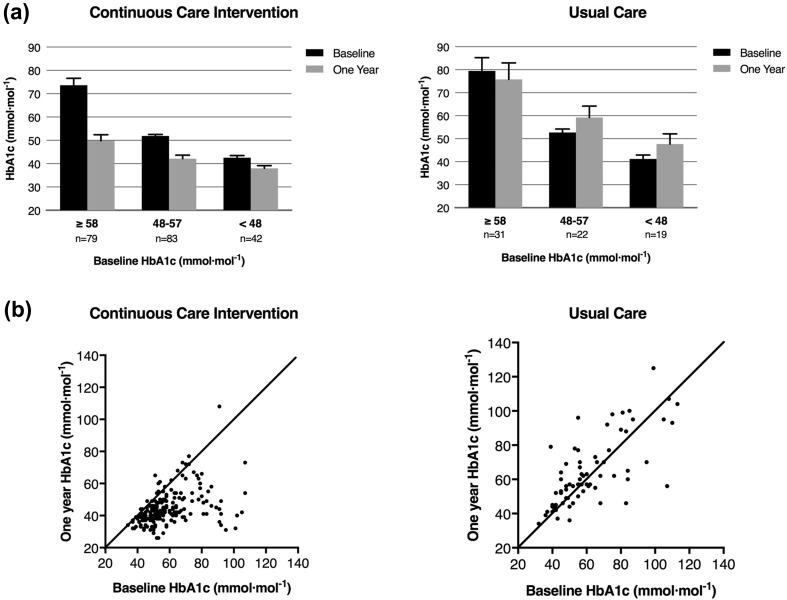
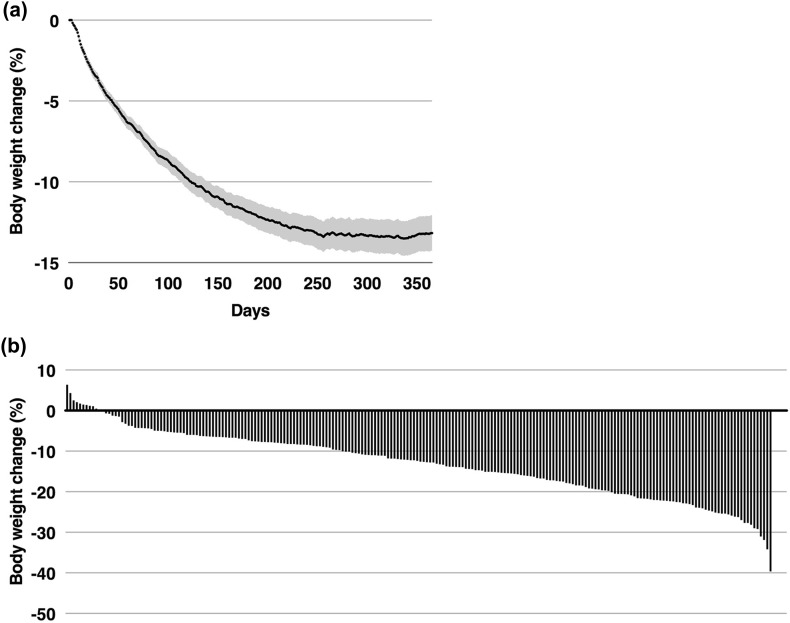
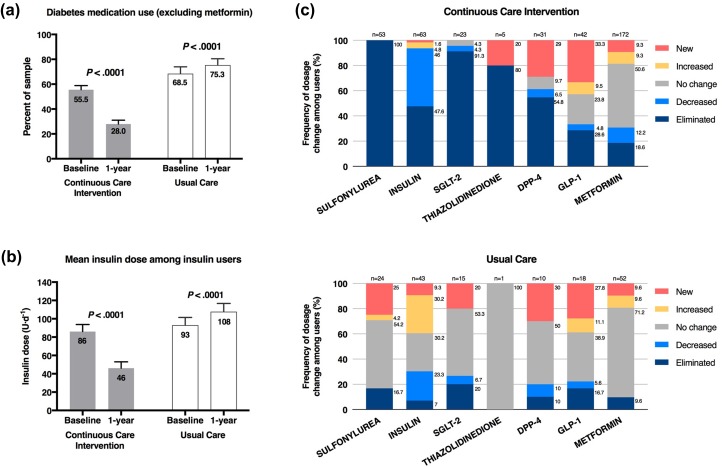
Carbohydrate restriction markedly improves glycemic control in patients with type 2 diabetes (T2D) but necessitates prompt medication changes. Therefore, we assessed the effectiveness and safety of a novel care model providing continuous remote care with medication management based on biometric feedback combined with the metabolic approach of nutritional ketosis for T2D management. We conducted an open-label, non-randomized, controlled, before-and-after 1-year study of this continuous care intervention (CCI) and usual care (UC). Primary outcomes were glycosylated hemoglobin (HbA1c), weight, and medication use. Secondary outcomes included fasting serum glucose and insulin, HOMA-IR, blood lipids and lipoproteins, liver and kidney function markers, and high-sensitivity C-reactive protein (hsCRP). 349 adults with T2D enrolled: CCI: n = 262 [mean (SD); 54 (8) years, 116.5 (25.9) kg, 40.4 (8.8) kg m2, 92% obese, 88% prescribed T2D medication]; UC: n = 87 (52 (10) years, 105.6 (22.15) kg, 36.72 (7.26) kg m2, 82% obese, 87% prescribed T2D medication]. 218 participants (83%) remained enrolled in the CCI at 1 year. Intention-to-treat analysis of the CCI (mean ± SE) revealed HbA1c declined from 59.6 ± 1.0 to 45.2 ± 0.8 mmol mol−1 (7.6 ± 0.09% to 6.3 ± 0.07%, P < 1.0 × 10⁻¹⁶), weight declined 13.8 ± 0.71 kg (P < 1.0 × 10⁻¹⁶), and T2D medication prescription other than metformin declined from 56.9 ± 3.1% to 29.7 ± 3.0% (P < 1.0 × 10⁻¹⁶). Insulin therapy was reduced or eliminated in 94% of users; sulfonylureas were entirely eliminated in the CCI. No adverse events were attributed to the CCI. Additional CCI 1-year effects were HOMA-IR − 55% (P = 3.2 × 10⁻⁵), hsCRP − 39% (P < 1.0 × 10⁻¹⁶), triglycerides − 24% (P < 1.0 × 10⁻¹⁶), HDL-cholesterol + 18% (P < 1.0 × 10⁻¹⁶), and LDL-cholesterol + 10% (P = 5.1 × 10⁻⁵); serum creatinine and liver enzymes (ALT, AST, and ALP) declined (P ≤ 0.0001), and apolipoprotein B was unchanged (P = 0.37). UC participants had no significant changes in biomarkers or T2D medication prescription at 1 year. These results demonstrate that a novel metabolic and continuous remote care model can support adults with T2D to safely improve HbA1c, weight, and other biomarkers while reducing diabetes medication use. NCT02519309. Virta Health Corp. Treatments for type 2 diabetes (T2D) have improved, yet T2D and being overweight are still significant public health concerns. Blood sugar in patients with T2D can improve quickly when patients eat significantly fewer dietary carbohydrates. However, this demands careful medicine management by doctors, and patients need support and frequent contact with health providers to sustain this way of living. The purpose of this study was to evaluate if a new care model with very low dietary carbohydrate intake and continuous supervision by a health coach and doctor could safely lower HbA1c, weight and need for medicines after 1 year in adults with T2D. 262 adults with T2D volunteered to participate in this continuous care intervention (CCI) along with 87 adults with T2D receiving usual care (UC) from their doctors and diabetes education program. After 1 year, patients in the CCI, on average, lowered HbA1c from 7.6 to 6.3%, lost 12% of their body weight, and reduced diabetes medicine use. 94% of patients who were prescribed insulin reduced or stopped their insulin use, and sulfonylureas were eliminated in all patients. Participants in the UC group had no changes to HbA1c, weight or diabetes medicine use over the year. These changes in CCI participants happened safely while dyslipidemia and markers of inflammation and liver function improved. This suggests the novel care model studied here using dietary carbohydrate restriction and continuous remote care can safely support adults with T2D to lower HbA1c, weight, and medicine use.
Overview
CoChat Summary
TL;DR
In an open-label, non-randomized, controlled 1-year study, a continuous care intervention combining remote care with nutritional ketosis was associated with improved HbA1c, weight, and medication use in adults with type 2 diabetes, while usual care showed no significant biomarker changes. No adverse events were attributed to the intervention.
Key findings
- Among 349 enrolled adults (CCI n = 262; UC n = 87), 218 CCI participants (83%) remained enrolled at 1 year. Intention-to-treat CCI results showed HbA1c declined from 59.6 ± 1.0 to 45.2 ± 0.8 mmol/mol (7.6 ± 0.09% to 6.3 ± 0.07%, P < 1.0 × 10⁻¹⁶), weight declined 13.8 ± 0.71 kg (P < 1.0 × 10⁻¹⁶), and diabetes medication prescription other than metformin declined from 56.9 ± 3.1% to 29.7 ± 3.0% (P < 1.0 × 10⁻¹⁶).
- Insulin therapy was reduced or eliminated in 94% of users, and sulfonylureas were entirely eliminated in the CCI; UC participants had no significant changes in biomarkers or T2D medication prescription at 1 year.
- Additional CCI 1-year effects included HOMA-IR −55% (P = 3.2 × 10⁻⁵), hsCRP −39% (P < 1.0 × 10⁻¹⁶), triglycerides −24% (P < 1.0 × 10⁻¹⁶), HDL-cholesterol +18% (P < 1.0 × 10⁻¹⁶), and LDL-cholesterol +10% (P = 5.1 × 10⁻⁵); apolipoprotein B was unchanged (P = 0.37).
- No adverse events were attributed to the CCI; no cases of metabolic acidosis were observed, and one CCI patient (0.38% of starters) had a clinically significant rise in serum creatinine.
Methods
- Open-label, non-randomized, controlled, before-and-after 1-year study of a continuous care intervention (CCI) versus usual care (UC) in adults with T2D, recruited in Lafayette, Indiana, USA, from August 2015 through March 2016 (NCT02519309).
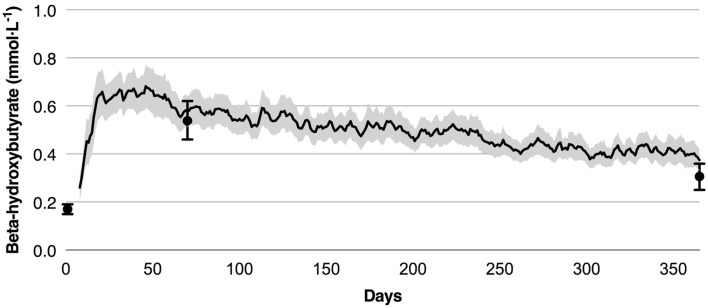
- CCI included remote care, telemedicine, health coaching, biometric feedback, and individualized nutrition targeting nutritional ketosis (goal blood BHB 0.5–3.0 mmol/L); UC participants received their own medical care and diabetes education.
- Primary outcomes were HbA1c, weight, and medication use; secondary outcomes included fasting glucose and insulin, HOMA-IR, lipids, liver and kidney markers, and hsCRP. Analyses used intention-to-treat with multiple imputation (700 imputations), completer analyses, and adjustment for baseline covariates.
Limitations
- Stated by the paper: the study occurred at a single site, participants were mostly Caucasian, socioeconomic and psychosocial status and genetics data were not collected, and the study was not of sufficient size or duration to measure hard endpoints such as mortality.
- Evident from the text: the non-randomized design allowed self-selection into CCI versus UC, and the authors note possible differences in motivation, expectations, and treatment intensity between groups.
- Evident from the text: 24% of 1-year biomarker values were missing and imputed, and the CCI and UC groups differed at baseline on some characteristics, although analyses adjusted for sex, age, baseline BMI, insulin use, and African-American race.
Model-written summary. Check it against the paper before relying on it.
Integrity signals
Registry
Cites
Statistics
Figures
Verification
Claims the paper makes
9 Valid · 0 Not valid · 8 Not checked · 116 Own results and interpretations
The cited sources support only part of this claim — read each source’s verdict below.
In the paper
“previously studied interventions elicited 4–9% weight loss in patients with T2D [25, 26]”
§ Effectiveness and Safety of a Novel Care Model for the Management of Type 2 Diabetes at 1 Year: An Open-Label, Non-Randomized, Controlled Study > Discussion > Effectiveness
What the sources say
- Partly supportedcites [25] The Look AHEAD Research Group Reduction in weight and cardiovascular disease risk factors in individuals with type 2 diabetes: one-year results of the look AHEAD trial Diabetes Care 2007 30 6 1374 1383 10.2337/dc07-0048 17363746 PMC2665929 sourceExperimental — accuracy not yet measured
The Conclusions (page unavailable) report 4–7% weight loss in earlier trials, but those participants had impaired glucose tolerance or hypertension, not specifically type 2 diabetes. The paper reports 8.6% weight loss in its own type 2 diabetes intervention; it does not establish that previously studied interventions in patients with type 2 diabetes produced the claimed 4–9% range. (LLM, conf=0.84)
- Not checked — no full text of the sourcecites [26] Tay J Luscombe-Marsh ND Thompson CH Comparison of low- and high-carbohydrate diets for type 2 diabetes management: a randomized trial Am J Clin Nutr 2015 102 4 780 790 10.3945/ajcn.115.112581 26224300 source
plainstates a cause- Asserted: passes — The authors put it forward as true.
- Checkable: passes — It can be checked against evidence.
- Load-bearing: passes — The paper’s conclusions depend on it.
- Based: passes — The paper gives a reason why it holds.
- Partly supported
A result the paper reports from its own data — it cites no other source for it, so there is none to check. The quote shows it is in the paper.
In the paper
“The CCI-web and CC-onsite sub-cohorts provide replication of the above results.”
§ Effectiveness and Safety of a Novel Care Model for the Management of Type 2 Diabetes at 1 Year: An Open-Label, Non-Randomized, Controlled Study > Results > Effectiveness
plainstates an association- Asserted: passes — The authors put it forward as true.
- Checkable: passes — It can be checked against evidence.
- Load-bearing: passes — The paper’s conclusions depend on it.
- Based: passes — The paper gives a reason why it holds.
A result the paper states — it cites no source for it, so there is none to check. The quote shows it is in the paper.
In the paper
“A usual care group showed no change in diabetes status or related biomarkers over the year.”
§ Effectiveness and Safety of a Novel Care Model for the Management of Type 2 Diabetes at 1 Year: An Open-Label, Non-Randomized, Controlled Study > Discussion
plain- Asserted: passes — The authors put it forward as true.
- Checkable: passes — It can be checked against evidence.
- Load-bearing: passes — The paper’s conclusions depend on it.
- Based: passes — The paper gives a reason why it holds.
A result the paper reports from its own data — it cites no other source for it, so there is none to check. The quote shows it is in the paper.
In the paper
“the CCI had broad positive impact on blood pressure, liver enzymes, hsCRP, triglycerides, and HDL-C”
§ Effectiveness and Safety of a Novel Care Model for the Management of Type 2 Diabetes at 1 Year: An Open-Label, Non-Randomized, Controlled Study > Discussion > Effectiveness
plainstates a cause- Asserted: passes — The authors put it forward as true.
- Checkable: passes — It can be checked against evidence.
- Load-bearing: passes — The paper’s conclusions depend on it.
- Based: passes — The paper gives a reason why it holds.
A result the paper reports from its own data — it cites no other source for it, so there is none to check. The quote shows it is in the paper.
In the paper
“Patients enrolled in UC for 1 year showed no Bonferroni-adjusted significant change for prescription of medication.”
§ Effectiveness and Safety of a Novel Care Model for the Management of Type 2 Diabetes at 1 Year: An Open-Label, Non-Randomized, Controlled Study > Results > Effectiveness
plain- Asserted: passes — The authors put it forward as true.
- Checkable: passes — It can be checked against evidence.
- Load-bearing: passes — The paper’s conclusions depend on it.
- Based: passes — The paper gives a reason why it holds.
78 more claims
Create a free account to see all 133 claims and every source verdict.
- It may state two separate claims as one. 37
- Probably not a substantial claim. 21
Claims other papers make about this one
Each is checked against this paper’s own text: does it say what the citing paper says it does?
The source backs part of the claim, not all of it — or backs it for a different population, condition or comparison.
In the citing paper
“In 2019, American Diabetes Association (ADA) newly endorsed low-carbohydrate diet as part of medical nutrition therapy options in diabetic patients based on the study results denoting enhanced glycemic control with a very low-carbohydrate diet inducing nutritional ketosis in T2DM patients [27,50,51,52].”
From Impact of a ketogenic diet on metabolic parameters in patients with obesity or overweight and with or without type 2 diabetes: a meta-analysis of randomized controlled trials. (2020) · cites this paper as [52]
Experimental — accuracy not yet measuredThe source backs part of the claim, not all of it — or backs it for a different population, condition or comparison.
In the citing paper
“We previously reported improvements in glycemia, body weight, markers of liver disease and cardiovascular risk over two years among participants with T2D receiving a continuous care intervention (CCI) delivered via telemedicine by a care team who counseled participants on a very low carbohydrate diet including nutritional ketosis [8,19].”
From 5-Year effects of a novel continuous remote care model with carbohydrate-restricted nutrition therapy including nutritional ketosis in type 2 diabetes: An extension study (2024) · cites this paper as [19]
Experimental — accuracy not yet measuredThe source backs part of the claim, not all of it — or backs it for a different population, condition or comparison.
In the citing paper
“CCI participants also improved inflammatory status (hsCRP and WBC) at 1 year (10) and 2 years.”
From Long-Term Effects of a Novel Continuous Remote Care Intervention Including Nutritional Ketosis for the Management of Type 2 Diabetes: A 2-Year Non-randomized Clinical Trial (2019) · cites this paper as [10]
Experimental — accuracy not yet measuredThe source backs part of the claim, not all of it — or backs it for a different population, condition or comparison.
In the citing paper
“Strong evidence now exists on the benefits of virtual, telehealth, or internet-based DSMES services for diabetes prevention and management in a wide variety of populations (43)(44)(45)(46)(47)(48)(49)(50)(51)(52)(53)(54).”
From 5. Facilitating Positive Health Behaviors and Well-being to Improve Health Outcomes:Standards of Care in Diabetes—2023 (2023) · cites this paper as [49]
Experimental — accuracy not yet measuredThe cited source says what the claim attributes to it.
In the citing paper
“nutritional ketosis has shown the capacity to reduce the use of hypoglycemic agents in diabetic patients [32,52]”
12 more claims about this paper
Create a free account to see every claim other papers make about this one.
Self-check
Percentages, sums and reported differences re-computed from the paper’s own numbers.
Each contradiction between two passages listed here was confirmed by an independent check.
Rated major: it would touch a result — a value a result rests on, reported and recomputed p-values on opposite sides of the significance level, two passages that conflict with no sign which is right, or a cited work retracted before this paper was published.
In the paper
“| CCI-all educationa | 262 | 59.55 (16.4) | 204 | 58.35 (15.3) | 58 | 63.49 (19.57) | − 28.66 ± 2.73 |”
§ Effectiveness and Safety of a Novel Care Model for the Management of Type 2 Diabetes at 1 Year: An Open-Label, Non-Randomized, Controlled Study > Methods > Statistical Analysis
Reported -28.66 · recomputed -5.14
Rated minor: it would not touch a result — a value no result rests on, a p-value that stays on the same side of the significance level, or a conflict that is clerical, resolved elsewhere in the paper, or outside its own findings.
In the paper
§ Effectiveness and Safety of a Novel Care Model for the Management of Type 2 Diabetes at 1 Year: An Open-Label, Non-Randomized, Controlled Study > Results > Effectiveness
“Of those in the CCI with HbA1c below 48 mmol mol−1 (< 6.5%) at 1 year, 42.3% (52/123) were prescribed no diabetes medication and 57.7% (71/123) were prescribed metformin only.”
§ Effectiveness and Safety of a Novel Care Model for the Management of Type 2 Diabetes at 1 Year: An Open-Label, Non-Randomized, Controlled Study > Results > Effectiveness
“Of those in the CCI with HbA1c reported at 1 year, 72% (147/204) achieved HbA1c below 48 mmol mol−1 (6.5%) and 60.3% (123/204) of participants achieved HbA1c below 48 mmol mol−1 (< 6.5%) while taking no diabetes medication or only metformin.”
Rated minor: it would not touch a result — a value no result rests on, a p-value that stays on the same side of the significance level, or a conflict that is clerical, resolved elsewhere in the paper, or outside its own findings.
In the paper
“| Usual carea | 87 | 59.99 (19.24) | 72 | 61.08 (19.89) | 15 | 54.52 (14.87) | − 16.97 ± 4.48 |”
§ Effectiveness and Safety of a Novel Care Model for the Management of Type 2 Diabetes at 1 Year: An Open-Label, Non-Randomized, Controlled Study > Methods > Statistical Analysis
Reported -16.97 · recomputed 6.56
Citations
Cites
Empagliflozin, Cardiovascular Outcomes, and Mortality in Type 2 Diabetes
Zinman, B., Wanner, C., Lachin, J. M., Fitchett, D., Bluhmki, E., Hantel, S., Mattheus, M., Devins, T., Johansen, O. E., Woerle, H. J., et al. (2015) · New England Journal of Medicine · doi:10.1056/nejmoa1504720 · Cited by 12,315
Standards of Medical Care in Diabetes
Power, D. (2006) · Diabetes Care · doi:10.2337/diacare.29.02.06.dc05-1593 · Cited by 8,673
Effects of Intensive Glucose Lowering in Type 2 Diabetes
(2008) · New England Journal of Medicine · doi:10.1056/nejmoa0802743 · Cited by 7,888
Canagliflozin and Cardiovascular and Renal Events in Type 2 Diabetes
Neal, B., Perkovic, V., Mahaffey, K. W., de Zeeuw, D., Fulcher, G., Erondu, N., Shaw, W., Law, G., Desai, M., & Matthews, D. R. (2017) · New England Journal of Medicine · doi:10.1056/nejmoa1611925 · Cited by 7,830
Liraglutide and Cardiovascular Outcomes in Type 2 Diabetes
Marso, S. P., Daniels, G. H., Brown-Frandsen, K., Kristensen, P., Mann, J. F. E., Nauck, M. A., Nissen, S. E., Pocock, S., Poulter, N. R., Ravn, L. S., et al. (2016) · New England Journal of Medicine · doi:10.1056/nejmoa1603827 · Cited by 7,629
Trumbo, P., Schlicker, S., Yates, A. A., & Poos, M. (2002) · Journal of the American Dietetic Association · doi:10.1016/s0002-8223(02)90346-9 · Cited by 5,993
Zhou, B., Lu, Y., Hajifathalian, K., Bentham, J., Di Cesare, M., Danaei, G., Bixby, H., Cowan, M., Ali, M., Taddei, C., et al. (2016) · The Lancet · doi:10.1016/s0140-6736(16)00618-8 · Cited by 4,311
Self-citationImproving chronic illness care: translating evidence into action
Wagner, E. H., Austin, B. T., Davis, C., Hindmarsh, M., Schaefer, J., & Bonomi, A. (2001) · Health Affairs · doi:10.1377/hlthaff.20.6.64 · Cited by 3,446
The ketone metabolite β-hydroxybutyrate blocks NLRP3 inflammasome-mediated inflammatory disease
Youm, Y.-H., Nguyen, K. Y., Grant, R. W., Goldberg, E. L., Bodogai, M., Kim, D., D'Agostino, D., Planavsky, N., Lupfer, C., Kanneganti, T. D., et al. (2015) · Nature Medicine · doi:10.1038/nm.3804 · Cited by 2,172
Lean, M. E., Leslie, W. S., Barnes, A. C., Brosnahan, N., Thom, G., McCombie, L., Peters, C., Zhyzhneuskaya, S., Al-Mrabeh, A., Hollingsworth, K. G., et al. (2018) · The Lancet · doi:10.1016/s0140-6736(17)33102-1 · Cited by 2,095
Bariatric Surgery versus Intensive Medical Therapy for Diabetes — 3-Year Outcomes
Schauer, P. R., Bhatt, D. L., Kirwan, J. P., Wolski, K., Brethauer, S. A., Navaneethan, S. D., Aminian, A., Pothier, C. E., Kim, E. S. H., Nissen, S. E., et al. (2014) · New England Journal of Medicine · doi:10.1056/nejmoa1401329 · Cited by 1,901
Suppression of Oxidative Stress by β-Hydroxybutyrate, an Endogenous Histone Deacetylase Inhibitor
Shimazu, T., Hirschey, M. D., Newman, J., He, W., Shirakawa, K., Le Moan, N., Grueter, C. A., Lim, H., Saunders, L. R., Stevens, R. D., et al. (2013) · Science · doi:10.1126/science.1227166 · Cited by 1,777
Reduction in Weight and Cardiovascular Disease Risk Factors in Individuals With Type 2 Diabetes
The Look AHEAD Research Group (2007) · Diabetes Care · doi:10.2337/dc07-0048 · Cited by 1,522
Macronutrients, P. O., Fiber, P. O. T. D. O. D., Nutrients, S. O. U. R. L. O., Intakes, S. O. I. A. U. O. D. R., Standing Committee on the Scientific Evaluation of Dietary Reference Intakes, Food and Nutrition Board, & Institute of Medicine (2005) · doi:10.17226/10490 · Cited by 1,482
Dehghan, M., Mente, A., Zhang, X., Swaminathan, S., Li, W., Mohan, V., Iqbal, R., Kumar, R., Wentzel-Viljoen, E., Rosengren, A., et al. (2017) · The Lancet · doi:10.1016/s0140-6736(17)32252-3 · Cited by 1,101
Gardner, C., Kiazand, A., Alhassan, S., Kim, S., Stafford, R., Balise, R., Kraemer, H., & King, A. (2007) · Journal of the American Medical Association (JAMA) · doi:10.13016/ncvz-hfu9 · Cited by 1,052
Gardner, C. D., Kiazand, A., Alhassan, S., Kim, S., Stafford, R. S., Balise, R. R., Kraemer, H. C., & King, A. C. (2007) · JAMA · doi:10.1001/jama.297.9.969 · Cited by 1,051
Long-term effects of intensive glucose lowering on cardiovascular outcomes
The ACCORD Study Group (2011) · New England Journal of Medicine · doi:10.1056/nejmoa1006524 · Cited by 1,035
CV Protection in the EMPA-REG OUTCOME Trial: A “Thrifty Substrate” Hypothesis
Ferrannini, E., Mark, M., & Mayoux, E. (2016) · Diabetes Care · doi:10.2337/dc16-0330 · Cited by 975
Yancy, W. S., Olsen, M. K., Guyton, J. R., Bakst, R. P., & Westman, E. C. (2004) · Annals of Internal Medicine · doi:10.7326/0003-4819-140-10-200405180-00006 · Cited by 946
Cholesteryl Ester Transfer Protein: A Novel Target for Raising HDL and Inhibiting Atherosclerosis
Barter, P. J., Brewer, H. B., Chapman, M. J., Hennekens, C. H., Rader, D. J., & Tall, A. R. (2003) · Arteriosclerosis, Thrombosis, and Vascular Biology · doi:10.1161/01.atv.0000054658.91146.64 · Cited by 870
Association of an intensive lifestyle intervention with remission of type 2 diabetes
Gregg, E. W., Chen, H., Wagenknecht, L. E., Clark, J. M., Delahanty, L. M., Bantle, J., Pownall, H. J., Johnson, K. C., Safford, M. M., Kitabchi, A. E., et al. (2012) · JAMA · doi:10.1001/jama.2012.67929 · Cited by 752
Saturated Fatty Acids Synergize with Elevated Glucose to Cause Pancreatic β-Cell Death
El-Assaad, W., Buteau, J., Peyot, M.-L., Nolan, C., Roduit, R., Hardy, S., Joly, E., Dbaibo, G., Rosenberg, L., & Prentki, M. (2003) · Endocrinology · doi:10.1210/en.2003-0410 · Cited by 587
Boden, G., Sargrad, K., Homko, C., Mozzoli, M., & Stein, T. P. (2005) · Annals of Internal Medicine · doi:10.7326/0003-4819-142-6-200503150-00006 · Cited by 542
A Ketogenic Diet Extends Longevity and Healthspan in Adult Mice
Roberts, M. N., Wallace, M. A., Tomilov, A. A., Zhou, Z., Marcotte, G. R., Tran, D., Perez, G., Gutierrez-Casado, E., Koike, S., Knotts, T. A., et al. (2017) · Cell Metabolism · doi:10.1016/j.cmet.2017.08.005 · Cited by 514
Ketogenic Diet Reduces Midlife Mortality and Improves Memory in Aging Mice
Newman, J. C., Covarrubias, A. J., Zhao, M., Yu, X., Gut, P., Ng, C.-P., Huang, Y., Haldar, S., & Verdin, E. (2017) · Cell Metabolism · doi:10.1016/j.cmet.2017.08.004 · Cited by 493
Westman, E. C., Yancy, W. S., Mavropoulos, J. C., Marquart, M., & McDuffie, J. R. (2008) · Nutrition & Metabolism · doi:10.1186/1743-7075-5-36 · Cited by 475
Introduction: Standards of Medical Care in Diabetes—2018
(2018) · Diabetes Care · doi:10.2337/dc18-sint01 · Cited by 472
Nonalcoholic fatty liver disease in patients with type 2 diabetes
Younossi, Z. M., Gramlich, T., Matteoni, C. A., Boparai, N., & McCullough, A. J. (2004) · Clinical Gastroenterology and Hepatology · doi:10.1016/s1542-3565(04)00014-x · Cited by 443
Tobias, D. K., Chen, M., Manson, J. E., Ludwig, D. S., Willett, W., & Hu, F. B. (2015) · The Lancet Diabetes & Endocrinology · doi:10.1016/s2213-8587(15)00367-8 · Cited by 373
Handelsman, Y., Henry, R. R., Bloomgarden, Z. T., Dagogo-Jack, S., DeFronzo, R. A., Einhorn, D., Ferrannini, E., Fonseca, V. A., Garber, A. J., Grunberger, G., et al. (2016) · Endocrine Practice · doi:10.4158/ep161292.ps · Cited by 358
Effects of Low-Carbohydrate and Low-Fat Diets: A Randomized Trial
Bazzano, L. A., Hu, T., Reynolds, K., Yao, L., Bunol, C., Liu, Y., Chen, C.-S., Klag, M. J., Whelton, P. K., & He, J. (2014) · Annals of Internal Medicine · doi:10.7326/m14-0180 · Cited by 346
Comparison of low- and high-carbohydrate diets for type 2 diabetes management: a randomized trial
Tay, J., Luscombe-Marsh, N. D., Thompson, C. H., Noakes, M., Buckley, J. D., Wittert, G. A., Yancy, W. S., & Brinkworth, G. D. (2015) · The American Journal of Clinical Nutrition · doi:10.3945/ajcn.115.112581 · Cited by 341
Satoh, H., Ohira, T., Hosoya, M., Sakai, A., Watanabe, T., Ohtsuru, A., Kawasaki, Y., Suzuki, H., Takahashi, A., Kobashi, G., et al. (2015) · Journal of Diabetes Research · doi:10.1155/2015/415253 · Cited by 302
Mente, A., Dehghan, M., Rangarajan, S., McQueen, M., Dagenais, G., Wielgosz, A., Lear, S., Li, W., Chen, H., Yi, S., et al. (2017) · The Lancet Diabetes & Endocrinology · doi:10.1016/s2213-8587(17)30283-8 · Cited by 268
Saslow, L. R., Mason, A. E., Kim, S., Goldman, V., Ploutz-Snyder, R., Bayandorian, H., Daubenmier, J., Hecht, F. M., & Moskowitz, J. T. (2017) · Journal of Medical Internet Research · doi:10.2196/jmir.5806 · Cited by 265
Henry, R. R., Gumbiner, B., Ditzler, T., Wallace, P., Lyon, R., & Glauber, H. S. (1993) · Diabetes Care · doi:10.2337/diacare.16.1.21 · Cited by 227
Saslow, L. R., Kim, S., Daubenmier, J. J., Moskowitz, J. T., Phinney, S. D., Goldman, V., Murphy, E. J., Cox, R. M., Moran, P., & Hecht, F. M. (2014) · PLoS ONE · doi:10.1371/journal.pone.0091027 · Cited by 221
Self-citationEvidence that supports the prescription of low-carbohydrate high-fat diets: A narrative review
Noakes, T. D., & Windt, J. (2017) · British Journal of Sports Medicine · doi:10.1136/bjsports-2016-096491 · Cited by 178
McKenzie, A. L., Hallberg, S. J., Creighton, B. C., Volk, B. M., Link, T. M., Abner, M. K., Glon, R. M., McCarter, J. P., Volek, J. S., & Phinney, S. D. (2017) · JMIR Diabetes · doi:10.2196/diabetes.6981 · Cited by 176
Self-citationBeneficial effects of ketogenic diet in obese diabetic subjects
Dashti, H. M., Mathew, T. C., Khadada, M., Al-Mousawi, M., Talib, H., Asfar, S. K., Behbahani, A. I., & Al-Zaid, N. S. (2007) · Molecular and Cellular Biochemistry · doi:10.1007/s11010-007-9448-z · Cited by 171
Stokes, A., & Preston, S. H. (2017) · PLOS ONE · doi:10.1371/journal.pone.0170219 · Cited by 166
Bistrian, B. R., Blackburn, G. L., Flatt, J.-P., Sizer, J., Scrimshaw, N. S., & Sherman, M. (1976) · Diabetes · doi:10.2337/diab.25.6.494 · Cited by 149
Chubb, S. A. P., Davis, W. A., Inman, Z., & Davis, T. M. E. (2005) · Clinical Endocrinology · doi:10.1111/j.1365-2265.2005.02246.x · Cited by 143
Incidence of Remission in Adults With Type 2 Diabetes: The Diabetes & Aging Study
Karter, A. J., Nundy, S., Parker, M. M., Moffet, H. H., & Huang, E. S. (2014) · Diabetes Care · doi:10.2337/dc14-0874 · Cited by 132
Nielsen, J. V., & Joensson, E. A. (2008) · Nutrition & Metabolism · doi:10.1186/1743-7075-5-14 · Cited by 128
Resistance to Symptomatic Insulin Reactions after Fasting
Drenick, E. J., Alvarez, L. C., Tamasi, G. C., & Brickman, A. S. (1972) · Journal of Clinical Investigation · doi:10.1172/jci107095 · Cited by 102
Forsythe, C. E., Phinney, S. D., Feinman, R. D., Volk, B. M., Freidenreich, D., Quann, E., Ballard, K., Puglisi, M. J., Maresh, C. M., Kraemer, W. J., et al. (2010) · Lipids · doi:10.1007/s11745-010-3467-3 · Cited by 90
Self-citationO'Neil, P. M., Miller‐Kovach, K., Tuerk, P. W., Becker, L. E., Wadden, T. A., Fujioka, K., Hollander, P. L., Kushner, R. F., Timothy Garvey, W., Rubino, D. M., et al. (2016) · Obesity · doi:10.1002/oby.21616 · Cited by 85
Palmer, B. R., Slow, S., Ellis, K. L., Pilbrow, A. P., Skelton, L., Frampton, C. M., Palmer, S. C., Troughton, R. W., Yandle, T. G., Doughty, R. N., et al. (2014) · PLoS ONE · doi:10.1371/journal.pone.0089029 · Cited by 50
The transient hypercholesterolemia of major weight loss
Phinney, S., Tang, A., Waggoner, C., Tezanos-Pinto, R., & Davis, P. (1991) · The American Journal of Clinical Nutrition · doi:10.1093/ajcn/53.6.1404 · Cited by 45
Self-citationMottalib, A., Sakr, M., Shehabeldin, M., & Hamdy, O. (2015) · Journal of Diabetes Research · doi:10.1155/2015/468704 · Cited by 44
Chaudhry, Z. W., Doshi, R. S., Mehta, A. K., Jacobs, D. K., Vakil, R. M., Lee, C. J., Bleich, S. N., Kalyani, R. R., Clark, J. M., & Gudzune, K. A. (2016) · Obesity Reviews · doi:10.1111/obr.12423 · Cited by 16
Effects of Low-Carbohydrate and Low-Fat Diets
Bazzano, L., & Hu, T. (2015) · Annals of Internal Medicine · doi:10.7326/l15-5192-5 · Cited by 15
Cited by
Lean, M. E. J., Leslie, W. S., Barnes, A. C., Brosnahan, N., Thom, G., McCombie, L., Peters, C., Zhyzhneuskaya, S., Al-Mrabeh, A., Hollingsworth, K. G., et al. (2019) · The Lancet Diabetes & Endocrinology · doi:10.1016/s2213-8587(19)30068-3 · Cited by 1,017
5. Lifestyle Management:Standards of Medical Care in Diabetes—2019
American Diabetes Association (2019) · Diabetes Care · doi:10.2337/dc19-s005 · Cited by 700
Mozaffarian, D., Rosenberg, I., & Uauy, R. (2018) · BMJ · doi:10.1136/bmj.k2392 · Cited by 484
“56 63-65 Over months to years, some foods may impair pathways of weight homeostasis, others may have relatively neutral effects, and others may promote integrity of weight regulation.”
BackgroundDietary and nutritional approaches for prevention and management of type 2 diabetes
Forouhi, N. G., Misra, A., Mohan, V., Taylor, R., & Yancy, W. (2018) · BMJ · doi:10.1136/bmj.k2234 · Cited by 472
ElSayed, N. A., Aleppo, G., Aroda, V. R., Bannuru, R. R., Brown, F. M., Bruemmer, D., Collins, B. S., Hilliard, M. E., Isaacs, D., Johnson, E. L., et al. (2023) · Diabetes Care · doi:10.2337/dc23-s005 · Cited by 362
Metadata
- Authors
- Hallberg, S. J., McKenzie, A. L., Williams, P. T., Bhanpuri, N. H., Peters, A. L., Campbell, W. W., Hazbun, T. L., Volk, B. M., McCarter, J. P., Phinney, S. D., & Volek, J. S.
- Affiliations
- Indiana University Health (US)
- University of Southern California (US)
- Purdue University West Lafayette (US)
- Washington University in St. Louis (US)
- The Ohio State University (US)
- Corresponding author
- McKenzie, Amy L.
- ORCID
- Venue
- Diabetes Therapy
- Published
- 2018-02-07
- Volume
- 9
- Issue
- 2
- Pages
- 583-612
- ISSN
- 1869-6953 (ISSN-L)
- 1869-6961
- PMC
- PMC6104272
- OpenAlex
- W2785914398
- Cited by
- 406
- References
- 54
- Citations by year
- 2026: 40 · 2025: 40 · 2024: 51 · 2023: 40 · 2022: 45 · 2021: 67 · 2020: 50 · 2019: 48 · 2018: 25
- FWCI
- 37.81
- Type
- journal article
- Language
- en
- Update notices
- correction (2018-03-05)
- Open access
- gold
- doi.org
- Licence
- cc-by-nc
- creativecommons.org/licenses/by/4.0 (tdm)
- Locations
- Diabetes Therapy (publishedVersion, cc-by-nc)
- Europe PMC (PubMed Central) (publishedVersion, cc-by)
- PubMed Central (publishedVersion, cc-by)
- PubMed (publishedVersion)
- Funders
- Virta Health
- Topics
- Health Sciences › Medicine › Endocrinology, Diabetes and Metabolism › Diabetes Management and Research
- Health Sciences › Medicine › Physiology (medical) › Diet and metabolism studies
- Health Sciences › Medicine › Endocrinology, Diabetes and Metabolism › Diabetes Treatment and Management
- Keywords
- type 2 diabetes, remote care, biometric feedback, nutritional ketosis, carbohydrate restriction, glycemic control, HbA1c, weight loss, medication management, HOMA-IR, insulin resistance, serum lipids, C-reactive protein, liver and kidney function, obesity, diabetes care model
About these checks
Registry, retraction, Cites and statistics results are computed, not judged, with one exception: a printed reference that no index lists is read once by a model before it counts as a citation error. Claims are extracted by a model and kept only when their quote appears verbatim in the text; each cited source is then checked, with a model’s help, for whether it says what the claim relies on. Those verdicts can be wrong — read the claim’s quote and the cited source before relying on one.
The claim verdicts this report counts are experimental: their accuracy is not yet measured.
A language model drew the claims from the paper on 2026-10-10, under version 3 of the claim definition (model deepseek-v4.1-flash, prompt extract-v3).
A second model labelled each claim on 2026-10-10 (model jev-1.13-20260917, definition revision gold-guideline-v0.2).
Cited sources are checked with a language model’s help (gpt-6-sol).
Statistics and arithmetic are recomputed, not judged.
Confidence bands are shown only for fields calibrated on our annotated test set. None is calibrated yet, so no band is shown.
What counts as a claim ›How we measure confidence ›How we check this ›
Are you an author, or do you see a problem with this page? Request a review
Data sources
Bibliographic data: Semantic Scholar, OpenAlex, Crossref.
Contains information from the Semantic Scholar Academic Graph Datasets, made available under the ODC Attribution License (ODC-BY 1.0).
Semantic Scholar’s data is described in: Kinney, R., et al. (2023). The Semantic Scholar Open Data Platform. arXiv:2301.10140.
