

Effectiveness and Safety of a Novel Care Model for the Management of Type 2 Diabetes at 1 Year: An Open-Label, Non-Randomized, Controlled Study
Open accessThe DOI matches its Crossref record; 54 of the 54 references it cites were found in a registry or an index; 14 of the 27 sources its claims cite were checked for support.
Abstract
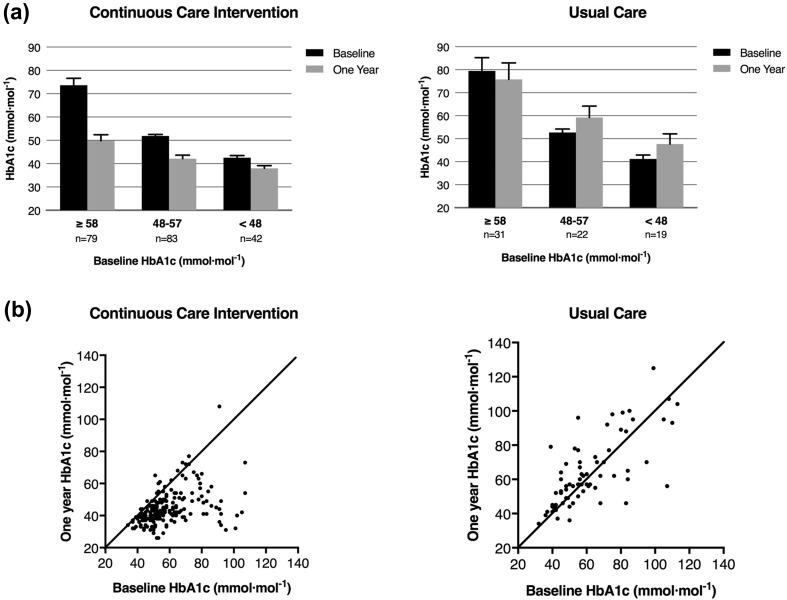
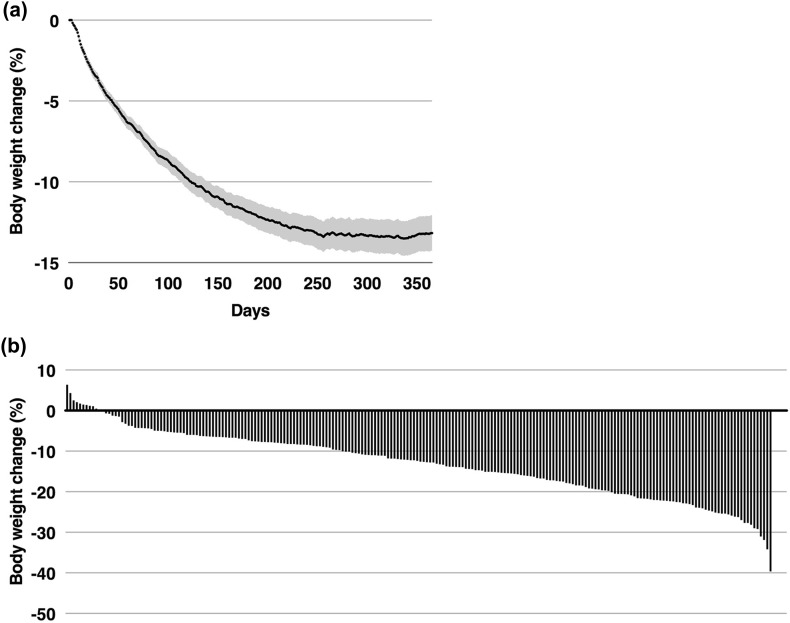
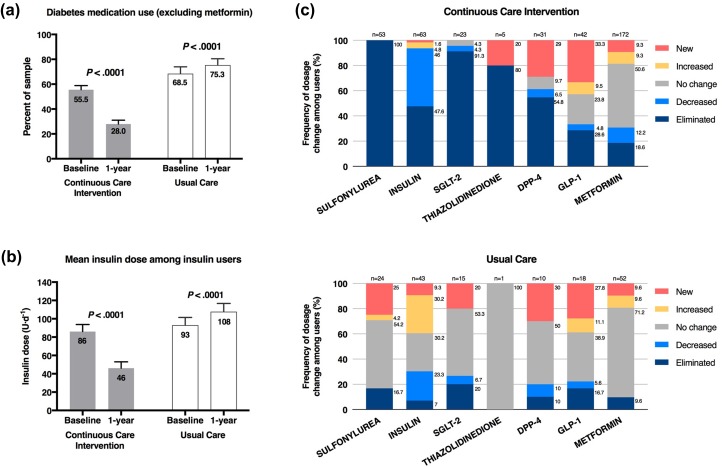
Carbohydrate restriction markedly improves glycemic control in patients with type 2 diabetes (T2D) but necessitates prompt medication changes. Therefore, we assessed the effectiveness and safety of a novel care model providing continuous remote care with medication management based on biometric feedback combined with the metabolic approach of nutritional ketosis for T2D management. We conducted an open-label, non-randomized, controlled, before-and-after 1-year study of this continuous care intervention (CCI) and usual care (UC). Primary outcomes were glycosylated hemoglobin (HbA1c), weight, and medication use. Secondary outcomes included fasting serum glucose and insulin, HOMA-IR, blood lipids and lipoproteins, liver and kidney function markers, and high-sensitivity C-reactive protein (hsCRP). 349 adults with T2D enrolled: CCI: n = 262 [mean (SD); 54 (8) years, 116.5 (25.9) kg, 40.4 (8.8) kg m2, 92% obese, 88% prescribed T2D medication]; UC: n = 87 (52 (10) years, 105.6 (22.15) kg, 36.72 (7.26) kg m2, 82% obese, 87% prescribed T2D medication]. 218 participants (83%) remained enrolled in the CCI at 1 year. Intention-to-treat analysis of the CCI (mean ± SE) revealed HbA1c declined from 59.6 ± 1.0 to 45.2 ± 0.8 mmol mol−1 (7.6 ± 0.09% to 6.3 ± 0.07%, P < 1.0 × 10⁻¹⁶), weight declined 13.8 ± 0.71 kg (P < 1.0 × 10⁻¹⁶), and T2D medication prescription other than metformin declined from 56.9 ± 3.1% to 29.7 ± 3.0% (P < 1.0 × 10⁻¹⁶). Insulin therapy was reduced or eliminated in 94% of users; sulfonylureas were entirely eliminated in the CCI. No adverse events were attributed to the CCI. Additional CCI 1-year effects were HOMA-IR − 55% (P = 3.2 × 10⁻⁵), hsCRP − 39% (P < 1.0 × 10⁻¹⁶), triglycerides − 24% (P < 1.0 × 10⁻¹⁶), HDL-cholesterol + 18% (P < 1.0 × 10⁻¹⁶), and LDL-cholesterol + 10% (P = 5.1 × 10⁻⁵); serum creatinine and liver enzymes (ALT, AST, and ALP) declined (P ≤ 0.0001), and apolipoprotein B was unchanged (P = 0.37). UC participants had no significant changes in biomarkers or T2D medication prescription at 1 year. These results demonstrate that a novel metabolic and continuous remote care model can support adults with T2D to safely improve HbA1c, weight, and other biomarkers while reducing diabetes medication use. NCT02519309. Virta Health Corp. Treatments for type 2 diabetes (T2D) have improved, yet T2D and being overweight are still significant public health concerns. Blood sugar in patients with T2D can improve quickly when patients eat significantly fewer dietary carbohydrates. However, this demands careful medicine management by doctors, and patients need support and frequent contact with health providers to sustain this way of living. The purpose of this study was to evaluate if a new care model with very low dietary carbohydrate intake and continuous supervision by a health coach and doctor could safely lower HbA1c, weight and need for medicines after 1 year in adults with T2D. 262 adults with T2D volunteered to participate in this continuous care intervention (CCI) along with 87 adults with T2D receiving usual care (UC) from their doctors and diabetes education program. After 1 year, patients in the CCI, on average, lowered HbA1c from 7.6 to 6.3%, lost 12% of their body weight, and reduced diabetes medicine use. 94% of patients who were prescribed insulin reduced or stopped their insulin use, and sulfonylureas were eliminated in all patients. Participants in the UC group had no changes to HbA1c, weight or diabetes medicine use over the year. These changes in CCI participants happened safely while dyslipidemia and markers of inflammation and liver function improved. This suggests the novel care model studied here using dietary carbohydrate restriction and continuous remote care can safely support adults with T2D to lower HbA1c, weight, and medicine use.
Overview
CoChat Summary
TL;DR
In an open-label, non-randomized, controlled 1-year study, a continuous care intervention combining remote care with nutritional ketosis was associated with improved HbA1c, weight, and medication use in adults with type 2 diabetes, while usual care showed no significant biomarker changes. No adverse events were attributed to the intervention.
Key findings
- Among 349 enrolled adults (CCI n = 262; UC n = 87), 218 CCI participants (83%) remained enrolled at 1 year. Intention-to-treat CCI results showed HbA1c declined from 59.6 ± 1.0 to 45.2 ± 0.8 mmol/mol (7.6 ± 0.09% to 6.3 ± 0.07%, P < 1.0 × 10⁻¹⁶), weight declined 13.8 ± 0.71 kg (P < 1.0 × 10⁻¹⁶), and diabetes medication prescription other than metformin declined from 56.9 ± 3.1% to 29.7 ± 3.0% (P < 1.0 × 10⁻¹⁶).
- Insulin therapy was reduced or eliminated in 94% of users, and sulfonylureas were entirely eliminated in the CCI; UC participants had no significant changes in biomarkers or T2D medication prescription at 1 year.
- Additional CCI 1-year effects included HOMA-IR −55% (P = 3.2 × 10⁻⁵), hsCRP −39% (P < 1.0 × 10⁻¹⁶), triglycerides −24% (P < 1.0 × 10⁻¹⁶), HDL-cholesterol +18% (P < 1.0 × 10⁻¹⁶), and LDL-cholesterol +10% (P = 5.1 × 10⁻⁵); apolipoprotein B was unchanged (P = 0.37).
- No adverse events were attributed to the CCI; no cases of metabolic acidosis were observed, and one CCI patient (0.38% of starters) had a clinically significant rise in serum creatinine.
Methods
- Open-label, non-randomized, controlled, before-and-after 1-year study of a continuous care intervention (CCI) versus usual care (UC) in adults with T2D, recruited in Lafayette, Indiana, USA, from August 2015 through March 2016 (NCT02519309).
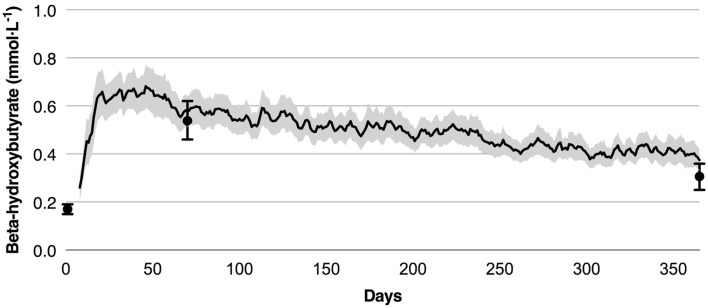
- CCI included remote care, telemedicine, health coaching, biometric feedback, and individualized nutrition targeting nutritional ketosis (goal blood BHB 0.5–3.0 mmol/L); UC participants received their own medical care and diabetes education.
- Primary outcomes were HbA1c, weight, and medication use; secondary outcomes included fasting glucose and insulin, HOMA-IR, lipids, liver and kidney markers, and hsCRP. Analyses used intention-to-treat with multiple imputation (700 imputations), completer analyses, and adjustment for baseline covariates.
Limitations
- Stated by the paper: the study occurred at a single site, participants were mostly Caucasian, socioeconomic and psychosocial status and genetics data were not collected, and the study was not of sufficient size or duration to measure hard endpoints such as mortality.
- Evident from the text: the non-randomized design allowed self-selection into CCI versus UC, and the authors note possible differences in motivation, expectations, and treatment intensity between groups.
- Evident from the text: 24% of 1-year biomarker values were missing and imputed, and the CCI and UC groups differed at baseline on some characteristics, although analyses adjusted for sex, age, baseline BMI, insulin use, and African-American race.
Model-written summary. Check it against the paper before relying on it.
Integrity signals
Registry
Cites
Statistics
Figures
Verification
Claims the paper makes
9 Valid · 0 Not valid · 8 Not checked · 116 Own results and interpretations
The cited sources support only part of this claim — read each source’s verdict below.
In the paper
“previously studied interventions elicited 4–9% weight loss in patients with T2D [25, 26]”
§ Effectiveness and Safety of a Novel Care Model for the Management of Type 2 Diabetes at 1 Year: An Open-Label, Non-Randomized, Controlled Study > Discussion > Effectiveness
What the sources say
- Partly supportedcites [25] The Look AHEAD Research Group Reduction in weight and cardiovascular disease risk factors in individuals with type 2 diabetes: one-year results of the look AHEAD trial Diabetes Care 2007 30 6 1374 1383 10.2337/dc07-0048 17363746 PMC2665929 sourceExperimental — accuracy not yet measured
The Conclusions (page unavailable) report 4–7% weight loss in earlier trials, but those participants had impaired glucose tolerance or hypertension, not specifically type 2 diabetes. The paper reports 8.6% weight loss in its own type 2 diabetes intervention; it does not establish that previously studied interventions in patients with type 2 diabetes produced the claimed 4–9% range. (LLM, conf=0.84)
- Not checked — no full text of the sourcecites [26] Tay J Luscombe-Marsh ND Thompson CH Comparison of low- and high-carbohydrate diets for type 2 diabetes management: a randomized trial Am J Clin Nutr 2015 102 4 780 790 10.3945/ajcn.115.112581 26224300 source
plainstates a cause- Asserted: passes — The authors put it forward as true.
- Checkable: passes — It can be checked against evidence.
- Load-bearing: passes — The paper’s conclusions depend on it.
- Based: passes — The paper gives a reason why it holds.
- Partly supported
A result the paper reports from its own data — it cites no other source for it, so there is none to check. The quote shows it is in the paper.
In the paper
“The CCI-web and CC-onsite sub-cohorts provide replication of the above results.”
§ Effectiveness and Safety of a Novel Care Model for the Management of Type 2 Diabetes at 1 Year: An Open-Label, Non-Randomized, Controlled Study > Results > Effectiveness
plainstates an association- Asserted: passes — The authors put it forward as true.
- Checkable: passes — It can be checked against evidence.
- Load-bearing: passes — The paper’s conclusions depend on it.
- Based: passes — The paper gives a reason why it holds.
A result the paper states — it cites no source for it, so there is none to check. The quote shows it is in the paper.
In the paper
“A usual care group showed no change in diabetes status or related biomarkers over the year.”
§ Effectiveness and Safety of a Novel Care Model for the Management of Type 2 Diabetes at 1 Year: An Open-Label, Non-Randomized, Controlled Study > Discussion
plain- Asserted: passes — The authors put it forward as true.
- Checkable: passes — It can be checked against evidence.
- Load-bearing: passes — The paper’s conclusions depend on it.
- Based: passes — The paper gives a reason why it holds.
A result the paper reports from its own data — it cites no other source for it, so there is none to check. The quote shows it is in the paper.
In the paper
“the CCI had broad positive impact on blood pressure, liver enzymes, hsCRP, triglycerides, and HDL-C”
§ Effectiveness and Safety of a Novel Care Model for the Management of Type 2 Diabetes at 1 Year: An Open-Label, Non-Randomized, Controlled Study > Discussion > Effectiveness
plainstates a cause- Asserted: passes — The authors put it forward as true.
- Checkable: passes — It can be checked against evidence.
- Load-bearing: passes — The paper’s conclusions depend on it.
- Based: passes — The paper gives a reason why it holds.
A result the paper reports from its own data — it cites no other source for it, so there is none to check. The quote shows it is in the paper.
In the paper
“Patients enrolled in UC for 1 year showed no Bonferroni-adjusted significant change for prescription of medication.”
§ Effectiveness and Safety of a Novel Care Model for the Management of Type 2 Diabetes at 1 Year: An Open-Label, Non-Randomized, Controlled Study > Results > Effectiveness
plain- Asserted: passes — The authors put it forward as true.
- Checkable: passes — It can be checked against evidence.
- Load-bearing: passes — The paper’s conclusions depend on it.
- Based: passes — The paper gives a reason why it holds.
78 more claims
Create a free account to see all 133 claims and every source verdict.
- It may state two separate claims as one. 37
- Probably not a substantial claim. 21
Claims other papers make about this one
Each is checked against this paper’s own text: does it say what the citing paper says it does?
The source backs part of the claim, not all of it — or backs it for a different population, condition or comparison.
In the citing paper
“In 2019, American Diabetes Association (ADA) newly endorsed low-carbohydrate diet as part of medical nutrition therapy options in diabetic patients based on the study results denoting enhanced glycemic control with a very low-carbohydrate diet inducing nutritional ketosis in T2DM patients [27,50,51,52].”
From Impact of a ketogenic diet on metabolic parameters in patients with obesity or overweight and with or without type 2 diabetes: a meta-analysis of randomized controlled trials. (2020) · cites this paper as [52]
Experimental — accuracy not yet measuredThe source backs part of the claim, not all of it — or backs it for a different population, condition or comparison.
In the citing paper
“We previously reported improvements in glycemia, body weight, markers of liver disease and cardiovascular risk over two years among participants with T2D receiving a continuous care intervention (CCI) delivered via telemedicine by a care team who counseled participants on a very low carbohydrate diet including nutritional ketosis [8,19].”
From 5-Year effects of a novel continuous remote care model with carbohydrate-restricted nutrition therapy including nutritional ketosis in type 2 diabetes: An extension study (2024) · cites this paper as [19]
Experimental — accuracy not yet measuredThe source backs part of the claim, not all of it — or backs it for a different population, condition or comparison.
In the citing paper
“CCI participants also improved inflammatory status (hsCRP and WBC) at 1 year (10) and 2 years.”
From Long-Term Effects of a Novel Continuous Remote Care Intervention Including Nutritional Ketosis for the Management of Type 2 Diabetes: A 2-Year Non-randomized Clinical Trial (2019) · cites this paper as [10]
Experimental — accuracy not yet measuredThe source backs part of the claim, not all of it — or backs it for a different population, condition or comparison.
In the citing paper
“Strong evidence now exists on the benefits of virtual, telehealth, or internet-based DSMES services for diabetes prevention and management in a wide variety of populations (43)(44)(45)(46)(47)(48)(49)(50)(51)(52)(53)(54).”
From 5. Facilitating Positive Health Behaviors and Well-being to Improve Health Outcomes:Standards of Care in Diabetes—2023 (2023) · cites this paper as [49]
Experimental — accuracy not yet measuredThe cited source says what the claim attributes to it.
In the citing paper
“nutritional ketosis has shown the capacity to reduce the use of hypoglycemic agents in diabetic patients [32,52]”
12 more claims about this paper
Create a free account to see every claim other papers make about this one.
Self-check
Percentages, sums and reported differences re-computed from the paper’s own numbers.
Each contradiction between two passages listed here was confirmed by an independent check.
Rated major: it would touch a result — a value a result rests on, reported and recomputed p-values on opposite sides of the significance level, two passages that conflict with no sign which is right, or a cited work retracted before this paper was published.
In the paper
“| CCI-all educationa | 262 | 59.55 (16.4) | 204 | 58.35 (15.3) | 58 | 63.49 (19.57) | − 28.66 ± 2.73 |”
§ Effectiveness and Safety of a Novel Care Model for the Management of Type 2 Diabetes at 1 Year: An Open-Label, Non-Randomized, Controlled Study > Methods > Statistical Analysis
Reported -28.66 · recomputed -5.14
Rated minor: it would not touch a result — a value no result rests on, a p-value that stays on the same side of the significance level, or a conflict that is clerical, resolved elsewhere in the paper, or outside its own findings.
In the paper
§ Effectiveness and Safety of a Novel Care Model for the Management of Type 2 Diabetes at 1 Year: An Open-Label, Non-Randomized, Controlled Study > Results > Effectiveness
“Of those in the CCI with HbA1c below 48 mmol mol−1 (< 6.5%) at 1 year, 42.3% (52/123) were prescribed no diabetes medication and 57.7% (71/123) were prescribed metformin only.”
§ Effectiveness and Safety of a Novel Care Model for the Management of Type 2 Diabetes at 1 Year: An Open-Label, Non-Randomized, Controlled Study > Results > Effectiveness
“Of those in the CCI with HbA1c reported at 1 year, 72% (147/204) achieved HbA1c below 48 mmol mol−1 (6.5%) and 60.3% (123/204) of participants achieved HbA1c below 48 mmol mol−1 (< 6.5%) while taking no diabetes medication or only metformin.”
Rated minor: it would not touch a result — a value no result rests on, a p-value that stays on the same side of the significance level, or a conflict that is clerical, resolved elsewhere in the paper, or outside its own findings.
In the paper
“| Usual carea | 87 | 59.99 (19.24) | 72 | 61.08 (19.89) | 15 | 54.52 (14.87) | − 16.97 ± 4.48 |”
§ Effectiveness and Safety of a Novel Care Model for the Management of Type 2 Diabetes at 1 Year: An Open-Label, Non-Randomized, Controlled Study > Methods > Statistical Analysis
Reported -16.97 · recomputed 6.56
Citations
Cites
Empagliflozin, Cardiovascular Outcomes, and Mortality in Type 2 Diabetes
Zinman, B., Wanner, C., Lachin, J. M., Fitchett, D., Bluhmki, E., Hantel, S., Mattheus, M., Devins, T., Johansen, O. E., Woerle, H. J., et al. (2015) · New England Journal of Medicine · doi:10.1056/nejmoa1504720 · Cited by 12,315
Standards of Medical Care in Diabetes
Power, D. (2006) · Diabetes Care · doi:10.2337/diacare.29.02.06.dc05-1593 · Cited by 8,673
Effects of Intensive Glucose Lowering in Type 2 Diabetes
(2008) · New England Journal of Medicine · doi:10.1056/nejmoa0802743 · Cited by 7,888
Canagliflozin and Cardiovascular and Renal Events in Type 2 Diabetes
Neal, B., Perkovic, V., Mahaffey, K. W., de Zeeuw, D., Fulcher, G., Erondu, N., Shaw, W., Law, G., Desai, M., & Matthews, D. R. (2017) · New England Journal of Medicine · doi:10.1056/nejmoa1611925 · Cited by 7,830
Liraglutide and Cardiovascular Outcomes in Type 2 Diabetes
Marso, S. P., Daniels, G. H., Brown-Frandsen, K., Kristensen, P., Mann, J. F. E., Nauck, M. A., Nissen, S. E., Pocock, S., Poulter, N. R., Ravn, L. S., et al. (2016) · New England Journal of Medicine · doi:10.1056/nejmoa1603827 · Cited by 7,629
Trumbo, P., Schlicker, S., Yates, A. A., & Poos, M. (2002) · Journal of the American Dietetic Association · doi:10.1016/s0002-8223(02)90346-9 · Cited by 5,993
Zhou, B., Lu, Y., Hajifathalian, K., Bentham, J., Di Cesare, M., Danaei, G., Bixby, H., Cowan, M., Ali, M., Taddei, C., et al. (2016) · The Lancet · doi:10.1016/s0140-6736(16)00618-8 · Cited by 4,311
Self-citationImproving chronic illness care: translating evidence into action
Wagner, E. H., Austin, B. T., Davis, C., Hindmarsh, M., Schaefer, J., & Bonomi, A. (2001) · Health Affairs · doi:10.1377/hlthaff.20.6.64 · Cited by 3,446
The ketone metabolite β-hydroxybutyrate blocks NLRP3 inflammasome-mediated inflammatory disease
Youm, Y.-H., Nguyen, K. Y., Grant, R. W., Goldberg, E. L., Bodogai, M., Kim, D., D'Agostino, D., Planavsky, N., Lupfer, C., Kanneganti, T. D., et al. (2015) · Nature Medicine · doi:10.1038/nm.3804 · Cited by 2,172
Lean, M. E., Leslie, W. S., Barnes, A. C., Brosnahan, N., Thom, G., McCombie, L., Peters, C., Zhyzhneuskaya, S., Al-Mrabeh, A., Hollingsworth, K. G., et al. (2018) · The Lancet · doi:10.1016/s0140-6736(17)33102-1 · Cited by 2,095
Cited by
Items 301–400 of 407
Diha, A. M., Uddin, M. S. S., Anha, K. M., Bekele, F. D., Naima, J., Al-Khulaifi, A. A. S., Nassar, A. A., & Huq, M. S. (2026) · Cureus · doi:10.7759/cureus.103615 · Cited by 5
“Mechanistically, carbohydrate restriction reduces the post-meal insulin response and increases fat oxidation, respectively, decreasing the hormonal imbalances that are caused by hyperinsulinemia [37].”
Pescari, D., Mihuta, S., Bena, A., Pui, R., Paul, C., & Stoian, D. L. (2026) · Frontiers in Clinical Diabetes and Healthcare · doi:10.3389/fcdhc.2026.1792614 · Cited by 3
“Currently, research suggests that KD may make an important contribution to the remission of type 2 diabetes mellitus by normalizing glycemic control and reducing or, in some cases, even discontinuing antidiabetic therapy (36, 55, 56).”
Poothullil, J. M. (2026) · Medical Hypotheses · doi:10.1016/j.mehy.2026.111926 · Cited by 1
Waśkiewicz, Z. (2026) · Nutrients · doi:10.3390/nu18060998 · Cited by 3
“Within this domain, restrictive dietary models are most frequently promoted as potentially “optimal,” particularly in disciplines where reductions in body mass or fat mass are perceived as performance-enhancing [56].”
Ketosis and Ketoacidosis: They May Be Sisters, but They’re Certainly Not Twins
Stefanski, J. (2018) · AADE in Practice · doi:10.1177/2325160318798640 · Cited by 1
Maher, M., Rafey, M. F., Griffin, H., Cunningham, K., & Finucane, F. M. (2019) · Endocrinology Diabetes and Metabolism Case Reports · doi:10.1530/edm-19-0008 · Cited by 1
To the Issue of Ketogenic Diet in Type 2 Diabetes Mellitus
Evseev, A. (2019) · Bulletin of Science and Practice · doi:10.33619/2414-2948/46/15 · Cited by 1
Ketogenic diets: Opportunities and limitations in practical application (LITERATURE REVIEW)
Tyminski, G. (2019) · Archiv Euromedica · doi:10.35630/2199-885x/2019/9/2/22 · Cited by 2
“Hallberg’s team (155) has recently published an impressive „proof of principle“: she compared a treatment of 262 patients with Type 2 diabetes with a limited daily carbohydrate ratio (up to 30 gram) aimed at achieving ketosis, with a conventional treatment of 87 control patients.”
BackgroundUcar, I., Çalan, M., Tatar, E., Chousein, R., Fenercioğlu, Ö., Bozkaya, G., & Yüksel, A. (2020) · HORMONES · doi:10.1007/s42000-020-00223-9 · Cited by 1
DIETAS DE BAIXO TEOR DE CARBOIDRATO NO TRATAMENTO DO DIABETES MELLITUS TIPO 2
de Andrade, M. C., & Maniglia, F. P. (2020) · Revista Contexto & Saúde · doi:10.21527/2176-7114.2020.40.166-174 · Cited by 1
Pathophysiologie und Prävention des Typ-2-Diabetes
Martin, S., Kempf, K., & Röhling, M. (2019) · Der Diabetologe · doi:10.1007/s11428-019-0483-7 · Cited by 1
Ozsoz, C. F., Yıldız, E., & Gürbüz, O. (2022) · Izmir Democracy University Health Sciences Journal · doi:10.52538/iduhes.1093564 · Cited by 4
Pathare, A. V., & Chaudhary, A. B. (2024) · Journal of Population Therapeutics and Clinical Pharmacology · doi:10.53555/jptcp.v31i3.5141 · Cited by 1
Dietary Management of Diabetes: Focus on Ketogenic Diet
Singla, R., Rosha, R., & Kalra, S. (2018) · Journal of Social Health and Diabetes · doi:10.1055/s-0038-1675675 · Cited by 2
Avedzi, H. M., Storey, K., Johnson, J. A., & Johnson, S. T. (2019) · JMIR Research Protocols · doi:10.2196/11707 · Cited by 3
Ernährung bei Diabetes mellitus Typ 2
Brede, S., & Lehnert, H. (2018) · Der Internist · doi:10.1007/s00108-018-0531-1 · Cited by 1
Kohlenhydratrestriktion bei Typ-2-Diabetes aus Sicht des Präventivmediziners: Sicher und sinnvoll?
Johannes, S. (2019) · Diabetes aktuell · doi:10.1055/a-1031-7953 · Cited by 1
Les régimes hypoglucidiques (« low-carb ») : beaucoup de bruit pour une vieille recette
Bauduceau, B., & Bordier, L. (2020) · Médecine des Maladies Métaboliques · doi:10.1016/j.mmm.2019.12.004 · Cited by 2
A Diet for Healthy Weight: Why Reaching a Consensus Seems Difficult
Dey, M., & Kashyap, P. (2020) · Nutrients · doi:10.3390/nu12102997 · Cited by 3
Gedragsverandering door leefstijlbehandeling bij DM2
Pot, G. K., Battjes‐Fries, M. C. E., Patijn, O. N., van der Zijl, N. J., Pijl, H., & Voshol, P. J. (2020) · Huisarts en Wetenschap · doi:10.1007/s12445-020-1013-y · Cited by 1
Effects of a low-carbohydrate diet in adults with type 1 diabetes: an interventional study protocol
Turton, J. L., Brinkworth, G. D., Parker, H. M., Lee, K., Lim, D. M., Rush, A., Johnson, R., & Rooney, K. B. (2021) · International Journal of Clinical Trials · doi:10.18203/2349-3259.ijct20212846 · Cited by 1
“0 mmol/L and should not be confused with diabetic ketoacidosis (DKA) that is associated with a rapid increase in ketone levels typically 10 times the level observed with nutritional ketosis.(23) Nevertheless, we are taking a conservative approach and advising participants to maintain ketones ≤0.”
BackgroundJiang, C., Wang, R., Zong, B., Wei, P., Lu, W., Han, B., & Xu, Y. (2021) · International Heart Journal · doi:10.1536/ihj.21-189 · Cited by 1
Ernährungsempfehlungen bei Typ-2-Diabetes: Grundlegendes Umdenken
Worm, N., McKenzie, A. L., & Lechner, K. (2021) · Deutsches Ärzteblatt · doi:10.3238/persdia.2021.11.05.06 · Cited by 1
Self-citationBeneficial Effects of Ketogenic Diet on Nonalcoholic Steatohepatitis in Obese Mice Model
Charlot, A., Charles, A., Georg, I., Goupilleau, F., Debrut, L., Pizzimenti, M., Mallard, J., Pagano, A. F., Gény, B., & Zoll, J. (2022) · International Electronic Conference on Nutrients (IECN) · doi:10.3390/iecn2022-12368 · Cited by 3
New therapeutic strategies in the management of obesity-modulated inflammation
Tyszkowski, R., & Mehrzad, R. (2022) · Elsevier eBooks · doi:10.1016/b978-0-323-90960-0.00006-0 · Cited by 1
A review of the uses of the ketogenic diet
Ahmed, Q. A., Abdullah, K., & Mutar, W. M. (2022) · Kirkuk University Journal-Scientific Studies · doi:10.32894/kujss.2022.132824.1058 · Cited by 3
Diabetes Mellitus and Planning Conception
Singh, T. (2023) · Advances in Diabetes & Endocrinology · doi:10.13188/2475-5591.1000019
Chi, J., Lin, P., Tolstikov, V., Oyekunle, T. O., Galván, G. C., Ramírez‐Torres, A., Chen, E. Y.-S., Bussberg, V., Chi, B., Greenwood, B. P., et al. (2020) · bioRxiv (Cold Spring Harbor Laboratory) · doi:10.1101/2020.09.23.304360 · Cited by 1
Hallberg, S. J., Dockter, N. E., Kushner, J. A., & Athinarayanan, S. J. (2019) · Preprints.org · doi:10.20944/preprints201812.0187.v2
“diet at one year.(75) A 24-month follow-up to an RCT (early results reported in Standards 2018), resulted in Preprints (www.”
BackgroundSelf-citationMehra, C., Raymond, A. M., & Prabhu, R. (2022) · Research Square · doi:10.21203/rs.3.rs-1604208/v1 · Cited by 1
Hallberg, S. J., Dockter, N. E., Kushner, J. A., & Athinarayanan, S. J. (2018) · Preprints.org · doi:10.20944/preprints201812.0187.v1
Self-citationMongkolsucharitkul, P., Pinsawas, B., Surawit, A., et al. (2023) · Research Square · doi:10.21203/rs.3.rs-3496967/v1 · Cited by 1
Athinarayanan, S. J., Bjornstad, P., Shanmugam, P. V., et al. (2025) · medRxiv · doi:10.1101/2025.10.17.25338238 · Cited by 1
“Adherence to this program leads to a high rate of remission of type-2 diabetes (18,19).”
InfluentialSelf-citationWhy would a leading global reinsurer be interested in nutrition?
Schoonbee, J., & Elefteriadis, E. (2018) · BMJ · doi:10.1136/bmj.k2435
Kurian, M. J., Rentzepis, P. J., Carracher, A. M., & Close, K. L. (2018) · Journal of Diabetes · doi:10.1111/1753-0407.12866
Typ-2-Diabetes: Remission is possible!
Johannes, S. (2018) · MMW - Fortschritte der Medizin · doi:10.1007/s15006-018-1031-x
Dietary carbohydrate intake and mortality: reflections and reactions
Teicholz, N. (2018) · The Lancet Public Health · doi:10.1016/s2468-2667(18)30206-8
Wagner, Z., Bhanpuri, N. H., McCarter, J. P., & Sood, N. (2019) · Preprints.org · doi:10.20944/preprints201901.0324.v1
“Actual incidences of disease were substantially higher based on medical examination and history [5].”
BackgroundMethodSelf-citationThe effects of short-term low-carbohydrate and ketogenic interventions on cardiometabolic health
Myette‐Côté, É. (2019) · cIRcle (University of British Columbia) · doi:10.14288/1.0378478
Efficacy of a low-carbohydrate or ketogenic diet in preventing patient morbidity and mortality.
Fuentes, R. W. C., Broszko, C., Pietralcyzk, E. S., & Nashelsky, J. (2020) · PubMed · Cited by 2
Adoption of Direct Patient Care Introductory Pharmacy Practices
Siddique, S. A. (2020) · Advances in Pharmacology and Pharmacy · doi:10.13189/app.2020.080402
“Introducing the proper terminology associated with subject of pharma-strategies assists in creating particular feature measures by linking the treatment procedure for effective outcomes, encouraging the utilization of such factors in much reproducible & rigorous study [6].”
BackgroundDie ketogene Ernährung: Eine sinnvolle supportive Therapie in der Onkologie?
Reuss-Borst, M. A., & Kämmerer, U. (2021) · Ernährung & Medizin · doi:10.1055/a-1337-4358
Input for the Draft Strategic Plan for NIH Nutrition Research: CommentPreprint
Stanton, A. A. (2018) · SSRN Electronic Journal · doi:10.2139/ssrn.3302054
Dietas cetogénicas y su papel en la nutrición clínica
Lloreda, P. S. (2021) · Medicina · doi:10.56050/01205498.1607 · Cited by 1
Wojcik, K. A., Łyszczarz, A., & Kolarzyk, E. (2021) · Medycyna Ogólna i Nauki o Zdrowiu · doi:10.26444/monz/143812 · Cited by 4
Die ketogene Ernährung: Eine sinnvolle supportive Therapie in der Onkologie?
Reuss-Borst, M. A., & Kämmerer, U. (2021) · Deutsche Zeitschrift für Onkologie · doi:10.1055/a-1681-6484
Where Do Carbohydrate-Restricted (Ketogenic) Diets Fit In?
O’Neill, B. J., & Raggi, P. (2022) · Nutrition and health · doi:10.1007/978-3-030-82515-7_18
Soto-Mota, A., Norwitz, N. G., Evans, R. D., & Clarke, K. (2021) · Research Square · doi:10.21203/rs.3.rs-355173/v1
Diabetes Remission: What Do We Tell Our Patients?
Muñoz, M. (2022) · ADCES in Practice · doi:10.1177/2633559x221083027
Chandrasekaran, S., Kothari, R., Paroolkar, M., Sachdeva, G., Vishwakarma, P., Bhat, A., & Kushnir, M. (2022) · Indian Journal Of Applied Research · doi:10.36106/ijar/1805729
Screening Cardiovascular Risk Factors of Diabetes Patients in the Primary Diabetes ClinicsPreprint
An, L., Wang, Y., Cao, C., Chen, T., Zhang, Y., Chen, L., Ren, S., Tang, M., Ma, F., Li, X., et al. (2020) · doi:10.21203/rs.3.rs-111049/v1
Islet Inflammation and Metabolic Homeostasis
Collier, J. J., & Burke, S. J. (2021) · MDPI eBooks · doi:10.3390/books978-3-0365-0927-3
Rezaeiaghdam, A. (2022) · Queensland University of Technology · doi:10.5204/thesis.eprints.231220
Ketogenic nutrition therapy: Considerations for the women’s health clinician
Hanners, A., & Alston, A. D. (2022) · Women’s Healthcare A Clinical Journal for NPs · doi:10.51256/whc082229
Hafez, D., O’Brien, A., Yancy, W. S., et al. (2022) · Research Square · doi:10.21203/rs.3.rs-1839747/v1
Treating Type 2 Diabetes with Therapeutic Carbohydrate Restriction
Chadwick, J., Shanmugam, L., & Ganesh, B. (2023) · IntechOpen eBooks · doi:10.5772/intechopen.107184
Ketogenic diet - a literature review
Cuber, I., Aghadi, A., Białowąs, E., Dybała, E., Mazurek, M., & Górna, M. (2023) · Journal of Education Health and Sport · doi:10.12775/jehs.2023.13.04.014 · Cited by 2
Look in or book in: The case for type 2 diabetes remission to prevent diabetic retinopathy
Cripps, J., & Cucuzzella, M. T. (2023) · Journal of Metabolic Health · doi:10.4102/jir.v6i1.79
Musculoskeletal and immunological considerations
Fettke, G., Kaplan, B., Baker, S., & Rice, S. M. (2023) · Elsevier eBooks · doi:10.1016/b978-0-12-821617-0.00004-8 · Cited by 1
Remission auch in der klinischen Routine möglich
Martin, S. (2023) · Info Diabetologie · doi:10.1007/s15034-023-4544-z
POTENTIAL EFFECTS OF KETOGENIC DIETS, A NARRATIVE REVIEW
Stoizik, J. A. M., Avena, M. V., Elías, M. L., HEREDIA, R., & Boarelli, P. V. (2023) · SOUTHERN JOURNAL OF SCIENCES · doi:10.48141/sjs.v31.n36.2023_mussi_stoizik_pgs_20_32.pdf
“Consequently, these diets hold promise in aiding patient weight loss and reversing metabolic syndrome manifestations in individuals with type 2 DM (Hallberg, 2018).”
BackgroundThe application of carbohydrate-reduction in general practice: A medical audit
Hawkins, M. A., Zinn, C., & Delon, C. (2024) · Journal of Metabolic Health · doi:10.4102/jmh.v7i1.86
(2024) · Frontiers research topics · doi:10.3389/978-2-8325-4473-0
Nutrition counsellors’ recommended eating patterns for individuals with type 2 diabetes in the USA
KHOSROVANEH, K. L., Hisamatsu, R., Reiss, J., RAU, J., Oshman, L. D., Diez, H. L., Lee, J. M., Aikens, J. E., Richardson, C. R., & Hafez, D. (2024) · BMJ Nutrition Prevention & Health · doi:10.1136/bmjnph-2023-000845 · Cited by 1
Interventional Analytics in Skilled Nursing Facilities Associated With Reduced Readmissions
Kaknes, D., Barbour, T. B., Ji, W., Stein, S. M., Naylor, M. D., & Hanlon, A. L. (2024) · The American Journal of Managed Care · doi:10.37765/ajmc.2024.89557 · Cited by 2
Shared Decision-Making for Lung Cancer Screening: More Straw for the Camel’s Back
Green, J. (2024) · The American Journal of Managed Care · doi:10.37765/ajmc.2024.89548
Hanners, A., Melnyk, B. M., Bedell, T., Conroy, S., Volek, J. S., Brock, G. N., & Kelley, M. M. (2024) · Journal of the American Association of Nurse Practitioners · doi:10.1097/jxx.0000000000001019
“Capillary beta-hydroxybutyrate concentrations measure dietary adherence (Hallberg et al., 2018; Mansoor et al., 2016; Saslow et al., 2017).”
BackgroundMethodSelf-citationLou, Z. (2024) · E3S Web of Conferences · doi:10.1051/e3sconf/202455305016
Budd, J. M., Notaro, N. M., MacLeod, B., Mutch, D. M., & Dyck, D. J. (2024) · American Journal of Physiology-Endocrinology and Metabolism · doi:10.1152/ajpendo.00236.2024
Griffiths, B. P., Mehar, S., Blangiardo, M., Bottle, A., Misra, S., Morganstein, D. L., Silverstein, A., Willis, T., & Gregg, E. W. (2025) · SSRN Electronic Journal · doi:10.2139/ssrn.5169449
Dubo, A. B., Ejim, C. E., Farrau, U., Wandima, S., Ojoh, S. E., Sulaiman, A. I., Sada, A., & Daudu, H. (2025) · Journal of Pharmacy and Allied Medicine · doi:10.58985/jpam.2025.v03i01.28
Walczak, A., Kościuszko, Z., Sobiński, A., Czerwonka, M., Kurza, K., Podolec, J., Ciraolo, S., Kulczycka–Rowicka, A., Wojda, J., & Lesiczka-Fedoryj, K. (2025) · Quality in Sport · doi:10.12775/qs.2025.40.59832
Braga, S. D. Q., Oliveira, M. C. A. M., Chamorro, M. J., de Jesus, N. A., Oliveira, R. A. M., da Silva, D. A. R., Rios, D. L. S., & das Mercês, M. C. (2025) · Healthcare · doi:10.3390/healthcare13111336
“The lower discontinuation rate compared to antihypertensives may reflect the need for stricter glycemic control in patients with insulin resistance [26–28].”
Turner, C. D., Patel, K., Freeman, K. D., Ruff, L., Michaels, J., Bodnar, T. W., Saslow, L. R., Henderson, J., Oshman, L. D., Richardson, C. R., et al. (2025) · doi:10.2196/preprints.75672
Diabetes reversal: Hope, hype, and the real
Prasad, G. S. (2025) · Medicover journal of medicine. · doi:10.4103/mjm.mjm_9_25
The application of low-carb diet in diabetes treatment
Yuchen, H., & Yin, J. (2025) · Scientia Sinica Vitae · doi:10.1360/ssv-2025-0020
Urbina-Arronte, L. E., Alcántara-Garcés, M. T., Ramírez, A. O., Velázquez-Jurado, H., García-Ulloa, A. C., & Hernández-Jiménez, S. C. (2025) · Therapeutic Advances in Endocrinology and Metabolism · doi:10.1177/20420188251367234
“22 In this study, we observed the maintenance of the lipid profile under control at 2 years of follow-up.”
Athinarayanan, S. J., Wolfberg, A., Shanmugam, P. V., et al. (2025) · medRxiv · doi:10.1101/2025.10.24.25338753
Impact of telehealth nutrition therapy on costs and utilization in type 2 diabetes & obesityPreprint
Shanmugam, P., Adams, R. N., Athinarayanan, S. J., Wolfberg, A., & Ballreich, J. M. (2025) · medRxiv · doi:10.1101/2025.11.09.25339829
Prediabetes is pre-nothing: Call it early type 2 diabetes
Zinn, C. (2025) · Journal of Metabolic Health · doi:10.4102/jmh.v8i1.132
Turner, C. D., Patel, K., Freeman, K., Ruff, L., Michaels, J., Bodnar, T. W., Saslow, L. R., Henderson, J., Oshman, L. D., Richardson, C. R., et al. (2025) · JMIR Diabetes · doi:10.2196/75672
DIETA CETOGÊNICA: Aplicações Terapêuticas e Evidências Científicas
Rocha, J. V. R. D. S., & Costa, P. K. A. A. (2025) · Revista Multidisciplinar do Nordeste Mineiro · doi:10.61164/kgm35d96
Nutritional strategies in abdominal surgery: the potential of ketogenic diet
Xu, L., Li, X., & Cao, C. (2026) · Frontiers in Nutrition · doi:10.3389/fnut.2025.1716022
Iyengar, S., Kaur, J., Singh, A., Sahay, I., Kumar, A., Kolke, S., Raut, M., & Singh, R. K. (2026) · Frontiers in Nutrition · doi:10.3389/fnut.2026.1718156
RetractedOng, H. W., Ayob, K. A., Choon, D. S.-K., & Hartono, V. (2026) · Journal of Clinical Medicine · doi:10.3390/jcm15051948 · Cited by 1
Kolivas, D., & Moschonis, G. (2026) · Nutrients · doi:10.3390/nu18071115
“Indeed, sustained glycaemic control has been reported in the literature for periods extending up to five years, regardless of the specific mode of dietary support or delivery [5–10].”
Ketogenic Diet Effect on Weight Loss and Lipids in Obesity
Pratiwi, I. G. A. I., & Harimawan, A. I. W. (2026) · International Journal of Research and Review · doi:10.52403/ijrr.20260333
Balbinot, G. S., Costódio, R. S., & Vicentini, G. E. (2026) · Diabetology International · doi:10.1007/s13340-026-00898-2 · Cited by 2
Saeed, A. A. M., Faragb, H. A. M., & Rasul, N. H. (2026) · Kurdistan Journal of Applied Research · doi:10.24017/science.2026.1.10
Guerrero, G. L. N. (2026) · Medical Hypotheses · doi:10.1016/j.mehy.2026.111982 · Cited by 1
Dukan diet, ketogenic diet and low glycemic index diet: Biochemical basis and metabolic consequences
Muszalska, A., Gaj, Z., Roczyński, B., Łompieś, K., Polok, I., Jaworska, Z., & Słowikowski, B. K. (2026) · Nutrition · doi:10.1016/j.nut.2026.113289
Matsui, K., Mori, M., & Kumada, T. (2026) · Diabetology International · doi:10.1007/s13340-026-00906-5
Diabetesschulung und -beratung bei Erwachsenen mit Diabetes (Update 2026)
Weitgasser, R., Ciardi, C., Milikovic, D., Schauer, M., Clodi, M., & Ludvik, B. H. (2026) · Wiener klinische Wochenschrift · doi:10.1007/s00508-025-02693-6
Reversal of type 2 diabetes through metabolic restoration: A narrative review
Snouda, S. (2026) · Journal of Metabolic Health · doi:10.4102/jmh.v9i1.149 · Cited by 1
Parol, Z., Żyła, M., Ustaszewska, A., Oszczypała, A., Potempa, A., Petkow, M., Prorok, L., Lipska, K., Szyszkowska, M., & Strojek, Z. (2026) · International Journal of Innovative Technologies in Social Science · doi:10.31435/ijitss.2(50).2026.5680
Mahajan, A., & Muley, A. (2026) · Nutrition and Health · doi:10.1177/02601060261450439
Liao, L. P., Murphy, B. M., Gan, G. C. H., Thomas, L., Fontana, L., McKinn, S., & Zaman, S. J. (2026) · Nutrients · doi:10.3390/nu18121857
“In studies involving patients with type 2 diabetes mellitus, adherence to a KD or low-carbohydrate diet has been shown to vary ranging from 10% (at 16 weeks) to 96% (at 1 year), although this was dependent on the method of measuring adherence [17,18].”
Zoller, A. R., Athinarayanan, S. J., Tieghem, M. R. V., Adams, R. N., Roberts, C. G. P., Volek, J. S., Phinney, S. D., & McKenzie, A. L. (2026) · Frontiers in Nutrition · doi:10.3389/fnut.2026.1839029
Self-citationDigital Management of Early-Onset Type 2 Diabetes: Empowerment, Challenges, and Future Outlook
Guo, L.-J., Low, K.-S., Tae, S.-K., & Lim, L.-L. (2026) · Current Diabetes Reports · doi:10.1007/s11892-026-01633-6
A narrative review of dietary patterns in cardiovascular-kidney-metabolic syndrome
Lv, L., Guo, Y., Li, X., Han, Q., & Wang, H. (2026) · Frontiers in Nutrition · doi:10.3389/fnut.2026.1799305
Metadata
- Authors
- Hallberg, S. J., McKenzie, A. L., Williams, P. T., Bhanpuri, N. H., Peters, A. L., Campbell, W. W., Hazbun, T. L., Volk, B. M., McCarter, J. P., Phinney, S. D., & Volek, J. S.
- Affiliations
- Indiana University Health (US)
- University of Southern California (US)
- Purdue University West Lafayette (US)
- Washington University in St. Louis (US)
- The Ohio State University (US)
- Corresponding author
- McKenzie, Amy L.
- ORCID
- Venue
- Diabetes Therapy
- Published
- 2018-02-07
- Volume
- 9
- Issue
- 2
- Pages
- 583-612
- ISSN
- 1869-6953 (ISSN-L)
- 1869-6961
- PMC
- PMC6104272
- OpenAlex
- W2785914398
- Cited by
- 406
- References
- 54
- Citations by year
- 2026: 40 · 2025: 40 · 2024: 51 · 2023: 40 · 2022: 45 · 2021: 67 · 2020: 50 · 2019: 48 · 2018: 25
- FWCI
- 37.81
- Type
- journal article
- Language
- en
- Update notices
- correction (2018-03-05)
- Open access
- gold
- doi.org
- Licence
- cc-by-nc
- creativecommons.org/licenses/by/4.0 (tdm)
- Locations
- Diabetes Therapy (publishedVersion, cc-by-nc)
- Europe PMC (PubMed Central) (publishedVersion, cc-by)
- PubMed Central (publishedVersion, cc-by)
- PubMed (publishedVersion)
- Funders
- Virta Health
- Topics
- Health Sciences › Medicine › Endocrinology, Diabetes and Metabolism › Diabetes Management and Research
- Health Sciences › Medicine › Physiology (medical) › Diet and metabolism studies
- Health Sciences › Medicine › Endocrinology, Diabetes and Metabolism › Diabetes Treatment and Management
- Keywords
- type 2 diabetes, remote care, biometric feedback, nutritional ketosis, carbohydrate restriction, glycemic control, HbA1c, weight loss, medication management, HOMA-IR, insulin resistance, serum lipids, C-reactive protein, liver and kidney function, obesity, diabetes care model
About these checks
Registry, retraction, Cites and statistics results are computed, not judged, with one exception: a printed reference that no index lists is read once by a model before it counts as a citation error. Claims are extracted by a model and kept only when their quote appears verbatim in the text; each cited source is then checked, with a model’s help, for whether it says what the claim relies on. Those verdicts can be wrong — read the claim’s quote and the cited source before relying on one.
The claim verdicts this report counts are experimental: their accuracy is not yet measured.
A language model drew the claims from the paper on 2026-10-10, under version 3 of the claim definition (model deepseek-v4.1-flash, prompt extract-v3).
A second model labelled each claim on 2026-10-10 (model jev-1.13-20260917, definition revision gold-guideline-v0.2).
Cited sources are checked with a language model’s help (gpt-6-sol).
Statistics and arithmetic are recomputed, not judged.
Confidence bands are shown only for fields calibrated on our annotated test set. None is calibrated yet, so no band is shown.
What counts as a claim ›How we measure confidence ›How we check this ›
Are you an author, or do you see a problem with this page? Request a review
Data sources
Bibliographic data: Semantic Scholar, OpenAlex, Crossref.
Contains information from the Semantic Scholar Academic Graph Datasets, made available under the ODC Attribution License (ODC-BY 1.0).
Semantic Scholar’s data is described in: Kinney, R., et al. (2023). The Semantic Scholar Open Data Platform. arXiv:2301.10140.
