

Effectiveness and Safety of a Novel Care Model for the Management of Type 2 Diabetes at 1 Year: An Open-Label, Non-Randomized, Controlled Study
Open accessThe DOI matches its Crossref record; 54 of the 54 references it cites were found in a registry or an index; 14 of the 27 sources its claims cite were checked for support.
Abstract
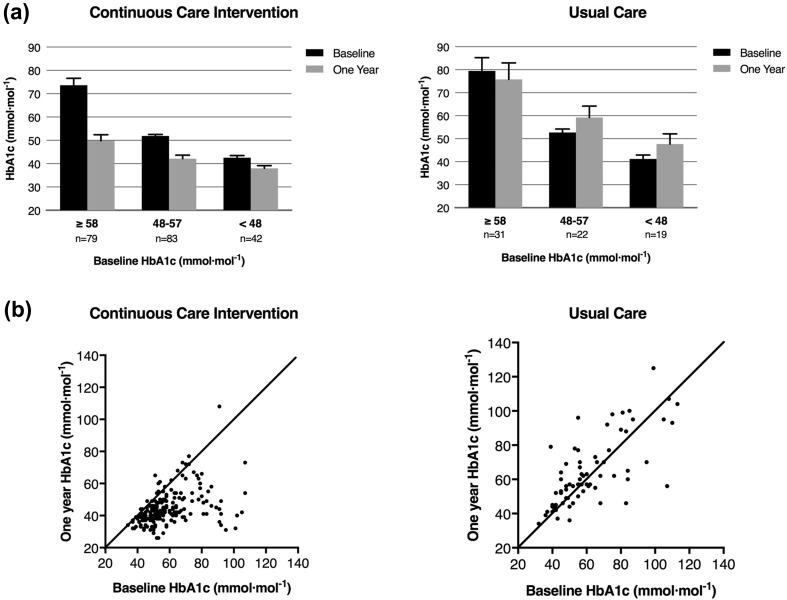
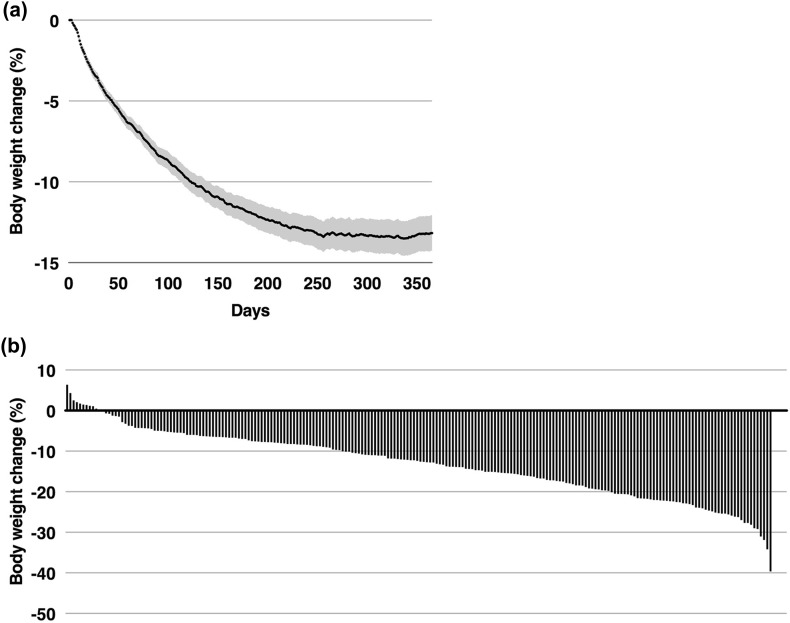
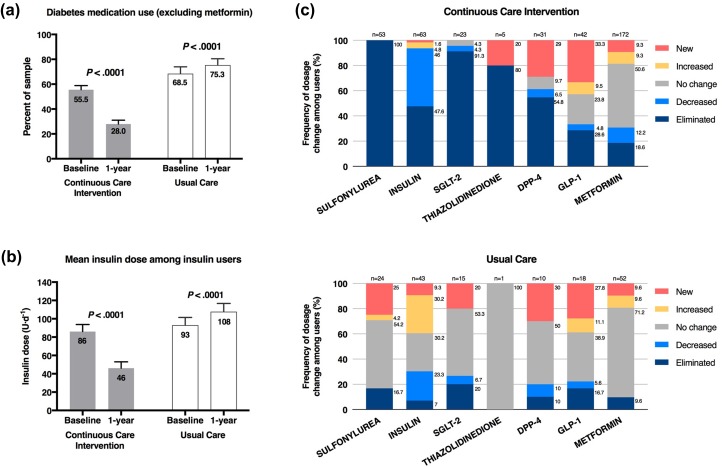
Carbohydrate restriction markedly improves glycemic control in patients with type 2 diabetes (T2D) but necessitates prompt medication changes. Therefore, we assessed the effectiveness and safety of a novel care model providing continuous remote care with medication management based on biometric feedback combined with the metabolic approach of nutritional ketosis for T2D management. We conducted an open-label, non-randomized, controlled, before-and-after 1-year study of this continuous care intervention (CCI) and usual care (UC). Primary outcomes were glycosylated hemoglobin (HbA1c), weight, and medication use. Secondary outcomes included fasting serum glucose and insulin, HOMA-IR, blood lipids and lipoproteins, liver and kidney function markers, and high-sensitivity C-reactive protein (hsCRP). 349 adults with T2D enrolled: CCI: n = 262 [mean (SD); 54 (8) years, 116.5 (25.9) kg, 40.4 (8.8) kg m2, 92% obese, 88% prescribed T2D medication]; UC: n = 87 (52 (10) years, 105.6 (22.15) kg, 36.72 (7.26) kg m2, 82% obese, 87% prescribed T2D medication]. 218 participants (83%) remained enrolled in the CCI at 1 year. Intention-to-treat analysis of the CCI (mean ± SE) revealed HbA1c declined from 59.6 ± 1.0 to 45.2 ± 0.8 mmol mol−1 (7.6 ± 0.09% to 6.3 ± 0.07%, P < 1.0 × 10⁻¹⁶), weight declined 13.8 ± 0.71 kg (P < 1.0 × 10⁻¹⁶), and T2D medication prescription other than metformin declined from 56.9 ± 3.1% to 29.7 ± 3.0% (P < 1.0 × 10⁻¹⁶). Insulin therapy was reduced or eliminated in 94% of users; sulfonylureas were entirely eliminated in the CCI. No adverse events were attributed to the CCI. Additional CCI 1-year effects were HOMA-IR − 55% (P = 3.2 × 10⁻⁵), hsCRP − 39% (P < 1.0 × 10⁻¹⁶), triglycerides − 24% (P < 1.0 × 10⁻¹⁶), HDL-cholesterol + 18% (P < 1.0 × 10⁻¹⁶), and LDL-cholesterol + 10% (P = 5.1 × 10⁻⁵); serum creatinine and liver enzymes (ALT, AST, and ALP) declined (P ≤ 0.0001), and apolipoprotein B was unchanged (P = 0.37). UC participants had no significant changes in biomarkers or T2D medication prescription at 1 year. These results demonstrate that a novel metabolic and continuous remote care model can support adults with T2D to safely improve HbA1c, weight, and other biomarkers while reducing diabetes medication use. NCT02519309. Virta Health Corp. Treatments for type 2 diabetes (T2D) have improved, yet T2D and being overweight are still significant public health concerns. Blood sugar in patients with T2D can improve quickly when patients eat significantly fewer dietary carbohydrates. However, this demands careful medicine management by doctors, and patients need support and frequent contact with health providers to sustain this way of living. The purpose of this study was to evaluate if a new care model with very low dietary carbohydrate intake and continuous supervision by a health coach and doctor could safely lower HbA1c, weight and need for medicines after 1 year in adults with T2D. 262 adults with T2D volunteered to participate in this continuous care intervention (CCI) along with 87 adults with T2D receiving usual care (UC) from their doctors and diabetes education program. After 1 year, patients in the CCI, on average, lowered HbA1c from 7.6 to 6.3%, lost 12% of their body weight, and reduced diabetes medicine use. 94% of patients who were prescribed insulin reduced or stopped their insulin use, and sulfonylureas were eliminated in all patients. Participants in the UC group had no changes to HbA1c, weight or diabetes medicine use over the year. These changes in CCI participants happened safely while dyslipidemia and markers of inflammation and liver function improved. This suggests the novel care model studied here using dietary carbohydrate restriction and continuous remote care can safely support adults with T2D to lower HbA1c, weight, and medicine use.
Overview
CoChat Summary
TL;DR
In an open-label, non-randomized, controlled 1-year study, a continuous care intervention combining remote care with nutritional ketosis was associated with improved HbA1c, weight, and medication use in adults with type 2 diabetes, while usual care showed no significant biomarker changes. No adverse events were attributed to the intervention.
Key findings
- Among 349 enrolled adults (CCI n = 262; UC n = 87), 218 CCI participants (83%) remained enrolled at 1 year. Intention-to-treat CCI results showed HbA1c declined from 59.6 ± 1.0 to 45.2 ± 0.8 mmol/mol (7.6 ± 0.09% to 6.3 ± 0.07%, P < 1.0 × 10⁻¹⁶), weight declined 13.8 ± 0.71 kg (P < 1.0 × 10⁻¹⁶), and diabetes medication prescription other than metformin declined from 56.9 ± 3.1% to 29.7 ± 3.0% (P < 1.0 × 10⁻¹⁶).
- Insulin therapy was reduced or eliminated in 94% of users, and sulfonylureas were entirely eliminated in the CCI; UC participants had no significant changes in biomarkers or T2D medication prescription at 1 year.
- Additional CCI 1-year effects included HOMA-IR −55% (P = 3.2 × 10⁻⁵), hsCRP −39% (P < 1.0 × 10⁻¹⁶), triglycerides −24% (P < 1.0 × 10⁻¹⁶), HDL-cholesterol +18% (P < 1.0 × 10⁻¹⁶), and LDL-cholesterol +10% (P = 5.1 × 10⁻⁵); apolipoprotein B was unchanged (P = 0.37).
- No adverse events were attributed to the CCI; no cases of metabolic acidosis were observed, and one CCI patient (0.38% of starters) had a clinically significant rise in serum creatinine.
Methods
- Open-label, non-randomized, controlled, before-and-after 1-year study of a continuous care intervention (CCI) versus usual care (UC) in adults with T2D, recruited in Lafayette, Indiana, USA, from August 2015 through March 2016 (NCT02519309).
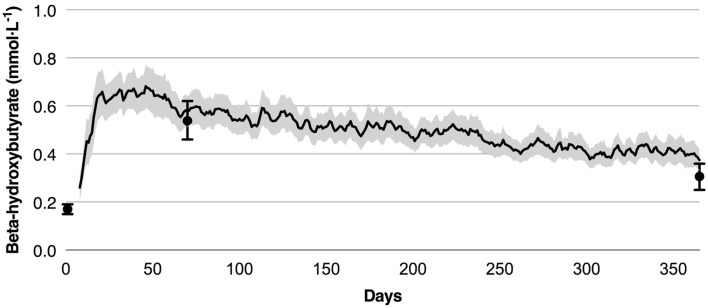
- CCI included remote care, telemedicine, health coaching, biometric feedback, and individualized nutrition targeting nutritional ketosis (goal blood BHB 0.5–3.0 mmol/L); UC participants received their own medical care and diabetes education.
- Primary outcomes were HbA1c, weight, and medication use; secondary outcomes included fasting glucose and insulin, HOMA-IR, lipids, liver and kidney markers, and hsCRP. Analyses used intention-to-treat with multiple imputation (700 imputations), completer analyses, and adjustment for baseline covariates.
Limitations
- Stated by the paper: the study occurred at a single site, participants were mostly Caucasian, socioeconomic and psychosocial status and genetics data were not collected, and the study was not of sufficient size or duration to measure hard endpoints such as mortality.
- Evident from the text: the non-randomized design allowed self-selection into CCI versus UC, and the authors note possible differences in motivation, expectations, and treatment intensity between groups.
- Evident from the text: 24% of 1-year biomarker values were missing and imputed, and the CCI and UC groups differed at baseline on some characteristics, although analyses adjusted for sex, age, baseline BMI, insulin use, and African-American race.
Model-written summary. Check it against the paper before relying on it.
Integrity signals
Registry
Cites
Statistics
Figures
Verification
Claims the paper makes
9 Valid · 0 Not valid · 8 Not checked · 116 Own results and interpretations
The cited sources support only part of this claim — read each source’s verdict below.
In the paper
“previously studied interventions elicited 4–9% weight loss in patients with T2D [25, 26]”
§ Effectiveness and Safety of a Novel Care Model for the Management of Type 2 Diabetes at 1 Year: An Open-Label, Non-Randomized, Controlled Study > Discussion > Effectiveness
What the sources say
- Partly supportedcites [25] The Look AHEAD Research Group Reduction in weight and cardiovascular disease risk factors in individuals with type 2 diabetes: one-year results of the look AHEAD trial Diabetes Care 2007 30 6 1374 1383 10.2337/dc07-0048 17363746 PMC2665929 sourceExperimental — accuracy not yet measured
The Conclusions (page unavailable) report 4–7% weight loss in earlier trials, but those participants had impaired glucose tolerance or hypertension, not specifically type 2 diabetes. The paper reports 8.6% weight loss in its own type 2 diabetes intervention; it does not establish that previously studied interventions in patients with type 2 diabetes produced the claimed 4–9% range. (LLM, conf=0.84)
- Not checked — no full text of the sourcecites [26] Tay J Luscombe-Marsh ND Thompson CH Comparison of low- and high-carbohydrate diets for type 2 diabetes management: a randomized trial Am J Clin Nutr 2015 102 4 780 790 10.3945/ajcn.115.112581 26224300 source
plainstates a cause- Asserted: passes — The authors put it forward as true.
- Checkable: passes — It can be checked against evidence.
- Load-bearing: passes — The paper’s conclusions depend on it.
- Based: passes — The paper gives a reason why it holds.
- Partly supported
A result the paper reports from its own data — it cites no other source for it, so there is none to check. The quote shows it is in the paper.
In the paper
“The CCI-web and CC-onsite sub-cohorts provide replication of the above results.”
§ Effectiveness and Safety of a Novel Care Model for the Management of Type 2 Diabetes at 1 Year: An Open-Label, Non-Randomized, Controlled Study > Results > Effectiveness
plainstates an association- Asserted: passes — The authors put it forward as true.
- Checkable: passes — It can be checked against evidence.
- Load-bearing: passes — The paper’s conclusions depend on it.
- Based: passes — The paper gives a reason why it holds.
A result the paper states — it cites no source for it, so there is none to check. The quote shows it is in the paper.
In the paper
“A usual care group showed no change in diabetes status or related biomarkers over the year.”
§ Effectiveness and Safety of a Novel Care Model for the Management of Type 2 Diabetes at 1 Year: An Open-Label, Non-Randomized, Controlled Study > Discussion
plain- Asserted: passes — The authors put it forward as true.
- Checkable: passes — It can be checked against evidence.
- Load-bearing: passes — The paper’s conclusions depend on it.
- Based: passes — The paper gives a reason why it holds.
A result the paper reports from its own data — it cites no other source for it, so there is none to check. The quote shows it is in the paper.
In the paper
“the CCI had broad positive impact on blood pressure, liver enzymes, hsCRP, triglycerides, and HDL-C”
§ Effectiveness and Safety of a Novel Care Model for the Management of Type 2 Diabetes at 1 Year: An Open-Label, Non-Randomized, Controlled Study > Discussion > Effectiveness
plainstates a cause- Asserted: passes — The authors put it forward as true.
- Checkable: passes — It can be checked against evidence.
- Load-bearing: passes — The paper’s conclusions depend on it.
- Based: passes — The paper gives a reason why it holds.
A result the paper reports from its own data — it cites no other source for it, so there is none to check. The quote shows it is in the paper.
In the paper
“Patients enrolled in UC for 1 year showed no Bonferroni-adjusted significant change for prescription of medication.”
§ Effectiveness and Safety of a Novel Care Model for the Management of Type 2 Diabetes at 1 Year: An Open-Label, Non-Randomized, Controlled Study > Results > Effectiveness
plain- Asserted: passes — The authors put it forward as true.
- Checkable: passes — It can be checked against evidence.
- Load-bearing: passes — The paper’s conclusions depend on it.
- Based: passes — The paper gives a reason why it holds.
78 more claims
Create a free account to see all 133 claims and every source verdict.
- It may state two separate claims as one. 37
- Probably not a substantial claim. 21
Claims other papers make about this one
Each is checked against this paper’s own text: does it say what the citing paper says it does?
The source backs part of the claim, not all of it — or backs it for a different population, condition or comparison.
In the citing paper
“In 2019, American Diabetes Association (ADA) newly endorsed low-carbohydrate diet as part of medical nutrition therapy options in diabetic patients based on the study results denoting enhanced glycemic control with a very low-carbohydrate diet inducing nutritional ketosis in T2DM patients [27,50,51,52].”
From Impact of a ketogenic diet on metabolic parameters in patients with obesity or overweight and with or without type 2 diabetes: a meta-analysis of randomized controlled trials. (2020) · cites this paper as [52]
Experimental — accuracy not yet measuredThe source backs part of the claim, not all of it — or backs it for a different population, condition or comparison.
In the citing paper
“We previously reported improvements in glycemia, body weight, markers of liver disease and cardiovascular risk over two years among participants with T2D receiving a continuous care intervention (CCI) delivered via telemedicine by a care team who counseled participants on a very low carbohydrate diet including nutritional ketosis [8,19].”
From 5-Year effects of a novel continuous remote care model with carbohydrate-restricted nutrition therapy including nutritional ketosis in type 2 diabetes: An extension study (2024) · cites this paper as [19]
Experimental — accuracy not yet measuredThe source backs part of the claim, not all of it — or backs it for a different population, condition or comparison.
In the citing paper
“CCI participants also improved inflammatory status (hsCRP and WBC) at 1 year (10) and 2 years.”
From Long-Term Effects of a Novel Continuous Remote Care Intervention Including Nutritional Ketosis for the Management of Type 2 Diabetes: A 2-Year Non-randomized Clinical Trial (2019) · cites this paper as [10]
Experimental — accuracy not yet measuredThe source backs part of the claim, not all of it — or backs it for a different population, condition or comparison.
In the citing paper
“Strong evidence now exists on the benefits of virtual, telehealth, or internet-based DSMES services for diabetes prevention and management in a wide variety of populations (43)(44)(45)(46)(47)(48)(49)(50)(51)(52)(53)(54).”
From 5. Facilitating Positive Health Behaviors and Well-being to Improve Health Outcomes:Standards of Care in Diabetes—2023 (2023) · cites this paper as [49]
Experimental — accuracy not yet measuredThe cited source says what the claim attributes to it.
In the citing paper
“nutritional ketosis has shown the capacity to reduce the use of hypoglycemic agents in diabetic patients [32,52]”
12 more claims about this paper
Create a free account to see every claim other papers make about this one.
Self-check
Percentages, sums and reported differences re-computed from the paper’s own numbers.
Each contradiction between two passages listed here was confirmed by an independent check.
Rated major: it would touch a result — a value a result rests on, reported and recomputed p-values on opposite sides of the significance level, two passages that conflict with no sign which is right, or a cited work retracted before this paper was published.
In the paper
“| CCI-all educationa | 262 | 59.55 (16.4) | 204 | 58.35 (15.3) | 58 | 63.49 (19.57) | − 28.66 ± 2.73 |”
§ Effectiveness and Safety of a Novel Care Model for the Management of Type 2 Diabetes at 1 Year: An Open-Label, Non-Randomized, Controlled Study > Methods > Statistical Analysis
Reported -28.66 · recomputed -5.14
Rated minor: it would not touch a result — a value no result rests on, a p-value that stays on the same side of the significance level, or a conflict that is clerical, resolved elsewhere in the paper, or outside its own findings.
In the paper
§ Effectiveness and Safety of a Novel Care Model for the Management of Type 2 Diabetes at 1 Year: An Open-Label, Non-Randomized, Controlled Study > Results > Effectiveness
“Of those in the CCI with HbA1c below 48 mmol mol−1 (< 6.5%) at 1 year, 42.3% (52/123) were prescribed no diabetes medication and 57.7% (71/123) were prescribed metformin only.”
§ Effectiveness and Safety of a Novel Care Model for the Management of Type 2 Diabetes at 1 Year: An Open-Label, Non-Randomized, Controlled Study > Results > Effectiveness
“Of those in the CCI with HbA1c reported at 1 year, 72% (147/204) achieved HbA1c below 48 mmol mol−1 (6.5%) and 60.3% (123/204) of participants achieved HbA1c below 48 mmol mol−1 (< 6.5%) while taking no diabetes medication or only metformin.”
Rated minor: it would not touch a result — a value no result rests on, a p-value that stays on the same side of the significance level, or a conflict that is clerical, resolved elsewhere in the paper, or outside its own findings.
In the paper
“| Usual carea | 87 | 59.99 (19.24) | 72 | 61.08 (19.89) | 15 | 54.52 (14.87) | − 16.97 ± 4.48 |”
§ Effectiveness and Safety of a Novel Care Model for the Management of Type 2 Diabetes at 1 Year: An Open-Label, Non-Randomized, Controlled Study > Methods > Statistical Analysis
Reported -16.97 · recomputed 6.56
Citations
Cites
Empagliflozin, Cardiovascular Outcomes, and Mortality in Type 2 Diabetes
Zinman, B., Wanner, C., Lachin, J. M., Fitchett, D., Bluhmki, E., Hantel, S., Mattheus, M., Devins, T., Johansen, O. E., Woerle, H. J., et al. (2015) · New England Journal of Medicine · doi:10.1056/nejmoa1504720 · Cited by 12,315
Standards of Medical Care in Diabetes
Power, D. (2006) · Diabetes Care · doi:10.2337/diacare.29.02.06.dc05-1593 · Cited by 8,673
Effects of Intensive Glucose Lowering in Type 2 Diabetes
(2008) · New England Journal of Medicine · doi:10.1056/nejmoa0802743 · Cited by 7,888
Canagliflozin and Cardiovascular and Renal Events in Type 2 Diabetes
Neal, B., Perkovic, V., Mahaffey, K. W., de Zeeuw, D., Fulcher, G., Erondu, N., Shaw, W., Law, G., Desai, M., & Matthews, D. R. (2017) · New England Journal of Medicine · doi:10.1056/nejmoa1611925 · Cited by 7,830
Liraglutide and Cardiovascular Outcomes in Type 2 Diabetes
Marso, S. P., Daniels, G. H., Brown-Frandsen, K., Kristensen, P., Mann, J. F. E., Nauck, M. A., Nissen, S. E., Pocock, S., Poulter, N. R., Ravn, L. S., et al. (2016) · New England Journal of Medicine · doi:10.1056/nejmoa1603827 · Cited by 7,629
Trumbo, P., Schlicker, S., Yates, A. A., & Poos, M. (2002) · Journal of the American Dietetic Association · doi:10.1016/s0002-8223(02)90346-9 · Cited by 5,993
Zhou, B., Lu, Y., Hajifathalian, K., Bentham, J., Di Cesare, M., Danaei, G., Bixby, H., Cowan, M., Ali, M., Taddei, C., et al. (2016) · The Lancet · doi:10.1016/s0140-6736(16)00618-8 · Cited by 4,311
Self-citationImproving chronic illness care: translating evidence into action
Wagner, E. H., Austin, B. T., Davis, C., Hindmarsh, M., Schaefer, J., & Bonomi, A. (2001) · Health Affairs · doi:10.1377/hlthaff.20.6.64 · Cited by 3,446
The ketone metabolite β-hydroxybutyrate blocks NLRP3 inflammasome-mediated inflammatory disease
Youm, Y.-H., Nguyen, K. Y., Grant, R. W., Goldberg, E. L., Bodogai, M., Kim, D., D'Agostino, D., Planavsky, N., Lupfer, C., Kanneganti, T. D., et al. (2015) · Nature Medicine · doi:10.1038/nm.3804 · Cited by 2,172
Lean, M. E., Leslie, W. S., Barnes, A. C., Brosnahan, N., Thom, G., McCombie, L., Peters, C., Zhyzhneuskaya, S., Al-Mrabeh, A., Hollingsworth, K. G., et al. (2018) · The Lancet · doi:10.1016/s0140-6736(17)33102-1 · Cited by 2,095
Cited by
Lean, M. E. J., Leslie, W. S., Barnes, A. C., Brosnahan, N., Thom, G., McCombie, L., Peters, C., Zhyzhneuskaya, S., Al-Mrabeh, A., Hollingsworth, K. G., et al. (2019) · The Lancet Diabetes & Endocrinology · doi:10.1016/s2213-8587(19)30068-3 · Cited by 1,017
5. Lifestyle Management:Standards of Medical Care in Diabetes—2019
American Diabetes Association (2019) · Diabetes Care · doi:10.2337/dc19-s005 · Cited by 700
Mozaffarian, D., Rosenberg, I., & Uauy, R. (2018) · BMJ · doi:10.1136/bmj.k2392 · Cited by 484
“56 63-65 Over months to years, some foods may impair pathways of weight homeostasis, others may have relatively neutral effects, and others may promote integrity of weight regulation.”
BackgroundDietary and nutritional approaches for prevention and management of type 2 diabetes
Forouhi, N. G., Misra, A., Mohan, V., Taylor, R., & Yancy, W. (2018) · BMJ · doi:10.1136/bmj.k2234 · Cited by 472
ElSayed, N. A., Aleppo, G., Aroda, V. R., Bannuru, R. R., Brown, F. M., Bruemmer, D., Collins, B. S., Hilliard, M. E., Isaacs, D., Johnson, E. L., et al. (2023) · Diabetes Care · doi:10.2337/dc23-s005 · Cited by 362
Ketone bodies: from enemy to friend and guardian angel
Kolb, H., Kempf, K., Röhling, M., Lenzen-Schulte, M., Schloot, N. C., & Martin, S. (2021) · BMC Medicine · doi:10.1186/s12916-021-02185-0 · Cited by 361
American Diabetes Association (2020) · Diabetes Care · doi:10.2337/dc20-s005 · Cited by 339
Athinarayanan, S. J., Adams, R. N., Hallberg, S. J., McKenzie, A. L., Bhanpuri, N. H., Campbell, W. W., Volek, J. S., Phinney, S. D., & McCarter, J. P. (2019) · Frontiers in Endocrinology · doi:10.3389/fendo.2019.00348 · Cited by 324
Self-citationAmerican Diabetes Association Professional Practice Committee (2022) · Diabetes Care · doi:10.2337/dc22-s005 · Cited by 445
Hyperinsulinemia in Obesity, Inflammation, and Cancer
Zhang, A. M. Y., Wellberg, E. A., Kopp, J. L., & Johnson, J. D. (2021) · Diabetes & Metabolism Journal · doi:10.4093/dmj.2020.0250 · Cited by 305
“Reducing fasting insulin with low carbohydrate diets, caloric restriction, or time-restricted feeding improves insulin sensitivity in mice and humans and may lead to T2DM remission [103-106].”
BackgroundAmerican Diabetes Association (2021) · Diabetes Care · doi:10.2337/dc21-s005 · Cited by 299
American Diabetes Association Professional Practice Committee, ElSayed, N. A., Aleppo, G., Bannuru, R. R., Beverly, E. A., Bruemmer, D., Collins, B. S., Darville, A., Ekhlaspour, L., Hassanein, M., et al. (2024) · Diabetes Care · doi:10.2337/dc24-s005 · Cited by 285
Dietary fat: From foe to friend?
Ludwig, D. S., Willett, W. C., Volek, J. S., & Neuhouser, M. L. (2018) · Science · doi:10.1126/science.aau2096 · Cited by 257
Self-citationNutritional ketosis for weight management and reversal of metabolic syndrome
Gershuni, V. M., Yan, S. L., & Medici, V. (2018) · Current Nutrition Reports · doi:10.1007/s13668-018-0235-0 · Cited by 239
Ketogenic diets and chronic disease: weighing the benefits against the risks
Crosby, L., Davis, B., Joshi, S., Jardine, M., Paul, J., Neola, M., & Barnard, N. D. (2021) · Frontiers in Nutrition · doi:10.3389/fnut.2021.702802 · Cited by 229
Low-Carb and Ketogenic Diets in Type 1 and Type 2 Diabetes
Bolla, A. M., Caretto, A., Laurenzi, A., Scavini, M., & Piemonti, L. (2019) · Nutrients · doi:10.3390/nu11050962 · Cited by 226
The ketogenic diet: Pros and cons
O'Neill, B., & Raggi, P. (2020) · Atherosclerosis · doi:10.1016/j.atherosclerosis.2019.11.021 · Cited by 219
Dietary carbohydrate restriction improves metabolic syndrome independent of weight loss
Hyde, P. N., Sapper, T. N., Crabtree, C. D., LaFountain, R. A., Bowling, M. L., Buga, A., Fell, B., McSwiney, F. T., Dickerson, R. M., Miller, V. J., et al. (2019) · JCI Insight · doi:10.1172/jci.insight.128308 · Cited by 210
“phenotype including atherogenic dyslipidemia (8, 10, 21) and type 2 diabetes (22).”
BackgroundChoi, Y. J., Jeon, S.-M., & Shin, S. (2020) · Nutrients · doi:10.3390/nu12072005 · Cited by 193
Churuangsuk, C., Hall, J., Reynolds, A., Griffin, S. J., Combet, E., & Lean, M. E. J. (2022) · Diabetologia · doi:10.1007/s00125-021-05577-2 · Cited by 204
“Among these, three provided diabetes education or advice (Table 2) [49, 50, 52].”
BackgroundThe Potential Health Benefits of the Ketogenic Diet: A Narrative Review
Dowis, K., & Banga, S. (2021) · Nutrients · doi:10.3390/nu13051654 · Cited by 200
“Recent studies utilizing Low-carbohydrate, High-fat (LCHF) diets, such as the ketogenic diet, show promise in helping patients lose weight, reverse the signs of metabolic syndrome, reduce, or eliminate insulin requirements for type II diabetics [2], reduce inflammation, improve epigenetic profiles, alter the microbiom…”
BackgroundInfluentialBhanpuri, N. H., Hallberg, S. J., Williams, P. T., McKenzie, A. L., Ballard, K. D., Campbell, W. W., McCarter, J. P., Phinney, S. D., & Volek, J. S. (2018) · Cardiovascular Diabetology · doi:10.1186/s12933-018-0698-8 · Cited by 190
“Intensive lifestyle interventions with dietary carbohydrate restriction [5–8], including the recently described continuous remote care model, which helps patients with T2D sustain nutritional ketosis [9, 10], have demonstrated improved glycemic control concurrent with medication reduction.”
BackgroundMethodResultInfluentialSelf-citationA Heart-Healthy Diet for Cardiovascular Disease Prevention: Where Are We Now?
Diab, A., Dastmalchi, L. N., Gulati, M., & Michos, E. D. (2023) · Vascular Health and Risk Management · doi:10.2147/vhrm.s379874 · Cited by 176
Reversing Type 2 Diabetes: A Narrative Review of the Evidence
Hallberg, S. J., Gershuni, V. M., Hazbun, T. L., & Athinarayanan, S. J. (2019) · Nutrients · doi:10.3390/nu11040766 · Cited by 170
“Blood urea nitrogen (BUN) has been found to increase and decrease in different studies without an associated change in kidney function [87,98,100,115,116].”
BackgroundMethodSelf-citationGardner, C. D., Vadiveloo, M. K., Petersen, K. S., Anderson, C. A. M., Springfield, S., Van Horn, L., Khera, A., Lamendola, C., Mayo, S. M., Joseph, J. J., et al. (2023) · Circulation · doi:10.1161/cir.0000000000001146 · Cited by 172
Dietary and policy priorities to reduce the global crises of obesity and diabetes
Mozaffarian, D. (2020) · Nature Food · doi:10.1038/s43016-019-0013-1 · Cited by 143
Kelly, T., Unwin, D., & Finucane, F. (2020) · International Journal of Environmental Research and Public Health · doi:10.3390/ijerph17072557 · Cited by 128
The Ketogenic Diet for Obesity and Diabetes—Enthusiasm Outpaces Evidence
Joshi, S., Ostfeld, R. J., & McMacken, M. (2019) · JAMA Internal Medicine · doi:10.1001/jamainternmed.2019.2633 · Cited by 125
Shamanna, P., Saboo, B., Damodharan, S., Mohammed, J., Mohamed, M., Poon, T., Kleinman, N., & Thajudeen, M. (2020) · Diabetes Therapy · doi:10.1007/s13300-020-00931-w · Cited by 115
Li, R., Liu, Y., Liu, H., & Li, J. (2020) · Journal of Food Biochemistry · doi:10.1111/jfbc.13140 · Cited by 106
Myette-Côté, É., Durrer, C., Neudorf, H., Bammert, T. D., Botezelli, J. D., Johnson, J. D., DeSouza, C. A., & Little, J. P. (2018) · American Journal of Physiology-Regulatory, Integrative and Comparative Physiology · doi:10.1152/ajpregu.00240.2018 · Cited by 92
Cooper, I. D., Crofts, C. A. P., DiNicolantonio, J. J., Malhotra, A., Elliott, B., Kyriakidou, Y., & Brookler, K. H. (2020) · Open Heart · doi:10.1136/openhrt-2020-001356 · Cited by 99
“…mimicking diets, which has a phenotype of healthy blood glucose (3.5–6.0 mmol/L), insulin ( 200 pmol/L) and ketones ( 7.0 mmol/L in healthy individuals, ketones at ≤ 3.0 mmol/L is a respectable concentration in meta-bolically unhealthy patients), 77–79 where there is no drive to calorie restrict.”
InfluentialNikolic, D., Giglio, R. V., Rizvi, A. A., Patti, A. M., Montalto, G., Maranta, F., Cianflone, D., Stoian, A. P., & Rizzo, M. (2021) · Diabetes Therapy · doi:10.1007/s13300-020-00962-3 · Cited by 81
Cukoski, S., Lindemann, C. H., Arjune, S., Todorova, P., Brecht, T., Kühn, A., Oehm, S., Strubl, S., Becker, I., Kämmerer, U., et al. (2023) · Cell Reports Medicine · doi:10.1016/j.xcrm.2023.101283 · Cited by 94
“44,64 Of note,most of theavailable data todate hasbeenobtained in overweight and obese patients, whereas reports on normal weight patients are scarce.”
BackgroundInvestigating Ketone Bodies as Immunometabolic Countermeasures against Respiratory Viral Infections
Stubbs, B. J., Koutnik, A. P., Goldberg, E. L., Upadhyay, V., Turnbaugh, P. J., Verdin, E., & Newman, J. C. (2020) · Med · doi:10.1016/j.medj.2020.06.008 · Cited by 71
Beyond Body Weight-Loss: Dietary Strategies Targeting Intrahepatic Fat in NAFLD
Worm, N. (2020) · Nutrients · doi:10.3390/nu12051316 · Cited by 85
Effect of low-carbohydrate diets on cardiometabolic risk, insulin resistance, and metabolic syndrome
O’Neill, B. J. (2020) · Current Opinion in Endocrinology, Diabetes & Obesity · doi:10.1097/med.0000000000000569 · Cited by 71
AlZaim, I., Hammoud, S. H., Al-Koussa, H., Ghazi, A., Eid, A. H., & El-Yazbi, A. F. (2020) · Frontiers in Cardiovascular Medicine · doi:10.3389/fcvm.2020.602088 · Cited by 73
Unwin, D., Delon, C., Unwin, J., Tobin, S., & Taylor, R. (2023) · BMJ Nutrition, Prevention & Health · doi:10.1136/bmjnph-2022-000544 · Cited by 72
Dietary strategies for remission of type 2 diabetes: A narrative review
Brown, A. C., McArdle, P., Taplin, J., Unwin, D., Unwin, J., Deakin, T., Wheatley, S. D., Murdoch, C., Malhotra, A., & Mellor, D. D. (2021) · Journal of Human Nutrition and Dietetics · doi:10.1111/jhn.12938 · Cited by 83
“In addition in Virta 57% were prescribed a diabetes medication other than metformin and 46% were prescribed insulin (24).”
BackgroundMethodInfluentialExtended Ketogenic Diet and Physical Training Intervention in Military Personnel
LaFountain, R. A., Miller, V. J., Barnhart, E. C., Hyde, P. N., Crabtree, C. D., McSwiney, F. T., Beeler, M. K., Buga, A., Sapper, T. N., Short, J. A., et al. (2019) · Military Medicine · doi:10.1093/milmed/usz046 · Cited by 68
“In addition, KDs have also been shown to reverse metabolic syndrome(15) and type-2 diabetes.(16) The few studies published that examined the effects of a KD versus a mixed diet in the context of endurance(17) or resistance training showed enhanced weight loss with a KD without compromising performance.”
BackgroundSelf-citationAthinarayanan, S. J., Hallberg, S. J., McKenzie, A. L., Lechner, K., King, S., McCarter, J. P., Volek, J. S., Phinney, S. D., & Krauss, R. M. (2020) · Cardiovascular Diabetology · doi:10.1186/s12933-020-01178-2 · Cited by 68
Self-citationNutritional basis of type 2 diabetes remission
Taylor, R., Ramachandran, A., Yancy, W. S., & Forouhi, N. G. (2021) · BMJ · doi:10.1136/bmj.n1449 · Cited by 59
Tahreem, A., Rakha, A., Rabail, R., Nazir, A., Socol, C. T., Maerescu, C. M., & Aadil, R. M. (2022) · Frontiers in Nutrition · doi:10.3389/fnut.2022.960922 · Cited by 98
“In another study, 12 months of KD treatment was found to be associated with decreased carotid distensibility and increased LDL-c, TC:LDL-c, and LDL-c:HDL-c ratios.”
BackgroundInfluentialSzczepańska, E., Białek-Dratwa, A., Janota, B., & Kowalski, O. (2022) · Nutrients · doi:10.3390/nu14132649 · Cited by 76
“A positive effect of the ketogenic diet on blood pressure has also been reported; moreover, no increase in LDL fraction cholesterol was observed [77,78].”
BackgroundClinical research framework proposal for ketogenic metabolic therapy in glioblastoma
Duraj, T., Kalamian, M., Zuccoli, G., Maroon, J. C., D’Agostino, D. P., Scheck, A. C., Poff, A. M., Winter, S. F., Hu, J. L., Klement, R. J., et al. (2024) · BMC Medicine · doi:10.1186/s12916-024-03775-4 · Cited by 73
Landry, M. J., Crimarco, A., Perelman, D., Durand, L. R., Petlura, C., Aronica, L., Robinson, J. L., Kim, S. H., & Gardner, C. D. (2021) · Nutrients · doi:10.3390/nu13030967 · Cited by 60
Fleischhacker, S. E., Woteki, C. E., Coates, P. M., Hubbard, V. S., Flaherty, G., Glickman, D. R., Harkin, T. R., Kessler, D. A., Li, W. W., Loscalzo, J., et al. (2020) · American Journal of Clinical Nutrition · doi:10.1093/ajcn/nqaa179 · Cited by 72
Thai, P. N., Miller, C., King, M. T., Schaefer, S., Veech, R. L., Chiamvimonvat, N., Bers, D. M., & Dedkova, E. N. (2021) · Journal of the American Heart Association · doi:10.1161/jaha.120.020729 · Cited by 65
Majithia, A. R., Kusiak, C. M., Armento Lee, A., Colangelo, F. R., Romanelli, R. J., Robertson, S., Miller, D. P., Erani, D. M., Layne, J. E., Dixon, R. F., et al. (2020) · Journal of Medical Internet Research · doi:10.2196/21778 · Cited by 58
Alternative Dietary Patterns for Americans: Low-Carbohydrate Diets
Volek, J. S., Phinney, S. D., Krauss, R. M., Johnson, R. J., Saslow, L. R., Gower, B., Yancy, W. S., King, J. C., Hecht, F. M., Teicholz, N., et al. (2021) · Nutrients · doi:10.3390/nu13103299 · Cited by 57
“After 1-year in adults with T2D, glycemic control medications were reduced more in the very low-carbohydrate diet group compared to the moderate-carbohydrate or the usual care group [104,106].”
BackgroundMethodInfluentialSelf-citationDurrer, C. G., McKelvey, S., Singer, J., Batterham, A. M., Johnson, J. D., Gudmundson, K., Wortman, J., & Little, J. P. (2021) · Nature Communications · doi:10.1038/s41467-021-25667-4 · Cited by 70
Taylor, M. K., Swerdlow, R. H., & Sullivan, D. K. (2019) · Nutrients · doi:10.3390/nu11081910 · Cited by 65
Shamanna, P., Dharmalingam, M., Sahay, R. K., Mohammed, J., Mohamed, M., Poon, T., Kleinman, N. L., & Thajudeen, M. (2021) · Scientific Reports · doi:10.1038/s41598-021-94339-6 · Cited by 68
Efficacy of Ketogenic Diets on Type 2 Diabetes: a Systematic Review
Tinguely, D., Gross, J., & Kosinski, C. (2021) · Current Diabetes Reports · doi:10.1007/s11892-021-01399-z · Cited by 65
Dyńka, D., Kowalcze, K., Ambrożkiewicz, F., & Paziewska, A. (2023) · Nutrients · doi:10.3390/nu15030500 · Cited by 58
Hallberg, S. J., Dockter, N. E., Kushner, J. A., & Athinarayanan, S. J. (2019) · Diabetes Obesity and Metabolism · doi:10.1111/dom.13736 · Cited by 56
“Two studies found that the diet resulted in significant worsening from baseline.(99,100) However, the study by Hallberg et al(99) reported no change between the test and control diets for measured apolipoprotein B, probably more pertinent to CVD risk than the calculated LDL cholesterol value, which is impacted proport…”
BackgroundMethodResultInfluentialSelf-citationAbe, M., & Abe, H. (2019) · Personalized Medicine Universe · doi:10.1016/j.pmu.2019.05.002 · Cited by 77
The Role of Ketogenic Metabolic Therapy on the Brain in Serious Mental Illness: A Review
Sethi, S., & Ford, J. M. (2022) · Journal of Psychiatry and Brain Science · doi:10.20900/jpbs.20220009 · Cited by 71
“reported a 83% compliance rate to the KD after one year in patients with T2DM [37].”
BackgroundResultInfluentialShamanna, P., Erukulapati, R. S., Shukla, A., Shah, L., Willis, B., Thajudeen, M., KOVIL, R. R., Baxi, R., Wali, M., Damodharan, S., et al. (2024) · Scientific Reports · doi:10.1038/s41598-024-76584-7 · Cited by 72
“4), demonstrating the DT Program’s potential to significantly reduce or eliminate medication use in a large proportion of participants.”
BackgroundPot, G. K., Battjes-Fries, M. C., Patijn, O. N., Pijl, H., Witkamp, R. F., de Visser, M., van der Zijl, N., de Vries, M., & Voshol, P. J. (2019) · BMJ Nutrition, Prevention & Health · doi:10.1136/bmjnph-2018-000012 · Cited by 51
Improvement in Glycemic and Lipid Profiles in Type 2 Diabetics with a 90-Day Ketogenic Diet
Walton, C. M., Perry, K., Hart, R. H., Berry, S. L., & Bikman, B. T. (2019) · Journal of Diabetes Research · doi:10.1155/2019/8681959 · Cited by 72
“[14] found relatively substantial reductions in HbA1c, TG, and other lipids in a nonrandomized study population over one year.”
BackgroundLow carbohydrate dietary approaches for people with type 2 diabetes-a narrative review
Wheatley, S. D., Deakin, T. A., Arjomandkhah, N. C., Hollinrake, P. B., & Reeves, T. E. (2021) · Frontiers in Nutrition · doi:10.3389/fnut.2021.687658 · Cited by 50
Vilar-Gomez, E., Athinarayanan, S. J., Adams, R. N., Hallberg, S. J., Bhanpuri, N. H., McKenzie, A. L., Campbell, W. W., McCarter, J. P., Phinney, S. D., Volek, J. S., et al. (2019) · BMJ Open · doi:10.1136/bmjopen-2018-023597 · Cited by 50
Self-citationLow-Carbohydrate and Very-Low-Carbohydrate Diets in Patients With Diabetes
Merrill, J. D., Soliman, D., Kumar, N., Lim, S., Shariff, A. I., & Yancy, W. S. (2020) · Diabetes Spectrum · doi:10.2337/ds19-0070 · Cited by 49
Efficacy of Dietary and Supplementation Interventions for Individuals with Type 2 Diabetes
Lewgood, J., Oliveira, B., Korzepa, M., Forbes, S. C., Little, J. P., Breen, L., Bailie, R., & Candow, D. G. (2021) · Nutrients · doi:10.3390/nu13072378 · Cited by 58
“One of the most well publicized trials presented one year [100] and two year [114] results from T2D participants (21–65 years) after a remote care intervention including a very low-carbohydrate diet.”
BackgroundKetone Supplementation: Meeting the Needs of the Brain in an Energy Crisis
Poff, A. M., Moss, S. E., Soliven, M. A., & D’Agostino, D. P. (2021) · Frontiers in Nutrition · doi:10.3389/fnut.2021.783659 · Cited by 57
Prediction of Insulin Resistance by Modified Triglyceride Glucose Indices in Youth
Song, K., Park, G., Lee, H. S., Choi, Y., Oh, J. S., Choi, H. S., Suh, J., Kwon, A., Kim, H.-S., & Chae, H. W. (2021) · Life · doi:10.3390/life11040286 · Cited by 57
Lessons learned from recent clinical trials of ketogenic diet therapies in adults
McDonald, T. J. W., & Cervenka, M. C. (2019) · Current Opinion in Clinical Nutrition & Metabolic Care · doi:10.1097/mco.0000000000000596 · Cited by 55
Measuring ketone bodies for the monitoring of pathologic and therapeutic ketosis
Anderson, J. C., Mattar, S. G., Greenway, F. L., & Lindquist, R. J. (2021) · Obesity Science & Practice · doi:10.1002/osp4.516 · Cited by 57
Low-carbohydrate diets for the treatment of obesity and type 2 diabetes
Hall, K. D., & Chung, S. T. (2018) · Current Opinion in Clinical Nutrition & Metabolic Care · doi:10.1097/mco.0000000000000470 · Cited by 46
Ahmed, S. R., Bellamkonda, S., Zilbermint, M., Wang, J., & Kalyani, R. R. (2020) · BMJ Open Diabetes Research & Care · doi:10.1136/bmjdrc-2019-000980 · Cited by 44
“23 Also, to our knowledge, the LCHF diet has not been previously studied in real-world clinical settings.”
InfluentialImpact of fasting & ketogenic interventions on the NLRP3 inflammasome: A narrative review
Neudorf, H., & Little, J. P. (2023) · Biomedical Journal · doi:10.1016/j.bj.2023.100677 · Cited by 55
The case for a ketogenic diet in the management of kidney disease
Athinarayanan, S. J., Roberts, C. G. P., Vangala, C., Shetty, G. K., McKenzie, A. L., Weimbs, T., & Volek, J. S. (2024) · BMJ Open Diabetes Research & Care · doi:10.1136/bmjdrc-2024-004101 · Cited by 48
Self-citationThe Philosophy of Evidence-Based Principles and Practice in Nutrition
Johnston, B. C., Sievenpiper, J. L., Vernooij, R. W. M., de Souza, R. J., Jenkins, D. J. A., Zeraatkar, D., Bier, D. M., & Guyatt, G. H. (2019) · Mayo Clinic Proceedings Innovations Quality & Outcomes · doi:10.1016/j.mayocpiqo.2019.02.005 · Cited by 61
Norgren, J., Sindi, S., Matton, A., Kåreholt, I., Daniilidou, M., Akenine, U., Nordin, K., Rosenborg, S., Ngandu, T., & Kivipelto, M. (2020) · Frontiers in Nutrition · doi:10.3389/fnut.2020.00040 · Cited by 51
“5 mmol/L, measured by capillary finger pricks, has been used as a cut-off for ketosis clinically (23) and as a research outcome (5, 24).”
BackgroundMethodHwang, S. I., Chen, H.-Y., Fenk, C., Rothfuss, M. A., Bocan, K. N., Franconi, N. G., Morgan, G. J., White, D. L., Burkert, S. C., Ellis, J. E., et al. (2021) · ACS Sensors · doi:10.1021/acssensors.0c01973 · Cited by 47
Ketones: potential to achieve brain energy rescue and sustain cognitive health during ageing
Myette‐Côté, É., Soto-Mota, A., & Cunnane, S. C. (2021) · British Journal Of Nutrition · doi:10.1017/s0007114521003883 · Cited by 50
Adherence to Low-Carbohydrate Diets in Patients with Diabetes: A Narrative Review
Kumar, N. K., Merrill, J. D., Carlson, S., German, J., & Yancy, W. S., Jr. (2022) · Diabetes Metabolic Syndrome and Obesity · doi:10.2147/dmso.s292742 · Cited by 51
Brown, A., & Leeds, A. R. (2019) · Nutrition Bulletin · doi:10.1111/nbu.12372 · Cited by 43
“Similar to the results of the Look AHEAD trial, remission rates reduced over time in both studies (Esposito et al. 2014; Hallberg et al. 2018).”
BackgroundResultExogenous Ketones Lower Blood Glucose Level in Rested and Exercised Rodent Models
Ari, C., Murdun, C., Koutnik, A. P., Goldhagen, C. R., Rogers, C. Q., Park, C. R., Bharwani, S., Diamond, D. M., Kindy, M. S., D’Agostino, D. P., et al. (2019) · Nutrients · doi:10.3390/nu11102330 · Cited by 48
“Recently it has been reported that in Type-1 and Type-2 diabetic patients, a low-carbohydrate, KD results in improved glycemic control [56,100,101].”
BackgroundRisks of the ketogenic diet in CKD – the con part
Joshi, S., Shi, R., & Patel, J. (2023) · Clinical Kidney Journal · doi:10.1093/ckj/sfad274 · Cited by 53
“While a ketogenic diet may decrease serum triglycerides in patients with T2D [19 ], more evidence from meta-analyses of randomized controlled trials suggests that ketogenic diets increase LDL-C and apo-B, which are more clearly associated with cardiovascular risk and atherosclerotic plaque growth…”
BackgroundExogenous Ketone Bodies as Promising Neuroprotective Agents for Developmental Brain Injury
Wood, T. R., Stubbs, B. J., & Juul, S. E. (2018) · Developmental Neuroscience · doi:10.1159/000499563 · Cited by 42
The ketogenic diet all grown up—Ketogenic diet therapies for adults
Husari, K. S., & Cervenka, M. C. (2020) · Epilepsy Research · doi:10.1016/j.eplepsyres.2020.106319 · Cited by 50
Reversal and Remission of T2DM – An Update for Practitioners
Shibib, L., Al-Qaisi, M., Ahmed, A., Miras, A. D., Nott, D., Pelling, M., Greenwald, S. E., & Guess, N. D. (2022) · Vascular Health and Risk Management · doi:10.2147/vhrm.s345810 · Cited by 48
Hallberg, S. J., Gershuni, V. M., Hazbun, T. L., & Athinarayanan, S. J. (2019) · Nutrients · doi:10.3390/nu11071644 · Cited by 39
“[7] found a DM reversal rate in response to a ketogenic diet of 60%; reversal was defined as HbA1c below 6.”
BackgroundMethodSelf-citationKetogenic diet in children and adolescents: The effects on growth and nutritional status
Corsello, A., Trovato, C. M., Profio, E. D., Cardile, S., Campoy, C., Zuccotti, G., Verduci, E., & Diamanti, A. (2023) · Pharmacological Research · doi:10.1016/j.phrs.2023.106780 · Cited by 50
Pot, G. K., Battjes‐Fries, M. C. E., Patijn, O. N., van der Zijl, N. J., Pijl, H., & Voshol, P. J. (2020) · BMJ Nutrition Prevention & Health · doi:10.1136/bmjnph-2020-000081 · Cited by 53
(2020) · Canadian Journal of Diabetes · doi:10.1016/j.jcjd.2020.04.001 · Cited by 43
Chen, O., Blonquist, T., Mah, E., Sanoshy, K. D., Beckman, D., Nieman, K. M., Winters, B., Anthony, J. C., Verdin, E. M., Newman, J. C., et al. (2021) · Nutrients · doi:10.3390/nu13062066 · Cited by 39
“under investigation for use in other clinical conditions such as type 2 diabetes [9,10], migraine [11–13], and glioblastoma [14,15].”
MethodType 2 Diabetes Prevention Focused on Normalization of Glycemia: A Two-Year Pilot Study
McKenzie, A. L., Athinarayanan, S. J., McCue, J. J., Adams, R. N., Keyes, M., McCarter, J. P., Volek, J. S., Phinney, S. D., & Hallberg, S. J. (2021) · Nutrients · doi:10.3390/nu13030749 · Cited by 37
Self-citationKnowledge about type 2 diabetes: its impact for future management
Ferreira, P. L., Morais, C., Pimenta, R. E., Ribeiro, I., Amorim, I., Alves, S. M., & Santiago, L. M. (2024) · Frontiers in Public Health · doi:10.3389/fpubh.2024.1328001 · Cited by 72
Ketogenic Diets for Body Weight Loss: A Comparison with Other Diets
Dyńka, D., Rodzeń, Ł., Rodzeń, M., Pacholak-Klimas, A., Ede, G., Sethi, S., Łojko, D., Bartoń, K., Berry, K., Deptuła, A., et al. (2025) · Nutrients · doi:10.3390/nu17060965 · Cited by 47
“Patients lost an average of 12% of their body weight during this time (mainly up to month 8, followed by weight maintenance over the following months) [85].”
Yancy, W. S., Crowley, M. J., Dar, M. S., Coffman, C. J., Jeffreys, A. S., Maciejewski, M. L., Voils, C. I., Bradley, A. B., & Edelman, D. (2020) · JAMA Internal Medicine · doi:10.1001/jamainternmed.2019.4802 · Cited by 33
Soto-Mota, A., Norwitz, N. G., Evans, R. D., & Clarke, K. (2021) · Endocrinology Diabetes & Metabolism · doi:10.1002/edm2.300 · Cited by 39
Adherence to Low-Carbohydrate Diets in Patients with Diabetes: A Narrative Review
Kumar, N., Merrill, J. D., Carlson, S., German, J., & Yancy, W. S. (2022) · Dove Medical Press (Taylor and Francis Group) · Cited by 33
MacKay, D., Chan, C. B., Dasgupta, K., Dominy, C., Gagner, M., Jin, S., Kim, J., Little, J. P., MacDonald, B., McInnes, N., et al. (2022) · Canadian Journal of Diabetes · doi:10.1016/j.jcjd.2022.10.004 · Cited by 46
Li, S., Du, Y. N., Meireles, C. L., Sharma, K., Qi, L., Castillo, A., & Wang, J. (2023) · Nutrition and Diabetes · doi:10.1038/s41387-023-00246-2 · Cited by 36
Pavlidou, E., Papadopoulou, S. Κ., Fasoulas, A., Papaliagkas, V. T., Alexatou, O., Chatzidimitriou, M., Mentzelou, M., & Giaginis, C. (2023) · Nutrients · doi:10.3390/nu16010034 · Cited by 52
Siegmann, M. J., Athinarayanan, S. J., Hallberg, S. J., McKenzie, A. L., Bhanpuri, N. H., Campbell, W. W., McCarter, J. P., Phinney, S. D., Volek, J. S., & Dort, C. J. V. (2019) · Sleep Medicine · doi:10.1016/j.sleep.2018.12.014 · Cited by 36
Self-citation
Metadata
- Authors
- Hallberg, S. J., McKenzie, A. L., Williams, P. T., Bhanpuri, N. H., Peters, A. L., Campbell, W. W., Hazbun, T. L., Volk, B. M., McCarter, J. P., Phinney, S. D., & Volek, J. S.
- Affiliations
- Indiana University Health (US)
- University of Southern California (US)
- Purdue University West Lafayette (US)
- Washington University in St. Louis (US)
- The Ohio State University (US)
- Corresponding author
- McKenzie, Amy L.
- ORCID
- Venue
- Diabetes Therapy
- Published
- 2018-02-07
- Volume
- 9
- Issue
- 2
- Pages
- 583-612
- ISSN
- 1869-6953 (ISSN-L)
- 1869-6961
- PMC
- PMC6104272
- OpenAlex
- W2785914398
- Cited by
- 406
- References
- 54
- Citations by year
- 2026: 40 · 2025: 40 · 2024: 51 · 2023: 40 · 2022: 45 · 2021: 67 · 2020: 50 · 2019: 48 · 2018: 25
- FWCI
- 37.81
- Type
- journal article
- Language
- en
- Update notices
- correction (2018-03-05)
- Open access
- gold
- doi.org
- Licence
- cc-by-nc
- creativecommons.org/licenses/by/4.0 (tdm)
- Locations
- Diabetes Therapy (publishedVersion, cc-by-nc)
- Europe PMC (PubMed Central) (publishedVersion, cc-by)
- PubMed Central (publishedVersion, cc-by)
- PubMed (publishedVersion)
- Funders
- Virta Health
- Topics
- Health Sciences › Medicine › Endocrinology, Diabetes and Metabolism › Diabetes Management and Research
- Health Sciences › Medicine › Physiology (medical) › Diet and metabolism studies
- Health Sciences › Medicine › Endocrinology, Diabetes and Metabolism › Diabetes Treatment and Management
- Keywords
- type 2 diabetes, remote care, biometric feedback, nutritional ketosis, carbohydrate restriction, glycemic control, HbA1c, weight loss, medication management, HOMA-IR, insulin resistance, serum lipids, C-reactive protein, liver and kidney function, obesity, diabetes care model
About these checks
Registry, retraction, Cites and statistics results are computed, not judged, with one exception: a printed reference that no index lists is read once by a model before it counts as a citation error. Claims are extracted by a model and kept only when their quote appears verbatim in the text; each cited source is then checked, with a model’s help, for whether it says what the claim relies on. Those verdicts can be wrong — read the claim’s quote and the cited source before relying on one.
The claim verdicts this report counts are experimental: their accuracy is not yet measured.
A language model drew the claims from the paper on 2026-10-10, under version 3 of the claim definition (model deepseek-v4.1-flash, prompt extract-v3).
A second model labelled each claim on 2026-10-10 (model jev-1.13-20260917, definition revision gold-guideline-v0.2).
Cited sources are checked with a language model’s help (gpt-6-sol).
Statistics and arithmetic are recomputed, not judged.
Confidence bands are shown only for fields calibrated on our annotated test set. None is calibrated yet, so no band is shown.
What counts as a claim ›How we measure confidence ›How we check this ›
Are you an author, or do you see a problem with this page? Request a review
Data sources
Bibliographic data: Semantic Scholar, OpenAlex, Crossref.
Contains information from the Semantic Scholar Academic Graph Datasets, made available under the ODC Attribution License (ODC-BY 1.0).
Semantic Scholar’s data is described in: Kinney, R., et al. (2023). The Semantic Scholar Open Data Platform. arXiv:2301.10140.
