

Effectiveness and Safety of a Novel Care Model for the Management of Type 2 Diabetes at 1 Year: An Open-Label, Non-Randomized, Controlled Study
Open accessThe DOI matches its Crossref record; 54 of the 54 references it cites were found in a registry or an index; 14 of the 27 sources its claims cite were checked for support.
Abstract
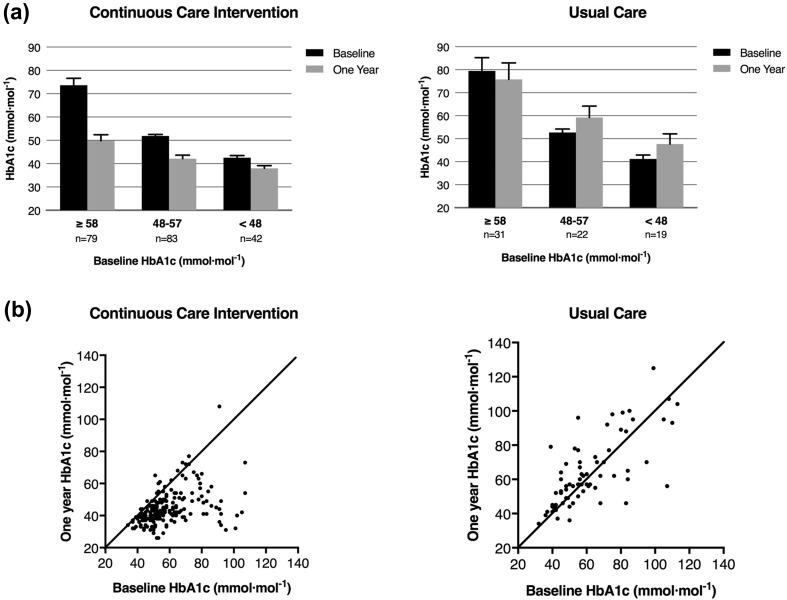
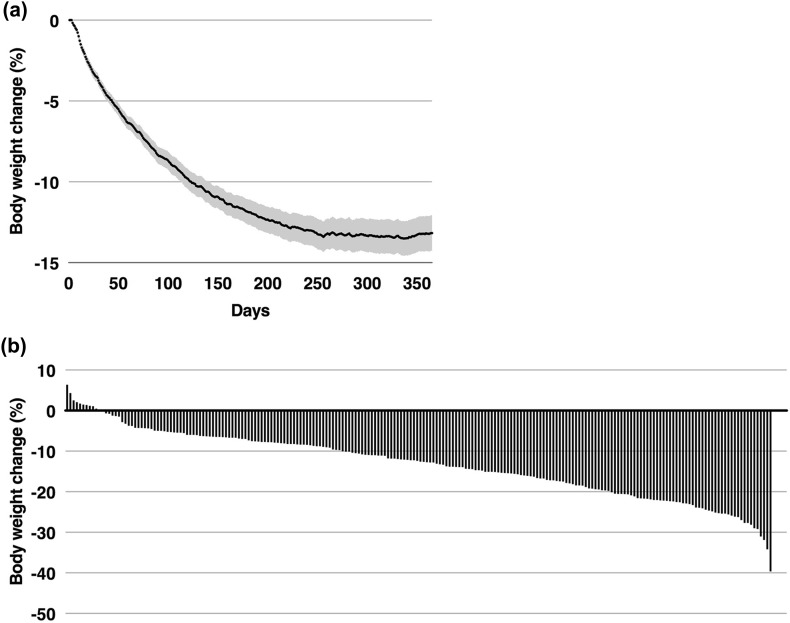
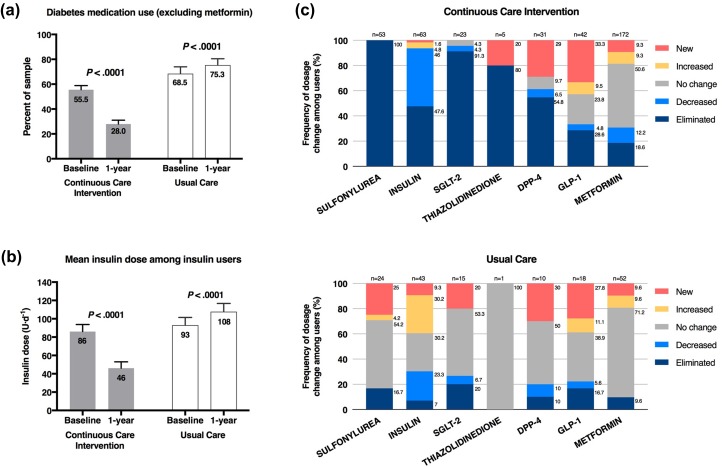
Carbohydrate restriction markedly improves glycemic control in patients with type 2 diabetes (T2D) but necessitates prompt medication changes. Therefore, we assessed the effectiveness and safety of a novel care model providing continuous remote care with medication management based on biometric feedback combined with the metabolic approach of nutritional ketosis for T2D management. We conducted an open-label, non-randomized, controlled, before-and-after 1-year study of this continuous care intervention (CCI) and usual care (UC). Primary outcomes were glycosylated hemoglobin (HbA1c), weight, and medication use. Secondary outcomes included fasting serum glucose and insulin, HOMA-IR, blood lipids and lipoproteins, liver and kidney function markers, and high-sensitivity C-reactive protein (hsCRP). 349 adults with T2D enrolled: CCI: n = 262 [mean (SD); 54 (8) years, 116.5 (25.9) kg, 40.4 (8.8) kg m2, 92% obese, 88% prescribed T2D medication]; UC: n = 87 (52 (10) years, 105.6 (22.15) kg, 36.72 (7.26) kg m2, 82% obese, 87% prescribed T2D medication]. 218 participants (83%) remained enrolled in the CCI at 1 year. Intention-to-treat analysis of the CCI (mean ± SE) revealed HbA1c declined from 59.6 ± 1.0 to 45.2 ± 0.8 mmol mol−1 (7.6 ± 0.09% to 6.3 ± 0.07%, P < 1.0 × 10⁻¹⁶), weight declined 13.8 ± 0.71 kg (P < 1.0 × 10⁻¹⁶), and T2D medication prescription other than metformin declined from 56.9 ± 3.1% to 29.7 ± 3.0% (P < 1.0 × 10⁻¹⁶). Insulin therapy was reduced or eliminated in 94% of users; sulfonylureas were entirely eliminated in the CCI. No adverse events were attributed to the CCI. Additional CCI 1-year effects were HOMA-IR − 55% (P = 3.2 × 10⁻⁵), hsCRP − 39% (P < 1.0 × 10⁻¹⁶), triglycerides − 24% (P < 1.0 × 10⁻¹⁶), HDL-cholesterol + 18% (P < 1.0 × 10⁻¹⁶), and LDL-cholesterol + 10% (P = 5.1 × 10⁻⁵); serum creatinine and liver enzymes (ALT, AST, and ALP) declined (P ≤ 0.0001), and apolipoprotein B was unchanged (P = 0.37). UC participants had no significant changes in biomarkers or T2D medication prescription at 1 year. These results demonstrate that a novel metabolic and continuous remote care model can support adults with T2D to safely improve HbA1c, weight, and other biomarkers while reducing diabetes medication use. NCT02519309. Virta Health Corp. Treatments for type 2 diabetes (T2D) have improved, yet T2D and being overweight are still significant public health concerns. Blood sugar in patients with T2D can improve quickly when patients eat significantly fewer dietary carbohydrates. However, this demands careful medicine management by doctors, and patients need support and frequent contact with health providers to sustain this way of living. The purpose of this study was to evaluate if a new care model with very low dietary carbohydrate intake and continuous supervision by a health coach and doctor could safely lower HbA1c, weight and need for medicines after 1 year in adults with T2D. 262 adults with T2D volunteered to participate in this continuous care intervention (CCI) along with 87 adults with T2D receiving usual care (UC) from their doctors and diabetes education program. After 1 year, patients in the CCI, on average, lowered HbA1c from 7.6 to 6.3%, lost 12% of their body weight, and reduced diabetes medicine use. 94% of patients who were prescribed insulin reduced or stopped their insulin use, and sulfonylureas were eliminated in all patients. Participants in the UC group had no changes to HbA1c, weight or diabetes medicine use over the year. These changes in CCI participants happened safely while dyslipidemia and markers of inflammation and liver function improved. This suggests the novel care model studied here using dietary carbohydrate restriction and continuous remote care can safely support adults with T2D to lower HbA1c, weight, and medicine use.
Overview
CoChat Summary
TL;DR
In an open-label, non-randomized, controlled 1-year study, a continuous care intervention combining remote care with nutritional ketosis was associated with improved HbA1c, weight, and medication use in adults with type 2 diabetes, while usual care showed no significant biomarker changes. No adverse events were attributed to the intervention.
Key findings
- Among 349 enrolled adults (CCI n = 262; UC n = 87), 218 CCI participants (83%) remained enrolled at 1 year. Intention-to-treat CCI results showed HbA1c declined from 59.6 ± 1.0 to 45.2 ± 0.8 mmol/mol (7.6 ± 0.09% to 6.3 ± 0.07%, P < 1.0 × 10⁻¹⁶), weight declined 13.8 ± 0.71 kg (P < 1.0 × 10⁻¹⁶), and diabetes medication prescription other than metformin declined from 56.9 ± 3.1% to 29.7 ± 3.0% (P < 1.0 × 10⁻¹⁶).
- Insulin therapy was reduced or eliminated in 94% of users, and sulfonylureas were entirely eliminated in the CCI; UC participants had no significant changes in biomarkers or T2D medication prescription at 1 year.
- Additional CCI 1-year effects included HOMA-IR −55% (P = 3.2 × 10⁻⁵), hsCRP −39% (P < 1.0 × 10⁻¹⁶), triglycerides −24% (P < 1.0 × 10⁻¹⁶), HDL-cholesterol +18% (P < 1.0 × 10⁻¹⁶), and LDL-cholesterol +10% (P = 5.1 × 10⁻⁵); apolipoprotein B was unchanged (P = 0.37).
- No adverse events were attributed to the CCI; no cases of metabolic acidosis were observed, and one CCI patient (0.38% of starters) had a clinically significant rise in serum creatinine.
Methods
- Open-label, non-randomized, controlled, before-and-after 1-year study of a continuous care intervention (CCI) versus usual care (UC) in adults with T2D, recruited in Lafayette, Indiana, USA, from August 2015 through March 2016 (NCT02519309).
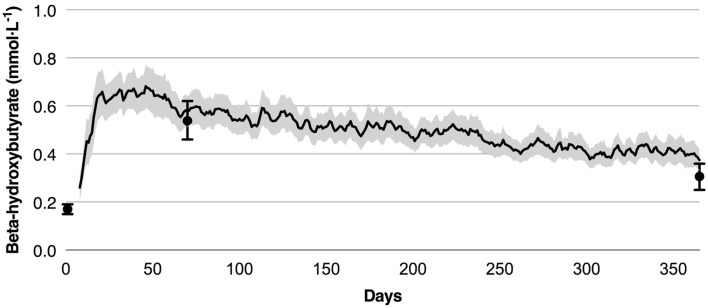
- CCI included remote care, telemedicine, health coaching, biometric feedback, and individualized nutrition targeting nutritional ketosis (goal blood BHB 0.5–3.0 mmol/L); UC participants received their own medical care and diabetes education.
- Primary outcomes were HbA1c, weight, and medication use; secondary outcomes included fasting glucose and insulin, HOMA-IR, lipids, liver and kidney markers, and hsCRP. Analyses used intention-to-treat with multiple imputation (700 imputations), completer analyses, and adjustment for baseline covariates.
Limitations
- Stated by the paper: the study occurred at a single site, participants were mostly Caucasian, socioeconomic and psychosocial status and genetics data were not collected, and the study was not of sufficient size or duration to measure hard endpoints such as mortality.
- Evident from the text: the non-randomized design allowed self-selection into CCI versus UC, and the authors note possible differences in motivation, expectations, and treatment intensity between groups.
- Evident from the text: 24% of 1-year biomarker values were missing and imputed, and the CCI and UC groups differed at baseline on some characteristics, although analyses adjusted for sex, age, baseline BMI, insulin use, and African-American race.
Model-written summary. Check it against the paper before relying on it.
Integrity signals
Registry
Cites
Statistics
Figures
Verification
Claims the paper makes
9 Valid · 0 Not valid · 8 Not checked · 116 Own results and interpretations
The cited sources support only part of this claim — read each source’s verdict below.
In the paper
“previously studied interventions elicited 4–9% weight loss in patients with T2D [25, 26]”
§ Effectiveness and Safety of a Novel Care Model for the Management of Type 2 Diabetes at 1 Year: An Open-Label, Non-Randomized, Controlled Study > Discussion > Effectiveness
What the sources say
- Partly supportedcites [25] The Look AHEAD Research Group Reduction in weight and cardiovascular disease risk factors in individuals with type 2 diabetes: one-year results of the look AHEAD trial Diabetes Care 2007 30 6 1374 1383 10.2337/dc07-0048 17363746 PMC2665929 sourceExperimental — accuracy not yet measured
The Conclusions (page unavailable) report 4–7% weight loss in earlier trials, but those participants had impaired glucose tolerance or hypertension, not specifically type 2 diabetes. The paper reports 8.6% weight loss in its own type 2 diabetes intervention; it does not establish that previously studied interventions in patients with type 2 diabetes produced the claimed 4–9% range. (LLM, conf=0.84)
- Not checked — no full text of the sourcecites [26] Tay J Luscombe-Marsh ND Thompson CH Comparison of low- and high-carbohydrate diets for type 2 diabetes management: a randomized trial Am J Clin Nutr 2015 102 4 780 790 10.3945/ajcn.115.112581 26224300 source
plainstates a cause- Asserted: passes — The authors put it forward as true.
- Checkable: passes — It can be checked against evidence.
- Load-bearing: passes — The paper’s conclusions depend on it.
- Based: passes — The paper gives a reason why it holds.
- Partly supported
A result the paper reports from its own data — it cites no other source for it, so there is none to check. The quote shows it is in the paper.
In the paper
“The CCI-web and CC-onsite sub-cohorts provide replication of the above results.”
§ Effectiveness and Safety of a Novel Care Model for the Management of Type 2 Diabetes at 1 Year: An Open-Label, Non-Randomized, Controlled Study > Results > Effectiveness
plainstates an association- Asserted: passes — The authors put it forward as true.
- Checkable: passes — It can be checked against evidence.
- Load-bearing: passes — The paper’s conclusions depend on it.
- Based: passes — The paper gives a reason why it holds.
A result the paper states — it cites no source for it, so there is none to check. The quote shows it is in the paper.
In the paper
“A usual care group showed no change in diabetes status or related biomarkers over the year.”
§ Effectiveness and Safety of a Novel Care Model for the Management of Type 2 Diabetes at 1 Year: An Open-Label, Non-Randomized, Controlled Study > Discussion
plain- Asserted: passes — The authors put it forward as true.
- Checkable: passes — It can be checked against evidence.
- Load-bearing: passes — The paper’s conclusions depend on it.
- Based: passes — The paper gives a reason why it holds.
A result the paper reports from its own data — it cites no other source for it, so there is none to check. The quote shows it is in the paper.
In the paper
“the CCI had broad positive impact on blood pressure, liver enzymes, hsCRP, triglycerides, and HDL-C”
§ Effectiveness and Safety of a Novel Care Model for the Management of Type 2 Diabetes at 1 Year: An Open-Label, Non-Randomized, Controlled Study > Discussion > Effectiveness
plainstates a cause- Asserted: passes — The authors put it forward as true.
- Checkable: passes — It can be checked against evidence.
- Load-bearing: passes — The paper’s conclusions depend on it.
- Based: passes — The paper gives a reason why it holds.
A result the paper reports from its own data — it cites no other source for it, so there is none to check. The quote shows it is in the paper.
In the paper
“Patients enrolled in UC for 1 year showed no Bonferroni-adjusted significant change for prescription of medication.”
§ Effectiveness and Safety of a Novel Care Model for the Management of Type 2 Diabetes at 1 Year: An Open-Label, Non-Randomized, Controlled Study > Results > Effectiveness
plain- Asserted: passes — The authors put it forward as true.
- Checkable: passes — It can be checked against evidence.
- Load-bearing: passes — The paper’s conclusions depend on it.
- Based: passes — The paper gives a reason why it holds.
78 more claims
Create a free account to see all 133 claims and every source verdict.
- It may state two separate claims as one. 37
- Probably not a substantial claim. 21
Claims other papers make about this one
Each is checked against this paper’s own text: does it say what the citing paper says it does?
The source backs part of the claim, not all of it — or backs it for a different population, condition or comparison.
In the citing paper
“In 2019, American Diabetes Association (ADA) newly endorsed low-carbohydrate diet as part of medical nutrition therapy options in diabetic patients based on the study results denoting enhanced glycemic control with a very low-carbohydrate diet inducing nutritional ketosis in T2DM patients [27,50,51,52].”
From Impact of a ketogenic diet on metabolic parameters in patients with obesity or overweight and with or without type 2 diabetes: a meta-analysis of randomized controlled trials. (2020) · cites this paper as [52]
Experimental — accuracy not yet measuredThe source backs part of the claim, not all of it — or backs it for a different population, condition or comparison.
In the citing paper
“We previously reported improvements in glycemia, body weight, markers of liver disease and cardiovascular risk over two years among participants with T2D receiving a continuous care intervention (CCI) delivered via telemedicine by a care team who counseled participants on a very low carbohydrate diet including nutritional ketosis [8,19].”
From 5-Year effects of a novel continuous remote care model with carbohydrate-restricted nutrition therapy including nutritional ketosis in type 2 diabetes: An extension study (2024) · cites this paper as [19]
Experimental — accuracy not yet measuredThe source backs part of the claim, not all of it — or backs it for a different population, condition or comparison.
In the citing paper
“CCI participants also improved inflammatory status (hsCRP and WBC) at 1 year (10) and 2 years.”
From Long-Term Effects of a Novel Continuous Remote Care Intervention Including Nutritional Ketosis for the Management of Type 2 Diabetes: A 2-Year Non-randomized Clinical Trial (2019) · cites this paper as [10]
Experimental — accuracy not yet measuredThe source backs part of the claim, not all of it — or backs it for a different population, condition or comparison.
In the citing paper
“Strong evidence now exists on the benefits of virtual, telehealth, or internet-based DSMES services for diabetes prevention and management in a wide variety of populations (43)(44)(45)(46)(47)(48)(49)(50)(51)(52)(53)(54).”
From 5. Facilitating Positive Health Behaviors and Well-being to Improve Health Outcomes:Standards of Care in Diabetes—2023 (2023) · cites this paper as [49]
Experimental — accuracy not yet measuredThe cited source says what the claim attributes to it.
In the citing paper
“nutritional ketosis has shown the capacity to reduce the use of hypoglycemic agents in diabetic patients [32,52]”
12 more claims about this paper
Create a free account to see every claim other papers make about this one.
Self-check
Percentages, sums and reported differences re-computed from the paper’s own numbers.
Each contradiction between two passages listed here was confirmed by an independent check.
Rated major: it would touch a result — a value a result rests on, reported and recomputed p-values on opposite sides of the significance level, two passages that conflict with no sign which is right, or a cited work retracted before this paper was published.
In the paper
“| CCI-all educationa | 262 | 59.55 (16.4) | 204 | 58.35 (15.3) | 58 | 63.49 (19.57) | − 28.66 ± 2.73 |”
§ Effectiveness and Safety of a Novel Care Model for the Management of Type 2 Diabetes at 1 Year: An Open-Label, Non-Randomized, Controlled Study > Methods > Statistical Analysis
Reported -28.66 · recomputed -5.14
Rated minor: it would not touch a result — a value no result rests on, a p-value that stays on the same side of the significance level, or a conflict that is clerical, resolved elsewhere in the paper, or outside its own findings.
In the paper
§ Effectiveness and Safety of a Novel Care Model for the Management of Type 2 Diabetes at 1 Year: An Open-Label, Non-Randomized, Controlled Study > Results > Effectiveness
“Of those in the CCI with HbA1c below 48 mmol mol−1 (< 6.5%) at 1 year, 42.3% (52/123) were prescribed no diabetes medication and 57.7% (71/123) were prescribed metformin only.”
§ Effectiveness and Safety of a Novel Care Model for the Management of Type 2 Diabetes at 1 Year: An Open-Label, Non-Randomized, Controlled Study > Results > Effectiveness
“Of those in the CCI with HbA1c reported at 1 year, 72% (147/204) achieved HbA1c below 48 mmol mol−1 (6.5%) and 60.3% (123/204) of participants achieved HbA1c below 48 mmol mol−1 (< 6.5%) while taking no diabetes medication or only metformin.”
Rated minor: it would not touch a result — a value no result rests on, a p-value that stays on the same side of the significance level, or a conflict that is clerical, resolved elsewhere in the paper, or outside its own findings.
In the paper
“| Usual carea | 87 | 59.99 (19.24) | 72 | 61.08 (19.89) | 15 | 54.52 (14.87) | − 16.97 ± 4.48 |”
§ Effectiveness and Safety of a Novel Care Model for the Management of Type 2 Diabetes at 1 Year: An Open-Label, Non-Randomized, Controlled Study > Methods > Statistical Analysis
Reported -16.97 · recomputed 6.56
Citations
Cites
Empagliflozin, Cardiovascular Outcomes, and Mortality in Type 2 Diabetes
Zinman, B., Wanner, C., Lachin, J. M., Fitchett, D., Bluhmki, E., Hantel, S., Mattheus, M., Devins, T., Johansen, O. E., Woerle, H. J., et al. (2015) · New England Journal of Medicine · doi:10.1056/nejmoa1504720 · Cited by 12,315
Standards of Medical Care in Diabetes
Power, D. (2006) · Diabetes Care · doi:10.2337/diacare.29.02.06.dc05-1593 · Cited by 8,673
Effects of Intensive Glucose Lowering in Type 2 Diabetes
(2008) · New England Journal of Medicine · doi:10.1056/nejmoa0802743 · Cited by 7,888
Canagliflozin and Cardiovascular and Renal Events in Type 2 Diabetes
Neal, B., Perkovic, V., Mahaffey, K. W., de Zeeuw, D., Fulcher, G., Erondu, N., Shaw, W., Law, G., Desai, M., & Matthews, D. R. (2017) · New England Journal of Medicine · doi:10.1056/nejmoa1611925 · Cited by 7,830
Liraglutide and Cardiovascular Outcomes in Type 2 Diabetes
Marso, S. P., Daniels, G. H., Brown-Frandsen, K., Kristensen, P., Mann, J. F. E., Nauck, M. A., Nissen, S. E., Pocock, S., Poulter, N. R., Ravn, L. S., et al. (2016) · New England Journal of Medicine · doi:10.1056/nejmoa1603827 · Cited by 7,629
Trumbo, P., Schlicker, S., Yates, A. A., & Poos, M. (2002) · Journal of the American Dietetic Association · doi:10.1016/s0002-8223(02)90346-9 · Cited by 5,993
Zhou, B., Lu, Y., Hajifathalian, K., Bentham, J., Di Cesare, M., Danaei, G., Bixby, H., Cowan, M., Ali, M., Taddei, C., et al. (2016) · The Lancet · doi:10.1016/s0140-6736(16)00618-8 · Cited by 4,311
Self-citationImproving chronic illness care: translating evidence into action
Wagner, E. H., Austin, B. T., Davis, C., Hindmarsh, M., Schaefer, J., & Bonomi, A. (2001) · Health Affairs · doi:10.1377/hlthaff.20.6.64 · Cited by 3,446
The ketone metabolite β-hydroxybutyrate blocks NLRP3 inflammasome-mediated inflammatory disease
Youm, Y.-H., Nguyen, K. Y., Grant, R. W., Goldberg, E. L., Bodogai, M., Kim, D., D'Agostino, D., Planavsky, N., Lupfer, C., Kanneganti, T. D., et al. (2015) · Nature Medicine · doi:10.1038/nm.3804 · Cited by 2,172
Lean, M. E., Leslie, W. S., Barnes, A. C., Brosnahan, N., Thom, G., McCombie, L., Peters, C., Zhyzhneuskaya, S., Al-Mrabeh, A., Hollingsworth, K. G., et al. (2018) · The Lancet · doi:10.1016/s0140-6736(17)33102-1 · Cited by 2,095
Cited by
Items 201–300 of 407
Singla, R., Gupta, G., Dutta, D., Raizada, N., & Aggarwal, S. (2022) · Diabetes & Metabolic Syndrome Clinical Research & Reviews · doi:10.1016/j.dsx.2022.102452 · Cited by 8
Diamond, D. M., Mason, P., & Bikman, B. T. (2024) · Frontiers in Nutrition · doi:10.3389/fnut.2024.1394610 · Cited by 8
Strombotne, K. L., Lum, J., Ndugga, N., Utech, A. E., Pizer, S. D., Frakt, A. B., & Conlin, P. R. (2021) · Diabetes Obesity and Metabolism · doi:10.1111/dom.14515 · Cited by 8
“9% and 62% of participants reduced or eliminated insulin use.(13-15) However, these results remain subject to bias because of the non-randomized design and the absence of a similarly motivated comparison group.”
BackgroundMethodSaokaew, S., Kanchanasurakit, S., Kositamongkol, C., Chaiyo, K., Jirapisut, T., Aomsin, N., Leewongsakorn, P., Chaiyakunapruk, N., & Phisalprapa, P. (2021) · Frontiers in Medicine · doi:10.3389/fmed.2021.723790 · Cited by 10
Storoschuk, K. L., Wood, T. R., & Stubbs, B. J. (2023) · Frontiers in Physiology · doi:10.3389/fphys.2023.1202186 · Cited by 7
“Endogenous interventions include adherence to a ketogenic diet (low in carbohydrate, moderate in protein and high in fat), starvation, caloric restriction, prolonged exercise, or voluntary fasting (Cahill et al., 1966; Koeslag et al., 1980; Hallberg et al., 2018).”
BackgroundLyman, K. S., Athinarayanan, S. J., McKenzie, A. L., Pearson, C. L., Adams, R. N., Hallberg, S. J., McCarter, J. P., Volek, J. S., Phinney, S. D., & Andrawis, J. P. (2022) · BMC Musculoskeletal Disorders · doi:10.1186/s12891-022-05258-0 · Cited by 10
“We also reported a significant reduction in inflammation at 2 years [27, 29].”
BackgroundMethodSelf-citationRallis, S. (2019) · Diabetes Metabolic Syndrome and Obesity · doi:10.2147/dmso.s195994 · Cited by 12
“1 year.(11) Dietary fats appear to play a role in mood stability,(12) and endogenously produced ketone bodies (by-product of a KD) naturally suppress appetite(13) both of which may assist in improving patient satisfaction and compliance with this nutritional methodology.”
Modeling the Economic Value of Cardiometabolic Virtual-First Care Programs
Noble, M. L., Chen, F., Linke, S., Dall, T. M., & Napoleone, J. M. (2024) · The American Journal of Managed Care · doi:10.37765/ajmc.2024.89549 · Cited by 7
The role of intermittent fasting and ketogenic diet in metabolic syndrome and type 2 diabetes
Delrue, C., Speeckaert, R., & Speeckaert, M. M. (2025) · Acta Clinica Belgica · doi:10.1080/17843286.2025.2540287 · Cited by 9
Ketogenic Diet and Thyroid Function: A Delicate Metabolic Balancing Act
Vranjić, P., Vuković, M., Blažetić, S., & Viljetić, B. (2025) · Current Issues in Molecular Biology · doi:10.3390/cimb47090696 · Cited by 10
“The KD has been shown to be effective in weight loss and in the treatment of conditions such as epilepsy [6] and type 2 diabetes [7,8].”
Screening cardiovascular risk factors of diabetes patients in the primary diabetes clinics
An, L., Wang, Y., Cao, C., Chen, T., Zhang, Y., Chen, L., Ren, S., Tang, M., Ma, F., Li, X., et al. (2021) · Medicine · doi:10.1097/md.0000000000026722 · Cited by 6
Griauzde, D. H., O’Brien, A., Yancy, W. S., Richardson, C. R., Krinock, J., DeJonckheere, M. J., Isaman, D. J. M., Vanias, K., Shopinski, S., & Saslow, L. R. (2022) · Trials · doi:10.1186/s13063-022-06770-3 · Cited by 6
“Low- and very low-carbohydrate diets (respectively defined as < 130 g and < 50 g of total carbohydrate per day) [13] can reduce post-prandial glycemia, facilitate lipolysis, and weight loss through a reduction in circulating insulin [14] and minimize the need for antihyperglycemic medications [12, 15, 16].”
BackgroundTwo Types of Very Low–Carbohydrate Diets
Bistrian, B. R. (2018) · PEDIATRICS · doi:10.1542/peds.2018-1536a · Cited by 6
Energy Balance and Weight Loss for Diabetes Remission
Ryan, D. H. (2020) · Diabetes Spectrum · doi:10.2337/ds20-0005 · Cited by 8
“A total of 218 (83%) completed the first year (27), and 194 (74%) completed 2 years.”
BackgroundInfluentialValsdottir, T. D., Øvrebø, B., Kornfeldt, T. M., Litleskare, S., Johansen, E. I., Henriksen, C., & Jensen, J. (2023) · Frontiers in Physiology · doi:10.3389/fphys.2023.1056296 · Cited by 7
Oh, R., Gilani, B., & Uppaluri, K. R. (2019) · StatPearls · Cited by 62
Durrer, C. G., McKelvey, S., Singer, J., Batterham, A. M., Johnson, J. D., Wortman, J., & Little, J. P. (2019) · Trials · doi:10.1186/s13063-019-3873-7 · Cited by 6
Hafez, D., Lopez, K. S., Saslow, L. R., & Richardson, C. R. (2021) · Frontiers in Nutrition · doi:10.3389/fnut.2021.682137 · Cited by 6
Practical guidelines for addressing common questions and misconceptions about the ketogenic diet
Rice, S. M., & Reynolds, D. B. (2025) · Journal of Metabolic Health · doi:10.4102/jmh.v8i1.113 · Cited by 6
Ketogenic diets and metabolic dysfunction-associated steatotic liver disease: a literature review
Sun, K., Li, W., Chen, Y., Nelson, E. A. S., Chen, X., & Hui, L. L. (2025) · Cell & Bioscience · doi:10.1186/s13578-025-01494-8 · Cited by 8
Pattamaprapanont, P., Nava, R. C., Grover, R., Formato, M., Cooney, E. M., Pinto, A. P., Alves-Wagner, A. B., Das, A., Guan, Y., Annambhotla, M., et al. (2026) · Nature Communications · doi:10.1038/s41467-026-69349-5 · Cited by 6
“Mounting evidence demonstrates potential for ketogenic diets to improve glucose homeostasis and reduce body weight in those with type 2 diabetes 22 – 24 .”
Athinarayanan, S. J., Wolfberg, A., Shanmugam, P., Hameed, B., & Bonacini, M. (2026) · Hepatology · doi:10.1097/hep.0000000000001713 · Cited by 5
Dyńka, D., Paziewska, A., & Kowalcze, K. (2023) · Foods · doi:10.3390/foods12173219 · Cited by 10
“It has been shown that a restriction of carbohydrates alone was able, even over a long time period, to significantly reduce HOMA-IR value and fasting insulin concentration by 43% on average, and 73% of that insulin drop was observed in the first 70 days [34].”
BackgroundQi, M., Shao, X., Ding, L., Zhou, Y., Yang, L., Chi, J., Che, K., Wang, Y., Xiao, M., Zhao, Y., et al. (2022) · Frontiers in Endocrinology · doi:10.3389/fendo.2022.967929 · Cited by 5
Mikolášková, I., Crnogorac‐Jurcevic, T., Smolková, B., & Hunáková, Ľ. (2023) · Biology · doi:10.3390/biology12020158 · Cited by 11
“These adverse effects were not attributed to the intervention [84].”
BackgroundMethodInfluentialBell, S. J., Ling, P. R., Baker, R. A., & Marsland, C. (2018) · Journal of Nutrition & Food Sciences · doi:10.4172/2155-9600.1000700 · Cited by 5
“One popular approach is the ketogenic diet, which is low enough in carbohydrates to produce ketosis [14].”
BackgroundJoshi, S., Zaki, T. A., Ostfeld, R. J., & McMacken, M. M. (2019) · Nutrients · doi:10.3390/nu11071620 · Cited by 5
Neudorf, H., Mindrum, M. R., Mindrum, C., Durrer, C. G., & Little, J. P. (2021) · Canadian Journal of Diabetes · doi:10.1016/j.jcjd.2021.09.001 · Cited by 6
Retrospective Evaluation of an Online Diabetes Health Coaching Program: A Pilot Study
Sarver, J., Khambatta, C., Barbaro, R., Chavan, B. B., & Drozek, D. S. (2019) · American Journal of Lifestyle Medicine · doi:10.1177/1559827619879106 · Cited by 6
Lee, D. C., Duraj, T., Cooper, I. D., Maroon, J. C., Smith, K., Abdel-Hadi, W., Omene, E., Athanasios, E., & Seyfried, T. N. (2026) · Frontiers in Science · doi:10.3389/fsci.2026.1763395 · Cited by 4
Hofner, M., Hurnaus, P., DiStefano, D., Philip, S., Kim, S., Shaw, J. L. V., & Waring, A. C. (2024) · JMIR Diabetes · doi:10.2196/53835 · Cited by 5
Aldakhil, R., Greenfield, G., Lammila-Escalera, E., Laranjo, L., Hayhoe, B. W. J., Majeed, A., & Neves, A. L. (2025) · Journal of Diabetes Science and Technology · doi:10.1177/19322968251316585 · Cited by 8
“Other studies also stated these concerns, 61,62 recognizing that while VC effectively manages glycemic control and reduces infection risk, the inability to perform physical assessments remains a significant limitation.”
The Ketogenic Diet in Obesity Management: Friend or Foe?
Alum, E. U., Izah, S. C., Betiang, P. A., Ugwu, O. P.-C., Ainebyoona, C., Uti, D. E., Echegu, D. A., & Alum, B. N. (2025) · Cell Biochemistry and Biophysics · doi:10.1007/s12013-025-01878-0 · Cited by 29
Diabetesschulung und -beratung bei Erwachsenen mit Diabetes (Update 2023)
Weitgasser, R., Ciardi, C., Traub, J., Barta, M., Riedl, M., Clodi, M., & Ludvik, B. H. (2023) · Wiener klinische Wochenschrift · doi:10.1007/s00508-022-02120-0 · Cited by 6
Low-Carbohydrate and Ketogenic Dietary Patterns for Type 2 Diabetes Management
Oh, R., Murphy, K. C., Jenks, C. M., Lopez, K. B., Patel, M. A., Scotland, E. E., & Khanna, M. (2024) · Federal Practitioner · doi:10.12788/fp.0429 · Cited by 6
Charlot, A., Bringolf, A., Debrut, L., Mallard, J., Charles, A., Crouchet, É., Duteil, D., Gény, B., & Zoll, J. (2024) · Nutrients · doi:10.3390/nu16050646 · Cited by 5
“In clinical trials, an LCHFD induced weight loss and decreased blood glucose levels, steatosis, and aspartate aminotransferase (AST) and alanine aminotransferase (ALT) levels in patients with obesity [30–34].”
BackgroundHunter, N., Czina, L., Murányi, E., Németh, B., Varjas, T., & Szendi, K. (2024) · Foods · doi:10.3390/foods13203219 · Cited by 5
Lane, J., & Fontaine, K. R. (2021) · OBM Integrative and Complementary Medicine · doi:10.21926/obm.icm.2102015 · Cited by 5
“Moreover, other medications were significantly reduced, including the elimination of sulfonylureas and reducing or eliminating insulin therapy in 94% of the patients [29].”
BackgroundPot, G. K., de Jong, H. B. T., Battjes‐Fries, M. C. E., Patijn, O. N., Pijl, H., & Voshol, P. J. (2021) · Journal of Human Nutrition and Dietetics · doi:10.1111/jhn.12976 · Cited by 5
Brinkworth, G. D., Wycherley, T. P., Taylor, P. J., & Thompson, C. H. (2022) · Nutrients · doi:10.3390/nu14204406 · Cited by 5
Hafez, D., Hershey, C., Michaels, J., Evans, R. R., Richardson, C. R., Heisler, M., Kullgren, J. T., & Saslow, L. R. (2023) · Frontiers in Nutrition · doi:10.3389/fnut.2023.1069266 · Cited by 4
Very low calorie diets and total diet replacement in type 2 diabetes: where are we now?
Taylor, R. (2024) · Drug and Therapeutics Bulletin · doi:10.1136/dtb.2022.000055 · Cited by 4
Successful dietary changes correlate with weight‐loss outcomes in a new dietary weight‐loss program
Lee, M. H., Shaffer, A. L., Alfouzan, N. W., Applegate, C. C., Hsu, J. C., Erdman, J. W., & Nakamura, M. (2024) · Obesity Science & Practice · doi:10.1002/osp4.764 · Cited by 5
“10,11 Outcomes of behavioral weight loss are similar to dietary weight loss in magnitude and sustainability.”
BackgroundDetermining a diagnostic algorithm for hyperinsulinaemia
Crofts, C. A. P., Schofield, G., Wheldon, M. C., Zinn, C., & Kraft, J. R. (2019) · Journal of Metabolic Health · doi:10.4102/jir.v4i1.49 · Cited by 10
Jermendy, G., Kecskés, Á., & Nagy, A. C. (2021) · Medicina · doi:10.3390/medicina57020167 · Cited by 6
“Importantly, the clinical significance of medical nutrition therapy should also be emphasized as dietary carbohydrate restriction could frequently lead to a reduction or elimination of different antihyperglycaemic medications with hypoglycaemic side effects [47,48].”
BackgroundKim, D., Roberts, C. G. P., McKenzie, A. L., & George, M. P. (2021) · Pulmonary Circulation · doi:10.1177/2045894021991426 · Cited by 4
“In patients with T2DM, the use of a medically-supervised continuous care dietary intervention to sustain nutritional ketosis with remote care monitoring has been shown to be safe, sustainable, and effective.(8) After one year on this intervention, 94% of patients on insulin were able to reduce or eliminate insulin, 60…”
BackgroundMethodInfluentialSelf-citationLee, C. J., Kim, M.-J., & An, S. J. (2019) · Daehan imsang geon-gang jeungjin hakoeji/Daehan imsang geon'gang jeungjin haghoeji · doi:10.15384/kjhp.2019.19.4.171 · Cited by 5
Bonnechère, B., Stephens, E. B., Boileau, A. C., Ducker, M., & Stubbs, B. J. (2026) · Frontiers in Nutrition · doi:10.3389/fnut.2026.1802531 · Cited by 6
“In contrast, long-term consumption of a well formulated ketogenic diet results in a more modest ketosis of 1 mM (17).”
InfluentialAthinarayanan, S. J., Phinney, S. D., Adams, R. N., Volek, J. S., Thurmond, D. C., McKenzie, A. L., Roberts, C. G. P., Ratner, R. E., Krauss, R. M., & Fonseca, V. A. (2026) · Endocrine Research · doi:10.1080/07435800.2026.2659579 · Cited by 3
“35,38 Briefly, participants in the trial were 21 to 65 years old with either T2D and a BMI > 25 kg/m 2 or prediabetes and a BMI > 30 kg/ m 2 .”
Self-citationLean, M. E. J. (2021) · Diabetic Medicine · doi:10.1111/dme.14643 · Cited by 3
Low carbohydrate diet for diabetic cardiomyopathy: Protocol for a randomised controlled trial
Kleissl-Muir, S., Zinn, C., Rasmussen, B., Owen, A. J., & Driscoll, A. L. (2022) · Journal of Metabolic Health · doi:10.4102/jir.v5i1.73 · Cited by 3
“46 Another potential limitation is the single centre design of the study as samples taken from multiple sites are more representative.”
Wilmsen, N., Pijl, H., Geerlings, W., & Navis, G. J. (2022) · BMJ Nutrition Prevention & Health · doi:10.1136/bmjnph-2021-000397 · Cited by 4
New Zealand’s slow uptake of carbohydrate-reduction in type 2 diabetes management
Hawkins, M. A., & Zinn, C. (2024) · Journal of Primary Health Care · doi:10.1071/hc24011 · Cited by 3
Physicians in ACOs Report Greater Documentation Burden
Apathy, N. C., Patel, V., Rolle, T. L., & Holmgren, A. J. (2024) · The American Journal of Managed Care · doi:10.37765/ajmc.2024.89552 · Cited by 4
Wang, C. C. L., Estacio, R., Coronel-Mockler, S., Flattery, N., Hanson, P. D., Adams, R. N., McKenzie, A. L., Harrison, D., & Bonaca, M. P. (2025) · Endocrine Practice · doi:10.1016/j.eprac.2025.03.013 · Cited by 3
Self-citationStubbs, B. J., Nikiforov, A. I., Rihner, M. O., Weston, S. L., Higley, N. A., Stump, D. G., Krane, G. A., Gadupudi, G. S., Verdin, E. M., & Newman, J. C. (2021) · Food and Chemical Toxicology · doi:10.1016/j.fct.2021.112084 · Cited by 4
Optimal Type 2 Diabetes Mellitus Management and Active Ageing
Calabrese, A. M., Calsolaro, V., Rogani, S., Okoye, C., Caraccio, N., & Monzani, F. (2021) · Endocrines · doi:10.3390/endocrines2040047 · Cited by 4
Can low-carbohydrate diets be recommended for reducing cardiovascular risk?
Berger, A., & Thorn, E. (2022) · Current Opinion in Endocrinology Diabetes and Obesity · doi:10.1097/med.0000000000000750 · Cited by 4
“In one such trial, insulin injections were eliminated in 40% of subjects following a ketogenic diet and in the remaining 60% the mean daily dose was decreased by nearly half [32].”
BackgroundThe consequences of poor dietary patterns on the proliferation of non-alcoholic fatty liver disease
Ahmed, A., Maham, K., Afzaal, M., Saleem, M. A., Nadeem, M., Saeed, F., Hussain, M., & Jbawi, E. M. A. (2024) · Cogent Food & Agriculture · doi:10.1080/23311932.2024.2325206 · Cited by 7
“A low-gi eating regimen does not enhance hepatic insulin sensitivity via itself, but it does lower post-prandial hyperinsulinemia while blended with exercising (hallberg et al., 2018).”
Bonner, T. J., Ayyanar, P., Milam, A. J., & Blocker, R. C. (2024) · The American Journal of Managed Care · doi:10.37765/ajmc.2024.89547 · Cited by 3
Zink, A., Boone, C., Maddox, K. E. J., Chernew, M. E., & Neprash, H. T. (2024) · The American Journal of Managed Care · doi:10.37765/ajmc.2024.89556 · Cited by 5
Implementing Team-Based Telemedicine Workflows in Safety-Net Primary Care
Kong, M., Willard‐Grace, R., Khoong, E. C., Sharma, A. E., Mukerjee, M., Su, G., & Tuot, D. S. (2024) · The American Journal of Managed Care · doi:10.37765/ajmc.2024.89550 · Cited by 10
Muller, A. L., Diaz‐Arias, L. A., Cervenka, M. C., & McDonald, T. J. W. (2024) · Nutritional Neuroscience · doi:10.1080/1028415x.2024.2397624 · Cited by 4
“Interestingly, ketogenic diet therapies like the modified Atkins diet have been shown to improve cardio-metabolic risk markers and outcomes in adults with diabetes and obesity despite elevations in LDL levels in some studies [41,42].”
Paradigmenwechsel in den Empfehlungen zur Ernährung bei Typ-2-Diabetes
Lechner, K., McKenzie, A. L., & Worm, N. (2021) · Info Diabetologie · doi:10.1007/s15034-020-3646-0 · Cited by 3
“ein vermehr tes Auftreten von Hypoglykämien, Ketoazidosen oder Verschlechterung der Nierenfunktion wurden nicht beobachtet [20].”
BackgroundSelf-citationHighlights from European Society of Cardiology Congress: a focus on nutrition
Цыганкова, Д. П. (2021) · Complex Issues of Cardiovascular Diseases · doi:10.17802/2306-1278-2021-10-1-83-88 · Cited by 3
Prevention, Early Detection, and Reversal of Type-2 Diabetes using Collective System Design
Smith, J. J., Shah, S. A., & Cochran, D. S. (2018) · MATEC Web of Conferences · doi:10.1051/matecconf/201822301018 · Cited by 4
Hawkins, M. A. (2019) · Journal of Primary Health Care · doi:10.1071/hc19078 · Cited by 4
Is the Ketogenic Diet an Effective and Safe Approach to Type 2 Diabetes Management and Weight Loss?
Dutta, D., Ghosh, S., Kalra, S., Maisnam, I., & Sharma, M. (2020) · US Endocrinology · doi:10.17925/use.2020.16.1.15 · Cited by 6
“Despite the length of time that restricted carbohydrates have been used as treatment, there is no agreed optimal diet for individuals with either T1DM or T2DM.”
BackgroundInfluentialLesser, L. I., & Behal, R. (2021) · JMIR Diabetes · doi:10.2196/27453 · Cited by 4
“3% reduction in HbA1c over 1 year [7].”
BackgroundField, R., Field, T., Pourkazemi, F., & Rooney, K. B. (2021) · Pain Management · doi:10.2217/pmt-2021-0084 · Cited by 4
Ketogenic diet as a metabolic therapy for bipolar disorder: Clinical developmentsPreprint
Yu, B. J., Ozveren, R., & Sethi, S. (2021) · Research Square · doi:10.21203/rs.3.rs-334453/v2 · Cited by 3
Ketogenic diet as a metabolic therapy for bipolar disorder: Clinical developmentsPreprint
Yu, B. J., Ozveren, R., & Sethi, S. (2022) · Research Square · doi:10.21203/rs.3.rs-334453/v3 · Cited by 4
Li, F., Ma, Y., & Tang, Y. (2024) · International Ophthalmology · doi:10.1007/s10792-024-03284-6 · Cited by 3
Jung, S., & Park, Y. J. (2025) · Nutrition Journal · doi:10.1186/s12937-025-01122-8 · Cited by 4
“Similarly, two RCTs of 349 overweight adults [19] and 20 healthy adults [22] found significant elevations of serum uric acid levels at 5 [22] and 70 days [19] on low-carbohydrate diets, although these effects diminished after one year [19].”
Mózes, N., Fehér, Á., Csípő, T., Fazekas‐Pongor, V., Lipécz, Á., Major, D., Lehoczki, A., Dósa, N., Pártos, K., Csík, B., et al. (2026) · Nutrients · doi:10.3390/nu18071091 · Cited by 2
“…attributable to loss of fat mass. Similarly, in another clinical study, 92% of diabetic patients following a ketogenic dietary intervention achieved significant weight loss while maintaining ketosis, whereas participants receiving standard treatment did not demonstrate comparable changes [119].”
Papandreou, D., Alsuwaidi, A., Taha, Z., Giaginis, C., Vasios, G. K., & Andreou, E. P. (2026) · Nutrients · doi:10.3390/nu18071040 · Cited by 3
“Reduced adherence over time, gradual relaxation of carbohydrate restriction, and compensatory increases in energy intake are likely key contributors to this attenuation, un-derscoring the challenges of sustaining such dietary approaches in free-living populations [35,36].”
Athinarayanan, S. J., Bjornstad, P., Shanmugam, P., Weimbs, T., Wolfberg, A., Volek, J. S., Himmelfarb, J., & Johnson, R. L. (2026) · Diabetes Obesity and Metabolism · doi:10.1111/dom.71086 · Cited by 3
Self-citationAthinarayanan, S. J., Adams, R. N., VanTieghem, M., McKenzie, A. L., Volk, B. M., Ratner, R. E., & Phinney, S. D. (2022) · Frontiers in Public Health · doi:10.3389/fpubh.2022.897099 · Cited by 2
Self-citationFad diets for non-dialysis chronic kidney disease patients: Can “the miracle diet” be a threat?
Brum, I. D. S. D. C., Cardozo, L., Alvarenga, L., Kemp, J. A., Baptista, B. G., Britto, I. K., Borges, N. A., Renouf, D., Wong, M., Fouque, D. P., et al. (2024) · Nutrition · doi:10.1016/j.nut.2024.112668 · Cited by 2
Sova, P., Celikkayalar, E., Sneck, S., & Holmström, A.-R. (2025) · BMC Family Practice · doi:10.1186/s12875-025-02722-3 · Cited by 2
Digital technologies to support behavior change: challenges and opportunities
Sabharwal, A., Fields, S. A., Hilliard, M. E., & DeSalvo, D. J. (2020) · Elsevier eBooks · doi:10.1016/b978-0-12-817485-2.00003-1 · Cited by 5
Bradfield, J., Butler, T., Skinner, R., & Ray, S. (2022) · doi:10.1136/bmjnph-2022-nnedprosummit.28 · Cited by 2
Klein, P., Tyrlíková, I., Pirolli, N. H., Barber, A., Tyrlík, M., & Goldman, L. (2019) · Journal of Obesity and Chronic Diseases · doi:10.17756/jocd.2019-024 · Cited by 3
Virtually Better Diabetes Care?
Vamvini, M. T., Dushay, J. R., & Abrahamson, M. J. (2019) · Clinical Diabetes · doi:10.2337/cd18-0052 · Cited by 2
“(13) looked at the effectiveness and safety of a novel comprehensive care model for people with type 2 diabetes in a specific area in the United States, utilizing a nutritional intervention.”
BackgroundNegm, S. H. (2020) · مجلة الاقتصاد المنزلي · doi:10.21608/jhe.2020.116403 · Cited by 4
Efek Diet Ketogenik Pada Diabetes Mellitus Tipe 2: Scoping Review
Putri, M. N. H., Dewi, M. A., & Handayani, D. (2022) · Amerta Nutrition · doi:10.20473/amnt.v6i3.2022.326-341 · Cited by 7
Are digital therapeutics poised to become mainstream in diabetes care?
Salazar, P., & Somauroo, A. (2020) · Elsevier eBooks · doi:10.1016/b978-0-12-817485-2.00018-3 · Cited by 2
Genetic Toxicity Studies of the Ketogenic Ester Bis Hexanoyl (R)-1,3-Butanediol
Stubbs, B. J., Nikiforov, A. I., Rihner, M. O., Weston, S. L., Higley, N. A., Roy, S. K., Dakoulas, E. W., Verdin, E. M., & Newman, J. C. (2021) · International Journal of Toxicology · doi:10.1177/1091581821991772 · Cited by 2
“5 and 2 mM.(1,5) This adaptive, physiological ketosis contrasts with the pathological state of ketoacidosis which sometimes occurs during poorly managed type I diabetes mellitus when BHB concentration can increase to >10 mM.”
BackgroundThe use of a low carbohydrate, ketogenic diet in bipolar disorder: systematic reviewPreprint
Yu, B. J., Ozveren, R., & Sethi, S. (2021) · Research Square · doi:10.21203/rs.3.rs-334453/v1 · Cited by 2
Digital Twin Intervention for Type 2 Diabetes: One-Year Outcomes of a Randomized TrialPreprint
Joshi, S., Shamanna, P., Dharmalingam, M., Vadavi, A., Keshavamurthy, A., Shah, L., KAUFMAN, F. R., Mittal, A., Bhagra, S., Liu, S., et al. (2023) · SSRN Electronic Journal · doi:10.2139/ssrn.4499693 · Cited by 3
Bonnechère, B., Stephens, E. B., Boileau, A. C., Ducker, M., & Stubbs, B. J. (2025) · medRxiv · doi:10.1101/2025.09.17.25335999 · Cited by 2
“A healthy adult can produce up to ~150 g of ketone bodies during a prolonged fast [22], reaching a physiological ketosis of 5 – 7 mM [17, 21].”
InfluentialThe ketogenic diet in health and disease
Rajiyah, T., & Pannain, S. (2020) · Elsevier eBooks · doi:10.1016/b978-0-12-816918-6.00025-1 · Cited by 1
Llanes, E. J. B., Gonzales, E. M., Reyes, D. R., Gubat, M. J. G., Estipona-Villaraza, M. E., Bautista, J. T., Santos, L. E. G., Rey, N., Guzman-Quizon, O. Q. D., Saret, J., et al. (2020) · Philippine Journal of Internal Medicine · doi:10.65564/pjim.3d944b84ce · Cited by 1
Habka, D., Hsu, W. C., & Antoun, J. (2024) · Value in Health · doi:10.1016/j.jval.2024.08.003 · Cited by 2
Augustine, B. D., Dawud, F. A., Jimoh, A., et al. (2025) · FUDMA Journal of Sciences · doi:10.33003/fjs-2025-0903-3365 · Cited by 1
Berthoumieux, A., Naqvi, J. B., Zion, S. R., Napoleone, J. M., McGuill, A., Cerrada, C. J., Lee, H. J., Dunn, T. C., Kerr, D. E., Jasik, C. B., et al. (2026) · Journal of Medical Internet Research · doi:10.2196/78321 · Cited by 2
Dimopoulou, M., Androutsos, O., Kipouros, M., Bargiota, Α., & Gortzi, O. (2025) · Diabetology · doi:10.3390/diabetology6080072 · Cited by 1
“The future of metabolic care depends on a holistic approach where dietary carbohydrate restriction and ongoing remote support can safely help adults with T2DM to reduce HbA1c, weight and medication use [110–114].”
Salutary Effects of Nutritional Ketosis for the Diseased Human Heart
Crabtree, C. D., Buga, A., Han, Y., Simonetti, O. P., & Volek, J. S. (2025) · Current Atherosclerosis Reports · doi:10.1007/s11883-025-01333-8 · Cited by 1
Self-citationTang, C. T. K., Lee, C. C. L., Lee, E. K. P., Poon, P. K.-M., Wong, C. K. M., Yang, X., Wong, S. Y. S., & Yip, B. H. K. (2025) · Trials · doi:10.1186/s13063-025-09081-5 · Cited by 1
García-Gorrita, C., Onofre, N. S., Merino-Torres, J. F., & Soriano, J. M. (2025) · Nutrients · doi:10.3390/nu17223559 · Cited by 4
“In long-term programs of supervised nutritional ketosis, reductions in liver enzymes—including Alkaline phosphatase—have been reported alongside sustained metabolic improvements in type 2 diabetes [80,81].”
Metadata
- Authors
- Hallberg, S. J., McKenzie, A. L., Williams, P. T., Bhanpuri, N. H., Peters, A. L., Campbell, W. W., Hazbun, T. L., Volk, B. M., McCarter, J. P., Phinney, S. D., & Volek, J. S.
- Affiliations
- Indiana University Health (US)
- University of Southern California (US)
- Purdue University West Lafayette (US)
- Washington University in St. Louis (US)
- The Ohio State University (US)
- Corresponding author
- McKenzie, Amy L.
- ORCID
- Venue
- Diabetes Therapy
- Published
- 2018-02-07
- Volume
- 9
- Issue
- 2
- Pages
- 583-612
- ISSN
- 1869-6953 (ISSN-L)
- 1869-6961
- PMC
- PMC6104272
- OpenAlex
- W2785914398
- Cited by
- 406
- References
- 54
- Citations by year
- 2026: 40 · 2025: 40 · 2024: 51 · 2023: 40 · 2022: 45 · 2021: 67 · 2020: 50 · 2019: 48 · 2018: 25
- FWCI
- 37.81
- Type
- journal article
- Language
- en
- Update notices
- correction (2018-03-05)
- Open access
- gold
- doi.org
- Licence
- cc-by-nc
- creativecommons.org/licenses/by/4.0 (tdm)
- Locations
- Diabetes Therapy (publishedVersion, cc-by-nc)
- Europe PMC (PubMed Central) (publishedVersion, cc-by)
- PubMed Central (publishedVersion, cc-by)
- PubMed (publishedVersion)
- Funders
- Virta Health
- Topics
- Health Sciences › Medicine › Endocrinology, Diabetes and Metabolism › Diabetes Management and Research
- Health Sciences › Medicine › Physiology (medical) › Diet and metabolism studies
- Health Sciences › Medicine › Endocrinology, Diabetes and Metabolism › Diabetes Treatment and Management
- Keywords
- type 2 diabetes, remote care, biometric feedback, nutritional ketosis, carbohydrate restriction, glycemic control, HbA1c, weight loss, medication management, HOMA-IR, insulin resistance, serum lipids, C-reactive protein, liver and kidney function, obesity, diabetes care model
About these checks
Registry, retraction, Cites and statistics results are computed, not judged, with one exception: a printed reference that no index lists is read once by a model before it counts as a citation error. Claims are extracted by a model and kept only when their quote appears verbatim in the text; each cited source is then checked, with a model’s help, for whether it says what the claim relies on. Those verdicts can be wrong — read the claim’s quote and the cited source before relying on one.
The claim verdicts this report counts are experimental: their accuracy is not yet measured.
A language model drew the claims from the paper on 2026-10-10, under version 3 of the claim definition (model deepseek-v4.1-flash, prompt extract-v3).
A second model labelled each claim on 2026-10-10 (model jev-1.13-20260917, definition revision gold-guideline-v0.2).
Cited sources are checked with a language model’s help (gpt-6-sol).
Statistics and arithmetic are recomputed, not judged.
Confidence bands are shown only for fields calibrated on our annotated test set. None is calibrated yet, so no band is shown.
What counts as a claim ›How we measure confidence ›How we check this ›
Are you an author, or do you see a problem with this page? Request a review
Data sources
Bibliographic data: Semantic Scholar, OpenAlex, Crossref.
Contains information from the Semantic Scholar Academic Graph Datasets, made available under the ODC Attribution License (ODC-BY 1.0).
Semantic Scholar’s data is described in: Kinney, R., et al. (2023). The Semantic Scholar Open Data Platform. arXiv:2301.10140.
