

Native Mass Spectrometry: What is in the Name?
Open accessThe DOI matches its Crossref record; 88 of the 89 references it cites were found in a registry or an index.
Abstract
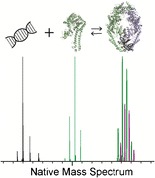
Electrospray ionization mass spectrometry (ESI-MS) is nowadays one of the cornerstones of biomolecular mass spectrometry and proteomics. Advances in sample preparation and mass analyzers have enabled researchers to extract much more information from biological samples than just the molecular weight. In particular, relevant for structural biology, noncovalent protein-protein and protein-ligand complexes can now also be analyzed by MS. For these types of analyses, assemblies need to be retained in their native quaternary state in the gas phase. This initial small niche of biomolecular mass spectrometry, nowadays often referred to as "native MS," has come to maturation over the last two decades, with dozens of laboratories using it to study mostly protein assemblies, but also DNA and RNA-protein assemblies, with the goal to define structure-function relationships. In this perspective, we describe the origins of and (re)define the term native MS, portraying in detail what we meant by "native MS," when the term was coined and also describing what it does (according to us) not entail. Additionally, we describe a few examples highlighting what native MS is, showing its successes to date while illustrating the wide scope this technology has in solving complex biological questions. Graphical Abstract ᅟ.
Overview
The claims and statistics of this paper haven’t been checked yet.
Free: it reads the open-access text and checks the first 5 claims that cite a source we can check. Create a free account to check every claim.
Integrity signals
Registry
Cites
Statistics
Figures
Verification
Claims the paper makes
The claims and statistics of this paper haven’t been checked yet.
Free: it reads the open-access text and checks the first 5 claims that cite a source we can check. Create a free account to check every claim.
Claims other papers make about this one
Each is checked against this paper’s own text: does it say what the citing paper says it does?
The source backs part of the claim, not all of it — or backs it for a different population, condition or comparison.
In the citing paper
“Since CE separations can be performed in aqueous buffers, protein complexes can be separated in their native structures, preserving non-covalent interactions within a protein and between subunits of protein assemblies, prior to MS detection19–21.”
From Recent trends of capillary electrophoresis‐mass spectrometry in proteomics research (2019) · cites this paper as [20]
Experimental — accuracy not yet measuredThe source backs part of the claim, not all of it — or backs it for a different population, condition or comparison.
In the citing paper
“The success of native MS approaches relies on ESI of proteins in a volatile aqueous buffer that preserves native quaternary and tertiary states in the gas phase19,20.”
From Recent trends of capillary electrophoresis‐mass spectrometry in proteomics research (2019) · cites this paper as [20]
Experimental — accuracy not yet measuredThe cited source says what the claim attributes to it.
In the citing paper
“Native MS can be used to interrogate the structure of intact proteins in their near native state, with an emphasis on preserving noncovalent protein-protein and protein-ligand complexes20.”
From Recent trends of capillary electrophoresis‐mass spectrometry in proteomics research (2019) · cites this paper as [20]
In the citing paper
“Briefly, native top-down MS involves using non-denaturing conditions and often employing 100–200 mM ammonium acetate as a volatile buffer for the analysis of intact proteins and protein complexes.”
From Top-down proteomics: challenges, innovations, and applications in basic and clinical research (2020) · cites this paper as [40]
In the citing paper
“Native MS provides a proteomics tool that enables identification and characterization of these biomolecular structures and advances the understanding of their biological pathways at the molecular level19,20,35.”
From Recent trends of capillary electrophoresis‐mass spectrometry in proteomics research (2019) · cites this paper as [20]
Self-check
Percentages, sums and reported differences re-computed from the paper’s own numbers.
The self-check needs the paper’s full text.
Citations
Cites
Electrospray Ionization for Mass Spectrometry of Large Biomolecules
Fenn, J. B., Mann, M., Meng, C. K., Wong, S. F., & Whitehouse, C. M. (1989) · Science · doi:10.1126/science.2675315 · Cited by 7,634 · cited 14×
“Thus, an unfolded/ less structured protein in its most expanded form (i.e., in acidified organic solvent) will pick up more charges during ESI than a folded/more structured protein (i.e., electrosprayed from aqueous solution).”
BackgroundMethodInfluentialProtein and polymer analyses up to m/z 100 000 by laser ionization time‐of‐flight mass spectrometry
Tanaka, K., Waki, H., Ido, Y., Akita, S., Yoshida, Y., Yoshida, T., & Matsuo, T. (1988) · Rapid Communications in Mass Spectrometry · doi:10.1002/rcm.1290020802 · Cited by 3,175 · cited 3×
“In MALDI, the analyte of interest is co-crystalized with IR- or UV-absorbing organic acids and laser ablation used to transfer the sample into the gas phase for analysis.”
MethodA generic protein purification method for protein complex characterization and proteome exploration
Rigaut, G., Shevchenko, A., Rutz, B., Wilm, M., Mann, M., & Séraphin, B. (1999) · Nature Biotechnology · doi:10.1038/13732 · Cited by 2,707 · cited 1×
“Tandem affinity purification [86] techniques are continuing to improve, and thus the challenges associated with extracting pristine cell-derived assemblies in high enough concentrations for native MS analysis are slowly being overcome.”
BackgroundAnalytical Properties of the Nanoelectrospray Ion Source
Wilm, M., & Mann, M. (1996) · Analytical Chemistry · doi:10.1021/ac9509519 · Cited by 1,868 · cited 1×
“This lower flow rate ESI, termed nanoESI [35], is highly advantageous for native MS analysis because of its low sample consumption, more uniform response factors, and higher tolerance to salts and buffers.”
BackgroundThe BioPlex network: a systematic exploration of the human interactome
Huttlin, E. L., Ting, L., Bruckner, R. J., Gebreab, F., Gygi, M. P., Szpyt, J., Tam, S., Zarraga, G., Colby, G., Baltier, K., et al. (2015) · Cell · doi:10.1016/j.cell.2015.06.043 · Cited by 1,425 · cited 3×
“Mass spectrometry (MS), specifically MS-based proteomics, has already played a pivotal role in deciphering the many protein complexes and protein interaction networks that are present in the cell, typically at the end of a pipe-line that starts with the immune-purification of a tagged-bait protein, followed by identif…”
BackgroundMethodA Human Interactome in Three Quantitative Dimensions Organized by Stoichiometries and Abundances
Hein, M. Y., Hubner, N. C., Poser, I., Cox, J., Nagaraj, N., Toyoda, Y., Gak, I. A., Weisswange, I., Mansfeld, J., Buchholz, F., et al. (2015) · Cell · doi:10.1016/j.cell.2015.09.053 · Cited by 1,270 · cited 3×
“Mass spectrometry (MS), specifically MS-based proteomics, has already played a pivotal role in deciphering the many protein complexes and protein interaction networks that are present in the cell, typically at the end of a pipe-line that starts with the immune-purification of a tagged-bait protein, followed by identif…”
BackgroundMethodStudying noncovalent protein complexes by electrospray ionization mass spectrometry
Loo, J. A. (1997) · Mass Spectrometry Reviews · doi:10.1002/(sici)1098-2787(1997)16:1<1::aid-mas1>3.0.co;2-l · Cited by 1,182
Electrospray: From ions in solution to ions in the gas phase, what we know now
Kebarle, P., & Verkerk, U. H. (2009) · Mass Spectrometry Reviews · doi:10.1002/mas.20247 · Cited by 905 · cited 13×
“Thus, an unfolded/ less structured protein in its most expanded form (i.e., in acidified organic solvent) will pick up more charges during ESI than a folded/more structured protein (i.e., electrosprayed from aqueous solution).”
MethodInfluentialLanucara, F., Holman, S. W., Gray, C. J., & Eyers, C. E. (2014) · Nature Chemistry · doi:10.1038/nchem.1889 · Cited by 901 · cited 1×
“Perhaps even more convincing arguments that protein structures can be partly retained in the gas phase come from more recent ion mobility spectrometry (IMS) experiments [62, 63].”
BackgroundMembrane proteins bind lipids selectively to modulate their structure and function
Laganowsky, A., Reading, E., Allison, T. M., Ulmschneider, M. B., Degiacomi, M. T., Baldwin, A. J., & Robinson, C. V. (2014) · Nature · doi:10.1038/nature13419 · Cited by 781 · cited 2×
“Overall, although the debate whether native protein structure is maintained in the gas phase continues, the future is bright for structural MS analysis of proteins and their complexes, as illustrated by a growing body of work of, for instance, protein–lipid [26, 74, 75], protein–RNA [76], protein– 8 A.”
Background
Research works printed but not linked: 2
- Bonifacino JS, 2016, Current protocols in cell biology
- Yang Y, 2016, Nat. Commun.
Cited by
Items 101–200 of 606
Xia, Z., DeGrandchamp, J. B., & Williams, E. R. (2019) · The Analyst · doi:10.1039/c9an00266a · Cited by 47
Protein Footprinting: Auxiliary Engine to Power the Structural Biology Revolution
Chance, M. R., Farquhar, E. R., Yang, S., Lodowski, D. T., & Kiselar, J. (2020) · Journal of Molecular Biology · doi:10.1016/j.jmb.2020.02.011 · Cited by 41
“Along with these shape measures, native mass spectrometry (MS) [6, 7]has been quite valuable in elucidating the composition of these large assemblies.”
BackgroundPeris‐Díaz, M. D., Guráň, R., Domene, C., Ríos, V. D. L., Zítka, O., Adam, V., & Krężel, A. (2021) · Journal of the American Chemical Society · doi:10.1021/jacs.1c05495 · Cited by 51
Géhin, C., & Holman, S. W. (2021) · Analytical Science Advances · doi:10.1002/ansa.202000149 · Cited by 52
“33 Native MS is typically performed using nano-ESI due to its low sample consumption, more uniform response factors, and highertolerances to saltsand buffers.”
BackgroundInfluentialLi, C., Attanayake, K., Valentine, S. J., & Li, P. (2020) · Analytical Chemistry · doi:10.1021/acs.analchem.9b03983 · Cited by 48
Pushing the limits of native MS: Online SEC-native MS for structural biology applications
Deslignière, E., Ley, M., Bourguet, M., Ehkirch, A., Botzanowski, T., Erb, S., Hernandez‐Alba, O., & Cianférani, S. (2020) · International Journal of Mass Spectrometry · doi:10.1016/j.ijms.2020.116502 · Cited by 51
Native LC–MS for capturing quality attributes of biopharmaceuticals on the intact protein level
Füssl, F., Strasser, L., Carillo, S., & Bones, J. (2021) · Current Opinion in Biotechnology · doi:10.1016/j.copbio.2021.05.008 · Cited by 51
Zheng, X., Kurulugama, R. T., Laganowsky, A. D., & Russell, D. H. (2020) · Analytical Chemistry · doi:10.1021/acs.analchem.0c00772 · Cited by 46
Jooß, K., Schachner, L. F., Watson, R., Gillespie, Z. B., Howard, S. A., Cheek, M. A., Meiners, M. J., Sobh, A., Licht, J. D., Keogh, M., et al. (2021) · Analytical Chemistry · doi:10.1021/acs.analchem.0c04975 · Cited by 43
Bhoite, S. S., Han, Y., Ruotolo, B. T., & Chapman, M. R. (2022) · Journal of Biological Chemistry · doi:10.1016/j.jbc.2022.102088 · Cited by 43
“To assess if there were any detectable structural changes between the CsgA homologs during the early steps in aggregation, the IM-MS data were used to generate CCS values that give structural constraints related to dimer size and shape (72, 73).”
MethodUnderstanding protein–drug interactions using ion mobility–mass spectrometry
Eyers, C. E., Vonderach, M., Ferries, S., Jeacock, K., & Eyers, P. A. (2018) · Current Opinion in Chemical Biology · doi:10.1016/j.cbpa.2017.12.013 · Cited by 47
Analytical Techniques to Characterize the Structure, Properties, and Assembly of Virus Capsids
Kondylis, P., Schlicksup, C. J., Zlotnick, A., & Jacobson, S. C. (2018) · Analytical Chemistry · doi:10.1021/acs.analchem.8b04824 · Cited by 49
Hoi, K. K., Juarez, J. F. B., Judge, P. J., Yen, H., Wu, D., Viñals, J., Taylor, G. F., Watts, A. G., & Robinson, C. V. (2021) · Nano Letters · doi:10.1021/acs.nanolett.0c04911 · Cited by 47
“73 Bleached bR exhibits a charge state distribution comparable to that of unbleached bR (Figure 4 A) and therefore retains a compact, if incompletely folded, structure.”
Native LESA TWIMS-MSI: Spatial, Conformational, and Mass Analysis of Proteins and Protein Complexes
Hale, O. J., Sisley, E. K., Griffiths, R. L., Styles, I. B., & Cooper, H. J. (2020) · Journal of the American Society for Mass Spectrometry · doi:10.1021/jasms.9b00122 · Cited by 41
Lai, S., Tamara, S., & Heck, A. J. R. (2021) · iScience · doi:10.1016/j.isci.2021.103211 · Cited by 50
“…methods, native mass spectrometry (native MS) has emerged as a powerful tool for investigating such systems providing means for accurate mass determination of macromolecules up to several megadaltons (Leney and Heck, 2017), including intact viruses, proteasomes, and membrane protein complexes.”
MethodSelf-citationMass Spectrometry for Neurobiomarker Discovery: The Relevance of Post-Translational Modifications
Azevedo, R., Jacquemin, C., Villain, N., Fenaille, F., Lamari, F., & Bécher, F. (2022) · Cells · doi:10.3390/cells11081279 · Cited by 47
Tsiatsiani, L., Akeroyd, M., Olsthoorn, M. M. A., & Heck, A. J. R. (2017) · Analytical Chemistry · doi:10.1021/acs.analchem.7b01161 · Cited by 43
Self-citationKonermann, L. (2017) · The Journal of Physical Chemistry B · doi:10.1021/acs.jpcb.7b05703 · Cited by 40
Connecting color with assembly in the fluorescent B‐phycoerythrin protein complex
Leney, A. C., Tschanz, A., & Heck, A. J. R. (2017) · FEBS Journal · doi:10.1111/febs.14331 · Cited by 43
Self-citationZhang, L., Vasicek, L. A., Hsieh, S., Zhang, S., Bateman, K. P., & Henion, J. D. (2018) · Bioanalysis · doi:10.4155/bio-2017-0282 · Cited by 42
Standard procedures for native CZE‐MS of proteins and protein complexes up to 800 kDa
Jooß, K., McGee, J. P., Melani, R. D., & Kelleher, N. L. (2021) · Electrophoresis · doi:10.1002/elps.202000317 · Cited by 43
Native Mass Spectrometry for the Study of PROTAC GNE‐987‐Containing Ternary Complexes
Sternicki, L. M., Nonomiya, J., Liu, M., Mulvihill, M. M., & Quinn, R. J. (2021) · ChemMedChem · doi:10.1002/cmdc.202100113 · Cited by 40
Fornelli, L., & Toby, T. K. (2022) · Biochimica et Biophysica Acta (BBA) - Proteins and Proteomics · doi:10.1016/j.bbapap.2022.140758 · Cited by 42
MASH Native: a unified solution for native top-down proteomics data processing
Larson, E. J., Pergande, M. R., Moss, M. E., Rossler, K. J., Wenger, R. K., Krichel, B., Josyer, H., Melby, J. A., Roberts, D. S., Pike, K. A., et al. (2023) · Bioinformatics · doi:10.1093/bioinformatics/btad359 · Cited by 45
“…to preserve their tertiary structure and non-covalent interactions in the gas phase, which has emerged as a powerful structural biology tool to define protein structure–function relationships (Loo 1997, Sharon and Robinson 2007, Leney and Heck 2017, Keener et al. 2021, Karch et al. 2022).”
BackgroundTong, W., & Wang, G. (2018) · Methods · doi:10.1016/j.ymeth.2018.04.025 · Cited by 41
Allison, T. M., & Bechara, C. (2019) · Biochemical Society Transactions · doi:10.1042/bst20180356 · Cited by 45
Le-Minh, V., Tran, N. T., Makky, A., Rosilio, V., Taverna, M., & Smadja, C. (2019) · Journal of Chromatography A · doi:10.1016/j.chroma.2019.05.050 · Cited by 42
Molecular assemblies of the catalytic domain of SOS with KRas and oncogenic mutants
Moghadamchargari, Z., Shirzadeh, M., Liu, C., Schrecke, S., Packianathan, C., Russell, D. H., Zhao, M., & Laganowsky, A. (2021) · Proceedings of the National Academy of Sciences · doi:10.1073/pnas.2022403118 · Cited by 38
Structural mass spectrometry goes viral
Dülfer, J., Kádek, A., Kopicki, J.-D., Krichel, B., & Uetrecht, C. (2019) · Advances in virus research · doi:10.1016/bs.aivir.2019.07.003 · Cited by 39
The cisplatin/serum albumin system: A reappraisal
Massai, L., Pratesi, A., Gailer, J., Marzo, T., & Luigi Messori, A. (2019) · Inorganica Chimica Acta · doi:10.1016/j.ica.2019.118983 · Cited by 37
Structural basis for assembly of non-canonical small subunits into type I-C Cascade
O’Brien, R. E., Santos, I. C., Wrapp, D., Bravo, J. P. K., Schwartz, E. A., Brodbelt, J. S., & Taylor, D. W. (2020) · Nature Communications · doi:10.1038/s41467-020-19785-8 · Cited by 37
Remans, K., Lebendiker, M., Abreu, C., Maffei, M., Sellathurai, S., May, M. M., Vaněk, O., & de Marco, A. (2022) · Microbial Cell Factories · doi:10.1186/s12934-022-01778-5 · Cited by 48
“Additionally, mass photometry [44] or native mass spectrometry [45, 46] can be used as well to check the masses of the entities present in the purified sample.”
BackgroundExposing the molecular heterogeneity of glycosylated biotherapeutics
Schachner, L., Mullen, C., Phung, W., Hinkle, J., Beardsley, M. I., Bentley, T., Day, P., Tsai, C., Sukumaran, S., Baginski, T., et al. (2023) · doi:10.21203/rs.3.rs-2928767/v1 · Cited by 37
Exposing the molecular heterogeneity of glycosylated biotherapeutics
Schachner, L. F., Mullen, C., Phung, W., Hinkle, J. D., Beardsley, M. I., Bentley, T., Day, P., Tsai, C., Sukumaran, S., Baginski, T., et al. (2024) · Nature Communications · doi:10.1038/s41467-024-47693-8 · Cited by 36
“…Major Histocompatibility Complex class II DPA1*02:02/DPB1*05:01 allele (MHCII) 45,46 , a non-covalent heteromeric complex which here-tofore could not be characterized intact by MS without fractionation due to the molecular heterogeneity arising from 4 N-linked glycosylation sites (inset of Fig.”
BackgroundRECENT ADVANCES IN INSTRUMENTAL APPROACHES TO TIME‐OF‐FLIGHT MASS SPECTROMETRY
Brais, C. J., Orejas, J., Schwartz, A. J., & Ray, S. J. (2020) · Mass Spectrometry Reviews · doi:10.1002/mas.21650 · Cited by 37
Emerging mass spectrometry-based proteomics methodologies for novel biomedical applications
Pino, L. K., Rose, J., O’Broin, A., Shah, S., & Schilling, B. (2020) · Biochemical Society Transactions · doi:10.1042/bst20191091 · Cited by 40
Zhang, J., Loo, R. R. O., & Loo, J. A. (2017) · Journal of the American Society for Mass Spectrometry · doi:10.1007/s13361-017-1751-7 · Cited by 38
Supramolekulare Kapseln: starke und schwache Chalkogenbrücken im Vergleich
Riwar, L., Trapp, N., Root, K., Zenobi, R., & Diederich, F. (2018) · Angewandte Chemie · doi:10.1002/ange.201812095 · Cited by 35
First-Principles Collision Cross Section Measurements of Large Proteins and Protein Complexes
McCabe, J. W., Mallis, C. S., Kocurek, K. I., Poltash, M. L., Shirzadeh, M., Hebert, M. J., Fan, L., Walker, T. E., Zheng, X., Jiang, T., et al. (2020) · Analytical Chemistry · doi:10.1021/acs.analchem.0c01285 · Cited by 39
Deslignière, E., Ehkirch, A., Botzanowski, T., Beck, A., Hernandez‐Alba, O., & Cianférani, S. (2020) · Analytical Chemistry · doi:10.1021/acs.analchem.0c01426 · Cited by 35
Nevídalová, H., Michalcová, L., & Glatz, Z. (2019) · Electrophoresis · doi:10.1002/elps.201800367 · Cited by 34
Direct Mass Spectrometry Analysis of Protein Complexes and Intact Proteins up to >70 kDa from Tissue
Griffiths, R. L., Konijnenberg, A., Viner, R., & Cooper, H. J. (2019) · Analytical Chemistry · doi:10.1021/acs.analchem.9b00971 · Cited by 35
Bhanot, J. S., Fabijanczuk, K. C., Abdillahi, A. M., Chao, H., Pizzala, N. J., Londry, F. A., Dziekonski, E. T., Hager, J. W., & McLuckey, S. A. (2022) · International Journal of Mass Spectrometry · doi:10.1016/j.ijms.2022.116874 · Cited by 35
Köhler, M., Marchand, A., Hentzen, N. B., Egli, J., Begley, A., Wennemers, H., & Zenobi, R. (2019) · Chemical Science · doi:10.1039/c9sc03248g · Cited by 35
Pansieri, J., Halim, M. A., Vendrely, C., Dumoulin, M., Legrand, F., Sallanon, M. M., Chierici, S., Denti, S., Dagany, X., Dugourd, P., et al. (2018) · Chemical Science · doi:10.1039/c7sc04542e · Cited by 33
Identification of a New Zinc Binding Chemotype by Fragment Screening
Chrysanthopoulos, P. K., Mujumdar, P., Woods, L. A., Dolezal, O., Ren, B., Peat, T. S., & Poulsen, S. (2017) · Journal of Medicinal Chemistry · doi:10.1021/acs.jmedchem.7b00606 · Cited by 35
Targeted Enzyme Engineering Unveiled Unexpected Patterns of Halogenase Stabilization
Minges, H., Schnepel, C., Böttcher, D., Weiß, M. S., Sproß, J., Bornscheuer, U. T., & Sewald, N. (2019) · ChemCatChem · doi:10.1002/cctc.201901827 · Cited by 34
Native Mass Spectrometry-Based Screening for Optimal Sample Preparation in Single-Particle Cryo-EM
Olinares, P. D. B., Kang, J. Y., Llewellyn, E., Chiu, C., Chen, J., Malone, B. F., Saecker, R. M., Campbell, E. A., Darst, S. A., & Chait, B. T. (2020) · Structure · doi:10.1016/j.str.2020.11.001 · Cited by 34
Liquid Native MALDI Mass Spectrometry for the Detection of Protein-Protein Complexes
Beaufour, M., Ginguené, D., Meur, R. A. L., Castaing, B., & Cadène, M. (2018) · Journal of the American Society for Mass Spectrometry · doi:10.1007/s13361-018-2015-x · Cited by 33
“In contrast, native ESI methods for the dissection of noncovalent complexes have now come of age [1, 2, 23].”
BackgroundMehaffey, M. R., Schardon, C. L., Novelli, E. T., Cammarata, M. B., Webb, L. J., Fast, W. L., & Brodbelt, J. S. (2019) · Chemical Science · doi:10.1039/c9sc01032g · Cited by 31
Emerging Approaches to Investigate the Influence of Transition Metals in the Proteinopathies
Lermyte, F., Everett, J. L., Brooks, J., Bellingeri, F., Billimoria, K., Sadler, P. J., O’Connor, P. B., Telling, N. D., & Collingwood, J. F. (2019) · Cells · doi:10.3390/cells8101231 · Cited by 34
“These samples were prepared in 20 mM aqueous ammonium acetate, following standard procedures for native MS [42,44].”
MethodQuantifying Protein–Protein Interactions by Molecular Counting with Mass Photometry
Soltermann, F., Foley, E. D. B., Pagnoni, V., Galpin, M. R., Benesch, J. L. P., Kukura, P., & Struwe, W. B. (2020) · Angewandte Chemie · doi:10.1002/ange.202001578 · Cited by 34
Hale, O. J., & Cooper, H. J. (2022) · Angewandte Chemie International Edition · doi:10.1002/anie.202201458 · Cited by 33
Zinzula, L., Nagy, I., Orsini, M., Weyher, E., Bracher, A., & Baumeister, W. P. (2018) · Structure · doi:10.1016/j.str.2018.09.009 · Cited by 35
Roles, Characteristics, and Analysis of Intrinsically Disordered Proteins: A Minireview
Lermyte, F. (2020) · Life · doi:10.3390/life10120320 · Cited by 38
Recent technological developments for native mass spectrometry
Webb, I. K. (2022) · Biochimica et Biophysica Acta (BBA) - Proteins and Proteomics · doi:10.1016/j.bbapap.2021.140732 · Cited by 29
Hale, O. J., & Cooper, H. J. (2020) · Journal of the American Society for Mass Spectrometry · doi:10.1021/jasms.0c00226 · Cited by 29
Young, T. R., Pukala, T. L., Cappai, R., Wedd, A. G., & Xiao, Z. (2018) · Biochemistry · doi:10.1021/acs.biochem.8b00572 · Cited by 28
“The complete extracellular domain sAPPα (residues 18-611) of APP and the separate subdomains D1 (28-123), D2 (133-189) and E1 (28-189) were expressed and purified from transformed Pichia pastoris cells by adapting published procedures with an extra final step of size-exclusion chromatography in each case to ensure hig…”
MethodLee, K. J., Jordan, J. S., & Williams, E. R. (2024) · Analytical Chemistry · doi:10.1021/acs.analchem.4c03415 · Cited by 32
Asor, R., Loewenthal, D., van Wee, R., Benesch, J. L. P., & Kukura, P. (2025) · Annual Review of Biophysics · doi:10.1146/annurev-biophys-061824-111652 · Cited by 39
Wang, Q., Serban, A. J., Wachter, R. M., & Moerner, W. E. (2018) · The Journal of Chemical Physics · doi:10.1063/1.5005930 · Cited by 33
Kellie, J. F., Tran, J. C., Jian, W., Jones, B. R., Mehl, J. T., Ge, Y., Henion, J. D., & Bateman, K. P. (2020) · Journal of the American Society for Mass Spectrometry · doi:10.1021/jasms.0c00270 · Cited by 30
Bennett, S. P., Crack, J. C., Puglisi, R., Pastore, A., & Brun, N. E. L. (2023) · Chemical Science · doi:10.1039/d2sc04169c · Cited by 33
Native mass spectrometry for understanding dynamic protein complex
Ishii, K., Zhou, M., & Uchiyama, S. (2017) · Biochimica et Biophysica Acta (BBA) - General Subjects · doi:10.1016/j.bbagen.2017.09.019 · Cited by 29
A subset of calcium‐binding S100 proteins show preferential heterodimerization
Spratt, D. E., Barber, K. R., Marlatt, N. M., Ngo, V., Macklin, J. A., Xiao, Y., Konermann, L., Duennwald, M. L., & Shaw, G. S. (2019) · FEBS Journal · doi:10.1111/febs.14775 · Cited by 32
Discovering protein–protein interaction stabilisers by native mass spectrometry
Bellamy‐Carter, J., Mohata, M., Falcicchio, M., Basran, J., Higuchi, Y., Doveston, R. G., & Leney, A. C. (2021) · Chemical Science · doi:10.1039/d1sc01450a · Cited by 30
Self-citationEvaluation of FRET X for single-molecule protein fingerprinting
de Lannoy, C. V., Filius, M., van Wee, R., Joo, C., & de Ridder, D. (2021) · iScience · doi:10.1016/j.isci.2021.103239 · Cited by 27
Wu, R., Metternich, J. B., Tiwari, P., Benzenberg, L. R., Harrison, J. A., Liu, Q., & Zenobi, R. (2022) · Journal of the American Chemical Society · doi:10.1021/jacs.2c02776 · Cited by 29
Tracking the mechanism of covalent molecular glue stabilization using native mass spectrometry
Verhoef, C. J. A., Kay, D. F., Dijck, L. V., Doveston, R. G., Brunsveld, L., Leney, A. C., & Cossar, P. J. (2023) · Chemical Science · doi:10.1039/d3sc01732j · Cited by 31
Self-citationDu, C., Cleary, S. P., Kostelic, M. M., Jones, B. J., Kafader, J. O., & Wysocki, V. H. (2023) · Analytical Chemistry · doi:10.1021/acs.analchem.3c02185 · Cited by 31
Native Mass Spectrometry Analysis of Affinity-Captured Endogenous Yeast RNA Exosome Complexes
Olinares, P. D. B., & Chait, B. T. (2019) · Methods in molecular biology · doi:10.1007/978-1-4939-9822-7_17 · Cited by 28
Zhai, Z., Mavridou, D., Damian, M., Mutti, F. G., Schoenmakers, P. J., & Gargano, A. (2024) · Analytical Chemistry · doi:10.1021/acs.analchem.4c01760 · Cited by 27
Esser‐Skala, W., Wohlschlager, T., Senn, S., Huber, G. E., & Huber, C. G. (2018) · Analytical Chemistry · doi:10.1021/acs.analchem.8b00019 · Cited by 27
Bifacial Nucleobases for Hexaplex Formation in Aqueous Solution
Kashida, H., Hattori, Y., Tazoe, K., Inoue, T., Nishikawa, K., Ishii, K., Uchiyama, S., Yamashita, H., Abe, M., Kamiya, Y., et al. (2018) · Journal of the American Chemical Society · doi:10.1021/jacs.8b02807 · Cited by 25
Giese, S. H., Belsom, A., Sinn, L. R., Fischer, L., & Rappsilber, J. (2019) · Analytical Chemistry · doi:10.1021/acs.analchem.8b04037 · Cited by 26
Shen, Y., Zhao, X., Wang, G., & Chen, D. D. Y. (2019) · Analytical Chemistry · doi:10.1021/acs.analchem.9b00558 · Cited by 25
Development of native MS capabilities on an extended mass range Q-TOF MS
Mallis, C. S., Zheng, X., Qiu, X., McCabe, J. W., Shirzadeh, M., Lyu, J., Laganowsky, A. D., & Russell, D. H. (2020) · International Journal of Mass Spectrometry · doi:10.1016/j.ijms.2020.116451 · Cited by 24
Novel electrochemiluminescent assay for the aptamer-based detection of testosterone
Cánovas, R., Daems, E., Campos, R., Schellinck, S., Madder, A., Martins, J. C., Sobott, F., & Wael, K. D. (2021) · Talanta · doi:10.1016/j.talanta.2021.123121 · Cited by 25
Gadkari, V. V., Juliano, B. R., Mallis, C. S., May, J. C., Kurulugama, R. T., Fjeldsted, J. C., MCLEAN, J. A. J., Russell, D. H., & Ruotolo, B. T. (2023) · The Analyst · doi:10.1039/d2an01452a · Cited by 27
Mass Spectrometry Analysis of Intact Proteins from Crude Samples
Vimer, S., Ben‐Nissan, G., & Sharon, M. (2020) · Analytical Chemistry · doi:10.1021/acs.analchem.0c02162 · Cited by 28
How to Find a Fragment: Methods for Screening and Validation in Fragment‐Based Drug Discovery
Kirkman, T., Silva, C. D. S., Tosin, M., & Dias, M. V. B. (2024) · ChemMedChem · doi:10.1002/cmdc.202400342 · Cited by 31
New insights into the metal-induced oxidative degradation pathways of transthyretin
Poltash, M. L., Shirzadeh, M., McCabe, J. W., Moghadamchargari, Z., Laganowsky, A. D., & Russell, D. H. (2019) · Chemical Communications · doi:10.1039/c9cc00682f · Cited by 24
Mass spectrometry of membrane protein complexes
Bender, J., & Schmidt, C. (2019) · Biological Chemistry · doi:10.1515/hsz-2018-0443 · Cited by 28
Panczyk, E. M., Gilbert, J. D., Jagdale, G. S., Stiving, A. Q., Baker, L. A., & Wysocki, V. H. (2020) · Analytical Chemistry · doi:10.1021/acs.analchem.9b03666 · Cited by 23
Jia, M., Sen, S., Wachnowsky, C., Fidai, I., Cowan, J. A., & Wysocki, V. H. (2020) · Angewandte Chemie International Edition · doi:10.1002/anie.201915615 · Cited by 28
Prabhu, G. R. D., Ponnusamy, V. K., Witek, H. A., & Urban, P. L. (2020) · Analytical Chemistry · doi:10.1021/acs.analchem.0c01945 · Cited by 23
Probing heavy metal binding to phycobiliproteins
Bellamy‐Carter, J., Sound, J. K., & Leney, A. C. (2022) · FEBS Journal · doi:10.1111/febs.16396 · Cited by 29
Self-citationStructural insights into the contactin 1 – neurofascin 155 adhesion complex
Chataigner, L. M. P., Gogou, C., den Boer, M. A., Frias, C. P., Thies‐Weesie, D. M. E., Granneman, J. C. M., Heck, A. J. R., Meijer, D. H., & Janssen, B. J. C. (2022) · Nature Communications · doi:10.1038/s41467-022-34302-9 · Cited by 26
Self-citationSarni, S. H., Roca, J., Du, C., Jia, M., Li, H., Damjanovic, A., Małecka, E. M., Wysocki, V. H., & Woodson, S. A. (2022) · Proceedings of the National Academy of Sciences · doi:10.1073/pnas.2208780119 · Cited by 23
“In nMS, the protein complex is exchanged into a volatile electrolyte allowing transfer of the intact native complex to the gas phase (24).”
BackgroundSisley, E. K., Hale, O. J., Hughes, J. W., & Cooper, H. J. (2023) · Journal of the American Chemical Society · doi:10.1021/jacs.3c03454 · Cited by 24
Direct Monitoring of Protein O-GlcNAcylation by High-Resolution Native Mass Spectrometry
Leney, A. C., Rafie, K., van Aalten, D. M. F., & Heck, A. J. R. (2017) · ACS Chemical Biology · doi:10.1021/acschembio.7b00371 · Cited by 24
Self-citationMehaffey, M. R., Ahn, Y.-C., Rivera, D. D., Thomas, P. W., Cheng, Z., Crowder, M. W., Pratt, R. F., Fast, W. L., & Brodbelt, J. S. (2020) · Chemical Science · doi:10.1039/d0sc02503h · Cited by 26
Screening of protein-ligand interactions under crude conditions by native mass spectrometry
Takano, K., Arai, S., Sakamoto, S., Ushijima, H., Ikegami, T., Saikusa, K., Konuma, T., Hamachi, I., & Akashi, S. (2020) · Analytical and Bioanalytical Chemistry · doi:10.1007/s00216-020-02649-x · Cited by 23
Insights into ultra-low affinity lipase-antibody noncovalent complex binding mechanisms
Hecht, E. S., Mehta, S. C., Wecksler, A. T., Aguilar, B., Swanson, N., Phung, W., Kelsoe, A. D., Benner, W. H., Tesar, D. B., Kelley, R. F., et al. (2022) · mAbs · doi:10.1080/19420862.2022.2135183 · Cited by 25
“The charge states of the native spectra were similar between batches, suggesting the tertiary structure was intact.(29) LPLA2-lot 2 binding to IgG4 and IgG1 mAbs was not detected by native MS or MST.”
BackgroundMicropeptides: potential treatment strategies for cancer
He, Z., Wu, Y., Ji, C., Zhang, D., Lan, D., Dai, X., Liu, S., Song, T., Wang, X., Kong, Q., et al. (2024) · Cancer Cell International · doi:10.1186/s12935-024-03281-w · Cited by 27
Greening, D. W., Kapp, E. A., & Simpson, R. J. (2017) · The Enzymes · doi:10.1016/bs.enz.2017.08.003 · Cited by 25
Konermann, L., Aliyari, E., & Lee, J. (2021) · The Journal of Physical Chemistry B · doi:10.1021/acs.jpcb.1c00944 · Cited by 23
Electronic spectroscopy of isolated DNA polyanions
Daly, S., Porrini, M., Rosu, F., & Gabelica, V. (2018) · Faraday Discussions · doi:10.1039/c8fd00207j · Cited by 24
Szapacs, M., Jian, W., Spellman, D. S., Cunliffe, J., Verburg, E., Kaur, S., Kellie, J. F., Li, W., Mehl, J. T., Qian, M. G., et al. (2023) · Bioanalysis · doi:10.4155/bio-2023-0167 · Cited by 29
Yin, V. C., Deslignière, E., Mokiem, N. J., Gazi, I., Lood, R., de Haas, C. J. C., Rooijakkers, S. H. M., & Heck, A. J. R. (2024) · Journal of the American Society for Mass Spectrometry · doi:10.1021/jasms.4c00094 · Cited by 25
Self-citation
Metadata
- Authors
- Leney, A. C., & Heck, A. J. R.
- Affiliations
- Utrecht University (NL)
- Corresponding author
- Heck, Albert J. R.
- Venue
- Journal of the American Society for Mass Spectrometry
- Publisher
- American Chemical Society (ACS)
- Published
- 2016-12-01
- Volume
- 28
- Issue
- 1
- Pages
- 5-13
- ISSN
- 1044-0305 (ISSN-L)
- PMC
- PMC5174146
- OpenAlex
- W2558396410
- Cited by
- 602
- References
- 89
- Citations by year
- 2026: 47 · 2025: 53 · 2024: 60 · 2023: 49 · 2022: 64 · 2021: 87 · 2020: 90 · 2019: 72 · 2018: 52 · 2017: 27
- FWCI
- 25.19
- Type
- journal article
- Language
- en
- Open access
- hybrid
- doi.org
- Locations
- Journal of the American Society for Mass Spectrometry (publishedVersion, cc-by)
- PubMed Central (publishedVersion, cc-by)
- PubMed (publishedVersion)
- Utrecht University Repository (Utrecht University) (submittedVersion, other-oa)
- University of Birmingham Research Portal (University of Birmingham) (submittedVersion, cc-by)
- Funders
- Utrecht University
- Topics
- Physical Sciences › Chemistry › Spectroscopy › Mass Spectrometry Techniques and Applications
- Physical Sciences › Chemistry › Spectroscopy › Advanced Proteomics Techniques and Applications
- Life Sciences › Biochemistry, Genetics and Molecular Biology › Molecular Biology › Metabolomics and Mass Spectrometry Studies
- Keywords
- native mass spectrometry, electrospray ionization mass spectrometry, protein-protein complex, protein-ligand complex, protein assembly, quaternary structure, structural biology, structure-function relationship
- MeSH terms
- Animals, DNA, Humans, Models, Molecular, Protein Conformation, Proteins, Spectrometry, Mass, Electrospray Ionization, Protein Multimerization
About these checks
Registry, retraction, Cites and statistics results are computed, not judged, with one exception: a printed reference that no index lists is read once by a model before it counts as a citation error. Claims are extracted by a model and kept only when their quote appears verbatim in the text; each cited source is then checked, with a model’s help, for whether it says what the claim relies on. Those verdicts can be wrong — read the claim’s quote and the cited source before relying on one.
Statistics and arithmetic are recomputed, not judged.
Confidence bands are shown only for fields calibrated on our annotated test set. None is calibrated yet, so no band is shown.
What counts as a claim ›How we measure confidence ›How we check this ›
Are you an author, or do you see a problem with this page? Request a review
Data sources
Bibliographic data: Semantic Scholar, OpenAlex, Crossref.
Contains information from the Semantic Scholar Academic Graph Datasets, made available under the ODC Attribution License (ODC-BY 1.0).
Semantic Scholar’s data is described in: Kinney, R., et al. (2023). The Semantic Scholar Open Data Platform. arXiv:2301.10140.
