

Native Mass Spectrometry: What is in the Name?
Open accessThe DOI matches its Crossref record; 88 of the 89 references it cites were found in a registry or an index.
Abstract
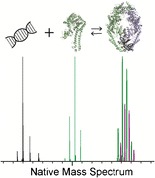
Electrospray ionization mass spectrometry (ESI-MS) is nowadays one of the cornerstones of biomolecular mass spectrometry and proteomics. Advances in sample preparation and mass analyzers have enabled researchers to extract much more information from biological samples than just the molecular weight. In particular, relevant for structural biology, noncovalent protein-protein and protein-ligand complexes can now also be analyzed by MS. For these types of analyses, assemblies need to be retained in their native quaternary state in the gas phase. This initial small niche of biomolecular mass spectrometry, nowadays often referred to as "native MS," has come to maturation over the last two decades, with dozens of laboratories using it to study mostly protein assemblies, but also DNA and RNA-protein assemblies, with the goal to define structure-function relationships. In this perspective, we describe the origins of and (re)define the term native MS, portraying in detail what we meant by "native MS," when the term was coined and also describing what it does (according to us) not entail. Additionally, we describe a few examples highlighting what native MS is, showing its successes to date while illustrating the wide scope this technology has in solving complex biological questions. Graphical Abstract ᅟ.
Overview
The claims and statistics of this paper haven’t been checked yet.
Free: it reads the open-access text and checks the first 5 claims that cite a source we can check. Create a free account to check every claim.
Integrity signals
Registry
Cites
Statistics
Figures
Verification
Claims the paper makes
The claims and statistics of this paper haven’t been checked yet.
Free: it reads the open-access text and checks the first 5 claims that cite a source we can check. Create a free account to check every claim.
Claims other papers make about this one
Each is checked against this paper’s own text: does it say what the citing paper says it does?
The source backs part of the claim, not all of it — or backs it for a different population, condition or comparison.
In the citing paper
“Since CE separations can be performed in aqueous buffers, protein complexes can be separated in their native structures, preserving non-covalent interactions within a protein and between subunits of protein assemblies, prior to MS detection19–21.”
From Recent trends of capillary electrophoresis‐mass spectrometry in proteomics research (2019) · cites this paper as [20]
Experimental — accuracy not yet measuredThe source backs part of the claim, not all of it — or backs it for a different population, condition or comparison.
In the citing paper
“The success of native MS approaches relies on ESI of proteins in a volatile aqueous buffer that preserves native quaternary and tertiary states in the gas phase19,20.”
From Recent trends of capillary electrophoresis‐mass spectrometry in proteomics research (2019) · cites this paper as [20]
Experimental — accuracy not yet measuredThe cited source says what the claim attributes to it.
In the citing paper
“Native MS can be used to interrogate the structure of intact proteins in their near native state, with an emphasis on preserving noncovalent protein-protein and protein-ligand complexes20.”
From Recent trends of capillary electrophoresis‐mass spectrometry in proteomics research (2019) · cites this paper as [20]
In the citing paper
“Briefly, native top-down MS involves using non-denaturing conditions and often employing 100–200 mM ammonium acetate as a volatile buffer for the analysis of intact proteins and protein complexes.”
From Top-down proteomics: challenges, innovations, and applications in basic and clinical research (2020) · cites this paper as [40]
In the citing paper
“Native MS provides a proteomics tool that enables identification and characterization of these biomolecular structures and advances the understanding of their biological pathways at the molecular level19,20,35.”
From Recent trends of capillary electrophoresis‐mass spectrometry in proteomics research (2019) · cites this paper as [20]
Self-check
Percentages, sums and reported differences re-computed from the paper’s own numbers.
The self-check needs the paper’s full text.
Citations
Cites
Electrospray Ionization for Mass Spectrometry of Large Biomolecules
Fenn, J. B., Mann, M., Meng, C. K., Wong, S. F., & Whitehouse, C. M. (1989) · Science · doi:10.1126/science.2675315 · Cited by 7,634 · cited 14×
“Thus, an unfolded/ less structured protein in its most expanded form (i.e., in acidified organic solvent) will pick up more charges during ESI than a folded/more structured protein (i.e., electrosprayed from aqueous solution).”
BackgroundMethodInfluentialProtein and polymer analyses up to m/z 100 000 by laser ionization time‐of‐flight mass spectrometry
Tanaka, K., Waki, H., Ido, Y., Akita, S., Yoshida, Y., Yoshida, T., & Matsuo, T. (1988) · Rapid Communications in Mass Spectrometry · doi:10.1002/rcm.1290020802 · Cited by 3,175 · cited 3×
“In MALDI, the analyte of interest is co-crystalized with IR- or UV-absorbing organic acids and laser ablation used to transfer the sample into the gas phase for analysis.”
MethodA generic protein purification method for protein complex characterization and proteome exploration
Rigaut, G., Shevchenko, A., Rutz, B., Wilm, M., Mann, M., & Séraphin, B. (1999) · Nature Biotechnology · doi:10.1038/13732 · Cited by 2,707 · cited 1×
“Tandem affinity purification [86] techniques are continuing to improve, and thus the challenges associated with extracting pristine cell-derived assemblies in high enough concentrations for native MS analysis are slowly being overcome.”
BackgroundAnalytical Properties of the Nanoelectrospray Ion Source
Wilm, M., & Mann, M. (1996) · Analytical Chemistry · doi:10.1021/ac9509519 · Cited by 1,868 · cited 1×
“This lower flow rate ESI, termed nanoESI [35], is highly advantageous for native MS analysis because of its low sample consumption, more uniform response factors, and higher tolerance to salts and buffers.”
BackgroundThe BioPlex network: a systematic exploration of the human interactome
Huttlin, E. L., Ting, L., Bruckner, R. J., Gebreab, F., Gygi, M. P., Szpyt, J., Tam, S., Zarraga, G., Colby, G., Baltier, K., et al. (2015) · Cell · doi:10.1016/j.cell.2015.06.043 · Cited by 1,425 · cited 3×
“Mass spectrometry (MS), specifically MS-based proteomics, has already played a pivotal role in deciphering the many protein complexes and protein interaction networks that are present in the cell, typically at the end of a pipe-line that starts with the immune-purification of a tagged-bait protein, followed by identif…”
BackgroundMethodA Human Interactome in Three Quantitative Dimensions Organized by Stoichiometries and Abundances
Hein, M. Y., Hubner, N. C., Poser, I., Cox, J., Nagaraj, N., Toyoda, Y., Gak, I. A., Weisswange, I., Mansfeld, J., Buchholz, F., et al. (2015) · Cell · doi:10.1016/j.cell.2015.09.053 · Cited by 1,270 · cited 3×
“Mass spectrometry (MS), specifically MS-based proteomics, has already played a pivotal role in deciphering the many protein complexes and protein interaction networks that are present in the cell, typically at the end of a pipe-line that starts with the immune-purification of a tagged-bait protein, followed by identif…”
BackgroundMethodStudying noncovalent protein complexes by electrospray ionization mass spectrometry
Loo, J. A. (1997) · Mass Spectrometry Reviews · doi:10.1002/(sici)1098-2787(1997)16:1<1::aid-mas1>3.0.co;2-l · Cited by 1,182
Electrospray: From ions in solution to ions in the gas phase, what we know now
Kebarle, P., & Verkerk, U. H. (2009) · Mass Spectrometry Reviews · doi:10.1002/mas.20247 · Cited by 905 · cited 13×
“Thus, an unfolded/ less structured protein in its most expanded form (i.e., in acidified organic solvent) will pick up more charges during ESI than a folded/more structured protein (i.e., electrosprayed from aqueous solution).”
MethodInfluentialLanucara, F., Holman, S. W., Gray, C. J., & Eyers, C. E. (2014) · Nature Chemistry · doi:10.1038/nchem.1889 · Cited by 901 · cited 1×
“Perhaps even more convincing arguments that protein structures can be partly retained in the gas phase come from more recent ion mobility spectrometry (IMS) experiments [62, 63].”
BackgroundMembrane proteins bind lipids selectively to modulate their structure and function
Laganowsky, A., Reading, E., Allison, T. M., Ulmschneider, M. B., Degiacomi, M. T., Baldwin, A. J., & Robinson, C. V. (2014) · Nature · doi:10.1038/nature13419 · Cited by 781 · cited 2×
“Overall, although the debate whether native protein structure is maintained in the gas phase continues, the future is bright for structural MS analysis of proteins and their complexes, as illustrated by a growing body of work of, for instance, protein–lipid [26, 74, 75], protein–RNA [76], protein– 8 A.”
Background
Research works printed but not linked: 2
- Bonifacino JS, 2016, Current protocols in cell biology
- Yang Y, 2016, Nat. Commun.
Cited by
Gehringer, M., & Laufer, S. A. (2019) · Journal of Medicinal Chemistry · doi:10.1021/acs.jmedchem.8b01153 · Cited by 714
High-Resolution Native Mass Spectrometry
Tamara, S., den Boer, M. A., & Heck, A. J. R. (2022) · Chemical Reviews · doi:10.1021/acs.chemrev.1c00212 · Cited by 511
Self-citationAmbient Ionization Mass Spectrometry: Recent Developments and Applications
Feider, C. L., Krieger, A., DeHoog, R. J., & Eberlin, L. S. (2019) · Analytical Chemistry · doi:10.1021/acs.analchem.9b00807 · Cited by 496
Best practices and benchmarks for intact protein analysis for top-down mass spectrometry
Donnelly, D. P., Rawlins, C. M., DeHart, C. J., Fornelli, L., Schachner, L. F., Lin, Z., Lippens, J. L., Aluri, K. C., Sarin, R., Chen, B., et al. (2019) · Nature Methods · doi:10.1038/s41592-019-0457-0 · Cited by 377
Ultraviolet Photodissociation Mass Spectrometry for Analysis of Biological Molecules
Brodbelt, J. S., Morrison, L. J., & Santos, I. (2020) · Chemical Reviews · doi:10.1021/acs.chemrev.9b00440 · Cited by 295
Ion Activation Methods for Peptides and Proteins
Brodbelt, J. S. (2016) · Analytical Chemistry · doi:10.1021/acs.analchem.5b04563 · Cited by 248
Zhuang, W.-B., Li, Y.-H., Shu, X.-C., Pu, Y.-T., Wang, X.-J., Wang, T., & Wang, Z. (2023) · Molecules · doi:10.3390/molecules28083599 · Cited by 241
Liu, X. R., Zhang, M. M., & Gross, M. L. (2020) · Chemical Reviews · doi:10.1021/acs.chemrev.9b00815 · Cited by 242
Konermann, L. (2017) · Journal of the American Society for Mass Spectrometry · doi:10.1007/s13361-017-1739-3 · Cited by 243
Wörner, T. P., Snijder, J., Bennett, A., Agbandje-McKenna, M., Makarov, A. A., & Heck, A. J. R. (2020) · Nature Methods · doi:10.1038/s41592-020-0770-7 · Cited by 186
Self-citationNovel Strategies to Address the Challenges in Top-Down Proteomics
Melby, J. A., Roberts, D. S., Larson, E. J., Brown, K. A., Bayne, E. F., Jin, S., & Ge, Y. (2021) · Journal of the American Society for Mass Spectrometry · doi:10.1021/jasms.1c00099 · Cited by 190
Supramolecular Capsules: Strong versus Weak Chalcogen Bonding
Riwar, L., Trapp, N., Root, K., Zenobi, R., & Diederich, F. (2018) · Angewandte Chemie International Edition · doi:10.1002/anie.201812095 · Cited by 166
Roberts, D. S., Loo, J. A., Tsybin, Y. O., Liu, X., Wu, S., Chamot-Rooke, J., Agar, J. N., Paša-Tolić, L., Smith, L. M., & Ge, Y. (2024) · Nature Reviews Methods Primers · doi:10.1038/s43586-024-00318-2 · Cited by 161
Crosstalk between phosphorylation and O‐Glc NA cylation: friend or foe
van der Laarse, S. A. M., Leney, A. C., & Heck, A. J. R. (2018) · The FEBS Journal · doi:10.1111/febs.14491 · Cited by 158
Self-citationTop-down proteomics: challenges, innovations, and applications in basic and clinical research
Brown, K. A., Melby, J. A., Roberts, D. S., & Ge, Y. (2020) · Expert Review of Proteomics · doi:10.1080/14789450.2020.1855982 · Cited by 152
“More recently, native top-down MS has been utilized to study protein structure [40] and a more extensive summary of this emerging technology can be found in a recent review [41].”
Zhou, M., Lantz, C., Brown, K. A., Ge, Y., Paša-Tolić, L., Loo, J. A., & Lermyte, F. (2020) · Chemical Science · doi:10.1039/d0sc04392c · Cited by 146
Lermyte, F., Tsybin, Y. O., O’Connor, P. B., & Loo, J. A. (2019) · Journal of the American Society for Mass Spectrometry · doi:10.1007/s13361-019-02201-x · Cited by 132
Quantifying Protein–Protein Interactions by Molecular Counting with Mass Photometry
Soltermann, F., Foley, E. D. B., Pagnoni, V., Galpin, M. R., Benesch, J. L. P., Kukura, P., & Struwe, W. B. (2020) · Angewandte Chemie International Edition · doi:10.1002/anie.202001578 · Cited by 146
CIUSuite 2: Next-Generation Software for the Analysis of Gas-Phase Protein Unfolding Data
Polasky, D. A., Dixit, S. M., Fantin, S. M., & Ruotolo, B. T. (2019) · Analytical Chemistry · doi:10.1021/acs.analchem.8b05762 · Cited by 146
Visualizing and trapping transient oligomers in amyloid assembly pathways
Cawood, E. E., Karamanos, T. K., Wilson, A. J., & Radford, S. E. (2020) · Biophysical Chemistry · doi:10.1016/j.bpc.2020.106505 · Cited by 136
Native Mass Spectrometry Imaging of Proteins and Protein Complexes by Nano-DESI
Hale, O. J., & Cooper, H. J. (2021) · Analytical Chemistry · doi:10.1021/acs.analchem.0c05277 · Cited by 131
Native Mass Spectrometry of Membrane Proteins
Keener, J. E., Zhang, G., & Marty, M. T. (2021) · Analytical Chemistry · doi:10.1021/acs.analchem.0c04342 · Cited by 126
Glycoproteomics: A Balance between High-Throughput and In-Depth Analysis
Yang, Y., Franc, V., & Heck, A. J. R. (2017) · Trends in Biotechnology · doi:10.1016/j.tibtech.2017.04.010 · Cited by 122
Self-citationStaphylococcal protein A inhibits complement activation by interfering with IgG hexamer formation
Cruz, A. R., den Boer, M. A., Strasser, J., Zwarthoff, S. A., Beurskens, F. J. M., de Haas, C. J. C., Aerts, P. C., Wang, G., de Jong, R. N., Bagnoli, F., et al. (2021) · Proceedings of the National Academy of Sciences · doi:10.1073/pnas.2016772118 · Cited by 137
Self-citationEvidence for phospholipid export from the bacterial inner membrane by the Mla ABC transport system
Hughes, G. W., Hall, S. C. L., Laxton, C. S., Sridhar, P., Mahadi, A. H., Hatton, C. E., Piggot, T. J., Wotherspoon, P. J., Leney, A. C., Ward, D. G., et al. (2019) · Nature Microbiology · doi:10.1038/s41564-019-0481-y · Cited by 122
Self-citationRecent trends of capillary electrophoresis‐mass spectrometry in proteomics research
Gomes, F. P., & Yates, J. R. (2019) · Mass Spectrometry Reviews · doi:10.1002/mas.21599 · Cited by 112
Ion Activation Methods for Peptides and Proteins
Macias, L. A., Santos, I. C., & Brodbelt, J. S. (2020) · Analytical Chemistry · doi:10.1021/acs.analchem.9b04859 · Cited by 107
Ro, S. Y., Schachner, L. F., Koo, C. W., Purohit, R., Remis, J. P., Kenney, G. E., Liauw, B. W., Thomas, P. M., Patrie, S. M., Kelleher, N. L., et al. (2019) · Nature Communications · doi:10.1038/s41467-019-10590-6 · Cited by 104
Lipid–Protein Interactions in Plasma Membrane Organization and Function
Sych, T., Levental, K. R., & Sezgin, E. (2022) · Annual Review of Biophysics · doi:10.1146/annurev-biophys-090721-072718 · Cited by 125
Compaction of Duplex Nucleic Acids upon Native Electrospray Mass Spectrometry
Porrini, M., Rosu, F., Rabin, C., Darré, L., Gómez, H., Orozco, M., & Gabelica, V. (2017) · ACS Central Science · doi:10.1021/acscentsci.7b00084 · Cited by 105
Lermyte, F., Valkenborg, D., Loo, J. A., & Sobott, F. (2018) · Mass Spectrometry Reviews · doi:10.1002/mas.21560 · Cited by 103
LC–MS bioanalysis of intact proteins and peptides
Kang, L., Weng, N., & Jian, W. (2019) · Biomedical Chromatography · doi:10.1002/bmc.4633 · Cited by 106
MetaUniDec: High-Throughput Deconvolution of Native Mass Spectra
Reid, D. J., Diesing, J. M., Miller, M. A., Perry, S. M., Wales, J. A., Montfort, W. R., & Marty, M. T. (2019) · Journal of the American Society for Mass Spectrometry · doi:10.1007/s13361-018-1951-9 · Cited by 100
Bailey, A. O., Han, G., Phung, W., Gazis, P., Sutton, J. N., Josephs, J. L., & Sandoval, W. N. (2018) · mAbs · doi:10.1080/19420862.2018.1521131 · Cited by 113
“, 50 mM ammonium acetate) buffered at neutral pH.(3,4) This type of analysis proceeds commonly after removal of non-volatile salts by buffer exchange followed by nanospray infusion MS.”
MethodGenetic glycoengineering in mammalian cells
Narimatsu, Y., Büll, C., Chen, Y., Wandall, H. H., Yang, Z., & Clausen, H. (2021) · Journal of Biological Chemistry · doi:10.1016/j.jbc.2021.100448 · Cited by 107
“Native MS is widely used to study noncovalent protein–protein complexes, and direct MS of intact proteins is also highly suitable for analysis of the quality of recombinant proteins with posttranslational modifications (322).”
BackgroundCurrent LC-MS-based strategies for characterization and quantification of antibody-drug conjugates
Zhu, X., Huo, S., Xue, C., An, B., & Qu, J. (2020) · Journal of Pharmaceutical Analysis · doi:10.1016/j.jpha.2020.05.008 · Cited by 111
Belov, A. M., Viner, R., Santos, M. R., Horn, D. M., Bern, M., Karger, B. L., & Ivanov, A. R. (2017) · Journal of the American Society for Mass Spectrometry · doi:10.1007/s13361-017-1781-1 · Cited by 97
Mass spectrometry-enabled structural biology of membrane proteins
Calabrese, A. N., & Radford, S. E. (2018) · Methods · doi:10.1016/j.ymeth.2018.02.020 · Cited by 92
“Radford, Methods (2018 interactions, and thus (some aspects of) tertiary and quaternary structure [36].”
BackgroundInteractions of Whey Proteins with Metal Ions
Rodzik, A., Pomastowski, P., Sagandykova, G. N., & Buszewski, B. (2020) · International Journal of Molecular Sciences · doi:10.3390/ijms21062156 · Cited by 99
“In addition, Allen et al. studied the effects of polarity on the structures and charge states of native-like proteins and complexes in the gas phase by ESI-MS and ion-mobility mass spectrometry [100].”
BackgroundInfluentialIntegration of Mass Spectrometry Data for Structural Biology
Britt, H. M., Cragnolini, T., & Thalassinos, K. (2021) · Chemical Reviews · doi:10.1021/acs.chemrev.1c00356 · Cited by 89
Surface-induced Dissociation Mass Spectrometry as a Structural Biology Tool
Snyder, D. T., Harvey, S. R., & Wysocki, V. H. (2021) · Chemical Reviews · doi:10.1021/acs.chemrev.1c00309 · Cited by 93
Mass Spectrometry Methods for Measuring Protein Stability
Vallejo, D. D., Ramírez, C. R., Parson, K. F., Han, Y., Gadkari, V. V., & Ruotolo, B. T. (2022) · Chemical Reviews · doi:10.1021/acs.chemrev.1c00857 · Cited by 95
Camperi, J., Goyon, A., Guillarme, D., Zhang, K., & Stella, C. (2020) · The Analyst · doi:10.1039/d0an01963a · Cited by 87
FLASHDeconv: Ultrafast, High-Quality Feature Deconvolution for Top-Down Proteomics
Jeong, K., Kim, J., Gaikwad, M., Hidayah, S. N., Heikaus, L., Schlüter, H., & Kohlbacher, O. (2020) · Cell Systems · doi:10.1016/j.cels.2020.01.003 · Cited by 82
van de Waterbeemd, M., Tamara, S., Fort, K. L., Damoc, E., Franc, V., Bieri, P., Itten, M., Makarov, A., Ban, N., & Heck, A. J. R. (2018) · Nature Communications · doi:10.1038/s41467-018-04853-x · Cited by 81
“Because non-covalent interactions are generally preserved in native MS, accurate mass measurements of the complexes can provide detailed insight into their composition, including the stoichiometry of the protein or nucleic acid subunits [23] [24] [25] .”
BackgroundSelf-citationNative mass spectrometry-based metabolomics identifies metal-binding compounds
Aron, A. T., Petras, D., Schmid, R., Gauglitz, J. M., Büttel, I., Antelo, L., Zhi, H., Nuccio, S.-P., Saak, C. C., Malarney, K. P., et al. (2022) · Nature Chemistry · doi:10.1038/s41557-021-00803-1 · Cited by 79
Poltash, M. L., McCabe, J. W., Shirzadeh, M., Laganowsky, A., Clowers, B. H., & Russell, D. H. (2018) · Analytical Chemistry · doi:10.1021/acs.analchem.8b02463 · Cited by 79
Zheng, J., Strutzenberg, T., Pascal, B. D., & Griffin, P. R. (2019) · Current Opinion in Structural Biology · doi:10.1016/j.sbi.2019.06.007 · Cited by 76
Konermann, L., Metwally, H., Duez, Q., & Peters, I. (2019) · The Analyst · doi:10.1039/c9an01201j · Cited by 87
Bakhtiari, M., & Konermann, L. (2019) · The Journal of Physical Chemistry B · doi:10.1021/acs.jpcb.8b12173 · Cited by 73
Roberts, D. S., Mann, M. W., Melby, J. A., Larson, E. J., Zhu, Y., Brasier, A. R., Jin, S., & Ge, Y. (2021) · Journal of the American Chemical Society · doi:10.1021/jacs.1c02713 · Cited by 77
Approaches to Heterogeneity in Native Mass Spectrometry
Rolland, A. D., & Prell, J. S. (2021) · Chemical Reviews · doi:10.1021/acs.chemrev.1c00696 · Cited by 83
Optimizing Native Ion Mobility Q-TOF in Helium and Nitrogen for Very Fragile Noncovalent Structures
Gabelica, V., Livet, S., & Rosu, F. (2018) · Journal of the American Society for Mass Spectrometry · doi:10.1007/s13361-018-2029-4 · Cited by 67
Native Mass Spectrometry Can Effectively Predict PROTAC Efficacy
Beveridge, R., Kessler, D., Rumpel, K., Ettmayer, P., Meinhart, A., & Clausen, T. (2020) · ACS Central Science · doi:10.1021/acscentsci.0c00049 · Cited by 71
“of this “native MS” approach [16] include the label-free measurement of protein complexes and its capability to report on multiple binding stoichiometries present in dynamic protein mixtures, including molecular species populated to a low extent [15, 17-20].”
BackgroundRecent Developments in Gas-Phase Ion/Ion Reactions for Analytical Mass Spectrometry
Foreman, D. J., & McLuckey, S. A. (2020) · Analytical Chemistry · doi:10.1021/acs.analchem.9b05014 · Cited by 65
Tassi, M., Vos, J. D., Chatterjee, S., Sobott, F., Bones, J., & Eeltink, S. (2017) · Journal of Separation Science · doi:10.1002/jssc.201700988 · Cited by 73
Studying protein structure and function by native separation–mass spectrometry
van Schaick, G., Haselberg, R., Somsen, G. W., Wuhrer, M., & Domínguez‐Vega, E. (2022) · Nature Reviews Chemistry · doi:10.1038/s41570-021-00353-7 · Cited by 71
Metwally, H., Duez, Q., & Konermann, L. (2018) · Analytical Chemistry · doi:10.1021/acs.analchem.8b02926 · Cited by 55
Hale, O. J., Illes‐Toth, E., Mize, T. H., & Cooper, H. J. (2020) · Analytical Chemistry · doi:10.1021/acs.analchem.0c00649 · Cited by 61
The role of micropeptides in biology
Vitorino, R. M. P., Guedes, S. D. M., Amado, F. M. L., Santos, M. A. S., & Akimitsu, N. (2021) · Cellular and Molecular Life Sciences · doi:10.1007/s00018-020-03740-3 · Cited by 67
Fleeman, R. M., Macias, L. A., Brodbelt, J. S., & Davies, B. W. (2020) · Proceedings of the National Academy of Sciences · doi:10.1073/pnas.2007036117 · Cited by 60
Allen, S., Eaton, R. M., & Bush, M. F. (2017) · Analytical Chemistry · doi:10.1021/acs.analchem.7b01234 · Cited by 59
Wang, Q., Zhong, Y., Miller, D. P., Lü, X., Tang, Q., Lu, Z., Zurek, E., Liu, R., & Gong, B. (2020) · Journal of the American Chemical Society · doi:10.1021/jacs.9b11536 · Cited by 58
Characterizing Endogenous Protein Complexes with Biological Mass Spectrometry
Rogawski, R., & Sharon, M. (2021) · Chemical Reviews · doi:10.1021/acs.chemrev.1c00217 · Cited by 62
Konermann, L., Metwally, H., McAllister, R. G., & Popa, V. (2018) · Methods · doi:10.1016/j.ymeth.2018.04.010 · Cited by 52
Andjelković, U., & Josić, D. (2018) · Trends in Food Science & Technology · doi:10.1016/j.tifs.2018.04.008 · Cited by 62
Mass Spectrometry-Based Structural Virology
Wörner, T. P., Shamorkina, T. M., Snijder, J., & Heck, A. J. R. (2020) · Analytical Chemistry · doi:10.1021/acs.analchem.0c04339 · Cited by 63
Self-citationAdvances in high‐resolution mass spectrometry techniques for analysis of high mass‐to‐charge ions
Lai, Y., & Wang, Y. (2022) · Mass Spectrometry Reviews · doi:10.1002/mas.21790 · Cited by 64
Analytical methods for obtaining binding parameters of drug–protein interactions: A review
Wang, L., Zhang, W., Shao, Y., Zhang, D., Guo, G., & Wang, X. (2022) · Analytica Chimica Acta · doi:10.1016/j.aca.2022.340012 · Cited by 59
Devine, P. W. A., Fisher, H. C., Calabrese, A. N., Whelan, F., Higazi, D. R., Potts, J. R., Lowe, D. C., Radford, S. E., & Ashcroft, A. E. (2017) · Journal of the American Society for Mass Spectrometry · doi:10.1007/s13361-017-1689-9 · Cited by 56
Nshanian, M., Lantz, C., Wongkongkathep, P., Schrader, T., Klärner, F.-G., Blümke, A., Despres, C., Ehrmann, M., Smet-Nocca, C., Bitan, G., et al. (2019) · Journal of the American Society for Mass Spectrometry · doi:10.1007/s13361-018-2027-6 · Cited by 56
Native Ambient Mass Spectrometry Imaging of Ligand-Bound and Metal-Bound Proteins in Rat Brain
Sisley, E. K., Hale, O. J., Styles, I. B., & Cooper, H. J. (2022) · Journal of the American Chemical Society · doi:10.1021/jacs.1c10032 · Cited by 57
Turzo, S. B. A., Seffernick, J. T., Rolland, A. D., Donor, M. T., Heinze, S., Prell, J. S., Wysocki, V. H., & Lindert, S. (2022) · Nature Communications · doi:10.1038/s41467-022-32075-9 · Cited by 47
“The templates and weights associated with all proteins for CM are provided in Supplementary Data 11 and Supplementary Data 12 for the ideal and experimental dataset respectively.”
Backgroundden Boer, M. A., Lai, S., Xue, X., van Kampen, M. D., Bleijlevens, B., & Heck, A. J. R. (2021) · Analytical Chemistry · doi:10.1021/acs.analchem.1c03656 · Cited by 60
Self-citationYan, Y., Xing, T., Wang, S., Daly, T. J., & Li, N. (2020) · Journal of Pharmaceutical and Biomedical Analysis · doi:10.1016/j.jpba.2020.113313 · Cited by 58
Wörner, T. P., Aizikov, K., Snijder, J., Fort, K. L., Makarov, A., & Heck, A. J. R. (2022) · Nature Chemistry · doi:10.1038/s41557-022-00897-1 · Cited by 57
Self-citationMehaffey, M. R., Xia, Q., & Brodbelt, J. S. (2020) · Analytical Chemistry · doi:10.1021/acs.analchem.0c03784 · Cited by 53
Epsin and Sla2 form assemblies through phospholipid interfaces
Garcia-Alai, M. M., Heidemann, J., Skruzny, M., Gieras, A., Mertens, H. D. T., Svergun, D. I., Kaksonen, M., Uetrecht, C., & Meijers, R. (2018) · Nature Communications · doi:10.1038/s41467-017-02443-x · Cited by 52
Harper, C. C., Brauer, D. D., Francis, M. B., & Williams, E. R. (2021) · Chemical Science · doi:10.1039/d0sc05707j · Cited by 54
Assessment of genome packaging in AAVs using Orbitrap-based charge-detection mass spectrometry
Wörner, T. P., Snijder, J., Friese, O. V., Powers, T. W., & Heck, A. J. R. (2021) · Molecular Therapy — Methods & Clinical Development · doi:10.1016/j.omtm.2021.11.013 · Cited by 54
“24 March 2022 lution, into aqueous ammonium acetate and introduced into a mass spectrometer where they are ionized by electrospray ionization under native conditions.(26) Subsequently each particle is individually detected within the Orbitrap mass analyzer and we can estimate the number of charges for each ion directl…”
MethodSelf-citationExploring the structure and dynamics of macromolecular complexes by native mass spectrometry
Boeri Erba, E., Signor, L., & Petosa, C. (2020) · Journal of Proteomics · doi:10.1016/j.jprot.2020.103799 · Cited by 51
Formation of Gaseous Proteins via the Ion Evaporation Model (IEM) in Electrospray Mass Spectrometry
Aliyari, E., & Konermann, L. (2020) · Analytical Chemistry · doi:10.1021/acs.analchem.0c02290 · Cited by 60
Cryo-EM of soft-landed β-galactosidase: Gas-phase and native structures are remarkably similar
Esser, T. K., Böhning, J., Önür, A., Chinthapalli, D. K., Eriksson, L., Grabarics, M., Fremdling, P., Konijnenberg, A., Makarov, A., Botman, A., et al. (2024) · Science Advances · doi:10.1126/sciadv.adl4628 · Cited by 60
Khristenko, N. A., Amato, J., Livet, S., Pagano, B., Randazzo, A., & Gabelica, V. (2019) · Journal of the American Society for Mass Spectrometry · doi:10.1007/s13361-019-02152-3 · Cited by 49
Integrative Modeling of a Sin3/HDAC Complex Sub-structure
Banks, C. A. S., Zhang, Y., Miah, S., Hao, Y., Adams, M. K., Wen, Z., Thornton, J. L., Florens, L. A., & Washburn, M. P. (2020) · Cell Reports · doi:10.1016/j.celrep.2020.03.080 · Cited by 50
“Further investigation of the oligomerization status of Sin3 complexes, possibly using native MS approaches (Leney and Heck, 2017), will provide valuable information for developing a more complete understanding of Sin3 complex structure and function.”
Campuzano, I. D. G., & Sandoval, W. N. (2021) · Journal of the American Society for Mass Spectrometry · doi:10.1021/jasms.1c00036 · Cited by 54
Standard Proteoforms and Their Complexes for Native Mass Spectrometry
Schachner, L. F., Ives, A. N., McGee, J. P., Melani, R. D., Kafader, J. O., Compton, P. D., Patrie, S. M., & Kelleher, N. L. (2019) · Journal of the American Society for Mass Spectrometry · doi:10.1007/s13361-019-02191-w · Cited by 48
Native metabolomics identifies the rivulariapeptolide family of protease inhibitors
Reher, R., Aron, A. T., Fajtová, P., Stincone, P., Wagner, B., Pérez-Lorente, A. I., Liu, C., Shalom, I. Y. B., Bittremieux, W., Wang, M., et al. (2022) · Nature Communications · doi:10.1038/s41467-022-32016-6 · Cited by 53
Hale, O. J., Hughes, J. W., Sisley, E. K., & Cooper, H. J. (2022) · Analytical Chemistry · doi:10.1021/acs.analchem.1c05353 · Cited by 52
Mass spectrometry beyond the native state
Chandler, S. A., & Benesch, J. L. P. (2017) · Current Opinion in Chemical Biology · doi:10.1016/j.cbpa.2017.11.019 · Cited by 52
Gülbakan, B., Barylyuk, K., Schneider, P., Pillong, M., Schneider, G., & Zenobi, R. (2018) · Journal of the American Chemical Society · doi:10.1021/jacs.7b13044 · Cited by 51
“preserves biomolecules and their interactions in the gas phase, and often structural insights can be obtained.(37) Peak intensities in ESI mass spectra correlate with the analyte amounts in the samples, which enables determination of receptor-ligand binding constants if proper response factors and proxy ligands or pro…”
BackgroundLILBID and nESI: Different Native Mass Spectrometry Techniques as Tools in Structural Biology
Peetz, O., Hellwig, N., Henrich, E., Mezhyrova, J., Dötsch, V., Bernhard, F., & Morgner, N. (2018) · Journal of the American Society for Mass Spectrometry · doi:10.1007/s13361-018-2061-4 · Cited by 52
“Therefore, further development of MS instrumentation is still of high interest for the scientific community [7].”
BackgroundHolm, T., Kopicki, J.-D., Busch, C., Olschewski, S., Rosenthal, M., Uetrecht, C., Günther, S., & Reindl, S. (2018) · Journal of Biological Chemistry · doi:10.1074/jbc.ra118.004373 · Cited by 55
“To further analyze the composition of this digested, heterodimeric complex, we performed native MS analysis with the undigested and trypsin-treated CCHFV domain (21, 22).”
MethodNative Mass Spectrometry of Antimicrobial Peptides in Lipid Nanodiscs Elucidates Complex Assembly
Walker, L. R., Marzluff, E. M., Townsend, J. A., Resager, W., & Marty, M. T. (2019) · Analytical Chemistry · doi:10.1021/acs.analchem.9b02261 · Cited by 49
Beveridge, R., & Calabrese, A. N. (2021) · Frontiers in Chemistry · doi:10.3389/fchem.2021.603639 · Cited by 53
It is time for top-down venomics
Melani, R. D., Nogueira, F. C. S., & Domont, G. B. (2017) · The Journal of venomous animals and toxins including tropical diseases · doi:10.1186/s40409-017-0135-6 · Cited by 49
“Recently, a modified orbitrap mass analyzer that allows the transmission of ions in the high m/z range was used in native MS as a more sensitive and higher resolution alternative [67].”
BackgroundMethodNative IM-Orbitrap MS: Resolving what was hidden
Poltash, M. L., McCabe, J. W., Shirzadeh, M., Laganowsky, A. D., & Russell, D. H. (2019) · TrAC Trends in Analytical Chemistry · doi:10.1016/j.trac.2019.05.035 · Cited by 46
A wealth of genotype-specific proteoforms fine-tunes hemoglobin scavenging by haptoglobin
Tamara, S., Franc, V., & Heck, A. J. R. (2020) · Proceedings of the National Academy of Sciences · doi:10.1073/pnas.2002483117 · Cited by 54
Self-citationTop-down mass spectrometry of native proteoforms and their complexes: a community study
Habeck, T., Brown, K. A., Soye, B. J. D., Lantz, C., Zhou, M., Alam, N., Hossain, M. A., Jung, W., Keener, J. E., Volný, M., et al. (2024) · Nature Methods · doi:10.1038/s41592-024-02279-6 · Cited by 58
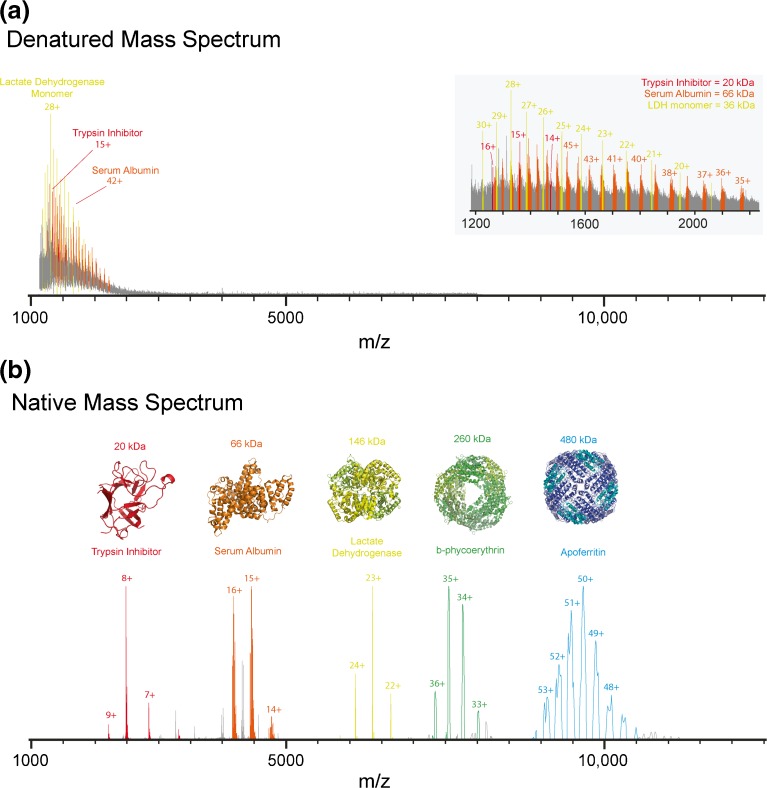
“In the literature, there is broad consensus that native MS leads to lower charge states and a narrower charge state distribution compared with MS under denaturing conditions 11,34 .”
Xia, Z., DeGrandchamp, J. B., & Williams, E. R. (2019) · The Analyst · doi:10.1039/c9an00266a · Cited by 46
Metadata
- Authors
- Leney, A. C., & Heck, A. J. R.
- Affiliations
- Utrecht University (NL)
- Corresponding author
- Heck, Albert J. R.
- Venue
- Journal of the American Society for Mass Spectrometry
- Publisher
- American Chemical Society (ACS)
- Published
- 2016-12-01
- Volume
- 28
- Issue
- 1
- Pages
- 5-13
- ISSN
- 1044-0305 (ISSN-L)
- PMC
- PMC5174146
- OpenAlex
- W2558396410
- Cited by
- 602
- References
- 89
- Citations by year
- 2026: 47 · 2025: 53 · 2024: 60 · 2023: 49 · 2022: 64 · 2021: 87 · 2020: 90 · 2019: 72 · 2018: 52 · 2017: 27
- FWCI
- 25.19
- Type
- journal article
- Language
- en
- Open access
- hybrid
- doi.org
- Locations
- Journal of the American Society for Mass Spectrometry (publishedVersion, cc-by)
- PubMed Central (publishedVersion, cc-by)
- PubMed (publishedVersion)
- Utrecht University Repository (Utrecht University) (submittedVersion, other-oa)
- University of Birmingham Research Portal (University of Birmingham) (submittedVersion, cc-by)
- Funders
- Utrecht University
- Topics
- Physical Sciences › Chemistry › Spectroscopy › Mass Spectrometry Techniques and Applications
- Physical Sciences › Chemistry › Spectroscopy › Advanced Proteomics Techniques and Applications
- Life Sciences › Biochemistry, Genetics and Molecular Biology › Molecular Biology › Metabolomics and Mass Spectrometry Studies
- Keywords
- native mass spectrometry, electrospray ionization mass spectrometry, protein-protein complex, protein-ligand complex, protein assembly, quaternary structure, structural biology, structure-function relationship
- MeSH terms
- Animals, DNA, Humans, Models, Molecular, Protein Conformation, Proteins, Spectrometry, Mass, Electrospray Ionization, Protein Multimerization
About these checks
Registry, retraction, Cites and statistics results are computed, not judged, with one exception: a printed reference that no index lists is read once by a model before it counts as a citation error. Claims are extracted by a model and kept only when their quote appears verbatim in the text; each cited source is then checked, with a model’s help, for whether it says what the claim relies on. Those verdicts can be wrong — read the claim’s quote and the cited source before relying on one.
Statistics and arithmetic are recomputed, not judged.
Confidence bands are shown only for fields calibrated on our annotated test set. None is calibrated yet, so no band is shown.
What counts as a claim ›How we measure confidence ›How we check this ›
Are you an author, or do you see a problem with this page? Request a review
Data sources
Bibliographic data: Semantic Scholar, OpenAlex, Crossref.
Contains information from the Semantic Scholar Academic Graph Datasets, made available under the ODC Attribution License (ODC-BY 1.0).
Semantic Scholar’s data is described in: Kinney, R., et al. (2023). The Semantic Scholar Open Data Platform. arXiv:2301.10140.
