

Liraglutide in Type 2 Diabetes Mellitus: Clinical Pharmacokinetics and Pharmacodynamics
Open accessThe DOI matches its Crossref record; 78 of the 78 references it cites were found in a registry or an index.
Abstract
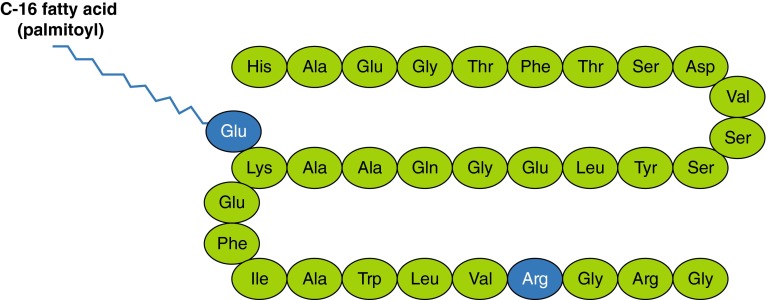
Liraglutide is an acylated glucagon-like peptide-1 analogue with 97 % amino acid homology with native glucagon-like peptide-1 and greatly protracted action. It is widely used for the treatment of type 2 diabetes mellitus, and administered by subcutaneous injection once daily. The pharmacokinetic properties of liraglutide enable 24-h exposure coverage, a requirement for 24-h glycaemic control with once-daily dosing. The mechanism of protraction relates to slowed release from the injection site, and a reduced elimination rate owing to metabolic stabilisation and reduced renal filtration. Drug exposure is largely independent of injection site, as well as age, race and ethnicity. Increasing body weight and male sex are associated with reduced concentrations, but there is substantial overlap between subgroups; therefore, dose escalation should be based on individual treatment outcome. Exposure is reduced with mild, moderate or severe renal or hepatic impairment. There are no clinically relevant changes in overall concentrations of various drugs (e.g. paracetamol, atorvastatin, griseofulvin, digoxin, lisinopril and oral combination contraceptives) when co-administered with liraglutide. Pharmacodynamic studies show multiple beneficial actions with liraglutide, including improved fasting and postprandial glycaemic control (mediated by increased insulin and reduced glucagon levels and minor delays in gastric emptying), reduced appetite and energy intake, and effects on postprandial lipid profiles. The counter-regulatory hormone response to hypoglycaemia is largely unaltered. The effects of liraglutide on insulin and glucagon secretion are glucose dependent, and hence the risk of hypoglycaemia is low. The pharmacokinetic and pharmacodynamic properties of liraglutide make it an important treatment option for many patients with type 2 diabetes.
Overview
The claims and statistics of this paper haven’t been checked yet.
Free: it reads the open-access text and checks the first 5 claims that cite a source we can check. Create a free account to check every claim.
Integrity signals
Registry
Cites
Statistics
Figures
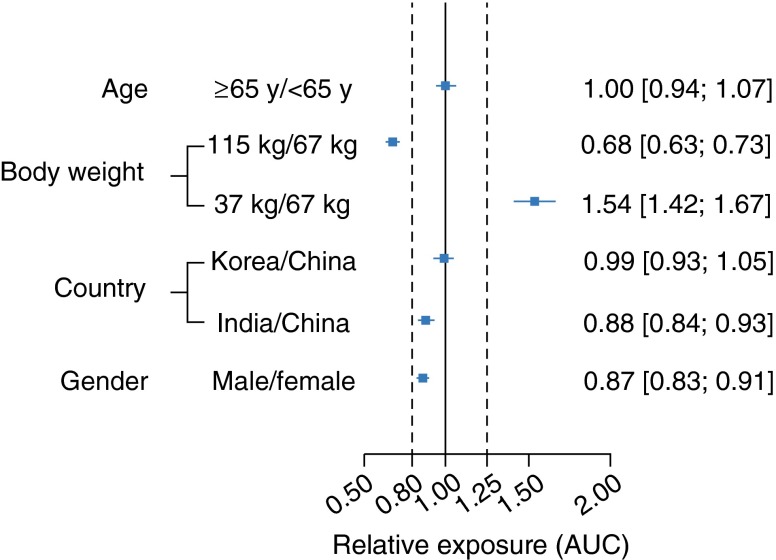
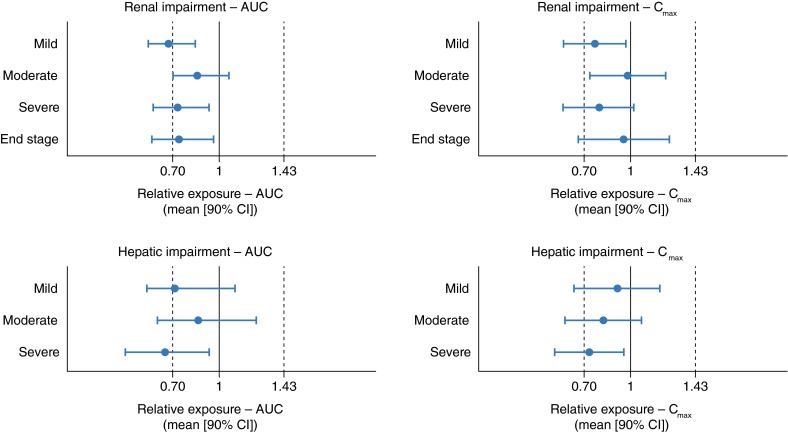
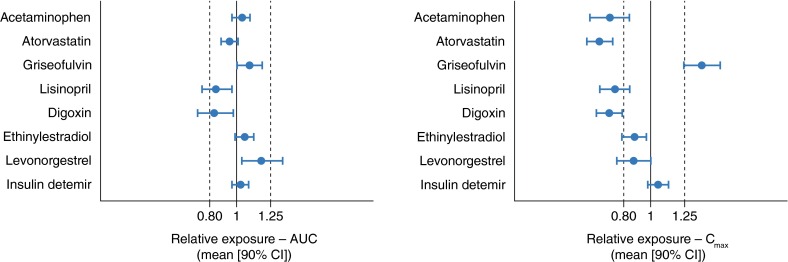
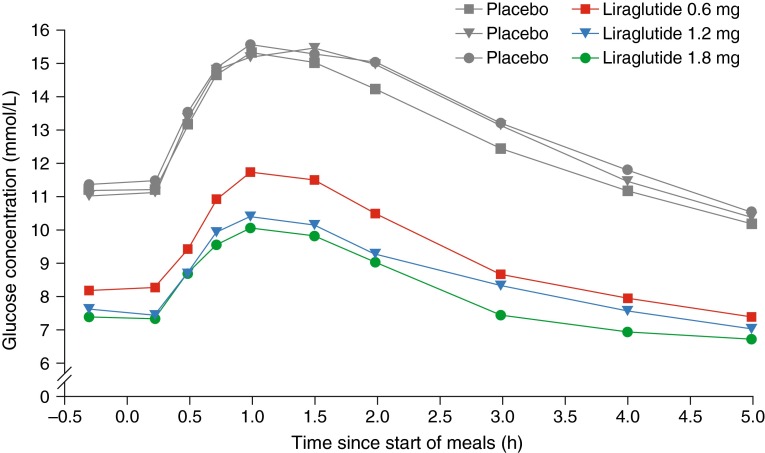
Verification
Claims the paper makes
The claims and statistics of this paper haven’t been checked yet.
Free: it reads the open-access text and checks the first 5 claims that cite a source we can check. Create a free account to check every claim.
Claims other papers make about this one
Each is checked against this paper’s own text: does it say what the citing paper says it does?
The source backs part of the claim, not all of it — or backs it for a different population, condition or comparison.
In the citing paper
“In the treatment of T2DM, liraglutide helps lower blood sugar levels by increasing insulin production and reducing glucose production by the liver.81”
From Glucagon-like peptide-1 receptor: mechanisms and advances in therapy (2024) · cites this paper as [81]
Experimental — accuracy not yet measured
Self-check
Percentages, sums and reported differences re-computed from the paper’s own numbers.
The self-check needs the paper’s full text.
Citations
Cites
International Diabetes Federation 2017
Carracher, A. M., Marathe, P. H., & Close, K. L. (2018) · Journal of Diabetes · doi:10.1111/1753-0407.12644 · Cited by 13,418
Inzucchi, S. E., Bergenstal, R. M., Buse, J. B., Diamant, M., Ferrannini, E., Nauck, M., Peters, A. L., Tsapas, A., Wender, R., & Matthews, D. R. (2012) · Diabetologia · doi:10.1007/s00125-012-2534-0 · Cited by 3,919
Nordestgaard, B. G., Benn, M., Schnohr, P., & Tybjærg-Hansen, A. (2007) · JAMA · doi:10.1001/jama.298.3.299 · Cited by 2,058
Buse, J. B., Rosenstock, J., Sesti, G., Schmidt, W. E., Montanya, E., Brett, J. H., Zychma, M., & Blonde, L. (2009) · The Lancet · doi:10.1016/s0140-6736(09)60659-0 · Cited by 1,503
GLP-1 receptor agonists for individualized treatment of type 2 diabetes mellitus
Meier, J. J. (2012) · Nature Reviews Endocrinology · doi:10.1038/nrendo.2012.140 · Cited by 1,311 · cited 1×
“In any case, it has been suggested that the effect of liraglutide on gastric emptying decreases over time, owing to tolerance development as a result of continuous activation of the GLP-1 receptor [79].”
BackgroundNauck, M., Frid, A., Hermansen, K., Shah, N. S., Tankova, T., Mitha, I. H., Zdravkovic, M., Düring, M., Matthews, D. R., & for the LEAD-2 Study Group (2009) · Diabetes Care · doi:10.2337/dc08-1355 · Cited by 1,129
Nauck, M. A., Kleine, N., �rskov, C., Holst, J. J., Willms, B., & Creutzfeldt, W. (1993) · Diabetologia · doi:10.1007/bf00401145 · Cited by 1,092 · cited 1×
“However, although intravenous infusion of native GLP-1 can normalise plasma glucose levels in patients with type 2 diabetes [22, 23], it is not a practical option for exogenous therapy.”
BackgroundGarber, A., Henry, R., Ratner, R., Garcia-Hernandez, P. A., Rodriguez-Pattzi, H., Olvera-Alvarez, I., Hale, P. M., Zdravkovic, M., & Bode, B. (2009) · The Lancet · doi:10.1016/s0140-6736(08)61246-5 · Cited by 1,057 · cited 8×
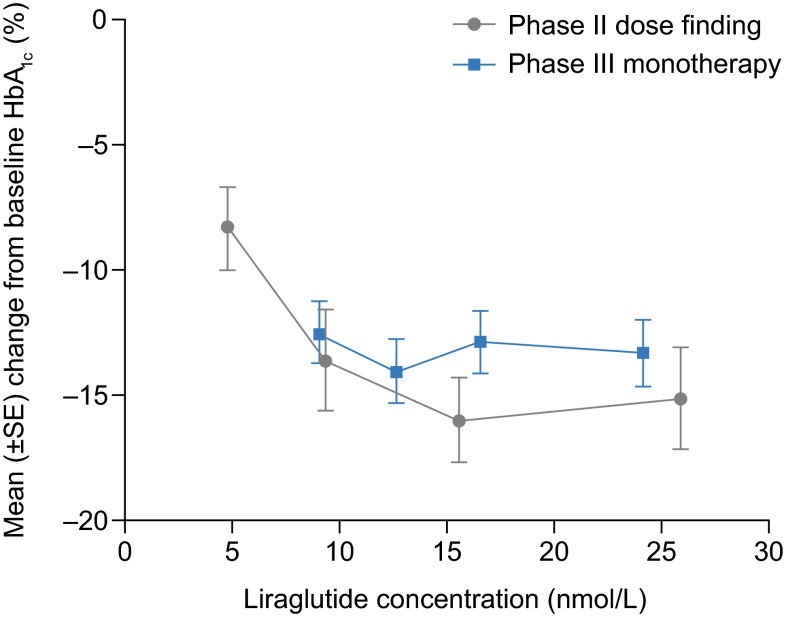
“Based on data from a phase III study in the USA, as well as a dose-finding phase II study, the mean change from baseline in HbA1c at 12–14 weeks was plotted for various doses of liraglutide (up to 1.8 mg and including placebo) given as monotherapy [33].”
BackgroundMethodInfluentialGhoos, Y. F., Maes, B. D., Geypens, B. J., Mys, G., Hiele, M. I., Rutgeerts, P. J., & Vantrappen, G. (1993) · Gastroenterology · doi:10.1016/0016-5085(93)90640-x · Cited by 946
Deacon, C. F., Nauck, M. A., Toft-Nielsen, M., Pridal, L., Willms, B., & Holst, J. J. (1995) · Diabetes · doi:10.2337/diab.44.9.1126 · Cited by 878
Research works printed but not linked: 1
- International Diabetes Federation. Diabetes atlas: sixth edition. 2014 update. http://www.idf.org/diabetesatlas. Accessed 24 Sep 2015.
Cited by
Glucagon-like peptide 1 (GLP-1)
Müller, T. D., Finan, B., Bloom, S. R., D'Alessio, D., Drucker, D. J., Flatt, P. R., Fritsche, A., Gribble, F., Grill, H. J., Habener, J. F., et al. (2019) · Molecular Metabolism · doi:10.1016/j.molmet.2019.09.010 · Cited by 1,868
“The acylation also promotes multimeric formation, which decelerates diffusion from the site of injection [893].”
BackgroundGlucagon-like peptide-1 receptor: mechanisms and advances in therapy
Zheng, Z., Zong, Y., Ma, Y., Tian, Y., Pang, Y., Zhang, C., & Gao, J. (2024) · Signal Transduction and Targeted Therapy · doi:10.1038/s41392-024-01931-z · Cited by 1,036
“81,107,109 Tanzeum was discontinued by GlaxoSmithKline (GSK) in 2017, primarily due to economic factors.”
BackgroundEmerging role of GLP-1 agonists in obesity: A comprehensive review of randomised controlled trials
Popoviciu, M.-S., Păduraru, L., Yahya, G., Metwally, K., & Cavalu, S. (2023) · International Journal of Molecular Sciences · doi:10.3390/ijms241310449 · Cited by 280
“liraglutide’s pharmacokinetic properties allow for 24 h glycemic management with a single dose, owing to metabolic stabilization and reduced renal filtration that slow down release from the injection site and eliminate the medication more slowly [84].”
BackgroundRecent updates on GLP-1 agonists: Current advancements & challenges
Sharma, D., Verma, S., Vaidya, S., Kalia, K., & Tiwari, V. (2018) · Biomedicine & Pharmacotherapy · doi:10.1016/j.biopha.2018.08.088 · Cited by 265
Glucagon‐like peptide‐1 receptor agonists in type 2 diabetes treatment: are they all the same?
Gentilella, R., Pechtner, V., Corcos, A., & Consoli, A. (2019) · Diabetes/Metabolism Research and Reviews · doi:10.1002/dmrr.3070 · Cited by 227
Halawi, H., Khemani, D., Eckert, D., O'Neill, J., Kadouh, H., Grothe, K., Clark, M. M., Burton, D. D., Vella, A., Acosta, A., et al. (2017) · The Lancet Gastroenterology & Hepatology · doi:10.1016/s2468-1253(17)30285-6 · Cited by 224
Femminella, G. D., Frangou, E., Love, S. B., Busza, G., Holmes, C., Ritchie, C., Lawrence, R., McFarlane, B., Tadros, G., Ridha, B. H., et al. (2019) · Trials · doi:10.1186/s13063-019-3259-x · Cited by 213
Jensen, L., Helleberg, H., Roffel, A., van Lier, J. J., Bjørnsdottir, I., Pedersen, P. J., Rowe, E., Derving Karsbøl, J., & Pedersen, M. L. (2017) · European Journal of Pharmaceutical Sciences · doi:10.1016/j.ejps.2017.03.020 · Cited by 182
Abd El Aziz, M. S., Kahle, M., Meier, J. J., & Nauck, M. A. (2017) · Diabetes, Obesity and Metabolism · doi:10.1111/dom.12804 · Cited by 155
A review of lipidation in the development of advanced protein and peptide therapeutics
Menacho‐Melgar, R., Decker, J. S., Hennigan, J. N., & Lynch, M. (2018) · Journal of Controlled Release · doi:10.1016/j.jconrel.2018.12.032 · Cited by 171
“Although lipidated therapeutics are still able to bind albumin at the interstitium and this contributes to some absorption delay, the formation of multimers has a greater contribution [56,59,65,67,68].”
BackgroundHe, Z., Gao, Y., Lieu, L., Afrin, S., Cao, J., Michael, N. J., Dong, Y., Sun, J., Guo, H., & Williams, K. W. (2019) · Molecular Metabolism · doi:10.1016/j.molmet.2019.07.008 · Cited by 128
“This is Plasma concentrations of liraglutide measured during liraglutide therapy have been suggested to be 10e40 nM [66,67].”
BackgroundThe mechanism and efficacy of GLP-1 receptor agonists in the treatment of Alzheimer’s disease
Du, H., Meng, X., Yao, Y., & Xu, J. (2022) · Frontiers in Endocrinology · doi:10.3389/fendo.2022.1033479 · Cited by 125
“The main mechanisms of liraglutide protraction are as follows: (1) slow absorption after subcutaneous injection (130); (2) reduce clearance rate due to slowed metabolism and renal filtration (131).”
BackgroundOprea, A. D., Ostapenko, L. J., Sweitzer, B., Selzer, A., Irizarry-Alvarado, J. M., Hurtado Andrade, M. D., Mendez, C. E., Kelley, K. D., Stewart, E., Fernandez Robles, C. R., et al. (2025) · British Journal of Anaesthesia · doi:10.1016/j.bja.2025.04.001 · Cited by 104
Min, J. S., Jo, S. J., Lee, S., Kim, D. Y., Kim, D. H., Lee, C. B., & Bae, S. K. (2025) · Drug Design Development and Therapy · doi:10.2147/dddt.s506957 · Cited by 133
Glucagon-Like Peptide-1 Receptor Agonists and Strategies To Improve Their Efficiency
Alavi, S. E., Cabot, P. J., & Moyle, P. M. (2019) · Molecular Pharmaceutics · doi:10.1021/acs.molpharmaceut.9b00308 · Cited by 95
Mastrandrea, L. D., Witten, L., Carlsson Petri, K. C., Hale, P. M., Hedman, H. K., & Riesenberg, R. A. (2019) · Pediatric Obesity · doi:10.1111/ijpo.12495 · Cited by 94
“The joint population PK analysis for liraglutide in children, adolescents, and adults confirmed that body weight was a relevant covariate for exposure, in agreement with previous observations; thus, a lower body weight is associated with a higher liraglutide exposure.(22,33,34) Unlike the previous trial in adults,(22)…”
ResultEffects of glucagon-like peptide 1 analogs on alcohol intake in alcohol-preferring vervet monkeys
Thomsen, M., Holst, J. J., Molander, A., Linnet, K., Ptito, M., & Fink-Jensen, A. (2019) · Psychopharmacology · doi:10.1007/s00213-018-5089-z · Cited by 93
Dong, Y., Carty, J., Goldstein, N., He, Z., Hwang, E., Chau, D., Wallace, B., Kabahizi, A., Lieu, L., Peng, Y., et al. (2021) · Molecular Metabolism · doi:10.1016/j.molmet.2021.101352 · Cited by 93
Liraglutide modulates gut microbiome and attenuates nonalcoholic fatty liver in db/db mice
Liu, Q., Cai, B.-Y., Zhu, L.-X., Xin, X., Wang, X., An, Z.-M., Li, S., Hu, Y.-Y., & Feng, Q. (2020) · Life Sciences · doi:10.1016/j.lfs.2020.118457 · Cited by 91
Dong, M., Wen, S., & Zhou, L. (2022) · Diabetes, Metabolic Syndrome and Obesity: Targets and Therapy · doi:10.2147/dmso.s375559 · Cited by 90
“Kastin et al observed and analyzed the influx rate following intravenous injection of 125I-[Ser8] GLP-1.”
BackgroundInfluentialAmmar, R. A., Mohamed, A. F., Kamal, M. M., Safar, M. M., & Abdelkader, N. F. (2022) · Inflammopharmacology · doi:10.1007/s10787-022-00956-6 · Cited by 84
Albumin-based drug designs for pharmacokinetic modulation
Pilati, D., & Howard, K. A. (2020) · Expert Opinion on Drug Metabolism & Toxicology · doi:10.1080/17425255.2020.1801633 · Cited by 87
Khavinson, V., Linkova, N. S., Dyatlova, A., Кантемирова, Р. К., & Kozlov, K. L. (2022) · Cells · doi:10.3390/cells12010106 · Cited by 89
Metabolic and cardiovascular benefits of GLP‑1 agonists, besides the hypoglycemic effect (Review)
Iorga, R., Bacalbasa, N., Carsote, M., Bratu, O., Stanescu, A. M., Bungau, S., Pantis, C., & Diaconu, C. (2020) · Experimental and Therapeutic Medicine · doi:10.3892/etm.2020.8714 · Cited by 76
“Liraglutide (10) LEAD LEADER 2009 EMA Long action - Subcutaneous injection o.”
BackgroundLee, T. S., Park, E. J., Choi, M., Oh, H. S., An, Y., Kim, T. P., Kim, T. H., Shin, B. S., & Shin, S. (2023) · Journal of Chromatography B · doi:10.1016/j.jchromb.2023.123688 · Cited by 80
Øhrstrøm, C. C., Worm, D., Højager, A., Andersen, D., Holst, J. J., Kielgast, U. L., & Hansen, D. L. (2019) · Diabetes, Obesity and Metabolism · doi:10.1111/dom.13796 · Cited by 72
“gastric emptying seems less likely, given the rapid pouch-emptying seen after RYGB.(22,32) Interestingly, during the MMTTs we observed a slight but significant increase in postprandial GLP-1 levels that did not enhance insulin levels or aggravate hypoglycaemia.”
BackgroundResultInfluentialJAK/STAT signaling in diabetic kidney disease
Liu, Y., Wang, W., Zhang, J., Gao, S., Xu, T., & Yin, Y. (2023) · Frontiers in Cell and Developmental Biology · doi:10.3389/fcell.2023.1233259 · Cited by 88
An evaluation of liraglutide including its efficacy and safety for the treatment of obesity
Lin, C.-H., Shao, L., Zhang, Y.-M., Tu, Y.-J., Zhang, Y., Tomlinson, B., Chan, P., & Liu, Z. (2020) · Expert Opinion on Pharmacotherapy · doi:10.1080/14656566.2019.1695779 · Cited by 65
“emptying but these effects were not considered to be clinically relevant [36].”
BackgroundInfluentialLiraglutide 3.0 mg for Weight Management: A Population Pharmacokinetic Analysis
Overgaard, R. V., Petri, K. C., Jacobsen, L. V., & Jensen, C. B. (2016) · Clinical Pharmacokinetics · doi:10.1007/s40262-016-0410-7 · Cited by 64
“These findings are consistent with the established pharmacokinetic properties of liraglutide at lower doses [36].”
Self-citationQuast, D. R., Schenker, N., Menge, B. A., Nauck, M. A., Kapitza, C., & Meier, J. J. (2020) · Diabetes Care · doi:10.2337/dc20-0720 · Cited by 64
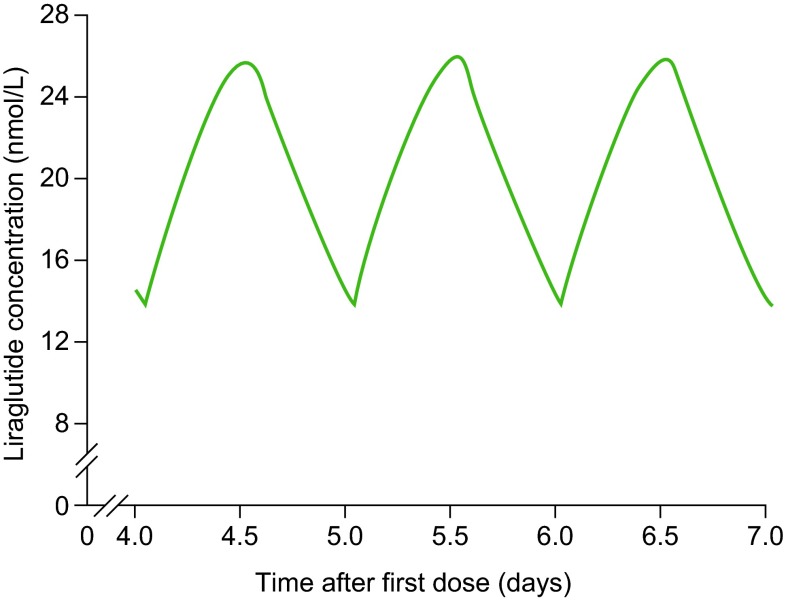
“Long-acting GLP-1 RAs provide circulating drug concentrations that are constantly elevated, with minor fluctuations over a 24-h or 7-day period (5,6).”
BackgroundFDA-Approved Pharmacotherapy for Weight Loss Over the Last Decade
Idrees, Z., Cancarevic, I., & Huang, L. (2022) · Cureus · doi:10.7759/cureus.29262 · Cited by 63
“Liraglutide is especially beneficial in overweight or obese diabetic patients as it has also been established as an effective therapy for better glycemic control in type 2 diabetics as an adjunct to oral anti-diabetic medications and/or insulin [30].”
BackgroundHur, J., Kang, J. Y., Kim, Y. K., Lee, S. Y., & Lee, H. Y. (2021) · Pulmonary Pharmacology & Therapeutics · doi:10.1016/j.pupt.2021.102003 · Cited by 67
Liraglutide Attenuates Hepatic Ischemia–Reperfusion Injury by Modulating Macrophage Polarization
Li, S.-L., Wang, Z., Xu, C., Che, F.-H., Hu, X.-F., Cao, R., Xie, Y., Qiu, Y., Shi, H., Liu, B., et al. (2022) · Frontiers in Immunology · doi:10.3389/fimmu.2022.869050 · Cited by 67
“Liraglutide, a glucagon-like peptide-1 (GLP-1) analog that binds to and activates GLP-1R, is primarily used to treat type 2 diabetes and obesity (9, 10).”
BackgroundFerrari, F., Moretti, A., & Villa, R. F. (2022) · Pharmacology & Therapeutics · doi:10.1016/j.pharmthera.2022.108277 · Cited by 59
Effect of liraglutide on expression of inflammatory genes in type 2 diabetes
Zobel, E. H., Ripa, R. S., von Scholten, B. J., Rotbain Curovic, V., Kjaer, A., Hansen, T. W., Rossing, P., & Størling, J. (2021) · Scientific Reports · doi:10.1038/s41598-021-97967-0 · Cited by 59
Musaimi, O. A., Shaer, D. A., de la Torre, B. G., & Alberício, F. (2018) · Pharmaceuticals · doi:10.3390/ph11020042 · Cited by 68
“Liraglutide is the first once‐daily glucagon‐like peptide‐1 analogue designed to resist enzymatic degradation and thus have a longer half‐life [26,27,30].”
BackgroundEpigenetic modifications in pancreas development, diabetes, and therapeutics
Kaimala, S., Kumar, C. A., Allouh, M. Z., Ansari, S. A., & Emerald, B. S. (2022) · Medicinal Research Reviews · doi:10.1002/med.21878 · Cited by 57
Onishi, Y., Oura, T., Matsui, A., Matsuura, J., & Iwamoto, N. (2017) · Endocrine Journal · doi:10.1507/endocrj.ej16-0552 · Cited by 47
Semaglutide s.c. Once-Weekly in Type 2 Diabetes: A Population Pharmacokinetic Analysis
Carlsson Petri, K. C., Ingwersen, S. H., Flint, A., Zacho, J., & Overgaard, R. V. (2018) · Diabetes Therapy · doi:10.1007/s13300-018-0458-5 · Cited by 47
Self-citationYu, M., Wang, R., Pei, L., Zhang, X., Wei, J., Wen, Y., Liu, H., Ye, H., Wang, J., & Wang, L. (2023) · Diabetology & Metabolic Syndrome · doi:10.1186/s13098-023-01118-6 · Cited by 44
“This may be related to the high amino acid homology of natural glucagon-like peptide-1, with Liraglutide reaching 97% [56].”
BackgroundShao, S., Zhang, X., Xu, Q., Pan, R., & Chen, Y. (2022) · Pharmacology & Therapeutics · doi:10.1016/j.pharmthera.2022.108270 · Cited by 46
Staby, A., Steensgaard, D. B., Haselmann, K. F., Marino, J. S., Bartholdy, C., Videbæk, N., Schelde, O., Bosch‐Traberg, H., Spang, L. T., & Asgreen, D. J. (2020) · Pharmaceutical Research · doi:10.1007/s11095-020-02817-9 · Cited by 41
Usage of Glucagon-Like Peptide-1 for Obesity in Children; Updated Review of Clinicaltrials.gov
Alorfi, N. M., & Alshehri, F. S. (2023) · Journal of Multidisciplinary Healthcare · doi:10.2147/jmdh.s419245 · Cited by 43
“50,51 It functions in a similar way to endogenous GLP-1.”
BackgroundInfluentialAlsaqaaby, M. S., Cooney, S., le Roux, C. W., & Pournaras, D. J. (2024) · The Lancet Diabetes & Endocrinology · doi:10.1016/s2213-8587(24)00098-6 · Cited by 39
Oprea, A. D., Umpierrez, G. E., Sweitzer, B., & Hepner, D. L. (2024) · Anesthesiology · doi:10.1097/aln.0000000000005204 · Cited by 45
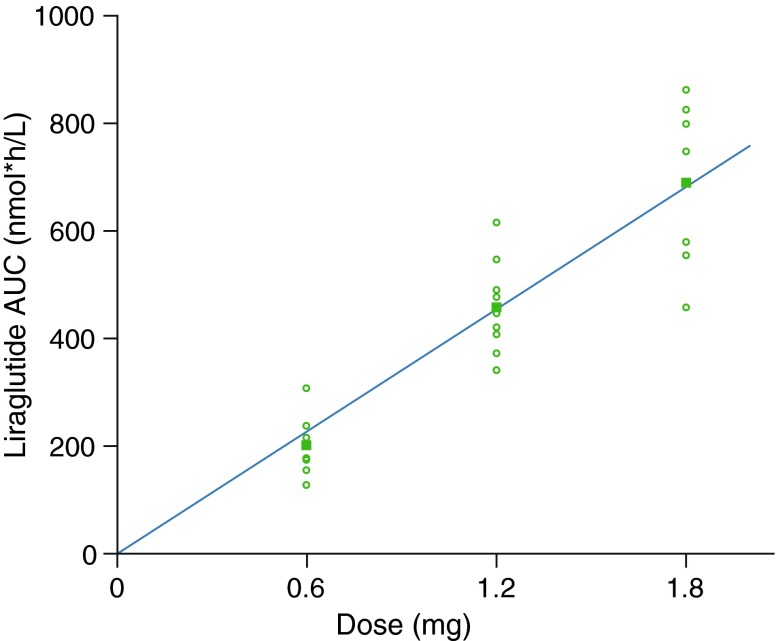
“♦ Pharmacokinetic modeling of liraglutide shows that at the end of one half-life of elimination, the blood concentration is higher in patients taking 1.8 mg compared to the peak concentration of liraglutide 0.6 mg 24 (fig.”
InfluentialDeng, M., Wen, Y., Yan, J., Fan, Y., Wang, Z., Zhang, R., Ren, L., Ba, Y., Wang, H., Lü, Q., et al. (2023) · BMC Medicine · doi:10.1186/s12916-023-03129-6 · Cited by 43
“For the reason the pharmacokinetics of exenatide and liraglutide are different [80, 81], we did not combine exenatide and liraglutide into the GLP-1RAs classification for analysis, which led to some interesting results.”
BackgroundObesity management: sex-specific considerations
Kantowski, T., Wiesch, C. S. Z., Aberle, J., & Lautenbach, A. (2024) · Archives of Gynecology and Obstetrics · doi:10.1007/s00404-023-07367-0 · Cited by 48
“The different response to GLP-1 receptor agonists may be partially explained by increased drug exposure due to the lower average body weight in female study participants, as body weight was shown to have significant effect on pharmacokinetics on GLP-1 receptor agonists [30].”
BackgroundShi, Y., Guo, S., Liang, Y., Liu, L., Wang, A., Sun, K., & Li, Y. (2021) · Current Pharmaceutical Biotechnology · doi:10.2174/1389201022666210820114236 · Cited by 38
Chequin, A., Costa, L. E., de Campos, F. F., Moncada, A. D. B., de Lima, L. T. F., Sledz, L. R., Picheth, G. F., Adami, E. R., Acco, A., Gonçalves, M. B., et al. (2021) · Chemico-Biological Interactions · doi:10.1016/j.cbi.2021.109641 · Cited by 40
Li, Y., Xu, B., Yang, J., Wang, L., Tan, X., Hu, X., Sun, L., Chen, S., Zhu, L., Chen, X., et al. (2021) · Pharmacological Research · doi:10.1016/j.phrs.2021.105867 · Cited by 36
Simeone, P., Liani, R., Tripaldi, R., Castelnuovo, A. F. D., Guagnano, M. T., Tartaro, A., Bonadonna, R. C., Federico, V., Cipollone, F., Consoli, A., et al. (2018) · Nutrients · doi:10.3390/nu10121872 · Cited by 38
“Of note, the time frame between last liraglutide administration and urine collection suggests that our measurements of platelet activation and lipid peroxidation were performed at a time when the plasma concentrations of liraglutide were lower than those achieved during the steady state [56].”
BackgroundFocus on therapeutic peptides and their delivery
Rosson, E., Lux, F., David, L., Godfrin, Y., Tillement, O., & Thomas, E. (2025) · International Journal of Pharmaceutics · doi:10.1016/j.ijpharm.2025.125555 · Cited by 39
GLP-1 peptide analogs for targeting pancreatic beta cells
Alavi, S. E., & Shahmabadi, H. E. (2021) · Drug Discovery Today · doi:10.1016/j.drudis.2021.03.032 · Cited by 34
Wajdlich, M. J., & Nowicki, M. P. (2024) · Scientific Reports · doi:10.1038/s41598-024-55724-z · Cited by 43
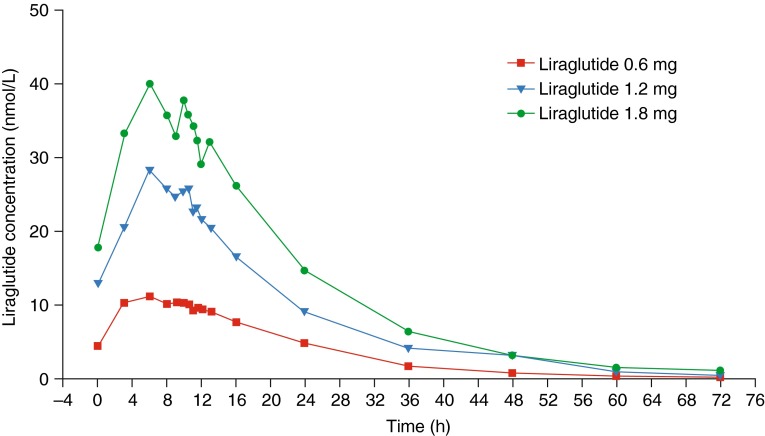
“Across studies and populations, liraglutide was found to be slowly absorbed following a subcutaneous injection, with a time to maximum plasma concentration of the drug (Tmax) of approximately 11–12 h 11 .”
BackgroundElkhalifa, A. M. E., Nazar, M., Ali, S. I., Khursheed, I., Taifa, S., Ahmad Mir, M., Shah, I. H., Malik, M., Ramzan, Z., Ahad, S., et al. (2024) · Life · doi:10.3390/life14010099 · Cited by 31
“…Allium sativum , Gymnemasylbestre , Allium cepa , Spreng , Withania somniferous , Murraya koenigii , etc., which have been reported to possess anti-diabetic constituents like terpenoids, flavonoids, phenolics, coumarins, and many other glucose reducing components being biologically active [31].”
BackgroundInfluentialLv, S., Liu, H., & Wang, H. (2021) · International Journal of Molecular Sciences · doi:10.3390/ijms22136715 · Cited by 34
Vaittinen, M., Ilha, M., Herbers, E., Wagner, A., Virtanen, K. A., Pietiläinen, K. H., Pirinen, E., & Pihlajamäki, J. (2023) · Diabetes Research and Clinical Practice · doi:10.1016/j.diabres.2023.110635 · Cited by 33
Zhang, K., Li, R., Matniyaz, Y., Yu, R., Pan, J., Liu, W., & Wang, D. (2024) · Biochemical Pharmacology · doi:10.1016/j.bcp.2024.116170 · Cited by 37
Jakhar, D. K., Vishwakarma, V. K., Singh, R., Jadhav, K., Shah, S. Z., Arora, T. K., Verma, R. K., & Yadav, H. N. (2023) · International Journal of Pharmaceutics · doi:10.1016/j.ijpharm.2023.122585 · Cited by 32
Stanford, F. C., Toth, A. T., Shukla, A. P., Pratt, J. S., Cena, H., Biino, G., & Aronne, L. J. (2018) · Bariatric Surgical Practice and Patient Care · doi:10.1089/bari.2018.0037 · Cited by 30
“3) 6 (25) Age at surgery (years), n (%) 60–64 19 (54.”
Lu, C., Xu, C., Li, S., Ni, H., & Yang, J. (2024) · Redox Biology · doi:10.1016/j.redox.2024.103468 · Cited by 36
“Liraglutide, a long-acting GLP-1R agonist, has garnered widespread utilization in the clinical management of type 2 diabetes and obesity attributed to its profound hypoglycemic and weight loss properties [14, 15].”
Li, Y., & Rosenblit, P. D. (2018) · Current Cardiology Reports · doi:10.1007/s11886-018-1051-2 · Cited by 31
Bhalla, S., & Mehan, S. (2022) · Neuropeptides · doi:10.1016/j.npep.2022.102296 · Cited by 31
Bai, X., Hao, J.-T., Zheng, R., Yan, C.-P., Wang, J., Yang, C., Zhang, W., & Zhao, Z. (2020) · Cardiovascular Drugs and Therapy · doi:10.1007/s10557-020-07088-5 · Cited by 30
Hou, L., Du, J.-Y., Dong, Y., Wang, M., Wang, L., & Zhao, J. (2024) · Human Cell · doi:10.1007/s13577-024-01038-1 · Cited by 32
Kim, S. H., Abbasi, F., Nachmanoff, C., Stefanakis, K., Kumar, A., Kalra, B., Savjani, G. V., & Mantzoros, C. S. (2020) · Diabetes Obesity and Metabolism · doi:10.1111/dom.14242 · Cited by 51
“We used two different assays to differentiate between endogenous and exogenous GLP-1.”
BackgroundInfluentialDong, S., Gu, Y. J., Wei, G., Si, D., & Liu, C. (2018) · Journal of Chromatography B · doi:10.1016/j.jchromb.2018.05.020 · Cited by 30
Hach, M., Engelund, D. K., Mysling, S., Mogensen, J. E., Schelde, O., Haselmann, K. F., Lamberth, K., Vilhelmsen, T. K., Malmstrøm, J., Højlys-Larsen, K. B., et al. (2024) · Pharmaceutical Research · doi:10.1007/s11095-024-03771-6 · Cited by 23
“The tendency for fibril formation usually seen in native GLP-1 is also reduced by these modifications [19, 21].”
The industrial design, translation, and development strategies for long-acting peptide delivery
Yang, B., dos Santos, A. G., Puri, S., Bak, A., & Zhou, L. (2022) · Expert Opinion on Drug Delivery · doi:10.1080/17425247.2022.2098276 · Cited by 28
“These conjugation strategies can dramatically increase peptides’ enzymatic stability [22] and peptide half-life primarily by enabling albumin binding to slow down metabolism as well as renal clearance [23,24].”
BackgroundZiebarth, J., da Silva, L. M., Lorenzett, A. K. P., Figueiredo, I. D., Carlstrom, P. F., Cardoso, F. N., de Freitas, A. L. F., Baviera, A. M., & Mainardes, R. M. (2024) · Pharmaceutics · doi:10.3390/pharmaceutics16050634 · Cited by 25
“…to treatment, however, as it is a protein, administration via this route is impossible due to the degradation of the molecule in gastric juice [10] Pharmaceutical nanotechnology is an approach to improve the oral administration of molecules composed of proteins or peptides, overcoming…”
BackgroundInfluentialA self-assembled, modular nucleic acid-based nanoscaffold for multivalent theranostic medicine
Andersen, V. L., Vinther, M., Kumar, R., Ries, A., Wengel, J., Nielsen, J. S., & Kjems, J. (2019) · Theranostics · doi:10.7150/thno.32060 · Cited by 27
“This approach is utilized in the design of several different FDA-approved drugs, including Levemir and Victoza [36,37], of which the latter contains a C 16 palmitoyl group.”
MethodVillalba, A., Rodríguez-Fernández, S., Perna‐Barrull, D., Ampudia, R.-M., Gómez-Muñoz, L., Pujol‐Autonell, I., Aguilera, E., Coma, M., Cano‐Sarabia, M., Vázquez, F., et al. (2020) · Frontiers in Endocrinology · doi:10.3389/fendo.2020.00258 · Cited by 24
Youssef, N., Noureldein, M. H., Njeim, R., Ghadieh, H. E., Harb, F., Azar, S. T., Farès, N., & Eid, A. A. (2021) · Biomedicines · doi:10.3390/biomedicines9101360 · Cited by 23
“The doses of metformin or liraglutide used in our study were calculated based on the maximum doses given and tolerated by patients with diabetes in clinical settings [21,22].”
MethodPharmacogenomics of GLP-1 receptor agonists: Focus on pharmacological profile
Jakhar, K., Vaishnavi, S., Kaur, P., Singh, P., & Munshi, A. (2022) · European Journal of Pharmacology · doi:10.1016/j.ejphar.2022.175356 · Cited by 25
Molecular and Materials Engineering for Delivery of Peptide Drugs to Treat Type 2 Diabetes
Varanko, A. K., & Chilkoti, A. (2019) · Advanced Healthcare Materials · doi:10.1002/adhm.201801509 · Cited by 23
Liraglutide for treating type 1 diabetes
Dejgaard, T. F., Frandsen, C. S., Holst, J. J., & Madsbad, S. (2016) · Expert Opinion on Biological Therapy · doi:10.1517/14712598.2016.1160050 · Cited by 22
“Furthermore, a minor delay on gastric emptying rate seems apparent.[33] In hypoglycemia, however, the stimulation of insulin is markedly reduced and the counter-regulatory response is not impaired (Box 1).”
BackgroundFinan, B., Douros, J. D., Goldwater, R., Hansen, A. M. K., Hjerpsted, J., Hjøllund, K. R., Kankam, M. K., Knerr, P. J., Konkar, A. A., Mowery, S. A., et al. (2025) · Molecular Metabolism · doi:10.1016/j.molmet.2025.102129 · Cited by 21
“The NN1706 PK pro fi le in humans supports once-daily dosing, consistent with the fatty monoacid based protraction comparable to liraglutide, cotadutide and SAR441255 [24,49,50].”
Long-term delivery of protein and peptide therapeutics for cancer therapies
Sikder, S., Gote, V., Alshamrani, M., Sicotte, J., & Pal, D. (2019) · Expert Opinion on Drug Delivery · doi:10.1080/17425247.2019.1662785 · Cited by 23
Adipose Tissue, Non-Communicable Diseases, and Physical Exercise: An Imperfect Triangle
Monsalve, F. A., González, D. R., Fernández-Tapia, B., & López, F. D. (2023) · International Journal of Molecular Sciences · doi:10.3390/ijms242417168 · Cited by 22
“Another effect of liraglutide is to increase insulin release and suppress glucagon secretion in fasting and postprandial glycaemia in subjects with T2DM [116].”
BackgroundNovel Co-Treatment Strategies to Attenuate Acute Olanzapine-Induced Metabolic Dysfunction
Medak, K. D. (2023) · The Atrium (University of Guelph) · doi:10.1152/ajpendo.00309.2020
Hanif, W., Ali, S. N., Bellary, S., Patel, V., Farooqi, A., Karamat, M. A., Saeed, M. A., Sivaprasad, S., Patel, K., & Khunti, K. (2021) · Diabetic Medicine · doi:10.1111/dme.14497 · Cited by 25
Sex and gender differences in metabolic dysfunction-associated liver disease
Penmetsa, R., Kapil, S. R., & VanWagner, L. B. (2025) · Indian Journal of Gastroenterology · doi:10.1007/s12664-025-01833-0 · Cited by 26
Howell, R., Wright, A. M., & Clements, J. N. (2019) · Diabetes Metabolic Syndrome and Obesity · doi:10.2147/dmso.s174568 · Cited by 20
“Pharmacokinetics and pharmacodynamics After subcutaneous administration, liraglutide gets slowly absorbed and a maximum drug concentration level is reached within 8–12 hours with an absolute bioavailability of around 55%.(3,6) The average steady-state concentration was estimated to be 128 ng/mL with 1.”
Erdoğan, M. A., Taşkıran, E., Yiğittürk, G., Erbaş, O., & Taşkıran, D. (2019) · Journal of Biochemical and Molecular Toxicology · doi:10.1002/jbt.22415 · Cited by 20
Loganathan, J., Cohen, A. C., Kaloupis, G. M., Harris, C., Chronopoulos, A., James, V., Hamilton, J., Green, S., Wallis, A., Morgan, S., et al. (2022) · Journal of Diabetes and its Complications · doi:10.1016/j.jdiacomp.2022.108188 · Cited by 17
Zhihong, Y., Chen, W., Qianqian, Z., Lidan, S., Zhou, Q., Han, J. D. J., Wenxi, W., & Bhawal, R. P. (2023) · Peptides · doi:10.1016/j.peptides.2023.170955 · Cited by 18
Juhng, S., Song, J., You, J., Park, J., Yang, H., Jang, M., Kang, G., Shin, J., Ko, H. W., & Jung, H. (2023) · Lab on a Chip · doi:10.1039/d2lc01084d · Cited by 20
New insights into nanomedicines for oral delivery of glucagon‐like peptide‐1 analogs
Pinto, S., Santos, H. A., & Sarmento, B. F. C. C. (2024) · Wiley Interdisciplinary Reviews Nanomedicine and Nanobiotechnology · doi:10.1002/wnan.1952 · Cited by 20
Lin, H., Liu, J., Hou, Y., Yu, Z., Hong, J., Yu, J., Chen, Y., Hu, J., & Xia, D. (2024) · Drug Delivery and Translational Research · doi:10.1007/s13346-024-01582-1 · Cited by 21
Cope, R. J., Fischetti, B., Kavanagh, R., Lepa, T. M., & Sorbera, M. A. (2019) · Pharmacotherapy The Journal of Human Pharmacology and Drug Therapy · doi:10.1002/phar.2342 · Cited by 17
Shadboorestan, A., Tarighi, P., Koosha, M., Faghihi, H., Ghahremani, M. H., & Montazeri, H. (2021) · Drug Research · doi:10.1055/a-1345-7890 · Cited by 20
Therapeutic peptides and proteins: Status and developments in drug delivery
Hornsby, B. D., Lee, C. H., Steele, C. A., Tuekpe, J. K. K., & Lim, C. S. (2026) · Journal of Controlled Release · doi:10.1016/j.jconrel.2026.114895 · Cited by 25
Population Pharmacokinetics of Cotadutide in Subjects with Type 2 Diabetes
Ye, G., Ly, N. S., Li, J., & Arends, R. H. (2022) · Clinical Pharmacokinetics · doi:10.1007/s40262-021-01094-y · Cited by 16
“The body weight effect on cotadutide CL/F is consistent with what has been observed for other GLP-1 receptor agonists [17, 18].”
BackgroundResultXie, Y., Zhou, Q., He, Q., Wang, X., & Wang, J. (2022) · Acta Pharmaceutica Sinica B · doi:10.1016/j.apsb.2022.11.008 · Cited by 18
Wang, K., & Chen, K. (2023) · Pharmaceutical Research · doi:10.1007/s11095-022-03468-8 · Cited by 17
“The development of therapeutic proteins with longer plasma half-life has been achieved through either reversible oligomerization like long-acting insulin glargine [33] or reversible serum albumin binding to aliphatic chains covalently linked to proteins like liraglutide [34].”
BackgroundOh, H. S., Choi, M., Lee, T. S., An, Y., Park, E. J., Kim, T. H., Shin, S., & Shin, B. S. (2023) · Journal of Analytical Science & Technology · doi:10.1186/s40543-023-00382-5 · Cited by 20
“Nevertheless, ELISA assay only allowed relative comparison of brain levels of liraglutide after saline injection and liraglutide injection instead of measuring its actual concentrations in the brain (Hunter and Holscher 2012).”
BackgroundInfluentialThe Oral Delivery System of Modified GLP-1 by Probiotics for T2DM
Wang, Q., Guo, H., Mao, W., Qian, X., & Liu, Y. (2023) · Pharmaceutics · doi:10.3390/pharmaceutics15041202 · Cited by 18
Xue, L., Xie, K., Wu, L., Yu, X., Long, W., Li, C., Jia, R., & Ding, H. (2020) · International Journal of Molecular Medicine · doi:10.3892/ijmm.2020.4793 · Cited by 17
“Currently, increasing numbers of peptides have been approved for clinical research, such as liraglutide and abaloparatide (23,24), but specific peptides available for PE treatment are limited.”
BackgroundInsulin Withdrawal in Diabetic Kidney Disease: What Are We Waiting for?
Morillas, C., D’Marco, L., Puchades, M. J., Solá-Izquierdo, E., Górriz-Zambrano, C., Bermúdez, V., & Górriz, J. L. (2021) · International Journal of Environmental Research and Public Health · doi:10.3390/ijerph18105388 · Cited by 16
Kweon, S., Park, S. J., Lee, H. K., Kang, S. H., Chang, K.-Y., Choi, J. U., Park, J., Shim, J., Park, J. W., & Byun, Y. (2024) · International Journal of Nanomedicine · doi:10.2147/ijn.s442617 · Cited by 16
“5,6 However, it is essential to note that simply extending half-life does not ensure superior diabetes treatment efficacy.”
Background
Metadata
- Authors
- Jacobsen, L. V., Flint, A., Olsen, A. K., & Ingwersen, S. H.
- Affiliations
- Novo Nordisk (Denmark) (DK)
- Corresponding author
- Ingwersen, Steen H.
- ORCID
- Flint, Anne
- Venue
- Clinical Pharmacokinetics
- Published
- 2015-11-23
- Volume
- 55
- Issue
- 6
- Pages
- 657-672
- ISSN
- 0312-5963 (ISSN-L)
- 1179-1926
- PMC
- PMC4875959
- OpenAlex
- W2174832318
- Cited by
- 217
- References
- 78
- Citations by year
- 2026: 24 · 2025: 21 · 2024: 43 · 2023: 34 · 2022: 20 · 2021: 14 · 2020: 18 · 2019: 20 · 2018: 11 · 2017: 4 · 2016: 7 · 2015: 1
- FWCI
- 6.65
- Type
- journal article
- Language
- en
- Open access
- hybrid
- doi.org
- Licence
- Locations
- Clinical Pharmacokinetics (publishedVersion, cc-by-nc)
- Europe PMC (PubMed Central) (publishedVersion, cc-by-nc)
- PubMed Central (publishedVersion, cc-by-nc)
- PubMed (publishedVersion)
- Funders
- Novo Nordisk
- Topics
- Health Sciences › Medicine › Endocrinology, Diabetes and Metabolism › Diabetes Treatment and Management
- Health Sciences › Medicine › Endocrinology, Diabetes and Metabolism › Diabetes Management and Research
- Health Sciences › Medicine › Pharmacology (medical) › Pharmacology and Obesity Treatment
- Keywords
- liraglutide, type 2 diabetes, glucagon-like peptide-1 analogues, pharmacokinetics, pharmacodynamics, glycemic control, insulin secretion, glucagon secretion, gastric emptying, hypoglycemia, renal dysfunction, liver dysfunction, drug interactions, dose escalation, subcutaneous injection
- MeSH terms
- Liraglutide, Blood Glucose, Body Weight, Diabetes Mellitus, Type 2, Drug Interactions, Glucagon, Humans, Hypoglycemic Agents, Injections, Subcutaneous, Insulin, Lipids, Sex Factors, Liver Failure, Area Under Curve, Renal Insufficiency, Glucagon-Like Peptide 1
About these checks
Registry, retraction, Cites and statistics results are computed, not judged, with one exception: a printed reference that no index lists is read once by a model before it counts as a citation error. Claims are extracted by a model and kept only when their quote appears verbatim in the text; each cited source is then checked, with a model’s help, for whether it says what the claim relies on. Those verdicts can be wrong — read the claim’s quote and the cited source before relying on one.
Statistics and arithmetic are recomputed, not judged.
Confidence bands are shown only for fields calibrated on our annotated test set. None is calibrated yet, so no band is shown.
What counts as a claim ›How we measure confidence ›How we check this ›
Are you an author, or do you see a problem with this page? Request a review
Data sources
Bibliographic data: Semantic Scholar, OpenAlex, Crossref.
Contains information from the Semantic Scholar Academic Graph Datasets, made available under the ODC Attribution License (ODC-BY 1.0).
Semantic Scholar’s data is described in: Kinney, R., et al. (2023). The Semantic Scholar Open Data Platform. arXiv:2301.10140.
