

Training the Gut for Athletes
Open accessThe DOI matches its Crossref record; 51 of the 51 references it cites were found in a registry or an index.
Abstract
The gastrointestinal (GI) tract plays a critical role in delivering carbohydrate and fluid during prolonged exercise and can therefore be a major determinant of performance. The incidence of GI problems in athletes participating in endurance events is high, indicating that GI function is not always optimal in those conditions. A substantial body of evidence suggests that the GI system is highly adaptable. Gastric emptying as well as stomach comfort can be "trained" and perceptions of fullness decreased; some studies have suggested that nutrient-specific increases in gastric emptying may occur. Evidence also shows that diet has an impact on the capacity of the intestine to absorb nutrients. Again, the adaptations that occur appear to be nutrient specific. For example, a high-carbohydrate diet will increase the density of sodium-dependent glucose-1 (SGLT1) transporters in the intestine as well as the activity of the transporter, allowing greater carbohydrate absorption and oxidation during exercise. It is also likely that, when such adaptations occur, the chances of developing GI distress are smaller. Future studies should include more human studies and focus on a number of areas, including the most effective methods to induce gut adaptations and the timeline of adaptations. To develop effective strategies, a better understanding of the exact mechanisms underlying these adaptations is important. It is clear that "nutritional training" can improve gastric emptying and absorption and likely reduce the chances and/or severity of GI problems, thereby improving endurance performance as well as providing a better experience for the athlete. The gut is an important organ for endurance athletes and should be trained for the conditions in which it will be required to function.
Overview
The claims and statistics of this paper haven’t been checked yet.
Free: it reads the open-access text and checks the first 5 claims that cite a source we can check. Create a free account to check every claim.
Integrity signals
Registry
Cites
Statistics
Figures
Verification
Claims the paper makes
The claims and statistics of this paper haven’t been checked yet.
Free: it reads the open-access text and checks the first 5 claims that cite a source we can check. Create a free account to check every claim.
Claims other papers make about this one
Each is checked against this paper’s own text: does it say what the citing paper says it does?
The source backs part of the claim, not all of it — or backs it for a different population, condition or comparison.
In the citing paper
“These recommendations aim to support rapid gastric emptying, water and nutrient absorption and adequate perfusion of the splanchnic vasculature [221].”
From The athletic gut microbiota (2020) · cites this paper as [221]
Experimental — accuracy not yet measuredThe source backs part of the claim, not all of it — or backs it for a different population, condition or comparison.
In the citing paper
““Gut training” via repeated exposure to CHO consumption during exercise sessions has been shown to increase the intestinal absorption and oxidation of exogenous CHO as an exercise substrate (for review, see [39]).”
From Neither beetroot juice supplementation nor increased carbohydrate oxidation enhance economy of prolonged exercise in elite race walkers (2021) · cites this paper as [39]
Experimental — accuracy not yet measuredThe cited source says what the claim attributes to it.
In the citing paper
“There is a substantial body of evidence that suggests that the GI system is highly adaptable [15].”
From Periodized Nutrition for Athletes (2017) · cites this paper as [15]
The cited source says what the claim attributes to it.
In the citing paper
“the rate of oxidation of exogenous CHO from sources consumed prior to and during exercise is affected by the type and amount of CHO intake, and by prior adaptation of the gut via repeated exposure to enhance tolerance and intestinal absorption [37,38,39].”
From Neither beetroot juice supplementation nor increased carbohydrate oxidation enhance economy of prolonged exercise in elite race walkers (2021) · cites this paper as [39]
The cited source says what the claim attributes to it.
In the citing paper
“Regular exposure to high carbohydrate loads may upregulate SGLT1 expression, enhance intestinal absorptive capacity, reduce GI distress, and ultimately increase the capacity for exogenous carbohydrate oxidation [74, 75, 76].”
From Carbohydrate Storage and Supplementation Strategies for Peak Performance in Cross-Country Skiing (2026) · cites this paper as [74]
6 more claims about this paper
Create a free account to see every claim other papers make about this one.
Self-check
Percentages, sums and reported differences re-computed from the paper’s own numbers.
The self-check needs the paper’s full text.
Citations
Cites
T1R3 and gustducin in gut sense sugars to regulate expression of Na + -glucose cotransporter 1
Margolskee, R. F., Dyer, J., Kokrashvili, Z., Salmon, K. S. H., Ilegems, E., Daly, K., Maillet, E. L., Ninomiya, Y., Mosinger, B., & Shirazi-Beechey, S. P. (2007) · Proceedings of the National Academy of Sciences · doi:10.1073/pnas.0706678104 · Cited by 882 · cited 1×
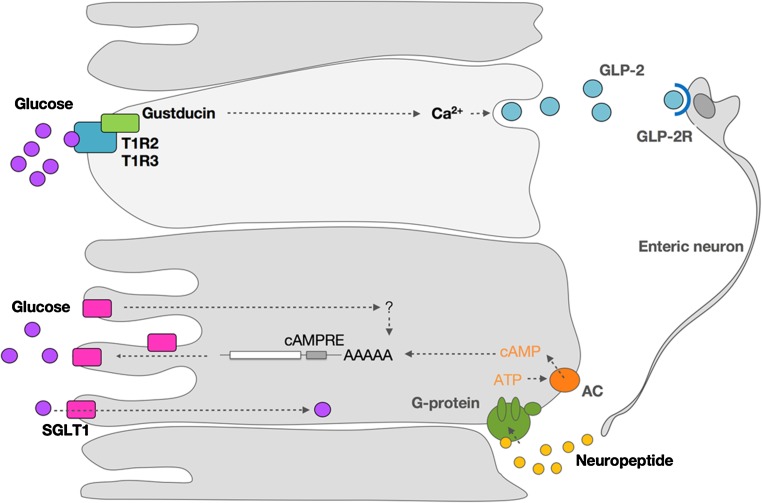
“9-fold after two weeks of a high carbohydrate diet (Margolskee et al., 2007).”
BackgroundSugar Absorption in the Intestine: The Role of GLUT2
Kellett, G. L., Brot-Laroche, E., Mace, O. J., & Leturque, A. (2008) · Annual Review of Nutrition · doi:10.1146/annurev.nutr.28.061807.155518 · Cited by 492 · cited 2×
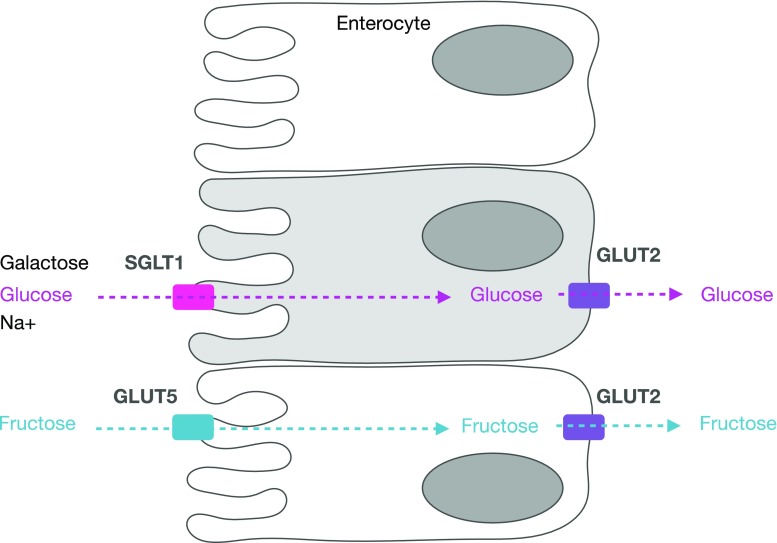
“There have been suggestions that glucose transporter (GLUT)-2, another transporter, can be recruited to the luminal membrane when high concentrations of glucose are present in the lumen [14, 15].”
BackgroundA Step Towards Personalized Sports Nutrition: Carbohydrate Intake During Exercise
Jeukendrup, A. (2014) · Sports Medicine · doi:10.1007/s40279-014-0148-z · Cited by 412
Self-citationGastrointestinal Complaints During Exercise: Prevalence, Etiology, and Nutritional Recommendations
de Oliveira, E. P., Burini, R. C., & Jeukendrup, A. (2014) · Sports Medicine · doi:10.1007/s40279-014-0153-2 · Cited by 402 · cited 7×
“It is thought that training the gut may alleviate some of these symptoms, perhaps by improving gastric emptying and the perception of fullness (reduced bloating), improving tolerance of larger volumes, and increasing the speed of absorption, causing less residual volume and smaller osmotic shifts [2].”
BackgroundInfluentialSelf-citationNutrition for endurance sports: Marathon, triathlon, and road cycling
Jeukendrup, A. E. (2011) · Journal of Sports Sciences · doi:10.1080/02640414.2011.610348 · Cited by 388
Self-citationDietary and developmental regulation of intestinal sugar transport
FERRARIS, R. P. (2001) · Biochemical Journal · doi:10.1042/bj3600265 · Cited by 328 · cited 2×
“There are still many questions about the mechanisms and whether the effects of sodium and glucose are additive [43].”
BackgroundThe facilitated component of intestinal glucose absorption
Kellett, G. L. (2001) · The Journal of Physiology · doi:10.1111/j.1469-7793.2001.0585h.x · Cited by 294 · cited 2×
“There have been suggestions that glucose transporter (GLUT)-2, another transporter, can be recruited to the luminal membrane when high concentrations of glucose are present in the lumen [14, 15].”
BackgroundJeukendrup, A. E., & Jentjens, R. (2000) · Sports Medicine · doi:10.2165/00007256-200029060-00004 · Cited by 279 · cited 1×
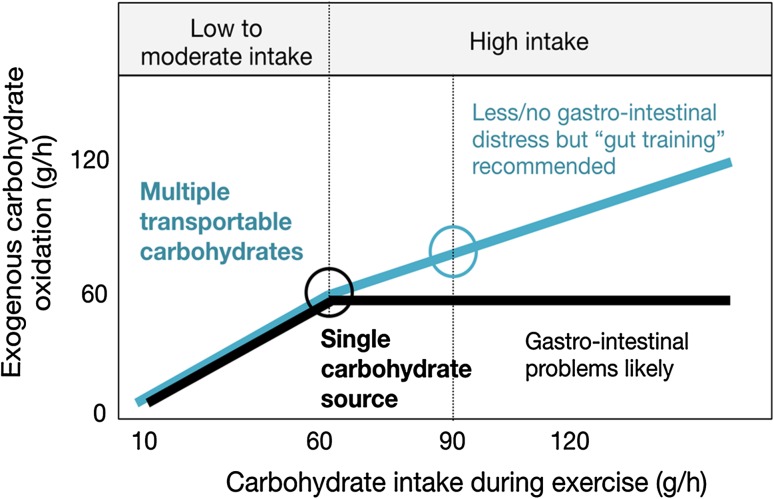
“2 Schematic of exogenous carbohydrate oxidation from a single carbohydrate (black) and multiple transportable carbohydrates (blue), based on data presented elsewhere [3, 7, 51, 52].”
BackgroundSelf-citationEffect of Diet upon Intestinal Disaccharidases and Disaccharide Absorption*
Deren, J. J., Broitman, S. A., & Zamcheck, N. (1967) · Journal of Clinical Investigation · doi:10.1172/jci105521 · Cited by 227 · cited 1×
“[39] demonstrated in 1967 that rats who were fasted for 3 days displayed fourfold increases in sucrase and maltase activity in response to a sucrose diet compared with a casein diet [39].”
BackgroundAchten, J., Halson, S. L., Moseley, L., Rayson, M. P., Casey, A., & Jeukendrup, A. E. (2004) · Journal of Applied Physiology · doi:10.1152/japplphysiol.00973.2003 · Cited by 214 · cited 1×
“Because this limitation was not caused by gastric emptying, muscle glucose uptake, or liver glycogen storage, it was deduced that absorption had to be limiting [27].”
BackgroundSelf-citation
Research works printed but not linked: 2
- 26. Jeukendrup AE. Possible links between nutrition and overtrain- ing. Vlaams Tijdschrift voor Sportgeneeskunde. 1999;80:37-45.
- 35. Kleinzeller A, Kotyk A (eds.). Membrane Transport and Meta- bolism. Prague: Academy of Sciences; 1961.
Cited by
Items 101–200 of 283
Aktitiz, S., Koşar, Ş. N., & Turnagöl, H. H. (2024) · European Journal of Applied Physiology · doi:10.1007/s00421-024-05434-1 · Cited by 5
“Avoiding GI symptoms is especially crucial in endurance sports, as such symptoms can have a greater impact on performance in long-term exercise than in short-term exercise (Jeukendrup 2017).”
Backgroundvan Venrooij, N., Wardenaar, F. C., Hoogervorst, D., Senden, J. M., van Dijk, J., & Jonvik, K. L. (2022) · Applied Physiology, Nutrition, and Metabolism · doi:10.1139/apnm-2021-0711 · Cited by 10
Pacing Variation in Multistage Ultramarathons: Internet-Based Cross-Sectional Study
Fariod, M., Olher, R. R., Sousa, C. V., Scheer, V., Čuk, I., Nikolaidis, P. Τ., Thuany, M., Weiss, K., & Knechtle, B. (2023) · JMIR Formative Research · doi:10.2196/46650 · Cited by 9
Kondo, S., Fukazawa, A., Karasawa, T., & Terada, S. (2019) · Physiological Reports · doi:10.14814/phy2.14255 · Cited by 9
“A large body of evidence suggests that these GI systems are highly adaptable (Jeukendrup 2017).”
BackgroundHamada, N., Wadazumi, T., Hirata, Y., Watanabe, H., Hongu, N. K., & Arai, N. (2022) · Nutrients · doi:10.3390/nu14091776 · Cited by 9
“Recent studies have shown that ingestion of a solution containing multiple types of carbohydrates is ideal for improving exercise performance, taking advantage of their absorption properties [12,13,30].”
BackgroundWilson, P. B., Pyne, D. B., & Rotunno, A. (2025) · International Journal of Sport Nutrition and Exercise Metabolism · doi:10.1123/ijsnem.2025-0144 · Cited by 8
Naito, T., Saito, T., Morito, A., Yamada, S., Shimomasuda, M., & Nakamura, M. (2022) · Journal of PHYSIOLOGICAL ANTHROPOLOGY · doi:10.1186/s40101-022-00309-w · Cited by 8
“However, the gut is a trainable and adaptable organ, and with proper practice, athletes can improve their tolerance to exogenous carbohydrate intake [42].”
BackgroundMcKay, A. K. A., Peeling, P., Pyne, D. B., Tee, N., Welveart, M., Heikura, I. A., Sharma, A. P., Whitfield, J., ROSS, M. L. R., van Swelm, R. P. L., et al. (2020) · International Journal of Sport Nutrition and Exercise Metabolism · doi:10.1123/ijsnem.2020-0224 · Cited by 8
“Collectively, these processes may increase CHO oxidation during exercise and improve endurance performance (Jeukendrup, 2017).”
BackgroundMedical perspectives on pediatric sports medicine–Selective topics
Cabral, M. D., Patel, D. R., Greydanus, D. E., Deleon, J., Hudson, E., & Darweesh, S. (2022) · Disease-a-Month · doi:10.1016/j.disamonth.2022.101327 · Cited by 8
Su, H., Su, Z., & Xia, Y. (2022) · Mathematical Problems in Engineering · doi:10.1155/2022/2089446 · Cited by 8
“An investigation into these problems has been carried out by several sports science professionals [3].”
BackgroundUCI Sports Nutrition Project: Race Nutrition for Road Cycling
Jeukendrup, A. E., Redegeld, M. I., Baltazar‐Martins, G., Whitfield, J., Burke, L. A., Mujika, I., Dolan, E., & Gonzalez, J. T. (2026) · International Journal of Sport Nutrition and Exercise Metabolism · doi:10.1123/ijsnem.2025-0239 · Cited by 7
Self-citationAre the Dietary–Nutritional Recommendations Met? Analysis of Intake in Endurance Competitions
Jiménez-Alfageme, R., Álvarez, J., Garbisu-Hualde, A., Romero-García, D., Giménez-Monzó, D., Sospedra, I., Ausó, E., & Sanz, J. M. M. (2024) · Nutrients · doi:10.3390/nu16020189 · Cited by 7
“In addition, the combined intake of different types of carbohydrates increases their oxidation rate and reduces the possibility of presenting digestive problems [2,7,13].”
BackgroundNutritional Considerations in Exercise-Based Heat Acclimation: A Narrative Review
Rosbrook, P., Margolis, L. M., & Pryor, J. L. (2024) · Sports Medicine · doi:10.1007/s40279-024-02109-x · Cited by 7
“There is potential for slower gastric emptying [96] depending on the food/drink composition [97] and altered gut absorptive capacity due to localized effects discussed previously or blood redistribution away from the gut [98].”
Total Energy Expenditure and Intake During a 161-km Mountain Ultramarathon
Creer, A., Kelly, M. R., Rosales, A. M., Levanger, M. T., Hart, D. R., Schoeller, D. A., Shriver, T. C., Thomas, J. V., & Ruby, B. C. (2025) · International Journal of Sports Physiology and Performance · doi:10.1123/ijspp.2024-0535 · Cited by 7
Burke, L. M., Gonzalez, J. T., Areta, J. L., Kuikman, M. A., Coates, A. M., Bailey, D. M., Moran, J., & Dolan, E. (2026) · International Journal of Sport Nutrition and Exercise Metabolism · doi:10.1123/ijsnem.2025-0255 · Cited by 7
Reynolds, K. M., Juett, L. A., Cobb, J., Hulston, C. J., Mears, S. A., & James, L. J. (2022) · Nutraceuticals · doi:10.3390/nutraceuticals2030015 · Cited by 8
“Research has suggested that the gut is a trainable organ [34,35], meaning that GI comfort could be improved with experience consuming carbohydrate foods and supplements during exercise with higher-volume feeding strategies.”
BackgroundWilson, P. B. (2025) · Sports Medicine · doi:10.1007/s40279-025-02372-6 · Cited by 7
“Nonetheless, other lines of research imply that multiple aspects of gastrointestinal function are trainable with repeated exposure to specific nutrients [89, 107].”
Grivas, G. V., & Alkasasbeh, W. J. (2026) · Sports · doi:10.3390/sports14040150 · Cited by 7
“Repeated rehearsal of race-specific fueling strategies during training enhances gastrointestinal robustness and improves reliability of nutritional execution in competition settings [41].”
Martinez, I. G., Biesiekierski, J. R., Rauch, C., & Costa, R. J. S. (2025) · International Journal of Sport Nutrition and Exercise Metabolism · doi:10.1123/ijsnem.2024-0145 · Cited by 6
Jiménez-Alfageme, R., Campodónico, M. E., Sospedra, I., Giménez-Monzó, D., García-Jaén, M., Juliá‐Sanchis, R., Ausó, E., & Sanz, J. M. M. (2023) · Nutrients · doi:10.3390/nu15081969 · Cited by 6
“However, the gastrointestinal tract is highly adaptable and specifically training it can improve nutrient delivery during exercise [11].”
BackgroundNutrition for Mountain Biking and Cyclocross
Oosthuyse, T., Muros, J. J., & Zabala, M. (2025) · International Journal of Sport Nutrition and Exercise Metabolism · doi:10.1123/ijsnem.2025-0036 · Cited by 5
Mindfulness-Based Practices for the Impaired Performance Athlete
Campbell, M. L. (2021) · Digital Commons - USU (Utah State University) · doi:10.26076/e607-fbd4 · Cited by 5
Quinones, M. D., Weiman, K., & Lemon, P. W. R. (2024) · Nutrients · doi:10.3390/nu16070932 · Cited by 5
Carpenter, M., Brouner, J., & Spendiff, O. (2024) · Kinesiology · doi:10.26582/k.56.1.16 · Cited by 5
Wang, Z., Zheng, X., & Yang, Z. (2021) · Journal of Intelligent & Fuzzy Systems · doi:10.3233/jifs-219100 · Cited by 5
Determination of Anthropometric Measurements and Nutritional Status of Wheelchair Basketball Players
İslamoğlu, A. H., Öndar, E., Yıldırım, T., & Kartal, Z. (2023) · International Journal of Disabilities Sports & Health Sciences · doi:10.33438/ijdshs.1242140 · Cited by 5
Goldman, D., Warbeck, C. B., & Karlsen, M. C. (2024) · Sports · doi:10.3390/sports12070186 · Cited by 5
“These findings indicate a potential convergence of sports nutrition recommendations for maximal muscle growth, strength, and athletic performance with dietary guidelines for chronic disease prevention and health promotion.”
BackgroundSleep, nutrition, and supplements: Implications for athletes
Charest, J., & Grandner, M. A. (2024) · Elsevier eBooks · doi:10.1016/b978-0-12-822969-9.00002-x · Cited by 5
King, A. J., & Hall, R. C. (2021) · British Journal Of Nutrition · doi:10.1017/s0007114521001860 · Cited by 5
“Although mechanisms to this effect are not fully determined(20), the unique indoor environment allows athletes to have sufficient CHO within reach to achieve higher intake without the demands of carrying it on the bike.”
BackgroundConsensus Document of the Spanish Nutrition Society (SEÑ) on Nutritional Strategies in Sports
Mielgo‐Ayuso, J., Macho‐González, A., Úbeda, N., Sánchez-Oliver, A. J., Martínez‐Ferrán, M., Fernández‐Lázaro, D., Aparicio‐Ugarriza, R., Roche, E., & González‐Gross, M. (2025) · Nutrients · doi:10.3390/nu17243862 · Cited by 4
“Excessive reliance on rapidly absorbed CHO or large pre-exercise loads may increase the likelihood of gastrointestinal distress, particularly in athletes who have not undergone systematic gut-training protocols [24].”
SPORCULARIN ENERJİ VE BESİN ÖGESİ GEREKSİNİMLERİ: SİSTEMATİK BİR İNCELEME
Ömür, S., & Ersoy, G. (2023) · Spor ve Rekreasyon Araştırmaları Dergisi · doi:10.52272/srad.1367161 · Cited by 4
Can a High-Energy Diet Affect the Physical Fitness of Elite Athletes?
Yerzhanova, Y., Madiyeva, G., Sabyrbek, Z., Dilmakhambetov, E., & Milašius, K. (2020) · Pedagogika · doi:10.15823/p.2020.139.12 · Cited by 4
“In the modern sports system, the second option of measures has recently become more acceptable (Vorobyeva et al., 2011; Jeukendrup, 2017).”
BackgroundLi, X. J., Wang, W., Guo, R. H., Wang, A., & Wei, C. (2020) · Frontiers in Physiology · doi:10.3389/fphys.2020.574172 · Cited by 4
“A previous study has demonstrated that the rate of carbohydrate absorption could exceed 1.2 g/min during exercise when only glucose is fed (Jeukendrup, 2017).”
BackgroundInfluentialMenthol mouth swilling and endurance running performance in the heat
Best, R. J. (2020) · Wintec Research Archive (Waikato Institute of Technology) · Cited by 4
Sperlich, B., & Holmberg, H. (2026) · Scandinavian Journal of Medicine and Science in Sports · doi:10.1111/sms.70220 · Cited by 3
Mauvieux, B., Mahon, E., Markov, A., Slamani, A., Fresneau, M., Berthou, A., Chevert, E. L., Pugh, J. N., & Edwards, B. (2026) · Nutrients · doi:10.3390/nu18071033 · Cited by 3
“Experimental studies suggest that structured carbohydrate exposure during training may increase gastric emptying rates, improve carbohydrate absorption, and enhance exogenous carbohydrate oxidation during prolonged exercise [22].”
Lis, D. M., & Strobel, N. (2026) · International Journal of Sport Nutrition and Exercise Metabolism · doi:10.1123/ijsnem.2025-0198 · Cited by 3
Aktitiz, S., Kuru, D., Ergün, Z., & Turnagöl, H. H. (2024) · Turkish Journal of Sports Medicine · doi:10.47447/tjsm.0807 · Cited by 3
Chen, Z., Wang, G., & Jiang, W. (2025) · International Conference on Data Science and Information System (ICDSIS) · doi:10.1109/icdsis65355.2025.11070879 · Cited by 3
Bukhari, A., As’ad, S., Taslim, N. A., Thaiyeb, M., Chrissander, I. Y., & Pramudyo, F. A. (2021) · Science & Sports · doi:10.1016/j.scispo.2020.11.008 · Cited by 3
Boillat, T., Kourie, A., Thalange, N. K. S., du Plessis, S. S., & Loney, T. (2022) · Journal of Sports Science and Medicine · doi:10.52082/jssm.2022.267 · Cited by 3
“These observations reinforce the importance of adhering to a pre-planned hydration and nutrition strategy and training the gastrointestinal tract to tolerate high glucose intakes (Jeukendrup and McLaughlin, 2011; Jeukendrup, 2017).”
BackgroundBogossian, P. M., Piffer, M. L. T., Maschietto, F. B., Martins, T. R., Araujo, D. A. D. O., Oliveira, T. M., Hilgert, A. R., Fernandes, G. D. L. P. C., Michelotto, P. V., & Fernandes, W. R. (2019) · Revista Acadêmica Ciência Animal · doi:10.7213/1981-4178.2019.17005 · Cited by 3
“Recently, CHO absorption during exercise has aroused the interest of researchers; studies in athletes indicate that the gut is able to adapt to nutritional training and improve nutrients delivery during exercise (Jeukendrup, 2017).”
BackgroundNutrition and Sport. New conceptual approaches today
Pruna, R., & Lizarraga, A. (2019) · Medicina Clínica (English Edition) · doi:10.1016/j.medcle.2019.03.015 · Cited by 3
Wynne, J. L., & Wilson, P. B. (2021) · Clinical Journal of Sport Medicine · doi:10.1097/jsm.0000000000001000 · Cited by 3
Excercise and Gastrointestinal Complaints, an Overview
Sponsiello, N., Salamone, M., Nardo, V. D., Busa, F., & Andreani, N. (2021) · Progress in nutrition · doi:10.23751/pn.v23i2.11312 · Cited by 3
Al-Maseimi, O. D., Ahmad, L., Elsahoryi, N. A., & Al-Maaitah, L. (2025) · Journal of Nutritional Science · doi:10.1017/jns.2025.10013 · Cited by 2
Fortis, H. O., Ravikanti, S., Barrett, J. S., Lopez, E. M., Bampouras, T. M., Haworth, J. J., Areta, J. L., & Pugh, J. N. (2025) · International Journal of Sport Nutrition and Exercise Metabolism · doi:10.1123/ijsnem.2024-0244 · Cited by 2
Rozmiarek, M. (2025) · Nutrients · doi:10.3390/nu17172817 · Cited by 2
“Dietary recommendations for endurance athletes emphasize the importance of adequate carbohydrate intake, hydration, and avoiding foods that may cause gastrointestinal distress [25].”
Wardenaar, F. C., Aussieker, T., Dolan, E., Fernández-Campos, C., Kavouras, S. A., Ormsbee, M. J., Rawson, E. S., Saunders, B., Schott, K. D., Sekiguchi, Y., et al. (2025) · International Journal of Sport Nutrition and Exercise Metabolism · doi:10.1123/ijsnem.2025-0161 · Cited by 2
Multiple Organ Phenotype of Fatigue
Liu, X., Zhao, Z., Zhang, Y., Zou, J., & Zhang, L. (2025) · Biomolecules · doi:10.3390/biom15101476 · Cited by 3
“Dehydration causes dryness of the mucous membranes and decreased gastric acid secretion, which affects the digestion and absorption of food [86,87].”
Dietary Fiber in Sport: Implications for Performance and Body Composition Optimization
Özduran, E., & Karadağ, M. G. (2026) · International Journal of Sport Nutrition and Exercise Metabolism · doi:10.1123/ijsnem.2025-0170 · Cited by 2
Fleitas‐Paniagua, P. R., Rasica, L., Azevedo, R. D. A., Iannetta, D., Alvares, T. S., Zagatto, A. M., & Murias, J. M. (2026) · Scandinavian Journal of Medicine and Science in Sports · doi:10.1111/sms.70288 · Cited by 2
Nutritional requirements in soccer players: A review
Nair, A. R. (2024) · International Journal of Physiology Nutrition and Physical Education · doi:10.22271/journalofsport.2024.v9.i2a.2928 · Cited by 2
“However, they are less advised because they have been linked to gastrointestinal problems unless the athletes have expressly trained their stomach to be accustomed to this tactic [45] .”
Effects of intermittent fasting and sports performance: a narrative review
Matas, S., Pejenaute-Larráyoz, D., & Corbi, F. (2024) · Nutrición Hospitalaria · doi:10.20960/nh.05415 · Cited by 2
Hatta, S., Fujie, I., Togo, M., Shibata, K., Kimura, N., Takizawa, K., Kambayashi, I., & Yamaguchi, T. (2021) · 体力科學 · doi:10.7600/jspfsm.70.247 · Cited by 2
Nutrition, santé et performance du sportif d’endurance
Rousseau, A. (2022) · Cahiers de Nutrition et de Diététique · doi:10.1016/j.cnd.2021.11.004 · Cited by 2
Совенко, С., & Попов, С. (2023) · Теорія і методика фізичного виховання і спорту · doi:10.32652/tmfvs.2023.3.22-30 · Cited by 2
Recommandations nutritionnelles pour le triathlète
Pieters, S. (2019) · Journal de Traumatologie du Sport · doi:10.1016/j.jts.2019.07.006 · Cited by 2
Nutrition Strategies for Triathlon
Burke, L. M., & Cox, G. R. (2019) · Springer eBooks · doi:10.1007/978-3-030-22357-1_17 · Cited by 2
Rodríguez, L. F., Olaya-Cuartero, J., & Martínez-Sanz, J. M. (2021) · Retos · doi:10.47197/retos.v44i0.88884 · Cited by 2
“Por ello, se estableció un uso racional y adecuado para conocer su tolerancia tanto a las dosis como a posibles molestias gastrointestinales (Jeukendrup, 2017; Waterman & Kapur, 2012).”
BackgroundProbiotics in sports nutrition
Miles, M. P. (2022) · Elsevier eBooks · doi:10.1016/b978-0-323-85170-1.00024-5 · Cited by 2
Biofortification of Plant-Based Food Products and Applications to the Athlete
Shaw, K. A. (2023) · HARVEST (University of Saskatchewan) · Cited by 3
Carbohydrate Storage and Supplementation Strategies for Peak Performance in Cross-Country Skiing
Ørtenblad, N., Holmberg, H. ‐., Nybo, L., & Gejl, K. D. (2026) · Scandinavian Journal of Medicine & Science in Sports · doi:10.1111/sms.70242 · Cited by 1
“Regular exposure to high carbohydrate loads may upregulate SGLT1 expression, enhance intestinal absorptive capacity, reduce GI distress, and ultimately increase the capacity for exogenous carbohydrate oxidation [74–76].”
Female Athletes and Energy Requirements
Shatakshi, & Mishra, P. (2024) · Advances in medical diagnosis, treatment, and care (AMDTC) book series · doi:10.4018/979-8-3693-6317-1.ch007 · Cited by 1
Lima, F. F., Beck, H. A. D. P., & Maynard, D. D. C. (2025) · Research Society and Development · doi:10.33448/rsd-v14i4.48597 · Cited by 1
O impacto da suplementação de carboidratos no desempenho esportivo de atletas de corrida
Araujo, A. F. E., & Pereira, A. A. S. (2025) · Research Society and Development · doi:10.33448/rsd-v14i6.49078 · Cited by 1
Kearns, R., Dooley, J. S. G., Matthews, M., & McNeilly, A. (2025) · Sport Sciences for Health · doi:10.1007/s11332-025-01500-z · Cited by 1
“Consuming large meals or certain types of foods close to exercise can increase the likelihood of symptoms, such as reflux, bloating, and cramps [16].”
Influentialde Stefano, M. I., Monda, A., Maio, G. D., Casillo, M., Messina, A., Monda, V., Moscatelli, F., Monda, M., Polito, R., & Messina, G. (2026) · Sport Sciences for Health · doi:10.1007/s11332-025-01600-w · Cited by 1
“This reduced glycemic response leads to a decrease in insulin concentration, facilitating lipolysis during exercise [57–60].”
McManus, L., Brady, A. J., & Egan, B. (2026) · International Journal of Sport Nutrition and Exercise Metabolism · doi:10.1123/ijsnem.2025-0164 · Cited by 1
Marine-Derived Proteins: Emerging Nutritional Strategies for Optimizing Athletic Performance
Hefny, N. E. D. A., & Mourgan, F. H. A. E. (2026) · The Open Biotechnology Journal · doi:10.2174/0118740707465601260603104120 · Cited by 1
Przybysz, K., Stadnik, L., Kozłowska, A., Szerenos, N., Dzwonkowska, A., Trocka, D., Zienkiewicz, N., Rachoń, J., Dzwonkowski, J., & Woroniecka, N. (2026) · International Journal of Innovative Technologies in Social Science · doi:10.31435/ijitss.3(51).2026.6355 · Cited by 1
UCI Sports Nutrition Project: Position Statement on Nutrition for Cycling
Burke, L. M., Dolan, E., Gonzalez, J. T., Mujika, I., Jeukendrup, A. E., Redegeld, M. I., Martins, G., Valenzuela, P. L., Leo, P. D., Mateo‐March, M., et al. (2026) · International Journal of Sport Nutrition and Exercise Metabolism · doi:10.1123/ijsnem.2026-0135 · Cited by 1
Self-citationExercise and the gastrointestinal system
Stachow, E. (2019) · InnovAiT Education and inspiration for general practice · doi:10.1177/1755738019855412 · Cited by 1
“Finally, it is thought that exercise may strengthen the crural diaphragm, improving the integrity of the lower oesophageal sphincter (Lam and Hart, 2017).”
BackgroundEfecto del consumo de hidratos de carbono en los deportes de resistencia
López-Solís, R., Camacho‐Díaz, B. H., Campos‐Mendiola, R., & Ortiz-Rodríguez, M. A. (2019) · Revista de Didáctica Práctica · doi:10.35429/jpd.2019.9.3.1.7 · Cited by 1
Une nouvelle tendance en nutrition sportive, la périodisation nutritionnelle
Caillaud, K. (2018) · Actualités Pharmaceutiques · doi:10.1016/j.actpha.2018.02.005 · Cited by 1
Nutrición y deporte. Nuevos enfoques conceptuales en la actualidad
Pruna, R., & Lizarraga, A. (2019) · Medicina Clínica · doi:10.1016/j.medcli.2019.03.003 · Cited by 1
Nutrition for long-distance triathletes: facts and myths
Kruseman, M., Lecoultre, V., & Grémeaux, V. (2020) · German Journal of Sports Medicine · doi:10.5960/dzsm.2020.461 · Cited by 1
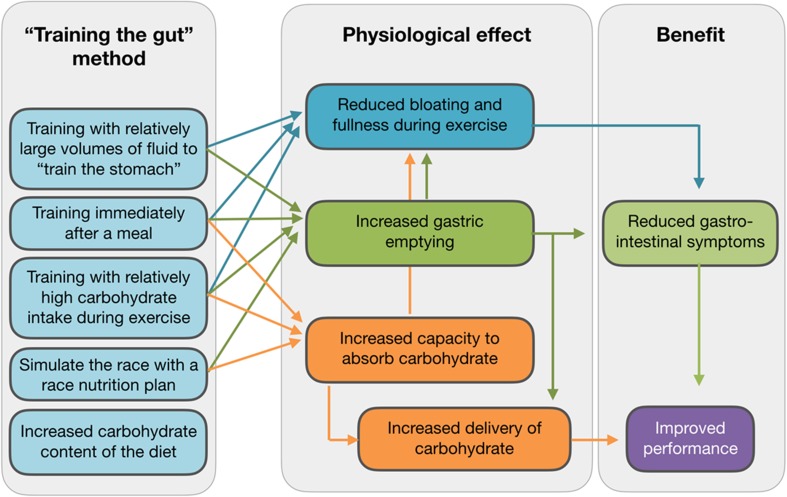
“In his review on this topic, Jeukendrup proposes several me-thods, including training with large volumes of fluid, training immediately after a meal or simulate the race with a race nutrition plan (22).”
Dose–Response Oxidation of Ingested Phytoglycogen during Exercise in Endurance-Trained Men
Bandegan, A., Huang, L., Longstaffe, F. J., & Lemon, P. W. R. (2021) · Journal of Nutrition · doi:10.1093/jn/nxab219 · Cited by 1
Herrera-Rocha, K. M., Larrosa, M., Rocha‐Guzmán, N. E., Gallegos‐Infante, J. A., González‐Laredo, R. F., & Moreno‐Jiménez, M. R. (2021) · TIP Revista Especializada en Ciencias Químico-Biológicas · doi:10.22201/fesz.23958723e.2021.344 · Cited by 1
Exercise-associated Muscle Cramps in Runners: A Review
Fattahi, A., Dehnavi, M., & Hamzeh, L. (2021) · Journal of Sport Biomechanics · doi:10.32598/biomechanics.7.2.1 · Cited by 1
A nutritional intervention for moderate altitude endurance preparation: A case report
Guerrero-Pinzón, J. J., Alcántara, J. M. A., García-Buendia, G., Mochón-Benguigui, S., Ramírez‐Maldonado, M., Ruiz, J. R., & Jurado‐Fasoli, L. (2022) · Journal of the International Society of Sports Nutrition · doi:10.1080/15502783.2022.2140596 · Cited by 1
“Furthermore, post-training intake of whey protein (15-30 g of Evowhey 2.0 [whey protein concentrate, WPC] HSN® Granada, Spain), 4 g/day of beta-alanine split in two separate intakes (Beta-alanine powder 100% RAW, HSN® Granada, Spain), and 5 g/day of creatine (Creatine monohydrate powder [100% Creapure®], HSN®, Granada…”
BackgroundMethodInfluentialОПТИМІЗАЦІЯ ВУГЛЕВОДНОГО ЕНЕРГОЗАБЕЗПЕЧЕННЯ В ТРИАТЛОНІ
Куйбіда, В., Коханець, П., & Lopatynska, V. V. (2023) · Theory and practice of physical culture and sports · doi:10.31470/2786-6424-1/2023-16-21 · Cited by 1
Wahyuni, E., Sunardi, D., & Medise, B. E. (2024) · JURNAL PENDIDIKAN JASMANI DAN OLAHRAGA · doi:10.17509/jpjo.v9i1.66552 · Cited by 1
Shah, A. (2024) · Journal of Student Research · doi:10.47611/jsrhs.v13i1.6074 · Cited by 1
Mendes, M. P., Marinho, A. H., Moura, F. A., Bádue, G. S., Ferreira, G. A., de Araújo, G. G., Lima‐Silva, A. E., & Ataide‐Silva, T. (2025) · Brazilian Journal of Medical and Biological Research · doi:10.1590/1414-431x2024e14189 · Cited by 1
The Relationship Between Gut Health and Sports Performance
Bhattacharjee, B., Surendran, S., Khaitan, J., Patil, M., & Shathi, M. A. (2025) · IGI Global eBooks · doi:10.4018/979-8-3693-8699-6.ch010 · Cited by 1
Dukha, A. S., & Budiono, I. (2024) · Indonesian Journal of Public Health and Nutrition · doi:10.15294/ijphn.v4i2.9684 · Cited by 1
Dietary nitrate and sports performance
Jonvik (2018) · Research Publications (Maastricht University) · doi:10.26481/dis.20180913kj · Cited by 1
Dietary periodisation for health and performance in world-class endurance athletes
Heikura, I. A. (2020) · Research Bank (Australian Catholic University) · doi:10.26199/e8tq-dh06 · Cited by 1
“• Maximised CHO oxidative capacity (Jeukendrup, 2017; Costa et al., 2017), including enhanced activity and function of key enzymes hexokinase and PDH. Performance outcomes • Acutely enhances endurance performance due to a combination of increased capacity to absorb and oxidise CHO for fuel and full…”
BackgroundInfluentialProblemas gastrointestinais em desportos de endurance
Silva, M. D. O. (2018) · Portuguese National Funding Agency for Science, Research and Technology (RCAAP Project by FCT) · Cited by 1
Baranauskas, M., Stukas, R., Jablonskienė, V., & Abaravičius, J. A. (2019) · Sporto mokslas / Sport Science · doi:10.15823/sm.2019.95.4
The effect of exercise timing on glycaemic control in individuals with Type 2 diabetes mellitus
Teo, S. Y. M. (2019) · Murdoch University Research Portal
The future of genetically based nutritional and pharmacological ergogenic aids in sport
Guest, N. S., García‐Bailo, B., Eny, K. M., Joffre, S., & El‐Sohemy, A. (2019) · Elsevier eBooks · doi:10.1016/b978-0-12-816193-7.00020-8
Franco, G. S. (2020) · Digital Library of Theses and Dissertations (Universidade de São Paulo) · doi:10.11606/t.17.2020.tde-23082020-135132
The effect of dietary manipulation on iron metabolism and the immune system in elite athletes
McKay, A. K. A. (2020) · UWA Profiles and Research Repository (UWA) · doi:10.26182/0c78-pd14
Fell, J. (2022) · Liverpool John Moores University · doi:10.24377/ljmu.t.00014404
Leite, G. S. F. (2021) · Digital Library of Theses and Dissertations (Universidade de São Paulo) · doi:10.11606/t.39.2021.tde-18052021-165712
Smith, S. (2021) · Liverpool John Moores University · doi:10.24377/ljmu.t.00014975
Performance nutrition to support athletes and aging
Salvador, A. F. (2021) · Illinois Digital Environment for Access to Learning and Scholarship (University of Illinois at Urbana-Champaign)
Metadata
- Authors
- Jeukendrup, A. E.
- Affiliations
- Loughborough University (GB)
- Corresponding author
- Jeukendrup, Asker E.
- Venue
- Sports Medicine
- Published
- 2017-03
- Volume
- 47
- Issue
- S1
- Pages
- 101-110
- ISSN
- 0112-1642 (ISSN-L)
- 1179-2035
- PMC
- PMC5371619
- OpenAlex
- W2599285408
- Semantic Scholar
- b6d7e3c067dc0192643bc1300db3223f5e15b7c8
- Cited by
- 208
- References
- 51
- Citations by year
- 2026: 28 · 2025: 31 · 2024: 19 · 2023: 20 · 2022: 23 · 2021: 26 · 2020: 23 · 2019: 25 · 2018: 10 · 2017: 3
- FWCI
- 1.95
- Type
- journal article
- Language
- en
- Open access
- hybrid
- doi.org
- Locations
- Sports Medicine (publishedVersion, cc-by)
- PubMed Central (publishedVersion, cc-by)
- PubMed (publishedVersion)
- Funders
- PepsiCo
- Gran Sasso Science Institute
- Topics
- Health Sciences › Nursing › Nutrition and Dietetics › Muscle metabolism and nutrition
- Health Sciences › Medicine › Gastroenterology › Gastrointestinal motility and disorders
- Health Sciences › Medicine › Orthopedics and Sports Medicine › Sports Performance and Training
- Keywords
- gastrointestinal function, endurance athletes, gastric emptying, gastrointestinal distress, carbohydrate absorption, intestinal adaptation, endurance performance, fluid intake, carbohydrate intake
- MeSH terms
- Diet, Dietary Carbohydrates, Physical Exertion, Gastric Emptying, Humans, Physical Endurance, Exercise, Athletes
About these checks
Registry, retraction, Cites and statistics results are computed, not judged, with one exception: a printed reference that no index lists is read once by a model before it counts as a citation error. Claims are extracted by a model and kept only when their quote appears verbatim in the text; each cited source is then checked, with a model’s help, for whether it says what the claim relies on. Those verdicts can be wrong — read the claim’s quote and the cited source before relying on one.
Statistics and arithmetic are recomputed, not judged.
Confidence bands are shown only for fields calibrated on our annotated test set. None is calibrated yet, so no band is shown.
What counts as a claim ›How we measure confidence ›How we check this ›
Are you an author, or do you see a problem with this page? Request a review
Data sources
Bibliographic data: Semantic Scholar, OpenAlex, Crossref.
Contains information from the Semantic Scholar Academic Graph Datasets, made available under the ODC Attribution License (ODC-BY 1.0).
Semantic Scholar’s data is described in: Kinney, R., et al. (2023). The Semantic Scholar Open Data Platform. arXiv:2301.10140.
