

Training the Gut for Athletes
Open accessThe DOI matches its Crossref record; 51 of the 51 references it cites were found in a registry or an index.
Abstract
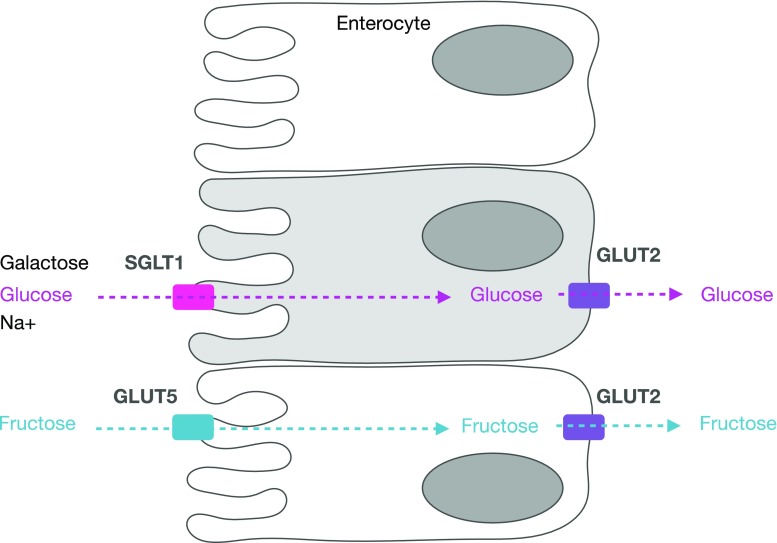
The gastrointestinal (GI) tract plays a critical role in delivering carbohydrate and fluid during prolonged exercise and can therefore be a major determinant of performance. The incidence of GI problems in athletes participating in endurance events is high, indicating that GI function is not always optimal in those conditions. A substantial body of evidence suggests that the GI system is highly adaptable. Gastric emptying as well as stomach comfort can be "trained" and perceptions of fullness decreased; some studies have suggested that nutrient-specific increases in gastric emptying may occur. Evidence also shows that diet has an impact on the capacity of the intestine to absorb nutrients. Again, the adaptations that occur appear to be nutrient specific. For example, a high-carbohydrate diet will increase the density of sodium-dependent glucose-1 (SGLT1) transporters in the intestine as well as the activity of the transporter, allowing greater carbohydrate absorption and oxidation during exercise. It is also likely that, when such adaptations occur, the chances of developing GI distress are smaller. Future studies should include more human studies and focus on a number of areas, including the most effective methods to induce gut adaptations and the timeline of adaptations. To develop effective strategies, a better understanding of the exact mechanisms underlying these adaptations is important. It is clear that "nutritional training" can improve gastric emptying and absorption and likely reduce the chances and/or severity of GI problems, thereby improving endurance performance as well as providing a better experience for the athlete. The gut is an important organ for endurance athletes and should be trained for the conditions in which it will be required to function.
Overview
The claims and statistics of this paper haven’t been checked yet.
Free: it reads the open-access text and checks the first 5 claims that cite a source we can check. Create a free account to check every claim.
Integrity signals
Registry
Cites
Statistics
Figures
Verification
Claims the paper makes
The claims and statistics of this paper haven’t been checked yet.
Free: it reads the open-access text and checks the first 5 claims that cite a source we can check. Create a free account to check every claim.
Claims other papers make about this one
Each is checked against this paper’s own text: does it say what the citing paper says it does?
The source backs part of the claim, not all of it — or backs it for a different population, condition or comparison.
In the citing paper
“These recommendations aim to support rapid gastric emptying, water and nutrient absorption and adequate perfusion of the splanchnic vasculature [221].”
From The athletic gut microbiota (2020) · cites this paper as [221]
Experimental — accuracy not yet measuredThe source backs part of the claim, not all of it — or backs it for a different population, condition or comparison.
In the citing paper
““Gut training” via repeated exposure to CHO consumption during exercise sessions has been shown to increase the intestinal absorption and oxidation of exogenous CHO as an exercise substrate (for review, see [39]).”
From Neither beetroot juice supplementation nor increased carbohydrate oxidation enhance economy of prolonged exercise in elite race walkers (2021) · cites this paper as [39]
Experimental — accuracy not yet measuredThe cited source says what the claim attributes to it.
In the citing paper
“There is a substantial body of evidence that suggests that the GI system is highly adaptable [15].”
From Periodized Nutrition for Athletes (2017) · cites this paper as [15]
The cited source says what the claim attributes to it.
In the citing paper
“the rate of oxidation of exogenous CHO from sources consumed prior to and during exercise is affected by the type and amount of CHO intake, and by prior adaptation of the gut via repeated exposure to enhance tolerance and intestinal absorption [37,38,39].”
From Neither beetroot juice supplementation nor increased carbohydrate oxidation enhance economy of prolonged exercise in elite race walkers (2021) · cites this paper as [39]
The cited source says what the claim attributes to it.
In the citing paper
“Regular exposure to high carbohydrate loads may upregulate SGLT1 expression, enhance intestinal absorptive capacity, reduce GI distress, and ultimately increase the capacity for exogenous carbohydrate oxidation [74, 75, 76].”
From Carbohydrate Storage and Supplementation Strategies for Peak Performance in Cross-Country Skiing (2026) · cites this paper as [74]
6 more claims about this paper
Create a free account to see every claim other papers make about this one.
Self-check
Percentages, sums and reported differences re-computed from the paper’s own numbers.
The self-check needs the paper’s full text.
Citations
Cites
T1R3 and gustducin in gut sense sugars to regulate expression of Na + -glucose cotransporter 1
Margolskee, R. F., Dyer, J., Kokrashvili, Z., Salmon, K. S. H., Ilegems, E., Daly, K., Maillet, E. L., Ninomiya, Y., Mosinger, B., & Shirazi-Beechey, S. P. (2007) · Proceedings of the National Academy of Sciences · doi:10.1073/pnas.0706678104 · Cited by 882 · cited 1×
“9-fold after two weeks of a high carbohydrate diet (Margolskee et al., 2007).”
BackgroundSugar Absorption in the Intestine: The Role of GLUT2
Kellett, G. L., Brot-Laroche, E., Mace, O. J., & Leturque, A. (2008) · Annual Review of Nutrition · doi:10.1146/annurev.nutr.28.061807.155518 · Cited by 492 · cited 2×
“There have been suggestions that glucose transporter (GLUT)-2, another transporter, can be recruited to the luminal membrane when high concentrations of glucose are present in the lumen [14, 15].”
BackgroundA Step Towards Personalized Sports Nutrition: Carbohydrate Intake During Exercise
Jeukendrup, A. (2014) · Sports Medicine · doi:10.1007/s40279-014-0148-z · Cited by 412
Self-citationGastrointestinal Complaints During Exercise: Prevalence, Etiology, and Nutritional Recommendations
de Oliveira, E. P., Burini, R. C., & Jeukendrup, A. (2014) · Sports Medicine · doi:10.1007/s40279-014-0153-2 · Cited by 402 · cited 7×
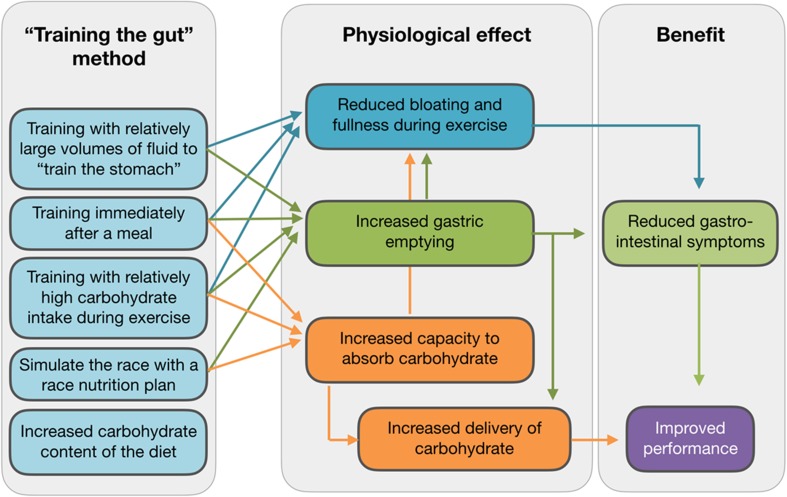
“It is thought that training the gut may alleviate some of these symptoms, perhaps by improving gastric emptying and the perception of fullness (reduced bloating), improving tolerance of larger volumes, and increasing the speed of absorption, causing less residual volume and smaller osmotic shifts [2].”
BackgroundInfluentialSelf-citationNutrition for endurance sports: Marathon, triathlon, and road cycling
Jeukendrup, A. E. (2011) · Journal of Sports Sciences · doi:10.1080/02640414.2011.610348 · Cited by 388
Self-citationDietary and developmental regulation of intestinal sugar transport
FERRARIS, R. P. (2001) · Biochemical Journal · doi:10.1042/bj3600265 · Cited by 328 · cited 2×
“There are still many questions about the mechanisms and whether the effects of sodium and glucose are additive [43].”
BackgroundThe facilitated component of intestinal glucose absorption
Kellett, G. L. (2001) · The Journal of Physiology · doi:10.1111/j.1469-7793.2001.0585h.x · Cited by 294 · cited 2×
“There have been suggestions that glucose transporter (GLUT)-2, another transporter, can be recruited to the luminal membrane when high concentrations of glucose are present in the lumen [14, 15].”
BackgroundJeukendrup, A. E., & Jentjens, R. (2000) · Sports Medicine · doi:10.2165/00007256-200029060-00004 · Cited by 279 · cited 1×
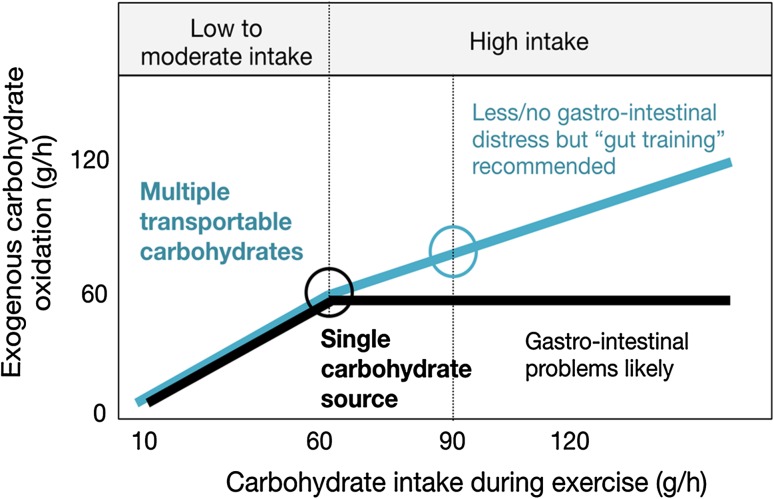
“2 Schematic of exogenous carbohydrate oxidation from a single carbohydrate (black) and multiple transportable carbohydrates (blue), based on data presented elsewhere [3, 7, 51, 52].”
BackgroundSelf-citationEffect of Diet upon Intestinal Disaccharidases and Disaccharide Absorption*
Deren, J. J., Broitman, S. A., & Zamcheck, N. (1967) · Journal of Clinical Investigation · doi:10.1172/jci105521 · Cited by 227 · cited 1×
“[39] demonstrated in 1967 that rats who were fasted for 3 days displayed fourfold increases in sucrase and maltase activity in response to a sucrose diet compared with a casein diet [39].”
BackgroundAchten, J., Halson, S. L., Moseley, L., Rayson, M. P., Casey, A., & Jeukendrup, A. E. (2004) · Journal of Applied Physiology · doi:10.1152/japplphysiol.00973.2003 · Cited by 214 · cited 1×
“Because this limitation was not caused by gastric emptying, muscle glucose uptake, or liver glycogen storage, it was deduced that absorption had to be limiting [27].”
BackgroundSelf-citationCarbohydrate and exercise performance: The role of multiple transportable carbohydrates
Jeukendrup, A. E. (2010) · Current Opinion in Clinical Nutrition and Metabolic Care · doi:10.1097/mco.0b013e328339de9f · Cited by 212 · cited 1×
“2 Schematic of exogenous carbohydrate oxidation from a single carbohydrate (black) and multiple transportable carbohydrates (blue), based on data presented elsewhere [3, 7, 51, 52].”
BackgroundSelf-citationGastrointestinal adaptation to diets of differing fat composition in human volunteers.
Cunningham, K. M., Daly, J., Horowitz, M., & Read, N. W. (1991) · Gut · doi:10.1136/gut.32.5.483 · Cited by 185 · cited 1×
“[12] demonstrated that gastric emptying of a test meal was accelerated after 7 days of a higher-fat diet (258 g/day).”
BackgroundOntogenic development of lamb intestinal sodium‐glucose co‐transporter is regulated by diet.
Shirazi‐Beechey, S. P., Hirayama, B. A., Wang, Y., Scott, D., Smith, M. W., & Wright, E. M. (1991) · The Journal of Physiology · doi:10.1113/jphysiol.1991.sp018620 · Cited by 181 · cited 1×
“As a result, there is a marked decrease in both the SGLT1 protein content of the intestine as well as the capacity of the small intestine to absorb carbohydrate [49, 50].”
BackgroundJentjens, R. L. P. G., & Jeukendrup, A. E. (2005) · British Journal of Nutrition · doi:10.1079/bjn20041368 · Cited by 171 · cited 1×
“Even ingestion at 144 g/h [25] or 180 g/h [26] did not increase exogenous carbohydrate oxidation rates much above 60 g/h.”
BackgroundSelf-citationBalen, D., Ljubojević, M., Breljak, D., Brzica, H., Z̆lender, V., Koepsell, H., & Sabolić, I. (2008) · American Journal of Physiology-Cell Physiology · doi:10.1152/ajpcell.00180.2008 · Cited by 166
Cox, G. R., Clark, S. A., Cox, A. J., Halson, S. L., Hargreaves, M., Hawley, J. A., Jeacocke, N., Snow, R. J., Yeo, W. K., & Burke, L. M. (2010) · Journal of Applied Physiology · doi:10.1152/japplphysiol.00950.2009 · Cited by 165 · cited 3×
“[48] gives us the most important clues today that diet manipulation can result in improved delivery of carbohydrate during exercise.”
BackgroundHigh Oxidation Rates from Combined Carbohydrates Ingested during Exercise
JENTJENS, R. L. P. G., ACHTEN, J., & JEUKENDRUP, A. E. (2004) · Medicine & Science in Sports & Exercise · doi:10.1249/01.mss.0000139796.07843.1d · Cited by 153 · cited 1×
“When fructose was ingested in addition to larger amounts of glucose, carbohydrate oxidation rates were elevated above 60 g/h [28].”
BackgroundSelf-citationEffects of carbohydrate type and concentration and solution osmolality on water absorption
SHI, X., SUMMERS, R. W., SCHEDL, H. P., FLANAGAN, S. W., CHANG, R., & GISOLFI, C. V. (1995) · Medicine & Science in Sports & Exercise · doi:10.1249/00005768-199512000-00005 · Cited by 150 · cited 1×
“[33] reported a close relationship between water absorption and solute absorption in the duodenojejunum, especially when multiple transportable substrates are present (i.”
BackgroundGlucose sensing and signalling; regulation of intestinal glucose transport
Shirazi-Beechey, S. P., Moran, A. W., Batchelor, D. J., Daly, K., & Al-Rammahi, M. (2011) · Proceedings of the Nutrition Society · doi:10.1017/s0029665111000103 · Cited by 139
Glucose sensing in the intestinal epithelium
Dyer, J., Vayro, S., King, T. P., & Shirazi‐Beechey, S. P. (2003) · European Journal of Biochemistry · doi:10.1046/j.1432-1033.2003.03721.x · Cited by 117 · cited 2×
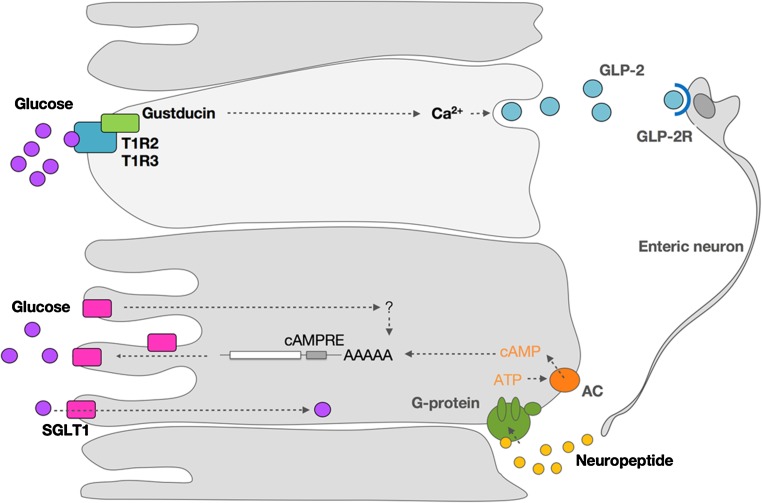
“Studies have suggested that the sugar-mediated upregulation of SGLT1 is likely to involve a G-protein-coupled second messenger pathway [41, 44] (Fig.”
BackgroundEffects of dehydration on gastric emptying and gastrointestinal distress while running
REHRER, N. J., BECKERS, E. J., BROUNS, F., HOOR, F. T., & SARIS, W. H. M. (1990) · Medicine & Science in Sports & Exercise · doi:10.1249/00005768-199012000-00010 · Cited by 117 · cited 1×
“Dehydration can contribute to this phenomenon and make symptoms worse (Neufer et al., 1989; Rehrer et al., 1990).”
BackgroundGastric emptying during exercise: effects of heat stress and hypohydration
Neufer, P. D., Young, A. J., & Sawka, M. N. (1989) · European Journal of Applied Physiology and Occupational Physiology · doi:10.1007/bf00643521 · Cited by 114 · cited 1×
“Anecdotally, athletes complain about drinks accumulating in the stomach and feeling bloated, especially during highintensity [4] or very prolonged exercise in hot conditions.”
BackgroundMoran, A. W., Al-Rammahi, M. A., Arora, D. K., Batchelor, D. J., Coulter, E. A., Daly, K., Ionescu, C., Bravo, D., & Shirazi-Beechey, S. P. (2010) · British Journal of Nutrition · doi:10.1017/s0007114510000917 · Cited by 114
Multiple transportable carbohydrates enhance gastric emptying and fluid delivery
Jeukendrup, A. E., & Moseley, L. (2010) · Scandinavian Journal of Medicine & Science in Sports · doi:10.1111/j.1600-0838.2008.00862.x · Cited by 113 · cited 1×
“We confirmed this in humans during exercise: multiple transportable carbohydrates increased carbohydrate absorption and oxidation and this was associated with increased fluid absorption [34].”
BackgroundSelf-citationEffects of Acute Carbohydrate Supplementation on Endurance Performance: A Meta-Analysis
Vandenbogaerde, T. J., & Hopkins, W. G. (2011) · Sports Medicine · doi:10.2165/11590520-000000000-00000 · Cited by 112
Moran, A. W., Al-Rammahi, M. A., Arora, D. K., Batchelor, D. J., Coulter, E. A., Ionescu, C., Bravo, D., & Shirazi-Beechey, S. P. (2010) · British Journal of Nutrition · doi:10.1017/s0007114510000954 · Cited by 109 · cited 1×
“In piglets who received a high carbohydrate diet for three days, increases of SGLT1 protein as well as glucose absorption were demonstrated (Moran et al., 2010).”
Dobbins, R. L., Greenway, F. L., Chen, L., Liu, Y., Breed, S. L., Andrews, S. M., Wald, J. A., Walker, A., & Smith, C. D. (2015) · American Journal of Physiology-Gastrointestinal and Liver Physiology · doi:10.1152/ajpgi.00286.2014 · Cited by 107
Smith, J. W., Zachwieja, J. J., Péronnet, F., Passe, D. H., Massicotte, D., Lavoie, C., & Pascoe, D. D. (2010) · Journal of Applied Physiology · doi:10.1152/japplphysiol.91394.2008 · Cited by 104 · cited 1×
“There also appears to be a dose response relationship between carbohydrate intake and performance (Smith et al., 2010; 2013; Vandenbogaerde & Hopkins, 2011).”
BackgroundHorowitz, M., Cunningham, K. M., Wishart, J. M., Jones, K. L., & Read, N. W. (1996) · Diabetologia · doi:10.1007/bf00400681 · Cited by 102 · cited 1×
“Plasma glucose-dependent insulinotropic peptide (GIP) concentrations were higher during the glucose-supplemented diet; thus the authors concluded that the gastric emptying of both glucose and fructose was accelerated probably as a result of reduced feedback inhibition from intestinal luminal receptors [10].”
BackgroundDyer, J., Al-Rammahi, M., Waterfall, L., Salmon, K. S. H., Geor, R. J., Bouré, L., Edwards, G. B., Proudman, C. J., & Shirazi-Beechey, S. P. (2009) · Pflügers Archiv - European Journal of Physiology · doi:10.1007/s00424-008-0620-4 · Cited by 88
Curvilinear Dose–Response Relationship of Carbohydrate (0–120 g·h−1) and Performance
SMITH, J. W., PASCOE, D. D., PASSE, D. H., RUBY, B. C., STEWART, L. K., BAKER, L. B., & ZACHWIEJA, J. J. (2013) · Medicine & Science in Sports & Exercise · doi:10.1249/mss.0b013e31827205d1 · Cited by 87
Intestinal glucose sensing and regulation of intestinal glucose absorption
Dyer, J., Daly, K., Salmon, K. S. H., Arora, D. K., Kokrashvili, Z., Margolskee, R. F., & Shirazi-Beechey, S. P. (2007) · Biochemical Society Transactions · doi:10.1042/bst0351191 · Cited by 85 · cited 1×
“Studies have suggested that the sugar-mediated upregulation of SGLT1 is likely to involve a G-protein-coupled second messenger pathway [41, 44] (Fig.”
BackgroundRegulation of proline and glucose transport in mouse intestine by dietary substrate levels.
Karasov, W. H., Pond, R. S., Solberg, D. H., & Diamond, J. M. (1983) · Proceedings of the National Academy of Sciences · doi:10.1073/pnas.80.24.7674 · Cited by 80 · cited 2×
“In 1983, it was demonstrated that intestinal transporters were upregulated and downregulated depending on dietary composition [38].”
BackgroundImmunohistochemical localization of Na+-dependent glucose transporter in rat jejunum
Takata, K., Kasahara, T., Kasahara, M., Ezaki, O., & Hirano, H. (1992) · Cell and Tissue Research · doi:10.1007/bf00318685 · Cited by 79
Oxidation of Solid versus Liquid CHO Sources during Exercise
PFEIFFER, B., STELLINGWERFF, T., ZALTAS, E., & JEUKENDRUP, A. E. (2010) · Medicine & Science in Sports & Exercise · doi:10.1249/mss.0b013e3181e0efc9 · Cited by 75
Self-citationThe effect of short-term dietary supplementation with glucose on gastric emptying in humans
Cunningham, K. M., Horowitz, M., & Read, N. W. (1991) · British Journal of Nutrition · doi:10.1079/bjn19910061 · Cited by 66
Adaptation to high-fat diet accelerates emptying of fat but not carbohydrate test meals in humans
Castiglione, K. E., Read, N. W., & French, S. J. (2002) · American Journal of Physiology-Regulatory, Integrative and Comparative Physiology · doi:10.1152/ajpregu.00190.2001 · Cited by 62 · cited 1×
“[13] demonstrated a similar adaptation after 14 days of a high-fat diet and reported that these effects were highly specific to fats and that a carbohydrate meal was emptied at the same rate before and after a high-fat diet.”
BackgroundBatchelor, D. J., Al-Rammahi, M., Moran, A. W., Brand, J. G., Li, X., Haskins, M., German, A. J., & Shirazi-Beechey, S. P. (2011) · American Journal of Physiology-Regulatory, Integrative and Comparative Physiology · doi:10.1152/ajpregu.00262.2010 · Cited by 60
Nutrient Regulation of the Intestinal Na+/Glucose Co-Transporter (SGLT1) Gene Expression
Dyer, J., Barker, P. J., & Shirazi‐Beechey, S. P. (1997) · Biochemical and Biophysical Research Communications · doi:10.1006/bbrc.1996.6018 · Cited by 60
Effect of diet on glucose transporter site density along the intestinal crypt-villus axis
Ferraris, R. P., Villenas, S. A., Hirayama, B. A., & Diamond, J. (1992) · American Journal of Physiology-Gastrointestinal and Liver Physiology · doi:10.1152/ajpgi.1992.262.6.g1060 · Cited by 56 · cited 1×
“A number of rodent models [18, 40] have shown that both the activity and the abundance of SGLT1 is regulated by dietary carbohydrate intake.”
BackgroundHosang, M., Gibbs, M., Diedrich, D. F., & Semenza, G. (1981) · FEBS Letters · doi:10.1016/0014-5793(81)81130-1 · Cited by 55 · cited 1×
“Bob Crane proposed the existence of a Na/glucose co-transporter in 1960 at the Symposium on “Membrane Transport and Metabolism” in Prague (Kleinzeller, 1961) but the actual transporter was not identified until the early 1980s (Hosang et al., 1981).”
BackgroundFluid Tolerance while Running: Effect of Repeated Trials
Lambert, G., Lang, J., Bull, A., Eckerson, J., Lanspa, S., & O'Brien, J. (2008) · International Journal of Sports Medicine · doi:10.1055/s-2008-1038620 · Cited by 47 · cited 2×
“[8] showed that trained runners were able to comfortably tolerate ingestion of a carbohydrate–electrolyte solution at a rate approximately equal to their sweat rate during 90 min of running at 65% maximum oxygen uptake (VO2max) in a *25 C, 30% relative humidity (RH) environment.”
BackgroundJeukendrup, A. E., & McLaughlin, J. (2011) · Nestlé Nutrition Institute Workshop Series · doi:10.1159/000329268 · Cited by 46 · cited 4×
“I and others have recommended training for these higher intakes to reduce discomfort and the chance of GI distress [3, 6, 7].”
BackgroundInfluentialSelf-citationNa/D-Glucose Cotransport and SGLT1 Expression in Hen Colon Correlates with Dietary Na+
Bindslev, N., Hirayama, B. A., & Wright, E. M. (1997) · Comparative Biochemistry and Physiology Part A Physiology · doi:10.1016/s0300-9629(97)00071-6 · Cited by 40
Shimura, M., Akaike, N., & Harata, N. C. (2002) · American Journal of Physiology-Cell Physiology · doi:10.1152/ajpcell.00187.2000 · Cited by 40
The New Carbohydrate Intake Recommendations
Jeukendrup, A. (2013) · Nestlé Nutrition Institute Workshop Series · doi:10.1159/000345820 · Cited by 23 · cited 7×
“Exercise studies have provided indirect but strong evidence that the delivery of carbohydrate is limited by the transport capacity of SGLT1 (for reviews, see Jeukendrup [1, 6, 7] and Jeukendrup and McLaughlin [3]).”
BackgroundInfluentialSelf-citationGlucose-dependent insulinotropic polypeptide regulates dipeptide absorption in mouse jejunum
Coon, S. D., Schwartz, J. H., Rajendran, V. M., Jepeal, L. I., & Singh, S. K. (2013) · American Journal of Physiology-Gastrointestinal and Liver Physiology · doi:10.1152/ajpgi.00098.2013 · Cited by 22 · cited 1×
“Recent studies have demonstrated that a GIP receptor knockout had marked effects on SGLT1 expression, suggesting that GIP plays an important role in the upregulation of SGLT1 [46].”
BackgroundKishi, K., Takase, S., & Goda, T. (1999) · The Journal of Nutritional Biochemistry · doi:10.1016/s0955-2863(98)00071-0 · Cited by 20 · cited 1×
“In rats, GLUT5 mRNA doubles within 3 h after intestinal perfusion with a fructose solution [23].”
BackgroundSnook, L. A., Nelson, E. M., Dyck, D. J., Wright, D. C., & Holloway, G. P. (2015) · American Journal of Physiology-Regulatory, Integrative and Comparative Physiology · doi:10.1152/ajpregu.00003.2015 · Cited by 17 · cited 1×
“In turn, increased glucose absorption also has an effect on GIP secretion [45].”
BackgroundAdaptation in Monosaccharide Absorption in Infant and Adult Rats
Ginsburg, J. M., & Heggeness, F. W. (1968) · The Journal of Nutrition · doi:10.1093/jn/96.4.494 · Cited by 14 · cited 1×
“Studies in the 1960s also observed that dietary carbohydrate intake can influence the capacity to absorb glucose [37].”
BackgroundYau, A. M. W., McLaughlin, J., Maughan, R. J., Gilmore, W., & Evans, G. H. (2014) · Nutrition · doi:10.1016/j.nut.2014.03.023 · Cited by 11 · cited 1×
“One study showed that daily ingestion of fructose 120 g for 3 days accelerated gastric emptying of fructose but not of glucose [11].”
Background
Research works printed but not linked: 2
- 26. Jeukendrup AE. Possible links between nutrition and overtrain- ing. Vlaams Tijdschrift voor Sportgeneeskunde. 1999;80:37-45.
- 35. Kleinzeller A, Kotyk A (eds.). Membrane Transport and Meta- bolism. Prague: Academy of Sciences; 1961.
Cited by
Mujika, I., Halson, S., Burke, L. M., Balagué, G., & Farrow, D. (2018) · International Journal of Sports Physiology and Performance · doi:10.1123/ijspp.2018-0093 · Cited by 464
Mohr, A. E., Jäger, R., Carpenter, K. C., Kerksick, C. M., Purpura, M., Townsend, J. R., West, N. P., Black, K., Gleeson, M., Pyne, D. B., et al. (2020) · Journal of the International Society of Sports Nutrition · doi:10.1186/s12970-020-00353-w · Cited by 378
“emptying, water and nutrient absorption and adequate perfusion of the splanchnic vasculature [221].”
BackgroundPhysiology and Pathophysiology in Ultra-Marathon Running
Knechtle, B., & Nikolaidis, P. T. (2018) · Frontiers in Physiology · doi:10.3389/fphys.2018.00634 · Cited by 325
Periodized Nutrition for Athletes
Jeukendrup, A. E. (2017) · Sports Medicine · doi:10.1007/s40279-017-0694-2 · Cited by 299
Self-citationInterplay Between Exercise and Gut Microbiome in the Context of Human Health and Performance
Clauss, M., Gérard, P., Mosca, A., & Leclerc, M. (2021) · Frontiers in Nutrition · doi:10.3389/fnut.2021.637010 · Cited by 280
“The mechanisms included (1) modifications of gut microbial composition, (2) dietary protein modifications by the microbiota, (3) modification of bacterial enzyme capacity, (4) physical adherence to the intestinal mucosa that may outcompete a pathogen or inhibit its activation, and (5) influence on gut mucosal permeabi…”
Background
Metadata
- Authors
- Jeukendrup, A. E.
- Affiliations
- Loughborough University (GB)
- Corresponding author
- Jeukendrup, Asker E.
- Venue
- Sports Medicine
- Published
- 2017-03
- Volume
- 47
- Issue
- S1
- Pages
- 101-110
- ISSN
- 0112-1642 (ISSN-L)
- 1179-2035
- PMC
- PMC5371619
- OpenAlex
- W2599285408
- Semantic Scholar
- b6d7e3c067dc0192643bc1300db3223f5e15b7c8
- Cited by
- 208
- References
- 51
- Citations by year
- 2026: 28 · 2025: 31 · 2024: 19 · 2023: 20 · 2022: 23 · 2021: 26 · 2020: 23 · 2019: 25 · 2018: 10 · 2017: 3
- FWCI
- 1.95
- Type
- journal article
- Language
- en
- Open access
- hybrid
- doi.org
- Locations
- Sports Medicine (publishedVersion, cc-by)
- PubMed Central (publishedVersion, cc-by)
- PubMed (publishedVersion)
- Funders
- PepsiCo
- Gran Sasso Science Institute
- Topics
- Health Sciences › Nursing › Nutrition and Dietetics › Muscle metabolism and nutrition
- Health Sciences › Medicine › Gastroenterology › Gastrointestinal motility and disorders
- Health Sciences › Medicine › Orthopedics and Sports Medicine › Sports Performance and Training
- Keywords
- gastrointestinal function, endurance athletes, gastric emptying, gastrointestinal distress, carbohydrate absorption, intestinal adaptation, endurance performance, fluid intake, carbohydrate intake
- MeSH terms
- Diet, Dietary Carbohydrates, Physical Exertion, Gastric Emptying, Humans, Physical Endurance, Exercise, Athletes
About these checks
Registry, retraction, Cites and statistics results are computed, not judged, with one exception: a printed reference that no index lists is read once by a model before it counts as a citation error. Claims are extracted by a model and kept only when their quote appears verbatim in the text; each cited source is then checked, with a model’s help, for whether it says what the claim relies on. Those verdicts can be wrong — read the claim’s quote and the cited source before relying on one.
Statistics and arithmetic are recomputed, not judged.
Confidence bands are shown only for fields calibrated on our annotated test set. None is calibrated yet, so no band is shown.
What counts as a claim ›How we measure confidence ›How we check this ›
Are you an author, or do you see a problem with this page? Request a review
Data sources
Bibliographic data: Semantic Scholar, OpenAlex, Crossref.
Contains information from the Semantic Scholar Academic Graph Datasets, made available under the ODC Attribution License (ODC-BY 1.0).
Semantic Scholar’s data is described in: Kinney, R., et al. (2023). The Semantic Scholar Open Data Platform. arXiv:2301.10140.
