

Training the Gut for Athletes
Open accessThe DOI matches its Crossref record; 51 of the 51 references it cites were found in a registry or an index.
Abstract
The gastrointestinal (GI) tract plays a critical role in delivering carbohydrate and fluid during prolonged exercise and can therefore be a major determinant of performance. The incidence of GI problems in athletes participating in endurance events is high, indicating that GI function is not always optimal in those conditions. A substantial body of evidence suggests that the GI system is highly adaptable. Gastric emptying as well as stomach comfort can be "trained" and perceptions of fullness decreased; some studies have suggested that nutrient-specific increases in gastric emptying may occur. Evidence also shows that diet has an impact on the capacity of the intestine to absorb nutrients. Again, the adaptations that occur appear to be nutrient specific. For example, a high-carbohydrate diet will increase the density of sodium-dependent glucose-1 (SGLT1) transporters in the intestine as well as the activity of the transporter, allowing greater carbohydrate absorption and oxidation during exercise. It is also likely that, when such adaptations occur, the chances of developing GI distress are smaller. Future studies should include more human studies and focus on a number of areas, including the most effective methods to induce gut adaptations and the timeline of adaptations. To develop effective strategies, a better understanding of the exact mechanisms underlying these adaptations is important. It is clear that "nutritional training" can improve gastric emptying and absorption and likely reduce the chances and/or severity of GI problems, thereby improving endurance performance as well as providing a better experience for the athlete. The gut is an important organ for endurance athletes and should be trained for the conditions in which it will be required to function.
Overview
The claims and statistics of this paper haven’t been checked yet.
Free: it reads the open-access text and checks the first 5 claims that cite a source we can check. Create a free account to check every claim.
Integrity signals
Registry
Cites
Statistics
Figures
Verification
Claims the paper makes
The claims and statistics of this paper haven’t been checked yet.
Free: it reads the open-access text and checks the first 5 claims that cite a source we can check. Create a free account to check every claim.
Claims other papers make about this one
Each is checked against this paper’s own text: does it say what the citing paper says it does?
The source backs part of the claim, not all of it — or backs it for a different population, condition or comparison.
In the citing paper
“These recommendations aim to support rapid gastric emptying, water and nutrient absorption and adequate perfusion of the splanchnic vasculature [221].”
From The athletic gut microbiota (2020) · cites this paper as [221]
Experimental — accuracy not yet measuredThe source backs part of the claim, not all of it — or backs it for a different population, condition or comparison.
In the citing paper
““Gut training” via repeated exposure to CHO consumption during exercise sessions has been shown to increase the intestinal absorption and oxidation of exogenous CHO as an exercise substrate (for review, see [39]).”
From Neither beetroot juice supplementation nor increased carbohydrate oxidation enhance economy of prolonged exercise in elite race walkers (2021) · cites this paper as [39]
Experimental — accuracy not yet measuredThe cited source says what the claim attributes to it.
In the citing paper
“There is a substantial body of evidence that suggests that the GI system is highly adaptable [15].”
From Periodized Nutrition for Athletes (2017) · cites this paper as [15]
The cited source says what the claim attributes to it.
In the citing paper
“the rate of oxidation of exogenous CHO from sources consumed prior to and during exercise is affected by the type and amount of CHO intake, and by prior adaptation of the gut via repeated exposure to enhance tolerance and intestinal absorption [37,38,39].”
From Neither beetroot juice supplementation nor increased carbohydrate oxidation enhance economy of prolonged exercise in elite race walkers (2021) · cites this paper as [39]
The cited source says what the claim attributes to it.
In the citing paper
“Regular exposure to high carbohydrate loads may upregulate SGLT1 expression, enhance intestinal absorptive capacity, reduce GI distress, and ultimately increase the capacity for exogenous carbohydrate oxidation [74, 75, 76].”
From Carbohydrate Storage and Supplementation Strategies for Peak Performance in Cross-Country Skiing (2026) · cites this paper as [74]
6 more claims about this paper
Create a free account to see every claim other papers make about this one.
Self-check
Percentages, sums and reported differences re-computed from the paper’s own numbers.
The self-check needs the paper’s full text.
Citations
Cites
T1R3 and gustducin in gut sense sugars to regulate expression of Na + -glucose cotransporter 1
Margolskee, R. F., Dyer, J., Kokrashvili, Z., Salmon, K. S. H., Ilegems, E., Daly, K., Maillet, E. L., Ninomiya, Y., Mosinger, B., & Shirazi-Beechey, S. P. (2007) · Proceedings of the National Academy of Sciences · doi:10.1073/pnas.0706678104 · Cited by 882 · cited 1×
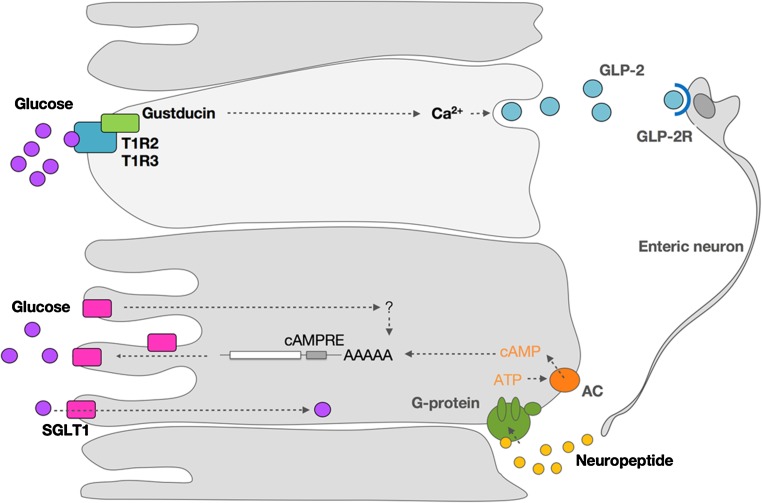
“9-fold after two weeks of a high carbohydrate diet (Margolskee et al., 2007).”
BackgroundSugar Absorption in the Intestine: The Role of GLUT2
Kellett, G. L., Brot-Laroche, E., Mace, O. J., & Leturque, A. (2008) · Annual Review of Nutrition · doi:10.1146/annurev.nutr.28.061807.155518 · Cited by 492 · cited 2×
“There have been suggestions that glucose transporter (GLUT)-2, another transporter, can be recruited to the luminal membrane when high concentrations of glucose are present in the lumen [14, 15].”
BackgroundA Step Towards Personalized Sports Nutrition: Carbohydrate Intake During Exercise
Jeukendrup, A. (2014) · Sports Medicine · doi:10.1007/s40279-014-0148-z · Cited by 412
Self-citationGastrointestinal Complaints During Exercise: Prevalence, Etiology, and Nutritional Recommendations
de Oliveira, E. P., Burini, R. C., & Jeukendrup, A. (2014) · Sports Medicine · doi:10.1007/s40279-014-0153-2 · Cited by 402 · cited 7×
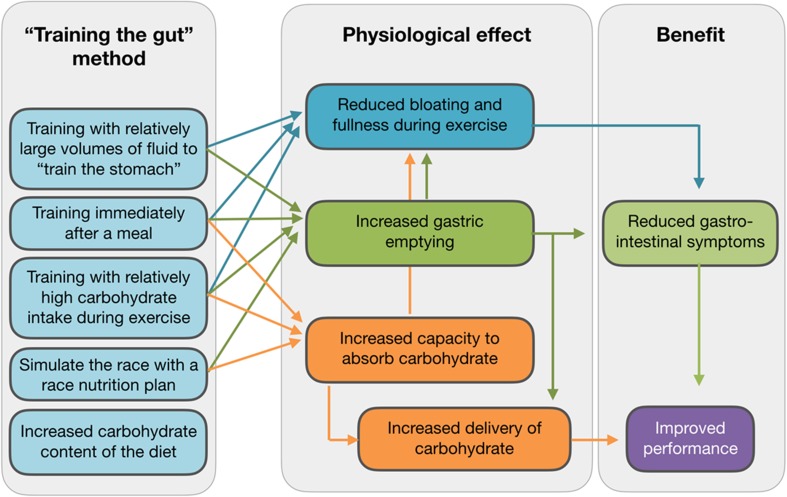
“It is thought that training the gut may alleviate some of these symptoms, perhaps by improving gastric emptying and the perception of fullness (reduced bloating), improving tolerance of larger volumes, and increasing the speed of absorption, causing less residual volume and smaller osmotic shifts [2].”
BackgroundInfluentialSelf-citationNutrition for endurance sports: Marathon, triathlon, and road cycling
Jeukendrup, A. E. (2011) · Journal of Sports Sciences · doi:10.1080/02640414.2011.610348 · Cited by 388
Self-citationDietary and developmental regulation of intestinal sugar transport
FERRARIS, R. P. (2001) · Biochemical Journal · doi:10.1042/bj3600265 · Cited by 328 · cited 2×
“There are still many questions about the mechanisms and whether the effects of sodium and glucose are additive [43].”
BackgroundThe facilitated component of intestinal glucose absorption
Kellett, G. L. (2001) · The Journal of Physiology · doi:10.1111/j.1469-7793.2001.0585h.x · Cited by 294 · cited 2×
“There have been suggestions that glucose transporter (GLUT)-2, another transporter, can be recruited to the luminal membrane when high concentrations of glucose are present in the lumen [14, 15].”
BackgroundJeukendrup, A. E., & Jentjens, R. (2000) · Sports Medicine · doi:10.2165/00007256-200029060-00004 · Cited by 279 · cited 1×
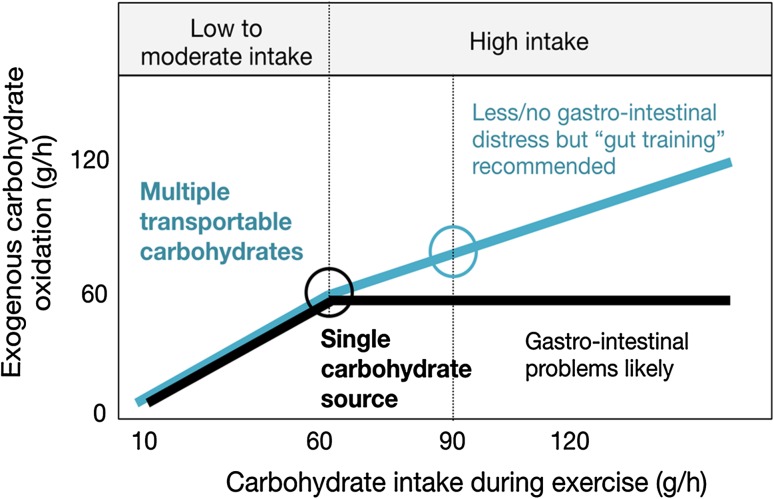
“2 Schematic of exogenous carbohydrate oxidation from a single carbohydrate (black) and multiple transportable carbohydrates (blue), based on data presented elsewhere [3, 7, 51, 52].”
BackgroundSelf-citationEffect of Diet upon Intestinal Disaccharidases and Disaccharide Absorption*
Deren, J. J., Broitman, S. A., & Zamcheck, N. (1967) · Journal of Clinical Investigation · doi:10.1172/jci105521 · Cited by 227 · cited 1×
“[39] demonstrated in 1967 that rats who were fasted for 3 days displayed fourfold increases in sucrase and maltase activity in response to a sucrose diet compared with a casein diet [39].”
BackgroundAchten, J., Halson, S. L., Moseley, L., Rayson, M. P., Casey, A., & Jeukendrup, A. E. (2004) · Journal of Applied Physiology · doi:10.1152/japplphysiol.00973.2003 · Cited by 214 · cited 1×
“Because this limitation was not caused by gastric emptying, muscle glucose uptake, or liver glycogen storage, it was deduced that absorption had to be limiting [27].”
BackgroundSelf-citation
Research works printed but not linked: 2
- 26. Jeukendrup AE. Possible links between nutrition and overtrain- ing. Vlaams Tijdschrift voor Sportgeneeskunde. 1999;80:37-45.
- 35. Kleinzeller A, Kotyk A (eds.). Membrane Transport and Meta- bolism. Prague: Academy of Sciences; 1961.
Cited by
Mujika, I., Halson, S., Burke, L. M., Balagué, G., & Farrow, D. (2018) · International Journal of Sports Physiology and Performance · doi:10.1123/ijspp.2018-0093 · Cited by 464
Mohr, A. E., Jäger, R., Carpenter, K. C., Kerksick, C. M., Purpura, M., Townsend, J. R., West, N. P., Black, K., Gleeson, M., Pyne, D. B., et al. (2020) · Journal of the International Society of Sports Nutrition · doi:10.1186/s12970-020-00353-w · Cited by 378
“emptying, water and nutrient absorption and adequate perfusion of the splanchnic vasculature [221].”
BackgroundPhysiology and Pathophysiology in Ultra-Marathon Running
Knechtle, B., & Nikolaidis, P. T. (2018) · Frontiers in Physiology · doi:10.3389/fphys.2018.00634 · Cited by 325
Periodized Nutrition for Athletes
Jeukendrup, A. E. (2017) · Sports Medicine · doi:10.1007/s40279-017-0694-2 · Cited by 299
Self-citationInterplay Between Exercise and Gut Microbiome in the Context of Human Health and Performance
Clauss, M., Gérard, P., Mosca, A., & Leclerc, M. (2021) · Frontiers in Nutrition · doi:10.3389/fnut.2021.637010 · Cited by 280
“The mechanisms included (1) modifications of gut microbial composition, (2) dietary protein modifications by the microbiota, (3) modification of bacterial enzyme capacity, (4) physical adherence to the intestinal mucosa that may outcompete a pathogen or inhibit its activation, and (5) influence on gut mucosal permeabi…”
BackgroundInternational Society of Sports Nutrition Position Stand: Probiotics
Jäger, R., Mohr, A. E., Carpenter, K. C., Kerksick, C. M., Purpura, M., Moussa, A., Townsend, J. R., Lamprecht, M., West, N. P., Black, K., et al. (2019) · Journal of the International Society of Sports Nutrition · doi:10.1186/s12970-019-0329-0 · Cited by 277
Possible Side Effects of Polyphenols and Their Interactions with Medicines
Duda-Chodak, A., & Tarko, T. (2023) · Molecules · doi:10.3390/molecules28062536 · Cited by 231
Contemporary Nutrition Strategies to Optimize Performance in Distance Runners and Race Walkers
Burke, L. M., Jeukendrup, A. E., Jones, A. M., & Mooses, M. (2019) · International Journal of Sport Nutrition and Exercise Metabolism · doi:10.1123/ijsnem.2019-0004 · Cited by 170
“Furthermore, when intake during the event is beneficial, it may be possible to prepare the gut to optimize and tolerate this by practicing strategies with adjusted intakes of CHO and fluid within training sessions (Jeukendrup 2017b).”
BackgroundSelf-citationA Framework for Periodized Nutrition for Athletics
Stellingwerff, T., Morton, J. P., & Burke, L. M. (2019) · International Journal of Sport Nutrition and Exercise Metabolism · doi:10.1123/ijsnem.2018-0305 · Cited by 123
“This would decrease the effectiveness of CHO feeding strategies, thus increasing the risk of gut disturbances (Jeukendrup, 2017b).”
BackgroundSwifter, higher, stronger: What’s on the menu?
Burke, L. M., & Hawley, J. A. (2018) · Science · doi:10.1126/science.aau2093 · Cited by 122
Tiller, N. B., Roberts, J. D., Beasley, L., Chapman, S., Pinto, J. M., Smith, L., Wiffin, M., Russell, M., Sparks, S. A., Duckworth, L., et al. (2019) · Journal of the International Society of Sports Nutrition · doi:10.1186/s12970-019-0312-9 · Cited by 164
Burke, L. M., Hawley, J. A., Jeukendrup, A., Morton, J. P., Stellingwerff, T., & Maughan, R. J. (2018) · International Journal of Sport Nutrition and Exercise Metabolism · doi:10.1123/ijsnem.2018-0289 · Cited by 132
Self-citationMicronutrients and athletic performance: A review
Beck, K. L., von Hurst, P. R., O'Brien, W. J., & Badenhorst, C. E. (2021) · Food and Chemical Toxicology · doi:10.1016/j.fct.2021.112618 · Cited by 81
“The theory of nutritional periodisation is planned energetic and macronutrient strategies to target the individual exercise sessions and overall training programme to aid in obtaining long term performance gains in athletes (Jeukendrup, 2017).”
BackgroundDo Sex Differences in Physiology Confer a Female Advantage in Ultra-Endurance Sport?
Tiller, N. B., Elliott-Sale, K. J., Knechtle, B., Wilson, P. B., Roberts, J. D., & Millet, G. Y. (2021) · Sports Medicine · doi:10.1007/s40279-020-01417-2 · Cited by 113
Viribay, A., Arribalzaga, S., Mielgo-Ayuso, J., Castañeda-Babarro, A., Seco-Calvo, J., & Urdampilleta, A. (2020) · Nutrients · doi:10.3390/nu12051367 · Cited by 74
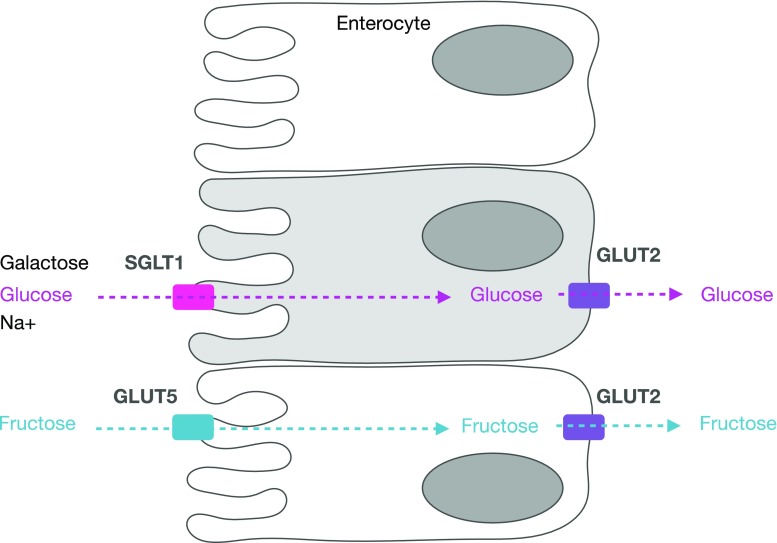
“On the other hand, fructose is absorbed through the GLUT5 transporter, representing an additional pathway for absorbing CHO [35,49].”
BackgroundInfluentialRecommendations and Nutritional Considerations for Female Athletes: Health and Performance
Holtzman, B., & Ackerman, K. E. (2021) · Sports Medicine · doi:10.1007/s40279-021-01508-8 · Cited by 111
New Horizons in Carbohydrate Research and Application for Endurance Athletes
Podlogar, T., & Wallis, G. A. (2022) · Sports Medicine · doi:10.1007/s40279-022-01757-1 · Cited by 109
“In addition to carbohydrate availability manipulations to influence training adaptations, the concept of training the gut also needs to be considered to become a part of the training process to potentially improve tolerance to high carbohydrate ingestion rates during exercise especially [133, 134], as the prevalence o…”
BackgroundBenefits of a plant-based diet and considerations for the athlete
Shaw, K. A., Zello, G. A., Rodgers, C. D., Warkentin, T. D., Baerwald, A., & Chilibeck, P. D. (2022) · European Journal of Applied Physiology · doi:10.1007/s00421-022-04902-w · Cited by 96
“Fiber intake has been correlated with gastrointestinal disturbances during competition, especially in endurance running (Jeukendrup 2017).”
BackgroundHuang, W.-C., Pan, C.-H., Wei, C.-C., & Huang, H.-Y. (2020) · Nutrients · doi:10.3390/nu12082315 · Cited by 87
“Thus, a nutritional strategy could reduce GI severity, and the gut is an important organ for endurance athletes [24].”
BackgroundHawley, J. A., Forster, S. C., & Giles, E. M. (2025) · Gastroenterology · doi:10.1053/j.gastro.2025.01.224 · Cited by 82
Zhang, T., Jia-Jiong, L., Xiong, F., Wang, P., Hai-ming, C., & Chun, C. (2026) · Food Chemistry · doi:10.1016/j.foodchem.2026.148040 · Cited by 79
Limits of Ultra: Towards an Interdisciplinary Understanding of Ultra-Endurance Running Performance
BERGER, N. J. A., Best, R., Best, A. W., Lane, A. M., Millet, G. Y., Barwood, M. J., Marcora, S., Wilson, P. B., & Bearden, S. E. (2023) · Sports Medicine · doi:10.1007/s40279-023-01936-8 · Cited by 79
“3) [120].”
Intelligent Sports Training System Based on Artificial Intelligence and Big Data
Li, C., & Cui, J. (2021) · Mobile Information Systems · doi:10.1155/2021/9929650 · Cited by 73
“Auxiliary training indicators are combined with artificial intelligence technology [3, 4] to output posture prediction results.”
BackgroundRetractedMoser, O., Yardley, J. E., & Bracken, R. M. (2018) · Nutrients · doi:10.3390/nu10010093 · Cited by 68
“1 g/min, due to rate limits in the capacities of the glucose transporter type-2 (GLUT-2), glucose transporter type-5 (GLUT-5), and/or sodium–glucose linked transporter-1 (SGLT-1) carriers in the intestinal membrane [59].”
BackgroundPeak week recommendations for bodybuilders: an evidence based approach
Escalante, G., Stevenson, S. W., Barakat, C., Aragon, A. A., & Schoenfeld, B. J. (2021) · BMC Sports Science Medicine and Rehabilitation · doi:10.1186/s13102-021-00296-y · Cited by 65
Štangar, M., Štangar, A., Shtyrba, V., Cigić, B., & Benedik, E. (2022) · Journal of the International Society of Sports Nutrition · doi:10.1080/15502783.2022.2099231 · Cited by 64
Urdampilleta, A., Arribalzaga, S., Viribay, A., Castañeda-Babarro, A., Seco-Calvo, J., & Mielgo-Ayuso, J. (2020) · Nutrients · doi:10.3390/nu12072094 · Cited by 45
“By way of an inclusion criterion, it was stated that all athletes should have undertaken gut training which involved ensuring >90 g/h CHO intakes > 2 days/week over the 4 weeks prior to the race [13,40].”
BackgroundNutritional Strategies to Optimize Performance and Recovery in Rowing Athletes
Kim, J., & Kim, E.-K. (2020) · Nutrients · doi:10.3390/nu12061685 · Cited by 61
“Carbohydrate supplements for performance maintenance taken during training or competition must be easily digested and absorbed because the gastrointestinal (GI) tract plays an important role in transporting carbohydrates and fluid during training or competition [17].”
BackgroundLis, D. M. (2019) · Sports Medicine · doi:10.1007/s40279-018-01034-0 · Cited by 57
“Gut training to increase carbohydrate tolerance and prepare race-day nutrition has also been shown to be beneficial [11, 17, 18].”
BackgroundExercise Timing in Type 2 Diabetes Mellitus: A Systematic Review
Teo, S. Y. M., Kanaley, J. A., Guelfi, K. J., Cook, S. B., Hébert, J. J., Forrest, M. R. L., & Fairchild, T. J. (2018) · Medicine & Science in Sports & Exercise · doi:10.1249/mss.0000000000001732 · Cited by 58
Substrate Metabolism During Ironman Triathlon: Different Horses on the Same Courses
Maunder, E., Kilding, A. E., & Plews, D. J. (2018) · Sports Medicine · doi:10.1007/s40279-018-0938-9 · Cited by 55
Physiology and Pathophysiology of Marathon Running: A narrative Review
Braschler, L., Nikolaidis, P. Τ., Thuany, M., Chlíbková, D., Rosemann, T. J., Weiss, K., Wilhelm, M., & Knechtle, B. (2025) · Sports Medicine - Open · doi:10.1186/s40798-025-00810-3 · Cited by 52
Nutritional approaches to counter performance constraints in high‐level sports competition
Burke, L. M. (2021) · Experimental Physiology · doi:10.1113/ep088188 · Cited by 51
“Attempted solutions involve ‘training the gut’ by increasing CHO intake in the diet and during exercise to increase tolerance and the activity of sodium-dependent glucose transporter SGLT-1 (Costa et al., 2017; Jeukendrup, 2017) and the use of bespoke or novel CHO blends (Baur & Saunders, 2021).”
BackgroundIron Metabolism: Interactions with Energy and Carbohydrate Availability
McKay, A. K. A., Pyne, D. B., Burke, L. M., & Peeling, P. (2020) · Nutrients · doi:10.3390/nu12123692 · Cited by 51
“This dietary approach strategically incorporated a number strategies to promote high CHO availability, which included high CHO intake (10–12 g·kg−1 BM), gut training strategies [73], low residue foods, and sucralose ingestion.”
BackgroundThurecht, R., & Pelly, F. (2020) · Nutrients · doi:10.3390/nu12040924 · Cited by 37
Smith, K. A., Pugh, J. N., Duca, F. A., Close, G. L., & Ormsbee, M. J. (2021) · European Journal of Applied Physiology · doi:10.1007/s00421-021-04737-x · Cited by 52
“However, regular intake of CHO during exercise training (‘gut training’) causes adaptations that reduce the incidence of GI symptoms (Jeukendrup 2017).”
BackgroundBourdas, D. I., Souglis, A. G., Zacharakis, E. D., Geladas, N. D., & Travlos, A. K. (2021) · Nutrients · doi:10.3390/nu13124223 · Cited by 51
Cao, W., He, Y., Fu, R. G., Chen, Y., Yu, J., & He, Z. (2025) · Nutrients · doi:10.3390/nu17050918 · Cited by 49
“Given that many long-distance endurance athletes experience gastrointestinal discomfort, pre-competition carbohydrate loading often includes easily digestible, high-quality protein.”
Exercise-Induced Illness and Inflammation: Can Immunonutrition and Iron Help?
Castell, L. M., Nieman, D. C., Bermon, S., & Peeling, P. (2019) · International Journal of Sport Nutrition and Exercise Metabolism · doi:10.1123/ijsnem.2018-0288 · Cited by 47
New Opportunities to Advance the Field of Sports Nutrition
Jonvik, K. L., King, M., Rollo, I., Stellingwerff, T., & Pitsiladis, Y. P. (2022) · Frontiers in Sports and Active Living · doi:10.3389/fspor.2022.852230 · Cited by 48
“Over the past 5 years, consensus statements in Sports Nutrition ranged between 0.3 and 0.5% (Williams and Rollo, 2015; Jeukendrup, 2017; Pitsiladis et al., 2017; Sutehall et al., 2018; Burke et al., 2019; Stellingwerff et al., 2019; Baker et al., 2020; Muniz-Pardos et al., 2021) of the published…”
BackgroundInfluentialShittu, M. D., Alagbe, O. J., Alaba, O., Okanlawon, E. O., Adelakun, F. A., Emmanuel, P. O., & Adejumo, D. (2024) · ADAN Journal of Agriculture · doi:10.36108/adanja/4202.50.0121 · Cited by 44
Carbohydrates and Endurance Exercise: A Narrative Review of a Food First Approach
Naderi, A., Gobbi, N., Ali, A., Berjisian, E., Hamidvand, A., Forbes, S. C., Koozehchian, M. S., Karayigit, R., & Saunders, B. (2023) · Nutrients · doi:10.3390/nu15061367 · Cited by 42
“Although these populations can still provide important information, results may not be directly applicable to top-level athletes due to training adaptations including CHO transport via training the gut [84].”
Backgroundde Moraes, W. M. A. M., de Almeida, F. N., Santos, L. E. A. D., Cavalcante, K. D. G., Santos, H. O., Navalta, J. W., & Prestes, J. (2019) · PubMed Central · Cited by 45
Martinez, I. G., Mika, A. S., Biesiekierski, J. R., & Costa, R. J. S. (2023) · Sports Medicine · doi:10.1007/s40279-023-01841-0 · Cited by 42
“However, gut-training entails doing this in a more structured and repetitive manner and is proposed to be a preventative and management strategy for EIGS and aligned Ex-GIS [30].”
BackgroundMohr, A. E., Mach, N., Pugh, J. N., Grosicki, G. J., Allen, J. M., Karl, J. P., & Whisner, C. M. (2025) · FEMS Microbiology Reviews · doi:10.1093/femsre/fuaf037 · Cited by 40
“Therefore, similar to the concept of “training the gut” (Jeukendrup 2017 ), the hormetic stress of exercise that promotes physiological adaptation within the host (i.e. the GI-tract), a parallel and reciprocal process may occur within the GM, aiding in the formation of a distinctive and functional…”
Endurance Exercise Attenuates Postprandial Whole-Body Leucine Balance in Trained Men
MAZZULLA, M., PAREL, J. T., BEALS, J. W., VAN VLIET, S., ABOU SAWAN, S., WEST, D. W. D., PALUSKA, S. A., ULANOV, A. V., MOORE, D. R., & BURD, N. A. (2017) · Medicine & Science in Sports & Exercise · doi:10.1249/mss.0000000000001394 · Cited by 39
Arribalzaga, S., Viribay, A., Calleja-González, J., Fernández‐Lázaro, D., Castañeda-Babarro, A., & Mielgo‐Ayuso, J. (2021) · International Journal of Environmental Research and Public Health · doi:10.3390/ijerph18115737 · Cited by 39
“However, GI problems caused by CHO intake could be reduced by intestinal training and suitable hydration and nutrition strategy [8,42].”
BackgroundInfluentialRauch, C., McCubbin, A. J., Gaskell, S. K., & Costa, R. J. S. (2022) · Frontiers in Physiology · doi:10.3389/fphys.2021.773054 · Cited by 37
“…adaptations may be at the expense of altering gastrointestinal functional responses through downregulating intestinal carbohydrate transporters (Jeukendrup, 2017; Costa et al., 2017a), and/or suppressing carbohydrate aerobic oxidative pathways through glycolytic enzyme downregulation…”
BackgroundKing, A. J., Etxebarria, N., ROSS, M. L. R., Garvican‐Lewis, L. A., Heikura, I. A., McKay, A. K. A., Tee, N., Forbes, S. F., Beard, N. A., Saunders, P. U., et al. (2022) · Nutrients · doi:10.3390/nu14091929 · Cited by 36
“These considerations of gastrointestinal enhancement [24] may provide small but meaningful advantages to athletes’ ability to absorb and metabolise exogenous CHO [16,20].”
BackgroundPettersson, S., Edin, F., Bakkman, L., & McGawley, K. (2019) · Journal of the International Society of Sports Nutrition · doi:10.1186/s12970-019-0317-4 · Cited by 25
Exogenous carbohydrate and regulation of muscle carbohydrate utilisation during exercise
Malone, J. J., Hulton, A. T., & MacLaren, D. P. M. (2021) · European Journal of Applied Physiology · doi:10.1007/s00421-021-04609-4 · Cited by 36
“Evidence is available that the number of SGLT1 transporters are in abundance when compared with GLUT5 transporters, and is a factor as to why glucose uptake across the intestine is greater (and faster) than fructose (Jeukendrup 2017).”
BackgroundSantibañez-Gutierrez, A., Fernández-Landa, J., Calleja-González, J., Delextrat, A. A., & Mielgo‐Ayuso, J. (2022) · Nutrients · doi:10.3390/nu14030622 · Cited by 33
“Endurance athletes in particular suffer the so-called leaky gut, which involves symptoms such as vomiting and diarrhea, stomach and intestinal cramps, and nausea due to an increment in GI permeability through the epithelial wall [23,52].”
BackgroundSupplements for Optimal Sports Performance
Burke, L. M. (2019) · Current Opinion in Physiology · doi:10.1016/j.cophys.2019.05.009 · Cited by 32
Hoogervorst, D., van der Burg, N., Versteegen, J. J., Lambrechtse, K. J., Redegeld, M. I., Cornelissen, L. A. J., & Wardenaar, F. C. (2019) · Sports · doi:10.3390/sports7060140 · Cited by 31
“Various factors may influence the onset of GI complaints, such as food choices [11], individual fitness [6], the mechanical impact of running, which may be related to the time under tension (distance) and the physiological effect of reduced mesenteric blood shifting toward skin blood flow to cool the body during prolo…”
BackgroundNutrition in Soccer: A Brief Review of the Issues and Solutions
Bonnici, D. C., Greig, M. P., Akubat, I., Sparks, S. A., Bentley, D. J., & McNaughton, L. R. (2019) · Journal of Science in Sport and Exercise · doi:10.1007/s42978-019-0014-7 · Cited by 31
Exercise-induced microbial changes in preventing type 2 diabetes
Yao, T., Wang, H., Lin, K., Wang, R., Guo, S., Chen, P., Wu, H., Liu, T., & Wang, R. (2023) · Science China Life Sciences · doi:10.1007/s11427-022-2272-3 · Cited by 31
“It is not unexpected that exercise could modulate the gut microbiota since a series of physiological changes in the gut that coupled with enhanced microbial growth and metabolism have been observed (Cerdá et al., 2016; Jeukendrup, 2017; Pan et al., 2022; Peters et al., 2001).”
Validation of the Athlete’s Plate Nutrition Educational Tool: Phase I
Reguant-Closa, A., Harris, M. M., Lohman, T. G., & Meyer, N. L. (2019) · International Journal of Sport Nutrition and Exercise Metabolism · doi:10.1123/ijsnem.2018-0346 · Cited by 25
Gastrointestinal bleeding in athletes
Papantoniou, K., Michailides, C., Bali, M., Papantoniou, P., & Thomopoulos, K. (2023) · Annals of Gastroenterology · doi:10.20524/aog.2023.0788 · Cited by 29
“For many years, it has been suggested that the gut can be “conditioned” or “trained” in order to reduce GI distress [76].”
BackgroundBaranauskas, M., Jablonskienė, V., Abaravičius, J. A., & Stukas, R. (2020) · International Journal of Environmental Research and Public Health · doi:10.3390/ijerph17186749 · Cited by 29
“, constipation) and to improve physical performance [56], the athletes with disabilities are recommended to consume a diet higher in dietary fiber with a sufficient amount of liquids [57].”
BackgroundAddition of an Alginate Hydrogel to a Carbohydrate Beverage Enhances Gastric Emptying
Sutehall, S., Galloway, S. D. R., Bosch, A. N., & Pitsiladis, Y. P. (2020) · Medicine & Science in Sports & Exercise · doi:10.1249/mss.0000000000002301 · Cited by 28
“The participants recruited in this study were habitually active but not trained athletes and therefore may have a lower density of sodium-dependent glucose transporter 1 (SGLT-1) than their trained counterparts owing to the higher daily CHO intake associated with athletic training (40).”
BackgroundIs Coffee a Useful Source of Caffeine Preexercise?
Pickering, C., & Grgic, J. (2020) · International Journal of Sport Nutrition and Exercise Metabolism · doi:10.1123/ijsnem.2019-0092 · Cited by 23
“As with 376 any nutritional intervention, the use of coffee as an ergogenic aid should be trialed in training 377 or competitions of lesser importance, and, similar to the “training of the gut” concept with 378 carbohydrate ingestion (Jeukendrup, 2017), these issues could potentially be alleviated.”
BackgroundDevelopment of a Sport Food Exchange List for Dietetic Practice in Sport Nutrition
Sanz, J. M. M., Menal-Puey, S., Sospedra, I., Russolillo, G., Norte, A., & Marques-Lopes, I. (2020) · Nutrients · doi:10.3390/nu12082403 · Cited by 25
“As with all foods, the gut training is necessary so that athletes can tolerate the recommended intake of carbohydrates, sodium, and liquids during training sessions or competition periods, as well as to decrease gastrointestinal problems [13].”
BackgroundNutrition Considerations for Athletes with Physical Disabilities
İslamoğlu, A. H., & Kenger, E. B. (2019) · Current Sports Medicine Reports · doi:10.1249/jsr.0000000000000613 · Cited by 24
“Such problems like constipation will decrease the performance of the exercise (48).”
BackgroundDietary Intake of Gaelic Football Players during Game Preparation and Recovery
Catháin, C. Ó., Fleming, J., Renard, M., & Kelly, D. T. (2020) · Sports · doi:10.3390/sports8050062 · Cited by 24
“Furthermore, fat intake in close proximity to competition is associated with gastrointestinal discomfort and delayed gastric emptying [51,52], and should be reduced on game day to avoid such issues.”
BackgroundKing, A. J., Rowe, J., & Burke, L. M. (2020) · International Journal of Sport Nutrition and Exercise Metabolism · doi:10.1123/ijsnem.2020-0102 · Cited by 23
“…products have attempted to improve on existing nutrition recommendations (use of CHO with multiple transporters [Jeukendrup, 2010] and gut training [Jeukendrup, 2017]) to target the need for highperformance athletes to achieve high CHO availability during prolonged events conducted at high…”
BackgroundCarbohydrate supplementation: A critical review of recent innovations
Baur, D. A., & Saunders, M. J. (2021) · European Journal of Applied Physiology · doi:10.1007/s00421-020-04534-y · Cited by 22
The Environmental Impact of the Athlete’s Plate Nutrition Education Tool
Reguant-Closa, A., Roesch, A., Lansche, J., Nemecek, T., Lohman, T. G., & Meyer, N. L. (2020) · Nutrients · doi:10.3390/nu12082484 · Cited by 22
“Plant-based and forward strategies may lead to greater dietary fiber intakes, which could, at least temporarily, increase GI discomfort [69,70] in athletes.”
BackgroundO’Donovan, C. M., Connor, B., Madigan, S. M., Cotter, P. D., & Sullivan, O. O. (2020) · Travel Medicine and Infectious Disease · doi:10.1016/j.tmaid.2020.101553 · Cited by 21
Potato ingestion is as effective as carbohydrate gels to support prolonged cycling performance
Salvador, A. F., McKenna, C. F., Alamilla, R. A., Cloud, R., Keeble, A. R., Miltko, A., Scaroni, S. E., Beals, J. W., ULANOV, A. V., Dilger, R. N., et al. (2019) · Journal of Applied Physiology · doi:10.1152/japplphysiol.00567.2019 · Cited by 22
“It is worthwhile to mention that only two participants had previously chosen potatoes as their personal race fuel, but all participants regularly ingest CHO gels during races and training, and according to the gut training theory (6, 25), frequency of ingestion could also alter digestibility and perceptions of fullnes…”
BackgroundAre the Consumption Patterns of Sports Supplements Similar among Spanish Mountain Runners?
Jiménez-Alfageme, R., Rubio-Quintanilla, N., Romero-García, D., Sánchez-Oliver, A. J., Sospedra, I., & Sanz, J. M. M. (2023) · Nutrients · doi:10.3390/nu15020262 · Cited by 19
Nutrition in CrossFit® – scientific evidence and practical perspectives: a systematic scoping review
Martinho, D. V., Rebelo, A., Clemente, F. M., Costa, R., Gouveia, É. R., Field, A., Casonatto, J., van den Hoek, D., Durkalec‐Michalski, K., Ormsbee, M. J., et al. (2025) · Journal of the International Society of Sports Nutrition · doi:10.1080/15502783.2025.2509674 · Cited by 18
“Additional questions about carbohydrate supplementation include tolerance to higher quantities [20,123] and practical application during high-intensity workouts.”
Ryan, T., Daly, E., & Ryan, L. (2023) · Nutrients · doi:10.3390/nu15204330 · Cited by 18
“The research included in this review examined the effect of various nutritional interventions on GIS experienced by ultra-endurance athletes, though the quantity of acceptable papers for inclusion was low.”
BackgroundRolling out physical exercise and energy homeostasis: Focus on hypothalamic circuitries
Cavalcanti‐de‐Albuquerque, J. P., & Donato, J. (2021) · Frontiers in Neuroendocrinology · doi:10.1016/j.yfrne.2021.100944 · Cited by 17
Barakat, C., Escalante, G., Stevenson, S. W., Bradshaw, J. T., Barsuhn, A., Tinsley, G. M., & Walters, J. (2022) · Sports · doi:10.3390/sports10070106 · Cited by 17
“Thus, to enhance glucose uptake and glycogen storage to maximize muscle fullness, ensuring adequate sodium intake in conjunction with carbohydrates, is a sensible approach [4,43].”
BackgroundLukasiewicz, C. J., Waterman-Vandiver, K. J., Albert, E. D., Kirby, B. S., & Jacobs, R. A. (2023) · Journal of Applied Physiology · doi:10.1152/japplphysiol.00521.2023 · Cited by 16
Eating habits and nutritional knowledge among amateur ultrarunners
Kosendiak, A. A., Król, M., Ligocka, M., & Kepinská, M. (2023) · Frontiers in Nutrition · doi:10.3389/fnut.2023.1137412 · Cited by 16
“They often complain of gastrointestinal disorders, digestive problems (10), nausea (11), and bleeding (12, 13).”
BackgroundThe Precompetition Macronutrient Intake of Elite Gaelic Football Players
Cassidy, C., Collins, K. D., & Shortall, M. (2018) · International Journal of Sport Nutrition and Exercise Metabolism · doi:10.1123/ijsnem.2017-0292 · Cited by 16
Burke, L. M., Hall, R., Heikura, I. A., Ross, M. L., Tee, N., Kent, G. L., Whitfield, J., Forbes, S. F., Sharma, A. P., Jones, A. M., et al. (2021) · Nutrients · doi:10.3390/nu13082767 · Cited by 15
“This has been attributed to an upregulated expression of the intestinal glucose transport protein, SGLT1, and potentially, a similar effect on the fructose transporter, GLUT5 [39].”
BackgroundInfluentialInamura, N., Taniguchi, H., Yoshida, S., Nishioka, M., & Ishihara, K. (2024) · Scientific Reports · doi:10.1038/s41598-023-51048-6 · Cited by 16
“To reduce gastrointestinal symptoms, athletes can undergo "nutritional training," which involves consuming high amounts of carbohydrates during exercise 33 .”
BackgroundKearns, R., Dooley, J. S. G., Matthews, M., & McNeilly, A. M. (2024) · Journal of the International Society of Sports Nutrition · doi:10.1080/15502783.2024.2388085 · Cited by 15
“Several studies have shown that probiotics supplementation could improve immune function in fati-gued athletes [38,39] and reduce upper respiratory tract illness (URTI) [40], GI symptoms [38,41] and gut permeability [42].”
BackgroundThe effects of isomaltulose ingestion on gastric parameters and cycling performance in young men
Miyashita, M., Hamada, Y., Fujihira, K., Namura, S., Sakazaki, M., Miyasaka, K., & Nagai, Y. (2019) · Journal of Exercise Science & Fitness · doi:10.1016/j.jesf.2019.06.001 · Cited by 15
Sport Supplements and the Athlete’s Gut: A Review
Wilson, P. B. (2021) · International Journal of Sports Medicine · doi:10.1055/a-1704-3086 · Cited by 15
“Repeatedly exposing the gut to high carbohydrate intakes may lead to several positive physiological adaptions, including enhanced gastric emptying, upregulation of intestinal transporters, and greater exogenous carbohydrate oxidation [72].”
Sports Nutrition and Performance
Arcusa, R., Rentero, M. P. Z., & Hernández, J. M. (2019) · IntechOpen eBooks · doi:10.5772/intechopen.84467 · Cited by 15
Fernández‐Sanjurjo, M., Fernández, J., Martínez‐Camblor, P., Rodríguez-Alonso, M., Ortolano, R., Pinto-Hernández, P., Castilla‐Silgado, J., Coto-Vilcapoma, A., Ruíz, L., Villar, C. J., et al. (2024) · Nutrients · doi:10.3390/nu16050661 · Cited by 14
“This last idea is related to the concept of “gut training” for athletes proposed by Jeukendrup [41], according to which the adaptations that allow greater intestinal and metabolic utilisation of CHO are greater when a diet high in CHO is regularly followed.”
BackgroundPhysiological Responses and Nutritional Intake during a 7-Day Treadmill Running World Record
BERGER, N. J. A., Cooley, D., Graham, M., Harrison, C., & Best, R. (2020) · International Journal of Environmental Research and Public Health · doi:10.3390/ijerph17165962 · Cited by 14
“Costa [19,23] and Jeukendrup [22] have outlined the need for athletes to “train their gut” to allow for improved gastric emptying and absorption, as well as reducing the chances and/or severity of GI complaints.”
BackgroundAnalysis of nutritional intake in trail runners during competition
Sanz, J. M. M., Jiménez-Alfageme, R., López, L. A., & Ayuso, J. M. (2020) · Nutrición Hospitalaria · doi:10.20960/nh.03388 · Cited by 14
Voet, J. G., Lamberts, R. P., Viribay, A., de Koning, J. J., & van Erp, T. (2024) · International Journal of Sports Physiology and Performance · doi:10.1123/ijspp.2023-0543 · Cited by 14
Goldman, D., Warbeck, C. B., & Karlsen, M. C. (2024) · Nutrients · doi:10.3390/nu16121903 · Cited by 14
“However, the digestive systems of athletes are adaptable and can facilitate greater energy intakes through expedited gastric emptying, reduced satiety, diminished bloating, greater tolerance to high volumes of food, and accelerated absorption rates [103].”
BackgroundFinderle, J., Schleicher, V. S., Schleicher, L. M. S., Kršek, A., Braut, T., & Batičić, L. (2025) · Gastrointestinal Disorders · doi:10.3390/gidisord8010001 · Cited by 13
“…when aiming to reduce illness or GI symptoms, recognizing that direct performance effects are mixed and likely strain-specific; and interpret promising mechanisms (SCFAs, lactate → propionate) as a rationale for targeted experimentation rather than as guarantees of improvement [132,135–137].”
A Food First Approach to Carbohydrate Supplementation in Endurance Exercise: A Systematic Review
Reynolds, K. M., Clifford, T., Mears, S. A., & James, L. J. (2022) · International Journal of Sport Nutrition and Exercise Metabolism · doi:10.1123/ijsnem.2021-0261 · Cited by 14
Fahrenholtz, I. L., Melin, A., Garthe, I., Wasserfurth, P., Ivarsson, A., Hollekim-Strand, S. M., Koehler, K., Logue, D. M., Madigan, S. M., Gräfnings, M., et al. (2023) · Frontiers in Sports and Active Living · doi:10.3389/fspor.2023.1254210 · Cited by 13
“Gastrointestinal problems, commonly reported by endurance athletes, may not only be detrimental to health and quality of life, but also to athletic performance (30, 31).”
BackgroundPeak Week Carbohydrate Manipulation Practices in Physique Athletes: A Narrative Review
Homer, K. A., Cross, M. R., & Helms, E. R. (2024) · Sports Medicine - Open · doi:10.1186/s40798-024-00674-z · Cited by 13
“Dietary sodium reductions may slow small intestine glucose absorption due to its down-regulating effect on the concentration of brush border GLUTs [16–18], while also reducing the concentration of sodium ions required for SGLT1 cotransport of glucose [102–105].”
BackgroundInfluentialMlinaric, J., & Mohorko, N. (2025) · Journal of the International Society of Sports Nutrition · doi:10.1080/15502783.2025.2529910 · Cited by 12
“However, GI symptoms are often present in athletes during different kinds of exercise and can greatly impact their ability to sustain exercise intensity and sports performance in competition, while also making it challenging to achieve the recommended carbohydrate intake [2].”
InfluentialGoldman, D., Warbeck, C. B., & Karlsen, M. C. (2024) · Nutrients · doi:10.3390/nu16081122 · Cited by 14
“Additionally, the gastrointestinal tracts of athletes appear to be highly adaptable and permit larger calorie intakes by accelerating gastric emptying, diminishing perceptions of fullness, reducing bloating, improving tolerance to larger food volumes, and increasing absorption speed [97].”
BackgroundPruna, R., Lizarraga, A., & Domínguez, D. C. (2017) · Medicina Clínica · doi:10.1016/j.medcli.2017.09.008 · Cited by 12
Ravikanti, S., Silang, K. G., Martyn, H. J., Johnson, K. O., Louis, J. B., Bampouras, T. M., Owens, D. J., JONES, A. M., Morton, J. P., & Pugh, J. N. (2025) · Journal of Applied Physiology · doi:10.1152/japplphysiol.00665.2025 · Cited by 11
Cultural differences in hydration practices among physically active individuals: a narrative review
Leow, C. H. W., Tan, B., Miyashita, M., & LEE, J. K. W. (2022) · Journal of the International Society of Sports Nutrition · doi:10.1080/15502783.2022.2057196 · Cited by 11
“Although trained athletes may be able to tolerate higher intake of carbohydrates [27], untrained athletes might consider diluting freshly squeezed sugarcane juice to ensure carbohydrate concentration is within recommended range.”
BackgroundMedical assessment in athletes
Pruna, R., Lizarraga, A., & Domínguez, D. C. (2018) · Medicina Clínica (English Edition) · doi:10.1016/j.medcle.2018.01.016 · Cited by 11
Ghazzawi, H., Aqaili, R. A., Khataybeh, B., Al-aittan, F., Hamaideh, S., Alhalaiqah, T., Amawi, A. T., Trabelsi, K., Jahrami, H., & Hasan, M. A. (2025) · Frontiers in Nutrition · doi:10.3389/fnut.2025.1572961 · Cited by 10
“Furthermore, because wheelchair athletes experience a high rate of constipation, adequate fiber intake is particularly crucial for intestinal motility in these athletes (65).”
The Physiological Requirements of and Nutritional Recommendations for Equestrian Riders
Best, R., Williams, J. M., & Pearce, J. (2023) · Nutrients · doi:10.3390/nu15234977 · Cited by 10
“Recommended feeding rates (g/h) can be approximated by multiplying the competition duration by 30 g, i.e., 30 g × 2 h = 60 g/h, up to a dose of 90 or 120 g per hour, depending on individual tolerances [103,110,111].”
Background
Metadata
- Authors
- Jeukendrup, A. E.
- Affiliations
- Loughborough University (GB)
- Corresponding author
- Jeukendrup, Asker E.
- Venue
- Sports Medicine
- Published
- 2017-03
- Volume
- 47
- Issue
- S1
- Pages
- 101-110
- ISSN
- 0112-1642 (ISSN-L)
- 1179-2035
- PMC
- PMC5371619
- OpenAlex
- W2599285408
- Semantic Scholar
- b6d7e3c067dc0192643bc1300db3223f5e15b7c8
- Cited by
- 208
- References
- 51
- Citations by year
- 2026: 28 · 2025: 31 · 2024: 19 · 2023: 20 · 2022: 23 · 2021: 26 · 2020: 23 · 2019: 25 · 2018: 10 · 2017: 3
- FWCI
- 1.95
- Type
- journal article
- Language
- en
- Open access
- hybrid
- doi.org
- Locations
- Sports Medicine (publishedVersion, cc-by)
- PubMed Central (publishedVersion, cc-by)
- PubMed (publishedVersion)
- Funders
- PepsiCo
- Gran Sasso Science Institute
- Topics
- Health Sciences › Nursing › Nutrition and Dietetics › Muscle metabolism and nutrition
- Health Sciences › Medicine › Gastroenterology › Gastrointestinal motility and disorders
- Health Sciences › Medicine › Orthopedics and Sports Medicine › Sports Performance and Training
- Keywords
- gastrointestinal function, endurance athletes, gastric emptying, gastrointestinal distress, carbohydrate absorption, intestinal adaptation, endurance performance, fluid intake, carbohydrate intake
- MeSH terms
- Diet, Dietary Carbohydrates, Physical Exertion, Gastric Emptying, Humans, Physical Endurance, Exercise, Athletes
About these checks
Registry, retraction, Cites and statistics results are computed, not judged, with one exception: a printed reference that no index lists is read once by a model before it counts as a citation error. Claims are extracted by a model and kept only when their quote appears verbatim in the text; each cited source is then checked, with a model’s help, for whether it says what the claim relies on. Those verdicts can be wrong — read the claim’s quote and the cited source before relying on one.
Statistics and arithmetic are recomputed, not judged.
Confidence bands are shown only for fields calibrated on our annotated test set. None is calibrated yet, so no band is shown.
What counts as a claim ›How we measure confidence ›How we check this ›
Are you an author, or do you see a problem with this page? Request a review
Data sources
Bibliographic data: Semantic Scholar, OpenAlex, Crossref.
Contains information from the Semantic Scholar Academic Graph Datasets, made available under the ODC Attribution License (ODC-BY 1.0).
Semantic Scholar’s data is described in: Kinney, R., et al. (2023). The Semantic Scholar Open Data Platform. arXiv:2301.10140.
