

The DOI matches its Crossref record; 127 of the 127 references it cites were found in a registry or an index.
The Effects of Menstrual Cycle Phase on Exercise Performance in Eumenorrheic Women: A Systematic Review and Meta-Analysis
Open accessAbstract
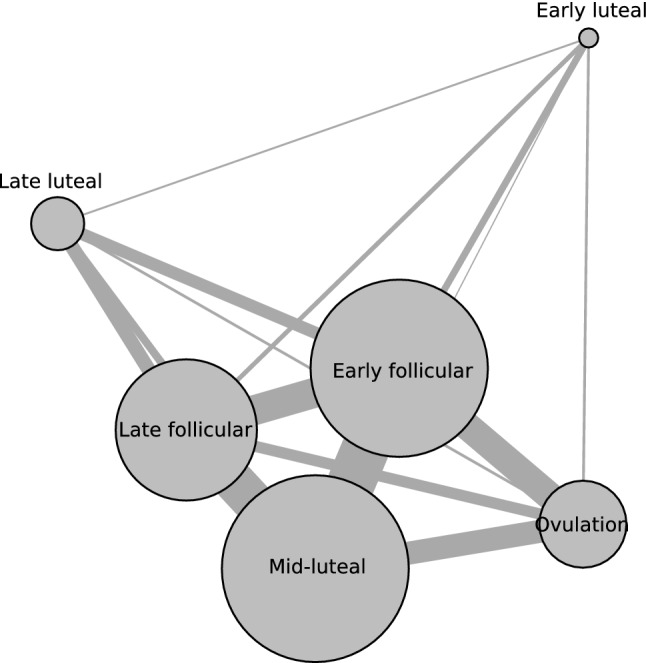
Background: Concentrations of endogenous sex hormones fluctuate across the menstrual cycle (MC), which could have implications for exercise performance in women. At present, data are conflicting, with no consensus on whether exercise performance is affected by MC phase. Objective: To determine the effects of the MC on exercise performance and provide evidence-based, practical, performance recommendations to eumenorrheic women. Methods: This review followed the Preferred Reporting Items for Systematic Reviews and Meta-Analyses (PRISMA) guidelines. Four databases were searched for published experimental studies that investigated the effects of the MC on exercise performance, which included at least one outcome measure taken in two or more defined MC phases. All data were meta-analysed using multilevel models grounded in Bayesian principles. The initial meta-analysis pooled pairwise effect sizes comparing exercise performance during the early follicular phase with all other phases (late follicular, ovulation, early luteal, mid-luteal and late luteal) amalgamated. A more comprehensive analysis was then conducted, comparing exercise performance between all phases with direct and indirect pairwise effect sizes through a network meta-analysis. Results from the network meta-analysis were summarised by calculating the Surface Under the Cumulative Ranking curve (SUCRA). Study quality was assessed using a modified Downs and Black checklist and a strategy based on the recommendations of the Grading of Recommendations Assessment Development and Evaluation (GRADE) working group. Results: Of the 78 included studies, data from 51 studies were eligible for inclusion in the initial pairwise meta-analysis. The three-level hierarchical model indicated a trivial effect for both endurance- and strength-based outcomes, with reduced exercise performance observed in the early follicular phase of the MC, based on the median pooled effect size (ES 0.5 = − 0.06 [95% credible interval (CrI): − 0.16 to 0.04]). Seventy-three studies had enough data to be included in the network meta-analysis. The largest effect was identified between the early follicular and the late follicular phases of the MC (ES 0.5 = − 0.14 [95% CrI: − 0.26 to − 0.03]). The lowest SUCRA value, which represents the likelihood that exercise performance is poor, or among the poorest, relative to other MC phases, was obtained for the early follicular phase (30%), with values for all other phases ranging between 53 and 55%. The quality of evidence for this review was classified as “low” (42%). Conclusion: The results from this systematic review and meta-analysis indicate that exercise performance might be trivially reduced during the early follicular phase of the MC, compared to all other phases. Due to the trivial effect size, the large between-study variation and the number of poor-quality studies included in this review, general guidelines on exercise performance across the MC cannot be formed; rather, it is recommended that a personalised approach should be taken based on each individual's response to exercise performance across the MC.
Overview
The claims and statistics of this paper haven’t been checked yet.
Run the check — free, no account needed. It reads the open-access text and checks the sources it cites.
Integrity signals
Registry
Cites
Statistics
Figures
Verification
Claims the paper makes
The claims and statistics of this paper haven’t been checked yet.
Run the check — free, no account needed. It reads the open-access text and checks the sources it cites.
Claims other papers make about this one
Each is checked against this paper’s own text: does it say what the citing paper says it does?
The source backs part of the claim, not all of it — or backs it for a different population, condition or comparison.
In the citing paper
“A Bayesian approach was selected because it estimates the full probability distribution of treatment effects rather than relying on binary significance testing, allowing more informative interpretation of effect sizes and associated uncertainty [40, 41].”
From The Effect of Different Psychological Interventions on Athletes' Competitive Anxiety: A Systematic Review and Bayesian Network Meta-Analysis. (2026) · cites this paper as [41]
Experimental — accuracy not yet measured
Self-check
Percentages, sums and reported differences re-computed from the paper’s own numbers.
The self-check needs the paper’s full text.
Citations
Cites
Preferred reporting items for systematic reviews and meta-analyses: the PRISMA Statement.
(2009) · PubMed Central · Cited by 44,859
Preferred reporting items for systematic reviews and meta-analyses: The PRISMA statement
Moher, D., Liberati, A., Tetzlaff, J., Altman, D. G., & the PRISMA Group* (2009) · Annals of Internal Medicine · doi:10.7326/0003-4819-151-4-200908180-00135 · Cited by 37,554
Gelman, A., Carlin, J. B., Stern, H. S., & Rubin, D. B. (2003) · doi:10.1201/9780429258480 · Cited by 27,276
Dermyshi, E., Wang, Y., Yan, C., Hong, W., Qiu, G., Gong, X., & Zhang, T. (2017) · Neonatology · doi:10.1159/000454668 · Cited by 24,586
GRADE guidelines: 1. Introduction—GRADE evidence profiles and summary of findings tables
Guyatt, G., Oxman, A. D., Akl, E. A., Kunz, R., Vist, G., Brozek, J., Norris, S., Falck-Ytter, Y., Glasziou, P., & deBeer, H. (2011) · Journal of Clinical Epidemiology · doi:10.1016/j.jclinepi.2010.04.026 · Cited by 10,681
brms : An R Package for Bayesian Multilevel Models Using Stan
Bürkner, P.-C. (2017) · Journal of Statistical Software · doi:10.18637/jss.v080.i01 · Cited by 9,476
GRADE guidelines: 3. Rating the quality of evidence
Balshem, H., Helfand, M., Schünemann, H. J., Oxman, A. D., Kunz, R., Brozek, J., Vist, G. E., Falck-Ytter, Y., Meerpohl, J., & Norris, S. (2011) · Journal of Clinical Epidemiology · doi:10.1016/j.jclinepi.2010.07.015 · Cited by 8,285
Downs, S. H., & Black, N. (1998) · Journal of Epidemiology and Community Health · doi:10.1136/jech.52.6.377 · Cited by 8,252
Salanti, G., Ades, A. E., & Ioannidis, J. P. A. (2011) · Journal of Clinical Epidemiology · doi:10.1016/j.jclinepi.2010.03.016 · Cited by 3,766
Norderyd, O. M., Koch, G., Papias, A., Köhler, A. A., Helkimo, A. N., Brahm, C., Lindmark, U., Lindfors, N., Mattsson, A., Rolander, B., et al. (2015) · PubMed · Cited by 3,584
Research works printed but not linked: 3
- Cohen J. Statistical power analysis for the social sciences. 2nd ed. New Jersey: Lawrence Erlbaum Associates; 1988.
- Grucza R, Pekkarinen H, Hanninen O. Cardiorespiratory responses to bicycle incremental exercise in women taking oral contraceptives. Biol Sport. 2002;19(3):267–79.
- Masterson G. The impact of menstrual phases on anaerobic power performance in collegiate women. J Strength Cond Res. 1999;13(4):325–9.
Cited by
Sorted by citations
Items 401–500 of 810
Gender-specific issues for sport preparedness of elite female athletes in team sport games
Нагорна, В., Mytko, A., Borysova, O., Oberhofer, K., Achermann, B. B., & Lorenzetti, S. (2023) · Health sport rehabilitation · doi:10.58962/hsr.2023.9.3.74-90 · Cited by 3
Nutritional Considerations for Female Rock Climbers
Leslie-Wujastyk, M., & Gibson-Smith, E. (2024) · Journal of Science in Sport and Exercise · doi:10.1007/s42978-023-00267-4 · Cited by 3
“In the early follicular phase, when menstruating, exercise performance may be trivially impaired and women report negative symptoms [41].”
Rahilly, D. O., Whelan, N., & Moane, S. (2024) · Journal of Science in Sport and Exercise · doi:10.1007/s42978-024-00291-y · Cited by 3
“This approach is inappropriate given the known physiological differences between male and female (e.g., hormonal differences, menstrual cycle) [44].”
Girts, R. M., MacLennan, R. J., Harmon, K. K., & Stock, M. S. (2021) · Translational Sports Medicine · doi:10.1002/tsm2.234 · Cited by 3
Passing on the exercise baton: What can endocrine patients learn from elite athletes?
McCarthy, O. M., Pitt, J. P., Keay, N., Vestergaard, E. T., Tan, A. S. Y., Churm, R., Rees, D. A., & Bracken, R. M. (2022) · Clinical Endocrinology · doi:10.1111/cen.14683 · Cited by 3
“2 Nevertheless, marginal gains in sport can be important for the po-dium.”
BackgroundLei, T., Zheng, H., Badenhorst, C. E., & Mündel, T. (2020) · Sports Medicine · doi:10.1007/s40279-020-01384-8 · Cited by 3
Liu, Y., Zhou, A., Li, F., Yue, T., Xia, Y., Yao, Y., Zhou, X., Zhang, Y., & Wang, Y. (2023) · European Journal of Applied Physiology · doi:10.1007/s00421-023-05182-8 · Cited by 2
The Future of Sport and Exercise Science Research in the Female Athlete
Kelly, R. K., & Ackerman, K. E. (2023) · Springer eBooks · doi:10.1007/978-3-031-21881-1_23 · Cited by 2
Can period-related symptoms predict menstrual manipulation among Australian female cyclists?
Lee, S. J. L., Peiffer, J. J., Haakonssen, E., & van Rens, F. E. C. A. (2024) · Journal of Sports Sciences · doi:10.1080/02640414.2024.2334485 · Cited by 2
“Yet recent meta-analyses indicated that despite the reported perceptions of MC symptoms on training and performance, only a trivial effect of MC phase was observed on exercise performance (Carmichael et al., 2021; McNulty et al., 2020).”
BackgroundSantaBarbara, K., Helms, E. R., & Harris, N. (2024) · Journal of the International Society of Sports Nutrition · doi:10.1080/15502783.2024.2433743 · Cited by 2
López-Plaza, D., Alacid, F., Abellán‐Aynés, O., & Quero-Calero, C. D. (2025) · Medicine & Science in Sports & Exercise · doi:10.1249/mss.0000000000003755 · Cited by 2
McManus, L., Faria, V. S., Scriney, M., & Egan, B. (2025) · Science and Medicine in Football · doi:10.1080/24733938.2025.2501809 · Cited by 2
“…in this area, the current body of evidence suggests that the impact of menstrual cycle and hormonal contraceptive use on various physiological outcomes, such as exercise performance and substrate metabolism, is small, or in many cases, non-existent (McNulty et al. 2020; D’Souza et al. 2023).”
Predictors of physical activity in daily life among women of reproductive age: a scoping review
Salvatore, G. M., Rivera, A., Bercovitz, I., Benasi, G., & Arigo, D. (2025) · mHealth · doi:10.21037/mhealth-24-70 · Cited by 2
“There is accumulating qualitative evidence to suggest that menstrual cycle symptoms may impact daily PA behaviors, though quantitative evidence to suggest an impact on physical exercise performance is non-conclusive (60).”
Crawford, L., McNulty, K. L., Hicks, K. M., Hall, E. T., & Ansdell, P. (2025) · Women in Sport and Physical Activity Journal · doi:10.1123/wspaj.2024-0137 · Cited by 2
Self-citationJenner, B., Bennett, H., Milanese, S., Sellar, J., Burgess, D., & Arnold, J. B. (2025) · Journal of Science and Medicine in Sport · doi:10.1016/j.jsams.2025.09.004 · Cited by 2
Ripley, N. J., Fahey, J. T., Guppy, S. N., & Comfort, P. (2025) · PLoS ONE · doi:10.1371/journal.pone.0331519 · Cited by 4
“Phase of the menstrual cycle was not considered as this has been shown to have a trivial effect on force production characteristics [14–16].”
When time matters: Circadian rhythm outweighs menstrual cycle in strength, but not in motivation
Beníčková, M., Ihalainen, J. K., Taipale, R. S., Wagner, A., Bozděch, M., & Gimunová, M. (2025) · Journal of science and medicine in sport · doi:10.1016/j.jsams.2025.09.014 · Cited by 2
Scientific trends and emerging topics in youth female soccer: A bibliometric perspective
Mainer-Pardos, E., Gonzalo‐Skok, Ó., Nobarı, H., & Roso-Moliner, A. (2025) · Apunts Sports Medicine · doi:10.1016/j.apunsm.2025.100503 · Cited by 2
Auditing the representation of elite female players in football performance and injury research
Clausen, E., Flood, T. R., Kryger, K. O., Lewin, G., McCall, A., Stebbings, G. K., & Elliott-Sale, K. J. (2025) · Science and Medicine in Football · doi:10.1080/24733938.2025.2577442 · Cited by 2
“The low quality of existing research remains a major concern, as highlighted by Elliott-Sale et al. (2020) and McNulty et al. (2020), who identified methodological inconsistencies as a key barrier to understanding the relationship between ovarian hormones and athletic performance.”
Self-citationBaber, F., Chassard, T., Badier, N., Lafitte, A., Dupuit, M., Saulière, G., Debaud, E., Toussaint, J., & Antero, J. (2025) · Chronobiology International · doi:10.1080/07420528.2025.2594720 · Cited by 2
“Additionally, comparatively few studies have addressed the particular demands of female athletes, with the majority of this work concentrating on male athletes (McNulty et al. 2020).”
Etxeberría, A., & Rodriguez-Muguruza, A. (2025) · History & Philosophy of the Life Sciences · doi:10.1007/s40656-025-00710-5 · Cited by 2
“However, recent research underscores the importance of accounting for menstrual cycle variations when designing training regimens for menstruating athletes (McNulty et al., 2020).”
From stigma to strength: Menstrual health awareness, practices and beliefs in Indian female athletes
Adhikari, R., Clarke, A. C., Kamath, S., Godase, S., Kundu, C., Easow, J., Pullinger, S. A., & Edwards, B. (2025) · International Journal of Sports Science & Coaching · doi:10.1177/17479541251395165 · Cited by 2
Salvatore, G. M., Edenne, N., Rivera, A. R., & Arigo, D. (2025) · Women in Sport and Physical Activity Journal · doi:10.1123/wspaj.2025-0068 · Cited by 2
Nolte, J., Pilz, M., Legerlotz, K., & Platen, P. (2026) · Frontiers in Sports and Active Living · doi:10.3389/fspor.2025.1732233 · Cited by 2
A systematic review of resting-state EEG across the menstrual cycle and its mental health relevance
García-Granados, M. D., Cruz‐Aguilar, M. A., Hernández-López, L. E., Mondragón‐Ceballos, R., Martı́nez-Mota, L., Rivera-García, A. P., & Ramírez‐Salado, I. (2026) · Archives of Women s Mental Health · doi:10.1007/s00737-025-01654-2 · Cited by 2
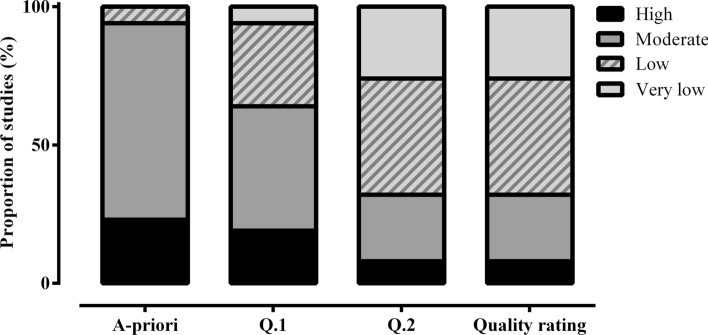
“Then, as previous studies did (Elliott-Sale et al. 2020; McNulty et al. 2020), a priori rating was either maintained or downgraded a level, based on the response to the following question: Q.1) Was the menstrual cycle phase confirmed using blood, saliva, or urine samples?”
Eccentric Knee Extension Torque Differs Across Menstrual Cycle Phases in High-Level Female Athletes
Johnson, K. A., Wolf, B. R., & Shields, R. K. (2026) · International Journal of Sports Physiology and Performance · doi:10.1123/ijspp.2025-0023 · Cited by 2
From Biological Foundations to Optimizing Performance and Health in Elite Female Winter Olympians
Sandbakk, Ø. B., Spörri, J., Fridén, C., Melin, A., Zoppirolli, C., Sperlich, B., Skattebo, Ø., Fornasiero, A., Ørtenblad, N., & Holmberg, H. (2026) · Scandinavian Journal of Medicine and Science in Sports · doi:10.1111/sms.70263 · Cited by 2
“However, individualized adjustments may be warranted for athletes who experience detrimental cycle-related symptoms or clinically meaningful fluctuations in readiness and recovery [66, 67].”
InfluentialThe impact of sleep on female athletes’ performance and recovery: a narrative literature review
Havlik, A. L., & Kamis, D. (2026) · Sleep Science and Practice · doi:10.1186/s41606-026-00171-0 · Cited by 2
Isenmann, E., Geisler, S., Havers, T., Siegert, F., Hemke, F., & Held, S. (2026) · Journal of science and medicine in sport · doi:10.1016/j.jsams.2026.03.002 · Cited by 4
Acute effects of ischemic preconditioning on maximal strength and neuromuscular function
Lubiak, S. M., Howard, M. A., Schmidt, J. T., Shah, N. M., Patel, N. N., Prajapati, A. J., Herring, E. K., & Hill, E. C. (2026) · European Journal of Applied Physiology · doi:10.1007/s00421-026-06220-x · Cited by 2
“…not attempt to control for oral contraceptives or the menstrual cycle, however, previous investigations (de Jonge et al. 2001 ; Drake et al. 2003 ; McNulty et al. 2020 ; D’Souza et al. 2023 ; Velten et al. 2025 ), as well as the study design (within-subject, randomized), suggests minimal to no…”
Sex Over Cycle: Sex Differences Outweigh Menstrual Cycle Effects on Human Motor Output
Jenz, S. T., & Pearcey, G. E. P. (2026) · Exercise and Sport Sciences Reviews · doi:10.1249/jes.0000000000000390 · Cited by 2
Meteorin-like protein may be a mediator of exercise-related reproductive disorders in female rats
Ülker, N., Buyukbudak, F. K., Delice, N., Gökdere, E., Dogru, M. S., ERTUĞRUL, T., Tütüncü, Ş., & Canpolat, S. (2026) · Scientific Reports · doi:10.1038/s41598-026-50646-4 · Cited by 2
Female cyclists perceived effects and experiences of the menstrual cycle on training and performance
Burnie, L., Ansdell, P., Allen, G., Pastorio, E., Hicks, K. M., Heron, N., & Brown, N. (2026) · PLoS ONE · doi:10.1371/journal.pone.0343892 · Cited by 2
“The changing concentrations of oestrogen and progesterone across the menstrual cycle (MC) exerts complex effects on multiple physiological systems [5,6] that could ultimately affect cycling performance [7].”
Self-citationSeddik, M., Dhahbi, W., Bessifi, M., Moussa-Chamari, I., Ceylan, H. İ., Ceylan, N. B., Muntean, R. I., Čular, D., & Souissi, N. (2026) · Life · doi:10.3390/life16060922 · Cited by 2
“The calendar-basal-temperature approach was selected as a validated, minimally invasive, field-applicable method consistent with prior applied research contexts [1,3].”
InfluentialLubiak, S. M., Howard, M. A., Schmidt, J. T., Shah, N. M., Patel, N. N., Prajapati, A. J., Herring, E. K., & Hill, E. C. (2026) · The Journal of Strength and Conditioning Research · doi:10.1519/jsc.0000000000005420 · Cited by 2
Small changes in thermal conditions hinder marathon running performance in the tropics
Tan, G. C. W., Zheng, K., Cheong, W. K., Byrne, C., Iversen, J. N., & LEE, J. K. W. (2022) · Temperature · doi:10.1080/23328940.2022.2086777 · Cited by 2
“However, it is worth noting that factors such as menstrual cycle phase [51] and the heat acclimation differences among males and females [52,53] were not controlled for due to the present study’s design.”
BackgroundШахліна, Л., Чистякова, М., & Авінов, В. (2023) · Спортивна медицина фізична терапія та ерготерапія · doi:10.32652/spmed.2022.2.39-44 · Cited by 2
“Як зазначають фахівці [2, 6, 11, 16], спортивна працездатність (спеціальна роботоздатність) – якість інтегральна, прояв якої залежить від багатьох факторів: морфофункціонального статусу організму, енергетичних можливостей, психологічної підготовки, техніки виконання фізичних навантажень тощо.”
YALÇIN, S., Bağış, Y. E., Yerlikaya, G., & Beyleroğlu, M. (2023) · Gümüşhane Üniversitesi Sağlık Bilimleri Dergisi · doi:10.37989/gumussagbil.1224750 · Cited by 2
Guimarães, L. D. S., da Silva, I. D., & Moura, E. G. (2023) · doi:10.22533/at.ed.9742314062 · Cited by 2
Rowland, S. N., Heaney, L. M., Boit, M. D., & Bailey, S. J. (2023) · Metabolites · doi:10.3390/metabo13070876 · Cited by 2
Anjos, L. D., Rodrigues, F., Scataglini, S., Baptista, R. R., da Costa, P. L., & Vieira, M. F. (2023) · PeerJ · doi:10.7717/peerj.16223 · Cited by 2
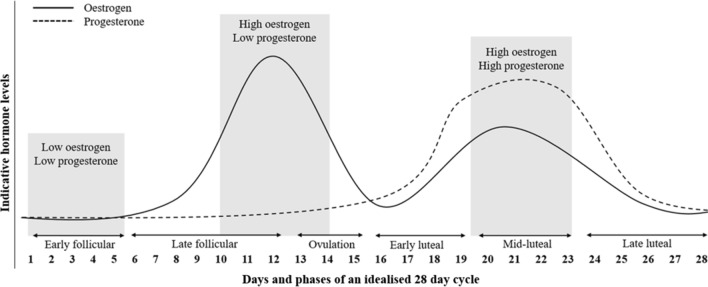
“Women produce and release gametes in monthly cycles (average 28 days, normal range of 24–35 days) divided into three phases ( McNulty et al., 2020 ): follicular, ovulatory, and luteal phases.”
BackgroundMethodInfluentialFemale Physiology–Endocrinology: Education Is Lacking and Innovation Is Needed!
Hackney, A. C., & Elliott-Sale, K. J. (2023) · Women in Sport and Physical Activity Journal · doi:10.1123/wspaj.2023-0073 · Cited by 2
Self-citationBlanco‐Díaz, M., Vielva-Gomez, A., Legasa-Susperregui, M., Dominguez, B. P., Medrano-Sánchez, E. M., & Díaz-Mohedo, E. (2024) · Journal of Personalized Medicine · doi:10.3390/jpm14030239 · Cited by 2
“These phases orchestrate the maturation of reproductive cells, ovulation, and the formation and regression of the corpus luteum [15,16].”
BackgroundChavan, M. A., Prado, R. C. R., Ashley, C. D., & Kilpatrick, M. W. (2024) · Medicine & Science in Sports & Exercise · doi:10.1249/mss.0000000000003426 · Cited by 5
“It is also worth noting that the sample size used in this study is considerably larger than what has been utilized in previous research focused on the relationship between the menstrual cycle and exercise (47).”
Klug, P., Adams, J., Lents, G., Long, R., Herda, A. A., Vopat, B. G., & Vopat, L. (2024) · Foot & Ankle Orthopaedics · doi:10.1177/24730114241241318 · Cited by 2
Selvamoorthy, R., Macgregor, L. J., Donald, N., & Hunter, A. M. (2024) · Sports · doi:10.3390/sports12040104 · Cited by 2
“These findings are important, as females are often underrepresented in sports performance research due to perceived confounding variables such as strength differences, motor performance, and menstrual cycle phase [31–34].”
BackgroundInfluence of the Menstrual Cycle on Performance in CrossFit®
Mora-Serrano, J. S., Chulvi‐Medrano, I., Martínez‐Guardado, I., & Alonso-Aubin, D. A. (2024) · Applied Sciences · doi:10.3390/app14135403 · Cited by 2
Kubica, C., Ketelhut, S., & Nigg, C. R. (2024) · European Journal of Applied Physiology · doi:10.1007/s00421-024-05545-9 · Cited by 6
“Variations in the concentrations of these hormones, specifically estrogens and progesterone, may have further implications for athletic performance (McNulty et al. 2020).”
BackgroundBorim, J. M., Borghi, S. M., do Nascimento, A. P., da Silva, A. V., Ribeiro, A. S., Casonatto, J., Ferraresi, C., & Aguiar, A. F. (2024) · Journal of Bodywork and Movement Therapies · doi:10.1016/j.jbmt.2024.11.006 · Cited by 2
Wilson, L. A., Jones, B. L., Backhouse, S. H., Boyd, A. J., & Costello, N. B. (2025) · European Journal of Sport Science · doi:10.1002/ejsc.12260 · Cited by 2
Impact of BRACTS exercises on muscular strength in eumenorrheic women
Shahid, W., & Noor, R. (2025) · Scientific Reports · doi:10.1038/s41598-025-87352-6 · Cited by 2
“Furthermore, individuals with menstrual irregularities such as endometriosis, ovarian cysts, or other comorbidities, including a history of cardiac events or seizures, were not included 35 .”
Osborne, J. O., Andersson, E. P., Pedersen, S., Welde, B., Pettersen, S. A., Emaus, A., Solli, G. S., Gunnarshaug, T. V. D., & Engseth, T. P. (2025) · International Journal of Sports Physiology and Performance · doi:10.1123/ijspp.2023-0382 · Cited by 2
Fischer, A., Corr, L. D., Birdsey, L. P., Hearris, M. A., Morgan, P. T., Hodson, N. W., Martinho, D. V., Fleming, J., Mohr, M., Krustrup, P., et al. (2025) · International Journal of Sport Nutrition and Exercise Metabolism · doi:10.1123/ijsnem.2024-0253 · Cited by 2
Torres, O. L., Nieto-Acevedo, R., Guadalupe‐Grau, A., & Fernández-Elías, V. E. (2025) · Journal of Functional Morphology and Kinesiology · doi:10.3390/jfmk10030284 · Cited by 4
“While some studies have suggested that fluctuations in estrogen and progesterone across the menstrual cycle may influence neuromuscular performance, recent meta-analyses and large-scale reviews indicate that these effects are generally small, inconsistent, and highly individualized [7,8].”
Schierbauer, J., Francis, L., Greco, F. A., Zimmermann, P., & Moser, O. (2025) · Frontiers in Sports and Active Living · doi:10.3389/fspor.2025.1627743 · Cited by 2
The effects of menstrual cycle phase on acute critical power testing performance in healthy females
Joniak, K. E., Moore, S. R., Ladan, A. N., Britton, M. L., Cantu, E. I., Wilkins, B. W., & Smith‐Ryan, A. E. (2025) · European Journal of Applied Physiology · doi:10.1007/s00421-025-06000-z · Cited by 2
Collomp, K., Castanier, C., Teulier, C., Olivier, A., Blanchard, L., Bonnigal, J., Duron, E., Favory, E., Zimmermann, M., Amiot, V., et al. (2025) · Physiological Reports · doi:10.14814/phy2.70588 · Cited by 1
“…menstrual cycle, the phase that seems to impact at least some women is the period close to menstruation, that is, the late luteal and early-follicular phases, when estradiol (E2) concentrations are lowest (Carmichael et al., 2021; Findlay et al., 2020; de Janse Jonge, 2003; McNulty et al., 2020).”
Brooke, N. K., & Cosío-Lima, L. (2021) · Physical Medicine and Rehabilitation Clinics of North America · doi:10.1016/j.pmr.2021.08.011 · Cited by 3
Enéa, C., Arc, C., & Delpech, N. (2022) · Science & Sports · doi:10.1016/j.scispo.2021.07.005 · Cited by 2
The implementation of sport learning at school: Reality and Injury
Graha, A. S., Sumaryanto, S., Sumaryanti, S., Arovah, N. I., & Mulyawan, R. (2023) · Jurnal Cakrawala Pendidikan · doi:10.21831/cp.v42i2.53754 · Cited by 4
“The muscle of the female who did sport during her menstrual period had higher lactate content than male (McNulty et al., 2020).”
BackgroundDirections for Future Studies to Determine Dietary Nitrate Efficacy in Female Athletes
Carvalho, A. P. M., Duarte, B., Elliott-Sale, K. J., & Saunders, B. (2023) · Translational Journal of the American College of Sports Medicine · doi:10.1249/tjx.0000000000000235 · Cited by 2
Self-citationThe influence of the menstrual cycle on the practice of physical exercise: narrative review
Arantes, F. D. A., Moreira, O. C., Sequeto, G. S., & de Oliveira, C. E. P. (2023) · Archivos de medicina del deporte: revista de la Federación Española de Medicina del Deporte y de la Confederación Iberoamericana de Medicina del Deporte · doi:10.18176/archmeddeporte.00148 · Cited by 2
Physiological and perceptual responses to training and competition in elite female netball players
Birdsey, L. P. (2021) · Cronfa (Swansea University) · doi:10.23889/suthesis.58707 · Cited by 2
Contraceptive practices and contraceptive counselling in high-performance Portuguese athletes
Gomes, I. N., Coelho, A. R., & Metello, J. (2022) · Scientific Journal of Sport and Performance · doi:10.55860/vwsx7721 · Cited by 2
Олегович, Г. И., Логинова, Т. П., & Boyko, E. R. (2023) · Sports medicine research and practice · doi:10.47529/2223-2524.2023.3.6 · Cited by 1
Citrulline Malate Fails to Improve Repeated 300 m Swimming Times in Highly Trained Swimmers
Newbury, J. W., Cole, M., Bailey, S. J., Kelly, A. L., & Gough, L. A. (2024) · Physiologia · doi:10.3390/physiologia4020014 · Cited by 1
Associations of strength indices and cycling economy in young adults
Feuerbacher, J. F., & Schumann, M. (2024) · Translational Exercise Biomedicine · doi:10.1515/teb-2024-0008 · Cited by 1
Reproductive Management of the Athletic Horse
Nath, L. C. (2024) · Elsevier eBooks · doi:10.1016/b978-0-7020-8370-9.00060-6 · Cited by 1
Cecchetto, C., Leleu, A., Calce, R. P., Arnhardt, S., Parma, V., de Groot, J. H. B., Freiherr, J., Gentili, C., Zou, L., Thunell, E., et al. (2024) · Chemical Senses · doi:10.1093/chemse/bjae035 · Cited by 1
Can Women Maintain Their Strength Performance Along the Menstrual Cycle?
Osmani, F., Terán-Fernández, D., Alonso-Pérez, S., Ruiz‐Alias, S. A., García‐Pinillos, F., & Lago‐Fuentes, C. (2024) · Applied Sciences · doi:10.3390/app14219818 · Cited by 1
Edwards, C. M., Puranda, J. L., Miller, É., Macdonald, M. L., Aboudlal, M., & Adamo, K. B. (2024) · Applied Physiology, Nutrition, and Metabolism · doi:10.1139/apnm-2024-0266 · Cited by 1
Rattley, C. A., Ansdell, P., Burgess, L. C., Felton, M., Dewhurst, S., & Neal, R. A. (2024) · Physiologia · doi:10.3390/physiologia4040033 · Cited by 1
Self-citationWhitehead, S., Mackay, L., Jones, B. L., Heyward, O. W., Fox, A. S., Chesson, L. J., Scantlebury, S., & van Rensburg, D. C. J. (2025) · British Journal of Sports Medicine · doi:10.1136/bjsports-2024-108756 · Cited by 1
“31 32 If the answer was no for both questions, the study was downgraded two levels (ie, one per each question) to the lowest quality rating of ‘very poor’.”
Martin, D., Bargh, M., & Pennington, K. (2025) · European Journal of Applied Physiology · doi:10.1007/s00421-025-05733-1 · Cited by 2
“Reproductive hormones have been shown to influence substrate utilisation at rest and during exercise (Devries et al., 2006), exercise performance (McNulty et al., 2020) and cognitive function (Luine, 2014).”
BackgroundResultZinner, C., Wirges, P., Geisler, S., & Isenmann, E. (2025) · The Journal of Sports Medicine and Physical Fitness · doi:10.23736/s0022-4707.25.16485-2 · Cited by 1
Acuna, V. R., & Frytz, P. (2025) · Women in Sport and Physical Activity Journal · doi:10.1123/wspaj.2024-0094 · Cited by 1
Varner, K. J., Bruce, L. K., Soltani, S., Hartogensis, W., Dilchert, S., Hecht, F. M., Chowdhary, A., Pandya, L. S., Dasgupta, S., Altıntaş, İ., et al. (2025) · Journal of Medical Internet Research · doi:10.2196/66231 · Cited by 2
Newbould, S., Walker, J., Dinsdale, A. J., Whitehead, S., & Nicholson, G. (2025) · PLoS ONE · doi:10.1371/journal.pone.0306587 · Cited by 1
“However, because of their increased degrees of freedom allowing for maintenance of the overall performance outcome, these types of outcomes may not be sensitive enough to detect smaller acute changes such as those expected to occur over menstrual cycle phases [9] or because of fatigue [57].”
Cabre, H. E. (2025) · Strength and conditioning journal · doi:10.1519/ssc.0000000000000914 · Cited by 1
Liang, Y., Li, T., Liu, J., Gao, Y., Bao, S., Guo, Y., Liu, Q., Huang, X., Zhong, Q., & Lin, L. (2025) · Scientific Reports · doi:10.1038/s41598-025-08577-z · Cited by 1
Nolan, D., Maguire, P. J., & Bell, L. (2025) · Science and Medicine in Football · doi:10.1080/24733938.2025.2534455 · Cited by 1
“…research investigating the influence of the MC on athletic performance is arguably of low quality, often characterised by small sample sizes and significant methodological issues, such as inadequate controls and the absence of blood sample verification for hormonal status (McNulty et al. 2020).”
Anderson, R., Rollo, I., Martin, D., Burden, R. J., Randell, R. K., Twist, C., & Moss, S. L. (2025) · Experimental Physiology · doi:10.1113/ep092476 · Cited by 1
Andersen, M. B., Josefsen, M. E., Rasmussen, K. D., & Hansen, M. (2025) · International Journal of Sports Physiology and Performance · doi:10.1123/ijspp.2024-0536 · Cited by 1
Liu, Y., Xu, J., Li, X., Cheng, L., & Chen, R. (2025) · Sex Roles · doi:10.1007/s11199-025-01623-0 · Cited by 1
“Empirical research has established that physiological and psychological variations across different menstrual phases markedly impact athletic performance, recovery dynamics, and injury susceptibility (Bruinvels et al., 2016; McNulty et al., 2020).”
Trends in the use of oral contraceptives and progestins in Japanese female Olympic athletes
Nose‐Ogura, S., Kawabe, R., Kashiwagi, Y., Senzaki, Y., Nakamura, Y., Nakamura, M., Tomori, A., Shirai, K., & Nakajima, K. (2025) · The Physician and Sportsmedicine · doi:10.1080/00913847.2025.2597173 · Cited by 1
Vollrath, S., Bitterlich, N., Lüdin, D., Rothenbühler, A., Hackney, A. C., Lorenzetti, S., Drewek, A., Achermann, B. B., du Toit, T., & Stute, P. (2025) · Sports · doi:10.3390/sports13120426 · Cited by 2
“Based on the elevated progesterone and reduced estrogen levels during the luteal phase, which may impair neuromuscular efficiency and increase perceived exertion [114,115], a phase-specific difference would have been expected.”
Taipale, R. S., McClung, H. L., Giersch, G. E. W., Cutsem, J. V., Wright, H., O’Leary, T. J., & Greeves, J. P. (2026) · Sports Medicine - Open · doi:10.1186/s40798-025-00963-1 · Cited by 1
“…menstrual evaluation included), meta-analyses indicate that the influence of hormonal fluctuations during a eumenorrheic menstrual cycle [29] and with hormonal contraceptive use [217] on physical performance (strength and / or endurance) is “trivial”, although individual experiences may…”
Menstrual cycle phases affect recovery more than performance in trained cyclists
Righi, I., & Barroso, R. (2026) · International Journal of Sports Science & Coaching · doi:10.1177/17479541251407281 · Cited by 3
Schlie, J., Fellinger, E., Albrecht, S., Güldenstern, J., & Schmidt, A. (2026) · Frontiers in Physiology · doi:10.3389/fphys.2025.1743330 · Cited by 1
Schatz, P., Ullrich, F., Siegert, F., Legerlotz, K., Diel, P. R., & Isenmann, E. (2026) · Journal of science and medicine in sport · doi:10.1016/j.jsams.2026.01.003 · Cited by 1
Beyond Strength and Endurance: Menstrual Cycle Complexity in Cognition, Movement, and Performance
Steel, K. A. (2026) · Women in Sport and Physical Activity Journal · doi:10.1123/wspaj.2025-0136 · Cited by 1
Salmi, V. M., Taipale, R. S., Löfberg, I. E., McNulty, K. L., Hicks, K. M., Hackney, A. C., & Ihalainen, J. K. (2026) · BMC Women s Health · doi:10.1186/s12905-025-04253-6 · Cited by 1
Self-citationUniform Neuromuscular Responses Across Varied Blood Flow Restriction Training Strategies
Howard, M. A., Rivera, P. M., Lubiak, S. M., Proppe, C. E., Schmidt, J. T., Rolnick, N. D., Shobe, E. D., Fraifer, T. L., & Hill, E. C. (2026) · The Journal of Strength and Conditioning Research · doi:10.1519/jsc.0000000000005311 · Cited by 1
Nelson, M., Thorpe, H., Wheaton, B., Clarke, G. H., & Sims, S. T. (2026) · Journal of Sport and Social Issues · doi:10.1177/01937235261424379 · Cited by 1
“…are exploring the effects of the hormonal fl uctuations of the MC beyond the menstrual/bleed phase on many dimensions of athletic performance, including recovery, injury, metabolism, strength, endurance, muscle gain, fl exibility, and movement learning (McNulty et al., 2020; Meignié et al., 2021).”
Elliott-Sale, K. J., Clausen, E., & Bloomfield, C. (2026) · Science and Medicine in Football · doi:10.1080/24733938.2026.2634312 · Cited by 1
“It is crucial to note that there is currently insufficient high-quality research evidence supporting a universal impact of the menstrual cycle on performance (McNulty et al. 2020) or injury risk through any mechanism (i.e., bleeding, symptoms, or a direct physiology mechanism).”
Self-citationYamashita, N., Masashi, K. U. M. E., Fujita, Y., & Yoshida, T. (2026) · Physiology & Behavior · doi:10.1016/j.physbeh.2026.115292 · Cited by 1
García-Sánchez, C., Nieto-Acevedo, R., Romero‐Moraleda, B., Lominchar-Ramos, J. M., Jiménez-Ormeño, E., Alonso-Aubin, D. A., & Soriano, M. A. (2026) · International Journal of Sports Physiology and Performance · doi:10.1123/ijspp.2025-0182 · Cited by 1
Effects of the Menstrual Cycle on Fat Utilization During 1 Hour of Cycling at Fatmax
García-Ortiz, C., Fernández-Sánchez, J., García-Albín, D., Ranieri, L., Trujillo-Colmena, D., Solano-Lizcano, V., Rodríguez-Castaño, A., Collado‐Mateo, D., Casado, A., & Coso, J. D. (2026) · International Journal of Sports Physiology and Performance · doi:10.1123/ijspp.2025-0349 · Cited by 1
Georgiou, L., Tzanetakou, I. P., Giannakou, K., Baumann, A., & Hadjimbei, E. (2026) · Nutrients · doi:10.3390/nu18060981 · Cited by 1
“Hormonal fluctuations across the menstrual cycle, for example, can influence metabolic rate, thermoregulation, and perceived fatigue, although esports-specific evidence remains limited [55].”
Podstawski, R., Borysławski, K., Snarska, J., Szabó, A., Jurewicz, P., & Ihász, F. (2026) · Biomedical Human Kinetics · doi:10.2478/bhk-2026-0007 · Cited by 1
“The study involved only women in the preovulatory (follicular phase) to ensure consistency and comparability of results across the participants (McNulty et al., 2020; Elorduy-Terrado et al., 2025).”
Metadata
- Authors
- McNulty, K. L., Elliott-Sale, K. J., Dolan, E., Swinton, P. A., Ansdell, P., Goodall, S., Thomas, K., & Hicks, K. M.
- Affiliations
- Northumbria University (GB)
- Nottingham Trent University (GB)
- Universidade de São Paulo (BR)
- Robert Gordon University (GB)
- Corresponding author
- Elliott-Sale, Kirsty Jayne
- ORCID
- Venue
- Sports Medicine
- Published
- 2020-07-13
- Volume
- 50
- Issue
- 10
- Pages
- 1813-1827
- ISSN
- 0112-1642 (ISSN-L)
- 1179-2035
- PMC
- PMC7497427
- OpenAlex
- W3038797657
- Cited by
- 812
- References
- 127
- Citations by year
- 2026: 183 · 2025: 181 · 2024: 153 · 2023: 136 · 2022: 72 · 2021: 70 · 2020: 17
- FWCI
- 14.50
- Type
- journal article
- Language
- en
- Open access
- hybrid
- doi.org
- Locations
- Sports Medicine (publishedVersion, cc-by)
- PubMed Central (publishedVersion, cc-by)
- PubMed (publishedVersion)
- Nottingham Trent University's Institutional Repository (Nottingham Trent Repository) (acceptedVersion)
- Northumbria Research Link (Northumbria University) (acceptedVersion)
- Open Access Institutional Repository at Robert Gordon University (Robert Gordon University) (submittedVersion, cc-by)
- Funders
- Fundação de Amparo à Pesquisa do Estado de São Paulo (19/05616-6, 2019/, 2019/05616)
- Topics
- Health Sciences › Medicine › Orthopedics and Sports Medicine › Sports Performance and Training
- Health Sciences › Medicine › Physiology (medical) › Cardiovascular and exercise physiology
- Health Sciences › Medicine › Public Health, Environmental and Occupational Health › Menstrual Health and Disorders
- Keywords
- menstrual cycle phases, exercise performance, eumenorrheic women, sex hormones, follicular phase, luteal phase, endurance performance, strength performance
- MeSH terms
- Female, Humans, Menstrual Cycle, Exercise, Athletic Performance
About these checks
Registry, retraction, Cites and statistics results are computed, not judged, with one exception: a printed reference that no index lists is read once by a model before it counts as a citation error. Claims are extracted by a model and kept only when their quote appears verbatim in the text; each cited source is then checked, with a model’s help, for whether it says what the claim relies on. Those verdicts can be wrong — read the claim’s quote and the cited source before relying on one.
Statistics and arithmetic are recomputed, not judged.
Confidence bands are shown only for fields calibrated on our annotated test set. None is calibrated yet, so no band is shown.
What counts as a claim ›How we measure confidence ›How we check this ›
Are you an author, or do you see a problem with this page? Request a review
