

The DOI matches its Crossref record; 127 of the 127 references it cites were found in a registry or an index.
The Effects of Menstrual Cycle Phase on Exercise Performance in Eumenorrheic Women: A Systematic Review and Meta-Analysis
Open accessAbstract
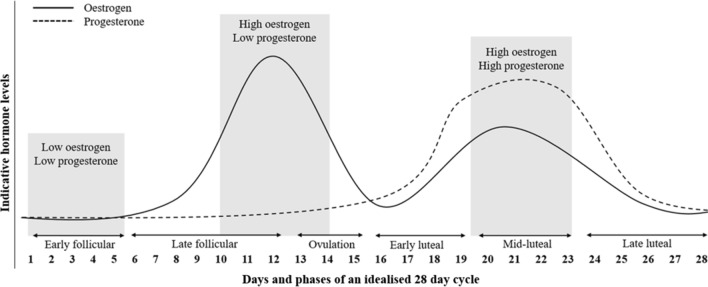
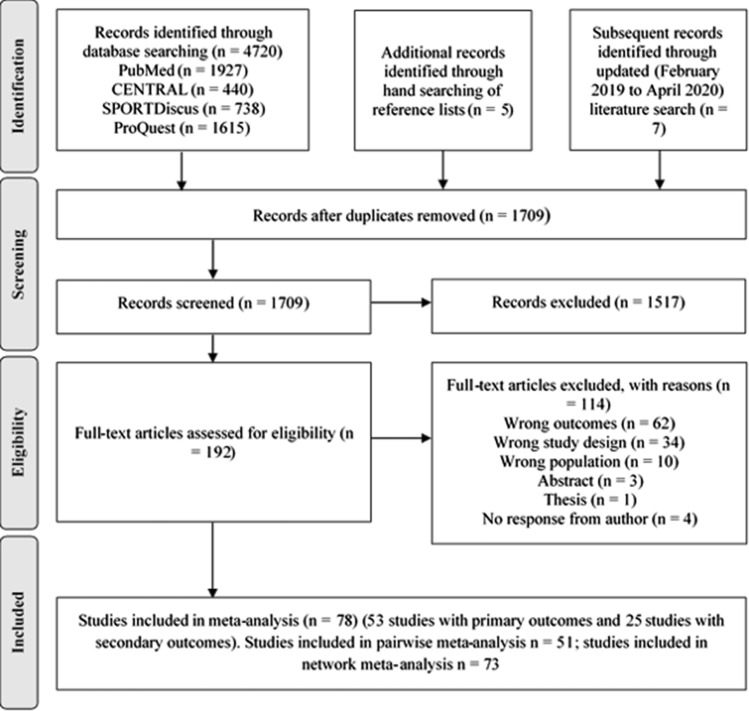
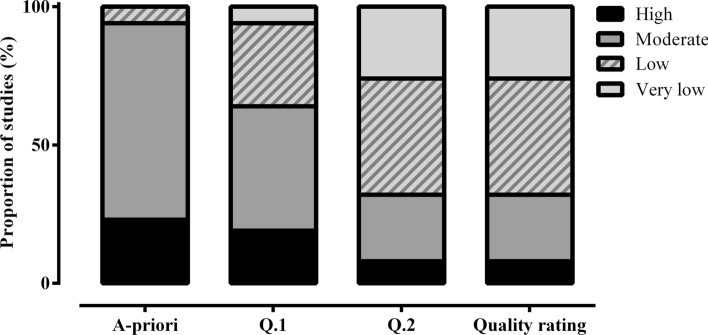
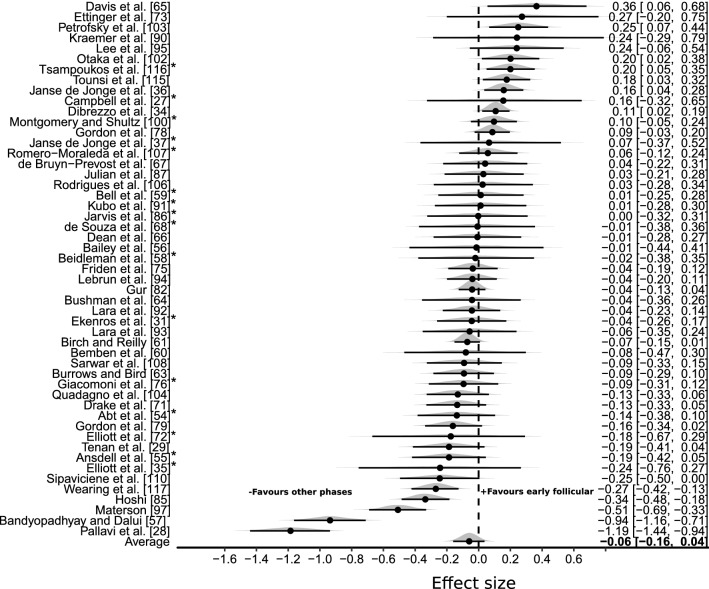
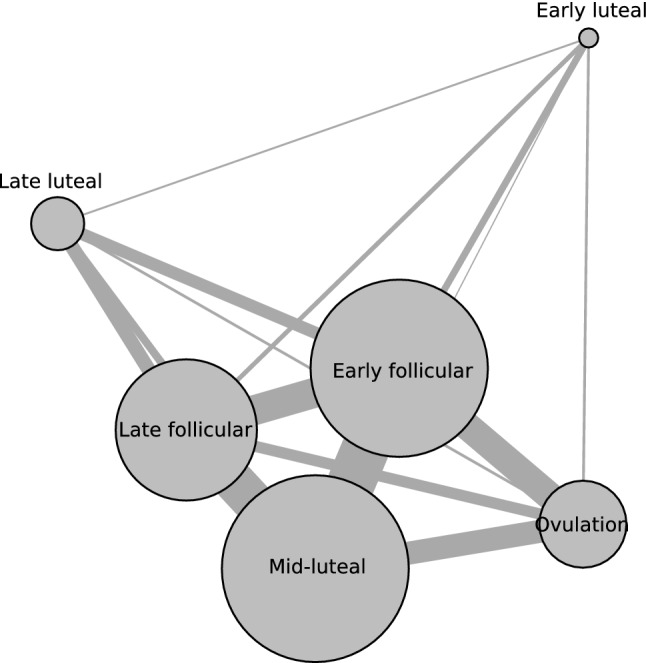
Background: Concentrations of endogenous sex hormones fluctuate across the menstrual cycle (MC), which could have implications for exercise performance in women. At present, data are conflicting, with no consensus on whether exercise performance is affected by MC phase. Objective: To determine the effects of the MC on exercise performance and provide evidence-based, practical, performance recommendations to eumenorrheic women. Methods: This review followed the Preferred Reporting Items for Systematic Reviews and Meta-Analyses (PRISMA) guidelines. Four databases were searched for published experimental studies that investigated the effects of the MC on exercise performance, which included at least one outcome measure taken in two or more defined MC phases. All data were meta-analysed using multilevel models grounded in Bayesian principles. The initial meta-analysis pooled pairwise effect sizes comparing exercise performance during the early follicular phase with all other phases (late follicular, ovulation, early luteal, mid-luteal and late luteal) amalgamated. A more comprehensive analysis was then conducted, comparing exercise performance between all phases with direct and indirect pairwise effect sizes through a network meta-analysis. Results from the network meta-analysis were summarised by calculating the Surface Under the Cumulative Ranking curve (SUCRA). Study quality was assessed using a modified Downs and Black checklist and a strategy based on the recommendations of the Grading of Recommendations Assessment Development and Evaluation (GRADE) working group. Results: Of the 78 included studies, data from 51 studies were eligible for inclusion in the initial pairwise meta-analysis. The three-level hierarchical model indicated a trivial effect for both endurance- and strength-based outcomes, with reduced exercise performance observed in the early follicular phase of the MC, based on the median pooled effect size (ES 0.5 = − 0.06 [95% credible interval (CrI): − 0.16 to 0.04]). Seventy-three studies had enough data to be included in the network meta-analysis. The largest effect was identified between the early follicular and the late follicular phases of the MC (ES 0.5 = − 0.14 [95% CrI: − 0.26 to − 0.03]). The lowest SUCRA value, which represents the likelihood that exercise performance is poor, or among the poorest, relative to other MC phases, was obtained for the early follicular phase (30%), with values for all other phases ranging between 53 and 55%. The quality of evidence for this review was classified as “low” (42%). Conclusion: The results from this systematic review and meta-analysis indicate that exercise performance might be trivially reduced during the early follicular phase of the MC, compared to all other phases. Due to the trivial effect size, the large between-study variation and the number of poor-quality studies included in this review, general guidelines on exercise performance across the MC cannot be formed; rather, it is recommended that a personalised approach should be taken based on each individual's response to exercise performance across the MC.
Overview
The claims and statistics of this paper haven’t been checked yet.
Run the check — free, no account needed. It reads the open-access text and checks the sources it cites.
Integrity signals
Registry
Cites
Statistics
Figures
Verification
Claims the paper makes
The claims and statistics of this paper haven’t been checked yet.
Run the check — free, no account needed. It reads the open-access text and checks the sources it cites.
Claims other papers make about this one
Each is checked against this paper’s own text: does it say what the citing paper says it does?
The source backs part of the claim, not all of it — or backs it for a different population, condition or comparison.
In the citing paper
“A Bayesian approach was selected because it estimates the full probability distribution of treatment effects rather than relying on binary significance testing, allowing more informative interpretation of effect sizes and associated uncertainty [40, 41].”
From The Effect of Different Psychological Interventions on Athletes' Competitive Anxiety: A Systematic Review and Bayesian Network Meta-Analysis. (2026) · cites this paper as [41]
Experimental — accuracy not yet measured
Self-check
Percentages, sums and reported differences re-computed from the paper’s own numbers.
The self-check needs the paper’s full text.
Citations
Cites
Preferred reporting items for systematic reviews and meta-analyses: the PRISMA Statement.
(2009) · PubMed Central · Cited by 44,859
Preferred reporting items for systematic reviews and meta-analyses: The PRISMA statement
Moher, D., Liberati, A., Tetzlaff, J., Altman, D. G., & the PRISMA Group* (2009) · Annals of Internal Medicine · doi:10.7326/0003-4819-151-4-200908180-00135 · Cited by 37,554
Gelman, A., Carlin, J. B., Stern, H. S., & Rubin, D. B. (2003) · doi:10.1201/9780429258480 · Cited by 27,276
Dermyshi, E., Wang, Y., Yan, C., Hong, W., Qiu, G., Gong, X., & Zhang, T. (2017) · Neonatology · doi:10.1159/000454668 · Cited by 24,586
GRADE guidelines: 1. Introduction—GRADE evidence profiles and summary of findings tables
Guyatt, G., Oxman, A. D., Akl, E. A., Kunz, R., Vist, G., Brozek, J., Norris, S., Falck-Ytter, Y., Glasziou, P., & deBeer, H. (2011) · Journal of Clinical Epidemiology · doi:10.1016/j.jclinepi.2010.04.026 · Cited by 10,681
brms : An R Package for Bayesian Multilevel Models Using Stan
Bürkner, P.-C. (2017) · Journal of Statistical Software · doi:10.18637/jss.v080.i01 · Cited by 9,476
GRADE guidelines: 3. Rating the quality of evidence
Balshem, H., Helfand, M., Schünemann, H. J., Oxman, A. D., Kunz, R., Brozek, J., Vist, G. E., Falck-Ytter, Y., Meerpohl, J., & Norris, S. (2011) · Journal of Clinical Epidemiology · doi:10.1016/j.jclinepi.2010.07.015 · Cited by 8,285
Downs, S. H., & Black, N. (1998) · Journal of Epidemiology and Community Health · doi:10.1136/jech.52.6.377 · Cited by 8,252
Salanti, G., Ades, A. E., & Ioannidis, J. P. A. (2011) · Journal of Clinical Epidemiology · doi:10.1016/j.jclinepi.2010.03.016 · Cited by 3,766
Norderyd, O. M., Koch, G., Papias, A., Köhler, A. A., Helkimo, A. N., Brahm, C., Lindmark, U., Lindfors, N., Mattsson, A., Rolander, B., et al. (2015) · PubMed · Cited by 3,584
Research works printed but not linked: 3
- Cohen J. Statistical power analysis for the social sciences. 2nd ed. New Jersey: Lawrence Erlbaum Associates; 1988.
- Grucza R, Pekkarinen H, Hanninen O. Cardiorespiratory responses to bicycle incremental exercise in women taking oral contraceptives. Biol Sport. 2002;19(3):267–79.
- Masterson G. The impact of menstrual phases on anaerobic power performance in collegiate women. J Strength Cond Res. 1999;13(4):325–9.
Cited by
Sorted by citations
Elliott-Sale, K. J., Minahan, C. L., de Jonge, X. A. K. J., Ackerman, K. E., Sipilä, S., Constantini, N. W., Lebrun, C. M., & Hackney, A. C. (2021) · Sports Medicine · doi:10.1007/s40279-021-01435-8 · Cited by 731
“Moreover, if menstrual-cycle status is even considered by researchers, the hormonal profile of the participants is often implied rather than confirmed [25] which may exacerbate the variability between studies.”
BackgroundResultSelf-citationAnsdell, P., Thomas, K., Hicks, K. M., Hunter, S. K., Howatson, G., & Goodall, S. (2020) · Experimental Physiology · doi:10.1113/ep088548 · Cited by 403
“…is concerned, this manifests as an altered ability to activate skeletal muscle (Ansdell et al., 2019d); however, the evidence concerning maximal strength and exercise performance fatigability is equivocal (Blagrove, Bruinvels, & Pedlar, 2020; Elliott-Sale et al., 2020; McNulty et al., 2020).”
BackgroundSelf-citationThe Impact of Menstrual Cycle Phase on Athletes’ Performance: A Narrative Review
Carmichael, M. A., Thomson, R. L., Moran, L., & Wycherley, T. P. (2021) · International Journal of Environmental Research and Public Health · doi:10.3390/ijerph18041667 · Cited by 489
“The trivial effect of MC phase on performance observed in previous systematic reviews [5,67] is understandable as the findings from this narrative review are mixed, with 20 of the 35 relevant studies concluding that MC did not produce significant improvements or impairments to physical performance, and 15 studies find…”
InfluentialElliott-Sale, K. J., McNulty, K. L., Ansdell, P., Goodall, S., Hicks, K. M., Thomas, K., Swinton, P. A., & Dolan, E. (2020) · Sports Medicine · doi:10.1007/s40279-020-01317-5 · Cited by 280
“In our meta-analysis [71], on the effects of the menstrual cycle on exercise performance, the available evidence indicated potentially inferior performance during the early follicular phase, when compared with all other phases of the menstrual cycle that had considerably higher concentrations of endogenous oestrogen a…”
BackgroundSelf-citationHUNTER, S. K., S. ANGADI, S., BHARGAVA, A., HARPER, J., HIRSCHBERG, A. L., D. LEVINE, B., L. MOREAU, K., J. NOKOFF, N., STACHENFELD, N. S., & BERMON, S. (2023) · Medicine & Science in Sports & Exercise · doi:10.1249/mss.0000000000003300 · Cited by 241
The Effects of Menstrual Cycle Phase on Elite Athlete Performance: A Critical and Systematic Review
Meignié, A., Duclos, M., Carling, C., Orhant, E., Provost, P., Toussaint, J., & Antero, J. (2021) · Frontiers in Physiology · doi:10.3389/fphys.2021.654585 · Cited by 200
Colenso‐Semple, L. M., D’Souza, A. C., Elliott-Sale, K. J., & Phillips, S. M. (2023) · Frontiers in Sports and Active Living · doi:10.3389/fspor.2023.1054542 · Cited by 201
Self-citationRandell, R. K., Clifford, T., Drust, B., Moss, S. L., Unnithan, V. B., Croix, M. B. A. D. S., Datson, N., Martin, D., Mayho, H., Carter, J. M., et al. (2021) · Sports Medicine · doi:10.1007/s40279-021-01458-1 · Cited by 165
“A recent metaanalysis showed that exercise performance may be trivially reduced during the early follicular phase, although there was large variation in results between studies and much of the research was rated as low quality [95].”
ResultD’Souza, A. C., Wageh, M., Williams, J. S., Colenso‐Semple, L. M., McCarthy, D. G., McKay, A. K. A., Elliott-Sale, K. J., Burke, L. M., Parise, G., MacDonald, M. J., et al. (2023) · Journal of Applied Physiology · doi:10.1152/japplphysiol.00346.2023 · Cited by 178
Self-citationGrgic, J., Pedisic, Z., Saunders, B., Artioli, G. G., Schoenfeld, B. J., McKenna, M. J., Bishop, D. J., Kreider, R. B., Stout, J. R., Kalman, D. S., et al. (2021) · Journal of the International Society of Sports Nutrition · doi:10.1186/s12970-021-00458-w · Cited by 138
Sex differences in human performance
Hunter, S. K., & Senefeld, J. W. (2024) · The Journal of Physiology · doi:10.1113/jp284198 · Cited by 172
“…beliefs, human motor performance varies minimally in magnitude across the menstrual cycle in eumenorrheic females as a group (D ʼ Souza et al., 2023; McNulty et al., 2020; Piasecki et al., 2023) and also varies little due to contraception options that might alter hormone fluctuations, such as…”
Landen, S., Hiam, D., Voisin, S., Jacques, M., Lamon, S., & Eynon, N. (2023) · The Journal of Physiology · doi:10.1113/jp279499 · Cited by 137
“1994), but not all (Bemben et al. 1995; Smekal et al. 2007; McNulty et al. 2020), report higher blood lactate levels post-exercise during the follicular phase, signifying less efficient lactate clearance.”
BackgroundInfluentialBruder, A. M., Culvenor, A. G., King, M., Haberfield, M. J., Roughead, E. A., Mastwyk, J., Kemp, J. L., Pazzinatto, M. F., West, T., Coburn, S., et al. (2023) · British Journal of Sports Medicine · doi:10.1136/bjsports-2022-106099 · Cited by 134
Taim, B. C., Catháin, C. Ó., Renard, M., Elliott-Sale, K. J., Madigan, S. M., & Chéilleachair, N. N. (2023) · Sports Medicine · doi:10.1007/s40279-023-01871-8 · Cited by 140
“Indeed, the need for higher standards of methodological practices to assess menstrual function has been well acknowledged in recent times [15, 24, 25].”
BackgroundMethodSelf-citationDo Sex Differences in Physiology Confer a Female Advantage in Ultra-Endurance Sport?
Tiller, N. B., Elliott-Sale, K. J., Knechtle, B., Wilson, P. B., Roberts, J., & Millet, G. Y. (2021) · Sports Medicine · doi:10.1007/s40279-020-01417-2 · Cited by 126
Self-citationRecommendations and Nutritional Considerations for Female Athletes: Health and Performance
Holtzman, B., & Ackerman, K. E. (2021) · Sports Medicine · doi:10.1007/s40279-021-01508-8 · Cited by 111
Smith, E. S., McKay, A. K. A., Ackerman, K. E., Harris, R., Elliott-Sale, K. J., Stellingwerff, T., & Burke, L. M. (2022) · International Journal of Sport Nutrition and Exercise Metabolism · doi:10.1123/ijsnem.2021-0257 · Cited by 114
“Numerous anatomical and biological differences exist between the sexes, which in turn can influence performance, fundamental biomechanics, and physiological responses to exercise (Devries, 2016; Green et al., 2016; McNulty et al., 2020).”
BackgroundSelf-citationSex differences and considerations for female specific nutritional strategies: a narrative review
Wohlgemuth, K. J., Arieta, L. R., Brewer, G. J., Hoselton, A. L., Gould, L. M., & Smith-Ryan, A. E. (2021) · Journal of the International Society of Sports Nutrition · doi:10.1186/s12970-021-00422-8 · Cited by 111
“estrogen and progesterone) on exercise performance [3] and metabolic demand [4], making it important to understand physiological differences and address female specific nutritional needs [5].”
BackgroundSmith, E. S., McKay, A. K. A., Kuikman, M., Ackerman, K. E., Harris, R., Elliott-Sale, K. J., Stellingwerff, T., & Burke, L. M. (2022) · Nutrients · doi:10.3390/nu14050953 · Cited by 113
Self-citationKissow, J., Jacobsen, K. J., Gunnarsson, T. P., Jessen, S., & Hostrup, M. (2022) · Sports Medicine · doi:10.1007/s40279-022-01679-y · Cited by 101
“For the same reason, the impact of the menstrual cycle on training responsiveness in female athletes has attracted particular attention [2, 9, 10].”
BackgroundEkenros, L., Rosen, P., Solli, G. S., Sandbakk, Ø. B., Holmberg, H., Hirschberg, A. L., & Fridén, C. (2022) · Frontiers in Physiology · doi:10.3389/fphys.2022.954760 · Cited by 95
“A recent meta-analysis concluded that muscle strength, as well as maximal and submaximal aerobic performance, are trivially reduced during the early follicular phase (during menses, low levels of estradiol, and progesterone), compared with all other MC phases (McNulty et al., 2020).”
BackgroundResultInfluentialGimunová, M., Paulínyová, A., Bernacikovà, M., & Paludo, A. C. (2022) · International Journal of Environmental Research and Public Health · doi:10.3390/ijerph192114243 · Cited by 126
Clarke, A. C., Govus, A. D., & Donaldson, A. (2021) · International Journal of Sports Science & Coaching · doi:10.1177/1747954121989237 · Cited by 88
Cabre, H., Moore, Sr., Smith-Ryan, A., & Hackney, A. (2022) · Deutsche Zeitschrift für Sportmedizin/German Journal of Sports Medicine · doi:10.5960/dzsm.2022.546 · Cited by 93
(13376925), S. L., Hiam, D., Voisin, S. A. C., (13283841), M. J., Lamon, S., & (13308696), N. E. (2024) · Figshare · Cited by 85
Fox, K. T., Pearson, L. T., & Hicks, K. M. (2023) · PLoS ONE · doi:10.1371/journal.pone.0286942 · Cited by 85
“Using guidelines set from previous research a score of 13–15 was deemed as ‘high’, 10–12 was ‘moderate’, 6–9 was ‘low’ and 0–5 was ‘very low quality’ [41].”
Self-citationSex differences in motor unit behaviour: A review
Lulic-Kuryllo, T., & Inglis, J. (2022) · Journal of Electromyography and Kinesiology · doi:10.1016/j.jelekin.2022.102689 · Cited by 82
McNamara, A., Harris, R., & MINAHAN, C. L. (2022) · BMJ Open Sport & Exercise Medicine · doi:10.1136/bmjsem-2021-001300 · Cited by 81
Hird, E. J., Slanina-Davies, A., Lewis, G., Hamer, M., & Roiser, J. P. (2024) · Translational Psychiatry · doi:10.1038/s41398-024-02922-y · Cited by 79
Heather, A. K., Thorpe, H., Ogilvie, M., Sims, S. T., Beable, S., Milsom, S., Schofield, K. L., Coleman, L., & Hamilton, B. (2021) · Frontiers in Sports and Active Living · doi:10.3389/fspor.2021.601420 · Cited by 69
“While basic science studies indicate a significant role of the menstrual cycle hormones on adaptation to training and performance, research data relating to performance effects of the menstrual cycle in elite athletes remains unclear (McNulty et al., 2020).”
BackgroundSubstrate metabolism during exercise: Sexual dimorphism and women’s specificities
Boisseau, N., & Isacco, L. (2022) · European Journal of Sport Science · doi:10.1080/17461391.2021.1943713 · Cited by 70
Improving menstrual health literacy in sport
McGawley, K., Sargent, D., Noordhof, D. A., Badenhorst, C. E., Julian, R., & Govus, A. D. (2023) · Journal of science and medicine in sport · doi:10.1016/j.jsams.2023.06.007 · Cited by 74
“Consequently, there is an evident lack of research specifically designed to investigate the physiology of the menstrual cycle and hormonal contraceptive (HC) use in female athletes, the aetiology of common menstrual disturbances within this population, and how the menstrual cycle and HC use affect training, performanc…”
BackgroundDAM, T. V., DALGAARD, L. B., SEVDALIS, V., BIBBY, B. M., JANSE DE JONGE, X., GRAVHOLT, C. H., & HANSEN, M. (2022) · Medicine & Science in Sports & Exercise · doi:10.1249/mss.0000000000002961 · Cited by 66
“(3), which concluded that the likelihood of an impaired performance was higher in the EF phase relative to other MC phases.”
BackgroundJames, J. J., Klevenow, E. A., Atkinson, M. A., Vosters, E. E., Bueckers, E. P., Quinn, M., Kindy, S. L., Mason, A. P., Nelson, S. K., Rainwater, K. A. H., et al. (2023) · Journal of Applied Physiology · doi:10.1152/japplphysiol.00377.2023 · Cited by 66
Women at Altitude: Sex-Related Physiological Responses to Exercise in Hypoxia
Raberin, A., Burtscher, J., Citherlet, T., Manferdelli, G., Krumm, B., Bourdillon, N., Antero, J., Rasica, L., Malatesta, D., Brocherie, F., et al. (2024) · Sports Medicine · doi:10.1007/s40279-023-01954-6 · Cited by 70
“…response at exercise, SaO 2 oxygen arterial saturation fluctuations impact numerous physiological functions that may influence training [160, 161] and performance [162, 163], such as recovery [164], wellness [165], and in particular, considering the altitude environment, respiratory function [166].”
BackgroundOester, C., Norris, D., Scott, D., Pedlar, C. R., Bruinvels, G., & Lovell, R. J. (2024) · Journal of science and medicine in sport · doi:10.1016/j.jsams.2024.02.012 · Cited by 63
Menstrual Cycle Hormonal Changes and Energy Substrate Metabolism in Exercising Women: A Perspective
Hackney, A. C. (2021) · International Journal of Environmental Research and Public Health · doi:10.3390/ijerph181910024 · Cited by 61
Silva, K. V. C., Costa, B. D., Gomes, A. C., Saunders, B., & Mota, J. F. (2022) · Advances in Nutrition · doi:10.1093/advances/nmac054 · Cited by 64
Fuelling the female athlete: Carbohydrate and protein recommendations
Moore, D. R., Sygo, J., & Morton, J. P. (2022) · European Journal of Sport Science · doi:10.1080/17461391.2021.1922508 · Cited by 60
“Considering that exercise performance may be trivially impaired in the early follicular phase (McNulty et al., 2020) coupled with females reporting negative physical symptoms at the onset or during menses (Findlay et al., 2020), these data suggest female athletes should pay particular attention to…”
BackgroundDietary energy intake across the menstrual cycle: a narrative review
Rogan, M. M., & Black, K. E. (2022) · Nutrition Reviews · doi:10.1093/nutrit/nuac094 · Cited by 75
Evidence on sex differences in sports performance
Joyner, M. J., Hunter, S. K., & Senefeld, J. W. (2024) · Journal of Applied Physiology · doi:10.1152/japplphysiol.00615.2024 · Cited by 62
Read, P., Mehta, R., Rosenbloom, C., Jobson, E., & Kryger, K. O. (2021) · Science and Medicine in Football · doi:10.1080/24733938.2021.2020330 · Cited by 54
“eumenorrheic women, suggesting that other factors may have more influence (Julian et al. 2020; McNulty et al. 2020) Results so far are contradictory, and certainly more objective evidence is required.”
BackgroundResultMuscle metabolism and impaired sprint performance in an elite women’s football game
Krustrup, P., Mohr, M., Nybo, L., Draganidis, D., Randers, M. B., Ermιdis, G., Ørntoft, C., Hansen, L. R., Batsilas, D., Poulios, A., et al. (2021) · Scandinavian Journal of Medicine and Science in Sports · doi:10.1111/sms.13970 · Cited by 55
Niering, M., Wolf-Belala, N., Seifert, J., Tovar, O., Coldewey, J., Kuranda, J., & Muehlbauer, T. (2024) · Sports · doi:10.3390/sports12010031 · Cited by 76
Sex differences in endurance exercise capacity and skeletal muscle lipid metabolism in mice
Holcomb, L. E., Rowe, P., O’Neill, C. C., DeWitt, E. A., & Kolwicz, S. C. (2022) · Physiological Reports · doi:10.14814/phy2.15174 · Cited by 49
Rosen, P., Ekenros, L., Solli, G. S., Sandbakk, Ø. B., Holmberg, H., Hirschberg, A. L., & Fridén, C. (2022) · International Journal of Environmental Research and Public Health · doi:10.3390/ijerph191911932 · Cited by 52
Piasecki, J., Inns, T. B., Bass, J. J., Scott, R., Stashuk, D. W., Phillips, B. E., Atherton, P. J., & Piasecki, M. (2020) · The Journal of Physiology · doi:10.1113/jp280679 · Cited by 50
“This is particularly important with regard to the transition from pre- to post-menopausal state as performance effects may be minimal in pre-menopausal (McNulty et al. 2020).”
BackgroundMcHaffie, S. J., Langan‐Evans, C., Morehen, J. C., Strauss, J. A., Areta, J. L., Rosimus, C., Evans, M., Elliott-Sale, K. J., Cronin, C., & Morton, J. P. (2022) · Science and Medicine in Football · doi:10.1080/24733938.2022.2145349 · Cited by 50
“Importantly, the quality of the evidence presented by McNulty et al. (2020) was rated as ‘low’ (due to methodological limitations of the studies included) and measures of exercise performance were limited to markers of endurance or strength capacity, some of which have limited relevance to…”
BackgroundMethodInfluentialSelf-citationKodama, Y., Masuda, S., Ohmori, T., Kanamaru, A., Tanaka, M., Sakaguchi, T., & Nakagawa, M. (2023) · Bioengineering · doi:10.3390/bioengineering10040474 · Cited by 56
“There is also a growing awareness of the potential effects of cyclical menstrual hormones (estrogen and progesterone) on exercise performance [78] and metabolic demand [79].”
BackgroundRefalo, M. C., Helms, E. R., Hamilton, D. L., & Fyfe, J. J. (2023) · Sports Medicine - Open · doi:10.1186/s40798-023-00554-y · Cited by 56
“Notably, recent meta-analyses indicate that both (i) the current menstrual cycle phase [32] and (ii) modern oral contraceptive use [33] have at most trivial effects on exercise performance at the group level.”
BackgroundMcHaffie, S. J., Langan-Evans, C., Morehen, J. C., Strauss, J. A., Areta, J. L., Rosimus, C., Evans, M., Elliott-Sale, K. J., Cronin, C. J., & Morton, J. P. (2022) · Science and Medicine in Football · doi:10.1080/24733938.2022.2101143 · Cited by 57
“Furthermore, due to physiological differences between men and women and particularly the importance of normal menstrual function (McNulty et al. 2020), a staff member who has female-specific knowledge would also be beneficial to support and educate all players and staff members.”
BackgroundSelf-citationDos’Santos, T., Stebbings, G. K., Morse, C. I., Shashidharan, M., Daniels, K., & Sanderson, A. J. R. (2023) · PLoS ONE · doi:10.1371/journal.pone.0280800 · Cited by 46
“[24] who conducted a related review examining the effect of MC on exercise performance, and thus developed a more appropriate tool for the present review.”
BackgroundMethodResultInfluentialComparison of therapies of white spot lesions: a systematic review and network meta-analysis
Xie, Z., Yu, L., Li, S., Li, J., & Liu, Y. (2023) · BMC Oral Health · doi:10.1186/s12903-023-03076-x · Cited by 46
“We also compared other systematic reviews that were not included in other languages to identify possible bias [114, 115].”
ResultA Pilot Study on the Impact of Menstrual Cycle Phase on Elite Australian Football Athletes
Carmichael, M. A., Thomson, R. L., Moran, L., Dunstan, J. R., Nelson, M. J., Mathai, M. L., & Wycherley, T. P. (2021) · International Journal of Environmental Research and Public Health · doi:10.3390/ijerph18189591 · Cited by 45
“This finding and the results from the recent meta-analysis by McNulty and colleagues [16] suggests MC phase is unlikely to be a substantial factor underpinning the strength- and power-based physical performance capacity of AF athletes.”
BackgroundResultNolan, D. A., Elliott-Sale, K. J., & Egan, B. (2022) · The Physician and Sportsmedicine · doi:10.1080/00913847.2021.2024774 · Cited by 45
“Notably, the shifting hormonal milieu experienced by eumenorrheic women may influence athletic performance at different stages of the menstrual cycle [2,3].”
BackgroundSelf-citationHeyward, O. W., Emmonds, S., Roe, G. A. B., Scantlebury, S., Stokes, K., & Jones, B. L. (2022) · BMJ Open Sport & Exercise Medicine · doi:10.1136/bmjsem-2021-001287 · Cited by 45
Sex Bias in Cohorts Included in Sports Medicine Research
Hagstrom, A. D., Yuwono, N. L., Warton, K., & Ford, C. E. (2021) · Sports Medicine · doi:10.1007/s40279-020-01405-6 · Cited by 44
“A recent systematic review concluded that the menstrual cycle seems to have a trivial effect on exercise performance [38] and is only slightly influenced by oral contraceptive use [39]; however, the quality of the literature included in these reviews was generally low.”
BackgroundHunter, S. K., Angadi, S. S., Bhargava, A., Harper, J., Hirschberg, A. L., Levine, B. D., Moreau, K. L., Nokoff, N. J., Stachenfeld, N. S., & Bermon, S. (2023) · Translational Journal of the American College of Sports Medicine · doi:10.1249/tjx.0000000000000236 · Cited by 43
The effect of elevated muscle pain on neuromuscular fatigue during exercise
Norbury, R., Smith, S. A., Burnley, M., Judge, M., & Mauger, A. R. (2021) · European Journal of Applied Physiology · doi:10.1007/s00421-021-04814-1 · Cited by 43
Durkalec‐Michalski, K., Nowaczyk, P. M., Główka, N., Ziobrowska, A., & Podgórski, T. (2021) · Nutrients · doi:10.3390/nu13030864 · Cited by 47
“Nevertheless, general guidelines on exercise performance across the menstrual cycle cannot be formed [67].”
BackgroundMontalvo‐Pérez, A., Alejo, L. B., Valenzuela, P. L., Gil-Cabrera, J., Talavera, E., Lucia, A., & Barranco‐Gil, D. (2021) · Frontiers in Physiology · doi:10.3389/fphys.2021.586113 · Cited by 42
Relative strength explains the differences in multi-joint rapid force production between sexes
Comfort, P., McMahon, J. J., Lake, J. P., Ripley, N. J., Triplett, N. T., & Haff, G. G. (2024) · PLoS ONE · doi:10.1371/journal.pone.0296877 · Cited by 45
Exel, J., & Dabnichki, P. (2024) · Applied Sciences · doi:10.3390/app14083361 · Cited by 42
Menstrual Cycle Associated Alteration of Vastus Lateralis Motor Unit Function
Piasecki, J., Guo, Y., Jones, E. J., Phillips, B. E., Stashuk, D. W., Atherton, P. J., & Piasecki, M. (2023) · Sports Medicine - Open · doi:10.1186/s40798-023-00639-8 · Cited by 41
“Importantly, recent systematic review and meta-analyses have highlighted a lack of consistent high-quality research, alongside a largely trivial difference in strength across a eumenorrheic cycle [45, 46].”
BackgroundResultPhysical Preparation in Female Rugby Codes: An Investigation of Current Practices
Heyward, O. W., Nicholson, B., Emmonds, S., Roe, G. A. B., & Jones, B. L. (2020) · Frontiers in Sports and Active Living · doi:10.3389/fspor.2020.584194 · Cited by 40
“There is an emerging body of evidence suggesting that the menstrual cycle may influence athletic performance (Findlay et al., 2020; McNulty et al., 2020), internal training load (Cristina-Souza et al.”
BackgroundOptimizing Health and Athletic Performance for Women
de Borja, C. F., Chang, C. J., Watkins, R. A., & Senter, C. (2022) · Current Reviews in Musculoskeletal Medicine · doi:10.1007/s12178-021-09735-2 · Cited by 39
Impact of Sex on Cardiovascular Adaptations to Exercise
Petek, B. J., Chung, E. H., Kim, J. H., Lampert, R. J., Levine, B. D., Phelan, D. M. J., Danielian, A., Dean, P. N., Dineen, E. H., Fernández, A. B., et al. (2023) · Journal of the American College of Cardiology · doi:10.1016/j.jacc.2023.05.070 · Cited by 45
Christopher, S. M., Donnelly, G., Brockwell, E., Bø, K., Davenport, M. H., VIVO, M. D., Dufour, S. P., Forner, L. B., Mills, H., Moore, I. S., et al. (2023) · British Journal of Sports Medicine · doi:10.1136/bjsports-2023-107489 · Cited by 39
The Mare: A Pertinent Model for Human Assisted Reproductive Technologies?
Benammar, A., Derisoud, E., Vialard, F., Palmer, E., Ayoubi, J., Poulain, M., & Chavatte-Palmer, P. (2021) · Animals · doi:10.3390/ani11082304 · Cited by 31
“So, even if there is no clear evidence for a relation between performance and menstrual cycle, hormonal medication for both contraception and to manipulate the menstrual cycle is very commonly used [256].”
BackgroundLaske, H., Konjer, M. V., & Meier, H. E. (2022) · International Journal of Sports Science & Coaching · doi:10.1177/17479541221143061 · Cited by 38
“2 One of the most fundamental differences between males and females is the menstrual cycle, which in fl uences cardiovascular, respiratory, metabolic and neuromuscular parameters 3 and can affect athletic performance.”
BackgroundTaim, B. C., Lye, J. C. T., Suppiah, H. T., Chan, T. W., Chia, M., & Clarke, A. C. (2023) · Scandinavian Journal of Medicine and Science in Sports · doi:10.1111/sms.14488 · Cited by 40
Gasperi, L., Sansone, P., Gómez, M., Lukonaitienė, I., & Conte, D. (2023) · Journal of Sports Sciences · doi:10.1080/02640414.2023.2285119 · Cited by 37
“In fact, previous authors (Lowe et al., 2011; McNulty et al., 2020) also suggested that the test and performance domain considered can affect the result obtained according to the menstrual cycle phase.”
InfluentialTaylor, M., Osborne, J. O., Topranin, V. D. M., Engseth, T. P., Solli, G. S., Valsdottir, T. D., Andersson, E. P., ØISTUEN, G. F., FLATBY, I., Welde, B., et al. (2024) · Medicine & Science in Sports & Exercise · doi:10.1249/mss.0000000000003447 · Cited by 41
Hormonal Contraceptive Use in Football Codes in Australia
Clarke, A. C., Bruinvels, G., Julian, R., Inge, P., Pedlar, C. R., & Govus, A. D. (2021) · Frontiers in Sports and Active Living · doi:10.3389/fspor.2021.634866 · Cited by 37
“A recent meta-analysis looking at the influence of menstrual cycle phase on exercise performance highlights the challenges in clearly identifying this relationship due to poor quality studies and variation in study design (McNulty et al., 2020).”
BackgroundAntero, J., Golovkine, S., Niffoi, L., Meignié, A., Chassard, T., Larochelambert, Q. D., Duclos, M., Maître, C., Maciejewski, H., Diry, A., et al. (2023) · Frontiers in Physiology · doi:10.3389/fphys.2023.1110526 · Cited by 36
“Many reasons have been discussed elsewhere: i/the MC effect that accounts for trivial changes only (Mcnulty et al., 2020); ii/the limits of testing single points during the cycle rather than the entire cycle iii/the limits of relying on menstrual calendar declaration only (Hirschberg, 2022); iv/the laboratory testing…”
BackgroundResultHughes, W., Healy, R., Lyons, M., Nevill, A. M., Higginbotham, C. L., Lane, A., & Beattie, K. (2023) · Sports Medicine · doi:10.1007/s40279-023-01820-5 · Cited by 45
“Furthermore, the effects of the menstrual cycle on exercise performance remain equivocal within the literature with substantial variation between individuals [70].”
BackgroundNolan, D., McNulty, K. L., Manninen, M., & Egan, B. (2023) · Sports Medicine · doi:10.1007/s40279-023-01911-3 · Cited by 43
“Endogenous sex hormones influence various bodily functions and may also influence exercise performance [14].”
BackgroundSelf-citationThe Specificities of Elite Female Athletes: A Multidisciplinary Approach
Castanier, C., Bougault, V., Teulier, C., Jaffré, C., Schiano-Lomoriello, S., Vibarel-Rebot, N., Villemain, A., Rieth, N., Scanff, C. L., Buisson, C., et al. (2021) · Life · doi:10.3390/life11070622 · Cited by 44
“A recent systematic study [14] explored the responses of sedentary to highly trained NMC women, without addressing the effect of age, and showed that exercise performance tended toward but was not significantly reduced during EaF compared to other MC phases.”
BackgroundPinel, C. J. J., Mehta, R., & Kryger, K. O. (2022) · Journal of Sports Sciences · doi:10.1080/02640414.2022.2122328 · Cited by 34
“cise performance is most reduced during the early follicular phase of the menstrual cycle (McNulty et al., 2020).”
BackgroundGarcía‐Pinillos, F., Bujalance-Moreno, P., Lago‐Fuentes, C., Ruiz‐Alias, S. A., Azpíroz, I. D., Mecías‐Calvo, M., & Ramírez‐Campillo, R. (2021) · International Journal of Environmental Research and Public Health · doi:10.3390/ijerph18094830 · Cited by 34
“Nonetheless, more studies should analyze muscular performance with the same methodology to ensure the existence, or not, of differences among the different phases of MC, including the bleeding, late-follicular and mid-luteal phases [32].”
BackgroundResultInfluentialIgonin, P.-H., Rogowski, I., Boisseau, N., & Martin, C. (2022) · International Journal of Environmental Research and Public Health · doi:10.3390/ijerph19084465 · Cited by 34
“Women athletes regularly report menstrual cycle-related symptoms, but the real impact of the menstrual cycle phases on their performance is still debated [1,2].”
BackgroundResultInfluentialConsiderations for the Consumption of Vitamin and Mineral Supplements in Athlete Populations
Peeling, P., Sim, M., & McKay, A. K. A. (2023) · Sports Medicine · doi:10.1007/s40279-023-01875-4 · Cited by 39
“…a recent meta-analysis concluded that exercise performance might be trivially reduced during the early follicular phase of the menstrual cycle [68]; however, there were numerous issues with the available data, such that the majority of studies were considered to be of ‘low’ quality, and there…”
BackgroundRonca, F., Blodgett, J. M., Bruinvels, G., Lowery, M., Raviraj, M., Sandhar, G., Symeonides, N., Jones, C., Loosemore, M., & Burgess, P. W. (2024) · Neuropsychologia · doi:10.1016/j.neuropsychologia.2024.108909 · Cited by 38
“Much research has investigated possible fluctuations in mood (Le et al., 2020), actual and perceived physical performance (Carmichael et al., 2021; McNulty et al., 2020), and injury risk (Martin et al., 2021) throughout the menstrual cycle, with suggestions that each of these aspects may be…”
InfluentialForsyth, J. J., Sams, L., Blackett, A., Ellis, N., & Abouna, M.-S. (2022) · Sport in Society · doi:10.1080/17430437.2022.2125385 · Cited by 33
“For instance, performance may be optimized at certain phases of the menstrual cycle (McNulty et al. 2020; Oosthuyse and Bosch 2010).”
BackgroundMethodResultInfluentialType 1 Diabetes and the Menstrual Cycle: Where/How Does Exercise Fit in?
Toor, S., Yardley, J. E., & Momeni, Z. (2023) · International Journal of Environmental Research and Public Health · doi:10.3390/ijerph20042772 · Cited by 33
“06) of reduced exercise performance during the early follicular phase compared to other phases in eumenorrheic women without diabetes [56], albeit with large variance among studies (τ0.”
BackgroundInfluentialFernandes, R., Ceylan, H. İ., Clemente, F. M., Brito, J. P., Martins, A. D., Nobarı, H., Reis, V. M., & Oliveira, R. F. S. (2022) · Healthcare · doi:10.3390/healthcare10040695 · Cited by 33
“It has been revealed that there are hormonal variations during this cycle and those can affect cardiorespiratory [43] and neuromuscular performance [44], although results are not always consensual [45] and more research is needed.”
BackgroundAcute catabolic bone metabolism response to exercise in young and older adults: A narrative review
Wherry, S. J., Swanson, C. M., & Kohrt, W. M. (2021) · Experimental Gerontology · doi:10.1016/j.exger.2021.111633 · Cited by 32
Codeine and Tramadol Use in Athletes: A Potential for Abuse
Zandonai, T., Escorial, M., & Peiró, A. M. (2021) · Frontiers in Pharmacology · doi:10.3389/fphar.2021.661781 · Cited by 31
“Also, a recent review about hormone cycle influence on sports performance revealed only poor quality studies present in the literature (McNulty et al., 2020).”
BackgroundRefalo, M. C., Helms, E. R., Robinson, Z. P., Hamilton, D. L., & Fyfe, J. J. (2024) · Journal of Sports Sciences · doi:10.1080/02640414.2024.2321021 · Cited by 29
“…protocols, thus acting as their own “controls”, and that recent meta-analyses indicate that both i) menstrual cycle phase (D’Souza et al., 2023; McNulty et al., 2020), and ii) modern oral contraceptive use (D’Souza et al., 2023; Elliott-Sale et al., 2020), have at most trivial effects on…”
BackgroundMcNulty, K. L., Ansdell, P., Goodall, S., Thomas, K., Elliott-Sale, K. J., Howatson, G., & Hicks, K. M. (2023) · Women in Sport and Physical Activity Journal · doi:10.1123/wspaj.2023-0016 · Cited by 30
Self-citationCabre, H. E., Gould, L. M., Redman, L. M., & Smith‐Ryan, A. E. (2024) · Metabolites · doi:10.3390/metabo14070347 · Cited by 41
“Although the potential impact of the menstrual cycle phases on athletic performance and recovery has recently garnered more research interest [1–3], the potential effect of hormonal contraception (HC; oral contraceptives and hormonal intrauterine devices) use has received limited attention.”
BackgroundEspinosa‐Ramírez, M., Moya, E., Araya-Román, F., Riquelme-Sánchez, S., Rodriguez-García, G., Reid, W. D., Viscor, G., Araneda, O. F., Gabrielli, L., & Briceño, F. A. C. (2021) · Frontiers in Physiology · doi:10.3389/fphys.2021.738063 · Cited by 30
O’Loughlin, E., Reid, D. A., & Sims, S. T. (2022) · Qualitative Research in Sport Exercise and Health · doi:10.1080/2159676x.2022.2111459 · Cited by 29
The Menstrual Cycle as a Vital Sign: A Comprehensive Review
Vollmar, A. K. R., Mahalingaiah, S., & Jukic, A. M. Z. (2024) · F&S Reviews · doi:10.1016/j.xfnr.2024.100081 · Cited by 42
Caven, E. J. G., Bryan, T. J. E., Dingley, A. F., Drury, B., García‐Ramos, A., Pérez‐Castilla, A., Arede, J., & Fernandes, J. F. T. (2020) · International Journal of Environmental Research and Public Health · doi:10.3390/ijerph17217811 · Cited by 29
Methodological Guidelines Designed to Improve the Quality of Research on Cross-Country Skiing
Pellegrini, B., Sandbakk, Ø. B., STÖGGL, T. L., Supej, M., Ørtenblad, N., Schürer, A., Steiner, T., Lunina, A., Manhard, C., Liu, H., et al. (2021) · Journal of Science in Sport and Exercise · doi:10.1007/s42978-021-00112-6 · Cited by 29
Vogel, K., Larsen, B., McLellan, C., & Bird, S. P. (2023) · Sports · doi:10.3390/sports12010004 · Cited by 49
Sex Differences in Neuromuscular Aging: The Role of Sex Hormones
Piasecki, J., Škarabot, J., Spillane, P., Piasecki, M., & Ansdell, P. (2024) · Exercise and Sport Sciences Reviews · doi:10.1249/jes.0000000000000335 · Cited by 28
Self-citationJones, B. P., L’Heveder, A., Bishop, C., Kasaven, L. S., Saso, S., Davies, S. R., Chakraverty, R., Brown, J. C., & Pollock, N. (2024) · Frontiers in Sports and Active Living · doi:10.3389/fspor.2024.1296189 · Cited by 35
“…investigating the effect of menstrual cycle phase on endurance and strength found a trivial reduction in performance during the early follicular phase compared to other phases, however due to low quality and quantities of research in this fi eld, the results are largely inconclusive (29).”
ResultColenso‐Semple, L. M., McKendry, J., Lim, C., Atherton, P. J., Wilkinson, D. J., Smith, K., & Phillips, S. M. (2024) · The Journal of Physiology · doi:10.1113/jp287342 · Cited by 28
“As highlighted in meta-analyses by McNulty et al. (2020) and Blagrove et al. (2020) and a systematic review by Meignié et al. (2021), this area of research is, regrettably, populated by low-quality studies because of substantial methodological issues (Elliott-Sale et al., 2021), including the…”
Metadata
- Authors
- McNulty, K. L., Elliott-Sale, K. J., Dolan, E., Swinton, P. A., Ansdell, P., Goodall, S., Thomas, K., & Hicks, K. M.
- Affiliations
- Northumbria University (GB)
- Nottingham Trent University (GB)
- Universidade de São Paulo (BR)
- Robert Gordon University (GB)
- Corresponding author
- Elliott-Sale, Kirsty Jayne
- ORCID
- Venue
- Sports Medicine
- Published
- 2020-07-13
- Volume
- 50
- Issue
- 10
- Pages
- 1813-1827
- ISSN
- 0112-1642 (ISSN-L)
- 1179-2035
- PMC
- PMC7497427
- OpenAlex
- W3038797657
- Cited by
- 812
- References
- 127
- Citations by year
- 2026: 183 · 2025: 181 · 2024: 153 · 2023: 136 · 2022: 72 · 2021: 70 · 2020: 17
- FWCI
- 14.50
- Type
- journal article
- Language
- en
- Open access
- hybrid
- doi.org
- Locations
- Sports Medicine (publishedVersion, cc-by)
- PubMed Central (publishedVersion, cc-by)
- PubMed (publishedVersion)
- Nottingham Trent University's Institutional Repository (Nottingham Trent Repository) (acceptedVersion)
- Northumbria Research Link (Northumbria University) (acceptedVersion)
- Open Access Institutional Repository at Robert Gordon University (Robert Gordon University) (submittedVersion, cc-by)
- Funders
- Fundação de Amparo à Pesquisa do Estado de São Paulo (19/05616-6, 2019/, 2019/05616)
- Topics
- Health Sciences › Medicine › Orthopedics and Sports Medicine › Sports Performance and Training
- Health Sciences › Medicine › Physiology (medical) › Cardiovascular and exercise physiology
- Health Sciences › Medicine › Public Health, Environmental and Occupational Health › Menstrual Health and Disorders
- Keywords
- menstrual cycle phases, exercise performance, eumenorrheic women, sex hormones, follicular phase, luteal phase, endurance performance, strength performance
- MeSH terms
- Female, Humans, Menstrual Cycle, Exercise, Athletic Performance
About these checks
Registry, retraction, Cites and statistics results are computed, not judged, with one exception: a printed reference that no index lists is read once by a model before it counts as a citation error. Claims are extracted by a model and kept only when their quote appears verbatim in the text; each cited source is then checked, with a model’s help, for whether it says what the claim relies on. Those verdicts can be wrong — read the claim’s quote and the cited source before relying on one.
Statistics and arithmetic are recomputed, not judged.
Confidence bands are shown only for fields calibrated on our annotated test set. None is calibrated yet, so no band is shown.
What counts as a claim ›How we measure confidence ›How we check this ›
Are you an author, or do you see a problem with this page? Request a review
