

The DOI matches its Crossref record; 62 of the 62 references it cites were found in a registry or an index.
Introgression of Neandertal- and Denisovan-like Haplotypes Contributes to Adaptive Variation in Human Toll-like Receptors
Open accessPublished version of a preprint
Abstract
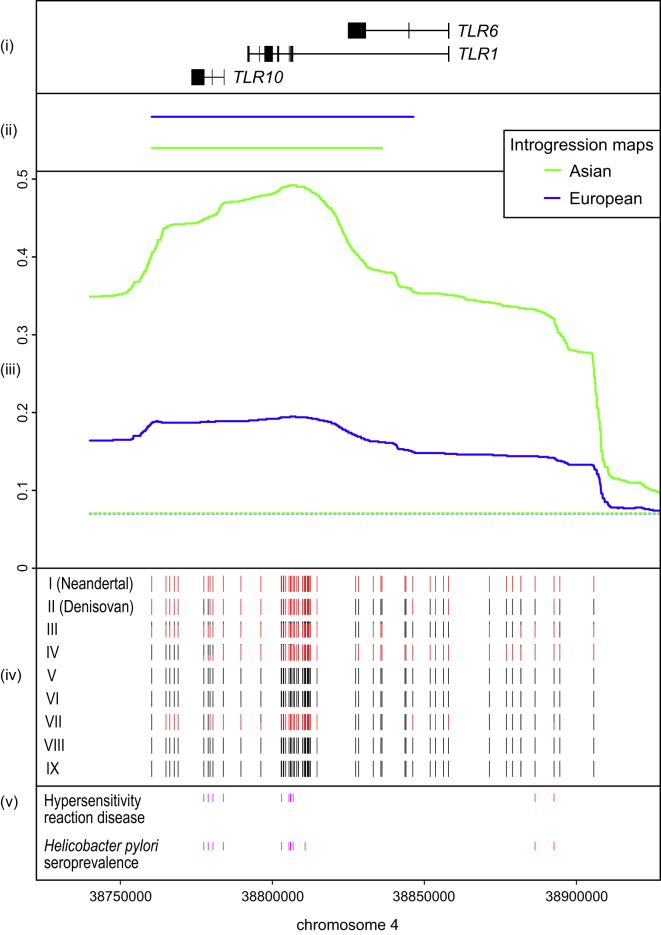
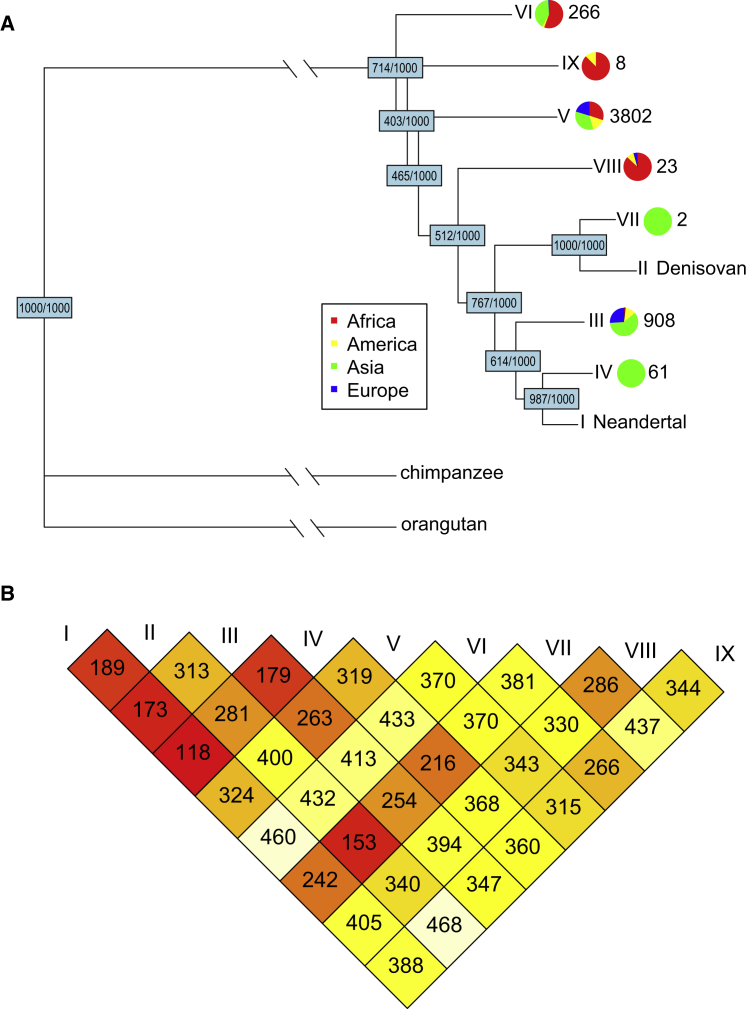
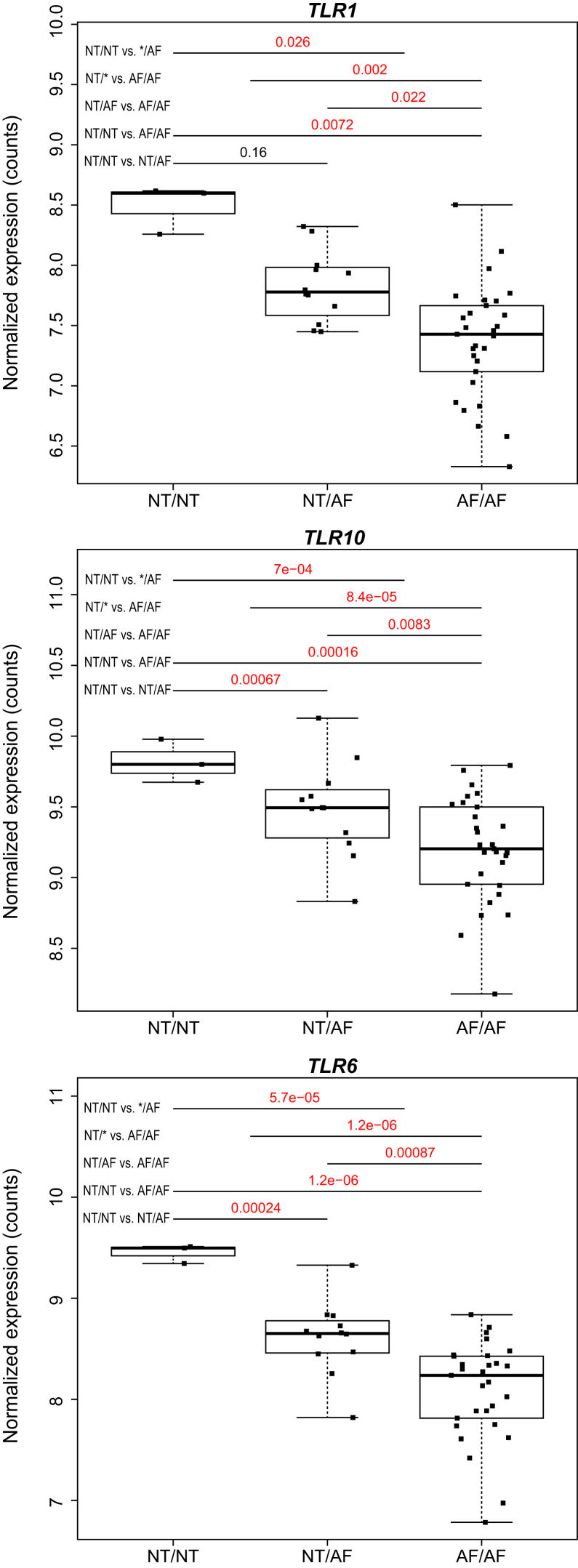
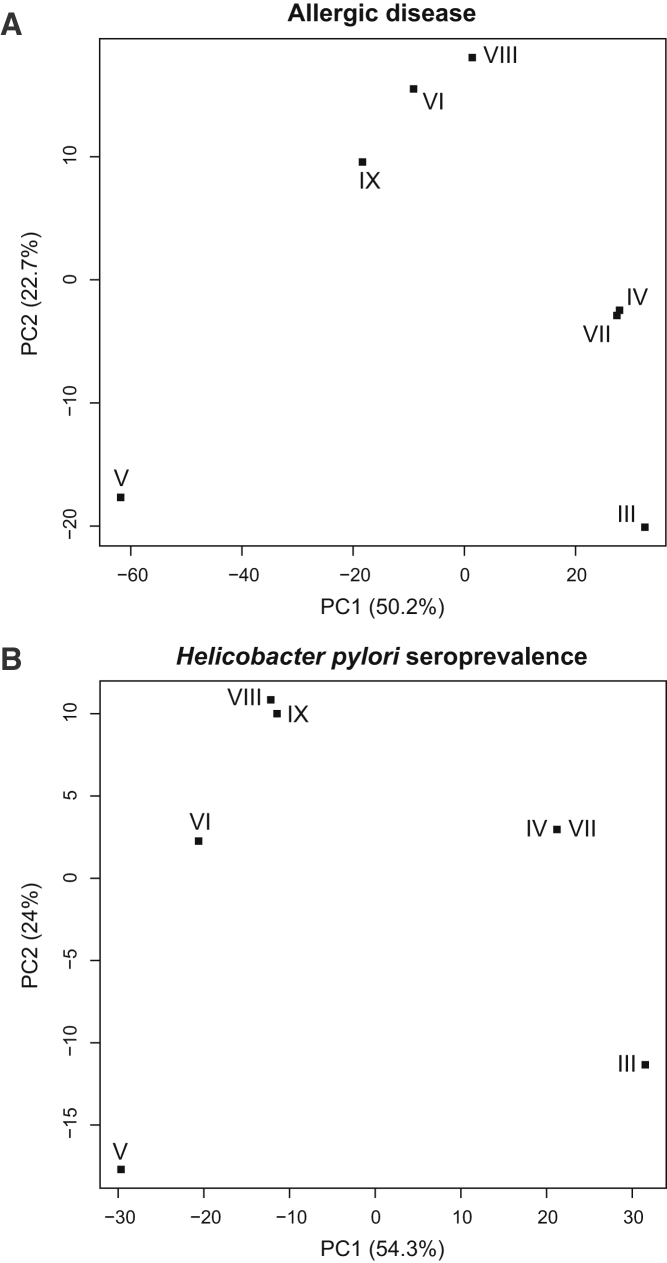
Pathogens and the diseases they cause have been among the most important selective forces experienced by humans during their evolutionary history. Although adaptive alleles generally arise by mutation, introgression can also be a valuable source of beneficial alleles. Archaic humans, who lived in Europe and Western Asia for more than 200,000 years, were probably well adapted to this environment and its local pathogens. It is therefore conceivable that modern humans entering Europe and Western Asia who admixed with them obtained a substantial immune advantage from the introgression of archaic alleles. Here we document a cluster of three Toll-like receptors (TLR6-TLR1-TLR10) in modern humans that carries three distinct archaic haplotypes, indicating repeated introgression from archaic humans. Two of these haplotypes are most similar to the Neandertal genome, and the third haplotype is most similar to the Denisovan genome. The Toll-like receptors are key components of innate immunity and provide an important first line of immune defense against bacteria, fungi, and parasites. The unusually high allele frequencies and unexpected levels of population differentiation indicate that there has been local positive selection on multiple haplotypes at this locus. We show that the introgressed alleles have clear functional effects in modern humans; archaic-like alleles underlie differences in the expression of the TLR genes and are associated with increased [corrected] microbial resistance and increased allergic disease in large cohorts. This provides strong evidence for recurrent adaptive introgression at the TLR6-TLR1-TLR10 locus, resulting in differences in disease phenotypes in modern humans.
Overview
The claims and statistics of this paper haven’t been checked yet.
Run the check — free, no account needed. It reads the open-access text and checks the sources it cites.
Integrity signals
Registry
Cites
Statistics
Figures
Verification
Claims the paper makes
The claims and statistics of this paper haven’t been checked yet.
Run the check — free, no account needed. It reads the open-access text and checks the sources it cites.
Claims other papers make about this one
Each is checked against this paper’s own text: does it say what the citing paper says it does?
In the citing paper
“Some archaic alleles have been shown to confer an adaptive advantage for modern humans”
From Functional implications of Neandertal introgression in modern humans (2017) · cites this paper as [1]
In the citing paper
“a number of instances of adaptive introgression have been described, generally affecting systems that influence immune and metabolic phenotypes [1, 5, 10, 22, 40, 41].”
From Functional implications of Neandertal introgression in modern humans (2017) · cites this paper as [1]
Self-check
Percentages, sums and reported differences re-computed from the paper’s own numbers.
The self-check needs the paper’s full text.
Citations
Cites
Moderated estimation of fold change and dispersion for RNA-seq data with DESeq2
Love, M. I., Huber, W., & Anders, S. (2014) · Genome Biology · doi:10.1186/s13059-014-0550-8 · Cited by 95,106
Gene Ontology: tool for the unification of biology
Ashburner, M., Ball, C. A., Blake, J. A., Botstein, D., Butler, H., Cherry, J. M., Davis, A. P., Dolinski, K., Dwight, S. S., Eppig, J. T., et al. (2000) · Nature Genetics · doi:10.1038/75556 · Cited by 43,206
ESTIMATING F -STATISTICS FOR THE ANALYSIS OF POPULATION STRUCTURE
Weir, B. S., & Cockerham, C. C. (1984) · Evolution · doi:10.1111/j.1558-5646.1984.tb05657.x · Cited by 18,909
A global reference for human genetic variation
The 1000 Genomes Project Consortium, authors, C., Auton, A., Abecasis, G. R., Steering committee, Altshuler, D. M., Durbin, R. M., Abecasis, G. R., Bentley, D. R., Chakravarti, A., et al. (2015) · Nature · doi:10.1038/nature15393 · Cited by 18,247
An integrated encyclopedia of DNA elements in the human genome
The ENCODE Project Consortium (2012) · Nature · doi:10.1038/nature11247 · Cited by 18,072
The variant call format and VCFtools
Danecek, P., Auton, A., Abecasis, G. R., Albers, C. A., Banks, E., DePristo, M. A., Handsaker, R. E., Lunter, G. A., Marth, G., Sherry, S. T., et al. (2011) · Bioinformatics · doi:10.1093/bioinformatics/btr330 · Cited by 16,450
Differential expression analysis for sequence count data
Anders, S., & Huber, W. (2010) · Genome Biology · doi:10.1186/gb-2010-11-10-r106 · Cited by 15,581
Statistical method for testing the neutral mutation hypothesis by DNA polymorphism.
Tajima, F. (1989) · Genetics · doi:10.1093/genetics/123.3.585 · Cited by 14,056
Pathogen Recognition and Innate Immunity
Akira, S., Uematsu, S., & Takeuchi, O. (2006) · Cell · doi:10.1016/j.cell.2006.02.015 · Cited by 12,401
APE: analyses of phylogenetics and evolution in R language
Paradis, E., Claude, J., & Strimmer, K. (2004) · Bioinformatics · doi:10.1093/bioinformatics/btg412 · Cited by 11,335
Cited by
Sorted by citations
A high-coverage Neandertal genome from Vindija Cave in Croatia
Prüfer, K., de Filippo, C., Grote, S., Mafessoni, F., Korlević, P., Hajdinjak, M., Vernot, B., Skov, L., Hsieh, P., Peyrégne, S., et al. (2017) · Science · doi:10.1126/science.aao1887 · Cited by 719
Self-citationThe major genetic risk factor for severe COVID-19 is inherited from Neanderthals
Zeberg, H., & Pääbo, S. (2020) · Nature · doi:10.1038/s41586-020-2818-3 · Cited by 636
Insights from genomes into the evolutionary importance and prevalence of hybridization in nature
Taylor, S. A., & Larson, E. L. (2019) · Nature Ecology & Evolution · doi:10.1038/s41559-018-0777-y · Cited by 606
Genetic Ancestry and Natural Selection Drive Population Differences in Immune Responses to Pathogens
Nédélec, Y., Sanz, J., Baharian, G., Szpiech, Z. A., Pacis, A., Dumaine, A., Grenier, J.-C., Freiman, A., Sams, A. J., Hebert, S., et al. (2016) · Cell · doi:10.1016/j.cell.2016.09.025 · Cited by 512
Natural selection interacts with recombination to shape the evolution of hybrid genomes
Schumer, M., Xu, C., Powell, D. L., Durvasula, A., Skov, L., Holland, C., Blazier, J. C., Sankararaman, S., Andolfatto, P., Rosenthal, G. G., et al. (2018) · Science · doi:10.1126/science.aar3684 · Cited by 412
The inflated significance of neutral genetic diversity in conservation genetics
Teixeira, J. C., & Huber, C. D. (2021) · Proceedings of the National Academy of Sciences · doi:10.1073/pnas.2015096118 · Cited by 474
Genetic adaptation and Neandertal admixture shaped the immune system of human populations
Quach, H., Rotival, M., Pothlichet, J., Loh, Y.-H. E., Dannemann, M., Zidane, N., Laval, G., Patin, E., Harmant, C., Lopez, M., et al. (2016) · Cell · doi:10.1016/j.cell.2016.09.024 · Cited by 475
Self-citationThe Genetic Cost of Neanderthal Introgression
Harris, K., & Nielsen, R. (2016) · Genetics · doi:10.1534/genetics.116.186890 · Cited by 419
Welker, F., Hajdinjak, M., Talamo, S., Jaouen, K., Dannemann, M., David, F., Julien, M., Meyer, M., Kelso, J., Barnes, I., et al. (2016) · Proceedings of the National Academy of Sciences · doi:10.1073/pnas.1605834113 · Cited by 309
Self-citationHybridization in Plants: Old Ideas, New Techniques
Goulet‐Scott, B. E., Roda, F., & Hopkins, R. (2016) · PLANT PHYSIOLOGY · doi:10.1104/pp.16.01340 · Cited by 367
Admixture into and within sub-Saharan Africa
Busby, G., Band, G., Le, S. Q., Jallow, M., Bougama, E., Mangano, V. D., Amenga-Etego, L. N.-K., Enimil, A. K., Apinjoh, T. O., Ndila, C., et al. (2016) · eLife · doi:10.7554/elife.15266 · Cited by 293
The influence of evolutionary history on human health and disease
Benton, M. L., Abraham, A., LaBella, A. L., Abbot, P., Rokas, A., & Capra, J. A. (2021) · Nature Reviews Genetics · doi:10.1038/s41576-020-00305-9 · Cited by 291
Slatkin, M., & Racimo, F. (2016) · Proceedings of the National Academy of Sciences · doi:10.1073/pnas.1524306113 · Cited by 265
Identifying and Interpreting Apparent Neanderthal Ancestry in African Individuals
Chen, L., Wolf, A. B., Fu, W., Li, L., & Akey, J. M. (2020) · Cell · doi:10.1016/j.cell.2020.01.012 · Cited by 254
Toll-Like Receptors: General Molecular and Structural Biology
Behzadi, P., García‐Perdomo, H. A., & Karpiński, T. M. M. (2021) · Journal of Immunology Research · doi:10.1155/2021/9914854 · Cited by 267
Ancient Genomics of Modern Humans: The First Decade
Skoglund, P., & Mathieson, I. (2018) · Annual Review of Genomics and Human Genetics · doi:10.1146/annurev-genom-083117-021749 · Cited by 246
A genomic region associated with protection against severe COVID-19 is inherited from Neandertals
Zeberg, H., & Pääbo, S. (2021) · Proceedings of the National Academy of Sciences · doi:10.1073/pnas.2026309118 · Cited by 239
Neanderthal language revisited: not only us
Dediu, D., & Levinson, S. C. (2018) · Current Opinion in Behavioral Sciences · doi:10.1016/j.cobeha.2018.01.001 · Cited by 218
Limits of long-term selection against Neandertal introgression
Petr, M., Pääbo, S., Kelso, J., & Vernot, B. (2019) · Proceedings of the National Academy of Sciences · doi:10.1073/pnas.1814338116 · Cited by 211
Self-citationGenomic basis and evolutionary potential for extreme drought adaptation in Arabidopsis thaliana
Expósito‐Alonso, M., Vasseur, F., Ding, W., Wang, G., Burbano, H. A., & Weigel, D. (2017) · Nature Ecology & Evolution · doi:10.1038/s41559-017-0423-0 · Cited by 210
Archaic Hominin Admixture Facilitated Adaptation to Out-of-Africa Environments
Gittelman, R. M., Schraiber, J. G., Vernot, B., Mikacenic, C., Wurfel, M. M., & Akey, J. M. (2016) · Current Biology · doi:10.1016/j.cub.2016.10.041 · Cited by 181
Evidence that RNA Viruses Drove Adaptive Introgression between Neanderthals and Modern Humans
Enard, D., & Petrov, D. A. (2018) · Cell · doi:10.1016/j.cell.2018.08.034 · Cited by 208
Impacts of Neanderthal-Introgressed Sequences on the Landscape of Human Gene Expression
McCoy, R. C., Wakefield, J., & Akey, J. M. (2017) · Cell · doi:10.1016/j.cell.2017.01.038 · Cited by 200
Signatures of Archaic Adaptive Introgression in Present-Day Human Populations
Racimo, F., Marnetto, D., & Huerta-Sánchez, E. (2016) · Molecular Biology and Evolution · doi:10.1093/molbev/msw216 · Cited by 200
The Contribution of Neanderthals to Phenotypic Variation in Modern Humans
Dannemann, M., & Kelso, J. (2017) · The American Journal of Human Genetics · doi:10.1016/j.ajhg.2017.09.010 · Cited by 193
Self-citationThe origin of domestication genes in goats
Zheng, Z., Wang, X., Li, M., Li, Y., Yang, Z., Wang, X., Pan, X., Gong, M., Zhang, Y., Guo, Y., et al. (2020) · Science Advances · doi:10.1126/sciadv.aaz5216 · Cited by 184
Hybridization and endangered species protection in the molecular era
Wayne, R. K., & Shaffer, H. B. (2016) · Molecular Ecology · doi:10.1111/mec.13642 · Cited by 174
Human Immunology through the Lens of Evolutionary Genetics
Quintana‐Murci, L. (2019) · Cell · doi:10.1016/j.cell.2019.02.033 · Cited by 182
Partial genomic survival of cave bears in living brown bears
Barlow, A., Cahill, J. A., Hartmann, S. A., Theunert, C., Xenikoudakis, G., Fortes, G. G., Paijmans, J. L. A., Rabeder, G., Frischauf, C., Grandal‐d'Anglade, A., et al. (2018) · Nature Ecology & Evolution · doi:10.1038/s41559-018-0654-8 · Cited by 168
Human-specific genetics: new tools to explore the molecular and cellular basis of human evolution
Pollen, A. A., Kilik, U., Lowe, C. B., & Camp, J. G. (2023) · Nature Reviews Genetics · doi:10.1038/s41576-022-00568-4 · Cited by 165
Adaptive Introgression: An Untapped Evolutionary Mechanism for Crop Adaptation
Burgarella, C., Barnaud, A., Kane, N. A., Jankowski, F., Scarcelli, N., Billot, C., Vigouroux, Y., & Berthouly‐Salazar, C. (2019) · Frontiers in Plant Science · doi:10.3389/fpls.2019.00004 · Cited by 159
The Hybrid Origin of “Modern” Humans
Ackermann, R., Mackay, A., & Arnold, M. L. (2015) · Evolutionary Biology · doi:10.1007/s11692-015-9348-1 · Cited by 145
Pleistocene glacial cycles drive isolation, gene flow and speciation in the high‐elevation Andes
Nevado, B., Contreras‐Ortiz, N., Hughes, C. E., & Filatov, D. A. (2018) · New Phytologist · doi:10.1111/nph.15243 · Cited by 144
Q&A: What are pathogens, and what have they done to and for us?
Balloux, F., & van Dorp, L. (2017) · BMC Biology · doi:10.1186/s12915-017-0433-z · Cited by 154
Adaptive Genetic Exchange: A Tangled History of Admixture and Evolutionary Innovation
Arnold, M. L., & Kunte, K. K. (2017) · Trends in Ecology & Evolution · doi:10.1016/j.tree.2017.05.007 · Cited by 135
The Genomics of Human Local Adaptation
Rees, J., Castellano, S., & Andrés, A. M. (2020) · Trends in Genetics · doi:10.1016/j.tig.2020.03.006 · Cited by 132
Self-citationRoebroeks, W., & Soressi, M. (2016) · Proceedings of the National Academy of Sciences · doi:10.1073/pnas.1521269113 · Cited by 126
Seidah, N. G., Abifadel, M., Prost, S., Boileau, C., & Prat, A. (2017) · Pharmacological Reviews · doi:10.1124/pr.116.012989 · Cited by 116
Slon, V., Viola, B., Renaud, G., Gansauge, M.-T., Benazzi, S., Sawyer, S., Hublin, J., Shunkov, M. V., Derevianko, A. P., Kelso, J. F., et al. (2017) · Science Advances · doi:10.1126/sciadv.1700186 · Cited by 116
Self-citationEvolutionary History of the Toll-Like Receptor Gene Family across Vertebrates
Liu, G., Zhang, H., Zhao, C., & Zhang, H. (2019) · Genome Biology and Evolution · doi:10.1093/gbe/evz266 · Cited by 120
The genomic impact of historical hybridization with massive mitochondrial DNA introgression
Seixas, F., Boursot, P., & Melo‐Ferreira, J. (2018) · Genome biology · doi:10.1186/s13059-018-1471-8 · Cited by 107
Functional implications of Neandertal introgression in modern humans
Dannemann, M., Prüfer, K., & Kelso, J. (2017) · Genome biology · doi:10.1186/s13059-017-1181-7 · Cited by 92
“5 × 10) [1] and the average recombination rates at each locus [48] (Additional file 1: Tables S4 and S5).”
BackgroundSelf-citationThe history and evolution of the Denisovan- EPAS1 haplotype in Tibetans
Zhang, X., Witt, K. E., Bañuelos, M. M., Ko, A., Yuan, K., Xu, S., Nielsen, R., & Huerta-Sanchez, E. (2021) · Proceedings of the National Academy of Sciences · doi:10.1073/pnas.2020803118 · Cited by 105
Hybridization in human evolution: Insights from other organisms
Ackermann, R., Arnold, M. L., Baiz, M. D., Cahill, J. A., Cortés‐Ortiz, L., Evans, B. J., Grant, B. R., Grant, P. R., Hallgrímsson, B., Humphreys, R. A., et al. (2019) · Evolutionary Anthropology Issues News and Reviews · doi:10.1002/evan.21787 · Cited by 101
Human evolution: a tale from ancient genomes
Llamas, B., Willerslev, E., & Orlando, L. (2017) · Philosophical Transactions of the Royal Society B Biological Sciences · doi:10.1098/rstb.2015.0484 · Cited by 100
Archaic adaptive introgression in TBX15/WARS2
Racimo, F., Gokhman, D., Fumagalli, M., Ko, A., Hansen, T., Moltke, I., Albrechtsen, A., Carmel, L., Huerta-Sánchez, E., & Nielsen, R. (2016) · Molecular Biology and Evolution · doi:10.1093/molbev/msw283 · Cited by 101
Understanding rare and common diseases in the context of human evolution
Quintana‐Murci, L. (2016) · Genome biology · doi:10.1186/s13059-016-1093-y · Cited by 103
Pimenoff, V. N., de Oliveira, C. M., & Bravo, I. G. (2016) · Molecular Biology and Evolution · doi:10.1093/molbev/msw214 · Cited by 101
VolcanoFinder: Genomic scans for adaptive introgression
Setter, D., Mousset, S., Cheng, X., Nielsen, R., DeGiorgio, M., & Hermisson, J. (2020) · PLoS Genetics · doi:10.1371/journal.pgen.1008867 · Cited by 97
TLR10 Senses HIV-1 Proteins and Significantly Enhances HIV-1 Infection
Henrick, B. M., Yao, X.-D., Zahoor, M. A., Abimiku, A., Osawe, S., & Rosenthal, K. L. (2019) · Frontiers in Immunology · doi:10.3389/fimmu.2019.00482 · Cited by 92
Ancient admixture from an extinct ape lineage into bonobos
Kuhlwilm, M., Han, S., Sousa, V. C., Excoffier, L., & Marquès‐Bonet, T. (2019) · Nature Ecology & Evolution · doi:10.1038/s41559-019-0881-7 · Cited by 90
Dietary adaptation of FADS genes in Europe varied across time and geography
Ye, K., Gao, F., Wang, D., Bar‐Yosef, O., & Keinan, A. (2017) · Nature Ecology & Evolution · doi:10.1038/s41559-017-0167 · Cited by 90
Something old, something borrowed: admixture and adaptation in human evolution
Dannemann, M., & Racimo, F. (2018) · Current Opinion in Genetics & Development · doi:10.1016/j.gde.2018.05.009 · Cited by 87
Self-citationQuantifying the contribution of Neanderthal introgression to the heritability of complex traits
McArthur, E., Rinker, D. C., & Capra, J. A. (2021) · Nature Communications · doi:10.1038/s41467-021-24582-y · Cited by 71
Patterns of shared signatures of recent positive selection across human populations
Johnson, K. E., & Voight, B. F. (2018) · Nature Ecology & Evolution · doi:10.1038/s41559-018-0478-6 · Cited by 80
The contribution of Neanderthal introgression to modern human traits
Reilly, P. F., Tjahjadi, A., Miller, S. L., Akey, J. M., & Tucci, S. (2022) · Current Biology · doi:10.1016/j.cub.2022.08.027 · Cited by 89
Defining the genetic and evolutionary architecture of alternative splicing in response to infection
Rotival, M., Quach, H., & Quintana‐Murci, L. (2019) · Nature Communications · doi:10.1038/s41467-019-09689-7 · Cited by 77
Neanderthal genomics suggests a pleistocene time frame for the first epidemiologic transition
Houldcroft, C. J., & Underdown, S. (2016) · American Journal of Physical Anthropology · doi:10.1002/ajpa.22985 · Cited by 79
Signatures of archaic adaptive introgression in present-day human populations
Racimo, F., Marnetto, D., & Huerta-Sánchez, E. (2016) · doi:10.1101/045237 · Cited by 200
The Promise of Paleogenomics Beyond Our Own Species
Brunson, K., & Reich, D. (2019) · Trends in Genetics · doi:10.1016/j.tig.2019.02.006 · Cited by 75
The Assimilation Model of modern human origins in light of current genetic and genomic knowledge
Smith, F. H., Ahern, J. C. M., Janković, I., & Karavanić, I. (2016) · Quaternary International · doi:10.1016/j.quaint.2016.06.008 · Cited by 71
Brzozowska, M. M., Havula, E., Allen, R., & Cox, M. P. (2019) · Reviews in Endocrine and Metabolic Disorders · doi:10.1007/s11154-019-09505-z · Cited by 70
Outstanding questions in the study of archaic hominin admixture
Wolf, A. B., & Akey, J. M. (2018) · PLoS Genetics · doi:10.1371/journal.pgen.1007349 · Cited by 68
Pierron, D., Heiske, M., Razafindrazaka, H., Pereda‐Loth, V., Sanchez, J., Alva, O., Arachiche, A., Boland, A., Olaso, R., Deleuze, J., et al. (2018) · Nature Communications · doi:10.1038/s41467-018-03342-5 · Cited by 65
Gouy, A., & Excoffier, L. (2020) · Molecular Biology and Evolution · doi:10.1093/molbev/msz306 · Cited by 63
More than a decade of genetic research on the Denisovans
Peyrégne, S., Slon, V., & Kelso, J. F. (2023) · Nature Reviews Genetics · doi:10.1038/s41576-023-00643-4 · Cited by 75
Self-citationArchaic Hominin Introgression in Africa Contributes to Functional Salivary MUC7 Genetic Variation
Xu, D., Pavlidis, P., Taşkent, R. Ö., Alachiotis, N., Flanagan, C., DeGiorgio, M., Blekhman, R., Rühl, S., & Gökçümen, Ö. (2017) · Molecular Biology and Evolution · doi:10.1093/molbev/msx206 · Cited by 61
Neanderthal ancestry through time: Insights from genomes of ancient and present-day humans
Iasi, L. N. M., Chintalapati, M., Skov, L., Mesa, A. B., Hajdinjak, M., Peter, B. M., & Moorjani, P. (2024) · Science · doi:10.1126/science.adq3010 · Cited by 72
The genetic changes that shaped Neandertals, Denisovans, and modern humans
Zeberg, H., Jakobsson, M., & Pääbo, S. (2024) · Cell · doi:10.1016/j.cell.2023.12.029 · Cited by 64
Harvati, K., & Ackermann, R. (2022) · Nature Ecology & Evolution · doi:10.1038/s41559-022-01875-z · Cited by 60
Jagoda, E., Lawson, D. J., Wall, J. D., Lambert, D. M., Muller, C., Westaway, M., Leavesley, M., Capellini, T. D., Lahr, M. M., Gerbault, P., et al. (2017) · Molecular Biology and Evolution · doi:10.1093/molbev/msx314 · Cited by 60
The evolutionary history of human populations in Europe
Lazaridis, I. (2018) · Current Opinion in Genetics & Development · doi:10.1016/j.gde.2018.06.007 · Cited by 60
Fitness benefits of loss of heterozygosity in Saccharomyces hybridsPreprint
Lancaster, S. M., Payen, C., Heil, C. S., & Dunham, M. J. (2019) · Genome Research · doi:10.1101/gr.245605.118 · Cited by 57
Selection against archaic hominin genetic variation in regulatory regions
Telis, N., Aguilar, R., & Harris, K. (2020) · Nature Ecology & Evolution · doi:10.1038/s41559-020-01284-0 · Cited by 51
Last Neanderthals in the warmest refugium of Europe: Palynological data from Vanguard Cave
Carrión, J. S., Ochando, J., Fernández, S., Blasco, R., Rosell, J., Munuera, M., Amorós, G., Lerma, I. M., Finlayson, S., Giles, F. A., et al. (2018) · Review of Palaeobotany and Palynology · doi:10.1016/j.revpalbo.2018.09.007 · Cited by 54
The Exposome in Human Evolution: From Dust to Diesel
Trumble, B. C., & Finch, C. E. (2019) · The Quarterly Review of Biology · doi:10.1086/706768 · Cited by 54
Impact of Historic Migrations and Evolutionary Processes on Human Immunity
Domínguez‐Andrés, J., & Netea, M. G. (2019) · Trends in Immunology · doi:10.1016/j.it.2019.10.001 · Cited by 59
Evolutionary and population (epi)genetics of immunity to infection
Barreiro, L. B., & Quintana‐Murci, L. (2020) · Human Genetics · doi:10.1007/s00439-020-02167-x · Cited by 53
A Neanderthal Sodium Channel Increases Pain Sensitivity in Present-Day Humans
Zeberg, H., Dannemann, M., Sahlholm, K., Tsuo, K., Maričić, T., Wiebe, V., Hevers, W., Robinson, H. P. C., Kelso, J. F., & Pääbo, S. (2020) · Current Biology · doi:10.1016/j.cub.2020.06.045 · Cited by 51
Self-citationNatri, H. M., Bobowik, K. S., Kusuma, P., Crenna Darusallam, C., Jacobs, G. S., Hudjashov, G., Lansing, J. S., Sudoyo, H., Banovich, N. E., Cox, M. P., et al. (2020) · PLoS Genetics · doi:10.1371/journal.pgen.1008749 · Cited by 48
Primary immunodeficiencies suggest redundancy within the human immune system
Fischer, A., & Rausell, A. (2016) · Science Immunology · doi:10.1126/sciimmunol.aah5861 · Cited by 47
Jagoda, E., Xue, J. R., Reilly, S. K., Dannemann, M., Racimo, F., Huerta-Sanchez, E., Sankararaman, S., Kelso, J., Pagani, L., Sabeti, P. C., et al. (2022) · Molecular Biology and Evolution · doi:10.1093/molbev/msab304 · Cited by 47
Self-citationLocal adaptation and archaic introgression shape global diversity at human structural variant loci
Yan, S. M., Sherman, R. M., Taylor, D. J., Nair, D. R., Bortvin, A. N., Schatz, M. C., & McCoy, R. C. (2021) · eLife · doi:10.7554/elife.67615 · Cited by 47
The evolutionary history of the human oral microbiota and its implications for modern health
Weyrich, L. S. (2020) · Periodontology 2000 · doi:10.1111/prd.12353 · Cited by 45
Sampling schemes and drift can bias admixture proportions inferred by structure
Toyama, K. S., Crochet, P., & Leblois, R. (2020) · Molecular Ecology Resources · doi:10.1111/1755-0998.13234 · Cited by 41
Living in an adaptive world: Genomic dissection of the genus Homo and its immune response
Quach, H., & Quintana‐Murci, L. (2017) · The Journal of Experimental Medicine · doi:10.1084/jem.20161942 · Cited by 42
Inferring archaic introgression from hominin genetic data
Gopalan, S., Atkinson, E. G., Buck, L. T., Weaver, T. D., & Henn, B. M. (2021) · Evolutionary Anthropology Issues News and Reviews · doi:10.1002/evan.21895 · Cited by 37
Zhang, X., Kim, B., Singh, A., Sankararaman, S., Durvasula, A., & Lohmueller, K. E. (2023) · Molecular Biology and Evolution · doi:10.1093/molbev/msad001 · Cited by 29
Genetic history of Cambridgeshire before and after the Black Death
Hui, R., Scheib, C. L., D’Atanasio, E., Inskip, S. A., Cessford, C., Biagini, S. A., Wohns, A. W., Ali, M. Q. A., Griffith, S. J., Solnik, A., et al. (2024) · Science Advances · doi:10.1126/sciadv.adi5903 · Cited by 46
Initial Upper Paleolithic: A (near) global problem and a global opportunity
Kuhn, S. L. (2018) · Archaeological Research in Asia · doi:10.1016/j.ara.2018.10.002 · Cited by 36
Świderská, Z., Šmídová, A., Buchtová, L., Bryjová, A., Fabiánová, A., Munclinger, P., & Vinkler, M. (2018) · Scientific Reports · doi:10.1038/s41598-018-36226-1 · Cited by 35
Evolutionary and medical consequences of archaic introgression into modern human genomes
Dolgova, O., & Lao, O. (2018) · Genes · doi:10.3390/genes9070358 · Cited by 34
New insights into human immunity from ancient genomics
Kerner, G., Patin, É., & Quintana‐Murci, L. (2021) · Current Opinion in Immunology · doi:10.1016/j.coi.2021.04.006 · Cited by 35
The Population-Specific Impact of Neandertal Introgression on Human Disease
Dannemann, M. (2021) · Genome Biology and Evolution · doi:10.1093/gbe/evaa250 · Cited by 33
Self-citationIntroduction to Special Issue on Primate Hybridization and Hybrid Zones
Cortés‐Ortiz, L., Roos, C., & Zinner, D. P. (2019) · International Journal of Primatology · doi:10.1007/s10764-019-00076-z · Cited by 33
Changes in Biological Pathways During 6,000 Years of Civilization in Europe
Chekalin, E., Rubanovich, A., Tatarinova, T. V., Kasianov, A. S., Bender, N., Dyachkova, M. S., Staub, K., Koepke, N., Rühli, F. J., Bruskin, S. A., et al. (2018) · Molecular Biology and Evolution · doi:10.1093/molbev/msy201 · Cited by 32
Admixture in Mammals and How to Understand Its Functional Implications
Fontsere, C., de Manuel, M., Marquès‐Bonet, T., & Kuhlwilm, M. (2019) · BioEssays · doi:10.1002/bies.201900123 · Cited by 29
Human adaptation over the past 40,000 years
Mathieson, I. (2020) · Current Opinion in Genetics & Development · doi:10.1016/j.gde.2020.06.003 · Cited by 32
Garcia‐Erill, G., Jørgensen, C. H. F., Muwanika, V. B., Wang, X., Rasmussen, M. S., de Jong, Y. A., Gaubert, P., Olayemi, A., Salmona, J., Butynski, T. M., et al. (2022) · Molecular Biology and Evolution · doi:10.1093/molbev/msac134 · Cited by 33
DLX5/6 GABAergic Expression Affects Social Vocalization: Implications for Human Evolution
Levi, G., de Lombares, C., Giuliani, C., Iannuzzi, V., Aouci, R., Garagnani, P., Franceschi, C., Grimaud-Hervé, D., & Narboux-Nême, N. (2021) · Molecular Biology and Evolution · doi:10.1093/molbev/msab181 · Cited by 23
Metadata
- Authors
- Dannemann, M., Andrés, A. M., & Kelso, J.
- Affiliations
- Max Planck Institute for Evolutionary Anthropology (DE)
- Corresponding author
- Kelso, Janet
- Venue
- The American Journal of Human Genetics
- Publisher
- Elsevier BV
- Published
- 2016-01
- Volume
- 98
- Issue
- 1
- Pages
- 22-33
- ISSN
- 0002-9297 (ISSN-L)
- PMC
- PMC4716682
- OpenAlex
- W2226561648
- Cited by
- 249
- References
- 61
- Citations by year
- 2026: 16 · 2025: 10 · 2024: 19 · 2023: 17 · 2022: 22 · 2021: 30 · 2020: 27 · 2019: 30 · 2018: 24 · 2017: 23 · 2016: 29
- FWCI
- 137.50
- Type
- journal article
- Language
- en
- Update notices
- erratum (2016-02-04)
- Open access
- hybrid
- doi.org
- Licence
- Locations
- The American Journal of Human Genetics (publishedVersion, cc-by-nc-nd)
- bioRxiv (Cold Spring Harbor Laboratory) (acceptedVersion, cc-by-nd)
- Europe PMC (PubMed Central) (publishedVersion, cc-by-nc-nd)
- PubMed Central (publishedVersion, cc-by-nc-nd)
- PubMed (publishedVersion)
- MPG.PuRe (Max Planck Society) (submittedVersion, cc-by-nc-nd)
- Funders
- Deutsche Forschungsgemeinschaft (SFB 1052, project A02)
- Max-Planck-Gesellschaft
- Topics
- Social Sciences › Anthropology › Pleistocene-Era Hominins and Archaeology
- Life Sciences › Biochemistry, Genetics and Molecular Biology › Genetics › Forensic and Genetic Research
- Life Sciences › Biochemistry, Genetics and Molecular Biology › Genetics › Genetic Associations and Epidemiology
- Keywords
- adaptive introgression, Neanderthals, Denisovans, Toll-like receptors, archaic human admixture, positive selection, innate immunity, microbial resistance, allergic diseases, gene expression, allele frequency, genetic differentiation
- MeSH terms
- Adaptation, Physiological, Animals, Cell Line, Haplotypes, Humans, Polymorphism, Single Nucleotide, Toll-Like Receptors, Neanderthals
About these checks
Registry, retraction, Cites and statistics results are computed, not judged, with one exception: a printed reference that no index lists is read once by a model before it counts as a citation error. Claims are extracted by a model and kept only when their quote appears verbatim in the text; each cited source is then checked, with a model’s help, for whether it says what the claim relies on. Those verdicts can be wrong — read the claim’s quote and the cited source before relying on one.
Statistics and arithmetic are recomputed, not judged.
Confidence bands are shown only for fields calibrated on our annotated test set. None is calibrated yet, so no band is shown.
What counts as a claim ›How we measure confidence ›How we check this ›
Are you an author, or do you see a problem with this page? Request a review
