

The DOI matches its Crossref record; 58 of the 58 references it cites were found in a registry or an index.
Sustained Brown Fat Stimulation and Insulin Sensitization by a Humanized Bispecific Antibody Agonist for Fibroblast Growth Factor Receptor 1/βKlotho Complex
Open accessAbstract
Dissipating excess calories as heat through therapeutic stimulation of brown adipose tissues (BAT) has been proposed as a potential treatment for obesity-linked disorders. Here, we describe the generation of a humanized effector-less bispecific antibody that activates fibroblast growth factor receptor (FGFR) 1/βKlotho complex, a common receptor for FGF21 and FGF19. Using this molecule, we show that antibody-mediated activation of FGFR1/βKlotho complex in mice induces sustained energy expenditure in BAT, browning of white adipose tissue, weight loss, and improvements in obesity-associated metabolic derangements including insulin resistance, hyperglycemia, dyslipidemia and hepatosteatosis. In mice and cynomolgus monkeys, FGFR1/βKlotho activation increased serum high-molecular-weight adiponectin, which appears to contribute over time by enhancing the amplitude of the metabolic benefits. At the same time, insulin sensitization by FGFR1/βKlotho activation occurs even before the onset of weight loss in a manner that is independent of adiponectin. Together, selective activation of FGFR1/βKlotho complex with a long acting therapeutic antibody represents an attractive approach for the treatment of type 2 diabetes and other obesity-linked disorders through enhanced energy expenditure, insulin sensitization and induction of high-molecular-weight adiponectin.
Overview
The claims and statistics of this paper haven’t been checked yet.
Run the check — free, no account needed. It reads the open-access text and checks the sources it cites.
Integrity signals
Registry
Cites
Statistics
Figures
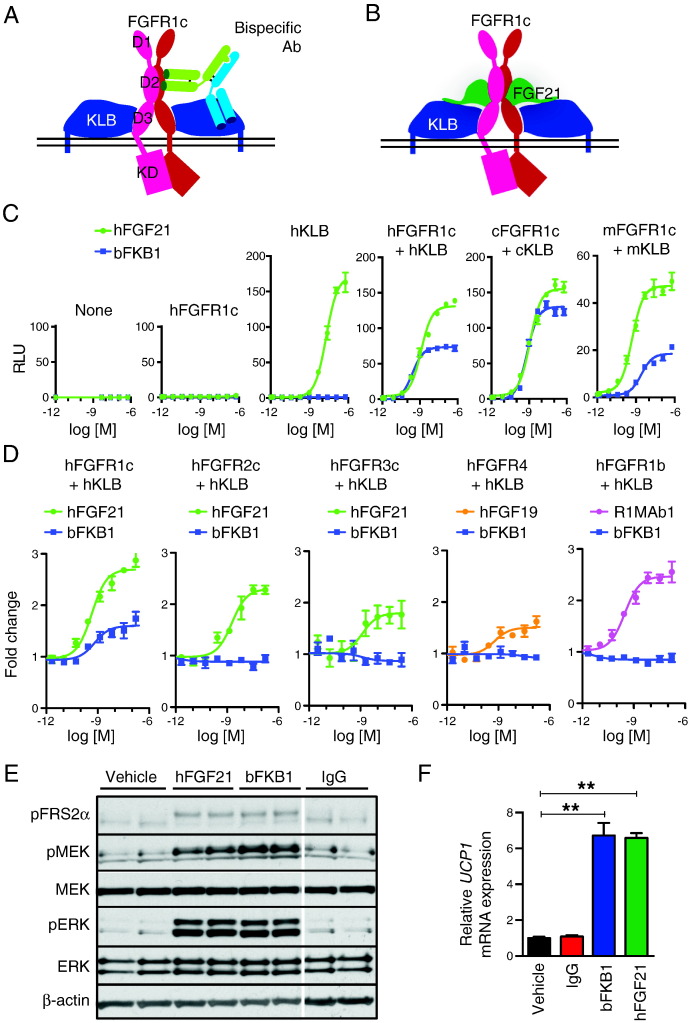
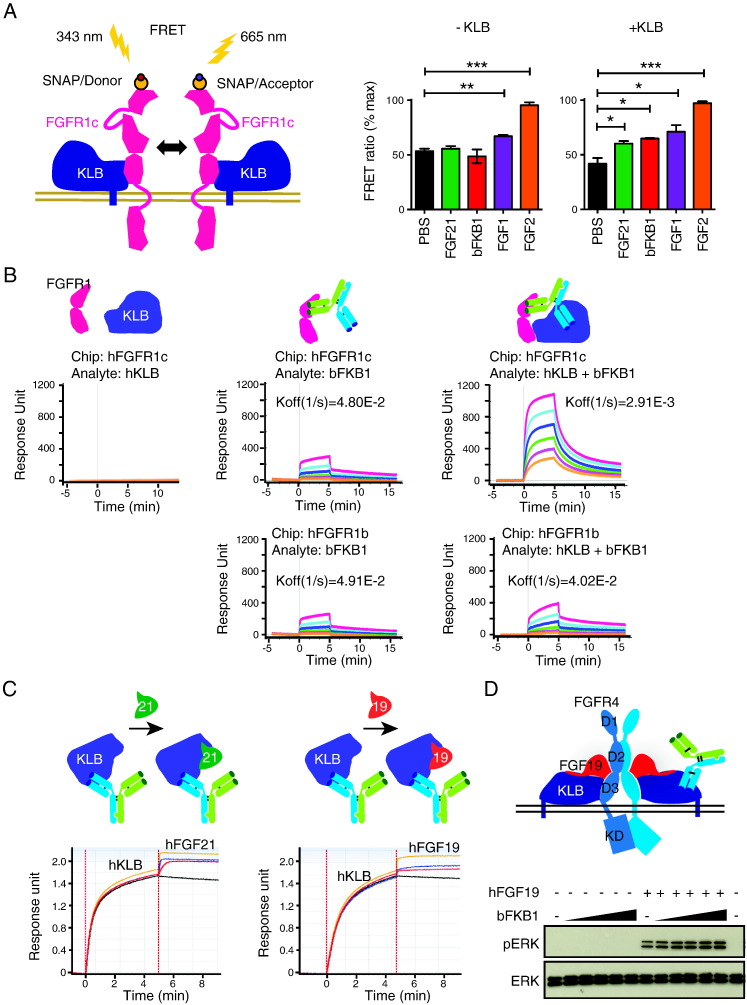
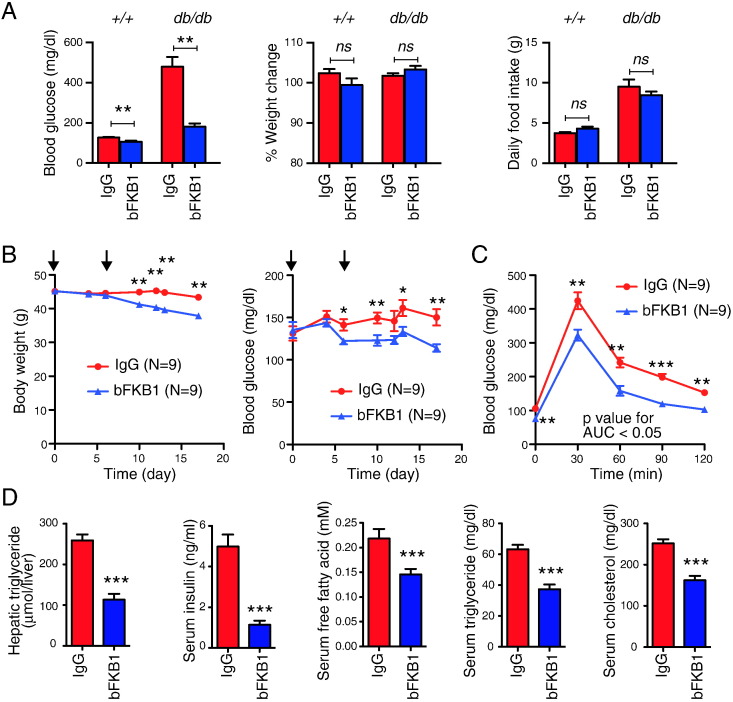
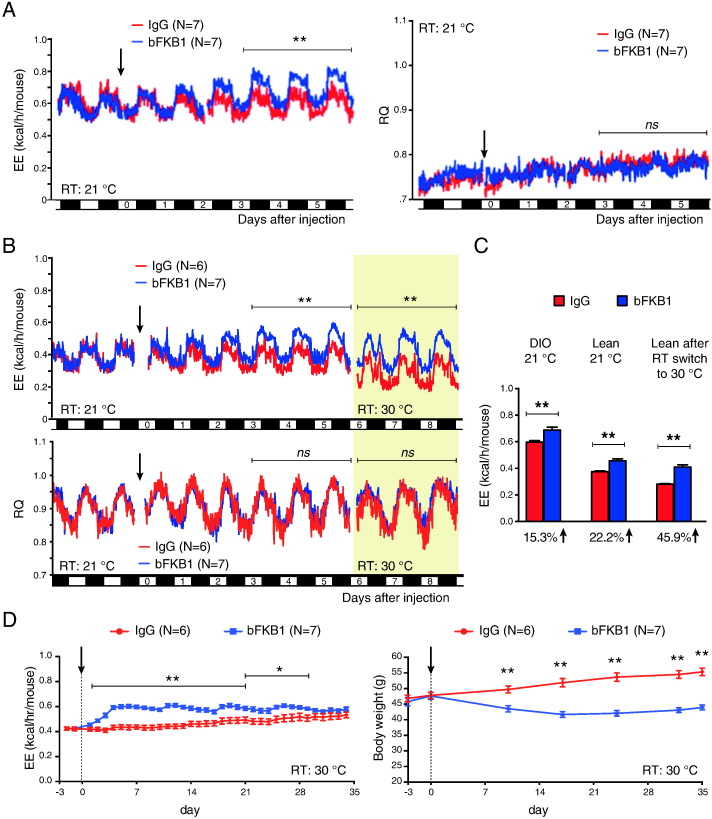
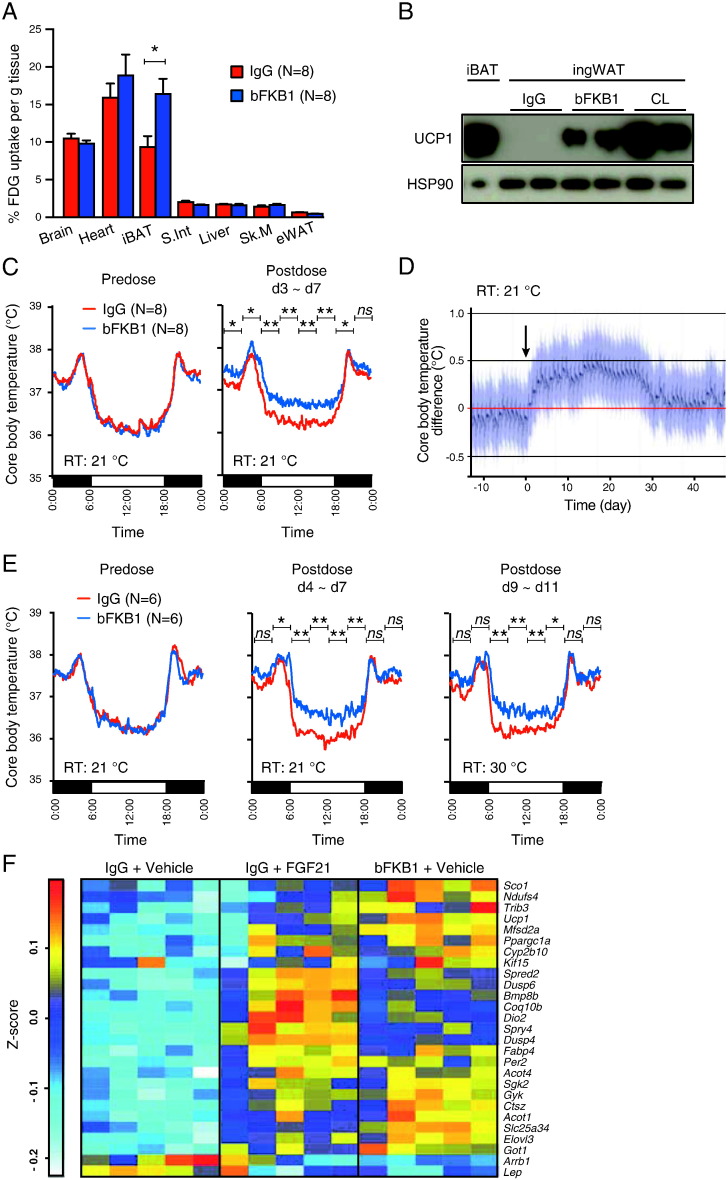
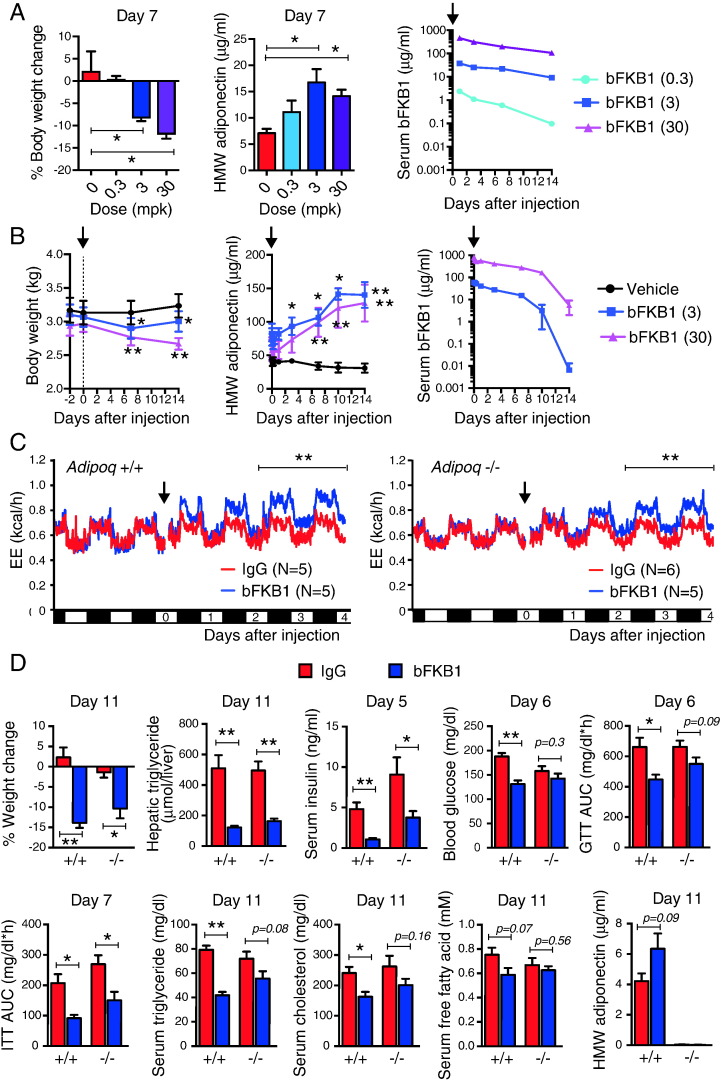
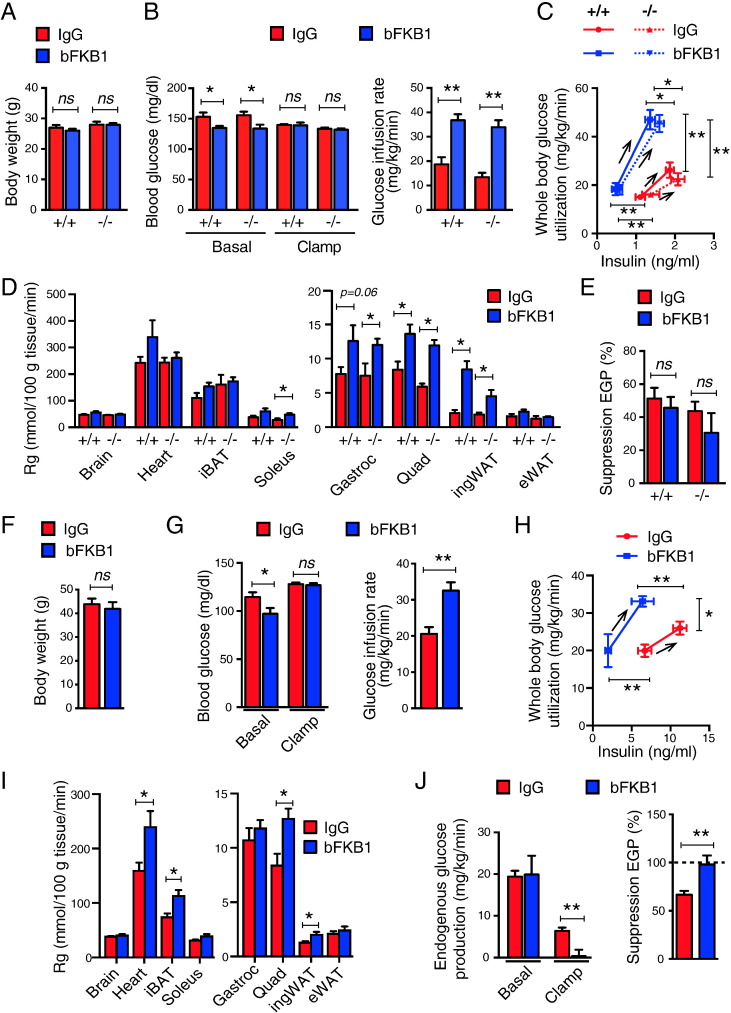
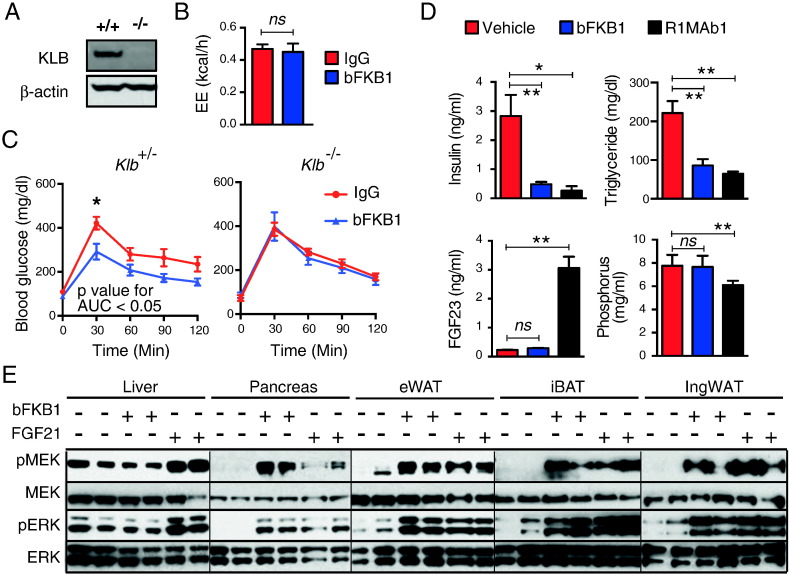
Verification
Claims the paper makes
The claims and statistics of this paper haven’t been checked yet.
Run the check — free, no account needed. It reads the open-access text and checks the sources it cites.
Claims other papers make about this one
Each is checked against this paper’s own text: does it say what the citing paper says it does?
In the citing paper
“Moreover, in contrast to previous studies, both FGF21 (11) and a bispecific activating antibody for the FGFR1–β-klotho receptor complex (70) were found to efficiently retain their acute insulin-sensitizing effects in adiponectin knockout mice (Figure 4).”
From Fibroblast Growth Factor 21: A Versatile Regulator of Metabolic Homeostasis (2018) · cites this paper as [70]
Self-check
Percentages, sums and reported differences re-computed from the paper’s own numbers.
The self-check needs the paper’s full text.
Citations
Cites
Ng, M., Fleming, T., Robinson, M., Thomson, B., Graetz, N., Margono, C., Mullany, E. C., Biryukov, S., Abbafati, C., Abera, S. F., et al. (2014) · The Lancet · doi:10.1016/s0140-6736(14)60460-8 · Cited by 11,952
Brown Adipose Tissue: Function and Physiological Significance
CANNON, B., & NEDERGAARD, J. (2004) · Physiological Reviews · doi:10.1152/physrev.00015.2003 · Cited by 6,433
Unexpected evidence for active brown adipose tissue in adult humans
Nedergaard, J., Bengtsson, T., & Cannon, B. (2007) · American Journal of Physiology-Endocrinology and Metabolism · doi:10.1152/ajpendo.00691.2006 · Cited by 1,824
FGF21 regulates PGC-1α and browning of white adipose tissues in adaptive thermogenesis
Fisher, F. M., Kleiner, S., Douris, N., Fox, E. C., Mepani, R. J., Verdeguer, F., Wu, J., Kharitonenkov, A., Flier, J. S., Maratos-Flier, E., et al. (2012) · Genes & Development · doi:10.1101/gad.177857.111 · Cited by 1,478 · cited 1×
“In addition, FGF21 induces the emergence of UCP1-positive adipocytes in the white adipose tissue (WAT) depot, a process now termed browning (Fisher et al., 2012).”
BackgroundXu, J., Lloyd, D. J., Hale, C., Stanislaus, S., Chen, M., Sivits, G., Vonderfecht, S., Hecht, R., Li, Y.-S., Lindberg, R. A., et al. (2009) · Diabetes · doi:10.2337/db08-0392 · Cited by 1,151
Self-citationEctopic Fat in Insulin Resistance, Dyslipidemia, and Cardiometabolic Disease
Shulman, G. I. (2014) · New England Journal of Medicine · doi:10.1056/nejmra1011035 · Cited by 1,126
Activation of Human Brown Adipose Tissue by a β3-Adrenergic Receptor Agonist
Cypess, A. M., Weiner, L. S., Roberts‐Toler, C., Franquet, E., Kessler, S., Kahn, P. A., English, J., Chatman, K., Trauger, S. A., Doria, A., et al. (2015) · Cell Metabolism · doi:10.1016/j.cmet.2014.12.009 · Cited by 1,053
Alternatively activated macrophages produce catecholamines to sustain adaptive thermogenesis
Nguyen, K. D., Qiu, Y., Cui, X., Goh, Y. P. S., Mwangi, J., David, T., Mukundan, L., Brombacher, F., Locksley, R. M., & Chawla, A. (2011) · Nature · doi:10.1038/nature10653 · Cited by 1,038
Fibroblast Growth Factor 21 Corrects Obesity in Mice
Coskun, T., Bina, H. A., Schneider, M. A., Dunbar, J. D., Hu, C. C., Chen, Y., Moller, D. E., & Kharitonenkov, A. (2008) · Endocrinology · doi:10.1210/en.2008-0816 · Cited by 1,031
Self-citationRecruited brown adipose tissue as an antiobesity agent in humans
Yoneshiro, T., Aita, S., Matsushita, M., Kayahara, T., Kameya, T., Kawai, Y., Iwanaga, T., & Saito, M. (2013) · Journal of Clinical Investigation · doi:10.1172/jci67803 · Cited by 966
Cited by
Sorted by citations
Bispecific antibodies: a mechanistic review of the pipeline
Labrijn, A. F., Janmaat, M. L., Reichert, J. M., & Parren, P. W. H. I. (2019) · Nature Reviews Drug Discovery · doi:10.1038/s41573-019-0028-1 · Cited by 1,303
Next generation antibody drugs: pursuit of the 'high-hanging fruit'
Carter, P. J., & Lazar, G. A. (2017) · Nature Reviews Drug Discovery · doi:10.1038/nrd.2017.227 · Cited by 780
Targeting adipose tissue in the treatment of obesity-associated diabetes
Kusminski, C. M., Bickel, P. E., & Scherer, P. E. (2016) · Nature Reviews Drug Discovery · doi:10.1038/nrd.2016.75 · Cited by 678
The therapeutic potential of FGF21 in metabolic diseases: from bench to clinic
Geng, L., Lam, K. S. L., & Xu, A. (2020) · Nature Reviews Endocrinology · doi:10.1038/s41574-020-0386-0 · Cited by 607
Cheng, L., Wang, J., Dai, H., Duan, Y., An, Y., Shi, L., Lv, Y., Li, H., Wang, C., Ma, Q., et al. (2021) · Adipocyte · doi:10.1080/21623945.2020.1870060 · Cited by 404
Flippo, K. H., & Potthoff, M. J. (2021) · Nature Metabolism · doi:10.1038/s42255-021-00354-2 · Cited by 311
Bispecific Antibodies: From Research to Clinical Application
Ma, J., Mo, Y., Tang, M., Shen, J., Qi, Y., Zhao, W., Huang, Y., Xu, Y., & Qian, C. (2021) · Frontiers in Immunology · doi:10.3389/fimmu.2021.626616 · Cited by 321
A Dozen Years of Discovery: Insights into the Physiology and Pharmacology of FGF21
Kliewer, S. A., & Mangelsdorf, D. J. (2019) · Cell Metabolism · doi:10.1016/j.cmet.2019.01.004 · Cited by 273
Lan, T., Morgan, D. A., Rahmouni, K., Sonoda, J., Fu, X., Burgess, S. C., Holland, W. L., Kliewer, S. A., & Mangelsdorf, D. J. (2017) · Cell Metabolism · doi:10.1016/j.cmet.2017.09.005 · Cited by 261
Self-citationStructures of β-klotho reveal a ‘zip code’-like mechanism for endocrine FGF signalling
Lee, S., Choi, J., Mohanty, J., Sousa, L. P., Tome, F., Pardon, E., Steyaert, J., Lemmon, M. A., Lax, I., & Schlessinger, J. (2018) · Nature · doi:10.1038/nature25010 · Cited by 236
Fibroblast Growth Factor 21: A Versatile Regulator of Metabolic Homeostasis
BonDurant, L. D., & Potthoff, M. J. (2018) · Annual Review of Nutrition · doi:10.1146/annurev-nutr-071816-064800 · Cited by 222
Tillman, E. J., & Rolph, T. (2020) · Frontiers in Endocrinology · doi:10.3389/fendo.2020.601290 · Cited by 214
Fibroblast growth factor 21 and browning of white adipose tissue
Cuevas-Ramos, D., Mehta, R., & Aguilar-Salinas, C. A. (2019) · Frontiers in Physiology · doi:10.3389/fphys.2019.00037 · Cited by 149
New developments in the biology of fibroblast growth factors
Ornitz, D. M., & Itoh, N. (2022) · WIREs Mechanisms of Disease · doi:10.1002/wsbm.1549 · Cited by 147
Fibroblast Growth Factor Signaling in Metabolic Regulation
Nies, V. J. M., Sancar, G., Liu, W., van Zutphen, T., Struik, D., Yu, R. T., Atkins, A. R., Evans, R. M., Jonker, J. W., & Downes, M. (2016) · Frontiers in Endocrinology · doi:10.3389/fendo.2015.00193 · Cited by 137
The role of adipokines in skeletal muscle inflammation and insulin sensitivity
Nicholson, T. A., Church, C., Baker, D. J., & Jones, S. W. (2018) · Journal of Inflammation · doi:10.1186/s12950-018-0185-8 · Cited by 133
Mechanisms by Which Skeletal Muscle Myokines Ameliorate Insulin Resistance
Balakrishnan, R., & Thurmond, D. C. (2022) · International Journal of Molecular Sciences · doi:10.3390/ijms23094636 · Cited by 143
mTORC1 Is a Major Regulatory Node in the FGF21 Signaling Network in Adipocytes
Minard, A. Y., Tan, S., Yang, P., Fazakerley, D. J., Domanova, W., Parker, B. L., Humphrey, S. J., Jothi, R., Stöckli, J., & James, D. E. (2016) · Cell Reports · doi:10.1016/j.celrep.2016.08.086 · Cited by 122
Expanding the Boundaries of Biotherapeutics with Bispecific Antibodies
Husain, B., & Ellerman, D. A. (2018) · BioDrugs · doi:10.1007/s40259-018-0299-9 · Cited by 116
FGF21-receptor agonists: an emerging therapeutic class for obesity-related diseases
Sonoda, J., Chen, M. Z., & Baruch, A. (2017) · Hormone Molecular Biology and Clinical Investigation · doi:10.1515/hmbci-2017-0002 · Cited by 110
Self-citationMetabolic fibroblast growth factors (FGFs): Mediators of energy homeostasis
Markan, K. R., & Potthoff, M. J. (2016) · Seminars in Cell & Developmental Biology · doi:10.1016/j.semcdb.2015.09.021 · Cited by 103
Fibroblast growth factor 21 night watch: advances and uncertainties in the field
Kharitonenkov, A., & DiMarchi, R. D. (2016) · Journal of Internal Medicine · doi:10.1111/joim.12580 · Cited by 97
The role of FGF21 and its analogs on liver associated diseases
Falamarzi, K., Malekpour, M., Tafti, M. F., Azarpira, N., Behboodi, M., & Zarei, M. (2022) · Frontiers in Medicine · doi:10.3389/fmed.2022.967375 · Cited by 94
Baruch, A., Wong, C., Chinn, L. W., Vaze, A., Sonoda, J., Gelzleichter, T., Chen, S., Lewin-Koh, N., Morrow, L., Dheerendra, S., et al. (2020) · Proceedings of the National Academy of Sciences · doi:10.1073/pnas.2012073117 · Cited by 95
Self-citationBiology drives the discovery of bispecific antibodies as innovative therapeutics
Nie, S., Wang, Z., Moscoso‐Castro, M., D'Souza, P., Lei, C., Xu, J., & Gu, J. (2020) · Antibody Therapeutics · doi:10.1093/abt/tbaa003 · Cited by 97
Impaired Mitochondrial Fat Oxidation Induces FGF21 in Muscle
Vandanmagsar, B., Warfel, J. D., Wicks, S. E., Ghosh, S., Salbaum, J. M., Burk, D., Dubuisson, O. S., Mendoza, T. M., Zhang, J., Noland, R. C., et al. (2016) · Cell Reports · doi:10.1016/j.celrep.2016.04.057 · Cited by 92
FGF21 in obesity and cancer: New insights
Lu, W., Li, X., & Luo, Y. (2020) · Cancer Letters · doi:10.1016/j.canlet.2020.11.026 · Cited by 93
Jin, L., Yang, R., Geng, L., & Xu, A. (2023) · Annual Review of Pharmacology and Toxicology · doi:10.1146/annurev-pharmtox-032322-093904 · Cited by 71
Fibroblast Growth Factor 21 Analogs for Treating Metabolic Disorders
Zhang, J., & Li, Y. (2015) · Frontiers in Endocrinology · doi:10.3389/fendo.2015.00168 · Cited by 70
Current status and future perspectives of FGF21 analogues in clinical trials
Chui, Z. S. W., Shen, Q., & Xu, A. (2024) · Trends in Endocrinology and Metabolism · doi:10.1016/j.tem.2024.02.001 · Cited by 70
Hultman, K., Scarlett, J. M., Baquero, A. F., Cornea, A. M., Zhang, Y., Salinas, C. B. G., Brown, J. M., Morton, G. J., Whalen, E. J., Grove, K. L., et al. (2019) · The Journal of Comparative Neurology · doi:10.1002/cne.24668 · Cited by 65
Self-citationSchumacher, J. D., & Guo, G. L. (2019) · Handbook of experimental pharmacology · doi:10.1007/164_2019_228 · Cited by 64
Biological and pharmacological functions of the FGF19- and FGF21-coreceptor beta klotho
Aaldijk, A. S., Verzijl, C. R. C., Jonker, J. W., & Struik, D. (2023) · Frontiers in Endocrinology · doi:10.3389/fendo.2023.1150222 · Cited by 63
Chen, M. Z., Chang, J. C., Zavala-Solorio, J., Kates, L., Thai, M., Ogasawara, A., Bai, X., Flanagan, S., Nunez, V., Phamluong, K., et al. (2017) · Molecular Metabolism · doi:10.1016/j.molmet.2017.09.003 · Cited by 58
Self-citationThe renaissance of chemically generated bispecific antibodies
Szijj, P. A., & Chudasama, V. (2021) · Nature Reviews Chemistry · doi:10.1038/s41570-020-00241-6 · Cited by 54
The Roles and Pharmacological Effects of FGF21 in Preventing Aging-Associated Metabolic Diseases
Yan, J., Nie, Y., Cao, J., Luo, M., Yan, M., Chen, Z., & He, B. (2021) · Frontiers in Cardiovascular Medicine · doi:10.3389/fcvm.2021.655575 · Cited by 53
Adipokines as Clinically Relevant Therapeutic Targets in Obesity
Würfel, M., Blüher, M., Stümvoll, M., Ebert, T., Kovacs, P. L., Tönjes, A., & Breitfeld, J. (2023) · Biomedicines · doi:10.3390/biomedicines11051427 · Cited by 56
Peng, X., Gennemark, P., O’Mahony, G., & Bartesaghi, S. (2015) · Frontiers in Endocrinology · doi:10.3389/fendo.2015.00174 · Cited by 49
FGF-based drug discovery: advances and challenges
Chen, G., Chen, L., Li, X., & Mohammadi, M. (2025) · Nature Reviews Drug Discovery · doi:10.1038/s41573-024-01125-w · Cited by 51
Hepatic hormone FGF21 and its analogues in clinical trials
Shao, W., & Jin, T. (2021) · Chronic Diseases and Translational Medicine · doi:10.1016/j.cdtm.2021.08.005 · Cited by 49
Bartesaghi, S., Wallenius, K., Hovdal, D., Liljeblad, M., Wallin, S., Dekker, N., Barlind, L., Davies, N. M., Seeliger, F., Winzell, M. S., et al. (2022) · Molecular Therapy — Nucleic Acids · doi:10.1016/j.omtn.2022.04.010 · Cited by 40
Beta-klotho in type 2 diabetes mellitus: From pathophysiology to therapeutic strategies
Hua, S., Liu, Q., Li, J., Fan, M., Yan, K., & Ye, D. (2021) · Reviews in Endocrine and Metabolic Disorders · doi:10.1007/s11154-021-09661-1 · Cited by 39
Wong, C., Dash, A., Fredrickson, J. O., Lewin‐Koh, N., Chen, S., Yoshida, K. J., Liu, Y., Gutierrez, J., & Kunder, R. S. (2022) · Hepatology · doi:10.1002/hep.32742 · Cited by 36
Self-citationHu, X., Jogasuria, A. P., Wang, J., Kim, C., Han, Y., Shen, H., Wu, J., & You, M. (2016) · Journal of Biological Chemistry · doi:10.1074/jbc.m116.737015 · Cited by 34
Weng, Y., Ishino, T., Sievers, A., Talukdar, S., Chabot, J., Tam, A. S. P., Duan, W., Kerns, K. M., Sousa, E. A., He, T., et al. (2018) · Scientific Reports · doi:10.1038/s41598-018-22456-w · Cited by 33
A biparatopic agonistic antibody that mimics fibroblast growth factor 21 ligand activity
Shi, S. Y., Lu, Y., Liu, Z., Stevens, J. L., Murawsky, C. M., Wilson, V., Hu, Z., Richards, W. G., Michaels, M. L., Zhang, J., et al. (2018) · Journal of Biological Chemistry · doi:10.1074/jbc.ra118.001752 · Cited by 32
A systematic dissection of sequence elements determining β-Klotho and FGF interaction and signaling
Shi, S. Y., Lu, Y., Richardson, J., Min, X., Weiszmann, J., Richards, W. G., Wang, Z., Zhang, Z., Zhang, J., & Li, Y. (2018) · Scientific Reports · doi:10.1038/s41598-018-29396-5 · Cited by 31
Bioassay Development for Bispecific Antibodies—Challenges and Opportunities
Register, A. C., Tarighat, S. S., & Lee, H. (2021) · International Journal of Molecular Sciences · doi:10.3390/ijms22105350 · Cited by 32
Woolsey, S., Beaton, M. D., Mansell, S. E., Leon‐Ponte, M., Yu, J., Pin, C. L., Adams, P. C., Kim, R. B., & Tirona, R. G. (2016) · Molecular Pharmacology · doi:10.1124/mol.116.104687 · Cited by 32
Ji, F., Liu, Y., Hao, J., Wang, L., Dai, M.-J., Shen, G.-F., & Yan, X. (2019) · Aging · doi:10.18632/aging.102293 · Cited by 31
Agonist antibody discovery: Experimental, computational, and rational engineering approaches
Schardt, J. S., Jhajj, H. S., O’Meara, R. L., Lwo, T. S., Smith, M. D., & Tessier, P. M. (2021) · Drug Discovery Today · doi:10.1016/j.drudis.2021.09.008 · Cited by 32
Min, B.-K., Oh, C. J., Park, S., Lee, J.-M., Go, Y., Park, B.-Y., Kang, H., Kim, D. W., Kim, J., Yoo, E. K., et al. (2019) · Experimental & Molecular Medicine · doi:10.1038/s12276-019-0315-2 · Cited by 28
Self-citationUnliganded Fibroblast Growth Factor Receptor 1 Forms Density-independent Dimers
Comps‐Agrar, L., Dunshee, D. R., Eaton, D., & Sonoda, J. (2015) · Journal of Biological Chemistry · doi:10.1074/jbc.m115.681395 · Cited by 27
Self-citationAn efficient route to bispecific antibody production using single-reactor mammalian co-culture
Shatz-Binder, W., Ng, D., Dutina, G., Wong, A. W., Dunshee, D. R., Sonoda, J., Shen, A. Y., & Scheer, J. M. (2016) · mAbs · doi:10.1080/19420862.2016.1234569 · Cited by 26
Self-citationEffect of vitamin K supplementation on insulin sensitivity: a meta-analysis
Suksomboon, N., Poolsup, N., & Ko, H. D. K. (2017) · Diabetes Metabolic Syndrome and Obesity · doi:10.2147/dmso.s137571 · Cited by 27
Chang, J. C., Durinck, S., Chen, M. Z., Martinez-Martín, N., Zhang, J. A., Lehoux, I. E., Li, H., Lin, M. H., Wu, J., Bainbridge, T. W., et al. (2019) · Scientific Reports · doi:10.1038/s41598-019-45354-1 · Cited by 24
Self-citationNutritional Regulation of Hepatic FGF21 by Dietary Restriction of Methionine
Fang, H., Stone, K. P., Forney, L. A., Wanders, D., & Gettys, T. W. (2021) · Frontiers in Endocrinology · doi:10.3389/fendo.2021.773975 · Cited by 24
Use of FGF21 analogs for the treatment of metabolic disorders: a systematic review and meta-analysis
Carbonetti, M. P., Almeida‐Oliveira, F., & Majerowicz, D. (2023) · Archives of Endocrinology and Metabolism · doi:10.20945/2359-4292-2022-0493 · Cited by 24
Autocrine FGF1 signaling promotes glucose uptake in adipocytes
Nies, V. J. M., Struik, D., Liu, S., Liu, W., Kruit, J. K., Downes, M., van Zutphen, T., Verkade, H. J., Evans, R. M., & Jonker, J. W. (2022) · Proceedings of the National Academy of Sciences · doi:10.1073/pnas.2122382119 · Cited by 23
Fibroblast growth factor 21: A “rheostat” for metabolic regulation?
She, Q.-Y., Bao, J., Wang, H.-Z., Liang, H., Huang, W., Wu, J., Zhong, Y.-W., Ling, H., Li, A., & Qin, S.-L. (2022) · Metabolism · doi:10.1016/j.metabol.2022.155166 · Cited by 22
The role of FGF19 in metabolic regulation: insights from preclinical models to clinical trials
de Carvalho, M. B., Jorge, G. M. C. P., Zanardo, L. W., Hamada, L. M., Izabel, L. D. S., Santoro, S., & Magdalon, J. (2024) · American Journal of Physiology-Endocrinology and Metabolism · doi:10.1152/ajpendo.00156.2024 · Cited by 23
Induced proximity at the cell surface
Till, N. A., Ramanathan, M., & Bertozzi, C. R. (2025) · Nature Biotechnology · doi:10.1038/s41587-025-02592-1 · Cited by 21
Chu, Y., Yang, S., & Chen, X. (2025) · Pharmacology & Therapeutics · doi:10.1016/j.pharmthera.2025.108844 · Cited by 21
Raji, A., Gantz, I., Crutchlow, M. F., Flynn, H., Xu, L., Rodgers, A. J., Krishnan, R., Rizk, M. L., Hu, S., Kaufman, K. D., et al. (2025) · Alimentary Pharmacology & Therapeutics · doi:10.1111/apt.70038 · Cited by 17
Identification and characterization of adipose surface epitopes
Onogi, Y., Khalil, A., & Ussar, S. (2020) · Biochemical Journal · doi:10.1042/bcj20190462 · Cited by 16
Beall, C., Hanna, L., & Ellacott, K. L. J. (2017) · Comprehensive physiology · doi:10.1002/cphy.c160045 · Cited by 16
Sakamoto, K., Kawata, Y., Masuda, Y., Umemoto, T., Ito, T., Asami, T., Takekawa, S., Ohtaki, T., & Inooka, H. (2016) · Biochemical and Biophysical Research Communications · doi:10.1016/j.bbrc.2016.10.009 · Cited by 15
Beneficial Gut Microbiome Remodeled During Intermittent Fasting in Humans
Larrick, J. W., Mendelsohn, A. R., & Larrick, J. W. (2021) · Rejuvenation Research · doi:10.1089/rej.2021.0025 · Cited by 18
Amatya, R., Lee, D.-H., Min, K. A., & Shin, M. C. (2023) · Pharmaceutics · doi:10.3390/pharmaceutics15071963 · Cited by 13
Fine-tuning bispecific therapeutics
Lim, S. I. (2020) · Pharmacology & Therapeutics · doi:10.1016/j.pharmthera.2020.107582 · Cited by 14
Ellerman, D. A. (2024) · BioDrugs · doi:10.1007/s40259-024-00691-0 · Cited by 13
Meroni, M., Dongiovanni, P., Tiano, F., Piciotti, R., Alisi, A., & Panera, N. (2024) · Biomedicine & Pharmacotherapy · doi:10.1016/j.biopha.2024.117608 · Cited by 13
Saber-Ayad, M. M., Hammoudeh, S. M., Radwan, H. M., Manzoor, S., Jabbar, H. A., Wardeh, R., Ashraf, A., Habib, P. T., Alsamman, A. M., & Hamoudi, R. (2020) · Journal of Advanced Research · doi:10.1016/j.jare.2020.05.020 · Cited by 11
Peng, H., Yu, Y., Wang, P., Yao, Y., Wu, X., Zheng, Q., Wang, J., Tian, B., Wang, Y., Ke, T., et al. (2022) · Obesity · doi:10.1002/oby.23580 · Cited by 12
Ghanem, M., Archer, G., Crestani, B., & Mailleux, A. (2024) · Pharmacology & Therapeutics · doi:10.1016/j.pharmthera.2024.108669 · Cited by 12
Wang, X., Lu, L.-J., Li, Y., & Xu, C. (2022) · Life Sciences · doi:10.1016/j.lfs.2022.120925 · Cited by 12
Tethered-variable CL bispecific IgG: an antibody platform for rapid bispecific antibody screening
Kim, H. S., Dunshee, D. R., Yee, A., Tong, R. K., Kim, I., Farahi, F., Hongo, J.-A., Ernst, J. A., Sonoda, J., & Spiess, C. (2017) · Protein Engineering Design and Selection · doi:10.1093/protein/gzx034 · Cited by 11
Self-citationLv, Y., Zhao, C., Jiang, Q., Rong, Y., Ma, M., Liang, L., Li, W., Zhang, J., Xu, N., & Wu, H. (2024) · Molecular Biology Reports · doi:10.1007/s11033-024-09540-3 · Cited by 10
Sepa-Kishi, D. M., & Ceddia, R. B. (2018) · Adipocyte · doi:10.1080/21623945.2018.1504591 · Cited by 10
Xie, Z., & Protzer, U. (2024) · Antiviral Research · doi:10.1016/j.antiviral.2024.105972 · Cited by 10
Double promoter and tandem gene strategy for efficiently expressing recombinant FGF21
Liu, L., Ning, N., Xu, S., Chen, D., Zhou, L., Guo, Z., Liang, X., & Ye, X. (2024) · Microbial Cell Factories · doi:10.1186/s12934-024-02447-5 · Cited by 6
Therapeutic effects of FGF21 mimetic bFKB1 on MASH and atherosclerosis in Ldlr−/−.Leiden mice
Inia, J. A., Attema, J., de Ruiter, C., Menke, A. L., Caspers, M. P. M., Verschuren, L., Wilson, M. E., Arlantico, A., Brightbill, H. D., Jukema, J. W., et al. (2024) · The FASEB Journal · doi:10.1096/fj.202401397r · Cited by 6
Self-citationWhat’s So Special about FGF19—Unique Effects Reported on Skeletal Muscle Mass and Function
Glass, D. J. (2017) · Cell Metabolism · doi:10.1016/j.cmet.2017.07.017 · Cited by 6
Yoshida, K. J., Poon, V., Dash, A., Kunder, R. S., Chinn, L. W., & Kågedal, M. (2024) · CPT Pharmacometrics & Systems Pharmacology · doi:10.1002/psp4.13111 · Cited by 6
Hitting Ebola, to the power of two
Labrijn, A. F., & Parren, P. W. H. I. (2016) · Science · doi:10.1126/science.aaj2036 · Cited by 7
Rajan, S., Mandikian, D., Baruch, A., Gelzleichter, T. R., Stevens, D. W., Sonoda, J., Cowan, K. J., Boswell, C. A., & Stefanich, E. G. (2017) · mAbs · doi:10.1080/19420862.2017.1373923 · Cited by 6
Self-citationWozniak‐Knopp, G. (2020) · Learning materials in biosciences · doi:10.1007/978-3-030-54630-4_7 · Cited by 6
Korkmaz, D., Konya, P. Ş., & Demirtürk, N. (2022) · Turkish Journal of Parasitology · doi:10.4274/tpd.galenos.2022.14633 · Cited by 5
Treating metabolic dysfunction‐associated steatohepatitis: The fat‐trimming FGF21 approach
Li, X., Rao, Z., Hu, W., Lu, W., & Luo, Y. (2024) · Obesity Reviews · doi:10.1111/obr.13861 · Cited by 6
Animal Models for Manipulation of Thermogenesis
Fuller‐Jackson, J., Clarke, I. J., & Henry, B. A. (2017) · Elsevier eBooks · doi:10.1016/b978-0-12-809468-6.00012-7 · Cited by 4
Bibliometric analysis of fibroblast growth factor 21 research over the period 2000 to 2021
She, Q.-Y., Li, L., Liu, M.-H., Tan, R.-Y., Zhong, Y.-W., Bao, J., & Xie, J.-D. (2022) · Frontiers in Pharmacology · doi:10.3389/fphar.2022.1011008 · Cited by 9
The role of FGF19–FGFR4 signaling pathway in liver health and disease: Guardian or destroyer
Wu, Z., Wang, Y., Zhang, J., Li, S., Wen, J., Hu, D., Jiang, J., Zhang, Z., Luo, X., & Xia, L. (2025) · Genes & Diseases · doi:10.1016/j.gendis.2025.101989 · Cited by 3
Buss, N. A. P. S., Lapointe, J., de Haan, L., Price, S. R., Ahnmark, A., Irving, L. M., Buchanan, A. G., Keyes, F., Davidsson, P., Dixit, R., et al. (2018) · Toxicology and Applied Pharmacology · doi:10.1016/j.taap.2018.06.033 · Cited by 3
Process Design for Bispecific Antibodies
Williams, A. J., Giese, G. S., Schaubmar, A. R., & von Hirschheydt, T. (2018) · Elsevier eBooks · doi:10.1016/b978-0-08-100623-8.00042-6 · Cited by 2
Chan, J., Chan, J., Shao, L., Stawicki, S., Pham, V. C., Akita, R., Hafner, M., Crocker, L. M., Yu, K., Koerber, J. T., et al. (2022) · Journal of Biological Chemistry · doi:10.1016/j.jbc.2022.102729 · Cited by 2
Self-citationTissot, A. C., & Brinkmann, U. (2017) · Springer eBooks · doi:10.1007/978-3-319-42252-7_5 · Cited by 2
Lin, J., Liu, K., Joycelyn, Ge, S., Dawa, Y., He, J., Yan, N., Zheng, R., Xie, Z., & Li, H. (2026) · Journal of Pharmaceutical Analysis · doi:10.1016/j.jpha.2026.101691 · Cited by 1
Su, C., Cheng, Q., & Wang, L. (2021) · Diabetes Metabolic Syndrome and Obesity · doi:10.2147/dmso.s298897 · Cited by 1
Effects of Deep Sea Water on Anti-Obesity Properties in Induction of Beige Adipocytes
Nani, S. Z. M., Jaafar, A. B., Majid, F. A. A., Mahdzir, A. M., & Musa, M. N. (2018) · Current Chemical Biology · doi:10.2174/2212796812666180705143429 · Cited by 1
Analytical Characterization of Bispecific Antibodies and Bispecific Molecules
Dillon, M. A., Lombana, T. N., & Spiess, C. (2025) · Wiley eBooks · doi:10.1002/9781394236145.ch2 · Cited by 1
Self-citation
Metadata
- Authors
- Kolumam, G., Chen, M. Z., Tong, R., Zavala-Solorio, J., Kates, L., van Bruggen, N., Ross, J., Wyatt, S. K., Gandham, V. D., Carano, R. A. D., Dunshee, D. R., Wu, A.-L., Haley, B., Anderson, K., Warming, S., Rairdan, X. Y., Lewin-Koh, N., Zhang, Y., Gutierrez, J., Baruch, A., Gelzleichter, T. R., Stevens, D., Rajan, S., Bainbridge, T. W., Vernes, J.-M., Meng, Y. G., Ziai, J., Soriano, R. H., Brauer, M. J., Chen, Y., Stawicki, S., Kim, H. S., Comps-Agrar, L., Luis, E., Spiess, C., Wu, Y., Ernst, J. A., McGuinness, O. P., Peterson, A. S., & Sonoda, J.
- Affiliations
- Genentech (US)
- Vanderbilt University (US)
- Corresponding author
- Sonoda, Junichiro
- ORCID
- Kolumam, Ganesh
- Tong, Raymond
- Gandham, Vineela D.
- Carano, Richard A.D.
- Dunshee, Diana Ronai
- Haley, Benjamin
- Anderson, Keith
- Warming, Søren
- Zhang, Yingnan
- Baruch, Amos
- Bainbridge, Travis W.
- Meng, Y. Gloria
- Ziai, James
- Brauer, Matthew J.
- Chen, Yongmei
- Kim, Hok Seon
- Spiess, Christoph
- Wu, Yan
- McGuinness, Owen P.
- Peterson, Andrew S.
- Venue
- EBioMedicine
- Publisher
- Elsevier BV
- Published
- 2015-07
- Volume
- 2
- Issue
- 7
- Pages
- 730-743
- ISSN
- 2352-3964 (ISSN-L)
- PMC
- PMC4534681
- OpenAlex
- W2156319327
- Cited by
- 108
- References
- 58
- Citations by year
- 2026: 3 · 2025: 7 · 2024: 12 · 2023: 5 · 2022: 13 · 2021: 12 · 2020: 9 · 2019: 8 · 2018: 12 · 2017: 13 · 2016: 10 · 2015: 4
- FWCI
- 5.65
- Type
- journal article
- Language
- en
- Open access
- gold
- doi.org
- Licence
- Locations
- EBioMedicine (publishedVersion, cc-by-nc-nd)
- Europe PMC (PubMed Central) (publishedVersion, cc-by-nc-nd)
- PubMed Central (publishedVersion, cc-by-nc-nd)
- PubMed (publishedVersion)
- DOAJ (DOAJ: Directory of Open Access Journals) (submittedVersion, cc-by-sa)
- Funders
- Genentech
- Topics
- Life Sciences › Biochemistry, Genetics and Molecular Biology › Molecular Biology › Fibroblast Growth Factor Research
- Health Sciences › Medicine › Physiology (medical) › Adipose Tissue and Metabolism
- Health Sciences › Medicine › Endocrinology, Diabetes and Metabolism › Adipokines, Inflammation, and Metabolic Diseases
- Keywords
- brown adipose tissue, humanized monoclonal antibody, FGF21, FGF19, energy expenditure, white adipose tissue browning, weight loss, insulin sensitization, high molecular weight adiponectin, obesity, type 2 diabetes, hepatic steatosis, dyslipidemia, hyperglycemia
- MeSH terms
- Klotho Proteins, Animals, Adipose Tissue, Brown, Cell Line, Energy Metabolism, Fibroblast Growth Factors, Humans, Insulin, Macaca fascicularis, Male, Membrane Proteins, Mice, Inbred BALB C, Mice, Inbred C57BL, Mice, Obese, Protein Binding, Weight Loss, Antibodies, Bispecific, Thermogenesis, Receptor, Fibroblast Growth Factor, Type 1, Adiponectin, HEK293 Cells
About these checks
Registry, retraction, Cites and statistics results are computed, not judged, with one exception: a printed reference that no index lists is read once by a model before it counts as a citation error. Claims are extracted by a model and kept only when their quote appears verbatim in the text; each cited source is then checked, with a model’s help, for whether it says what the claim relies on. Those verdicts can be wrong — read the claim’s quote and the cited source before relying on one.
Statistics and arithmetic are recomputed, not judged.
Confidence bands are shown only for fields calibrated on our annotated test set. None is calibrated yet, so no band is shown.
What counts as a claim ›How we measure confidence ›How we check this ›
Are you an author, or do you see a problem with this page? Request a review
