

The DOI matches its Crossref record; 219 of the 219 references it cites were found in a registry or an index.
Liposomes: structure, composition, types, and clinical applications
Open accessAbstract
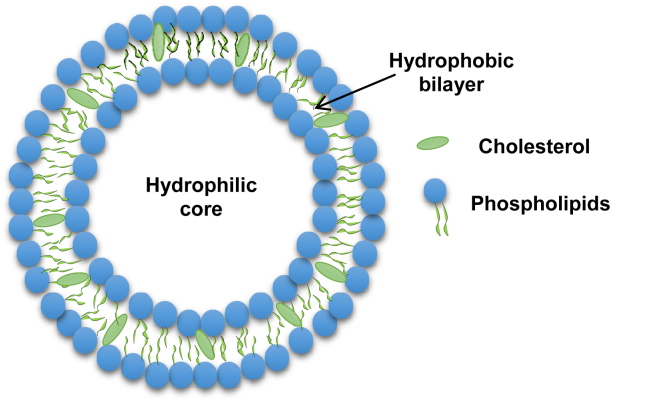
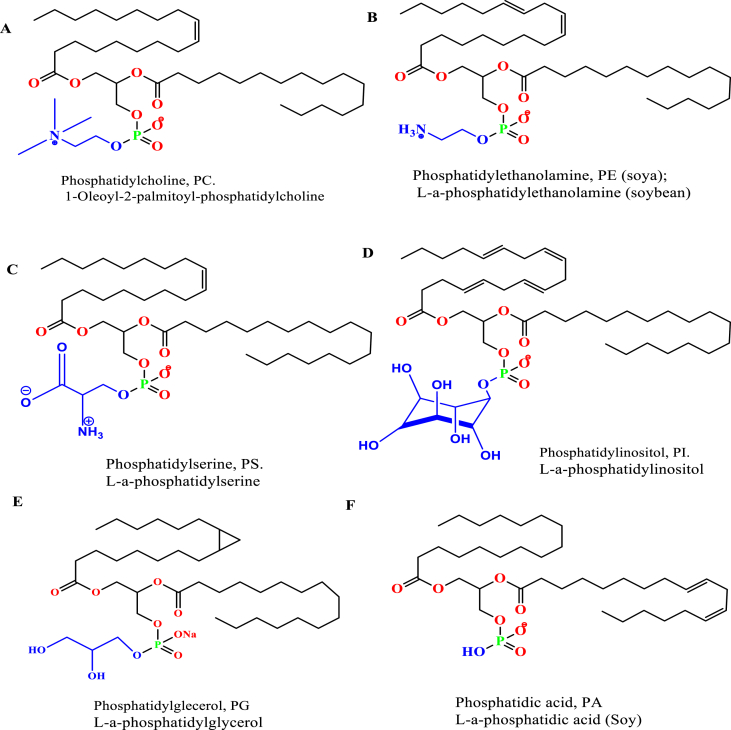
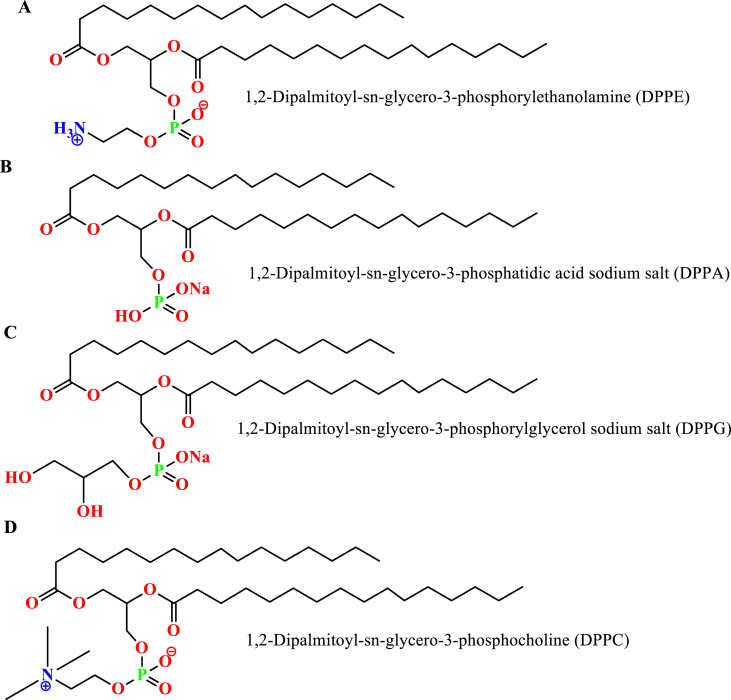
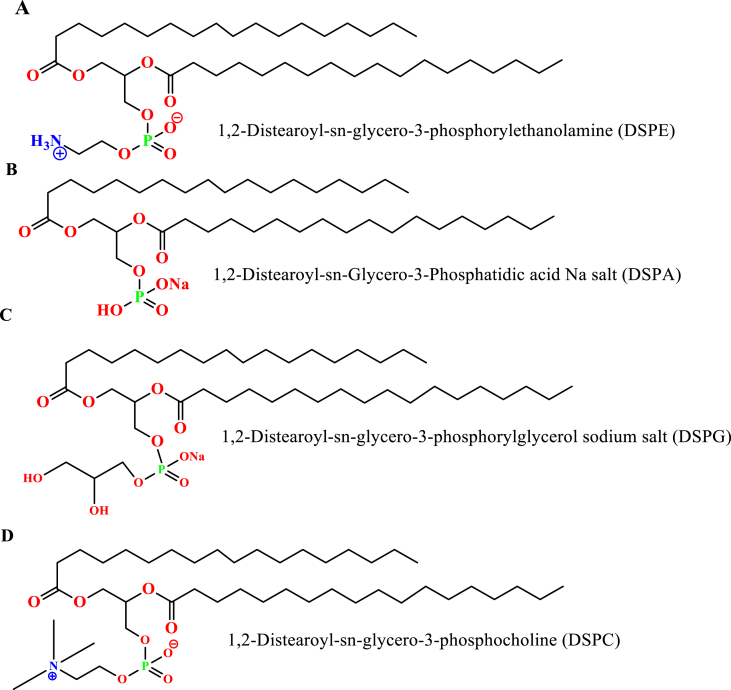
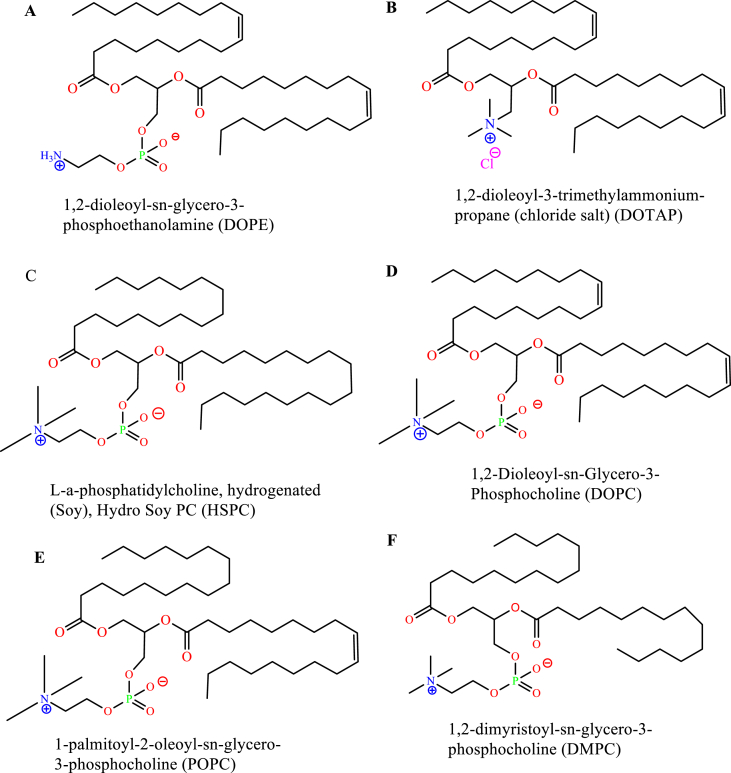
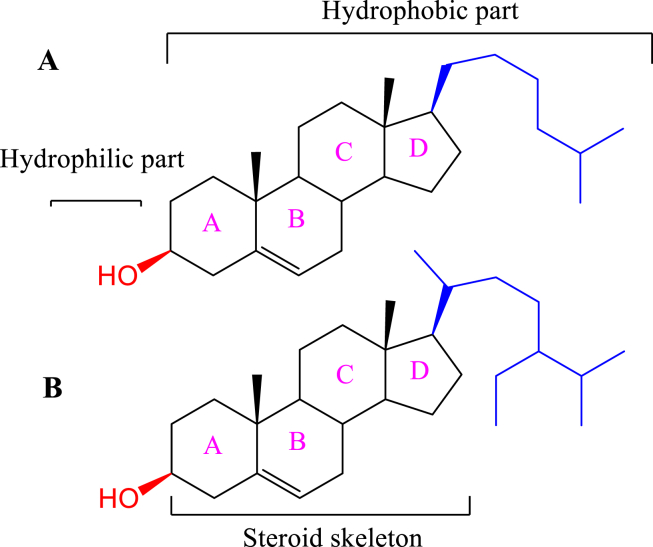
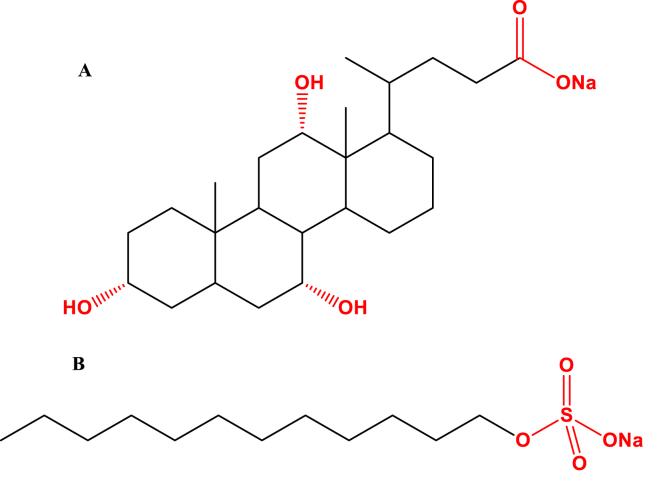
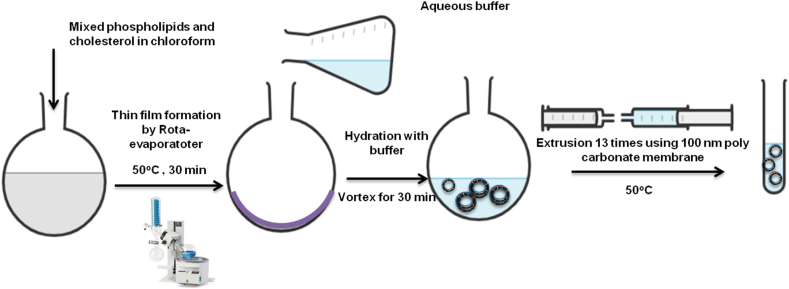
Liposomes are now considered the most commonly used nanocarriers for various potentially active hydrophobic and hydrophilic molecules due to their high biocompatibility, biodegradability, and low immunogenicity. Liposomes also proved to enhance drug solubility and controlled distribution, as well as their capacity for surface modifications for targeted, prolonged, and sustained release. Based on the composition, liposomes can be considered to have evolved from conventional, long-circulating, targeted, and immune-liposomes to stimuli-responsive and actively targeted liposomes. Many liposomal-based drug delivery systems are currently clinically approved to treat several diseases, such as cancer, fungal and viral infections; more liposomes have reached advanced phases in clinical trials. This review describes liposomes structure, composition, preparation methods, and clinical applications.
Overview
The claims and statistics of this paper haven’t been checked yet.
Run the check — free, no account needed. It reads the open-access text and checks the sources it cites.
Integrity signals
Registry
Cites
Statistics
Figures
Verification
Claims the paper makes
The claims and statistics of this paper haven’t been checked yet.
Run the check — free, no account needed. It reads the open-access text and checks the sources it cites.
Claims other papers make about this one
Each is checked against this paper’s own text: does it say what the citing paper says it does?
The source backs part of the claim, not all of it — or backs it for a different population, condition or comparison.
In the citing paper
“However, this may not necessarily occur for all liposomal forms due to the high variability in terms of liposome size and composition [44].”
From Enhanced Vitamin C Delivery: A Systematic Literature Review Assessing the Efficacy and Safety of Alternative Supplement Forms in Healthy Adults (2025) · cites this paper as [44]
Experimental — accuracy not yet measured
Self-check
Percentages, sums and reported differences re-computed from the paper’s own numbers.
The self-check needs the paper’s full text.
Citations
Cites
1 retracted
Nakhaei, P., Margiana, R., Bokov, D. O., Abdelbasset, W. K., Kouhbanani, M. A. J., Varma, R. S., Marofi, F., Jarahian, M., & Beheshtkhoo, N. (2021) · Frontiers in Bioengineering and Biotechnology · doi:10.3389/fbioe.2021.705886 · Cited by 512
RetractedNanocarriers as an emerging platform for cancer therapy
Peer, D., Karp, J. M., Hong, S., Farokhzad, O. C., Margalit, R., & Langer, R. (2007) · Nature Nanotechnology · doi:10.1038/nnano.2007.387 · Cited by 8,710
Stimuli-responsive nanocarriers for drug delivery
Mura, S., Nicolas, J., & Couvreur, P. (2013) · Nature Materials · doi:10.1038/nmat3776 · Cited by 6,289
Recent advances with liposomes as pharmaceutical carriers
Torchilin, V. P. (2005) · Nature Reviews Drug Discovery · doi:10.1038/nrd1632 · Cited by 5,282
Liposomal drug delivery systems: From concept to clinical applications
Allen, T. M., & Cullis, P. R. (2013) · Advanced Drug Delivery Reviews · doi:10.1016/j.addr.2012.09.037 · Cited by 4,839
Doxil® — The first FDA-approved nano-drug: Lessons learned
Barenholz, Y. (. (2012) · Journal of Controlled Release · doi:10.1016/j.jconrel.2012.03.020 · Cited by 4,792
Drug Delivery Systems: Entering the Mainstream
Allen, T. M., & Cullis, P. R. (2004) · Science · doi:10.1126/science.1095833 · Cited by 4,552
PEGylation as a strategy for improving nanoparticle-based drug and gene delivery
Suk, J. S., Xu, Q., Kim, N., Hanes, J., & Ensign, L. M. (2016) · Advanced Drug Delivery Reviews · doi:10.1016/j.addr.2015.09.012 · Cited by 4,523
Liposome: classification, preparation, and applications
Akbarzadeh, A., Rezaei-Sadabady, R., Davaran, S., Joo, S. W., Zarghami, N., Hanifehpour, Y., Samiei, M., Kouhi, M., & Nejati‐Koshki, K. (2013) · Nanoscale Research Letters · doi:10.1186/1556-276x-8-102 · Cited by 3,648
Advances and Challenges of Liposome Assisted Drug Delivery
Sercombe, L., Veerati, T., Moheimani, F., Wu, S. Y., Sood, A. K., & Hua, S. (2015) · Frontiers in Pharmacology · doi:10.3389/fphar.2015.00286 · Cited by 2,672
Research works printed but not linked: 8
- Sahoo, 2003, Nanotech approaches to drug delivery and imaging, Drug Discov. Today, 8, 1112, 10.1016/S1359-6446(03)02903-9 · DOI
- Bulbake, 2017, Liposomal formulations in clinical use: an updated review, Pharmaceutics, 9, 12, 10.3390/pharmaceutics9020012 · DOI
- Tadokoro, 2016, 39, 446
- Bozzuto, 2015, Liposomes as nanomedical devices, Int. J. Nanomed., 10, 975, 10.2147/IJN.S68861 · DOI
- Gonzalez-Rodriguez, 2011, Charged liposomes as carriers to enhance the permeation through the skin, Expet Opin. Drug Deliv., 8, 857, 10.1517/17425247.2011.574610 · DOI
- He, 2018, Safety of novel liposomal drugs for cancer treatment, Adv. Prosp., 295, 13
- Bigazzi, 2019, Supercritical fluid methods: an alternative to conventional methods to prepare liposomes, Chem. Eng. J., 383, 123106
- Immordino, 2006, Stealth liposomes: review of the basic science, rationale, and clinical applications, existing and potential, Int. J. Nanomed., 1, 297
Cited by
Sorted by citations
Nanocarrier system: An emerging strategy for bioactive peptide delivery
Zhang, X., Li, X., Zhao, Y., Zheng, Q., Wu, Q., & Yu, Y. (2022) · Frontiers in Nutrition · doi:10.3389/fnut.2022.1050647 · Cited by 63
Calder, P. C., Kreider, R. B., & McKay, D. L. (2025) · Nutrients · doi:10.3390/nu17020279 · Cited by 16
Uti, D. E., Egbung, J. E., Anthony, B. O., Omari, O. R., Omang, W. A., Aggad, W. S., Almohaimeed, H. M., Bainsal, N., Shukla, S. K., Ealla, K. K. R., et al. (2026) · Discover Nano · doi:10.1186/s11671-026-04681-9 · Cited by 3
Theranostic Nanoplatforms for Alzheimer's Disease: A Critical Analysis of Conceptual Contradictions
Zorkina, Y., Abramova, O., Zubkov, E., Gurina, O., & Ushakova, V. (2026) · International Journal of Molecular Sciences · doi:10.3390/ijms27083560 · Cited by 1
“Each class possesses unique properties: lipid particles (liposomes, exosomes) offer biocompatibility [23–25]; polymeric particles (Poly(lactic-co-glycolic acid) (PLGA), dendrimers) provide biodegradability and functionalization [19,26]; superparamagnetic iron oxide Nps (SPIONs) enable MRI contrast…”
Metadata
- Authors
- Nsairat, H., Khater, D., Sayed, U., Odeh, F., Al Bawab, A., & Alshaer, W.
- Affiliations
- Al-Ahliyya Amman University (JO)
- Applied Science Private University (JO)
- University of Jordan (JO)
- Corresponding author
- Alshaer, Walhan
- Venue
- Heliyon
- Publisher
- Elsevier BV
- Published
- 2022-05
- Volume
- 8
- Issue
- 5
- Pages
- e09394
- ISSN
- 2405-8440 (ISSN-L)
- PMC
- PMC9118483
- OpenAlex
- W4280621631
- Cited by
- 1,561
- References
- 219
- Citations by year
- 2026: 366 · 2025: 601 · 2024: 405 · 2023: 179 · 2022: 10
- FWCI
- 20.55
- Type
- journal article
- Language
- en
- Open access
- gold
- doi.org
- Licence
- Locations
- Heliyon (publishedVersion, cc-by)
- PubMed Central (publishedVersion, cc-by)
- PubMed (publishedVersion)
- DOAJ (DOAJ: Directory of Open Access Journals) (submittedVersion)
- Topics
- Physical Sciences › Materials Science › Biomaterials › Nanoparticle-Based Drug Delivery
- Life Sciences › Pharmacology, Toxicology and Pharmaceutics › Pharmaceutical Science › Advanced Drug Delivery Systems
- Life Sciences › Biochemistry, Genetics and Molecular Biology › Molecular Biology › RNA Interference and Gene Delivery
- Keywords
- liposomes, liposomal drug delivery, nanocarriers, liposome structure, liposome composition, liposome preparation, targeted liposomes, long-circulating liposomes, stimuli-responsive liposomes, sustained drug release, drug solubility enhancement, biocompatibility, clinical application, cancer therapy
About these checks
Registry, retraction, Cites and statistics results are computed, not judged, with one exception: a printed reference that no index lists is read once by a model before it counts as a citation error. Claims are extracted by a model and kept only when their quote appears verbatim in the text; each cited source is then checked, with a model’s help, for whether it says what the claim relies on. Those verdicts can be wrong — read the claim’s quote and the cited source before relying on one.
Statistics and arithmetic are recomputed, not judged.
Confidence bands are shown only for fields calibrated on our annotated test set. None is calibrated yet, so no band is shown.
What counts as a claim ›How we measure confidence ›How we check this ›
Are you an author, or do you see a problem with this page? Request a review
