

The DOI matches its Crossref record; 219 of the 219 references it cites were found in a registry or an index.
Liposomes: structure, composition, types, and clinical applications
Open accessAbstract
Liposomes are now considered the most commonly used nanocarriers for various potentially active hydrophobic and hydrophilic molecules due to their high biocompatibility, biodegradability, and low immunogenicity. Liposomes also proved to enhance drug solubility and controlled distribution, as well as their capacity for surface modifications for targeted, prolonged, and sustained release. Based on the composition, liposomes can be considered to have evolved from conventional, long-circulating, targeted, and immune-liposomes to stimuli-responsive and actively targeted liposomes. Many liposomal-based drug delivery systems are currently clinically approved to treat several diseases, such as cancer, fungal and viral infections; more liposomes have reached advanced phases in clinical trials. This review describes liposomes structure, composition, preparation methods, and clinical applications.
Overview
The claims and statistics of this paper haven’t been checked yet.
Run the check — free, no account needed. It reads the open-access text and checks the sources it cites.
Integrity signals
Registry
Cites
Statistics
Figures
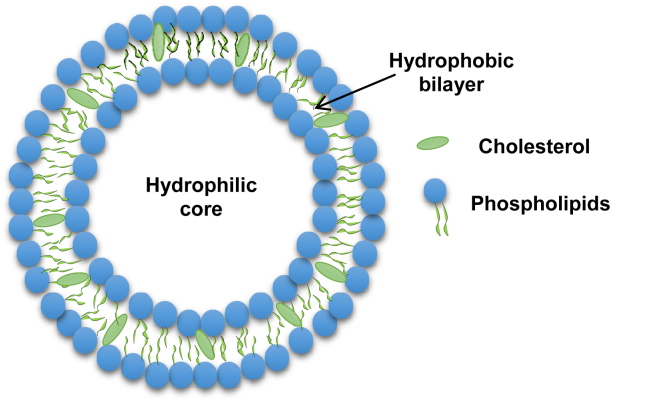
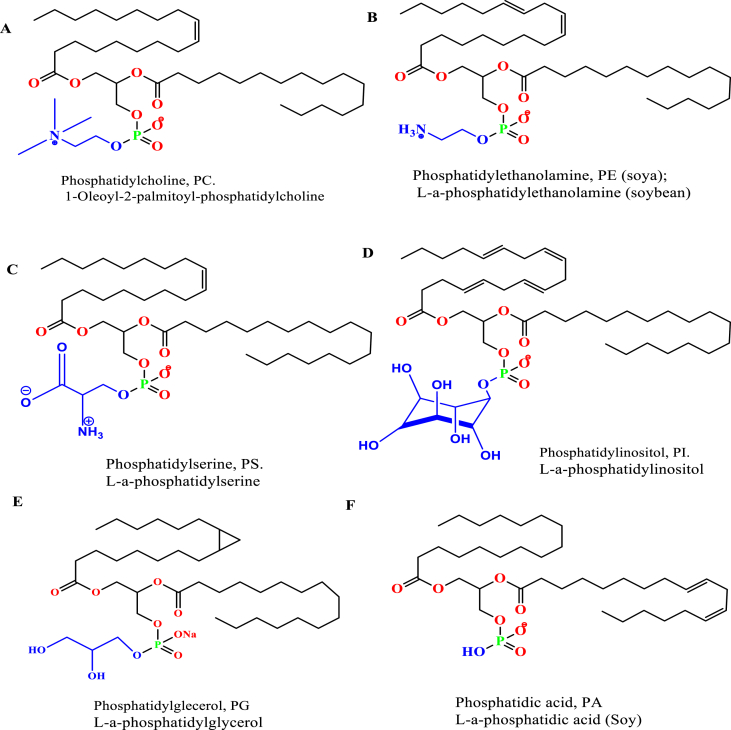
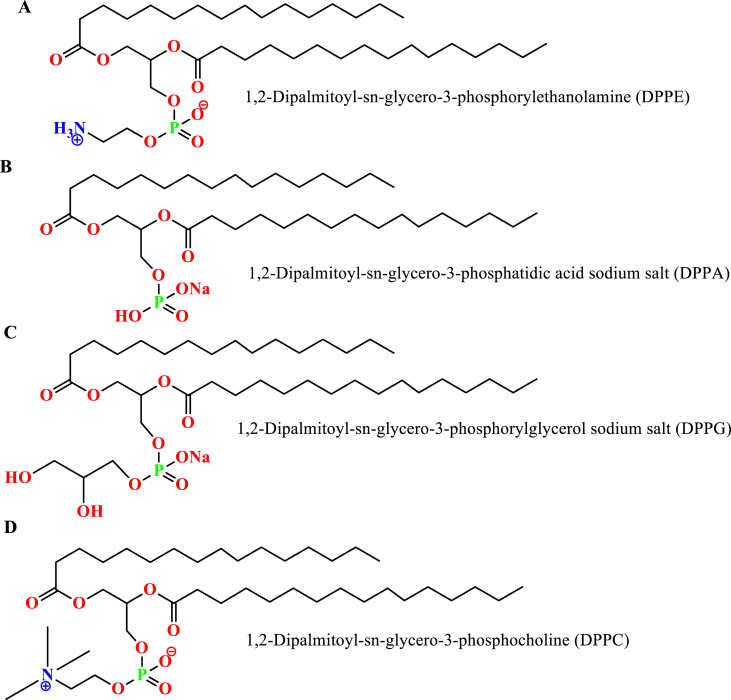
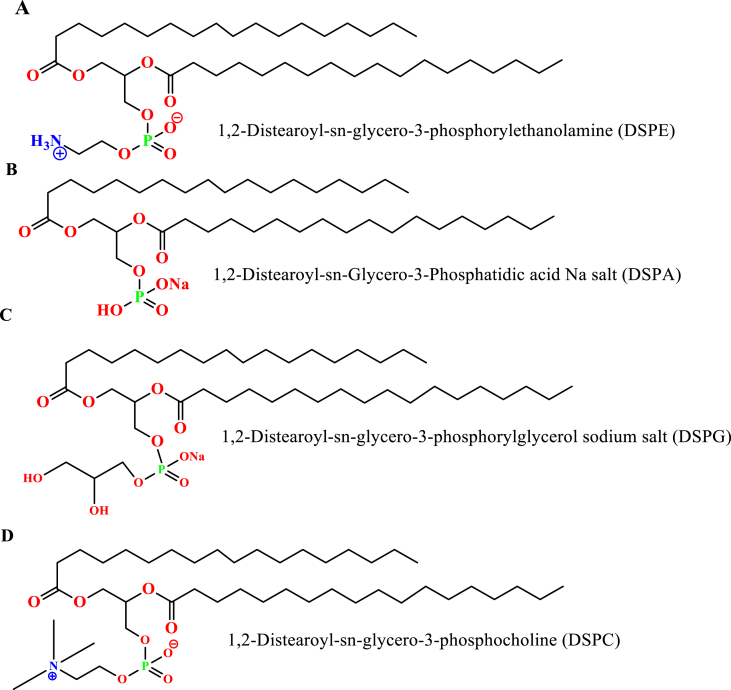
Verification
Claims the paper makes
The claims and statistics of this paper haven’t been checked yet.
Run the check — free, no account needed. It reads the open-access text and checks the sources it cites.
Claims other papers make about this one
Each is checked against this paper’s own text: does it say what the citing paper says it does?
The source backs part of the claim, not all of it — or backs it for a different population, condition or comparison.
In the citing paper
“However, this may not necessarily occur for all liposomal forms due to the high variability in terms of liposome size and composition [44].”
From Enhanced Vitamin C Delivery: A Systematic Literature Review Assessing the Efficacy and Safety of Alternative Supplement Forms in Healthy Adults (2025) · cites this paper as [44]
Experimental — accuracy not yet measured
Self-check
Percentages, sums and reported differences re-computed from the paper’s own numbers.
The self-check needs the paper’s full text.
Citations
Cites
1 retracted
Nakhaei, P., Margiana, R., Bokov, D. O., Abdelbasset, W. K., Kouhbanani, M. A. J., Varma, R. S., Marofi, F., Jarahian, M., & Beheshtkhoo, N. (2021) · Frontiers in Bioengineering and Biotechnology · doi:10.3389/fbioe.2021.705886 · Cited by 512
RetractedNanocarriers as an emerging platform for cancer therapy
Peer, D., Karp, J. M., Hong, S., Farokhzad, O. C., Margalit, R., & Langer, R. (2007) · Nature Nanotechnology · doi:10.1038/nnano.2007.387 · Cited by 8,710
Stimuli-responsive nanocarriers for drug delivery
Mura, S., Nicolas, J., & Couvreur, P. (2013) · Nature Materials · doi:10.1038/nmat3776 · Cited by 6,289
Recent advances with liposomes as pharmaceutical carriers
Torchilin, V. P. (2005) · Nature Reviews Drug Discovery · doi:10.1038/nrd1632 · Cited by 5,282
Liposomal drug delivery systems: From concept to clinical applications
Allen, T. M., & Cullis, P. R. (2013) · Advanced Drug Delivery Reviews · doi:10.1016/j.addr.2012.09.037 · Cited by 4,839
Doxil® — The first FDA-approved nano-drug: Lessons learned
Barenholz, Y. (. (2012) · Journal of Controlled Release · doi:10.1016/j.jconrel.2012.03.020 · Cited by 4,792
Drug Delivery Systems: Entering the Mainstream
Allen, T. M., & Cullis, P. R. (2004) · Science · doi:10.1126/science.1095833 · Cited by 4,552
PEGylation as a strategy for improving nanoparticle-based drug and gene delivery
Suk, J. S., Xu, Q., Kim, N., Hanes, J., & Ensign, L. M. (2016) · Advanced Drug Delivery Reviews · doi:10.1016/j.addr.2015.09.012 · Cited by 4,523
Liposome: classification, preparation, and applications
Akbarzadeh, A., Rezaei-Sadabady, R., Davaran, S., Joo, S. W., Zarghami, N., Hanifehpour, Y., Samiei, M., Kouhi, M., & Nejati‐Koshki, K. (2013) · Nanoscale Research Letters · doi:10.1186/1556-276x-8-102 · Cited by 3,648
Advances and Challenges of Liposome Assisted Drug Delivery
Sercombe, L., Veerati, T., Moheimani, F., Wu, S. Y., Sood, A. K., & Hua, S. (2015) · Frontiers in Pharmacology · doi:10.3389/fphar.2015.00286 · Cited by 2,672
Liposomes as nanomedical devices
Bozzuto, G., & Molinari, A. (2015) · International Journal of Nanomedicine · doi:10.2147/ijn.s68861 · Cited by 2,382
Szoka, F. C., & Papahadjopoulos, D. (1978) · Proceedings of the National Academy of Sciences · doi:10.1073/pnas.75.9.4194 · Cited by 2,350
Mourdikoudis, S., Pallares, R. M., & Thanh, N. T. K. (2018) · Nanoscale · doi:10.1039/c8nr02278j · Cited by 2,328
Liposomal Formulations in Clinical Use: An Updated Review
Bulbake, U., Doppalapudi, S., Kommineni, N., & Khan, W. (2017) · Pharmaceutics · doi:10.3390/pharmaceutics9020012 · Cited by 2,174
Engineered Nanoparticles for Drug Delivery in Cancer Therapy
Sun, T., Zhang, Y. S., Pang, B., Hyun, D. C., Yang, M., & Xia, Y. (2014) · Angewandte Chemie International Edition · doi:10.1002/anie.201403036 · Cited by 2,164
Thermal ablation of tumours: biological mechanisms and advances in therapy
Chu, K. F., & Dupuy, D. E. (2014) · Nature reviews. Cancer · doi:10.1038/nrc3672 · Cited by 1,990
New-Concept Chemotherapy by Nanoparticles of Biodegradable Polymers: Where Are We Now?
Feng, S.-S. (2006) · Nanomedicine · doi:10.2217/17435889.1.3.297 · Cited by 1,951
McClements, D. J., & Rao, J. (2011) · Critical Reviews in Food Science and Nutrition · doi:10.1080/10408398.2011.559558 · Cited by 1,695
Comparative Properties and Methods of Preparation of Lipid Vesicles (Liposomes)
Szoka, F. C., & Papahadjopoulos, D. (1980) · Annual Review of Biophysics and Bioengineering · doi:10.1146/annurev.bb.09.060180.002343 · Cited by 1,515
van der Veen, J. N., Kennelly, J. P., Wan, S., Vance, J. E., Vance, D. E., & Jacobs, R. L. (2017) · Biochimica et Biophysica Acta (BBA) - Biomembranes · doi:10.1016/j.bbamem.2017.04.006 · Cited by 1,514
Nanotech approaches to drug delivery and imaging
Sahoo, S. K., & Labhasetwar, V. D. (2003) · Drug Discovery Today · doi:10.1016/s1359-6446(03)02903-9 · Cited by 1,224
Kim, B. Y. S., Rutka, J. T., & Chan, W. C. W. (2010) · New England Journal of Medicine · doi:10.1056/nejmra0912273 · Cited by 1,153
Kirpotin, D. B., Drummond, D. C., Shao, Y., Shalaby, M. R., Hong, K., Nielsen, U. B., Marks, J. D., Benz, C. C., & Park, J. W. (2006) · Cancer Research · doi:10.1158/0008-5472.can-05-4199 · Cited by 1,129
The unique role of nanoparticles in nanomedicine: imaging, drug delivery and therapy
Doane, T. L., & Burda, C. (2012) · Chemical Society Reviews · doi:10.1039/c2cs15260f · Cited by 1,113
A review on phospholipids and their main applications in drug delivery systems
Li, J., Wang, X., Zhang, T., Wang, C., Huang, Z., Luo, X., & Deng, Y. (2014) · Asian Journal of Pharmaceutical Sciences · doi:10.1016/j.ajps.2014.09.004 · Cited by 1,005
Liposome composition in drug delivery design, synthesis, characterization, and clinical application
Large, D. E., Abdelmessih, R. G., Fink, E. A., & Auguste, D. T. (2021) · Advanced Drug Delivery Reviews · doi:10.1016/j.addr.2021.113851 · Cited by 886
Surface modification of nanoparticles to oppose uptake by the mononuclear phagocyte system
Storm, G., Belliot, S. O., Daemen, T., & Lasiç, D. D. (1995) · Advanced Drug Delivery Reviews · doi:10.1016/0169-409x(95)00039-a · Cited by 878
Nanoparticles for drug delivery in cancer treatment
Haley, B., & Frenkel, E. P. (2008) · Urologic Oncology Seminars and Original Investigations · doi:10.1016/j.urolonc.2007.03.015 · Cited by 823
Yeh, M., Chang, H., & Cheng, M.-Y. (2011) · International Journal of Nanomedicine · doi:10.2147/ijn.s26766 · Cited by 801
Influence of cholesterol on liposome stability and on in vitro drug release
Briuglia, M. L., Rotella, C., McFarlane, A., & Lamprou, D. A. (2015) · Drug Delivery and Translational Research · doi:10.1007/s13346-015-0220-8 · Cited by 779
Application of liposomes in medicine and drug delivery
Daraee, H., Etemadi, A., Kouhi, M., Alimirzalu, S., & Akbarzadeh, A. (2014) · Artificial Cells Nanomedicine and Biotechnology · doi:10.3109/21691401.2014.953633 · Cited by 767
The journey of a drug-carrier in the body: An anatomo-physiological perspective
Bertrand, N., & Leroux, J. (2011) · Journal of Controlled Release · doi:10.1016/j.jconrel.2011.09.098 · Cited by 737
Preparation, Characterization and Applications of Liposomes: State of the Art
Laouini, A., Jaafar‐Maalej, C., Limayem, I., Sfar, S., Charcosset, C., & Fessi, H. (2012) · Journal of Colloid Science and Biotechnology · doi:10.1166/jcsb.2012.1020 · Cited by 699
CNS Delivery Via Adsorptive Transcytosis
Hervé, F., Ghinea, N., & Scherrmann, J.-M. (2008) · The AAPS Journal · doi:10.1208/s12248-008-9055-2 · Cited by 676
Adapting liposomes for oral drug delivery
He, H., Lu, Y., Qi, J., Zhu, Q., Chen, Z., & Wu, W. (2019) · Acta Pharmaceutica Sinica B · doi:10.1016/j.apsb.2018.06.005 · Cited by 663
Liposomal Drug Delivery Systems and Anticancer Drugs
Olusanya, T. O. B., Haj-Ahmad, R., Ibegbu, M. D., Smith, J. R., & Elkordy, A. (2018) · Molecules · doi:10.3390/molecules23040907 · Cited by 605
Preparation and Use of Liposomes as Models of Biological Membranes
Bangham, A. D., Hill, M. W., & Miller, N. G. A. (1974) · Springer eBooks · doi:10.1007/978-1-4615-7422-4_1 · Cited by 592
Emerging use of nanoparticles in diagnosis and treatment of breast cancer
Yezhelyev, M. V., Gao, X., Xing, Y., Al-Hajj, A., Nie, S., & O'Regan, R. M. (2006) · The Lancet Oncology · doi:10.1016/s1470-2045(06)70793-8 · Cited by 589
Stimuli‐responsive liposomes for drug delivery
Lee, Y. R., & Thompson, D. H. (2017) · Wiley Interdisciplinary Reviews Nanomedicine and Nanobiotechnology · doi:10.1002/wnan.1450 · Cited by 586
Recent advances in functional nanomaterials for light–triggered cancer therapy
Gai, S., Yang, G., Yang, P., He, F., Lin, J., Jin, D., & Xing, B. (2018) · Nano Today · doi:10.1016/j.nantod.2018.02.010 · Cited by 574
Preparation and characterization of liposomes as therapeutic delivery systems: a review
Vemuri, S., & Rhodes, C. T. (1995) · Pharmaceutica Acta Helvetiae · doi:10.1016/0031-6865(95)00010-7 · Cited by 566
Ligand-targeted liposome design: challenges and fundamental considerations
Noble, G. T., Stefanick, J. F., Ashley, J. D., Kiziltepe, T., & Bilgiçer, B. (2013) · Trends in biotechnology · doi:10.1016/j.tibtech.2013.09.007 · Cited by 546
Recent advances in tumor-targeting anticancer drug conjugates
Jaracz, S., Chen, J., Kuznetsova, L. V., & Ojima, I. (2005) · Bioorganic & Medicinal Chemistry · doi:10.1016/j.bmc.2005.04.084 · Cited by 491
Klibanov, A. L., Maruyama, K., Beckerleg, A. M., Torchilin, V. P., & Huang, L. (1991) · Biochimica et Biophysica Acta (BBA) - Biomembranes · doi:10.1016/0005-2736(91)90385-l · Cited by 480
Silverman, J. A., & Deitcher, S. R. (2012) · Cancer Chemotherapy and Pharmacology · doi:10.1007/s00280-012-2042-4 · Cited by 474
Liposomes in tissue engineering and regenerative medicine
Monteiro, N., Martins, A. M., Reis, R. L., & Neves, N. M. (2014) · Journal of The Royal Society Interface · doi:10.1098/rsif.2014.0459 · Cited by 447
Liposome production by microfluidics: potential and limiting factors
Carugo, D., Bottaro, E., Owen, J., Stride, E., & Nastruzzi, C. (2016) · Scientific Reports · doi:10.1038/srep25876 · Cited by 443
Targeted Liposomal Drug Delivery to Monocytes and Macrophages
Kelly, C., Jefferies, C. A., & Cryan, S. (2010) · Journal of Drug Delivery · doi:10.1155/2011/727241 · Cited by 426
The use of natural and synthetic phospholipids as pharmaceutical excipients
van Hoogevest, P., & Wendel, A. (2014) · European Journal of Lipid Science and Technology · doi:10.1002/ejlt.201400219 · Cited by 423
Aptamers Chemistry: Chemical Modifications and Conjugation Strategies
Odeh, F., Nsairat, H., Alshaer, W., Ismail, M. A., Esawi, E., Qaqish, B. M., Bawab, A. A., & Ismail, S. I. (2019) · Molecules · doi:10.3390/molecules25010003 · Cited by 420
Self-citationSustainable technologies for liposome preparation
Leitgeb, M., Knez, Ž., & Primožič, M. (2020) · The Journal of Supercritical Fluids · doi:10.1016/j.supflu.2020.104984 · Cited by 420
Thermosensitive liposomes for localized delivery and triggered release of chemotherapy
Ta, T., & Porter, T. M. (2013) · Journal of Controlled Release · doi:10.1016/j.jconrel.2013.03.036 · Cited by 418
Amphotericin B: time for a new “gold standard”
Saravolatz, L. D., Ostrosky-Zeichner, L., Marr, K. A., Rex, J. H., & Cohen, S. H. (2003) · Clinical Infectious Diseases · doi:10.1086/376634 · Cited by 406
Semple, S. C., Chonn, A., & Cullis, P. R. (1998) · Advanced Drug Delivery Reviews · doi:10.1016/s0169-409x(97)00128-2 · Cited by 404
Liposomes: an overview of manufacturing techniques.
Mozafari, M. R. (2005) · PubMed · Cited by 387
Stimuli‐Responsive Materials for Controlled Release of Theranostic Agents
Wang, Y., Shim, M. S., Levinson, N. S., Sung, H., & Younan Xia, A. (2014) · Advanced Functional Materials · doi:10.1002/adfm.201400279 · Cited by 382
Drummond, D. C., Noble, C. O., Guo, Z., Hong, K., Park, J. W., & Kirpotin, D. B. (2006) · Cancer Research · doi:10.1158/0008-5472.can-05-4007 · Cited by 381
Mori, A., Klibanov, A. L., Torchilin, V. P., & Huang, L. (1991) · FEBS Letters · doi:10.1016/0014-5793(91)80699-4 · Cited by 369
Liposomes: A Review of Manufacturing Techniques and Targeting Strategies
Maherani, B., Arab‐Tehrany, E., Mozafari, M. R., Gaïani, C., & Linder, M. (2011) · Current Nanoscience · doi:10.2174/157341311795542453 · Cited by 369
Liposomal paclitaxel formulations
Koudelka, Š., & Tuřánek, J. (2012) · Journal of Controlled Release · doi:10.1016/j.jconrel.2012.09.006 · Cited by 366
In vivo toxicity of cationic micelles and liposomes
Knudsen, K. B., Northeved, H., Ek, P. K., Permin, A., Gjetting, T., Andresen, T. L., Larsen, S., Wegener, K. M., Lykkesfeldt, J., Jantzen, K., et al. (2014) · Nanomedicine Nanotechnology Biology and Medicine · doi:10.1016/j.nano.2014.08.004 · Cited by 357
Pick, U. (1981) · Archives of Biochemistry and Biophysics · doi:10.1016/0003-9861(81)90358-1 · Cited by 356
Senior, J., & Gregoriadis, G. C. (1982) · Life Sciences · doi:10.1016/0024-3205(82)90455-6 · Cited by 355
Acid-Active Cell-Penetrating Peptides for in Vivo Tumor-Targeted Drug Delivery
Jin, E., Zhang, B., Sun, X., Zhou, Z., Ma, X., Sun, Q., Tang, J., Shen, Y., Kirk, E. V., Murdoch, W. J., et al. (2012) · Journal of the American Chemical Society · doi:10.1021/ja311180x · Cited by 336
Krauss, A. C., Gao, X., Li, L., Manning, M. L., Patel, P., Fu, W., Janoria, K. G., Gieser, G., Bateman, D. A., Przepiorka, D., et al. (2018) · Clinical Cancer Research · doi:10.1158/1078-0432.ccr-18-2990 · Cited by 336
Allen, T. M. (1994) · Advanced Drug Delivery Reviews · doi:10.1016/0169-409x(94)90016-7 · Cited by 325
Gubernator, J. (2011) · Expert Opinion on Drug Delivery · doi:10.1517/17425247.2011.566552 · Cited by 324
Cholesterol modulates the liposome membrane fluidity and permeability for a hydrophilic molecule
Kaddah, S., Khreich, N., Kaddah, F. K., Charcosset, C., & Greige‐Gerges, H. (2018) · Food and Chemical Toxicology · doi:10.1016/j.fct.2018.01.017 · Cited by 314
Phospholipids of Animal and Marine Origin: Structure, Function, and Anti-Inflammatory Properties
Lordan, R., Τσούπρας, Α., & Zabetakis, I. (2017) · Molecules · doi:10.3390/molecules22111964 · Cited by 308
Liposomes: Clinical Applications and Potential for Image-Guided Drug Delivery
Lamichhane, N., Udayakumar, T. S., D'Souza, W. D., Simone, C. B., Raghavan, S. R., Polf, J., & Mahmood, J. (2018) · Molecules · doi:10.3390/molecules23020288 · Cited by 304
Koren, E., Apte, A., Jani, A., & Torchilin, V. P. (2011) · Journal of Controlled Release · doi:10.1016/j.jconrel.2011.12.002 · Cited by 301
Nanotherapeutics in the EU: an overview on current state and future directions
Pepić, I., Hafner, A., Lovrić, J., & Lakoš, G. P. (2014) · International Journal of Nanomedicine · doi:10.2147/ijn.s55359 · Cited by 295
pH-Sensitive liposomes-principle and application in cancer therapy
Karanth, H., & Murthy, R. S. R. (2007) · Journal of Pharmacy and Pharmacology · doi:10.1211/jpp.59.4.0001 · Cited by 293
A comprehensive review on recent preparation techniques of liposomes
Has, C., & Sunthar, P. (2020) · Journal of liposome research · doi:10.1080/08982104.2019.1668010 · Cited by 280
Interplay of protein corona and immune cells controls blood residency of liposomes
Giulimondi, F., Digiacomo, L., Pozzi, D., Palchetti, S., Vulpis, E., Capriotti, A. L., Chiozzi, R. Z., Laganà, A., Amenitsch, H. W., Masuelli, L., et al. (2019) · Nature Communications · doi:10.1038/s41467-019-11642-7 · Cited by 273
Pros and Cons of the Liposome Platform in Cancer Drug Targeting
Gabizón, A., Shmeeda, H., & Zalipsky, S. (2006) · Journal of Liposome Research · doi:10.1080/08982100600848769 · Cited by 272
Mechanisms and kinetics of liposome–cell interactions
Düzgüneş, N., & Nir, S. (1999) · Advanced Drug Delivery Reviews · doi:10.1016/s0169-409x(99)00037-x · Cited by 259
Fenske, D. B., & Cullis, P. R. (2007) · Expert Opinion on Drug Delivery · doi:10.1517/17425247.5.1.25 · Cited by 256
The accumulation of drugs within large unilamellar vesicles exhibiting a proton gradient: a survey
Madden, T. D., Harrigan, P. R., Tai, L. C. L., Bally, M. B., Mayer, L. D., Redelmeier, T. E., Loughrey, H. C., Tilcock, C., Reinish, L. W., & Cullis, P. R. (1990) · Chemistry and Physics of Lipids · doi:10.1016/0009-3084(90)90131-a · Cited by 255
Lyophilization of Liposomal Formulations: Still Necessary, Still Challenging
Franzè, S., Selmin, F., Samaritani, E., Minghetti, P., & Cilurzo, F. (2018) · Pharmaceutics · doi:10.3390/pharmaceutics10030139 · Cited by 254
Singh (2010) · International Journal of Nanomedicine · doi:10.2147/ijn.s8030 · Cited by 253
Enzyme-Responsive Nanoparticles for Anti-tumor Drug Delivery
Li, M., Zhao, G., Su, W.-K., & Shuai, Q. (2020) · Frontiers in Chemistry · doi:10.3389/fchem.2020.00647 · Cited by 253
Effective anti-tumor activity of oxaliplatin encapsulated in transferrin–PEG-liposome
Suzuki, R., 知子, 滝., Kuwata, Y., Mutoh, M., Ishiguro, N., Utoguchi, N., Shinohara, A., Eriguchi, M., Yanagië, H., & Maruyama, K. (2007) · International Journal of Pharmaceutics · doi:10.1016/j.ijpharm.2007.06.010 · Cited by 252
Ligand-Targeted Liposomes for Cancer Treatment
Sapra, P., Tyagi, P., & Allen, T. M. (2005) · Current Drug Delivery · doi:10.2174/156720105774370159 · Cited by 250
Stimuli-Responsive Nanomaterials for Application in Antitumor Therapy and Drug Delivery
Pham, S. H., Choi, Y., & Choi, J. (2020) · Pharmaceutics · doi:10.3390/pharmaceutics12070630 · Cited by 248
Liposomal systems as drug delivery vehicles for dermal and transdermal applications
Pierre, M. B. R., & Costa, I. D. S. M. (2011) · Archives of Dermatological Research · doi:10.1007/s00403-011-1166-4 · Cited by 246
A review of mechanistic insight and application of pH-sensitive liposomes in drug delivery
Paliwal, S. R., Paliwal, R., & Vyas, S. P. (2014) · Drug Delivery · doi:10.3109/10717544.2014.882469 · Cited by 242
Mills, J. K., & Needham, D. (2005) · Biochimica et Biophysica Acta (BBA) - Biomembranes · doi:10.1016/j.bbamem.2005.08.007 · Cited by 238
Ong, S., Ming, L. C., Lee, K., & Yuen, K. H. (2016) · Pharmaceutics · doi:10.3390/pharmaceutics8030025 · Cited by 231
Formation and properties of 1000-A-diameter, single-bilayer phospholipid vesicles.
Enoch, H. G., & Strittmatter, P. (1979) · Proceedings of the National Academy of Sciences · doi:10.1073/pnas.76.1.145 · Cited by 228
Drug release from nanomedicines: selection of appropriate encapsulation and release methodology
Wallace, S. J., Li, J., Nation, R. L., & Boyd, B. J. (2012) · Drug Delivery and Translational Research · doi:10.1007/s13346-012-0064-4 · Cited by 218
Redox-Triggered Contents Release from Liposomes
Ong, W., Yang, Y., Cruciano, A. C., & McCarley, R. L. (2008) · Journal of the American Chemical Society · doi:10.1021/ja8050469 · Cited by 216
Overexpression of p53 and prognosis in breast cancer
Friedrichs, K., Gluba, S., Eidtmann, H., & Jonat, W. (1993) · Cancer · doi:10.1002/1097-0142(19931215)72:12 · Cited by 210
Virosomes: evolution of the liposome as a targeted drug delivery system
Kaneda, Y. (2000) · Advanced Drug Delivery Reviews · doi:10.1016/s0169-409x(00)00069-7 · Cited by 208
Bolotin, E. M., Cohen, R., Bar, L. K., Emanuel, N., Ninio, S., Barenholz, Y., & Lasiç, D. D. (1994) · Journal of Liposome Research · doi:10.3109/08982109409037057 · Cited by 207
Gregoriadis, G. C., & Neerunjun, D. (1974) · European Journal of Biochemistry · doi:10.1111/j.1432-1033.1974.tb03681.x · Cited by 207
Lee, K.-D., Nir, S., & Papahadjopoulos, D. (1993) · Biochemistry · doi:10.1021/bi00054a021 · Cited by 204
Functionalizing Liposomes with anti-CD44 Aptamer for Selective Targeting of Cancer Cells
Alshaer, W., Hillaireau, H., Vergnaud, J., Ismail, S. I., & Fattal, E. (2014) · Bioconjugate Chemistry · doi:10.1021/bc5004313 · Cited by 200
Self-citationMicrofluidic Methods for Production of Liposomes
Yu, B., Lee, R. J., & Lee, L. J. (2009) · Methods in enzymology on CD-ROM/Methods in enzymology · doi:10.1016/s0076-6879(09)65007-2 · Cited by 198
The preparation of large single bilayer liposomes by a fast and controlled dialysis
Milsmann, M. H. W., Schwendener, R. A., & Weder, H. (1978) · Biochimica et Biophysica Acta (BBA) - Biomembranes · doi:10.1016/0005-2736(78)90225-0 · Cited by 198
Applications of Liposomes in Ophthalmology
Ebrahim, S. A., Peyman, G. A., & Lee, P. J. (2005) · Survey of Ophthalmology · doi:10.1016/j.survophthal.2004.12.006 · Cited by 198
Chau, Y., Tan, F. E., & Langer, R. (2004) · Bioconjugate Chemistry · doi:10.1021/bc0499174 · Cited by 195
Stealth® liposomes: from theory to product
Cˇeh, B., Winterhalter, M., Frederik, P. M., Vallner, J. J., & Lasiç, D. D. (1997) · Advanced Drug Delivery Reviews · doi:10.1016/s0169-409x(96)00456-5 · Cited by 191
Aptamer-guided nanomedicines for anticancer drug delivery
Alshaer, W., Hillaireau, H., & Fattal, E. (2018) · Advanced Drug Delivery Reviews · doi:10.1016/j.addr.2018.09.011 · Cited by 187
Self-citationMyocet (liposome-encapsulated doxorubicin citrate): a new approach in breast cancer therapy
Batist, G., Barton, J. E., Chaikin, P., Swenson, C. E., & Welles, L. (2002) · Expert Opinion on Pharmacotherapy · doi:10.1517/14656566.3.12.1739 · Cited by 183
Yavlovich, A., Smith, B. J., Gupta, K., Blumenthal, R. P., & Puri, A. (2010) · Molecular Membrane Biology · doi:10.3109/09687688.2010.507788 · Cited by 182
A Correlation between Surface Charge and Coagulant Action of Phospholipids
Bangham, A. D. (1961) · Nature · doi:10.1038/1921197a0 · Cited by 180
Safety and Short-Term Toxicity of a Novel Cationic Lipid Formulation for Human Gene Therapy
San, H., Yang, Z., Pompili, V. J., et al. (1993) · Human Gene Therapy · doi:10.1089/hum.1993.4.6-781 · Cited by 174
Pharmacology of Drugs Formulated with DepoFoam???
Angst, M. S., & Drover, D. R. (2006) · Clinical Pharmacokinetics · doi:10.2165/00003088-200645120-00002 · Cited by 173
Pasut, G., Paolino, D., Celia, C., Mero, A., Joseph, A. S., Wolfram, J., Cosco, D., Schiavon, O., Shen, H., & Fresta, M. (2014) · Journal of Controlled Release · doi:10.1016/j.jconrel.2014.12.008 · Cited by 159
Supercritical fluid methods: An alternative to conventional methods to prepare liposomes
Bigazzi, W., Penoy, N., Brigitte, E., et al. (2019) · Chemical Engineering Journal · doi:10.1016/j.cej.2019.123106 · Cited by 158
Remote loading of preencapsulated drugs into stealth liposomes
Sur, S., Fries, A. C., Kinzler, K. W., Zhou, S., & Vogelstein, B. (2014) · Proceedings of the National Academy of Sciences · doi:10.1073/pnas.1324135111 · Cited by 154
Passero, F. C., Grapsa, D., Syrigos, K., & Saif, M. W. (2016) · Expert Review of Anticancer Therapy · doi:10.1080/14737140.2016.1192471 · Cited by 152
Trigger release liposome systems: local and remote controlled delivery?
Bibi, S., Lattmann, E., Mohammed, A. R., & Perrie, Y. (2011) · Journal of Microencapsulation · doi:10.3109/02652048.2011.646330 · Cited by 147
Effect of edge activators on the formation and transfection efficiency of ultradeformable liposomes
Lee, E. H., Kim, A., Oh, Y., et al. (2004) · Biomaterials · doi:10.1016/j.biomaterials.2004.02.020 · Cited by 144
Multivesicular liposomal bupivacaine at the sciatic nerve
McAlvin, J. B., Padera, R. F., Shankarappa, S. A., Reznor, G., Kwon, A. H., Chiang, H. H., Yang, J., & Kohane, D. S. (2014) · Biomaterials · doi:10.1016/j.biomaterials.2014.02.015 · Cited by 140
Carthy, D. J. M., Malhotra, M., O’Mahony, A., Cryan, J. F., & O’Driscoll, C. M. (2014) · Pharmaceutical Research · doi:10.1007/s11095-014-1545-6 · Cited by 139
Comparative Effects of Cholesterol and β‐Sitosterol on the Liposome Membrane Characteristics
Jovanović, A., Balanč, B., Ota, A., et al. (2018) · European Journal of Lipid Science and Technology · doi:10.1002/ejlt.201800039 · Cited by 135
Stimulus-responsive liposomes for biomedical applications
Antoniou, A. I., Giofrè, S., Seneci, P., Passarella, D., & Pellegrino, S. (2021) · Drug Discovery Today · doi:10.1016/j.drudis.2021.05.010 · Cited by 135
The use of liposomal daunorubicin (DaunoXome) in acute myeloid leukemia
Fassas, Α., & Anagnostopoulos, Α. (2005) · Leukemia & lymphoma/Leukemia and lymphoma · doi:10.1080/10428190500052438 · Cited by 134
A novel method for encapsulation of macromolecules in liposomes
Shew, R. L., & Deamer, D. W. (1985) · Biochimica et Biophysica Acta (BBA) - Biomembranes · doi:10.1016/0005-2736(85)90386-4 · Cited by 128
Mehta, P. P., Ghoshal, D., Pawar, A., Kadam, S. S., & Dhapte-Pawar, V. S. (2020) · Journal of Drug Delivery Science and Technology · doi:10.1016/j.jddst.2020.101509 · Cited by 128
pH-responsive cationic liposome for endosomal escape mediated drug delivery
Rayamajhi, S., Marchitto, J., Nguyen, T. D. T., Marasini, R., Celia, C., & Aryal, S. (2020) · Colloids and Surfaces B Biointerfaces · doi:10.1016/j.colsurfb.2020.110804 · Cited by 128
Calvagno, M. G., Celia, C., Paolino, D., Cosco, D., Iannone, M., Castelli, F., Doldo, P., & Fresta, M. (2006) · Current Drug Delivery · doi:10.2174/156720107779314749 · Cited by 124
A new method for liposome preparation using a membrane contactor
Jaafar‐Maalej, C., Charcosset, C., & Fessi, H. (2010) · Journal of Liposome Research · doi:10.3109/08982104.2010.517537 · Cited by 118
Paolino, D., Cosco, D., Racanicchi, L., et al. (2010) · Journal of Controlled Release · doi:10.1016/j.jconrel.2010.02.021 · Cited by 118
Souto, E. B., Macedo, A. S., Dias-Ferreira, J., Cano, A. C., Zielińska, A., & Matos, C. M. (2021) · International Journal of Molecular Sciences · doi:10.3390/ijms22189743 · Cited by 118
Ueno, M., Tanford, C., & Reynolds, J. A. (1984) · Biochemistry · doi:10.1021/bi00308a034 · Cited by 117
Cholesterol-tuned liposomal membrane rigidity directs tumor penetration and anti-tumor effect
Wu, H., Yu, M., Miao, Y., He, S., Dai, Z., Song, W., Liu, Y., Song, S., Ahmad, E., Wang, D., et al. (2019) · Acta Pharmaceutica Sinica B · doi:10.1016/j.apsb.2019.02.010 · Cited by 114
Alfayez, M., Kantarjian, H. M., Kadia, T. M., Ravandi‐Kashani, F., & Daver, N. G. (2019) · Leukemia & lymphoma/Leukemia and lymphoma · doi:10.1080/10428194.2019.1660970 · Cited by 112
Khater, D., Nsairat, H., Odeh, F., Saleh, M. M., Jaber, A. M., Alshaer, W., Bawab, A. A., & Mubarak, M. S. (2021) · Cosmetics · doi:10.3390/cosmetics8020039 · Cited by 108
Self-citationCharacterisation and in vitro evaluation of bioadhesive liposome gels for local therapy of vaginitis
Pavelić, Ž., Škalko‐Basnet, N., & Jalšenjak, I. (2005) · International Journal of Pharmaceutics · doi:10.1016/j.ijpharm.2005.05.022 · Cited by 107
Ramrakhiani, L., & Chand, S. (2011) · Applied Biochemistry and Biotechnology · doi:10.1007/s12010-011-9190-6 · Cited by 107
LinTT1 peptide-functionalized liposomes for targeted breast cancer therapy
d’Avanzo, N., Torrieri, G., Figueiredo, P., Celia, C., Paolino, D., Correia, A., Moslova, K., Teesalu, T., Fresta, M., & Santos, H. A. (2021) · International Journal of Pharmaceutics · doi:10.1016/j.ijpharm.2021.120346 · Cited by 107
Clinical Trials of Thermosensitive Nanomaterials: An Overview
Nardecchia, S., Sánchez‐Moreno, P., de Vicente, J., Marchal, J. A., & Boulaiz, H. (2019) · Nanomaterials · doi:10.3390/nano9020191 · Cited by 102
Development of a weak-base docetaxel derivative that can be loaded into lipid nanoparticles
Zhigaltsev, I. V., Winters, G. C., Srinivasulu, M., Crawford, J. B., Wong, M., Amankwa, L. N., Waterhouse, D., Masin, D., Webb, M. S., & Harasym, N. L. (2010) · Journal of Controlled Release · doi:10.1016/j.jconrel.2010.02.029 · Cited by 101
Targeting the thyroid gland with thyroid-stimulating hormone (TSH)-nanoliposomes
Paolino, D., Cosco, D., Gaspari, M., Celano, M., Wolfram, J., Voce, P., Puxeddu, E., Filetti, S., Celia, C., Mauro Ferrari, B., et al. (2014) · Biomaterials · doi:10.1016/j.biomaterials.2014.04.088 · Cited by 98
Clinical Pharmacology of Encapsulated Sustained-Release Cytarabine
Murry, D. J., & Blaney, S. M. (2000) · Annals of Pharmacotherapy · doi:10.1345/aph.19347 · Cited by 98
Charged liposomes as carriers to enhance the permeation through the skin
González-Rodrı́guez, M. L., & Rabasco, A. M. (2011) · Expert Opinion on Drug Delivery · doi:10.1517/17425247.2011.574610 · Cited by 97
Preparation of liposomes via detergent removal from mixed micelles by dilution
Jiskoot, W., Teerlink, T., Beuvery, E. C., et al. (1986) · Pharmacy World & Science · doi:10.1007/bf01960070 · Cited by 94
Liposome Preparation by Detergent Removal
Schubert, R. (2003) · Methods in enzymology on CD-ROM/Methods in enzymology · doi:10.1016/s0076-6879(03)67005-9 · Cited by 93
Lactosylated liposomes for targeted delivery of doxorubicin to hepatocellular carcinoma
Lee, R. J., Lee, R. J., Zhang, et al. (2012) · International Journal of Nanomedicine · doi:10.2147/ijn.s33965 · Cited by 93
Improved in vitro and in vivo collagen biosynthesis by asiaticoside-loaded ultradeformable vesicles
Paolino, D., Cosco, D., Cilurzo, F., Trapasso, E., Morittu, V. M., Celia, C., & Fresta, M. (2012) · Journal of Controlled Release · doi:10.1016/j.jconrel.2012.05.050 · Cited by 93
Drug-in-cyclodextrin-in-liposomes: A novel drug delivery system for flurbiprofen
Zhang, L., Zhang, Q., Wang, X., et al. (2015) · International Journal of Pharmaceutics · doi:10.1016/j.ijpharm.2015.07.011 · Cited by 90
Progress and Challenges in Developing Aptamer-Functionalized Targeted Drug Delivery Systems
Jiang, F., Liu, B., Lu, J. G., Li, F., Li, D., Liang, C., Dang, L., Liu, J., He, B., Shaikh, A. B., et al. (2015) · International Journal of Molecular Sciences · doi:10.3390/ijms161023784 · Cited by 90
Schwendener, R. A., Asanger, M., & Weder, H. G. (1981) · Biochemical and Biophysical Research Communications · doi:10.1016/0006-291x(81)91930-6 · Cited by 87
Youn, P., Chen, Y., & Furgeson, D. Y. (2014) · Molecular Pharmaceutics · doi:10.1021/mp400446v · Cited by 86
Nellis, D. F., Giardina, S. L., Janini, G. M., Shenoy, S. R., Marks, J. D., Tsai, R. M., Drummond, D. C., Hong, K., Park, J. W., Ouellette, T. F., et al. (2005) · Biotechnology Progress · doi:10.1021/bp049839z · Cited by 85
Receptor-mediated endocytosis of antibody-opsonized liposomes by tumor cells.
Leserman, L., Weinstein, J. N., Blumenthal, R. P., & Terry, W. D. (1980) · Proceedings of the National Academy of Sciences · doi:10.1073/pnas.77.7.4089 · Cited by 83
Majzoub, R. N., Ewert, K. K., & Safinya, C. R. (2016) · Philosophical Transactions of the Royal Society A Mathematical Physical and Engineering Sciences · doi:10.1098/rsta.2015.0129 · Cited by 83
Liposomal Drug Delivery Systems for Targeted Cancer Therapy: Is Active Targeting the Best Choice?
Fathi, S., & Oyelere, A. K. (2016) · Future Medicinal Chemistry · doi:10.4155/fmc-2016-0135 · Cited by 83
Effect of formulation design and freeze-drying on properties of fluconazole multilamellar liposomes
El-Nesr, O. H., Yahiya, S. A., & El-Gazayerly, O. N. (2010) · Saudi Pharmaceutical Journal · doi:10.1016/j.jsps.2010.07.003 · Cited by 81
Chu, C.-J., & Szoka, F. C. (1994) · Journal of Liposome Research · doi:10.3109/08982109409037050 · Cited by 80
Meyers, P. A., & Chou, A. J. (2014) · Advances in experimental medicine and biology · doi:10.1007/978-3-319-04843-7_17 · Cited by 79
Safety of novel liposomal drugs for cancer treatment: Advances and prospects
He, K., & Tang, M. X. (2017) · Chemico-Biological Interactions · doi:10.1016/j.cbi.2017.09.006 · Cited by 76
Lipid nanostructures for targeting brain cancer
Nsairat, H., Khater, D., Odeh, F., Adaileh, F., Al-Taher, S., Jaber, A. M., Alshaer, W., Bawab, A. A., & Mubarak, M. S. (2021) · Heliyon · doi:10.1016/j.heliyon.2021.e07994 · Cited by 75
Self-citationPossible role of nanocarriers in drug delivery against cervical cancer
Gupta, S., & Gupta, M. (2017) · Nano Reviews & Experiments · doi:10.1080/20022727.2017.1335567 · Cited by 74
Modifying the Release Properties of Liposomes Toward Personalized Medicine
Cipolla, D. C., Wu, H., Gonda, I., Eastman, S. J., Redelmeier, T. E., & Chan, H. (2014) · Journal of Pharmaceutical Sciences · doi:10.1002/jps.23969 · Cited by 71
Kirui, D. K., Celia, C., Molinaro, R., Bansal, S. S., Cosco, D., Fresta, M., Shen, H., & Mauro Ferrari, B. (2015) · Advanced Healthcare Materials · doi:10.1002/adhm.201400738 · Cited by 70
Hwang, S., Maitani, Y., Qi, X., Takayama, K., & Nagai, T. (1999) · International Journal of Pharmaceutics · doi:10.1016/s0378-5173(98)00392-5 · Cited by 70
Fukuda, A., Tahara, K., Hane, Y., Matsui, T., Sasaoka, S., Hatahira, H., Motooka, Y., Hasegawa, S., Naganuma, M., Abe, J., et al. (2017) · PLoS ONE · doi:10.1371/journal.pone.0185654 · Cited by 70
Targeted Drug Delivery Utilizing Protein-Like Molecular Architecture
Rezler, E. M., Khan, D. R., Lauer‐Fields, J. L., et al. (2007) · Journal of the American Chemical Society · doi:10.1021/ja066929m · Cited by 69
Liposomes and mRNA: Two technologies together create a COVID-19 vaccine
Gregoriadis, G. (2021) · Medicine in Drug Discovery · doi:10.1016/j.medidd.2021.100104 · Cited by 69
Gutman, M. (1984) · Methods of biochemical analysis · doi:10.1002/9780470110515.ch1 · Cited by 68
Drug delivery systems against leishmaniasis? Still an open question
Romero, E. L., & Morilla, M. J. (2008) · Expert Opinion on Drug Delivery · doi:10.1517/17425247.5.7.805 · Cited by 66
Deng, Y., Ling, J., & Li, M. (2018) · Nanoscale · doi:10.1039/c8nr00923f · Cited by 66
Alshaer, W., Zraikat, M. S., Amer, A., Nsairat, H., Lafi, Z., Alqudah, D. A., Qadi, E. A., Alsheleh, T., Odeh, F., Alkaraki, A., et al. (2019) · RSC Advances · doi:10.1039/c9ra05636j · Cited by 65
Self-citationHäuser, H., & Gains, N. (1982) · Proceedings of the National Academy of Sciences · doi:10.1073/pnas.79.6.1683 · Cited by 64
Mahmood, S., Mandal, U. K., Chatterjee, B., & Taher, M. (2016) · Nanotechnology Reviews · doi:10.1515/ntrev-2016-0050 · Cited by 64
Schurtenberger, P., Mazer, N. A., Waldvogel, S. R., & Känzig, W. (1984) · Biochimica et Biophysica Acta (BBA) - Biomembranes · doi:10.1016/0005-2736(84)90241-4 · Cited by 63
Tian, Y., Chen, L., & Zhang, W. (2015) · Journal of Dispersion Science and Technology · doi:10.1080/01932691.2015.1048806 · Cited by 63
Gkionis, L., Aojula, H. S., Harris, L. K., & Tirella, A. (2021) · International Journal of Pharmaceutics · doi:10.1016/j.ijpharm.2021.120711 · Cited by 62
Palchetti, S., Caputo, D. D., Digiacomo, L., Capriotti, A. L., Coppola, R., Pozzi, D., & Caracciolo, G. (2019) · Pharmaceutics · doi:10.3390/pharmaceutics11010031 · Cited by 57
Odeh, F., Nsairat, H., Alshaer, W., Alsotari, S. T., Buqaien, R., Ismail, S. I., Awidi, A., & Bawab, A. A. (2019) · RSC Advances · doi:10.1039/c9ra07560g · Cited by 56
Self-citationChen, T., Gong, T., Zhao, T., Fu, Y. N., Zhang, Z., & Gong, T. (2017) · European Journal of Pharmaceutical Sciences · doi:10.1016/j.ejps.2017.09.041 · Cited by 55
Lafi, Z. M., Alshaer, W., Hatmal, M. M., Zihlif, M. A., Alqudah, D. A., Nsairat, H., Azzam, H., Aburjai, T. A., Bustanji, Y. K., & Awidi, A. (2021) · RSC Advances · doi:10.1039/d1ra05138e · Cited by 55
Self-citationNsairat, H., Mahmoud, I. S., Odeh, F., et al. (2020) · RSC Advances · doi:10.1039/d0ra07325c · Cited by 54
Self-citationImproving anti-angiogenic therapy via selective delivery of cationic liposomes to tumour vasculature
Dass, C. R. (2003) · International Journal of Pharmaceutics · doi:10.1016/j.ijpharm.2003.08.010 · Cited by 52
Cabanes, A., Even‐Chen, S., Zimberoff, J., Barenholz, Y., Kedar, E., & Gabizón, A. (1999) · PubMed · Cited by 52
Tai, T., Wu, T.-J., Wu, H., Tsai, Y., Wang, H., Wang, A., Shih, S., & Chen, Y. (2020) · Clinical and Translational Science · doi:10.1111/cts.12923 · Cited by 52
Liposome-Based Drug Delivery Systems
(2017) · Biomaterial engineering · doi:10.1007/978-3-662-49231-4 · Cited by 49
Curvature-Tuned Preparation of Nanoliposomes
Genç, R., Ortiz, M., & O’Sullivan, C. K. (2009) · Langmuir · doi:10.1021/la901789h · Cited by 48
Recent advances in various emerging vescicular systems: An overview
Gangwar, M., Singh, R., Goel, R. K., et al. (2012) · Asian Pacific Journal of Tropical Biomedicine · doi:10.1016/s2221-1691(12)60381-5 · Cited by 47
Novel tretinoin formulations: a drug-in-cyclodextrin-in-liposome approach
Ascenso, A., Cruz, M., Euletério, C., Carvalho, F. A., Santos, N. C., Cabral-Marques, H. M., & Simões, S. (2013) · Journal of Liposome Research · doi:10.3109/08982104.2013.788026 · Cited by 46
Preparation and Characterization of Liposome-Encapsulated Haemoglobin by a Freeze-Thaw Method
Llu, L., & Yonetani, T. (1994) · Journal of Microencapsulation · doi:10.3109/02652049409034258 · Cited by 45
Temperature‐dependent interaction of thermo‐sensitive polymer‐modified liposomes with CV1 cells
Kono, K., Nakai, R., Morimoto, K., et al. (1999) · FEBS Letters · doi:10.1016/s0014-5793(99)00975-8 · Cited by 45
Liposomal Drug Delivery System for Cancer Therapy: Advancement and Patents
Jha, S., Sharma, P. K., & Malviya, R. (2016) · Recent Patents on Drug Delivery & Formulation · doi:10.2174/1872211310666161004155757 · Cited by 45
Post-insertion parameters of PEG-derivatives in phosphocholine-liposomes
Mare, R., Paolino, D., Celia, C., Molinaro, R., Fresta, M., & Cosco, D. (2018) · International Journal of Pharmaceutics · doi:10.1016/j.ijpharm.2018.10.028 · Cited by 44
Zhao, Z., Katai, H., Higashi, K., Ueda, K., Kawakami, K., & Moribe, K. (2019) · Molecular Pharmaceutics · doi:10.1021/acs.molpharmaceut.9b00158 · Cited by 44
Negishi, Y., Ishii, Y., Shiono, H., Akiyama, S., Sekine, S., Kojima, T., Mayama, S., Kikuchi, T., Hamano, N., Endo‐Takahashi, Y., et al. (2014) · Molecular Pharmaceutics · doi:10.1021/mp4004755 · Cited by 41
A General Approach to Enzyme‐Responsive Liposomes
Lou, J., & Best, M. D. (2020) · Chemistry - A European Journal · doi:10.1002/chem.202000529 · Cited by 41
Rangger, Helbok, von Guggenberg, E., Radolf, Prassl, R., Andreae, Thurner, Haubner, Decristoforo, C., & Sosabowski (2012) · International Journal of Nanomedicine · doi:10.2147/ijn.s36847 · Cited by 40
de la Maza, A., Coderch, L., Serrano, O. L., Baucells, J., & Parra, J. L. (1997) · Journal of the American Oil Chemists Society · doi:10.1007/s11746-997-0111-3 · Cited by 38
Clout, A. E., Buanz, A. B. M., Prior, T. J., et al. (2016) · Analytical Chemistry · doi:10.1021/acs.analchem.6b02549 · Cited by 38
Caracciolo, G., Pozzi, D., Caminiti, R., & Amenitsch, H. W. (2005) · Applied Physics Letters · doi:10.1063/1.2058202 · Cited by 36
Protein-coated and polysaccharide-coated liposomes as drug carriers.
Sunamoto, J., & Iwamoto, K. (1986) · PubMed · Cited by 36
Application of liposomes in drug development – focus on gastroenterological targets
Zhang, J., Wang, K., Mao, M., et al. (2013) · International Journal of Nanomedicine · doi:10.2147/ijn.s42153 · Cited by 35
Liposome-Embedding Silicon Microparticle for Oxaliplatin Delivery in Tumor Chemotherapy
Cevenini, A., Celia, C., Orrù, S., et al. (2020) · Pharmaceutics · doi:10.3390/pharmaceutics12060559 · Cited by 35
A tale of the two PEGylated liposomal doxorubicins
Liu, H., Chou, H., & Lin, H. (2015) · OncoTargets and Therapy · doi:10.2147/ott.s79089 · Cited by 34
Differential Scanning Calorimetry and Thermogravimetric Analysis
Byrn, S. R., Zografi, G., & Chen, X. (2017) · doi:10.1002/9781119264408.ch10 · Cited by 33
Research works printed but not linked: 8
- Sahoo, 2003, Nanotech approaches to drug delivery and imaging, Drug Discov. Today, 8, 1112, 10.1016/S1359-6446(03)02903-9 · DOI
- Bulbake, 2017, Liposomal formulations in clinical use: an updated review, Pharmaceutics, 9, 12, 10.3390/pharmaceutics9020012 · DOI
- Tadokoro, 2016, 39, 446
- Bozzuto, 2015, Liposomes as nanomedical devices, Int. J. Nanomed., 10, 975, 10.2147/IJN.S68861 · DOI
- Gonzalez-Rodriguez, 2011, Charged liposomes as carriers to enhance the permeation through the skin, Expet Opin. Drug Deliv., 8, 857, 10.1517/17425247.2011.574610 · DOI
- He, 2018, Safety of novel liposomal drugs for cancer treatment, Adv. Prosp., 295, 13
- Bigazzi, 2019, Supercritical fluid methods: an alternative to conventional methods to prepare liposomes, Chem. Eng. J., 383, 123106
- Immordino, 2006, Stealth liposomes: review of the basic science, rationale, and clinical applications, existing and potential, Int. J. Nanomed., 1, 297
Cited by
Sorted by citations
Nanocarrier system: An emerging strategy for bioactive peptide delivery
Zhang, X., Li, X., Zhao, Y., Zheng, Q., Wu, Q., & Yu, Y. (2022) · Frontiers in Nutrition · doi:10.3389/fnut.2022.1050647 · Cited by 63
Calder, P. C., Kreider, R. B., & McKay, D. L. (2025) · Nutrients · doi:10.3390/nu17020279 · Cited by 16
Uti, D. E., Egbung, J. E., Anthony, B. O., Omari, O. R., Omang, W. A., Aggad, W. S., Almohaimeed, H. M., Bainsal, N., Shukla, S. K., Ealla, K. K. R., et al. (2026) · Discover Nano · doi:10.1186/s11671-026-04681-9 · Cited by 3
Theranostic Nanoplatforms for Alzheimer's Disease: A Critical Analysis of Conceptual Contradictions
Zorkina, Y., Abramova, O., Zubkov, E., Gurina, O., & Ushakova, V. (2026) · International Journal of Molecular Sciences · doi:10.3390/ijms27083560 · Cited by 1
“Each class possesses unique properties: lipid particles (liposomes, exosomes) offer biocompatibility [23–25]; polymeric particles (Poly(lactic-co-glycolic acid) (PLGA), dendrimers) provide biodegradability and functionalization [19,26]; superparamagnetic iron oxide Nps (SPIONs) enable MRI contrast…”
Metadata
- Authors
- Nsairat, H., Khater, D., Sayed, U., Odeh, F., Al Bawab, A., & Alshaer, W.
- Affiliations
- Al-Ahliyya Amman University (JO)
- Applied Science Private University (JO)
- University of Jordan (JO)
- Corresponding author
- Alshaer, Walhan
- Venue
- Heliyon
- Publisher
- Elsevier BV
- Published
- 2022-05
- Volume
- 8
- Issue
- 5
- Pages
- e09394
- ISSN
- 2405-8440 (ISSN-L)
- PMC
- PMC9118483
- OpenAlex
- W4280621631
- Cited by
- 1,561
- References
- 219
- Citations by year
- 2026: 366 · 2025: 601 · 2024: 405 · 2023: 179 · 2022: 10
- FWCI
- 20.55
- Type
- journal article
- Language
- en
- Open access
- gold
- doi.org
- Licence
- Locations
- Heliyon (publishedVersion, cc-by)
- PubMed Central (publishedVersion, cc-by)
- PubMed (publishedVersion)
- DOAJ (DOAJ: Directory of Open Access Journals) (submittedVersion)
- Topics
- Physical Sciences › Materials Science › Biomaterials › Nanoparticle-Based Drug Delivery
- Life Sciences › Pharmacology, Toxicology and Pharmaceutics › Pharmaceutical Science › Advanced Drug Delivery Systems
- Life Sciences › Biochemistry, Genetics and Molecular Biology › Molecular Biology › RNA Interference and Gene Delivery
- Keywords
- liposomes, liposomal drug delivery, nanocarriers, liposome structure, liposome composition, liposome preparation, targeted liposomes, long-circulating liposomes, stimuli-responsive liposomes, sustained drug release, drug solubility enhancement, biocompatibility, clinical application, cancer therapy
About these checks
Registry, retraction, Cites and statistics results are computed, not judged, with one exception: a printed reference that no index lists is read once by a model before it counts as a citation error. Claims are extracted by a model and kept only when their quote appears verbatim in the text; each cited source is then checked, with a model’s help, for whether it says what the claim relies on. Those verdicts can be wrong — read the claim’s quote and the cited source before relying on one.
Statistics and arithmetic are recomputed, not judged.
Confidence bands are shown only for fields calibrated on our annotated test set. None is calibrated yet, so no band is shown.
What counts as a claim ›How we measure confidence ›How we check this ›
Are you an author, or do you see a problem with this page? Request a review
