

The DOI matches its Crossref record; 160 of the 161 references it cites were found in a registry or an index.
Influence of GluN2 subunit identity on NMDA receptor function
Open accessAbstract
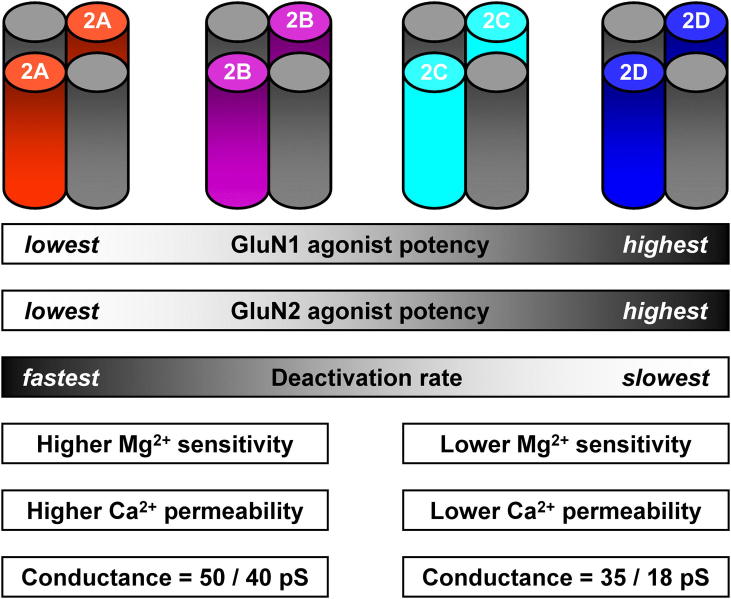
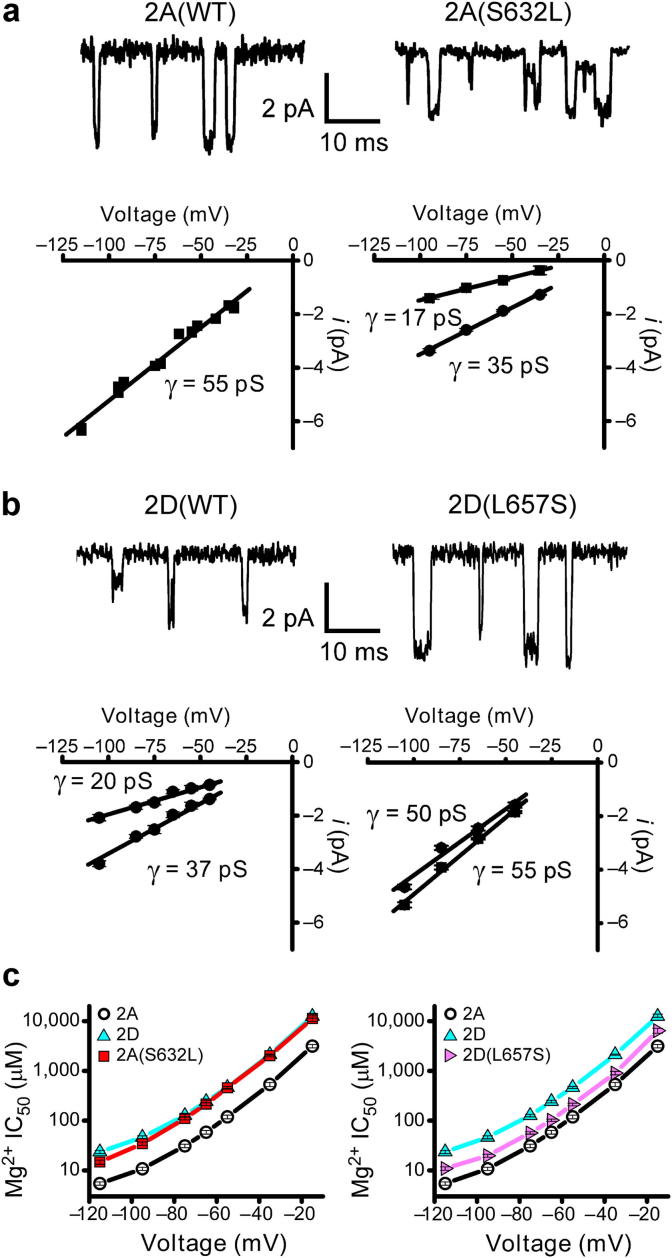
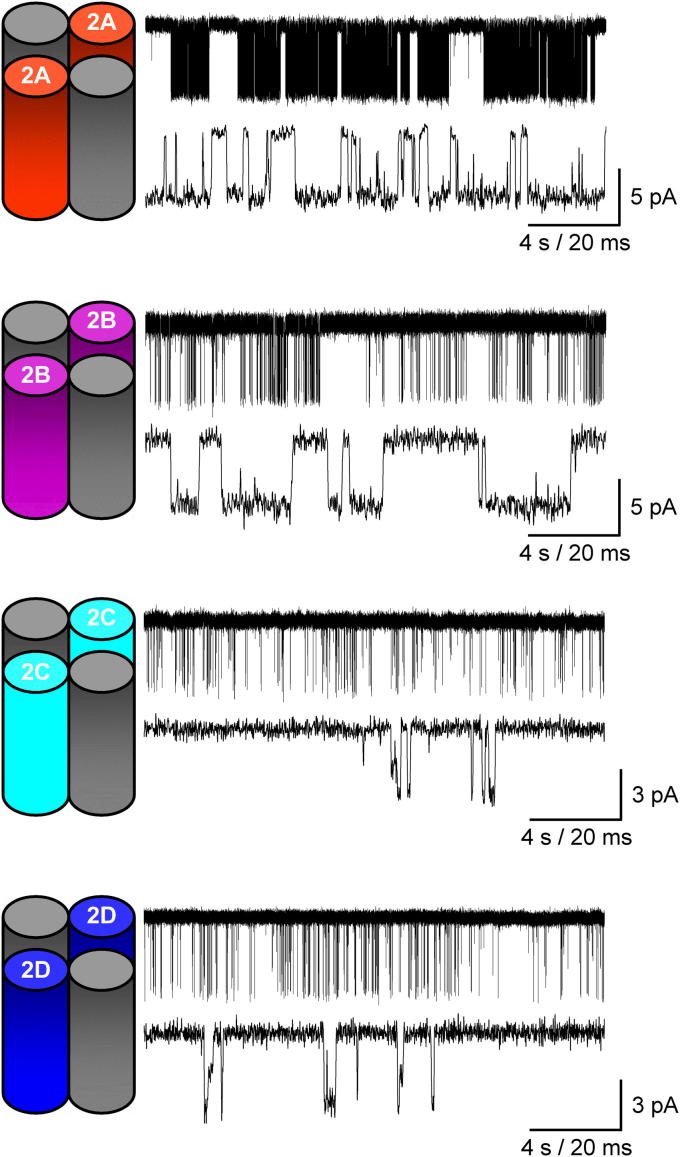
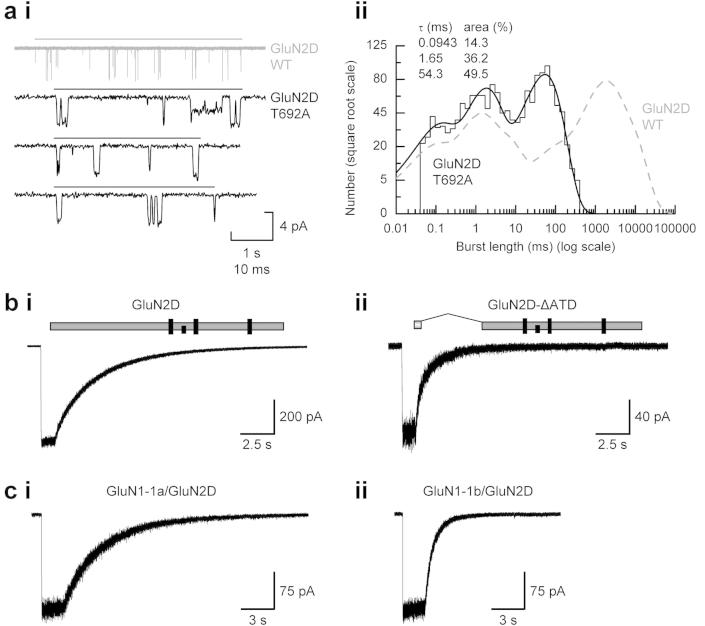
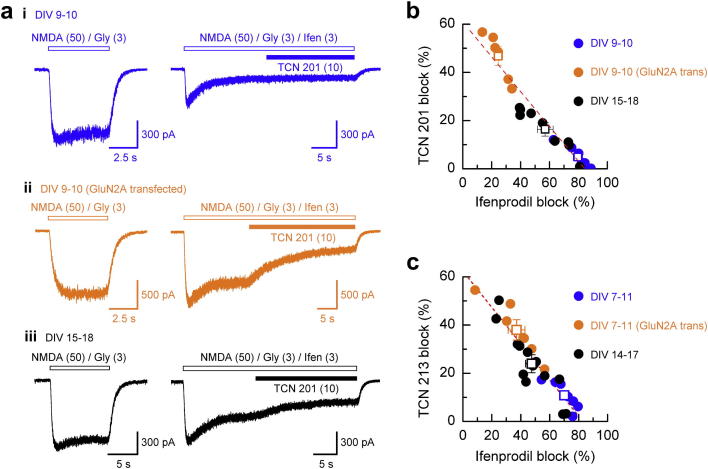
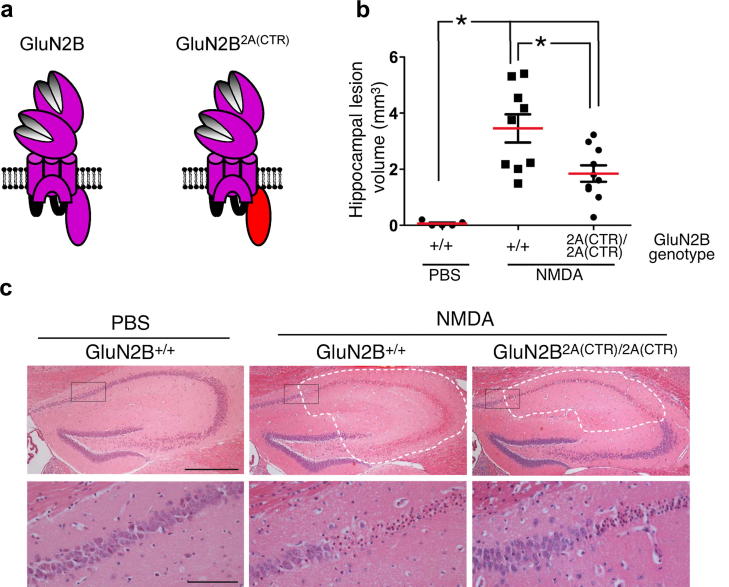
N-methyl-d-aspartate receptors (NMDARs) are ligand-gated ion channels ('ionotropic' receptors) activated by the major excitatory neurotransmitter, l-glutamate. While the term 'the NMDAR' is often used it obscures the fact that this class of receptor contains within it members whose properties are as different as they are similar. This heterogeneity was evident from early electrophysiological, pharmacological and biochemical assessments of the functional properties of NMDARs and while the molecular basis of this heterogeneity has taken many years to elucidate, it indicated from the outset that the diversity of NMDAR phenotypes could allow this receptor family to subserve a variety of functions in the mammalian central nervous system. In this review we highlight some recent studies that have identified structural elements within GluN2 subunits that contribute to the heterogeneous biophysical properties of NMDARs, consider why some recently described novel pharmacological tools may permit better identification of native NMDAR subtypes, examine the evidence that NMDAR subtypes differentially contribute to the induction of long-term potentiation and long-term depression and discuss how through the use of chimeric proteins additional insights have been obtained that account for NMDAR subtype-dependency of physiological and pathophysiological signalling. This article is part of the Special Issue entitled 'Glutamate Receptor-Dependent Synaptic Plasticity'.
Overview
The claims and statistics of this paper haven’t been checked yet.
Run the check — free, no account needed. It reads the open-access text and checks the sources it cites.
Integrity signals
Registry
Cites
Statistics
Figures
Verification
Claims the paper makes
The claims and statistics of this paper haven’t been checked yet.
Run the check — free, no account needed. It reads the open-access text and checks the sources it cites.
Claims other papers make about this one
Each is checked against this paper’s own text: does it say what the citing paper says it does?
In the citing paper
“They are permeant to Ca 2+ , which mediates many of the consequences of NMDAR activity, including synaptic modification, learning and memory, activity-dependent development, and neuroprotective/homeostatic signaling [6][7][8] .”
From Linking early-life NMDAR hypofunction and oxidative stress in schizophrenia pathogenesis (2016) · cites this paper as [7]
Self-check
Percentages, sums and reported differences re-computed from the paper’s own numbers.
The self-check needs the paper’s full text.
Citations
Cites
Glutamate Receptor Ion Channels: Structure, Regulation, and Function
Traynelis, S. F., Wollmuth, L. P., McBain, C. J., Menniti, F. S., Vance, K. M., Ogden, K. K., Hansen, K. B., Yuan, H., Myers, S. J., & Dingledine, R. (2010) · Pharmacological Reviews · doi:10.1124/pr.109.002451 · Cited by 3,568
Monyer, H., Burnashev, N., Laurie, D. J., Sakmann, B., & Seeburg, P. H. (1994) · Neuron · doi:10.1016/0896-6273(94)90210-0 · Cited by 3,535
Heteromeric NMDA receptors: molecular and functional distinction of subtypes
Monyer, H., Sprengel, R., Schoepfer, R., Herb, A., Higuchi, M., Lomeli, H., Burnashev, N., Sakmann, B., & Seeburg, P. H. (1992) · Science · doi:10.1126/science.256.5060.1217 · Cited by 2,541
Collingridge, G. L., Kehl, S. J., & McLennan, H. (1983) · The Journal of Physiology · doi:10.1113/jphysiol.1983.sp014478 · Cited by 2,413
The anticonvulsant MK-801 is a potent N-methyl-D-aspartate antagonist.
Wong, E. H. F., Kemp, J. A., Priestley, T., Knight, A. R., Woodruff, G. N., & Iversen, L. L. (1986) · Proceedings of the National Academy of Sciences · doi:10.1073/pnas.83.18.7104 · Cited by 1,820
Synaptic versus extrasynaptic NMDA receptor signalling: implications for neurodegenerative disorders
Hardingham, G. E., & Bading, H. (2010) · Nature Reviews Neuroscience · doi:10.1038/nrn2911 · Cited by 1,644 · cited 4×
“The specific sub-cellular localisation of GluN2A and GluN2Bcontaining NMDARs within the adult forebrain has been of considerable interest given the differing roles of synaptic and extrasynaptic NMDARs in signalling to neuronal survival and death (reviewed in Hardingham and Bading, 2010).”
BackgroundInfluentialSelf-citationPDZ domain proteins of synapses
Kim, E., & Sheng, M. (2004) · Nature reviews. Neuroscience · doi:10.1038/nrn1517 · Cited by 1,630
Functional Repression of cAMP Response Element in 6-Hydroxydopamine-treated Neuronal Cells
Chalovich, E. M., Zhu, J.-H., Caltagarone, J., Bowser, R., & Chu, C. T. (2006) · Journal of Biological Chemistry · doi:10.1074/jbc.m602632200 · Cited by 1,385
Changing subunit composition of heteromeric NMDA receptors during development of rat cortex
Sheng, M., Cummings, J., Roldan, L. A., Jan, Y. N., & Jan, L. Y. (1994) · Nature · doi:10.1038/368144a0 · Cited by 1,377
Ciabarra, A., Sullivan, J., Gahn, L. G., Pecht, G., Heinemann, S., & Sevarino, K. (1995) · Journal of Neuroscience · doi:10.1523/jneurosci.15-10-06498.1995 · Cited by 1,260
Proteomic analysis of NMDA receptor–adhesion protein signaling complexes
Husi, H., Ward, M. A., Choudhary, J. S., Blackstock, W. P., & Grant, S. G. N. (2000) · Nature Neuroscience · doi:10.1038/76615 · Cited by 1,194
NMDA receptor trafficking in synaptic plasticity and neuropsychiatric disorders
Lau, C. G., & Zukin, R. S. (2007) · Nature Reviews Neuroscience · doi:10.1038/nrn2153 · Cited by 1,159 · cited 1×
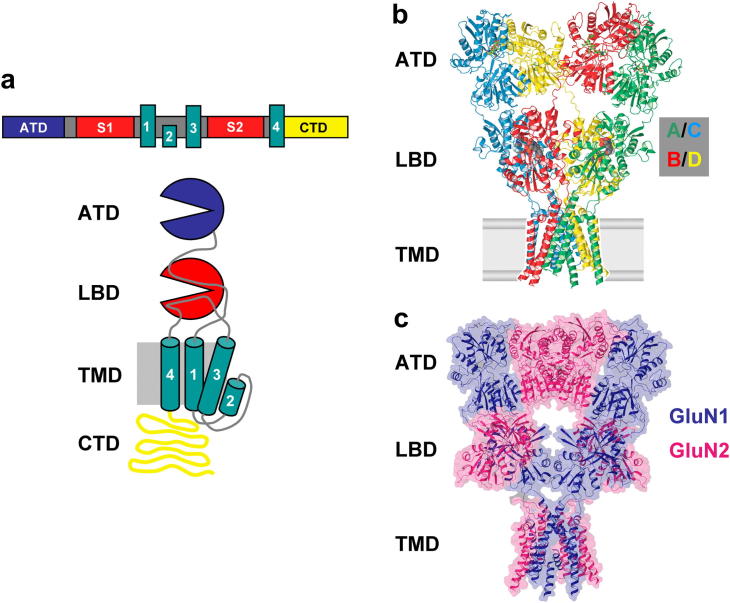
“The CTD contains specific binding motifs for intracellular trafficking and signalling proteins, scaffold proteins and several phosphorylation sites (Lau and Zukin, 2007; Salter and Kalia, 2004).”
BackgroundRole of NMDA Receptor Subtypes in Governing the Direction of Hippocampal Synaptic Plasticity
Liu, L., Wong, T. P., Pozza, M. F., Lingenhoehl, K., Wang, Y., Sheng, M., Auberson, Y. P., & Wang, Y. T. (2004) · Science · doi:10.1126/science.1096615 · Cited by 1,131
X-ray structure, symmetry and mechanism of an AMPA-subtype glutamate receptor
Sobolevsky, A. I., Rosconi, M. P., & Gouaux, E. (2009) · Nature · doi:10.1038/nature08624 · Cited by 1,052
Treatment of Ischemic Brain Damage by Perturbing NMDA Receptor- PSD-95 Protein Interactions
Aarts, M. M., Liu, Y., Liu, L., Besshoh, S., Arundine, M., Gurd, J. W., Wang, Y.-T., Salter, M. W., & Tymianski, M. (2002) · Science · doi:10.1126/science.1072873 · Cited by 998
Reduced hippocampal LTP and spatial learning in mice lacking NMDA receptor ε1 subunit
Sakimura, K., Kutsuwada, T., Ito, I., Manabe, T., Takayama, C., Kushiya, E., Yagi, T., Aizawa, S., Inoue, Y., Sugiyama, H., et al. (1995) · Nature · doi:10.1038/373151a0 · Cited by 865
Williams, K. L. (1993) · Molecular Pharmacology · doi:10.1016/s0026-895x(25)13275-6 · Cited by 860
Subunit arrangement and function in NMDA receptors
Furukawa, H., Singh, S. K., Mancusso, R., & Gouaux, E. (2005) · Nature · doi:10.1038/nature04089 · Cited by 828
Tovar, K. R., & Westbrook, G. L. (1999) · Journal of Neuroscience · doi:10.1523/jneurosci.19-10-04180.1999 · Cited by 777
Src kinases: a hub for NMDA receptor regulation
Salter, M. W., & Kalia, L. V. (2004) · Nature reviews. Neuroscience · doi:10.1038/nrn1368 · Cited by 767
Excitatory glycine receptors containing the NR3 family of NMDA receptor subunits
Chatterton, J. E., Awobuluyi, M., Premkumar, L. S., Takahashi, H., Talantova, M. V., Shin, Y., Cui, J., Tu, S., Sevarino, K. A., Nakanishi, N., et al. (2002) · Nature · doi:10.1038/nature715 · Cited by 729
Developmental changes in distribution of NMDA receptor channel subunit mRNAs
Watanabe, M., Inoue, Y., Sakimura, K., & Mishina, M. (1992) · Neuroreport · doi:10.1097/00001756-199212000-00027 · Cited by 721
Activity-Dependent Decrease in NMDA Receptor Responses During Development of the Visual Cortex
Carmignoto, G., & Vicini, S. (1992) · Science · doi:10.1126/science.1279803 · Cited by 721
Massey, P. V., Johnson, B. E., Moult, P. R., Auberson, Y. P., Brown, M. W., Molnár, E., Collingridge, G. L., & Bashir, Z. I. (2004) · Journal of Neuroscience · doi:10.1523/jneurosci.1697-04.2004 · Cited by 712
A critical period for long-term potentiation at thalamocortical synapses
Crair, M. C., & Malenka, R. C. (1995) · Nature · doi:10.1038/375325a0 · Cited by 691
Functional and Pharmacological Differences Between Recombinant N -Methyl- d -Aspartate Receptors
Vicini, S., Wang, J. F., Li, J. H., Zhu, W. J., Wang, Y. H., Luo, J. H., Wolfe, B. B., & Grayson, D. R. (1998) · Journal of Neurophysiology · doi:10.1152/jn.1998.79.2.555 · Cited by 674
NR2A Subunit Expression Shortens NMDA Receptor Synaptic Currents in Developing Neocortex
Flint, A. C., Maisch, U. S., Weishaupt, J. H., Kriegstein, A. R., & Monyer, H. (1997) · Journal of Neuroscience · doi:10.1523/jneurosci.17-07-02469.1997 · Cited by 623
Increased NMDA current and spine density in mice lacking the NMDA receptor subunit NR3A
Das, S., Sasaki, Y., Rothe, T., Premkumar, L. S., Takasu, M. A., Crandall, J. E., Dikkes, P., Conner, D. A., Posina, V. R., Cheung, W., et al. (1998) · Nature · doi:10.1038/30748 · Cited by 618
Structures and properties of seven isoforms of the NMDA receptor generated by alternative splicing
Sugihara, H., Moriyoshi, K., Ishii, T. M., Masu, M., & Nakanishi, S. (1992) · Biochemical and Biophysical Research Communications · doi:10.1016/0006-291x(92)91701-q · Cited by 524
Furukawa, H., & Gouaux, E. (2003) · The EMBO Journal · doi:10.1093/emboj/cdg303 · Cited by 524
Developmental regulation of NMDA receptor-mediated synaptic currents at a central synapse
Hestrin, S. (1992) · Nature · doi:10.1038/357686a0 · Cited by 520
Synaptic NMDA receptor activity boosts intrinsic antioxidant defenses
Papadia, S., Soriano, F. X., Léveillé, F., Martel, M.-A., Dakin, K. A., Hansen, H. H., Kaindl, A., Sifringer, M., Fowler, J., Stefovska, V., et al. (2008) · Nature Neuroscience · doi:10.1038/nn2071 · Cited by 498
Self-citationDAPK1 Interaction with NMDA Receptor NR2B Subunits Mediates Brain Damage in Stroke
Tu, W., Xu, X., Peng, L., Zhong, X., Zhang, W., Soundarapandian, M. M., Belal, C., Wang, M., Jia, N., Zhang, W., et al. (2010) · Cell · doi:10.1016/j.cell.2009.12.055 · Cited by 493 · cited 1×
“Panels (b) and (c) from Martel 2012; Tu et al., 2010).”
BackgroundMolecular basis of NMDA receptor functional diversity
Paoletti, P. (2011) · European Journal of Neuroscience · doi:10.1111/j.1460-9568.2011.07628.x · Cited by 492
Fischer, G., Mutel, V., Trube, G., Malherbe, P., Kew, J. N. C., MOHACSI, E., Heitz, M., & Kemp, J. A. (1997) · Journal of Pharmacology and Experimental Therapeutics · doi:10.1016/s0022-3565(24)37138-1 · Cited by 480
Laube, B., Hirai, H., Sturgess, M., Betz, H., & Kuhse, J. (1997) · Neuron · doi:10.1016/s0896-6273(00)81249-0 · Cited by 476
Evans, R. H., Francis, A. A., Jones, A. W., Smith, D. A. S., & Watkins, J. C. (1982) · British Journal of Pharmacology · doi:10.1111/j.1476-5381.1982.tb08758.x · Cited by 467
Control by Asparagine Residues of Calcium Permeability and Magnesium Blockade in the NMDA Receptor
Burnashev, N., Schoepfer, R., Monyer, H., Ruppersberg, J. P., Gunther, W. C., Seeburg, P. H., & Sakmann, B. J. (1992) · Science · doi:10.1126/science.1382314 · Cited by 455
Treatment of stroke with a PSD-95 inhibitor in the gyrencephalic primate brain
Cook, D. J., Teves, L. M., & Tymianski, M. (2012) · Nature · doi:10.1038/nature10841 · Cited by 452
Regional and developmental heterogeneity in splicing of the rat brain NMDAR1 mRNA
Laurie, D. J., & Seeburg, P. (1994) · Journal of Neuroscience · doi:10.1523/jneurosci.14-05-03180.1994 · Cited by 437
Erreger, K., Dravid, S. M., Banke, T. G., Wyllie, D. J. A., & Traynelis, S. F. (2005) · The Journal of Physiology · doi:10.1113/jphysiol.2004.080028 · Cited by 421
Self-citationSucher, N. J., Akbarian, S., Chi, C.-L., Leclerc, C., Awobuluyi, M., Deitcher, D. L., Wu, M., Yuan, J., Jones, E. G., & Lipton, S. A. (1995) · Journal of Neuroscience · doi:10.1523/jneurosci.15-10-06509.1995 · Cited by 420
Mony, L., Kew, J. N. C., Gunthorpe, M. J., & Paoletti, P. (2009) · British Journal of Pharmacology · doi:10.1111/j.1476-5381.2009.00304.x · Cited by 420
Hill, M. D., Martin, R., Mikulis, D. J., Wong, J. H., Silver, F. L., terBrugge, K. G., Milot, G., Clark, W. M., Macdonald, R. L., Kelly, M., et al. (2012) · The Lancet Neurology · doi:10.1016/s1474-4422(12)70225-9 · Cited by 403
Standaert, D. G., Testa, C. M., Young, A. B., & Penney, J. B. (1994) · The Journal of Comparative Neurology · doi:10.1002/cne.903430102 · Cited by 373
NMDA receptor surface mobility depends on NR2A-2B subunits
Groc, L., Heine, M., Cousins, S. L., Stephenson, F. A., Lounis, B., Cognet, L., & Choquet, D. (2006) · Proceedings of the National Academy of Sciences · doi:10.1073/pnas.0605238103 · Cited by 371
Increased contribution of NR2A subunit to synaptic NMDA receptors in developing rat cortical neurons
Stocca, G., & Vicini, S. (1998) · The Journal of Physiology · doi:10.1111/j.1469-7793.1998.013bu.x · Cited by 365
Subunit arrangement and phenylethanolamine binding in GluN1/GluN2B NMDA receptors
Karakaş, E., Simorowski, N., & Furukawa, H. (2011) · Nature · doi:10.1038/nature10180 · Cited by 360
Mechanism of differential control of NMDA receptor activity by NR2 subunits
Gielen, M. C., Retchless, B. S., Mony, L., Johnson, J. W., & Paoletti, P. (2009) · Nature · doi:10.1038/nature07993 · Cited by 344
On the nature of partial agonism in the nicotinic receptor superfamily
Lapė, R., Colquhoun, D. M., & Sivilotti, L. G. (2008) · Nature · doi:10.1038/nature07139 · Cited by 338
Ivanov, A., Pellegrino, C., Rama, S., Dumalska, I., Salyha, Y. T., Ben‐Ari, Y., & Medina, I. (2006) · The Journal of Physiology · doi:10.1113/jphysiol.2006.105510 · Cited by 320
Gray, J. A., Shi, Y. S., Usui, H., During, M. J., Sakimura, K., & Nicoll, R. A. (2011) · Neuron · doi:10.1016/j.neuron.2011.08.007 · Cited by 313
Zhang, S.-J., Steijaert, M. N., Lau, D., Schütz, G., Delucinge-Vivier, C., Descombes, P., & Bading, H. (2007) · Neuron · doi:10.1016/j.neuron.2007.01.025 · Cited by 313
Lack of NMDA Receptor Subtype Selectivity for Hippocampal Long-Term Potentiation
Berberich, S., Punnakkal, P., Jensen, V., Pawlak, V., Seeburg, P. H., Hvalby, Ø., & Köhr, G. (2005) · Journal of Neuroscience · doi:10.1523/jneurosci.1905-05.2005 · Cited by 304
Davies, J., & Watkins, J. C. (1982) · Brain Research · doi:10.1016/0006-8993(82)91017-4 · Cited by 299
Rauner, C., & Köhr, G. (2010) · Journal of Biological Chemistry · doi:10.1074/jbc.m110.182600 · Cited by 287
Synaptic and Extrasynaptic NMDA Receptor NR2 Subunits in Cultured Hippocampal Neurons
Thomas, C. G., Miller, A., & Westbrook, G. L. (2005) · Journal of Neurophysiology · doi:10.1152/jn.00771.2005 · Cited by 286
Léveillé, F., Gaamouch, F. E., Gouix, E., Lecocq, M., Lobner, D., Nicole, O., & Buisson, A. (2008) · The FASEB Journal · doi:10.1096/fj.08-107268 · Cited by 280
Mg2+Imparts NMDA Receptor Subtype Selectivity to the Alzheimer's Drug Memantine
Kotermanski, S. E., & Johnson, J. W. (2009) · The Journal of Neuroscience · doi:10.1523/jneurosci.3703-08.2009 · Cited by 271
Stern, P., Béhé, P., Schoepfer, R., & Colquhoun, D. (1992) · Proceedings of the Royal Society B Biological Sciences · doi:10.1098/rspb.1992.0159 · Cited by 267
Bartlett, T. E., Bannister, N. J., Collett, V. J., Amici-Dargan, S., Massey, P. V., Bortolotto, Z. A., Fitzjohn, S. M., Bashir, Z. I., Collingridge, G. L., & Lodge, D. (2006) · Neuropharmacology · doi:10.1016/j.neuropharm.2006.07.013 · Cited by 266
Identification by mutagenesis of a Mg2+ -block site of the NMDA receptor channel
Mori, H., Hisashi, M., Yamakura, T., & Mishina, M. (1992) · Nature · doi:10.1038/358673a0 · Cited by 262
Subtype-Dependence of NMDA Receptor Channel Open Probability
Chen, N., Luo, T., & Raymond, L. A. (1999) · Journal of Neuroscience · doi:10.1523/jneurosci.19-16-06844.1999 · Cited by 260
von Engelhardt, J., Doganci, B., Jensen, V., Hvalby, Ø., Göngrich, C., Taylor, A., Barkus, C., Sanderson, D. J., Rawlins, J. N. P., Seeburg, P. H., et al. (2008) · Neuron · doi:10.1016/j.neuron.2008.09.039 · Cited by 250
NMDA receptor subunit composition controls synaptogenesis and synapse stabilization
Gambrill, A. C., & Barría, A. (2011) · Proceedings of the National Academy of Sciences · doi:10.1073/pnas.1012676108 · Cited by 240
Modulation of Triheteromeric NMDA Receptors by N-Terminal Domain Ligands
Hatton, C. J., & Paoletti, P. (2005) · Neuron · doi:10.1016/j.neuron.2005.03.005 · Cited by 237
Multiple Structural Elements Determine Subunit Specificity of Mg2+Block in NMDA Receptor Channels
Kuner, T., & Schoepfer, R. (1996) · The Journal of Neuroscience · doi:10.1523/jneurosci.16-11-03549.1996 · Cited by 235
Wyllie, D. J. A., Béhé, P., & Colquhoun, D. (1998) · The Journal of Physiology · doi:10.1111/j.1469-7793.1998.001bz.x · Cited by 235
Self-citationKuner, T., Wollmuth, L. P., Karlin, A., Seeburg, P. H., & Sakmann, B. J. (1996) · Neuron · doi:10.1016/s0896-6273(00)80165-8 · Cited by 227
Studies of NMDA Receptor Function and Stoichiometry with Truncated and Tandem Subunits
Schorge, S., & Colquhoun, D. (2003) · Journal of Neuroscience · doi:10.1523/jneurosci.23-04-01151.2003 · Cited by 227
Control of NMDA Receptor Function by the NR2 Subunit Amino-Terminal Domain
Yuan, H., Hansen, K. B., Vance, K. M., Ogden, K. K., & Traynelis, S. F. (2009) · Journal of Neuroscience · doi:10.1523/jneurosci.1365-09.2009 · Cited by 225
Phenylethanolamines inhibit NMDA receptors by enhancing proton inhibition
Mott, D. D., Doherty, J., Zhang, S., Washburn, M. S., Fendley, M. J., Lyuboslavsky, P. N., Traynelis, S. F., & Dingledine, R. J. (1998) · Nature Neuroscience · doi:10.1038/3661 · Cited by 224
Auberson, Y. P., Allgeier, H., Bischoff, S. F., Lingenhoehl, K., Moretti, R., & Schmutz, M. (2002) · Bioorganic & Medicinal Chemistry Letters · doi:10.1016/s0960-894x(02)00074-4 · Cited by 221
Distinct Roles of NR2A and NR2B Cytoplasmic Tails in Long-Term Potentiation
Foster, K. A., McLaughlin, N., Edbauer, D., Phillips, M., Bolton, A., Constantine-Paton, M., & Sheng, M. (2010) · The Journal of Neuroscience · doi:10.1523/jneurosci.4022-09.2010 · Cited by 219
Activation of NR1/NR2B NMDA receptors
Banke, T. G., & Traynelis, S. F. (2003) · Nature Neuroscience · doi:10.1038/nn1000 · Cited by 213
New advances in NMDA receptor pharmacology
Ogden, K. K., & Traynelis, S. F. (2011) · Trends in Pharmacological Sciences · doi:10.1016/j.tips.2011.08.003 · Cited by 209
Anson, L. C., Chen, P. E., Wyllie, D. J. A., Colquhoun, D., & Schoepfer, R. (1998) · Journal of Neuroscience · doi:10.1523/jneurosci.18-02-00581.1998 · Cited by 209
Self-citationExtrasynaptic and synaptic NMDA receptors form stable and uniform pools in rat hippocampal slices
Harris, A. Z., & Pettit, D. L. (2007) · The Journal of Physiology · doi:10.1113/jphysiol.2007.137679 · Cited by 202
Structure of the zinc‐bound amino‐terminal domain of the NMDA receptor NR2B subunit
Karakaş, E., Simorowski, N., & Furukawa, H. (2009) · The EMBO Journal · doi:10.1038/emboj.2009.338 · Cited by 198
Mechanism of Partial Agonist Action at the NR1 Subunit of NMDA Receptors
Inanobe, A., Furukawa, H., & Gouaux, E. (2005) · Neuron · doi:10.1016/j.neuron.2005.05.022 · Cited by 190
Bach, A., Clausen, B. H., Møller, M., Vestergaard, B., Celestine, N., Round, A. R., Sørensen, P. L., Nissen, K. B., Kastrup, J. S., Gajhede, M., et al. (2012) · Proceedings of the National Academy of Sciences · doi:10.1073/pnas.1113761109 · Cited by 184
The Subtype of GluN2 C-terminal Domain Determines the Response to Excitotoxic Insults
Martel, M., Ryan, T. J., Bell, K. F. S., Fowler, J. H., McMahon, A., Al-Mubarak, B. R., Komiyama, N. H., Horsburgh, K. J., Kind, P. C., Grant, S. G. N., et al. (2012) · Neuron · doi:10.1016/j.neuron.2012.03.021 · Cited by 183
Self-citationGibb, A. J., & Colquhoun, D. M. (1992) · The Journal of Physiology · doi:10.1113/jphysiol.1992.sp019331 · Cited by 181
Coupling of extrasynaptic NMDA receptors to a CREB shut-off pathway is developmentally regulated
Hardingham, G. E., & Bading, H. (2002) · Biochimica et Biophysica Acta (BBA) - Proteins and Proteomics · doi:10.1016/s1570-9639(02)00455-7 · Cited by 178
Self-citationWeitlauf, C., Honse, Y., Auberson, Y. P., Mishina, M., Lovinger, D. M., & Winder, D. G. (2005) · Journal of Neuroscience · doi:10.1523/jneurosci.2388-05.2005 · Cited by 170
Modal gating of NMDA receptors and the shape of their synaptic response
Popescu, G., & Auerbach, A. L. (2003) · Nature Neuroscience · doi:10.1038/nn1044 · Cited by 170
Erreger, K., Geballe, M. T., Kristensen, A. S., Chen, P. E., Hansen, K. B., Lee, C. J., Yuan, H., Le, P., Lyuboslavsky, P. N., Micale, N., et al. (2007) · Molecular Pharmacology · doi:10.1124/mol.107.037333 · Cited by 167
Self-citationGluN3 subunit-containing NMDA receptors: not just one-trick ponies
Pachernegg, S., Strutz‐Seebohm, N., & Hollmann, M. (2012) · Trends in Neurosciences · doi:10.1016/j.tins.2011.11.010 · Cited by 162
Specific Targeting of Pro-Death NMDA Receptor Signals with Differing Reliance on the NR2B PDZ Ligand
Soriano, F. X., Martel, M., Papadia, S., Vaslin, A., Baxter, P. S., Rickman, C., Forder, J. P., Tymianski, M., Duncan, R. R., Aarts, M. M., et al. (2008) · Journal of Neuroscience · doi:10.1523/jneurosci.1207-08.2008 · Cited by 162
Self-citationA subunit-selective potentiator of NR2C- and NR2D-containing NMDA receptors
Mullasseril, P., Hansen, K. B., Vance, K. M., Ogden, K. K., Yuan, H., Kurtkaya, N. L., Santangelo, R., Orr, A. G., Le, P., Vellano, K. M., et al. (2010) · Nature Communications · doi:10.1038/ncomms1085 · Cited by 158
Chazot, P. L., & Stephenson, F. A. (1997) · Journal of Neurochemistry · doi:10.1046/j.1471-4159.1997.69052138.x · Cited by 155
Sakurada, K., Masu, M., & Nakanishi, S. (1993) · Journal of Biological Chemistry · doi:10.1016/s0021-9258(18)54166-1 · Cited by 155
Wollmuth, L. P., Kuner, T., & Sakmann, B. J. (1998) · The Journal of Physiology · doi:10.1111/j.1469-7793.1998.013bx.x · Cited by 151
Martel, M., Wyllie, D. J. A., & Hardingham, G. E. (2008) · Neuroscience · doi:10.1016/j.neuroscience.2008.01.080 · Cited by 149
Self-citationTranscriptional Regulation of the AP-1 and Nrf2 Target Gene Sulfiredoxin
Soriano, F. X., Baxter, P. S., Murray, L. M., Sporn, M. B., Gillingwater, T. H., & Hardingham, G. E. (2009) · Molecules and Cells · doi:10.1007/s10059-009-0050-y · Cited by 145
Self-citationBettini, E., Sava, A., Griffante, C., Carignani, C., Buson, A., Capelli, A. M., Negri, M., Andreetta, F., Senar, S., Guiral, L., et al. (2010) · Journal of Pharmacology and Experimental Therapeutics · doi:10.1124/jpet.110.172544 · Cited by 138
Functional Insights from Glutamate Receptor Ion Channel Structures
Kumar, J., & Mayer, M. L. (2012) · Annual Review of Physiology · doi:10.1146/annurev-physiol-030212-183711 · Cited by 137
Beck, C., Wollmuth, L. P., SEEBURG, P. H., Sakmann, B. J., & Kuner, T. (1999) · Neuron · doi:10.1016/s0896-6273(00)80710-2 · Cited by 135
Reaction mechanism determines NMDA receptor response to repetitive stimulation
Popescu, G., Robert, A., Howe, J. R., & Auerbach, A. L. (2004) · Nature · doi:10.1038/nature02775 · Cited by 132
Extrasynaptic NR2D-Containing NMDARs Are Recruited to the Synapse during LTP of NMDAR-EPSCs
Harney, S. C., Jane, D. E., & Anwyl, R. (2008) · Journal of Neuroscience · doi:10.1523/jneurosci.3035-08.2008 · Cited by 131
Frizelle, P., Chen, P. E., & Wyllie, D. J. A. (2006) · Molecular Pharmacology · doi:10.1124/mol.106.024042 · Cited by 128
Self-citationHowe, J. R., Cull-Candy, S. G., & Colquhoun, D. (1991) · The Journal of Physiology · doi:10.1113/jphysiol.1991.sp018381 · Cited by 124
Single-channel currents from recombinant NM DANRla /NR2D receptors expressed in Xenopus oocytes
Wyllie, D. J. A., Béhé, P., Nassar, M. A., & Schoepfer, R. (1996) · Proceedings of the Royal Society B Biological Sciences · doi:10.1098/rspb.1996.0159 · Cited by 119
Self-citationDirect Actions of Carbenoxolone on Synaptic Transmission and Neuronal Membrane Properties
Tovar, K. R., Maher, B. J., & Westbrook, G. L. (2009) · Journal of Neurophysiology · doi:10.1152/jn.00060.2009 · Cited by 116
Subunit-Selective Allosteric Inhibition of Glycine Binding to NMDA Receptors
Hansen, K. B., Ogden, K. K., & Traynelis, S. F. (2012) · Journal of Neuroscience · doi:10.1523/jneurosci.5757-11.2012 · Cited by 113
Brothwell, S., Barber, J., Monaghan, D. T., Jane, D. E., Gibb, A., & Jones, S. (2008) · Journal of Physiology · doi:10.1113/jphysiol.2007.144618 · Cited by 112
Activation of recombinant NR1/NR2C NMDA receptors
Dravid, S. M., Prakash, A., & Traynelis, S. F. (2008) · The Journal of Physiology · doi:10.1113/jphysiol.2008.158634 · Cited by 109
Exon 5 and Spermine Regulate Deactivation of NMDA Receptor Subtypes
Rumbaugh, G., Prybylowski, K., Wang, J. F., & Vicini, S. (2000) · Journal of Neurophysiology · doi:10.1152/jn.2000.83.3.1300 · Cited by 109
Ryan, T. J., Emes, R. D., Grant, S. G. N., & Komiyama, N. H. (2008) · BMC Neuroscience · doi:10.1186/1471-2202-9-6 · Cited by 109
Evolution of GluN2A/B cytoplasmic domains diversified vertebrate synaptic plasticity and behavior
Ryan, T. J., Kopanitsa, M. V., Indersmitten, T., Nithianantharajah, J., Afinowi, N. O., Pettit, C., Stanford, L. E., Sprengel, R., Saksida, L. M., Bussey, T. J., et al. (2012) · Nature Neuroscience · doi:10.1038/nn.3277 · Cited by 108
Jones, S., & Gibb, A. J. (2005) · Journal of Physiology · doi:10.1113/jphysiol.2005.095554 · Cited by 107
Taking The Time To Study Competitive Antagonism
Wyllie, D. J. A., & Chen, P. E. (2007) · British Journal of Pharmacology · doi:10.1038/sj.bjp.0706997 · Cited by 104
Self-citationChen, P. E., Geballe, M. T., Katz, E., Erreger, K., Livesey, M. R., O’Toole, K. K., Le, P., Lee, C. J., Snyder, J. P., Traynelis, S. F., et al. (2007) · The Journal of Physiology · doi:10.1113/jphysiol.2007.143172 · Cited by 103
Self-citationAcker, T. M., Yuan, H., Hansen, K. B., Vance, K. M., Ogden, K. K., Jensen, H. S., Burger, P. B., Mullasseril, P., Snyder, J. P., Liotta, D. C., et al. (2011) · Molecular Pharmacology · doi:10.1124/mol.111.073239 · Cited by 103
Pharmacological insights obtained from structure–function studies of ionotropic glutamate receptors
Chen, P. E., & Wyllie, D. J. A. (2006) · British Journal of Pharmacology · doi:10.1038/sj.bjp.0706689 · Cited by 101
Self-citationThe role of NMDAR subtypes and charge transfer during hippocampal LTP induction
Berberich, S., Jensen, V., Hvalby, Ø., Seeburg, P. H., & Köhr, G. (2006) · Neuropharmacology · doi:10.1016/j.neuropharm.2006.07.016 · Cited by 101
Retchless, B. S., Gao, W., & Johnson, J. W. (2012) · Nature Neuroscience · doi:10.1038/nn.3025 · Cited by 99
Ligand-specific deactivation time course of GluN1/GluN2D NMDA receptors
Vance, K. M., Simorowski, N., Traynelis, S. F., & Furukawa, H. (2011) · Nature Communications · doi:10.1038/ncomms1295 · Cited by 99
Glutamate activation of a single NMDA receptorchannel produces a cluster of channel openings
Gibb, A. J., & Colquhoun, D. M. (1991) · Proceedings of the Royal Society B Biological Sciences · doi:10.1098/rspb.1991.0007 · Cited by 98
Monaghan, D. T., Irvine, M. W., Costa, B. M., Fang, G., & Jane, D. E. (2012) · Neurochemistry International · doi:10.1016/j.neuint.2012.01.004 · Cited by 97
Schorge, S., Elenes, S., & Colquhoun, D. M. (2005) · The Journal of Physiology · doi:10.1113/jphysiol.2005.095349 · Cited by 92
Mubarak, B. R. A., Soriano, F. X., & Hardingham, G. E. (2009) · Channels · doi:10.4161/chan.3.4.9381 · Cited by 88
Self-citationMosley, C. A., Acker, T. M., Hansen, K. B., Mullasseril, P., Andersen, K. T., Le, P., Vellano, K. M., Bräuner‐Osborne, H., Liotta, D. C., & Traynelis, S. F. (2010) · Journal of Medicinal Chemistry · doi:10.1021/jm100027p · Cited by 86
Edman, S. J., McKay, S., Macdonald, L. J., Samadi, M., Livesey, M. R., Hardingham, G. E., & Wyllie, D. J. A. (2012) · Neuropharmacology · doi:10.1016/j.neuropharm.2012.04.027 · Cited by 85
Self-citationMolecular pharmacology of human NMDA receptors
Hedegaard, M. K., Hansen, K. B., Andersen, K. T., Bräuner‐Osborne, H., & Traynelis, S. F. (2011) · Neurochemistry International · doi:10.1016/j.neuint.2011.11.016 · Cited by 80
Schneggenburger, R. (1996) · Biophysical Journal · doi:10.1016/s0006-3495(96)79782-5 · Cited by 78
Jin, S., & Feig, L. A. (2010) · PLoS ONE · doi:10.1371/journal.pone.0011732 · Cited by 78
Separation of Domain Contacts Is Required for Heterotetrameric Assembly of Functional NMDA Receptors
Farina, A. N., Blain, K. Y., Maruo, T., Kwiatkowski, W., Choe, S., & Nakagawa, T. (2011) · Journal of Neuroscience · doi:10.1523/jneurosci.6041-10.2011 · Cited by 77
Hansen, K. B., & Traynelis, S. F. (2011) · Journal of Neuroscience · doi:10.1523/jneurosci.5565-10.2011 · Cited by 77
Distinct gating modes determine the biphasic relaxation of NMDA receptor currents
Zhang, W., Howe, J. R., & Popescu, G. (2008) · Nature Neuroscience · doi:10.1038/nn.2214 · Cited by 72
GluN1 splice variant control of GluN1/GluN2D NMDA receptors
Vance, K. M., Hansen, K. B., & Traynelis, S. F. (2012) · The Journal of Physiology · doi:10.1113/jphysiol.2012.234062 · Cited by 69
Mechanism of Partial Agonism at NMDA Receptors for a Conformationally Restricted Glutamate Analog
Erreger, K., Geballe, M. T., Dravid, S. M., Snyder, J. P., Wyllie, D. J. A., & Traynelis, S. F. (2005) · Journal of Neuroscience · doi:10.1523/jneurosci.1613-05.2005 · Cited by 69
Self-citationNMDA receptor subunit composition determines the polarity of leptin-induced synaptic plasticity
Moult, P. R., & Harvey, J. (2011) · Neuropharmacology · doi:10.1016/j.neuropharm.2011.06.021 · Cited by 67
Wahl, A.-S., Buchthal, B., Rode, F., Bomholt, S. F., Freitag, H. E., Hardingham, G. E., Rønn, L. C. B., & Bading, H. (2008) · Neuroscience · doi:10.1016/j.neuroscience.2008.06.018 · Cited by 64
Self-citationStationary Gating of GluN1/GluN2B Receptors in Intact Membrane Patches
Amico-Ruvio, S. A., & Popescu, G. (2010) · Biophysical Journal · doi:10.1016/j.bpj.2009.12.4276 · Cited by 60
Morley, R. M., Tse, H., Feng, B., Miller, J. C., Monaghan, D. T., & Jane, D. E. (2005) · Journal of Medicinal Chemistry · doi:10.1021/jm0492498 · Cited by 56
Maki, B. A., Aman, T. K., Amico-Ruvio, S. A., Kussius, C. L., & Popescu, G. (2012) · Journal of Biological Chemistry · doi:10.1074/jbc.m112.390013 · Cited by 53
Costa, B. M., Feng, B., Tsintsadze, T. S., Morley, R. M., Irvine, M. W., Tsintsadze, V., Lozovaya, N. A., Jane, D. E., & Monaghan, D. T. (2009) · Journal of Pharmacology and Experimental Therapeutics · doi:10.1124/jpet.109.156752 · Cited by 53
Long-Lasting NMDA Receptor-Mediated EPSCs in Mouse Striatal Medium Spiny Neurons
Logan, S. M., Partridge, J. G., Matta, J. A., Buonanno, A., & Vicini, S. (2007) · Journal of Neurophysiology · doi:10.1152/jn.00462.2007 · Cited by 51
Mapping the Binding of GluN2B-Selective N-Methyl-d-aspartate Receptor Negative Allosteric Modulators
Burger, P. B., Yuan, H., Karakaş, E., Geballe, M. T., Furukawa, H., Liotta, D. C., Snyder, J. P., & Traynelis, S. F. (2012) · Molecular Pharmacology · doi:10.1124/mol.112.078568 · Cited by 50
Delaney, A., Sedlak, P. L., Autuori, E., Power, J., & Sah, P. (2012) · Journal of Neurophysiology · doi:10.1152/jn.00176.2012 · Cited by 48
Modes of glutamate receptor gating
Popescu, G. (2011) · The Journal of Physiology · doi:10.1113/jphysiol.2011.223750 · Cited by 46
Structure and function of glutamate receptor amino terminal domains
Furukawa, H. (2011) · The Journal of Physiology · doi:10.1113/jphysiol.2011.213850 · Cited by 43
Sivilotti, L. G. (2009) · The Journal of Physiology · doi:10.1113/jphysiol.2009.178525 · Cited by 42
Cheffings, C. M., & Colquhoun, D. M. (2000) · PubMed · Cited by 42
Suárez, F., Zhao, Q., Monaghan, D. T., Jane, D. E., Jones, S., & Gibb, A. J. (2010) · European Journal of Neuroscience · doi:10.1111/j.1460-9568.2010.07298.x · Cited by 40
Amino Terminal Domains of the NMDA Receptor Are Organized as Local Heterodimers
Lee, C.-H., & Gouaux, E. (2011) · PLoS ONE · doi:10.1371/journal.pone.0019180 · Cited by 40
Properties of single ion channel currents elicted by a pulse of agonist concentration or voltage
Colquhoun, D., Hawkes, A. G., Merlushkin, A., & Edmonds, B. W. (1997) · Philosophical Transactions of the Royal Society A Mathematical Physical and Engineering Sciences · doi:10.1098/rsta.1997.0090 · Cited by 39
McKay, S., Griffiths, N., Butters, P., Thubron, E., Hardingham, G. E., & Wyllie, D. J. A. (2011) · British Journal of Pharmacology · doi:10.1111/j.1476-5381.2011.01748.x · Cited by 38
Self-citationAn Alternating GluN1-2-1-2 Subunit Arrangement in Mature NMDA Receptors
Riou, M., Stroebel, D., Edwardson, J. M., & Paoletti, P. (2012) · PLoS ONE · doi:10.1371/journal.pone.0035134 · Cited by 35
Functional evidence for a twisted conformation of the NMDA receptor GluN2A subunit N-terminal domain
Stroebel, D., Carvalho, S., & Paoletti, P. (2010) · Neuropharmacology · doi:10.1016/j.neuropharm.2010.07.003 · Cited by 33
Influence of the intracellular GluN2 C-terminal domain on NMDA receptor function
Punnakkal, P., Jendritza, P., & Köhr, G. (2012) · Neuropharmacology · doi:10.1016/j.neuropharm.2011.12.018 · Cited by 33
Anson, L. C., Schoepfer, R., Colquhoun, D., & Wyllie, D. J. A. (2000) · The Journal of Physiology · doi:10.1111/j.1469-7793.2000.00225.x · Cited by 33
Self-citationMartel, M., Soriano, F. X., Baxter, P. S., Rickman, C., Duncan, R. R., Wyllie, D. J. A., & Hardingham, G. E. (2009) · Channels · doi:10.4161/chan.3.1.7864 · Cited by 32
Self-citationOtton, H. J., McLean, A. L., Pannozzo, M. A., Davies, C. H., & Wyllie, D. J. A. (2010) · Neuropharmacology · doi:10.1016/j.neuropharm.2010.10.008 · Cited by 28
Self-citationGating reaction mechanism of neuronal NMDA receptors
Borschel, W. F., Myers, J. M., Kasperek, E. M., Smith, T. P., Graziane, N., Nowak, L. M., & Popescu, G. (2012) · Journal of Neurophysiology · doi:10.1152/jn.00551.2012 · Cited by 25
Chen, P. E., Johnston, A. R., Mok, M. H. S., Schoepfer, R., & Wyllie, D. J. A. (2004) · The Journal of Physiology · doi:10.1113/jphysiol.2004.063800 · Cited by 17
Self-citationO’Leary, T., & Wyllie, D. J. A. (2009) · Biochemical Society Transactions · doi:10.1042/bst0371347 · Cited by 10
Self-citationSalussolia, C. L., & Wollmuth, L. P. (2012) · Neuron · doi:10.1016/j.neuron.2012.10.022 · Cited by 3
NMDA receptor permeation: a light in the tunnel
Wyllie, D. J. A., & Traynelis, S. F. (2012) · Nature Neuroscience · doi:10.1038/nn.3058 · Cited by 3
Self-citation
Cited by
Sorted by citations
Structure, function, and allosteric modulation of NMDA receptors
Hansen, K. B., Yi, F., Perszyk, R. E., Furukawa, H., Wollmuth, L. P., Gibb, A. J., & Traynelis, S. F. (2018) · The Journal of General Physiology · doi:10.1085/jgp.201812032 · Cited by 612
Long-term maturation of human cortical organoids matches key early postnatal transitions
Gordon, A., Yoon, S., Tran, S. S., Makinson, C. D., Park, J. Y., Andersen, J., Valencia, A. M., Horvath, S., Xiao, X. G., Huguenard, J. R., et al. (2021) · Nature Neuroscience · doi:10.1038/s41593-021-00802-y · Cited by 361
Traumatic Brain Injury: Mechanistic Insight on Pathophysiology and Potential Therapeutic Targets
Thapa, K., Khan, H., Singh, T. G., & Kaur, A. (2021) · Journal of Molecular Neuroscience · doi:10.1007/s12031-021-01841-7 · Cited by 341
Linking early-life NMDAR hypofunction and oxidative stress in schizophrenia pathogenesis
Hardingham, G. E., & Do, K. Q. (2016) · Nature Reviews Neuroscience · doi:10.1038/nrn.2015.19 · Cited by 304
Self-citationEmerging treatment mechanisms for depression: focus on glutamate and synaptic plasticity
Gerhard, D. M., Wohleb, E. S., & Duman, R. S. (2016) · Drug Discovery Today · doi:10.1016/j.drudis.2016.01.016 · Cited by 261
Metadata
- Authors
- Wyllie, D. J. A., Livesey, M. R., & Hardingham, G. E.
- Affiliations
- University of Edinburgh (GB)
- Corresponding author
- Wyllie, D.J.A.
- Venue
- Neuropharmacology
- Publisher
- Elsevier BV
- Published
- 2013-11
- Volume
- 74
- Pages
- 4-17
- ISSN
- 0028-3908 (ISSN-L)
- PMC
- PMC3778433
- OpenAlex
- W2108909652
- Cited by
- 260
- References
- 161
- Citations by year
- 2026: 6 · 2025: 27 · 2024: 21 · 2023: 16 · 2022: 29 · 2021: 24 · 2020: 20 · 2019: 23 · 2018: 26 · 2017: 18 · 2016: 18 · 2015: 16 · 2014: 10 · 2013: 5
- FWCI
- 1.66
- Type
- journal article
- Language
- en
- Open access
- hybrid
- doi.org
- Locations
- Neuropharmacology (publishedVersion, cc-by)
- Europe PMC (PubMed Central) (publishedVersion, cc-by)
- PubMed Central (publishedVersion, cc-by)
- PubMed (publishedVersion)
- Edinburgh Research Explorer (University of Edinburgh) (submittedVersion, other-oa)
- Funders
- The Wellcome Trust
- The Medical Research Council
- The Biotechnology and Biological Science Research Council
- The European Union
- Topics
- Life Sciences › Neuroscience › Cellular and Molecular Neuroscience › Neuroscience and Neuropharmacology Research
- Life Sciences › Biochemistry, Genetics and Molecular Biology › Biochemistry › Amino Acid Enzymes and Metabolism
- Life Sciences › Biochemistry, Genetics and Molecular Biology › Molecular Biology › Receptor Mechanisms and Signaling
- Keywords
- NMDA receptor, GluN2 subunits, receptor heterogeneity, ionotropic glutamate receptors, receptor subtypes, long-term potentiation, long-term depression, synaptic plasticity, fusion protein, receptor pharmacology, glutamate signalling
- MeSH terms
- Animals, Models, Molecular, Neuronal Plasticity, Receptors, N-Methyl-D-Aspartate, Long-Term Potentiation, Excitatory Amino Acid Antagonists, Protein Subunits, Protein Multimerization
About these checks
Registry, retraction, Cites and statistics results are computed, not judged, with one exception: a printed reference that no index lists is read once by a model before it counts as a citation error. Claims are extracted by a model and kept only when their quote appears verbatim in the text; each cited source is then checked, with a model’s help, for whether it says what the claim relies on. Those verdicts can be wrong — read the claim’s quote and the cited source before relying on one.
Statistics and arithmetic are recomputed, not judged.
Confidence bands are shown only for fields calibrated on our annotated test set. None is calibrated yet, so no band is shown.
What counts as a claim ›How we measure confidence ›How we check this ›
Are you an author, or do you see a problem with this page? Request a review
